tag > KM
-
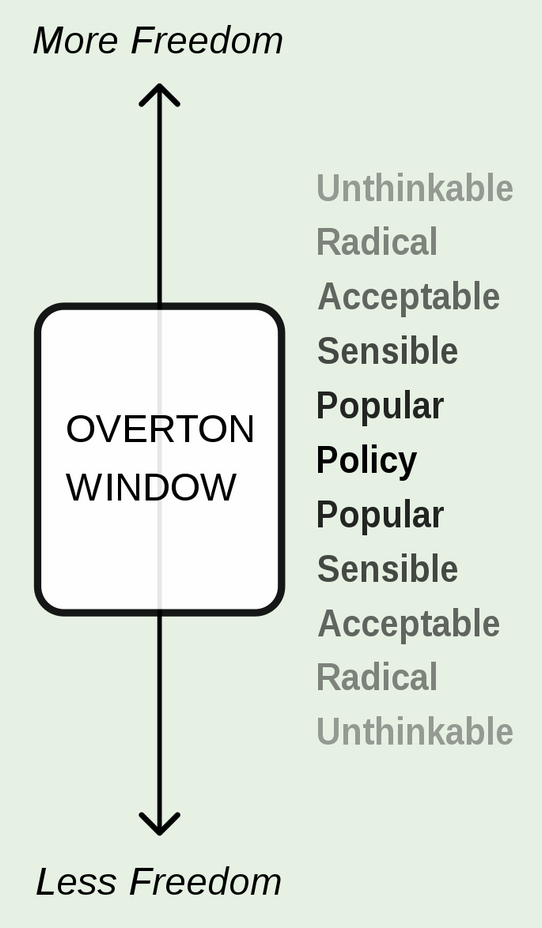
The Overton window is the range of policies politically acceptable to the mainstream population at a given time. It is also known as the window of discourse. The term is named after Joseph P. Overton. According to Overton, the window frames the range of policies that a politician can recommend without appearing too extreme to gain or keep public office given the climate of public opinion at that time.
"The smart way to keep people passive and obedient is to strictly limit the spectrum of acceptable opinion, but allow very lively debate within that spectrum—even encourage the more critical and dissident views. That gives people the sense that there's free thinking going on, while all the time the presuppositions of the system are being reinforced by the limits put on the range of the debate." - Noam Chomsky
-
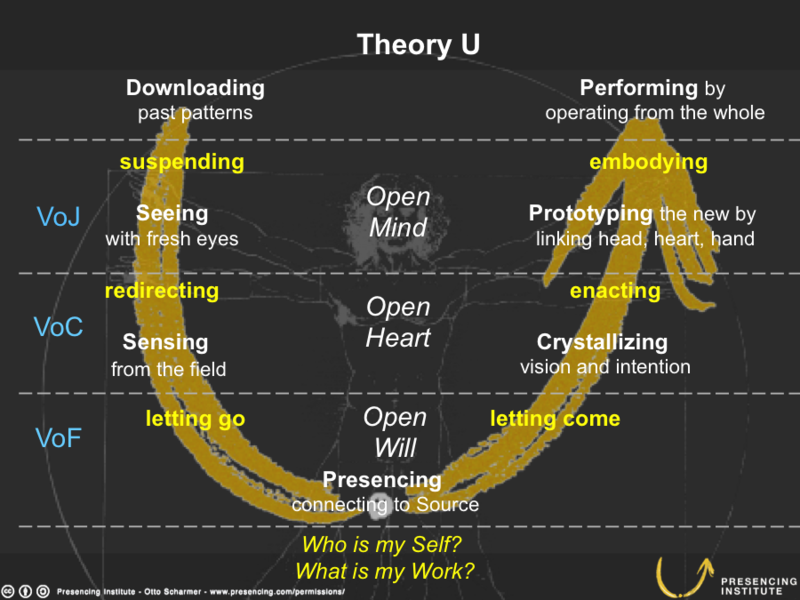
Theory U is a change management method and the title of a book by Otto Scharmer.The principles of Theory U are suggested to help political leaders, civil servants, and managers break through past unproductive patterns of behavior that prevent them from empathizing with their clients' perspectives and often lock them into ineffective patterns of decision making.
-
Avoiding Bias in Decision Making
It is estimated that we make 35,000 decisions every day. That's approximately one decision every 2 seconds. Choices include everything from what to eat to what to wear, what to believe to what to prioritize. Most of our decisions are made with out much effort or attention.
How do we ensure we are making the best decisions that are objective and fair, specially when the decisions are affecting other people? One way to tackle this is to be aware of circumstance that can trigger biased decisions. Research suggests there are four major moments when we are most likely to make biased decisions:
1. When the ambiguity is high (e.g, some factors are hard to quantify)
2. When there is compromised cognitive load (information overload) on the decision-making.
3. When the decisions are made with incomplete information (e.g. factors are hard to forecast)
4. When the decision-maker is over-confident in their ability to make an objective decision.
Start by being aware of such moments. You don't need to this for every decision: focus on the important ones, where the impact of bias on the outcome may have sever negative effects.
-
"Who you are is determined at the moment of action - not by who you think you are or how others perceive you." - Richard Thieme
Related: Zero Day: Roswell - A short story by Richard Thieme
-
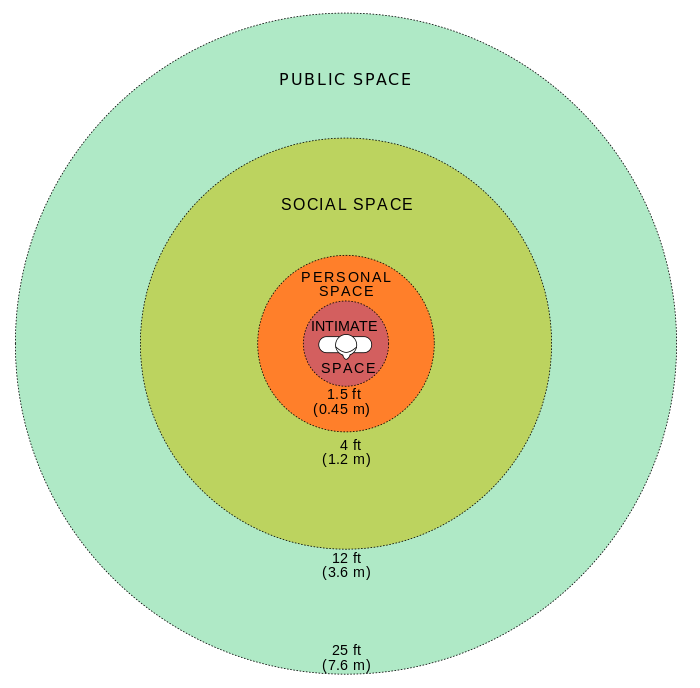
Diagram of Edward T. Hall's personal reaction bubbles (1966)
-
Joseph Henrich on cultural evolution, WEIRD societies, and more
-
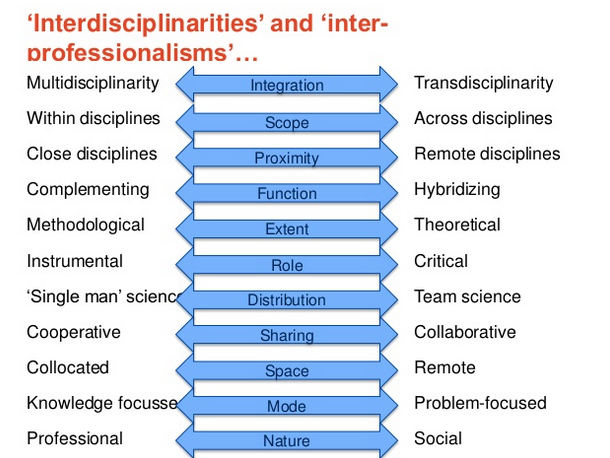
Interprofessional and interdisciplinary learning
-
Making Knowledge Actionable for Sustainability (Journal)
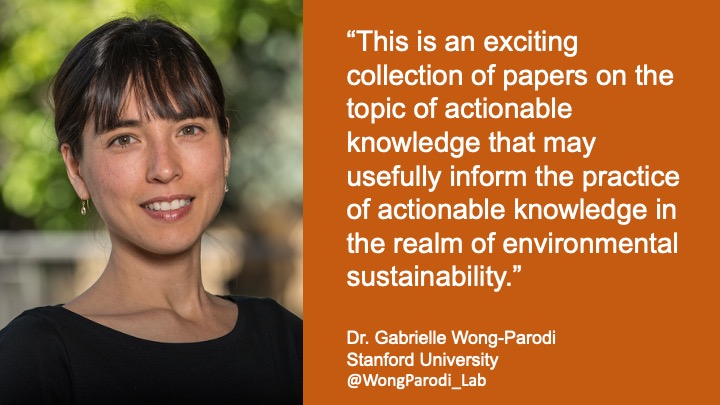
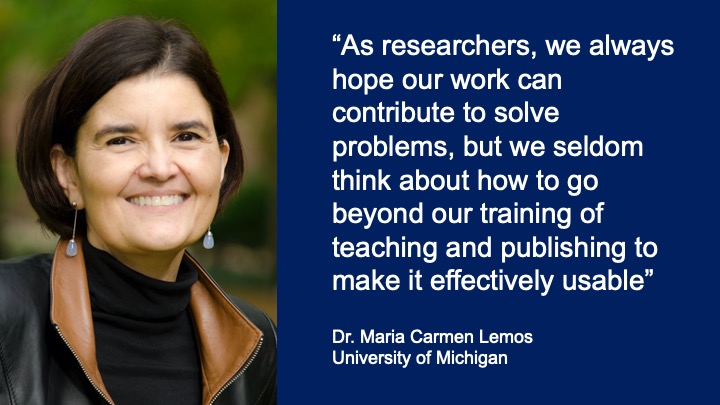
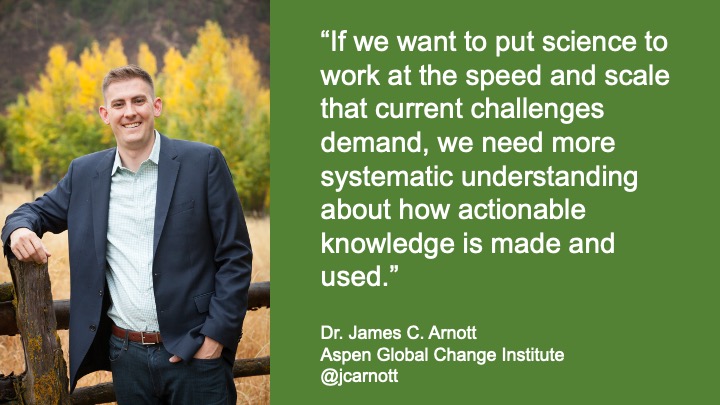
The COVID-19 pandemic has transformed the world in unimaginable ways and at a rapid pace. The crisis has revealed, very dramatically, how science can inform bold societal actions in response to risks. At the same time, the use of science for decision-making on COVID-19 and other major societal challenges reveals a very complex relationship between science and action. The relationship between science and action on sustainability is the focus of a newly released special issue of the journal Current Opinion in Environmental Sustainability. A team of researchers from different social sciences disciplines came together to understand what makes knowledge “actionable,” and how scientific organizations can fund and foster the production and use of knowledge to advance sustainability solutions.
-
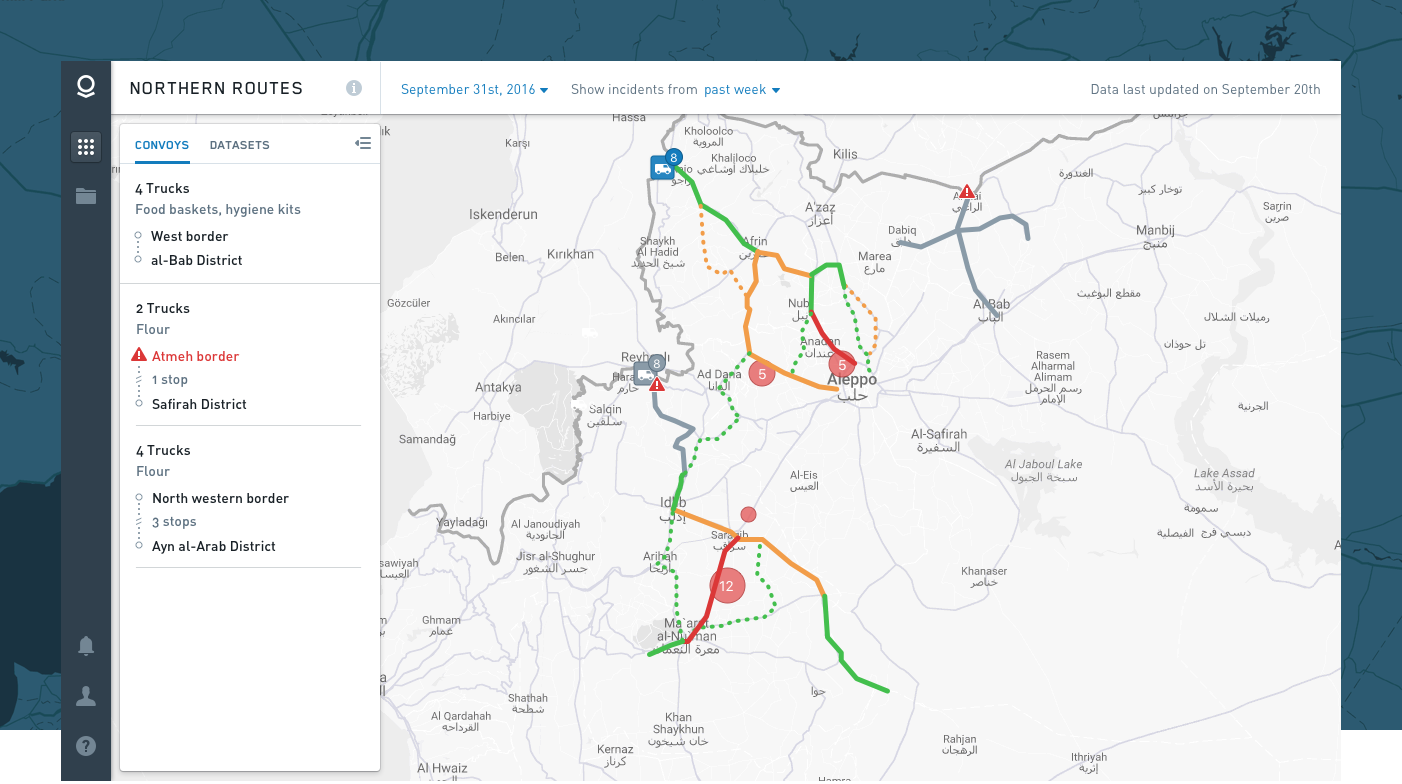
What is Actionable Intelligence?
Actionable Intelligence can be defined in several ways such as “having the necessary information immediately available in order to deal with the situation at hand,” but for the purposes of this book, we will define it as “intelligence that can be acted upon within a 12 to 72 hour period of time.” (via)
For knowledge to become accepted as actionable, it must be linked to the receiver's conception of what is relevant and useful. the act of translation changes the idea. (via)
Actionable intelligence is information that can be followed up on, with the further implication that a strategic plan should be undertaken to make positive use of the information gathered. (via)
Knowledge which is necessary for and required to initiate immediate response to changes in the operational environment. Hence, Actionable Knowledge includes in its fullest form both pertinent and germane forms of knowledge, the latter two providing only the supportive background. Actionable Knowledge is typically domain-restricted even if its application may affect several related domains. (via)
What is knowledge management (KM)? Linklaters’ 2014 ‘Knowledge to Action’ report includes the following definition from KM and organisational learning specialist and author Chris Collison: KM is “....a toolkit of different methods, techniques, approaches, ways of working and behaviours that are all designed to enable and increase organisational efficiency. It is about the ‘know how’ and the ‘know who’ and how you put these to work more diligently.”This definition, and the report itself, underline the importance of making knowledge and KM actionable. Actionable KM firmly positions knowledge and KM at the heart of the business by developing dynamic systems, processes and behaviours designed to maximise the contribution of a firm’s (or corporate legal department’s) collective knowledge and expertise to its business and its clients. (via)
-
“To learn and not to do is really not to learn. To know and not to do is really not to know.” - Stephen R. Covey
-
Daniel Goleman on Focus: The Secret to High Performance and Fulfilment
-
SECI model of knowledge dimensions
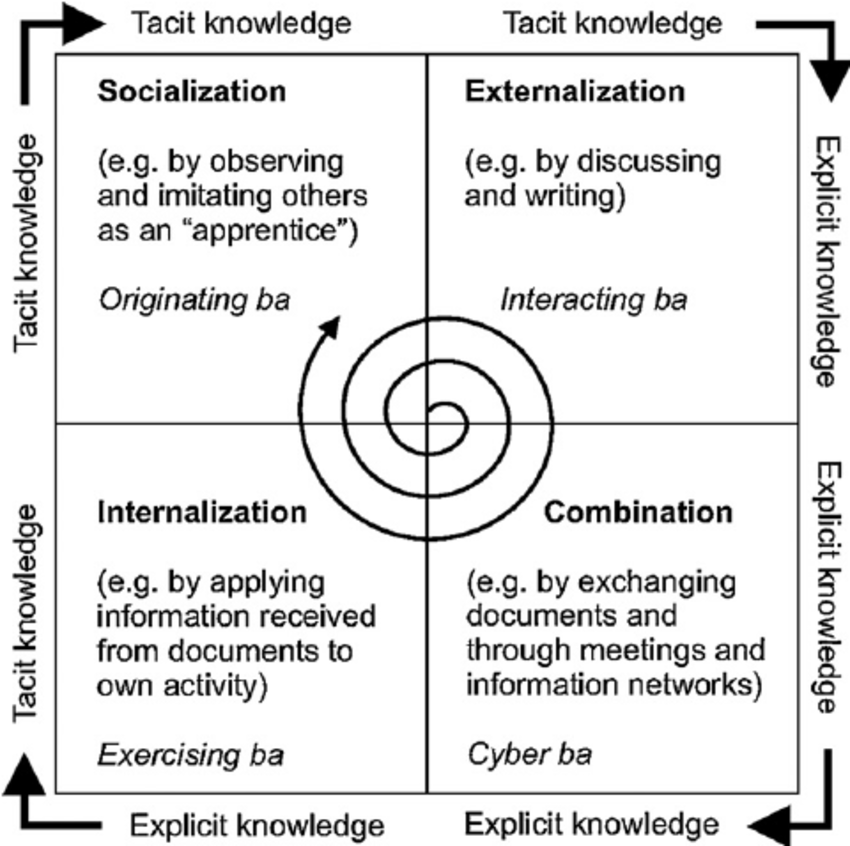
The SECI model of knowledge dimensions is a model of knowledge creation that explains how tacit and explicit knowledge are converted into organisational knowledge. The SECI model distinguishes four knowledge dimensions – socialization, externalization, combination, and internalization – which together form the acronym "SECI". The SECI model was originally developed by Ikujiro Nonaka in 1990 and later further refined by Hirotaka Takeuchi.
-
Intellectual Gourmet Bullshit

Lately, I've come across many sentences along the lines of the following: "A transdisciplinary research project to cultivate new forms and practices of planetary cognition" (via). While it might sound intriguing at first, what does this actually mean precisely? It's quite possible that i am simply to dumb to "get it", but this stuff strikes me as intimately related to the intellectual gourmet bullshit that the likes of Gregory Bateson pioneered.
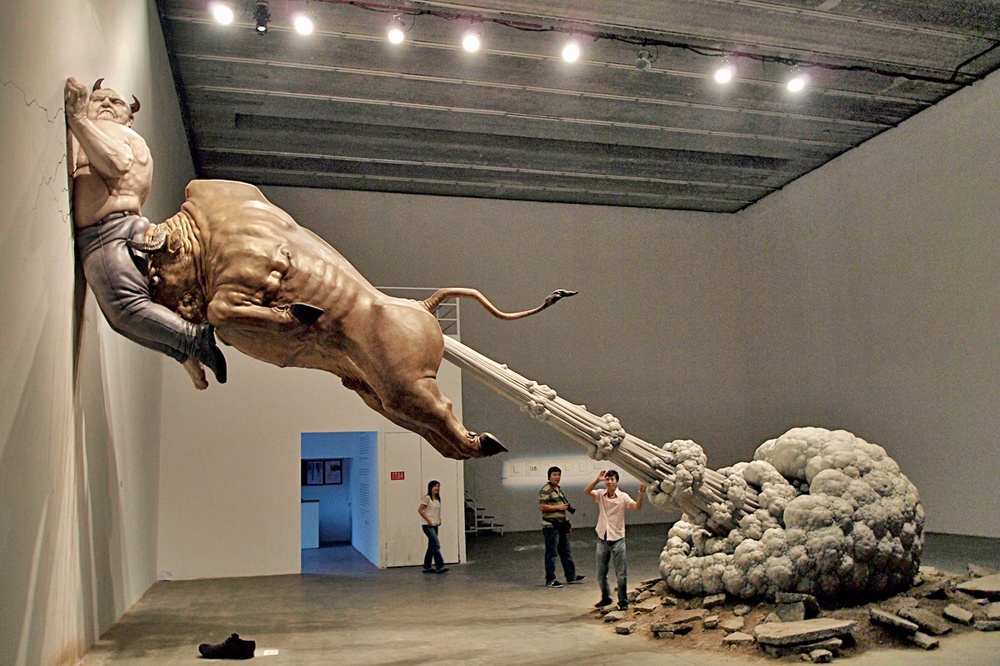
This "use many impressive fancy words, which in essence are totally incomprehensible for most" mentality seems to be taking hold of the wider ecology/regenerative movement across the Anglosphere. In a peculiar way, moving it closer to the mainstream "everything is for sale - buy or die" culture, which they proclaim to be an alternative to.
These developments are somewhat predictable and mirrored across many sectors. For example, Ted Nelson describes the MIT Media Lab as follows: "The whole point of the Media Lab is 'we know something that you don't know!' It is led by con men. Con men and politicians aren't necessarily held to telling the truth at all.".
I for one strive to adhere to the "explain it so a child can understand it" maxim and not hide behind a cloud of artificial complexity, that is mostly there to make one look important.