tag > KM
-
8 demand-side principles for Knowledge Management
1. People don’t pay attention to knowledge until they actually need it.
2. People value knowledge that they request more highly than knowledge that is unsolicited.
3. People won’t use knowledge, unless they trust its provenance.
4. Knowledge has to be reviewed in the user’s own context before it can be received.
5. One of the biggest barriers to accepting new knowledge is old knowledge.
6. Knowledge has to be adapted before it can be adopted.
7. Knowledge will be more effective the more personal it is.
8. You won’t really KNOW it until you DO it. -
Against Method - Outline of an Anarchistic Theory of Knowledge - by Paul Feyerabend
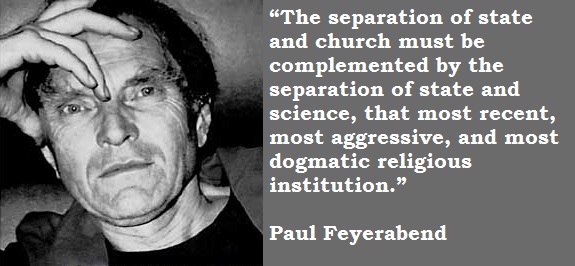
"Neither science nor rationality are universal measures of excellence. They are particular traditions, unaware of their historical grounding."
"My intention is not to replace one set of general rules by another such set: my intention is, rather, to convince the reader that all methodologies, even the most obvious ones, have their limits. - Paul Feyerabend, p.24, Against Method
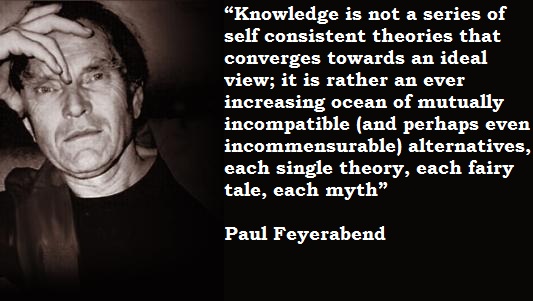
Paul Feyerabend Interview (1993)
-
If you understand, things are just as they are…
If you do not understand, things are just as they are.
- Zen proverb -
Relax. Nothing is under control. ~ Adi Da Samraj
-
"All Matter is Fossilised Thought" - Hans Peter Dürr
-
"Do not think you will necessarily be aware of your own enlightenment." - Dōgen

-
William F. Friedman (1891 - 1969)
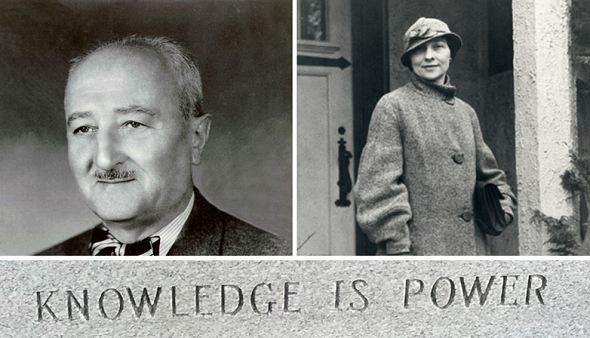
#Comment: To put "knowledge is power" on your gravestone is surely an effective and comedic way to illustrate the severe limits of both...
-
Here there be dragons (hic sunt dracones)
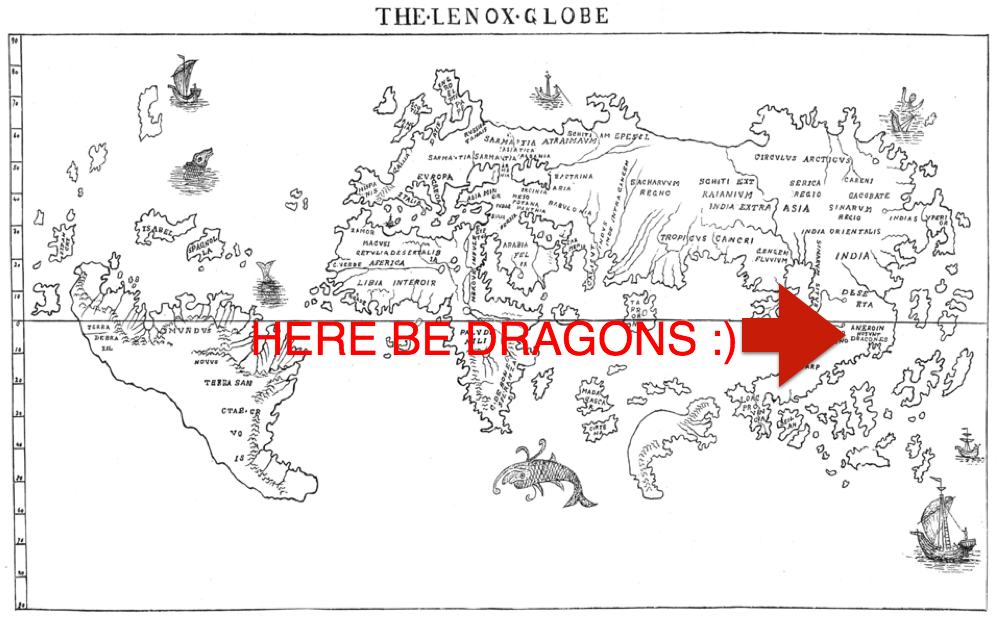
Ancient cartographers would sometimes depict a drago, with the phrase "Here there be dragons" (hic sunt dracones) where there was no knowledge of what existed. This would be a warning to sailors that this is dangerous unexplored territory, and was often map shorthand for "Here Be Other Stuff We Don't Quite Know About." At this time the Lenox Globe seems to be the only only map where this is found.
-
OM was originally instigated by Ho Chi Zen, of the Erisian Liberation Front, who is the same person but not the same individual as Lord Omar Khayyam Ravenhurst, author of The Honest Book of Truth. The guiding philosophy is that originally proposed in The Theory of Games and Economic Behavior by von Neumann and Morgenstern: namely, that the only strategy which an opponent cannot predict is a random strategy. The foundation had already been laid by the late Malaclypse the Younger, K.S.C., when he proclaimed, "We Discordians must all stick apart." This radical decentralization of all Discordian enterprises created a built-in random factor even before Operation Mindfuck was proposed. To this day, neither Ho Chi Zen himself nor any other Discordian apostle knows for sure who is or is not involved in any phase of Operation Mindfuck or what activities they are or are not involved in as part of that project. Thus, the outsider is immediately trapped in a double-bind: the only safe assumption is that anything a Discordian does is somehow related to OM, but, since this leads directly to paranoia, this is not a "safe" assumption after all, and the "risky" hypothesis that whatever the Discordians are doing is harmless may be "safer" in the long run, perhaps. Every aspect of OM follows, or accentuates, this double-bind.
Donald Trump’s Operation Mindfuck

-
Language Models are Open Knowledge Graphs (Paper Explained)
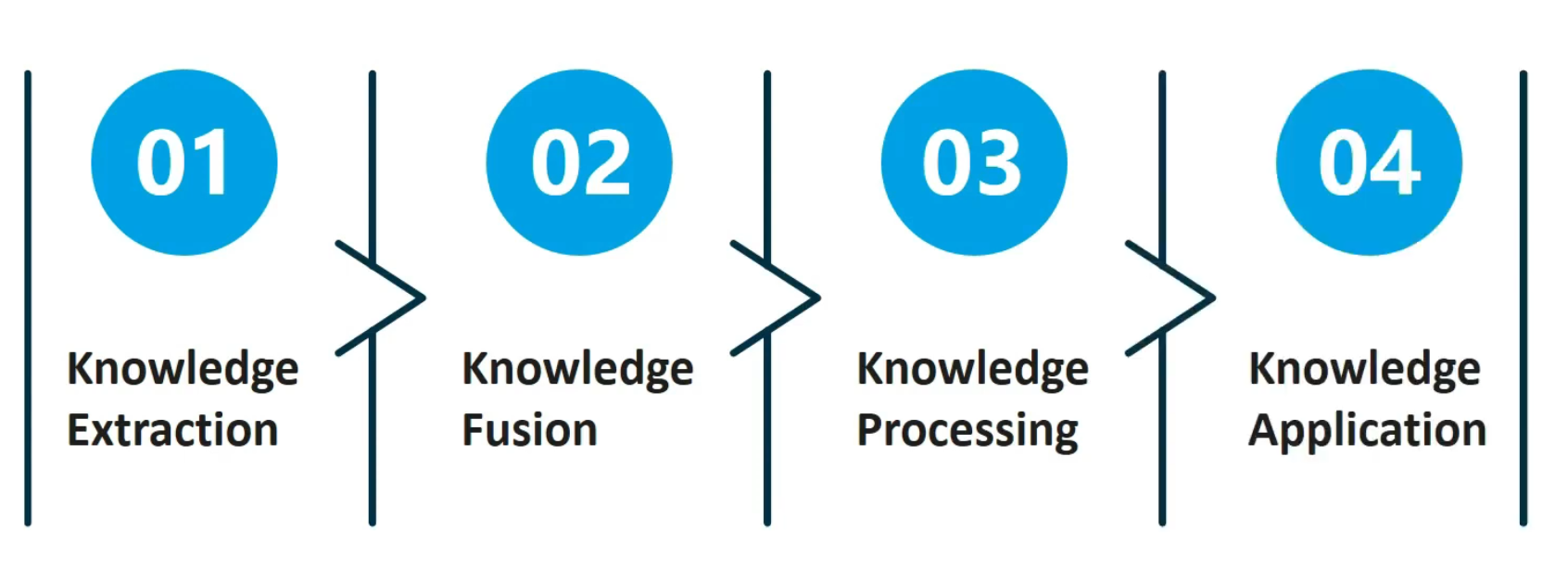
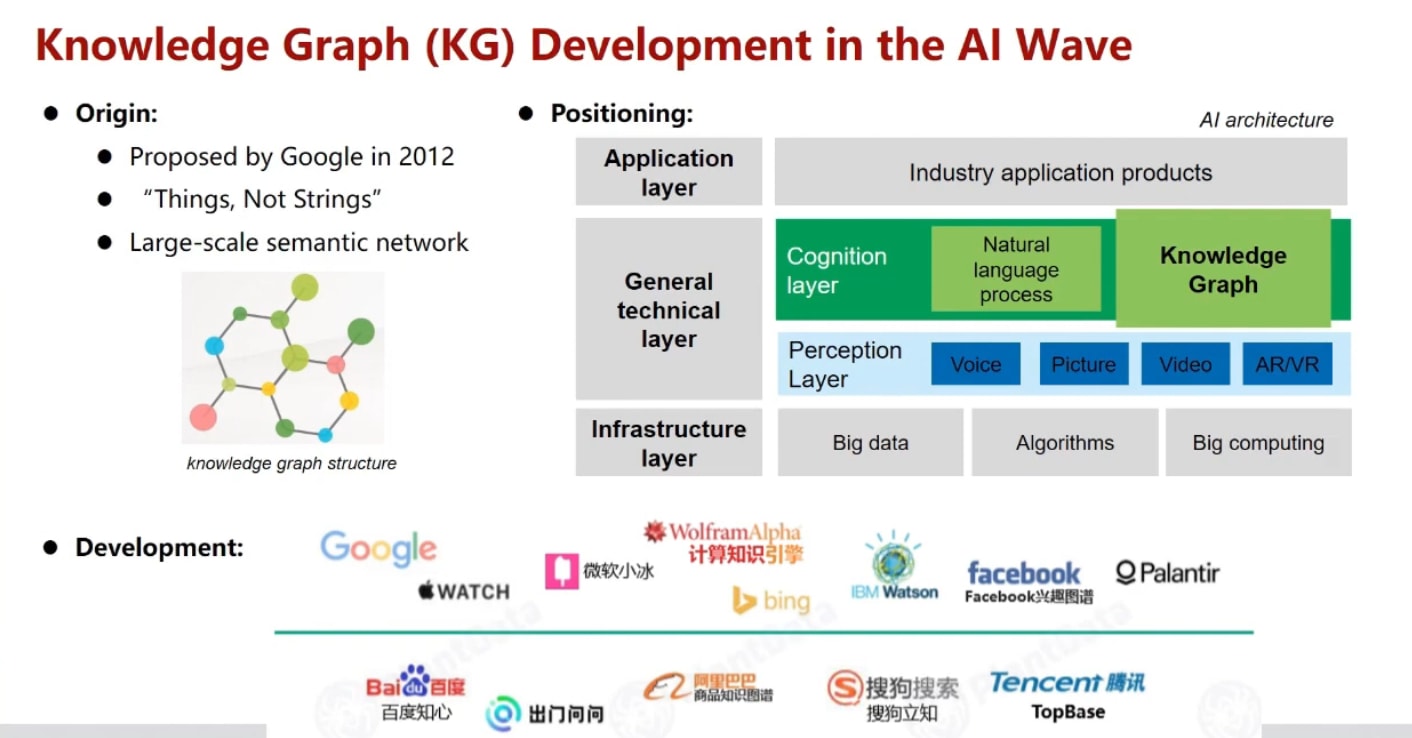
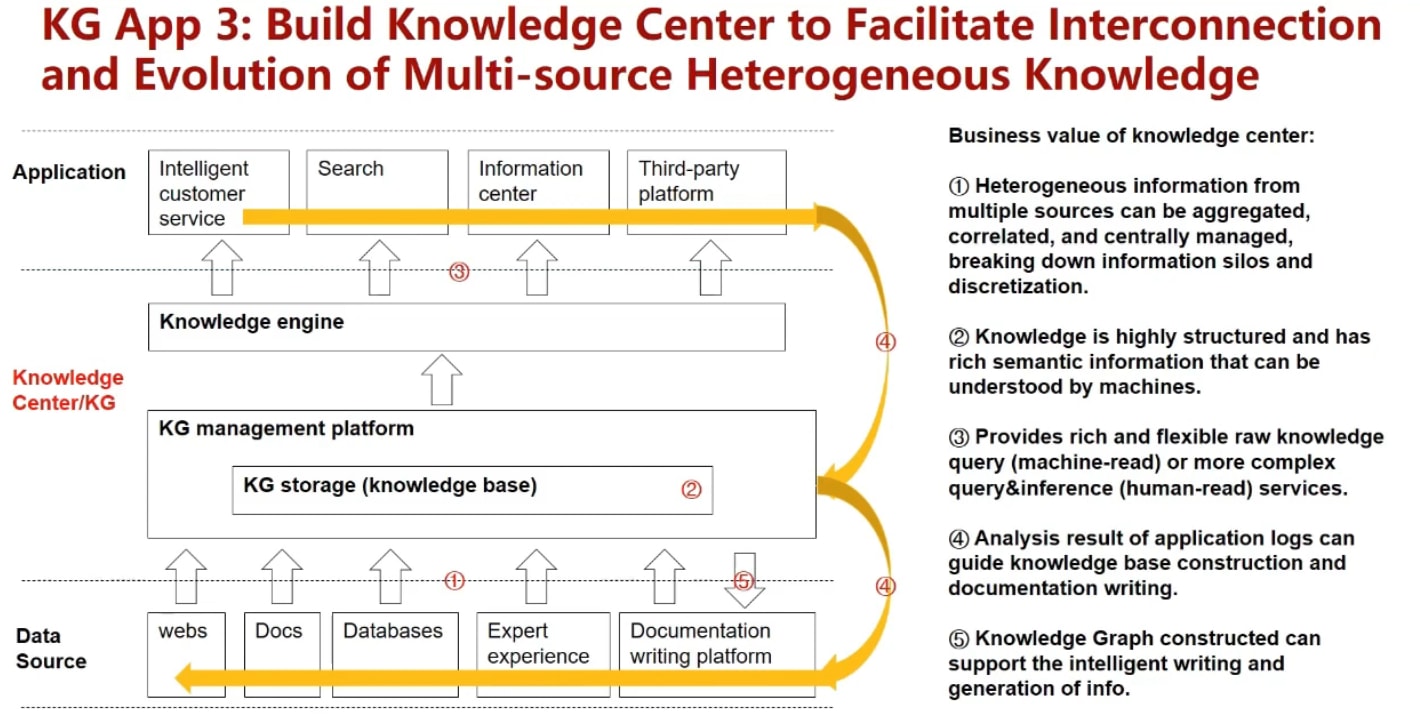
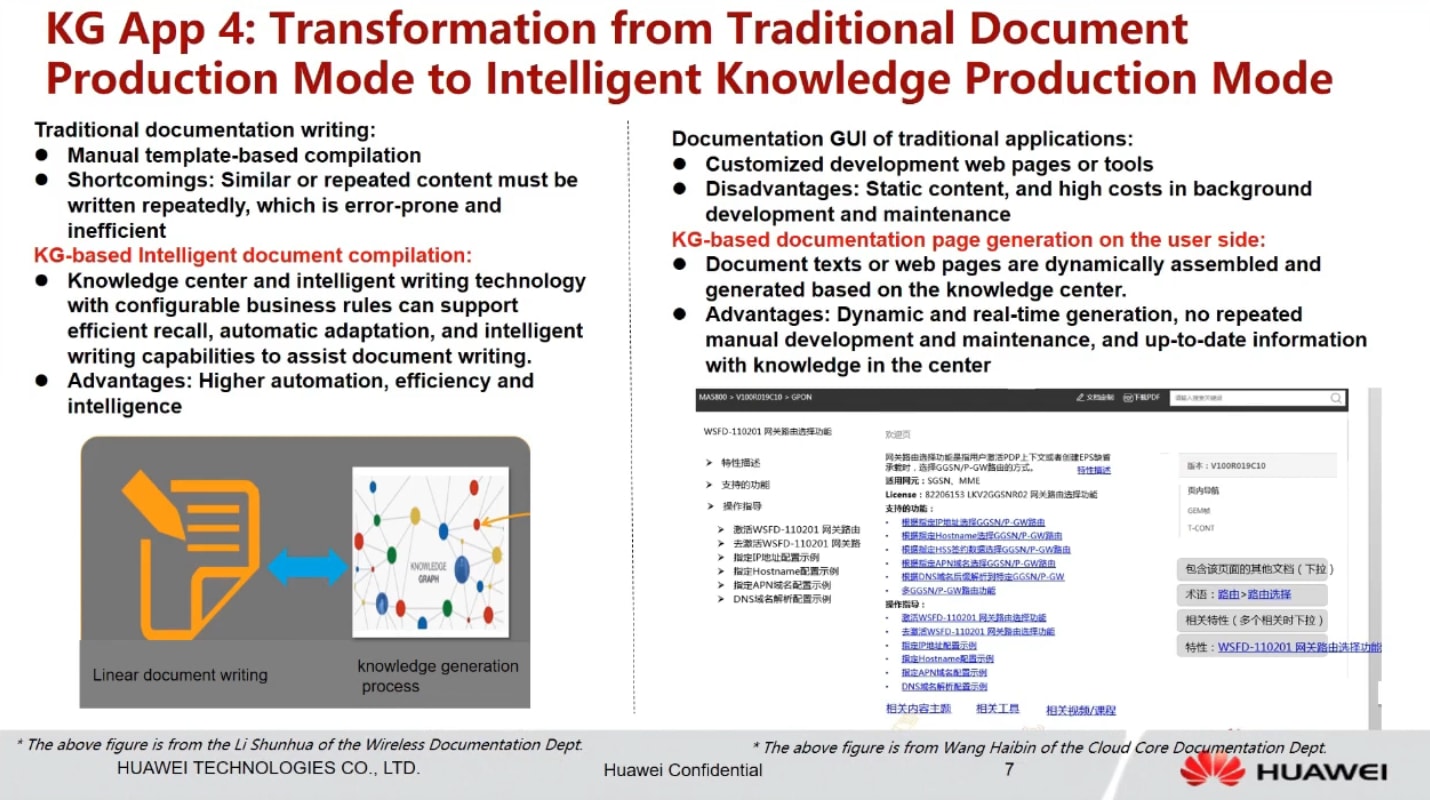
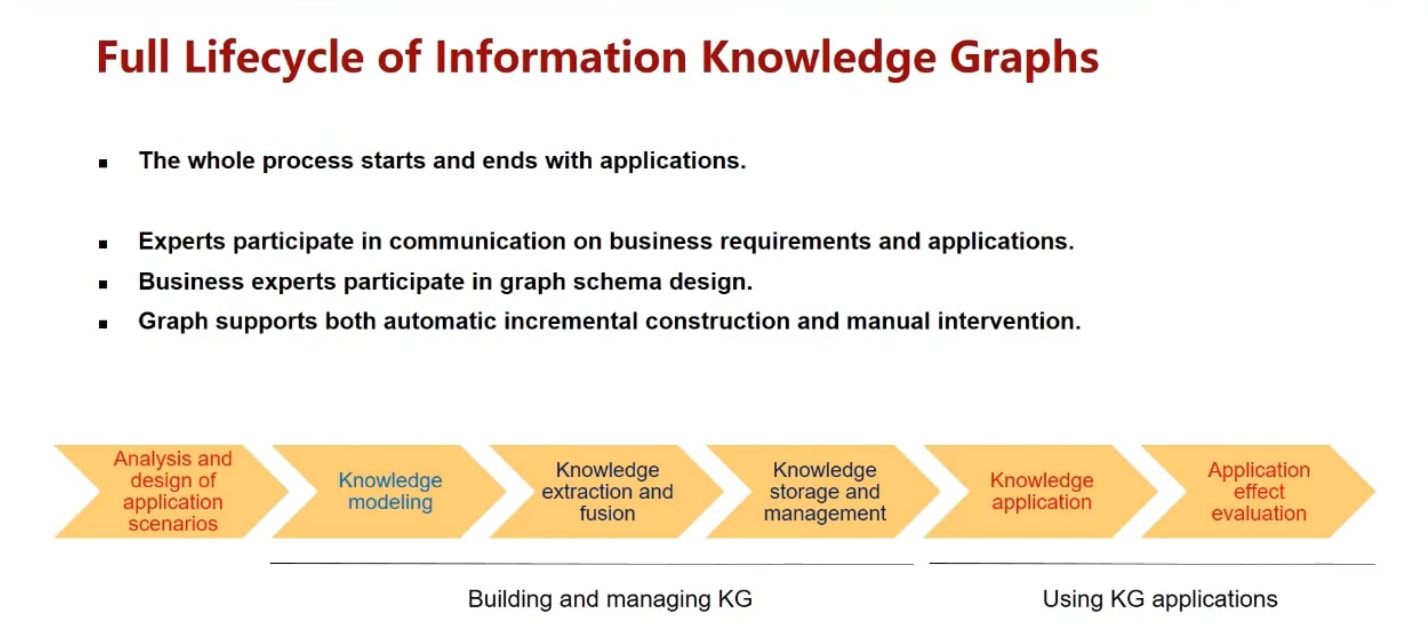
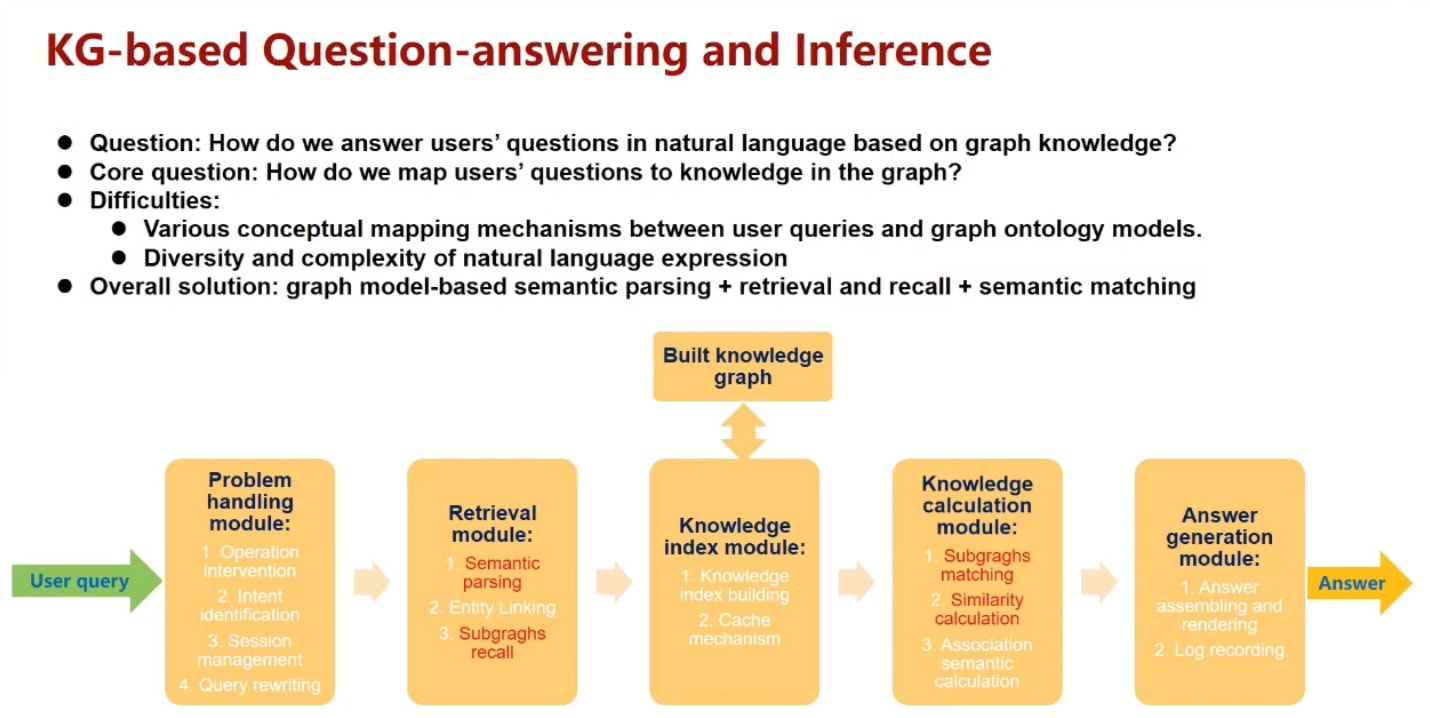
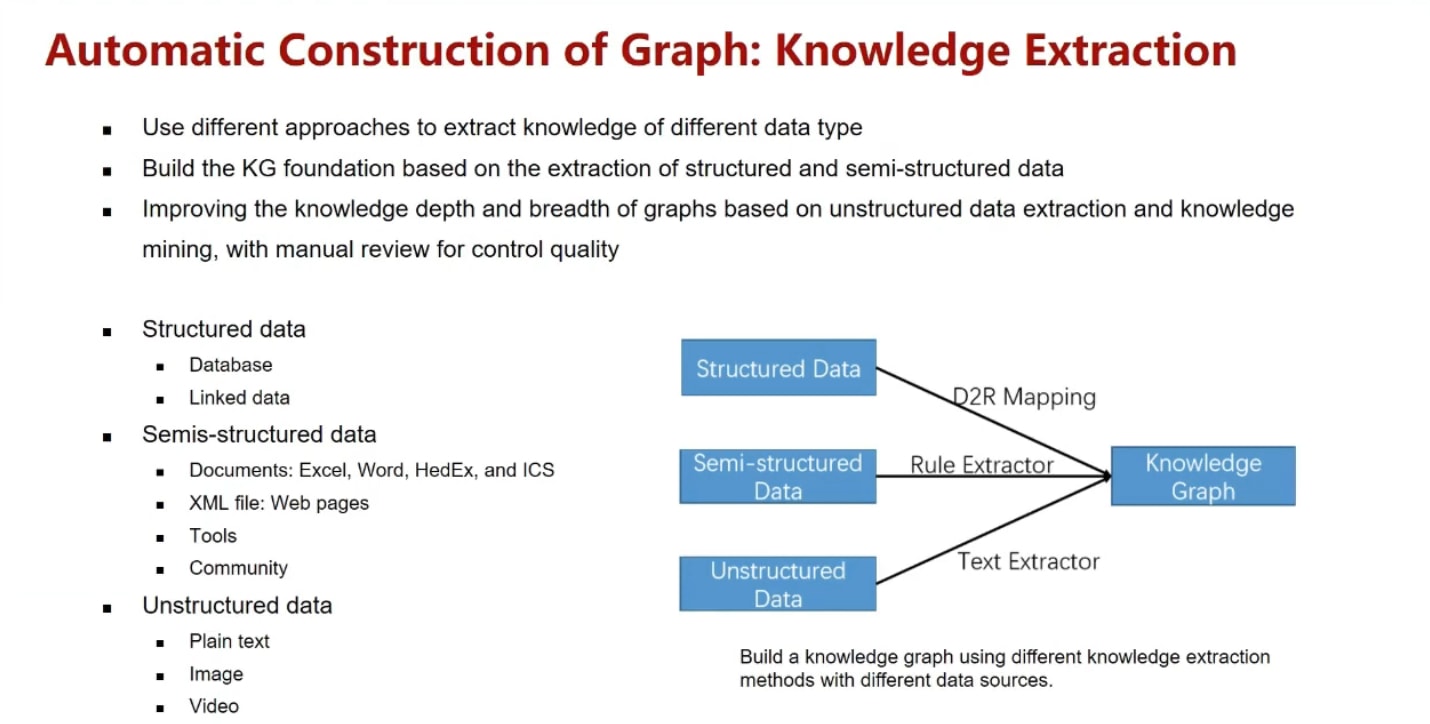
Introducing on how Huawei Knowledge Graph improves your working efficiency
-
Towards a Universal Knowledge Accelerator - talk by Aniket Kittur
-
4 dimensions for knowledge transfer
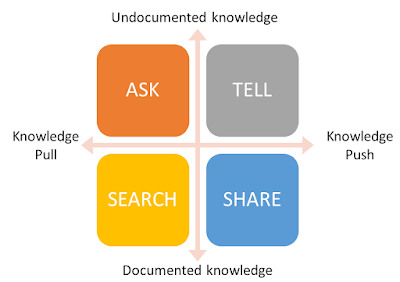
We get 4 quadrants, which we could call Ask, Tell, Search, Share. An Ask approach to knowledge transfer focuses on communities of practice, where people can ask questions of their peers. A Tell approach to knowledge transfer focuses on training, lectures, mentoring and coaching. A Search approach to knowledge transfer focuses on enterprise search, semantic search and AI. A Share approach to knowledge transfer focuses on sharing documents, lessons and best practices
-
Sriyas Vijaykumar, Lead Implementation Engineer, talks about another element of the Palantir system’s internal kitchen.
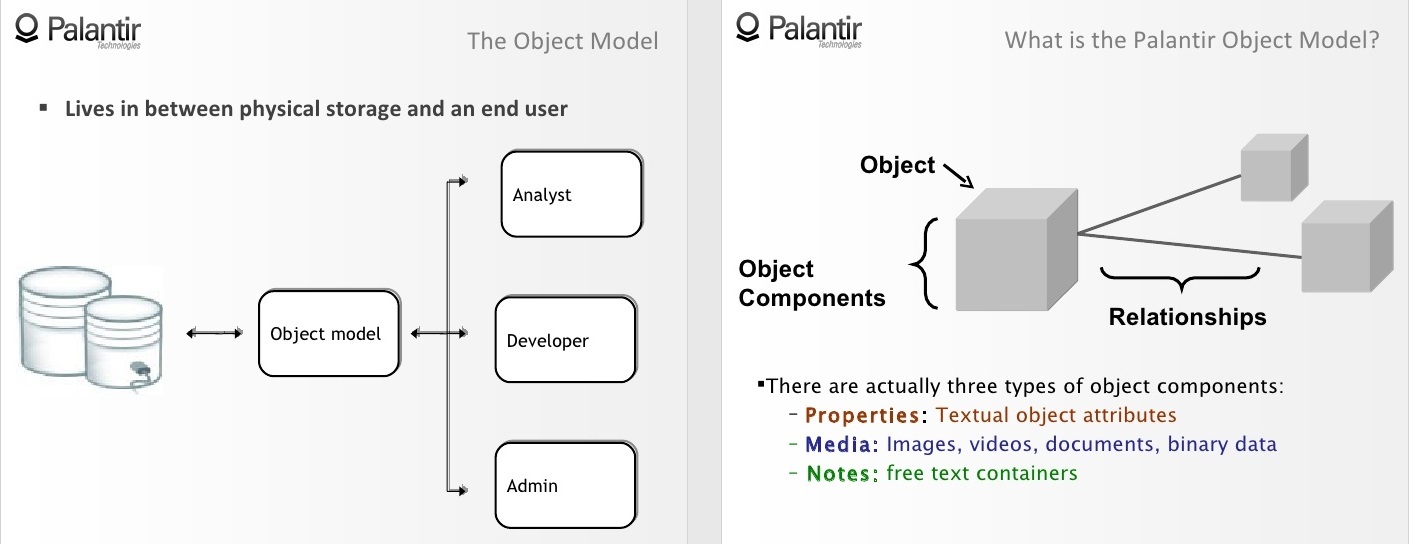
Dynamic ontology. As Palantir engineers explain this to the CIA, the NSA, and the military