tag > ML
-
Daimler Trucks partners with Waymo to build self-driving semi trucks
#Comment: Here we go. As I've been predicting for years, the German car industry is totally clueless and will cheaply give away control over the brains of next-gen cars to silicon valley. In turn, that will guaranteed downgrade the entire industry to OEM's that just produce fancy metal boxes, while the real value is captured else where. Sehr peinlich und sehr lustig!
-
StyleGAN2 blending of humans with cartoons
-
The information catastrophe featured
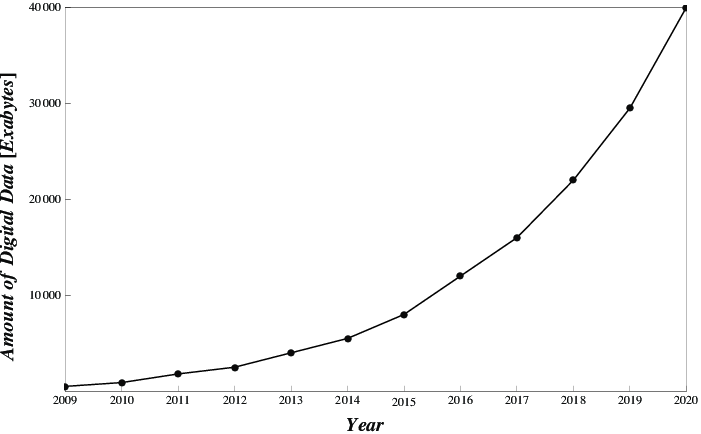
50-fold growth of the amount of digital data from 2010 to 2020 [IDC12]. Currently, we produce ∼1021 digital bits of information annually on Earth. Assuming a 20% annual growth rate, we estimate that after ∼350 years from now, the number of bits produced will exceed the number of all atoms on Earth, ∼1050. After ∼300 years, the power required to sustain this digital production will exceed 18.5 × 10¹⁵ W, i.e., the total planetary power consumption today, and after ∼500 years from now, the digital content will account for more than half Earth’s mass, according to the mass-energy–information equivalence principle. Besides the existing global challenges such as climate, environment, population, food, health, energy, and security, our estimates point to another singular event for our planet, called information catastrophe.
-
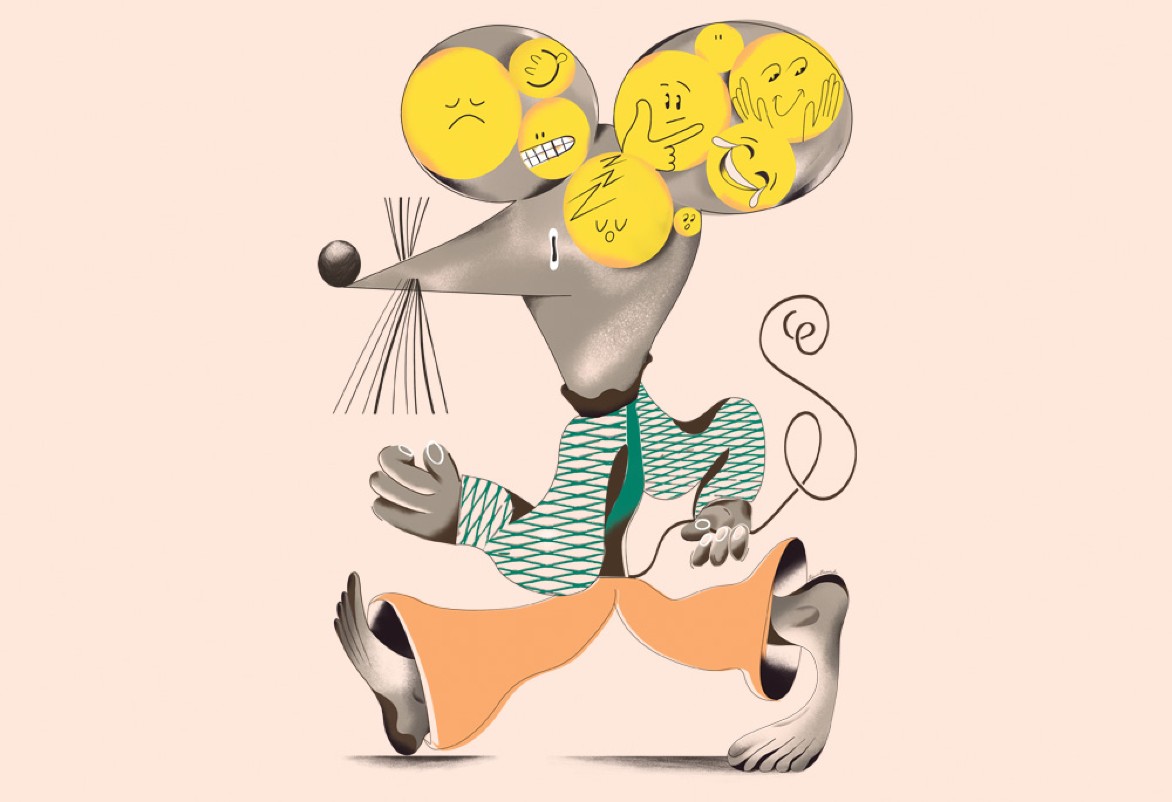
Using terabytes of neural data, neuroscientists are starting to understand how fundamental brain states like emotion, motivation, or various drives to fulfill biological needs are triggered and sustained by small networks of neurons that code for those brain states.
-
Android is becoming a worldwide earthquake detection network
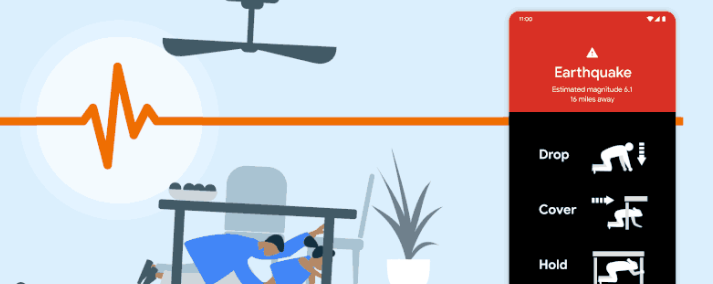
Google is creating a worldwide, Android phone-powered earthquake alert system. The first part of that system is rolling out today. If you opt in, the accelerometer in your Android phone will become one data point for an algorithm designed to detect earthquakes. Eventually, that system will automatically send warnings to people who could be impacted.
#Technology #ML #Augmentation #HCI #FFHCI #CrowdIntelligence #Military
-
The Three Pillars of Machine Programming
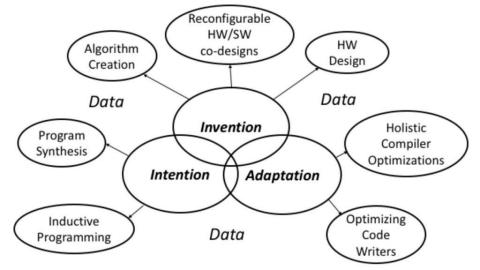
In this position paper, we describe our vision of the future of machine programming through a categorical examination of three pillars of research. Those pillars are: intention, invention, and adaptation. Intention emphasizes advancements in the human-to-computer and computer-to-machine-learning interfaces. Invention emphasizes the creation or refinement of algorithms or core hardware and software building blocks through machine learning (ML). Adaptation emphasizes advances in the use of ML-based constructs to autonomously evolve software.
-
GShard: Scaling Giant Models with Conditional Computation and Automatic Sharding
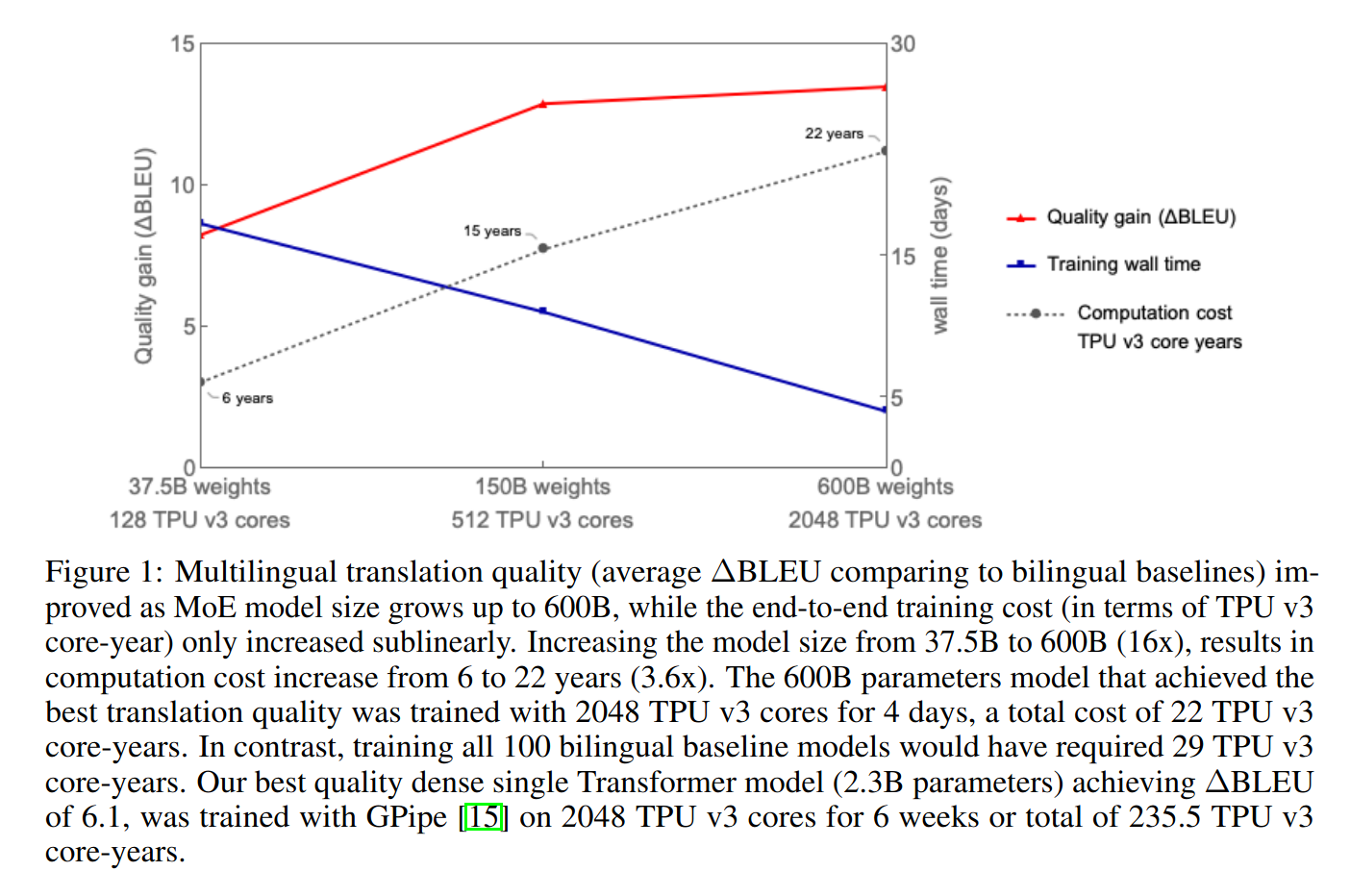
GShard is a module composed of a set of lightweight annotation APIs and an extension to the XLA compiler. It provides an elegant way to express a wide range of parallel computation patterns with minimal changes to the existing model code. GShard enabled us to scale up multilingual neural machine translation Transformer model with Sparsely-Gated Mixture-of-Experts beyond 600 billion parameters using automatic sharding. We demonstrate that such a giant model can efficiently be trained on 2048 TPU v3 accelerators in 4 days to achieve far superior quality for translation from 100 languages to English compared to the prior art.
-
Scientists Say You Can Cancel the Noise but Keep Your Window Open
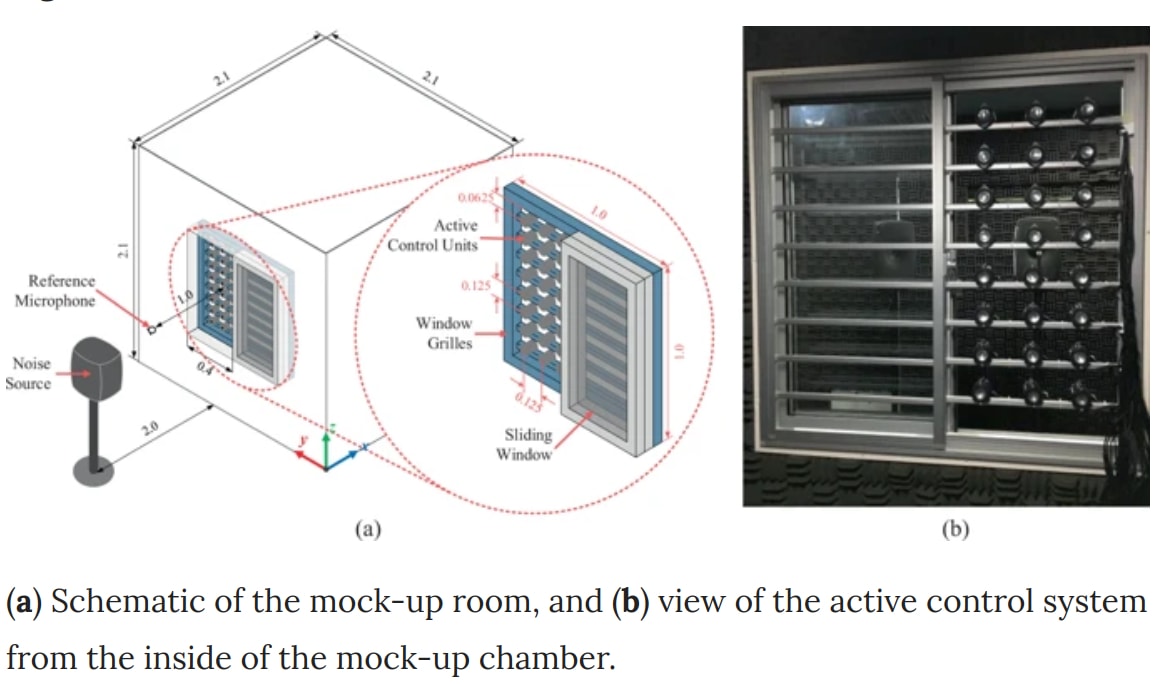
Researchers in Singapore developed a system that’s sort of like noise-canceling headphones for your whole apartment. Their results were published on Thursday in Scientific Reports. The prototype is not yet the most practical device in real world conditions, but it points the way toward the development of technologies that may help ease the strain of noisy city living.
-
Microsoft’s AI generates voices that sing in Chinese and English
Researchers at Zhejiang University and Microsoft claim they’ve developed an AI system — DeepSinger — that can generate singing voices in multiple languages by training on data from music websites. In a prepint paper they describe the novel approach, which leverages a specially-designed component to capture the timbre of singers from noisy singing data.

-
Mark Zuckerberg reads "Industrial Society and Its Future" (Speech Synthesis)
-
Text-based Editing of Talking-head Video
See as well this list of projects on Human Video Generation
-
DeepFaceDrawing: Deep Generation of Face Images from Sketches
-
DeepFaceDrawing Generates Photorealistic Portraits from Freehand Sketches
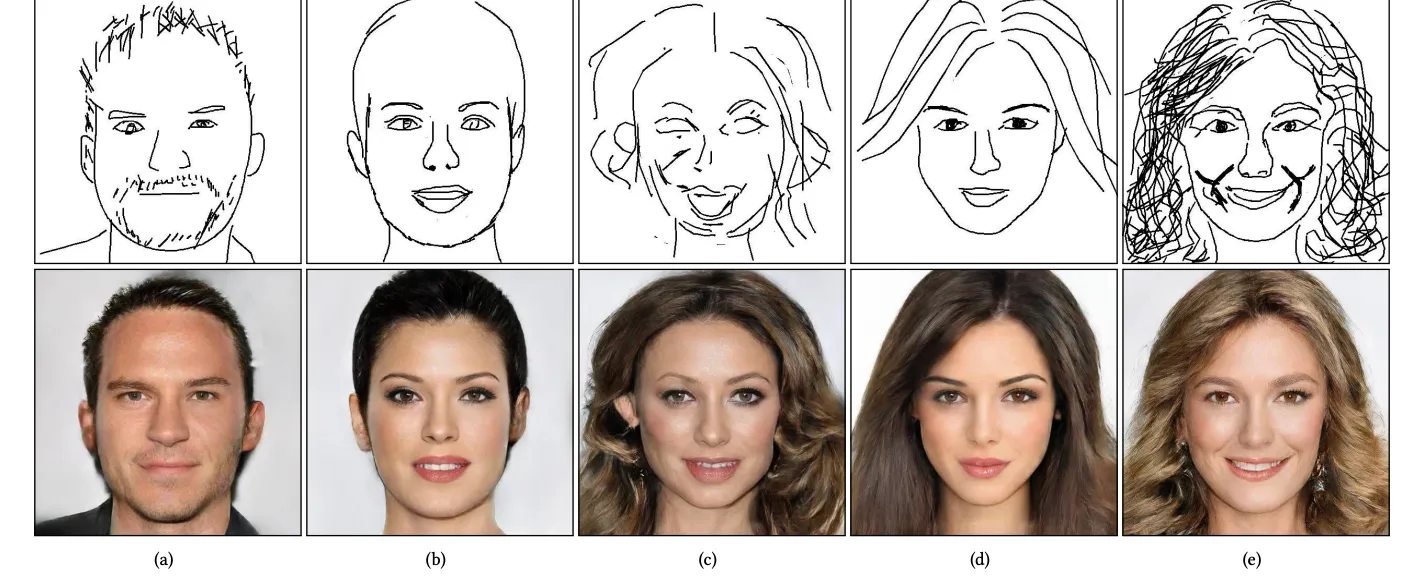
A team of researchers from the Chinese Academy of Sciences and the City University of Hong Kong has introduced a local-to-global approach that can generate lifelike human portraits from relatively rudimentary sketches.