tag > Mindful
-
Ancient Methods of Self-Maintenance
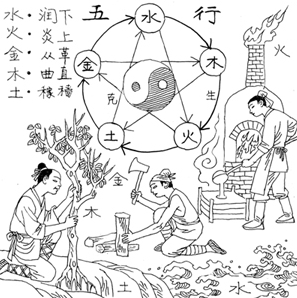
"Those who understand the principles of wholesome living tame their minds and prevent them from straying. They do not force anything upon themselves or others, are happy & content, tranquil & quiet, and can live indefinitely. These are the ancient methods of self-maintenance." - Huangdi Neijing (黄帝内经)
-
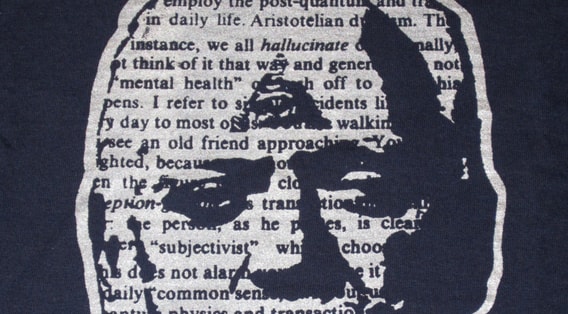
"A quick intelligence test, which also indicates the trajectory of your development, is this: If the world seems to be getting bigger and funnier all he time, your intelligence is steadily increasing. If the world seems to be getting nastier, your stupidity is increasing" - Robert Anton Wilson
-
"Join the joyful club today! There are no membership prerequisites, except you have to be joyful." - Lama Yeshe Rinpoche, in a interview about Dream Yoga
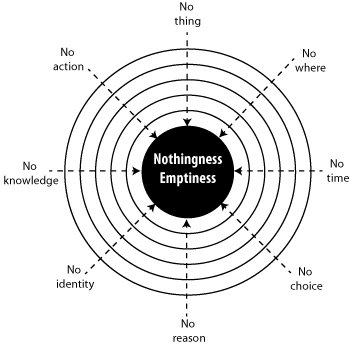
"Rinpoche, what do you do in your lucid dreams?" Rinpoche: "I don't do anything. I am free. I do nothing. In my everyday life i have nothing to do any more. I'm relaxed. I'm enjoying my life"
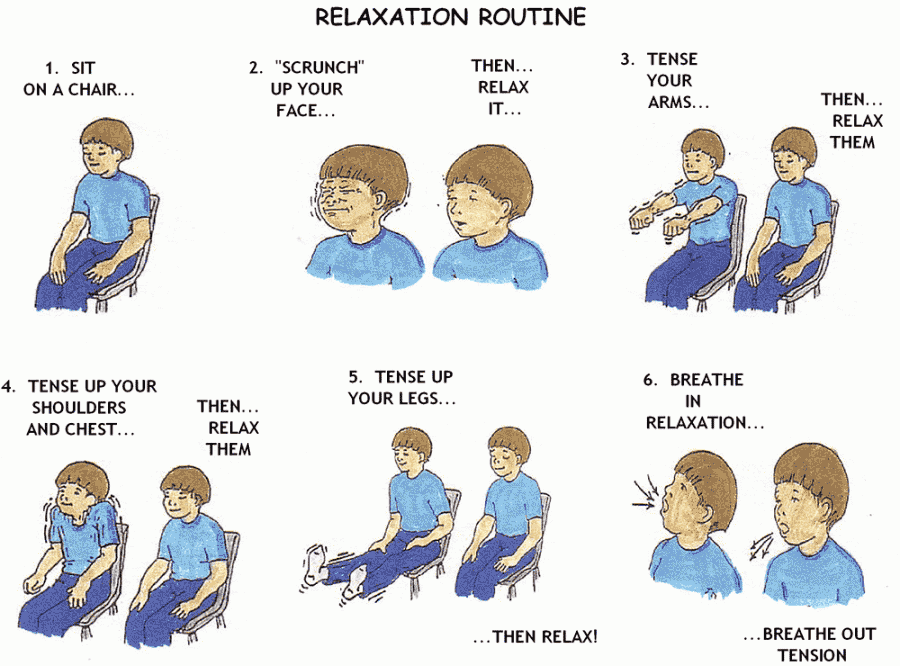
"Don't allow yourself to be stressed for no good reason. Some get stressed saying the world is going baldy. I am feeling hurt. I am so stressed. Then you are joining a stupid path. If the world is having a lot of pain and suffering, and you become one with pain and suffering, how can you solve the world's problems? If you're thinking "the world is suffering", then I have to be relaxed. I have to be calm, kind. I have to be ready to help them." - Lama Yeshe Rinpoche
-
Mind Intent or Imagination in Qigong and Tai Chi
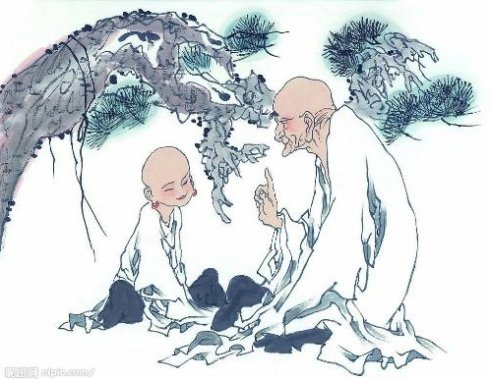
"Qigong and Tai Chi both make use of the Qi energy that runs through the body. That qi energy is moved about through the acupuncture energy channels of the body, by use of the mind. “The mind intent leads the qi energy, and the blood follows” is an old training adage. It is the blood that is following the qi, that brings about the greatest health benefits. If using imagination, little to no blood flow, because the mind is not really moving the qi. In imagination, the mind pretends to move the qi. In using mind intent, catching the feeling of the qi is of primary importance. Once the feeling of the qi is found, the mind intent ( Yi Nian - 意念) can easily move and guide the qi."
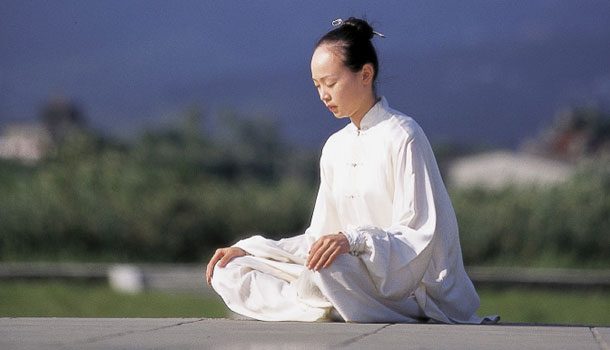
Catching the feeling of the qi can be easy or complicated, depending on your qi sensitivity. If you are a qi sensitive, it can be felt right away. If you are a qi insensitive it may take years of looking to catch the feeling of the qi. Most people are somewhere in between. The feelings of the qi are: hot, cold, jump about, fullness, pressure, distension, itch, pain or electrical feelings. Sometimes it is also felt as a menthol feeling, this usually falls under the cool sensation, but I can notice a difference between menthol and cold. Once you have caught the feeling of the qi, which is recognition of its sensations, the qi energy can be easily led along the qi pathways throughout the body.
Internal Martial Arts Explained

"To the Internalists, the body is an empty vessel, an external shell or form (Xíng形in Mandarin Chinese). To have a functional meaning, the empty vessel must contain something called "Yi" (Intention 意). Yi is not some kind of cosmic energy floating in the universe around us, and gathered with fancy movements. It is a physical manifestation of the thought of doing an action."
"The highest level of training one's Yi in the Internally-oriented arts, has been referred to in the Xing Yi Quan classics as: 'A fist without a fist, intention without intention – within the absence of Intention, lays the true Intention'."
-
Daydream Your Way to Success - by Martin Faulks
-

"Various medical authorities swarm in and out of here predicting I have between two days and two months to live. I think they are guessing. I remain cheerful and unimpressed. I look forward without dogmatic optimism but without dread. I love you all and I deeply implore you to keep the lasagna flying. Please pardon my levity, I don't see how to take death seriously. It seems absurd." - Robert Anton Wilson (1932 - 2007)
-
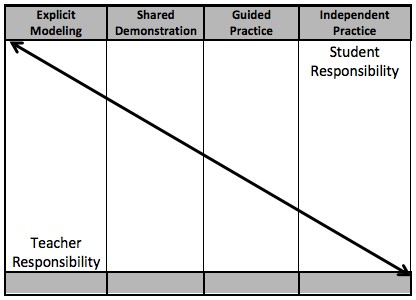
Instructional scaffolding is the support given to a student by an instructor throughout the learning process. This support is specifically tailored to each student; this instructional approach allows students to experience student-centered learning, which tends to facilitate more efficient learning than teacher-centered learning. This learning process promotes a deeper level of learning than many other common teaching strategies.
-
The Useless Shu Tree - Zhuangzi - Chapter 1 (Carefree Living)
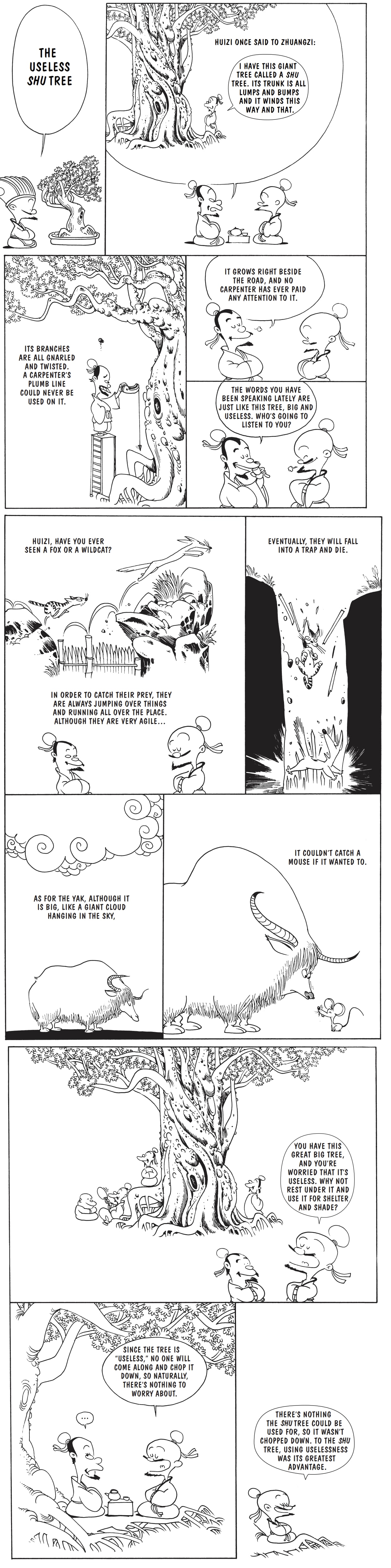
CC Tsai illustration: https://www.google.com/books/edition/The_Way_of_Nature/1ZuBDwAAQBAJ
Full text Translated by Burton Watson: https://terebess.hu/english/chuangtzu.htmlHui Tzu said to Chuang Tzu, "I have a big tree of the kind men call shu. Its trunk is too gnarled and bumpy to apply a measuring line to, its branches too bent and twisty to match up to a compass or square. You could stand it by the road and no carpenter would look at it twice. Your words, too, are big and useless, and so everyone alike spurns them!"
Chuang Tzu said, "Maybe you've never seen a wildcat or a weasel. It crouches down and hides, watching for something to come along. It leaps and races east and west, not hesitating to go high or low-until it falls into the trap and dies in the net. Then again there's the yak, big as a cloud covering the sky. It certainly knows how to be big, though it doesn't know how to catch rats. Now You have this big tree and you're distressed because it's useless. Why don't you plant it in Not-Even-Anything Village, or the field of Broad-and-Boundless, relax and do nothing by its side, or lie down for a free and easy sleep under it? Axes will never shorten its life, nothing can ever harm it. If there's no use for it, how can it come to grief or pain?"