tag > Narrative
-
"A lie keeps growing and growing until it's as clear as the nose on your face." - The Blue Fairy, from Pinocchio

-
The Leisurely Manifesto - Otium is Hard Work - The Original Affluent Society
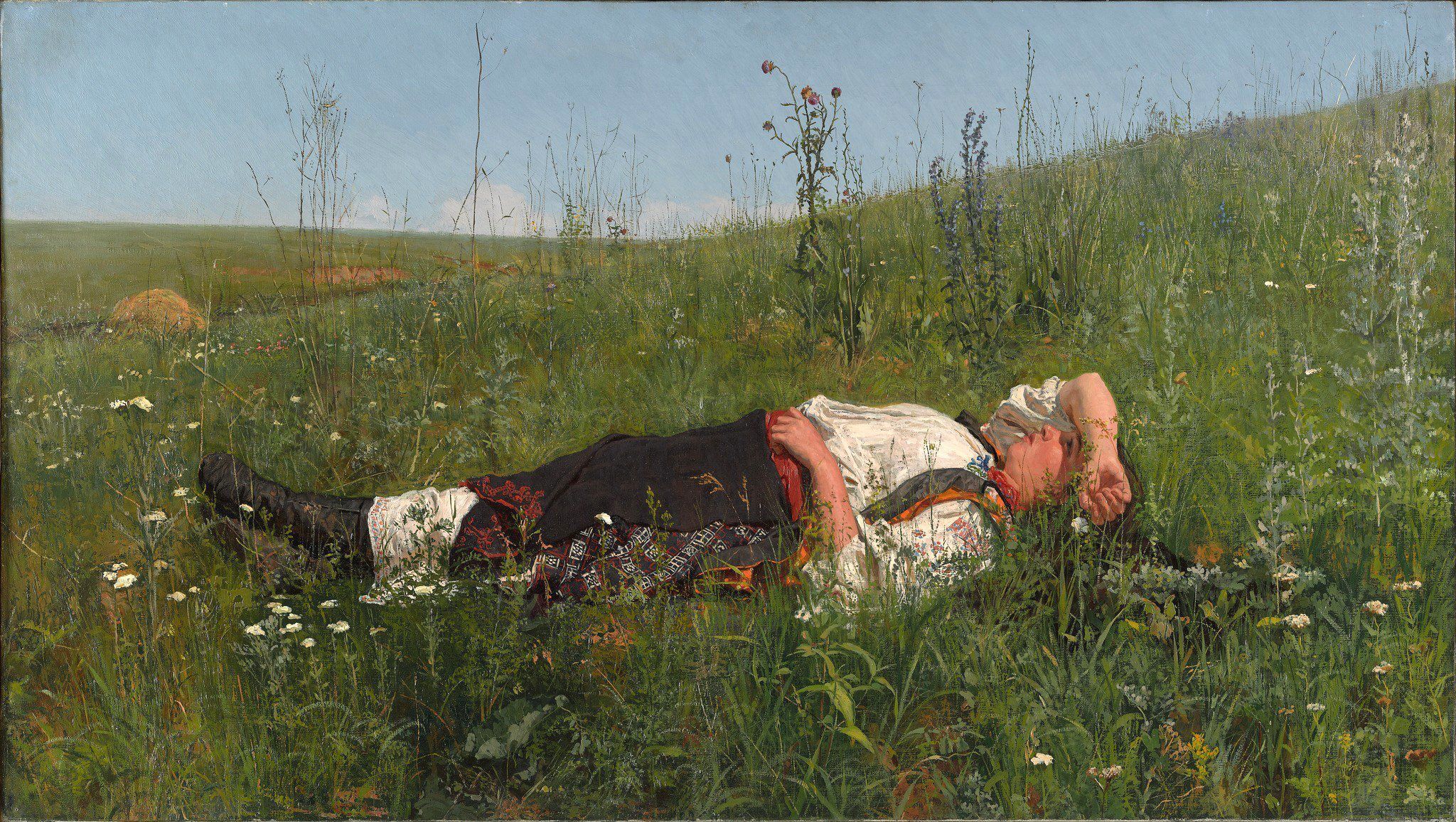
There is vast confusion around leisure. Leisure does not mean doing nothing, etymologically it means doing what you enjoy. Leisure, not "productivity", should be the end goal of all of our work, we need to aim for something much higher than productivity
-
To see the forest for the trees - by Niti Bhan
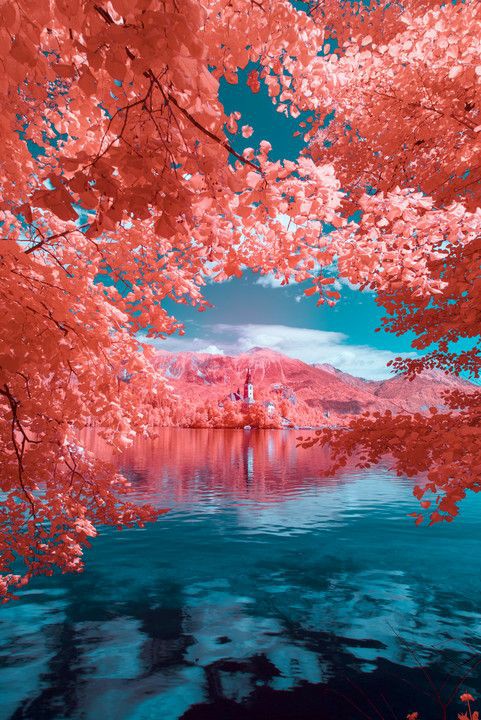
Last night, Samim said something on skype that has completely changed my perspective and focal length. He pointed out that ‘the system’ is vast and beyond our comprehension. That it is nature who runs the planet. Life on earth is a complex and complicated interdependent dance of balance and harmony. And, we, humans, are simply one part of this immense natural system. We mustn’t forget that. To imagine we can understand, and then control this system is a reflection of ‘man’s’ hubris.
Immediately, this made me take a step back – in space and time – and see the whole in my mind’s eye. Humanity and its concerns shrank to its proper perspective, when seen from the point of view of ‘life on earth’. None of this would be surprising or new to our ancients and our ancestors, as well as those peoples still living far closer to life in nature.
What is different, to me, at this point in time, is that this shift in focal length came at a time when humankind is dealing with a worldwide pandemic – a human sickness – and one cannot escape the numerous and varied examples from all over the planet that provide evidence of what has become a meme – “nature is healing”. Samim said we do not know the full power and capability of nature and the planet, yet we imagine we’re in charge. He’s right.
Acknowledging this by sitting back and letting my embodied sense arrive at its own conclusions led to this reorientation of perspective. Humanity’s concerns felt petty against the backdrop of life on earth, and the great and small cycles of the planet. This humbling awareness has been a powerful and positive feeling, rather than one that diminishes. One’s problems and concerns find their proper place, and being alive and breathing in the air in the forest outside my home becomes the most important thing to evoke a sense of joy and bliss.
That which I was seeking to find since late March when I began exploring my writing and thinking on the blog – the change of perspective, the refocusing of the mind’s eye, the withdrawing of the distant vision to recenter on the domestic – suddenly came into clear focus. I feel empowered when I’m made aware that I’m part of a wilder, vaster, natural ecosystem of life on this planet, and not simply a cog in some pile of big data somewhere unnatural.
-
Third Rail Topic - A topic that is not to be touched.
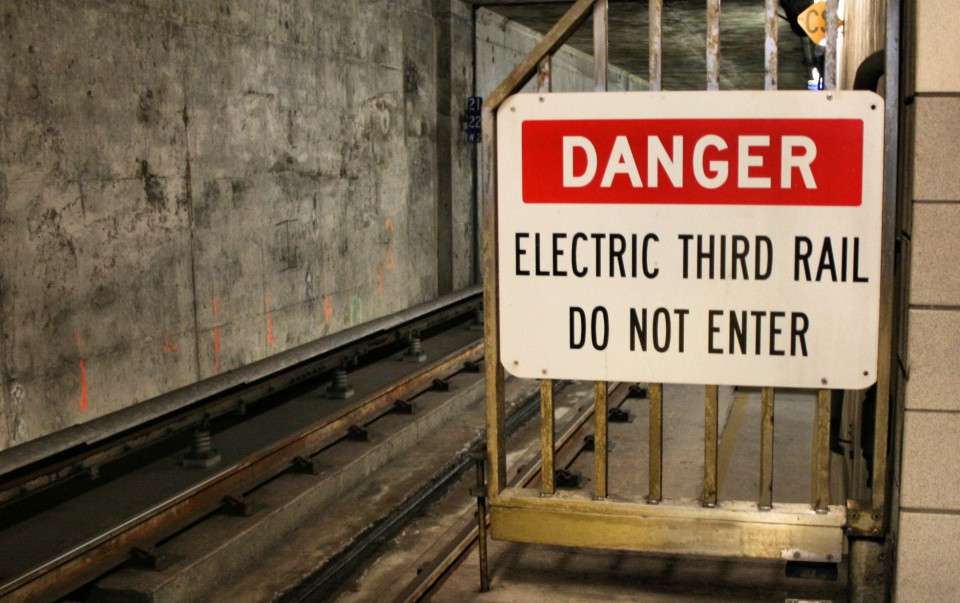
It is a subject, concept or interpretation of events signposted by The Powers That Be as being unsuitable for any kind of public or academic debate and where offenders are at risk of (unspecified) serious adverse consequences. Third rail topics are one aspect of the censorship of commercially-controlled media.
-
The made-up African mountains: A historic case highlighting the dangers of abstraction
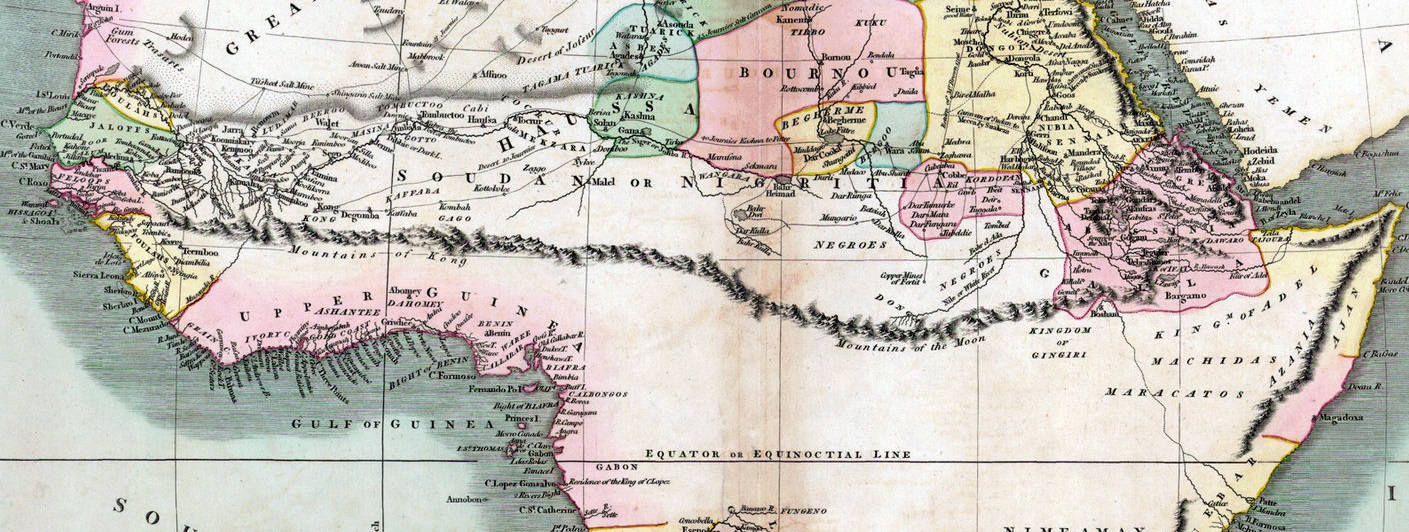
In 1798, the English cartographer James Rennell invented a high mountain range thousands of kilometers long and drew it on a new map of Africa: the Kong Mountains. The story is completely absurd, but you can also learn something from phantom mountains.
Rennell was considered a great geographical authority of the British Age of Discovery. When he drew maps for the travelogue of the Scottish explorer Mungo Park (1796) and located a large new mountain range on them, no one had any reason to doubt their existence.
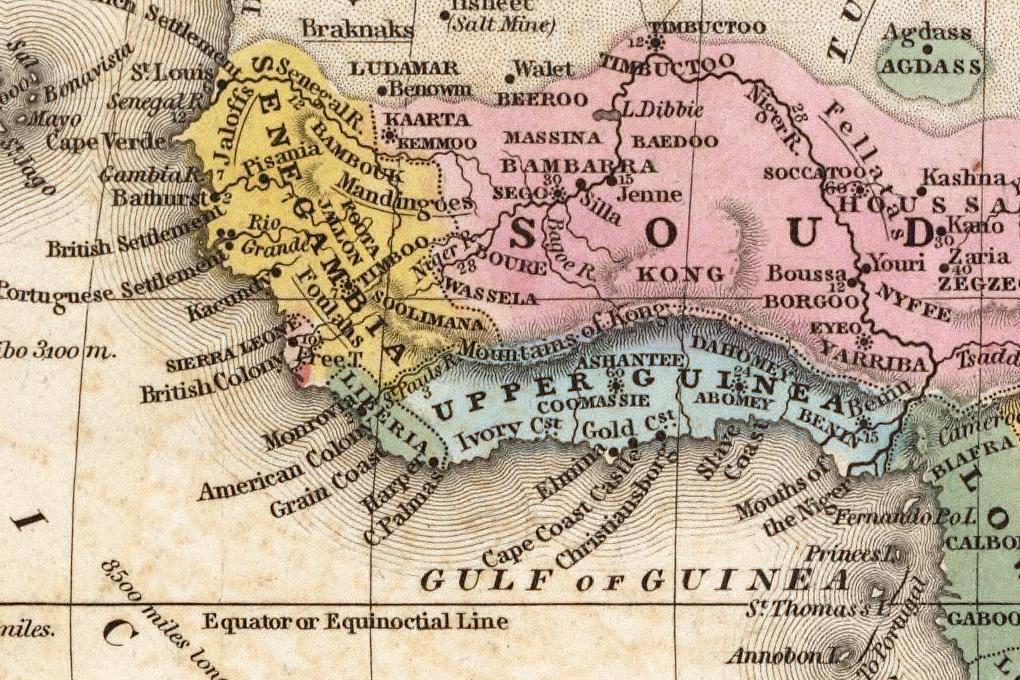
So one cartographer after the other took over the knowledge of the new mountains. They appear in at least 40 maps between 1798 and 1892, and they got bigger and bigger (above: 1805, here: 1839). All on the basis of a remark by Park that he had seen 2 or 3 peaks.
From 1830 the course of the Niger was known and it was known that the mountains could not exist like this. Nevertheless, it took L.-G. Binger in 1889 (he didn't even find a range of hills) until the Kong Mountains finally began to disappear from the maps.
And even then they continued to lead a shadowy existence as a cartographic phantom for quite a while: The Kong Mountains can be found in the index of the Oxford Advanced Atlas from 1928 and even in an edition of Goode's Atlas from 1995.
The anecdote nicely illustrates how it can work with the transmission of knowledge in science: belief in authority plus "facts" assumption without own examination and a dose of ignorance. That is definitely not the rule, but one is not sure about it today either.
Found in: Simon Garfield, On The Map: Why the world looks the way it does, 2012, Chapter 11.
Also of interest: Ken Jennings, Maphead: Charting the Wide, Weird World of Geography Wonks, 2012.
(via)
-
Nature's Marketing Agency Sucks
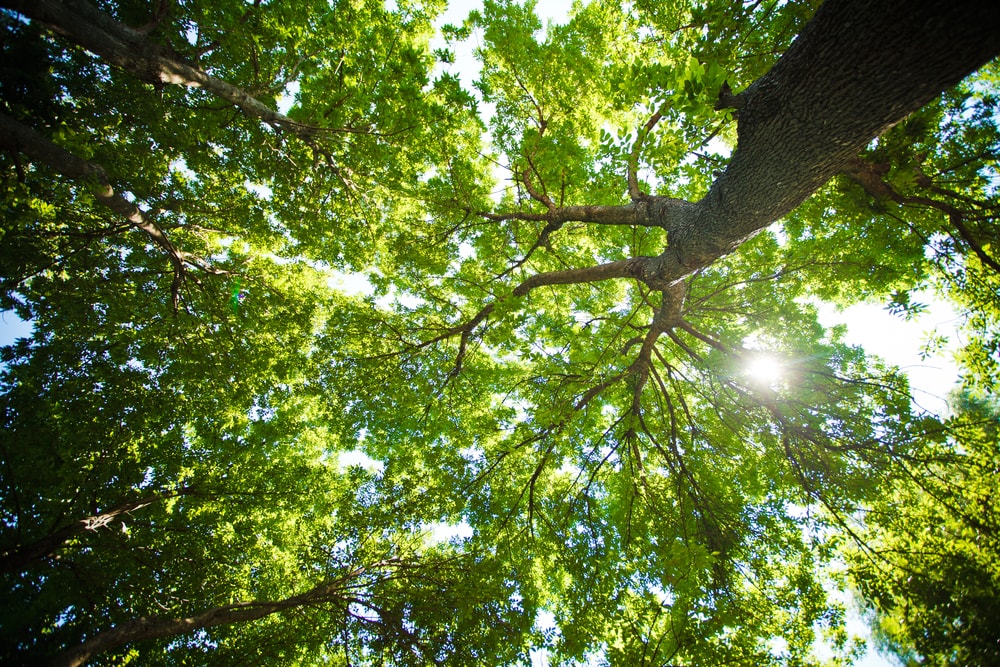
I find it peculiar how the topic of "nature" is poorly communicated in contemporary culture: The most stunningly beautiful natural places are commonly promoted (and perceived) as just "a place to do sports", "a place for old people", "a place to stop at for 30min during a car trip", "a place to take selfies for social media" or "a place to kill animals, grill & eat them". And the communication style is poor across the board: Think of climate activists describing nature mainly in terms of crisis & doom - or corporate "green-washing/laundering".
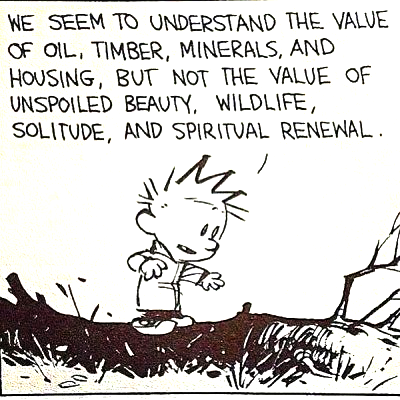
The "value of unspoiled natural beauty, wildlife, solitude and spiritual renewal" is hardly ever emphasized. Nature as a powerful source of experience, meaning, health and community. One thing is clear: Nature's Marketing Agency Sucks. And this has profound implication for how people perceive topics such as bio-diversity or well-being, and how people act.
Examples of great "marketing for nature" do exist: In Japan natural experiences are more frequently communicated with an appropriate sense of grace, dignity, care, maturity and playfulness - making nature relatable, desirable and relevant for ordinary people at scale. How can we learn from such successes and what new stories about nature do we tell?
#Nature #Ideas #Japan #Media #Narrative #Comment #Ideas #Regenerative
-
Maybe
There is a Taoist story of an old farmer who had worked his crops for many years. One day his horse ran away. Upon hearing the news, his neighbors came to visit. "Such bad luck," they said sympathetically. "May be," the farmer replied.
The next morning the horse returned, bringing with it three other wild horses. "How wonderful," the neighbors exclaimed. "May be," replied the old man.
The following day, his son tried to ride one of the untamed horses, was thrown, and broke his leg. The neighbors again came to offer their sympathy on his misfortune. "May be," answered the farmer.
The day after, military officials came to the village to draft young men into the army. Seeing that the son's leg was broken, they passed him by. The neighbors congratulated the farmer on how well things had turned out. "May be," said the farmer.
-
“When I was in my teens, I thought that the world would get better. But today's teenagers probably think that the world would get worse. We must put the brakes on such a deteriorating mindset.”
-
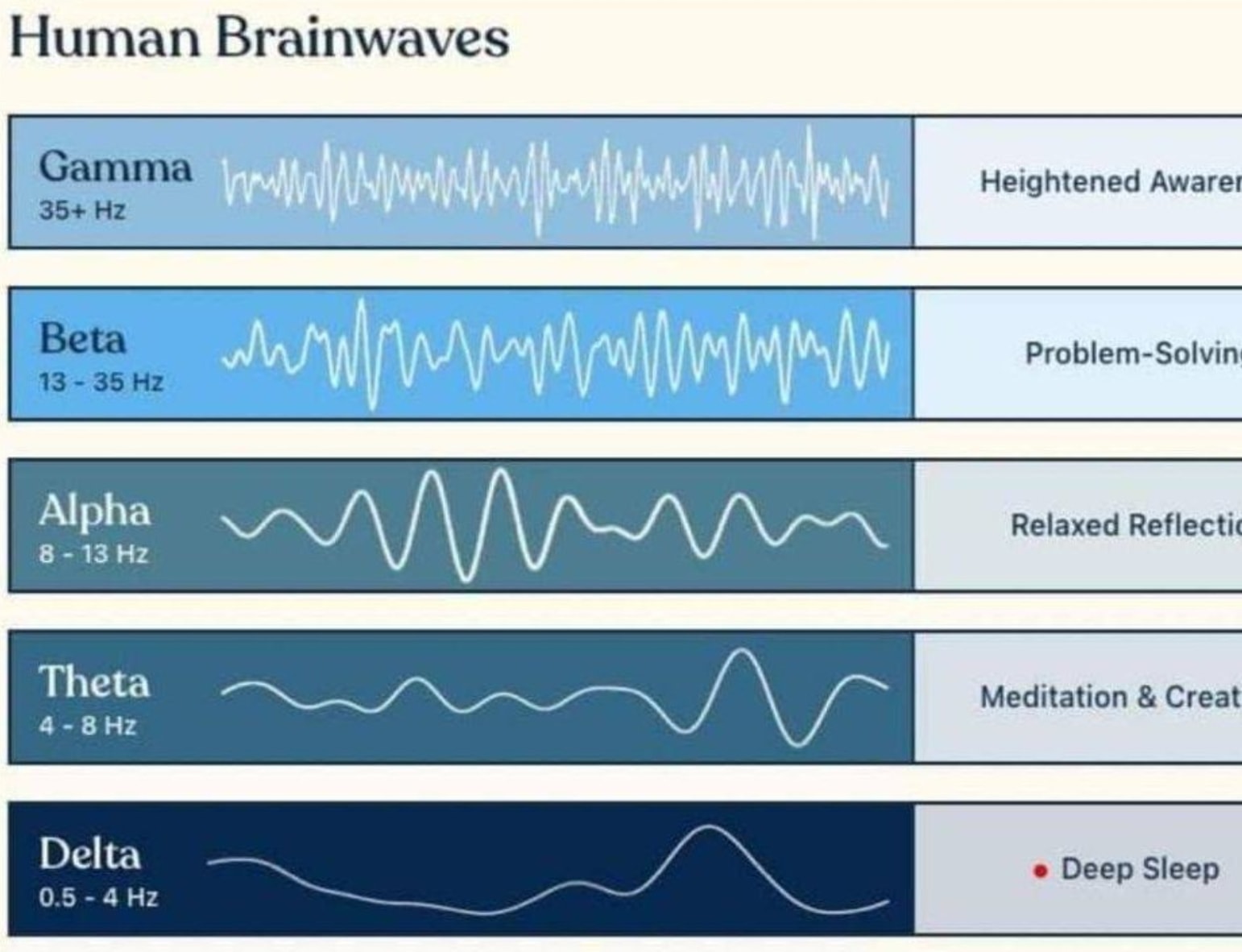
Delta Plus Variant: "The only things that keeps mutating are the lies. That's why they call it the delta variant, because you have to be deep asleep to believe it. The real killer is capitalism & its solutions”.
-
“I guess every man loves Occam’s razor until it’s time to shave his balls.” - Tyson Yunkaporta
-
Intellectual Masturbation - an accurate description of the wast majority of works by "intellectuals"
-
Things that make a lot more sense, when labeled "fiction": News as taught by the mainstream channels. History as taught in schools. Science and Economics as taught in Universities. And more..