tag > Nature
-
Effects of Intention on Water: Recent Exploratory Studies
- Effects of Intentionally Treated Water on the Growth of Mesenchymal Stem Cells: An Exploratory Study
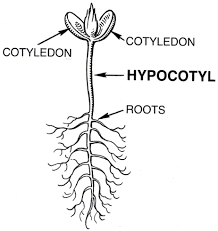
- Effects of intentionally treated water and seeds on the growth of Arabidopsis thaliana
- Effects of Intentionally Treated Water on Growth of Arabidopsis thaliana with Cryptochrome Mutations
- Human Full Potential Abilities Training: Psi Mechanisms and its Model of Training
-
This Is No Way to Be Human - We now occupy a nearly natureless world - By Alan Lightman
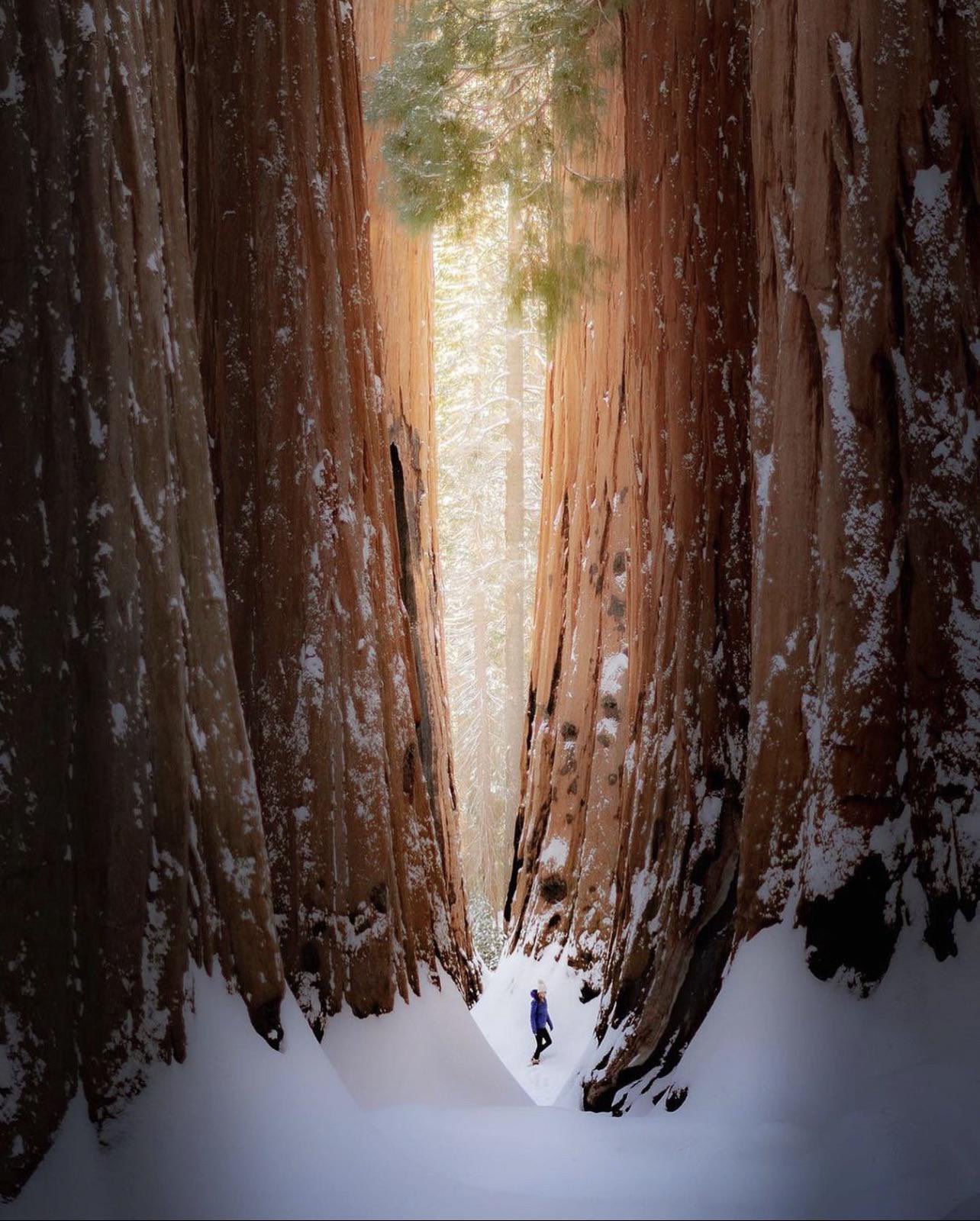
For more than 99 percent of our history as humans, we lived close to nature. We lived in the open. The first house with a roof appeared only 5,000 years ago. Television less than a century ago. Internet-connected phones only about 30 years ago. Over the large majority of our 2-million-year evolutionary history, Darwinian forces molded our brains to find kinship with nature, what the biologist E. O. Wilson called “biophilia.” That kinship had survival benefit. Habitat selection, foraging for food, reading the signs of upcoming storms all would have favored a deep affinity with nature. Social psychologists have documented that such sensitivities are still present in our psyches today. Further psychological and physiological studies have shown that more time spent in nature increases happiness and well-being; less time increases stress and anxiety. Thus, there is a profound disconnect between the natureless environment we have created and the “natural” affections of our minds. In effect, we live in two worlds: a world in close contact with nature, buried deep in our ancestral brains, and a natureless world of the digital screen and constructed environment, fashioned from our technology and intellectual achievements. We are at war with our ancestral selves. The cost of this war is only now becoming apparent.
-
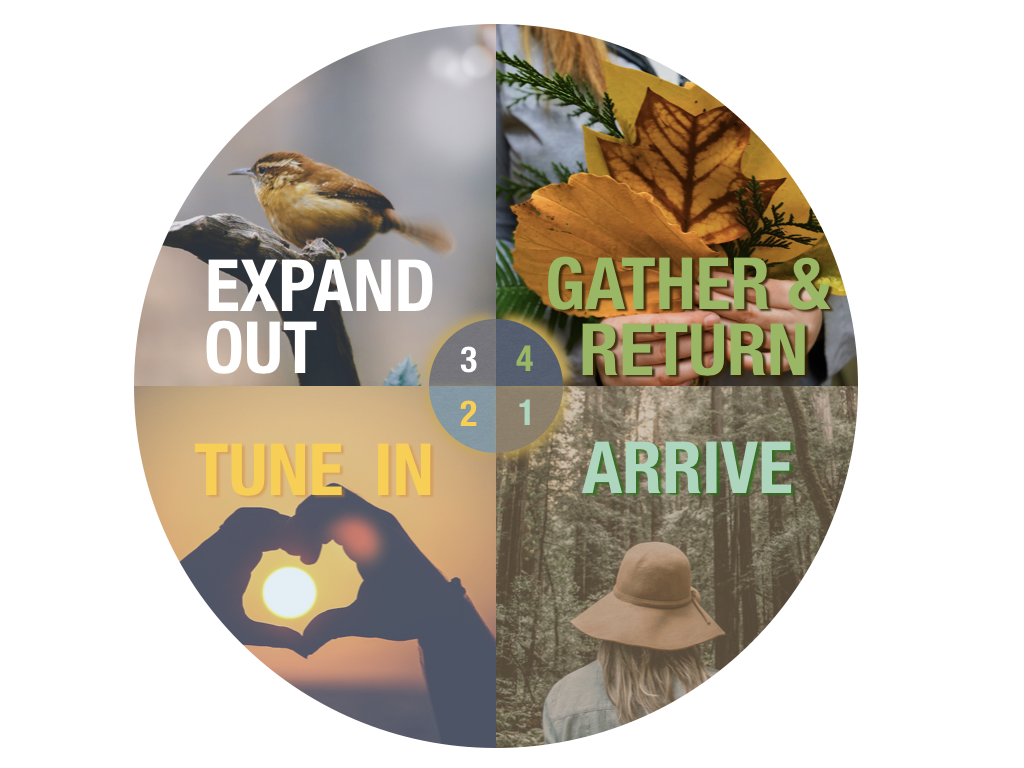
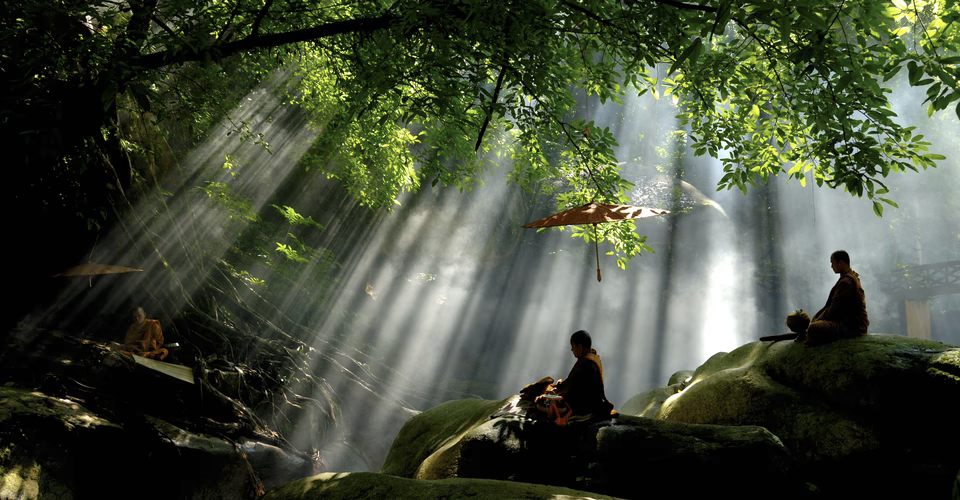
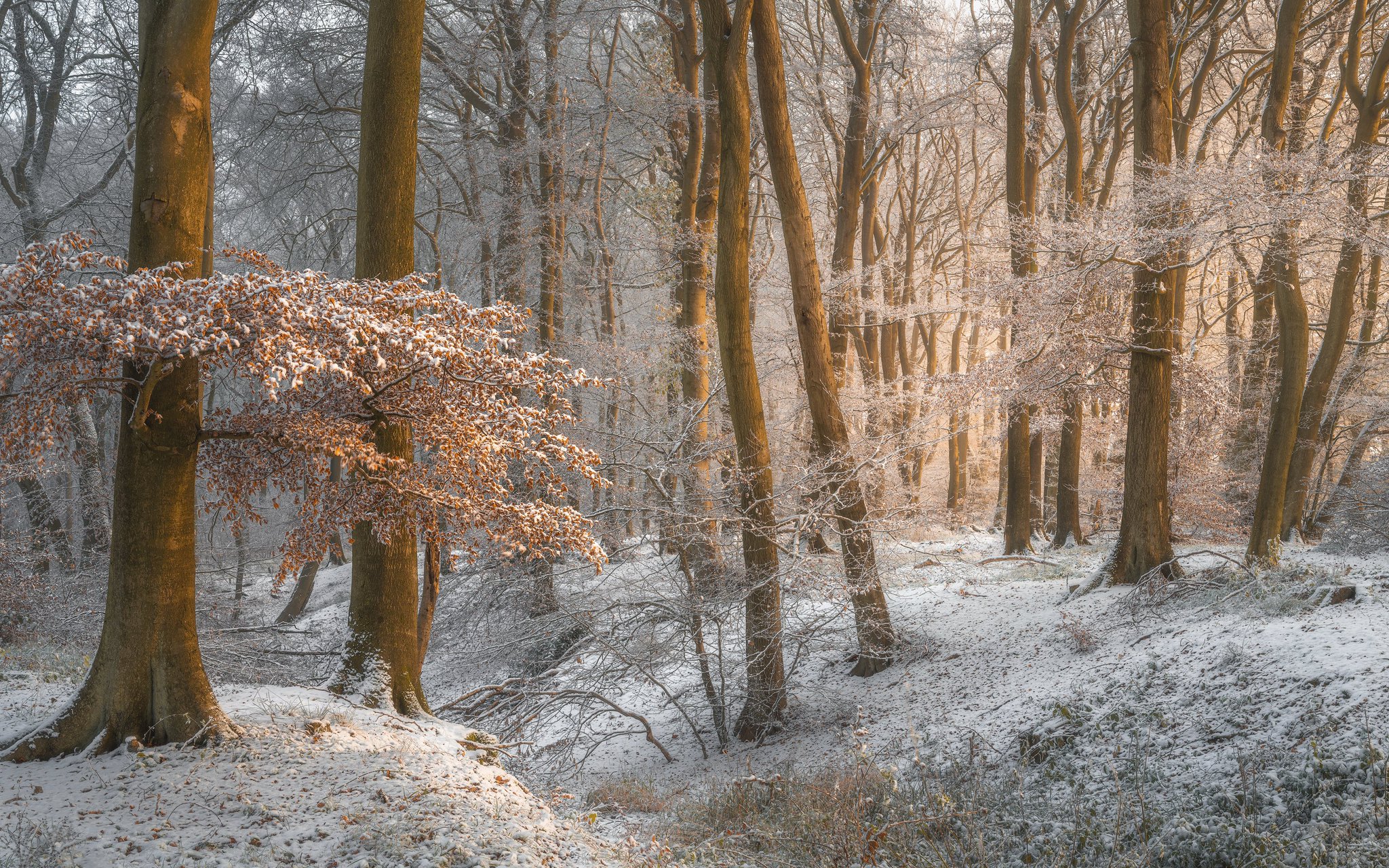
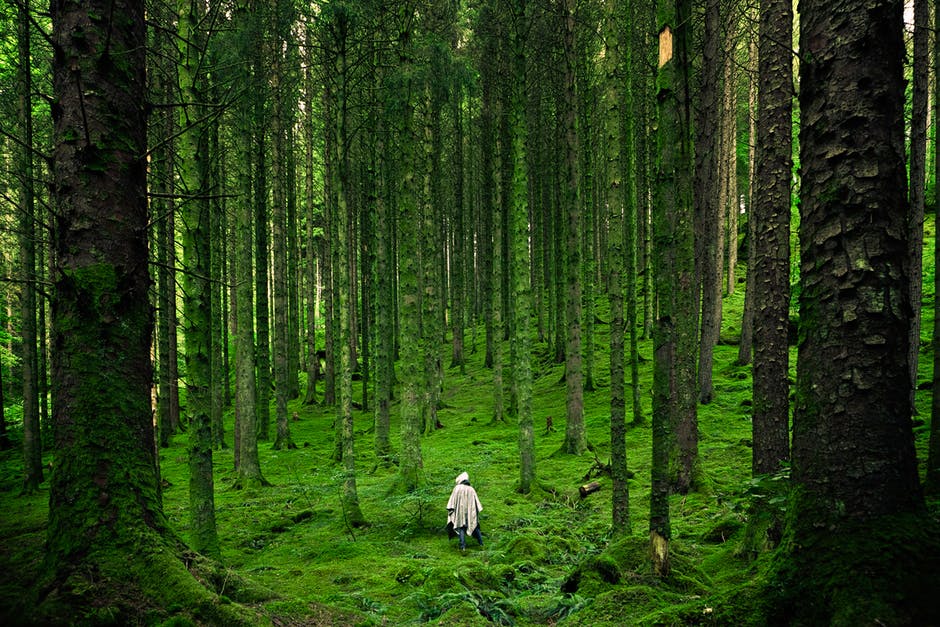
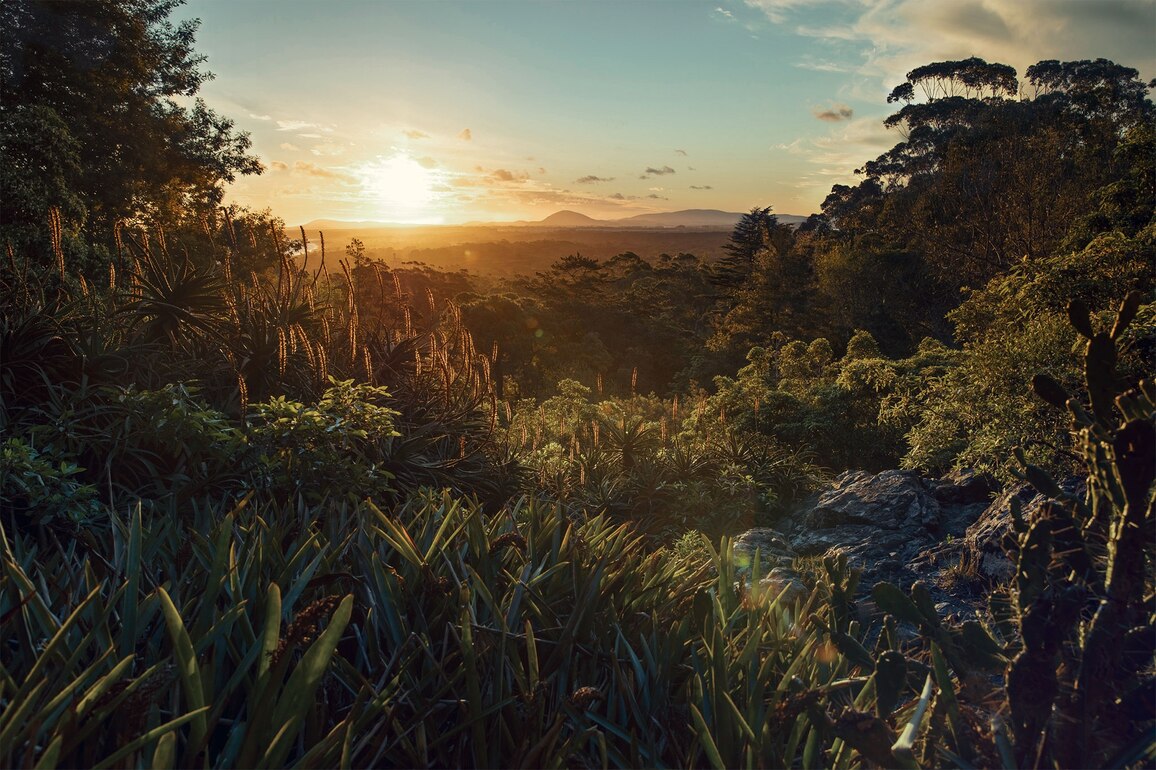
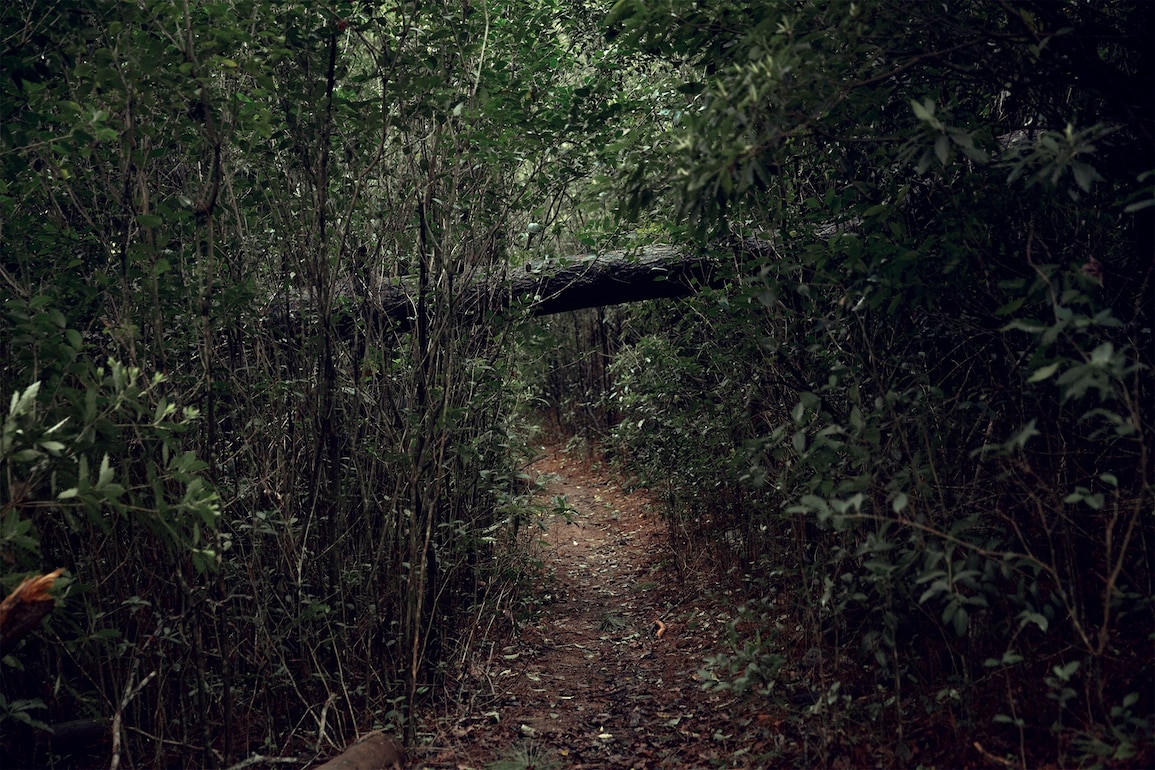
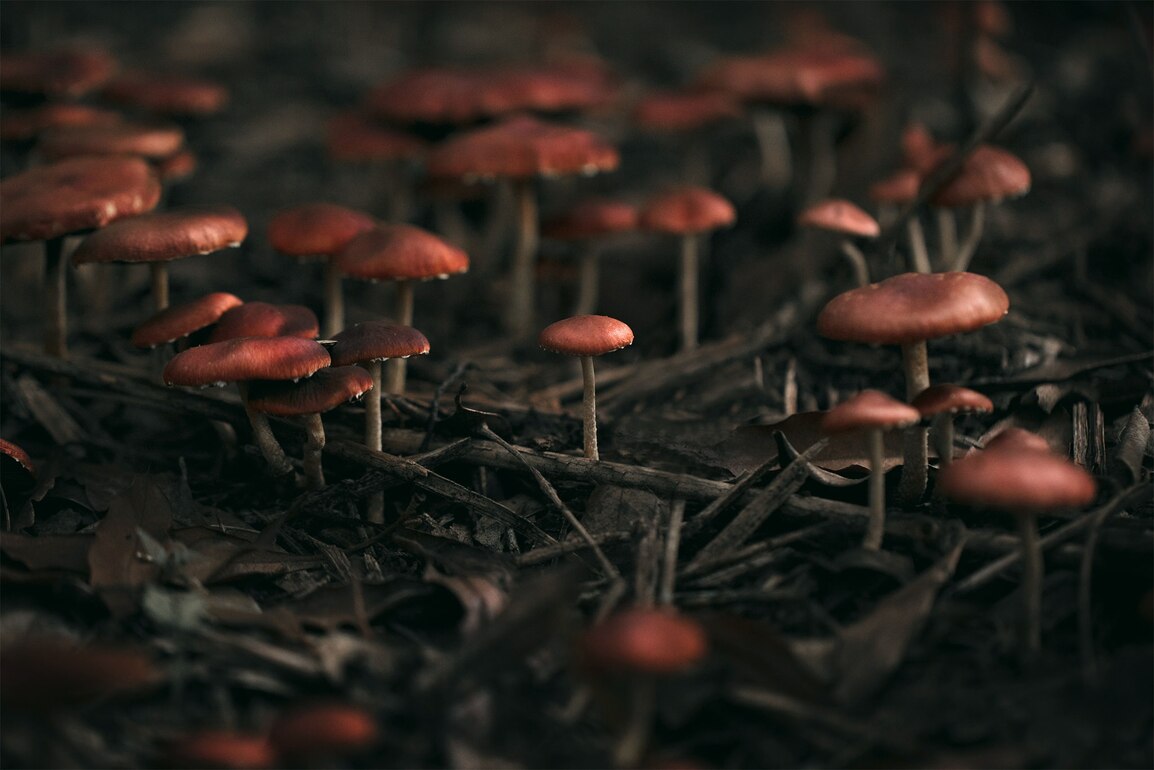
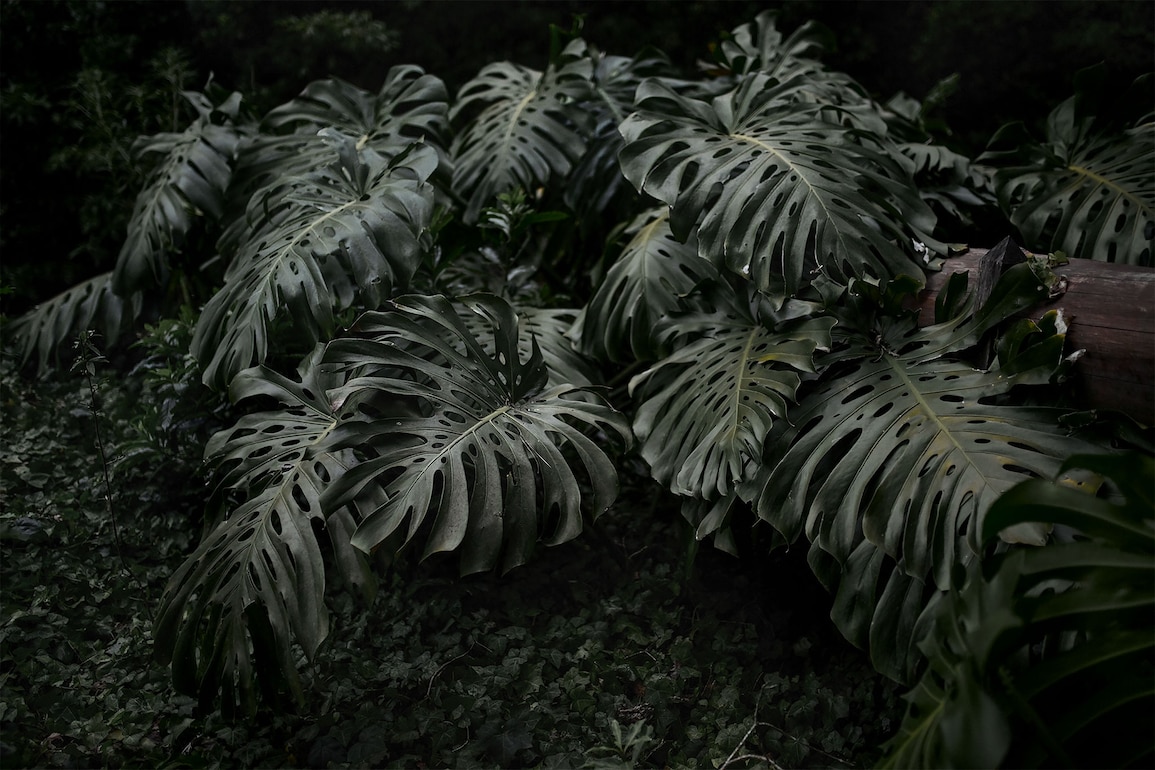
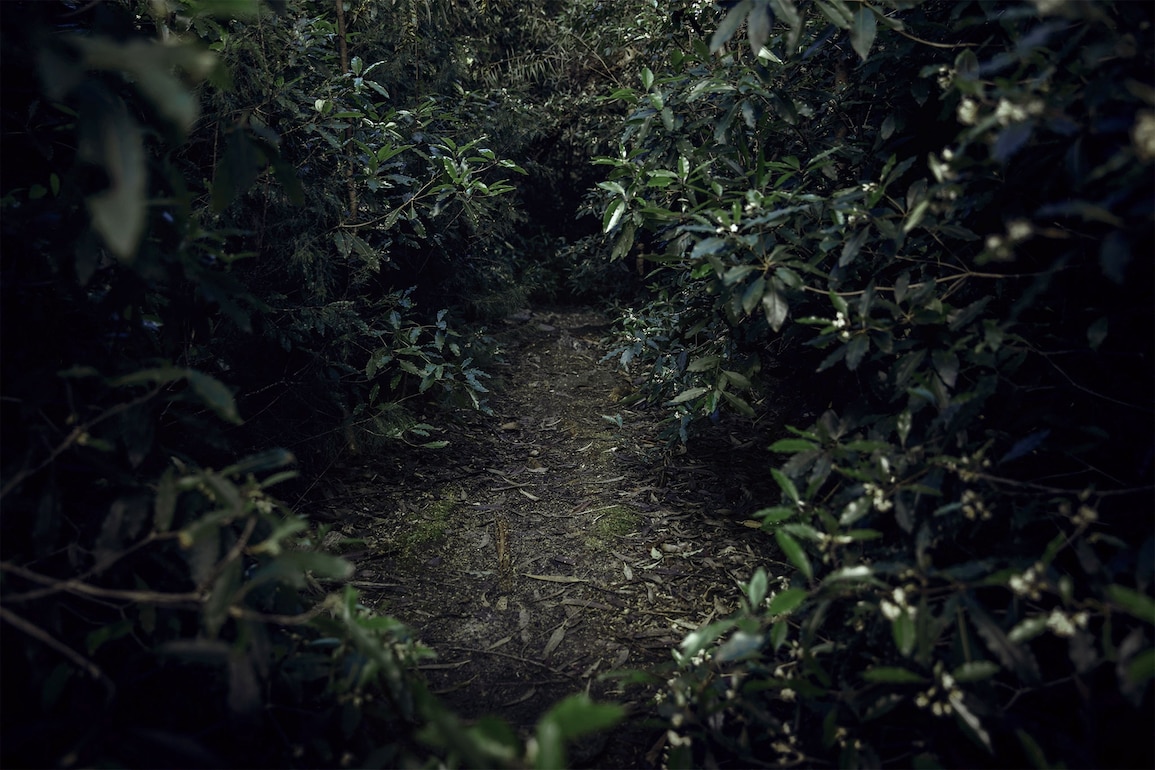
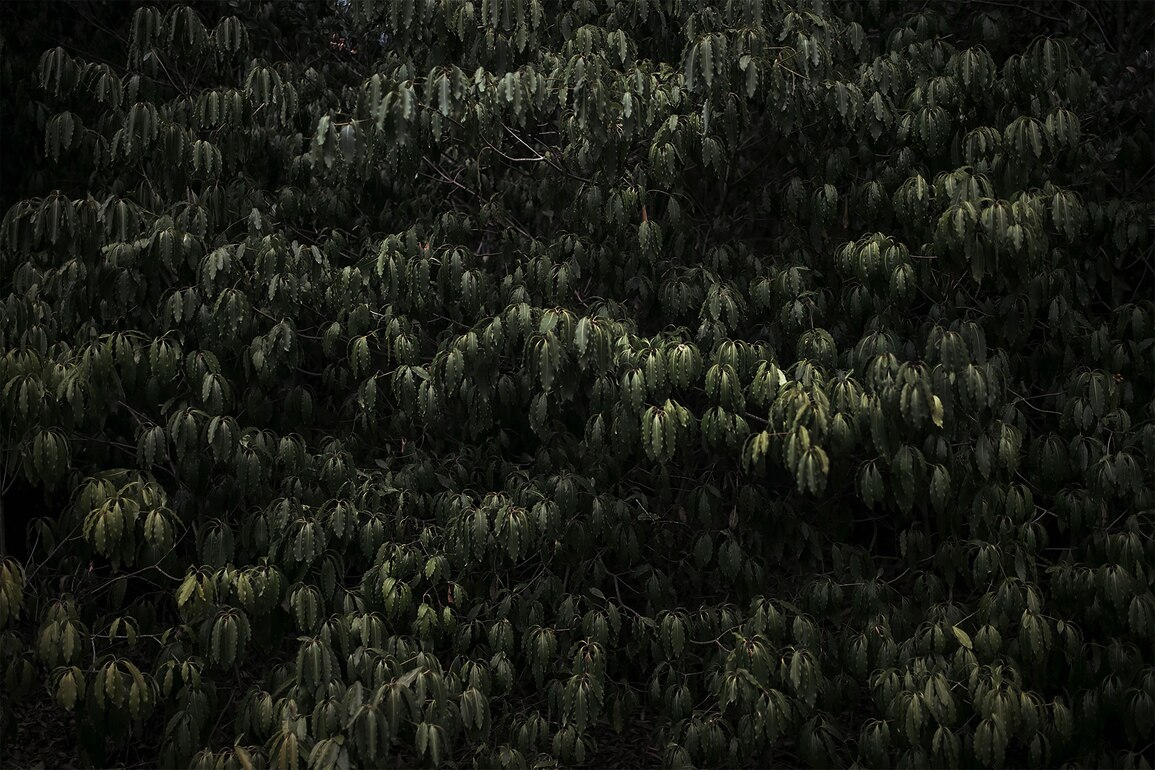
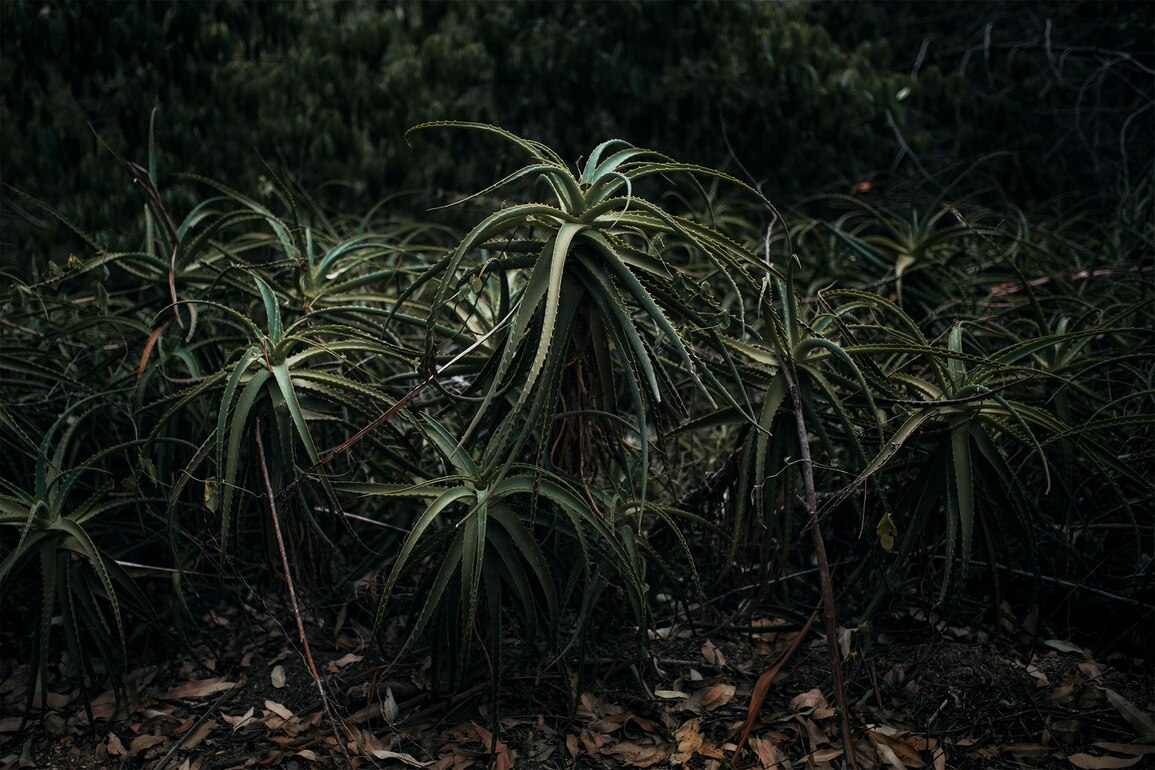
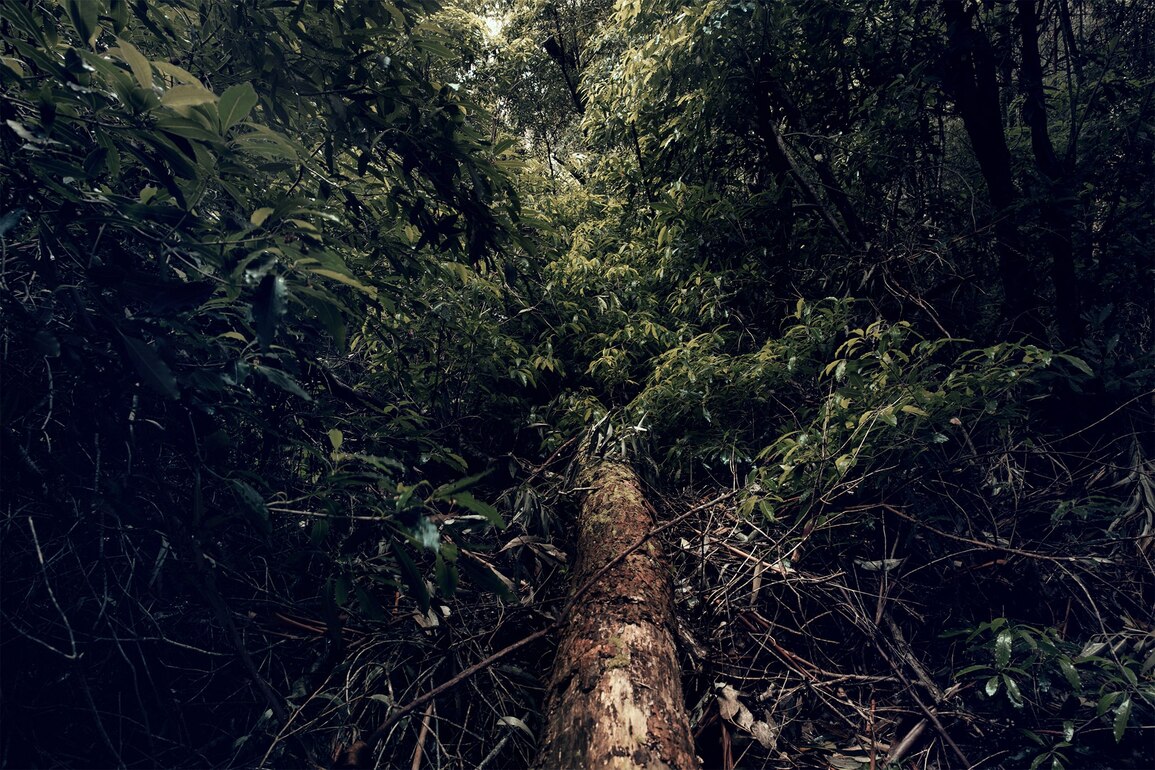
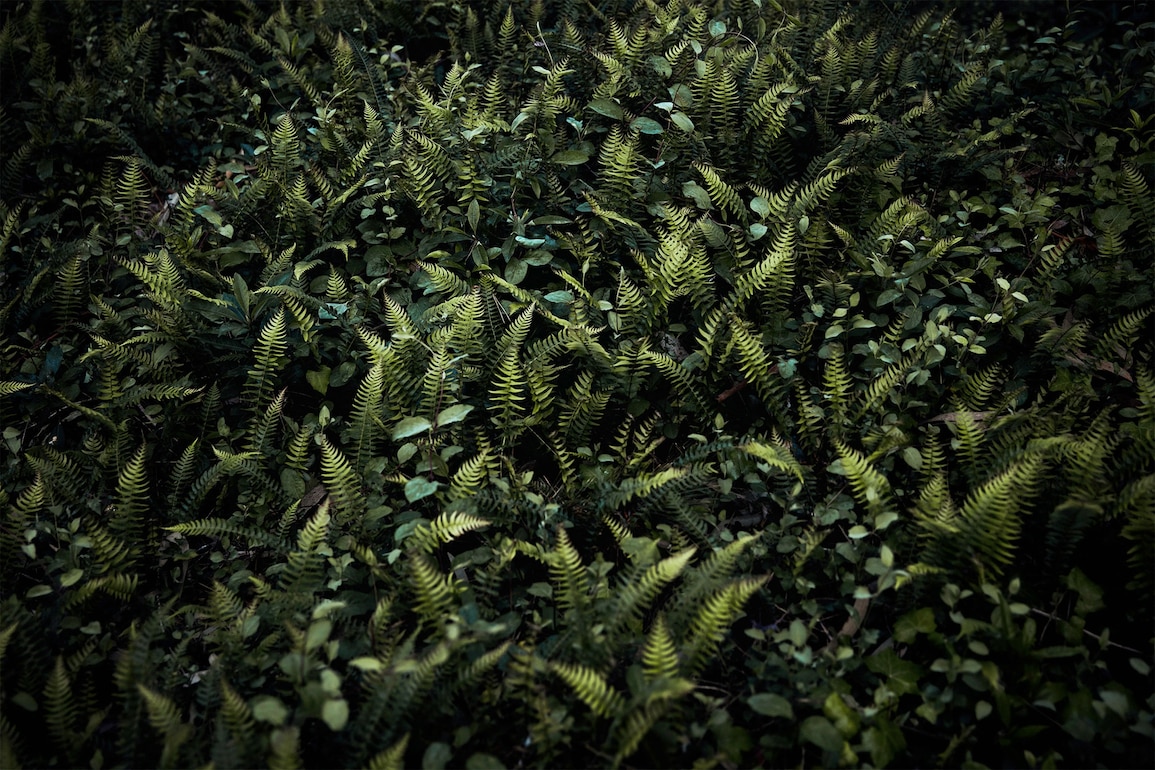
Experience the Magical Practice of 'Forest Bathing' - Photographer Tali Kimelman brings the sensory experience of the forest to life after letting herself get lost in its beauty.
-
The “healthy dose” of nature: A cautionary tale
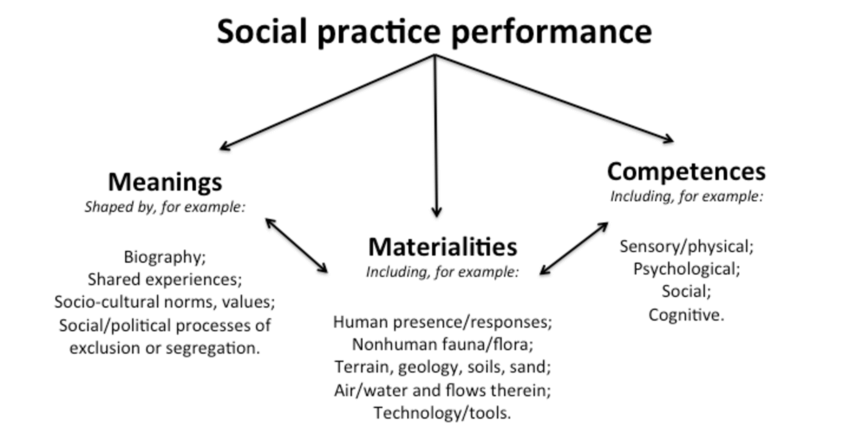
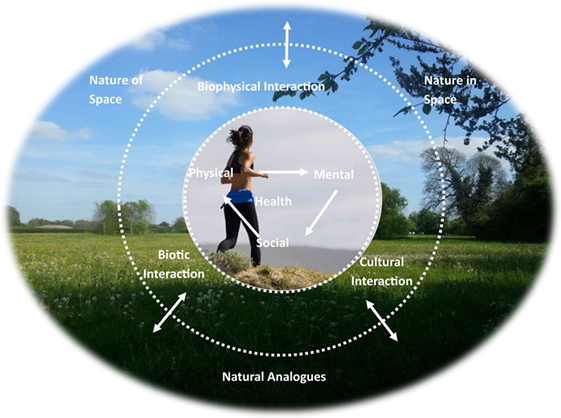
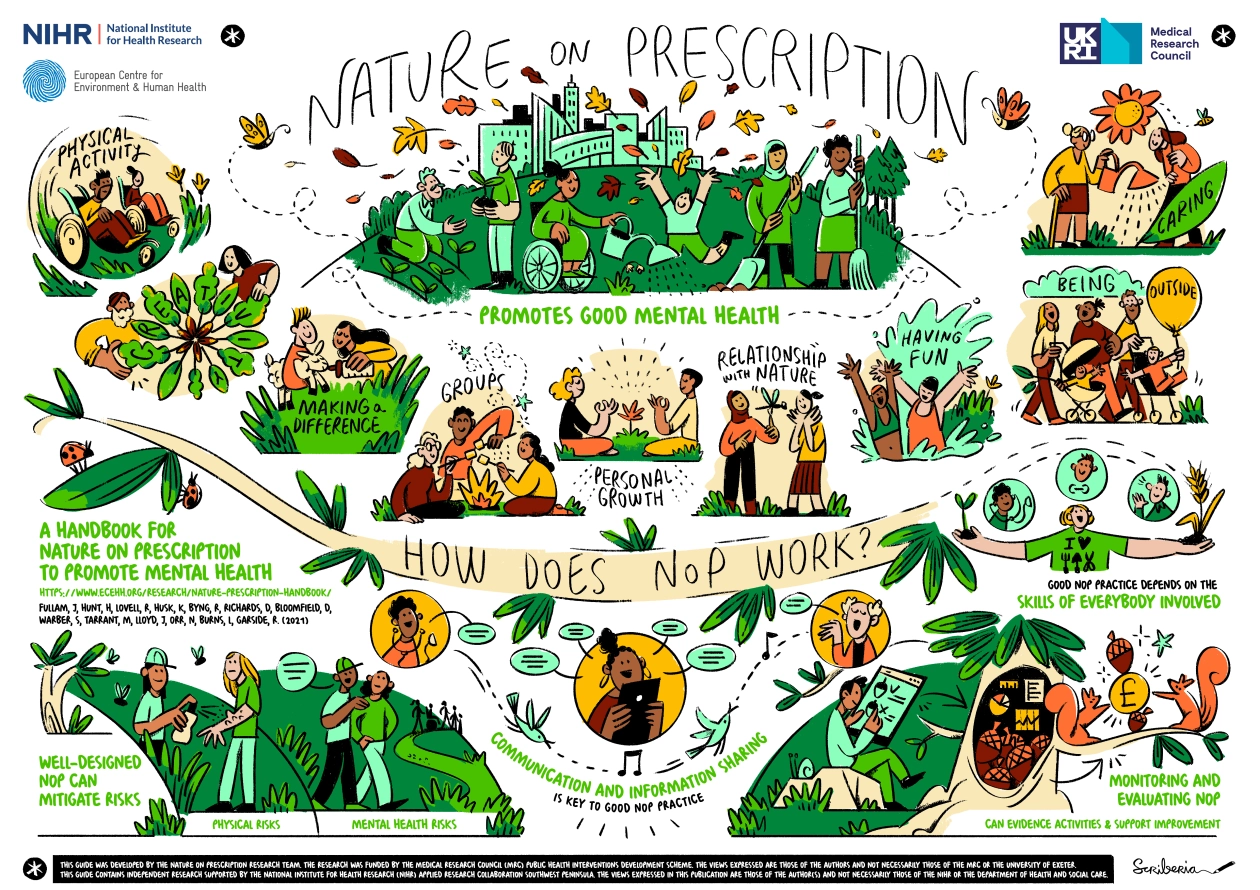
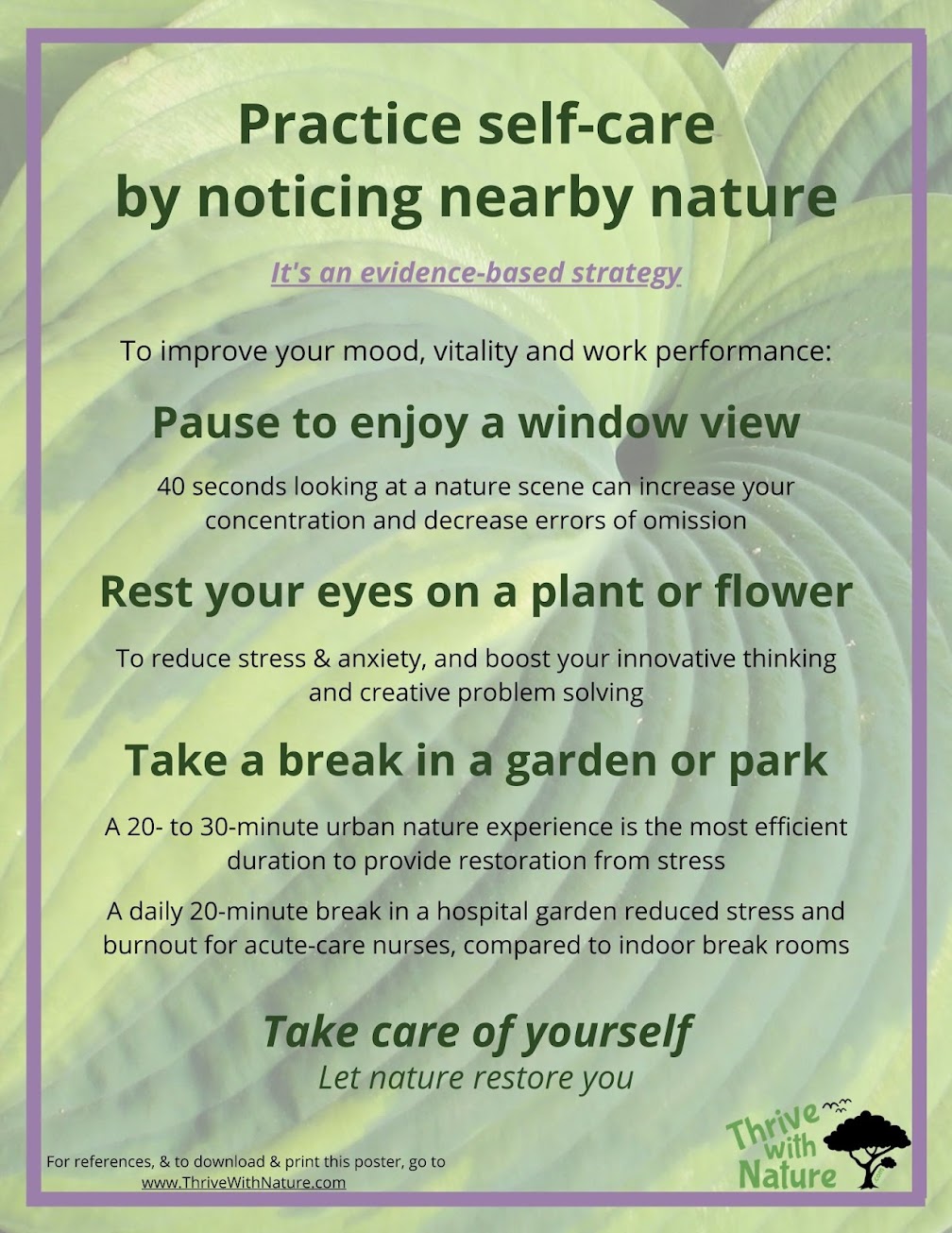
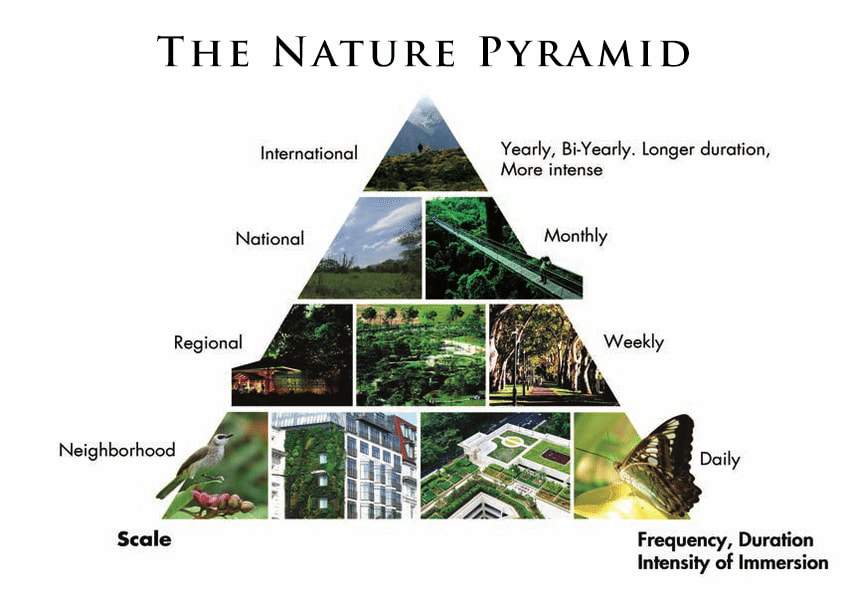
Growing cross‐disciplinary interest in understanding if, how, and why time spent with nature can contribute to human health and well‐being has recently prompted efforts to identify an ideal healthy dose of nature; exposure to a specific type of nature at a specified frequency and duration. These efforts build on longstanding attempts to prescribe nature in some way, most recently in the form of so‐called “green prescriptions.” In this critical discussion paper, we draw on key examples from within the fields of health and cultural geography to encourage deeper and more critical reflection on the value of such reductionist dose‐response frameworks. By foregrounding the relationally emergent qualities of people's dynamic nature encounters, we suggest such efforts may be both illusory and potentially exclusionary for the many individuals and groups whose healthy nature interactions diverge from the statistical average or “normal” way of being. We suggest value in working towards alternative more‐than‐human approaches to health and well‐being, drawing on posthumanist theories of social practice. We present two practice examples—beach‐going and citizen science—to demonstrate how a focus on social practices can better cater for the diverse and dynamic ways in which people come to conceptualise, embody, and interpret nature in their everyday lives. We close by reflecting on the wider societal transformations required to foster greater respect for embodied difference and diversity.