tag > Nature
-
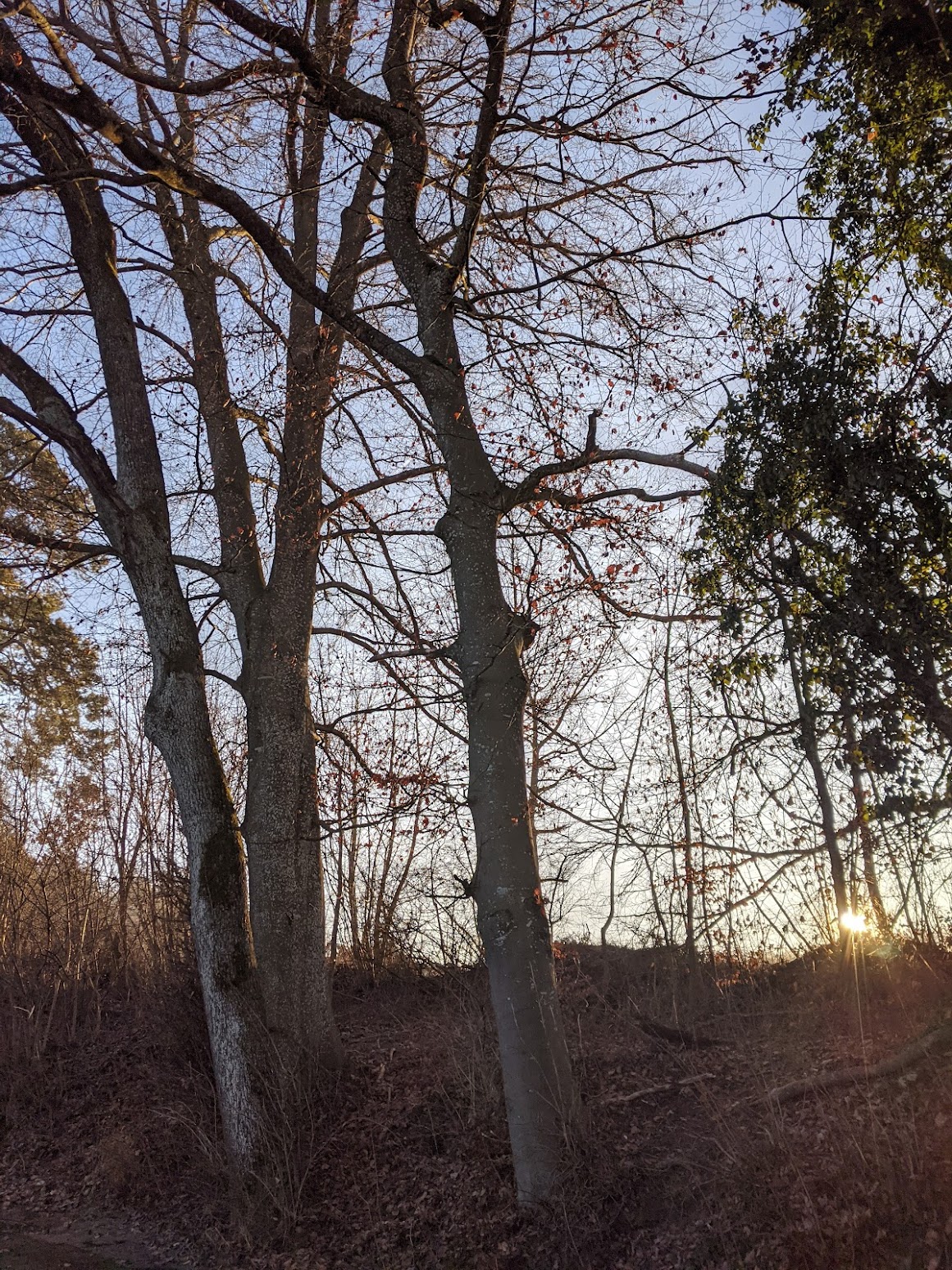
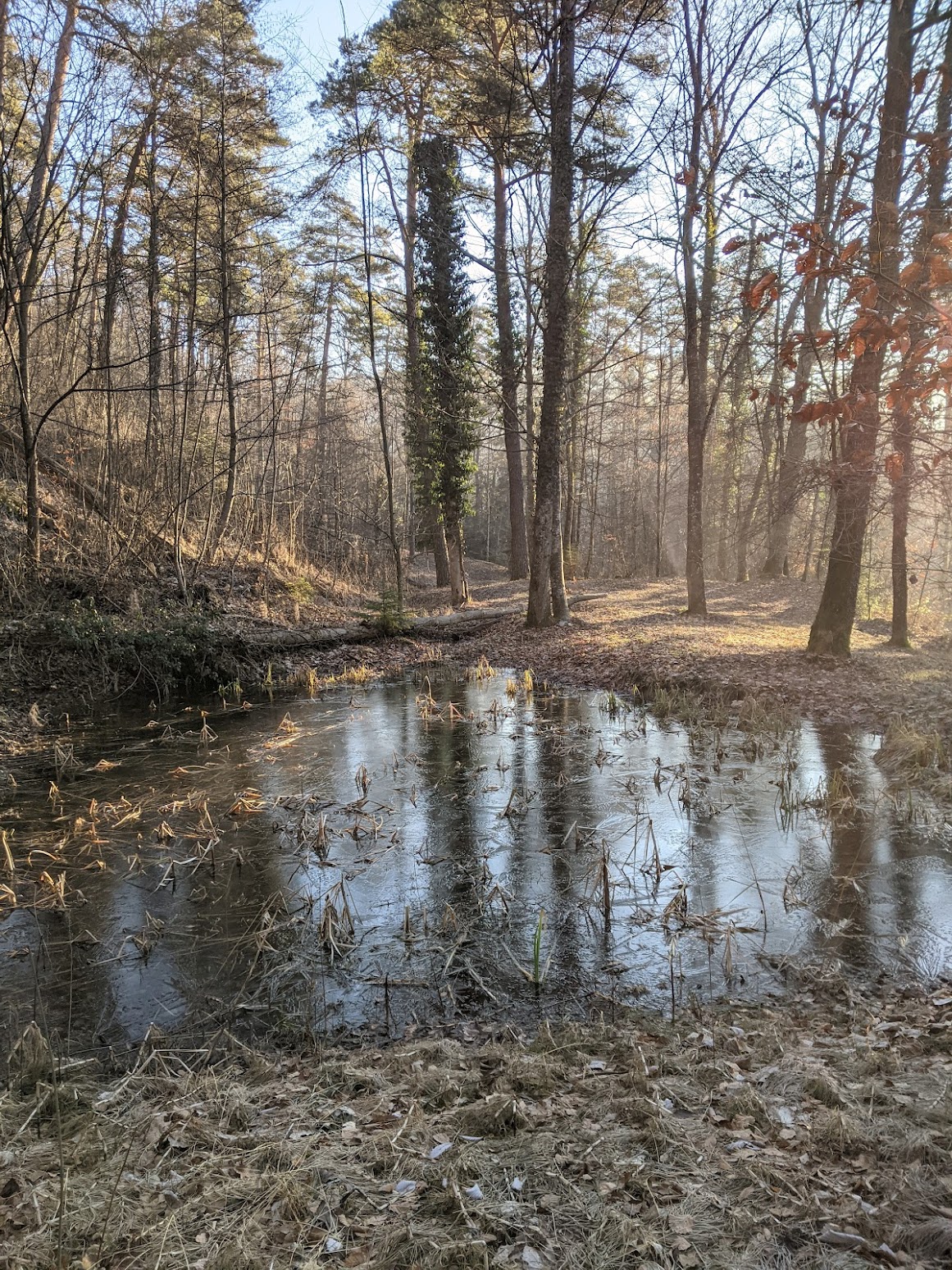
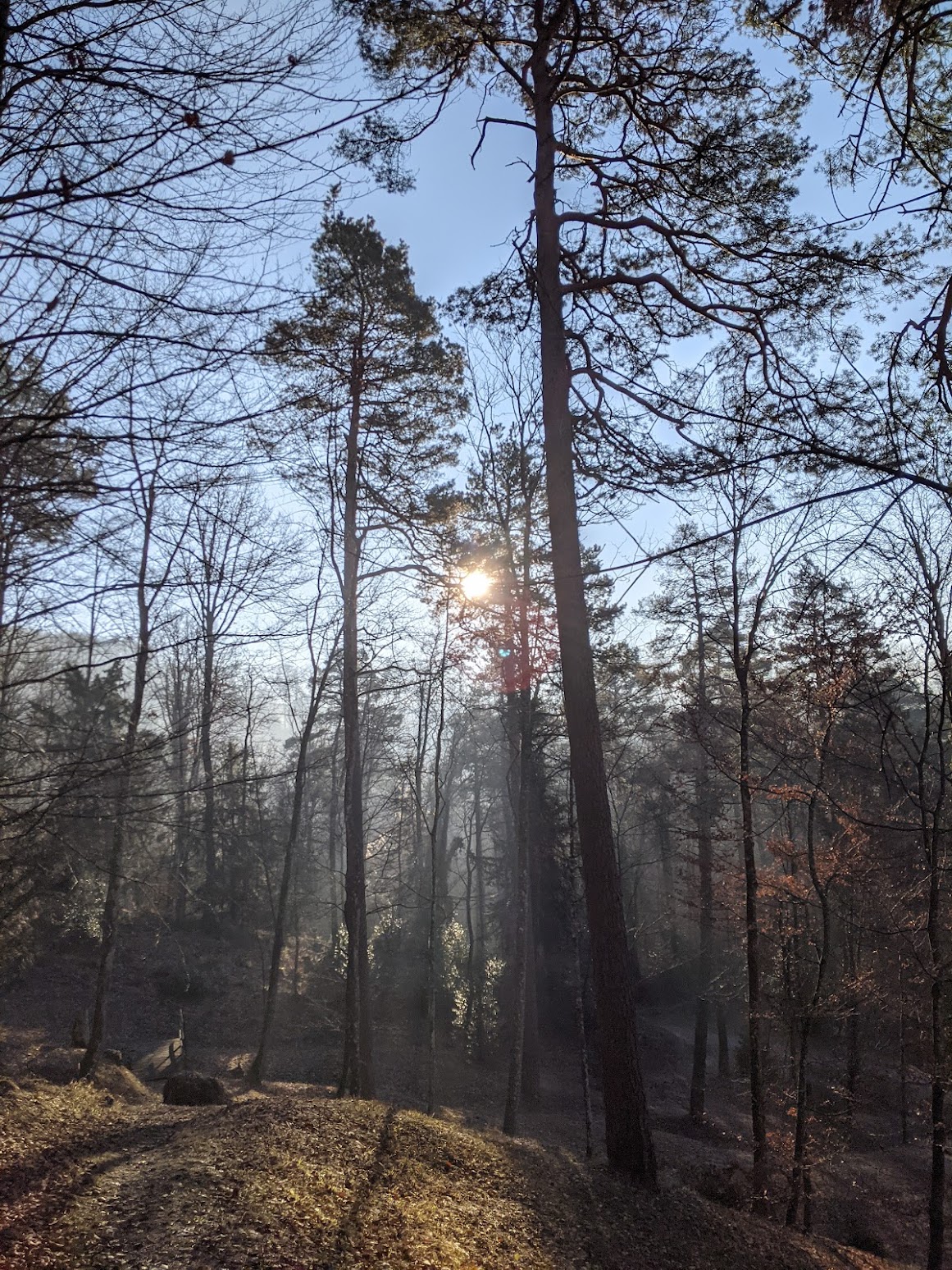
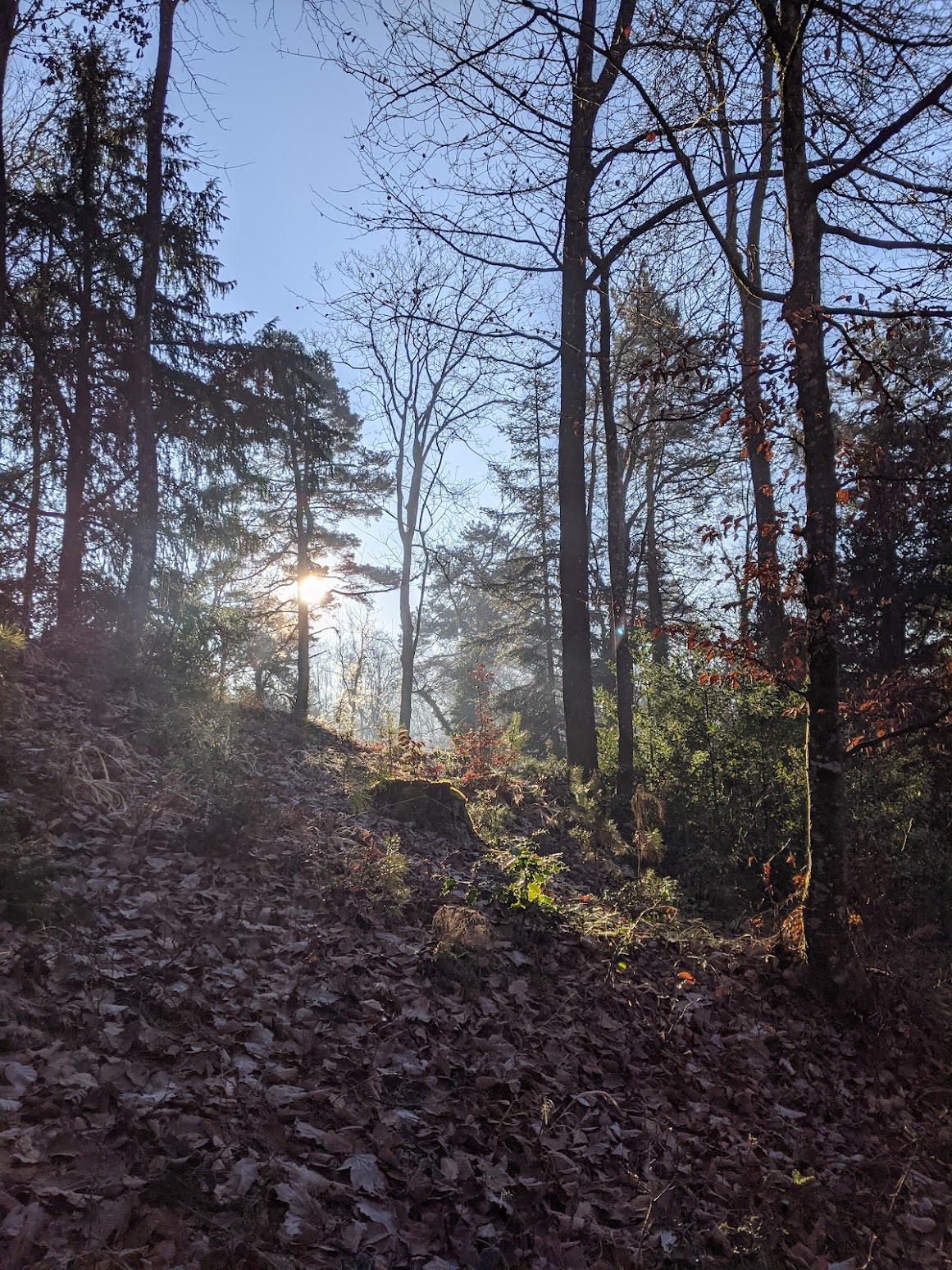
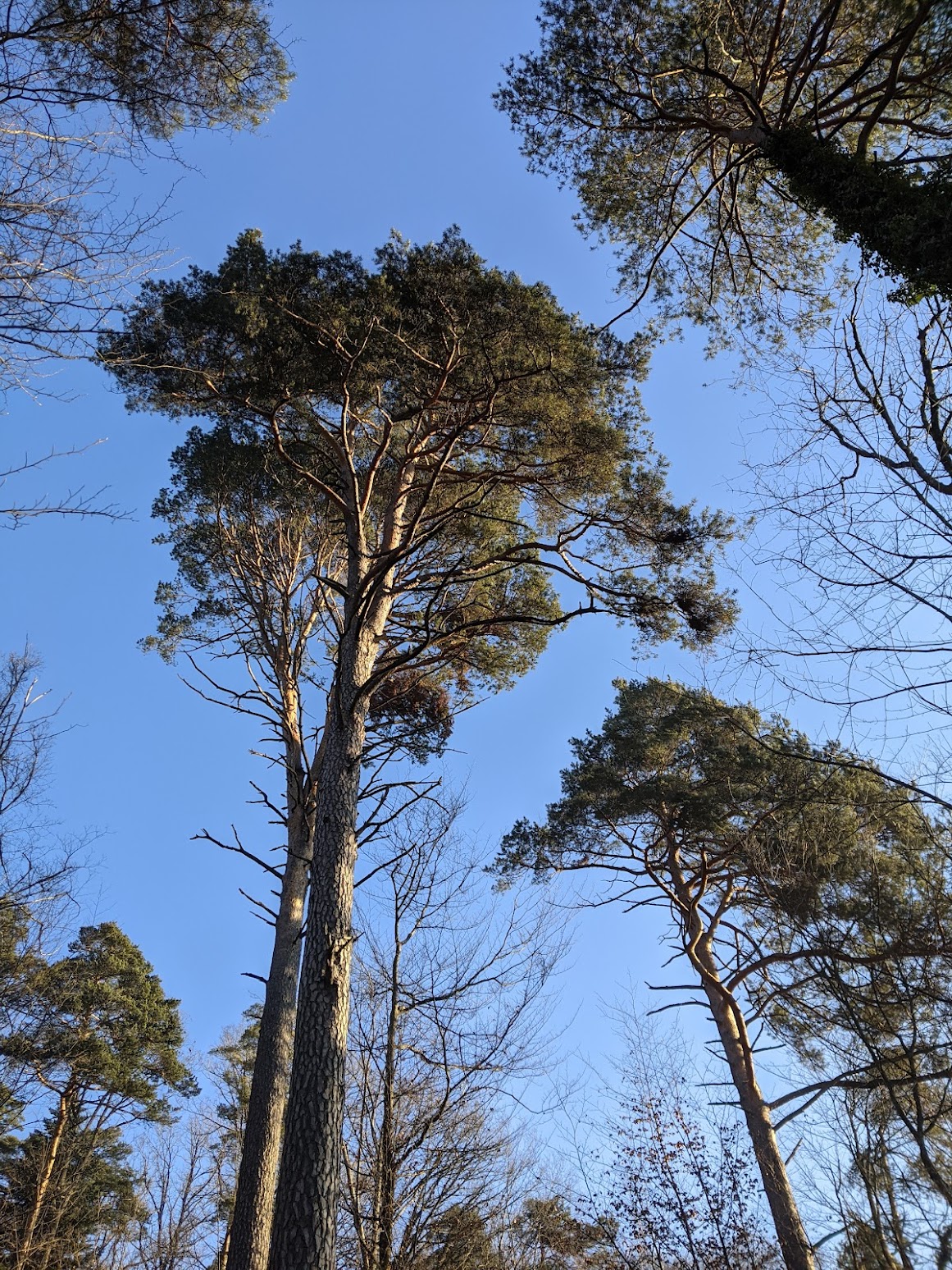
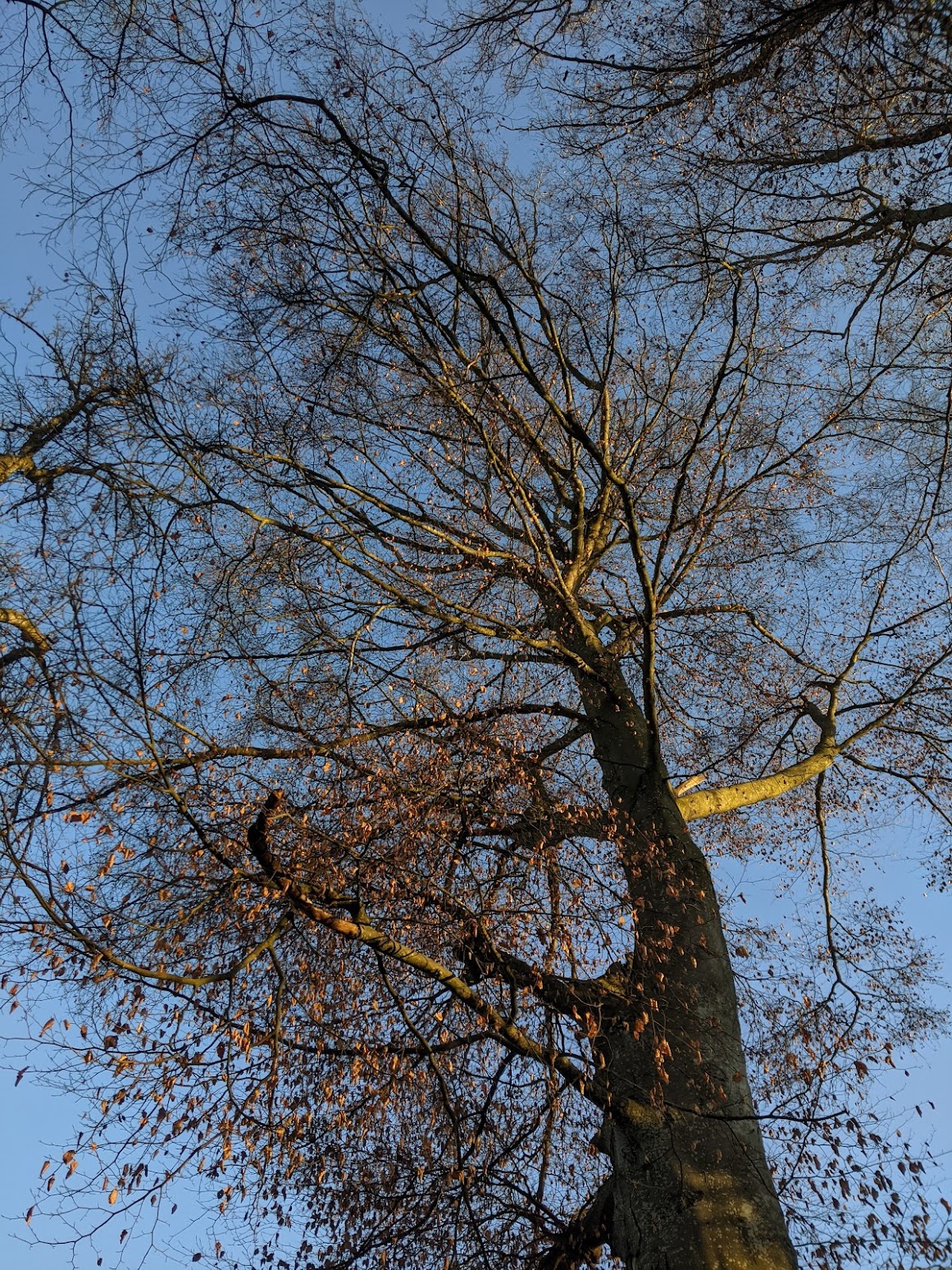
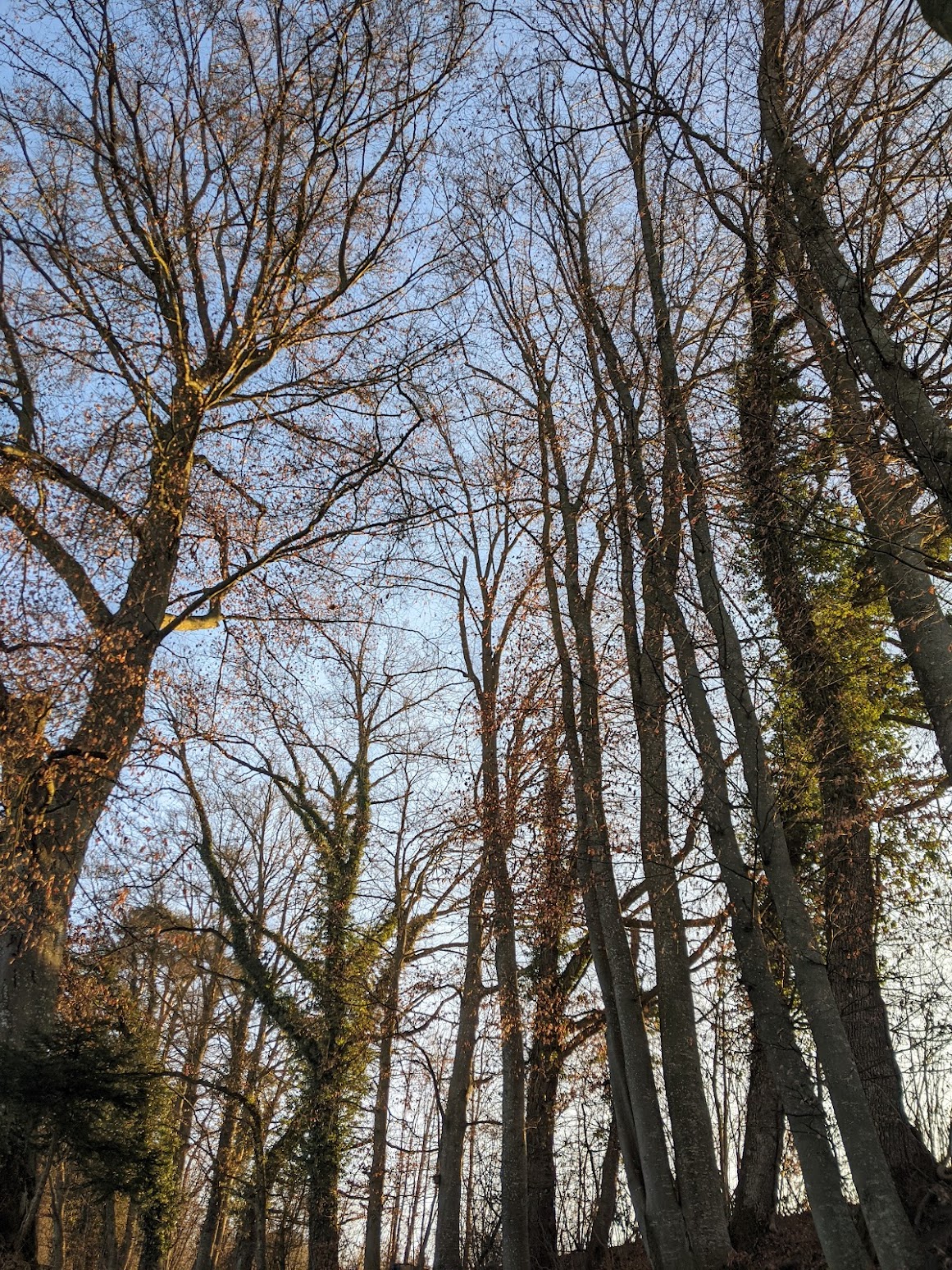
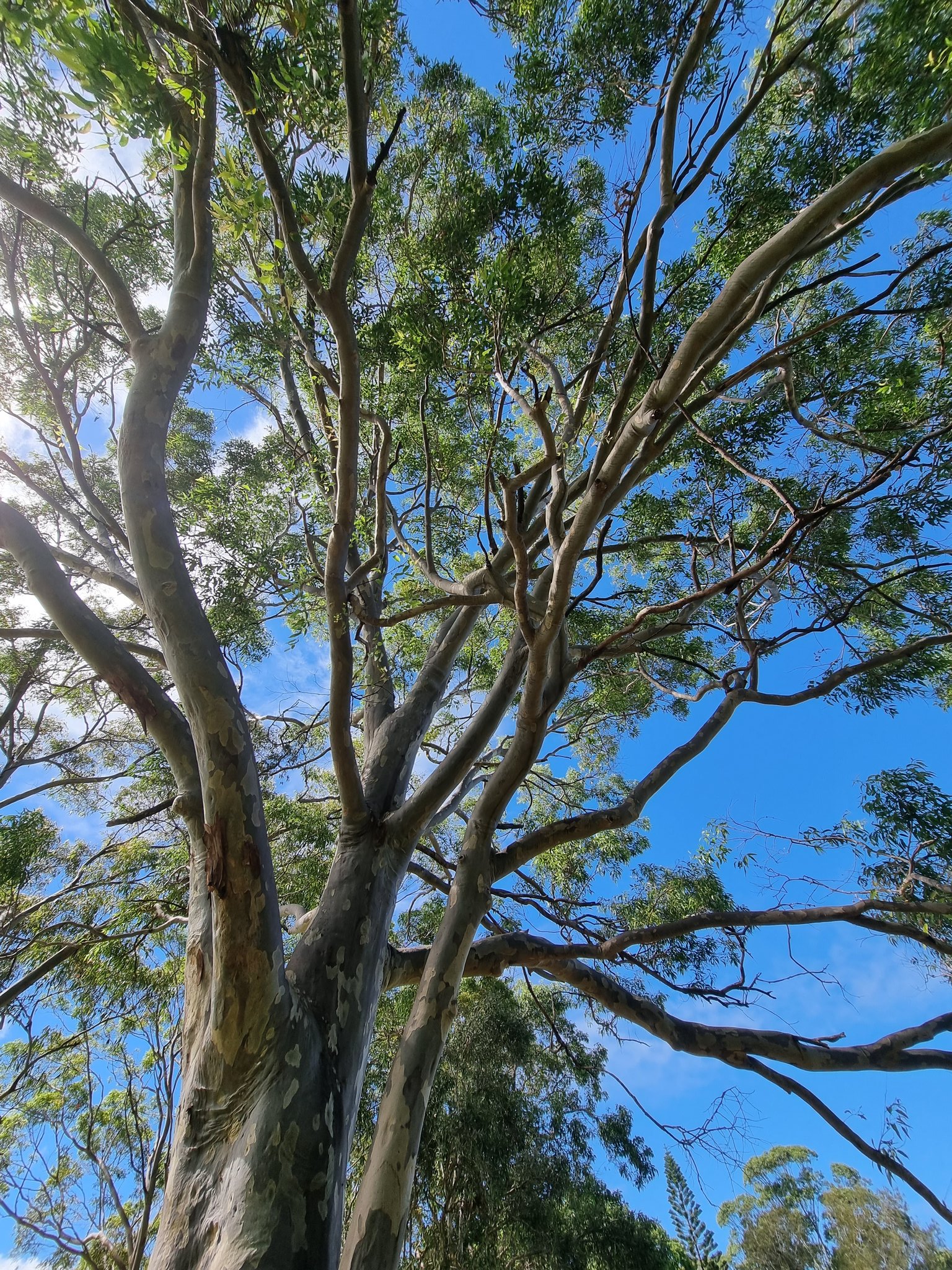
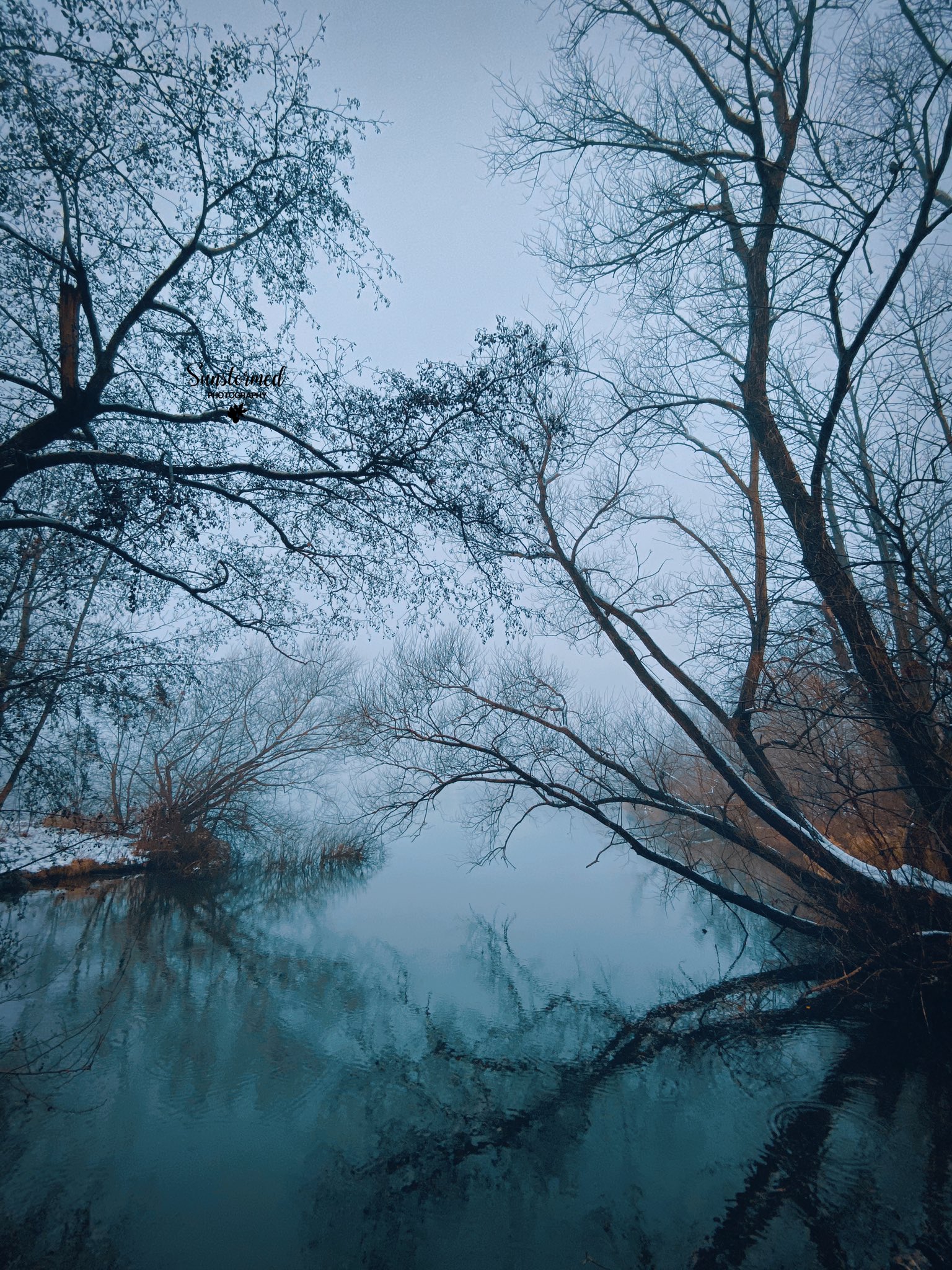
We are collecting the sounds of woodlands and forests from all around the world, creating a growing soundmap bringing together aural tones and textures from the world’s woodlands. The sounds form an open source library, to be used by anyone to listen to and create from. Selected artists will be responding to the sounds that are gathered, creating music, audio, artwork or something else incredible.
-
The Caring Hand in Glarus - Art by Eva Oertli and Beat Huber
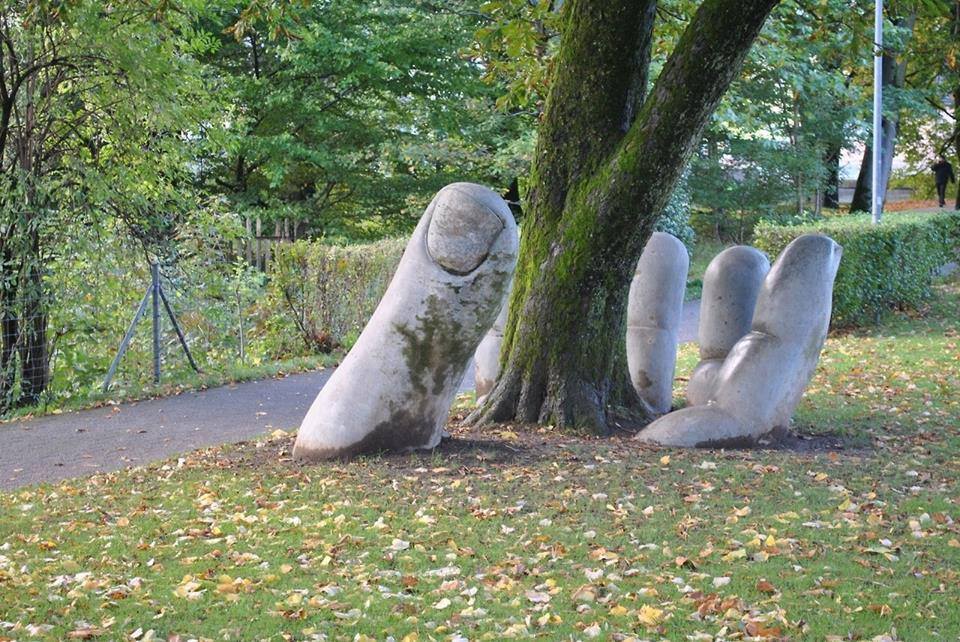
"The temporary installation "the caring hand" was such a great success with the audience, they demanded that the city of Glarus buy it. The artists gave the installation to the city as a gift. It is now permanently on display."
-
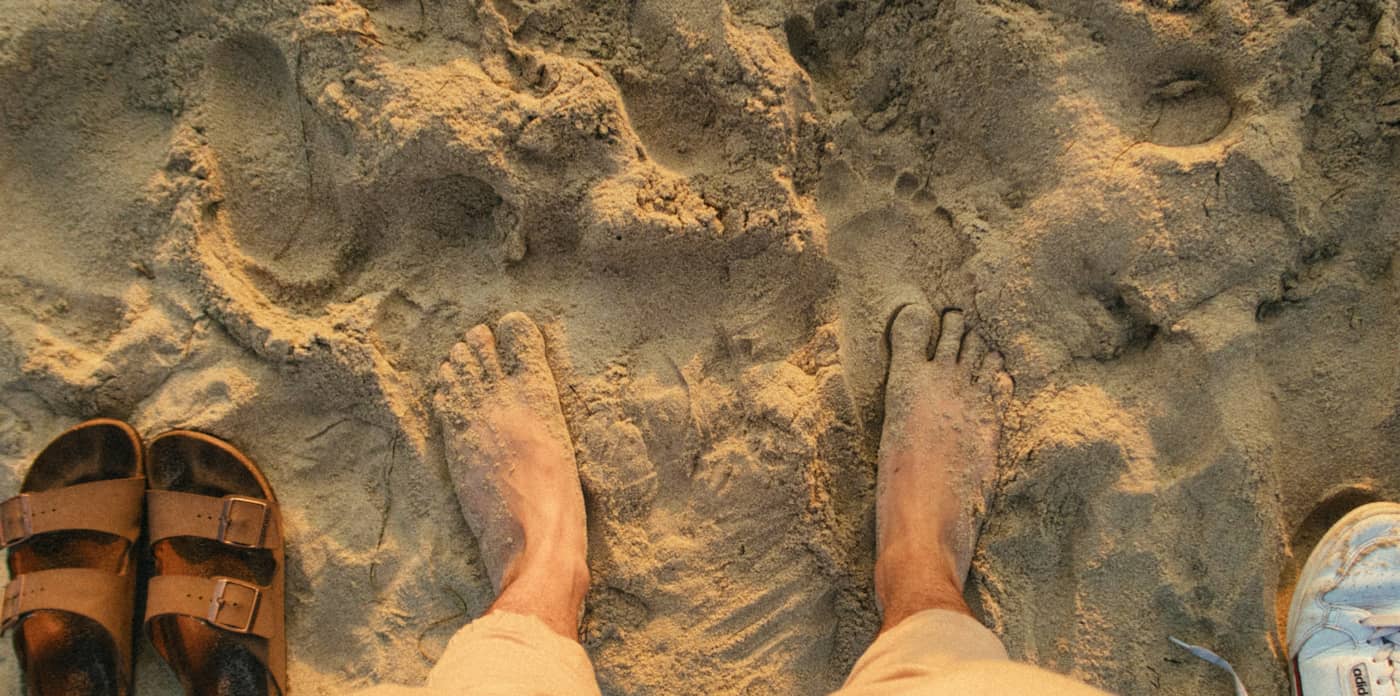
Blessings to all of you: May you experience the sound of a guitar at the shore of an ocean very soon.



-
Chinese tomb reveals ancient staple taste for cannabis: study
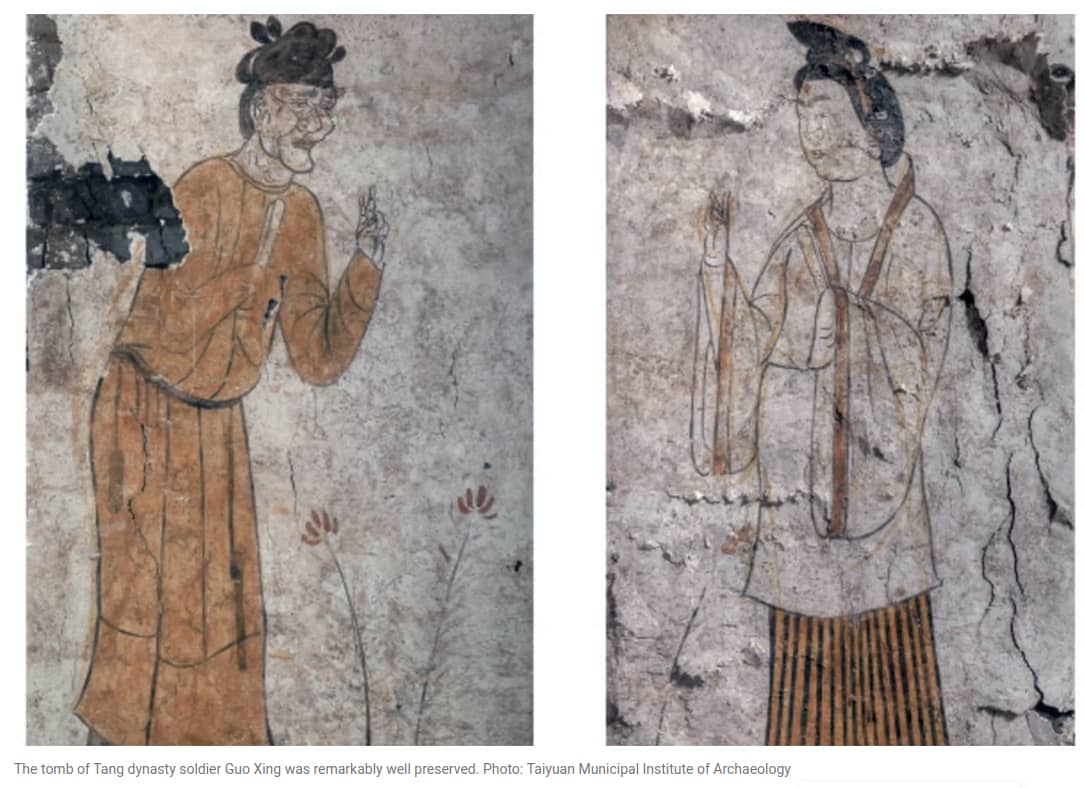
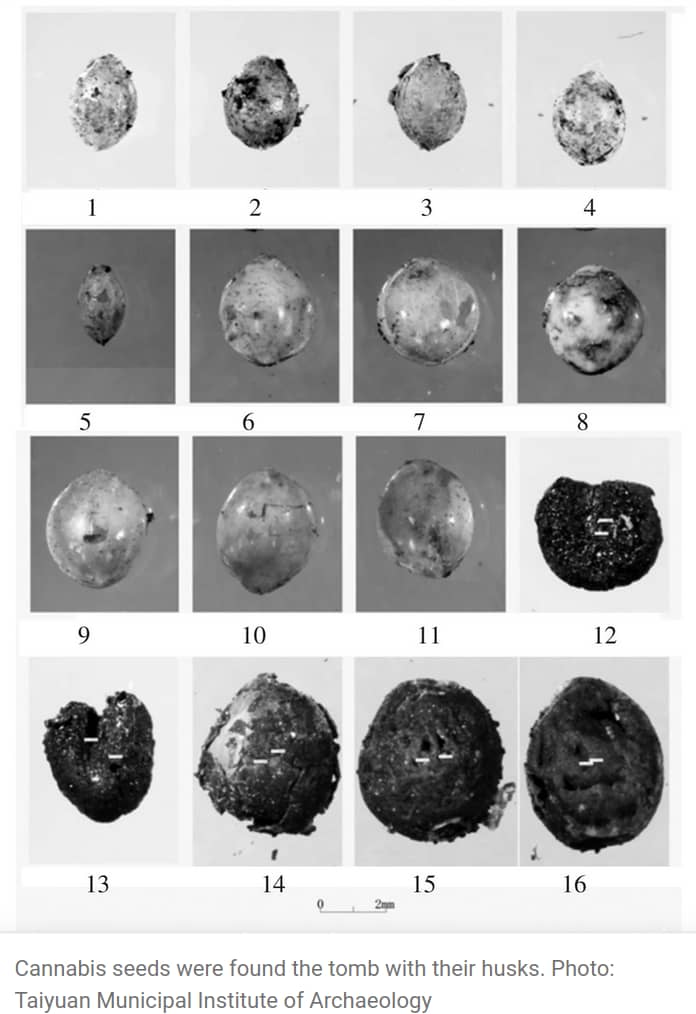
The accidental discovery of a Tang dynasty soldier’s resting place unearthed signs of the plant as an important food crop, researchers say. The presence of seeds also pointed to cannabis as more than a source of nutrition
The legalisation of “recreational marijuana” in other countries “greatly increases the opportunities for our citizens to come into contact with and use marijuana products out of curiosity”, said Hu and his colleagues in a paper published in the Journal of Criminal Investigation Police University of China last month. While the global cultivation of cannabis plants has shrunk by more than 90 per cent since the 1960s, the plantation area in China – mostly for hemp fibre – has increased more than 30 per cent in just a year to 24,400 hectares (60,300 acres) by the end of 2019, according to the government data. The use of new cultivation technology also increased productivity by more than three times to 5.2 tonnes per in the same period.
Cannabis was first domesticated 12,000 years ago in China, researchers find
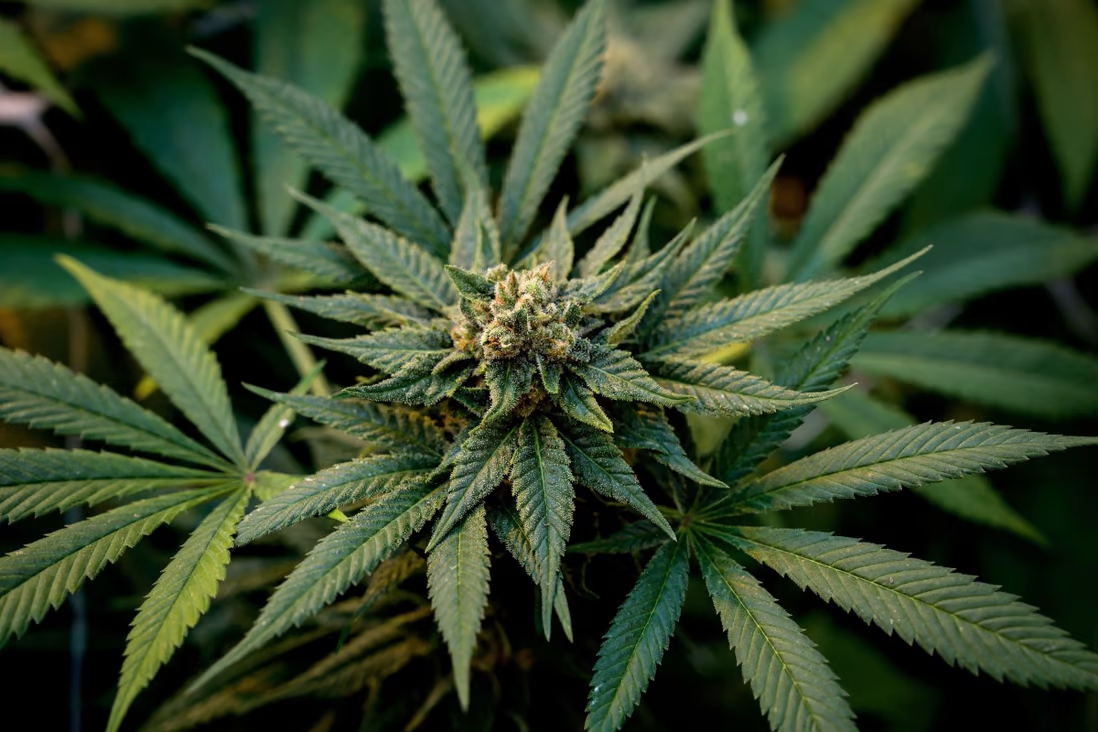
A study in the journal Science Advances reported that ‘cannabis sativa was first domesticated in early Neolithic times in East Asia’. All current hemp and drug cultivars diverged from an ancestral gene pool currently represented by feral plants and landraces in China, the study said.
-
1000-year-old ginkgo at Tsurugaoka Hachimangū
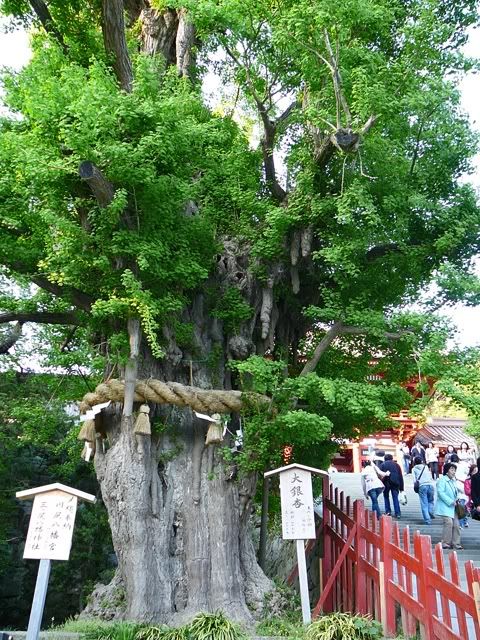
The ginkgo tree that stood next to Tsurugaoka Hachiman-gū's stone stairway approximately from the Shinto shrine's foundation in 1063, and which appears in almost every old depiction of the shrine, was blown down on 10 March 2010. The remaining roots of the tree were later seen to be sprouting vigorously. The shrine is in the city of Kamakura, Kanagawa Prefecture, Japan.
The tree was nicknamed kakure-ichō (hiding ginkgo), derived from an Edo period legend in which Minamoto no Sanetomo is assassinated on 13 February 1219 by his nephew, Kugyō, who had been hiding behind the tree. In fact ginkgos arrived from China in the 14th century, and a 1990 tree-ring measurement indicated the tree's age to be about 500 years.
-
Scientists find there are 70% fewer pollinators, due to air pollution
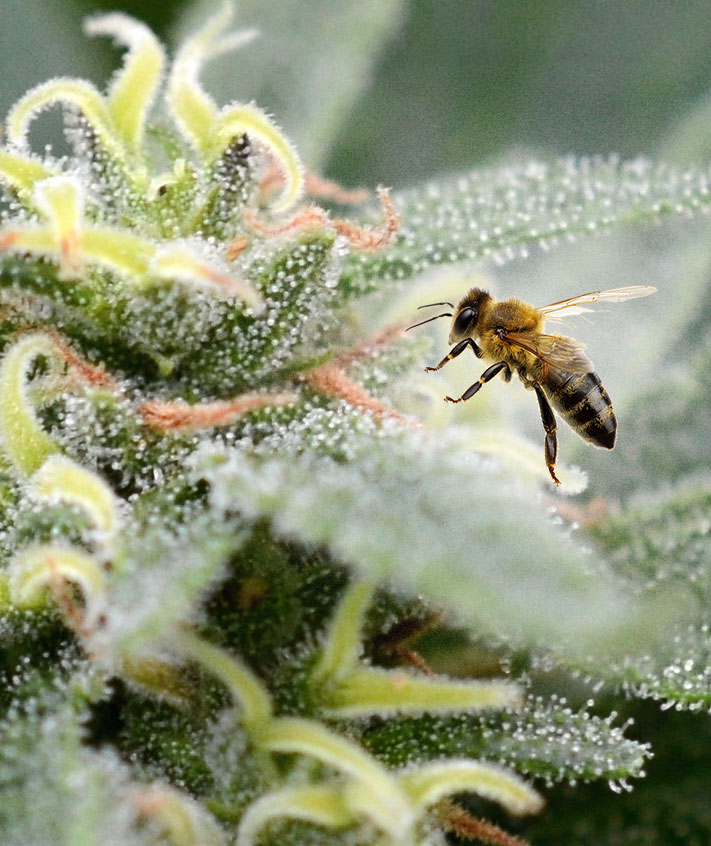
Air pollution significantly reduces pollination by confusing butterflies and bees, lessening their ability to sniff out crops and wildflowers
Study Shows that Bees Love Hemp, Which is Wonderful News for the Environment and the World
“Industrial hemp can play an important role in providing sustained nutritional options for bees during the cropping season.”
-
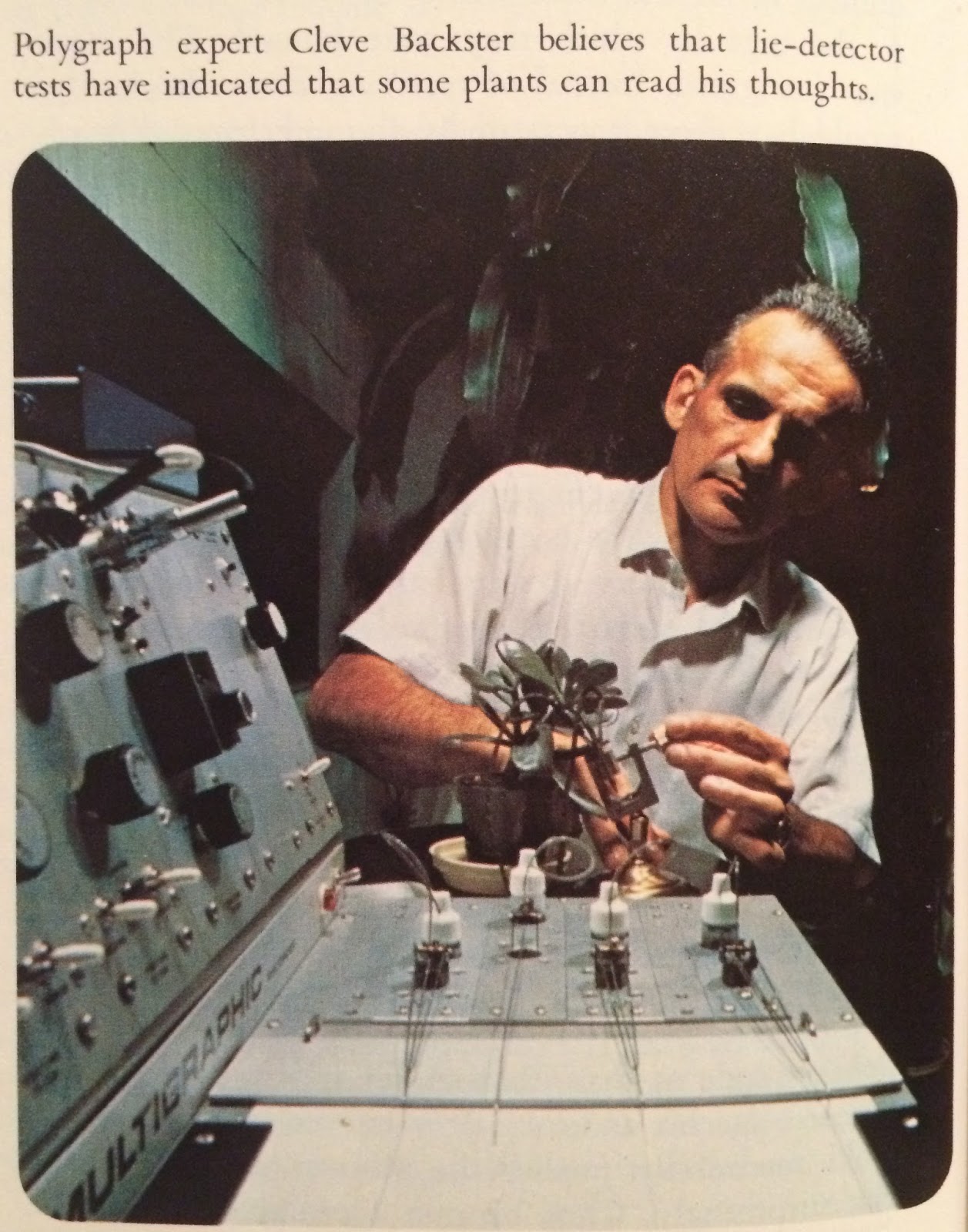
An interview with Cleve Backster, who's seminal work on primary perception was ahead of its time.