tag > NeuroScience
-
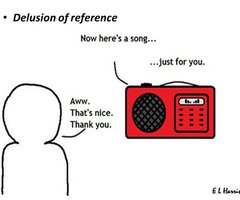
A delusion in which the patient believes that unsuspicious occurrences refer to him or her in person. Patients may, for example, believe that certain news bulletins have a direct reference to them, that music played on the radio is played for them, or that car licence plates have a meaning relevant to them. Ideas of reference differ from delusions of reference in that insight is retained.
-
Gut microbiota plays a role in brain function and mood regulation (pasteur.fr)
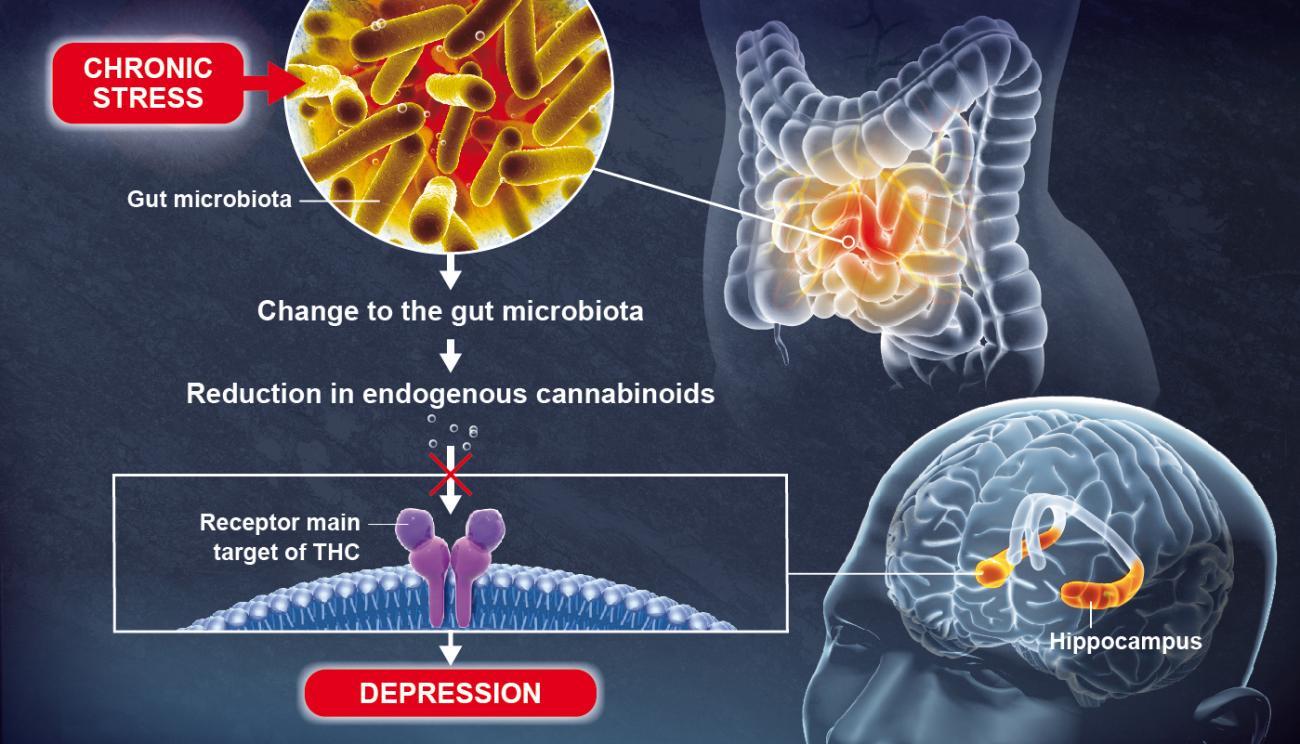
Scientists recently discovered that a change to the gut microbiota brought about by chronic stress can lead to depressive-like behaviors in mice, by causing a reduction in endogenous cannabinoids. These findings, which show that a healthy gut microbiota contributes to normal brain function, were published in Nature Communications.
-
NeuroMeditation Report Writer stabililty analysis tutorial - A new entry in the bullshit comedy show that features classics such as "Competitive Meditation" and "Meditation Deathmatch".
-
Does the human brain resemble the Universe?
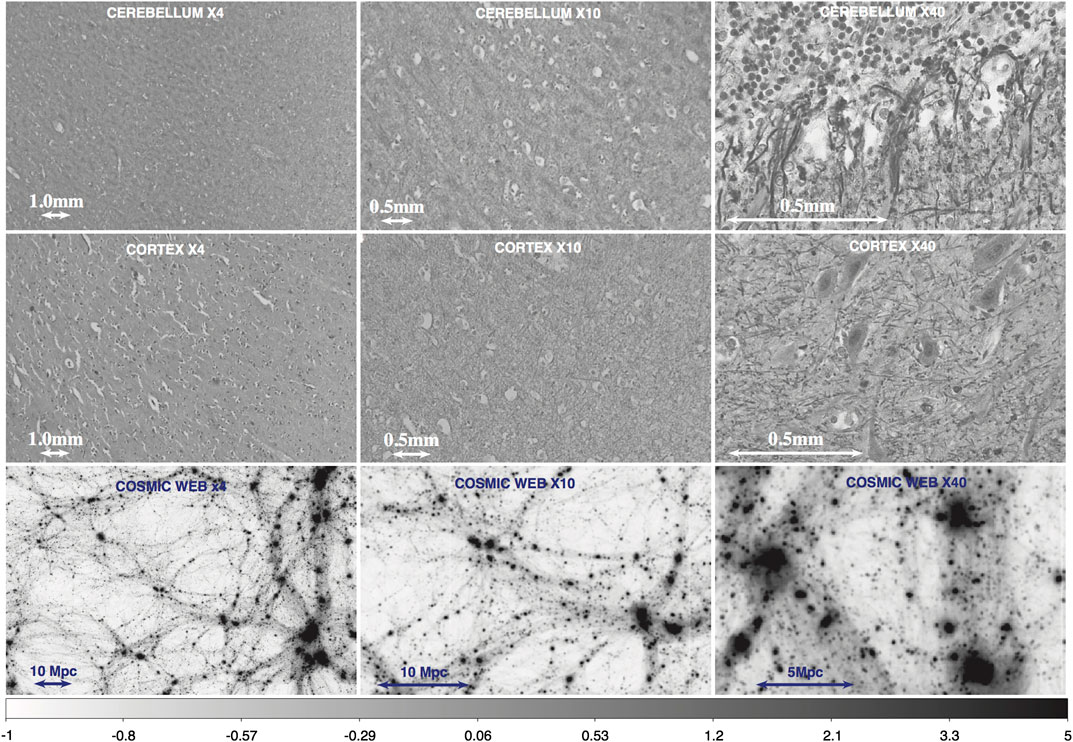
An astrophysicist of the University of Bologna and a neurosurgeon of the University of Verona compared the network of neuronal cells in the human brain with the cosmic network of galaxies… and surprising similarities emerged. The study was published in Frontiers of Physics: "The quantitative comparison between the neuronal network and the cosmic web”.
-
Minimal Phenomenal Experience - presentation by Thomas Metzinger
#Comment: Metzinger is trying very diligently to approach the meditative/psychedelic/qi/zen/dao/dada/call-it-what-you-want space from a rational scientific perspective - even proposing ideas for a computational model. It's interesting and fascinating work for sure - but it tethers on semiotic masturbation and it conveniently ignores the elephants in the room !
During the Q&A Metzinger says the following:
"I am just trying to make progress on this phenomenology because, it has be reported for centuries in different cultural traditions - but now we have a very new interesting situation: We have all these tools of neuroscience, we have modern analytical philosophy of mind, and we have millions of meditators in the west that are pretty secular - and don't have a strong belief system in which they report their experiences."
The notion that "secular western (meditators) don't have a strong belief system" is ridicules on so many levels - yet indicative of the world view that permeates the emerging "WEIRD, male scientists trying to compute consciousness" field (Karl Friston, Christof Koch, Hartmut Neven, etc.). WEIRD ("Western, Educated, Industrialized, Rich & Democratic") make up only 12% of global population. Much greater diversity (gender, cognitive, etc.) would certainty make this type of discussion much more interesting and fun.
-
Remote, brain region–specific control of choice behavior with ultrasonic waves

Abstract: The ability to modulate neural activity in specific brain circuits remotely and systematically could revolutionize studies of brain function and treatments of brain disorders. Sound waves of high frequencies (ultrasound) have shown promise in this respect, combining the ability to modulate neuronal activity with sharp spatial focus. Here, we show that the approach can have potent effects on choice behavior. Brief, low-intensity ultrasound pulses delivered noninvasively into specific brain regions of macaque monkeys influenced their decisions regarding which target to choose. The effects were substantial, leading to around a 2:1 bias in choices compared to the default balanced proportion. The effect presence and polarity was controlled by the specific target region. These results represent a critical step towards the ability to influence choice behavior noninvasively, enabling systematic investigations and treatments of brain circuits underlying disorders of choice.
-
Why Some Memories Seem Like Movies: 'Time Cells' Discovered In Human Brains (npr)
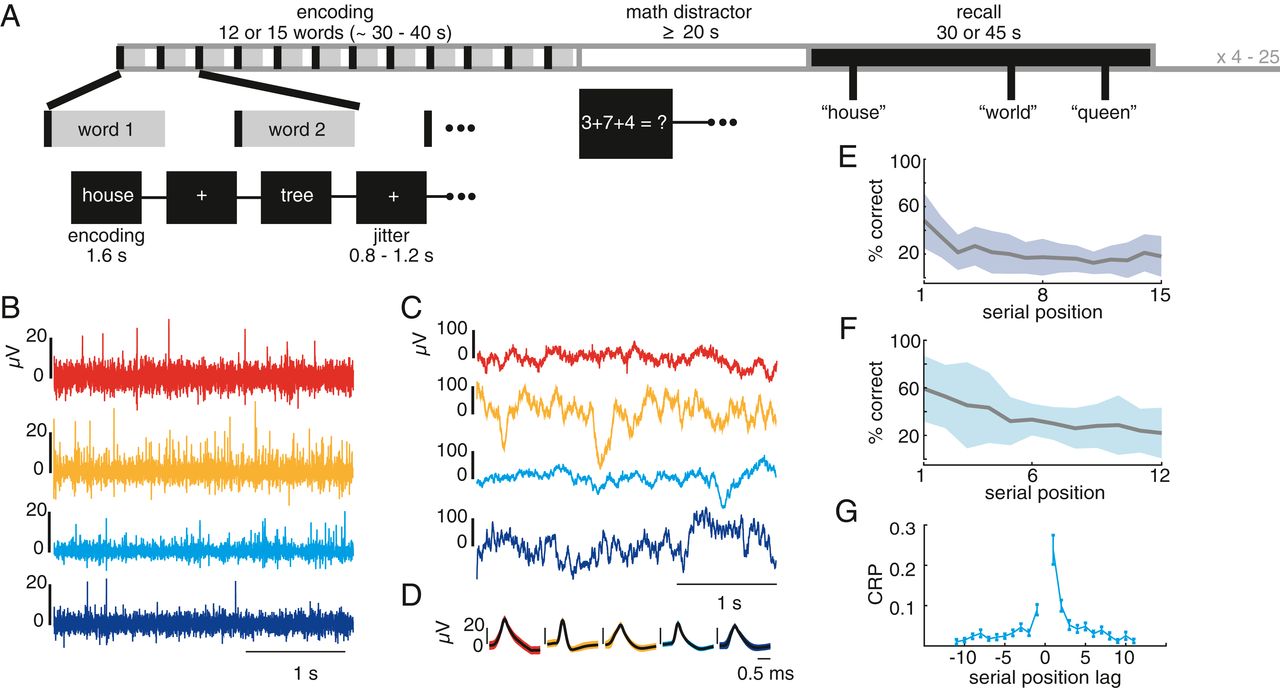
If you fall off a bike, you'll probably end up with a cinematic memory of the experience: the wind in your hair, the pebble on the road, then the pain. That's known as an episodic memory. Researchers have identified cells in the human brain that make this sort of memory possible, a team reports in the journal Proceedings of the National Academy of Sciences. The cells are called time cells, and they place a sort of time stamp on memories as they are being formed. That allows us to recall sequences of events or experiences in the right order.
-
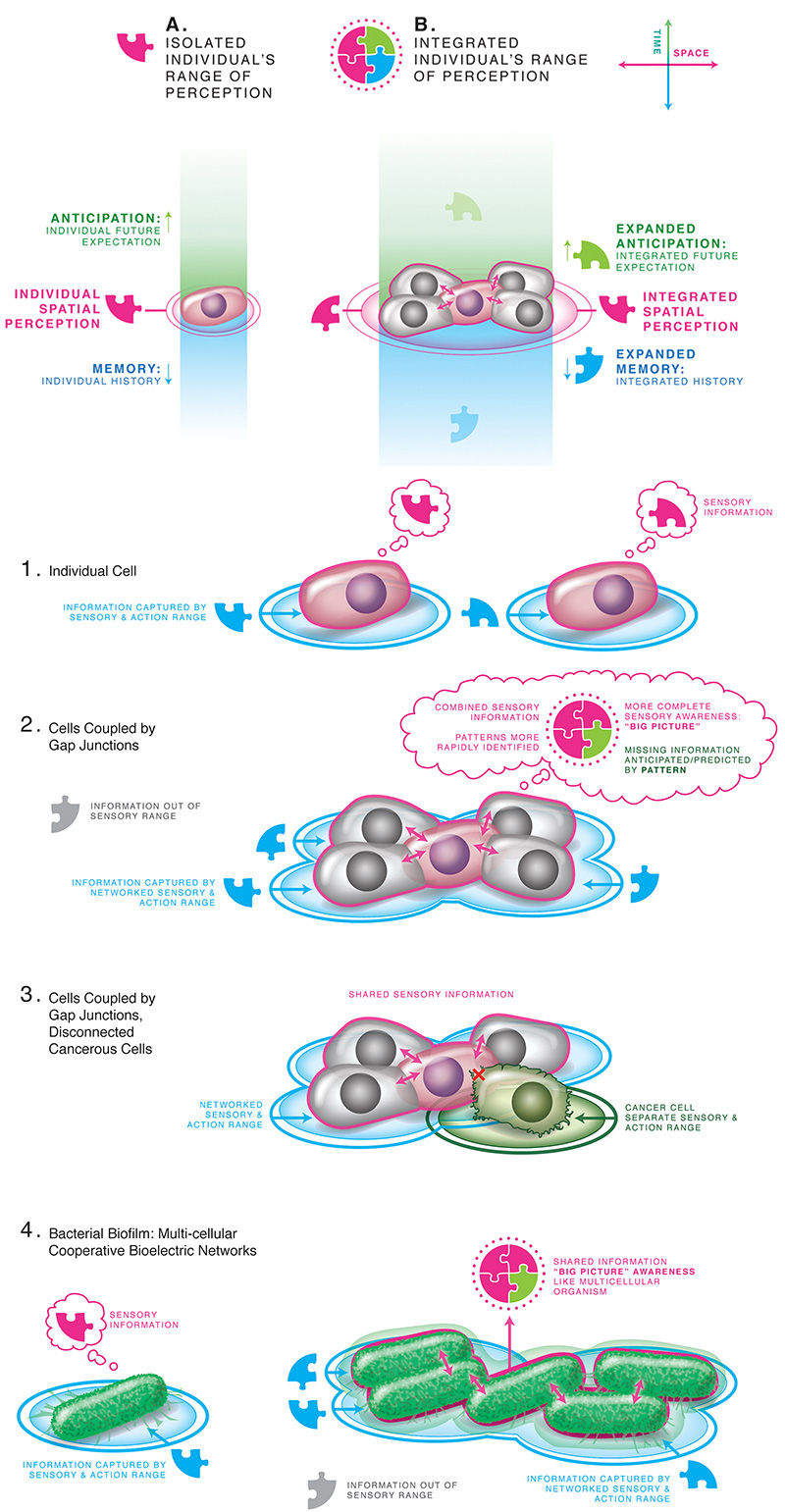
Cognition all the way down (aeon)
Biology’s next great horizon is to understand cells, tissues and organisms as agents with agendas (even if unthinking ones)
-
Integrating information in the brain’s EM field: the cemi field theory of consciousness - paper by Johnjoe McFadden #NeuroScience #RadioBio
-
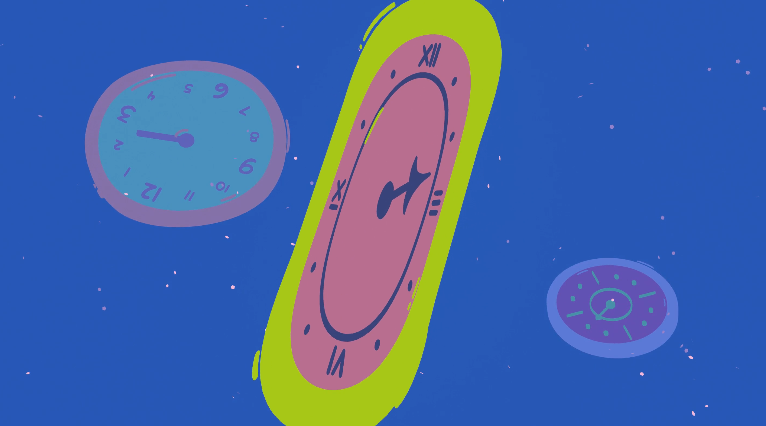
Reasons Revealed for the Brain’s Elastic Sense of Time
New research finds that the subjective experience of time is linked to learning, thwarted expectations and neural fatigue.
-
Scientists Say A Mind-Bending Rhythm In The Brain Can Act Like Ketamine
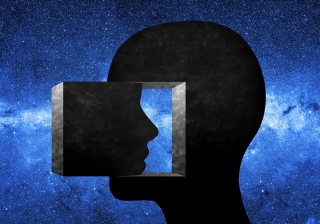
"There was a rhythm that appeared and it was an oscillation that appeared only when the patient was dissociating," says Dr. Karl Deisseroth, a psychiatrist and neuroscientist at Stanford University. Dissociation is a brain state in which a person feels separated from their own thoughts, feelings and body. It is common in people with some mental illnesses, or who have experienced a traumatic event. It can also be induced by certain drugs, including ketamine and PCP (angel dust). Deisseroth's lab made the discovery while studying the brains of mice that had been given ketamine or other drugs that cause dissociation. The team was using technology that allowed them to monitor the activity of cells throughout the brain.
Researchers pinpoint brain circuitry underlying dissociative experiences
Stanford scientists identified brain circuitry that plays a role in the mysterious experience called dissociation, in which people can feel disconnected from their bodies and reality.
-
The (neuro)science of getting and staying motivated (EPFL)
The analysis revealed that the key to performance – and, by extension, motivation – lies within the ratio of two neurotransmitters in the nucleus accumbens: glutamine and glutamate. Specifically, the ratio of glutamine to glutamate relates to our capacity for maintaining performance over a long period of time – what the researchers term “stamina”. Another discovery was that competition seems to boost performance even from the beginning of the task. This was especially the case for individuals with low glutamine-to-glutamate ratios in the nucleus accumbens.
-
Avoiding Bias in Decision Making
It is estimated that we make 35,000 decisions every day. That's approximately one decision every 2 seconds. Choices include everything from what to eat to what to wear, what to believe to what to prioritize. Most of our decisions are made with out much effort or attention.
How do we ensure we are making the best decisions that are objective and fair, specially when the decisions are affecting other people? One way to tackle this is to be aware of circumstance that can trigger biased decisions. Research suggests there are four major moments when we are most likely to make biased decisions:
1. When the ambiguity is high (e.g, some factors are hard to quantify)
2. When there is compromised cognitive load (information overload) on the decision-making.
3. When the decisions are made with incomplete information (e.g. factors are hard to forecast)
4. When the decision-maker is over-confident in their ability to make an objective decision.
Start by being aware of such moments. You don't need to this for every decision: focus on the important ones, where the impact of bias on the outcome may have sever negative effects.
-
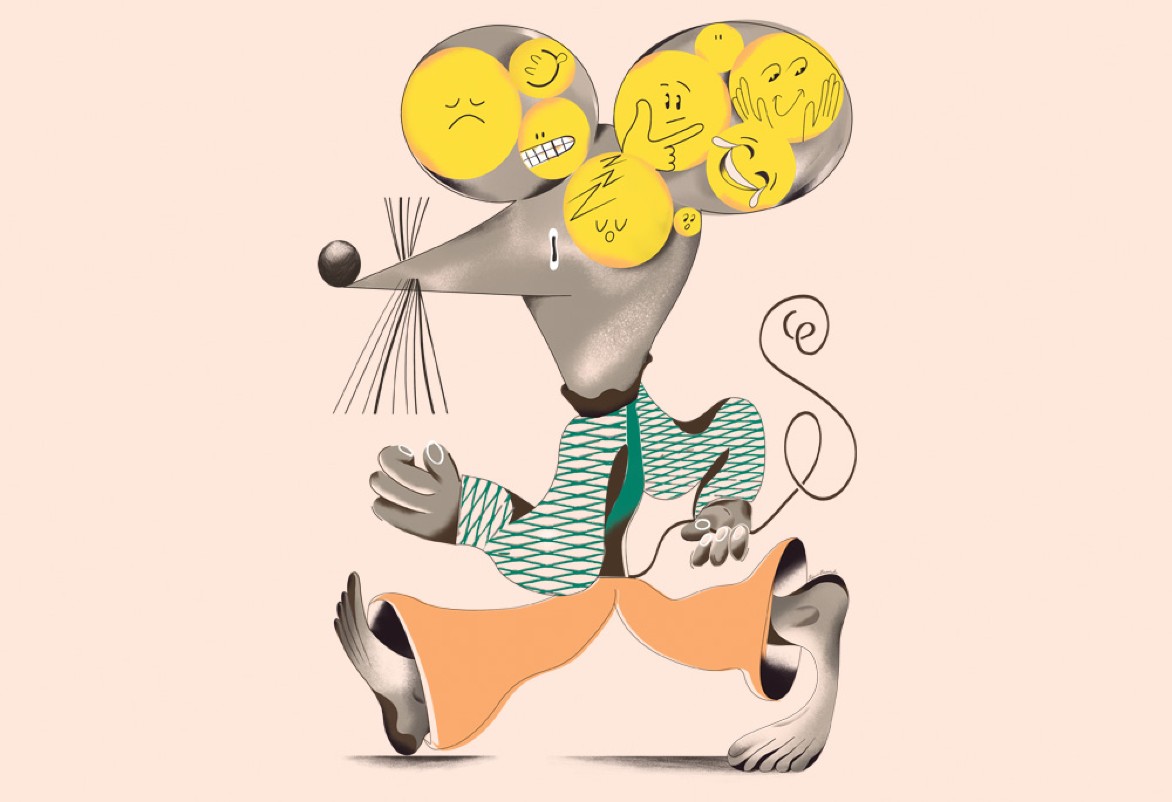
Using terabytes of neural data, neuroscientists are starting to understand how fundamental brain states like emotion, motivation, or various drives to fulfill biological needs are triggered and sustained by small networks of neurons that code for those brain states.
-
The internet information platform EMF-Portal of the RWTH Aachen University summarizes systematically scientific research data on the effects of electromagnetic fields (EMF). All information is made available in both English and German. The core of the EMF-Portal is an extensive literature database with an inventory of 31,713 publications and 6,775 summaries of individual scientific studies on the effects of electromagnetic fields.