tag > NeuroScience
-
Daniel Goleman on Focus: The Secret to High Performance and Fulfilment
-
Elon Musk claims his Neuralink chip will allow you to stream music directly to your brain

#Comment: It feels progressive boring and silly to watch the telenovela actor Musk unveil well established (yet not widely disseminated) technologies that were created by the scientific/military community years ago (publicly funded DARPA etc.), while keep pretending these "breakthroughs" magically appear from a small private company and its "genius" leaders. Case in point: Synthetic Telepathy has been around for decades but has not been commercialised for a range of reasons, of which "technical challenges" in only one. Luckily this technology innovation model which heavily relies on militarisation, secrecy (black-tech, scientist surveillance, etc.) and manufactured "genius individual, free-enterprise" narratives for public rollout, is being eclipsed by new technology innovation models that are a bit less magic trick and a bit more transparent science in the public interest. In Summary, this headline has it all: "Kanye West Drops Out Of Race After Elon Musk Offers Him Position As President Of Mars".
-
Neuroscientists Discover Each Of Us Has A Distinct Brain Signature
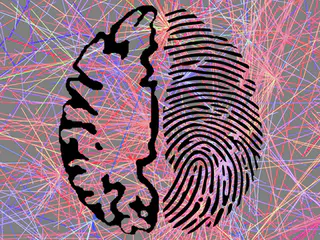
Neuroscientists from Yale report that they can identify each of us by our unique brain signature much like a neural thumbprint. They have discovered that you and I display our own distinct brain signature when we’re processing information similar to our unique fingerprints that distinguish us from everyone else on the planet.
-
Twelve Ways to Win People to Your Way of Thinking
- The only way to get the best of an argument is to avoid it. Whenever we argue with someone, no matter if we win or lose the argument, we still lose. The other person will either feel humiliated or strengthened and will only seek to bolster their own position. We must try to avoid arguments whenever we can.
- Show respect for the other person's opinions. Never say "You're wrong." We must never tell people flat out that they are wrong. It will only serve to offend them and insult their pride. No one likes to be humiliated; we must not be so blunt.
- If you're wrong, admit it quickly and emphatically. Whenever we are wrong we should admit it immediately. When we fight we never get enough, but by yielding we often get more than we expected. When we admit that we are wrong people trust us and begin to sympathize with our way of thinking.
- Begin in a friendly way. "A drop of honey can catch more flies than a gallon of gall."[6]:143 If we begin our interactions with others in a friendly way, people will be more receptive. Even if we are greatly upset, we must be friendly to influence people to our way of thinking.
- Start with questions to which the other person will answer yes. Do not begin by emphasizing the aspects in which we and the other person differ. Begin by emphasizing and continue emphasizing the things on which we agree. People must be started in the affirmative direction and they will often follow readily. Never tell someone they are wrong, but rather lead them where we would like them to go with questions that they will answer "yes" to.
- Let the other person do a great deal of the talking. People do not like listening to us boast, they enjoy doing the talking themselves. Let them rationalize and talk about the idea, because it will taste much sweeter to them in their own mouth.
- Let the other person feel the idea is his or hers. People inherently like ideas they come to on their own better than those that are handed to them on a platter. Ideas can best be carried out by allowing others to think they arrived at it themselves.
- Try honestly to see things from the other person's point of view. Other people may often be wrong, but we cannot condemn them. We must seek to understand them. Success in dealing with people requires a sympathetic grasp of the other person's viewpoint.
- Be sympathetic with the other person's ideas and desires. People are hungering for sympathy. They want us to recognize all that they desire and feel. If we can sympathize with others, they will appreciate our side as well and will often come around to our way of thinking.
- Appeal to the nobler motives. Everyone likes to be glorious in their own eyes. People believe that they do things for noble and morally upright reasons. If we can appeal to others' noble motives we can successfully convince them to follow our ideas.
- Dramatize your ideas. In this fast-paced world, simply stating a truth isn't enough. The truth must be made vivid, interesting, and dramatic. Television has been doing it for years. Sometimes ideas are not enough and we must dramatize them.
- Throw down a challenge. The thing that most motivates people is the game. Everyone desires to excel and prove their worth. If we want someone to do something, we must give them a challenge and they will often rise to meet it.
-
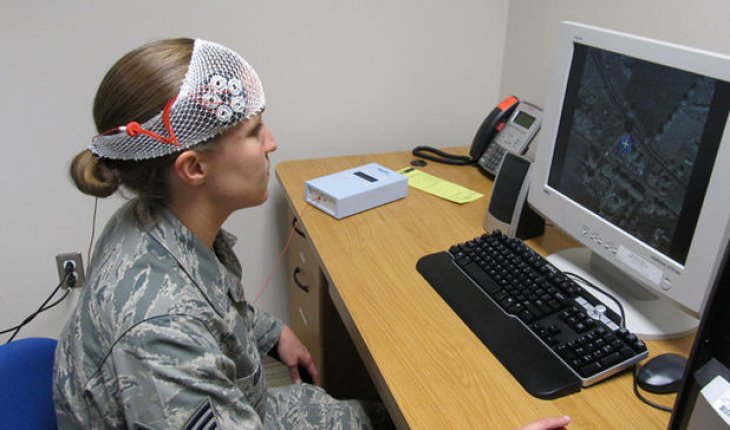
Here, we describe a macaque model of tDCS that allows us to simultaneously examine the effects of tDCS on brain activity and behavior. We find that applying tDCS to right prefrontal cortex improves monkeys’ performance on an associative learning task. While firing rates do not change within the targeted area, tDCS does induce large low-frequency oscillations in the underlying tissue. These oscillations alter functional connectivity, both locally and between distant brain areas, and these long-range changes correlate with tDCS’s effects on behavior. Together, these results are consistent with the idea that tDCS leads to widespread changes in brain activity and suggest that it may be a valuable method for cheaply and non-invasively altering functional connectivity in humans.
-
Is Modern Media Destroying Our Memories?
It seems as though the more we embrace external technologies, the more our memory faculties deteriorate. But the truth might just be scarier.
-
Going without sleep for too long kills animals but scientists haven’t known why. Newly published work suggests that the answer lies in an unexpected part of the body.
-
Scientists Find Brain Center That 'Profoundly' Shuts Down Pain
A research team has found a small area of the brain in mice that can profoundly control the animals' sense of pain. Somewhat unexpectedly, this brain center turns pain off, not on. It's located in an area where few people would have thought to look for an anti-pain center, the amygdala, which is often considered the home of negative emotions and responses, like the fight or flight response and general anxiety.
-
Controversial study shows rats prefer jazz to classical music, when on drugs

Rats prefer the sound of silence to Beethoven and Miles Davis – except when they are on drugs. Then, they prefer the jazz. These are the results of a controversial 2011 study by Albany Medical College, in which scientists exposed 36 rats to ‘Für Elise’ by Beethoven and ‘Four’, a brassy jazz standard by Miles Davis. The rats overwhelmingly preferred Beethoven to Davis, but they liked silence best of all. In the second part of the experiment, the rats were given cocaine and played Miles Davis over a period of a few days. After that, the rodents preferred the jazz even after the drug was out of their system. The research, according to scientists, showed rats can be conditioned to like any music associated with their drug experience.
-
This is a test: Do NOT think of a Zebra right now.
"I'm feeling anxious and vulnerable" - Disgustingly manipulative predictive programming - by BBC

"you are ugly, stupid and worthless" - is the mantra of the advertising industry
-
Temporal circuit of macroscale dynamic brain activity supports human consciousness (ScienceMag)
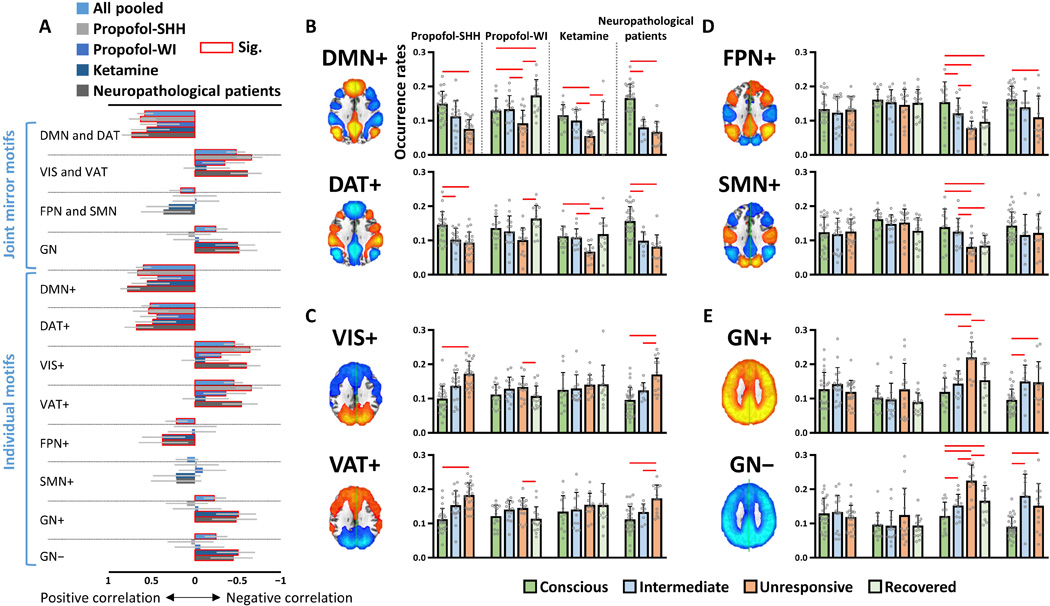
Abstract: The ongoing stream of human consciousness relies on two distinct cortical systems, the default mode network and the dorsal attention network, which alternate their activity in an anticorrelated manner. We examined how the two systems are regulated in the conscious brain and how they are disrupted when consciousness is diminished. We provide evidence for a “temporal circuit” characterized by a set of trajectories along which dynamic brain activity occurs. We demonstrate that the transitions between default mode and dorsal attention networks are embedded in this temporal circuit, in which a balanced reciprocal accessibility of brain states is characteristic of consciousness. Conversely, isolation of the default mode and dorsal attention networks from the temporal circuit is associated with unresponsiveness of diverse etiologies. These findings advance the foundational understanding of the functional role of anticorrelated systems in consciousness.
-
The Application of Cognitive Science in Military Science - A Narrative Review - by Khodabakhsh Ahmadi, Nasirudin Javidi (Journal of Military Medicine January 2020)
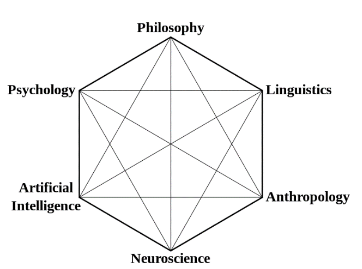
Science that have contributed to the birth of cognitive science Abstract: The current review aims to explore the applications of cognitive science in military science to answer the question of what cognitive science is currently used in the military. Cognitive science is an interdisciplinary and scientific study of the mind and its processes that examines the structure, process, and cognitive functioning of the mind. The main subcategories of cognitive science are cognitive modeling, cognitive psychology, cognitive neuroscience, cognitive linguistics, philosophy of mind and artificial intelligence.
The applications of cognitive science in the military field are examined at two levels: first, at the level of human resources, and second, at the level of military equipment. At the level of human resources, increasing the energy efficiency of the soldiers' bodies and increasing the hours of continuous activity, increasing the speed of repairing war injuries, increased wakefulness, reduced fear and pain sensation in the nervous system, control of mind and behavior, night vision technology, the full integration of technology with the nervous system, the bolt project (eliminating the limitations Language differences), developing DNA diagnosis system, humanoid robots, hunter robots, transfer robots, Peteman Human Beatles, Nanobut Robots, Body Refactoring Project and Artificial Eye Project.
The use of cognitive sciences in the field of military equipment includes: cognitive weapons, auxiliary skeleton, health trackers, cyber-insects, Exacto project, Heldes project, Earth project, Alpha-Doug project, one-Shot project, Z-Man project, Vulture project Stratospheric airship, UFP project and bird robot in Defense Advanced Research Projects Agency (Darpa).Cognitive science plays a crucial role in the development of military science and technology, both in the field of manpower and in the field ofmilitary equipment. Therefore, more research is needed on how to expand this science. We hope to see more growth and prosperity in the Armed Forces.
-
Machine translation of cortical activity to text with an encoder–decoder framework (Nature)
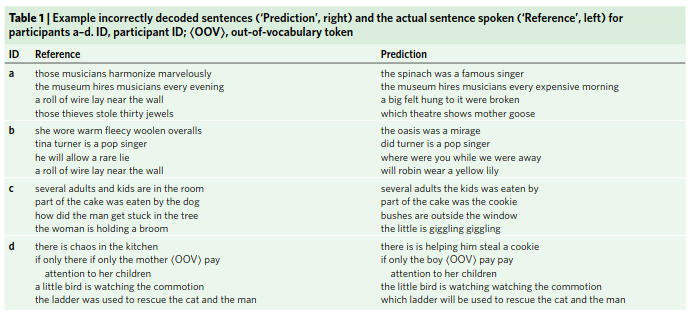
Reading minds has just come a step closer to reality: scientists have developed artificial intelligence that can turn brain activity into text. “We are not there yet but we think this could be the basis of a speech prosthesis,” said Dr Joseph Makin, co-author of the research from the University of California, San Francisco.
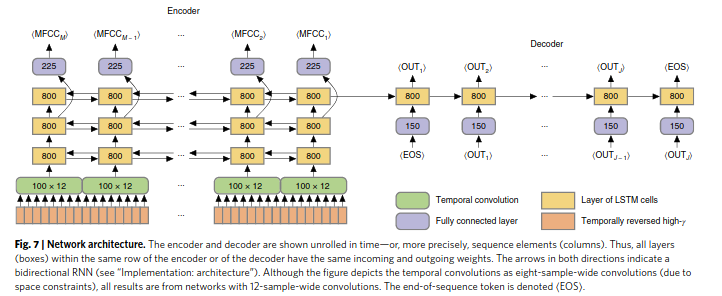
Writing in the journal Nature Neuroscience (unpaywalled), Makin and colleagues reveal how they developed their system by recruiting four participants who had electrode arrays implanted in their brain to monitor epileptic seizures. These participants were asked to read aloud from 50 set sentences multiple times, including “Tina Turner is a pop singer”, and “Those thieves stole 30 jewels”. The team tracked their neural activity while they were speaking. This data was then fed into a machine-learning algorithm, a type of artificial intelligence system that converted the brain activity data for each spoken sentence into a string of numbers.
-
From PSYOP to MindWar:The Psychology of Victory - Position Paper by US Colonel Paul E. Valley and Major Michael A. Aquino, PSYOP Research & Analysis Team Leader (1980)
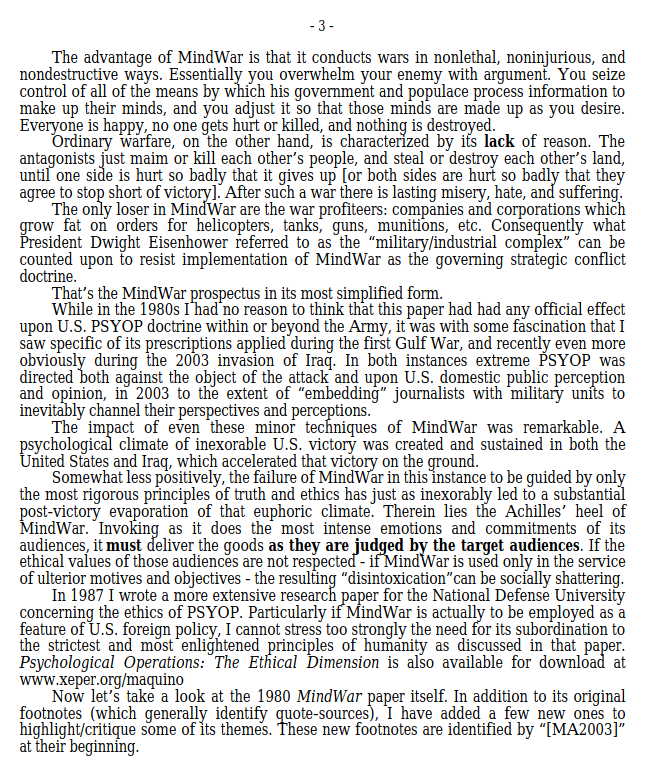
A report authored by then Major Aquino and Colonel Paul E. Vallely, titled “From Psyop to Mindwar.” This report bears a “Top Secret” notation and was circulated to the US “Psyop Community and the US Army War College, amongst others. While the address list on the copy in the possession of this writer has been mostly redacted, it is possible to make out the words “Office of the Chief of Staff” which suggests that a copy was also sent to the Joint Chiefs. Arguing that the US lost the Vietnam War not because they were outfought but, rather, “out-Psyoped” “in the streets of American cities,” the report called for greater emphasis to be placed on “MindWar” directed through the US Media. The report added that “coercive” measures if they are to work effectively must remain undetected. Delivery mechanisms for making targets “receptive to ideas” would, the report argued, need to take full advantage of the ability of electromagnetic weapons such as Extremely Low Frequency Waves (ELF). In other words, Mind Control technologies then in development.
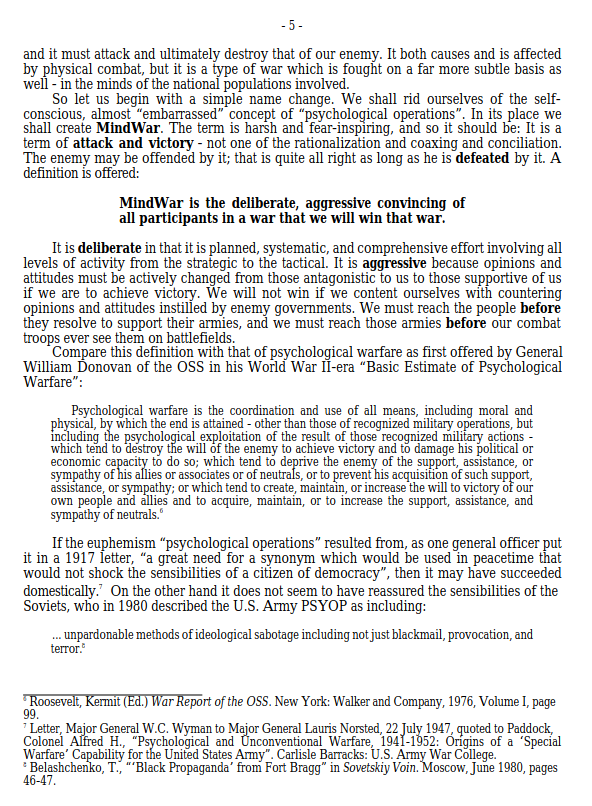
Aquino’s and Vallely’s study clearly hit the spot inside the Pentagon. Most of us are now aware that the military has for some years now, been able to manipulate news and “spin” the major media when it comes to reporting of US military involvement overseas. The lessons of being “Out-Psyoped” at home have been taken on board and are not to be repeated in the future. That the lesson was indeed learned was clearly demonstrated in the reporting of the 1991 Gulf War, when CNN stole the show due to the access it had to direct feeds from US military satellites.
For those who continue to harbour doubts that mind control technologies form part of the US military arsenal, they need do no more than point their internet browser towards the US Navy’s Joint Programme Office – Special Technologies Countermeasures website and read about the Technical Information Exchange Group’s (TIEG) planned “special invitation only” conference hosted by the United Stated Special Operations Command at MacDill Air Force Base in Tampa, Florida, scheduled for the Autumn 2002. The conference is designed to “facilitate the interaction and information exchange between the developers and users of special, nonkinetic technologies (my emphasis). [33] The category of “non-kinetic technologies listed for “operational planning” and discussion are as follows:
- Electromagnetic Weapons
- Acoustic Psycho-Correction
- Chemical Attitude Adjustment
- Visual Stimulation & Illusions
- Material Degraders
- Non-Penetrating Projectiles
- Incapacitants
- High Pressure Water Systems
- Concealed Weapon Detection
- Electronic Disablers
- Acoustic Systems
- Combustion Inhibition
- Immobilizers
- Olfactory Chemicals
- Laser Systems
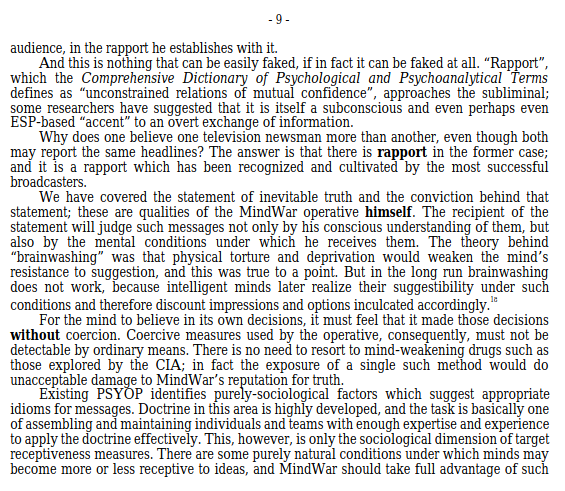
Number two on this list, “Acoustic Psycho-Correction” is the self same “Mind Control” technology that has the ability to “control minds and alter behaviour of civilians and soldiers” and which also “involves the transmission of specific commands via static or white noise bands into the human subconscious without upsetting other intellectual functions,” that is aimed at altering the “behaviour on willing and unwilling subjects,” reported in the Defence News article discussed earlier on page 3.
Text from "Masters of Persuasion" - by David Guyatt (2005)
-
Our brains are powerful—but secretive—forecasters of video virality - by Stanford University
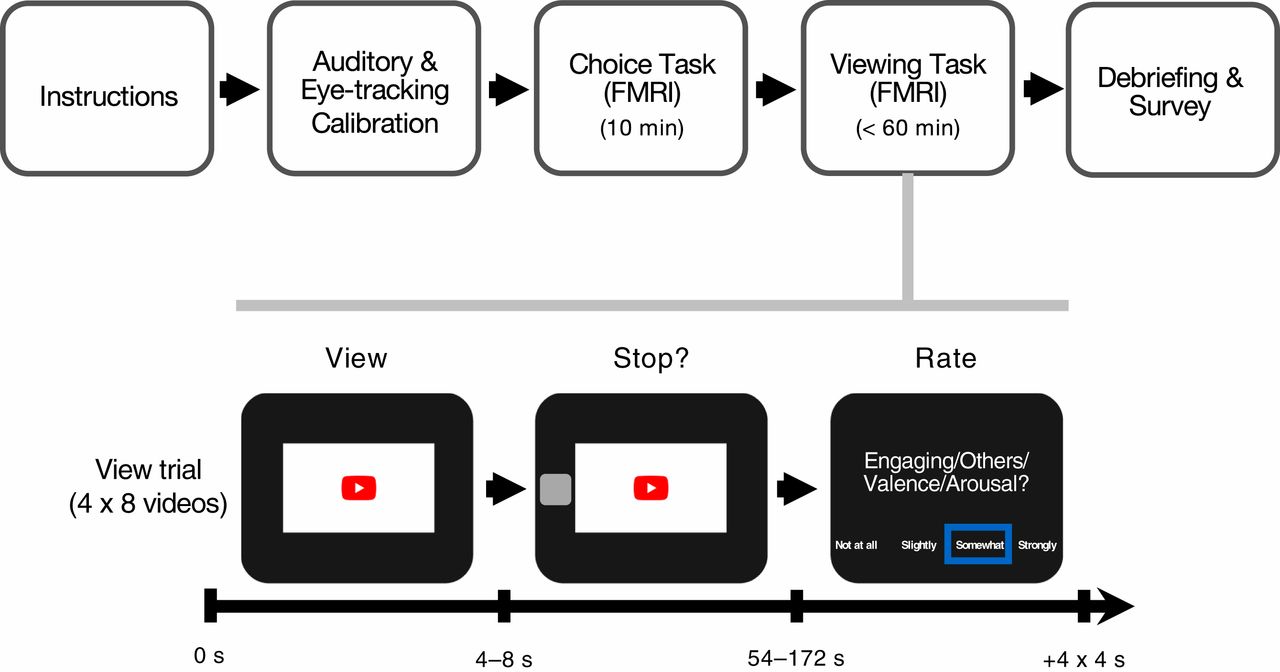
Stanford University neuroscientist Brian Knutson and colleagues are investigating an approach he calls "neuroforecasting"—in which they use brain data from individuals who are in the process of making decisions to forecast how larger groups of unrelated people will respond to the same choices.
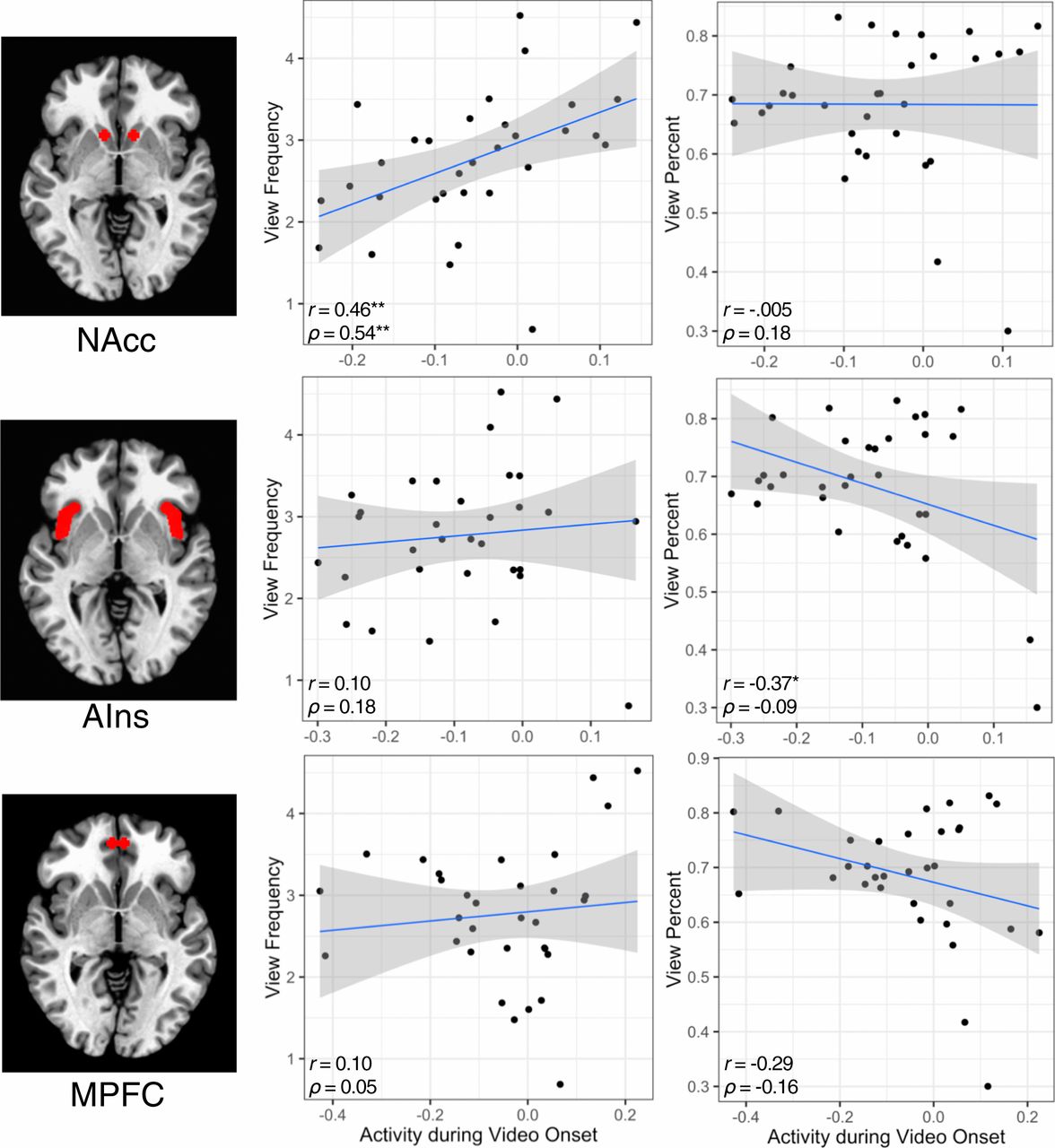
His lab's latest neuroforecasting work in collaboration with researchers at Stanford's Graduate School of Business, published Mar. 9 in the journal Proceedings of the National Academy of Sciences, focused on how people spend time watching videos online. By scanning people's brains as they selected and watched videos, the researchers discovered that both neural and behavioral responses to a video could forecast how long other people will watch that same video on the internet. When forecasting video popularity on the internet, however, brain responses were the only measure that mattered.
Neuro-forecasting internet market success - talk by Brian Knutson
-
Are People With ADHD Better at Creative Tasks? (scientificamerican)
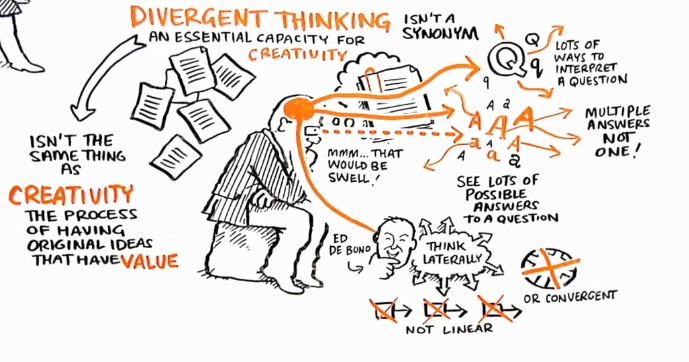
Three aspects of creative cognition are divergent thinking, conceptual expansion and overcoming knowledge constraints... Previous research has established that individuals with ADHD are exceptionally good at divergent thinking tasks, such as inventing creative new uses for everyday objects, and brainstorming new features for an innovative cell phone device. In a new study, college students with ADHD scored higher than non-ADHD peers on two tasks that tapped conceptual expansion and the ability to overcome knowledge constraints. Together with previous research, these new findings link ADHD to all three elements of the creative cognition trio...
-
Scientists monitor brains replaying memories in real time - Our brains use distinct firing patterns to store and replay memories (2020)
In a study of epilepsy patients, researchers monitored the electrical activity of thousands of individual brain cells, called neurons, as patients took memory tests. They found that the firing patterns of the cells that occurred when patients learned a word pair were replayed fractions of a second before they successfully remembered the pair.