tag > Praxis
-
On creativity
Creativity is fundamentally a question of commitment. Of saying "yes!" to a solution amongst an infinite amount of possibilities - Of recognizing, accepting and giving birth to a new living pattern. Generating the artifact is the easy part, getting easier with each passing year. Telling the story behind an artifact and making it meaningfully part of the collectives imagination is an ongoing practice and magical art form.
(related) #Creativity #Generative #Magic #Culture #Praxis #KM
-
Doing nothing
A thread by Manvir Singh: In the 1970s & 80s, anthropologists working in small-scale, non-industrial societies fastidiously noted down what people were doing throughout the day. I’ve been exploring the data & am struck by one of the most popular activities: doing nothing.
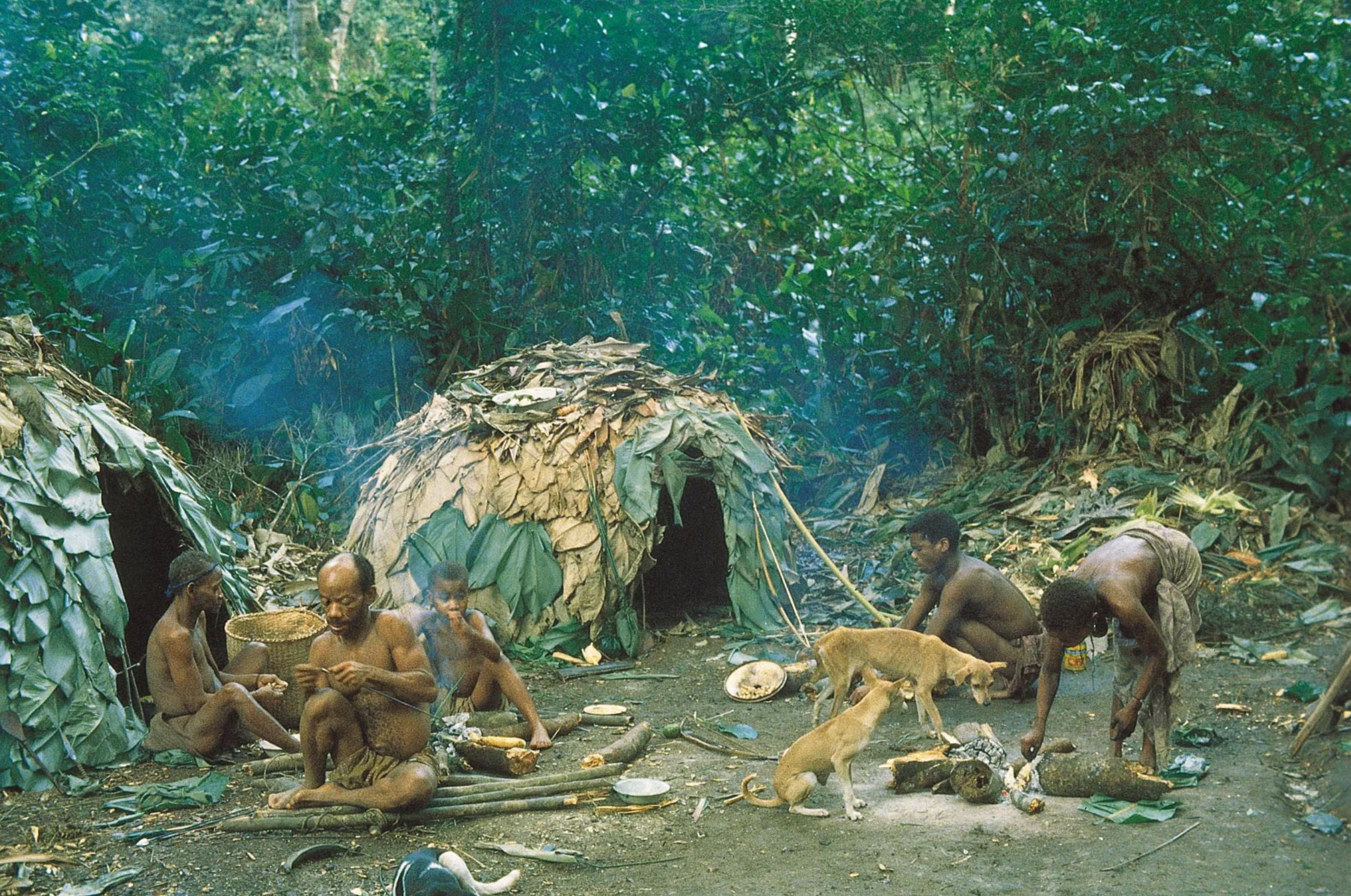
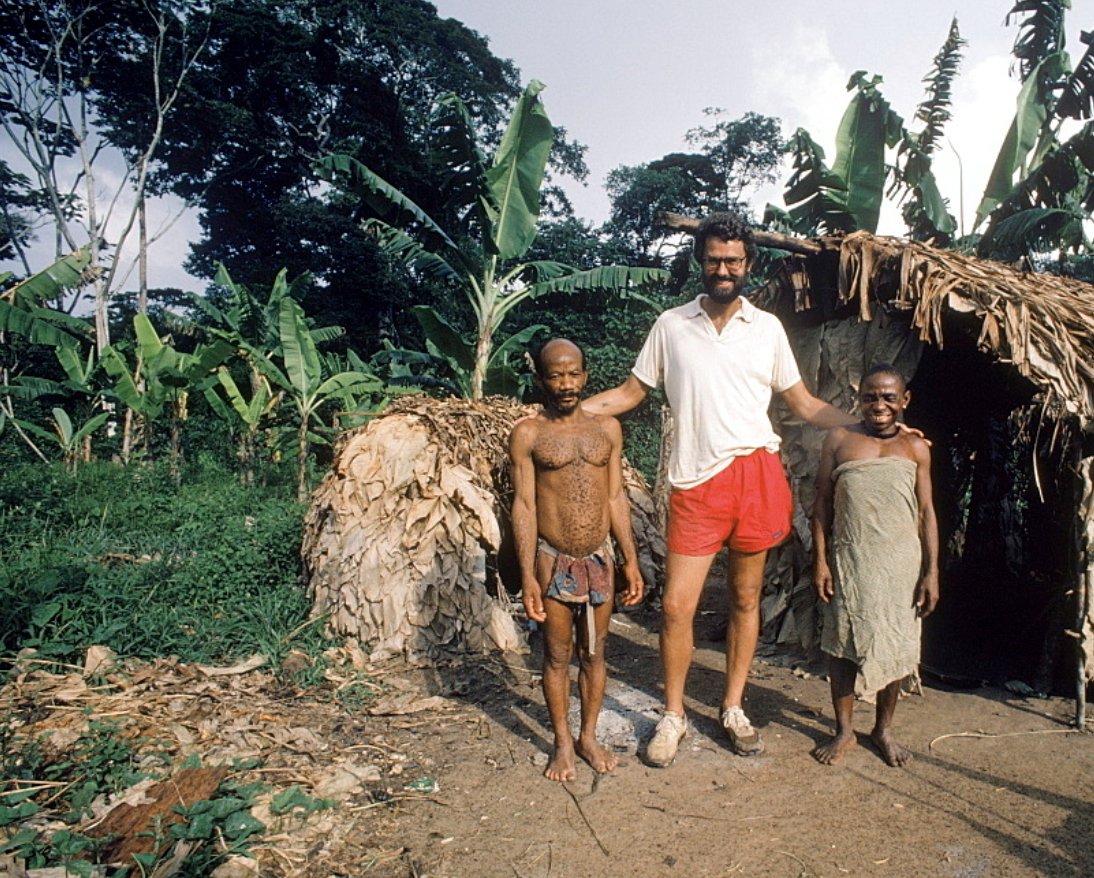
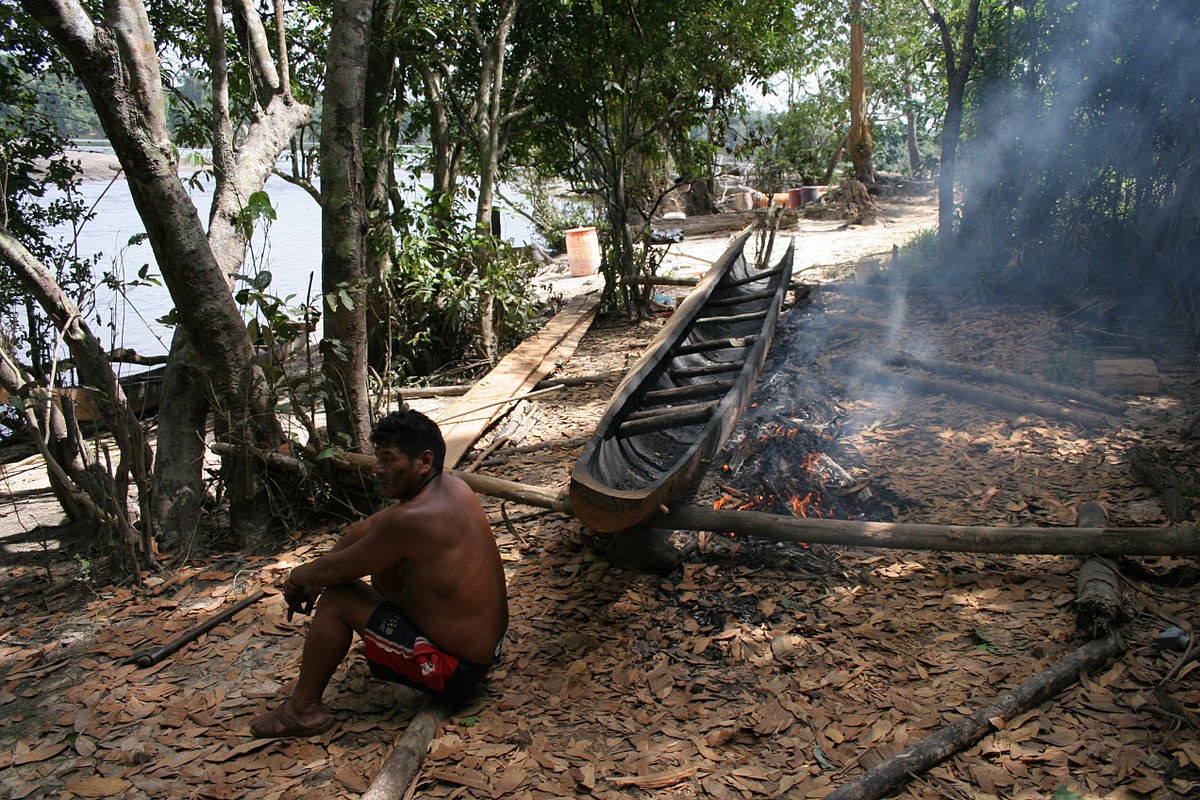
Background: The anthropologists (e.g., Bob Bailey, pictured) visited random people during waking hours & recorded what they were doing, building a representative sample of time use. Most of these data were collected while an anthropologist lived with the community for a year+.
The researchers typically chose among ~60 activity codes, one of which was "Idle, doing nothing". This is different from napping, chatting, fixing tools, tidying up, & idleness b/c of illness. As far as I can tell, it's really about doing nothing at all, at least apparently.
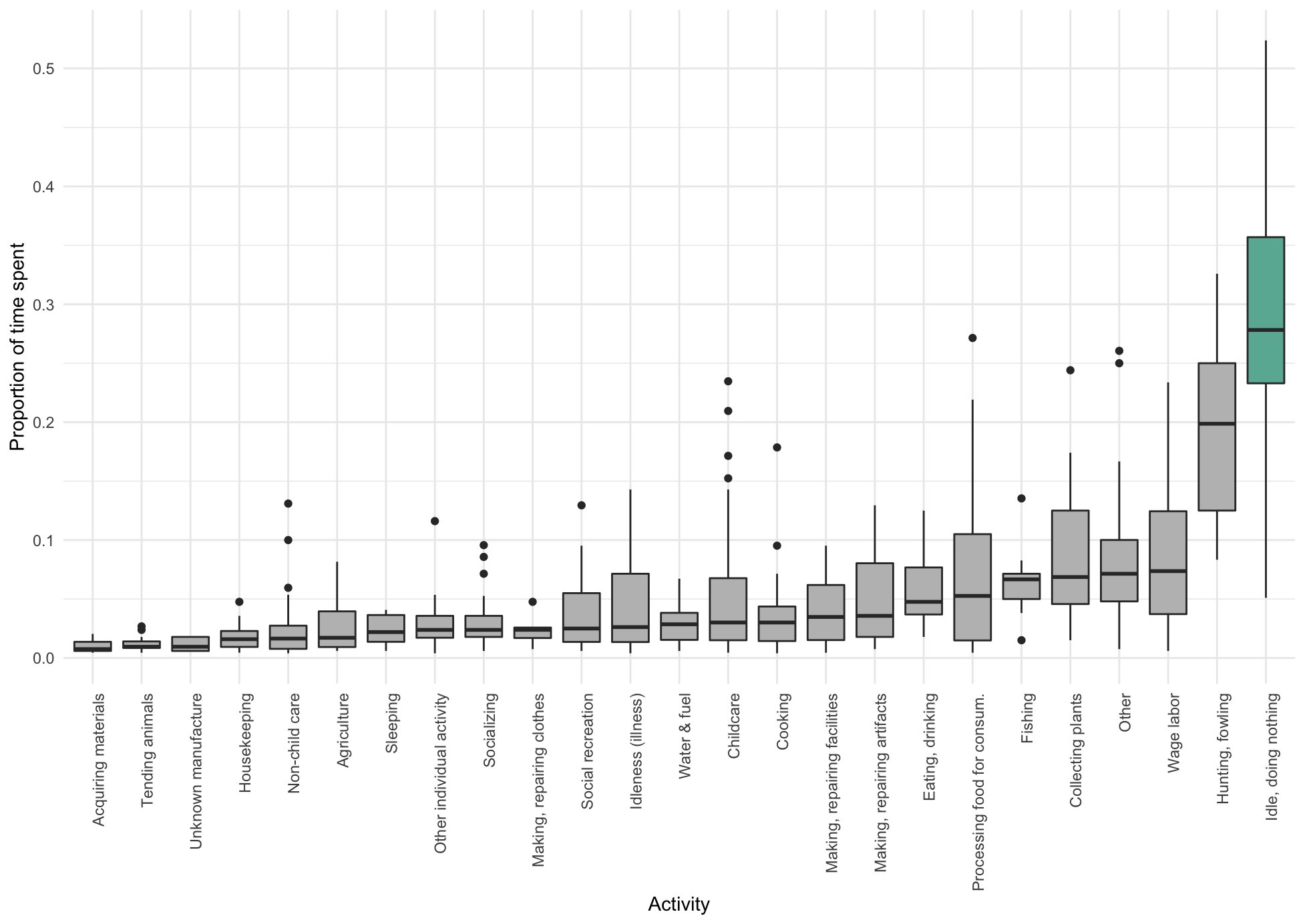
Here are data collected in '80-81 for the Efé, who lived mostly by hunting & gathering in the Ituri Rainforest of Central Africa. The median adult spent ~27% of their waking time doing nothing (in green). It was the most common activity.
Here are the data for two Machiguenga communities in Peru, collected in '72-'73 (left) and '86-'87 (right). The Machiguenga combined small-scale horticulture with foraging. Again, "doing nothing" leads the pack, either as number one or in the top 3.
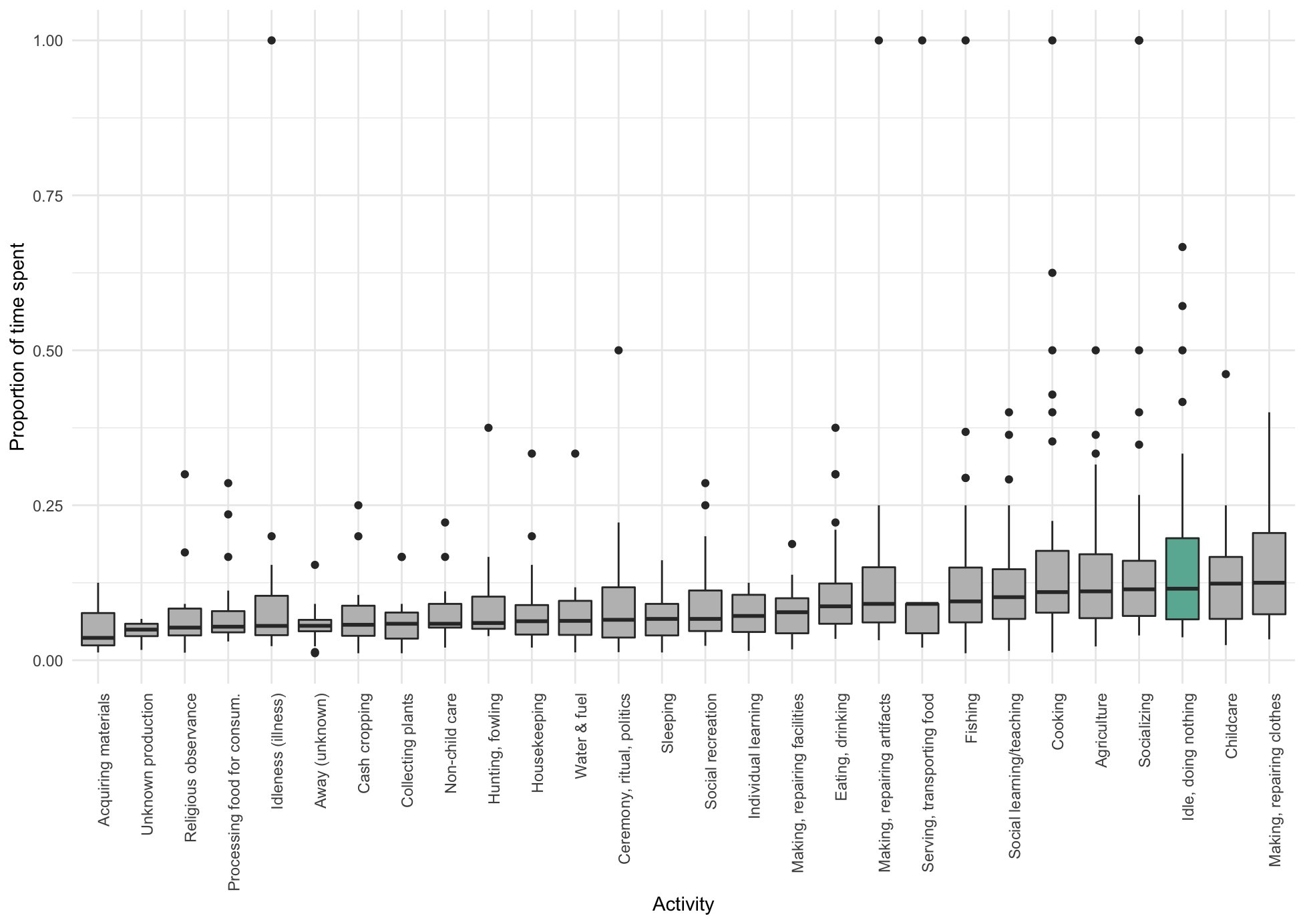
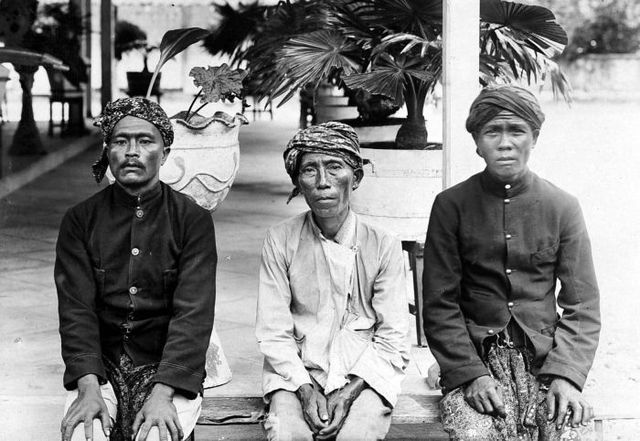
"Doing nothing" didn't always win. For the Madurese (Indonesia), it ranked 12th, perhaps reflecting the tiresome lives of more full-time agriculturalists. Still, across 8 diverse communities "doing nothing" came in 4th behind agri work, learning/teaching, & socializing (see plot)
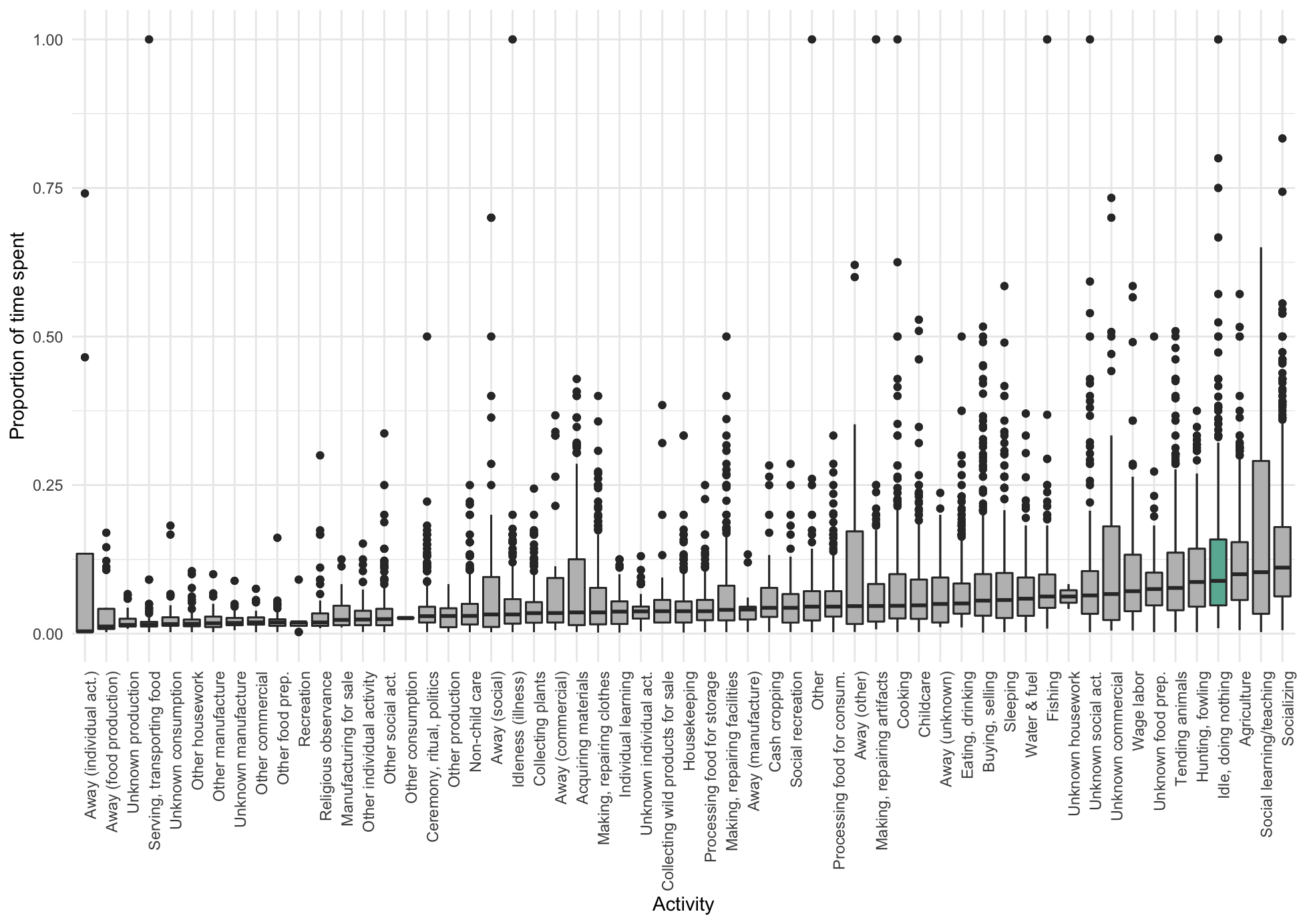
Most of the high-ranking activities in these plots are well-studied by psychologists. But how much do we know about doing nothing? Not much. Living in fast-paced, industrialized societies with constant access to entertainment, it’s easy to lose sight of the value of doing nothing.
These data were collected in the 70s & 80s but were digitized (I believe) by @JoHenrich & then released in 2019 with this paper led by @rabhui: https://pnas.org/doi/pdf/10.1073/pnas.1906196116 Here’s a link to the digitized data: https://github.com/r-bhui/time-allocation
-
“If you don’t like something, change it. If you can’t change it, change your attitude.” - Maya Angelou
-
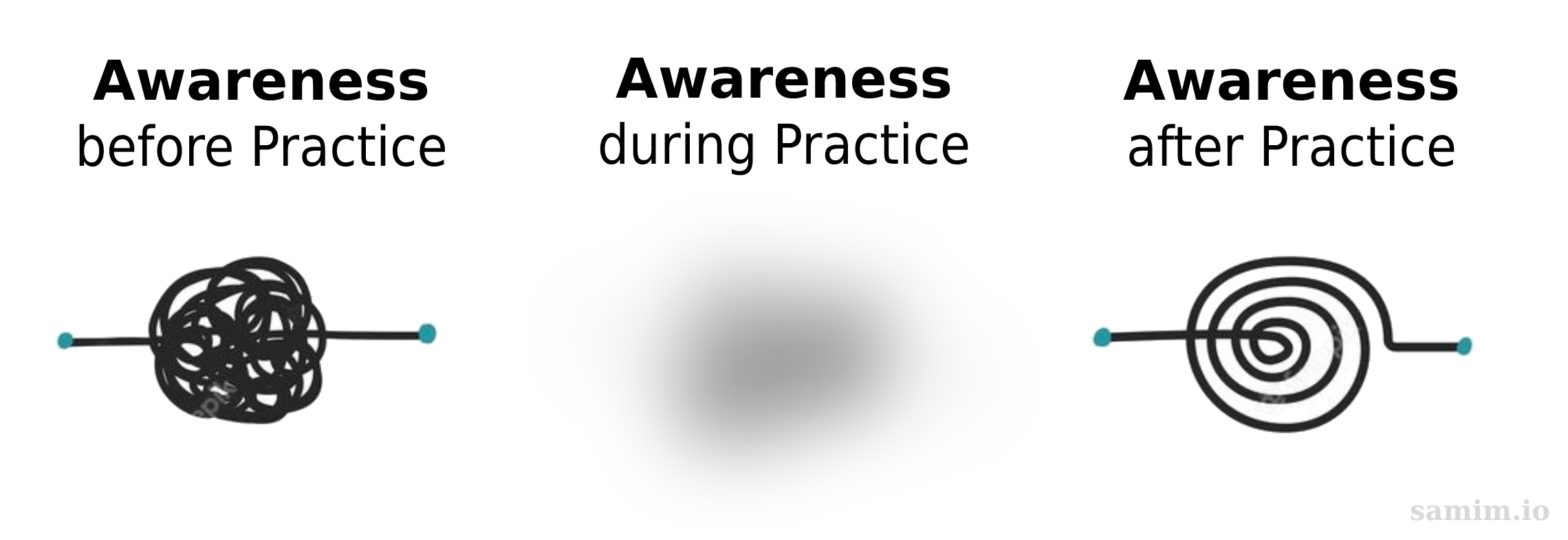
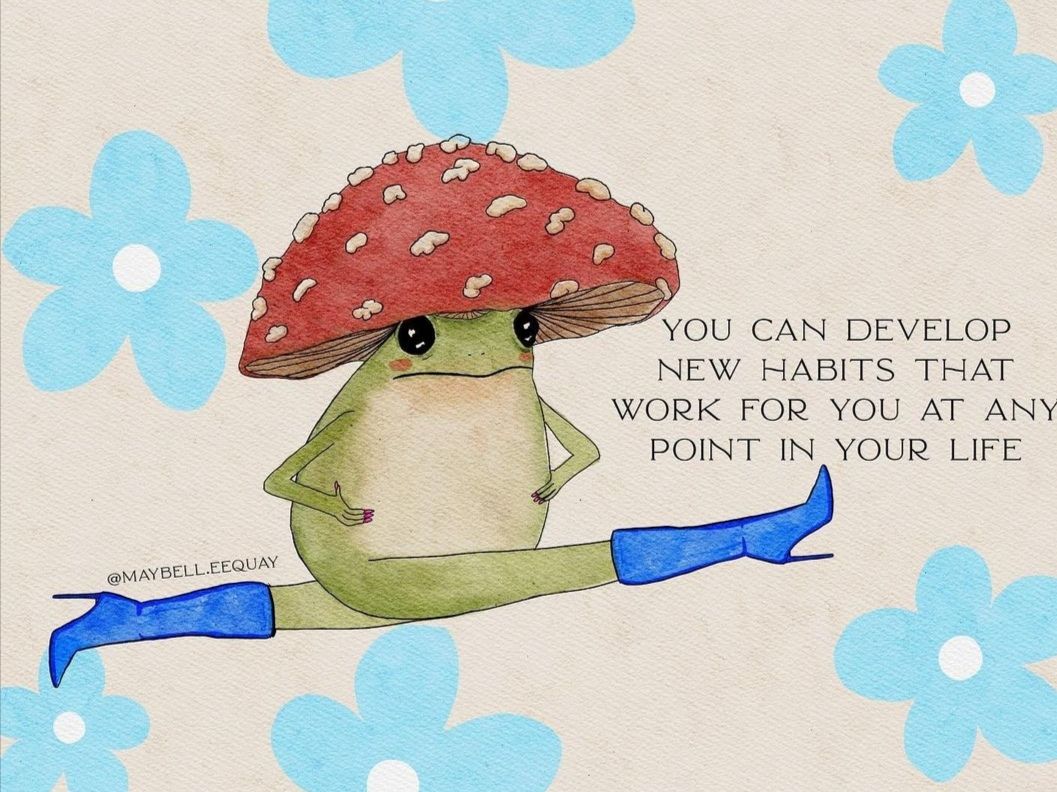
You can develop new habits that work for you at any point in your life
(via bambalouni) #Praxis #Culture
-
The burden of having too much knowledge
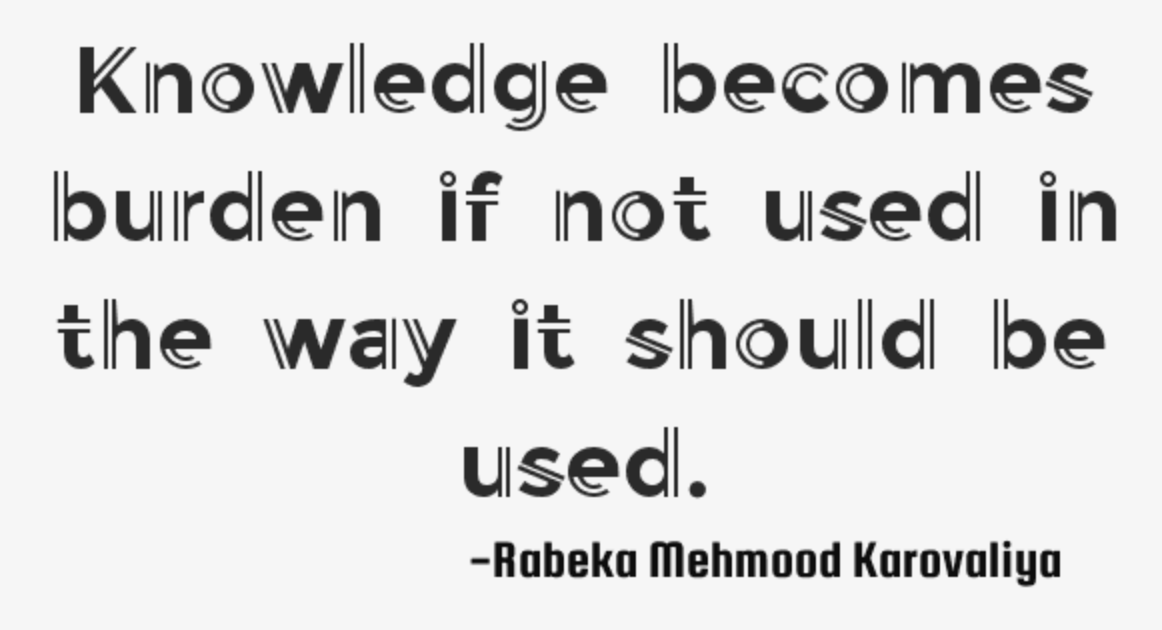
“Having too much knowledge is not good for people, just as having too much money is not good for them. It might sound like a strange comparison, but it is true: too much money is not a good thing, just as too much knowledge is not good if people cannot counteract it by using it in service of mankind or the world.” - Source (German): Rudolf Steiner – GA 348 – Über Gesundheit und Krankheit – Dornach, 3 February 1923 (p. 310)
-
“There can be no learning without action, and no action without learning” - Reg Revans
-
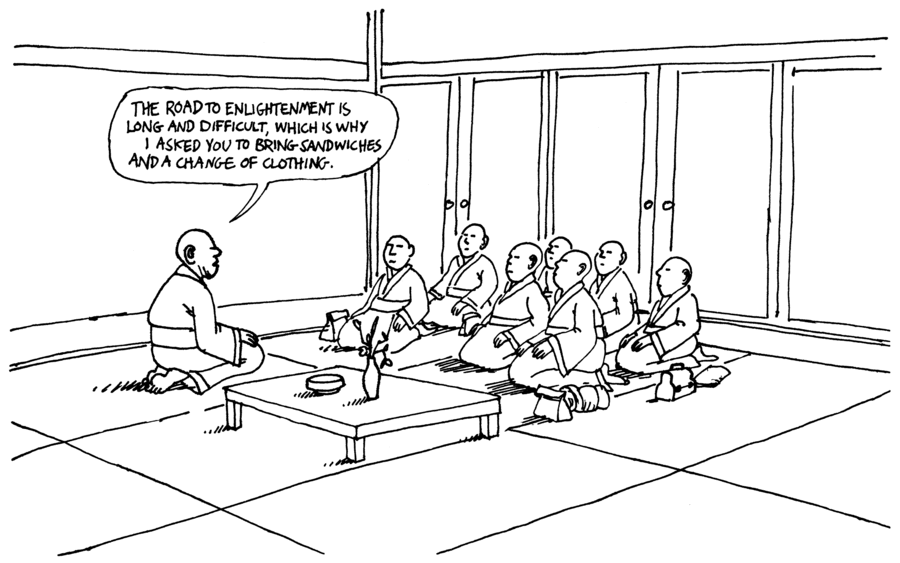
The Practice of Work Mind & Vacation Mind, Simultaneously
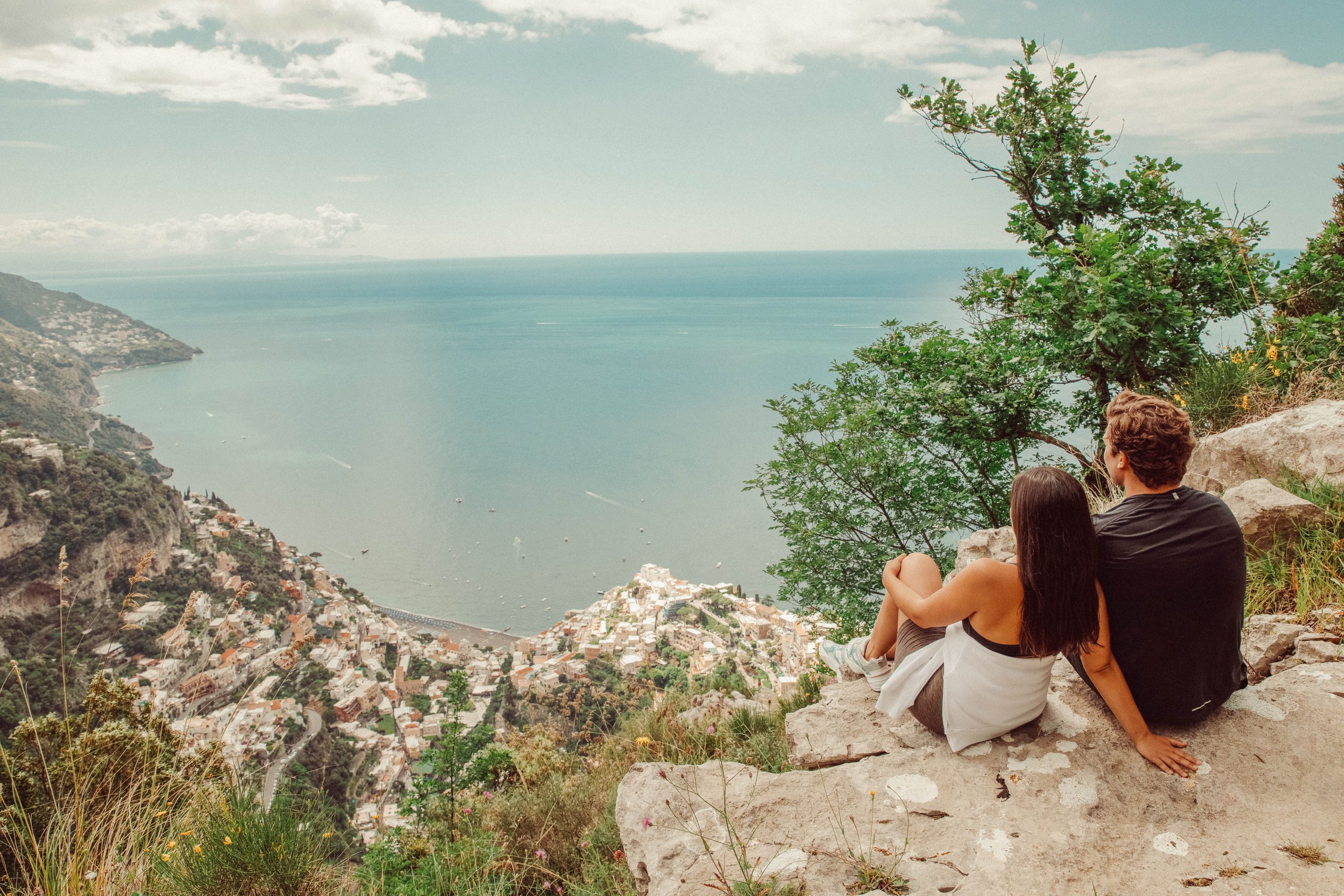
Imagine being on vacation: you can laze around, sipping on margaritas, not worrying about what you have to do today, not worrying about the time, just being without all the anxiety.
Now imagine being busy at work: you are doing one task while worrying about others, worrying that you’re not doing the right task, thinking about all the other things on your schedule and task list, interrupted by others, filled with anxiety.