tag > Regenerative
-
"IKEA makes an unprecedented commitment to only use renewable & recycled materials by 2030": http://nordic.businessinsider.com/ikea-wants-to-become-circular-climate-neutral-by-2030--/
- Ikea has set the ambitious goal to become a fully circular business by 2030.
- In an exclusive insight into the furniture group’s long-term strategy, Ikea executives reveal new details, including how the group aims to become carbon neutral by 2030.
- Ikea wants to become a global leader in adapting to megatrends such as circularity, urbanization and insecure employment.
- It's set to be one of the biggest shifts in the company’s history. -
Fritjof Capra, The Systems View of Life:
-
Psychology and the Ecological Crisis - talk by Brigitte Egger, ecologist (Dr.sc.nat.ETH):
Facing the ecological crisis, radical change is crucial. Hence we must put the psyche at centre stage––for that the outer ecological crisis has its roots and solutions in the way we think and act, that is, the inner human psyche. Join us for this unique event to explore the science of psychecology, an attempt to adapt the knowledge of the mind to the most pressing problem of today.
Facilitated by Brigitte Egger, ecologist (Dr.sc.nat.ETH) and a Jungian training and supervising analyst at ISAP, with a private practice in Zürich. Brigitte explores the psychic and symbolic dimensions of collective issues and works at introducing this dimension into practical environment protection, thus building up the field of psychecology. She is interested in creativity at large and in lively ways to communicate depth psychological insights. -
David Abram is an interesting man: https://www.humansandnature.org/david-abram
-
@vakibs tweets: "Who is interested in planting trees ? And growing gardens ? And welcoming wild life to settle down, so that in 100 years time, we can build a forest that can save our planet ?
To which someone replied: "I know that it was a rhetorical question but i thought that a real answer will do more justice to the question."
@vakibs: It is not a rhetorical question. I am asking for people: Who is interested in building a longterm computing culture? Please learn from the history of AI (both artificial intelligence & augmented intelligence), know who else is working on these projects, and team up for 100 years"
My reply: "Who is interested in building a long-term computing culture?" ← good question. Who is interested in building a regenerative global culture, where computing is used in service life, and not the other way around?
-
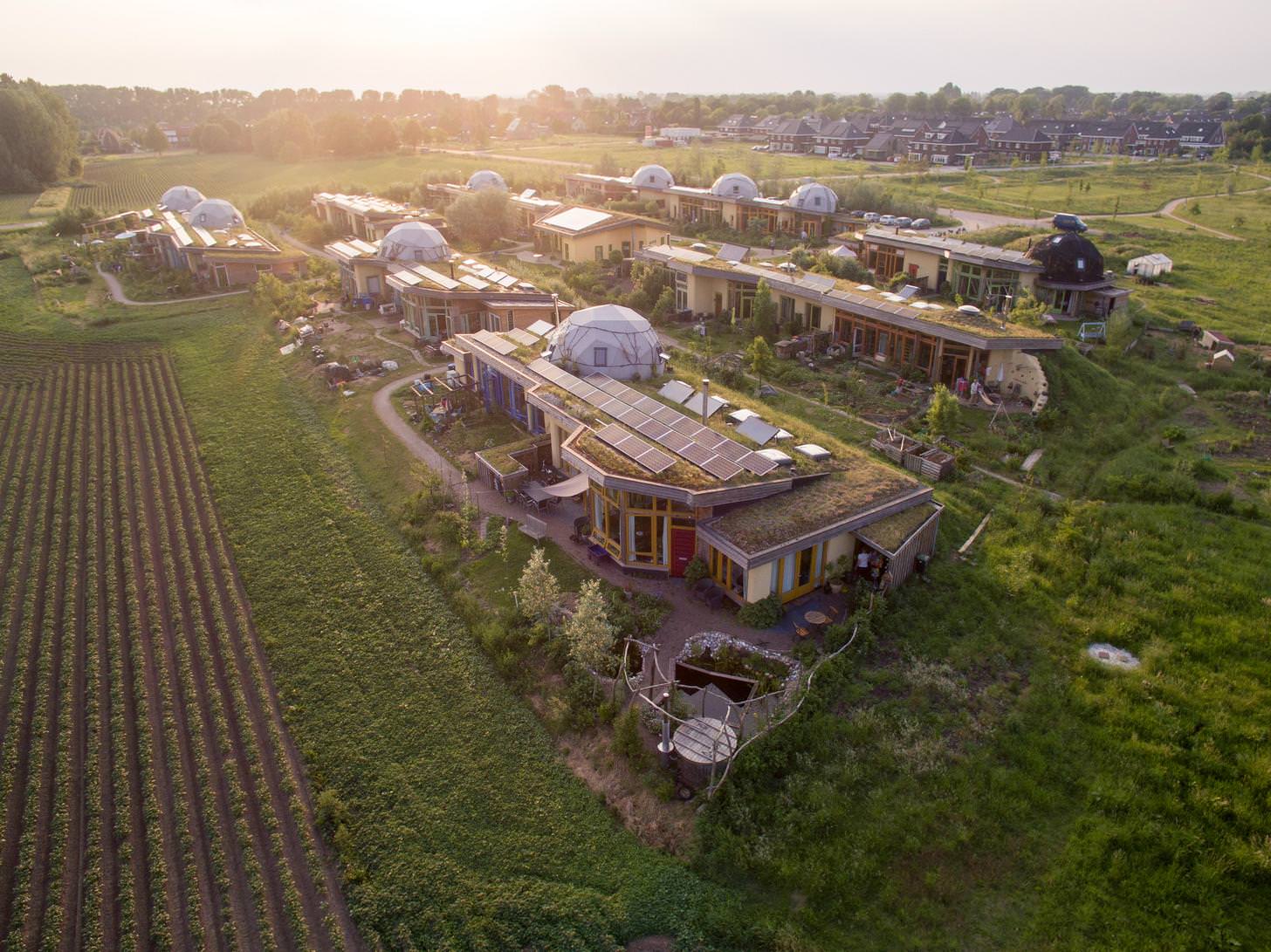
"I live in a modern EcoVillage and it's pretty much the real-world Shire":
https://imgur.com/gallery/KbPrjkp"Aardehuizen ("Earth houses") took over 3 years to build, by the people themselves following the Earthship principles, using mostly recycled, reused, and locally sourced building materials. 23 houses; 70 people; mostly families live here."
-
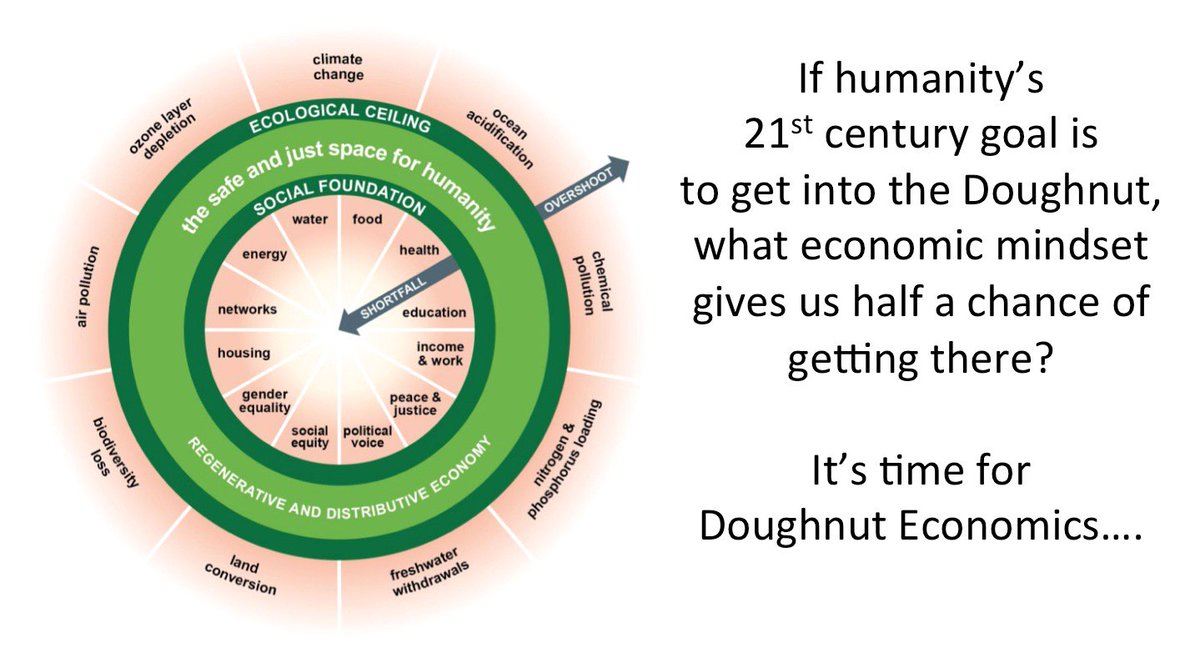
Doughnut #Economics by Kate Raworth - VPRO #Documentary (2017)
In Doughnut economics by Kate Raworth, we see that markets are inefficient and growth is not the holy grail. It's time for a new economics model: the doughnut economics. Kate Raworth's plea for the 'doughnut economics' casts doubt on the credo of economic growth for sustainability: there are hard limits to what you can do to the planet. Kate Raworth's doughnut economics could change our future. Let's have a look.
Book: Doughnut Economics: https://www.amazon.com/Doughnut-Economics-Seven-21st-Century-Economist/dp/1603587969/
-
What is "Solarpunk"? This 20min talk by @thejaymo gives a great overview of the emerging eco-futurist movement.
-
Real Value - #Documentary about #Economics, Sustainability & Social Entrepreneurship:
-
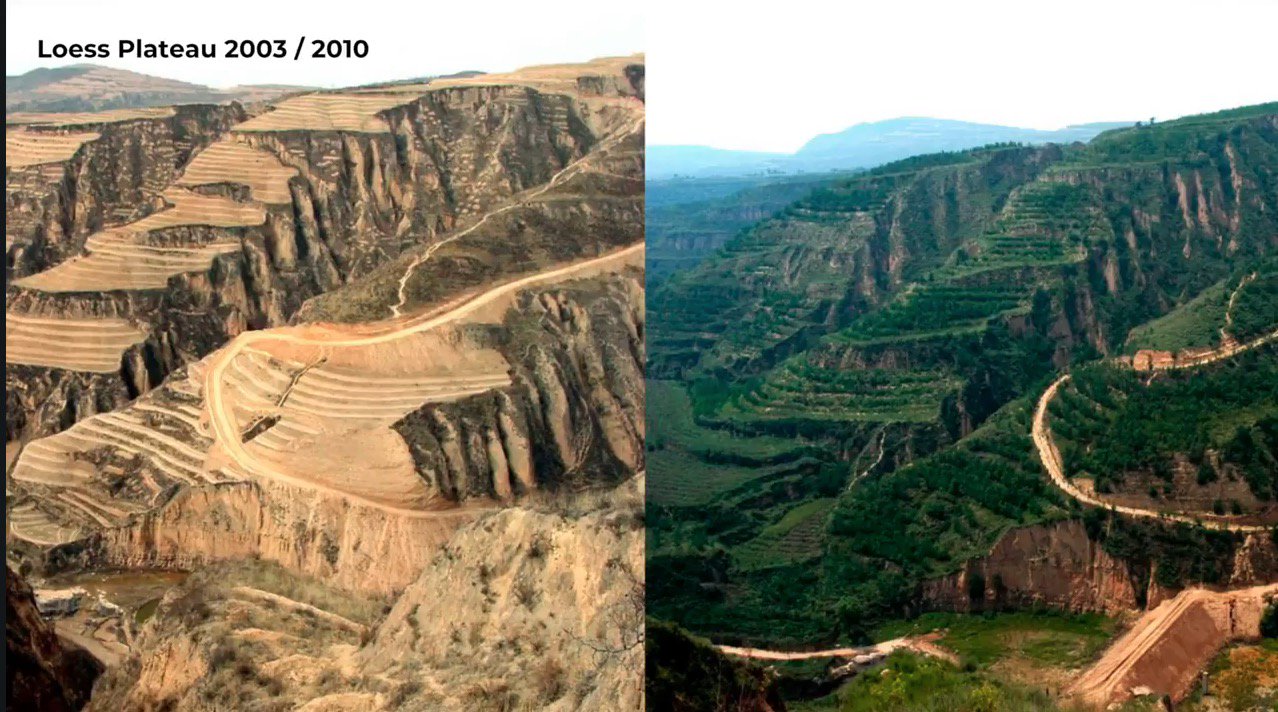
Lessons of the Loess Plateau - 50min #Documentary on #Regenerative Ecology
Ecopoint has teamed up with the Environmental Education Media Project (EEMP), and John D. Liu, Founder & Director of EEMP, is proud to bring you this film. In 2005, the Chinese government, in cooperation with the World Bank, completed the world's largest watershed restoration on the upper banks of the Yellow River. Woefully under-publicized, the $500 million enterprise transformed an area of 35,000 square kilometers on the Loess Plateau — roughly the area of Belgium — from dusty wasteland to a verdant agricultural center.
-
“If you want to teach people a new way of thinking, don’t bother trying to teach them. Instead, give them a tool, the use of which will lead to new ways of thinking.” — R. Buckminster Fuller
-
“In the present state of architectural and environmental design, almost no problem has yet been made to exhibit complexity in such a well-defined way that it actually requires the use of a computer. The effort to state a problem in such a way that a computer can be used to solve it will distort your view of the problem. It will allow you to consider only those aspects of the problem which can be encoded—and in many cases these are the most trivial and the least relevant aspects.” - Christopher Alexander (1965)
-
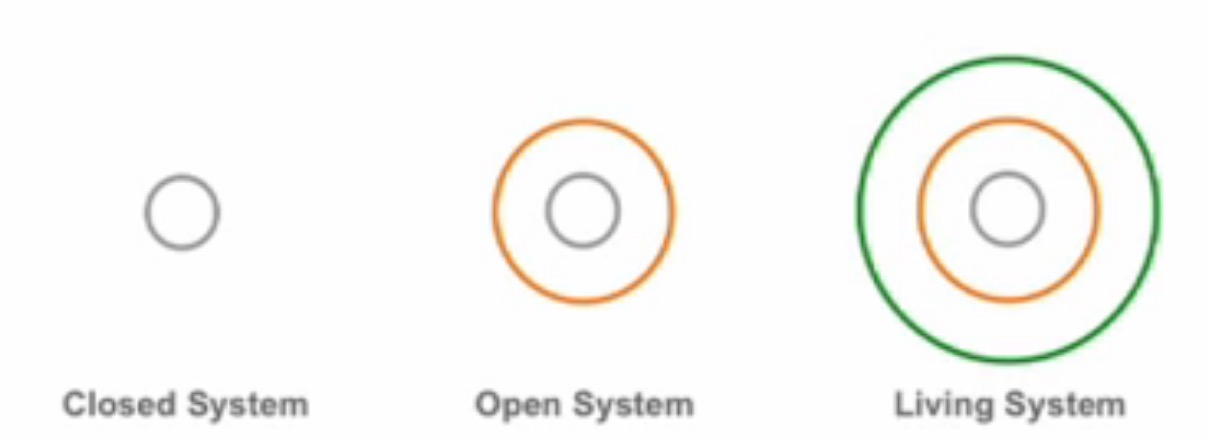
"From Sustainability through Regeneration: Whole and Living System Design" - by Bill Reed:
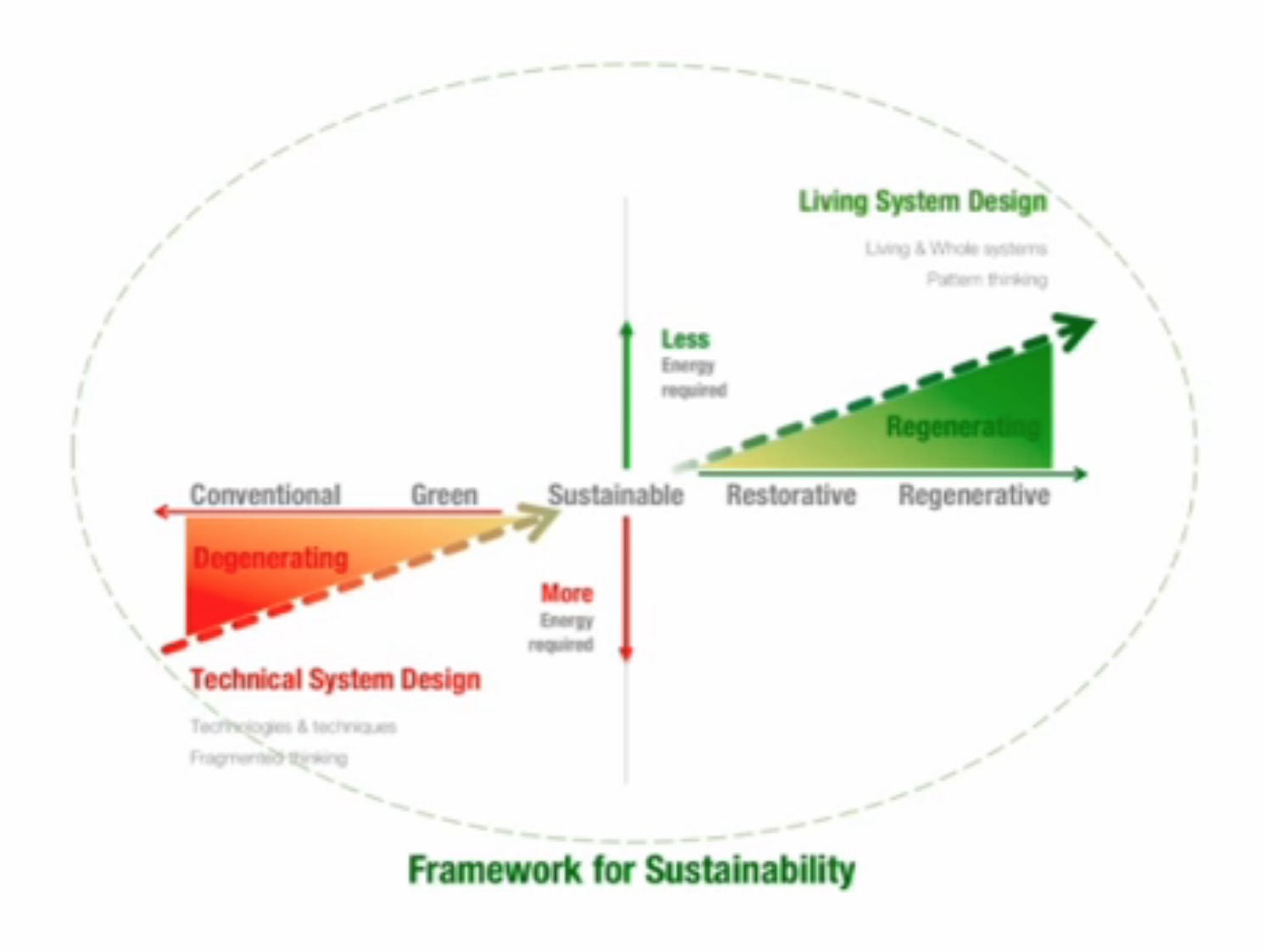
"The biggest leverage points (to deal with climate change) are hope and love - not guilt. So how do we fall in love? We date someone. So let's start dating nature. That which we are in love with we take care of." - Bill Reed
"Life is a process of becoming." - Bill Reed
"Now is the time for us to grow, not just ever-larger and ever-more-consuming, but ever more intelligent, more creative, and more conscious. We are headed into the future. Are you coming with us?" - Bill Reed
"The process to engage people in a community around that which they love or care for." - Bill Reed
Follow up links:
Designing Regenerative Cultures - article by Daniel Christian Wahl:
https://www.permaculture.co.uk/articles/designing-regenerative-culturesLiving Buildings for a Living Future - talk by Jason McLennan:
"How do we produce buildings that are not bad for the enviroment, but are good for the envorment? Why can't we do these things, that nature does?"
- Jason McLennan -
"Regenerative (R)evolution: reclaiming humanity’s oneness with nature" - by @DrDCWahl:
https://medium.com/insurge-intelligence/regenerative-r-evolution-f1058a975e96"Scales of Regenerative Design"
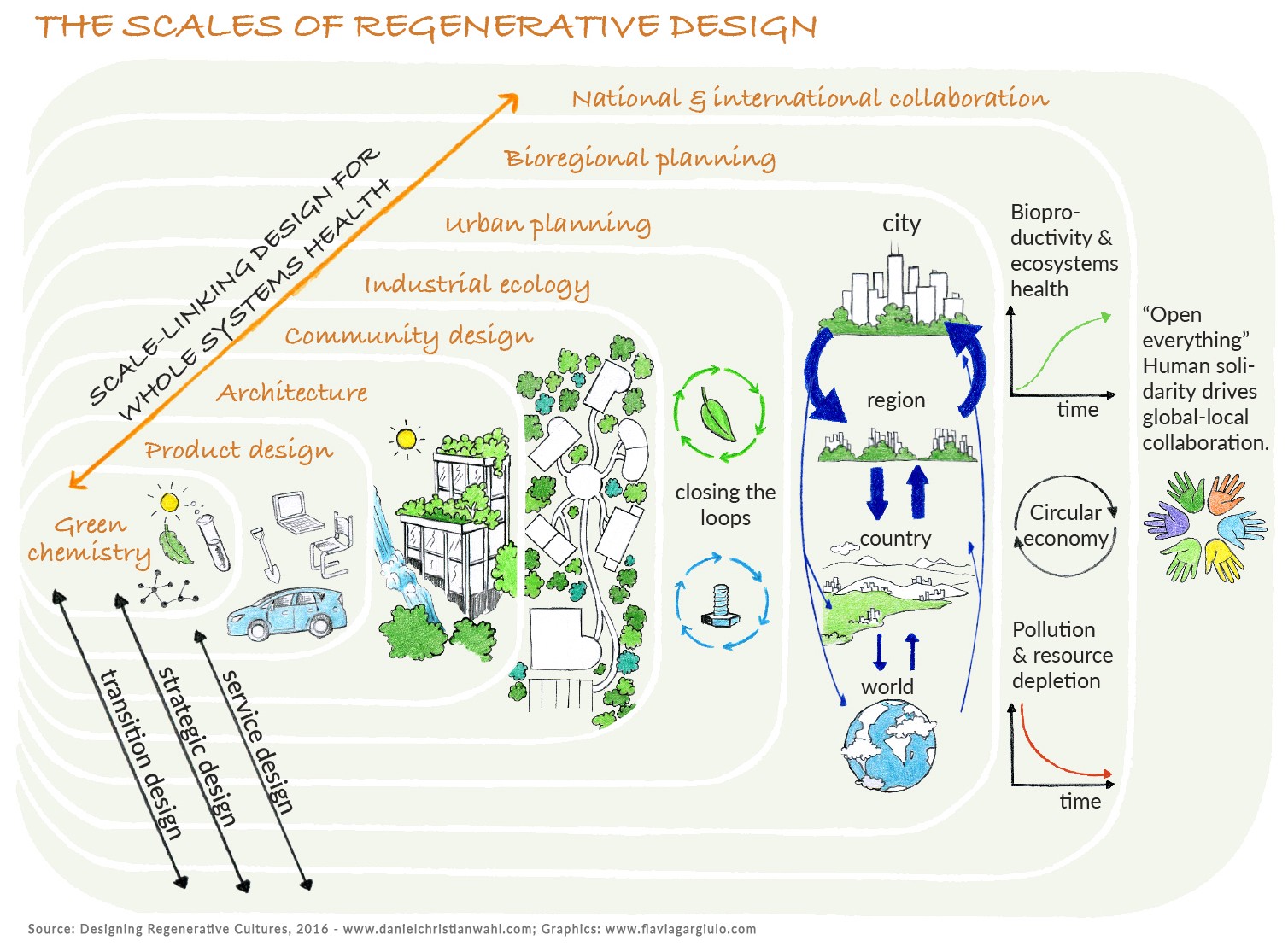
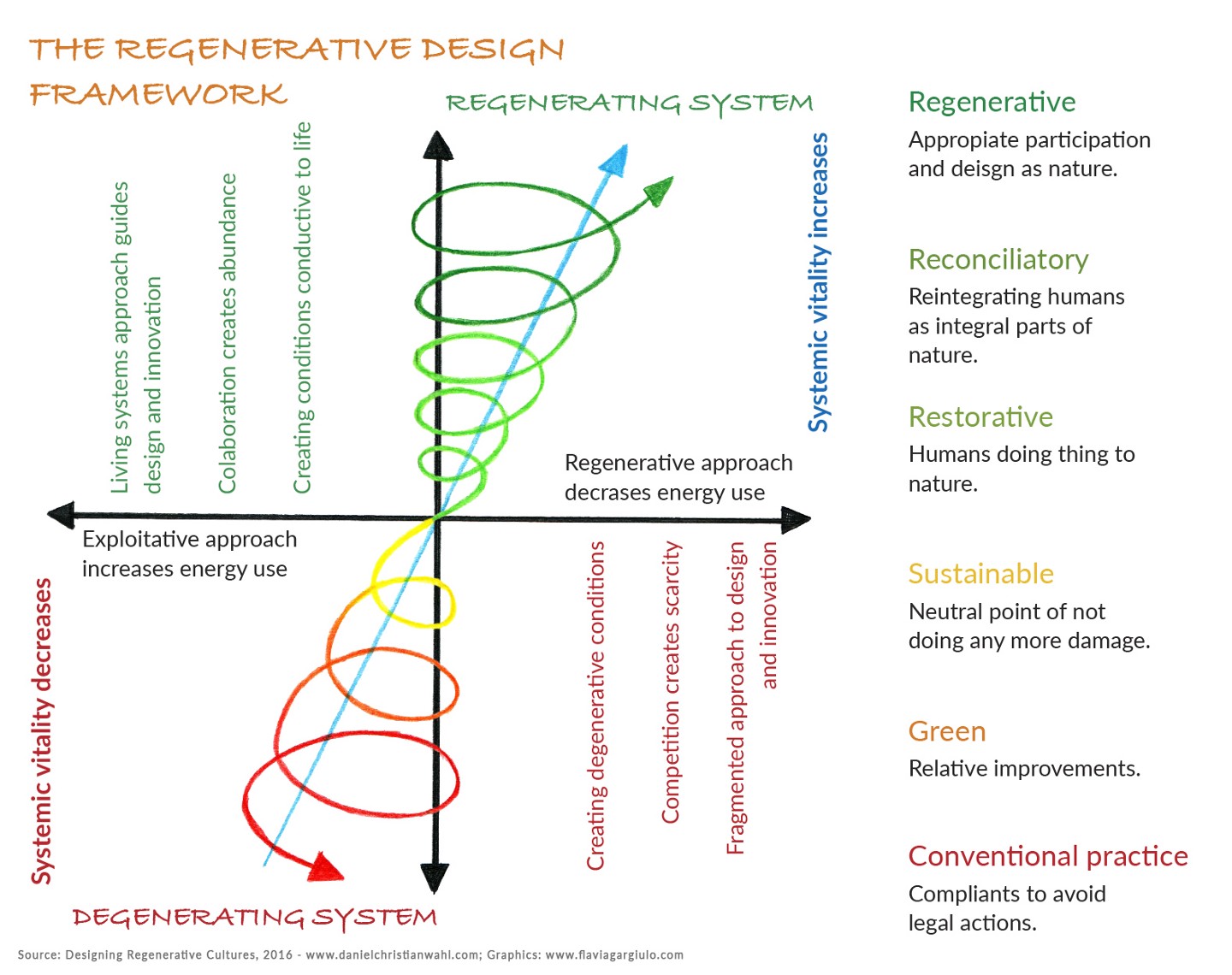
"The Regenerative Design Framework" - adapted from Bill Reed, by @DrDCWahl.
A worthy challenge is to think through how this applies to our digital tools & processes (AI, Web, etc.) - towards truly regenerative and ethical technologies.
“To make the world work for 100% of humanity in the shortest possible time through spontaneous co-operation without ecological offense or the disadvantage of anyone.” - Our global challenge, as outlined by Buckminster Fuller.
For anyone interested to learn more on the topic of Regenerative Design, I recommend the book "Designing Regenerative Cultures" by @DrDCWahl: https://www.triarchypress.net/drc.html https://www.amazon.com/Designing-Regenerative-Cultures-Daniel-Christian/dp/1909470775/ref=cm_wl_huc_item and this webinar: https://samim.io/p/2018-06-06-regeneration-a-webinar-with-fritjof-capra-simon-robin/
-
'Regenerative capitalism' and the new bottom line:
https://www.greenbiz.com/article/regenerative-capitalism-and-new-bottom-lineThe Regenerative Framework & White Paper:
http://capitalinstitute.org/regenerative-capitalism/Regenerative Enterprise: http://www.regenterprise.com/
Co-creating the Regenerative Economy: http://capitalinstitute.org/
In his new white paper, Fullerton described eight principles that would govern a regenerative economy:
1. In right relationship. “The current system is exactly inverted from the way it has to be,” Fullerton pointed out. “There is no such thing as environmental issues. We are part of the environment.”
2. Holistic wealth. “Money is not wealth,” Fullerton observed.
3. Adaptive management.
4. Empowered participation.
5. Honors community and place. (As poet Wendell Berry wrote, “There are no unsacred places; only sacred places and desecrated places.”)
6. Edge effect abundance.
7. Robust circulatory flow.
8. System balance.
“My suggestion is simple,” Fullerton said. “Align our economy with these eight principles instead of the relentless pursuit at all costs of GDP growth and shareholder value.”
From Sustainability to Social Impact and Regeneration – New Rules for New Business
-
From Sustainable to Regenerative Design:
-
Regeneration: A Webinar with Fritjof Capra, Simon Robinson and Daniel Christian Wahl:
Transformative Change, Sustainability and Regeneration:
Follow up links: https://transitionconsciousness.wordpress.com/2017/07/12/discussing-the-earth-charter-regeneration-and-meaningful-disturbances-with-fritjof-capra/
Regenerative design: https://en.wikipedia.org/wiki/Regenerative_design
"Designing Regenerative Cultures" - book: https://www.triarchypress.net/drc.html
-
Deep Time Walk: "a mobile app that enables anyone, anywhere to experience a walking audio history of the living Earth": https://www.deeptimewalk.org/kit/app/
The idea of the Deep Time Walk is simple but incredibly powerful: When dealing with the vast dimensions of time and space, we are often unable to grasp the magnitude quantitatively, just through studying the numbers. A Deep Time Walk allows us to walk the timeline of the history of the Earth and also universe, and thus for example, on a walk of 4.6km, if we start with the birth of Earth, each one-metre step represents one million years. Read more...
-
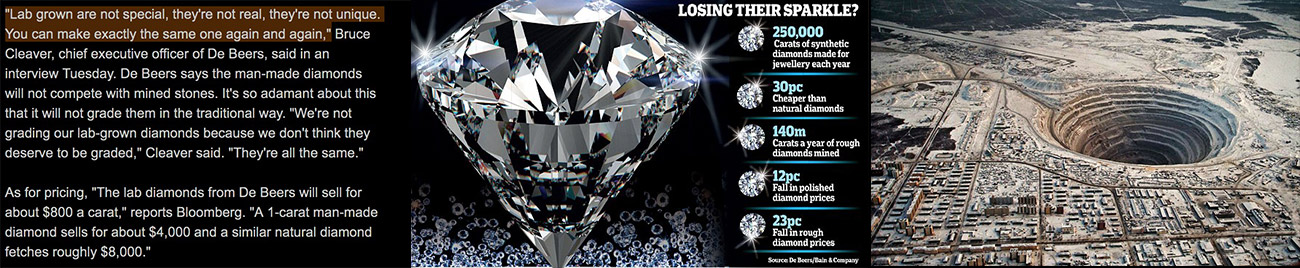
"De Beers to Sell Diamonds Made in a Lab":
https://www.bloomberg.com/news/articles/2018-05-29/de-beers-is-said-to-make-u-turn-by-selling-man-made-diamondsThe recurring theme of "existential authenticity and angst during the hegemony of the artificial" has fully reached the commodities business.
Keep in mind, the diamond mining biz is highly exploitative.