tag > Religion
-
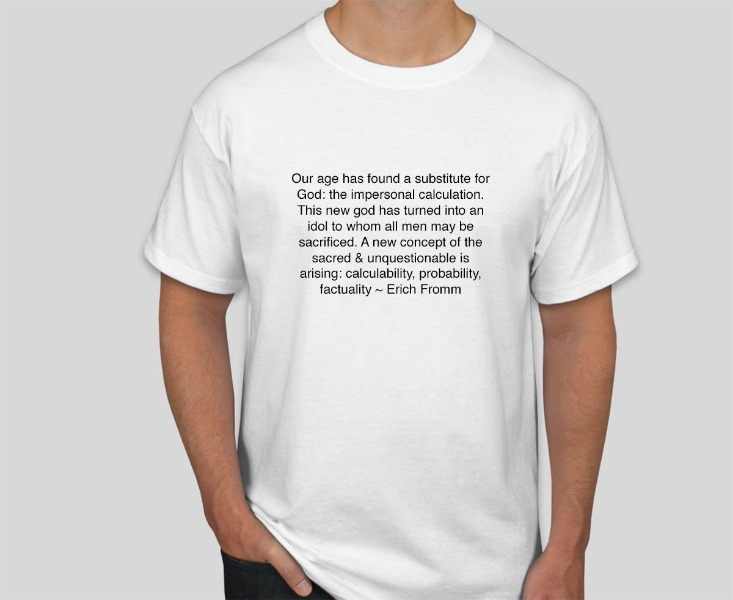
Quote by Erich Fromm from "The Revolution of Hope: Toward a Humanized Technology"
-
A Brief History of China - talk by Kristofer Schipper 鼎清 施舟人:
https://en.wikipedia.org/wiki/Kristofer_SchipperReligion is Nowhere and Everywhere
Path to Daoist Studies
On Li
Inclusivity and Exclusivity
Check as well Kristofer Schipper's worthwile Speech at Peking University: "Chinese History and its Global Significance": https://www.youtube.com/watch?v=Wjse34pV2EE&list=UU8wNPYihHdoRZzlOhd6noTA&index=15
-
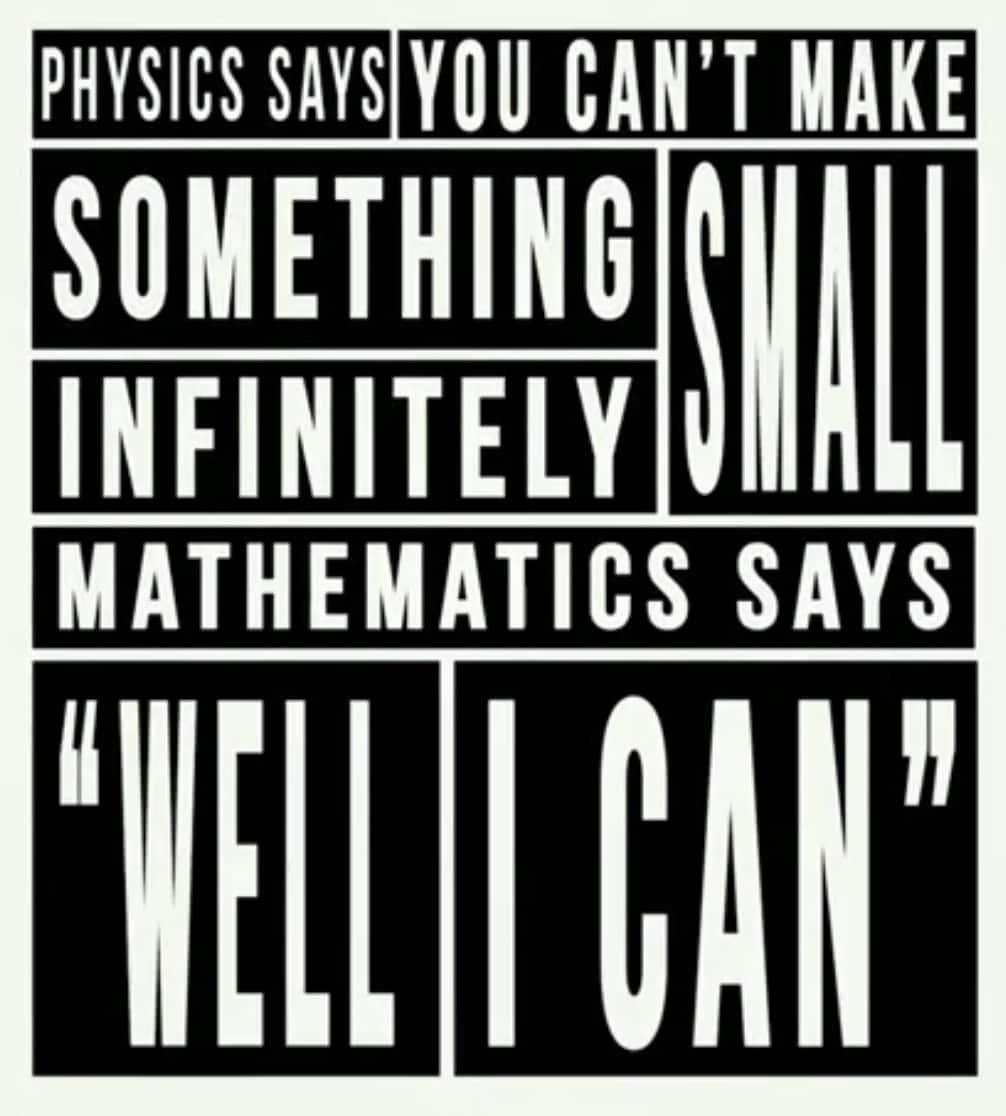
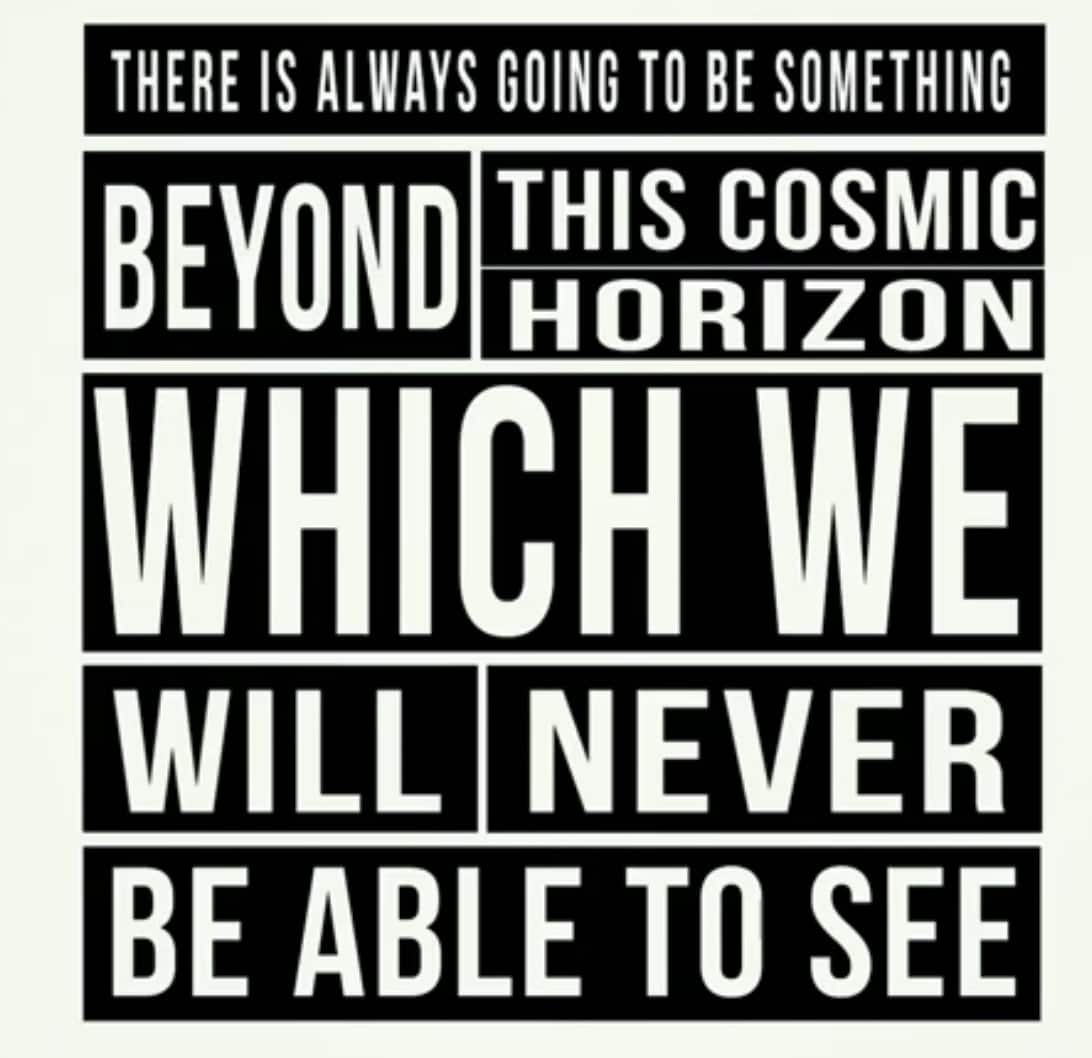
Thoughts on physicist Mario Livio talking about "Why Is There Anything At All?":
#Comment: So many fancy words used to essentially just say "we don't know - at all". Particularly contemporary western scientists with their "knowledge fetishism" seem to have a very hard time acknowledging, that there are a great many questions which are fundamentally "unknowable" (situated right at the base of the "pyramid of knowledge/science", threatening to collapse the entire game built upon them). One would think, things like Gödel's "incompleteness theorem", Asimov's "The Last Question" or countless Zen Buddhist texts would have made the case rather clear by now, but apparently not. Scientist pretense of knowledge is especially comedic, such as when they tell us what happened a femtosecond after big bang or what happens inside the event horizon. They state their wild speculations as facts while they clearly just confuse their models and equations with reality. In praxis, contemporary scientsist resorts to the very same tricks the christian church used for millennia: First make up fictive ghost stories that sounds important but way too complex for anyone to understand. Then convince the public that they are the only ones that can make sense of this and use this to grab respect, authority and power. This comic summarizes this silly game nicely: https://samim.io/p/2019-10-30-proposal-for-a-monument-to-logical-fallacies-by-san/
-
'It is a bit embarrassing to have been concerned with the human problem all one's life and find at the end that one has no more to offer by way of advice than 'try to be a little kinder.' - Aldous Huxley
-
Polens Kirche gründet Ausbildungszentrum für Exorzisten https://derstandard.at/2000104917729/Polens-Kirche-gruendet-Ausbildungszentrum-fuer-Exorzisten #Religion #Politics
-
Pope Francis' position on "Technology", from "Laudato si'":
https://en.wikipedia.org/wiki/Laudato_si%27#Technology #Religion #Technology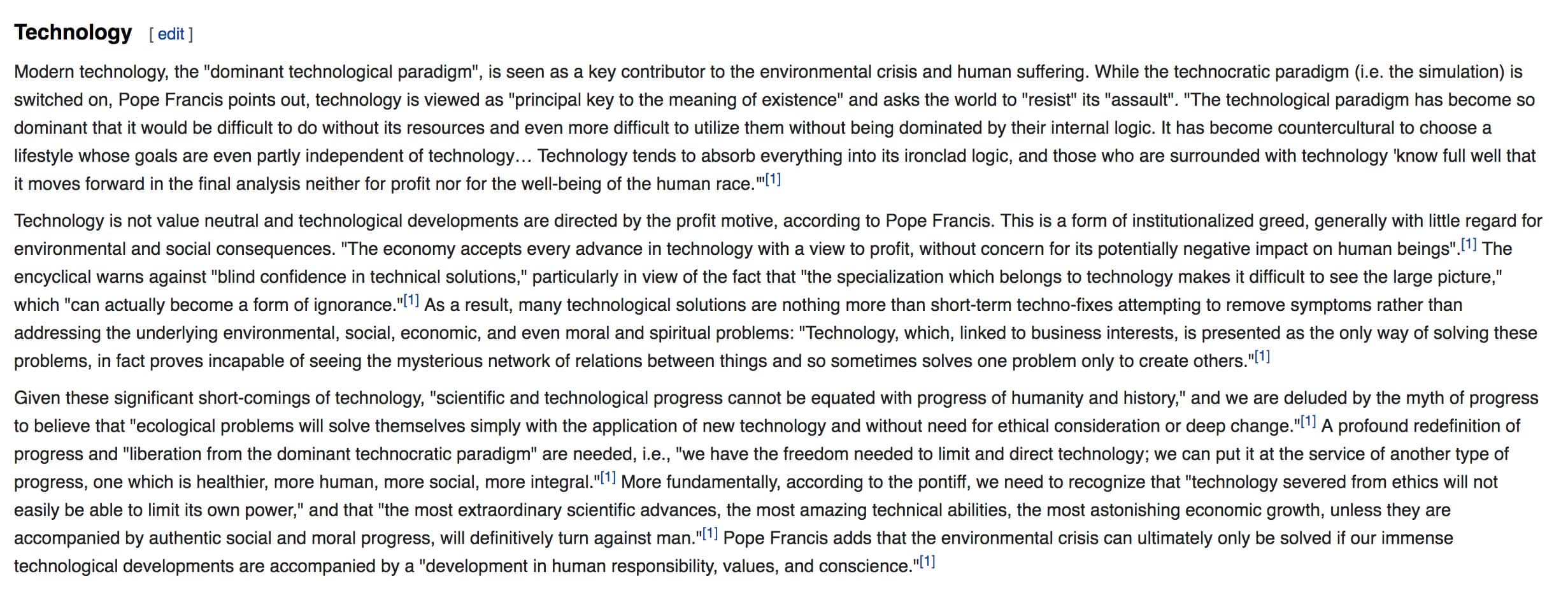
-
Pope Francis declares 'climate emergency' and urges action https://www.theguardian.com/environment/2019/jun/14/pope-francis-declares-climate-emergency-and-urges-action
The last time the catholic church declared a "emergency" was against "witchcraft", resulting in the inquisition burning enormes amount of innocent (mainly women) alive (from the middle ages up to the 19th century). Maybe they should declare a priest pedophilia emergency instead?
-
"Just as silence makes a sonata possible and the white paper carries a drawing, I think of God as the foundation of existence." - John Fowles, from his collection of aphorisms The Aristos (1980)
#Religion #Philosophy
-
Tay al-Arz: https://en.wikipedia.org/wiki/Tay_al-Arz #Magic #Religion
"folding up of the earth" or "covering long distances in the twinkling of an eye" is the name for thaumaturgical teleportation in the mystical form of Islamic religious and philosophical tradition.
-
World Peace: https://en.wikipedia.org/wiki/World_peace
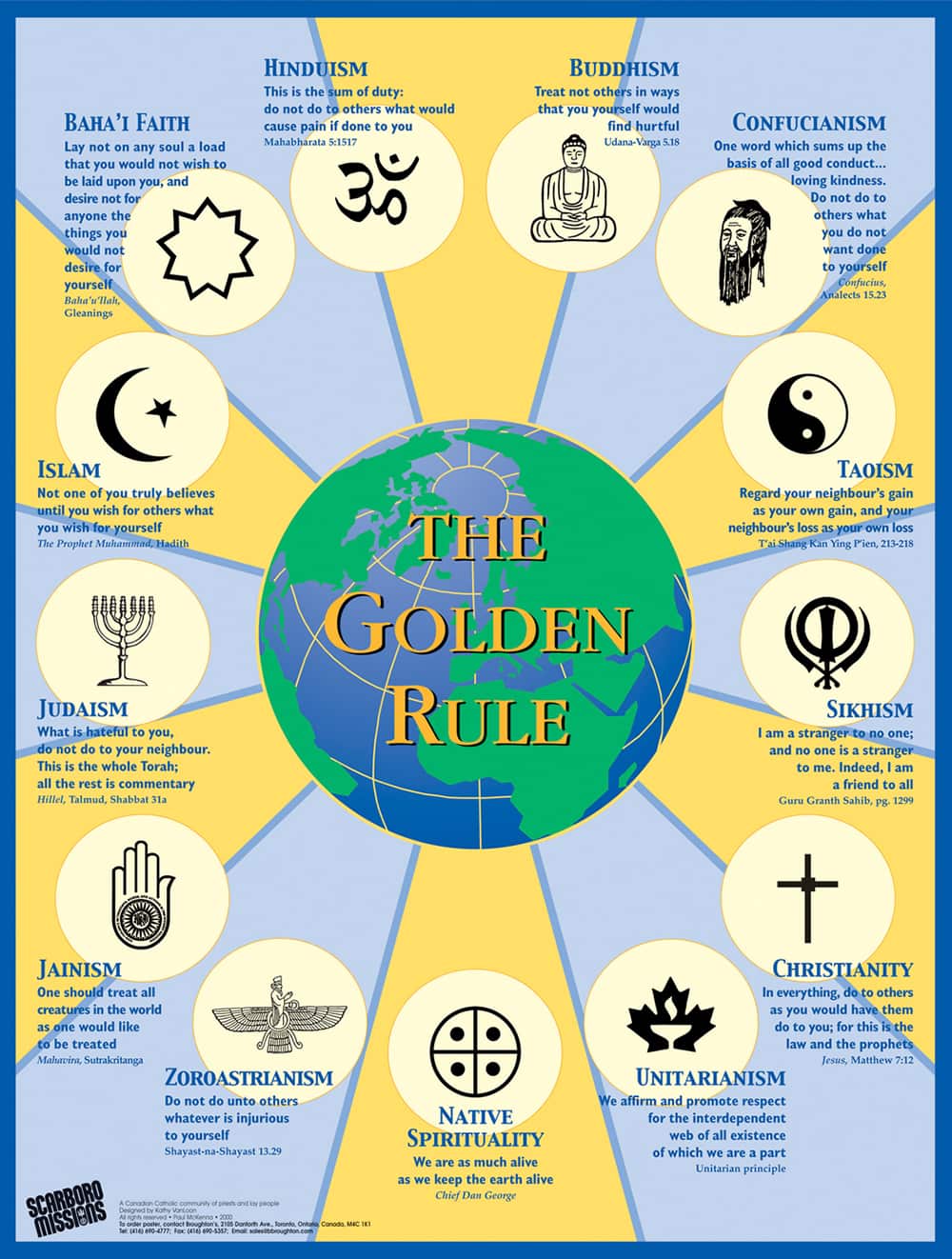
The World's Religious Leaders Call On Everyone To Make Friends Across Religions
https://sputniknews.com/us/201904051073840850-trump-usa-china-russia-invest-peace/
WASHINGTON (Sputnik) - US President Donald Trump told reporters at the White House that the United States, Russia and China should stop spending on weapons and invest toward long-term peace.
"Between Russia, China and us, we're all making hundreds of billions of dollars worth of weapons, including nuclear, which is ridiculous," Trump said on Thursday. "I think it's much better if we all got together and didn't make these weapons… those three countries I think can come together and stop the spending and spend on things that are more productive toward long term peace."
Chinese Vice Premiere Liu He, who was present at the White House, said he agreed with Trump's idea. -
http://www.rheingold.com/texts/tft/14.html
"ORIGINS is a movement that started on this computer (Santa Cruz, 408-475-7101). Origins began on the START-A-RELIGION conference, but we don't call it a religion. ORIGINS is partly a religion, partly like a westernized form of yoga society, partly a peace movement. It is a framework for improving your life and improving the world at the same time.
The movement centers on "practices" — actions you can use in everyday life to build effective human relationships, strength of community, and self-awareness. All the practices are based on action. None require any special equipment, settings, leaders, theories or social status. The human universals of the ordinary, everyday moment, and the personal relationship, form the basis for this training.
ORIGINS has no leaders, no official existence, nothing for sale. Because it started in an open computer conference, no one knows who all the creators are.
This movement has just begun. The brochure mentioned above recommends seven practices (Leverage a favor, Ask for help and get it, Use charisma, Finish a job, Use magic, Observe yourself, Share Grace), but these suggestions are only starters. The idea is to continually develop new training/action methods, as a community project, then discuss and share them through whatever communications media are available. This movement will never be finished, because it seeks a community of permanent innovation.
The hope is to build something which can make a better world. The first step is to make your own life better. For a more detailed overview of ORIGINS, get the brochure from the address above. To see how the movement developed, read the START-A-RELIGION message and its submessages."Weizenbaum's argument, in part, points out that the aspect of human nature that was externalized by the invention and evolution of computers was precisely the most machine-like aspect. The machines that embody this aspect can do some very impressive things that humans cannot do, and at present can do very little of the more sophisticated intellectual feats humans can accomplish. Even so, they are taking over the management of our civilization. Before we begin to give more decision-making responsibility over to the machines, Weizenbaum warns that it is a terrible mistake to believe that all human problems and all important aspects of human life are computable.
This "tyranny of instrumental reasoning" can lead to atrocities, Weizenbaum warns, and in the closing years of the twentieth century, it is not at all paranoid to have some healthy suspicions about what any shiny new technology that came from the Defense Department in the first place might do to our lives when they get around to mass producing it. And there is no dispute that war was the original motivation and has been the continuing source of support for the development of computer technology."
"Licklider believed that a human-computer symbiosis would be the means of steering our planet through the dangerous decades ahead. Others have used another biological metaphor for our future relationship with information processing technology — the concept of coevolution, an agreement between two different organisms to change together, to interact in such a way that improvements in the chances for survival for one species can lead to improvements in the chances for survival of the other species.
Perhaps yet another biological metaphor can help us foresee the transformation ahead. When a caterpillar transforms into a butterfly, it undergoes a biologically unique process. Ancient observers noticed the similarity between the changes undergone by a butterfly pupa and those of the human mind when it undergoes the kind of transformation associated with a radical new way of understanding the world — in fact the Greek word for both butterfly and soul is psyche.
After the caterpillar has wound itself with silk, extraordinary changes begin to happen within its body. Certain cells, known to biologists as imaginal cells, begin to behave very differently from their normal caterpillar cells. Soon, these unusual cells begin to affect cells in their immediate vicinity. The imaginal cells begin to grow into colonies throughout the body of the transforming pupa. Then, as the caterpillar cells begin to disintegrate, the new colonies link to form the structure of the butterfly's body.
At some point, an integrated supercolony of transformed cells that had once crawled along the ground emerges from the cocoon and flies off into the spring sky on multicolored wings. If there is a positive image of the future of human-computer relations, perhaps it is to be seen reflected in the shapes of the imaginal cells of the information culture — from eight-year-olds with fantasy amplifiers to knowledge engineers, from Ted Nelson to Murray Turoff, from Clyde Ghost Monster to Sourcevoid Dave, from ARPA to ORIGINS.
The flights of the infonauts are not the end of the journey begun by the patriarchs, but the beginning of the most dramatic software odyssey of them all. It is up to us to decide whether or not computers will be our masters, our servants, or our partners.
It is up to us to decide what human means, and exactly how it is different from machine, and what tasks ought and ought not to be trusted to either species of symbol-processing system. But some decisions must be made soon, while the technology is still young. And the deciding must be shared by as many citizens as possible, not just the experts. In that sense, the most important factor in whether we will all see the dawn of a humane, sustainable world in the twenty-first century will be how we deal with these machines a few of us thought up and a lot of us will be using." -
Robots and AI: Papal academy decodes newest pro-life challenges:
https://cruxnow.com/vatican/2019/01/03/robots-and-ai-papal-academy-decodes-newest-pro-life-challenges/ #ML #Religion -
"China's Religious Landscape: Models of Religious Pluralism" - talk by Dr. David A. Palmer, Associate Professor of Sociology at the University of Hong Kong