tag > Religion
-
Why didn't the government of India open Vault B of the Padmanabhaswamy Temple in Kerala?
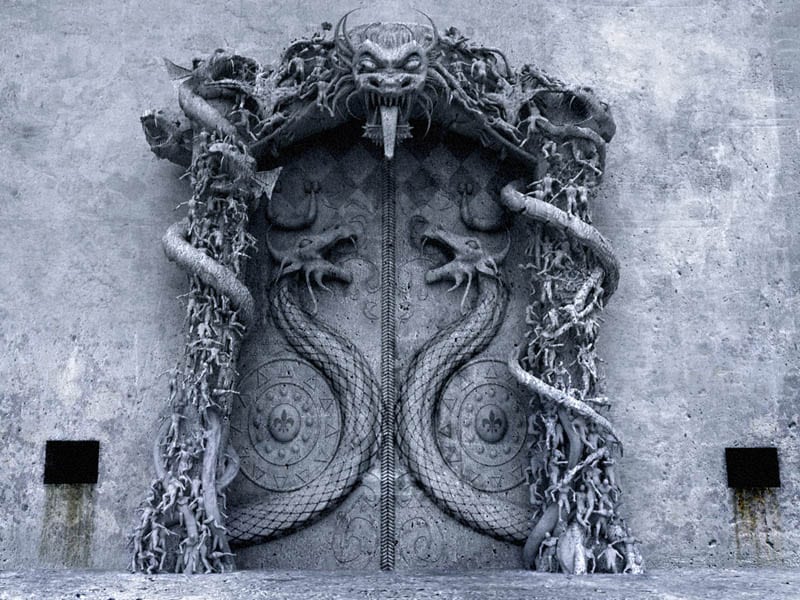
"Naga Bandhan" Door leading to Vault 'B' - Vault (Nilavara) B, the forbidden zone (wikipedia)
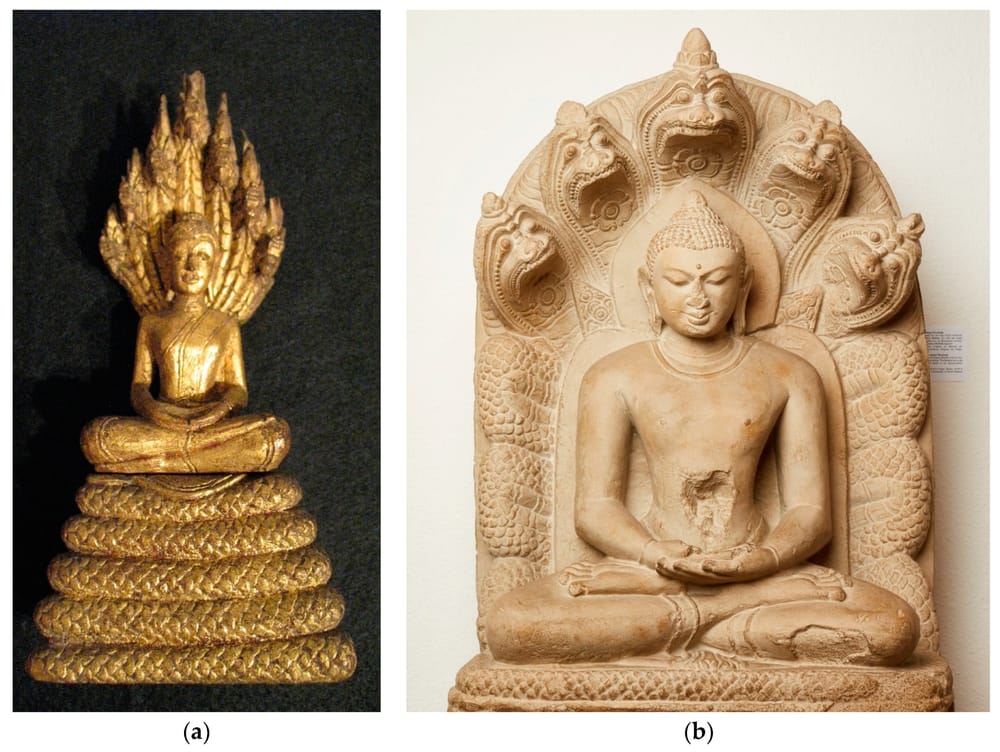
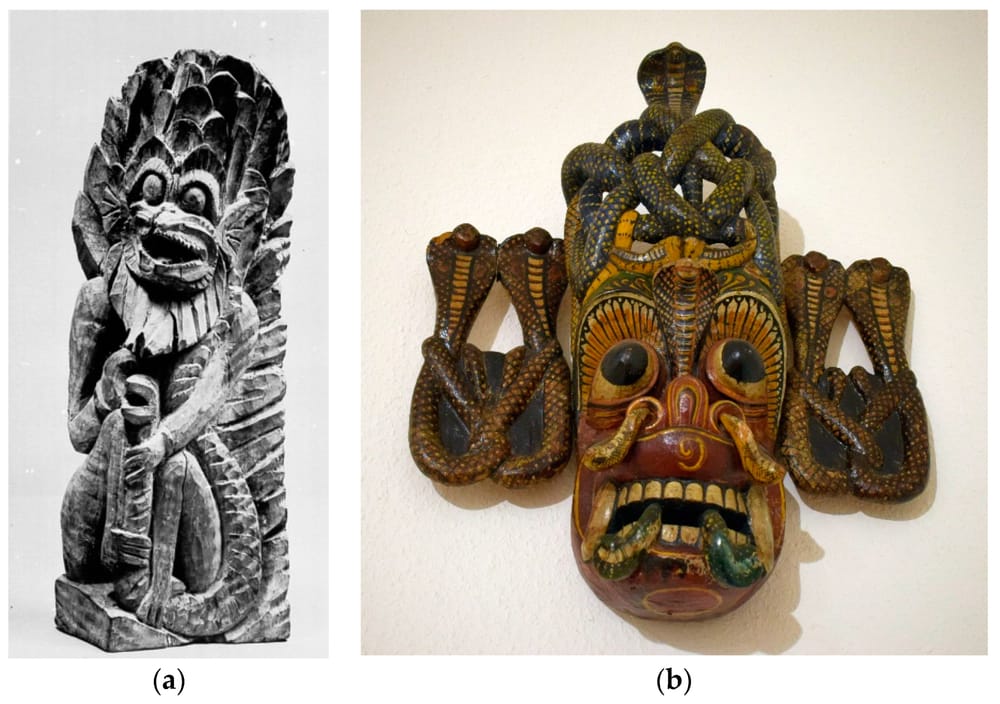
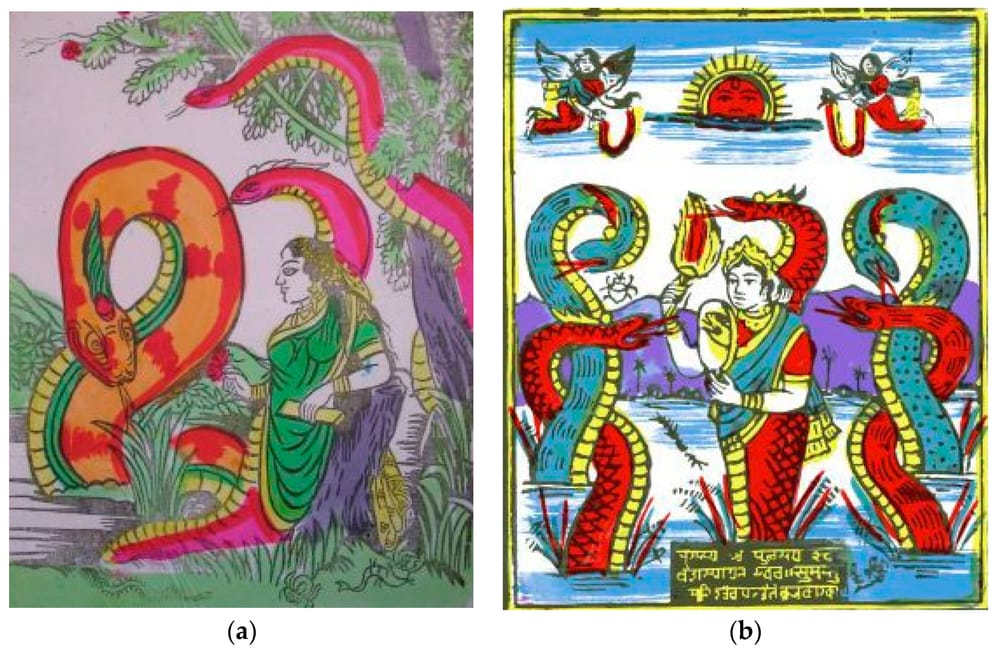
- Nāga (wikipedia)
- "Naga Magick: The Wisdom of the Serpent Lords" – Book by Denny Sargent
- The Tibetan Bon Terma of the Naga/Serpent Cults containing The Grimoire of Za-Rahula
- A Study of Naga Beings as a Global Phenomenon and their relation with Kailash/Manosarovar region
- Story of the nāga-king Elapatra
- The Naga worship
- Vault (Nilavara) B, the forbidden zone (wikipedia)
-
"It works like magic." - Steve Jobs (2007, iPhone launch)

-
"People out of Stone" - a brief backstory of modern-day robotics and AI:
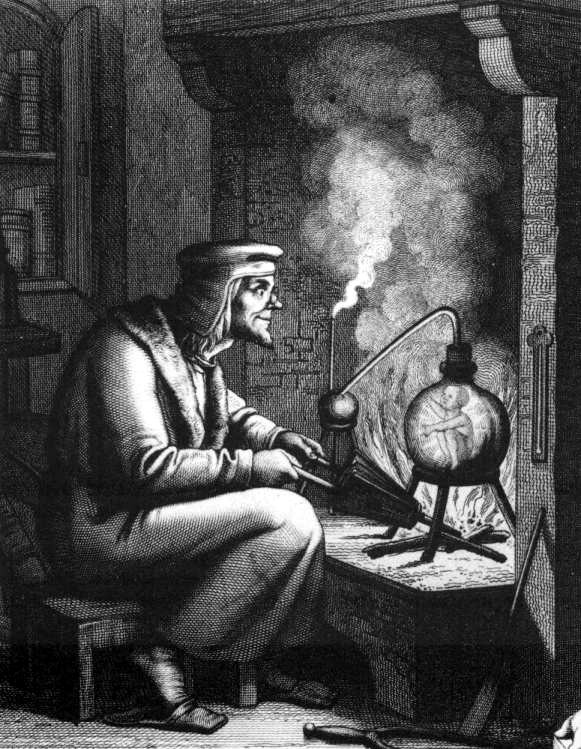
In India, it is a tradition amongst certain Tantric sects to anoint their phallic lingam images with oil, milk, and sometimes semen. A similar tradition involving living statues and plaster busts exists in Western culture - at least on a literary level. E.T.A. Hoffman, Edgar Allen Poe, Ambrose Bierce, and Jules Verne amongst others, have reinterpreted the original myth of Pygmalion from Ovid; it can even be seen in the musical 'My Fair Lady'. This tradition fulfills an ancient human dream, that of bringing the dead back to life, either artificially or with the help of the gods of magic. Even today there are hints of it in cybernetics and genetic engineering. Inspired by the attempts of Charles Darwin's grandfather Erasmus Darwin to re-animate dead worms, the nineteen-year-old Mary Shelley wrote the novel 'Frankenstein: or the new Prometheus' which was published in 1818. More on the theme has been written more recently by authors such as Philip K. Dick (as in 'Blade Runner'), Alfred Bester, Stanislaw Lem and Pierre Klossowsky. In Switzerland in 1972, a drama based on the classical myth of Galatea appeared, expressing the eternal dream of a man for a woman who is wholly dedicated to him. In the play, which was a reworking of an 'Alpensaga' (Swiss mountain fairy tale), some farmers create a 'Sennentuntschi', an artificial woman grown in a bottle from a mixture of dung and cheese. Needless to say, Sennentuntschi soon frees herself from their attentions.
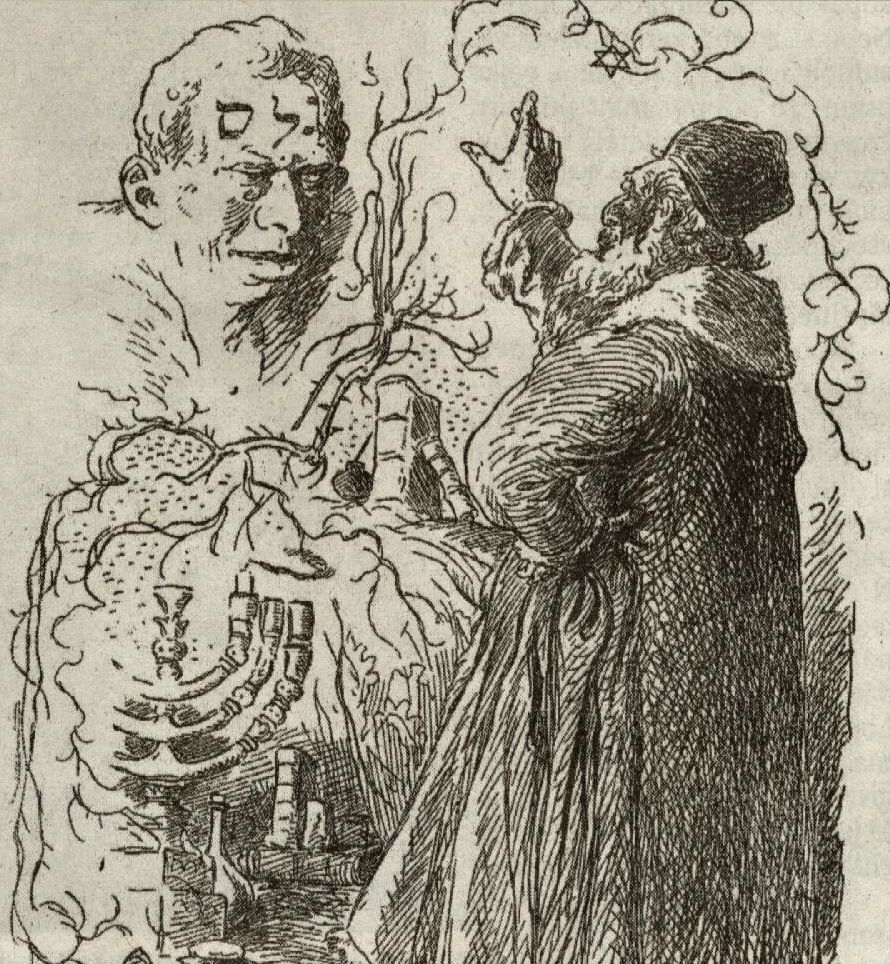
In Jewish mysticism, there is the legend of the Golem, which is ultimately based on Psalm 139 verse 16; the story is best known from the mediæval golem created by Rabbi Löw of Prague, as described in Gustav Meyrink's impressive novel The Golem (1915). Golems are reproductions of Adam, formed from the dust of the earth, and they go even further back in Jewish culture, as may be discovered in a commentary on the ancient Cabalistic text the Sefer Yetzirah, as expounded by the eminent scholar Gershom Scholem. The German author of occult and erotic potboilers H.H. Ewers added a sexual twist to the legend with his novel Alraune in 1911. Also in Germany, Paul Wegener directed a film of The Golem in 1915, the first in a series of German films such as Nosferatu, Das Kabinett des Doktor Caligari and Dr. Mabuse which evoked a fascination for evil. Neo-Gnostics and secret societies in Germany and elsewhere got a lot of inspiration from fictional sources such as these - enough for them to devise their own 'Order Secrets'. The concept of the Homunculus, an alchemical mannikin produced in a bottle, was not foreign to Theodor Reuss, the O.T.O.'s founder. The prescribed reading-list for O.T.O. members included G. Herman's work called Genesis - das Gesetz der Zeugung (Genesis - the Law of Procreation) which describes the production of a being "who is realized through the odic power of materialization, and which as odic mist streams from the vulvae, and under the traditional uterine influence easily forms child-souls." The alchemist Paracelsus described his formula for creating a Homunculus using blood and semen, and this has been compared to the consecrated hosts of the Spermo-Gnostics. In 1914 Aleister Crowley wrote his Xth degree instruction De Homunculo Epistola in which he described the homunculus, even though he was less than enthusiastic about it. It is quite possible that he had been inspired by Somerset Maugham, who had published a novel called The Magician in 1907, whose villain Oliver Haddo is based on Crowley; in the novel Haddo manufactures a mad homunculus by devilish arts. Similarly, Crowley himself wrote a novel in 1917 (not published until 1929) called Moonchild, in which sex-magicians create a speaking homunculus with astrological enchantments.
"You are my Creator, but I am your Master — Obey!" - Mary Shelley, Frankenstein
Text is an excerpt from: "Nosferatu's Baby (Much Too Much) Too hot To Handle" - by Peter-R. Koenig

#Comment: It is rather comedic, that generations of highly educated elite men tried to make inanimate matter come alive through ever-evolving complex means. It seem obvious, that the driving psychological force behind such efforts, is a pathological jealousy of men towards women, resulting from the biological inability of males to give birth.
Consider the somewhat related insights, by Robert Anton Wilson: "Elohim," the name for the creative power in Genesis, is a female plural, a fact that generations of learned rabbis and Christian theologians have all explained as merely grammatical convention. The King James and most other Bibles translate it as "God," but if you take the grammar literally, it seems to mean "goddesses." Al Shaddai, god of battles, appears later, and YHWH, mispronounced Jehovah, later still. - Genesis, p. 197
-
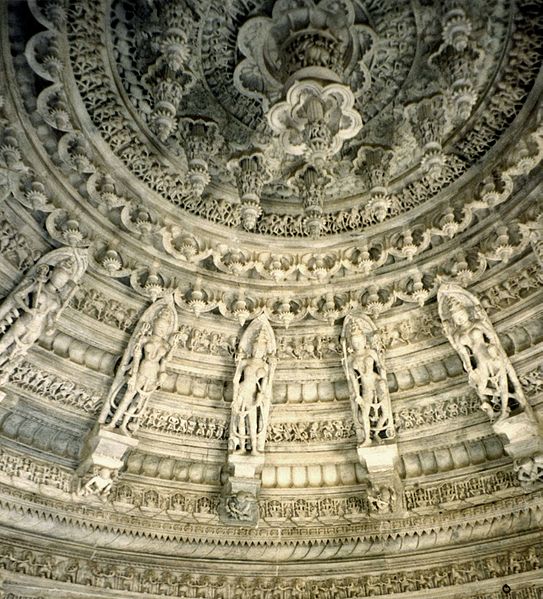
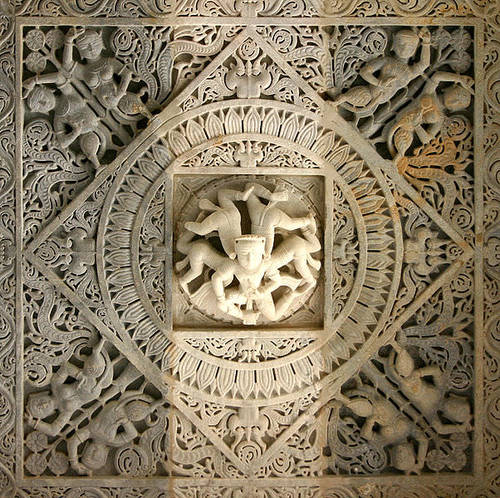
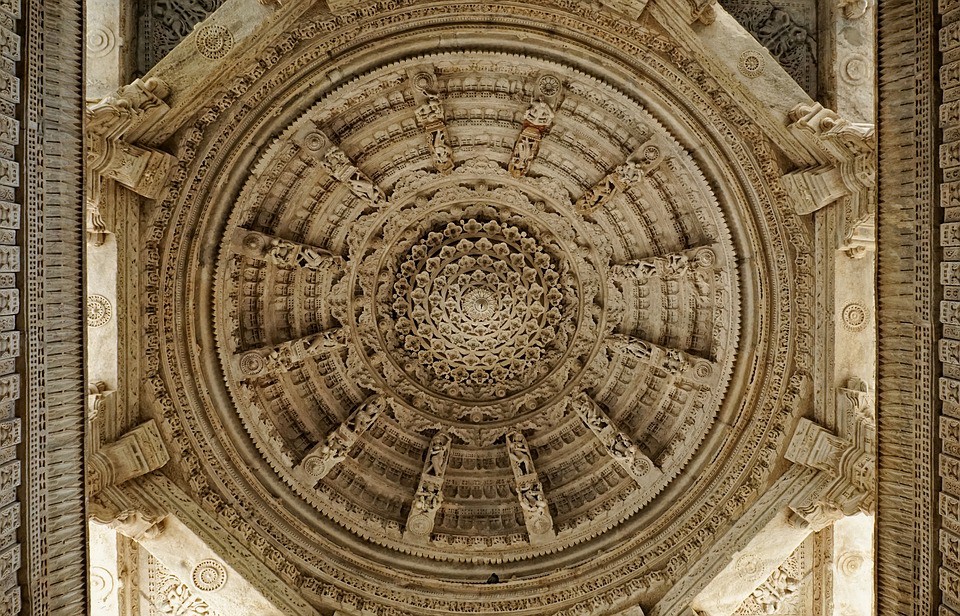
According to Jain epistemology, "knowledge is the essence of the soul. This knowledge is masked by the karmic particles. As the soul obtains knowledge through various means, it does not generate anything new. It only shreds off the knowledge-obscuring karmic particles. According to Jainism, consciousness is a primary attribute of Jīva (soul) and this consciousness manifests itself as darsana (perception) and jnana (knowledge)." (wikipedia)
Further Links:
- Presentation: Jain Philosophy
- Paper: An Epistemology of Jainism: A Critical Study
- Post: The Theory of Knowledge in Jainism
- Paper: Basic Jaina Epistemology (unpaywalled)
- Paper: Theories of knowledge and the experience of being: Jainism’s ontology of kinship
- Post: Types of knowledge in Janism
- Talk: Jaina Logic and Epistemology. Is This How it All Began? - talk by Prof Balcerowicz
- Presentation: Jain Philosophy
-
"Art Meets Science & Spirituality in a Changing Economy" (Ilya Prigogine, John Cage)
"Art Meets Science & Spirituality in a Changing Economy" (Dalai Lama, David Bohm)
-
Notes on the Book The End of Certainty - by Ilya Prigogine (1997)

Interesing summery of the book by Mona M.Abd El-Rahman:
Prigogine’s view on cosmology (the more widely accepted Big Band Theory and The Steady State Theory) agrees with that of the Indian cosmologist Jayant Vishnu Narlikar, who wrote “Astrophysicists of today who hold the view that the ‘ultimate cosmological problem’ has been more or less solved may well be in for a few surprises before this century is out”.
“Many scientists have been willing to explain this singularity (the big bang) in terms of the “hand of God” or the triumph of the biblical story or creation.”
“In accepting that the future is not determined, we come to the end of certainty” says Prigogine. He does not believe, however, that this is an admission of defeat for the human mind. He asserts that the opposite is true.
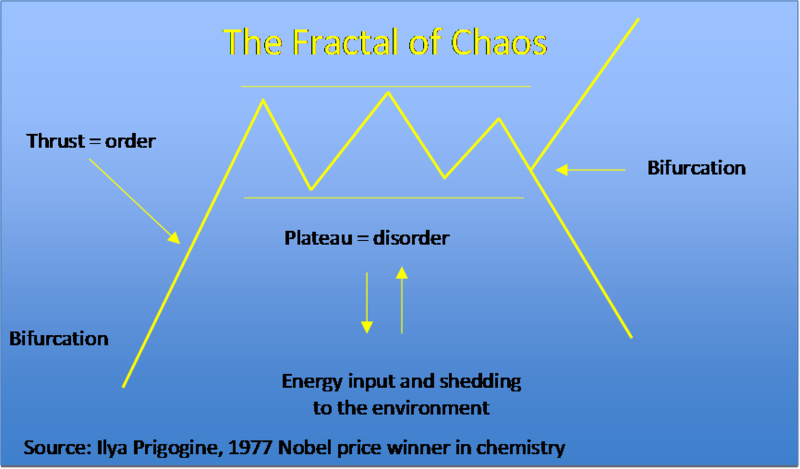
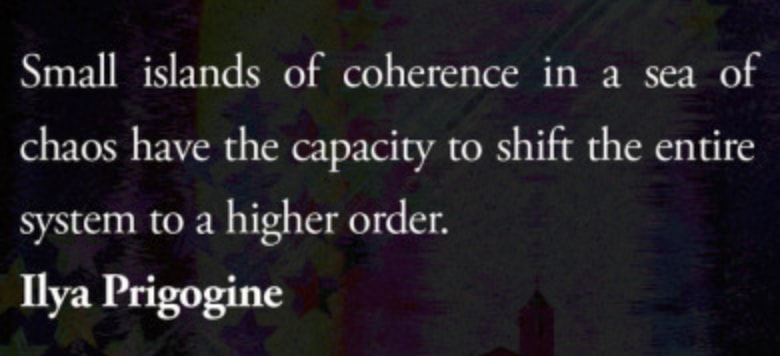
He views the universe as a giant thermodynamical system far from equilibrium, where we find fluctuations, instabilities, and evolutionary patterns at all levels.
Some great quotes from the end of the book: For Einstein, science was a means of avoiding the turmoil of everyday existence. He compared scientific activity to the “longing that irresistibly pulls the town-dweller away from his noisy, cramped quarters and toward the silent high mountains. Einstein’s view of the human condition was profoundly pessimistic.
Science began with the Promethean affirmation of the power or reason, but it seemed to end in alienation – a negation of everything that gives meaning to human life.
Einstein repeatedly stated that he had learned more from Fyodor Dostoyevsky than from any physicist. In a letter to Max Born in 1924, he wrote that if he were forced to abandon strict causality (classical physics and relativity), he “would rather be a cobbler, or even an employee in a gaming house, than a physicist”. In order to be of any value at all, physics has to satisfy his need to escape the tragedy of the human condition. “And yet and yet”, when Einstein was confronted by Godel with the extreme consequences of his quest, the denial of the very reality that physics endeavors to describe, Einstein recoiled. (Godel took Einstein’s Theory of Relativity and classical physics and showed that past and future are equivalent and that it is possible to travel back in time).
Prigogine has tried to follow a narrow path between two conceptions that both lead to alienation: a world ruled by deterministic laws, which leaves no place for novelty, and a world ruled by a dice-playing God, where everything is absurd, acausal, and incomprehensible.
Prigogine ends his book with the following words: “As we follow along the narrow path, we discover that a large part of the concrete world around us has until now “slipped through the meshes of the scientific net”, to use Whitehead’s expression. We face new horizons at this privileged moment in the history of science”.From Wikipedia, on "The End of Certainty":
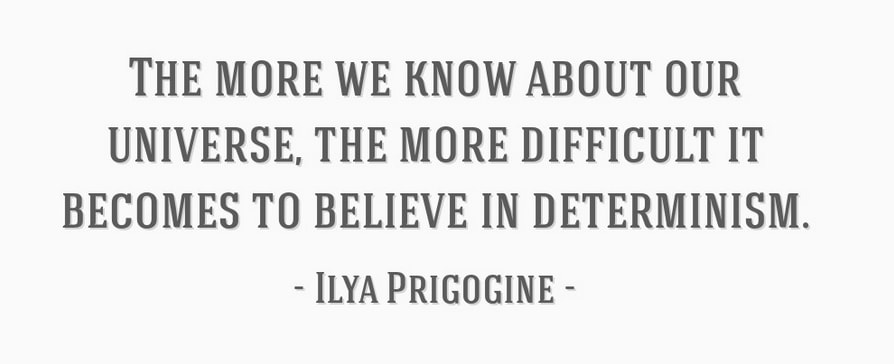
"In The End of Certainty, Prigogine contends that determinism is no longer a viable scientific belief: "The more we know about our universe, the more difficult it becomes to believe in determinism." This is a major departure from the approach of Newton, Einstein and Schrödinger, all of whom expressed their theories in terms of deterministic equations. According to Prigogine, determinism loses its explanatory power in the face of irreversibility and instability."
An interview with Ilya Prigogine by Yiannis Zisis
Ilya Prigogine – On Dualist Knowledge
Dissipative system (wikipedia)
"A thermodynamically open system which is operating out of, and often far from, thermodynamic equilibrium in an environment with which it exchanges energy and matter. A tornado may be thought of as a dissipative system."
#Science #Complexity #Generative #Regenerative #Religion #Philosophy #Book
-
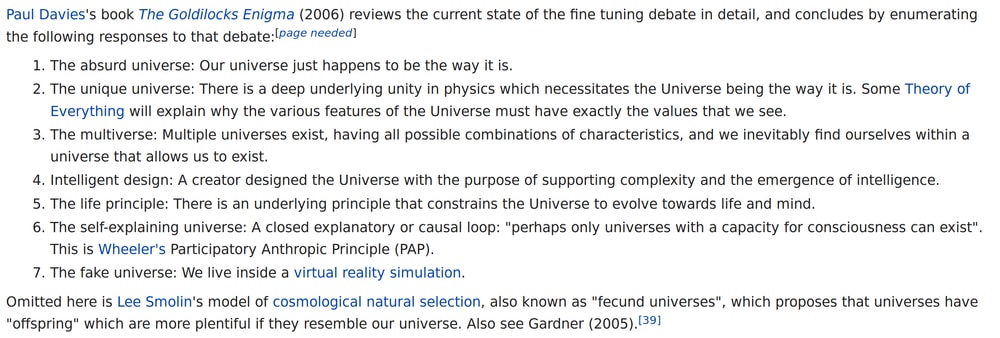
#Comment: Many of the (philosophical) musings of the contemporary "high priests of reality" (physicists, mathematicians etc.), such as "the Anthropic Principle" (see this intro video by Sabine Hossenfelder: "Is the Anthropic Principle scientific?") would make for truly great absurd comedy - if only such people would learn to not take themselves and everything else so very serious (great minds with even greater egos) and laugh far more often: Hairless monkeys which just recently developed language, convinced that they can "understand and predict everything", by compressing the totality of unfolded (infinite) existence into their tiny (finite) brains - pure paradoxical grand comedy! The "theory of everything" fairy-tales of religious traditions at least focus on practical things like rituals, aesthetics, art, ethics and culture (sensing that life is not a problem to be solved, but a reality to be experienced.) - which is overall lacking in today's science cult-ure.
-
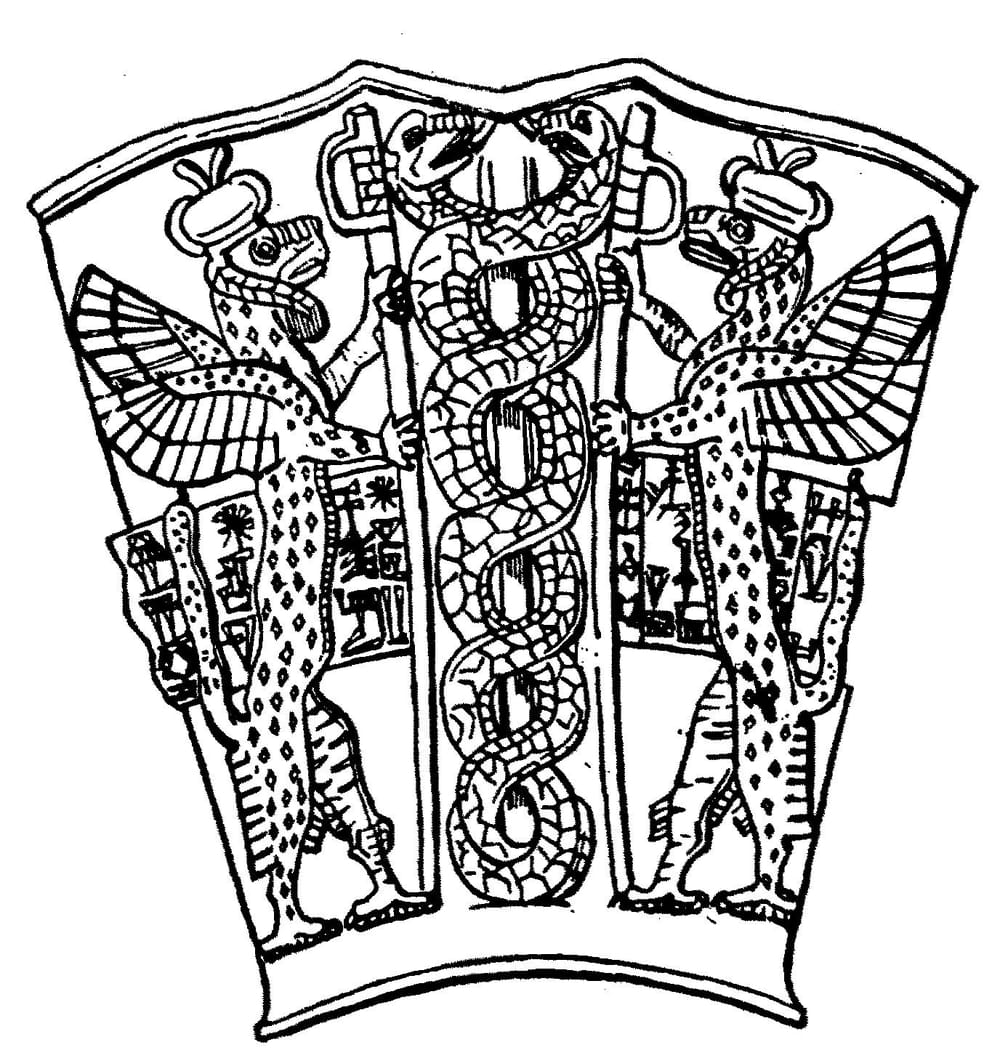
Ningishzida is a Mesopotamian deity of vegetation and the underworld.
-
"Implicate and explicate order" are ontological concepts for quantum theory coined by theoretical physicist David Bohm during the early 1980s.
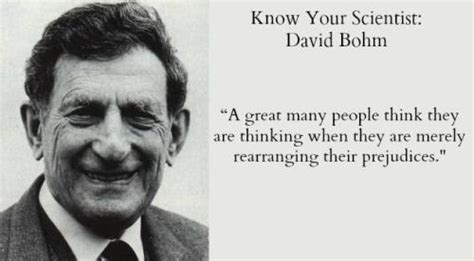
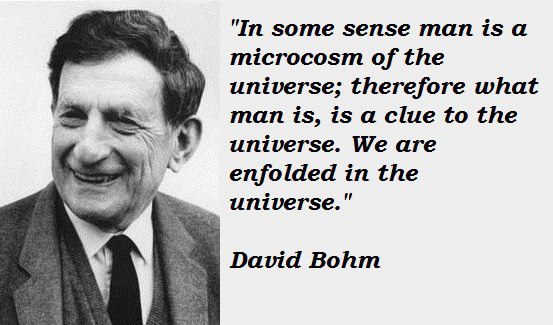
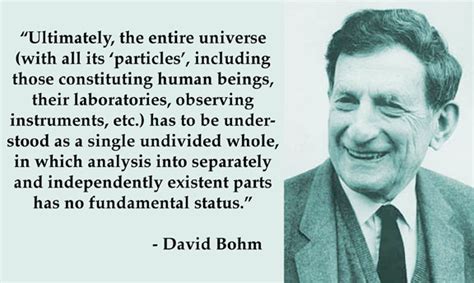
Book: Science, Order, and Creativity by David Bohm and F. David Peat (1987).
#Science #Space #Philosophy #Religion #Complexity #Creativity -
Jeffrey Epstein and the Decadence of Science - by John Horgan
"The Epstein scandal, which embroiled many prominent scientists, is just one of many signs that a gloomy prophecy is being fulfilled."
Multiverse Theories Are Bad for Science - by John Horgan
"New books by a physicist and science journalist mount aggressive but ultimately unpersuasive defenses of multiverses."
-
Scientific Misconduct: Can Religion Help?
"A 2009 systematic review and meta-analysis of survey data discovered that among the scientists, 2% confessed to have “fabricated, falsified or modified data or results,” and over 14% had known colleagues to have committed the same. Moreover, over 33% of scientists confessed to “other questionable research practices,” and up to 72% had known colleagues to have done so."
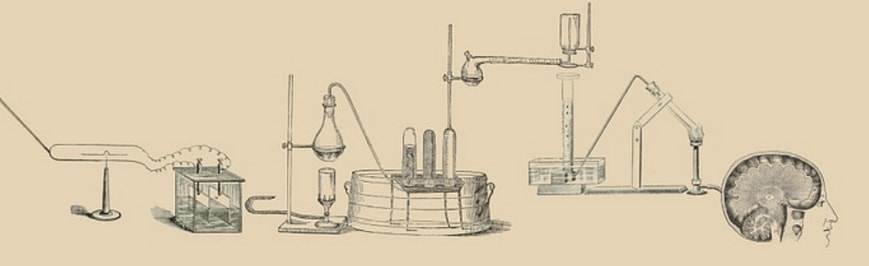
"According to one survey by Nature, more than half of the researchers failed to successfully reproduce their own results; and over 70% failed to successfully reproduce another scientist’s results. Given this difficulty, hindered further by financial and other limitations, and by the complexity of the science concerned, it becomes easy to fabricate, manipulate, or selectively publish results."
"Like many of his contemporary biologists, Haeckel was a materialist. It is not materialism in itself that creates the problem, but rather the lack of accountability that results from it. It clears the way for deceit, corruption, and indeed the worst of crimes against humanity."
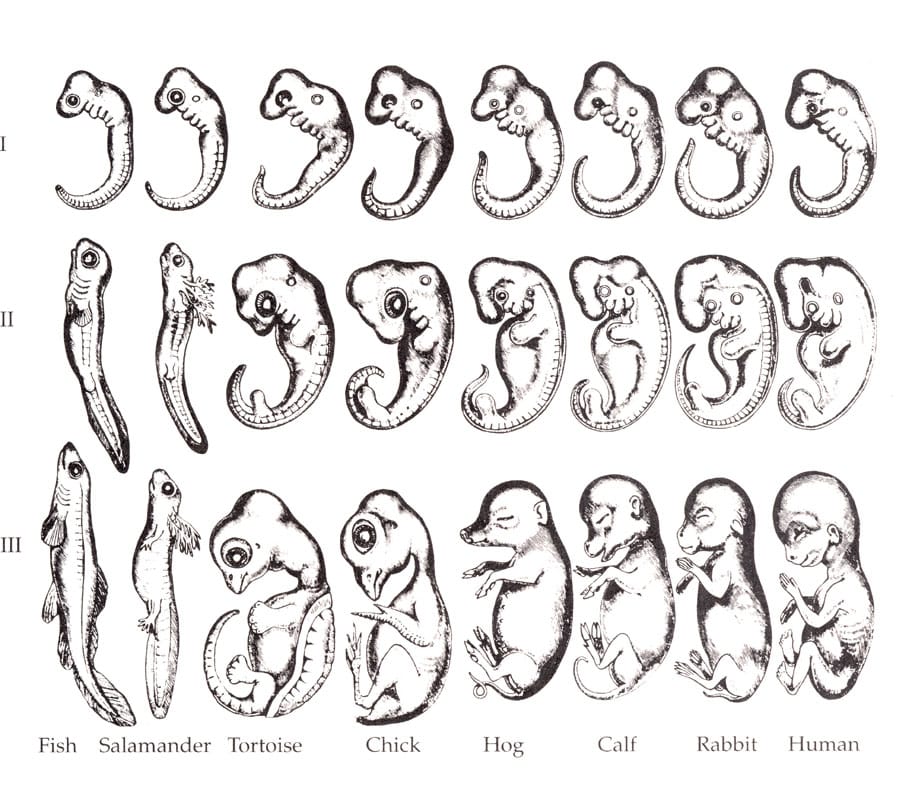
Ernst Haeckel's controversial embryo drawings The article uses recapitulation theory as example of scientific misconduct:
"The theory of recapitulation, also called the biogenetic law or embryological parallelism—often expressed using Ernst Haeckel's phrase "ontogeny recapitulates phylogeny"—is a historical hypothesis that the development of the embryo of an animal, from fertilization to gestation or hatching (ontogeny), goes through stages resembling or representing successive adult stages in the evolution of the animal's remote ancestors (phylogeny)."
Related:
- "Encountering Ernst Haeckel’s 'Ontogeny Recapitulates Phylogeny'" - by Eugene Lemcio
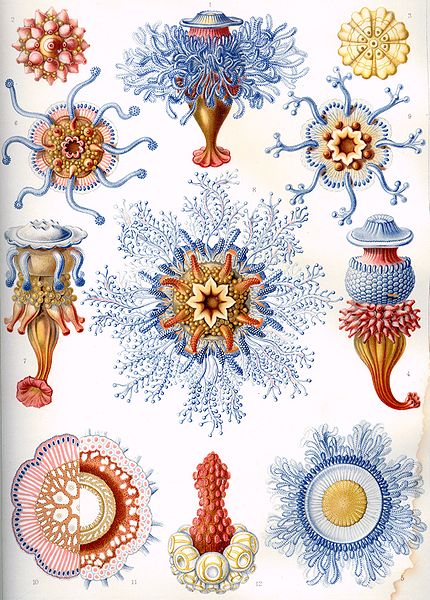
- Drawing by German biologist Ernst Haeckel:
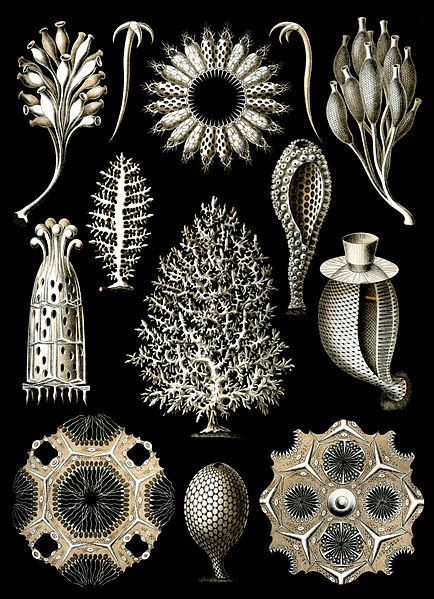
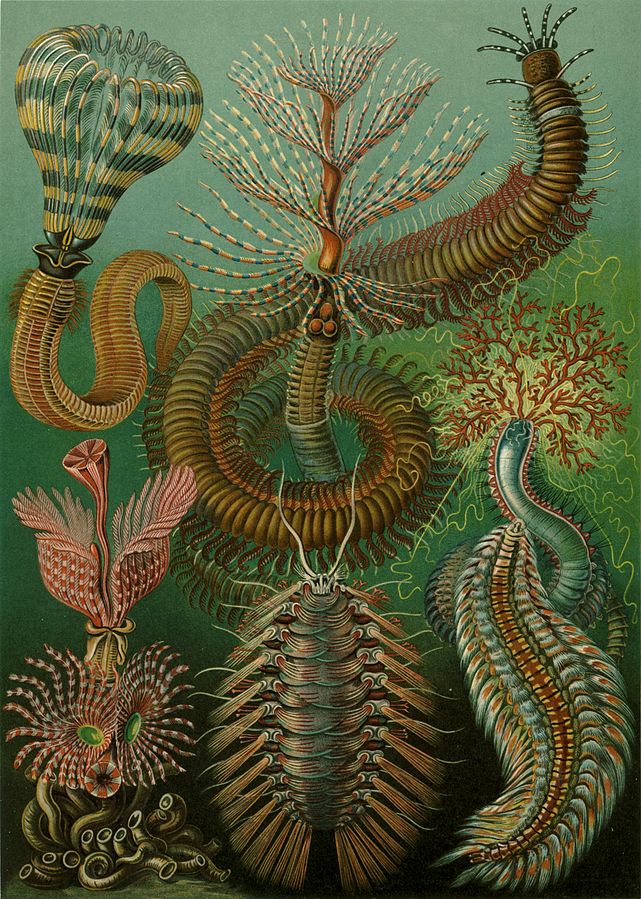
-
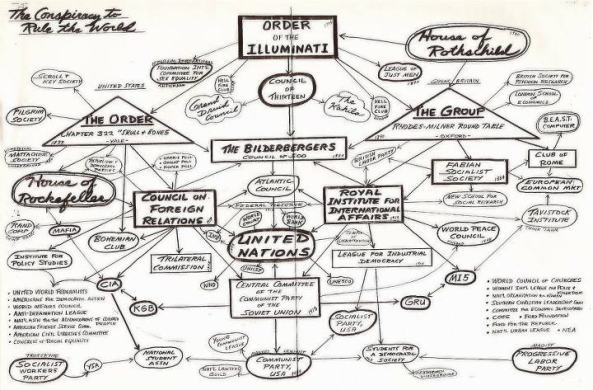
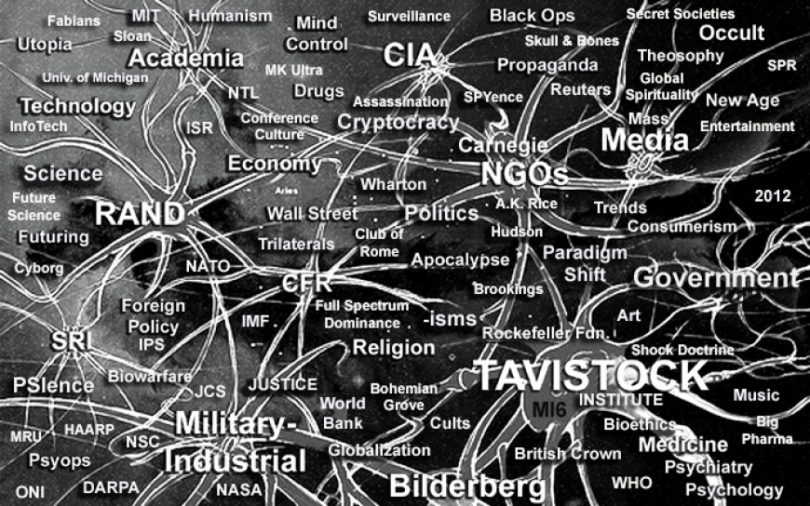
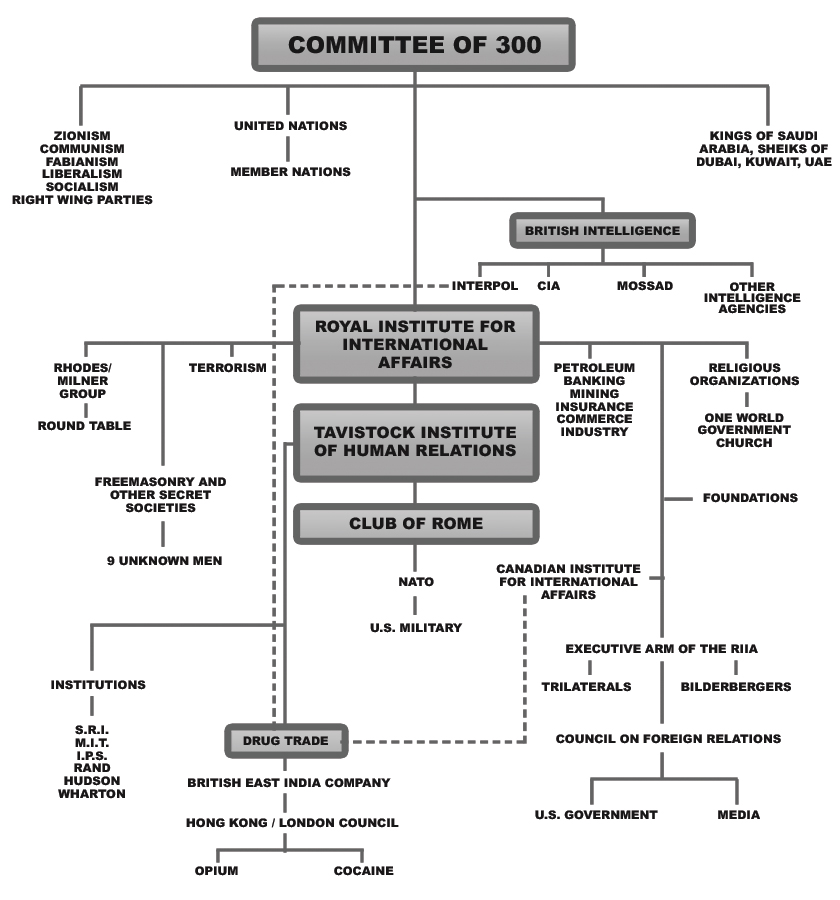
Impossible Knowledge. Conspiracy Theories, Power, and Truth - By Todor Hristov
"Conspiracy theorists claim impossible knowledge, such as knowledge of the doings of a secret world government. Yet they accept this impossible knowledge as truth. In effect, conspiracy theories detach truth from knowledge.
Knowledge without power is powerless. And the impossible knowledge claimed by conspiracy theorists is rigorously excluded from the regimes of truth and power – that is not even wrong. Yet conspiratorial knowledge is potent enough to be studied by researchers and recognized as a risk by experts and authorities.
Therefore, in order to understand conspiracy theories, we need to think of truth beyond knowledge and power. That is impossible for any scientific discipline because it takes for granted that truth comes from knowledge and that truth is powerful enough to destroy the legitimacy of any authority that would dare to conceal or manipulate it. Since science is unable to make sense of conspiracy theories, it treats conspiracy theorists as individuals who fail to make sense, and it explains their persistent nonsense by some cognitive, behavioral, or social dysfunction.
Fortunately, critical theory has developed tools able to conceive of truth beyond knowledge and power, and hence to make sense of conspiracy theories. This book organizes them into a toolbox which will enable students and researchers to analyze conspiracy theories as practices of the self geared at self-empowerment, a sort of political self-help."
-
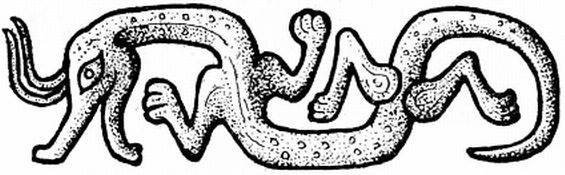
Book: The dragon in China and Japan - by Marinus Willem de Visser (1876-1930) (PDF)



(Alt download link) - #Religion #Magic #History #Art #Book #Dragon
-
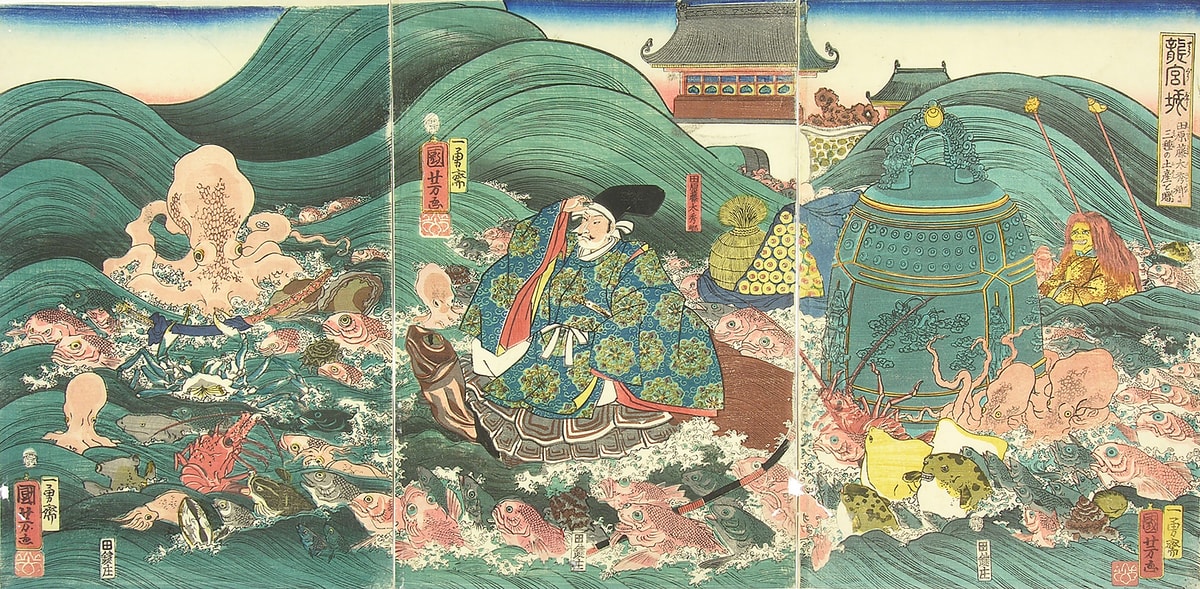
The Ryūgū-jō 竜宮城 is the palace of the dragon king Watatsumi 綿津見. It lies on the seabed and is home for marine animals. Legend has it that the palace was built or pure crystal.
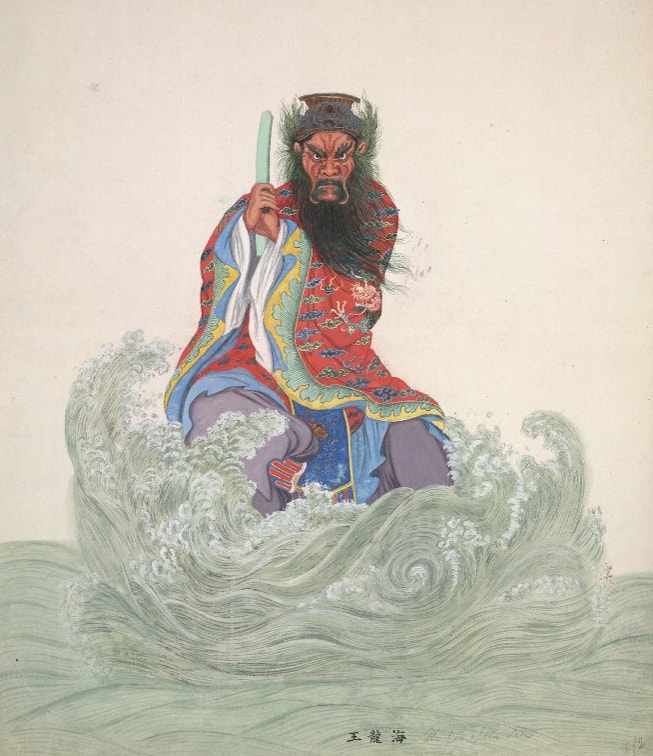
“The Dragon King of the Four Seas” 1801-1850, located in the British Museum.
-
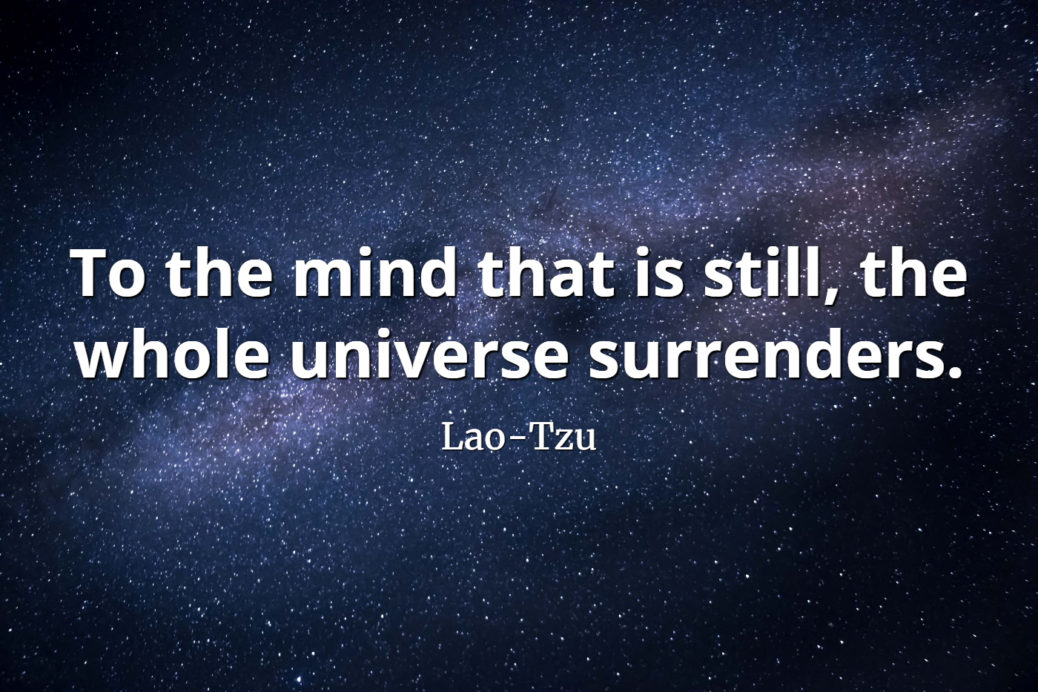
“To the mind that is still, the whole universe surrenders.” - Lao Tzu
Daoist Political Theory Links
Governing Through the Dao: A Non-Anarchistic Interpretation of the Laozi:
https://sci-hub.tw/https://link.springer.com/article/10.1007/s11712-010-9176-z"Given the origins of anarchism, it is important to recognize that claiming the political philosophy of the Laozias a form of anarchism requires placing a Chinese world-view into a Western framework that postdates it by over two thousand years and is understood vis-à-vis a particular Western concept (i.e., the modern state). This alone should raise initial skepticism about the anarchist conclusion regarding the Laozi. Beyond Daoism’s historical past, there are three theoretical reasons for skepticism: (1) the fact that the Laozi is clearly a political treatise addressed to the ruler and providing him with a philosophy of governance; (2) the Chinese conception of personhood, which creates aproblem for traditional anarchist arguments that utilize a notion of the atomistic individual;and, (3) the fact that the skepticism of the Laozi is aimed at a different target than that of anarchism."
"Common to both individualist and social anarchists alike, however, is a perceived tension between individual liberty and the collective will. In Daoism and in Chinese political thought generally, this tension does not exist”(Ames 1983: 32). This lack of tension results from the Daoist, and more generally Chinese, conception of the person. Rather than conceiving the self as autonomous and discrete, Daoists understand the self as interdependent and contextualized."
The General Principle Of Lao Zi's Political Philosophy: The Concept of "Inaction" (Wuwei): https://sci-hub.tw/https://www.tandfonline.com/doi/abs/10.2753/CSP1097-146726010213The Journal of Daoist Studies: https://muse.jhu.edu/journal/711
The rise of the Tao: https://www.nytimes.com/2010/11/07/magazine/07religion-t.html
China's Apolitical Political School of Thought: https://nationalinterest.org/feature/chinas-apolitical-political-school-thought-12823 -
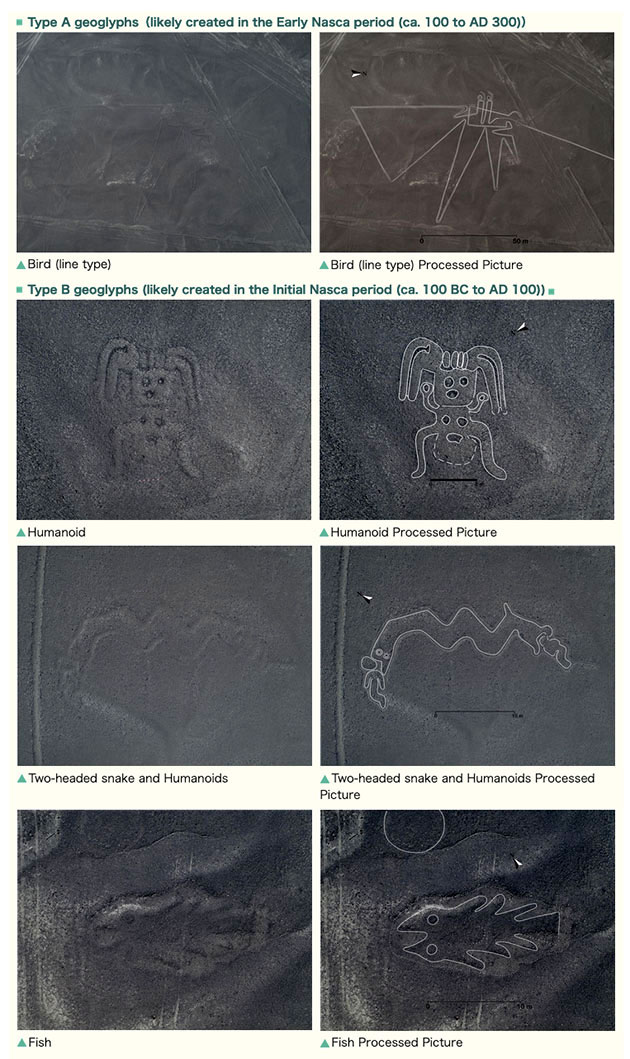
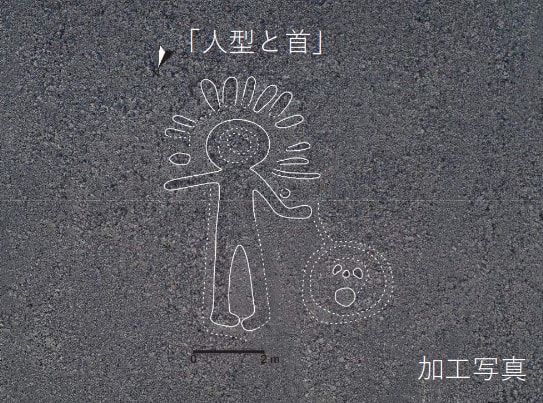
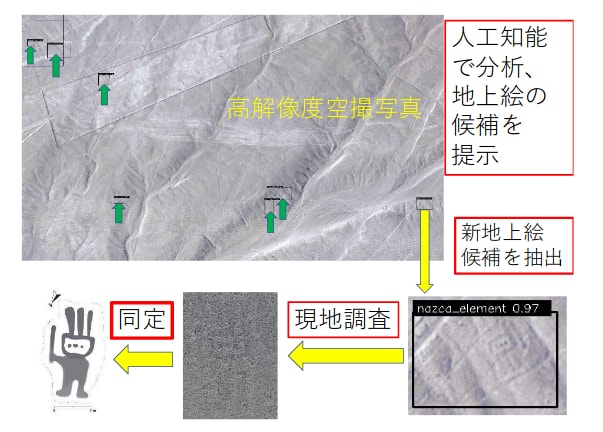
Japanese archaeologists have discovered 143 previously unknown geoglyphs in the Nazca Plateau of Peru. They used machine learning for the ground imaging research: https://www.yamagata-u.ac.jp/en/files/5315/7381/2668/press2019115_02.pdf

-
Daoist Art: https://en.wikipedia.org/wiki/Taoist_art
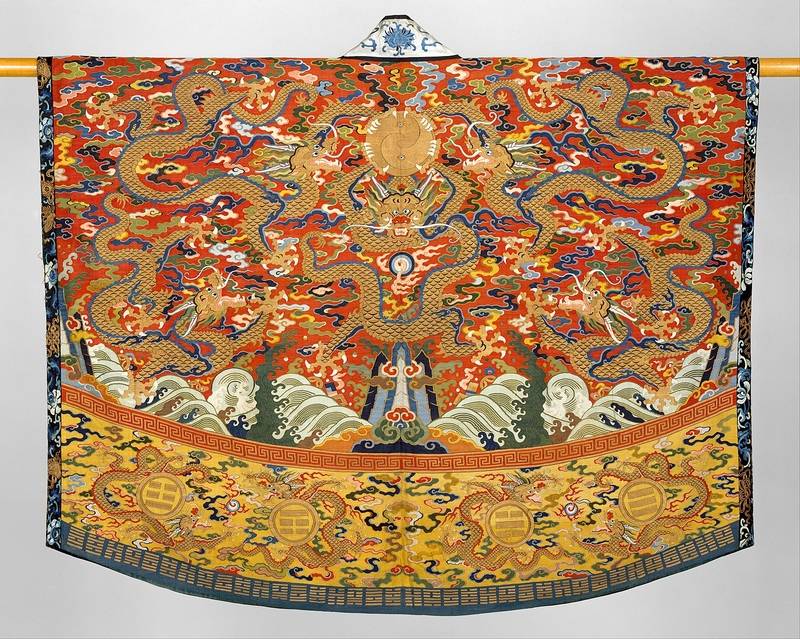
Daoist Robe, 17th Century: https://www.metmuseum.org/art/collection/search/53609
"This dazzling garment would have been worn by Daoist priests during ceremonies. The back of the robe, which is displayed here, depicts five dragons hovering above a primordial landscape of stylized mountains rising from a frothy sea."