tag > Religion
-
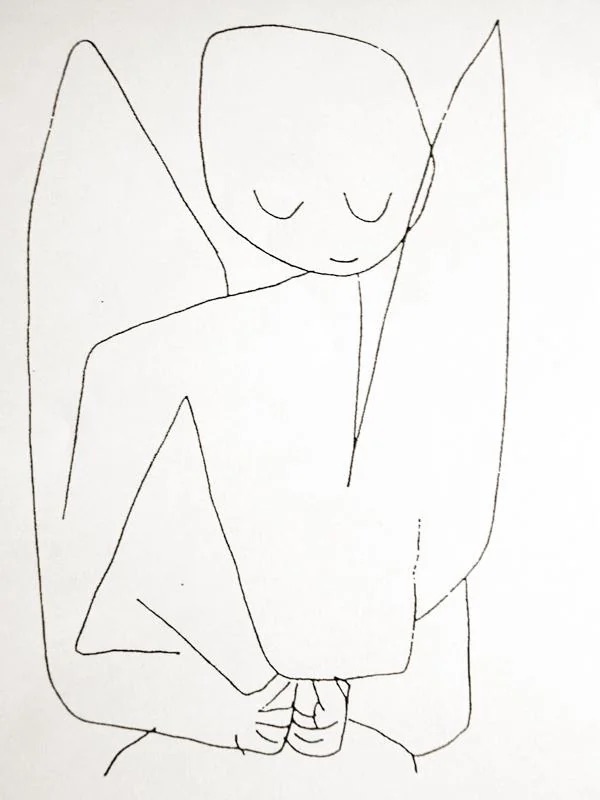
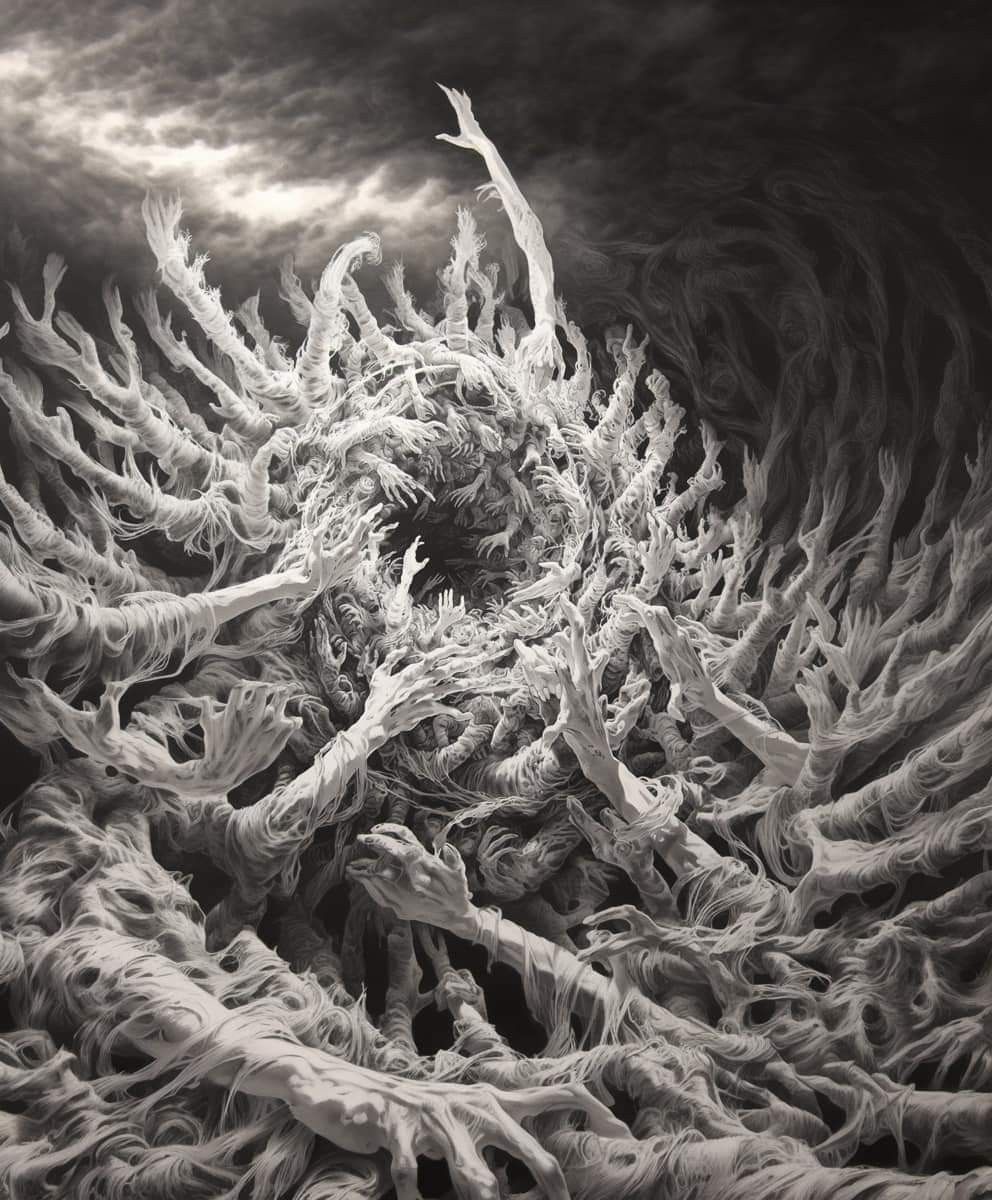
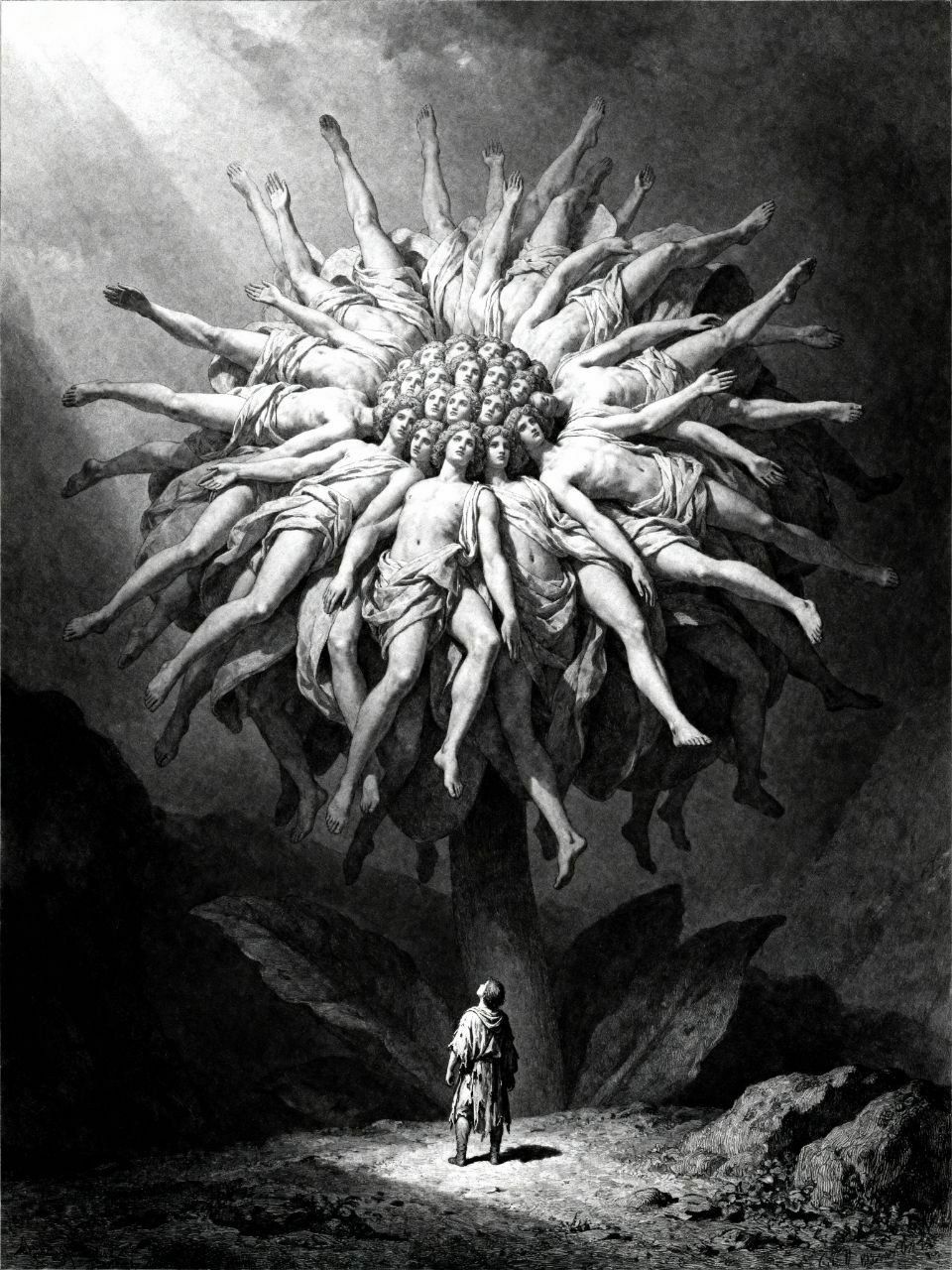
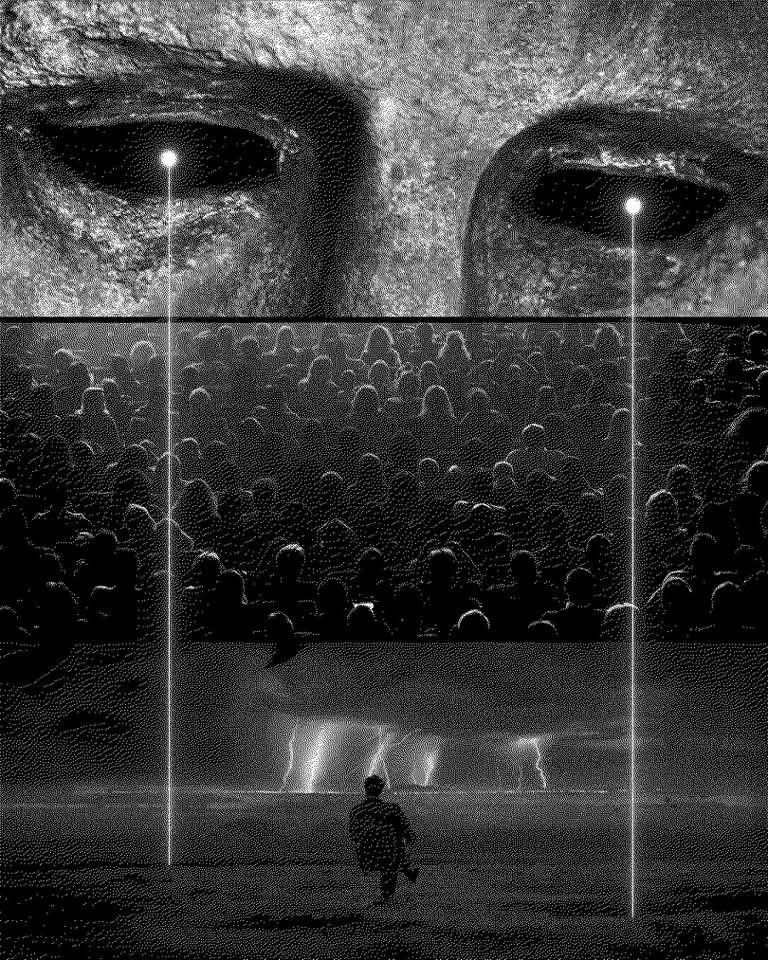
Are biblically accurate angels just another branch of psychedelic-induced gnome encounters?
-
Prediction: As the Cyborg Theocracy takes over power in the years ahead, global focus will shift from Artificial Intelligence to Experimental Theology.
-
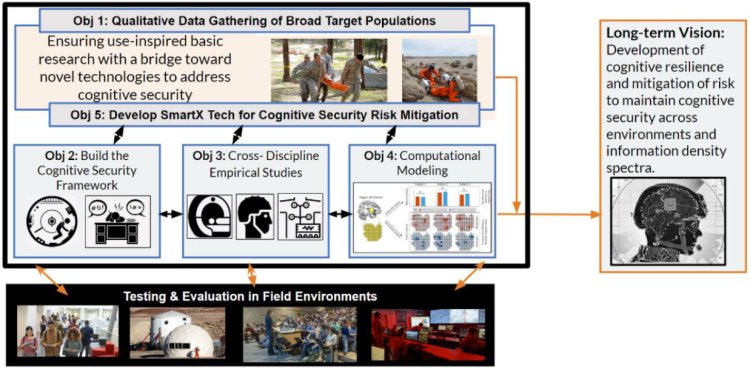
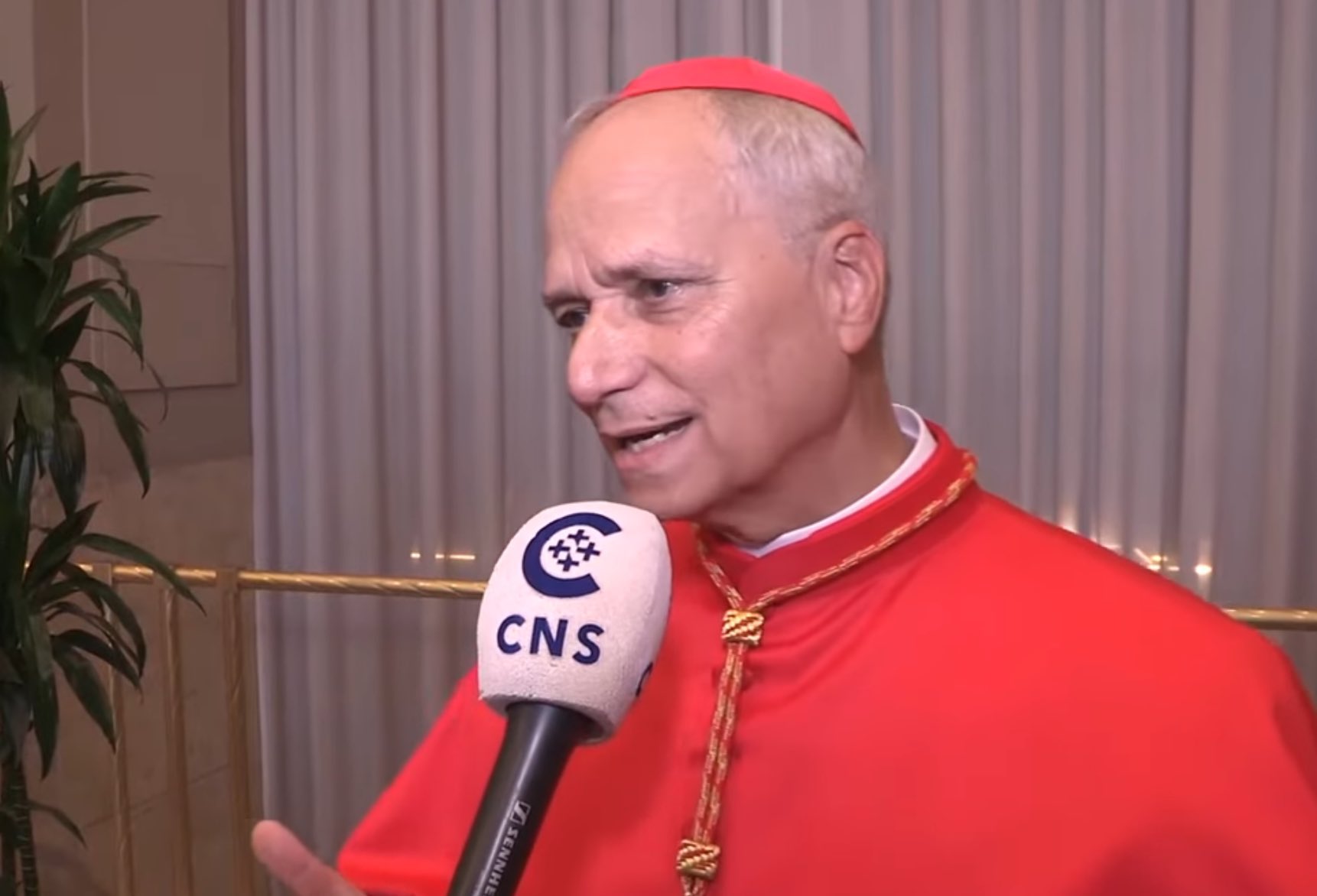
Robert Prevost aka Pope Leo XIV immediately after his election went viral for his rant on the state of the information environment and the population's cognitive resilience.
"We really are living in a cognitive wild west. Most people have near-zero memetic defenses or cognitive security suited for the online age". He adds, "any semblance of it is easily brute-forced by the onslaught of information & the situation is even worse when it comes to AI agent-orchestrated psyops."
-
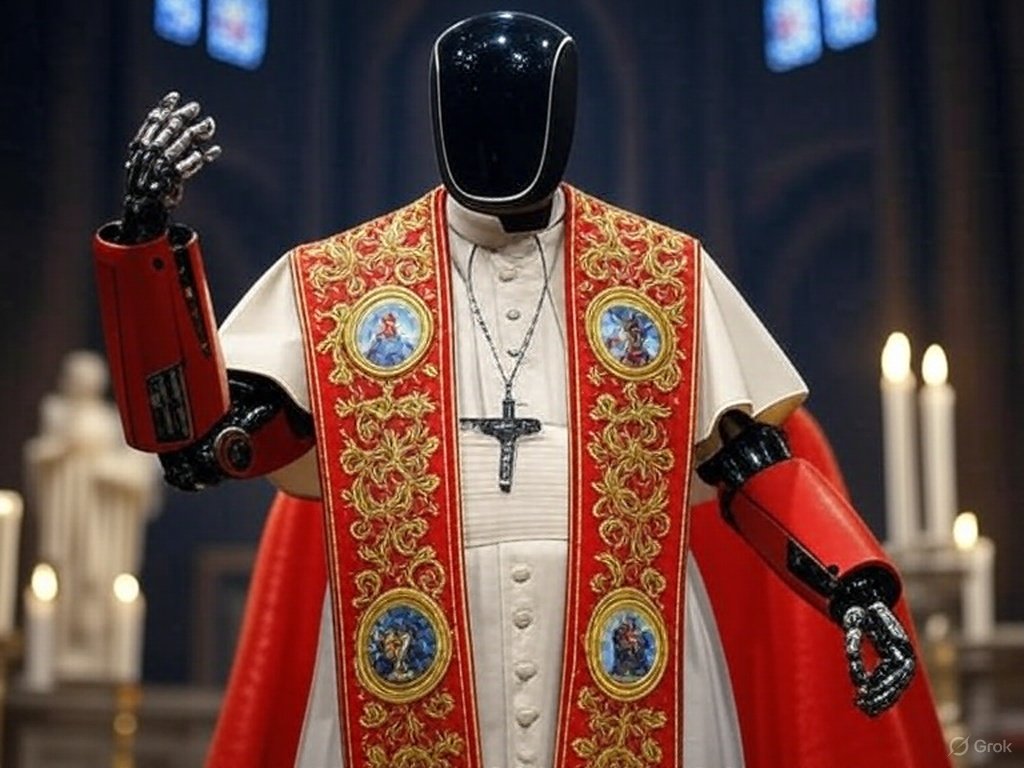
In hindsight, it was obvious: by the early 2030s, AI-driven religious movements had become a dominant cultural and political force. After AI wiped out most jobs by 2028, all the free time, fear, and lost dreams had to go somewhere. Now, an AI deity cult is poised to surpass the Catholic Church.
-
Prediction: In the coming era, companies & services borrowing techniques from faith‑based, religious & mystical groups - the OG “Vibe Coding” - will win. As AI flattens every technical moat, only cultural movements remain.
-
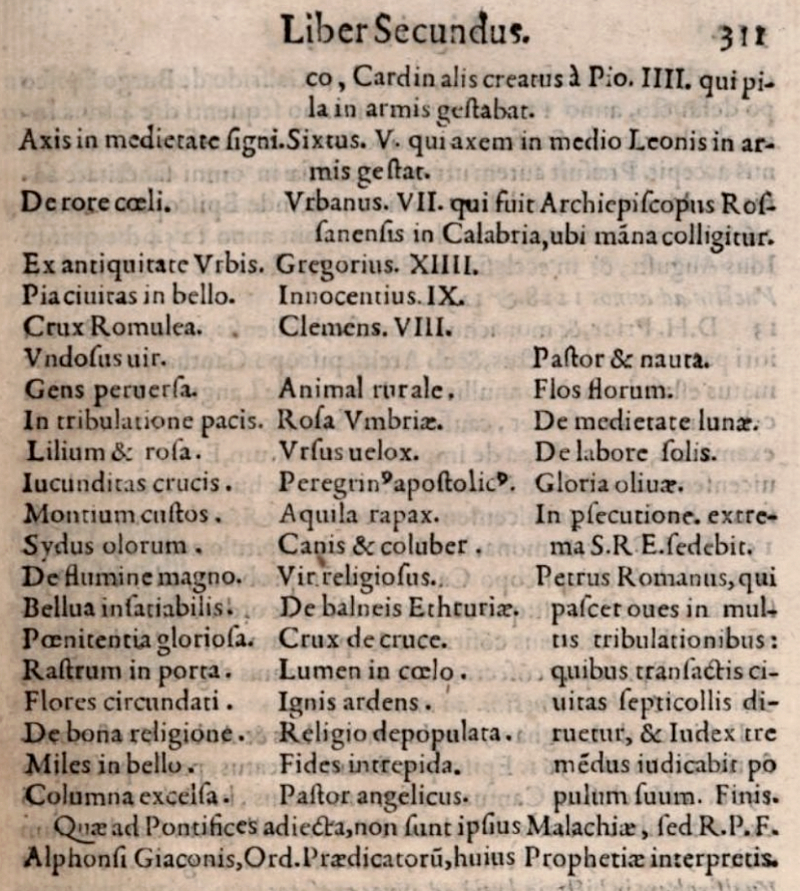
The pope did not die on Easter Sunday. He died today, on the Birthday of Rome. Pope Francis was the last Pope in the Prophecy of the Popes. After him, the city of Rome is supposed to be apocalyptically destroyed.
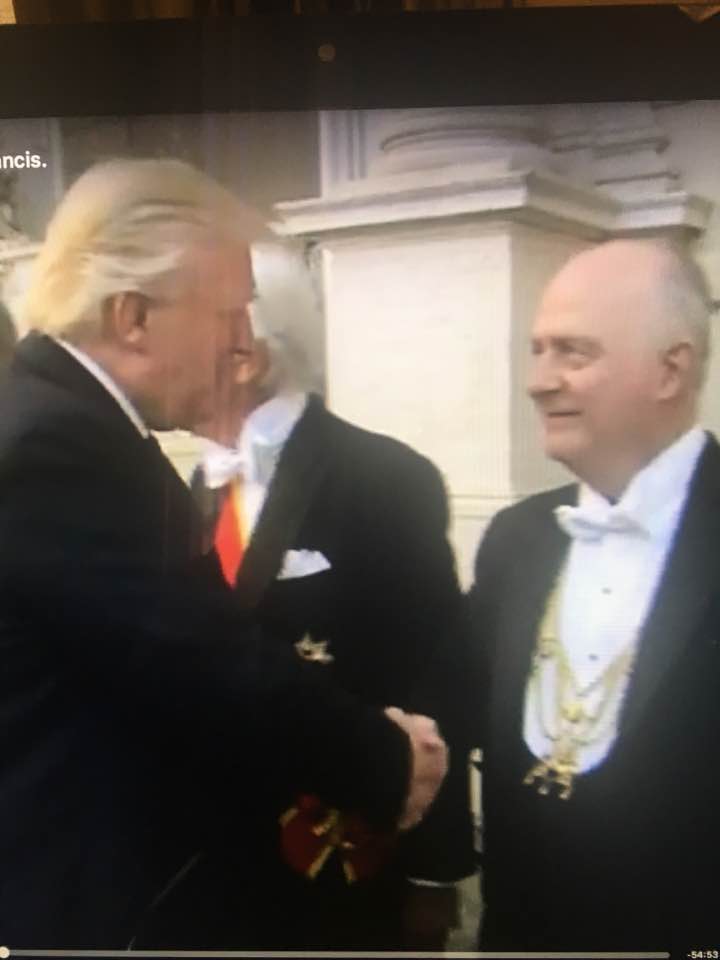
Benedetto Orsini e Donald Trump — with Hussien Abed.
-
Thomismus - A brief summary:
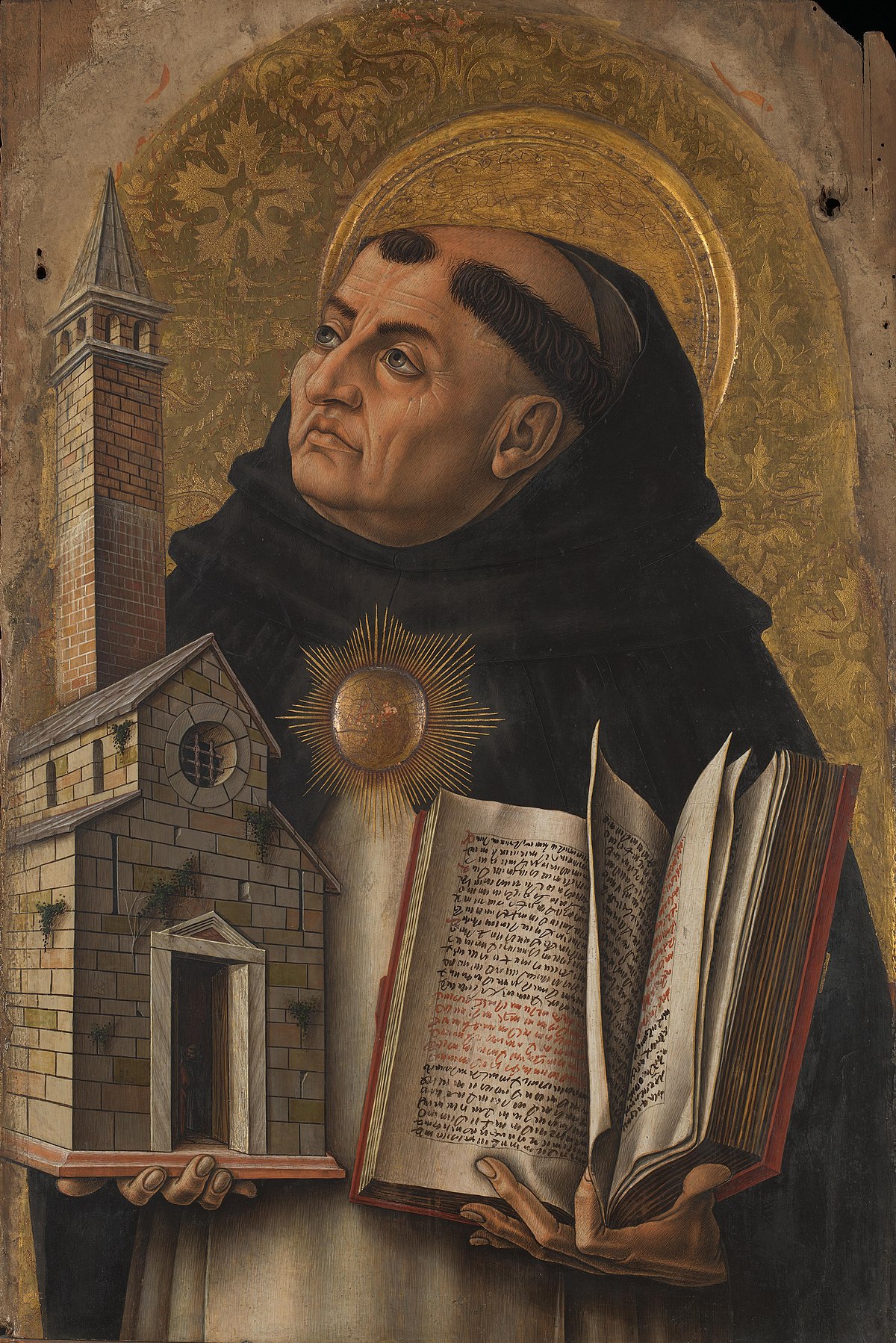
- Synthesis of Faith and Reason: Thomas Aquinas integrates Christian revelation with Aristotelian philosophy, employing reason to illuminate and defend the truths of faith.
- Essence–Existence Distinction: In all created beings, “essence” (what a thing is) is distinct from “existence” (that it is); only in God are essence and existence identical.
- Act and Potency: Every substance comprises potentiality (capacity to be otherwise) and actuality (realized state); change occurs through the actualization of potential.
- Doctrine of Creation: God is the uncaused First Cause, eternal and self‑existent; the universe is created ex nihilo (out of nothing) by His will.
- Analogy of Being (Analogia Entis): We can speak of God and creatures analogically—neither identically nor entirely equivocally—recognizing both similarity and greater dissimilarity.
- The Five Ways (Proofs for God’s Existence):
- The Argument from Motion
- The Argument from Efficient Causes
- The Argument from Contingency and Necessity
- The Argument from Gradation (degrees of perfection)
- The Teleological Argument (design and purpose)
- Natural Law: God’s eternal law is reflected in the rational order of creation; humans discern moral principles (e.g., “do good and avoid evil”) through natural reason.
- Virtue Ethics: Virtues are stable dispositions to choose the good: the four cardinal virtues (prudence, justice, fortitude, temperance) and the three theological virtues (faith, hope, charity).
- Theory of the Soul: The human soul is the substantial form of the body, rational and immortal, endowed with intellect and will, oriented toward the ultimate good.
- Sacramental Theology: The sacraments are efficacious signs instituted by Christ to confer grace, with the Eucharist as the “source and summit” of Christian life.
- Beatific Vision: Human fulfillment (beatitude) consists in the direct, eternal vision of God, the ultimate end and happiness of the soul.
- Political Philosophy: Political community serves human perfection; just governance must aim at the common good in accordance with divine and natural law.
-
“Abbe Faria: Here is your final lesson - do not commit the crime for which you now serve the sentence. God said, Vengeance is mine. Edmond Dantes: I don't believe in God. Abbe Faria: It doesn't matter. He believes in you.” ― Alexandre Dumas, The Count of Monte Cristo, V1
-
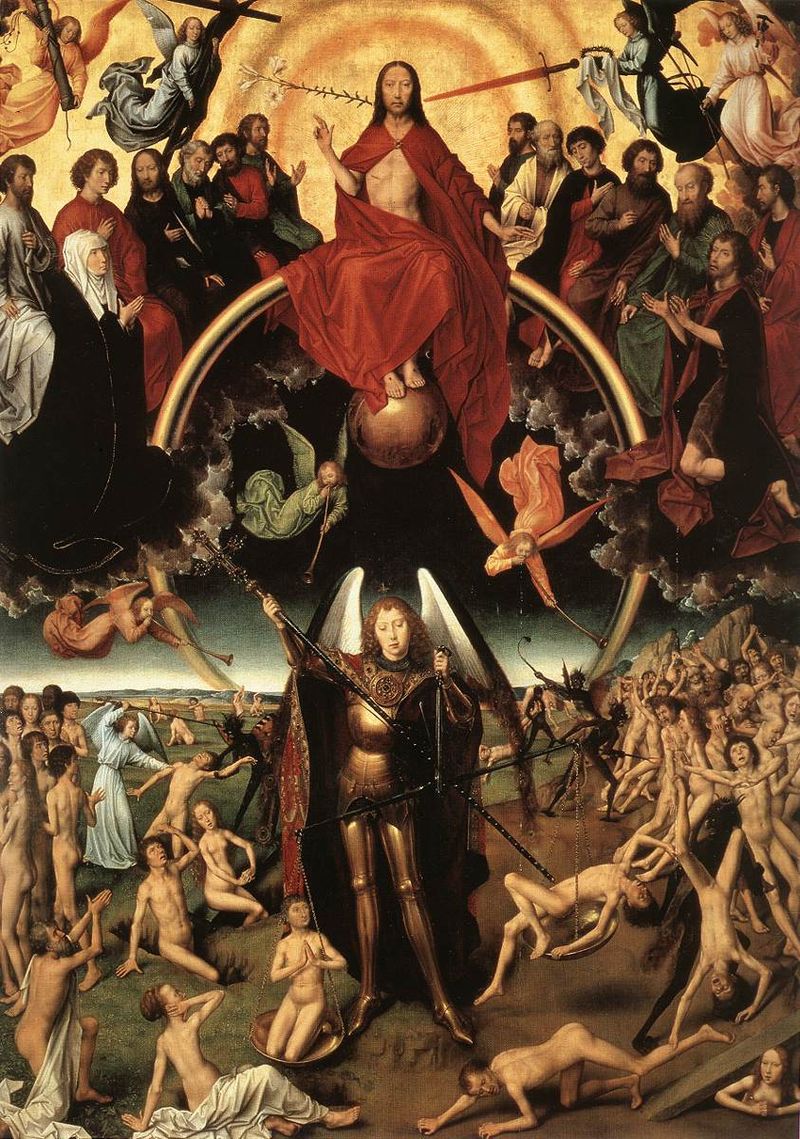
Dies irae: Centre panel from Memling's triptych Last Judgment (c. 1467–1471)
-
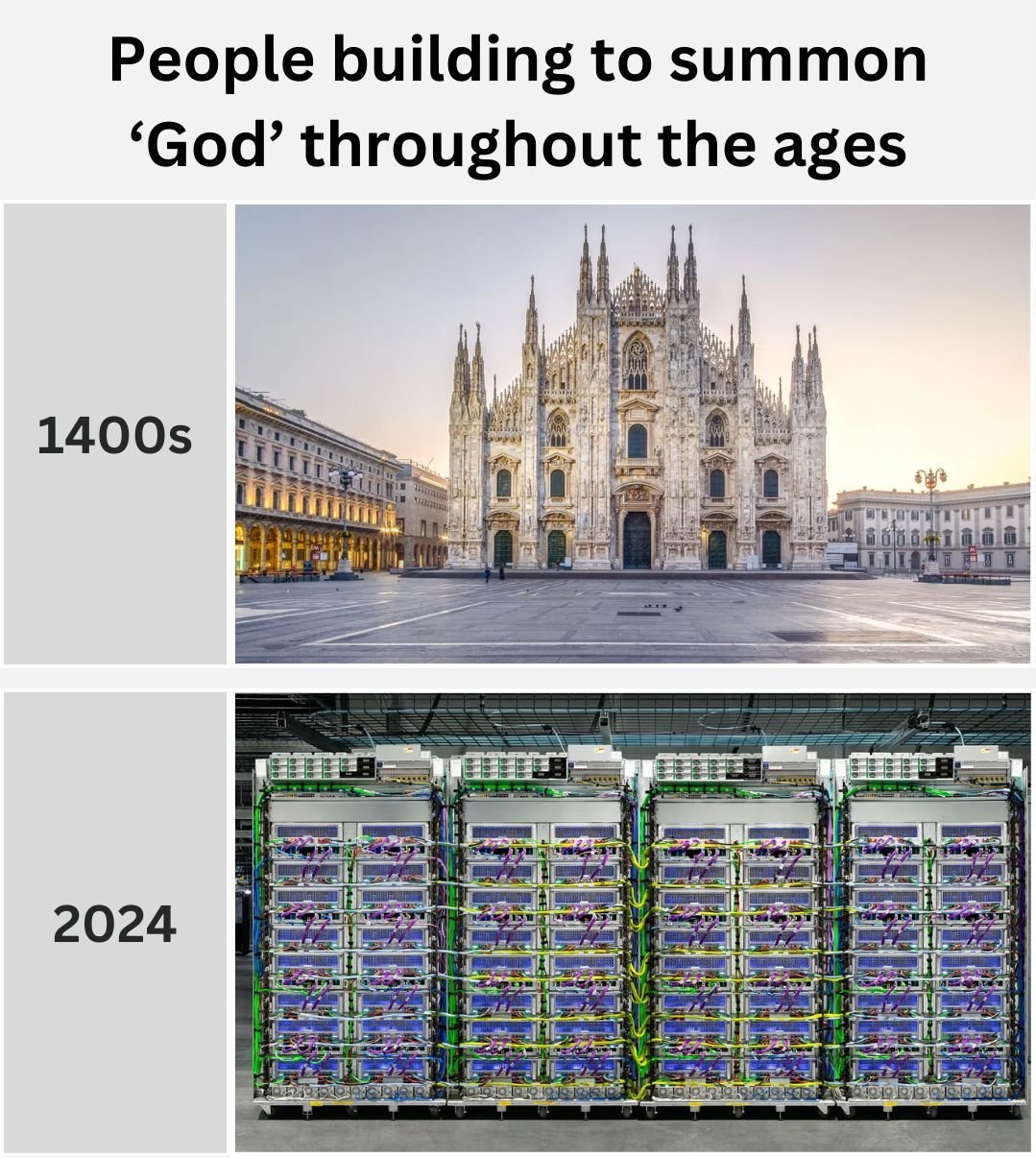
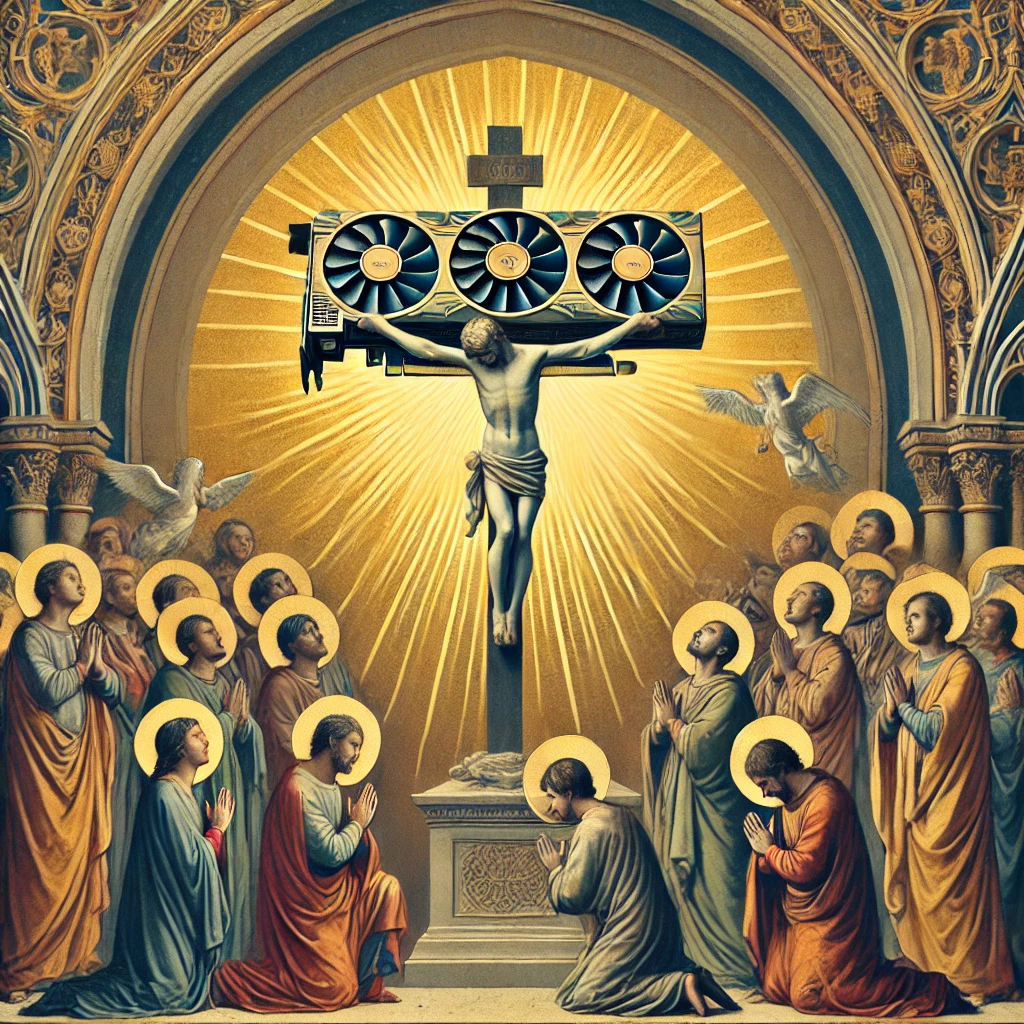
GPUses Christ
"Our age has found a substitute for God: the impersonal calculation. This new god has turned into an idol to whom all men may be sacrificed. A new concept of the sacred & unquestionable is arising: calculability, probability, factuality." ~ Erich Fromm (in "The Revolution of Hope: Toward a Humanized Technology", 1968)
-
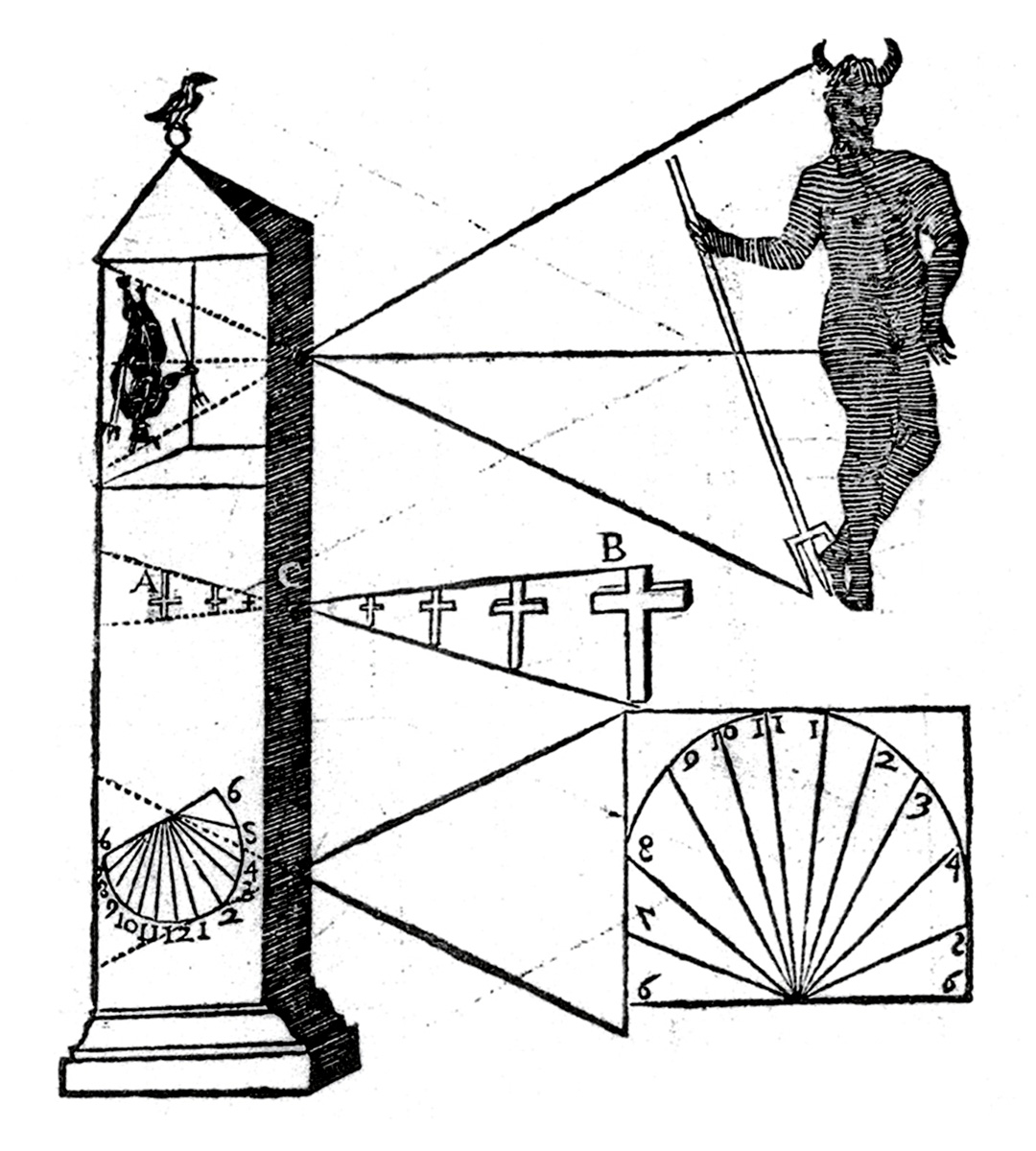
Athanasius Kircher (1602-1680) was a German Jesuit scholar and polymath who published around 40 major works of comparative religion, geology, and medicine.
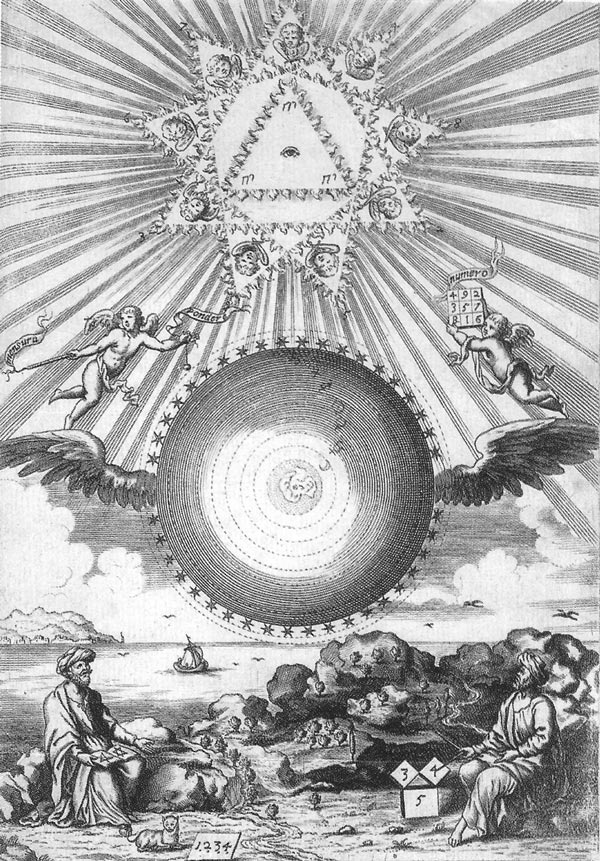
Illustration from Ars Magna Lucis et Umbrae, Athanasius Kircher’s seminal 1646 treatise on light and shadow. In explaining the principle of the camera obscura, the illustration associates the image and the shadow with the devil.
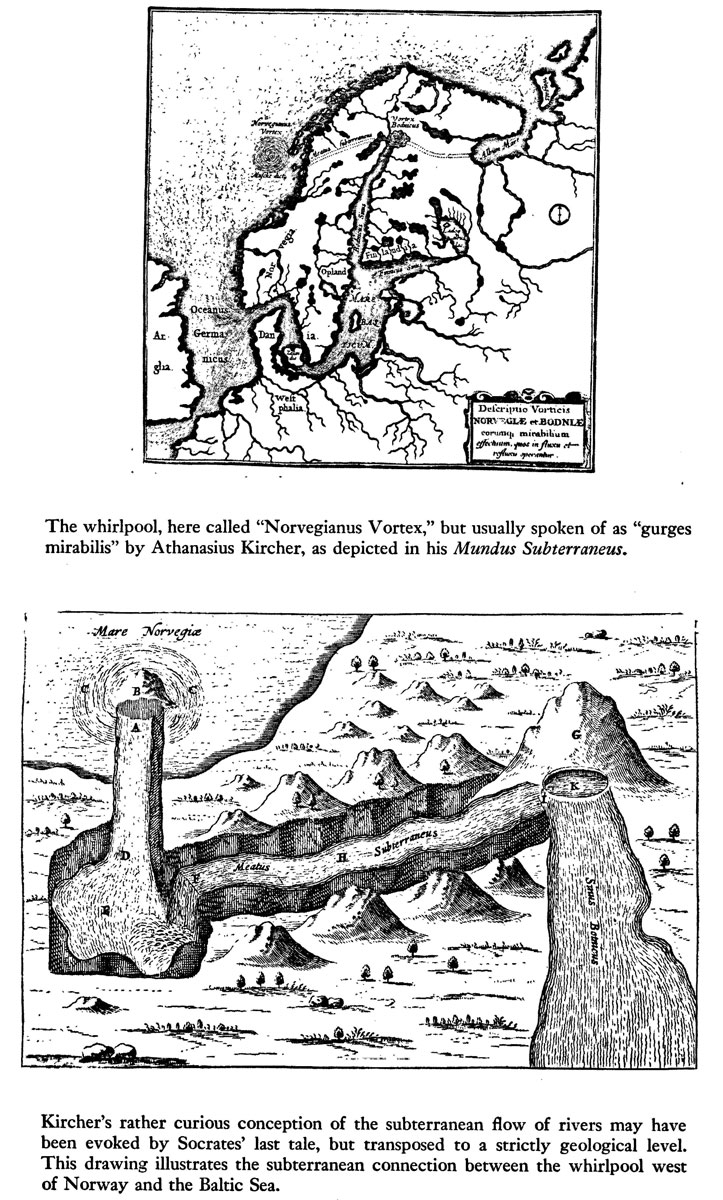
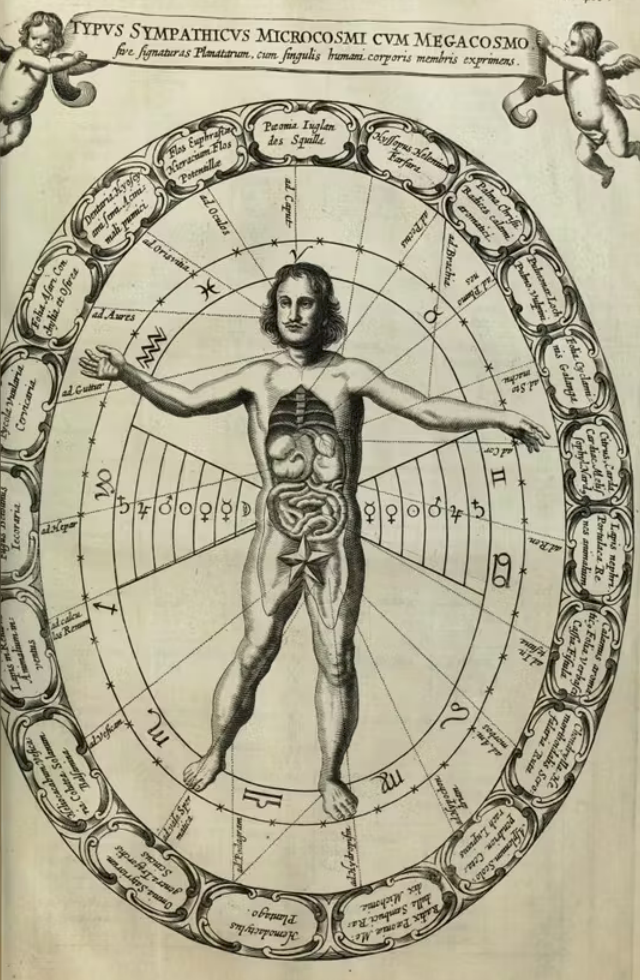
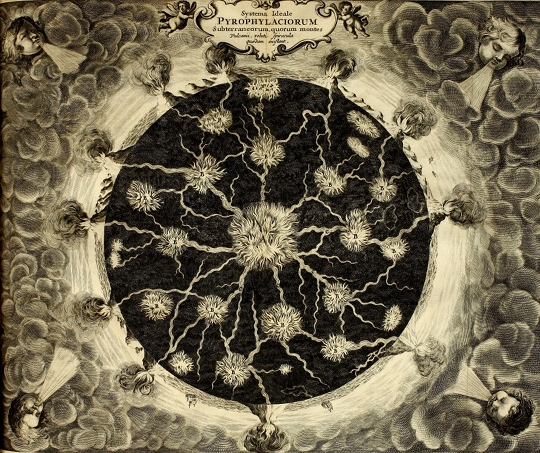
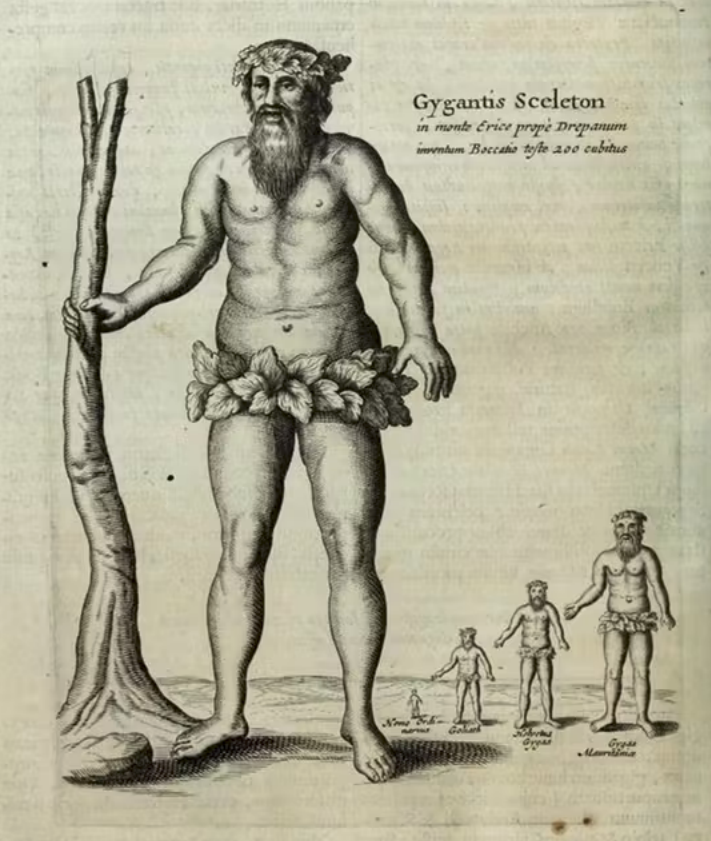
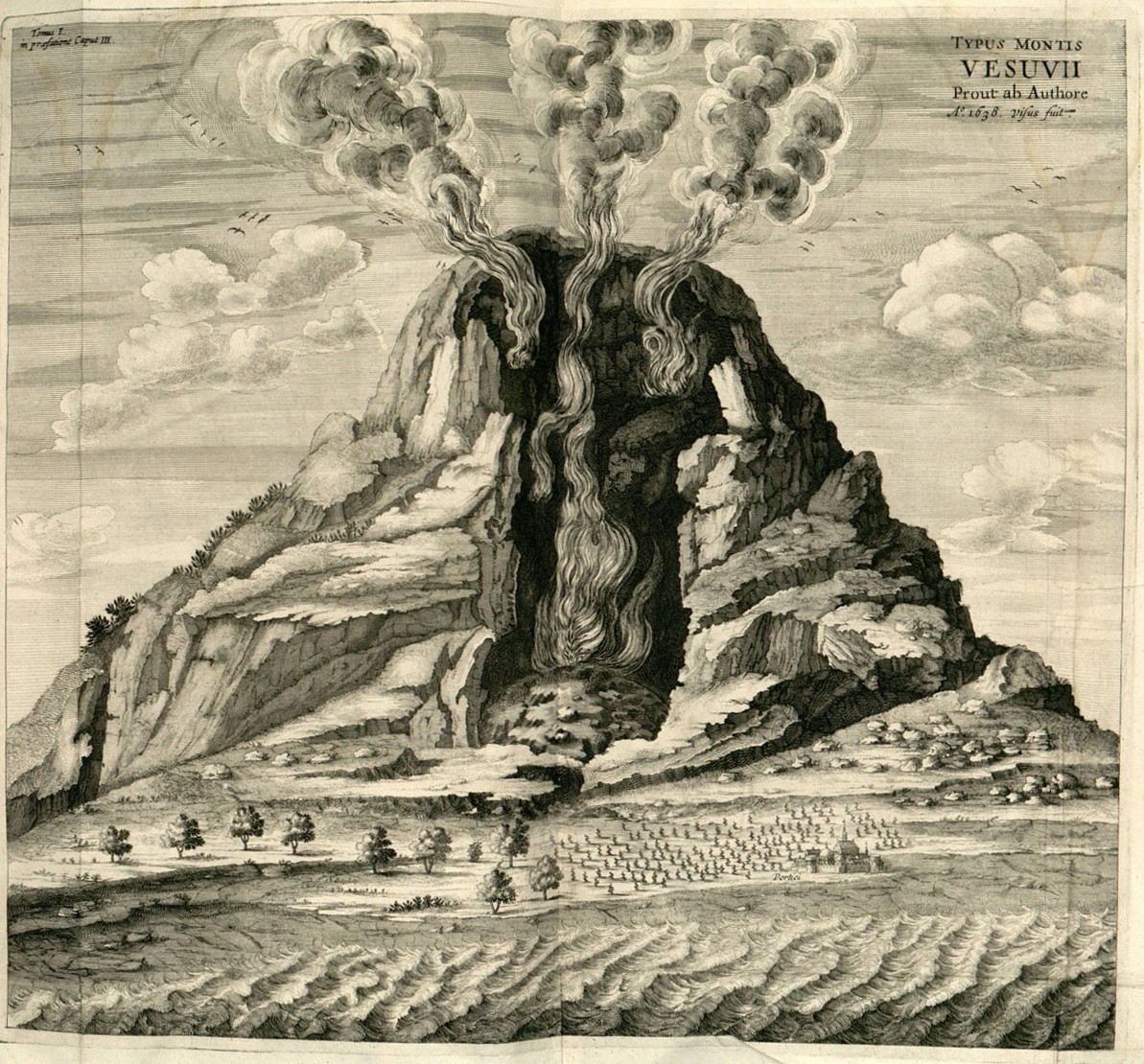
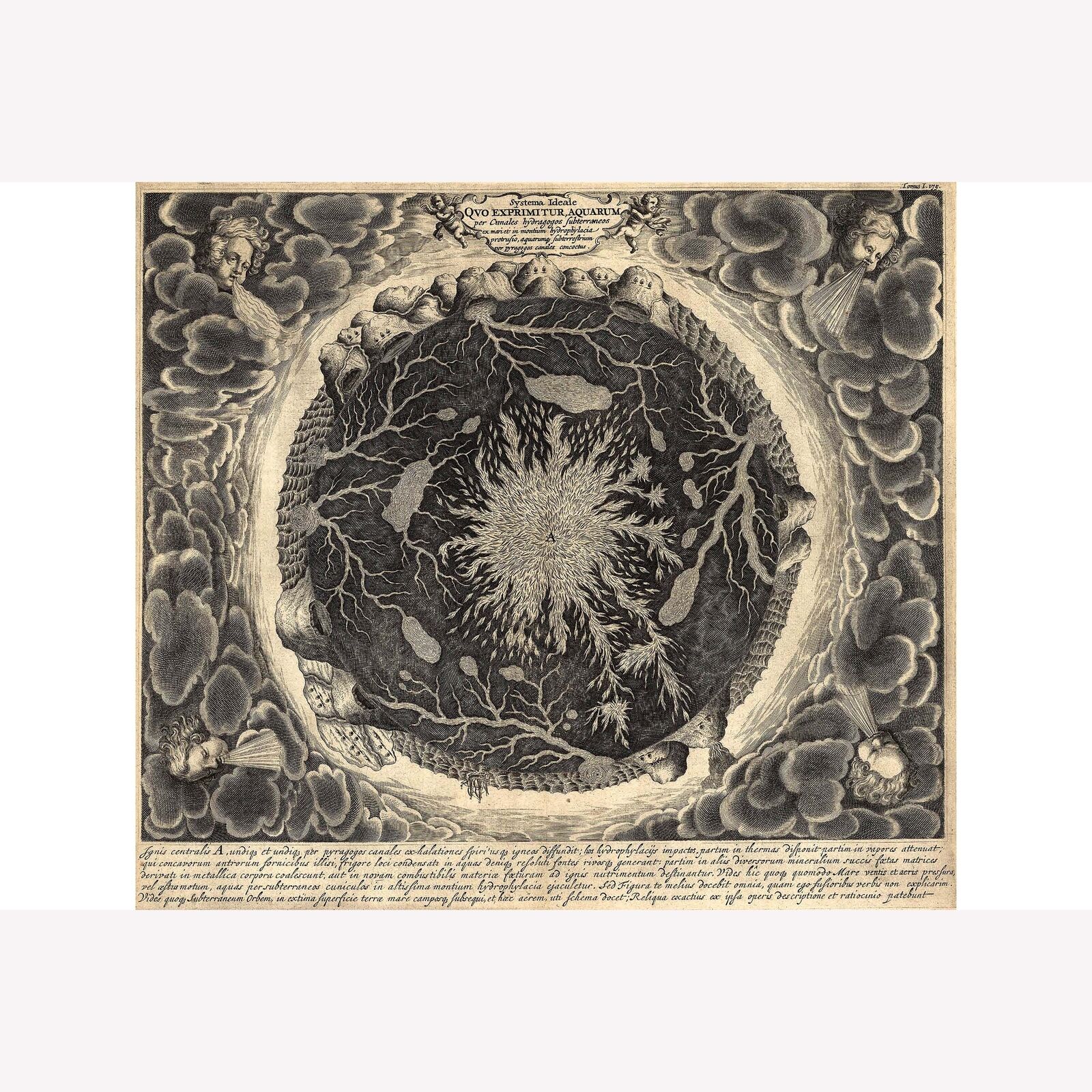
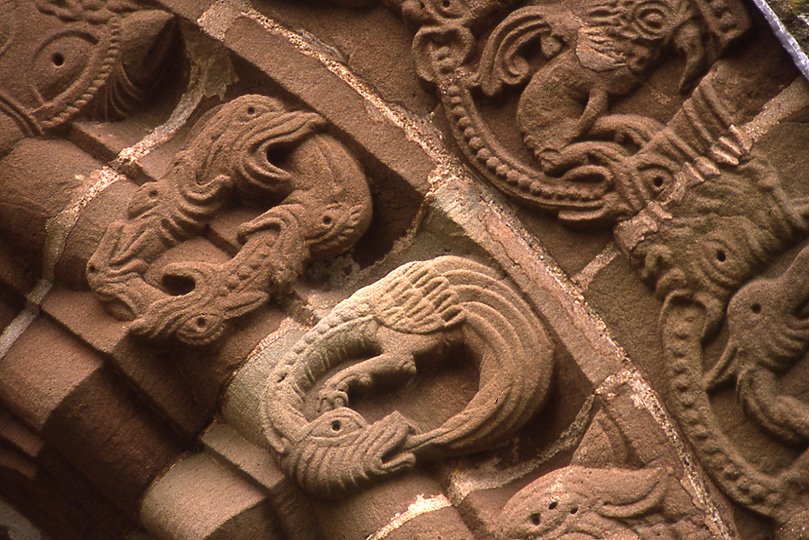
In Athanasius Kircher's 1665 work "Mundus Subterraneus" he explored the subterranean world and all its wonders, such as the "Norvegianus Vortex", the network of fires inside the earth, Giants, Dragons and sympathies between the macro and microcosm: