tag > Science
-
Thought as a System - by David Bohm (1994)
"Bohm maintains that thought is a system, in the sense that it is an interconnected network of concepts, ideas and assumptions that pass seamlessly between individuals and throughout society. If there is a fault in the functioning of thought, therefore, it must be a systemic fault, which infects the entire network. The thought that is brought to bear to resolve any given problem, therefore, is susceptible to the same flaw that created the problem it is trying to solve."
"Thought proceeds as if it is merely reporting objectively, but in fact, it is often coloring and distorting perception in unexpected ways. What is required in order to correct the distortions introduced by thought, according to Bohm, is a form of proprioception, or self-awareness. Neural receptors throughout the body inform us directly of our physical position and movement, but there is no corresponding awareness of the activity of thought. Such an awareness would represent psychological proprioception and would enable the possibility of perceiving & correcting the unintended consequences of the thinking process."
"In his book On Creativity, quoting the work of Korzybski, Bohm expressed the view that "metaphysics is an expression of a world view" and is "thus to be regarded as an art form, resembling poetry in some ways and mathematics in others, rather than as an attempt to say something true about reality as a whole."
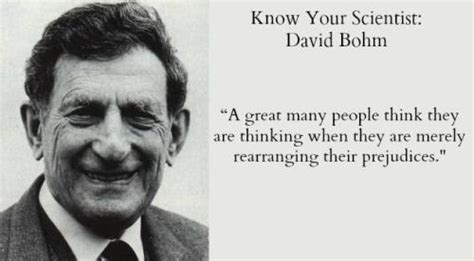
(source: wikipedia)"Thought is constantly creating problems that way and then trying to solve them. But as it tries to solve them it makes it worse because it doesn't notice that it's creating them, and the more it thinks, the more problems it creates." - David Bohm
-
Notes on Pattern formation in Nature and other peculiar ideas - by Jaap Bax
-
"Art Meets Science & Spirituality in a Changing Economy" (Ilya Prigogine, John Cage)
"Art Meets Science & Spirituality in a Changing Economy" (Dalai Lama, David Bohm)
-
Notes on the Book The End of Certainty - by Ilya Prigogine (1997)
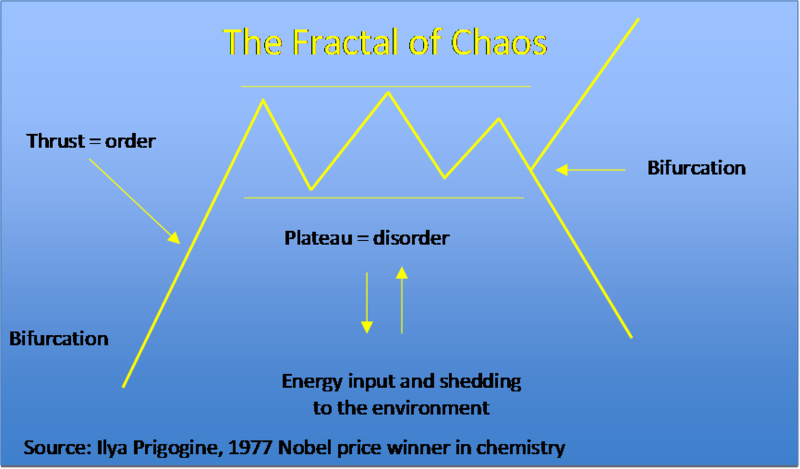
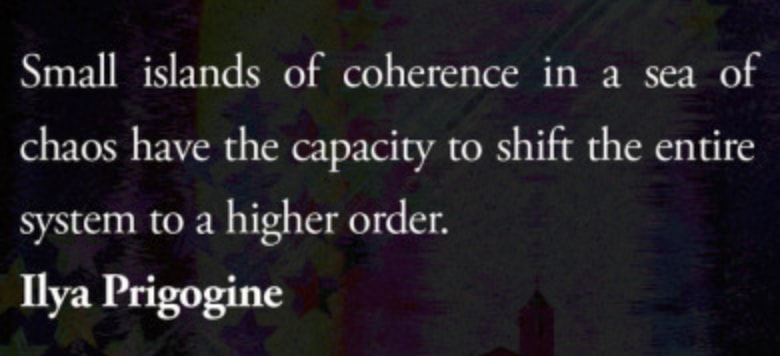

Interesing summery of the book by Mona M.Abd El-Rahman:
Prigogine’s view on cosmology (the more widely accepted Big Band Theory and The Steady State Theory) agrees with that of the Indian cosmologist Jayant Vishnu Narlikar, who wrote “Astrophysicists of today who hold the view that the ‘ultimate cosmological problem’ has been more or less solved may well be in for a few surprises before this century is out”.
“Many scientists have been willing to explain this singularity (the big bang) in terms of the “hand of God” or the triumph of the biblical story or creation.”
“In accepting that the future is not determined, we come to the end of certainty” says Prigogine. He does not believe, however, that this is an admission of defeat for the human mind. He asserts that the opposite is true.
He views the universe as a giant thermodynamical system far from equilibrium, where we find fluctuations, instabilities, and evolutionary patterns at all levels.
Some great quotes from the end of the book: For Einstein, science was a means of avoiding the turmoil of everyday existence. He compared scientific activity to the “longing that irresistibly pulls the town-dweller away from his noisy, cramped quarters and toward the silent high mountains. Einstein’s view of the human condition was profoundly pessimistic.
Science began with the Promethean affirmation of the power or reason, but it seemed to end in alienation – a negation of everything that gives meaning to human life.
Einstein repeatedly stated that he had learned more from Fyodor Dostoyevsky than from any physicist. In a letter to Max Born in 1924, he wrote that if he were forced to abandon strict causality (classical physics and relativity), he “would rather be a cobbler, or even an employee in a gaming house, than a physicist”. In order to be of any value at all, physics has to satisfy his need to escape the tragedy of the human condition. “And yet and yet”, when Einstein was confronted by Godel with the extreme consequences of his quest, the denial of the very reality that physics endeavors to describe, Einstein recoiled. (Godel took Einstein’s Theory of Relativity and classical physics and showed that past and future are equivalent and that it is possible to travel back in time).
Prigogine has tried to follow a narrow path between two conceptions that both lead to alienation: a world ruled by deterministic laws, which leaves no place for novelty, and a world ruled by a dice-playing God, where everything is absurd, acausal, and incomprehensible.
Prigogine ends his book with the following words: “As we follow along the narrow path, we discover that a large part of the concrete world around us has until now “slipped through the meshes of the scientific net”, to use Whitehead’s expression. We face new horizons at this privileged moment in the history of science”.From Wikipedia, on "The End of Certainty":
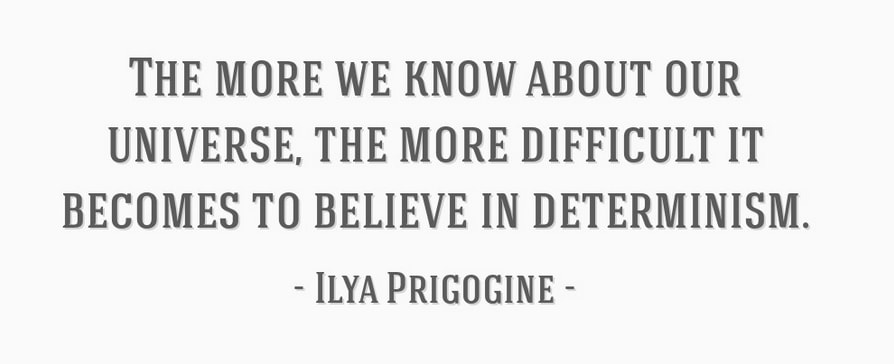
"In The End of Certainty, Prigogine contends that determinism is no longer a viable scientific belief: "The more we know about our universe, the more difficult it becomes to believe in determinism." This is a major departure from the approach of Newton, Einstein and Schrödinger, all of whom expressed their theories in terms of deterministic equations. According to Prigogine, determinism loses its explanatory power in the face of irreversibility and instability."
An interview with Ilya Prigogine by Yiannis Zisis
Ilya Prigogine – On Dualist Knowledge
Dissipative system (wikipedia)
"A thermodynamically open system which is operating out of, and often far from, thermodynamic equilibrium in an environment with which it exchanges energy and matter. A tornado may be thought of as a dissipative system."
#Science #Complexity #Generative #Regenerative #Religion #Philosophy #Book
-
The Science of the Butterfly Effect
-
#Comment: Many of the (philosophical) musings of the contemporary "high priests of reality" (physicists, mathematicians etc.), such as "the Anthropic Principle" (see this intro video by Sabine Hossenfelder: "Is the Anthropic Principle scientific?") would make for truly great absurd comedy - if only such people would learn to not take themselves and everything else so very serious (great minds with even greater egos) and laugh far more often: Hairless monkeys which just recently developed language, convinced that they can "understand and predict everything", by compressing the totality of unfolded (infinite) existence into their tiny (finite) brains - pure paradoxical grand comedy! The "theory of everything" fairy-tales of religious traditions at least focus on practical things like rituals, aesthetics, art, ethics and culture (sensing that life is not a problem to be solved, but a reality to be experienced.) - which is overall lacking in today's science cult-ure.
-
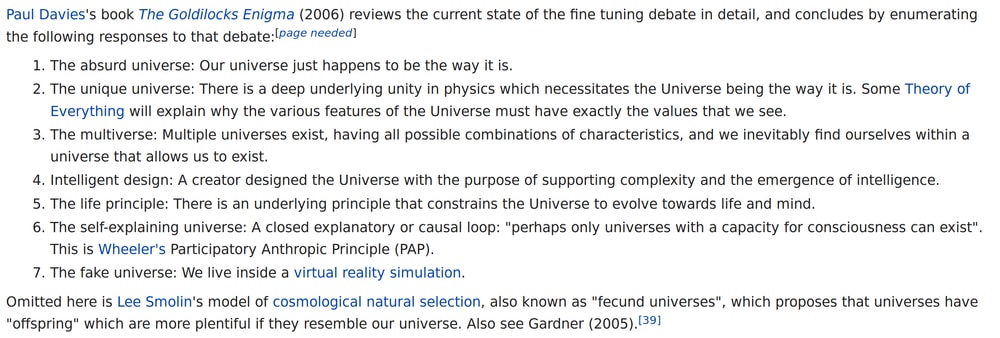
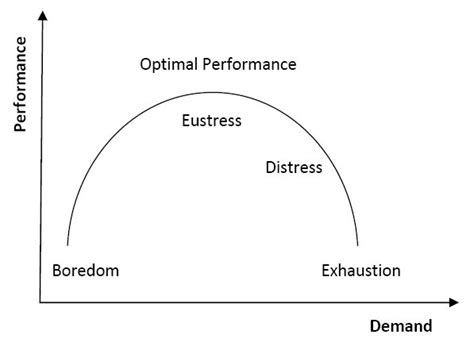
Hans Selye (1907 - 1982) was a pioneering endocrinologist of Hungarian origin. He conducted important scientific work on the response of an organism to stress. He is considered the first to demonstrate the existence of biological stress, both negative and positive (Eustress).
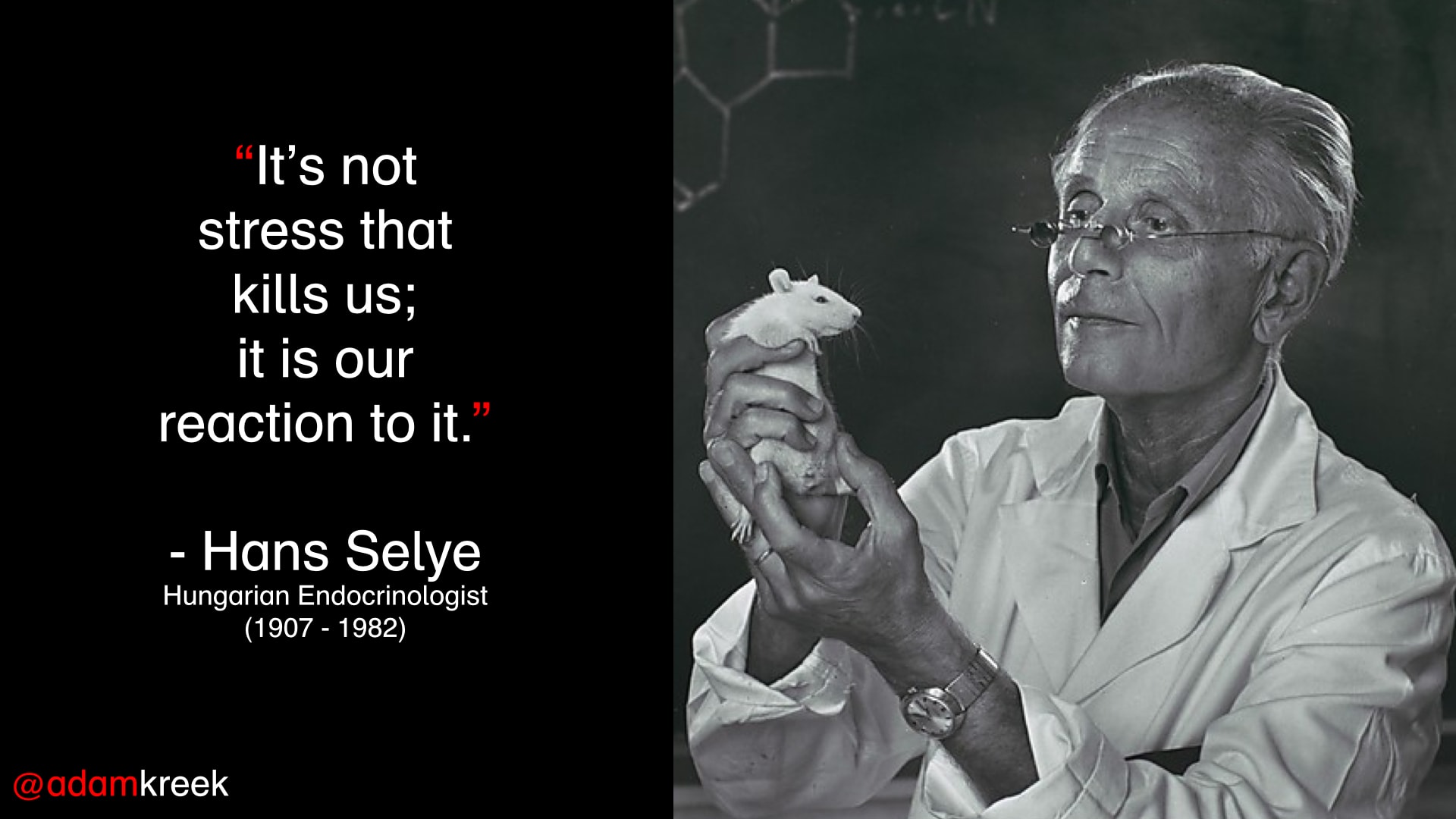
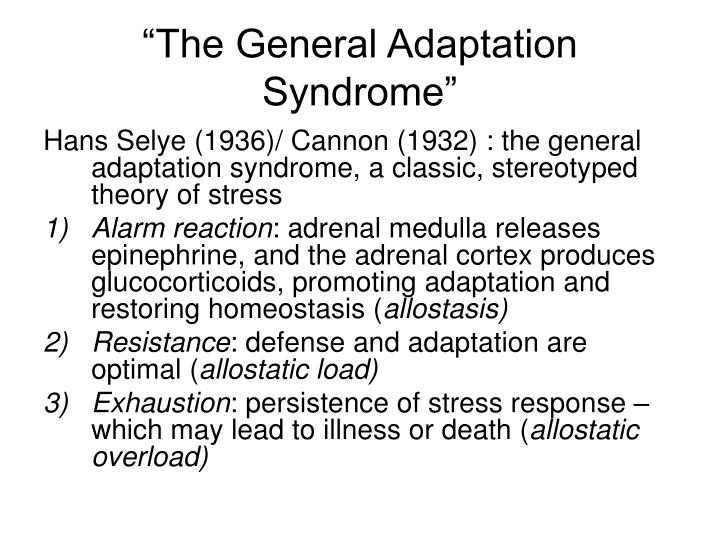
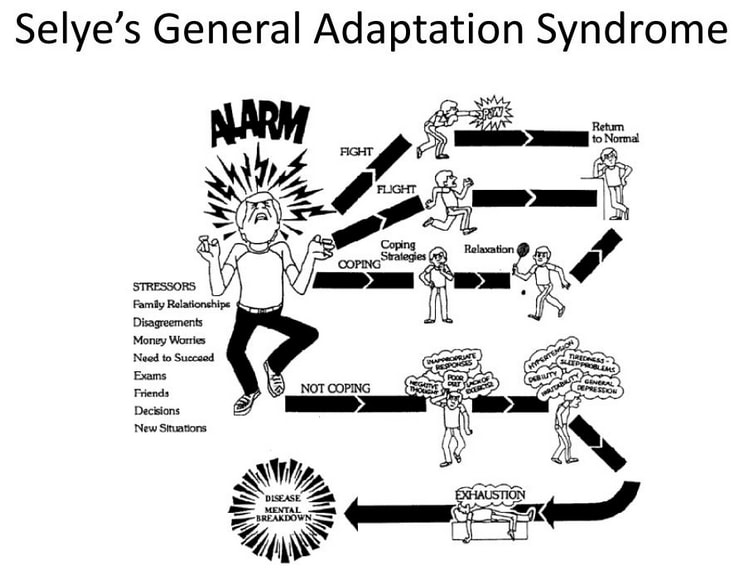
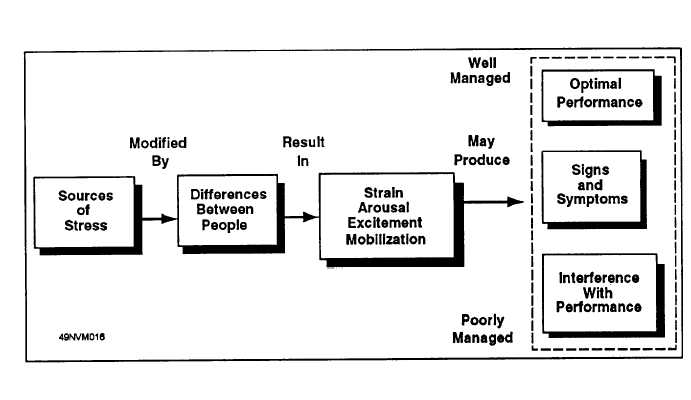
Selye International Institute for Advanced Studies
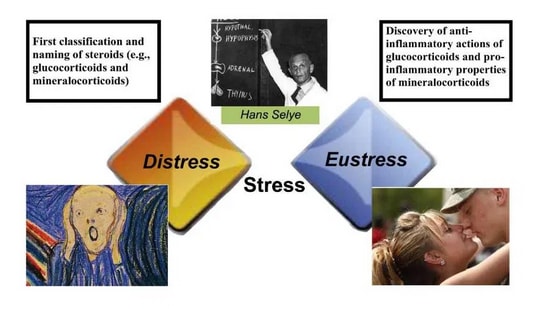
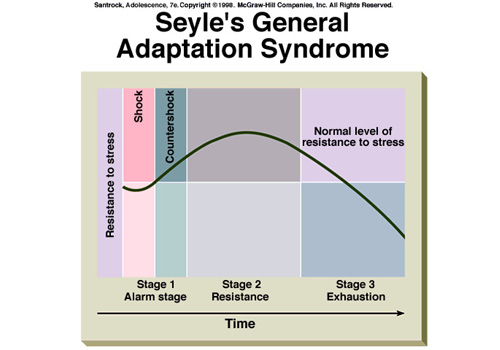
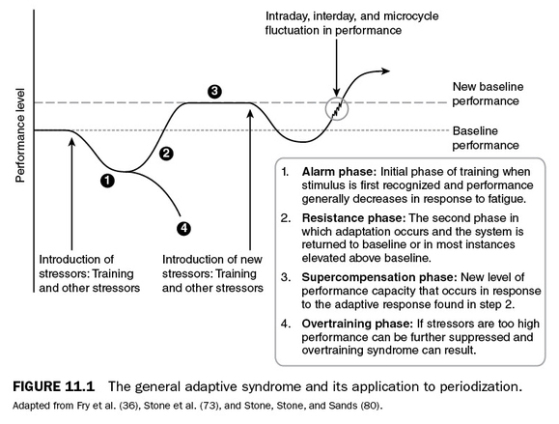
Docu on Selye and his ideas of medicine based on stress reduction - by Desire' Dubounet
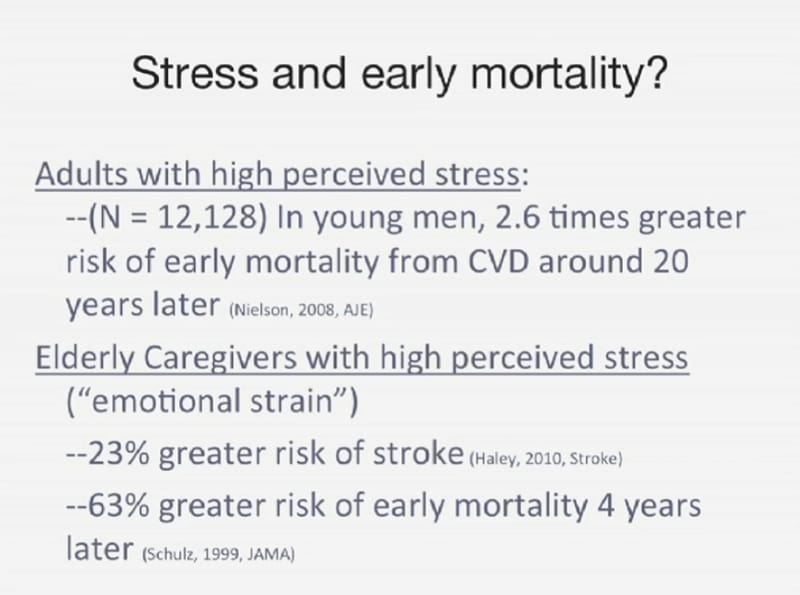
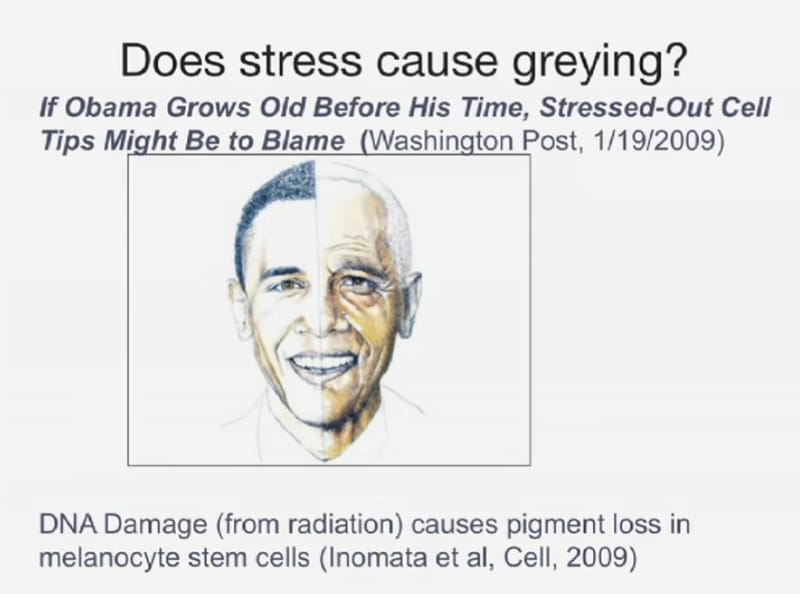
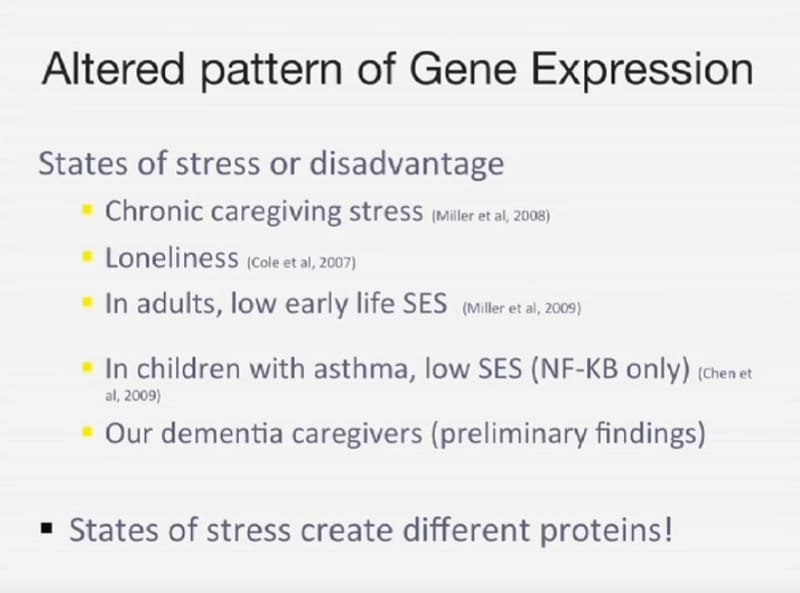
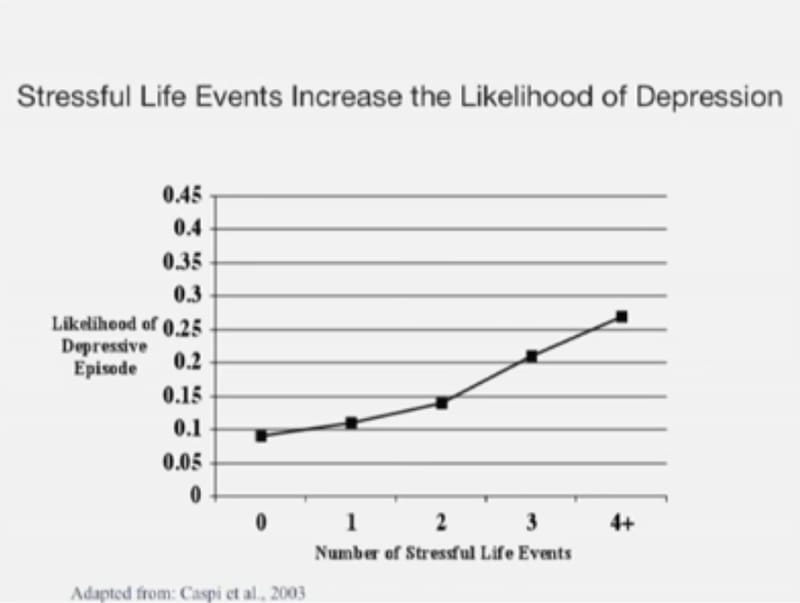
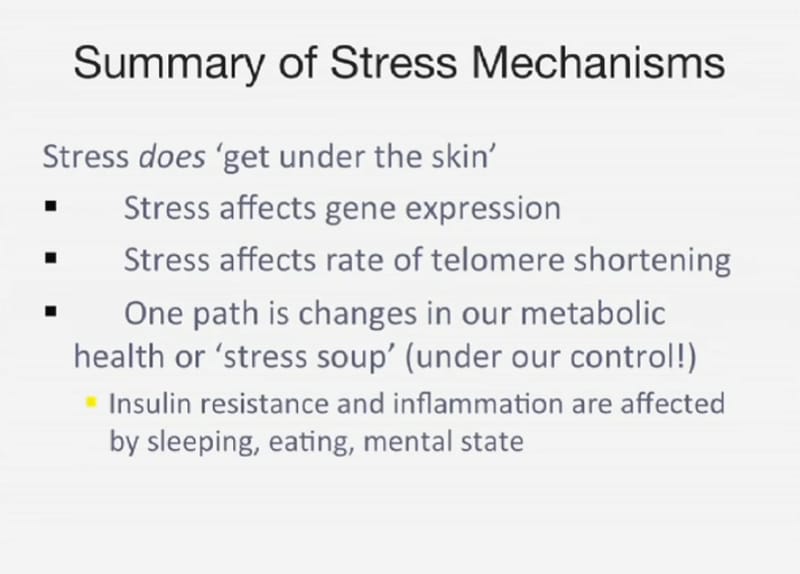
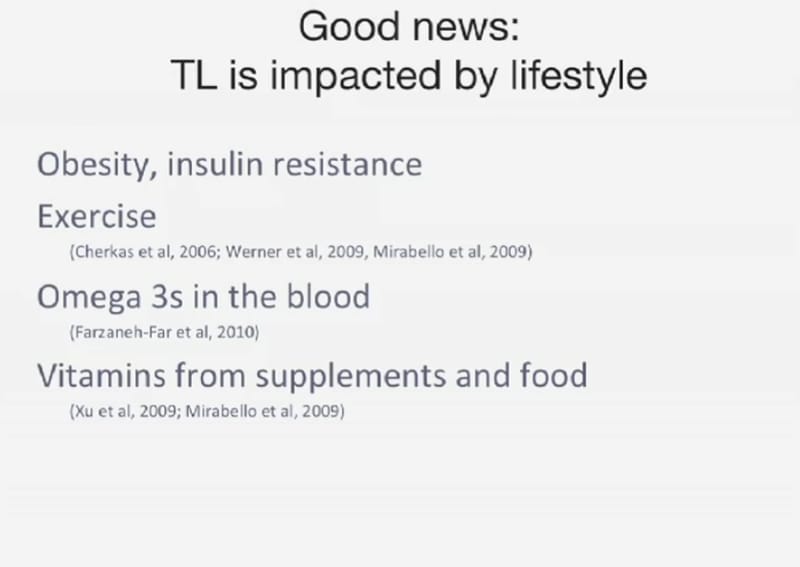
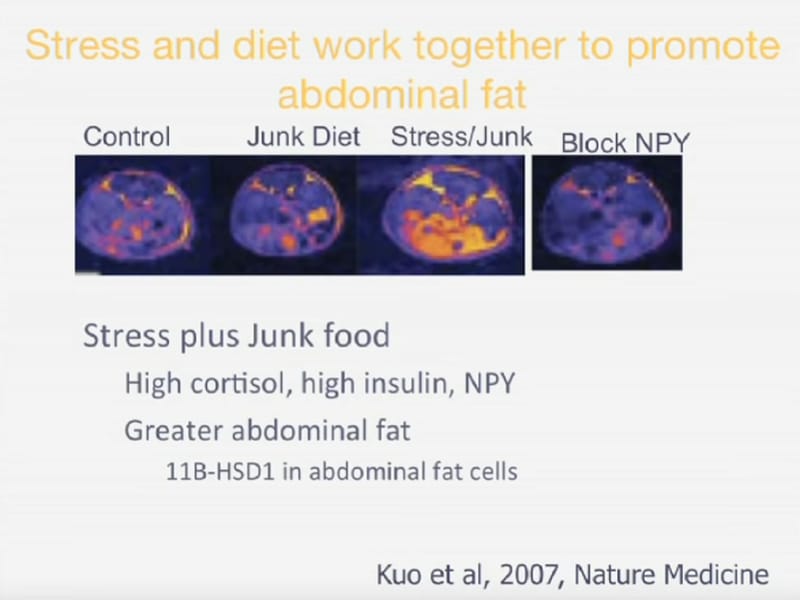
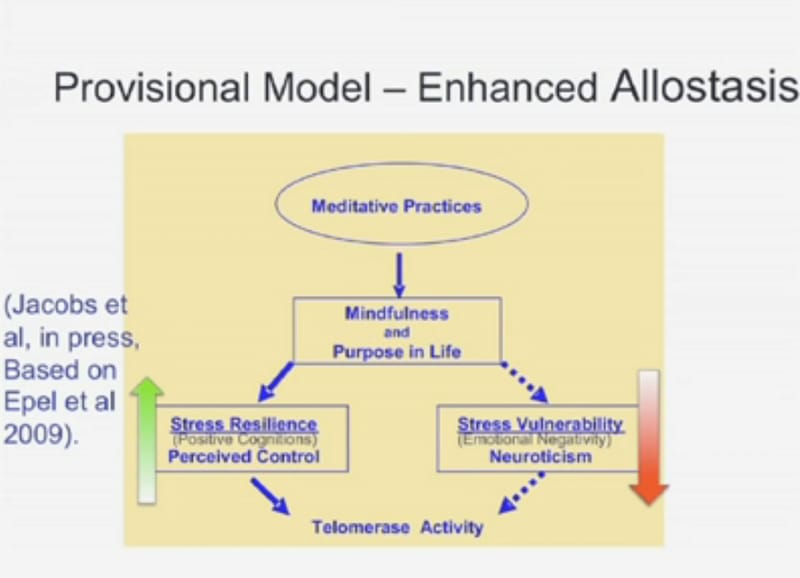
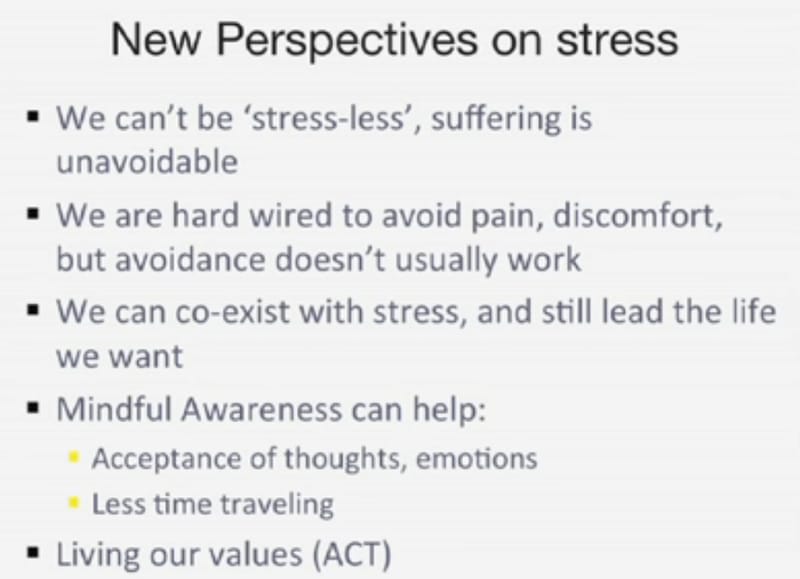
Images from "The New Science of Stress and Stress Resilience" - talk by Elissa Epel
-
Universality and diversity in human song (science)
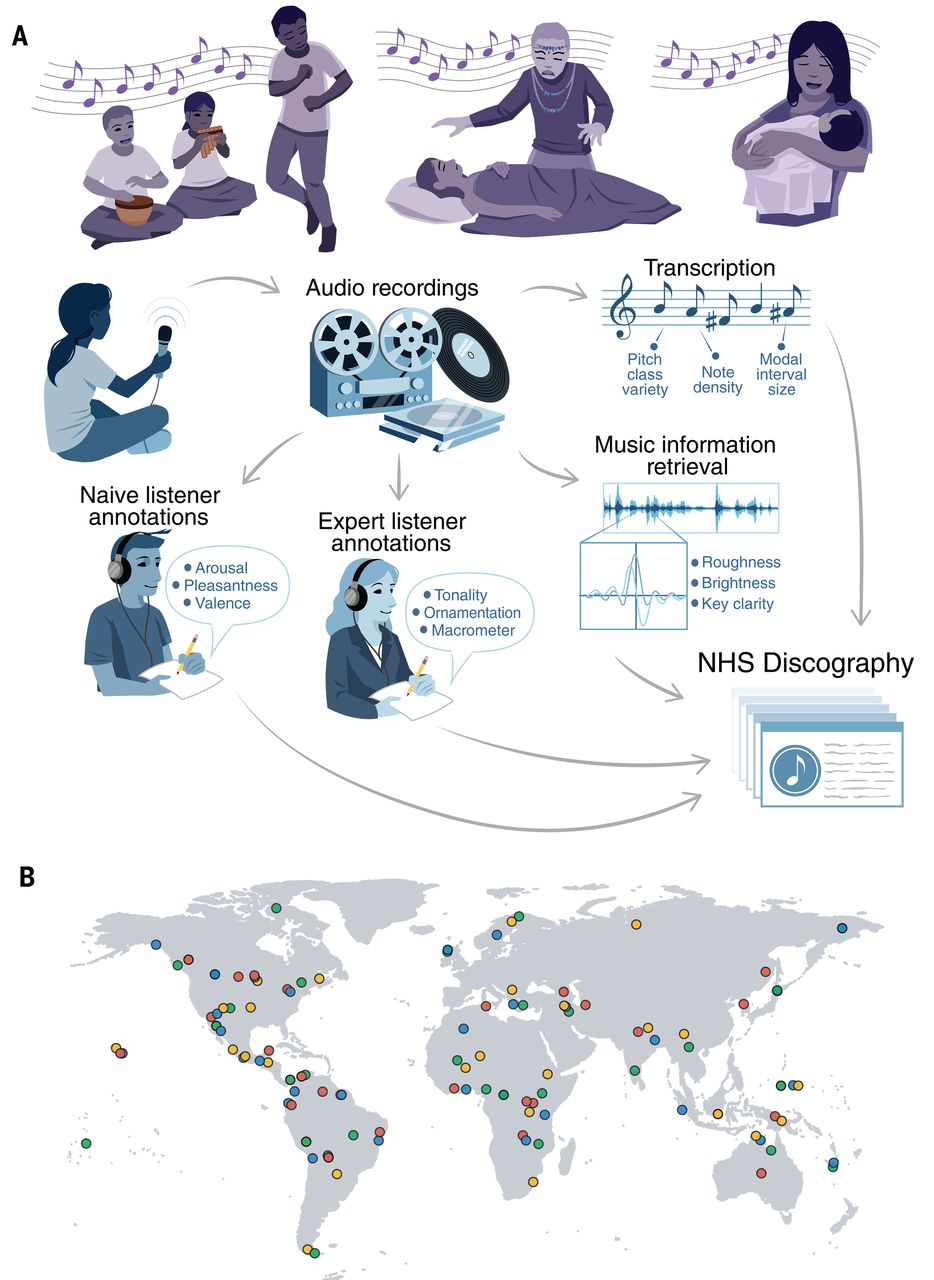
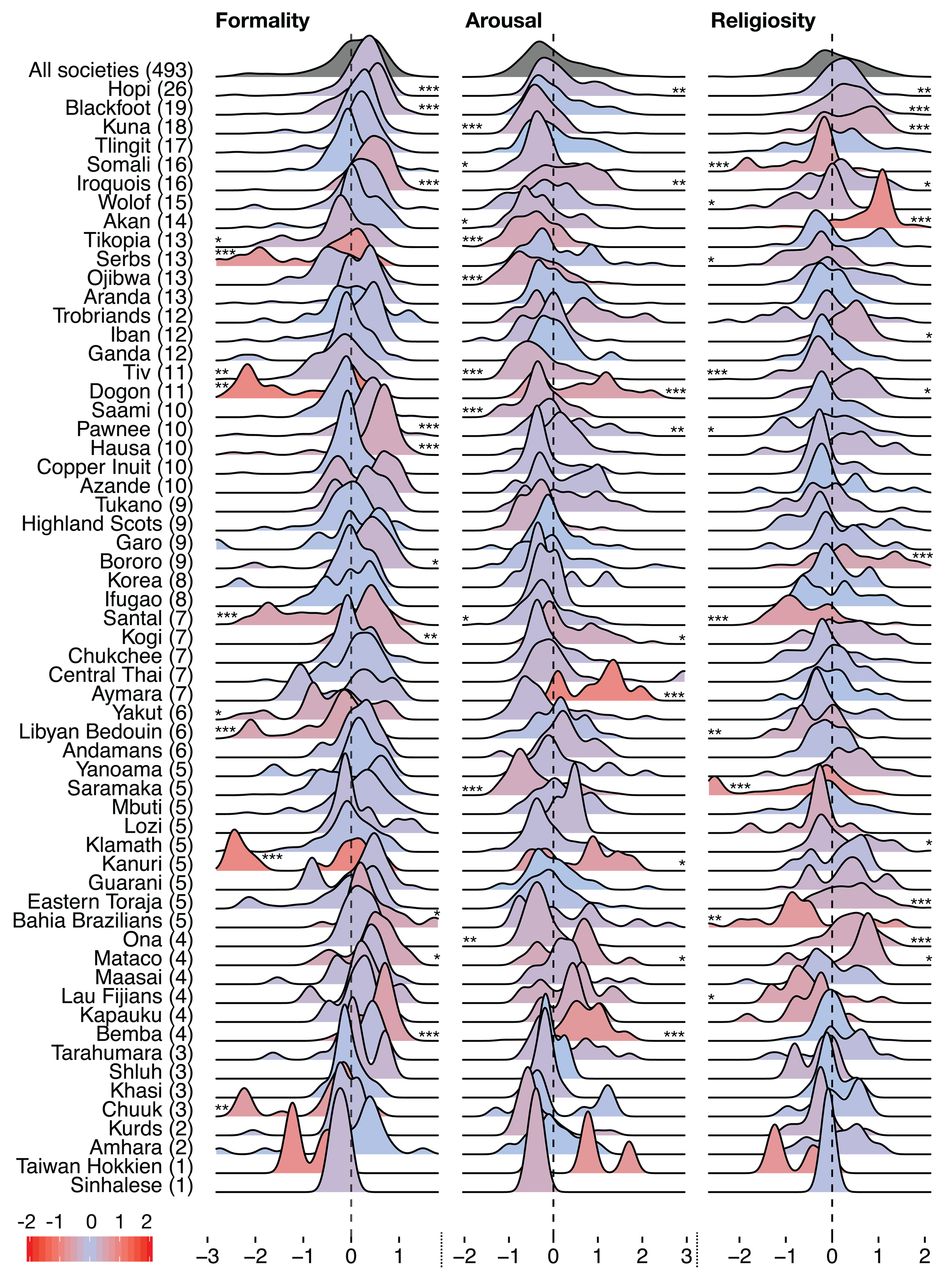
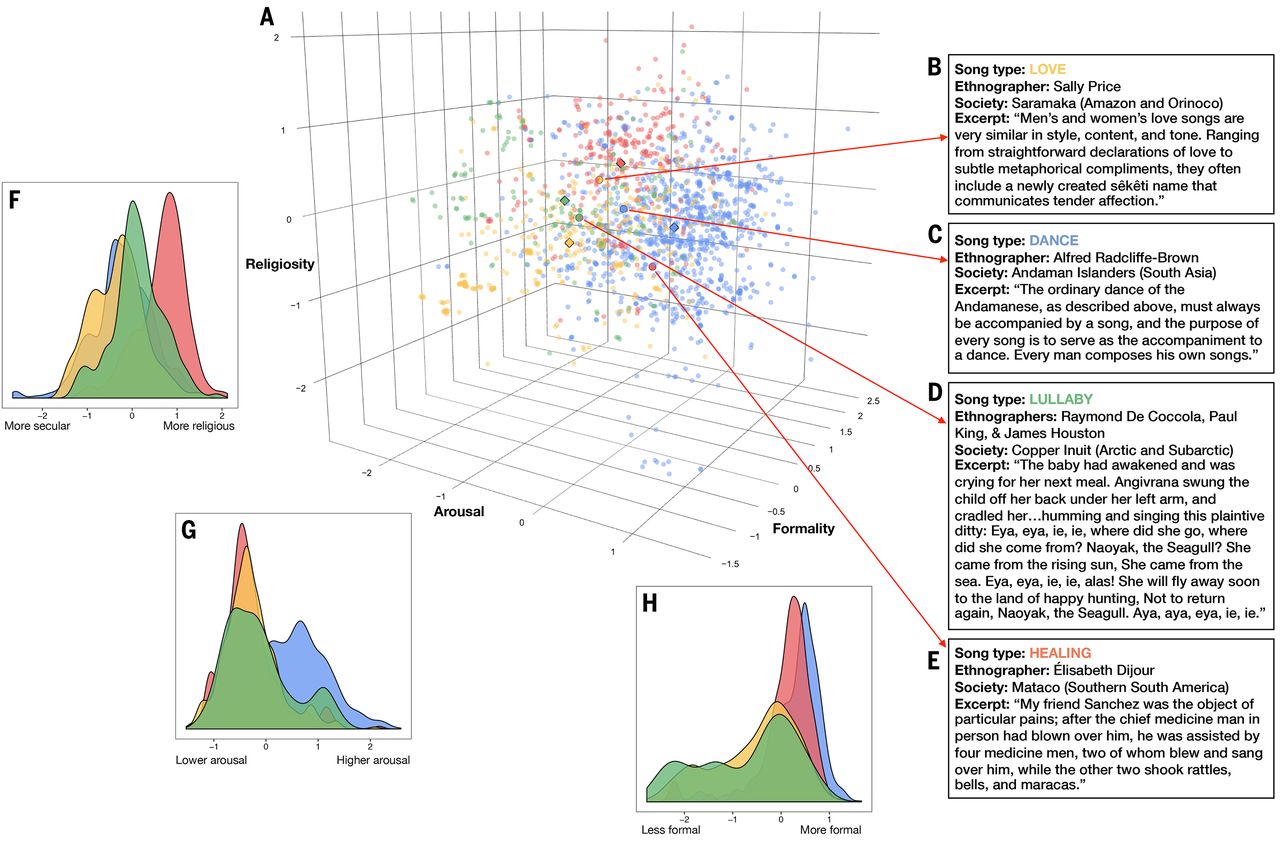
Conclusion: "Music is in fact universal: It exists in every society (both with and without words), varies more within than between societies, regularly supports certain types of behavior, and has acoustic features that are systematically related to the goals and responses of singers and listeners. But music is not a fixed biological response with a single prototypical adaptive function: It is produced worldwide in diverse behavioral contexts that vary in formality, arousal, and religiosity. Music does appear to be tied to specific perceptual, cognitive, and affective faculties, including language (all societies put words to their songs), motor control (people in all societies dance), auditory analysis (all musical systems have signatures of tonality), and aesthetics (their melodies and rhythms are balanced between monotony and chaos). These analyses show how applying the tools of computational social science to rich bodies of humanistic data can reveal both universal features and patterns of variability in culture, addressing long-standing debates about each."
-
Psychological effects of Plasma (wikipedia)
"Research indicates that magnetic fields created by plasma during a thunderstorm can induce hallucination in the human mind. A declassified Ministry of Defense report states that it is "medically proven" that magnetic fields related to plasma cause hallucinations and that "the close proximity of plasma-related fields can adversely affect a vehicle or person". The report also indicated that scientists in the former Soviet Union are pursuing related technology for military purposes."
Magnetically Induced Hallucinations Explain Ball Lightning, Say Physicists. (MIT tech review): "Powerful magnetic fields can induce hallucinations in the lab, so why not in the real world, too?" #Science #RadioBio #NeuroScience #Biology #Military
-
"Implicate and explicate order" are ontological concepts for quantum theory coined by theoretical physicist David Bohm during the early 1980s.
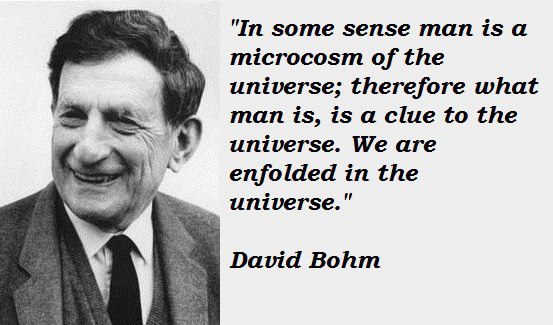
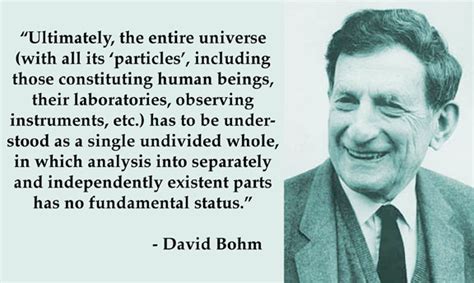
Book: Science, Order, and Creativity by David Bohm and F. David Peat (1987).
#Science #Space #Philosophy #Religion #Complexity #Creativity -
Quasicrystals - Israeli Found New Form of Matter Imagined in Islamic Art (2011)


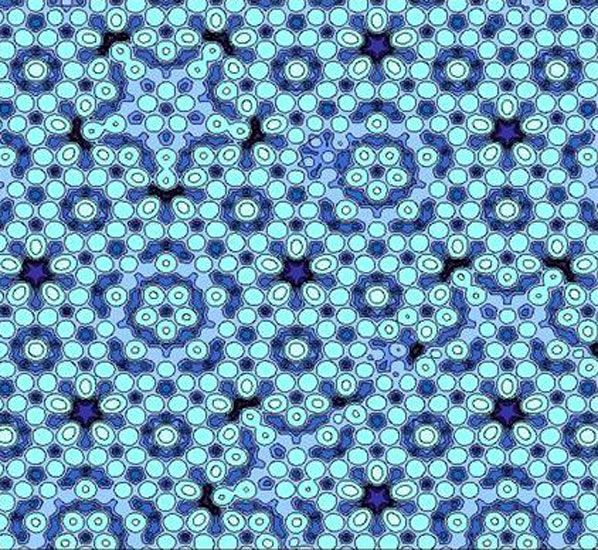
"This year's Nobel prize in Chemistry will be awarded to Israeli scientist Daniel Shechtman for his discovery of quasicrystals, metallic alloys with atoms arranged in orderly, infinite, aperiodic, crystal-like patterns with theoretically forbidden (typically 5 fold) symmetry. This form of matter was believed to be impossible to create."
-
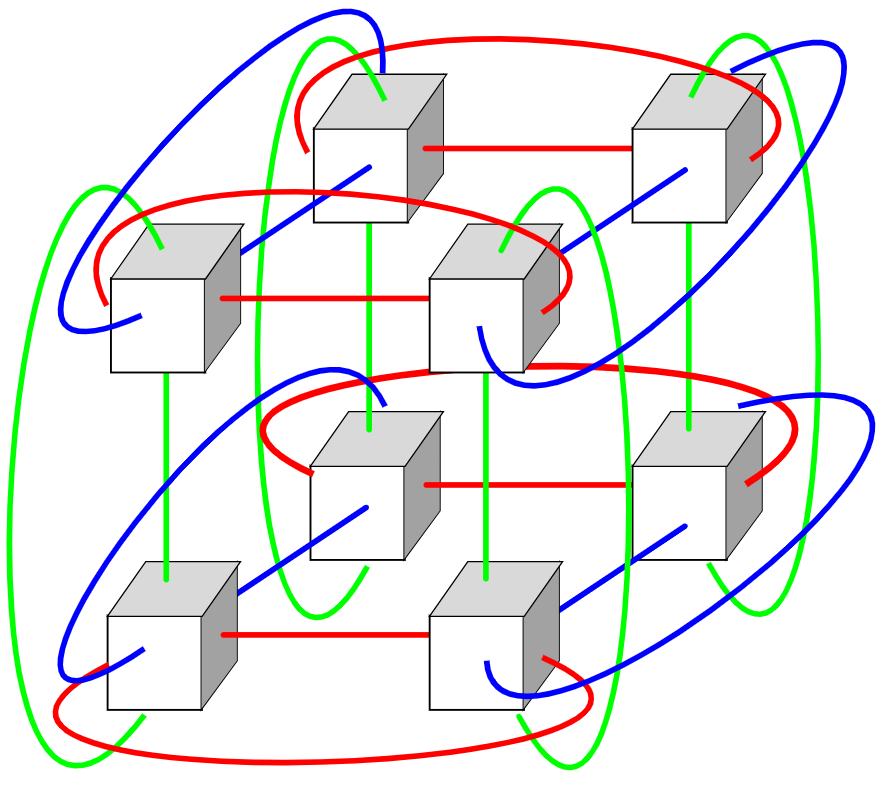
Encyclopedia of World Problems and Human Potential (wikipedia)
"The Encyclopedia was started in 1972 and now comprises more than 100,000 entries and 700,000 links, as well as 500 pages of introductory notes and commentaries. The Encyclopedia collects information on problems, strategies, values, concepts of human development, and various intellectual resources."
-
Laetus in Praesens: https://www.laetusinpraesens.org/
-
Genetically-Engineered Microbe No Longer Needs to Eat Food To Grow
"Synthetic biologists have performed a biochemical switcheroo," reports Science magazine:
They've re-engineered a bacterium that normally eats a diet of simple sugars into one that builds its cells by absorbing carbon dioxide (CO2), much like plants. The work could lead to engineered microbes that suck CO2 out of the air and turn it into medicines and other high-value compounds.
Laboratory-evolved bacteria switch to consuming carbon dioxide for growth
"Over the course of several months, researchers created Escherichia coli strains that consume carbon dioxide for energy instead of organic compounds. This achievement in synthetic biology highlights the incredible plasticity of bacterial metabolism and could provide the framework for future carbon-neutral bioproduction. "

-
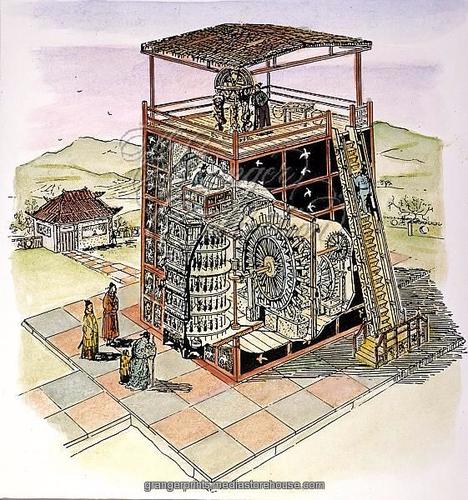
Su Song (1020–1101 AD) was a Chinese polymathic scientist and statesman. Excelling in a variety of fields, he was accomplished in mathematics, astronomy, cartography, geography, horology, pharmacology, mineralogy, metallurgy, zoology, botany, mechanical engineering, hydraulic engineering, civil engineering, architecture, invention, art, poetry, philosophy, antiquities, and statesmanship during the Song Dynasty (960–1279). Su Song was the engineer for a hydro-mechanical astronomical clock tower in medieval Kaifeng.

Yi Xing (683–727), born Zhang Sui (Chinese: 張遂), was a Chinese astronomer, mathematician, inventor, mechanical engineer, philosopher, and Buddhist monk of the Tang dynasty (618–907). His astronomical celestial globe featured a clockwork escapement mechanism, the first in a long tradition of Chinese astronomical clockworks.
-
Wild Silkworms Produce Proteins Primed for Bioprinting. A mix of silkworms’ proteins acts as a scaffold for 3-D-printed tissues and organs.

Wild silkworm species Antheraea assamensis. -
Jeffrey Epstein and the Decadence of Science - by John Horgan
"The Epstein scandal, which embroiled many prominent scientists, is just one of many signs that a gloomy prophecy is being fulfilled."
Multiverse Theories Are Bad for Science - by John Horgan
"New books by a physicist and science journalist mount aggressive but ultimately unpersuasive defenses of multiverses."
-
"Men invented time to feel comfortable in space. But it doesn't actually exist. All experience is happening at once." -Albert Einstein



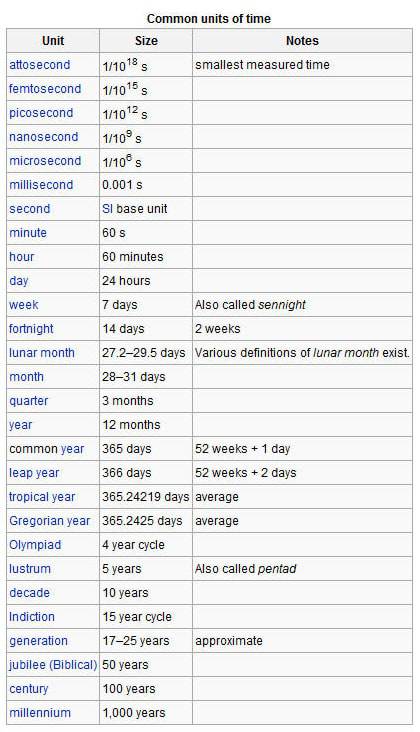
Time measurement unites (via World Encyclopedia of Time)
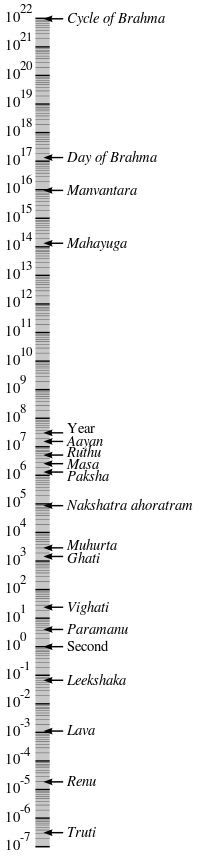
Hindu units of time - "from microseconds to Trillions of years".
Back to the future: The original time crystal makes a comeback: https://www.sciencemag.org/news/2019/11/back-future-original-time-crystal-makes-comeback
-
Symbiogenesis is an evolution term that relates to the cooperation between species.
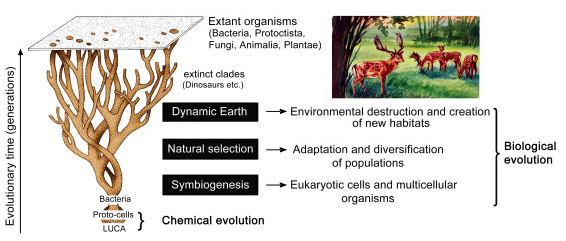
Illustration: From the scala naturae to the symbiogenetic and dynamic tree of life
Book: Symbiotic Planet: A New Look At Evolution - by Lynn Margulis
Article: Why science would benefit from a symbiosis-driven history of speciation - By B.Harris