tag > Space
-
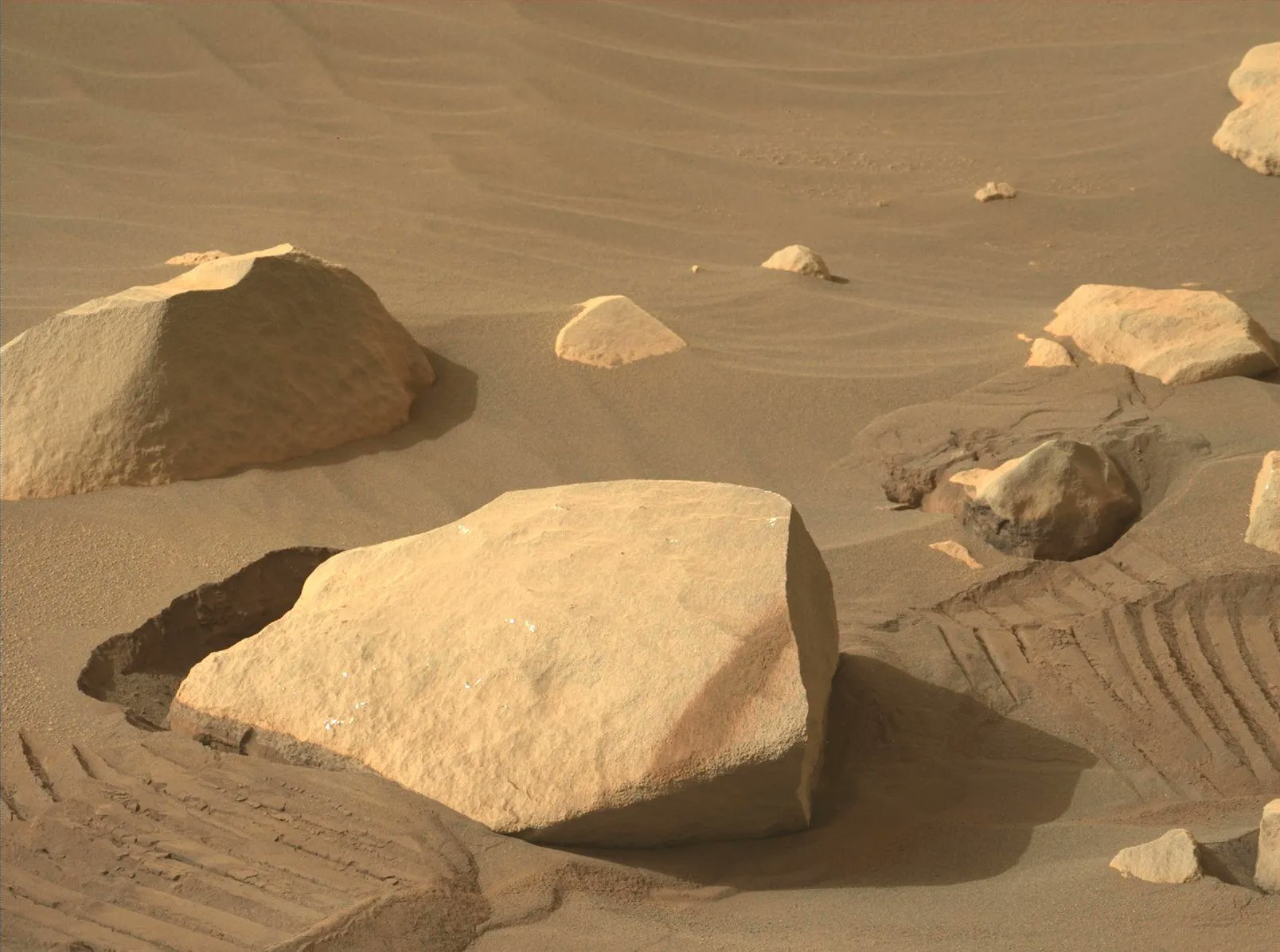
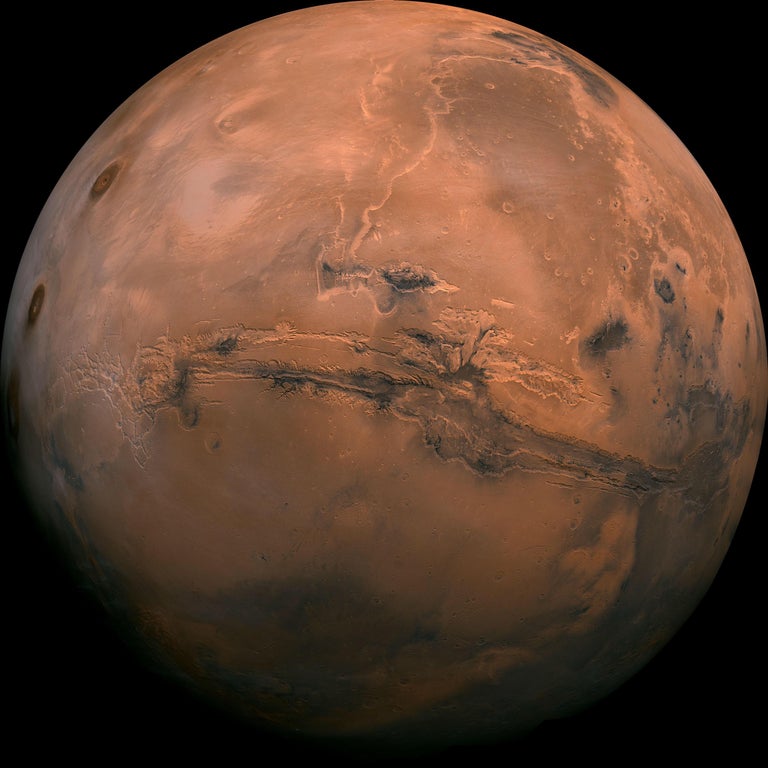
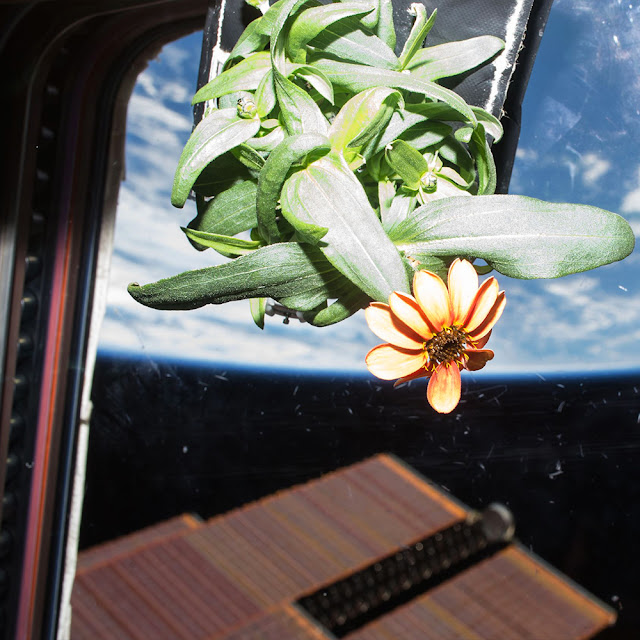
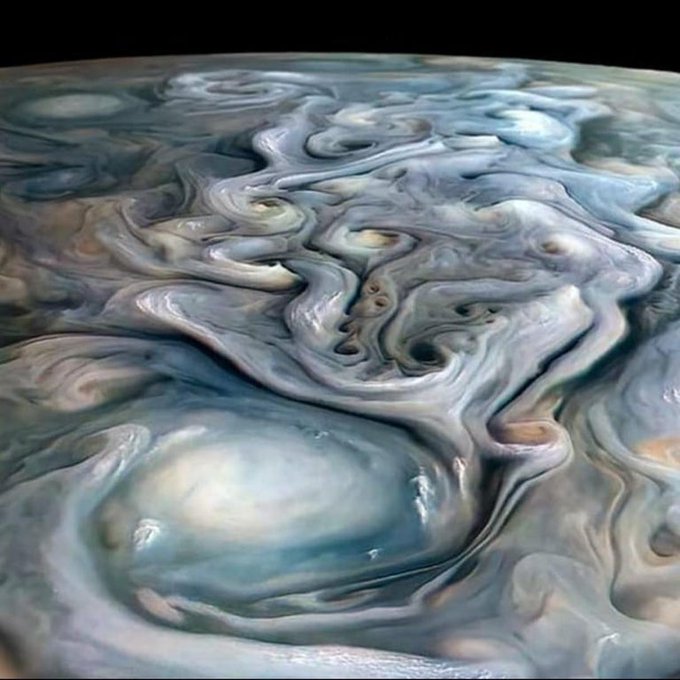
Mars, the first flower ever grown entirely in Space & a closeup of Jupiter’s clouds from the Juno craft
-
"No one is going to give you the education you need to overthrow them." - Assata Shakur

"Reality Is What You Can Get Away With" - Robert Anton Wilson
#Politics #Education #History #KM #fnord #Cryptocracy #Space
-
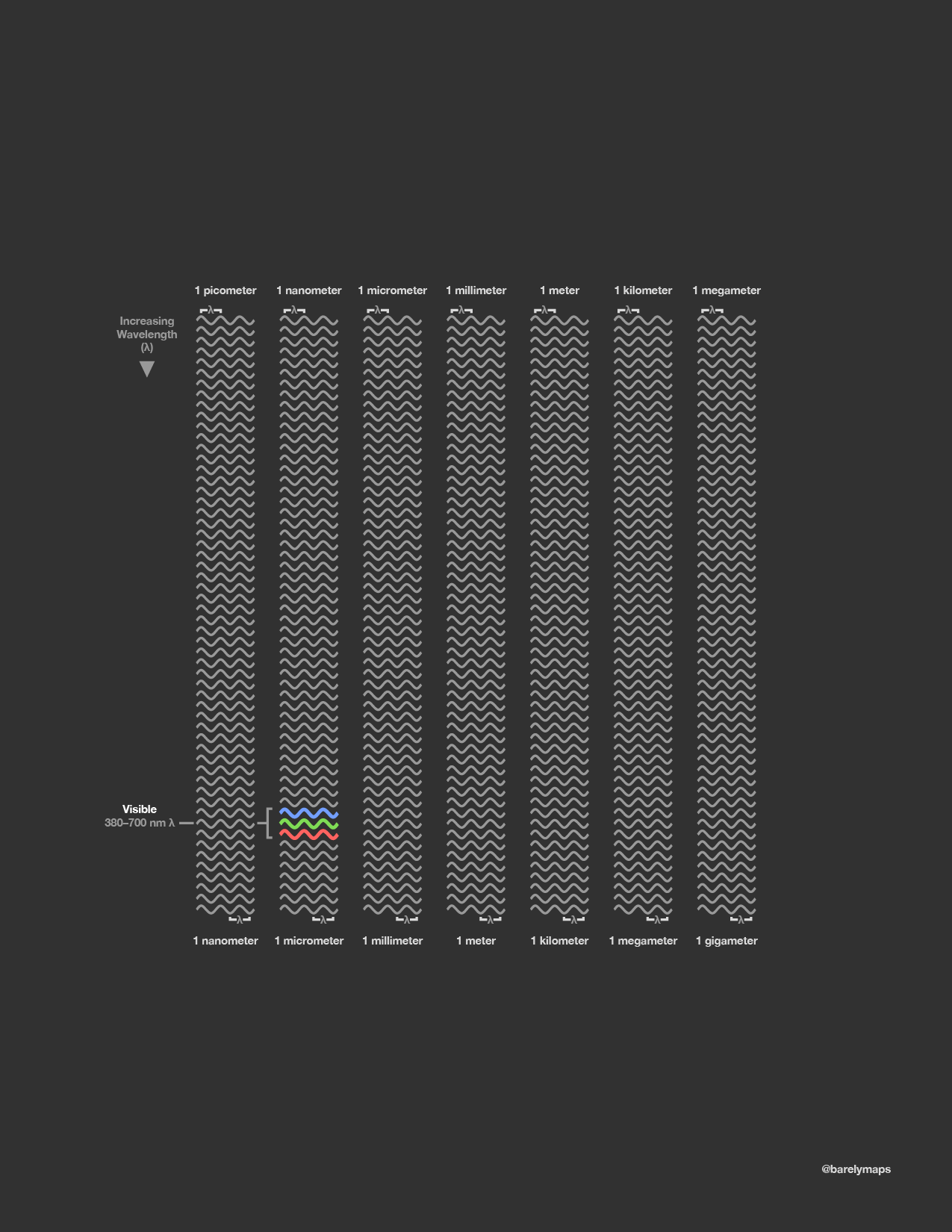
The Visible Wavelengths on the Electromagnetic Spectrum
Related: Cthulhu Spectrum - #Science #Philosophy #Space #Complexity #Biology
-
4 billion-year-old relic from early solar system heading our way
An enormous comet — approximately 80 miles across, more than twice the width of Rhode Island — is heading our way at 22,000 miles per hour from the edge of the solar system.
-
Largest Bacterium Ever Discovered Has An Unexpectedly Complex Cell (science.org)
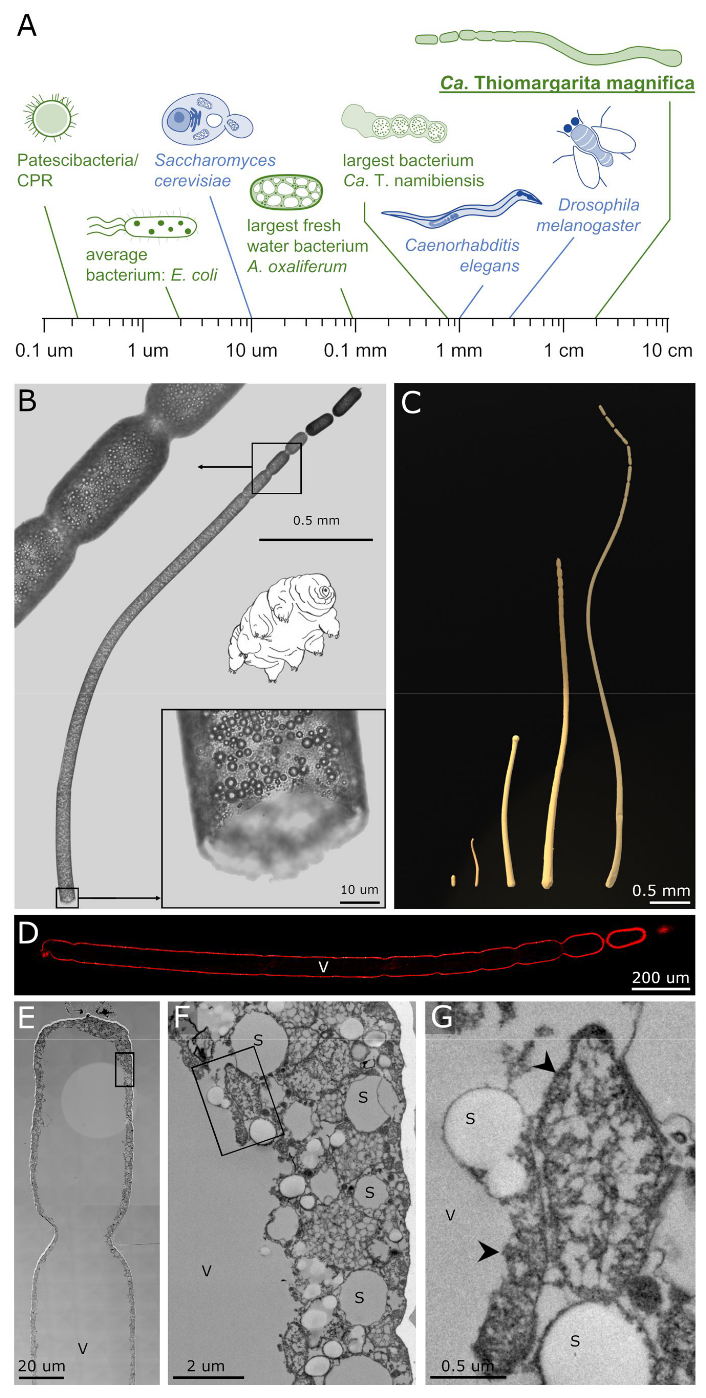
A newly described bacterium living in the Caribbean "is visible to the naked eye, growing up to 2 centimeters -- as long as a peanut -- and 5,000 times bigger than many other microbes," writes Elizabeth Pennisi via Science.org. "What's more, this giant has a huge genome that's not free floating inside the cell as in other bacteria, but is instead encased in a membrane, an innovation characteristic of much more complex cells, like those in the human body."
From the report:
The bacterium was unveiled in a preprint (PDF) posted online last week and it has astounded some researchers who have reviewed its features. Aside from upending ideas about how big -- and sophisticated -- microbes can become, this bacterium "could be a missing link in the evolution of complex cells," says Kazuhiro Takemoto, a computational biologist at Kyushu Institute of Technology.
Researchers have long divided life into two groups: prokaryotes, which include bacteria and single-cell microbes called archaea, and eukaryotes, which include everything from yeast to most forms of multicellular life, including humans. Prokaryotes have free-floating DNA, whereas eukaryotes package their DNA in a nucleus. Eukaryotes also compartmentalize various cell functions into vesicles called organelles and can move molecules from one compartment to another -- something prokaryotes can't. But the newly discovered microbe blurs the line between prokaryotes and eukaryotes. [...] Furthermore, that cell includes two membrane sacs, one of which contains all the cell's DNA, [researchers] report in their 18 February preprint on bioRxiv. Volland calls that sac an organelle and that's "a big new step" that implies the two branches of life are not as different as previously thought, [Verena Carvalho, a microbiologist at the University of Massachusetts, Amherst] says. "Perhaps it's time to rethink our definition of eukaryote and prokaryote!" agrees Petra Levin, a microbiologist at Washington University in St Louis. "It's a supercool story."
The other, water-filled sac may be the reason the bacterium could grow so big. [...] The DNA-filled sac, also squished along the inner edge of this bacterium, proved extraordinary as well. When researchers at the Department of Energy Joint Genome Institute sequenced the DNA inside, they found the genome was huge, with 11 million bases harboring some 11,000 clearly distinguishable genes. Typically, bacterial genomes average about 4 million bases and about 3900 genes. By labeling the DNA with fluorescent tags, [researchers] determined the bacterium's genome was so big because there are more than 500,000 copies of the same stretches of DNA. Protein production factories called ribosomes were inside the DNA-filled sac as well, likely making the translation of a gene's code into a protein more efficient.
-
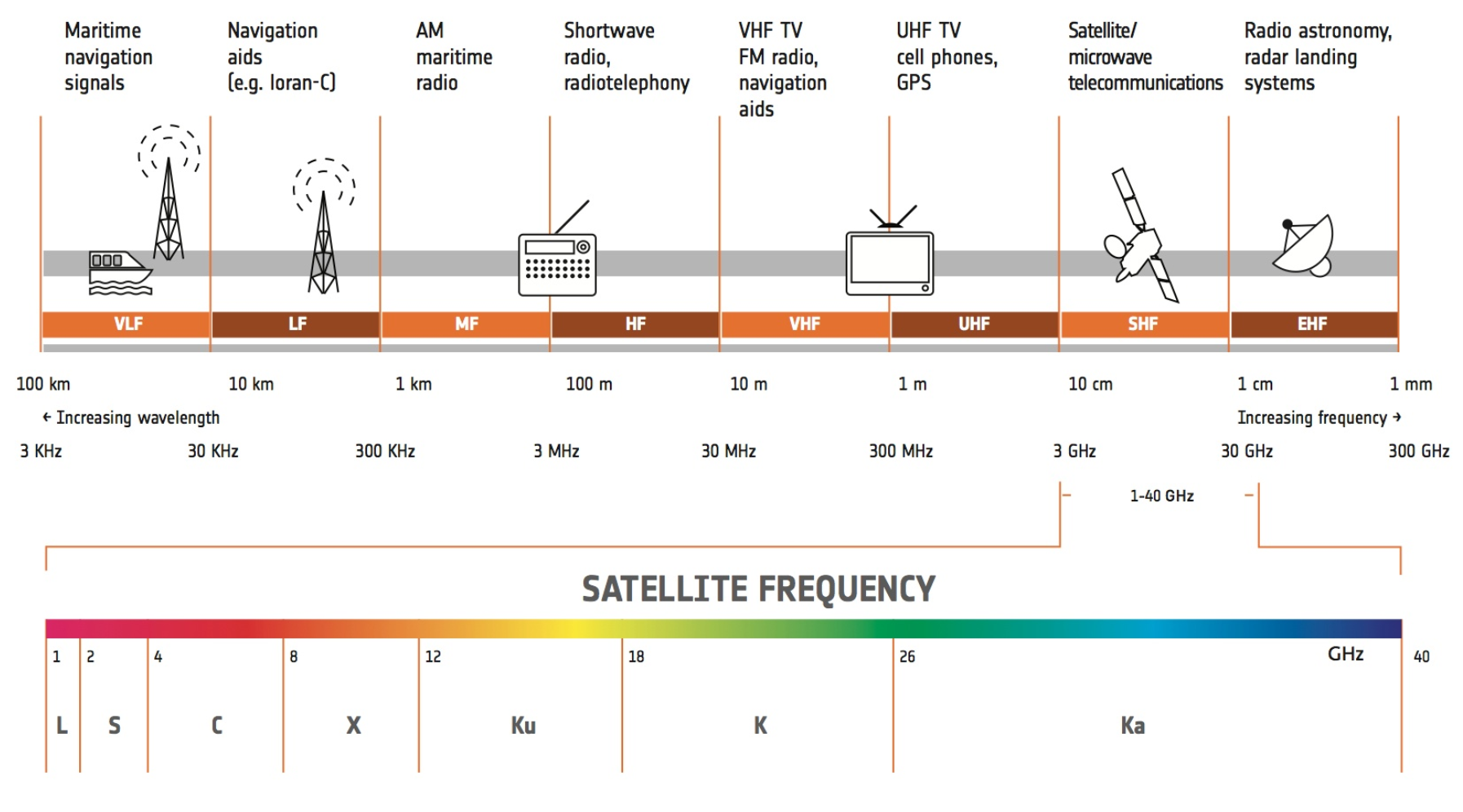
Ka Band - a portion of the microwave part of the electromagnetic spectrum defined as frequencies in the range 26.5–40 gigahertz (GHz), called Ka, because it is the upper part of the original NATO K band.
-
How James Webb will reveal what Hubble missed - Hubble's deepest views of space revealed fewer than 10% of the Universe's galaxies. James Webb will change that forever.
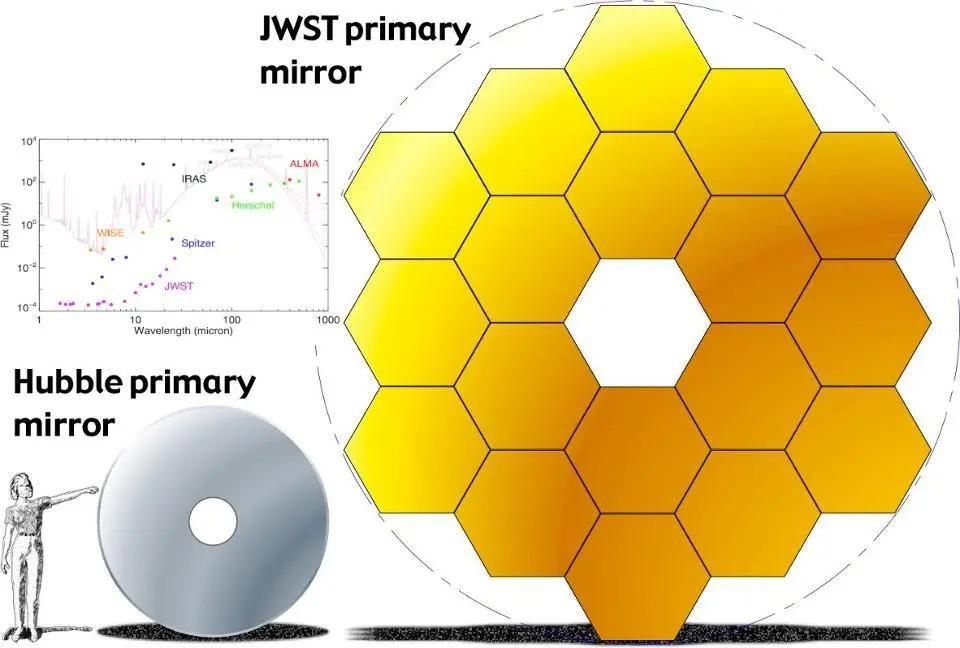
The James Webb Space Telescope has been designed to answer many of the core questions that have animated astronomers over the past half-century. With a $10 billion price tag, it is one of the most ambitious engineering initiatives ever attempted. But for it to achieve its potential — nothing less than to rewrite the history of the cosmos and reshape humanity’s position within it — a lot of things have to work just right.
-
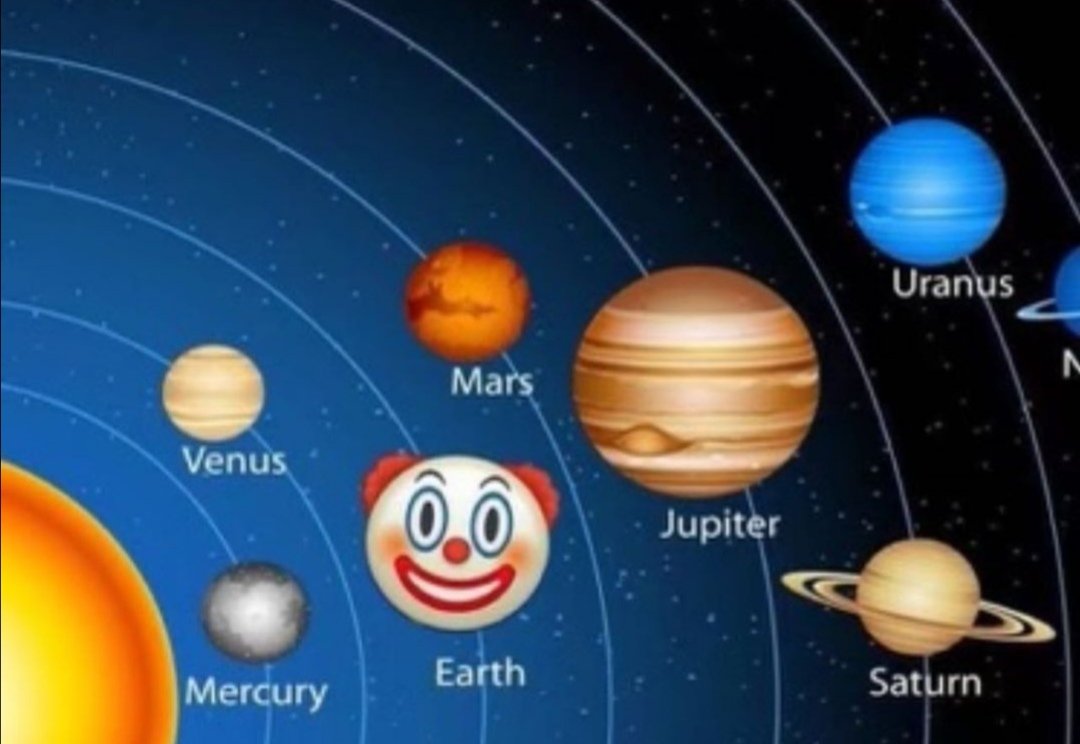
Today in "the fall of western civilization": 🤡 "Independent Alternative Media"

-
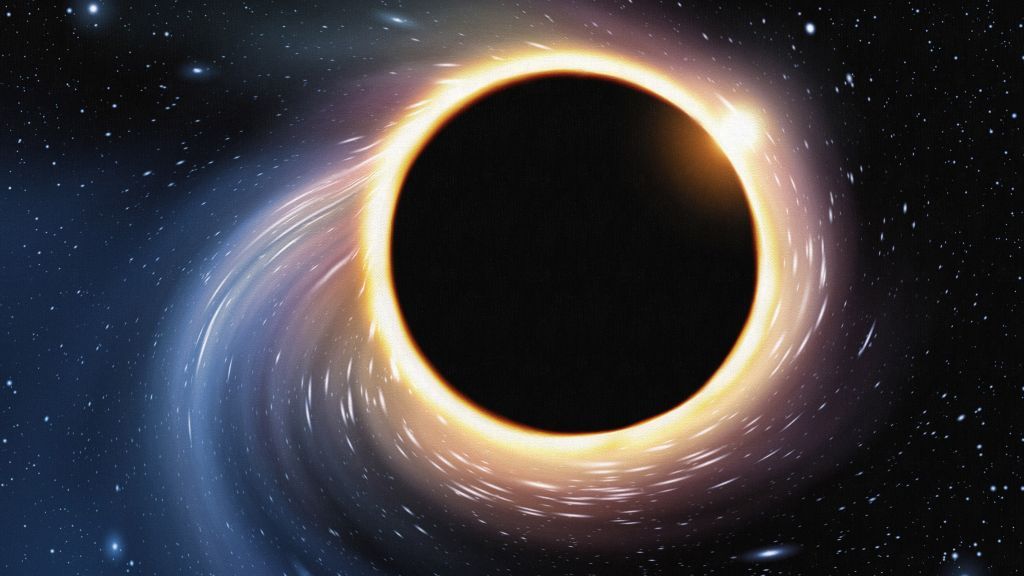
40 quintillion stellar-mass black holes are lurking in the universe, new study finds - "Small" black holes are estimated to make up 1% of the universe’s matter. #Comment: They will do anything to ignore "Infinity"
-
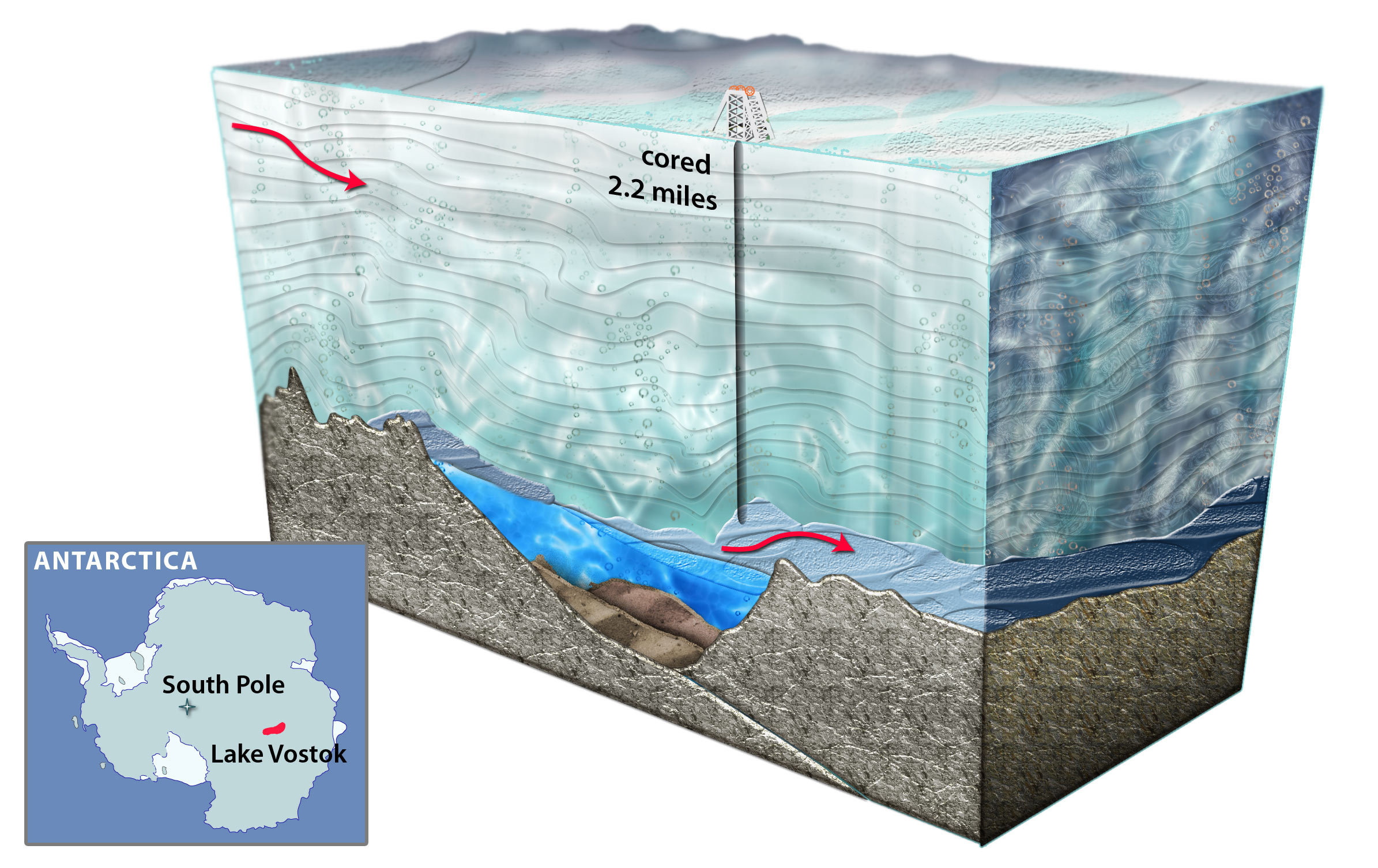
Lake Vostok is one of the largest subglacial lakes in the world
- Antarctica's hidden Lake Vostok found to teem with life
- He Found ‘Islands of Fertility’ Beneath Antarctica’s Ice
- ‘Unclassified’ Life Found in Antarctic Lake – Researcher
- Russian scientist defends Lake Vostok life claims
- Bacteria May Thrive in Antarctic Lake
- Holds Implications for Search for Life in the Solar System
- The Very Strange Case Of The NSA And Lake Vostok In Antarctica