-

Karl Brandt on trial, 20 August 1947 The Nuremberg Code (German: Nürnberger Kodex) is a set of research ethics principles for human experimentation created as a result of the Nuremberg trials at the end of the Second World War. The origin of the Nuremberg Code began in pre–World War II German politics, particularly during the 1930s and 1940s. The pre-war German Medical Association was considered to be a progressive. On August 20, 1947, the judges delivered their verdict against Karl Brandt and 22 others. The verdict reiterated the memorandum's points and, in response to expert medical advisers for the prosecution, revised the original six points to ten.
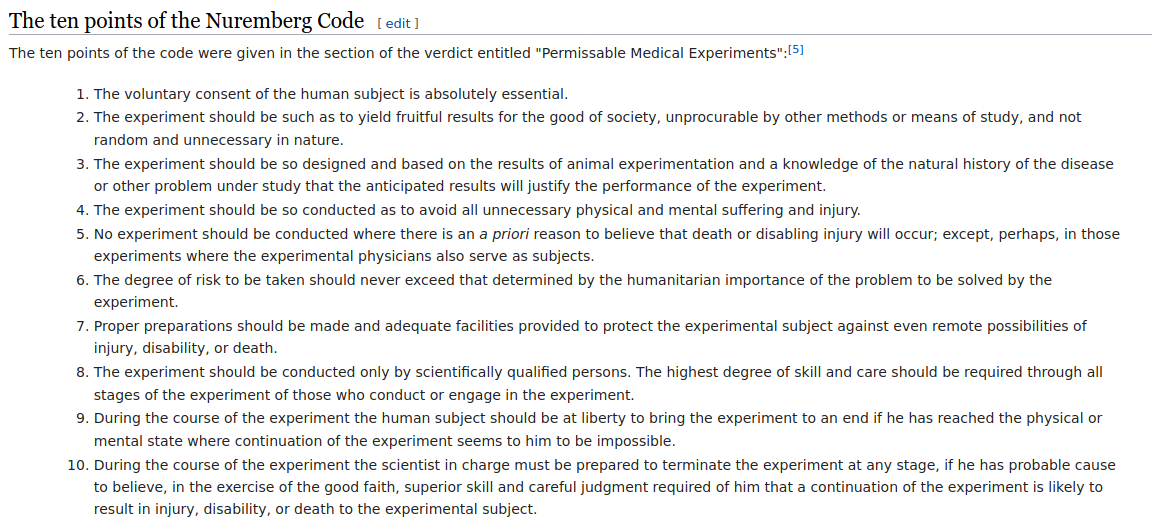
The ten points became known as the "Nuremberg Code", which includes such principles as informed consent and absence of coercion; properly formulated scientific experimentation; and beneficence towards experiment participants. It is thought to have been mainly based on the Hippocratic Oath, which was interpreted as endorsing the experimental approach to medicine while protecting the patient.
-
Saint Corona - Patron saint of epidemics?

Saints Victor and Corona (also known as Victor and Stephanie) are two Christian martyrs. Their legend states that Victor was a Roman soldier of Italian ancestry. Victor was tortured and then beheaded in Damascus in 160 AD. While he was suffering from the tortures, the sixteen-year-old wife of another soldier, named Corona or Stephanie comforted and encouraged him. For this, she was arrested and interrogated. Corona is especially venerated in Austria and eastern Bavaria. She is invoked in connection with superstitions involving money, such as gambling and treasure hunting. Otto III, around AD 1000, brought Corona's relics to Aachen in western Germany. Though there is little evidence of her being invoked against epidemics, Reuters reported in 2020 that she was "patron saint of epidemics," and that her relics will be available for public veneration "once the coronavirus pandemic has passed."
-
Bill Gates Wants Socialist Medicine to Combat Coronavirus — Without the Socialists (jacobinmag)
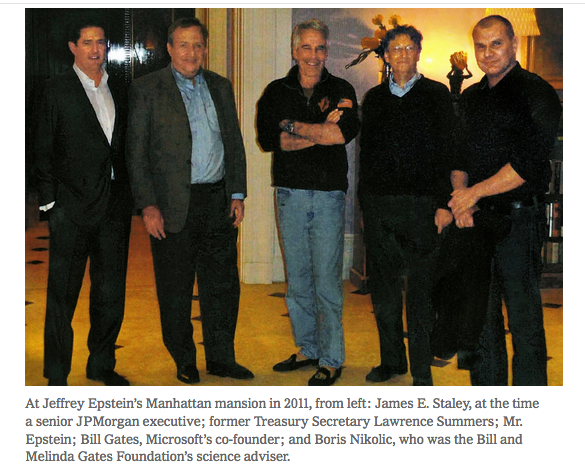
Bill Gates says the private sector is ill-prepared to respond to pandemics and that governments need to ratchet up their spending by the billions and take charge. Too bad he’s still opposing the democratic-socialist movements that could do just that.
Bill Gates, the CIA, Jacques Attali ... they had warned of a global epidemic (leparisien) (English translation)
The risk of a new pandemic has been mentioned many times over the past fifteen years. And some projections are cause for concern.
-
Wann endet Fracking? (When does Fracking come to an end) (Telepolis, DE only)

Der Ölpreiskrieg zwischen Russland und Saudi-Arabien könnte das Ende der US-Fracking-Industrie einläuten. Die amerikanische Ölindustrie bereitet sich nicht nur wegen der Corona-Pandemie auf schwere Zeiten vor. Ab dem ersten April werden die seit drei Jahren geltenden Förderlimits der OPEC aufgehoben. Dann dürfen sämtliche Länder soviel produzieren, wie sie wollen. Der aktuelle Preis für ein Barrel Rohöl von 25 US-Dollar könnte unter 10 US-Dollar fallen. Das gilt allerdings als unwahrscheinlich. Für die Frackingindustrie ist selbst der aktuelle Preis viel zu niedrig, um am Leben bleiben zu können.
-
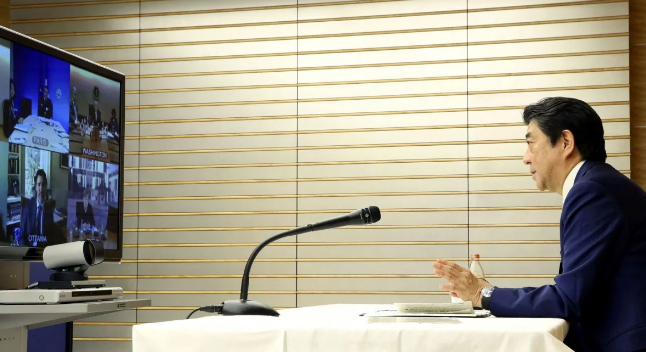
Japan’s Prime Minister Shinzo Abe attends a G7 leader video conference In such extraordinary circumstances, forecasts and predictions by clever computers or AI-driven algorithms cannot provide specific solutions. These can only come about by putting our smartest thinkers together through multilateral action and global cooperation.
-
Amid pandemic, Pentagon urges ‘hyper-vigilance’ against foreign investment (defensenews)
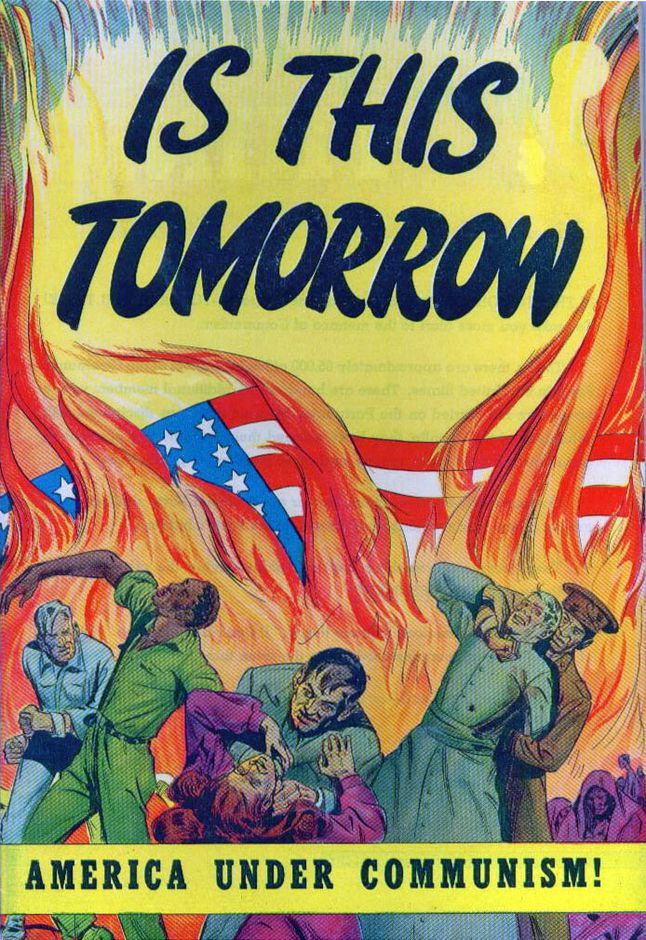
The Pentagon’s top acquisition official is worried that adversary nations may use the economic downturn caused by the new coronavirus pandemic to buy out American-made technologies. During a Wednesday news conference, Ellen Lord warned that it “is critically important that we understand that during this crisis, the [defense-industrial base] is vulnerable to adversarial capital, so we need to ensure that companies can stay in business without losing their technology.” The Pentagon over the last several years has become increasingly vocal about concerns that foreign nations — primarily China — are investing in U.S. startup companies whose technologies could have national security applications. Those startups have been willing to accept Chinese funds in exchange for Beijing having ownership or access to certain technologies.
-
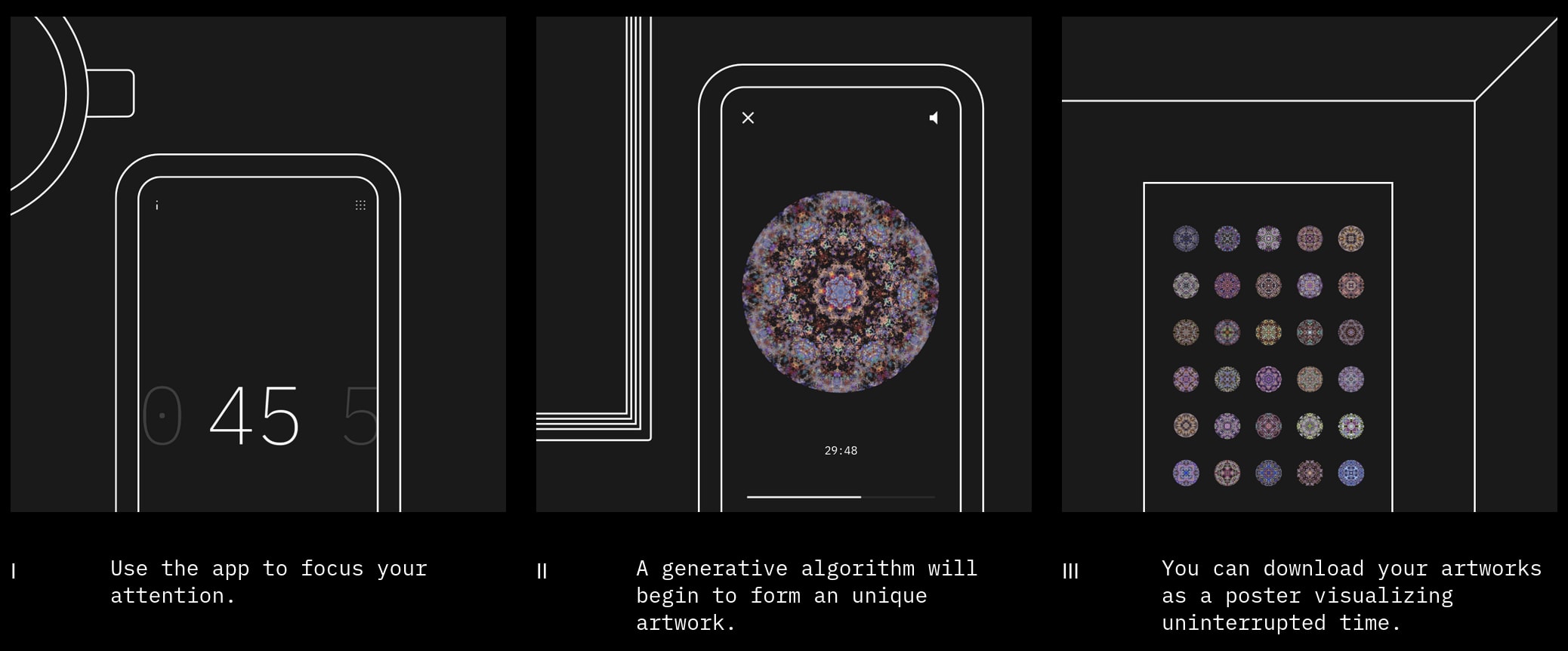
Introvert app is an audiovisual experience that encourages you to do, to focus, or to relax while a generative algorithm creates an unique artwork. Attention, the ability to pay it and where it is directed, is the most valuable tool, the most accurate compass in navigating through reality. Ultimately it will dictate whether one feels in charge of ones´ reality or helplessly drowned in a ceaseless stream of noise. Are you still paying attention?
-
Scientists find bug that feasts on toxic plastic (Guardian)

A bacterium that feeds on toxic plastic has been discovered by scientists. The bug not only breaks the plastic down but uses it as food to power the process. The bacterium, which was found at a waste site where plastic had been dumped, is the first that is known to attack polyurethane. Millions of tonnes of the plastic is produced every year but it is mostly sent to landfill because it it too tough to recycle.
-
Thinker of the day: Paul Feyerabend (1924 - 1994)

Feyerabend defended the idea that science should be separated from the state in the same way that religion and state are separated in a modern secular society (Against Method (3rd ed.). p. 160.). He envisioned a "free society" in which "all traditions have equal rights and equal access to the centres of power" (Science in a Free Society. p. 9.). According to Feyerabend, science should also be subjected to democratic control: not only should the subjects that are investigated by scientists be determined by popular election, scientific assumptions and conclusions should also be supervised by committees of lay people. He thought that citizens should use their own principles when making decisions about these matters. He rejected the view that science is especially "rational" on the grounds that there is no single common "rational" ingredient that unites all the sciences but excludes other modes of thought (Against Method (3rd ed.). p. 246.).
-
Wuhan doctors plan long-term look at coronavirus impact on male sex hormone (SCMP)
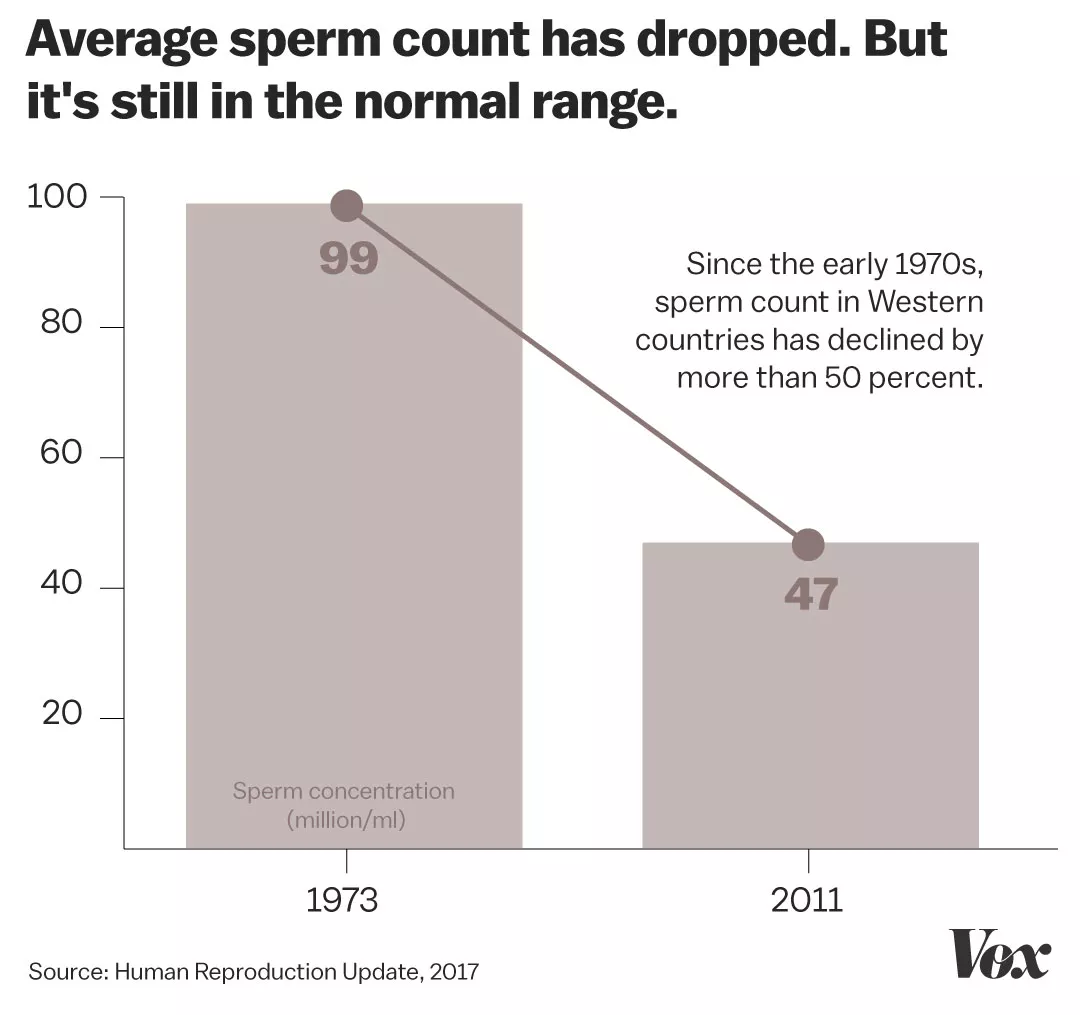
Doctors in the central Chinese city of Wuhan plan to embark on a long-term study of the effects of the coronavirus on the male reproductive system, building on small-scale research indicating that the pathogen could affect sex hormone levels in men. Though still preliminary and not peer reviewed, the study is the first clinical observation of the potential impact of Covid-19, the disease caused by the coronavirus, on the male reproductive system, especially among younger groups.
-
As China continues planting trees, 23% of the country is now covered in forest (SCMP)
-
Panic buying, lockdowns may drive world food inflation - FAO, analysts (Reuters)
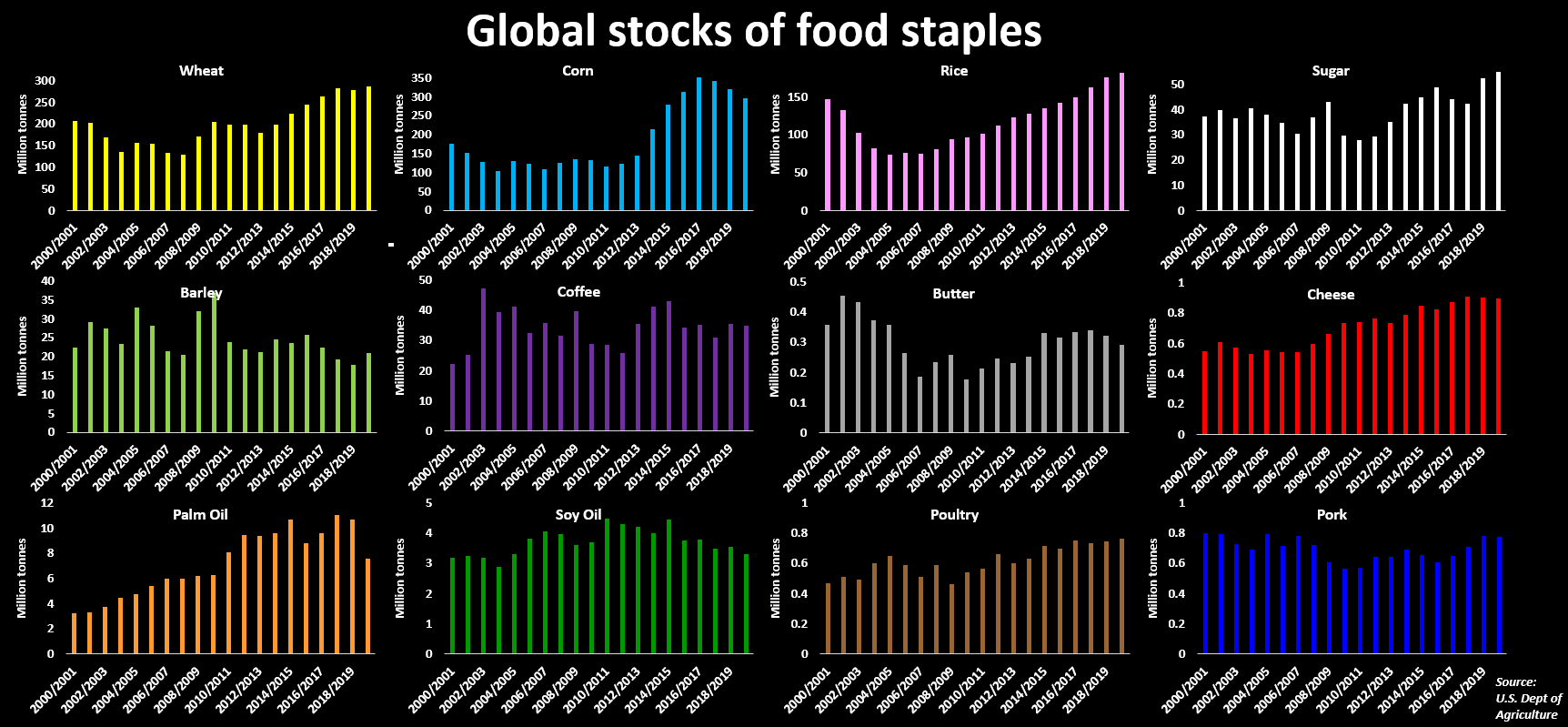
“All you need is panic buying from big importers such as millers or governments to create a crisis,” said Abdolreza Abbassian, senior economist at the United Nations’ Food and Agriculture Organization (FAO). “It is not a supply issue, but it is a behavioral change over food security,” he told Reuters by phone from Rome, the FAO headquarters. “What if bulk buyers think they can’t get wheat or rice shipments in May or June? That is what could lead to a global food supply crisis.”
Corona crisis hits global food supply (Reuters)
The corona epidemic around the world is also putting pressure on the food supply.
-
Is Marijuana an ‘Essential’ Like Milk or Bread? Some States Say Yes (NYTimes)

With the coronavirus pandemic spreading rapidly across the country, millions of Americans are being told by state and county officials to take refuge at home, and only venture out to get things they really need. And in many places, marijuana makes the list. Over the past week, more than a dozen states have agreed that while “nonessential” stores had to close, pot shops and medical marijuana dispensaries could remain open — official recognition that for some Americans, cannabis is as necessary as milk and bread.
-
World's wind power capacity up by fifth after record year (Guardian)

The world’s wind power capacity grew by almost a fifth in 2019 after a year of record growth for offshore windfarms and a boom in onshore projects in the US and China. The Global Wind Energy Council found that wind power capacity grew by 60.4 gigawatts, or 19%, compared with 2018, in one of the strongest years on record for the global wind power industry.
Oil price may fall to $10 a barrel as world runs out of storage space (Guardian)
Facilities thought to be 75% full with Saudi Arabia due to ramp up output as demand falters amid coronavirus shutdowns
-
Google details MetNet, an AI model better than NOAA at predicting precipitation (Venturebeat)
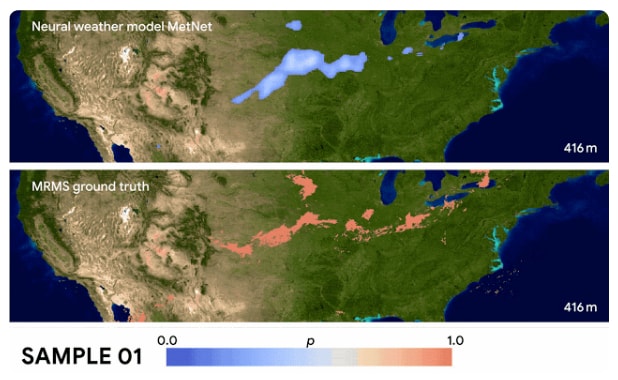
In a blog post and accompanying paper, researchers at Google detail an AI system — MetNet — that can predict precipitation up to eight hours into the future. They say that it outperforms the current state-of-the-art physics model in use by the U.S. National Oceanic and Atmospheric Administration (NOAA) and that it makes a prediction over the entire U.S. in seconds as opposed to an hour.