-
Why a small town in Washington is printing its own currency during the pandemic
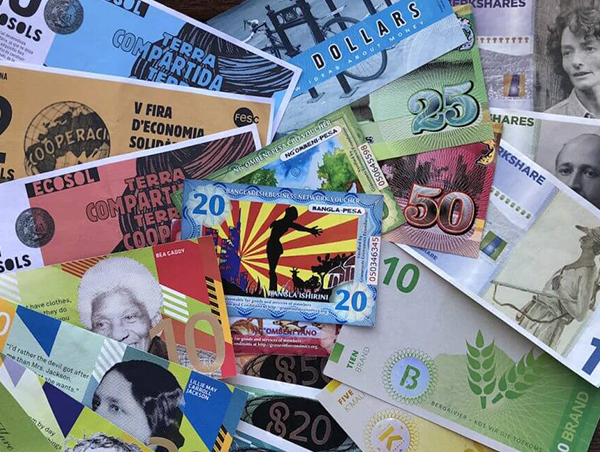
In a bid to lessen the blow of COVID-19, the town of Tenino has started issuing its own wooden dollars that can only be spent at local businesses. Will it work? The project has driven enough local excitement that the Tenino Chamber of Commerce is interested in making the wooden dollars a permanent fixture of Tenino — even after the pandemic passes.
-
China’s biggest banks are testing the digital yuan ‘on a large scale’
Selected employees at China’s largest banks are trialing the country’s much-anticipated digital currency “on a large scale” (our translation), Caijing reported on Wednesday.
-
The Three Pillars of Machine Programming
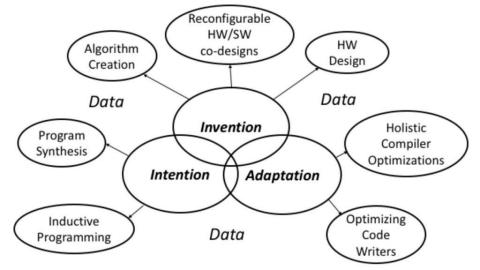
In this position paper, we describe our vision of the future of machine programming through a categorical examination of three pillars of research. Those pillars are: intention, invention, and adaptation. Intention emphasizes advancements in the human-to-computer and computer-to-machine-learning interfaces. Invention emphasizes the creation or refinement of algorithms or core hardware and software building blocks through machine learning (ML). Adaptation emphasizes advances in the use of ML-based constructs to autonomously evolve software.
-
Prof. Kamal Sarabandi and ECE PhD student Navid Barani won a best paper award for their research on how biological cells may use electromagnetic signal transmission to communicate.| The project is funded by the DARPA RadioBio program.
-
Oil giants' production cuts come to 1 million bpd as they post massive writedowns
The world’s five largest oil companies collectively cut the value of their assets by nearly $50 billion in the second quarter, and slashed production rates as the coronavirus pandemic caused a drastic fall in fuel prices and demand.
Saudi Aramco's second-quarter net profit plunges 73.4% on lower oil prices
Saudi Arabian state oil group Aramco (2222.SE) on Sunday reported a 73.4% fall in second-quarter net profit, a steeper drop than analysts had expected, hit by lower crude oil prices and declining refining and chemicals margins, as the coronavirus hit demand.
-
Germany Plans To Dim Lights At Night To Save Insects 46
Germany is planning to ban floodlights from dusk for much of the year as part of its bid to fight a dramatic decline in insect populations, it emerged Wednesday.
-
Blackstone to acquire Ancestry.com for $4.7 billion
The Trump-supporting company that owns Motel 6, a chain that illegally sold its guest lists to U.S. Immigration and Customs Enforcement (ICE) without a warrant, just bought our DNA.
-
Mind-controlling fungus makes zombie cicadas lure other cicadas to a zombie fate
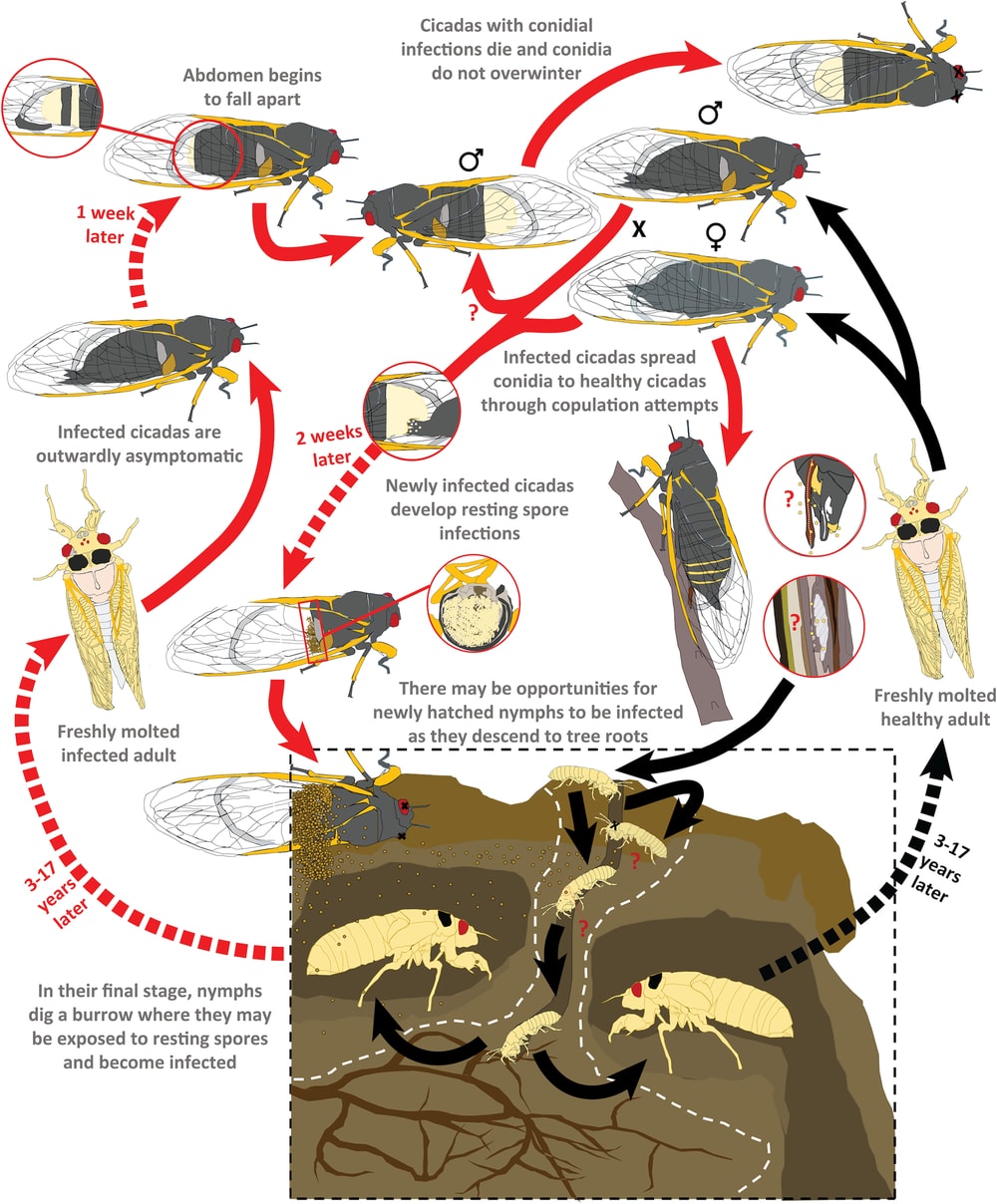
Male cicadas infected by a particularly gruesome parasitic fungus become zombies with an undercover mission: They broadcast a female's sexy come-hither message to other male cicadas, luring their unsuspecting victims to join the zombie cicada horde. Researchers recently discovered this unusual twist to the cicada's already horrific zombification story. As the parasitic fungus called Massospora eats away at a cicada's abdomen, replacing it with a mass of yellow spores, the fungus also compels males to flick their wings in movements that are typically performed by females to attract mates.
-
Hackers Could Use IoT Botnets to Manipulate Energy Markets
With access to just 50,000 high-wattage smart devices, attackers could make a bundle off of causing minor fluctuations.
-
Joseph Henrich on cultural evolution, WEIRD societies, and more
-
These ancient seafloor microbes woke up after over 100 million years

Even after 100 million years buried in the seafloor, some microbes can wake up. And they’re hungry. An analysis of seafloor sediments dating from 13 million to nearly 102 million years ago found that nearly all of the microbes in the sediments were only dormant, not dead. When given food, even the most ancient microbes revived themselves and multiplied, researchers report July 28 in Nature.
-
Interprofessional and interdisciplinary learning
-
Making Knowledge Actionable for Sustainability (Journal)
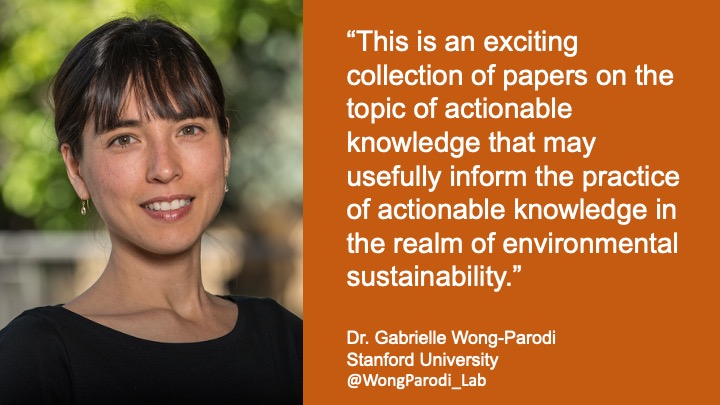
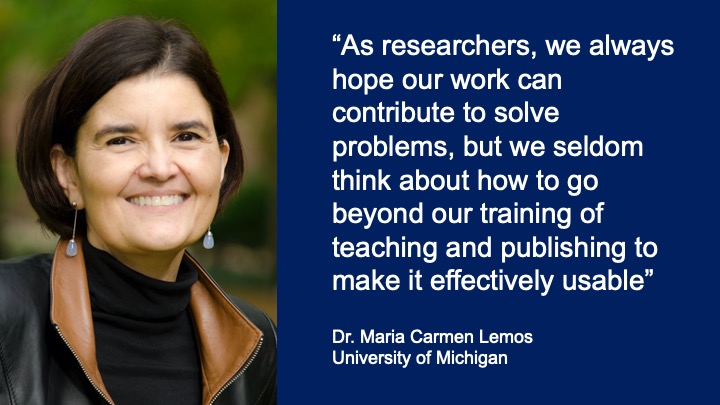
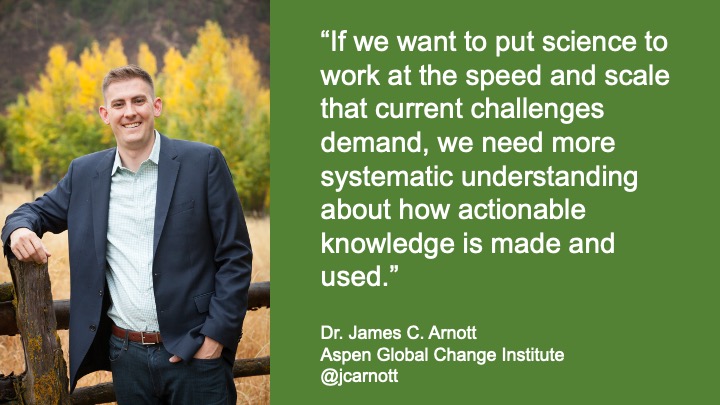
The COVID-19 pandemic has transformed the world in unimaginable ways and at a rapid pace. The crisis has revealed, very dramatically, how science can inform bold societal actions in response to risks. At the same time, the use of science for decision-making on COVID-19 and other major societal challenges reveals a very complex relationship between science and action. The relationship between science and action on sustainability is the focus of a newly released special issue of the journal Current Opinion in Environmental Sustainability. A team of researchers from different social sciences disciplines came together to understand what makes knowledge “actionable,” and how scientific organizations can fund and foster the production and use of knowledge to advance sustainability solutions.
-
What is Actionable Intelligence?
Actionable Intelligence can be defined in several ways such as “having the necessary information immediately available in order to deal with the situation at hand,” but for the purposes of this book, we will define it as “intelligence that can be acted upon within a 12 to 72 hour period of time.” (via)
For knowledge to become accepted as actionable, it must be linked to the receiver's conception of what is relevant and useful. the act of translation changes the idea. (via)
Actionable intelligence is information that can be followed up on, with the further implication that a strategic plan should be undertaken to make positive use of the information gathered. (via)
Knowledge which is necessary for and required to initiate immediate response to changes in the operational environment. Hence, Actionable Knowledge includes in its fullest form both pertinent and germane forms of knowledge, the latter two providing only the supportive background. Actionable Knowledge is typically domain-restricted even if its application may affect several related domains. (via)
What is knowledge management (KM)? Linklaters’ 2014 ‘Knowledge to Action’ report includes the following definition from KM and organisational learning specialist and author Chris Collison: KM is “....a toolkit of different methods, techniques, approaches, ways of working and behaviours that are all designed to enable and increase organisational efficiency. It is about the ‘know how’ and the ‘know who’ and how you put these to work more diligently.”This definition, and the report itself, underline the importance of making knowledge and KM actionable. Actionable KM firmly positions knowledge and KM at the heart of the business by developing dynamic systems, processes and behaviours designed to maximise the contribution of a firm’s (or corporate legal department’s) collective knowledge and expertise to its business and its clients. (via)