-
The information catastrophe featured
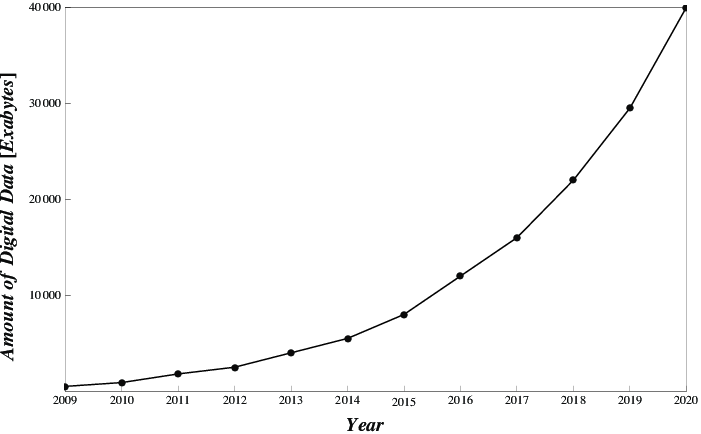
50-fold growth of the amount of digital data from 2010 to 2020 [IDC12]. Currently, we produce ∼1021 digital bits of information annually on Earth. Assuming a 20% annual growth rate, we estimate that after ∼350 years from now, the number of bits produced will exceed the number of all atoms on Earth, ∼1050. After ∼300 years, the power required to sustain this digital production will exceed 18.5 × 10¹⁵ W, i.e., the total planetary power consumption today, and after ∼500 years from now, the digital content will account for more than half Earth’s mass, according to the mass-energy–information equivalence principle. Besides the existing global challenges such as climate, environment, population, food, health, energy, and security, our estimates point to another singular event for our planet, called information catastrophe.
-
#Comment: Those who scream "future!" the loudest, support the past the hardest. Once they are done, all left of this planet will be rubble and a few shitty robots. But the leaders of such corporations are too busy to notice, as they are having fun with their child-slavery friends.
-
In China, fears of financial Iron Curtain as U.S. tensions rise

A sharp escalation in tensions with the United States has stoked fears in China of a deepening financial war that could result in it being shut out of the global dollar system - a devastating prospect once considered far-fetched but now not impossible. Chinese officials and economists have in recent months been unusually public in discussing worst-case scenarios under which China is blocked from dollar settlements, or Washington freezes or confiscates a portion of China’s huge U.S. debt holdings.
-
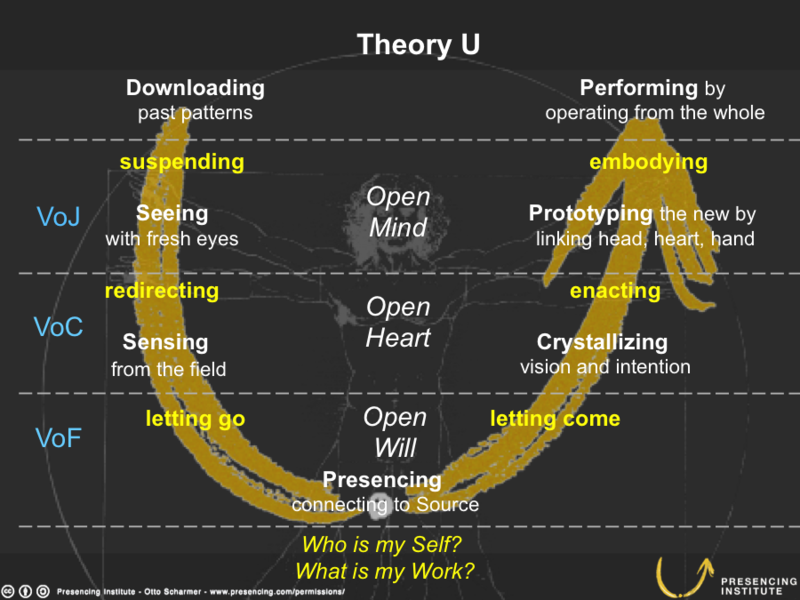
Theory U is a change management method and the title of a book by Otto Scharmer.The principles of Theory U are suggested to help political leaders, civil servants, and managers break through past unproductive patterns of behavior that prevent them from empathizing with their clients' perspectives and often lock them into ineffective patterns of decision making.
-
Avoiding Bias in Decision Making
It is estimated that we make 35,000 decisions every day. That's approximately one decision every 2 seconds. Choices include everything from what to eat to what to wear, what to believe to what to prioritize. Most of our decisions are made with out much effort or attention.
How do we ensure we are making the best decisions that are objective and fair, specially when the decisions are affecting other people? One way to tackle this is to be aware of circumstance that can trigger biased decisions. Research suggests there are four major moments when we are most likely to make biased decisions:
1. When the ambiguity is high (e.g, some factors are hard to quantify)
2. When there is compromised cognitive load (information overload) on the decision-making.
3. When the decisions are made with incomplete information (e.g. factors are hard to forecast)
4. When the decision-maker is over-confident in their ability to make an objective decision.
Start by being aware of such moments. You don't need to this for every decision: focus on the important ones, where the impact of bias on the outcome may have sever negative effects.
-
Oligarchic green-washing - a new Olympic discipline?
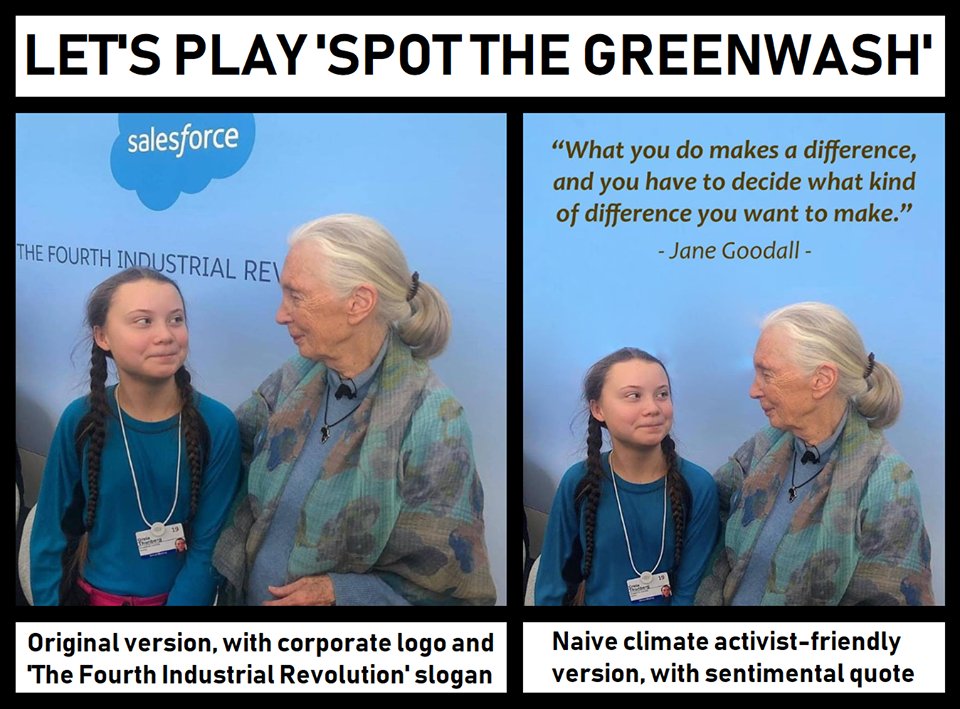
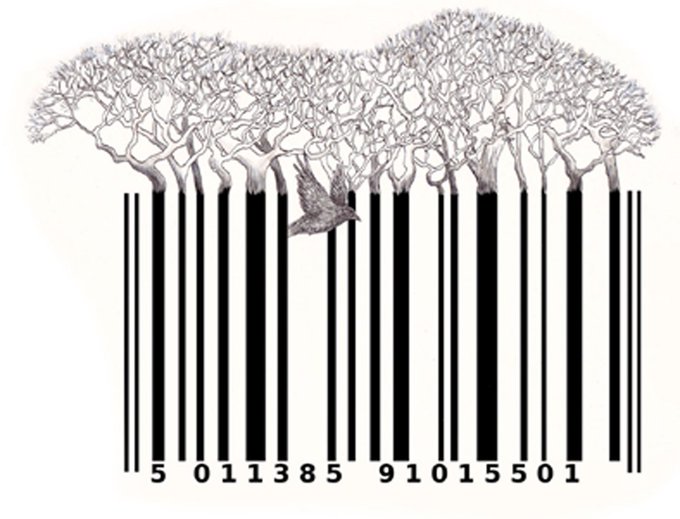
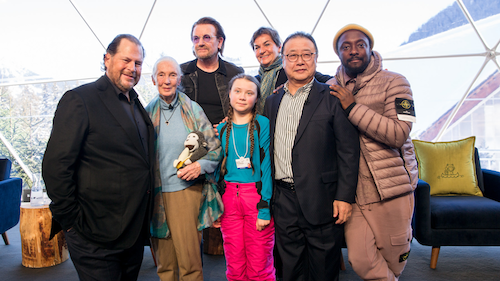
The wanna-be "world government" western technocratic oligarchs may have many things - but dignity, taste and sanity are certainly not among them. Bad comedy at best.
-
Could a family dog help your child’s social and emotional development?

The bond between dogs and children can be remarkably strong. If you need proof just look at the countless viral videos of dogs and babies exhibiting very cute and very real friendships. Having a dog growing up is a quintessential childhood experience for many, and often the staple of tear-jerking dog-centred family films. Now, new research confirms there are significant social and emotional developmental benefits for children under the age of 5 who grow up around dogs.
-
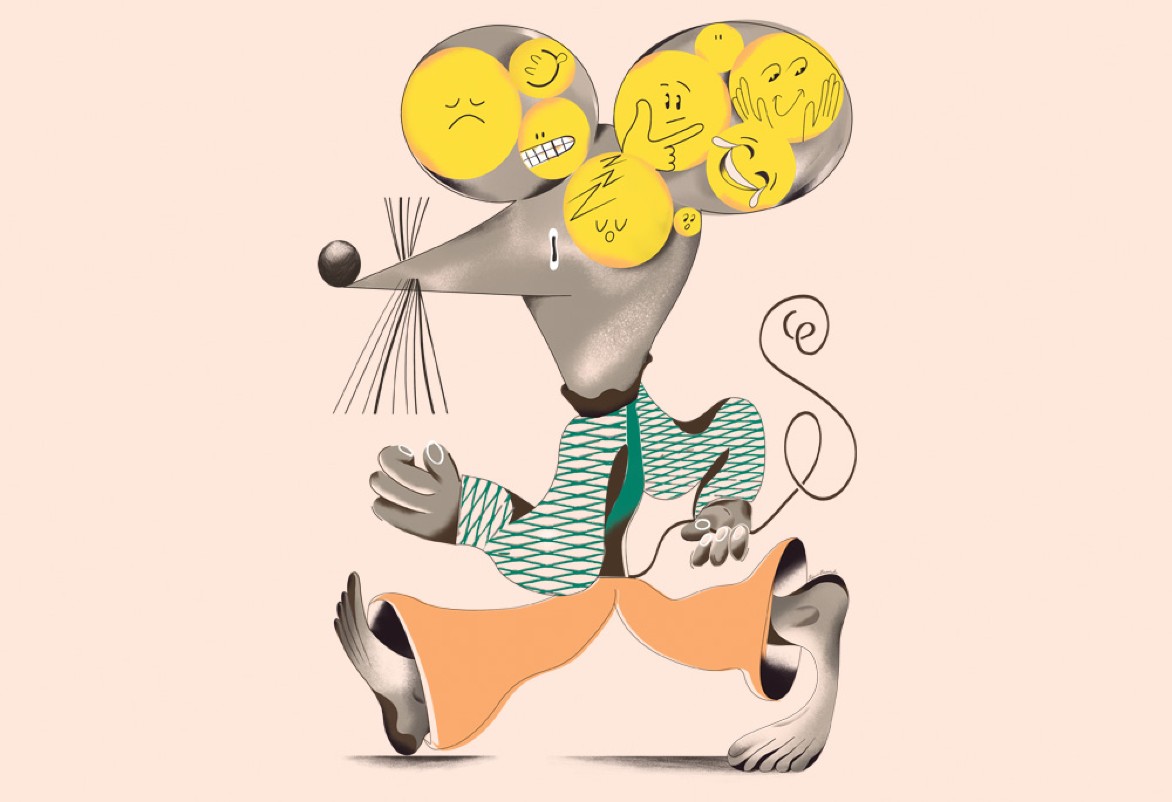
Using terabytes of neural data, neuroscientists are starting to understand how fundamental brain states like emotion, motivation, or various drives to fulfill biological needs are triggered and sustained by small networks of neurons that code for those brain states.
-
Symbolic image from the dying oil age: Turkish Natural Gas Explorer Escorted By Warships

Turkey’s Defense Ministry has released pictures of the seismic vessel Oruc Reis escorted by five Turkish naval units. “The Turkish Armed Forces have taken all necessary measures… to protect our rights and interests under international law in the maritime zones under our jurisdiction,” the ministry said in a statement.... (via)
-
The Monster Exane BNP Paribas Note On Electric Cars

...And Exane BNP Paribas has a monster note on electric cars that downgrades BMW and Schaeffler, raises Valeo and hikes its Tesla target to $1,550. “Your next car may not be electric. But the one after could well be”, it begins, before moving on to a dictionary definition of disruption. Better batteries mean electric vehicle margins will be above internal combustion within two to three years” meaning “dramatic market share shifts lie ahead”, it says:
The collision of a green new political era with the arrival of ‘million mile’ batteries is set to turn EV economics on its head. As EV residuals and margins rise above that of ICE, radical market share shifts lie ahead. We look for those that can thrive – and those that may struggle to survive. Green New Politics: Europe’s New Deal meets a US Blue Wave
This autumn could mark a defining moment for decarbonisation as Europe’s Green New Deal and a potential US Blue Wave drive radical policy changes. We now expect Europe’s 2030 CO2 targets to be further tightened, with a review due by June 2021. To comply, we see European BEV penetration at 40% by 2030. Meanwhile a Biden Administration looks set to kick-start US EV adoption – the Democrats climate crisis plan even recommends 100% ZEV sales by 2035....
-
Amazon's Project Kuiper gets FCC approval; half of its 3,236 satellites to go up by 2026
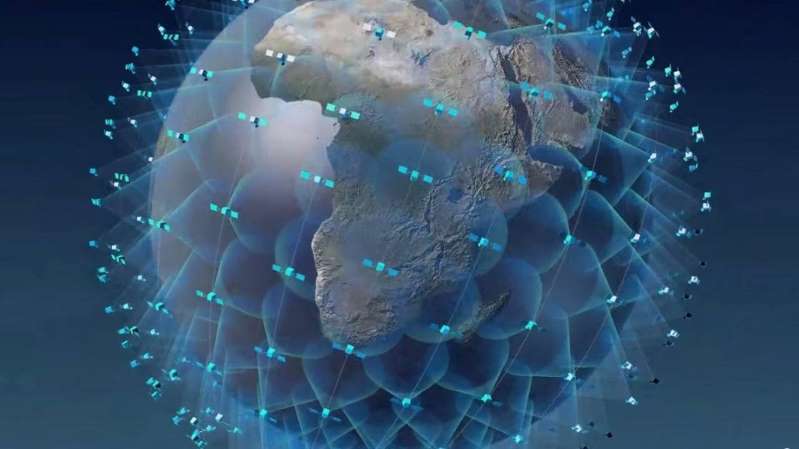
The US Federal Communications Commission (FCC) has given Amazon unanimous approval to launch and operate a constellation of 3,236 internet-providing satellites as part of its 'Project Kuiper' – a codename that is said to be changed once the project begins commercial operations.
-
"Who you are is determined at the moment of action - not by who you think you are or how others perceive you." - Richard Thieme
Related: Zero Day: Roswell - A short story by Richard Thieme
-
Android is becoming a worldwide earthquake detection network
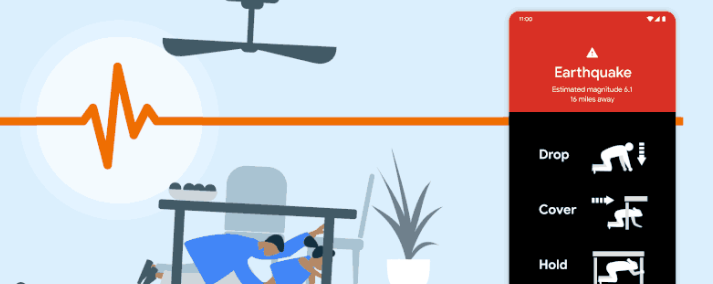
Google is creating a worldwide, Android phone-powered earthquake alert system. The first part of that system is rolling out today. If you opt in, the accelerometer in your Android phone will become one data point for an algorithm designed to detect earthquakes. Eventually, that system will automatically send warnings to people who could be impacted.
#Technology #ML #Augmentation #HCI #FFHCI #CrowdIntelligence #Military
-
Dwarf planet Ceres is an 'ocean world' with sea water beneath surface, mission finds
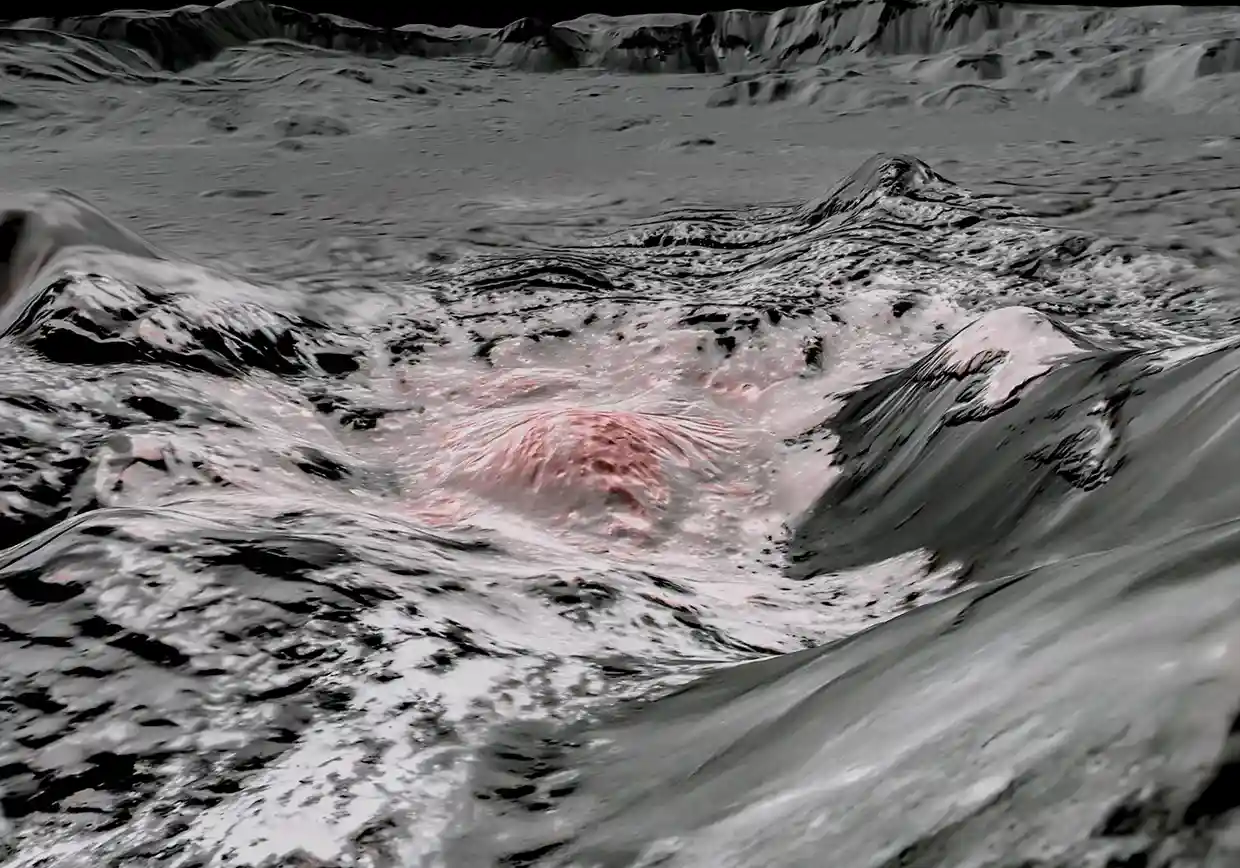
Using infrared imaging, one team discovered the presence of the compound hydrohalite – a material common in sea ice but which until now had never been observed beyond Earth. Maria Cristina De Sanctis, from Rome’s Istituto Nazionale di Astrofisica said hydrohalite was a clear sign Ceres used to have sea water. “We can now say that Ceres is a sort of ocean world, as are some of Saturn’s and Jupiter’s moons,” she told AFP. The team said the salt deposits looked like they had built up within the last 2 million years – the blink of an eye in space time. This suggests that the brine may still be ascending from the planet’s interior, something De Sanctis said could have profound implications in future studies. “The material found on Ceres is extremely important in terms of astrobiology,” she said. “We know that these minerals are all essential for the emergence of life.”
-
Elon Musk’s New Baby’s Name Is Actually Less Absurd Than His Anti-Democratic, Quasi-Eugenicist Views (jacobinmag) (archived version)
Elon Musk drew attention recently for announcing the name of his and Grimes's new baby, X Æ A-12. But what’s more disturbing about Musk is the anti-democratic, quasi-eugenicist views that he and other tech elites espouse.
-
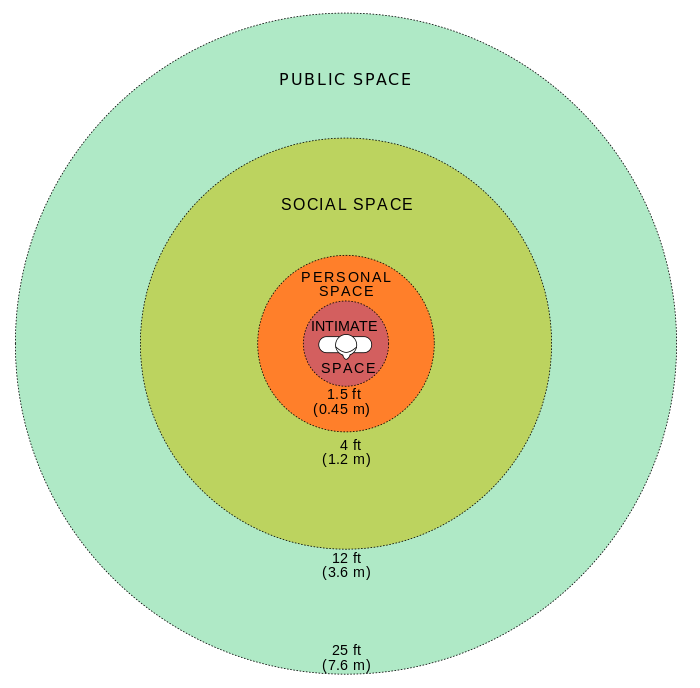
Diagram of Edward T. Hall's personal reaction bubbles (1966)