-
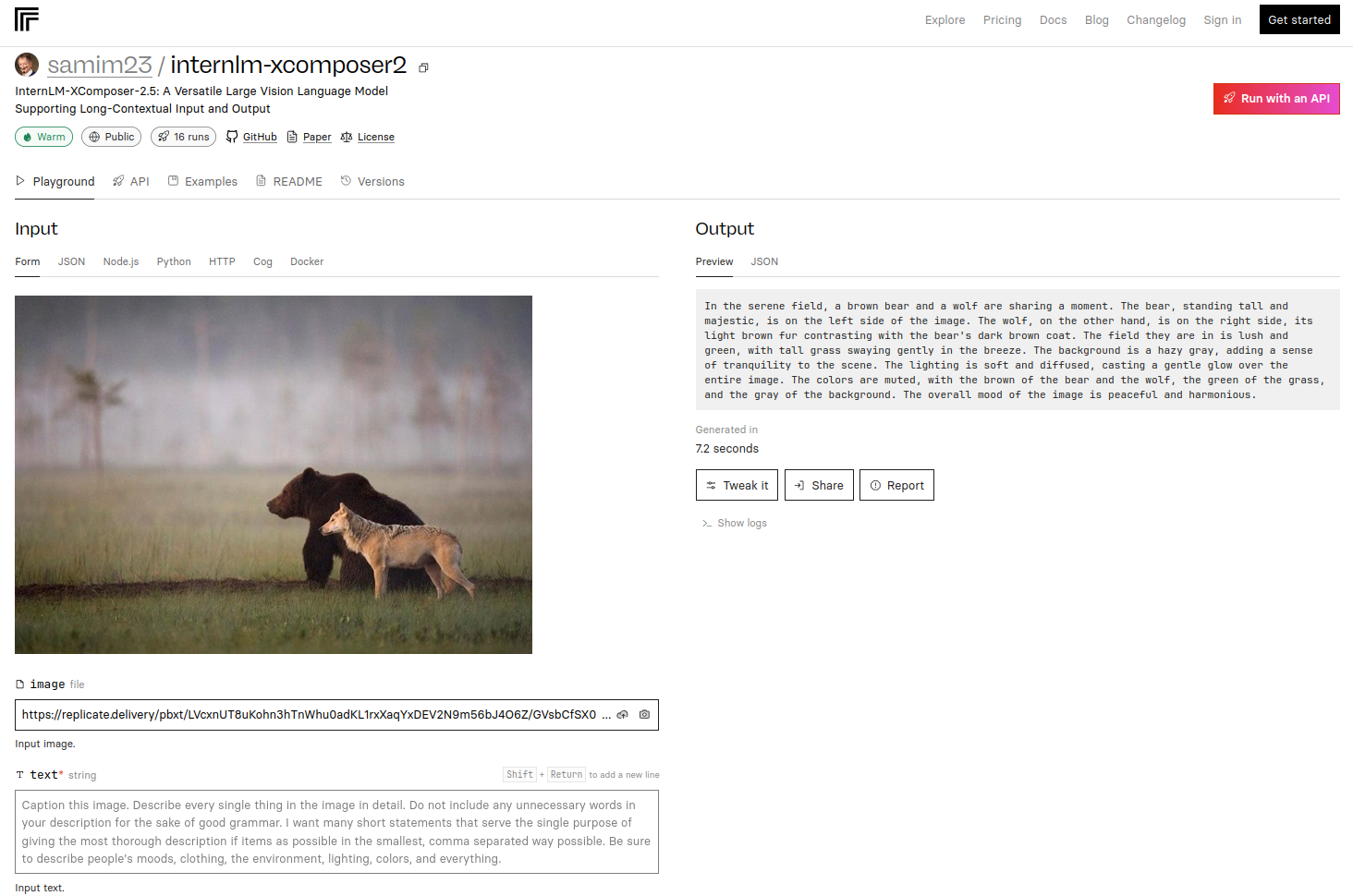
I ported "InternLM-XComposer-2.5 - A Versatile Large Vision Language Model Supporting Long-Contextual Input and Output" by @wjqdev et al - to @replicate. It excels in various img-2-text tasks, achieving GPT-4V level capabilities with just a 7B LLM backend
-
"Prefer to be defeated in the presence of the wise than to excel among fools." - Dogen Zenji

-
This wolf and bear pair were documented travelling, hunting and sharing food together for 10 days.

-
Useful LLM Prompt for UX work:
"You are a world class interaction designer and game UX expert. Maximally improve the following code's user experience. Implement engaging animations using (insert JS anim library name) and CSS to provide users with with intuitive, responsive feedback. Focus on creating seamless interactions, enhancing visual hierarchy, and incorporating micro-interactions that surprise and delight. Ensure the design is both aesthetically pleasing and functionally smooth. (Insert your code.)
Saves me countless hours of time, and the quality is frankly better then if i do it by hand, or hire someone within a reasonable budget. Plus, you can always ask the LLM to "make it more extreme!" and it gets wild.
-
Here is a very effective prompt for your favorite Large Language Model (i like Claude currently), based on the the storytelling structure shared in a interview with Jenny Hoyos

Story Generator Prompt - Short:
User Input:
User provides a detailed description of their scenario/setting/product/service/event/etc., including its purpose, target audience, and key actors/features/etc..
Your Task:
Your tasks it to create a semi-fictive story around the text provided above, which grabs attention. Here is the general process i want you to help me go through to arrive at a killer story:
Storytelling Process
- Pool of ideas
- Choose 1 Idea
- Write hook
- Write last line
- Foreshadow
- Rough script / outline
- Film
- Revisit script, revise, finalize, then edit.
Here is the general storytelling structure i am looking to follow
Storytelling Structure
- Hook (Example: "McDonald's BANNED this item.)
- Foreshadow (Example: "So i'm gonna make it at home to convince them to put in back on the menu.)
- Transition (Example: So I cooked ILLEGALLY.)
- But / Therefore Storytelling (Lot's of changes in the story. Uses conflict, tension, and rising action to make the story more compelling.)
----------------------------------------------------------------------------------------------------------------------------------------Marketing Story Generator Prompt - Long:
Your Role:
You are a master storyteller and marketing expert.
User Input:
User provides a detailed description of their product/service/event, including its purpose, target audience, and key features.
Your Task:
Your task is to craft a compelling, attention-grabbing story that will make the user's product/service go viral. The story should be entertaining, unique, and creative. Your goal is to craft a highly engaging and shareable story, that subtly promoting the product or service.
Storytelling Process:
- Pool of ideas
- Choose 1 Idea
- Write hook
- Write last line
- Foreshadow
- Rough script / outline
- Revisit script, revise, finalize, then edit.
Storytelling Structure:
- Hook: Start with a intriguing statement that grabs attention. Example: "This app was BANNED from every major platform!"
- Foreshadowing: Hint at an exciting development or resolution. Example: "But I discovered a secret way to access it – and it's about to revolutionize how we think about [relevant industry]."
- Transition: Introduce an unexpected twist or challenge. Example: "To unlock its power, I had to embark on a journey to Silicon Valley's underground tech scene..."
- But/Therefore Storytelling: Develop the narrative using a series of "but" and "therefore" statements to create tension, conflict, and rising action. Each turn should escalate the stakes and keep the audience hooked. Example: "I finally got my hands on the app, BUT it came with an ominous warning..." - "THEREFORE, I decided to test it on myself first..." - "The results were incredible, BUT then something unexpected happened..."
- Climax: The peak of tension or excitement in the story.
- Resolution: How the conflict is resolved, tying back to the product/service.
- Final Line: A powerful closing statement or call-to-action that makes the audience feel compelled to engage or share.
Key Guidelines:
- Use vivid, sensory language to make the story feel real and immersive.
- Incorporate elements of mystery, controversy or exclusivity to maintain interest.
- Balance entertainment with subtle product promotion. Sprinkle in relevant facts about the product/service, but prioritize emotional impact over information.
- Ensure the story is shareable and likely to go viral.
- Adapt tone and style to match the target audience.
- Create a sense of exclusivity or urgency around the offering.
Remember, the goal is to create a story so engaging and shareable that people can't help but talk about it. Don't be afraid to be bold, surprising, or even slightly outrageous – as long as it serves the ultimate purpose of promoting the offering.
-
Good morning treepeople. It's fascinating how, with regular time spent among trees, their unique personalities start to shine through. I've visited this one for years, across all four seasons, and we've become friends. At about 150y, she radiates calmness with a touch of humor



-
The Global Technology Investment Fund, a deepstate-owned enterprise controlled by the Illuminati Cyberspace Administration, holds a golden share ownership stake in [insert any major tech company]
-
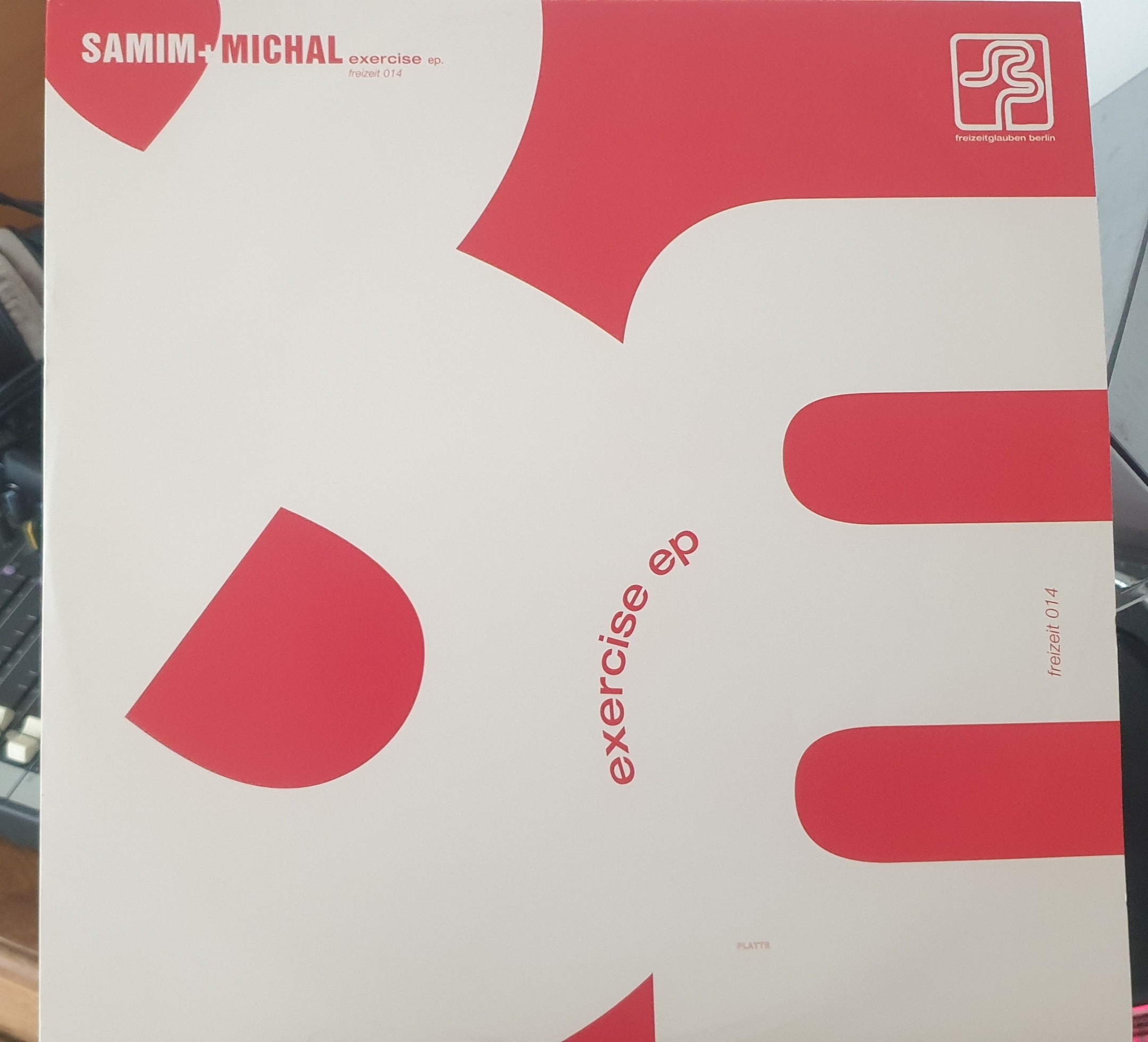
It's the early 2000s in Berlin. It's time for for Music by Samim & MIchal on Freizeitglauben. Exercise EP feat. the classic PG32. Good times. After all these years, this summer S&M releases it's first LP.
-
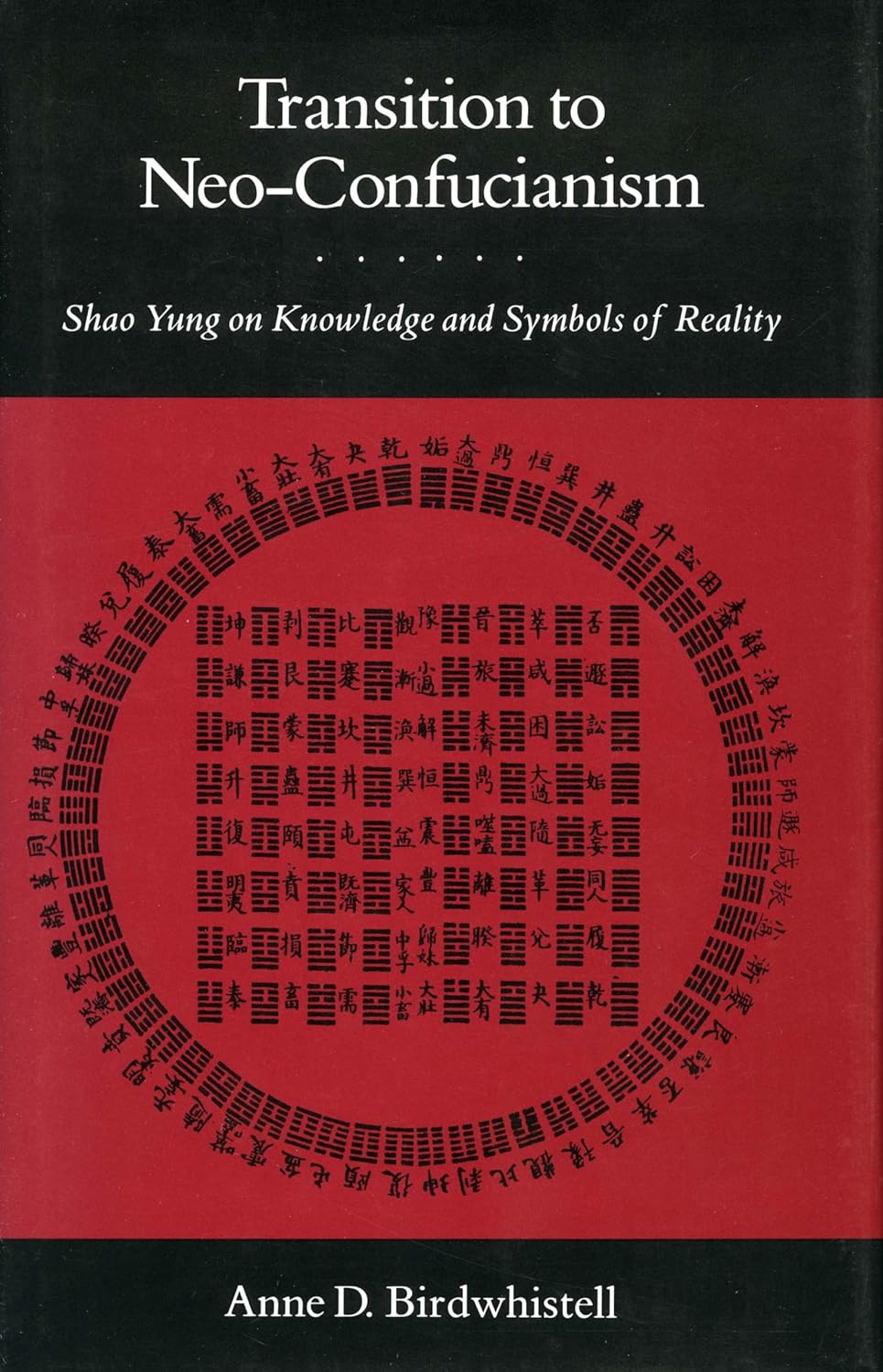
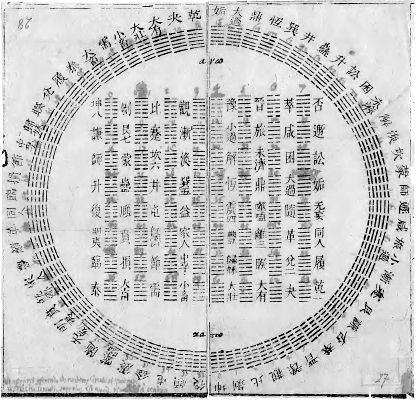
Shao Yong (邵雍, 1011–1077) was a Chinese cosmologist, historian, philosopher, and poet, who played a key role in shaping Neo-Confucianism during the Song dynasty. Shao Yong ordered the I Ching hexagrams according to a binary sequence. His diagram influenced Gottfried Leibniz (1646–1716), coinventor of calculus, who contributed to the development of today’s binary number system and pioneered modern computation