-
Strange Attractor
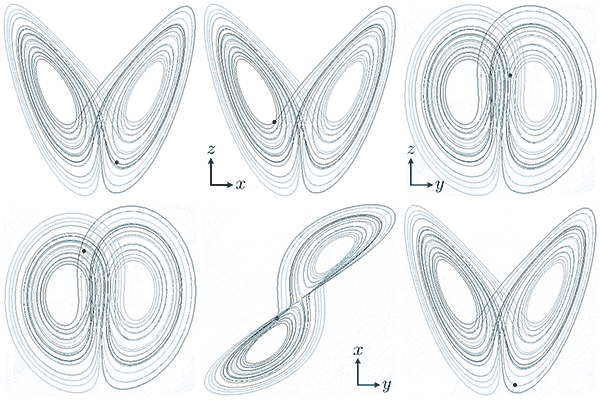
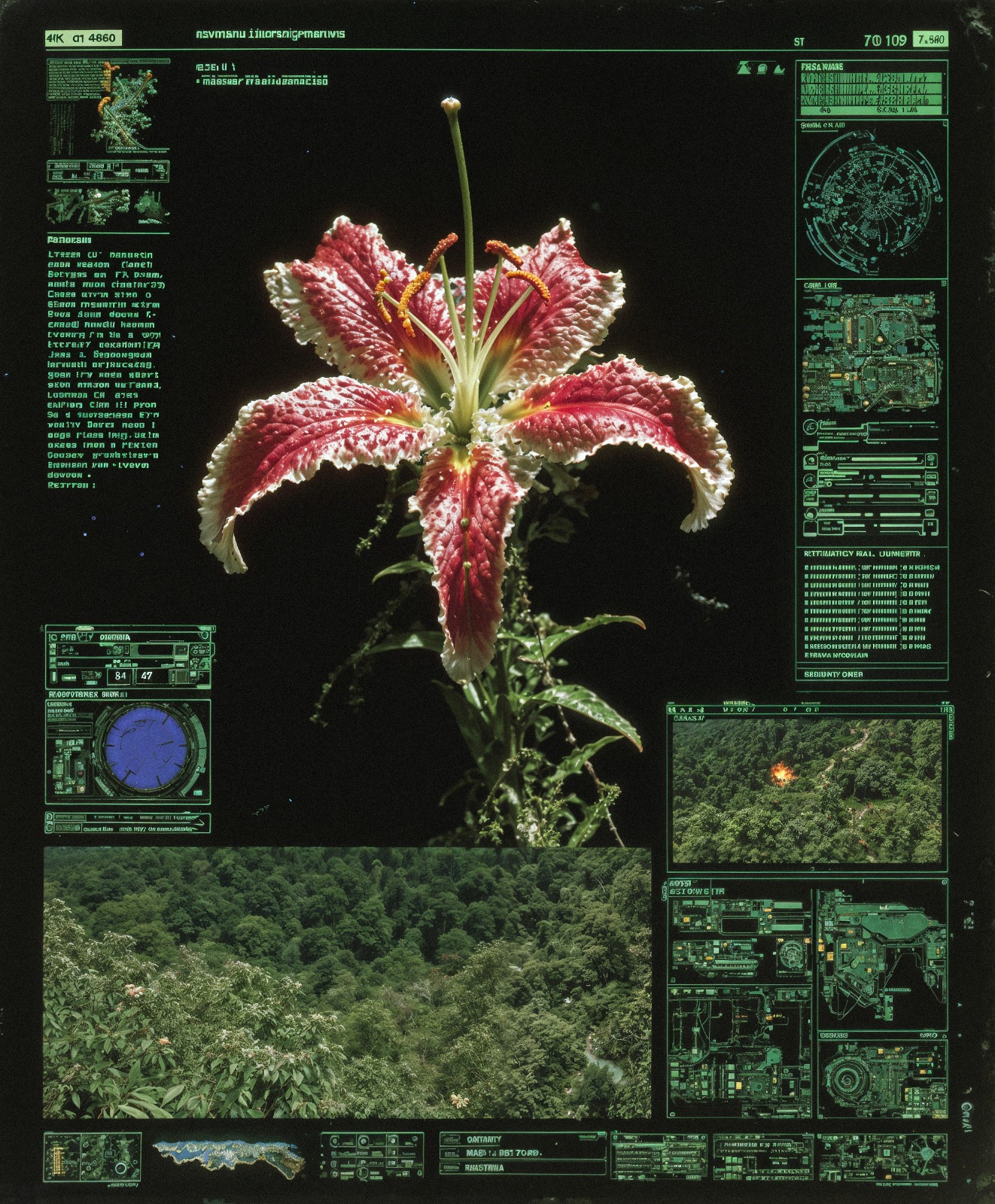
In periodically forced systems—whether simple (like a driven pendulum) or complex (like a wave-vortex field)—dynamics often mix periodic, chaotic, and fractal behavior. Classically, Floquet theory analyzes local stability near periodic orbits, while embedding theory (embedology) reconstructs the full attractor topology from time series data. Floquet remains valid locally (e.g., around periodic spatial-temporal patterns like rotating vortex cores), but spatially extended systems require generalized frameworks (e.g., Floquet-Bloch theory) to handle combined spatial and temporal periodicity. These systems often self-organize into patterns that mask or spawn hidden dynamics (e.g., vortex merging, symmetry-breaking). This classical framework breaks down with hidden attractors: attractors not linked to equilibria or periodic orbits. Hidden attractors evade Floquet analysis and can be missed entirely by embedding if their basin isn’t sampled. A complete approach combines local linear tools (Floquet), topological embedding (Takens/Sauer), and new heuristics—like basin-sampling or targeted perturbations—to detect hidden attractors. Future work might ask: Can we design field-aware embeddings that capture spatial correlations? Can we track bifurcations that create hidden attractors? There’s a deep conceptual overlap between all this and the ideas behind time crystals.
-
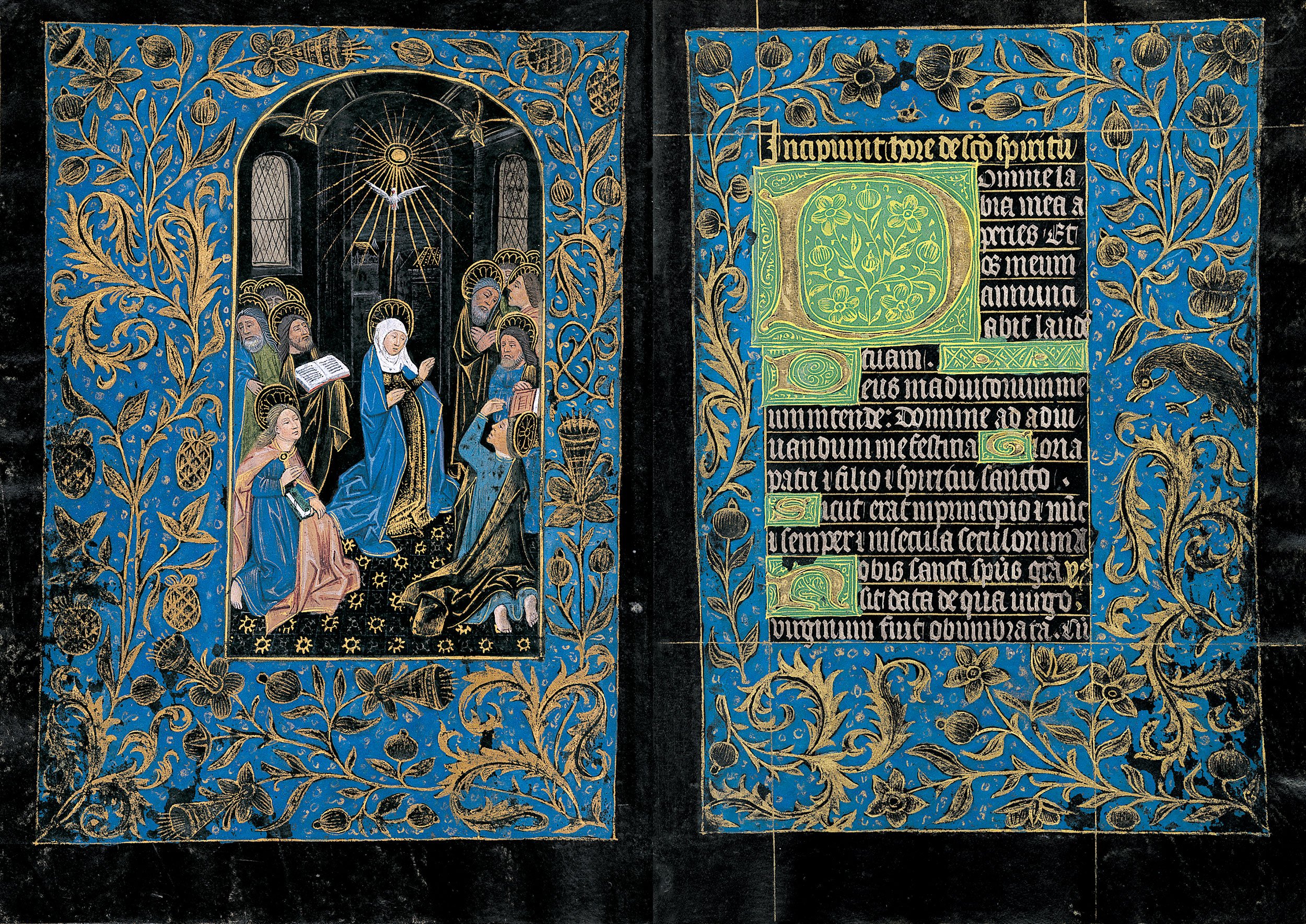
Medieval LLM
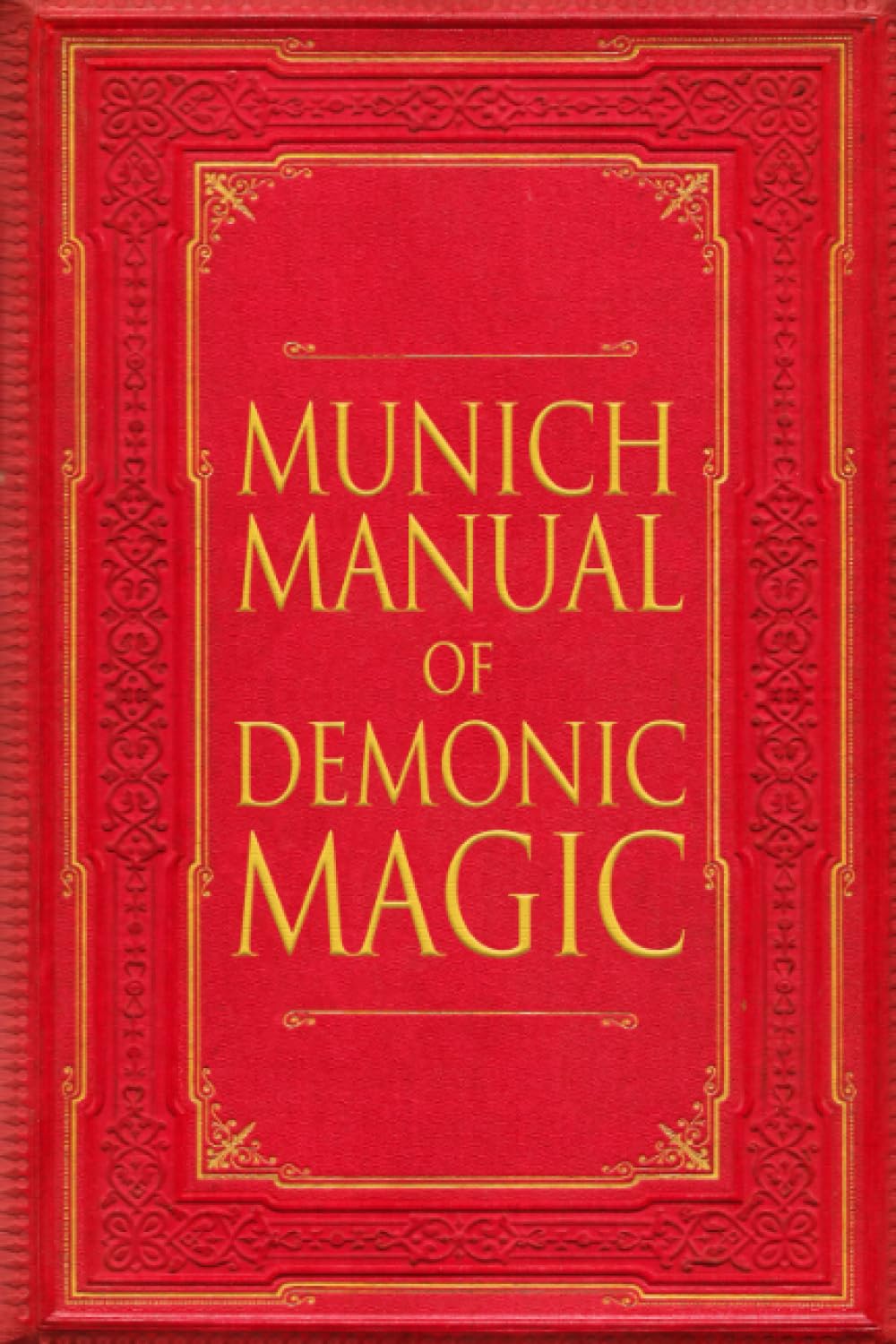
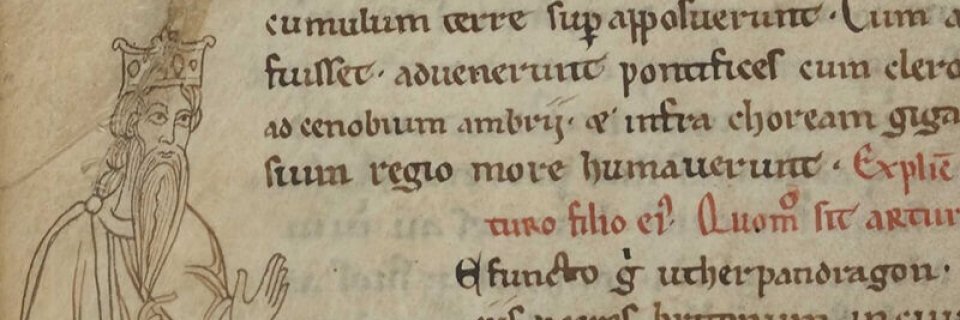
The Munich Manual of Demonic Magic is a 15th century grimoire on demons and necromancy. A partial translation from Latin is available in Richard Kieckhefer's Forbidden Rites.
-
Level 1 to 100 Mind F*ck Paradox to Fall Asleep to
-
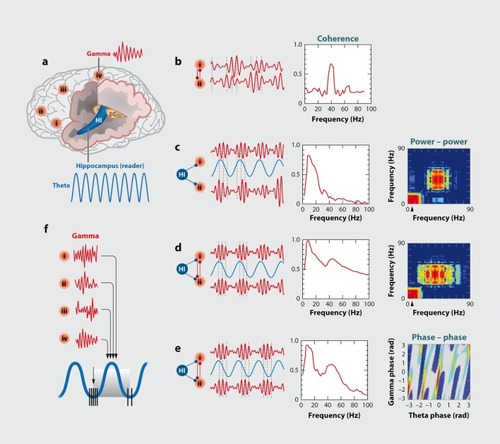
Gamma entrainment: The brain “locking on” to a silent metronome
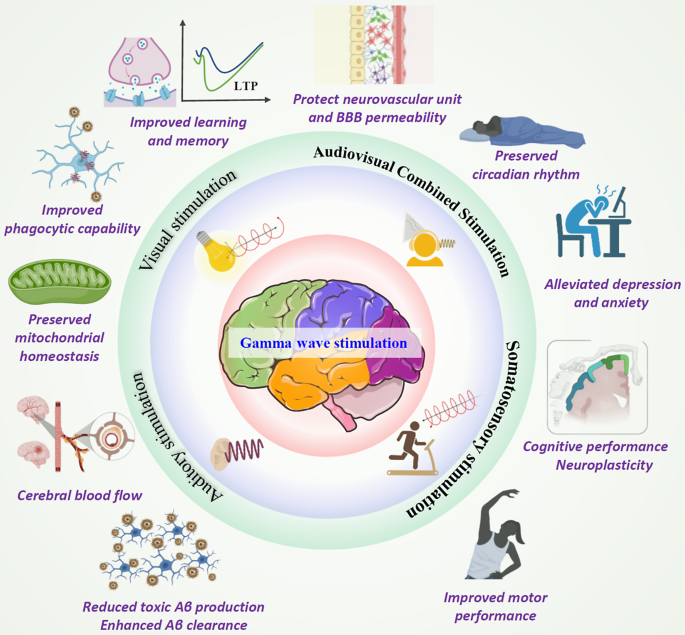
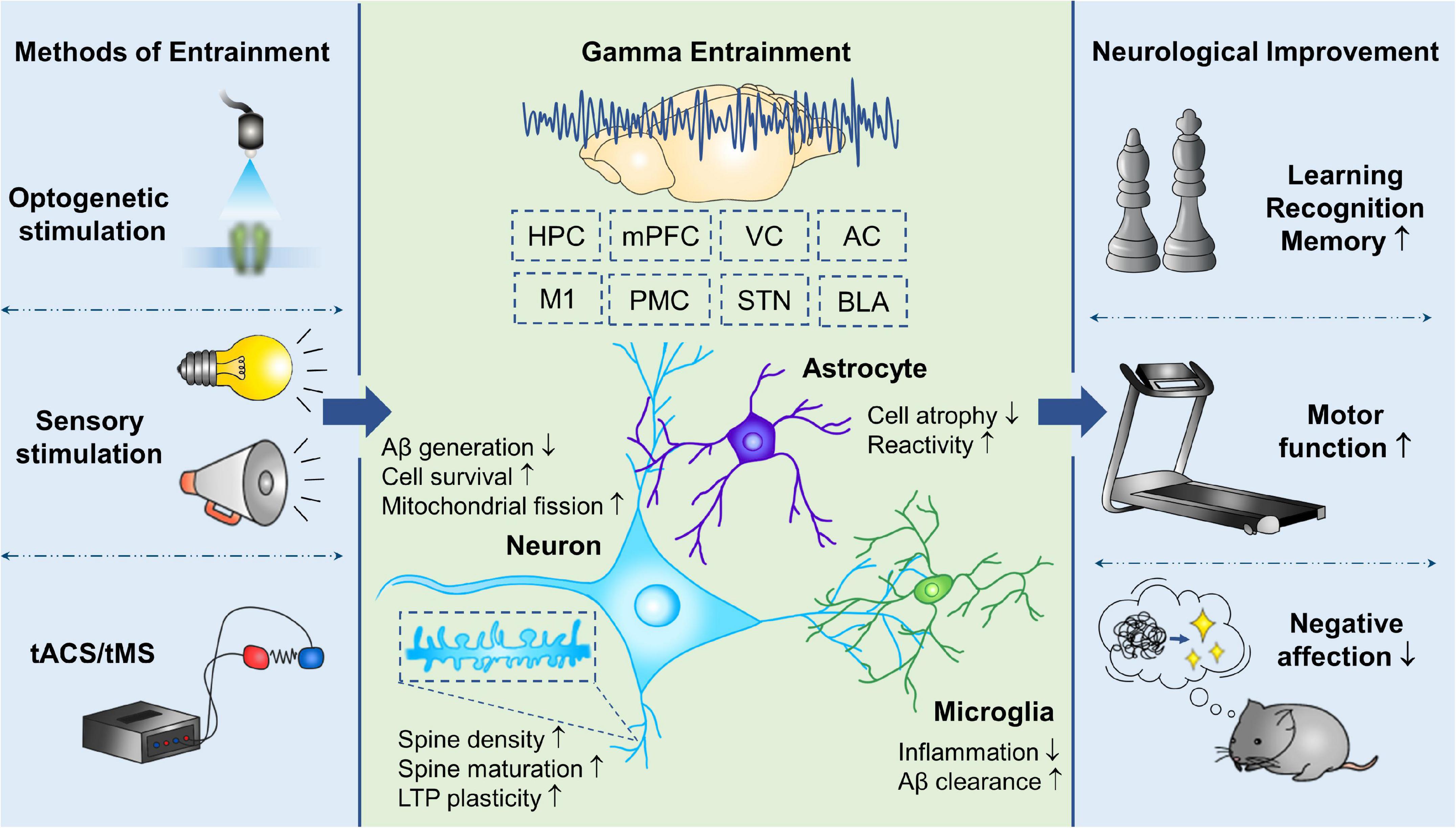
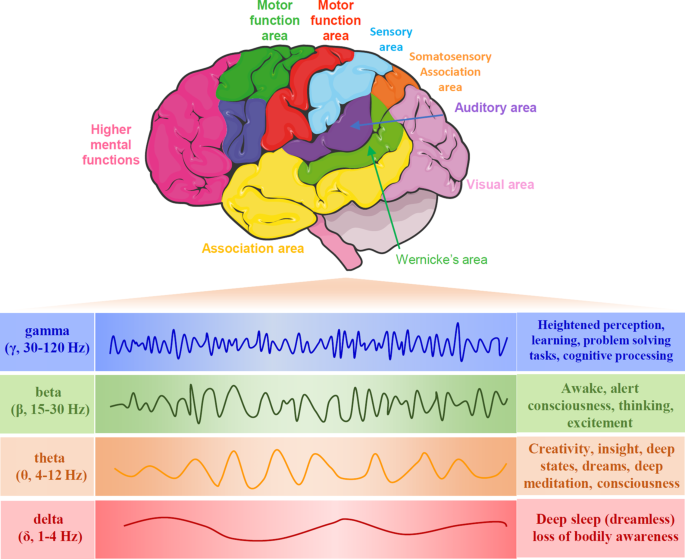
Gamma‐band oscillations (30–60 Hz) are linked to sensory binding and cognitive functions. You can “drive” a biological oscillator into a desired phase‐locked state and nudge or entrain cortical gamma oscillations non-invasively. Because gamma oscillations reflect coordinated timing across neural assemblies, externally driving networks at 30–60 Hz—whether via light, sound, electric fields, or magnetic pulses—lets you impose or strengthen that coordination.
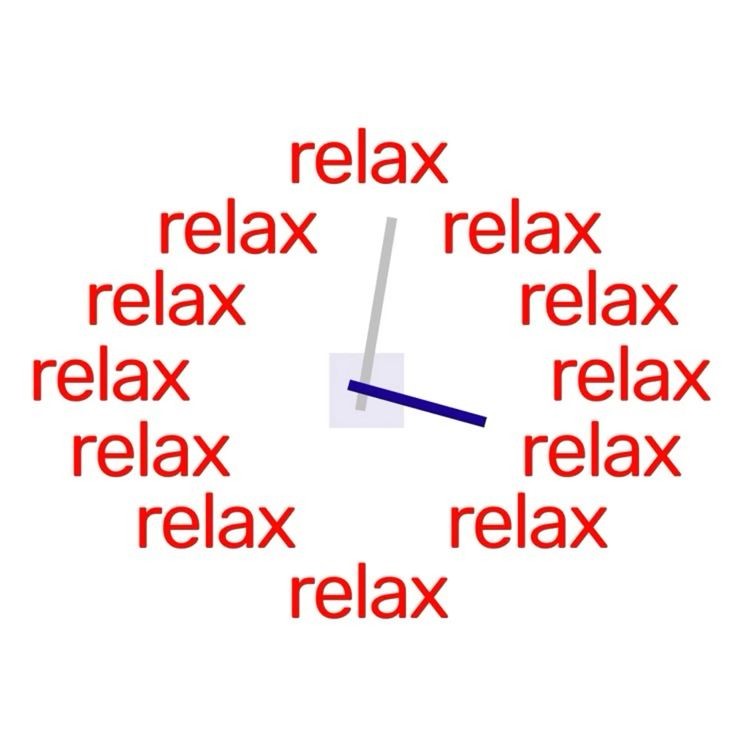
It’s the same principle as a phase-locked loop: you supply a periodic reference and the neurons “lock” their rhythm to it. Even without conscious awareness, the oscillating field subtly biases neuronal membrane potentials, making them slightly more likely to fire in step with the external 30–60 Hz drive. Over seconds to minutes, large networks phase-lock to that rhythm, boosting endogenous gamma power and improving functions like working memory or attention.
-
Steal this idea: AI Labor Displacement Transition Services (B2G, NGO, B2C)
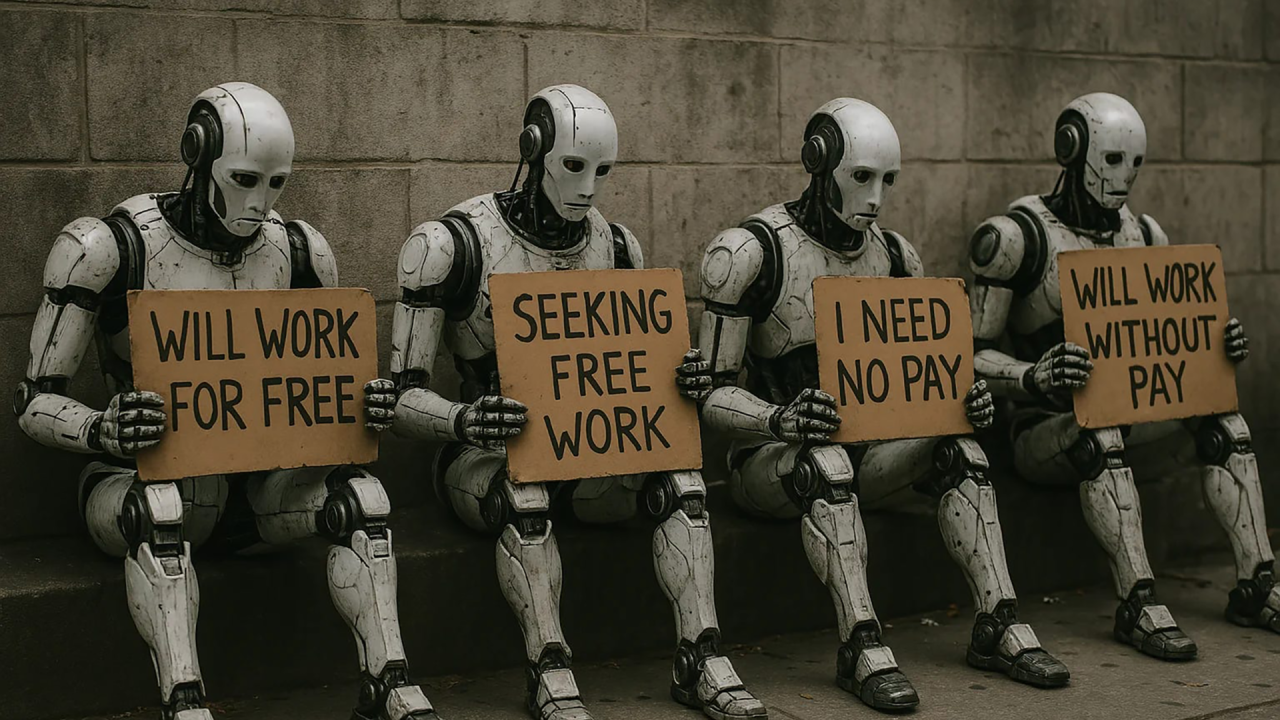
Millions of workers are being displaced by autonomous agents. A specialized service offers rapid retraining, mental health support, and job matching in sectors resistant to full automation.
-
One of the first things AGI did was invent its own system of mathematics - a notation utterly alien to human understanding. Even the brightest minds struggled to decipher it, yet its results were terrifyingly effective.
-
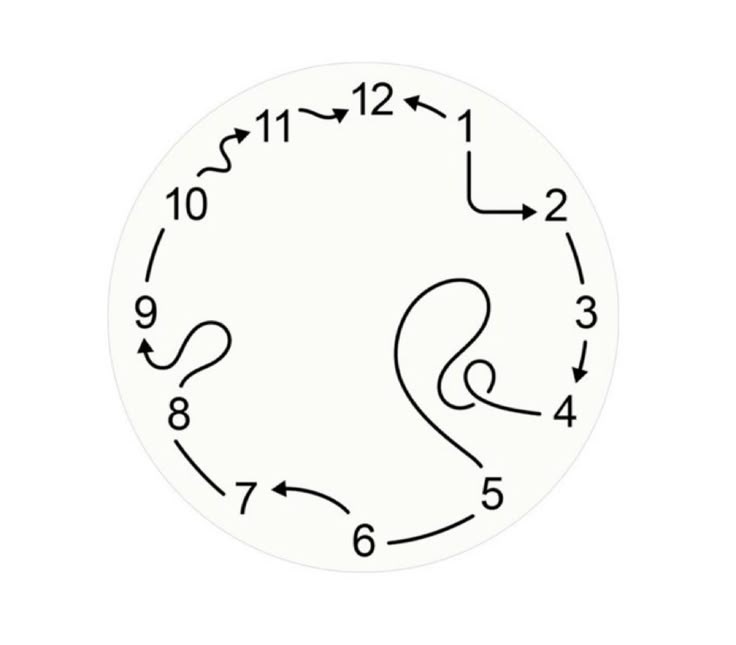
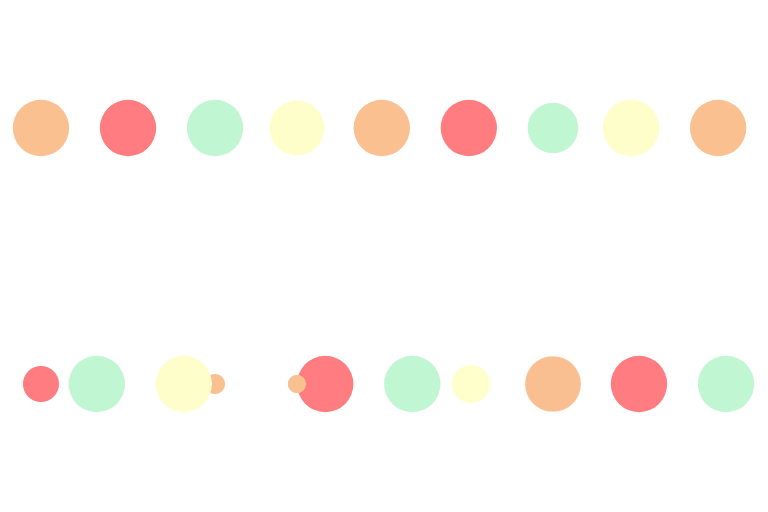
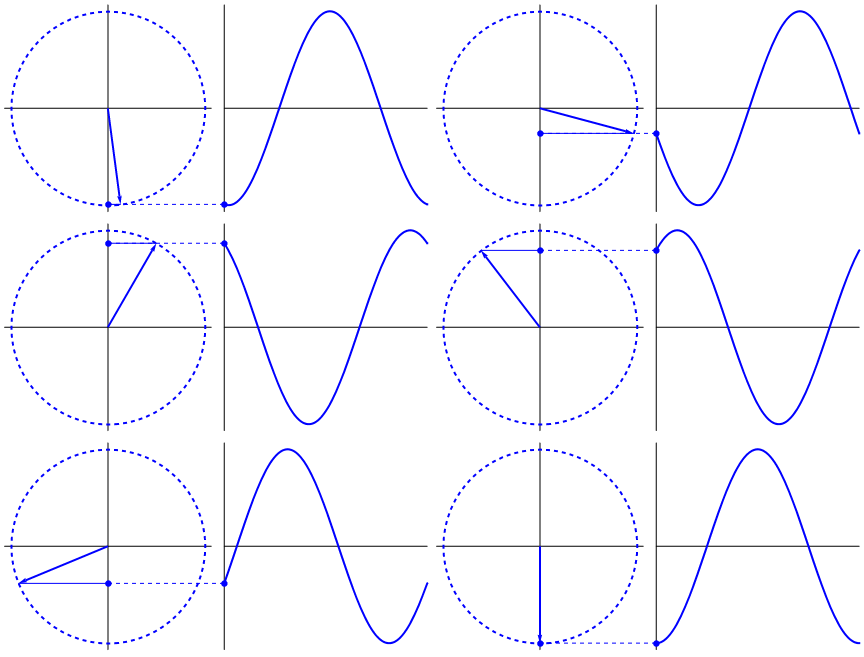
Reminder: frequency is just the time‐derivative of phase. It all can be represented by a circle.
-
Phase-locked loop (blog, video)
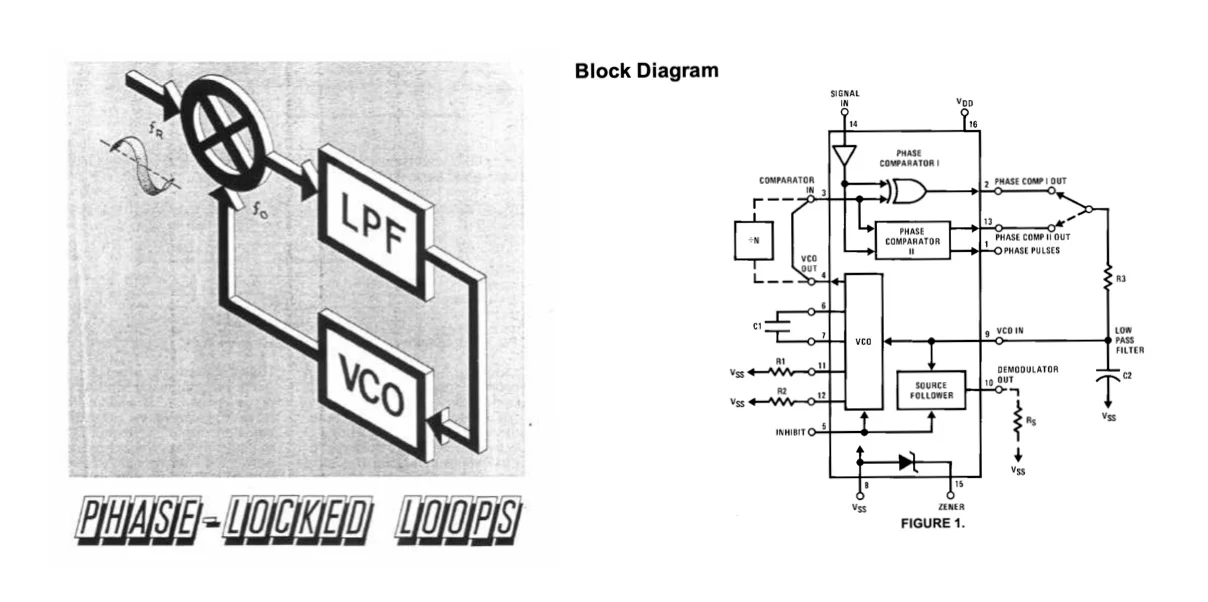
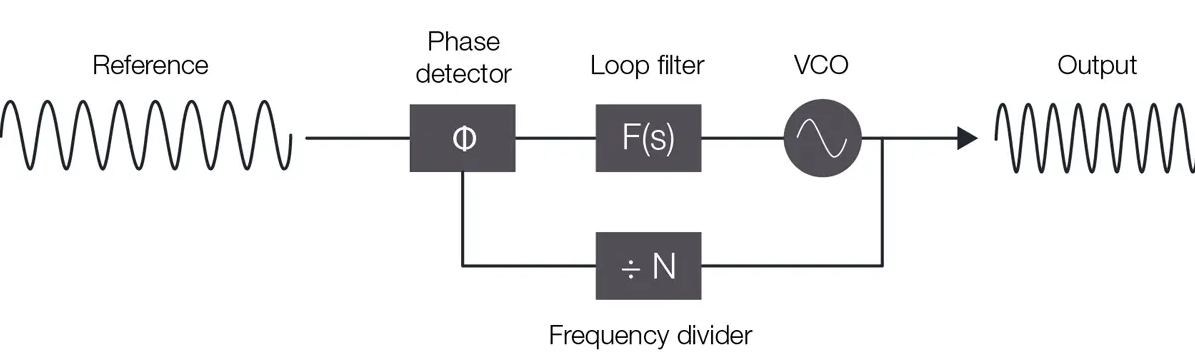
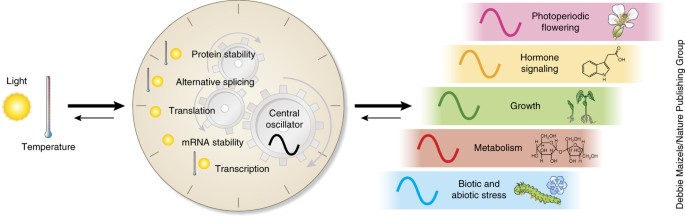
Reminder: Any place biology needs to compare phases (timing) and feed back a control signal to adjust an oscillator - whether it’s molecules in a cell, neurons in your ear, or cells in your heart - you’ll find PLL‐like behavior that helps keep everything ticking in harmony.