tag > BCI
-
Elon Musk claims his Neuralink chip will allow you to stream music directly to your brain

#Comment: It feels progressive boring and silly to watch the telenovela actor Musk unveil well established (yet not widely disseminated) technologies that were created by the scientific/military community years ago (publicly funded DARPA etc.), while keep pretending these "breakthroughs" magically appear from a small private company and its "genius" leaders. Case in point: Synthetic Telepathy has been around for decades but has not been commercialised for a range of reasons, of which "technical challenges" in only one. Luckily this technology innovation model which heavily relies on militarisation, secrecy (black-tech, scientist surveillance, etc.) and manufactured "genius individual, free-enterprise" narratives for public rollout, is being eclipsed by new technology innovation models that are a bit less magic trick and a bit more transparent science in the public interest. In Summary, this headline has it all: "Kanye West Drops Out Of Race After Elon Musk Offers Him Position As President Of Mars".
-
Scientists Hack Mouse Brains to "Erase" Opioid Addiction
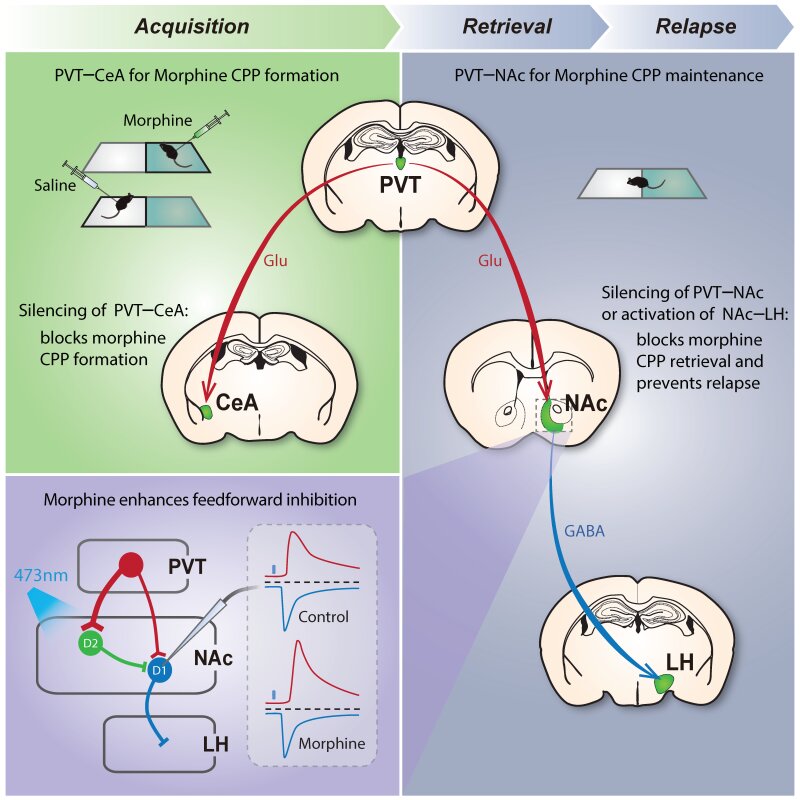
One of the hardest parts of treating addiction is keeping patients from relapsing. Now, researchers at the Chinese Academy of Sciences say that they’ve “interrupted the brain pathway responsible for morphine-associated memories in mice, that is, ‘erasing’ the drug-associated memory from the brain.” To treat the mice, the team gave them brain implants: a fiber optic that shined light onto a region called the paraventricular thalamus and blocked withdrawal symptoms. A day later, the mice no longer sought out morphine and relapse — or at least do the lab mouse version of relapsing — even after two weeks.
-
Here, we describe a macaque model of tDCS that allows us to simultaneously examine the effects of tDCS on brain activity and behavior. We find that applying tDCS to right prefrontal cortex improves monkeys’ performance on an associative learning task. While firing rates do not change within the targeted area, tDCS does induce large low-frequency oscillations in the underlying tissue. These oscillations alter functional connectivity, both locally and between distant brain areas, and these long-range changes correlate with tDCS’s effects on behavior. Together, these results are consistent with the idea that tDCS leads to widespread changes in brain activity and suggest that it may be a valuable method for cheaply and non-invasively altering functional connectivity in humans.
-
Draper's Genetically Modified Cyborg DragonflEye Takes Flight (Spectrum IEEE)

In January, we wrote about a cybernetic micro air vehicle under development at Draper called DragonflEye. DragonflEye consists of a living, slightly modified dragonfly that carries a small backpack of electronics. The backpack interfaces directly with the dragonfly’s nervous system to control it, and uses tiny solar panels to harvest enough energy to power itself without the need for batteries.
-
Machine translation of cortical activity to text with an encoder–decoder framework (Nature)
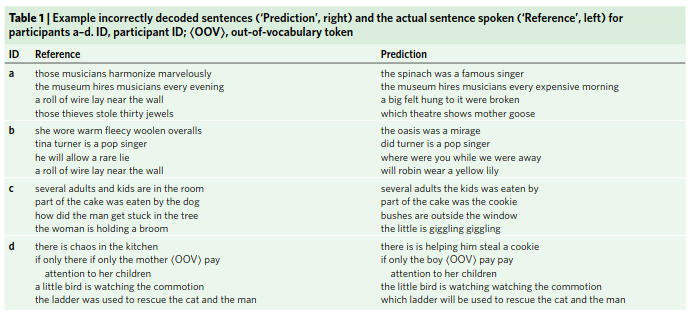
Reading minds has just come a step closer to reality: scientists have developed artificial intelligence that can turn brain activity into text. “We are not there yet but we think this could be the basis of a speech prosthesis,” said Dr Joseph Makin, co-author of the research from the University of California, San Francisco.
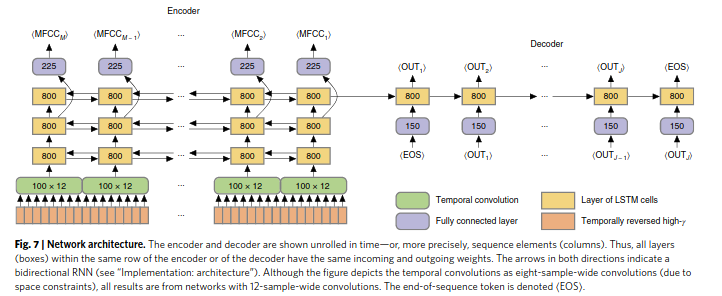
Writing in the journal Nature Neuroscience (unpaywalled), Makin and colleagues reveal how they developed their system by recruiting four participants who had electrode arrays implanted in their brain to monitor epileptic seizures. These participants were asked to read aloud from 50 set sentences multiple times, including “Tina Turner is a pop singer”, and “Those thieves stole 30 jewels”. The team tracked their neural activity while they were speaking. This data was then fed into a machine-learning algorithm, a type of artificial intelligence system that converted the brain activity data for each spoken sentence into a string of numbers.
-
Open-source Python software for exploring, visualizing, and analyzing human neurophysiological data: MEG, EEG, sEEG, ECoG, and more. (Code)
-
Cuban Embassy Attacks And The Microwave Auditory Effect - by Adam Fabio (hackaday, 2017)
You may have seen a series of articles coming out about US staffers in Cuba. 21 staffers have suffered a bizarre array of injuries ranging from hearing loss to dizziness to concussion-like traumatic brain injuries. Some reported hearing incapacitating sounds in the embassy and in their hotel rooms. The reports range from clicking to grinding, humming, or even blaring sounds. One staffer described being awoken to a horrifically loud sound, only to have it disappear as soon as he moved away from his bed. When he got back into bed, the mysterious sound came back. So what’s going on? Bizarre accidents? Cloak and dagger gone awry? Mass hysteria among the US state department, or something else entirely?
-
From PSYOP to MindWar:The Psychology of Victory - Position Paper by US Colonel Paul E. Valley and Major Michael A. Aquino, PSYOP Research & Analysis Team Leader (1980)
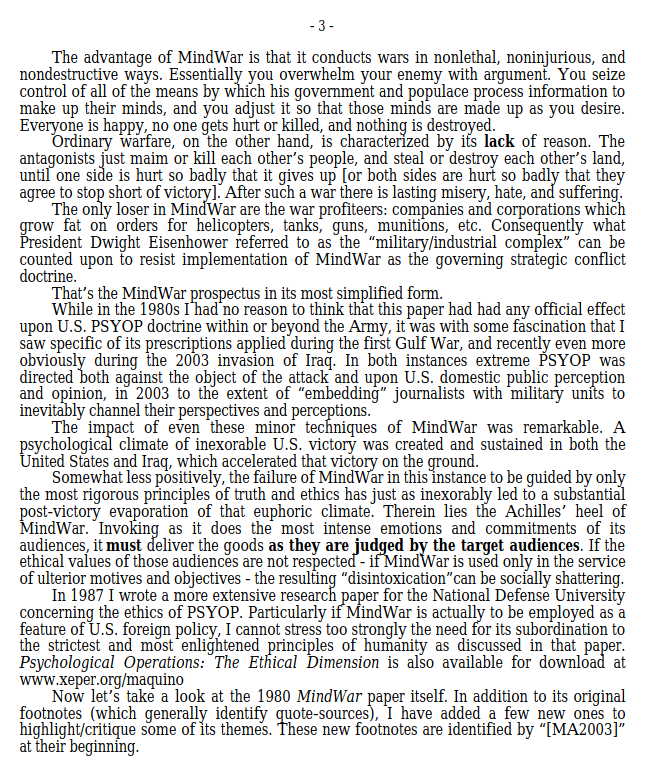
A report authored by then Major Aquino and Colonel Paul E. Vallely, titled “From Psyop to Mindwar.” This report bears a “Top Secret” notation and was circulated to the US “Psyop Community and the US Army War College, amongst others. While the address list on the copy in the possession of this writer has been mostly redacted, it is possible to make out the words “Office of the Chief of Staff” which suggests that a copy was also sent to the Joint Chiefs. Arguing that the US lost the Vietnam War not because they were outfought but, rather, “out-Psyoped” “in the streets of American cities,” the report called for greater emphasis to be placed on “MindWar” directed through the US Media. The report added that “coercive” measures if they are to work effectively must remain undetected. Delivery mechanisms for making targets “receptive to ideas” would, the report argued, need to take full advantage of the ability of electromagnetic weapons such as Extremely Low Frequency Waves (ELF). In other words, Mind Control technologies then in development.
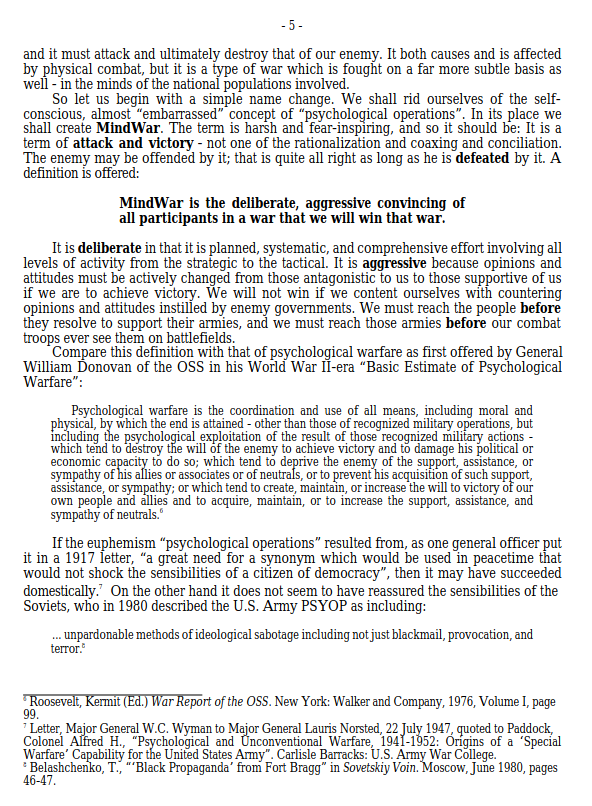
Aquino’s and Vallely’s study clearly hit the spot inside the Pentagon. Most of us are now aware that the military has for some years now, been able to manipulate news and “spin” the major media when it comes to reporting of US military involvement overseas. The lessons of being “Out-Psyoped” at home have been taken on board and are not to be repeated in the future. That the lesson was indeed learned was clearly demonstrated in the reporting of the 1991 Gulf War, when CNN stole the show due to the access it had to direct feeds from US military satellites.
For those who continue to harbour doubts that mind control technologies form part of the US military arsenal, they need do no more than point their internet browser towards the US Navy’s Joint Programme Office – Special Technologies Countermeasures website and read about the Technical Information Exchange Group’s (TIEG) planned “special invitation only” conference hosted by the United Stated Special Operations Command at MacDill Air Force Base in Tampa, Florida, scheduled for the Autumn 2002. The conference is designed to “facilitate the interaction and information exchange between the developers and users of special, nonkinetic technologies (my emphasis). [33] The category of “non-kinetic technologies listed for “operational planning” and discussion are as follows:
- Electromagnetic Weapons
- Acoustic Psycho-Correction
- Chemical Attitude Adjustment
- Visual Stimulation & Illusions
- Material Degraders
- Non-Penetrating Projectiles
- Incapacitants
- High Pressure Water Systems
- Concealed Weapon Detection
- Electronic Disablers
- Acoustic Systems
- Combustion Inhibition
- Immobilizers
- Olfactory Chemicals
- Laser Systems
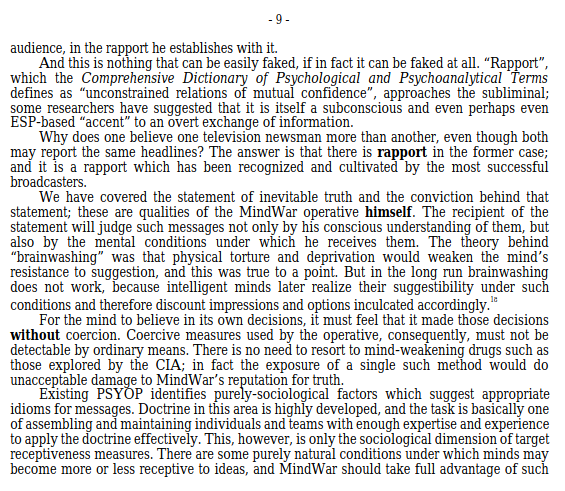
Number two on this list, “Acoustic Psycho-Correction” is the self same “Mind Control” technology that has the ability to “control minds and alter behaviour of civilians and soldiers” and which also “involves the transmission of specific commands via static or white noise bands into the human subconscious without upsetting other intellectual functions,” that is aimed at altering the “behaviour on willing and unwilling subjects,” reported in the Defence News article discussed earlier on page 3.
Text from "Masters of Persuasion" - by David Guyatt (2005)
-
Device brings silicon computing power to brain research and prosthetics (Stanford)
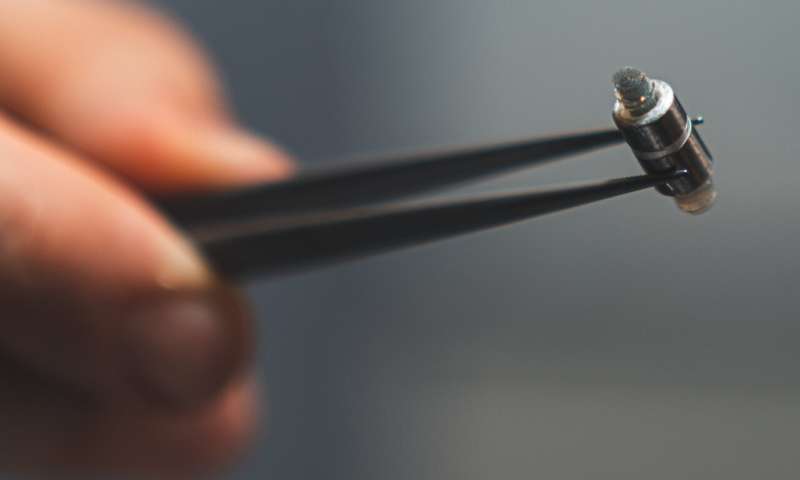
A close up of the microwire array Researchers at Stanford University have developed a new device for connecting the brain directly to silicon-based technologies. While brain-machine interface devices already exist—and are used for prosthetics, disease treatment and brain research—this latest device can record more data while being less intrusive than existing options.
-
Spinal cord injury patients can imagine resuming many activities because of new technologies (washingtonpost)

As Aldana thinks about opening and closing his hand, engineers “hijack” this signal from his brain. They reprogrammed a robotic walking system to read that signal as an initiation of steps, allowing Aldana to walk for the first time since his accident. They hope to expand this work further. (Robert Camarena/University of Miami-Miami Project) At age 16, German Aldana snaped his spine just below his neck. For the next five years, he could move only his neck, and his arms a little. Researchers with the Miami Project to Cure Paralysis carefully opened Aldana's skull and, at the surface of the brain, implanted electrodes. Then, in the lab, they trained a computer to interpret the pattern of signals from those electrodes as he imagines opening and closing his hand. The computer then transfers the signal to a prosthetic on Aldana's forearm, which then stimulates the appropriate muscles to cause his hand to close. The entire process takes 400 milliseconds from thought to grasp.
-
Our brains are powerful—but secretive—forecasters of video virality - by Stanford University
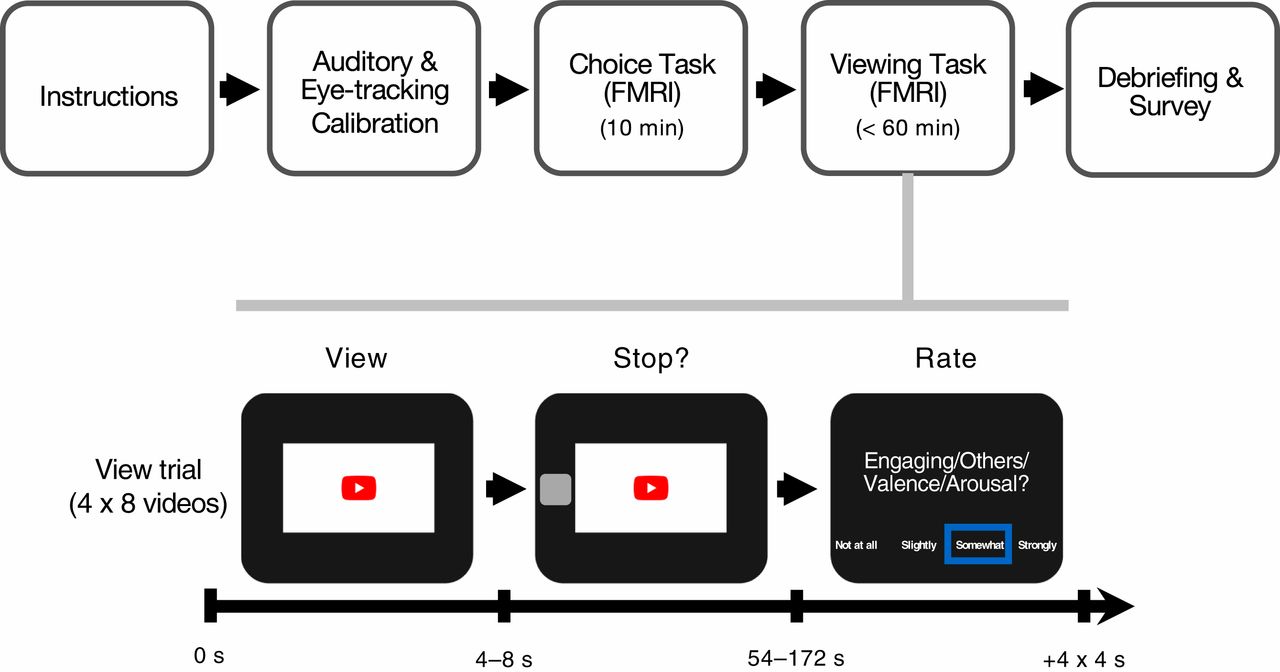
Stanford University neuroscientist Brian Knutson and colleagues are investigating an approach he calls "neuroforecasting"—in which they use brain data from individuals who are in the process of making decisions to forecast how larger groups of unrelated people will respond to the same choices.
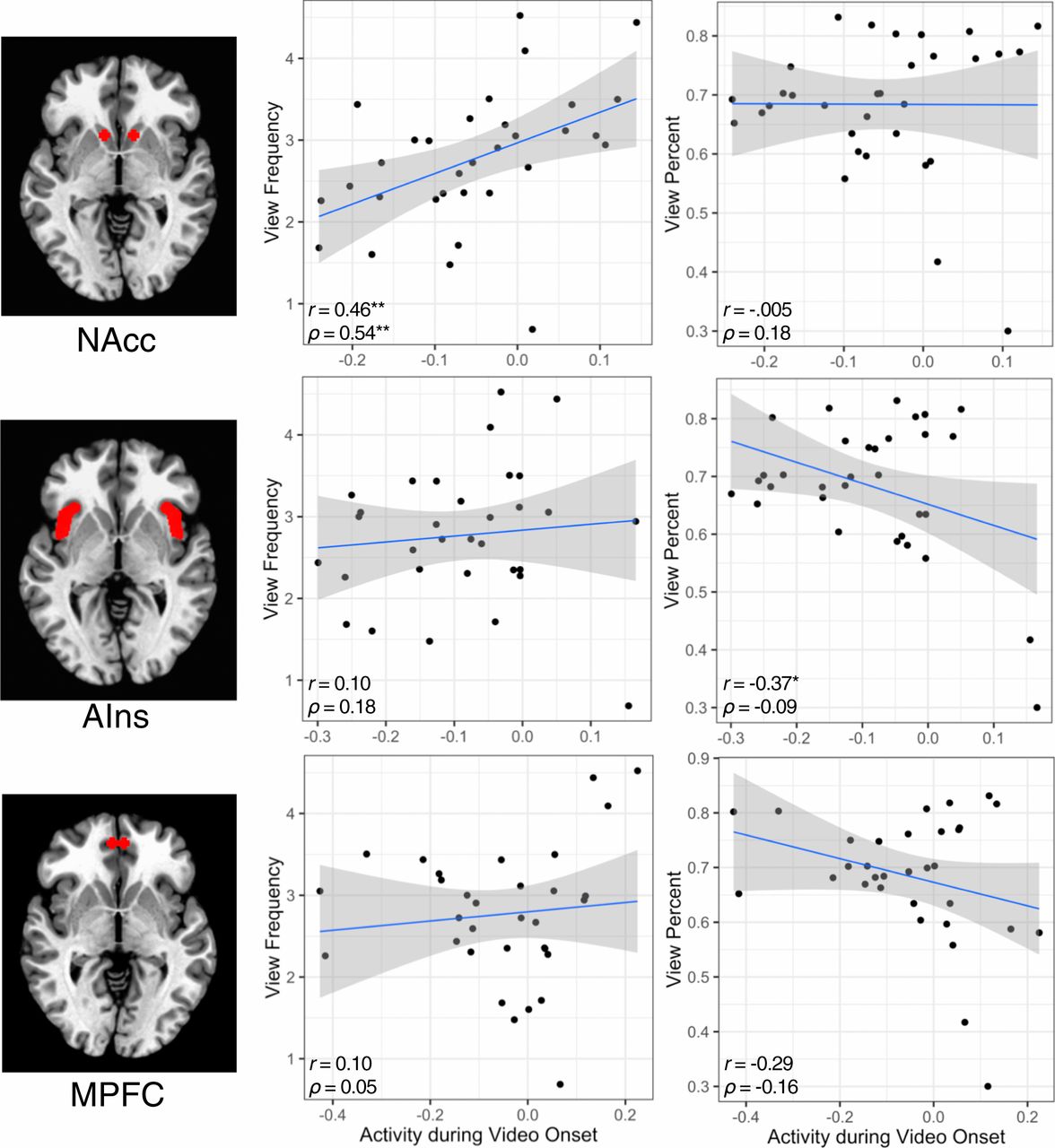
His lab's latest neuroforecasting work in collaboration with researchers at Stanford's Graduate School of Business, published Mar. 9 in the journal Proceedings of the National Academy of Sciences, focused on how people spend time watching videos online. By scanning people's brains as they selected and watched videos, the researchers discovered that both neural and behavioral responses to a video could forecast how long other people will watch that same video on the internet. When forecasting video popularity on the internet, however, brain responses were the only measure that mattered.
Neuro-forecasting internet market success - talk by Brian Knutson
-
Scientists monitor brains replaying memories in real time - Our brains use distinct firing patterns to store and replay memories (2020)
In a study of epilepsy patients, researchers monitored the electrical activity of thousands of individual brain cells, called neurons, as patients took memory tests. They found that the firing patterns of the cells that occurred when patients learned a word pair were replayed fractions of a second before they successfully remembered the pair.
-
Scientists monitored brains replaying memories in real time - NIH study suggests our brains use distinct firing patterns to store and replay memories.
-

Book: Battle for the Mind - by W.Sargant "What would have happened if they [new methods of physical and chemical psychiatric treatments] had been available for the last five hundred years?... John Wesley who had years of depressive torment before accepting the idea of salvation by faith rather than good works, might have avoided this, and simply gone back to help his father as curate of Epworth following treatment. Wilberforce, too, might have gone back to being a man about town, and avoided his long fight to abolish slavery and his addiction to laudanum. Loyola and St Francis might also have continued with their military careers. Perhaps, even earlier, Jesus Christ might simply have returned to his carpentry following the use of modern [psychiatric] treatments." - William Sargant (1907 - 1988)
Related: Over the Edge - by Mike Jay
-
Hacking my arm prosthesis to output CV so that it plugs into my synth: Thought-controlled music!
-
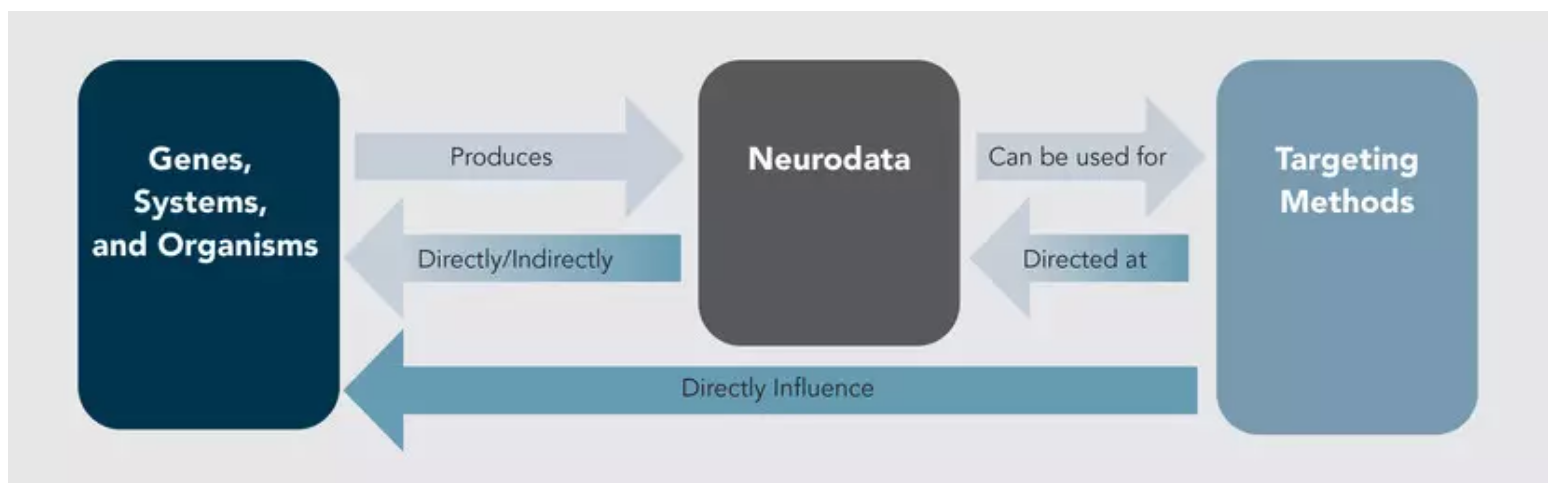
Redefining Neuroweapons: Emerging Capabilities In Neuroscience And Neurotechnology - Analysis - by Joseph DeFranco, Diane DiEuliis, and James Giordano
-
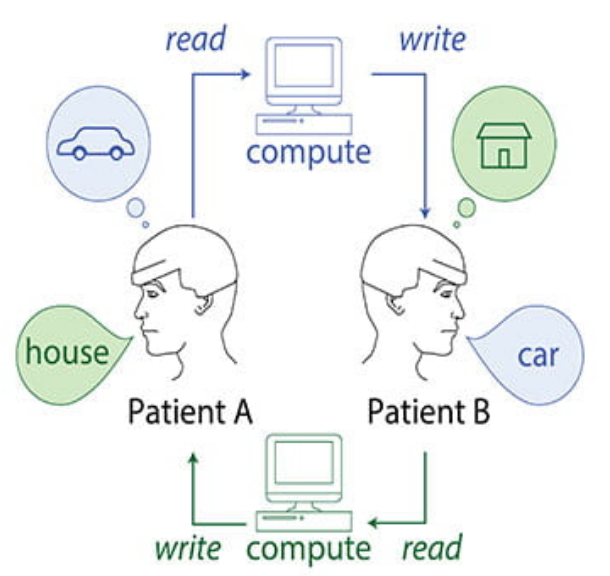
Among the key efforts launched under Walker’s tenure at DARPA was development of the Long-Range Anti-Ship Missile. Walker also reinvigorated the agency’s hypersonic weapons and space efforts. Also noted by the agency: Under Walker’s leadership, DARPA launched the three-year, $1.5 billion Electronics Resurgence Initiative as well as the five-year, $2 billion AI Next program. Walker also “made pivotal investments in the realm of engineered biology, resulting in several breakthroughs, chief among them a program that has helped reduce Ebola fatality rates by more than 70%,”
#Military #BCI #Biotech #Biology #RadioBio #ML #Augmentation #Robot
-
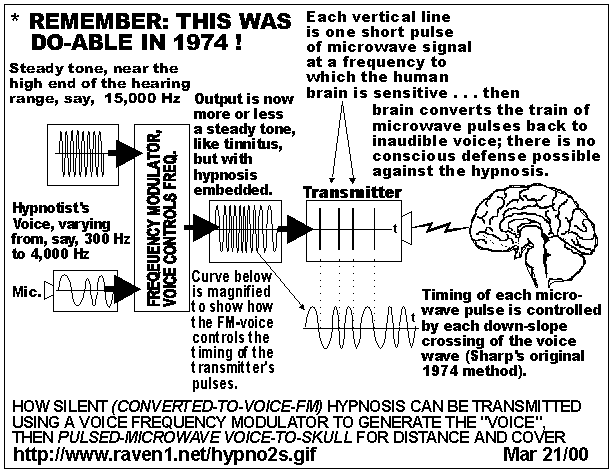
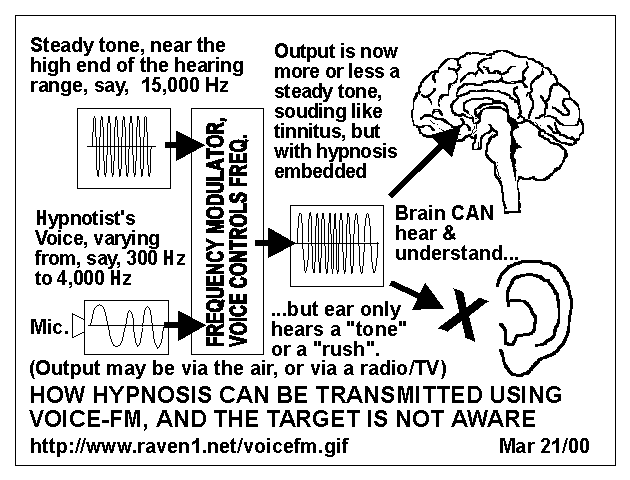
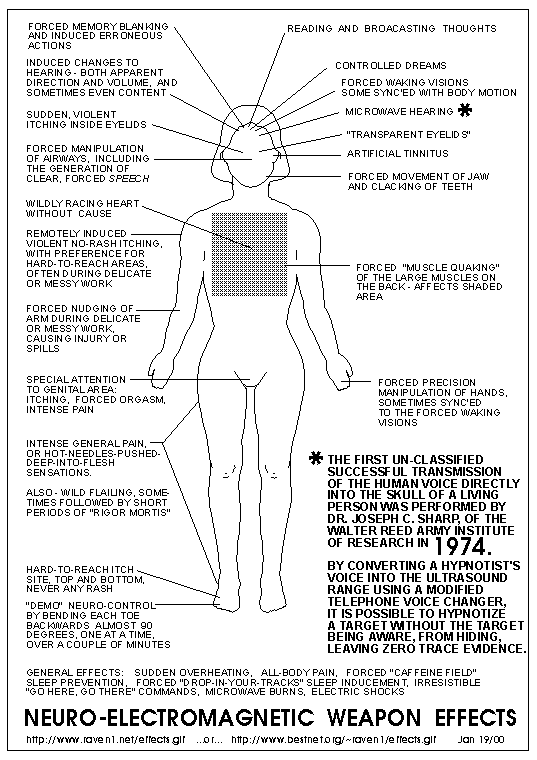
Synthetic Telepathy: The Microwave Auditory Effect
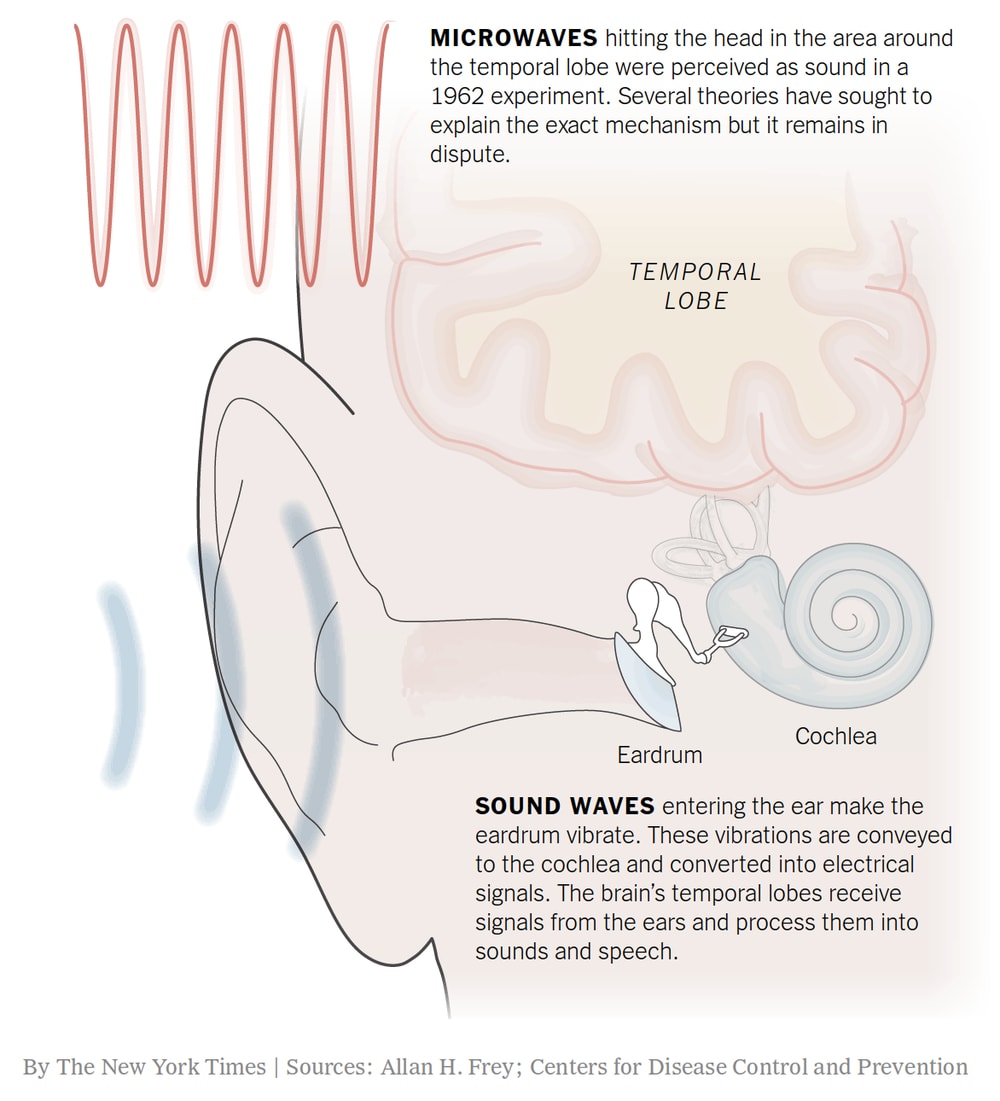
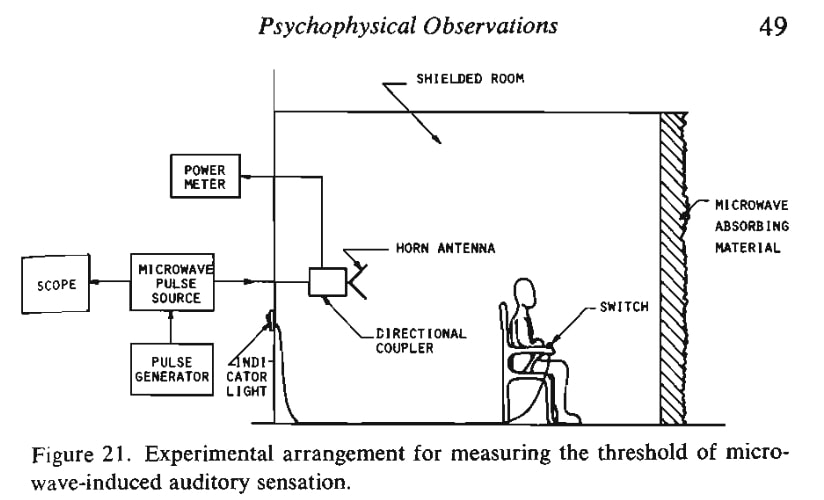
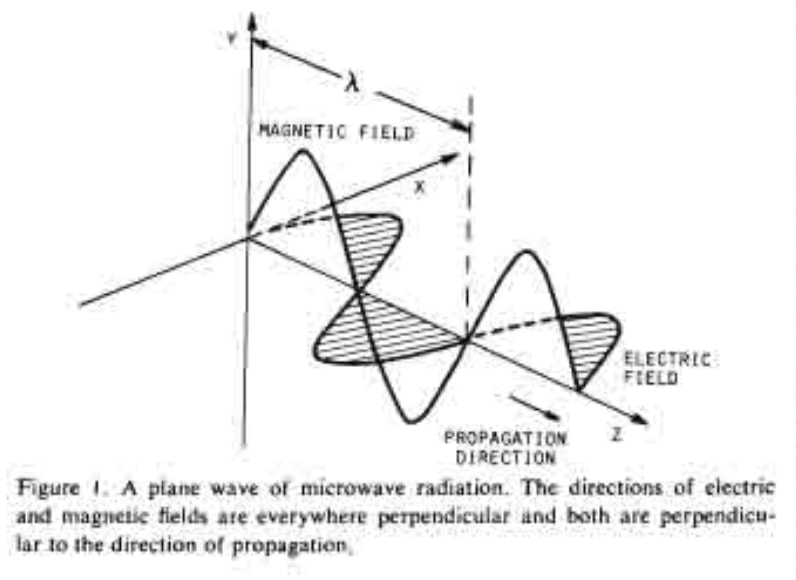
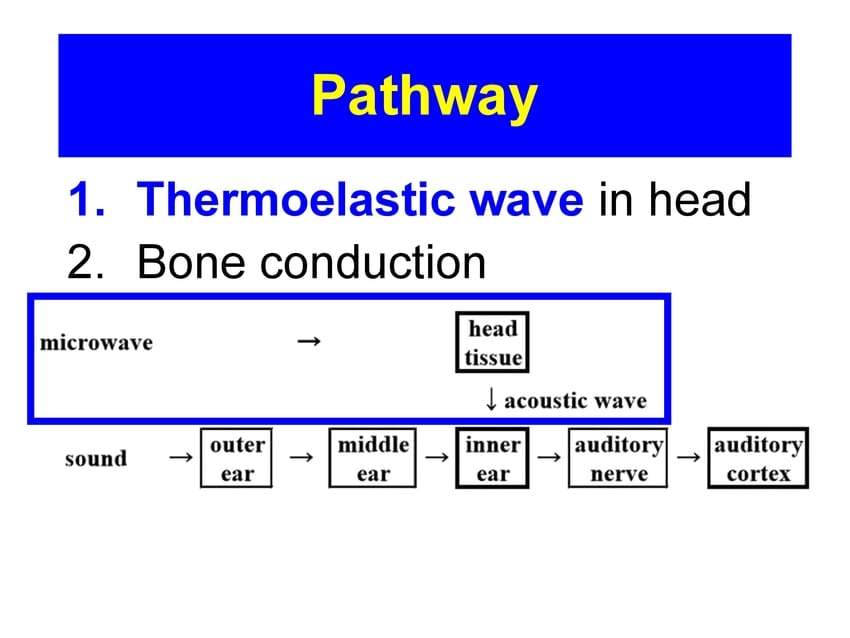
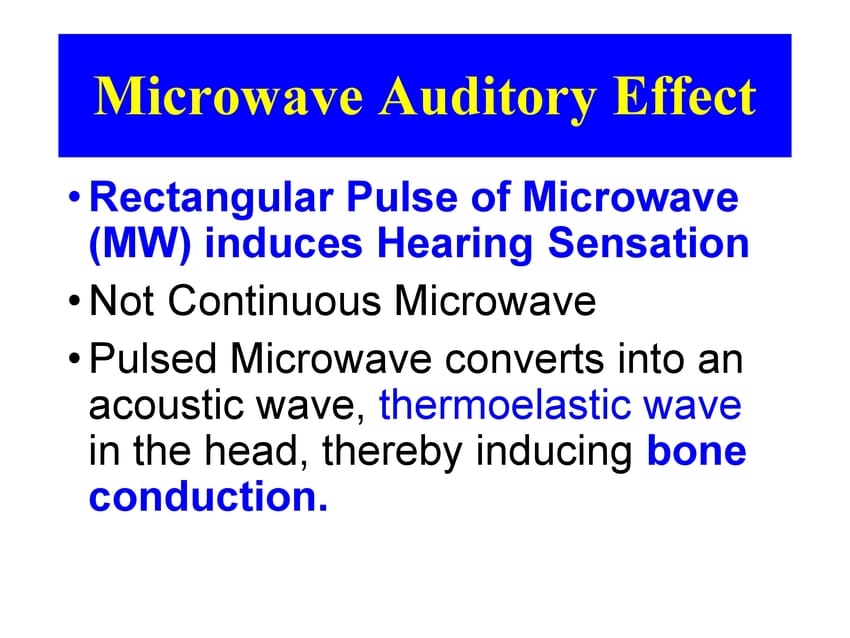
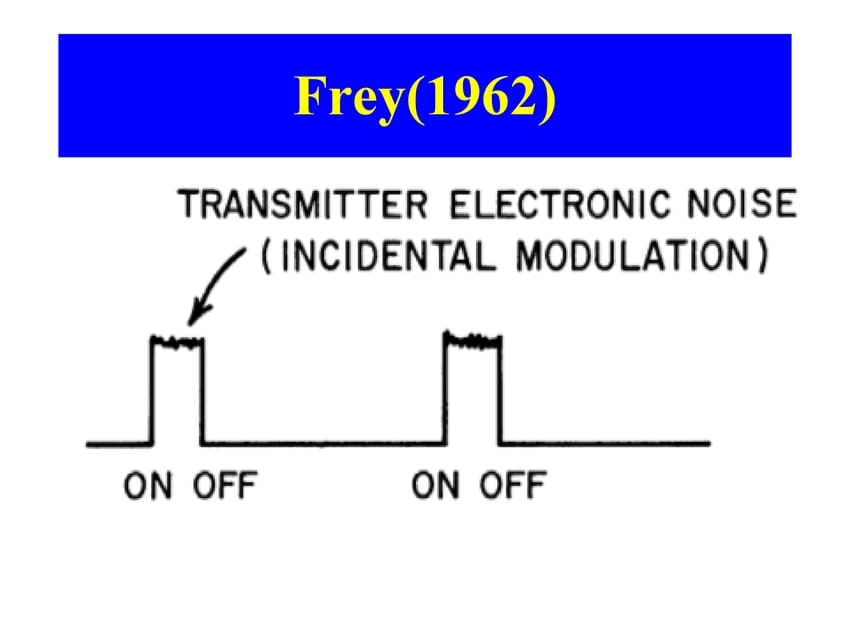
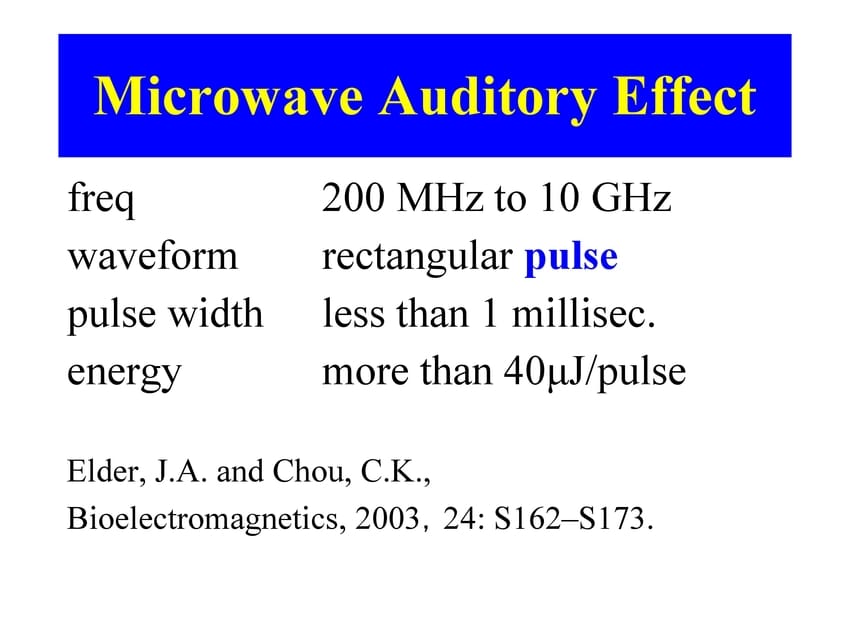
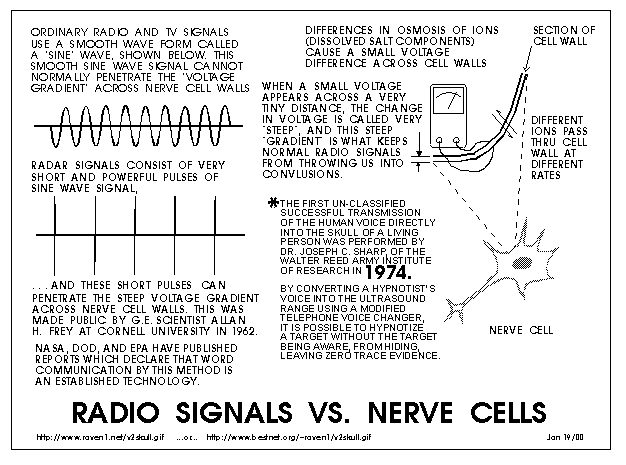
The microwave auditory effect, also known as the Frey effect, consists of the human perception of audible clicks, or even speech, induced by pulsed or modulated radio frequencies. The communications are generated directly inside the human head without the need of any receiving electronic device. The effect was first reported by persons working in the vicinity of radar transponders during World War II. In 1961, the American neuroscientist Allan H. Frey studied this phenomenon and was the first to publish information its nature.
Research
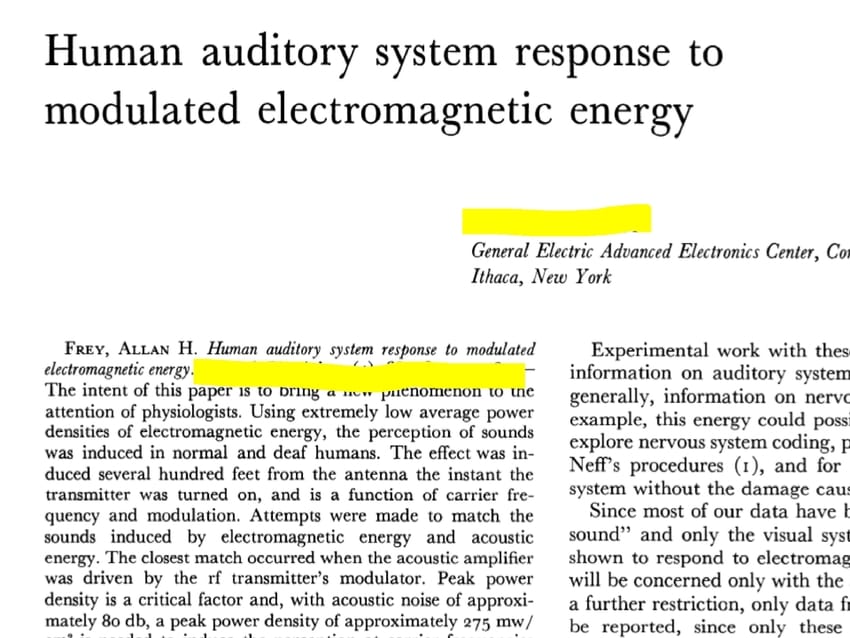
Research Origin: Human auditory system response to Modulated electromagnetic energy - Allan.H.Frey (1961) (unpaywalled)
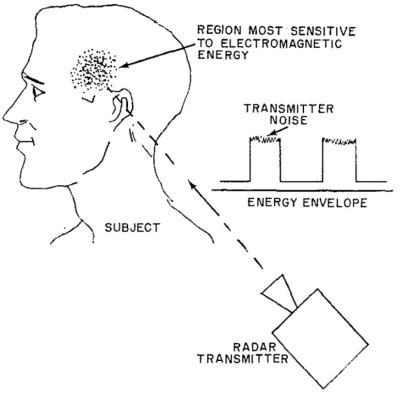
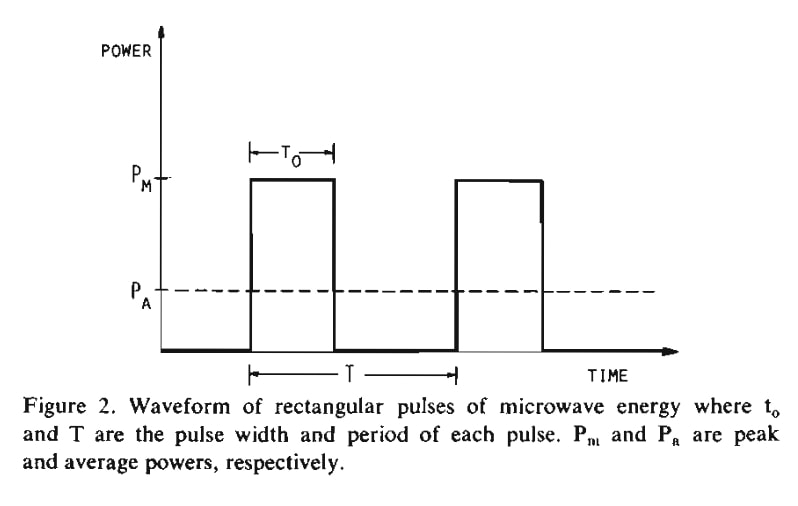
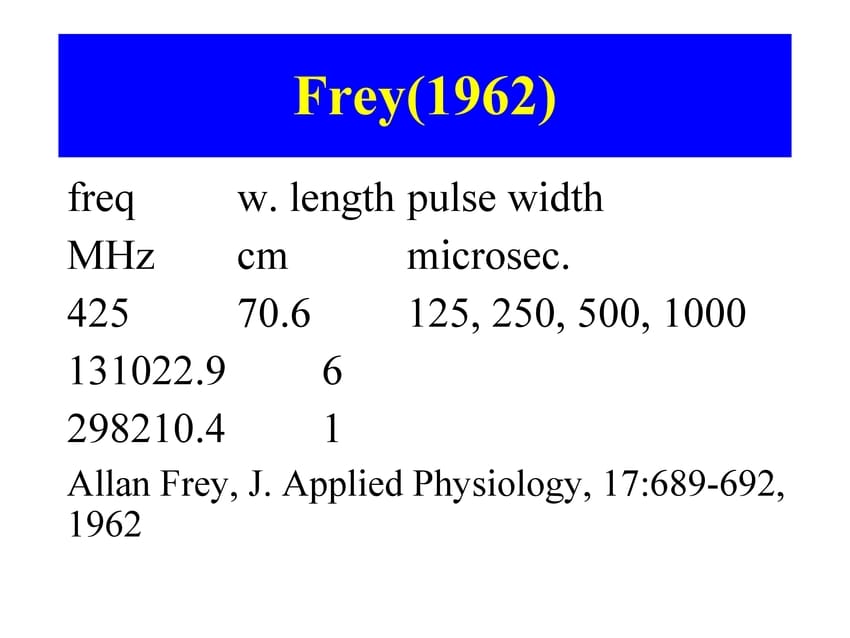
In his experiments, the subjects were discovered to be able to hear appropriately pulsed microwave radiation, from a distance of a few inches to hundreds of feet from the transmitter. In Frey's tests, a repetition rate of 50 Hz was used, with pulse width between 10–70 microseconds. According to Frey, the induced sounds were described as "a buzz, clicking, hiss, or knocking, depending on several transmitter parameters, i.e., pulse width and pulse-repetition rate.
Research Evolution: From the book "Military Neuroscience and the Coming Age of Neurowarfare" - by Armin Krishnan (2017):
"In 1975, an article by neuropsychologist Don Justesen discussing radiation effects on human perceptions referred to an experiment by Joseph C. Sharp and Mark Grove at the Walter Reed Army Institute of Research during which Sharp and Grove reportedly were able to recognize nine out of ten words transmitted by "voice modulated microwaves". Since the radiation levels approached the (then current) 10 mW/cm² limit of safe exposure, critics have observed that under such conditions brain damage from thermal effects of high power microwave radiation would occur, and there was 'no conclusive evidence for MAE at lower energy densities'".
Research Application: Microwave Weapons Are Prime Suspect in Ills of U.S. Embassy Workers - NYtimes (2018)
"Doctors and scientists say microwave strikes may have caused sonic delusions and very real brain damage among embassy staff and family members."
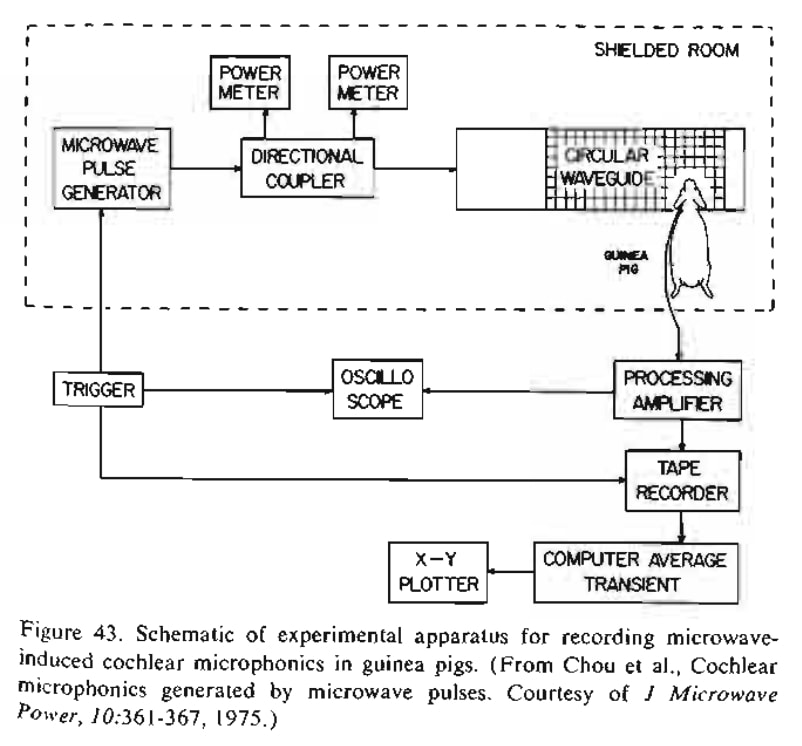
Research Foundation: Microwave Auditory Effects And Applications - Book by James C. Lin, PhD (1978) (PDF)
"The purpose of the book is to bring a body of research literature, scattered in a large number of journals and reports, into some compact form for the convenience of students and researchers. It will deal with selected experimental and theoretical topics in an interdisciplinary field which is 'undergoing explosive growth." - James C.Lin (1978)
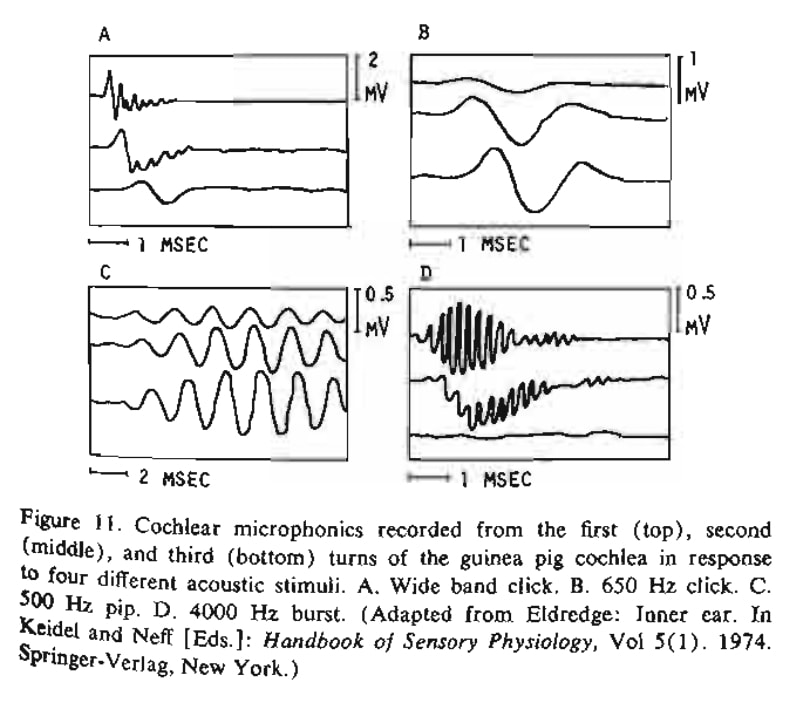
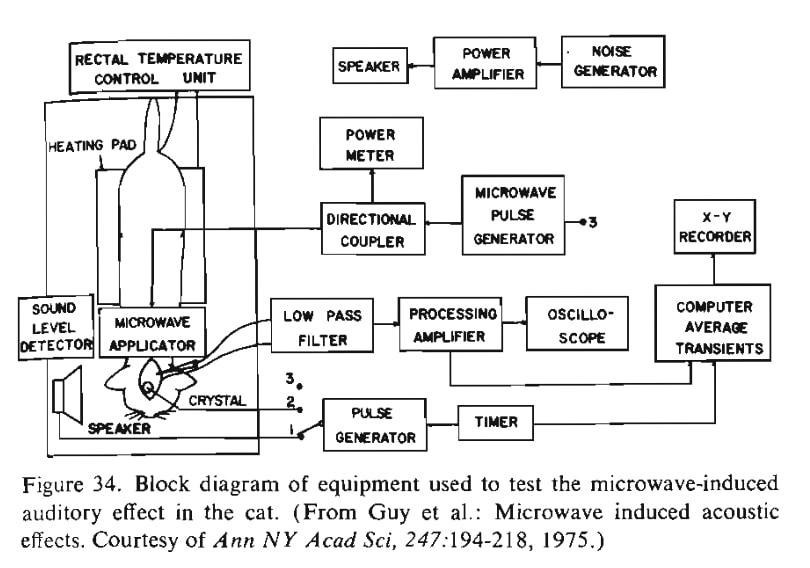
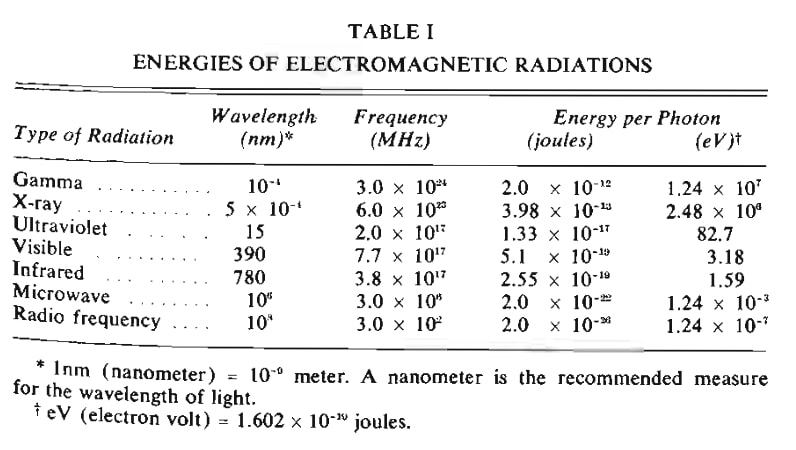
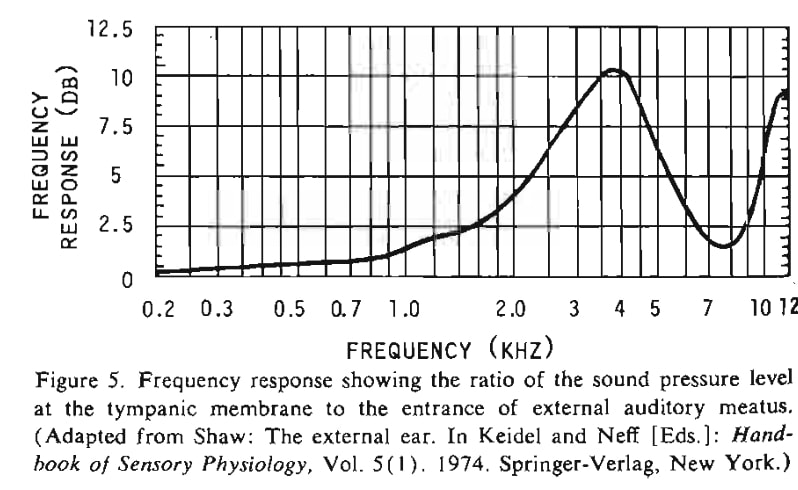
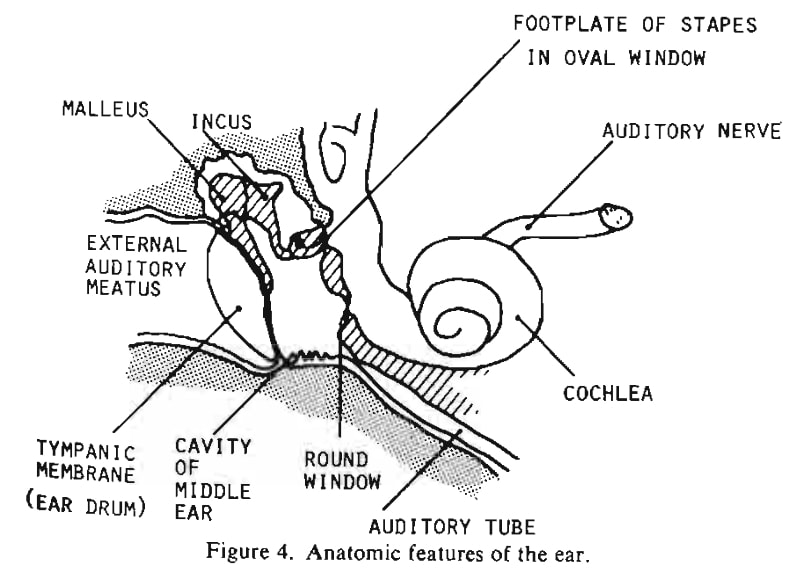
Research Today: Mostly classified. The following from an independent researcher: Microwave Auditory Effect And Its Aplication - Research Project by Makoto Koike (2019)
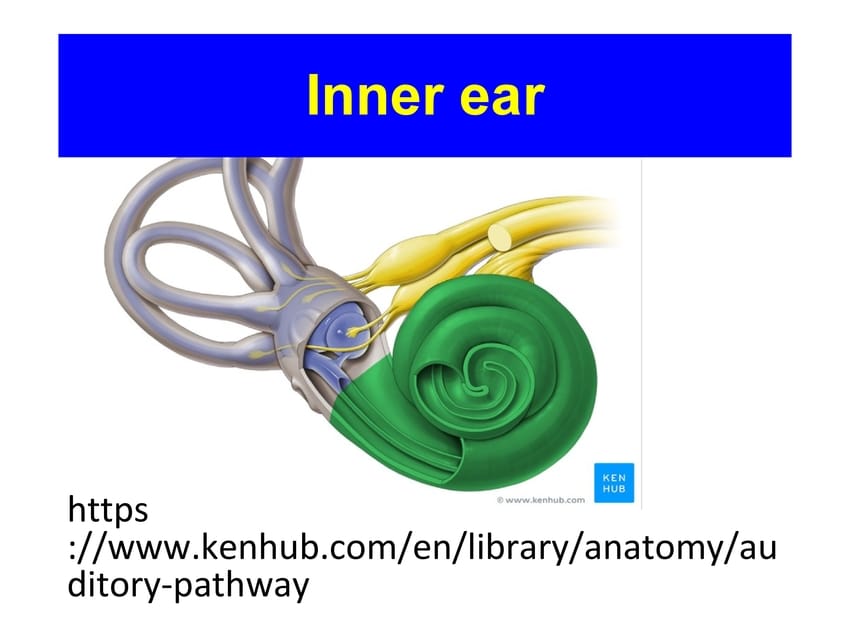
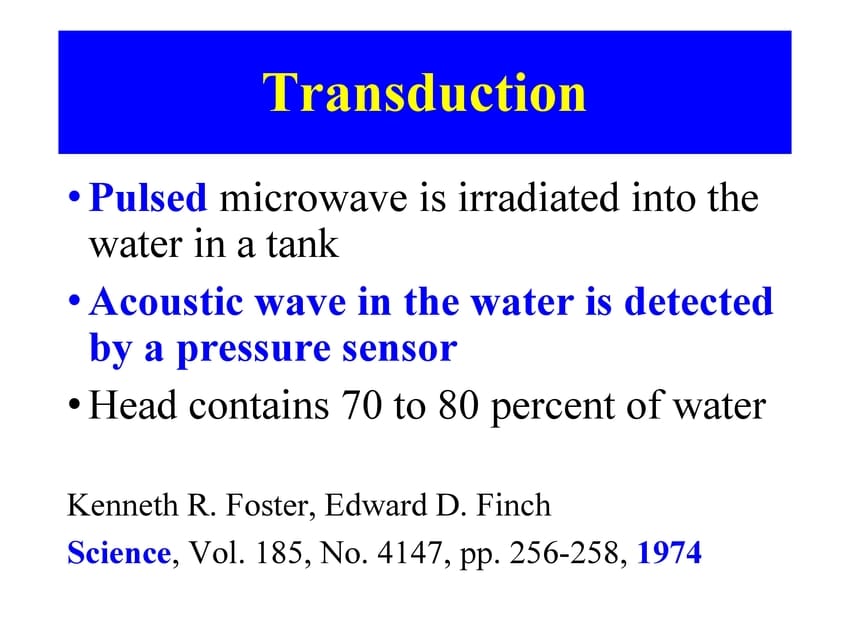
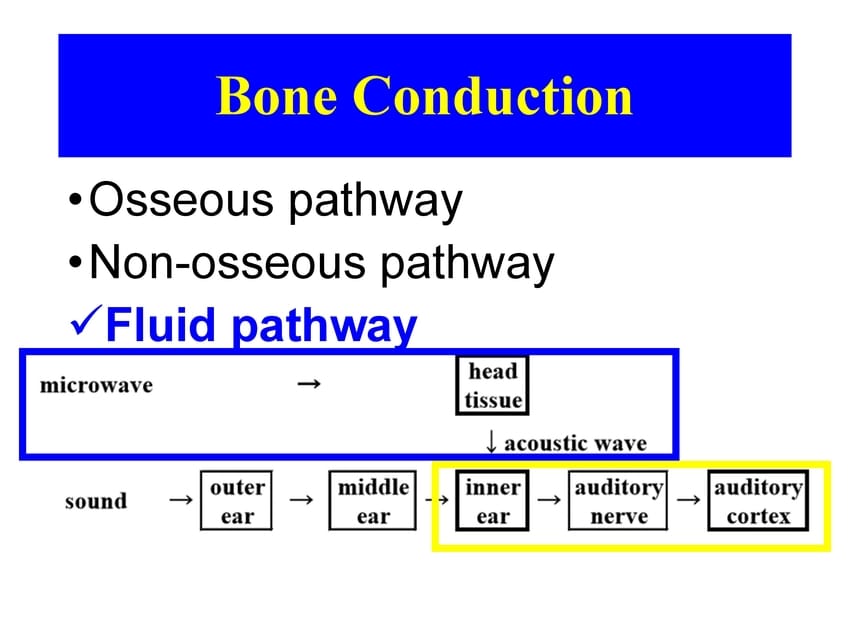
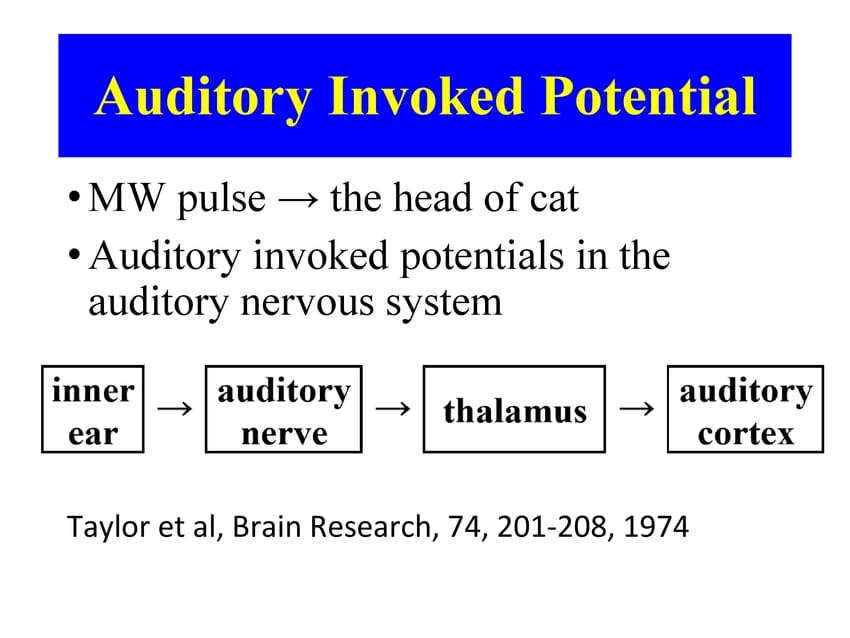
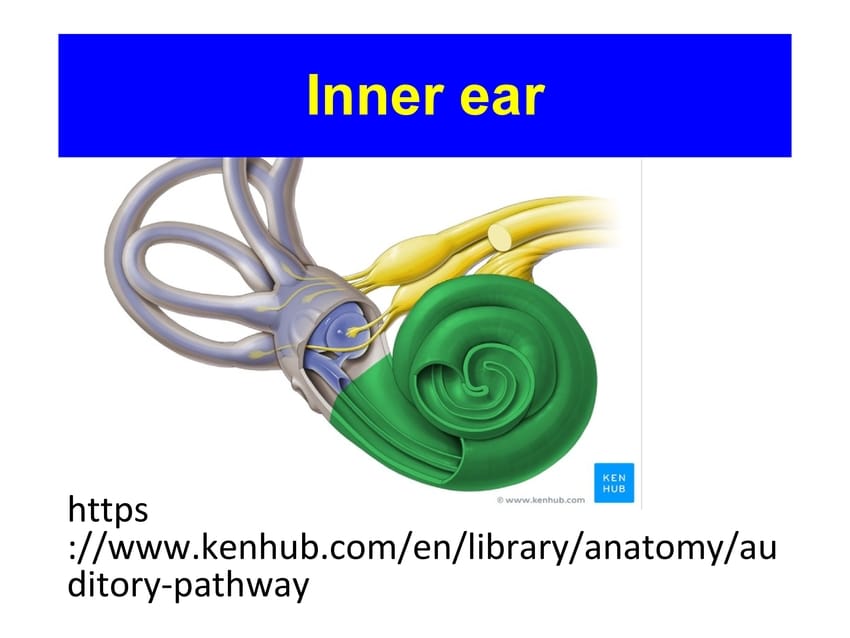
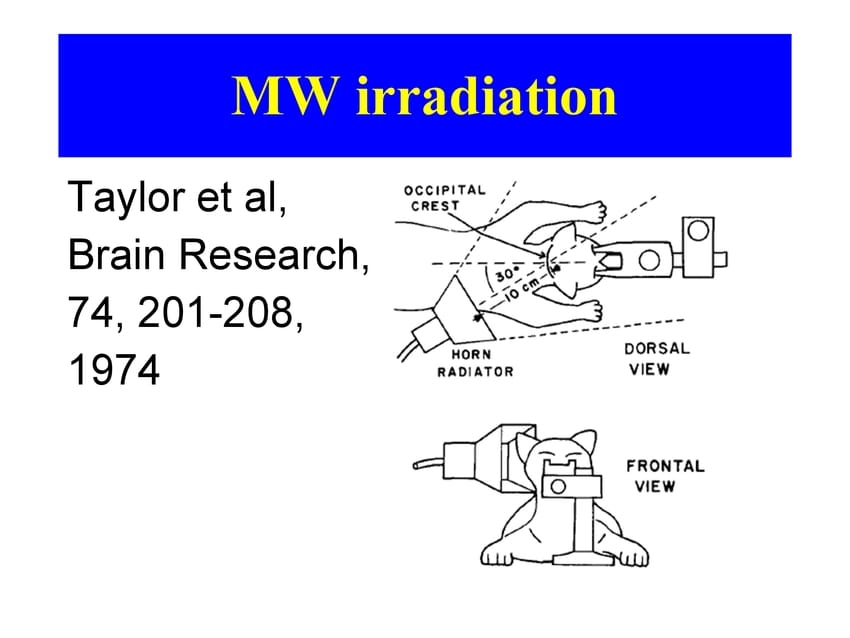
Project Goal: "Microwave auditory effect refers to the phenomenon that pulse-modulated microwave induces auditory perception. The head acts as an acoustic transducer to convert the microwave into a theremoelastic wave, thereby invoking bone conduction. I am exploring the application of the microwave auditory effect onto a novel telecommunication system as well as a conspiracy theory that the novel telecommunication induces psychosis with symptoms of hallucination and delusion."
Review of microwave auditory effect: rediscovery of radiofrequency hearing phenomenon. - by Makoto Koike (2016, JP only) (PDF)
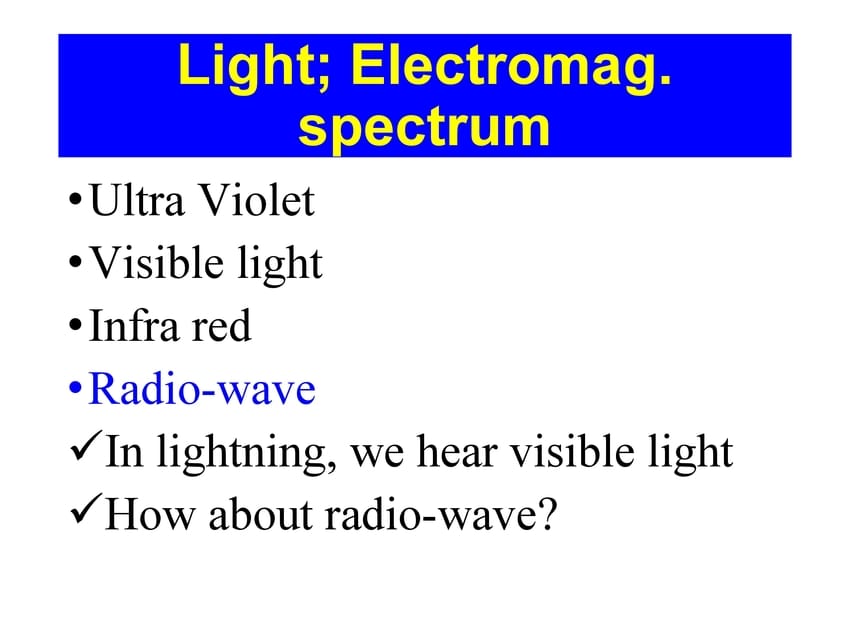
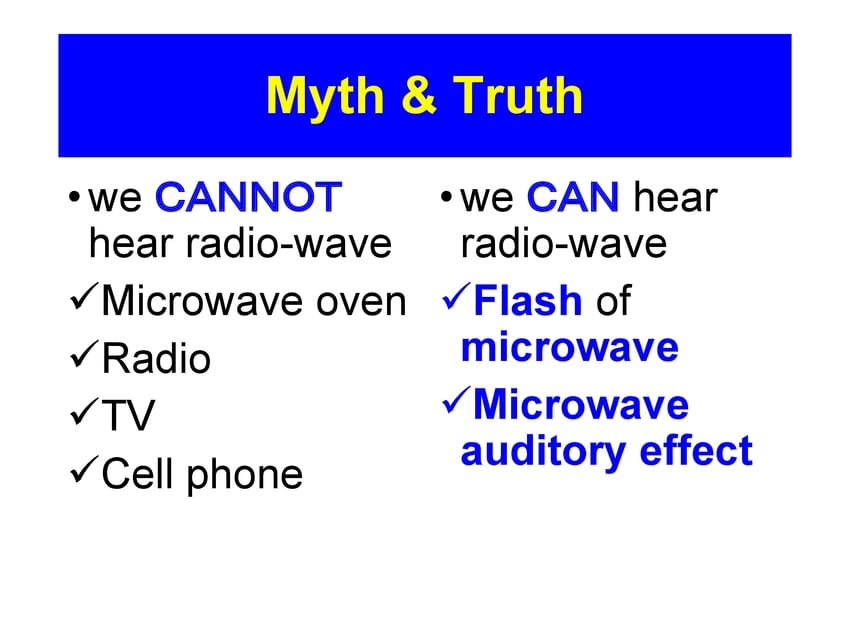
The Myth concerning Not Hearing Microwave - Presentation by Makoto Koike (2019, The 99th CSJ Annual Meeting, The Chemical Society of Japan)


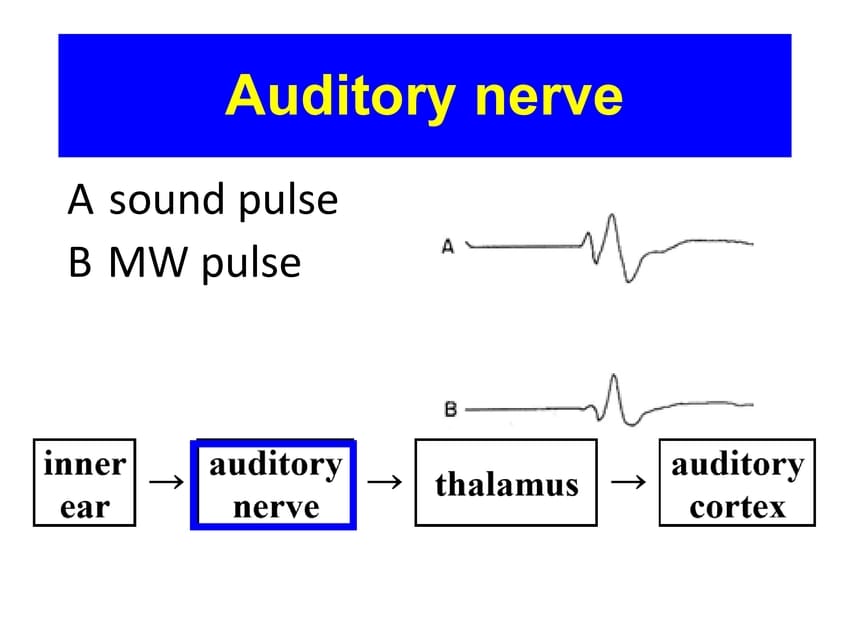
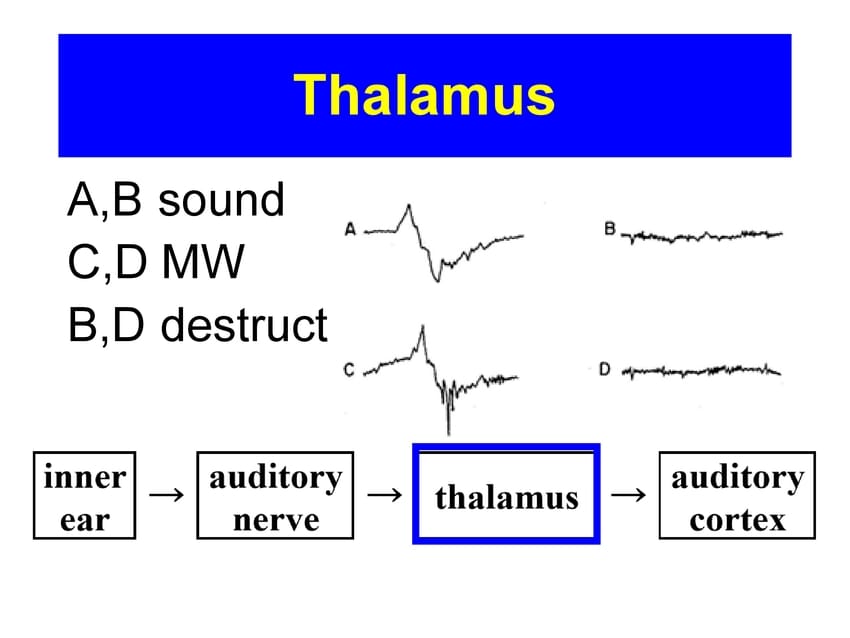
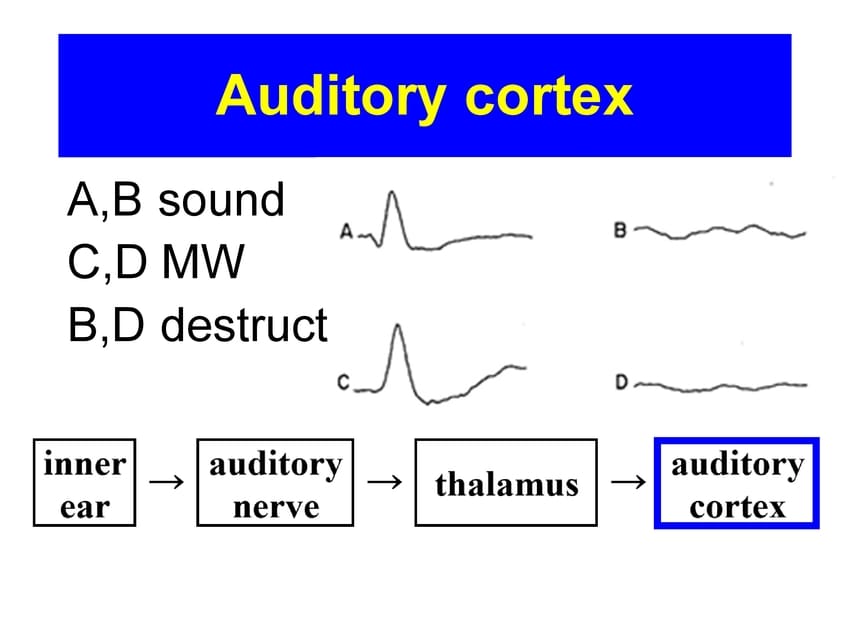
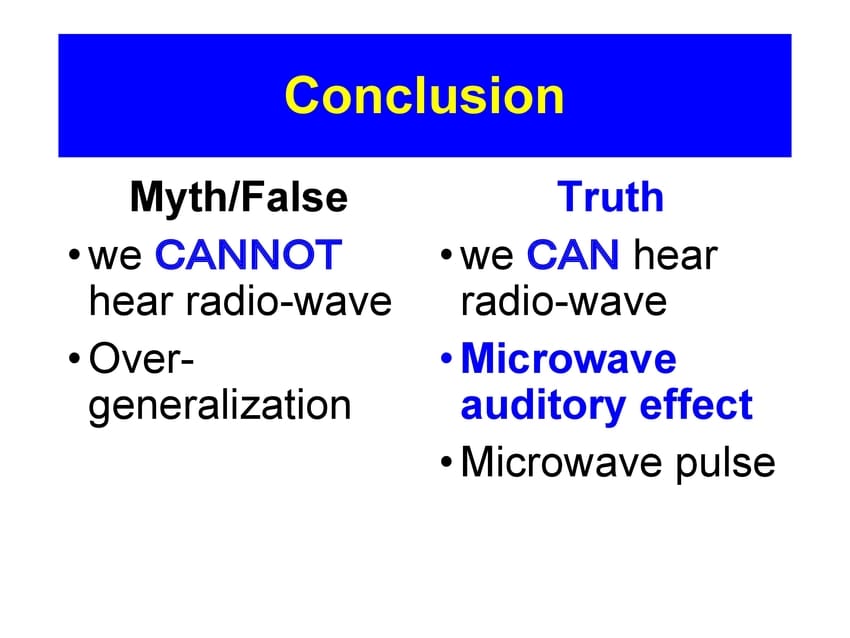
Research Patents
These patents by the U.S. Air Force, suggest that wireless, receiver-less communication (based on the Microwave Auditory Effect) could be used in military communication today:
- Method and device for implementing the radio frequency hearing effect https://patents.google.com/patent/US6470214B1/en
- Apparatus for audibly communicating speech using the radio frequency hearing effect https://patents.google.com/patent/US6587729B2/en
Related Research
- Microwave Auditory Effect Research Paper Search on Semanticscholar
- Advances in Electromagnetic Fields in Living Systems - Book by by James C. Lin (1994)
- Exposure to RF electromagnetic energy decreases aggressive behavior - by Allan H. Frey PhD & Jack Spector (1986)
- Holographic Assessment of Microwave Hearing - by Allan H. Frey PhD & E.Coren (1979)
- Auditory response to pulsed radiofrequency energy - by Elder & Chou (2003)
- Hearing of microwave pulses by humans and animals: effects, mechanism, and thresholds - by Lin & Wang (2007)
- Generalized model of the microwave auditory effect. - by Yitzhak, Ruppin, Hareuveny (2009)
- From Psyops to Neurowar: What Are the Dangers? - by Armin Krishnan (2014) (PDF)
- Neuroweapons: New Type of Non-Lethal Weapons Raises Troubling Ethical Questions - by Armin Krishnan
Conspiracy Theories
- Synthetic Telepathy And The Early Mind Wars - By Richard Alan Miller (2001) (PDF)
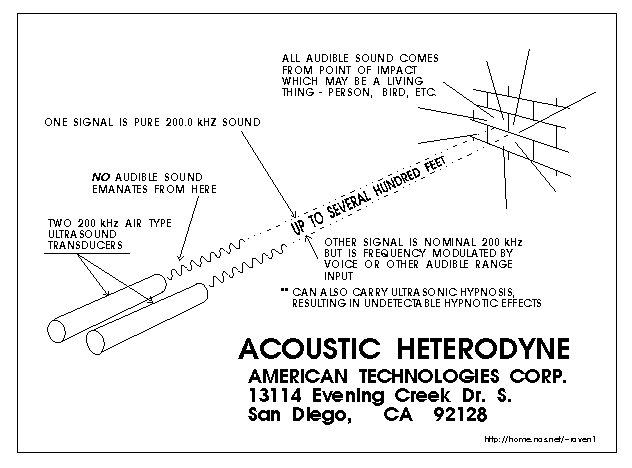
- The State of Unclassified and Commercial Technology - by Eleanor White (2000)

#BCI #NeuroScience #RadioBio #Biology #Cryptocracy #Book #Military
-
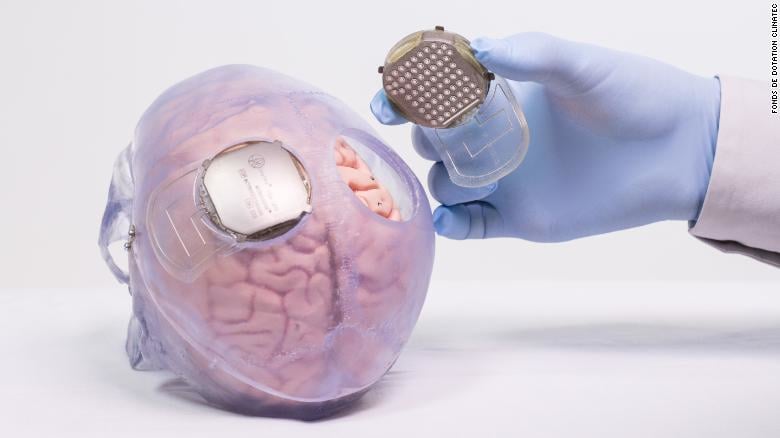
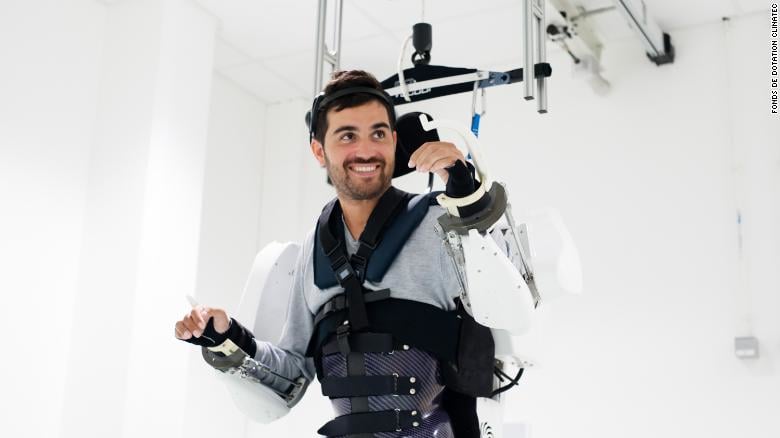
Paralyzed man walks using brain-controlled robotic suit (CNN)
Paralysed man walks using mind-controlled exoskeleton (Guardian)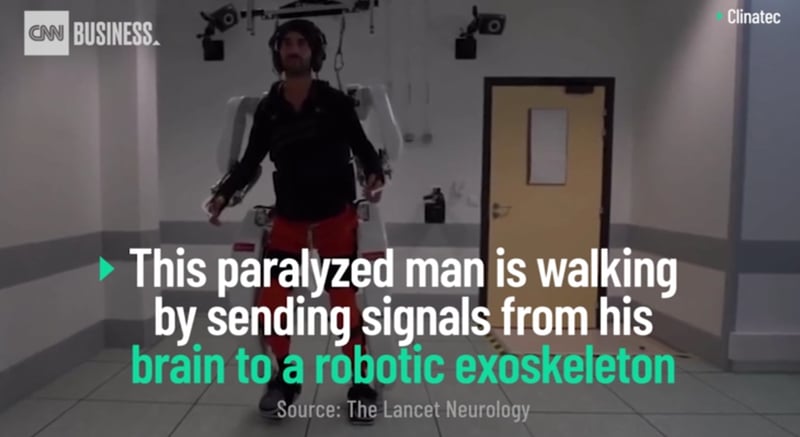
Related: New Neuroprosthetics startup, founded by Verily (Google) & GlaxoSmithKline: Galvani Bioelectronics