tag > BCI
-
Inferring Intent - Engineering Input Devices - Slide from John Williamson
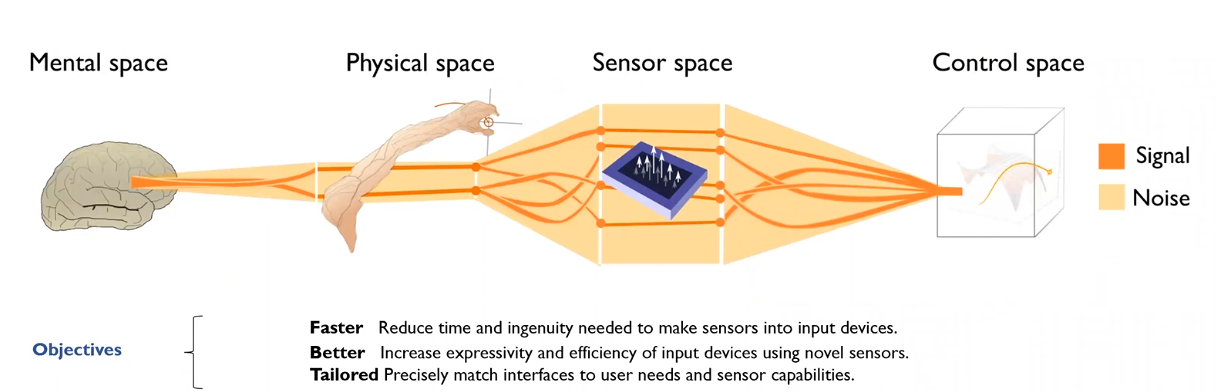
From the presentation "Variational Inference for Computational Inversion- CVAE-based Forward&Inverse" - by Roderick Murray-Smith
-
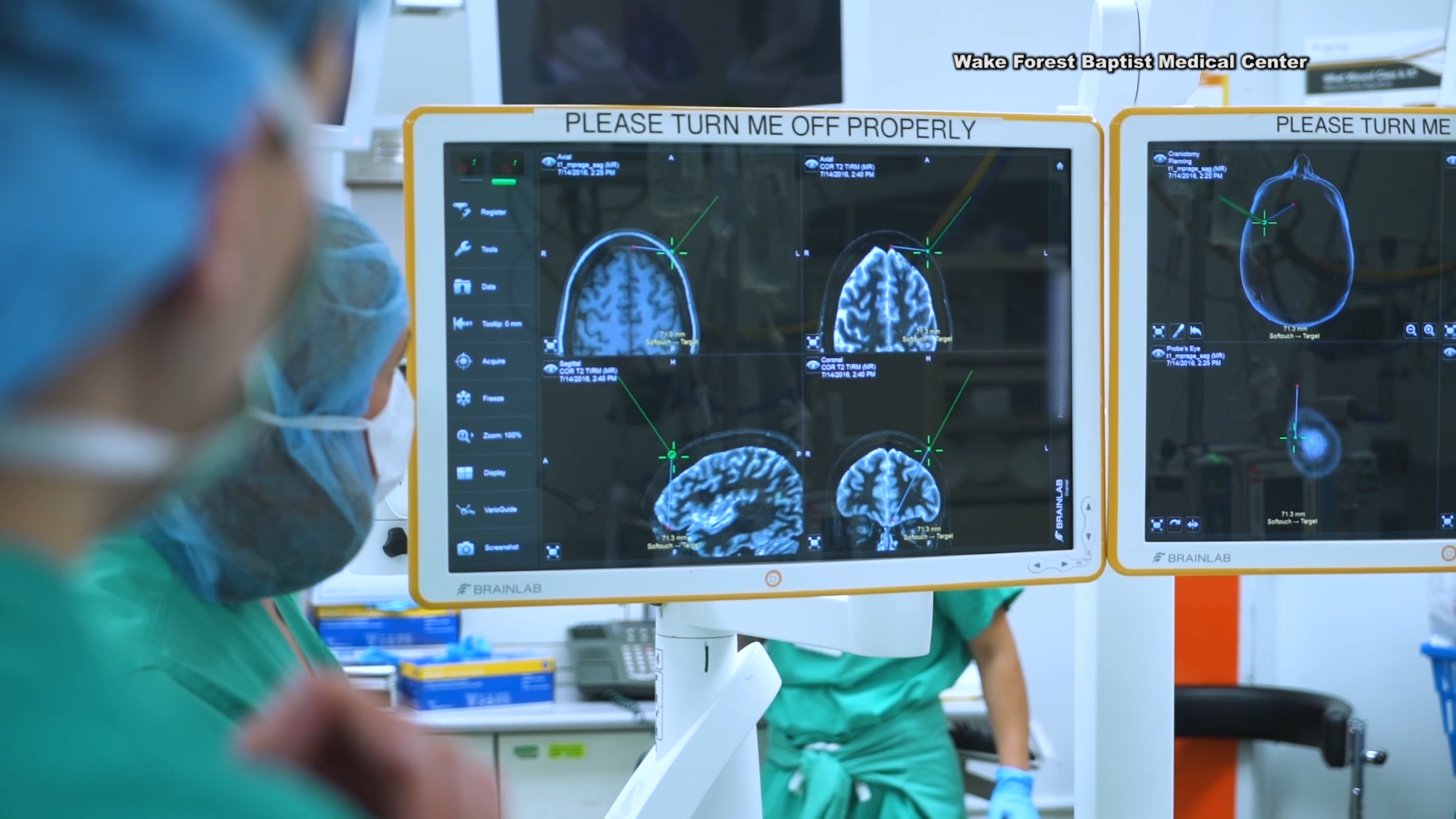
A memory prosthesis could restore memory in people with damaged brains - Brain electrodes designed to mimic the hippocampus appear to boost the encoding of memories—and are twice as effective in people with poor memory.
-
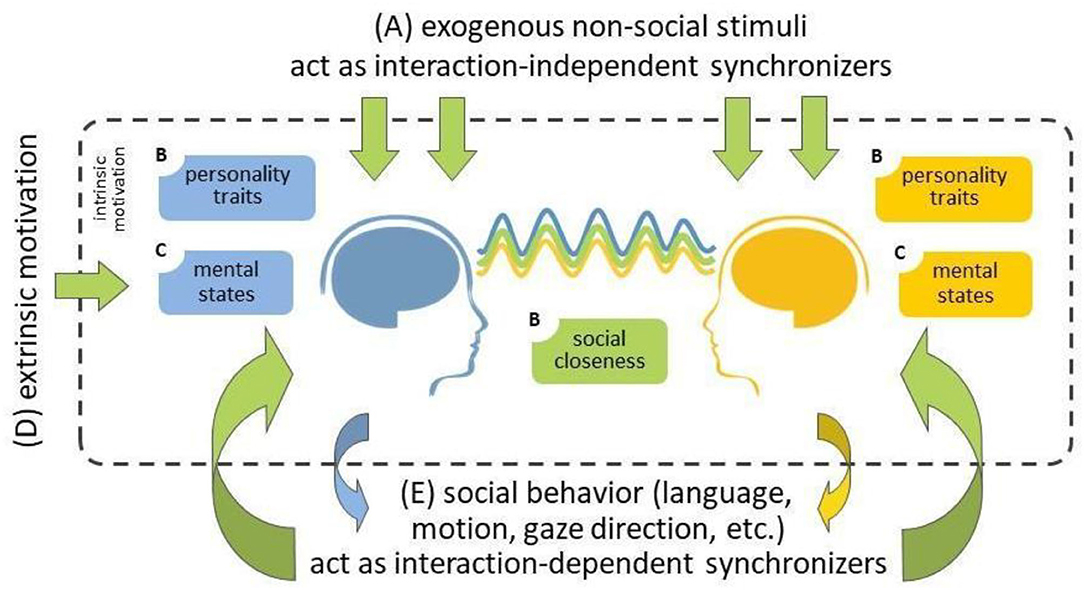
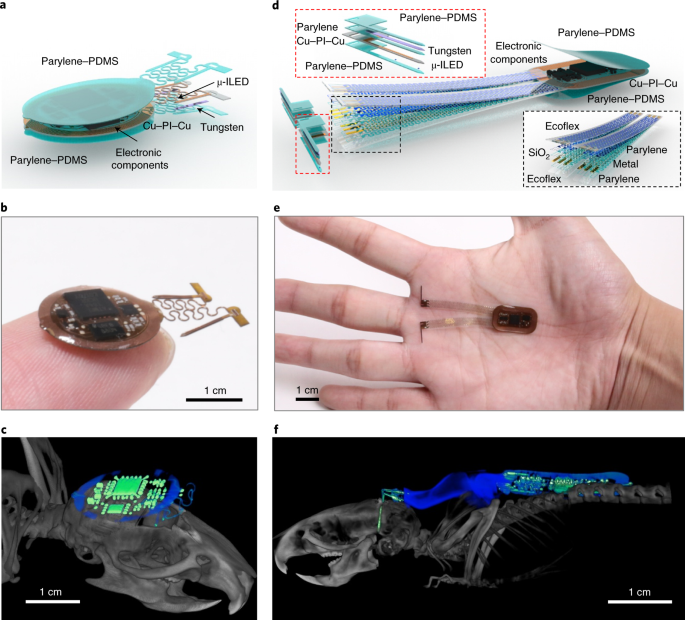
Wireless multilateral devices for optogenetic studies of individual and social behaviors ... induction of interbrain neuronal synchrony in the medial prefrontal cortex shapes social interaction within groups of mice.
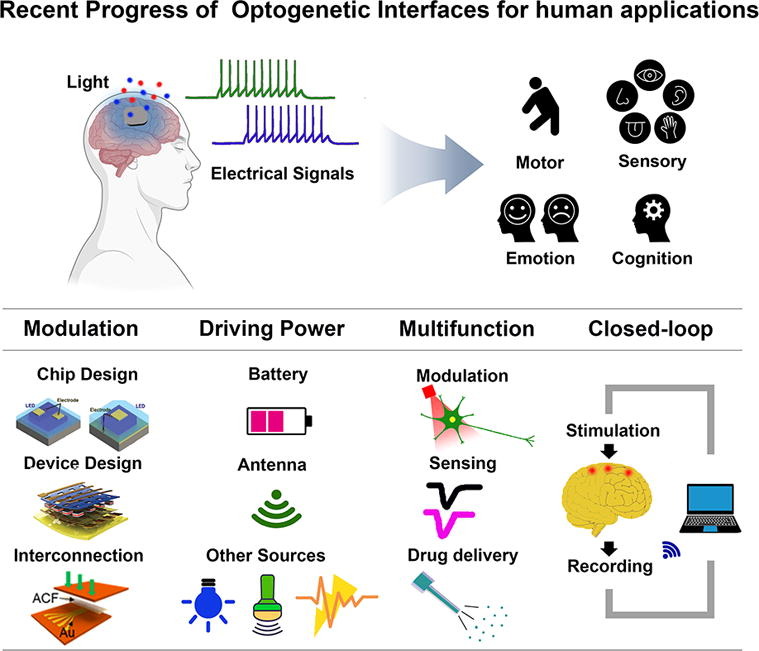
Implantable Micro-Light-Emitting Diode (µLED)-based optogenetic interfaces toward human applications
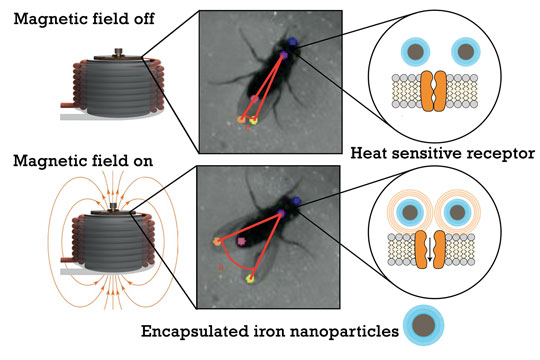
Wireless activation of targeted brain circuits in less than one second - Neuroengineers use magnetic fields to activate neurons in fruit flies
-
Wireheading?

Practitioners in the A.I, machine learning, generative modeling/art, human augmentation and related domains should be very clear about this: Significant parts of these communities - implicitly or explicitly - are racing towards implementing and perfecting Wireheading and Mind-control, in its many expressions. Let's stop to beat about the bush and openly discuss the socio-spiritual-technical design decisions and implications of such systems, which in the shadows have advanced far further than most choose to believe. Most importantly, let's meditate so we can choose the path forward in a conscious and relaxed way.
#ML #Generative #Augmentation #Military #SE #RTM #BCI #RadioBio
-

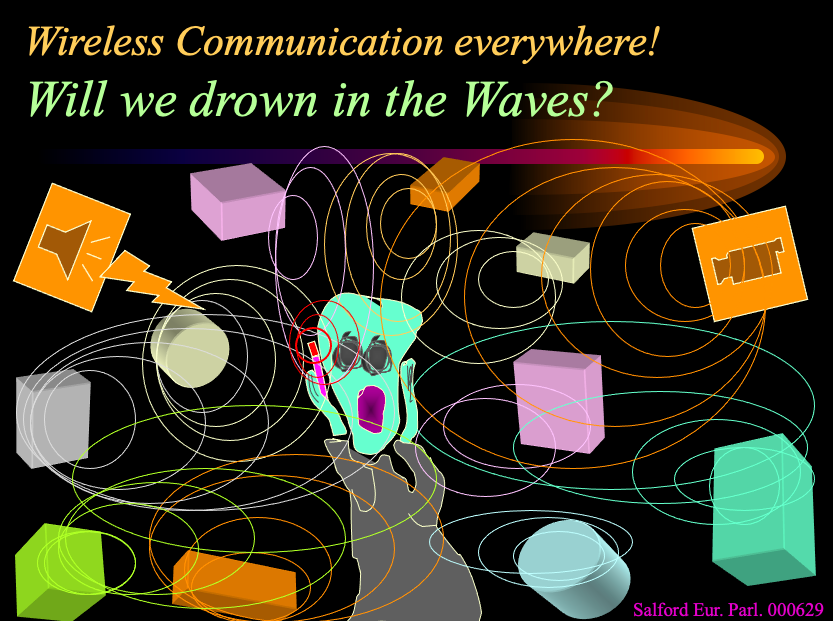
Leif Salford’s Final Slide in His Talk to the European Parliament on June 29, 2000. -
Researchers Achieve Mind Control Using Only Light (Paper)
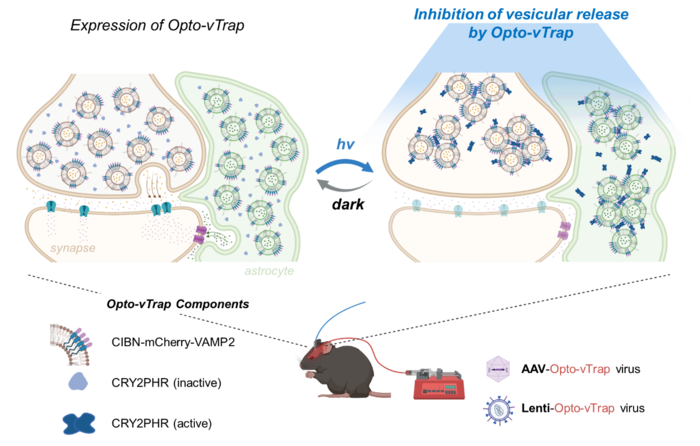
A form of mind control using only the power of light has been developed by a team of South Korean researchers. And, the research team says, the process is fully reversible and has already been used successfully on mice in a lab setting to control both emotion and behavior.
-
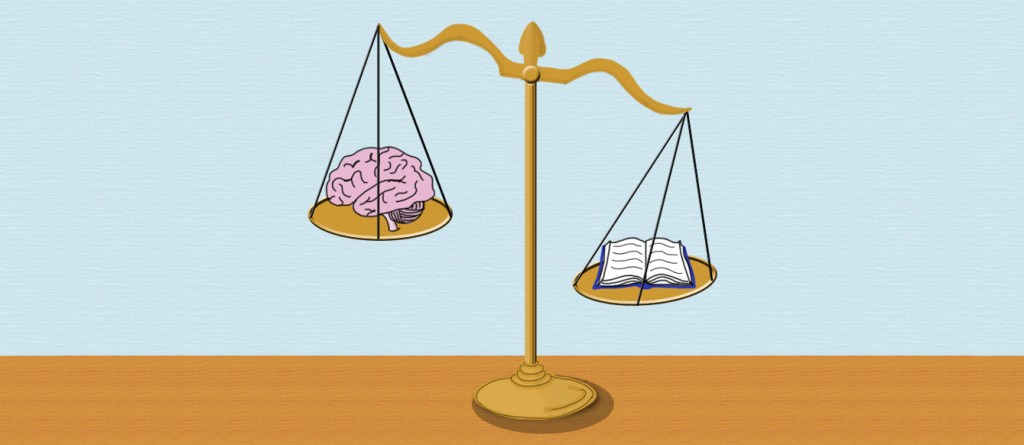
The Rise of Neurotechnology Calls for a Parallel Focus on Neurorights - By Nayef Al-Rodhan
Chile is leading the way with a bill that offers protections against abuses and inequities that could arise from technologies that augment human capacities.
-
José Manuel Rodríguez Delgado (1915 - 2011) was a interesting person
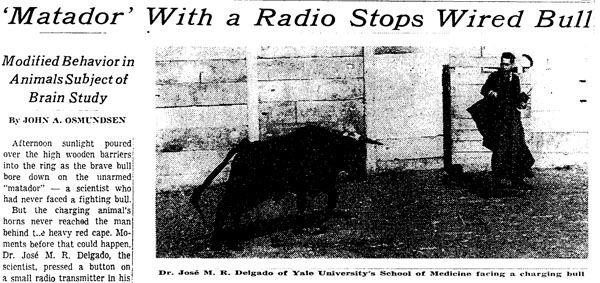
"We need a program of psychosurgery and political control of our society. The purpose is physical control of the mind. Everyone who deviates from the given norm can be surgically mutilated. "The individual may think that the most important reality is his own existence, but this is only his personal point of view. This lacks historical perspective. "Man does not have the right to develop his own mind. This kind of liberal orientation has great appeal. We must electrically control the brain. Some day armies and generals will be controlled by electrical stimulation of the brain." - José Manuel Rodríguez Delgado, Physical Control of the Mind: Toward a Psychocivilized Society, Harper & Row, 1969.
-
Brain-computer interface for generating personally attractive images (Paper)
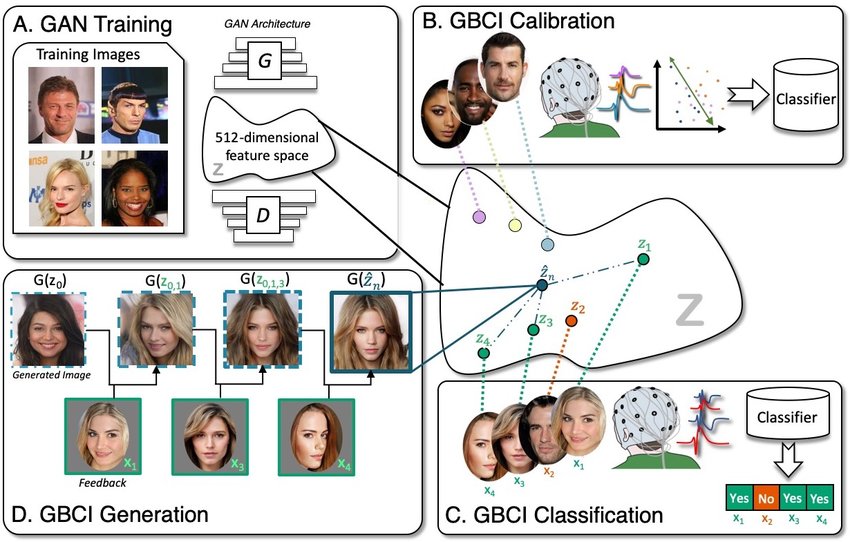
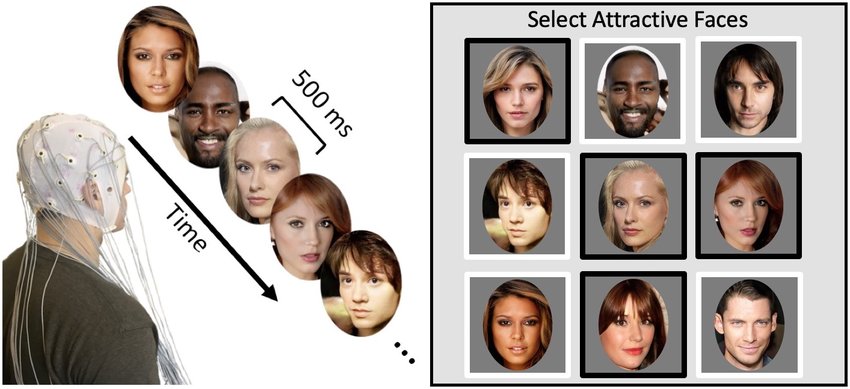
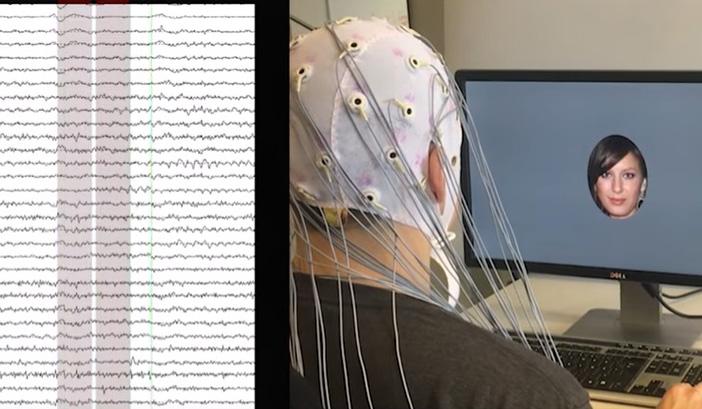
Researchers have succeeded in making an AI understand our subjective notions of what makes faces attractive. The device demonstrated this knowledge by its ability to create new portraits on its own that were tailored to be found personally attractive to individuals. The results can be utilized, for example, in modelling preferences and decision-making as well as potentially identifying unconscious attitudes. Videos: Paper Overview, Paper Explained
-
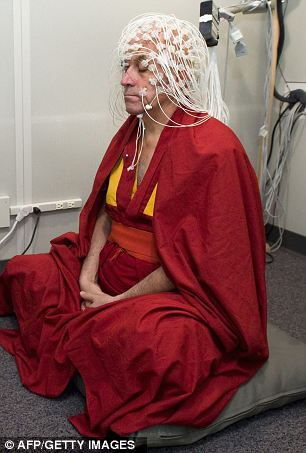
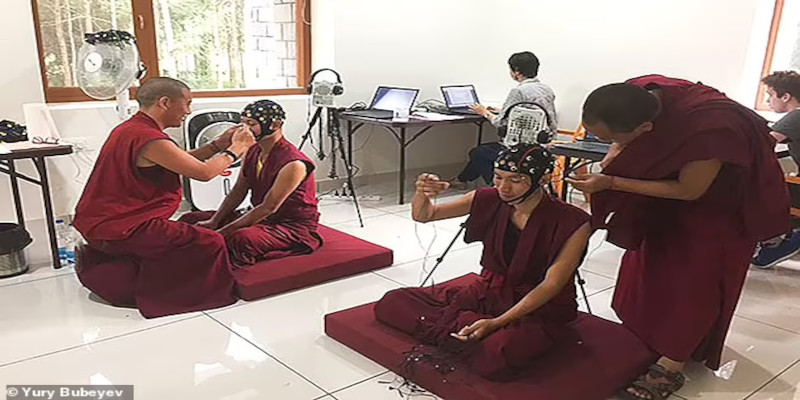
Reflections on technology for meditation
The following is a responds to an interview about using "brain computer interfaces" and "virtual reality" to "enhance" the meditation experience. Even though i am a long term dedicated practitioner of the internal arts, this is just a momentary opinion and food for thought, from a beginners mind.

For me, one of the most beautiful and empowering aspects of meditation (and related internal arts, like qigong, yoga, etc.) is that one can perform it anywhere, anytime - completely with out the need for any complicated technology. There are almost no external dependency - it's just you, a cushion and some time. And many traditions (soto zen, etc.) emphasis that there is no "place to reach" or "thing to improve" (like some weird "mindful video-game high-score") - it is simply about sitting regularly in the here and now. I would argue it is precisely this simplicity, from which much of the power of the meditative experience emanates. While some scientists, technologists and designers make the case that "the ticket to entry is very high, hence we need more tech", i believe learning mediation and establishing it as daily habit, are very achievable goals - as illustrated by the quickly growing amounts of meditators.
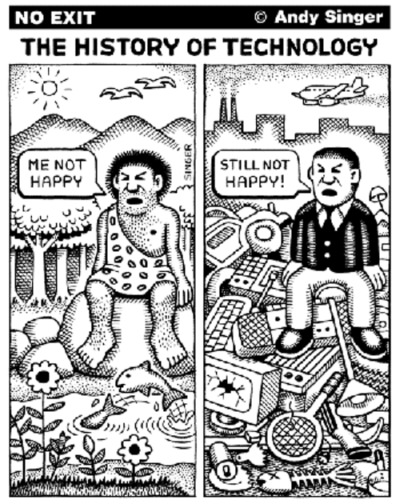
One of the benefit of the traditional low-tech or no-tech approach to mediation/mindfulness, is that it deliberately makes/leaves space for direct human-to-human experiences (teaching and similar social activities.) and nature-to-human experiences. By introducing technology as definitive centre piece of a meditative praxis, we run the very real risk of deteriorating these essential human experiences. For all its blessings, the negative sides of technology should not be ignored - especially when talking about "tech for well-being" (for a nuanced view on tech, see this).
Don't get me wrong, i think technology can certainly help and has an important role to play making mindfulness a universally accessible mainstream culture - i am just earnestly questioning where the line is between "this tool is truly useful and essential for my well-being - not addictive, distracting, etc." - and "I actually just want to play with cool tech-toys, but not so much just sit and do the wonderful but often very challenging inner work".
-
Apple patent filing details new biometric authentication sensors for wearable devices
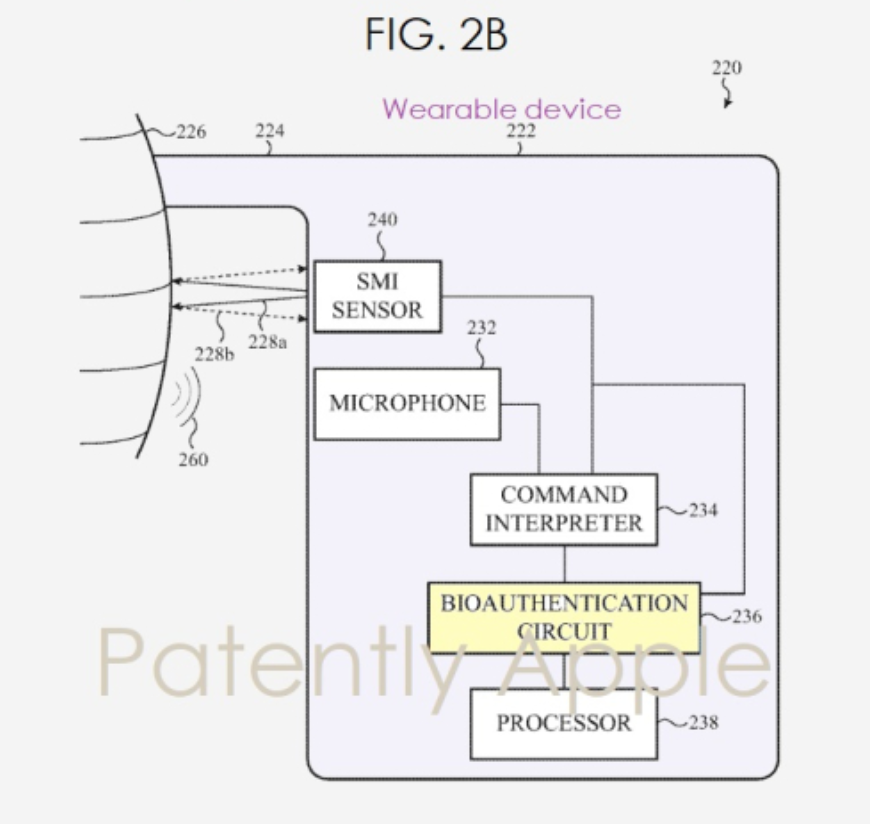
A new patent application filed in April by Apple has been published by the U.S. Patent and Trademark Office, describing new biometric authentication sensors for wearable devices, Patently Apple reports. Apple’s patent application notes the new sensors would be able to recognize user inputs like voiced commands or silent gestures.
-
No Implants Needed For Precise Control Deep Into The Brain (spectrum.ieee)
Optogenetics can now control neural circuits at unprecedented depths within living brain tissue without surgery.