tag > China
-
What is Bagua Zhang?
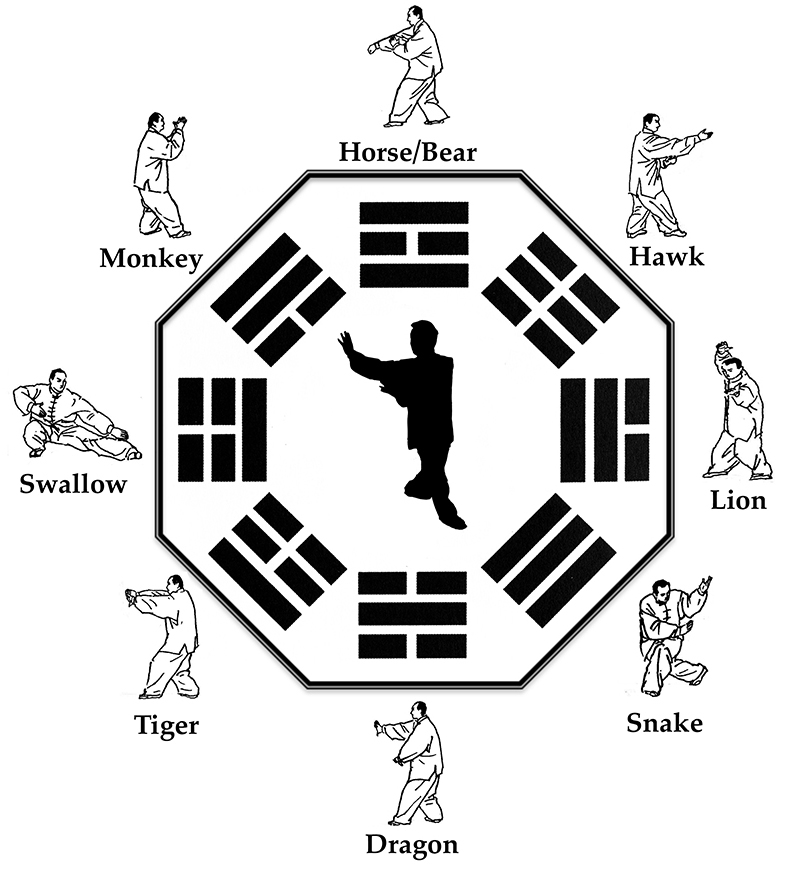
Bagua Zhang, meaning "Eight Trigram Palm", is a complex, beautiful and mature "internal" martial style. Bagua Zhang is based on the principle of change. The practitioner of Bagua Zhang is always in movement - producing ceaseless change - a reflection of the natural phenomena of the universe. Masters of Bagua Zhang seek to constantly express the fundamental concepts: never stop walking and never stop changing; always be prepared to shift direction; unify the qualities of soft and hard; combine the benefits of internal and external; enter and exit suddenly and with speed; coordinate the physical strength of the body with the internal energies (Qi).
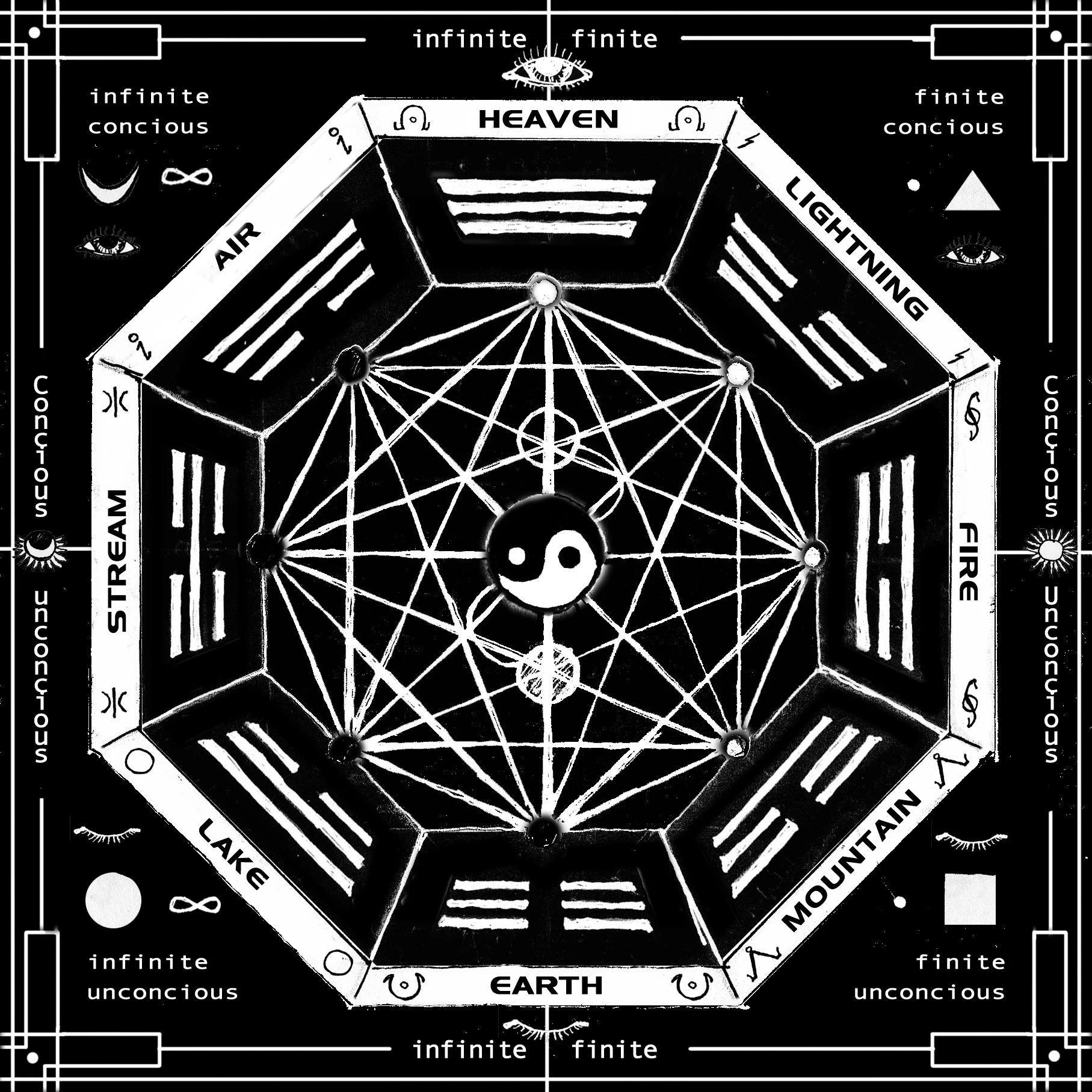
As the name implies, many of the combat techniques of Bagua Zhang involve the palm (Zhang). The use of the palm over the fist is what allows for the constant transformation from shape to shape and technique to technique. The palms allow for listening and manipulation of the opponent in contrast to a fist whose inherent tense quality has limited use beyond the strike. The core practice method of Bagua Zhang is the walking of the circle, wherein the practitioner develops rootedness in movement, strength and focus. The training method is, in essence, a form of moving meditation. The benefits of regular practice of Bagua Zhang towards physical, mental, emotional and spiritual growth and wellness cannot be understated.
-
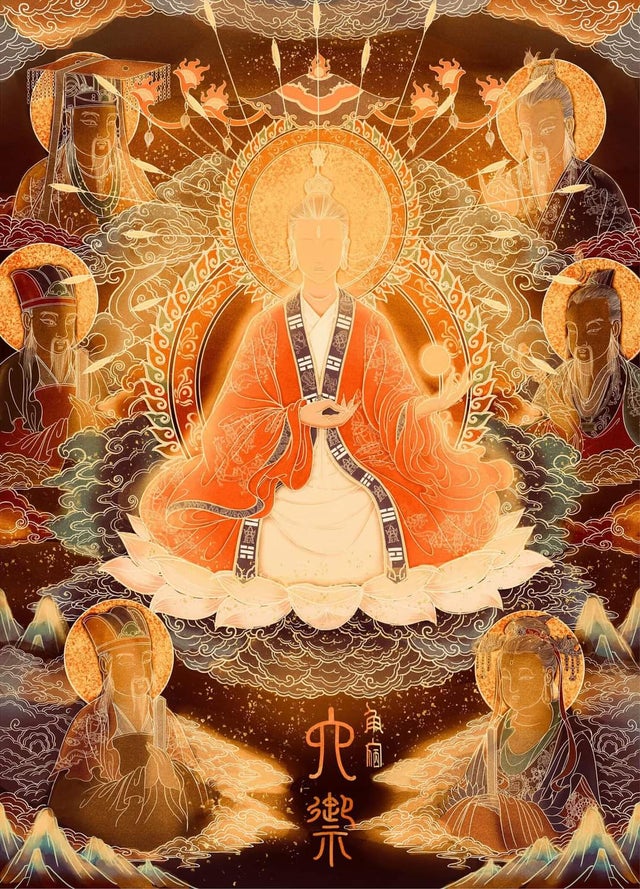
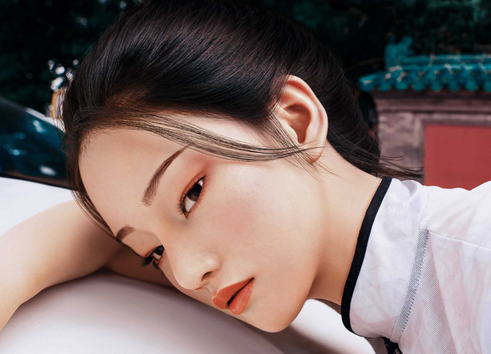
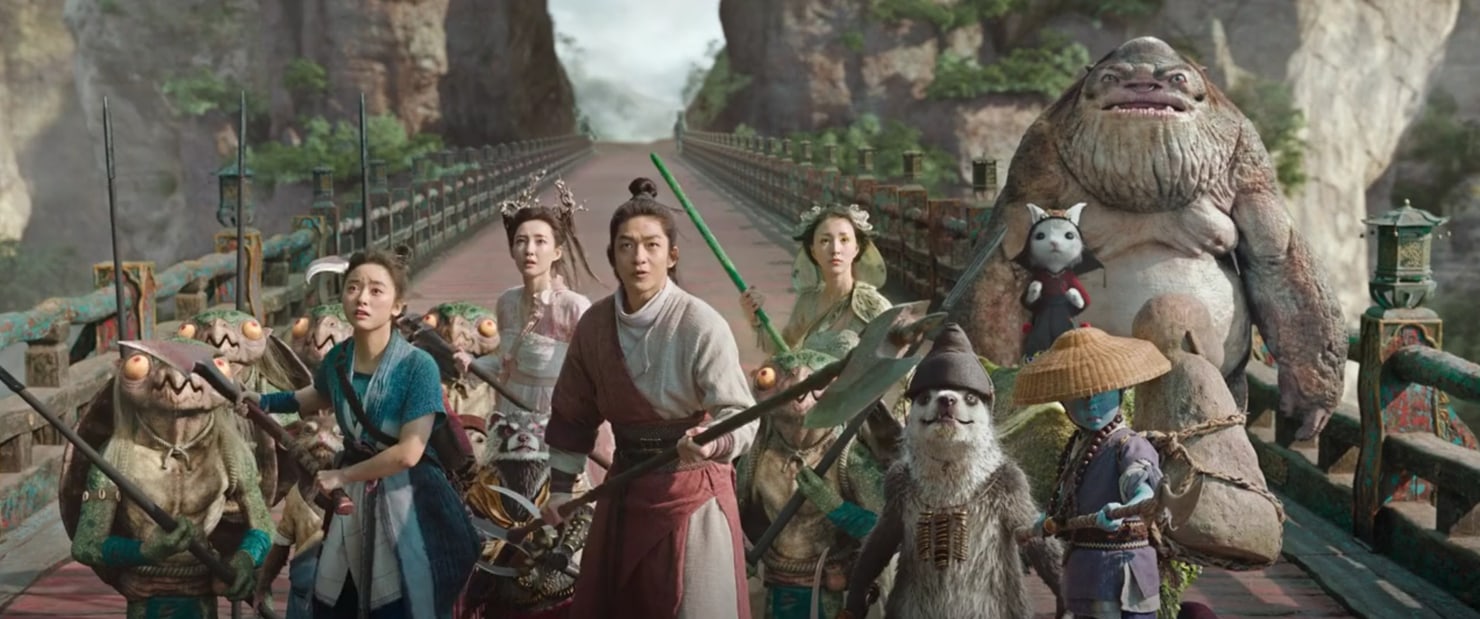
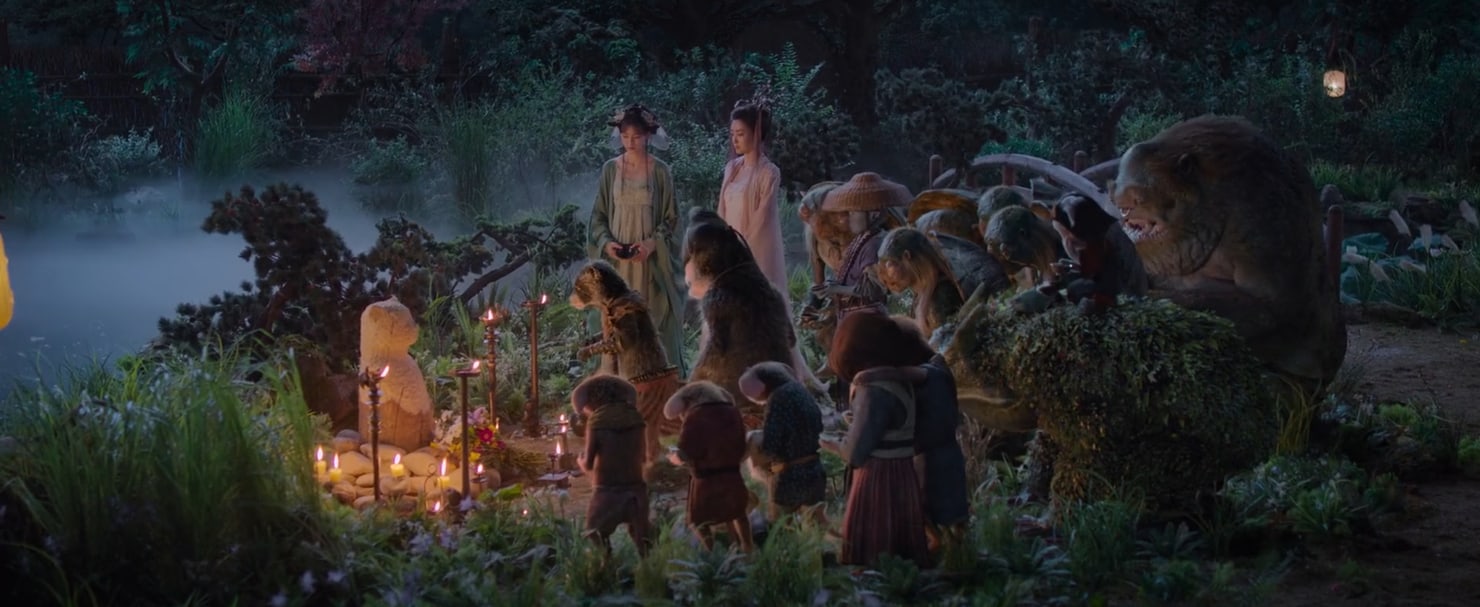
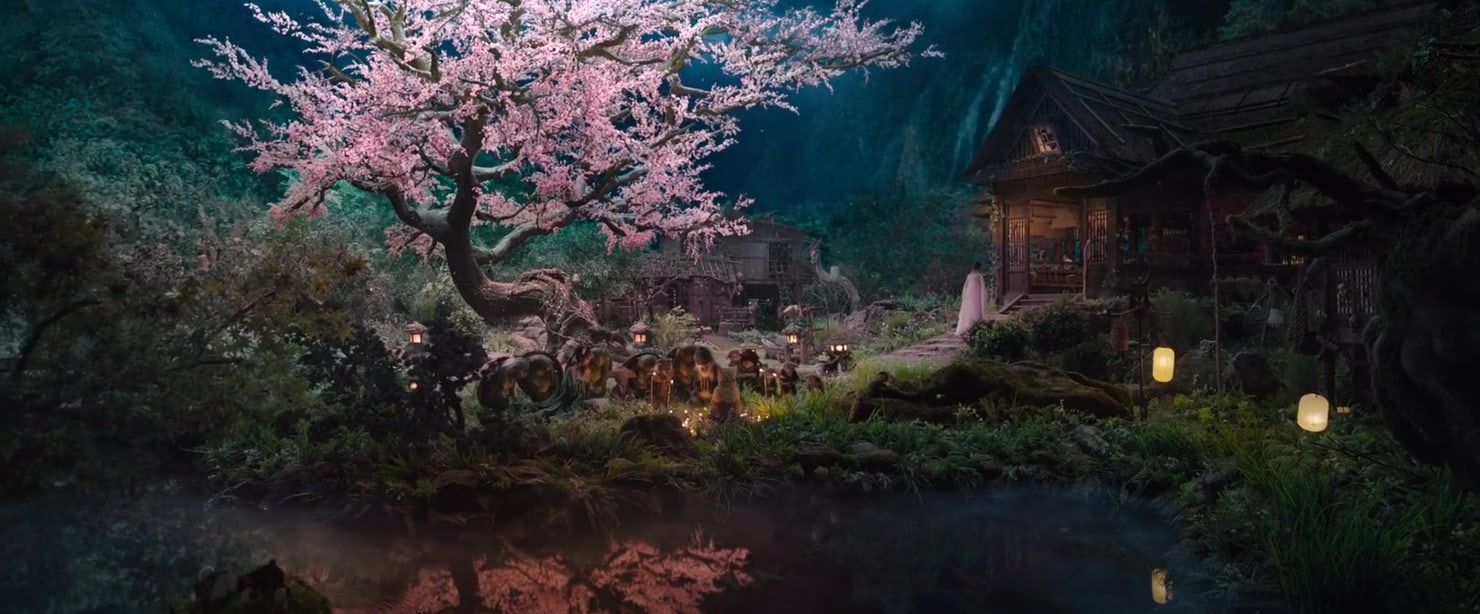
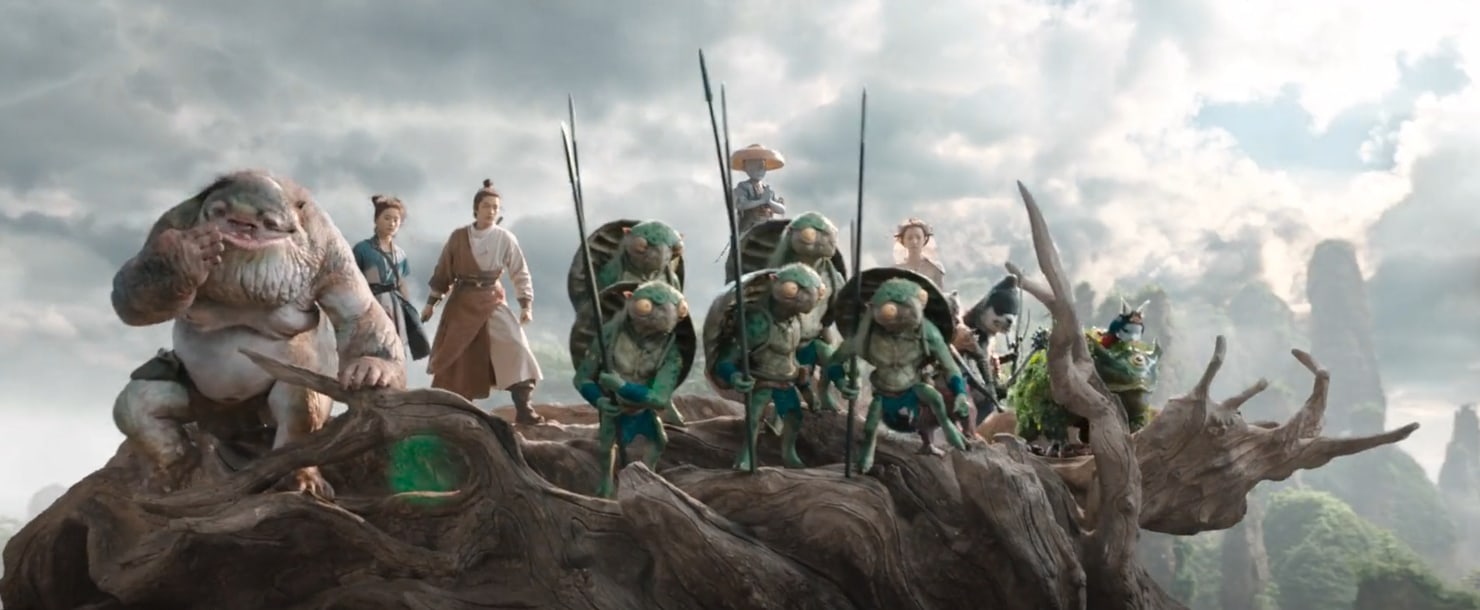
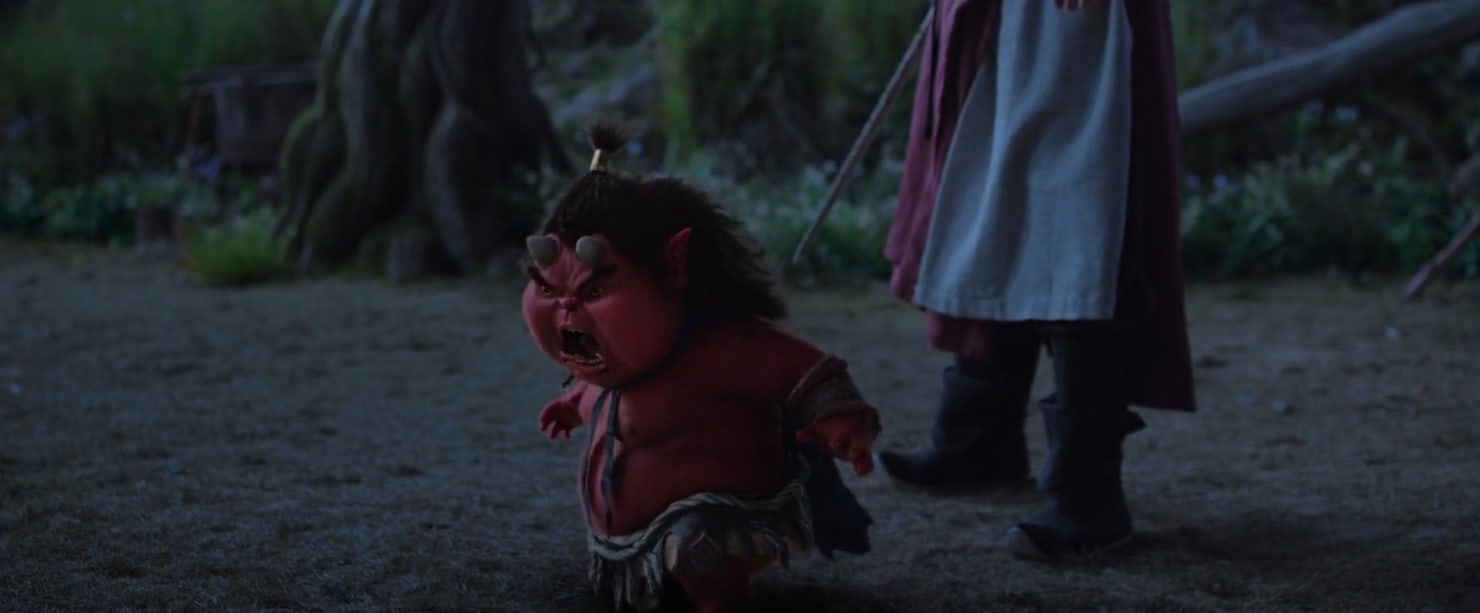
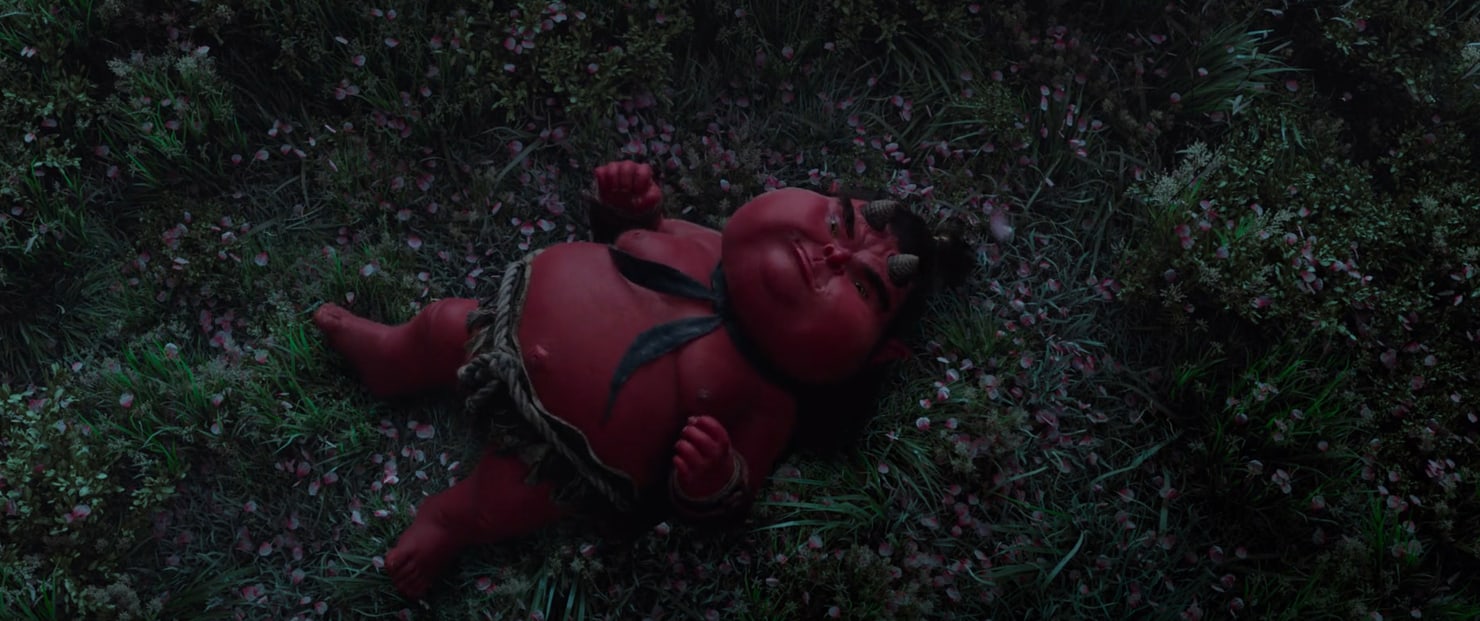
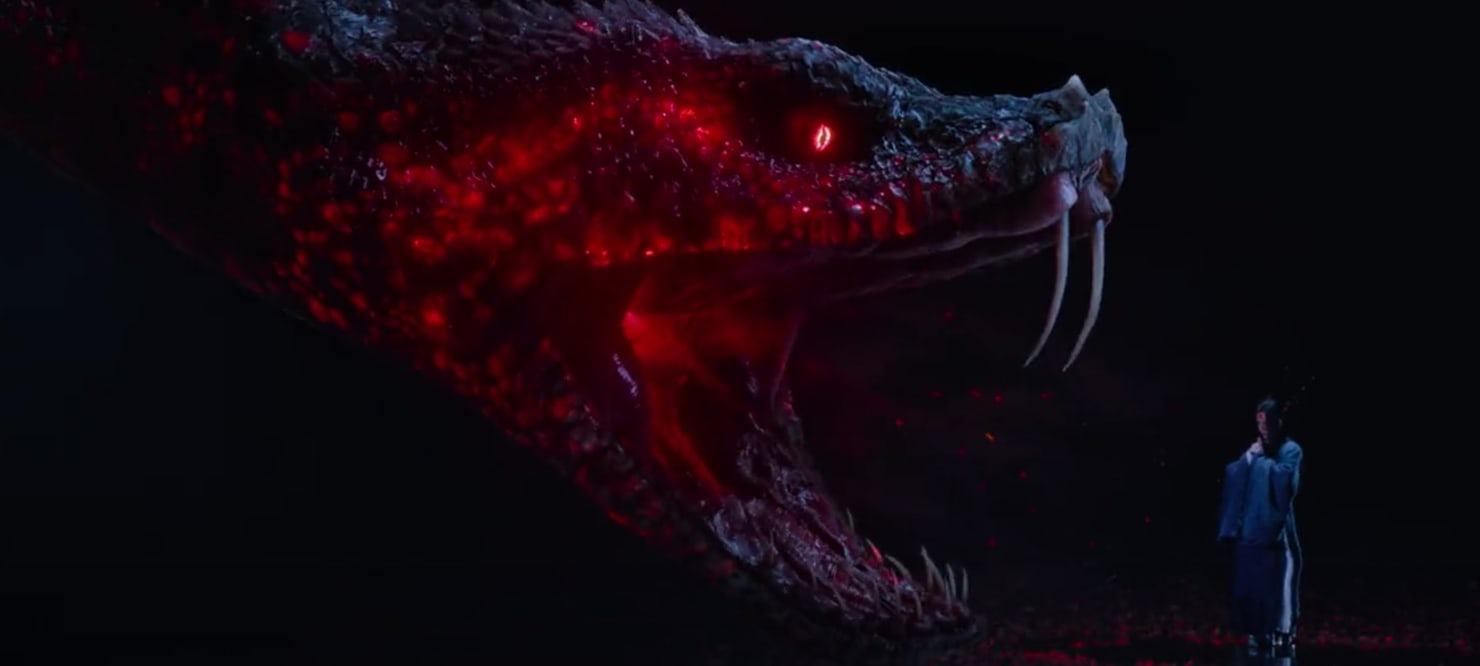
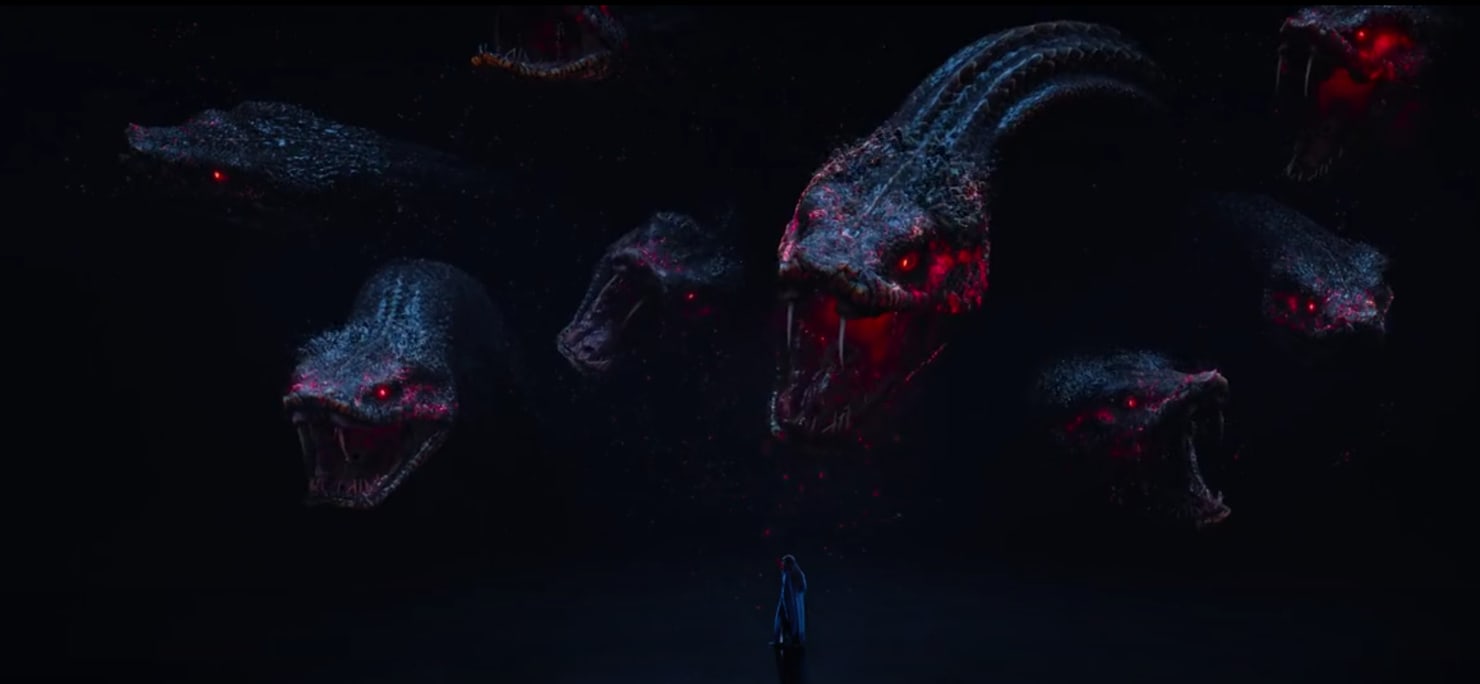
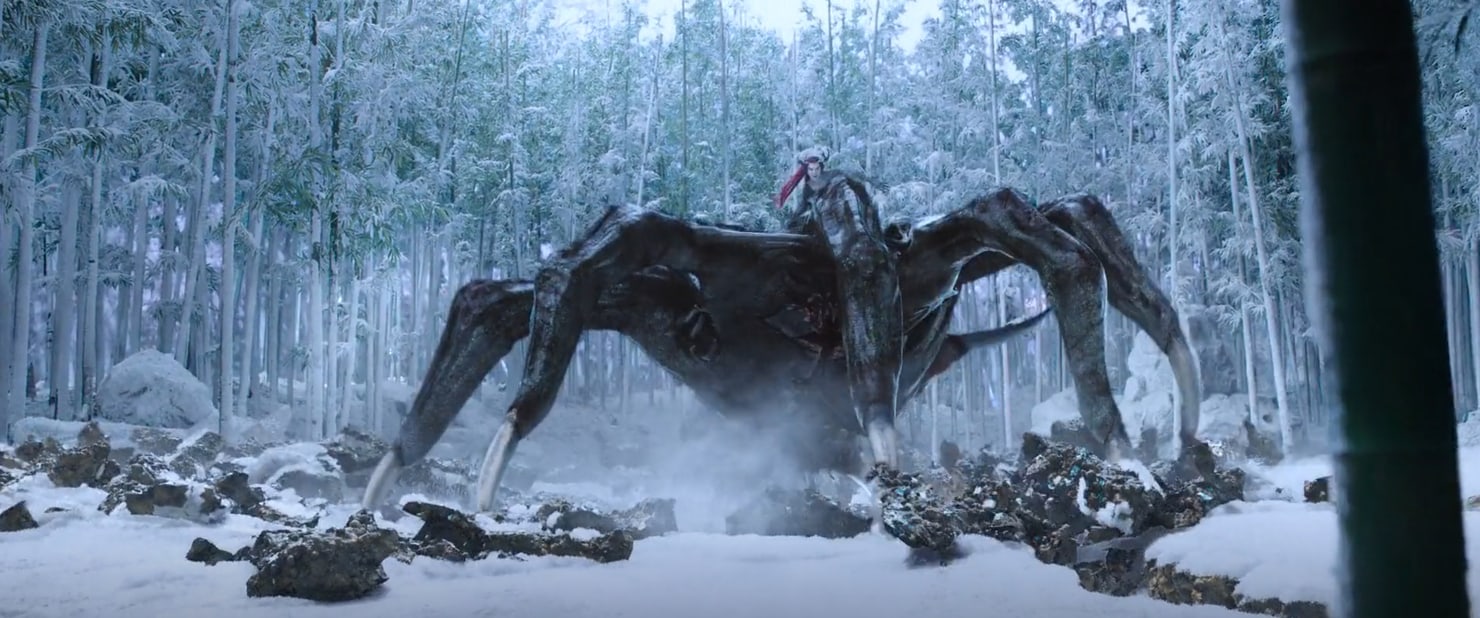
The Yinyang Master - a 2021 Chinese fantasy film directed by Li Weiran (watch here)
-
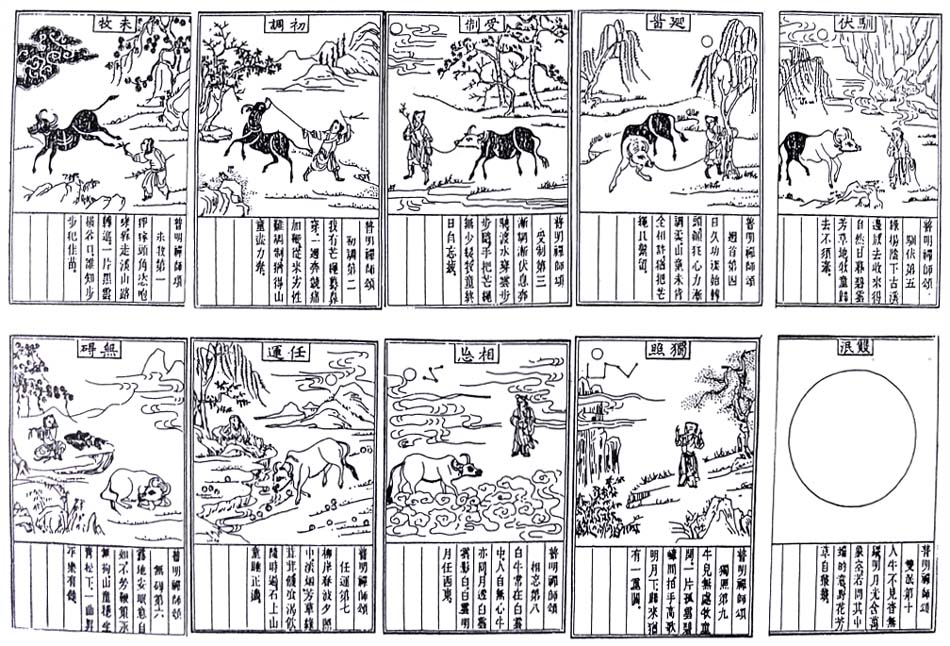
Ten Bulls or Ten Ox Herding is a series of short poems and accompanying drawings used in the Zen tradition to describe the stages of a practitioner's progress toward enlightenment, and their return to society to enact wisdom and compassion.
-
China & Russia say bye bye to USA & EU
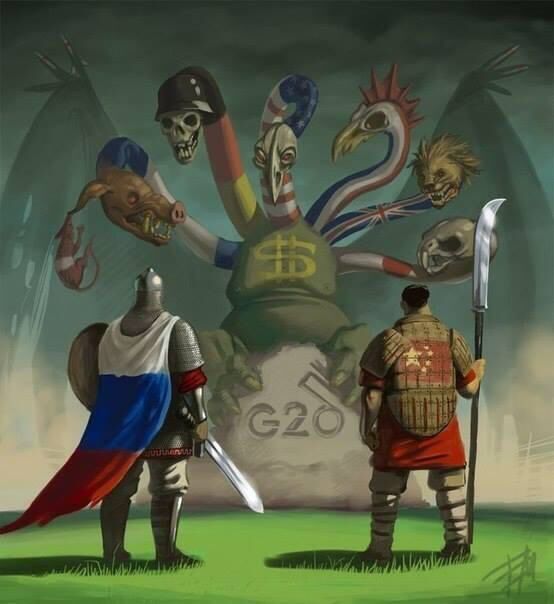
- Moscow now has ‘no relations’ with EU because Brussels has ‘destroyed’ once friendly ties, Russian Foreign Minister Lavrov claims (RT)
- Russia, China can reduce sanctions risks by moving away from US dollar, Sergey Lavrov says (SCMP)
- Beijing blasts Western sanctions over alleged human rights abuses, says ‘door to China’ can no longer be opened with cannons (RT)
- China’s retaliatory sanctions on the EU set the stage for how Beijing will respond to other global powers (CNBC)
-
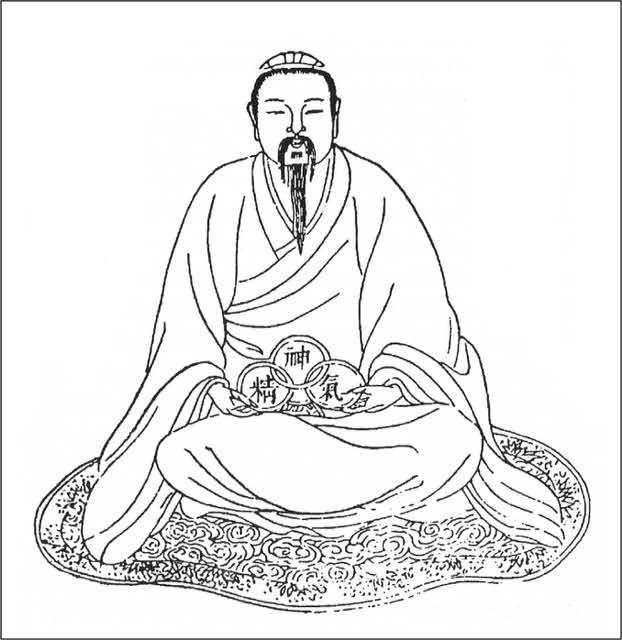
Shen (神)
Shen in Chinese Medicine refers to the consciousness in a large sense. It is further divided:
- Lower consciousness: the automated survival instinct, the biological will to live. It is often referred to as animal instinct. The feeling for the need to eat, to reproduce, to protect your body from harm (cold, fire, water, fall, etc…) It is also that voice in your head that tell you to get out of a dangerous place or to take a different route.
- Normal consciousness a.k.a. Monkey Mind: the acquired emotional response to your environment. What you learned from your experiences and those of others. The use of your emotions, positive and negative, to communicate with others and yourself. Basically all of your thought. Where there is a thought, there is an emotion.
- Higher consciousness: being conscious of our consciousness. Feeling connected to the infinite universe and everything in it. This is the state of meditation, of tranquility, from which you have no thought but can feel everything as they are, without comment/ judgment.
The level of higher consciousness is what we are looking to develop during Qigong practice. It is easy to attain it. It is instantaneous. But to be able to keep it for a period of time require training. Not training in developing this higher consciousness but in quieting your Monkey Mind. Once the mind is calm, the higher consciousness manifests itself.
Text from qigong18 online course
-
"To know and not do, is not to know." - Wang Yangming
-
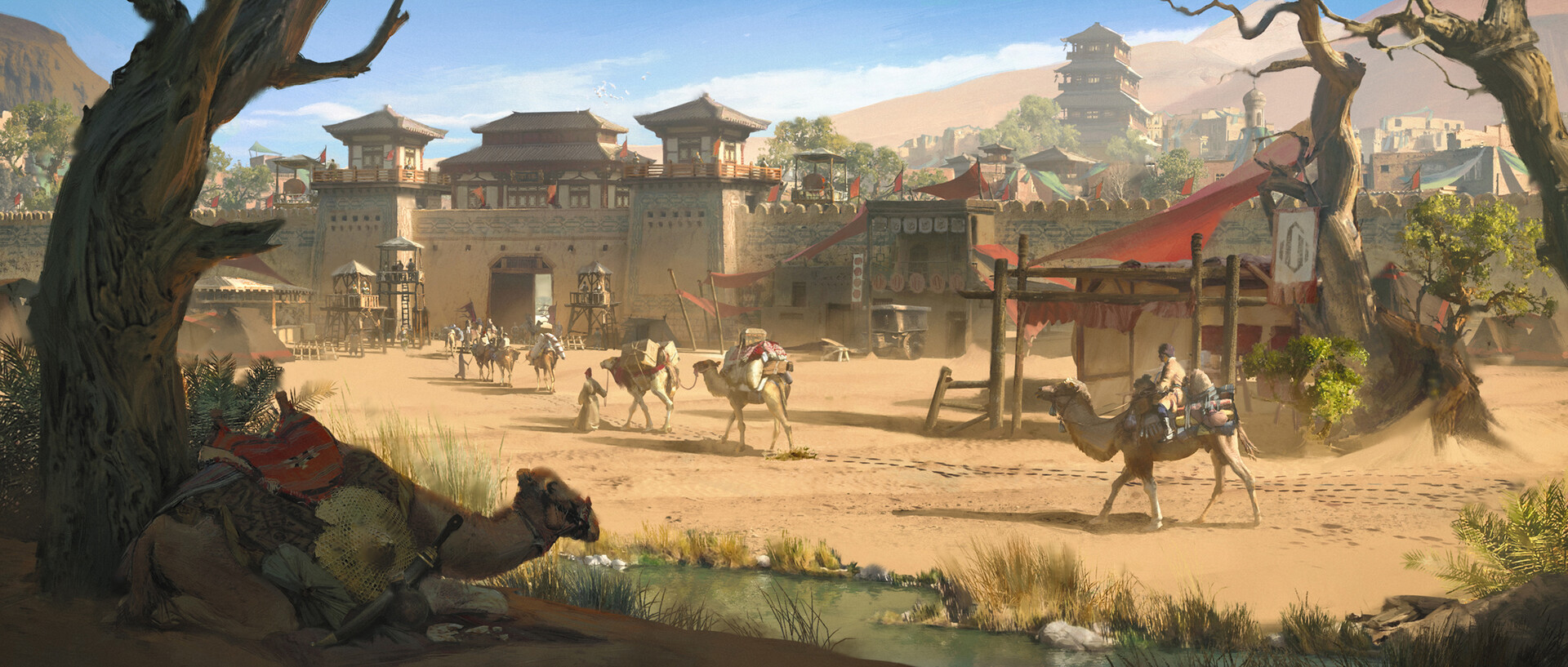
Silk Road Adventures
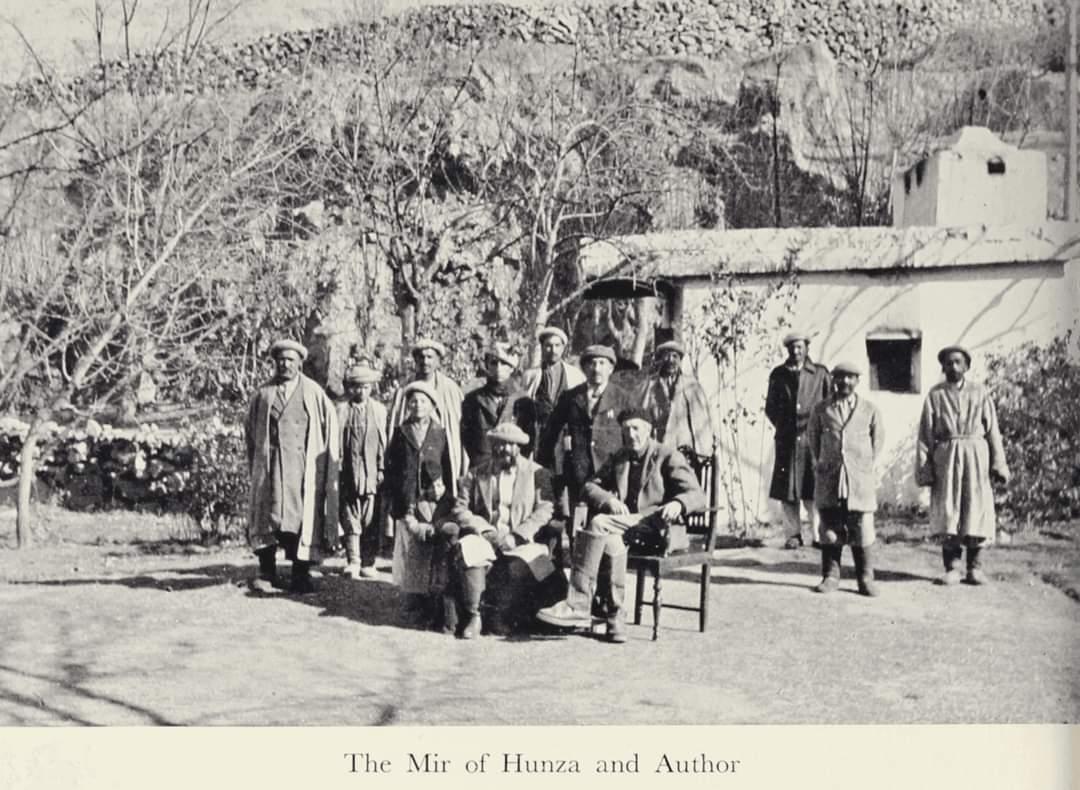
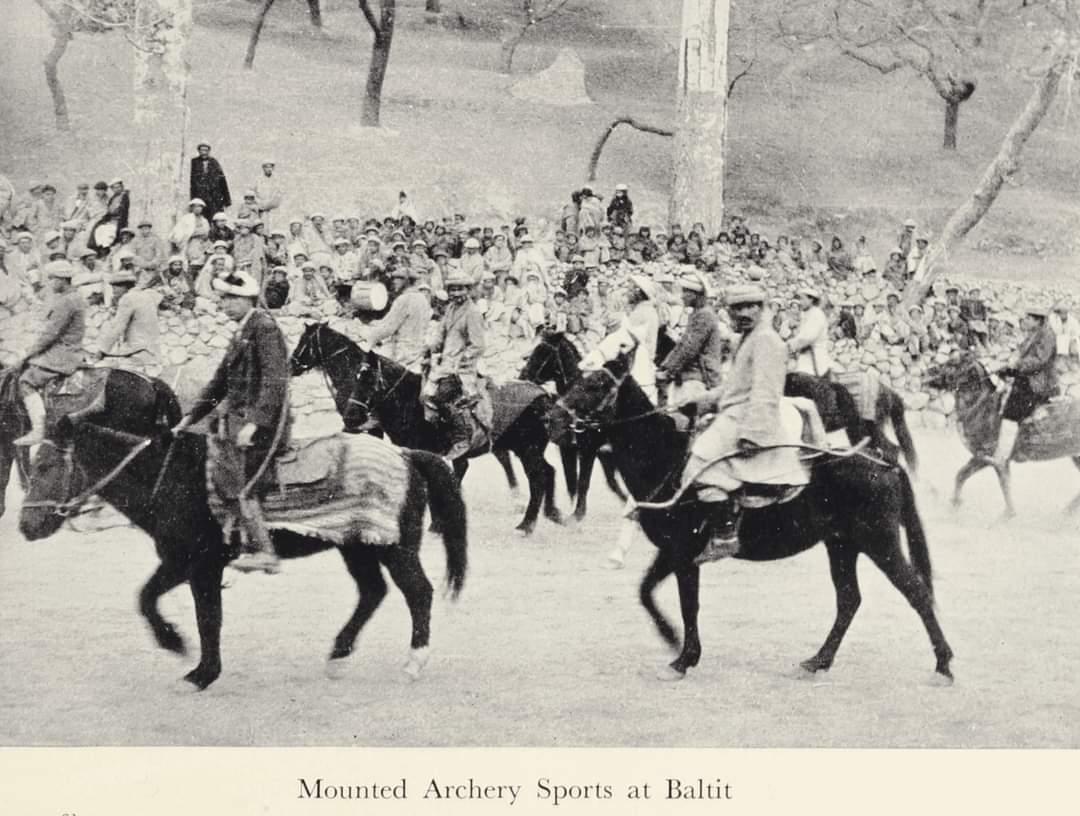
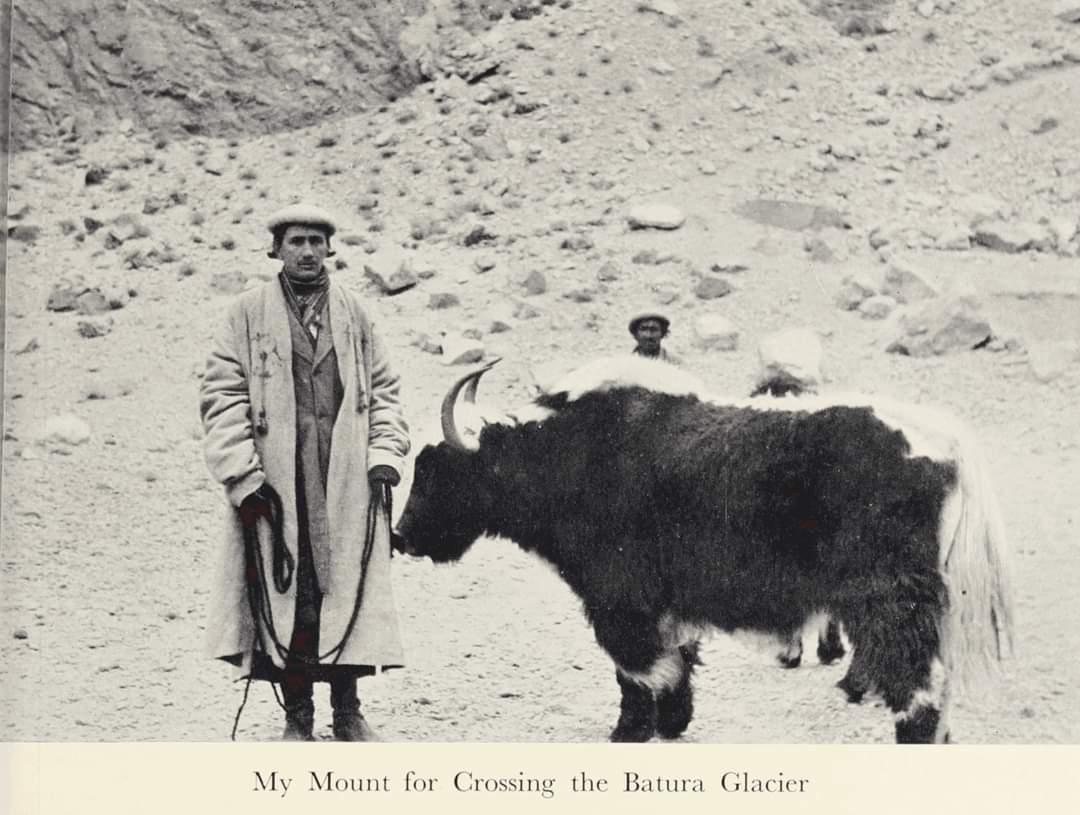
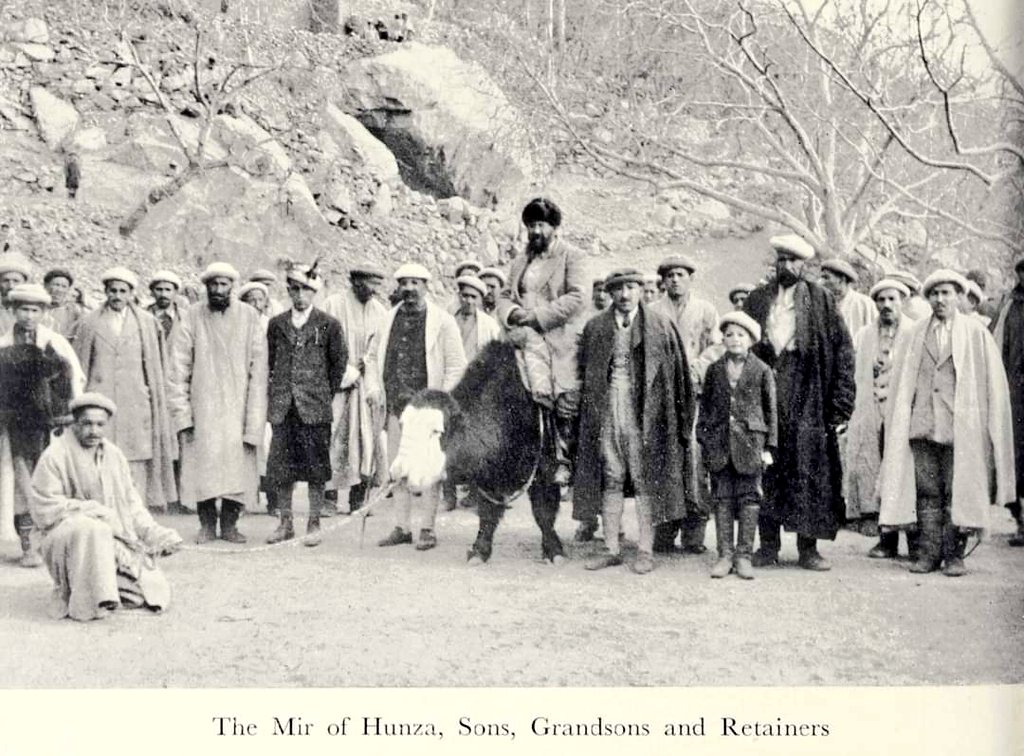
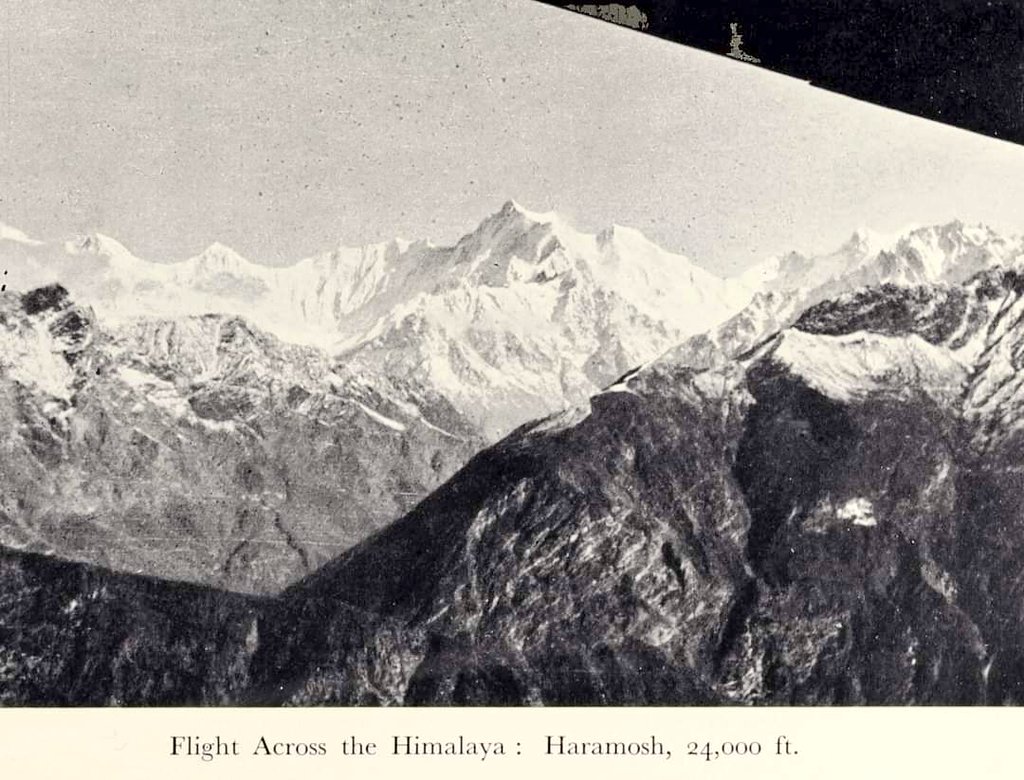

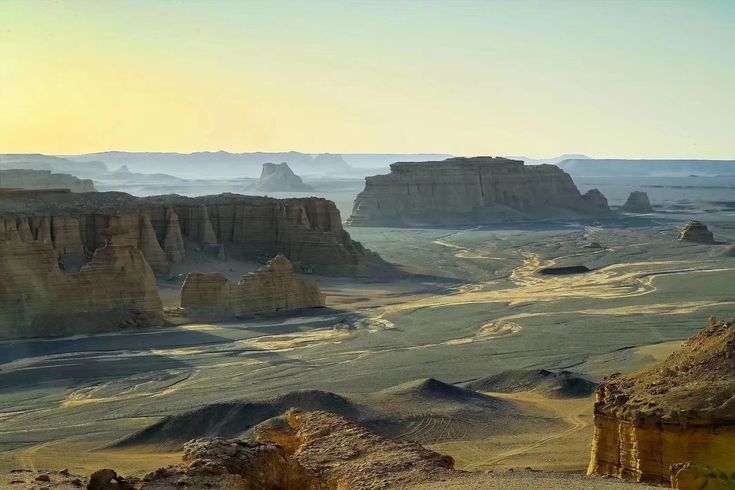
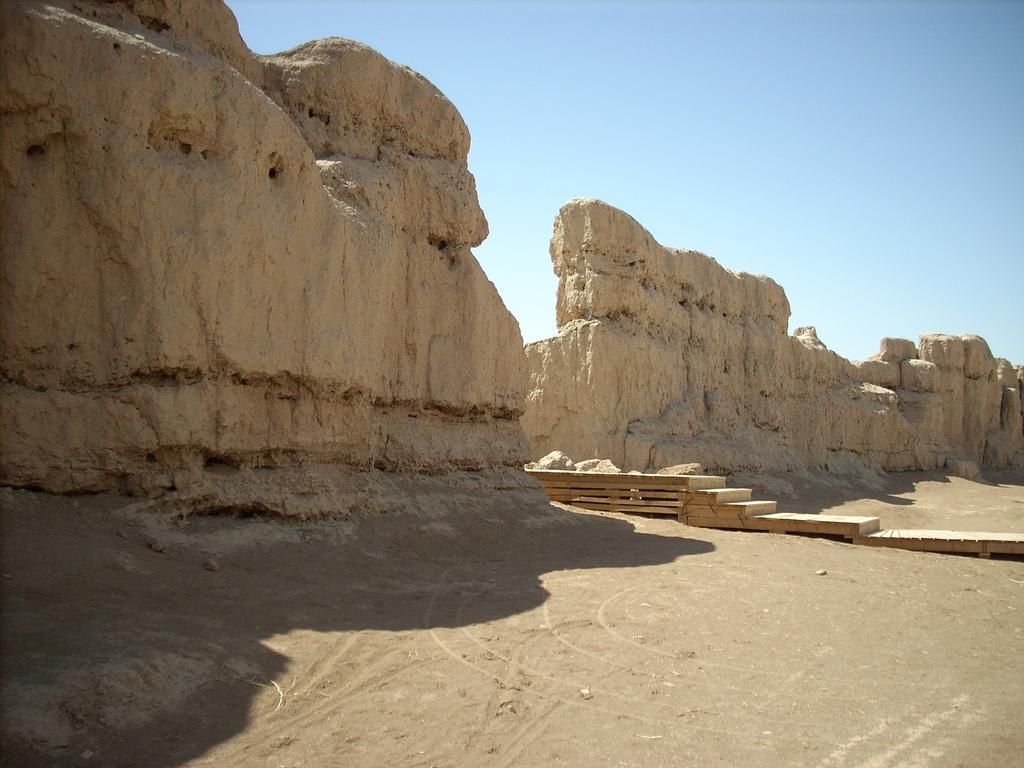
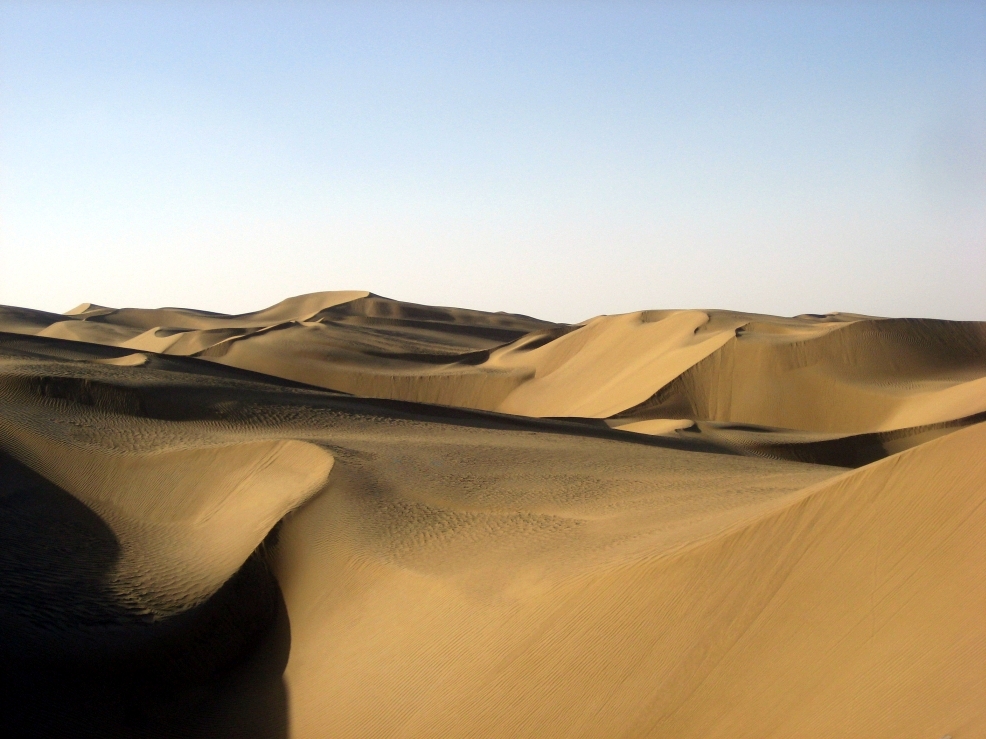
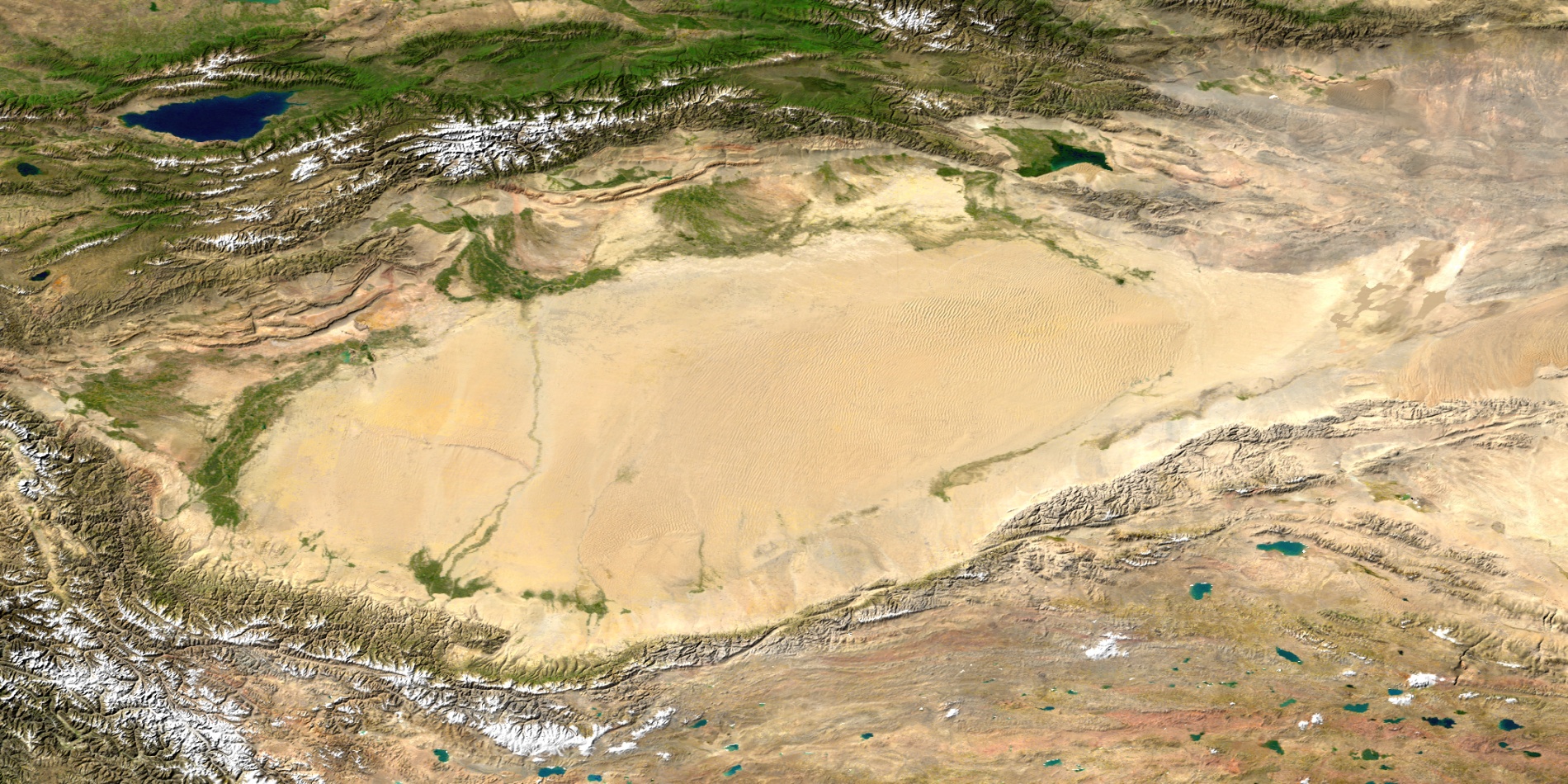
In 1935 the British Consul Eric Teichman leaves his post in Beijing and sets out for Chinese Turkestan, before returning to England through India. His journey from Beijing to India lasts for four months. He crosses Suiyuan by train and travels through Inner and Outer Mongolia, the Gobi desert, Hami, Urumchi, Turfan, and Karashar on a motor truck, from Kashgar to Gilgit on horseback and on foot, and finally takes a plane to Delhi. Some great photographs taken during this journey from Hunza are to be found in book. (via)
-
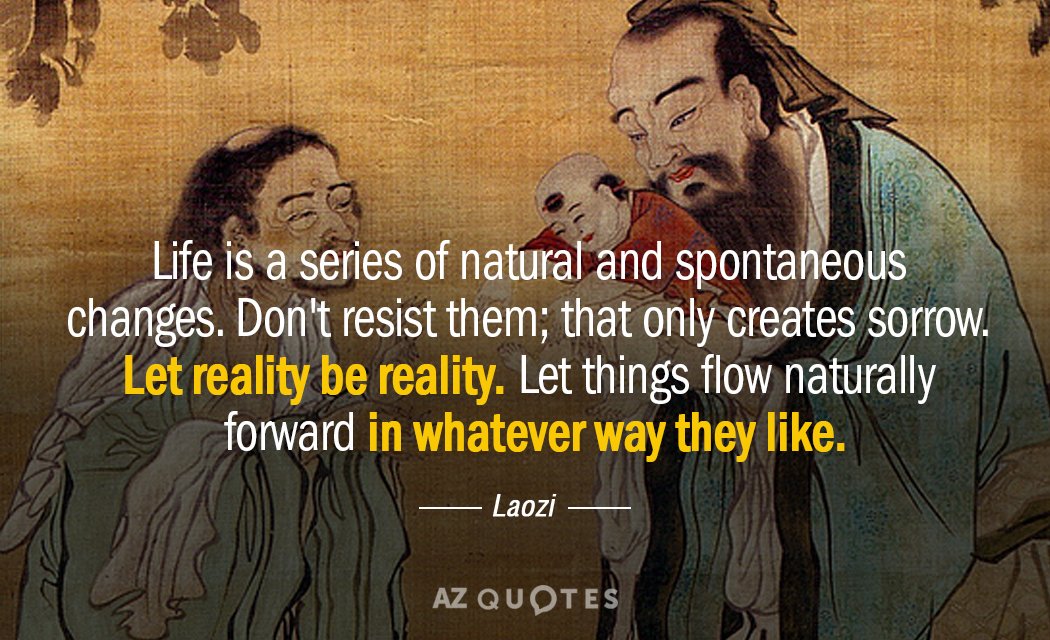
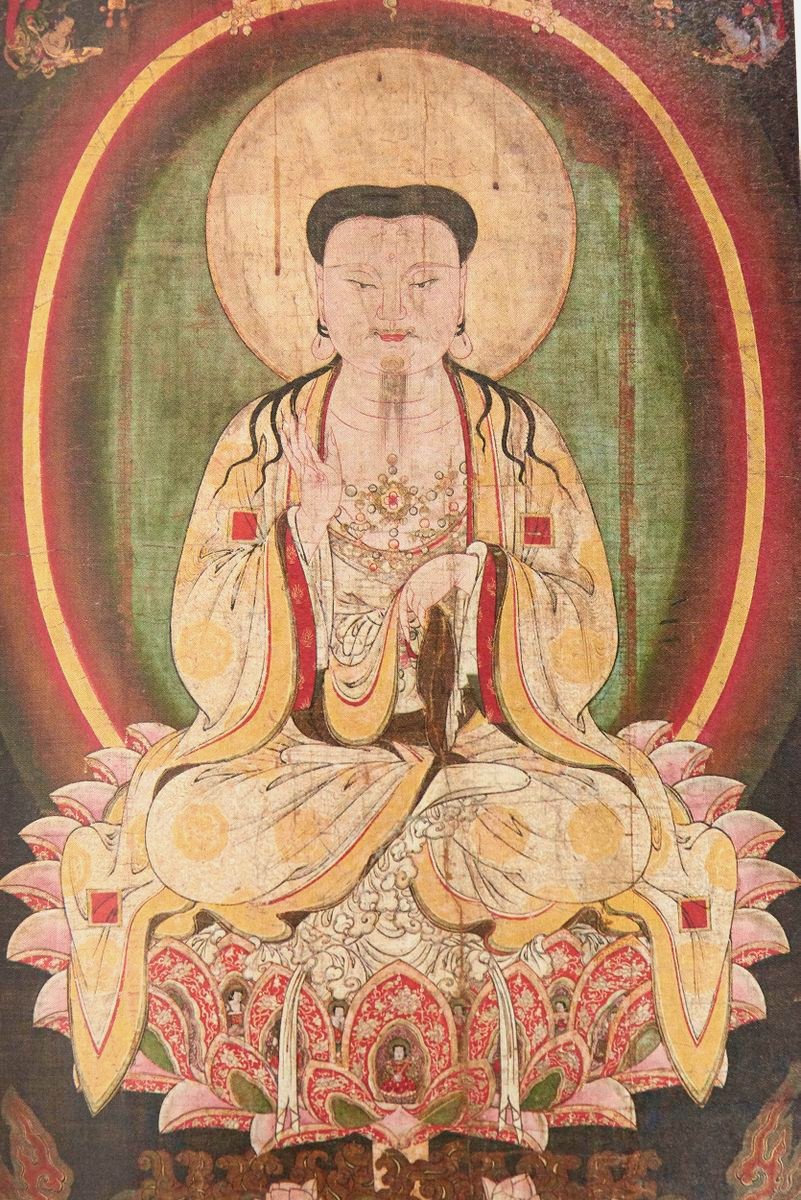
A contemporary portrait of Li Daochun (李道纯) (late 13th cent.), a Yuan-Dynasty Daoist master of the Quanzhen (全真) school and author of "The Book of Balance and Harmony“ (中和集)