tag > Complexity
-
Information And Complexity - Book by Mark Burgin & Cristian Calude (2016)
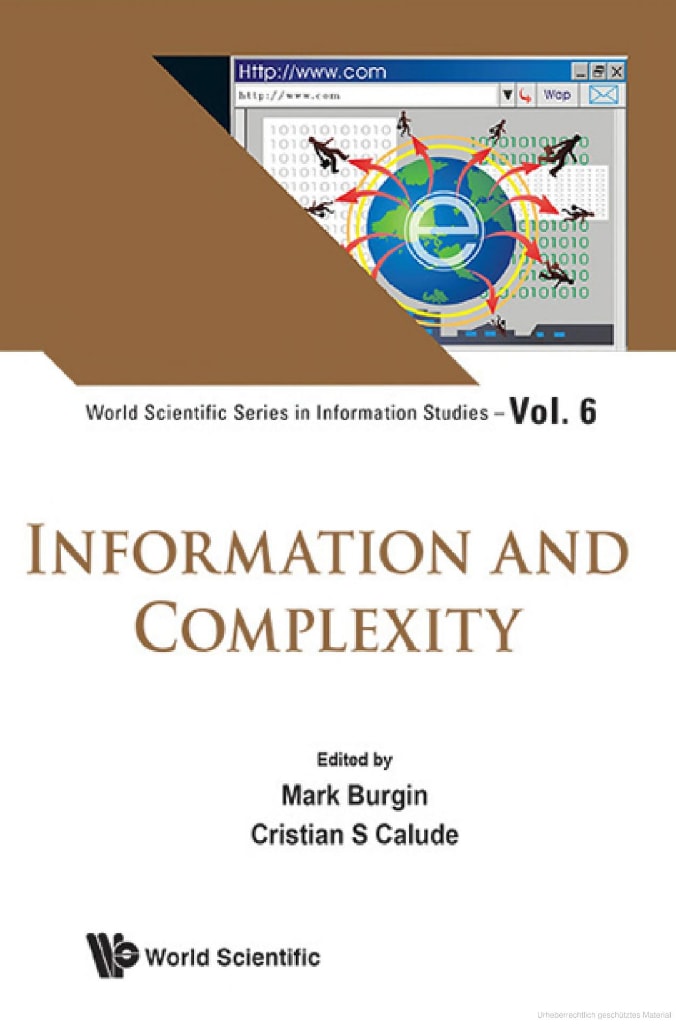
The book is a collection of papers of experts in the fields of information and complexity. Information is a basic structure of the world, while complexity is a fundamental property of systems and processes. There are intrinsic relations between information and complexity. The research in information theory, the theory of complexity and their interrelations is very active. The book will expand knowledge on information, complexity and their relations representing the most recent and advanced studies and achievements in this area. The goal of the book is to present the topic from different perspectives — mathematical, informational, philosophical, methodological, etc.
-
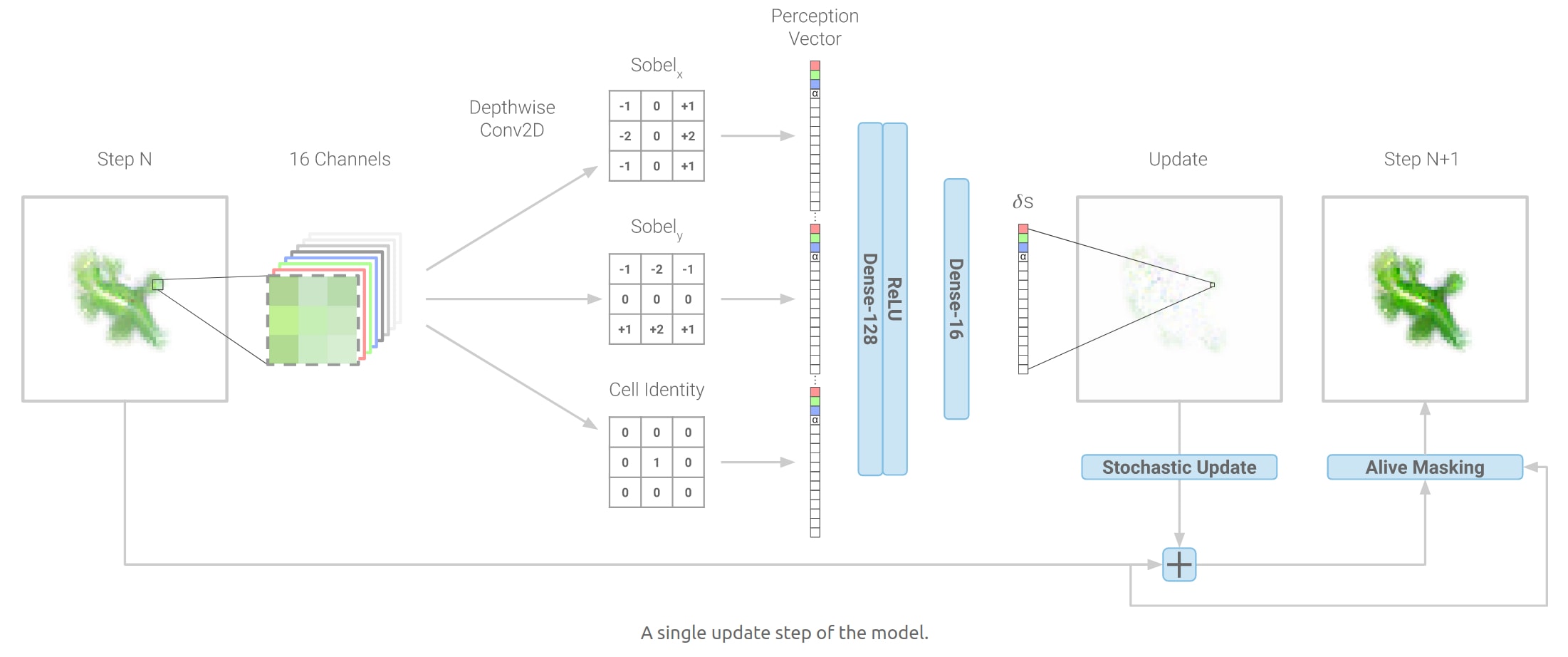
Growing Neural Cellular Automata - Differentiable Model of Morphogenesis - by Alexander Mordvintsev, Ettore Randazzo, Eyvind Niklasson, Michael Levin
-
Mathematicians Prove Universal Law of Turbulence (quanta magazine)
By exploiting randomness, three mathematicians have proved an elegant law that underlies the chaotic motion of turbulent systems.
-
Climate Models Are Running Red Hot, and Scientists Don’t Know Why (Bloomberg) - "The simulators used to forecast warming have suddenly started giving us less time."
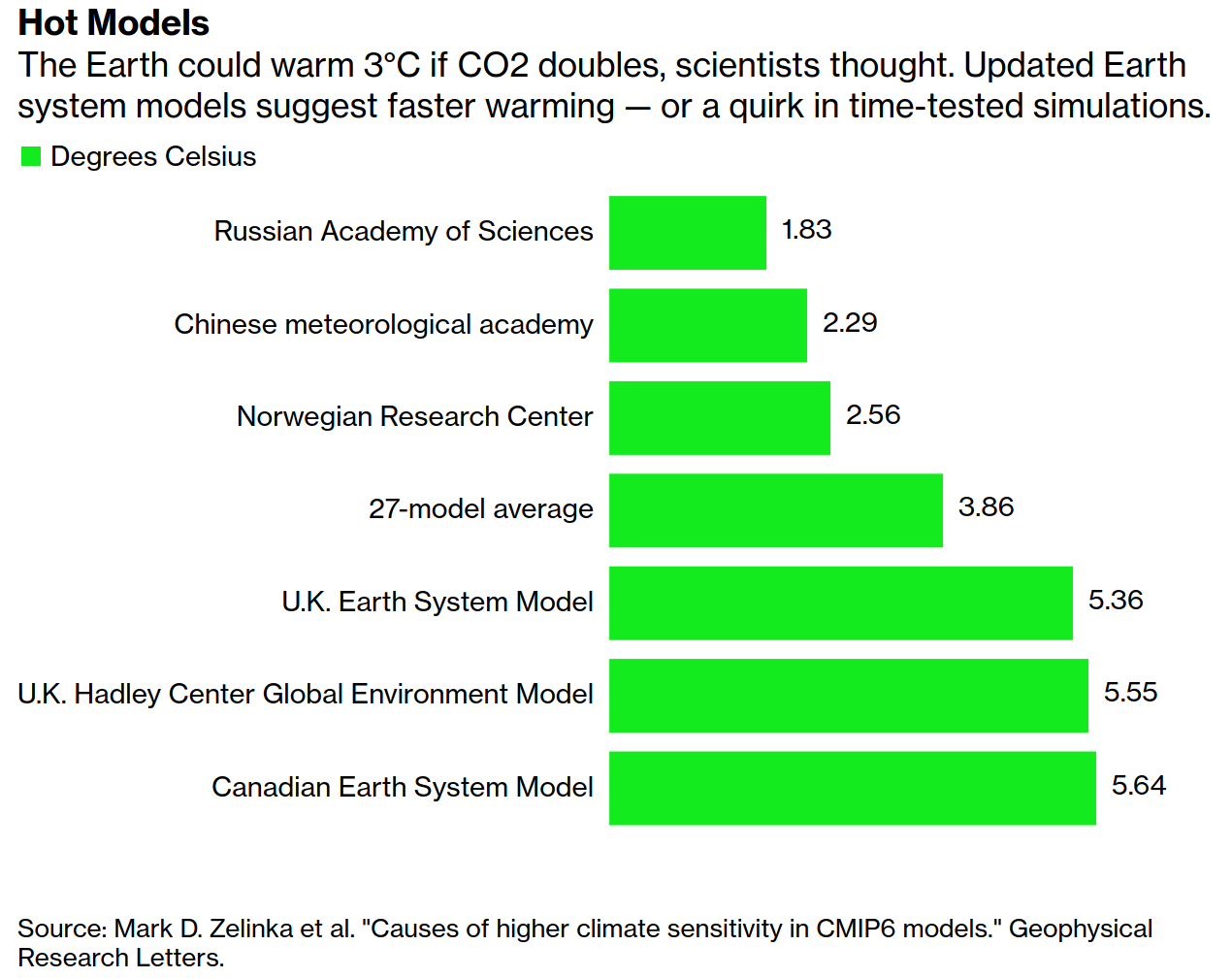
-
Logistic Map Zoom (Fractal, Bifurcation)
A zoom into the bifurcation diagram for the logistic map. The Feigenbaum constant, δ = 4.669 201 609 102…, is derived from this diagram, relating to the rate at which the branches of the tree split. The graph is drawn by only repeating the calculation: a * x * (1 - x) to give a new value of x. Successive values of x, for a fixed value of a, are plotted vertically. More info here.
-

Otto Rössler (1940) is a German biochemist known for his work on chaos theory and the theoretical equation known as the Rössler attractor. Rössler has authored hundreds of scientific papers in fields as wide-ranging as biogenesis, the origin of language, differentiable automata, chaotic attractors, endophysics, micro relativity and artificial universes. In 2008, Rössler publicly criticized the Large Hadron Collider experiment in Geneva and was involved in a failed lawsuit to halt it.
-
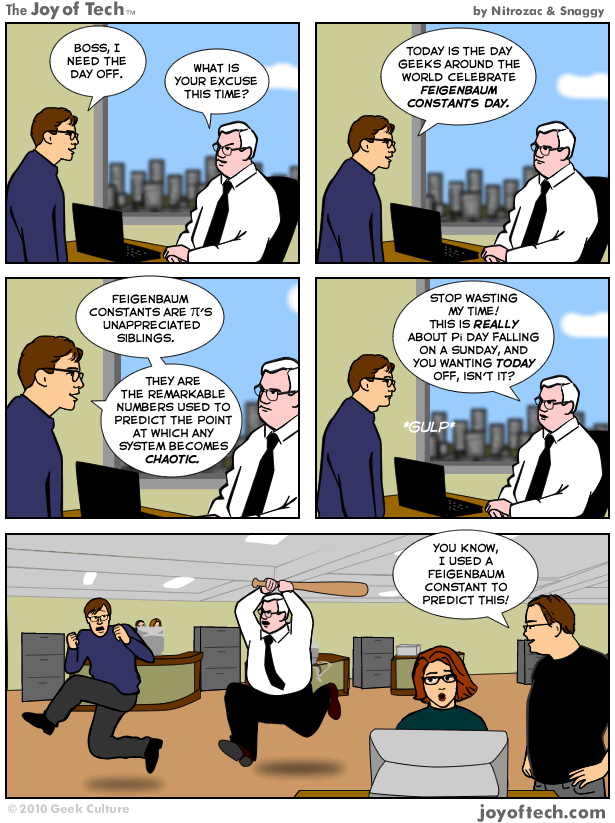
"In mathematics, the Feigenbaum constants are two mathematical constants which both express ratios in a bifurcation diagram for a non-linear map. They are named after the physicist Mitchell J. Feigenbaum. Feigenbaum originally related the first constant to the period-doubling bifurcations in the logistic map, but also showed it to hold for all one-dimensional maps with a single quadratic maximum. As a consequence of this generality, every chaotic system that corresponds to this description will bifurcate at the same rate: 4.66920.."
-
This equation will change how you see the world - Veritasium on Fractals, Chaos & Bifurcation.
-
Quantitative spatial upscaling of categorical information: The multi‐dimensional grid‐point scaling algorithm - by Daniel Gann (2019)
A new scaling algorithm for categorical data generates representative classification system and reduces information loss.
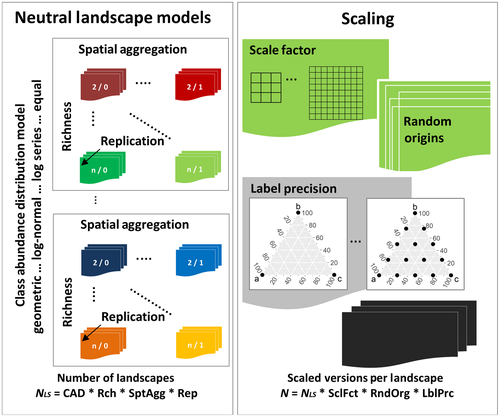
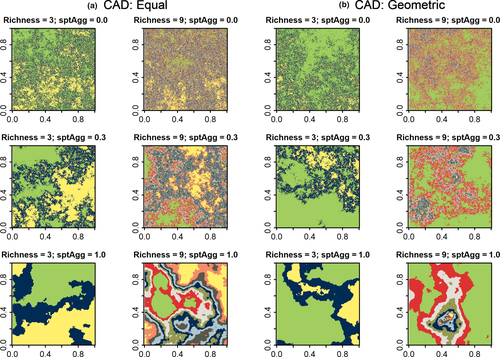

-
Fractal Animation
-
A collection of interactive explorable explanations of complex systems in biology, physics, mathematics, social sciences, epidemiology, ecology and other fields.
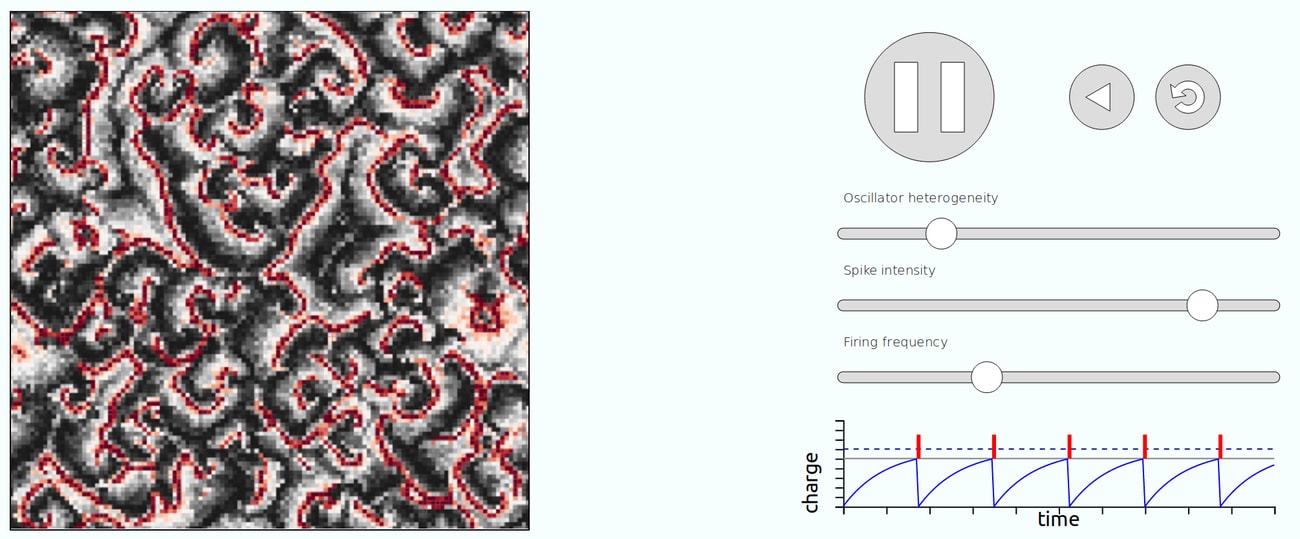
-
About the Future of Engineering - by Hans Konstapel (2020)
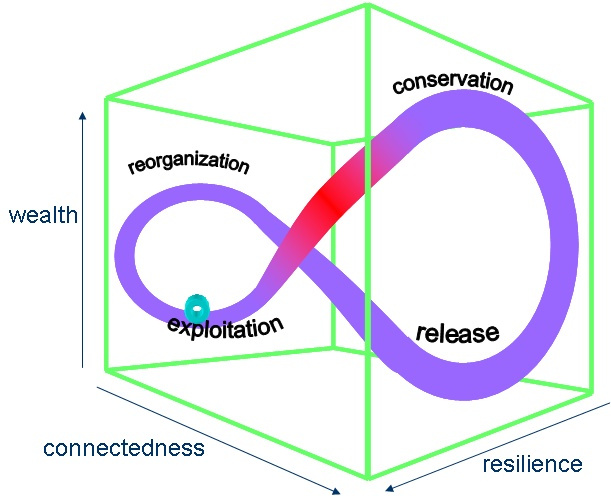
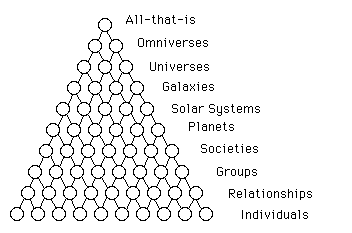
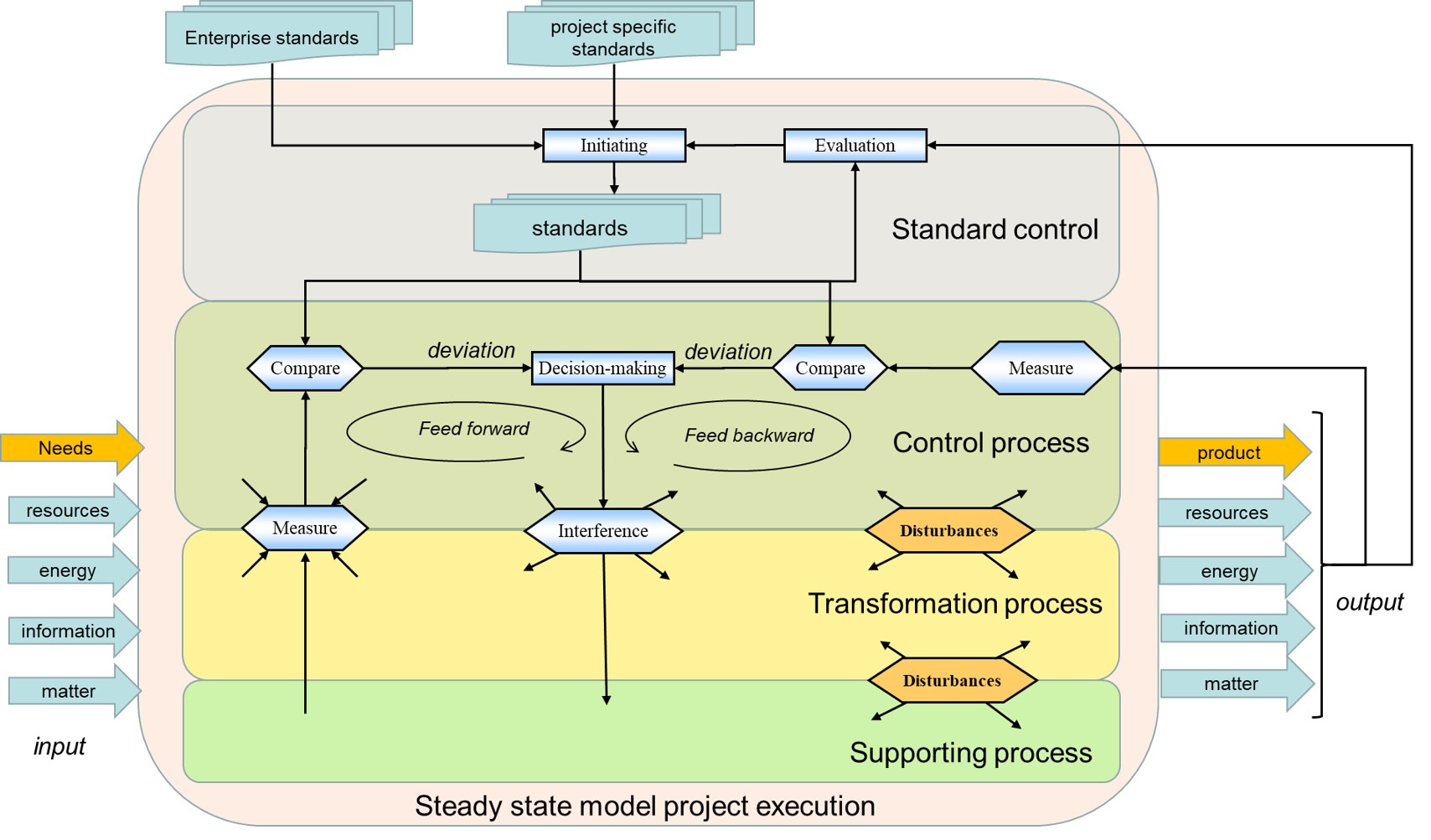
About Entrainment - by Hans Konstapel (2010)
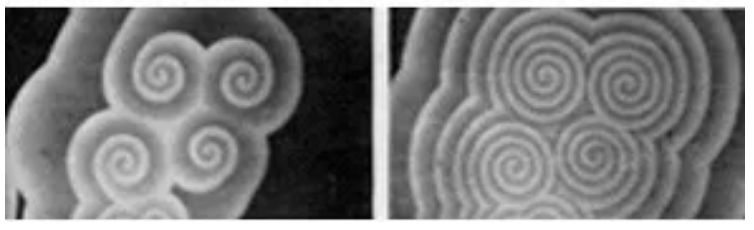
#Complexity #Systems #Science #Generative #Regenerative #Philosophy
-
Emergent Design - Explorations in Systems Phenomenology in Relation to Ontology, Hermeneutics and the Meta-dialectics of Design - by Kent Duane Palmer (2009) (PDF)
Synopsis: A Phenomenological Analysis of Emergent Design is performed based on the foundations of General Schemas Theory. The concept of Sign Engineering is explored in terms of Hermeneutics, Dialectics, and Ontology in order to define Emergent Systems and Meta-systems Engineering based on the concept of Meta-dialectics.
-
Podcast: Introduction to Systems Processes with Len Troncale (2011) (Download / Alt)
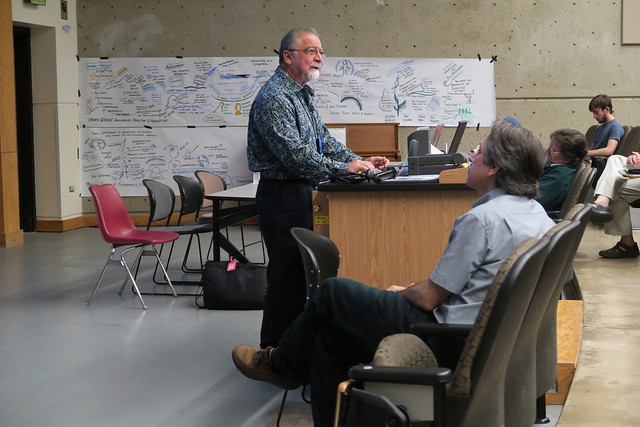
This is an interview concerning the Systems Science approach of Len Toncale, an American biologist, Professor of Cellular and Molecular Biology, and former Director of the Institute for Advanced Systems Studies at the California State Polytechnic University. The interviewer believes that this is the closest thing to a Systems Knowledge base that could be the basis of a Systems Engineering curriculum.
Related: Troncale's site features & links to many open-access papers, such as "Systems Processes and Pathologies: Creating An Integrated Framework for Systems Science" (2013)
Related: Setting Off To Nowhere - Search For A Deeper Theory Of Everything - by K.D. Palmer, dedicated to Len Troncale and inspired by this podcast.
-
“The infinite works of nature, are woven together in a unity filled with marvelous patterns.” - Leonardo Da Vinci



-
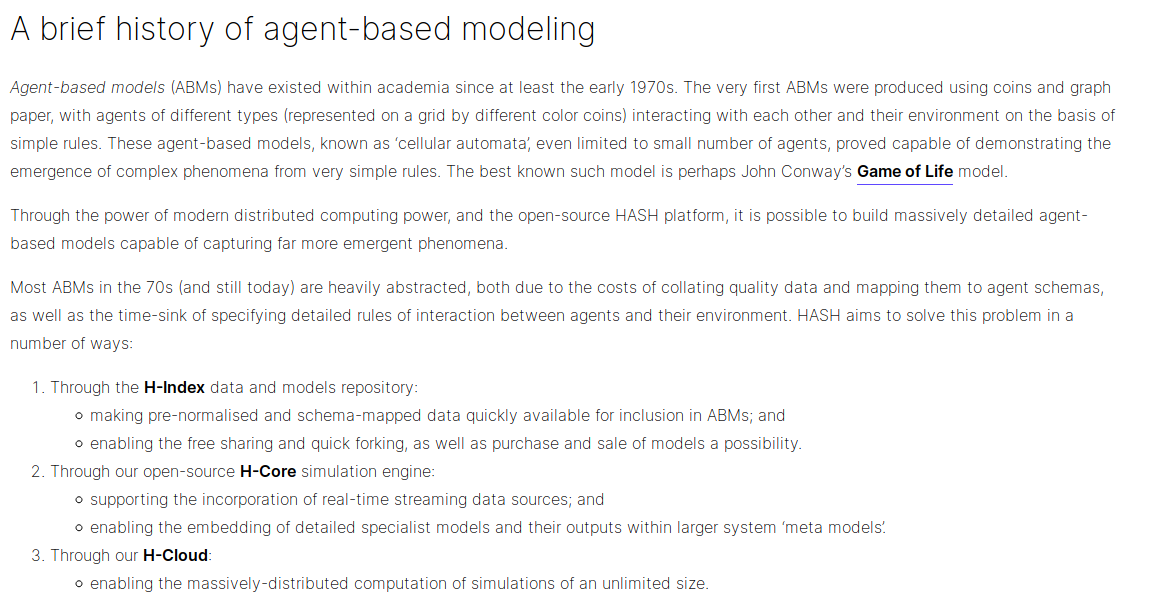
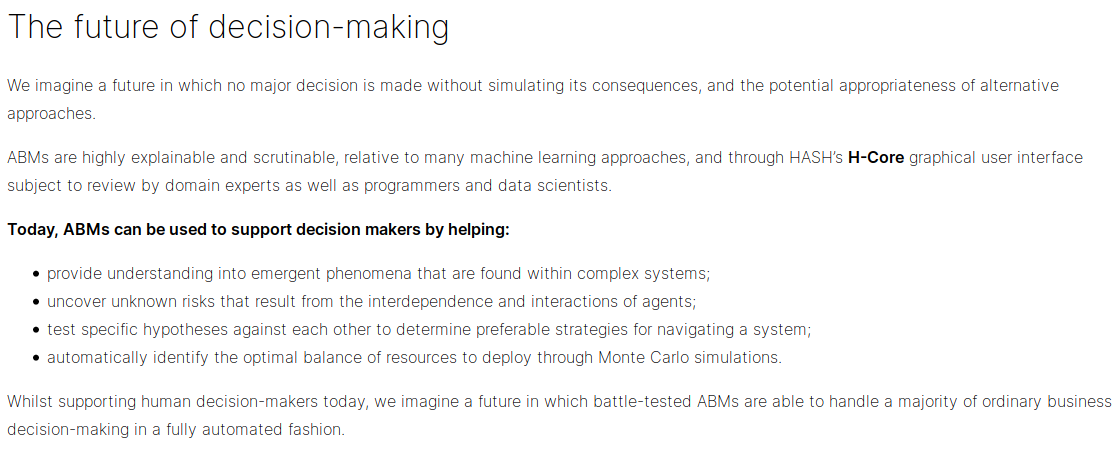
Hash: Do we see a new player pushing simulation into the mainstream? - Benjamin Schumann about the simulation startup https://hash.ai/ (see their post "Information Failure")