tag > Complexity
-
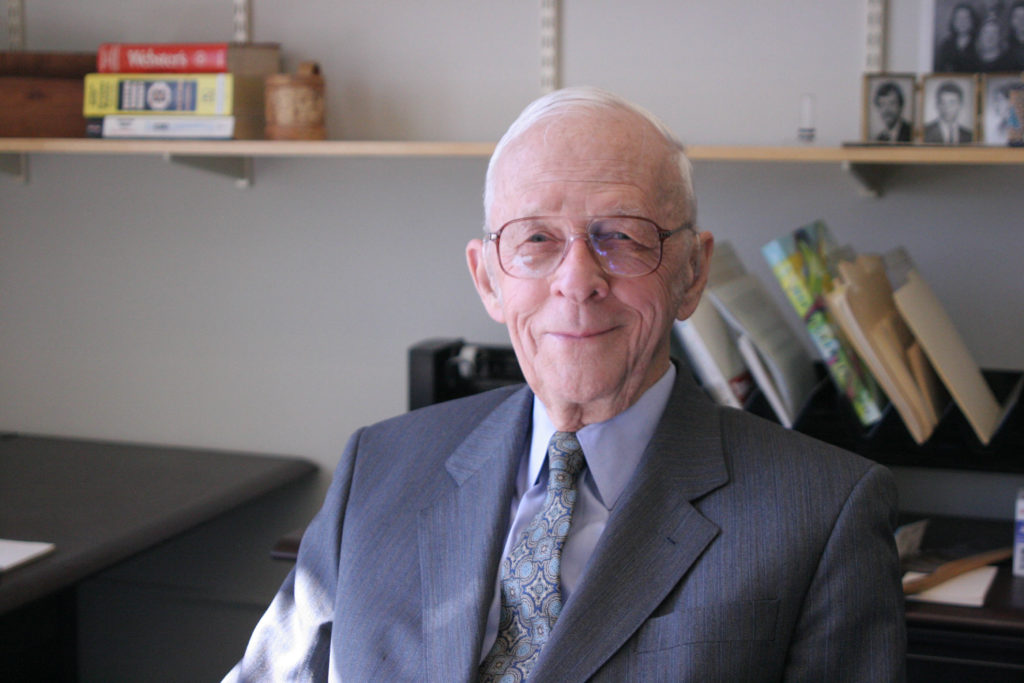
Jay Wright Forrester (1918 – 2016)
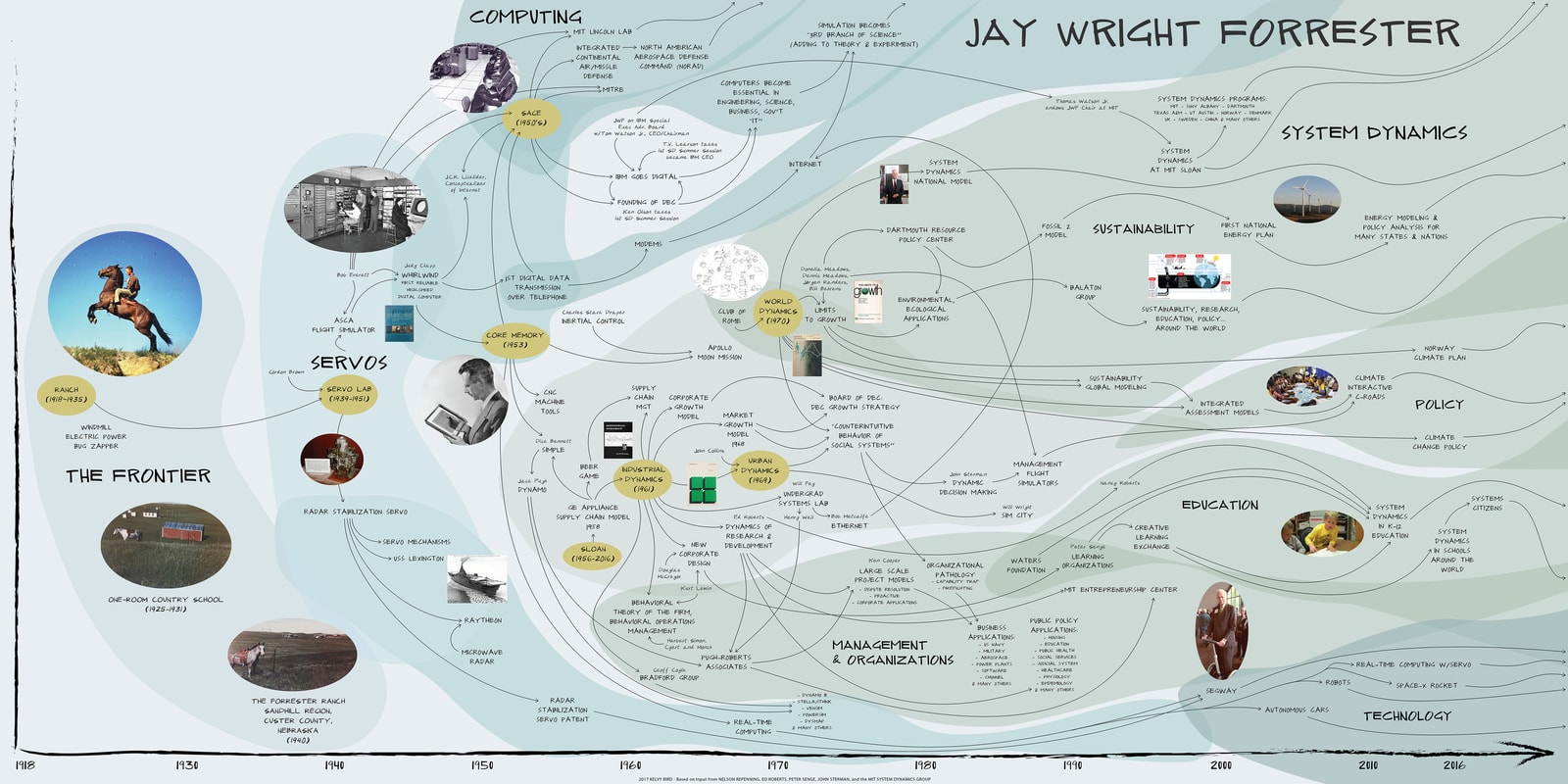
Jay Wright Forrester was a American computer engineer and systems scientist. He was a professor at MIT. Forrester is known as the founder of system dynamics, which deals with the simulation of interactions between objects in dynamic systems and is most often applied to research and consulting in organizations and other social systems.
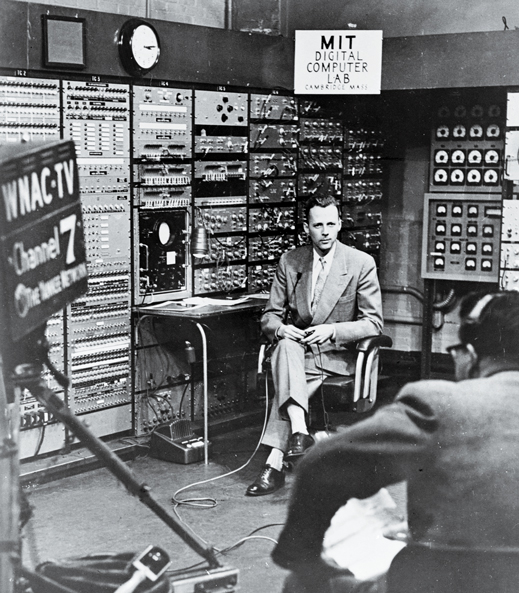
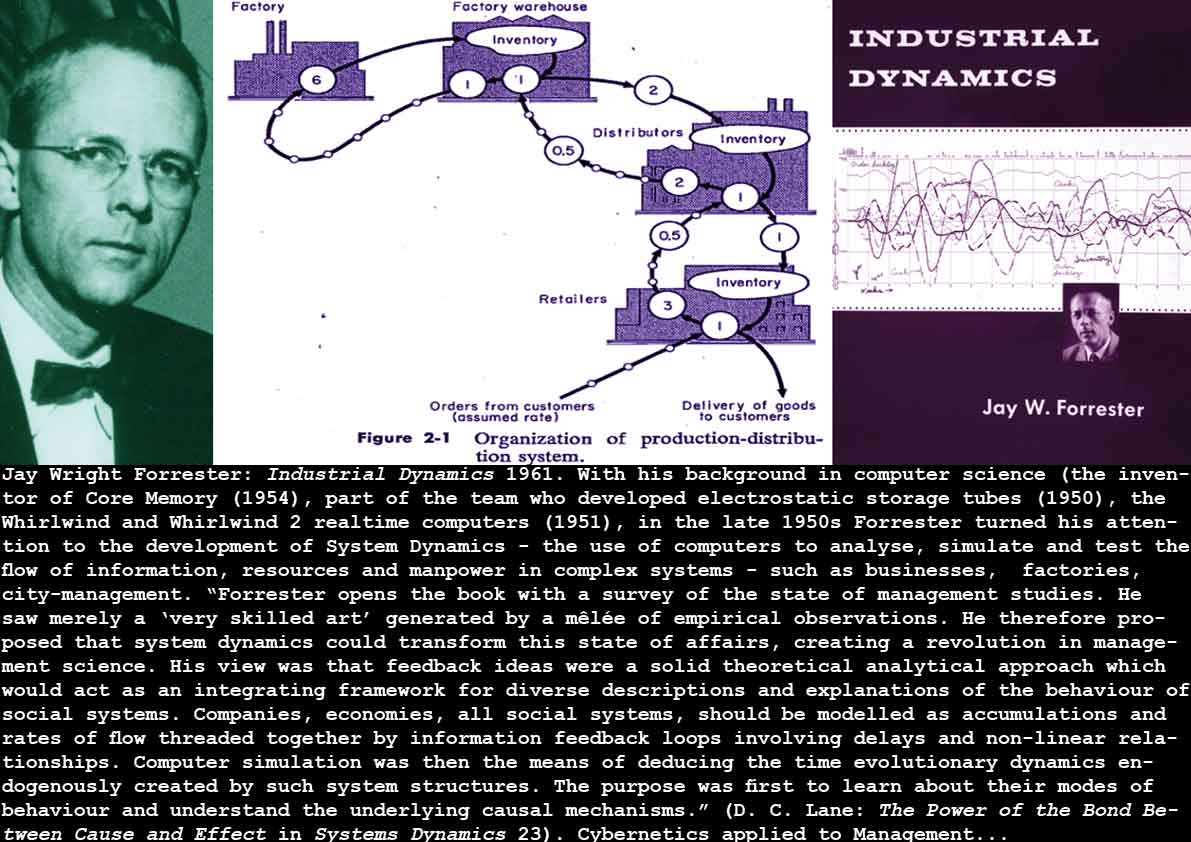
Image from: https://mediainspiratorium.com/1960-1970/ The Many Careers of Jay Forrester (MIT Tech Review)
"Computing pioneer Jay Forrester, SM ’45, developed magnetic-core memory. Then he founded the field of system dynamics. Those are just two of his varied pursuits."
Jay Forrester’s System Dynamics and World Model
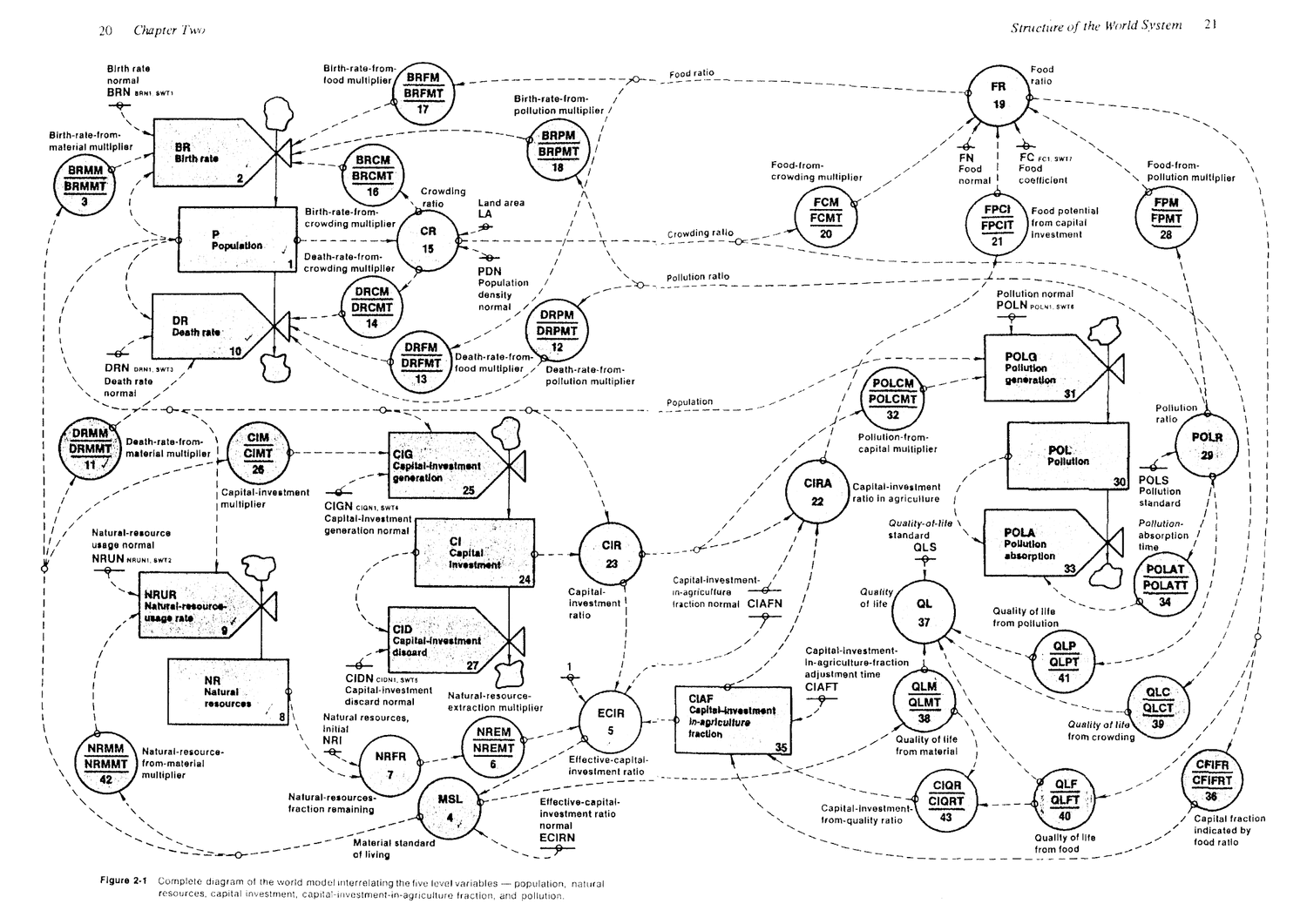
Forrester's model of the world's dynamics. This map models the dynamics between population and economic growth (from 1971 to 2021) by relating population, natural resources, pollution, capital investment, food and quality of life (Jay W. Forrester, 1973, p. 144). 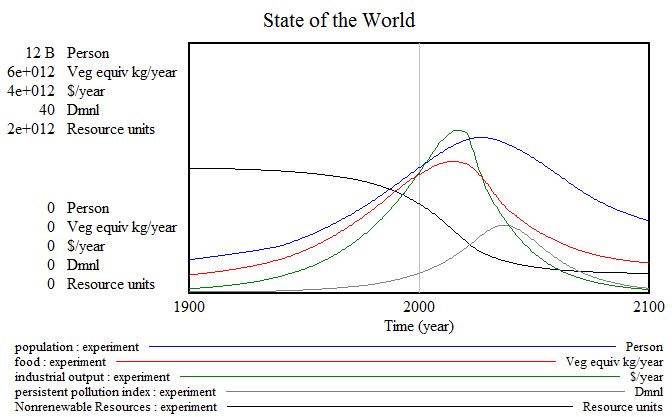
"The second major noncorporate application of system dynamics came shortly after the first. In 1970, Jay Forrester was invited by the Club of Rome to a meeting in Bern, Switzerland. The Club of Rome is an organization devoted to solving what its members describe as the "predicament of mankind"—that is, the global crisis that may appear sometime in the future, due to the demands being placed on the Earth's carrying capacity by the world's exponentially growing population. At the Bern meeting, Forrester was asked if system dynamics could be used to address the predicament of mankind. His answer, of course, was that it could. On the plane back from the Bern meeting, Forrester created the first draft of a system dynamics model of the world's socioeconomic system. He called this model WORLD1. Upon his return to the US, Forrester refined WORLD1 in preparation for a visit to MIT by members of the Club of Rome. Forrester called the refined version of the model WORLD2. Forrester published WORLD2 in a book titled World Dynamics."
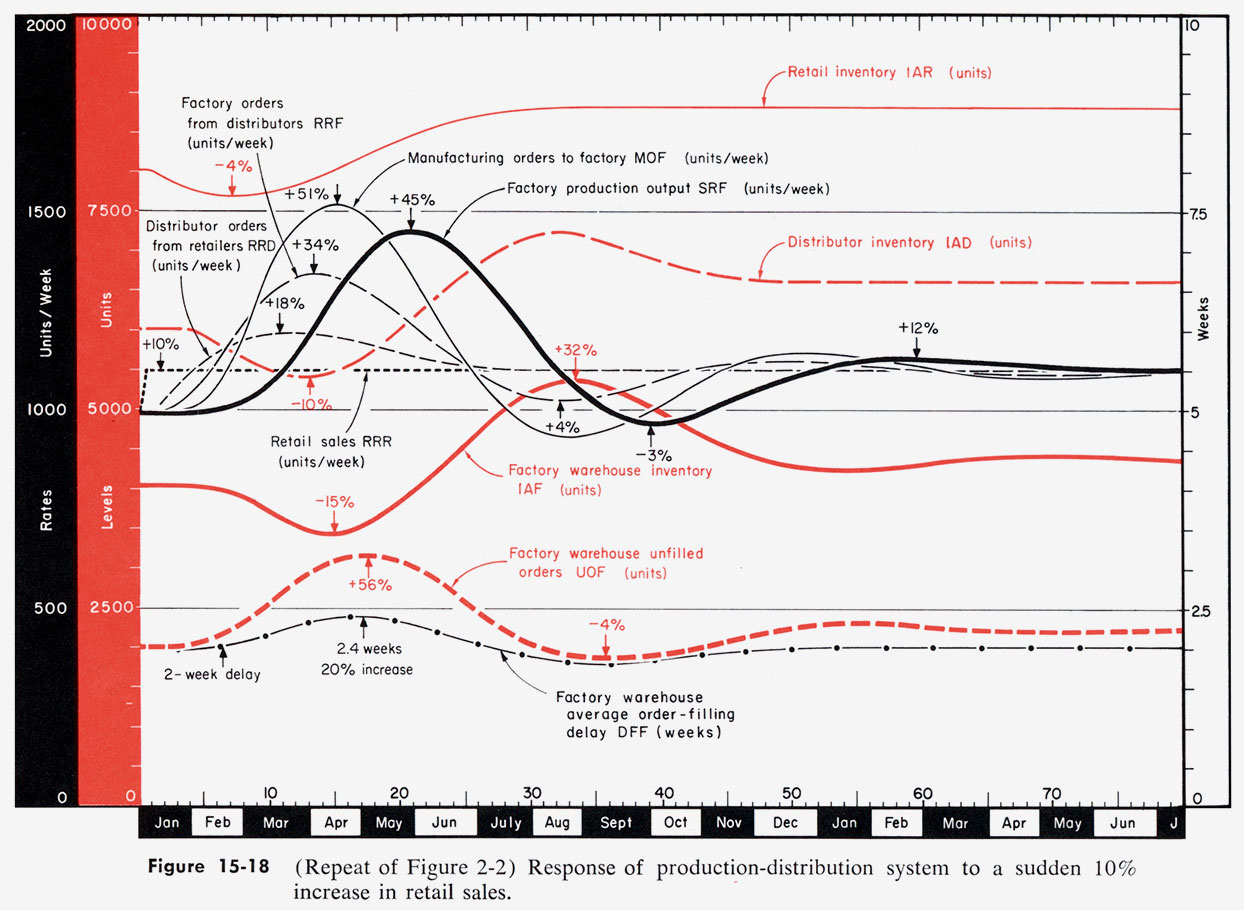
From Jay W. Forrester, Industrial Dynamics (Cambridge, MA: MIT Press, 1985 / 1st edition 1961), 174. The Prophet of Unintended Consequences - by Lawrence M. Fisher.
"Jay Forrester’s computer models show the nonlinear roots of calamity and reveal the leverage that can help us avoid it."
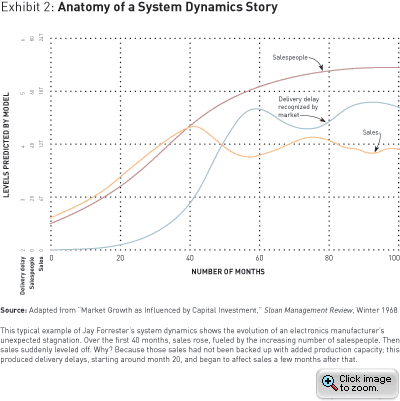
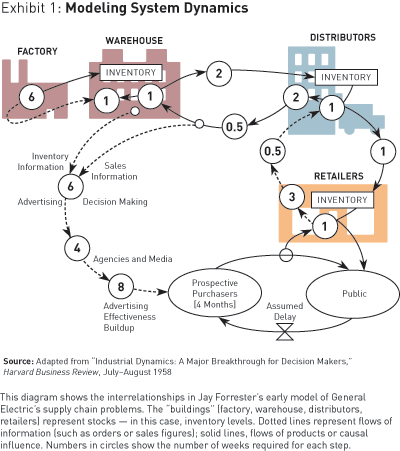
Model Metropolis - by Kevin T. Baker "Behind one of the most iconic computer games of all time is a theory of how cities die—one that has proven dangerously influential."
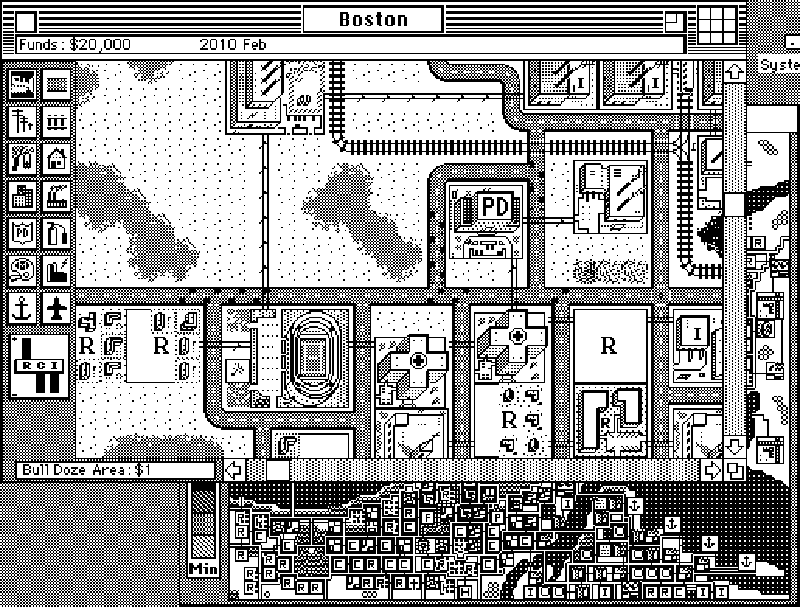
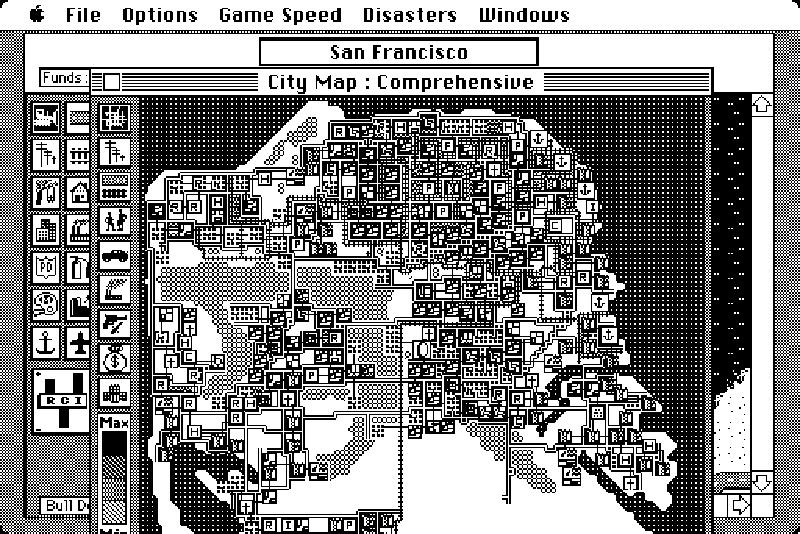
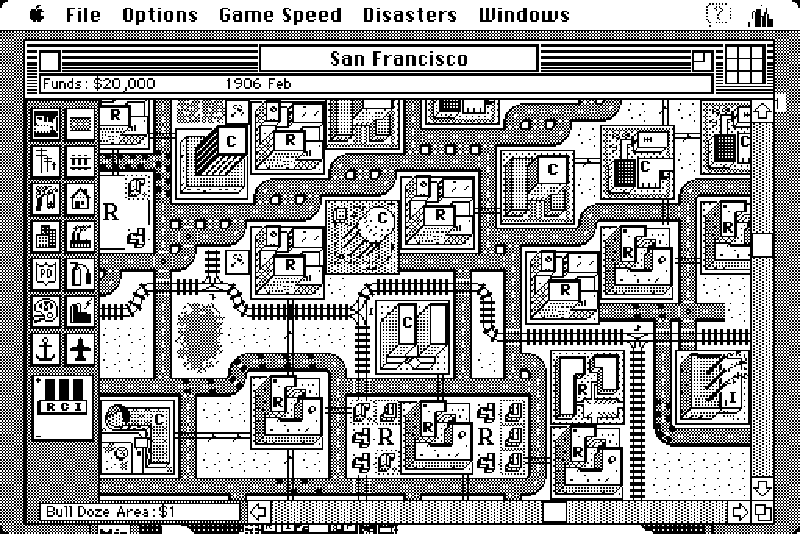
"Will Wright‘s SimCity was originally a map developing feature within the game Raid on Bungeling Bay. Born of Wright’s love for the intricacies of urban planning and of his interest in Jay Wright Forrester‘s System Dynamics, the city-building simulator was later developed as a spin-off program because Wright was more interested in building the city’s maps than playing the actual game. (via)"
Video: A Model Simulator: Lives of Jay W Forrester
Video: Jay Forrester (Part 1)
Applications of System Dynamics - Jay W. Forrester
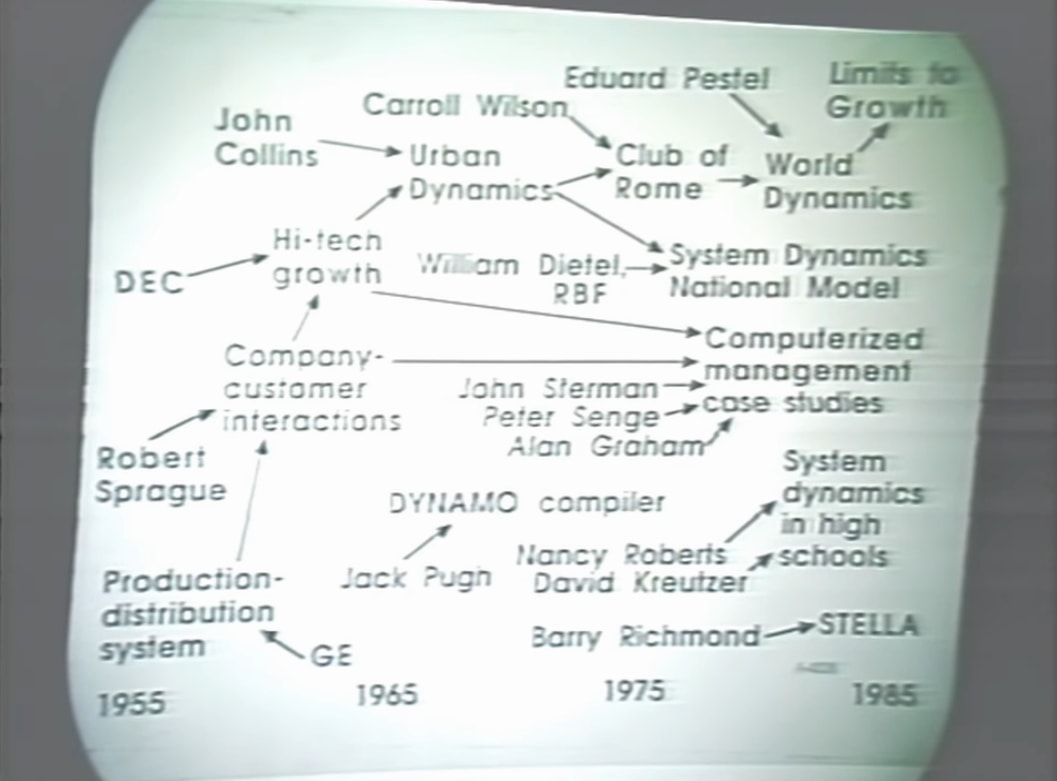
Forrester on Courage
"Life must be very practical, it is not theoretical, it is not conceptual with out purpose. What works gets results." - Jay Forrester
#Complexity #Systems #Business #Military #ClimateChange #Regenerative #ML #KM #SE
-
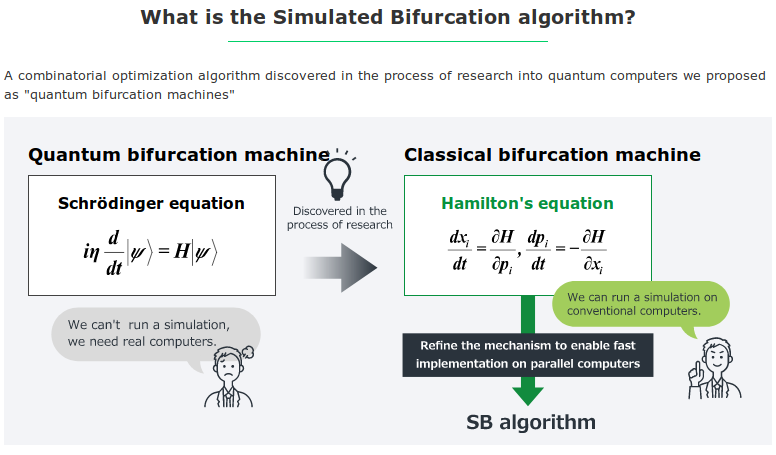
Toshiba Touts Algorithm That’s Faster Than a Supercomputer (Bloomberg) (alt source)
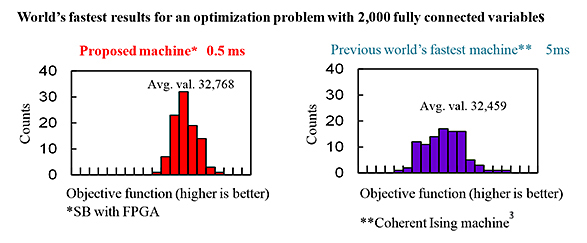
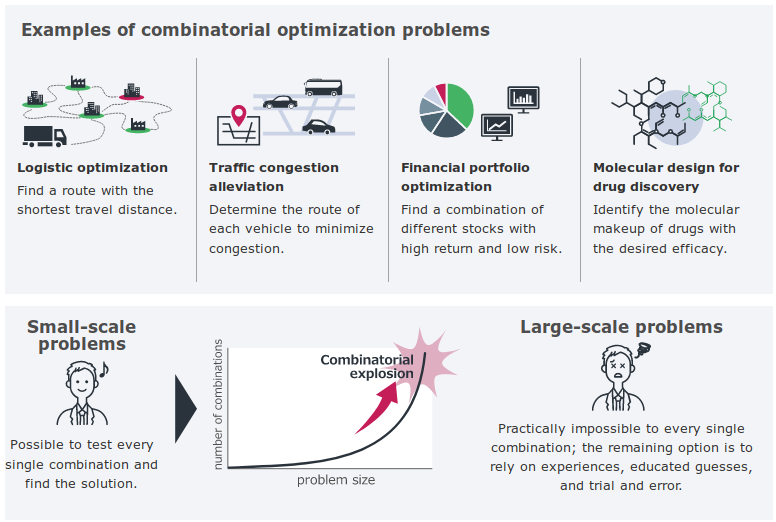
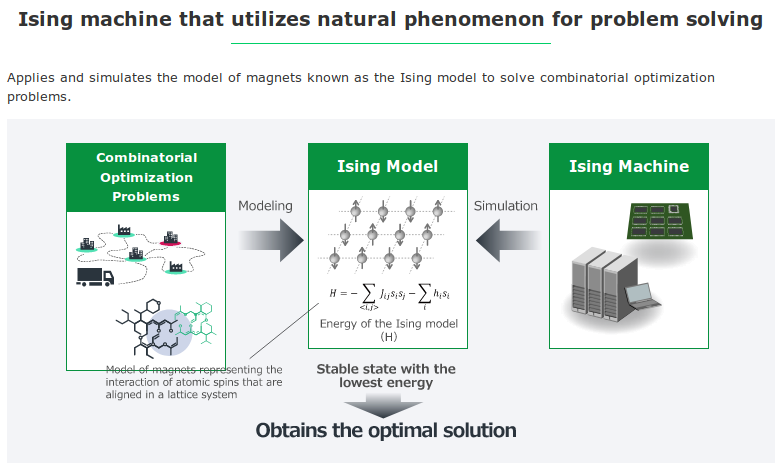
Toshiba Research Resuts "Toshiba's "Simulated Bifurcation Algorithm" is designed to harness the principles behind quantum computers without requiring the use of such machines, which currently have limited applications and can cost millions of dollars to build and keep near absolute zero temperature. Toshiba says its technology, runs on PCs made from off-the-shelf components."
Simulated Bifurcation Machine (SBM) Technologies (Toshiba)
-
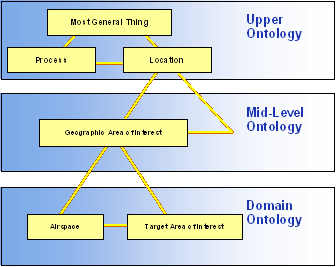
"In information science, an upper ontology is an ontology which consists of very general terms (such as "object", "property", "relation") that are common across all domains. An important function of an upper ontology is to support broad semantic interoperability among a large number of domain-specific ontologies. Terms in the domain ontology are ranked under the terms in the upper ontology, e.g., the upper ontology classes are superclasses or supersets of all the classes in the domain ontologies."
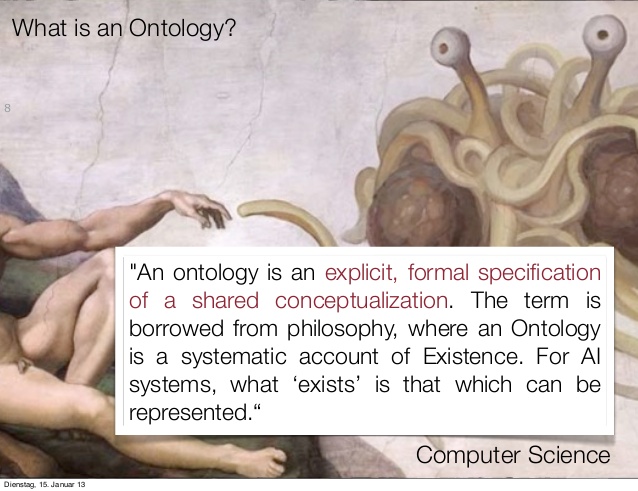
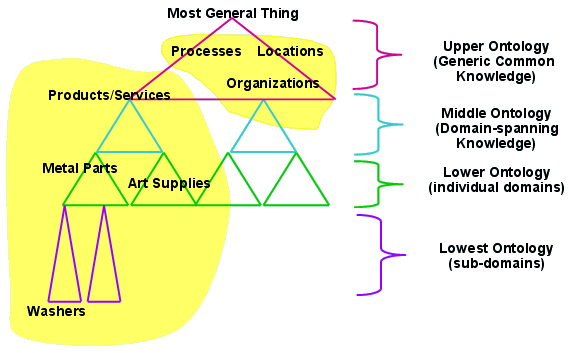
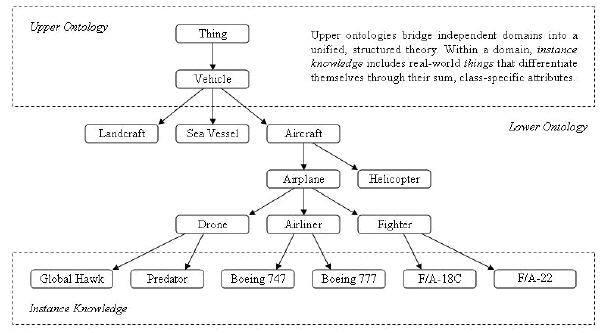
Image from the presentation "Semantic Web Technologies - Ontological Engineering"
-
Researcher studies importance of synchrony in ecological systems such as food webs (2018, University of Kansas)
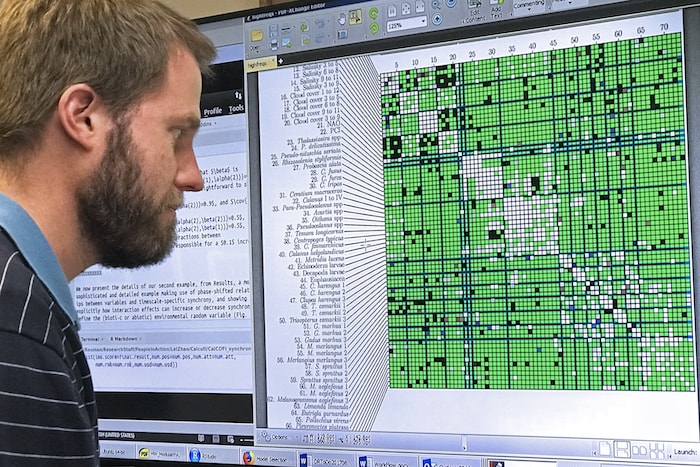
"Synchrony is when multiple populations in different places all fluctuate in the same way," said Daniel Reuman, professor of ecology & evolutionary biology. "One of the causes of population synchrony is synchrony of environmental variables -- like the amount of rainfall. When rainfall in different areas is correlated through time, like a drought that's spread across a large area, that will affect all populations across that area in similar ways."
-
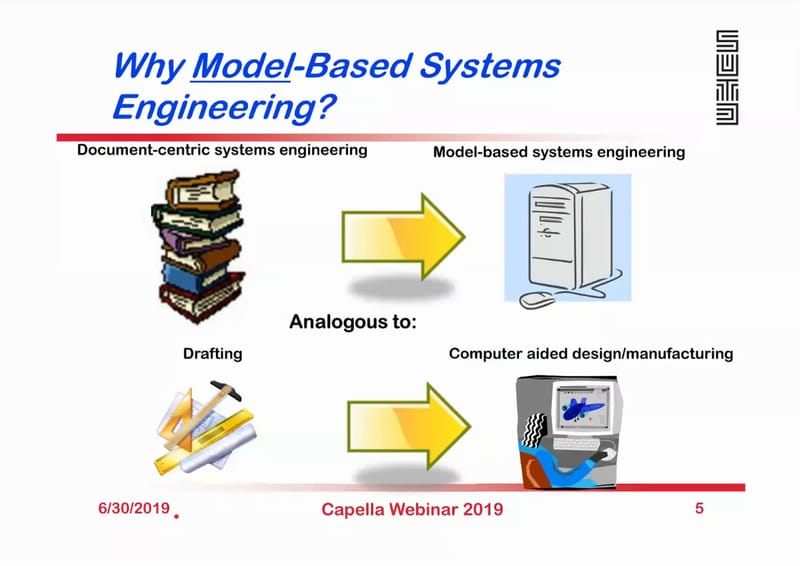
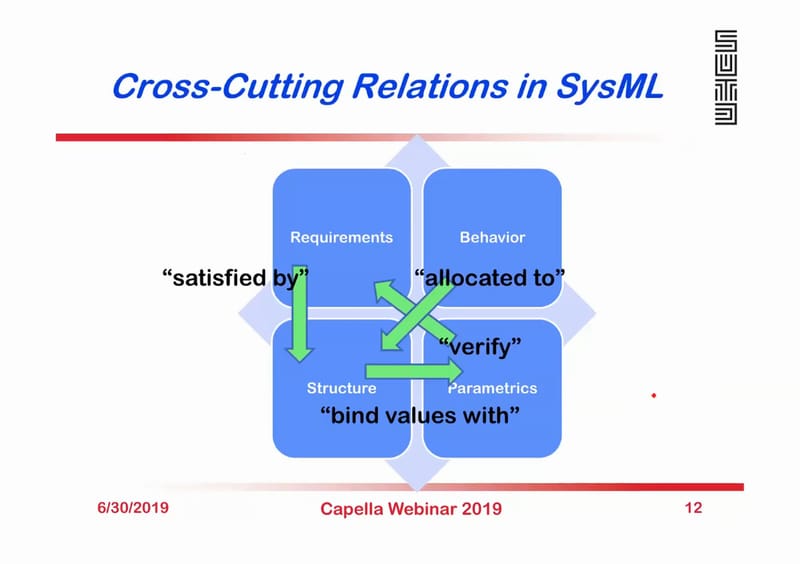
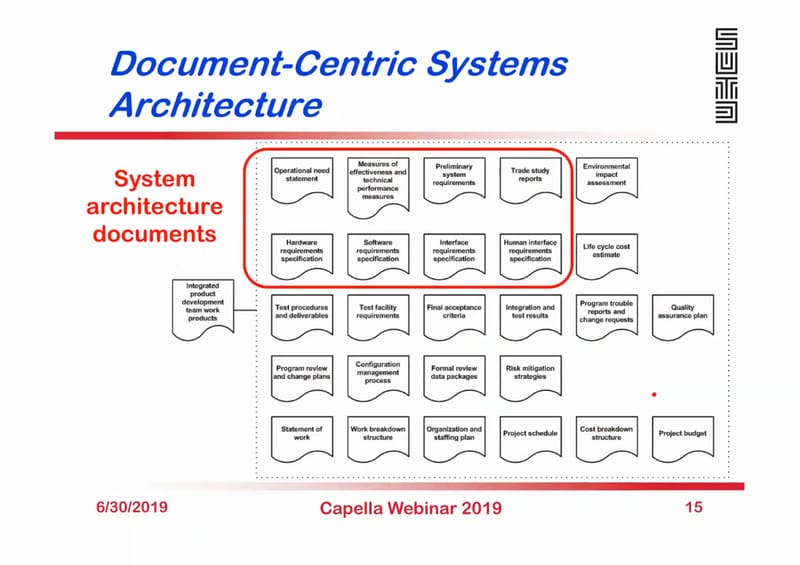
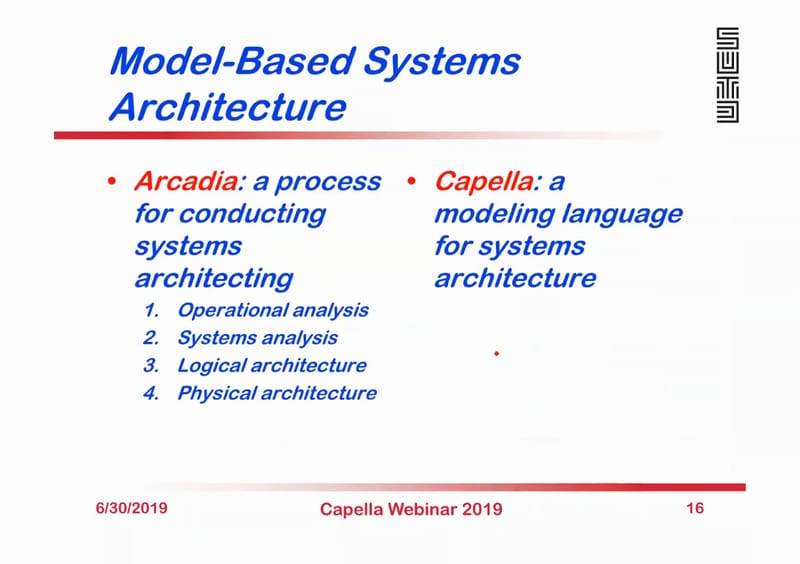
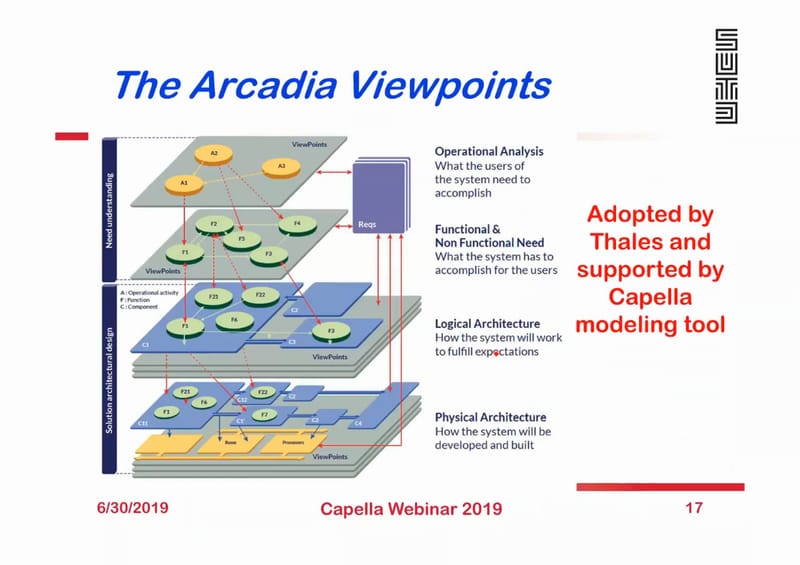
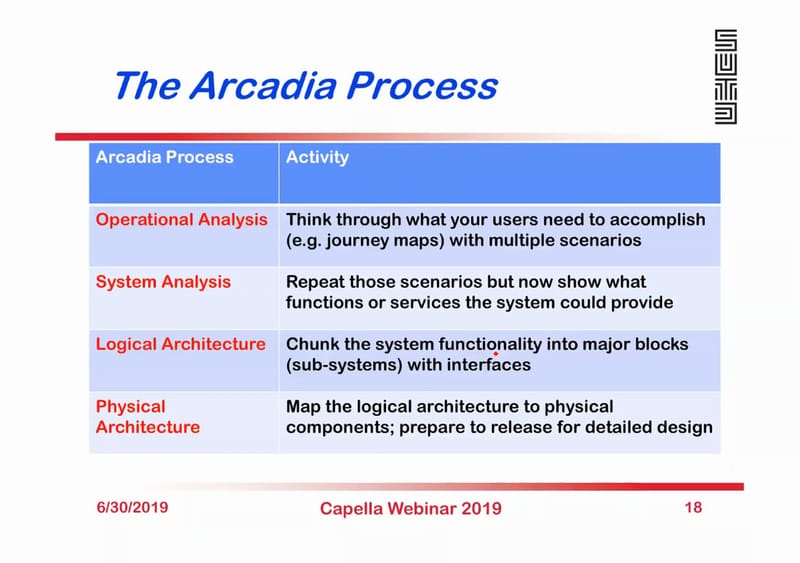
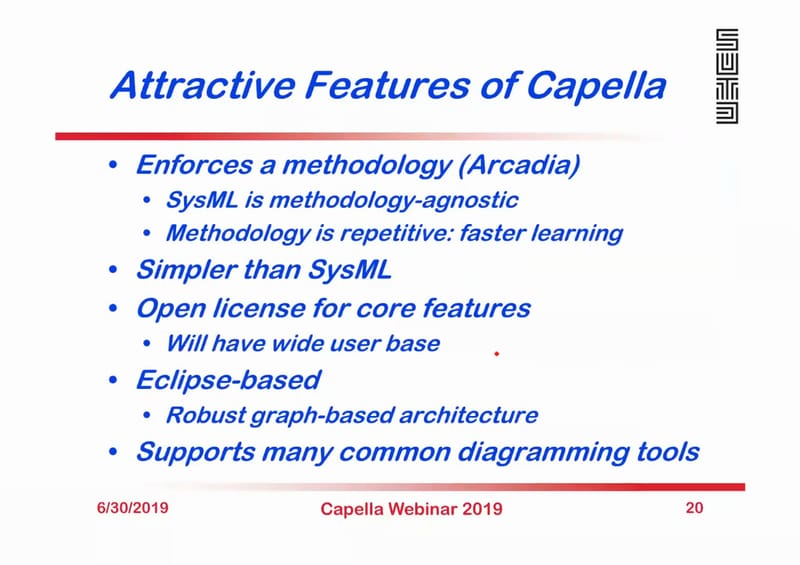
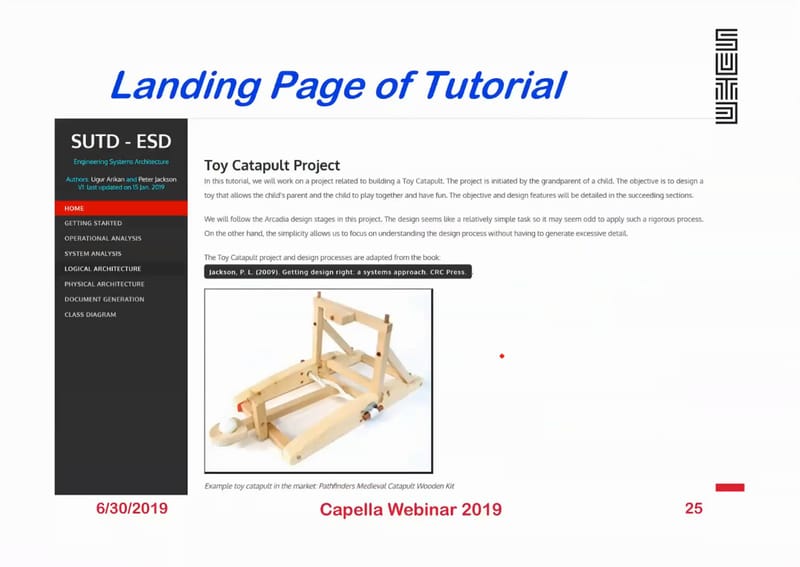
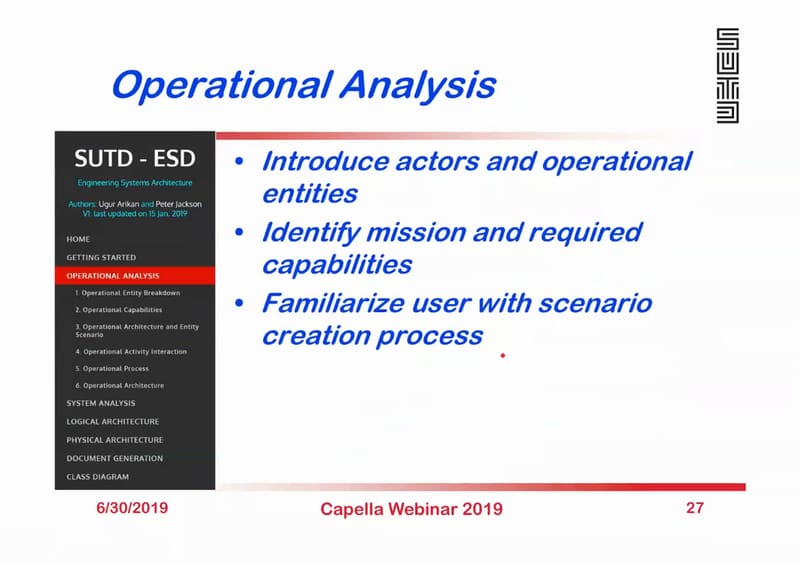
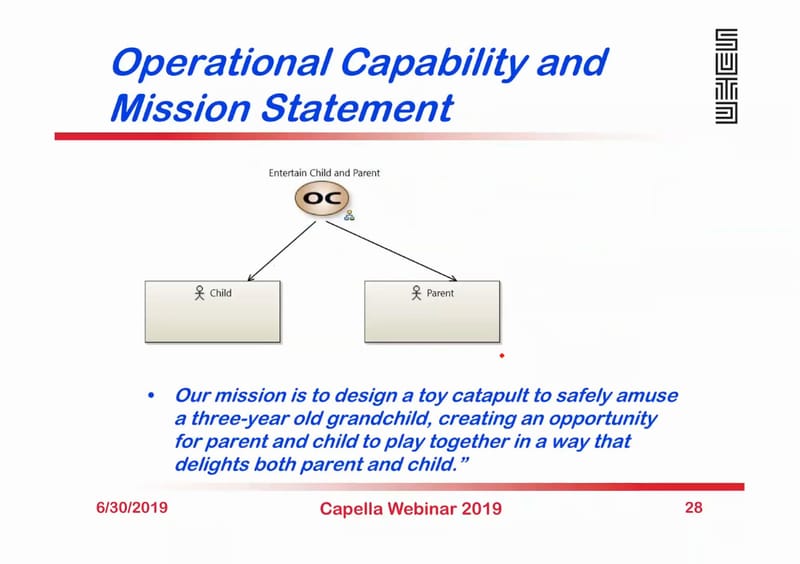
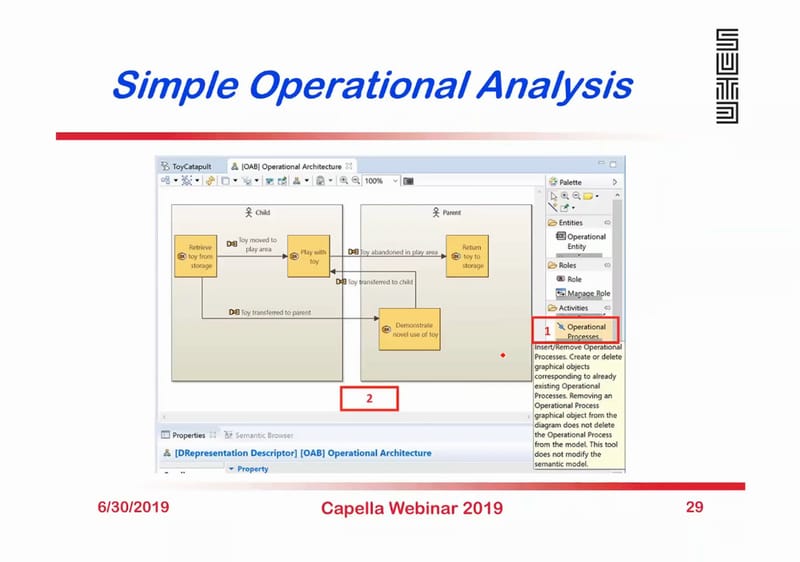
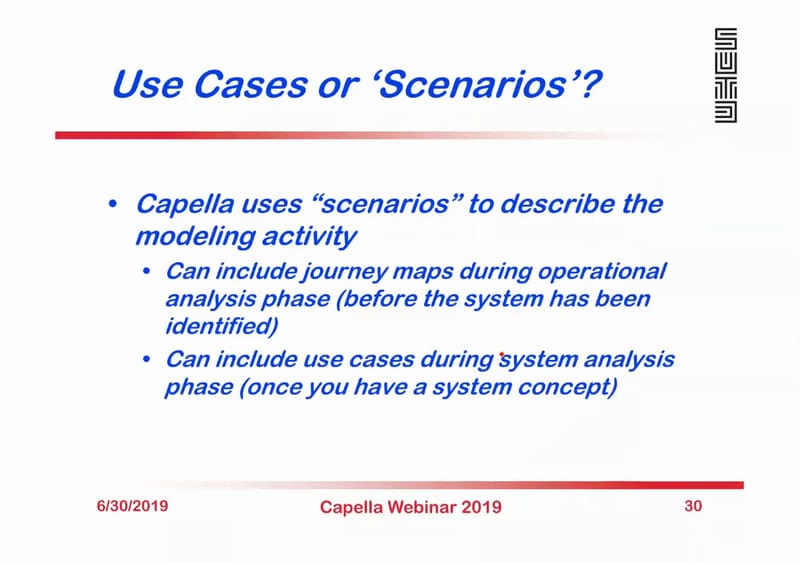
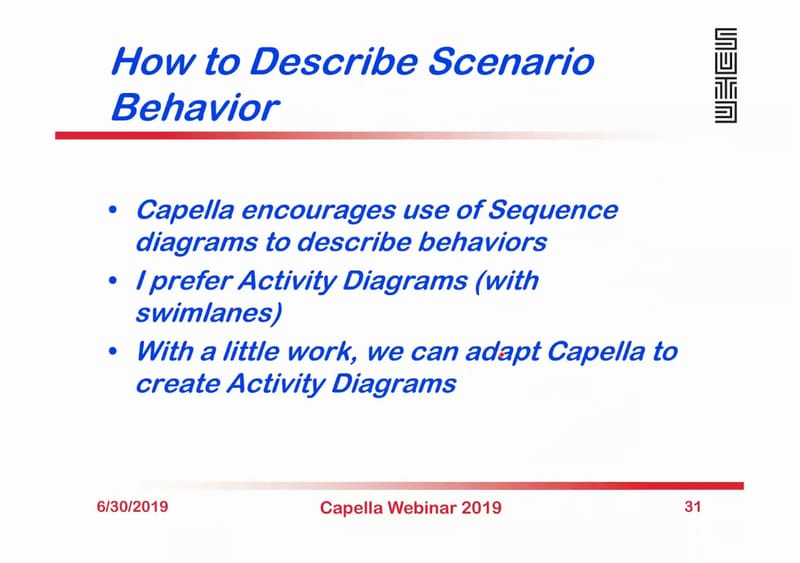
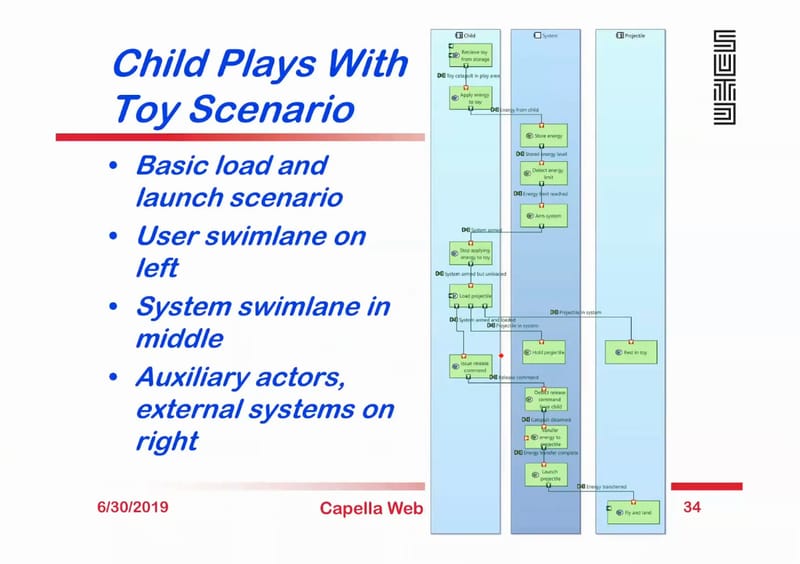
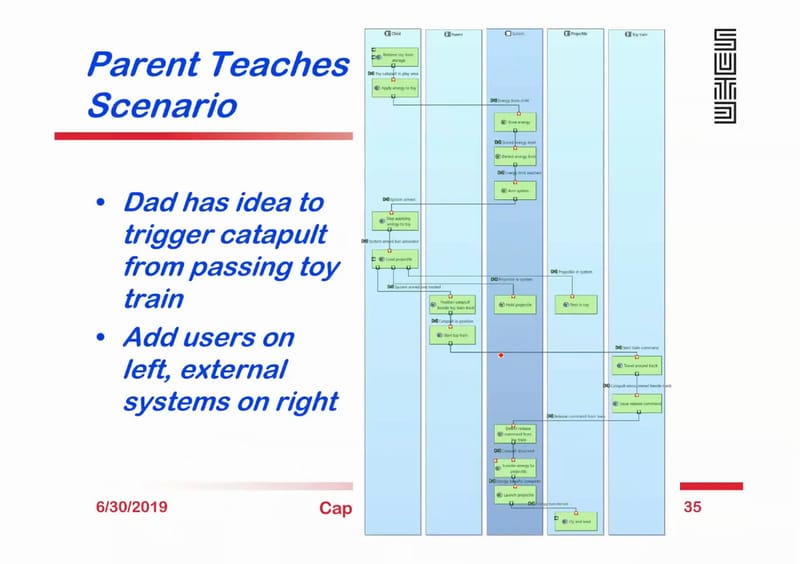
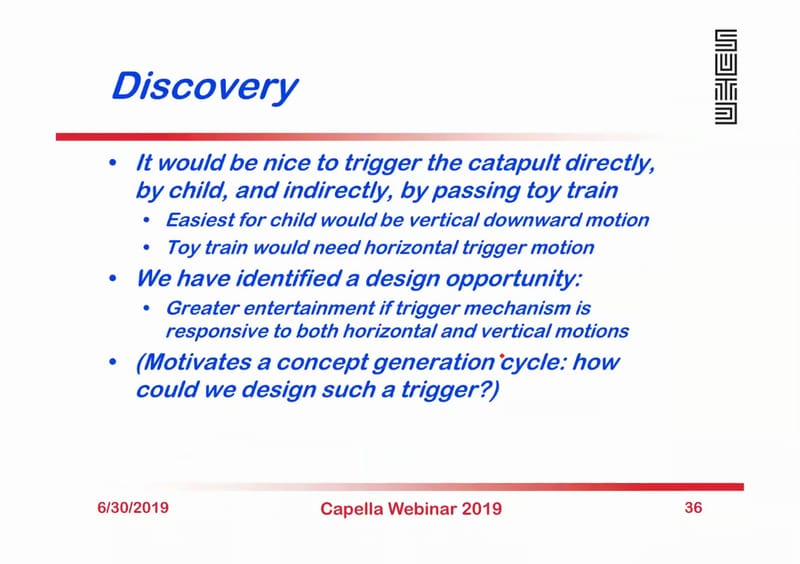
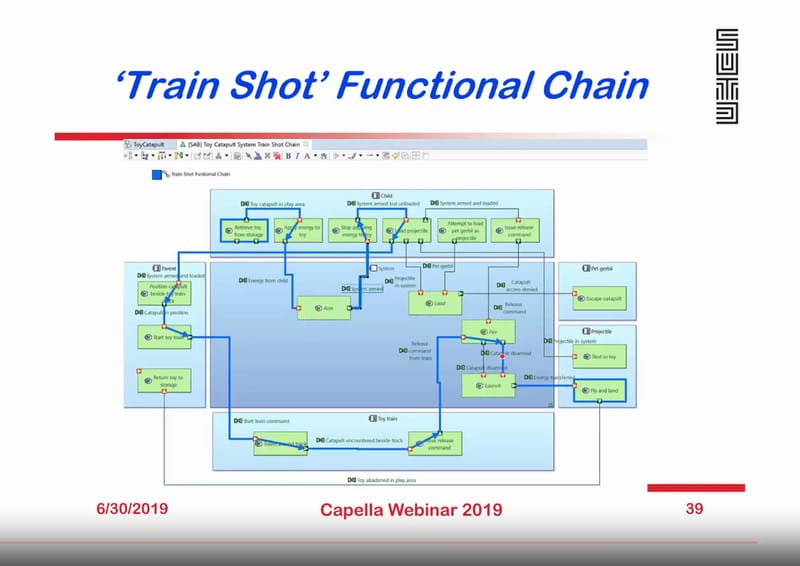
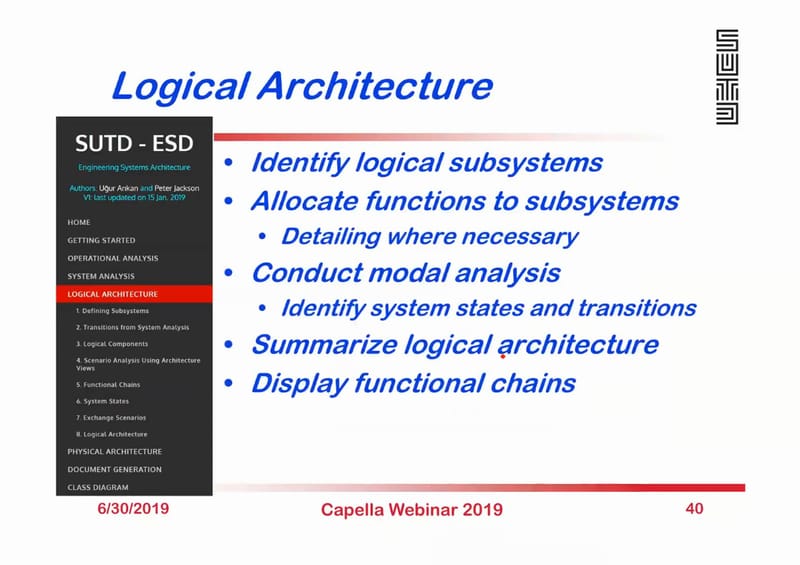
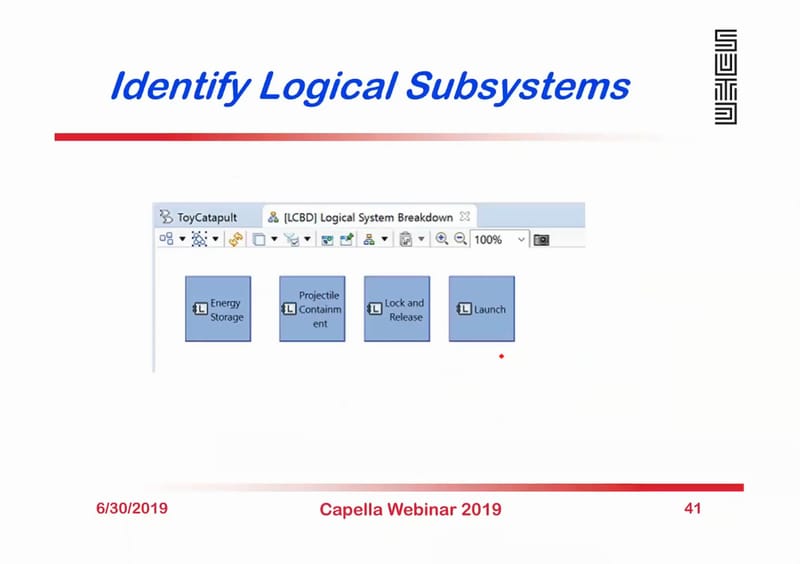
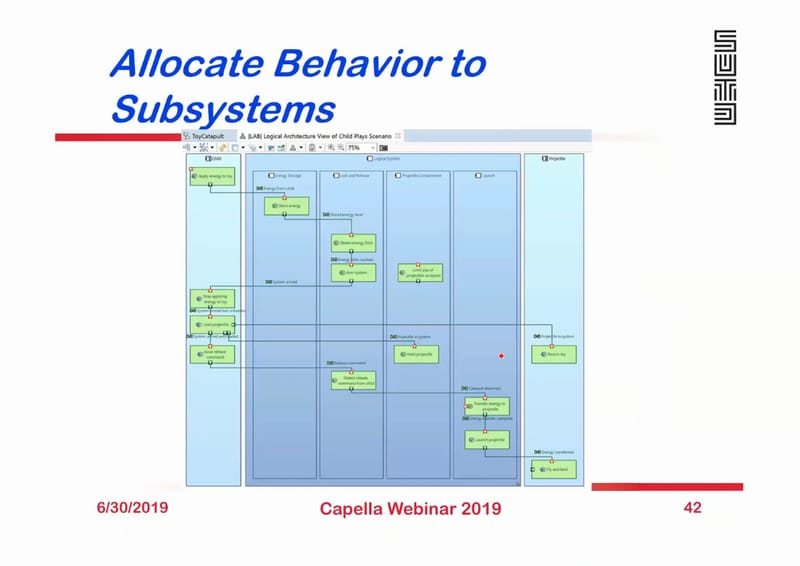
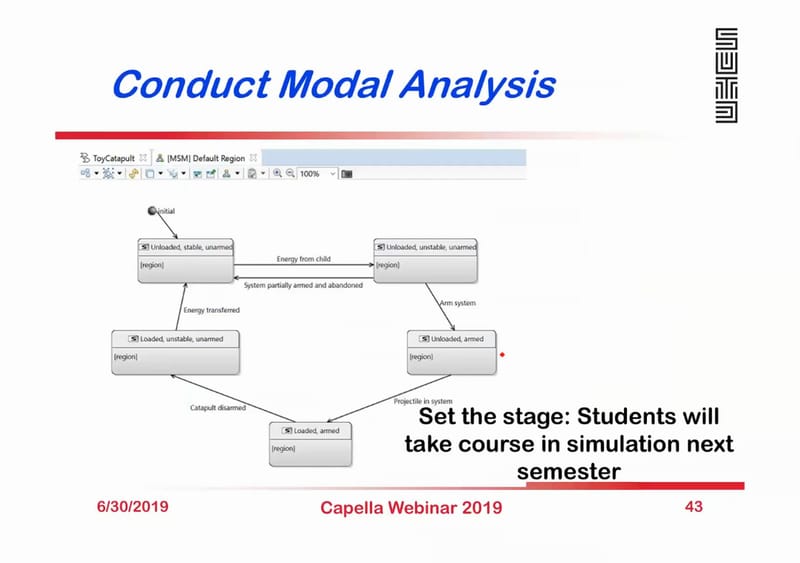
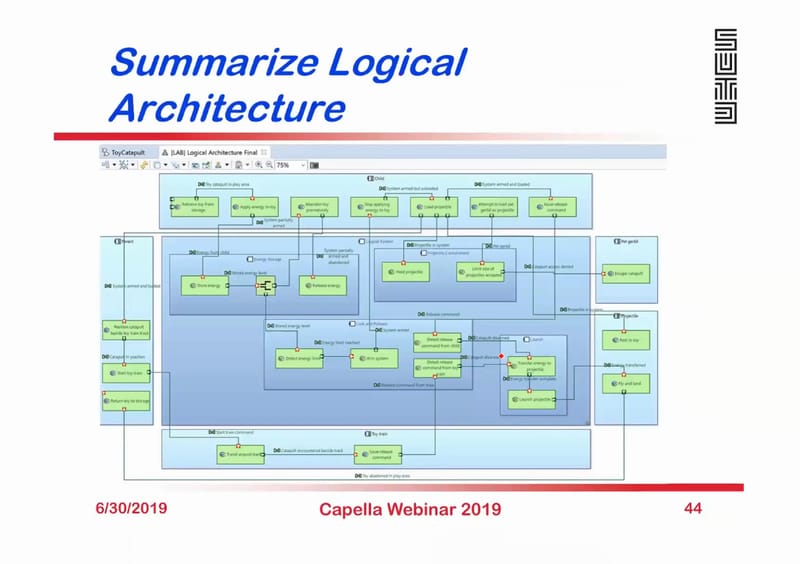
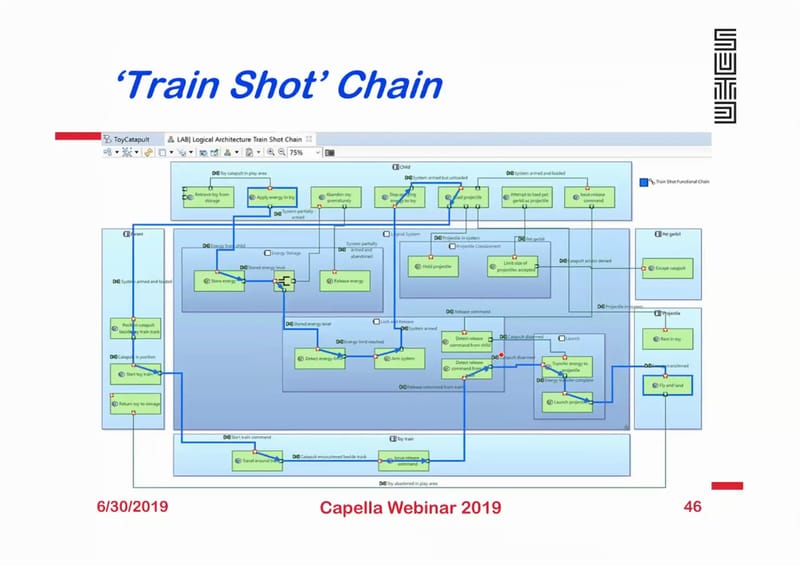
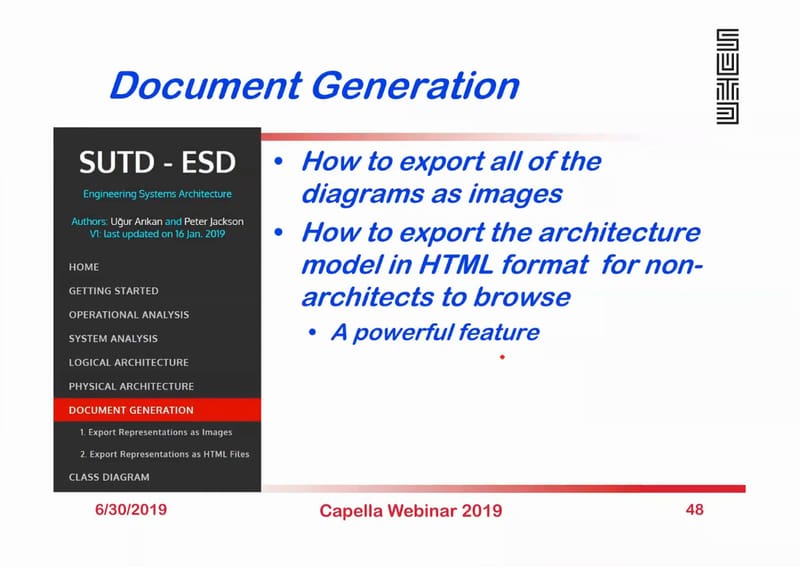
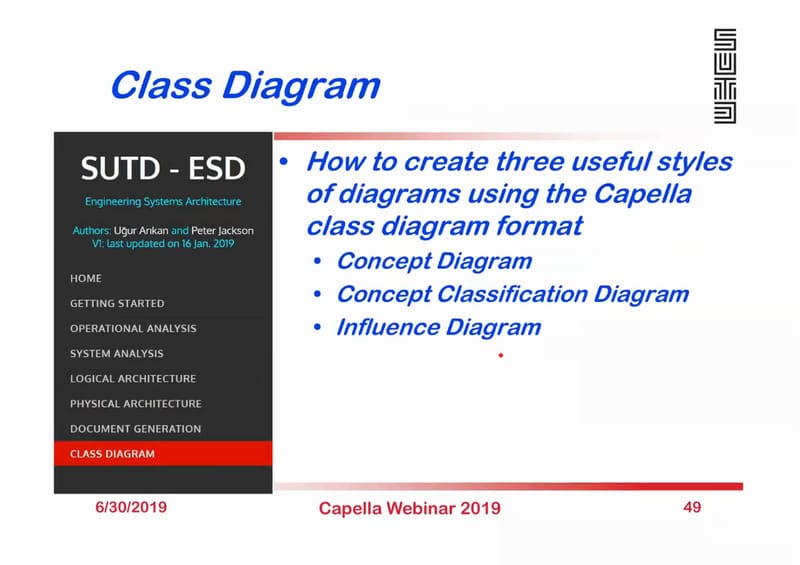
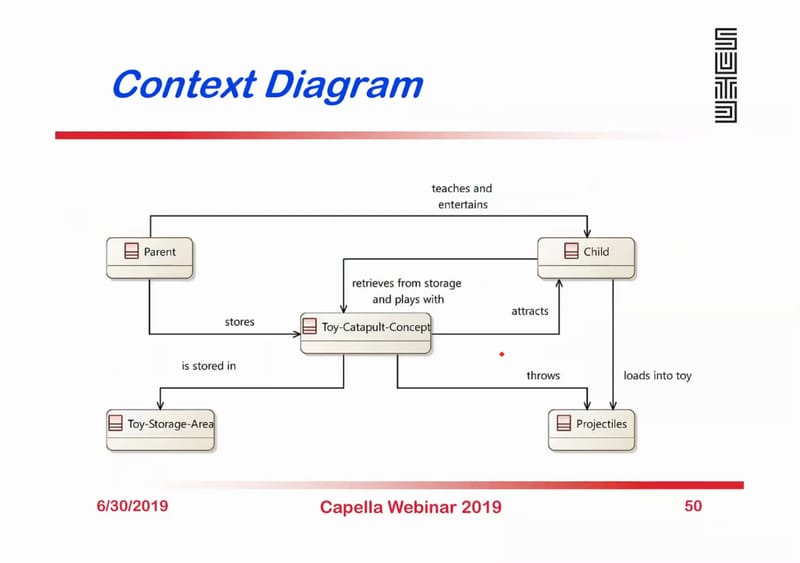
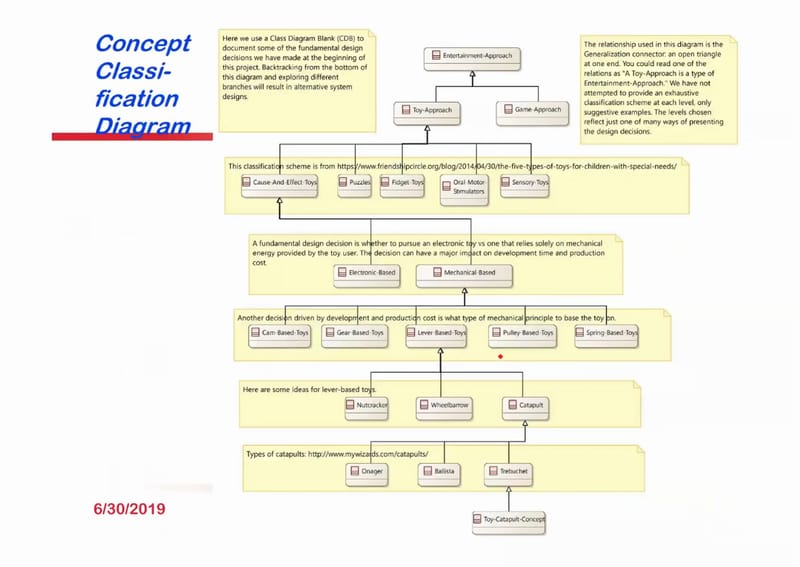
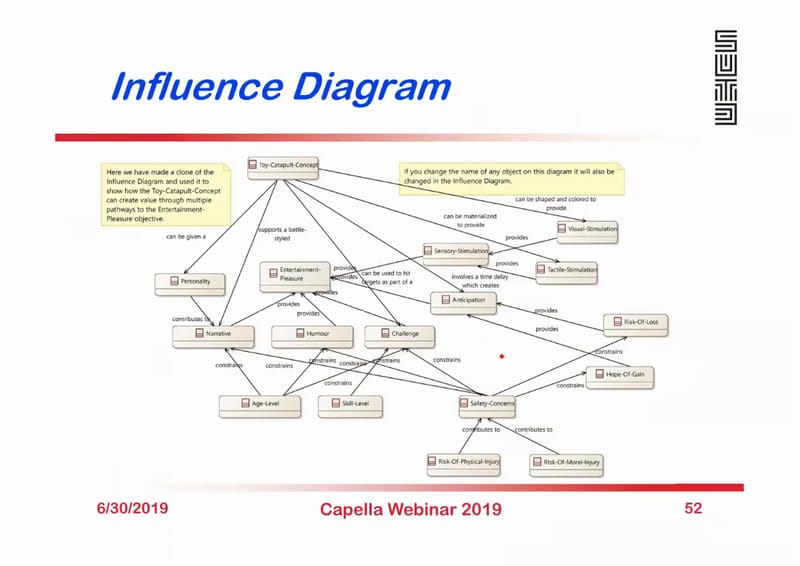
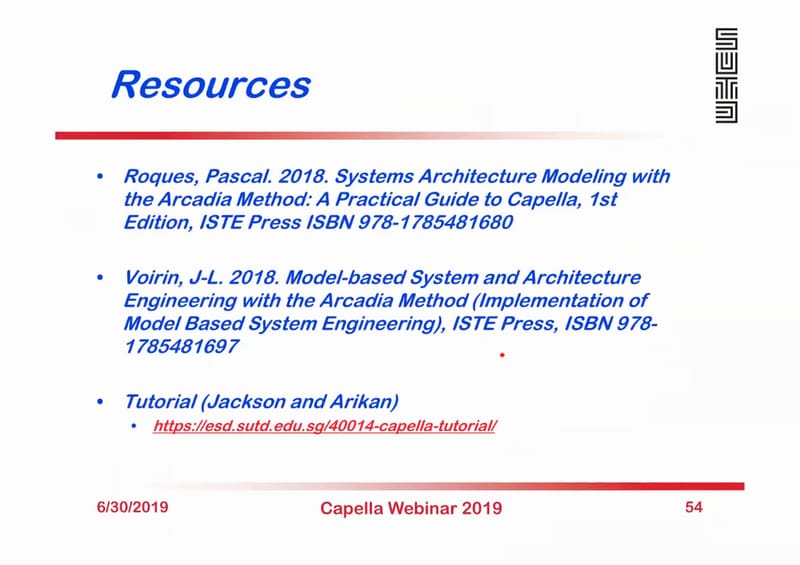
Introduction to Arcadia Capella with a toy catapult project - Systems Engineering Webinar by Professor Peter L. Jackson (Head, Engineering Systems and Design Pillar at Singapore University of Technology & Design.) Tutorial: https://esd.sutd.edu.sg/40014-capella-tutorial/
-
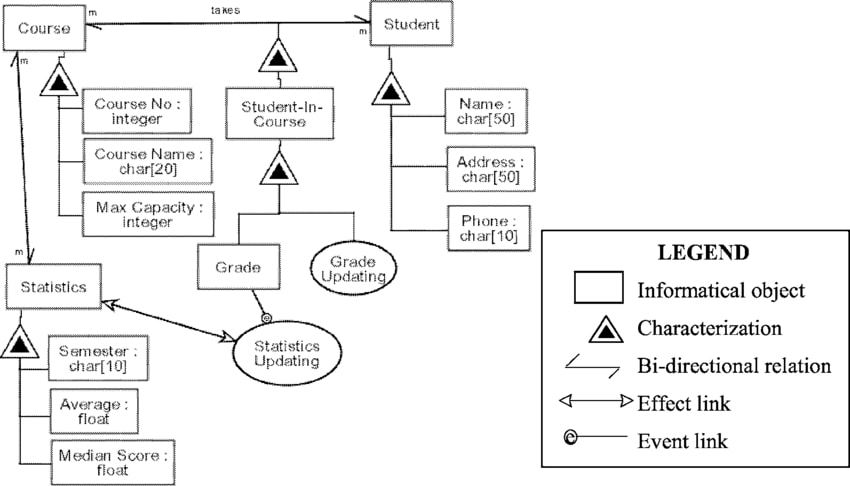
Object Process Methodology (OPM) is a conceptual modeling language and methodology for capturing knowledge and designing systems. Based on a minimal universal ontology of stateful objects and processes that transform them, OPM can be used to formally specify the function, structure, and behavior of artificial and natural systems in a large variety of domains. OPM was conceived and developed by Dov Dori. The ontology of OPM and ontology of Navya-Nyāya an ancient Hindu school of thought in india are identical.
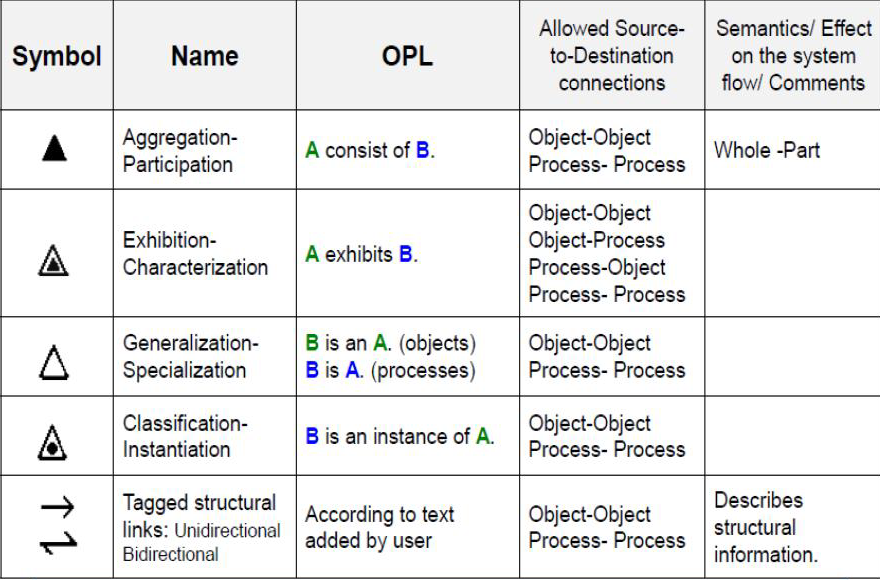
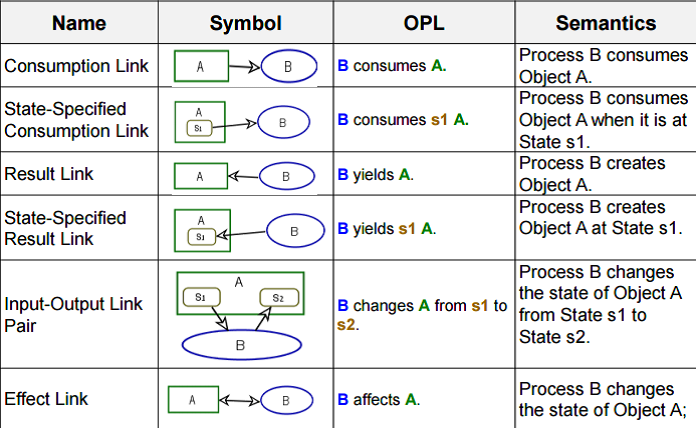
More on OPM: Presi, Presi, Presi, Video, Video, Video, Video, Video, Video, Video, Video
Following text from the blog post "Object Process Methodology" - by Joe Gollner:
My encounter with OPM was facilitated by attending the above-referenced course at MIT. This course was delivered by Professor Dov Dori, the driving force behind OPM, and by Professor Edward Crawley, Head of the Cambridge MIT Institute and advocate for how OPM can be leveraged to model business as well as system considerations. The course, I should note, represents the best value I have ever encountered in a professional education program. I would highly recommend it to anyone who is interested in the general question of modeling complex systems in a way that all stakeholders can intuitively understand.
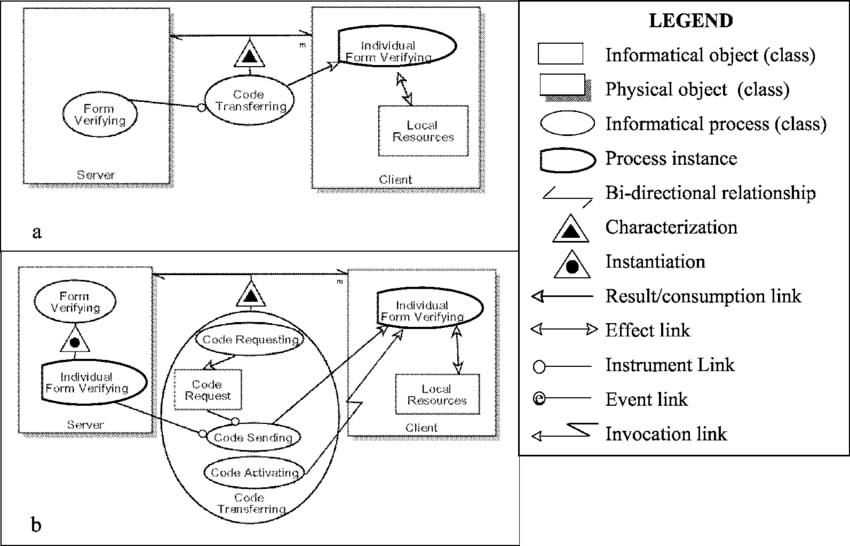
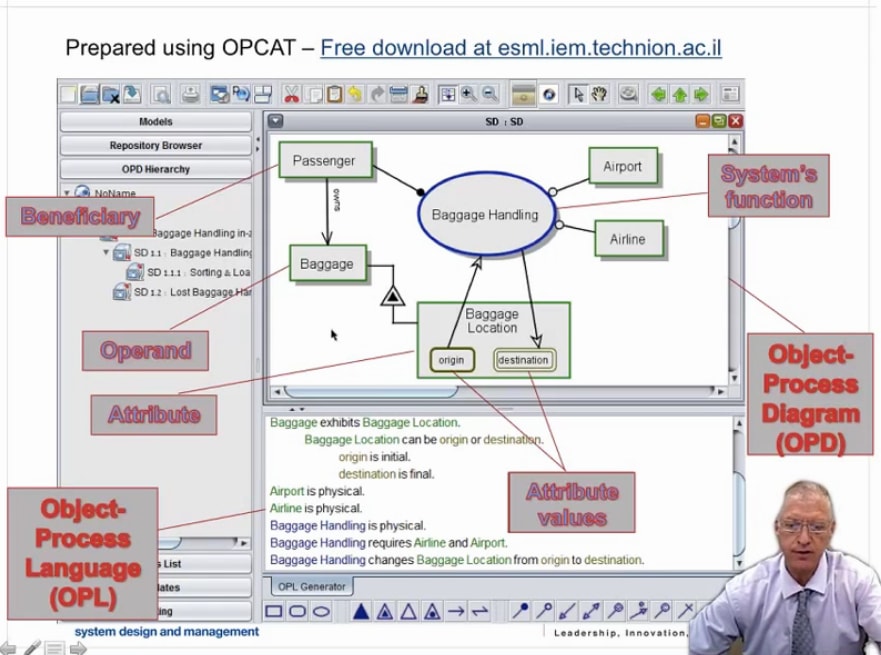
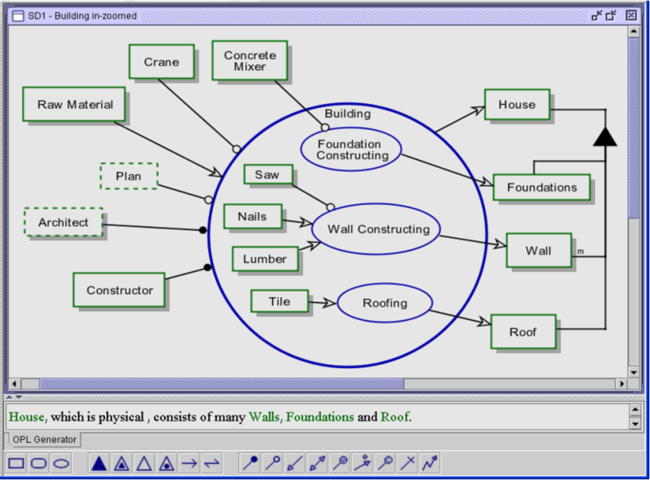
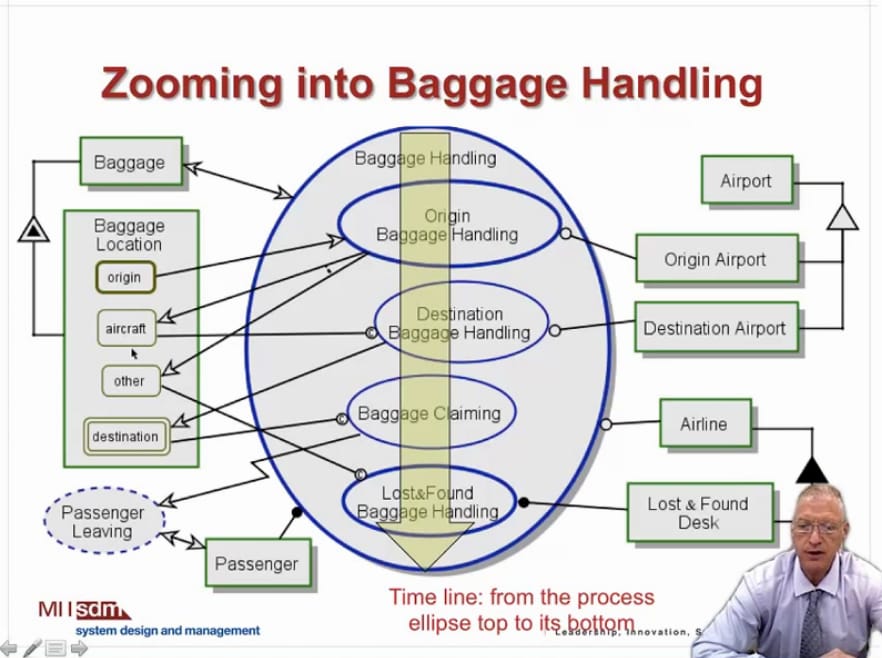
I will attempt an unforgivably brief description of OPM here. The Object Process Methodology offers an astoundingly simple framework for modeling systems and scenarios of unlimited complexity. The root of its ability to do so lies in the fact that it departs from the prevailing fixation with Object Orientation (OO) which, in ultimately trying to represent the world using constructs relevant to software, inevitably spawns bewildering models as soon as it moves beyond anything more "real" than a software component. The main departure that OPM makes, as its name suggests, is the elevation of "processes" to being peers to "objects". In the real world, there are things and there are things that happen to things and this basic decomposition of conceptual units fits reality to a tee. So it is that whereas the full envelope of UML diagrams provides over 150 individual symbols, OPM manages to get by with literally a handful. This simplicity then makes a second major departure possible - the elimination of the litany of diagram types. In OPM, there is only one diagram type and only one integrated view. This is one major reason why business people can immediately grasp the contents of an OPM model.
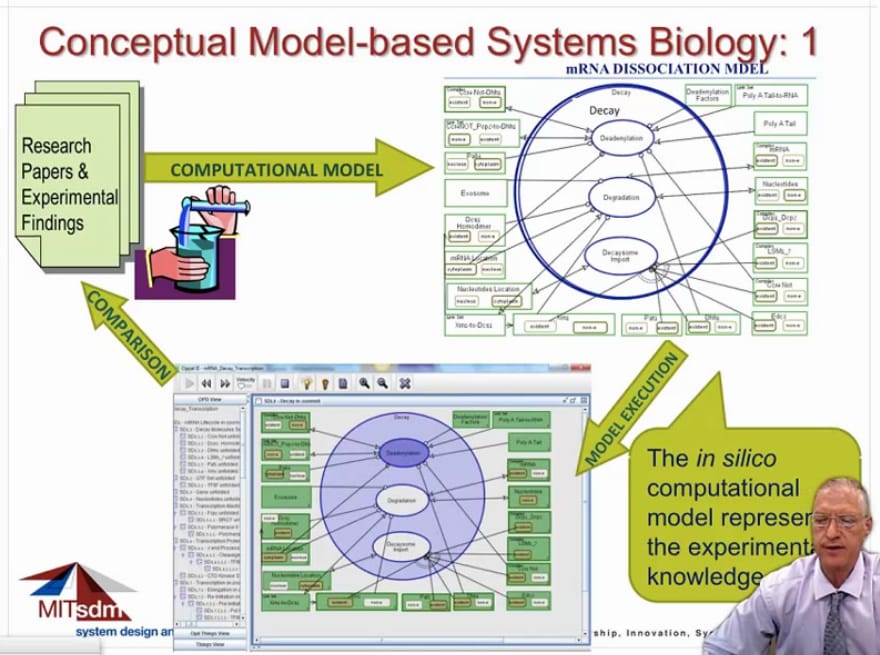
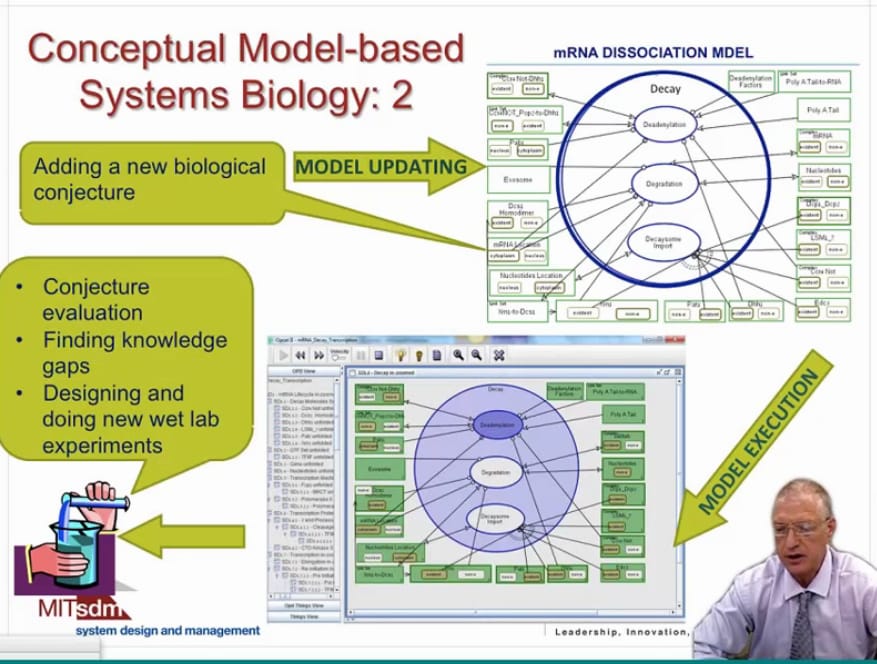
Equally interesting is the fact that associated with any visual representation that can be constructed using the OPM notation will be a supporting "natural language" expression. The above image illustrates a very simple OPM model. The image is taken from the OPCAT modeling tool and along the bottom of the screen shot can be seen both the limited set of symbols used and a segment of the natural language expression associated with the model. [...]
The short summary of this argument is that anyone interested in the general problem of understanding complex systems, and representing and communicating that understanding to a broad community of stakeholders, absolutely must take a closer look at the Object Process Methodology.
Short video interview with Dov Dori. Part of a free MOOC on OPM.
Tools: OPCloud and the Evolution of OPM Modeling Tools - Dov Dori et.al. which mentions the cloud based https://www.opcloud.tech/ and the OPCAT software:
-
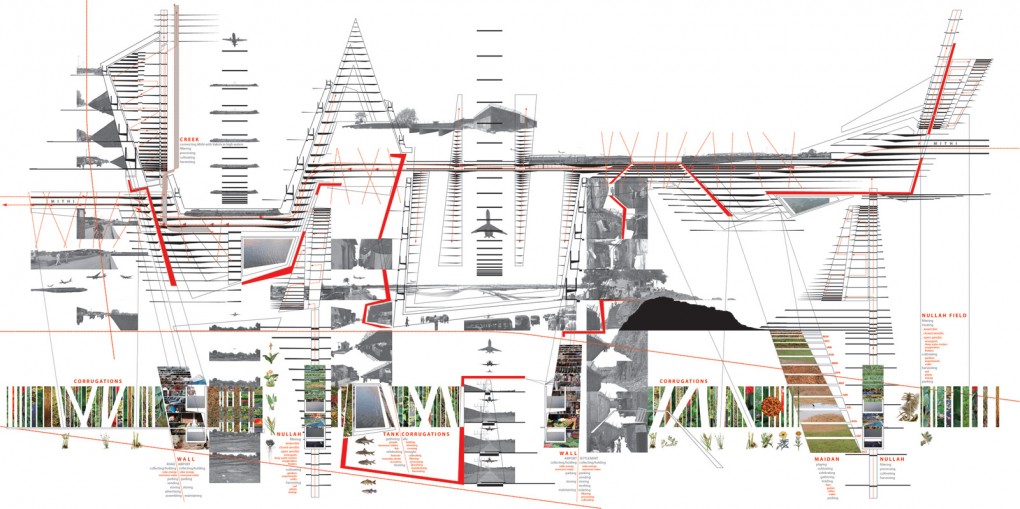
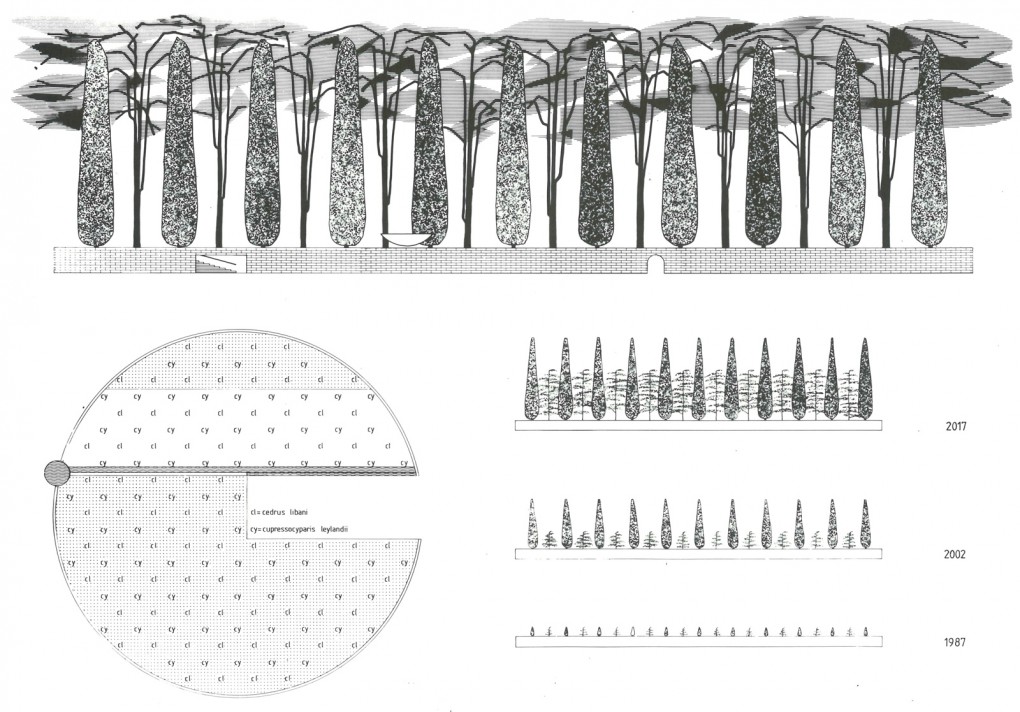
Ecology and Design: Parallel Genealogies - Ecological thinking remains a powerful lens for understanding complex adaptive systems. - by Chris Reed & Nina-Marie Lister (2014)
#Regenerative #Design #Architecture #ClimateChange #Complexity
-
"A graphic representation of data abstracted from the banks of every computer in the human system. Unthinkable complexity. Lines of light ranged in the nonspace of the mind, clusters and constellations of data. Like city lights, receding." - William Gibson
-
Making Sense of Complexity: Using SenseMaker as a Research Tool - by Susara E. Van der Merwe et.al (2019)
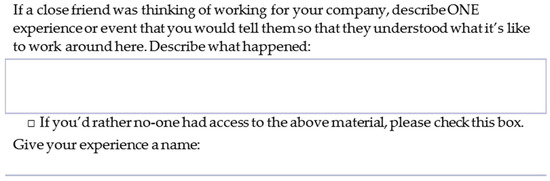
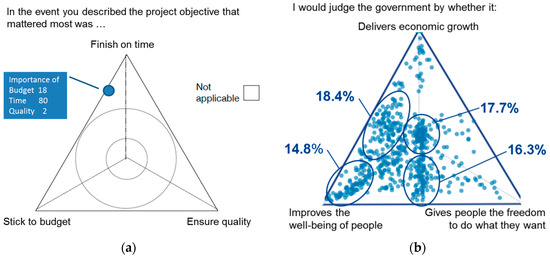
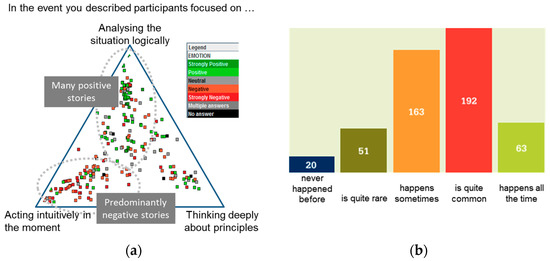
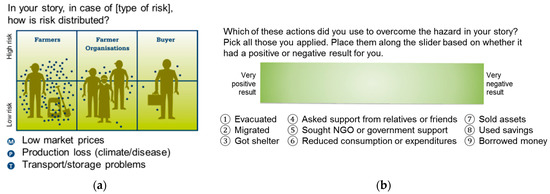
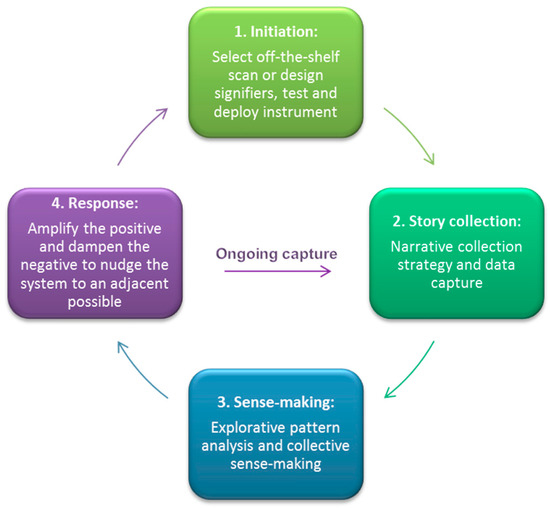
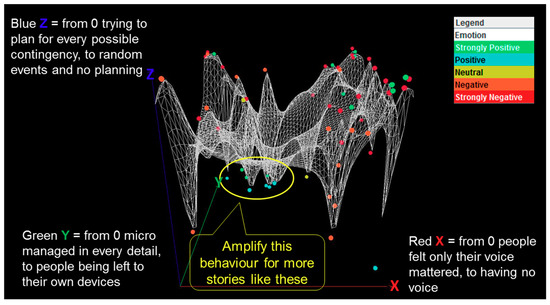
Related: https://cognitive-edge.com/sensemaker/ and https://spryng.io/
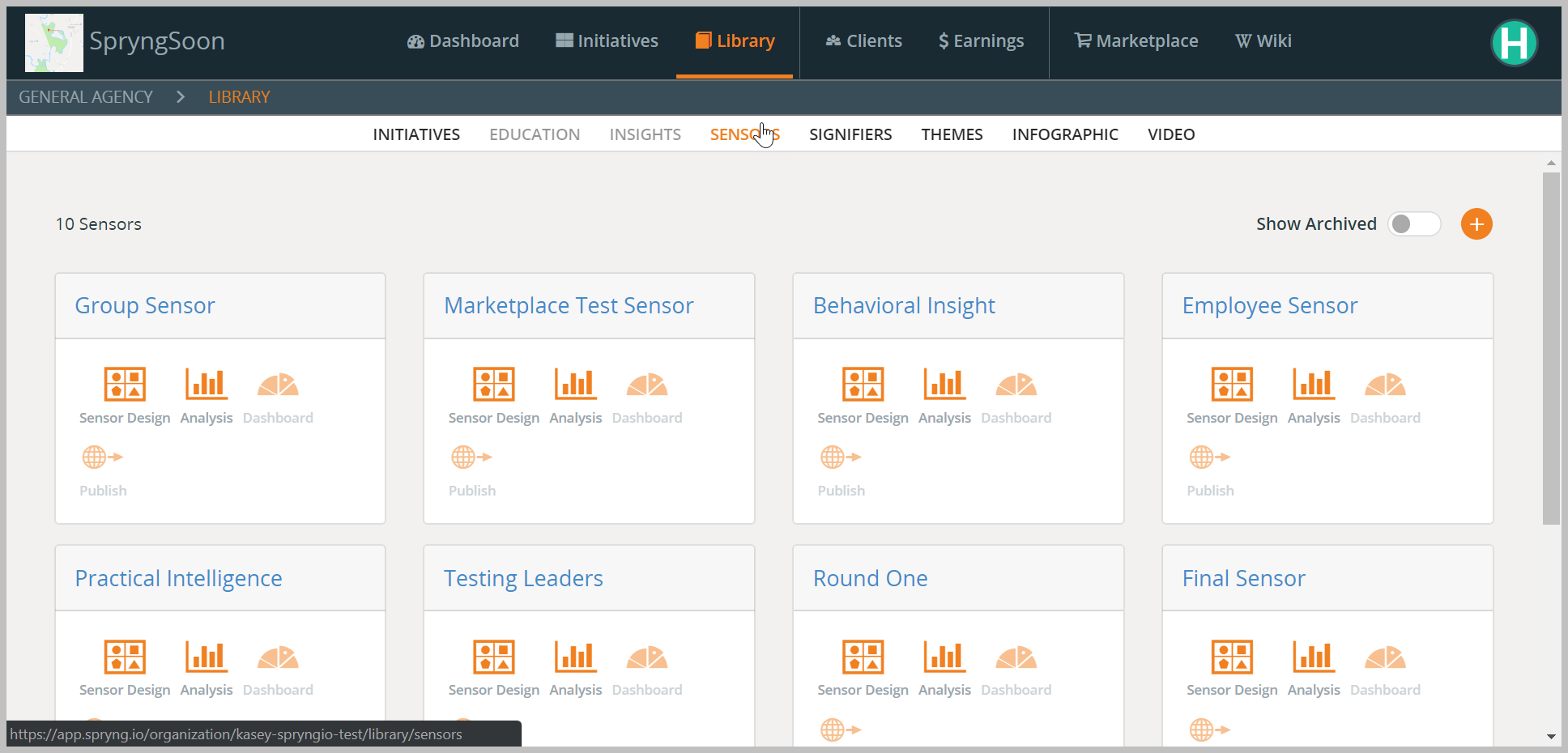
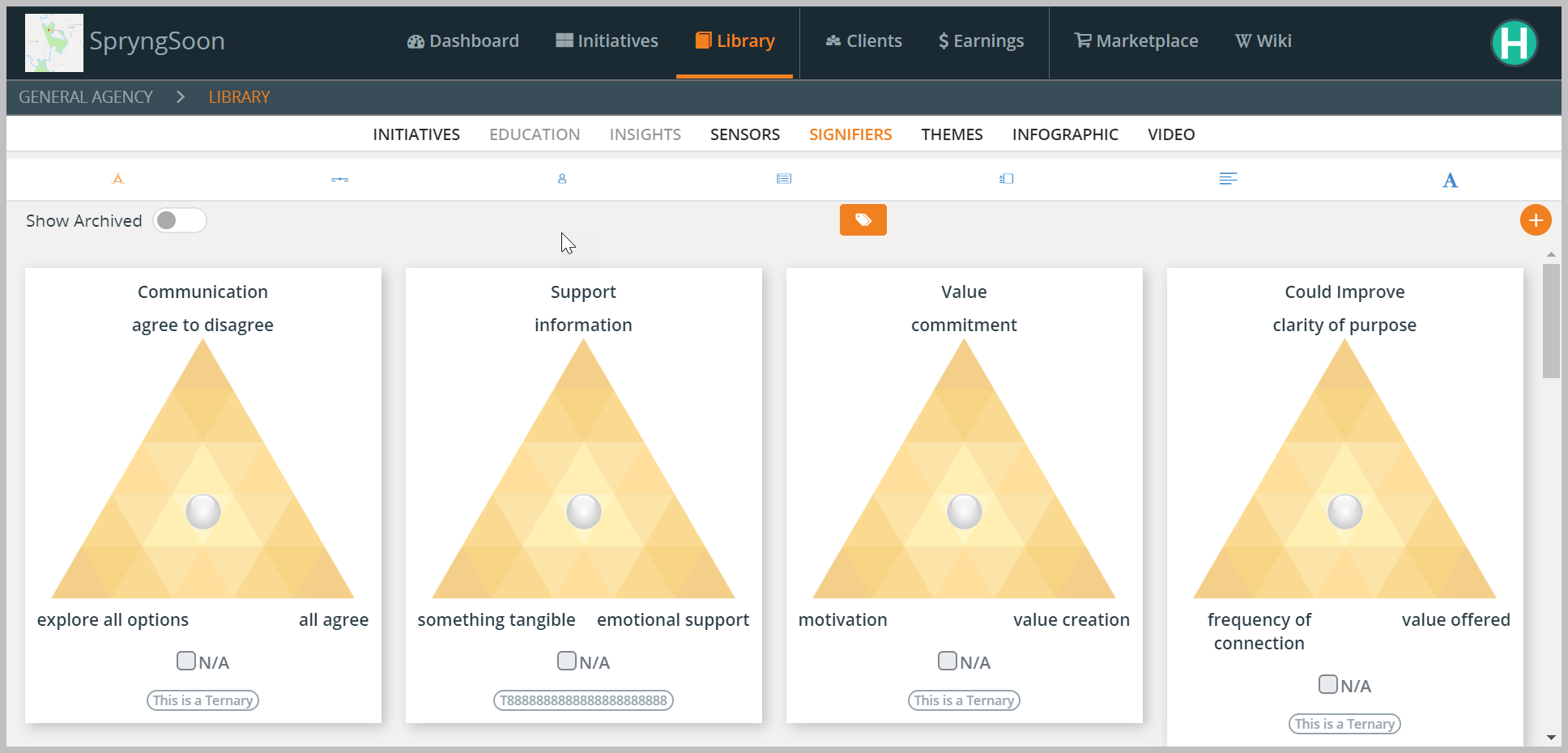

-
Videos by Andy Adamatzky, Professor in Unconventional Computing, UWE, Bristol
-
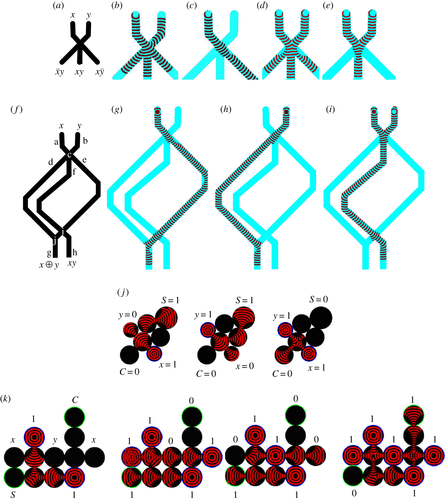
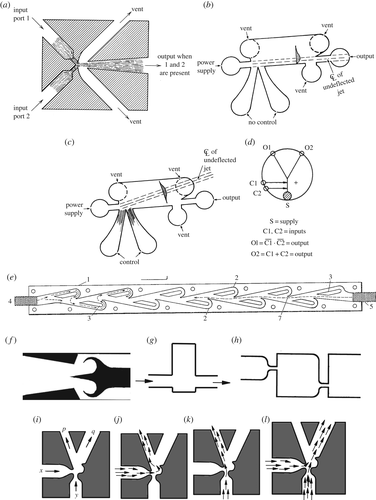
A brief history of liquid computers - by Andrew Adamatzky (2019)
The dry history of liquid computers - by Andrew Adamatzky (2018)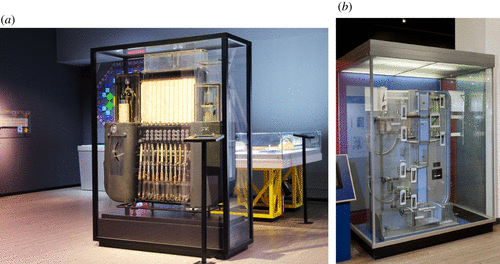
-
Quantifying the World and Its Webs: Mathematical Discrete vs Continua in Knowledge Construction (PDF) - by Giuseppe Longo (2019) (Short video of Longo about his paper)
A Mathematical Critique of Computational Thinking in the Sciences of Nature - talk by Giuseppe Longo (1h, 2017)
Alphabets, Axioms, DNA: On Human Knowledge and the Myth of Alphanumeric Coding - talk by Giuseppe Longo (30min, 2019)
-
Prof. Dr. Günter von Kiedrowski - on "Chemical Self-replicating systems: Facts, goals, and visions" (7th European Conference on Artificial Life, 2003)
"Why replication at all? In the natural context, replication has the same meaning as integration in electronics. I mean, if you are able to do integrate electronic circuitry, you can establish Moore's Law and in chemistry this kind of replication was not addresses so far. But if it is possible to replicate objects, then it is possible to make things cheaper, to pay for complexity. - Prof. Dr. Günter von Kiedrowski
Related:
- "Research Paper by Günter von Kiedrowski" (semanticscholar)
- "Self replicating systems" - by Volker Patzke and Günter von Kiedrowski (2007)
- "Exponential replication of patterns in the signal tile assembly model" (2014)
- "Where Did Life Come From? The Mind? The Universe? Can We Even Know?" (2013)
- "The Beginning of Systems Chemistry" - by Peter Strazewski"
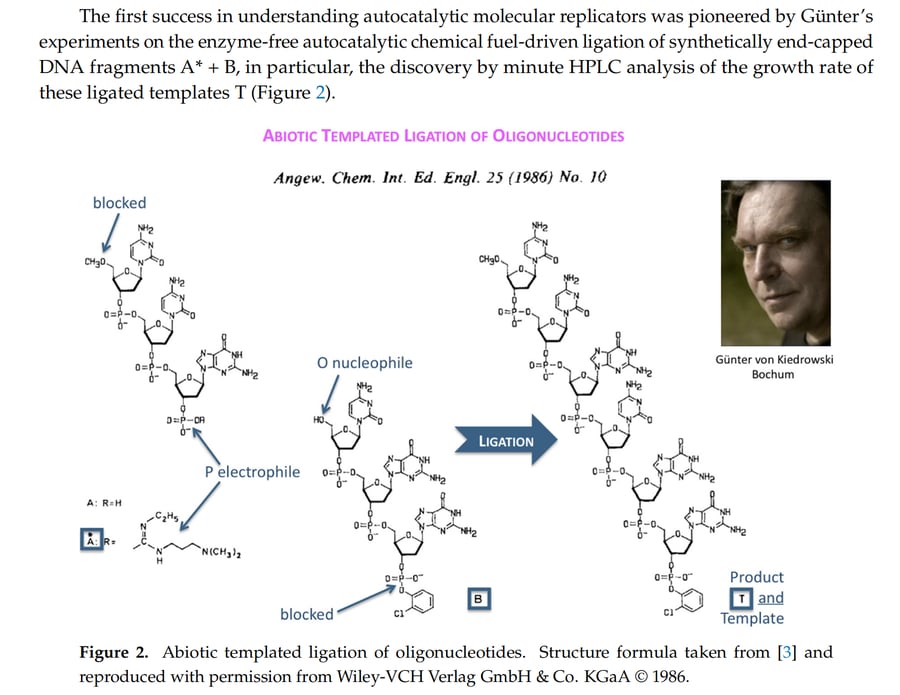
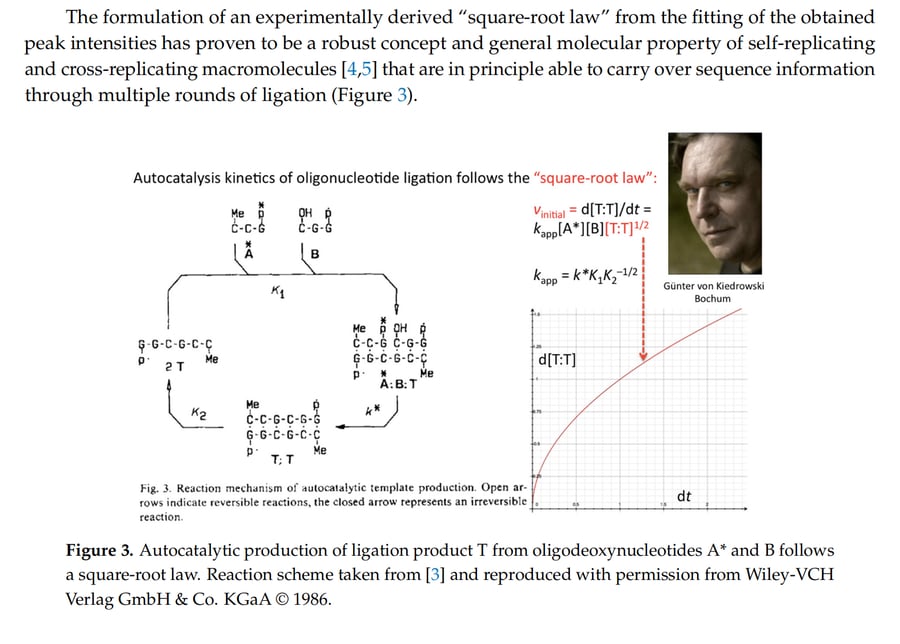
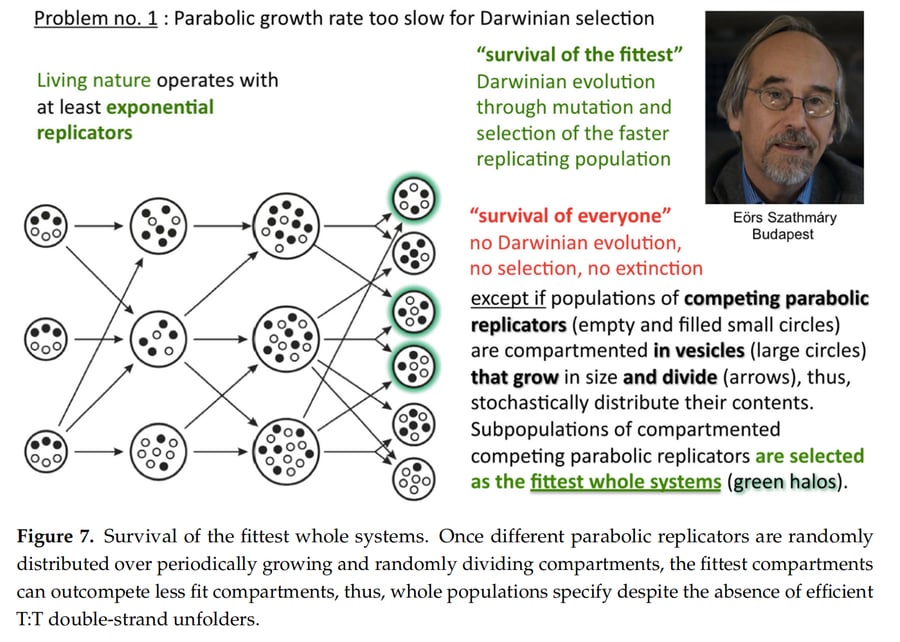
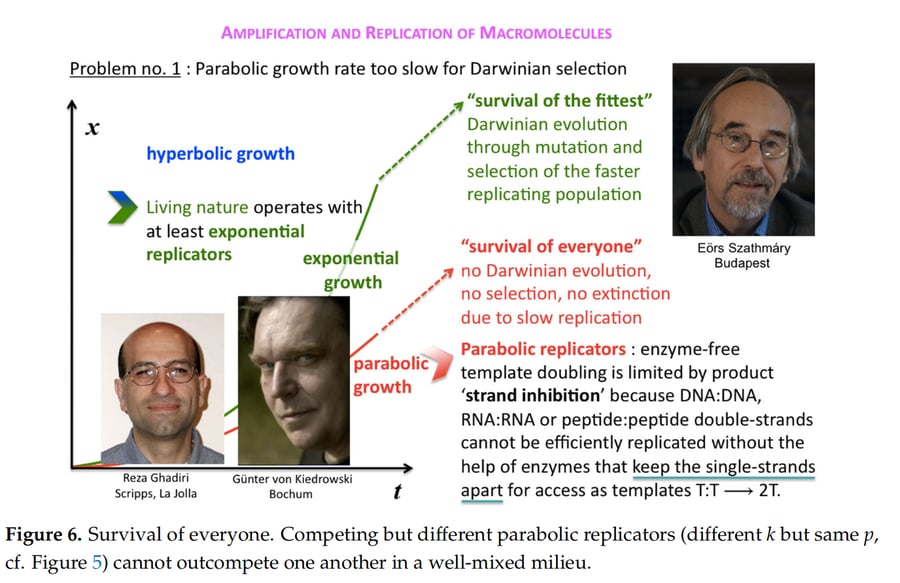
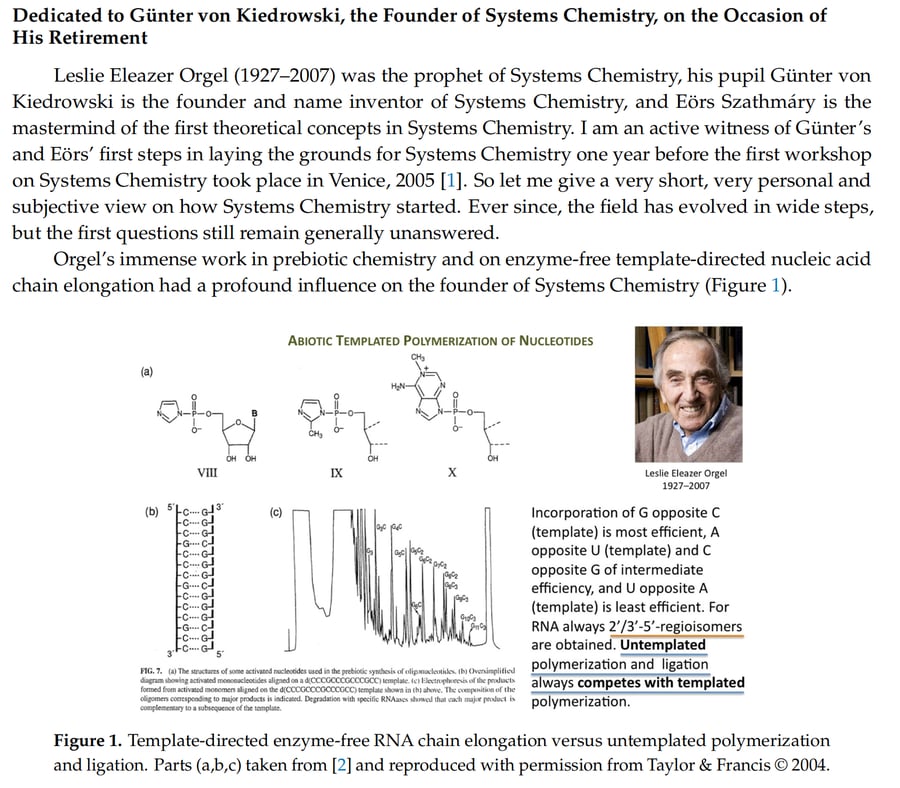
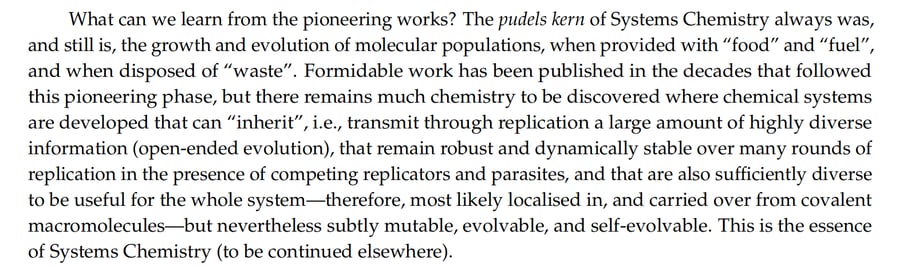
Images from "The Beginning of Systems Chemistry" - by Peter Strazewski" -
Notes on Robert Rosen (1934 - 1998), an American theoretical biologist:
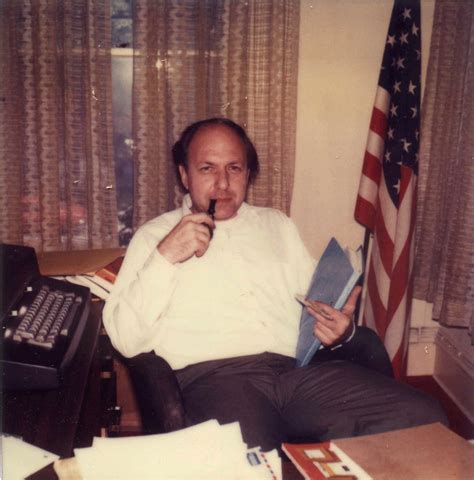
‘What are the defining characteristics of a natural system for us to perceive it as being alive?’’ - Robert Rosen in "Life Itself: A Comprehensive Inquiry Into the Nature, Origin, and Fabrication of Life"
"I do not consider myself a philosopher. I am a biologist, attempting to grapple with the Schrodinger question, “What is Life?” It turns out that this is not an empirical question, to be resolved through observation in a laboratory" - Robert Rosen in "Boundaries and barriers: On the limits to scientific knowledge" (1996)
"No finite organism can completely model the infinite universe, but even more to the point, the senses can only provide a subset of the needed information; the organism must correct the measured values and guess at the needed missing ones."..."Indeed, even the best guesses can only be an approximation to reality - perception is a creative process." - from "Robert Rosen: The Well Posed Question And Its Answer-why Are Organisms Different From Machines?" - by Donald C. Mikulecky
The human body completely changes the matter it is made of roughly every 8 weeks, through metabolism, replication and repair. Yet, you're still you --with all your memories, your personality... If science insists on chasing particles, they will follow them right through an organism and miss the organism entirely. — Robert Rosen, (as told to his daughter, Ms. Judith Rosen)
Presentation "Anticipatory Systems Theory: What the science of Life and Mind can teach us about science, itself" - by Judith Rosen
Presentation: "Robert Rosen And George Lakoff: The Role Of Causality In Complex Systems" - by Hamid Y. Javanbakht
-
Reflections on Temporarily
The "A Bifurcation called 2016" video by Mihai Nadin provoked a #Comment on time:
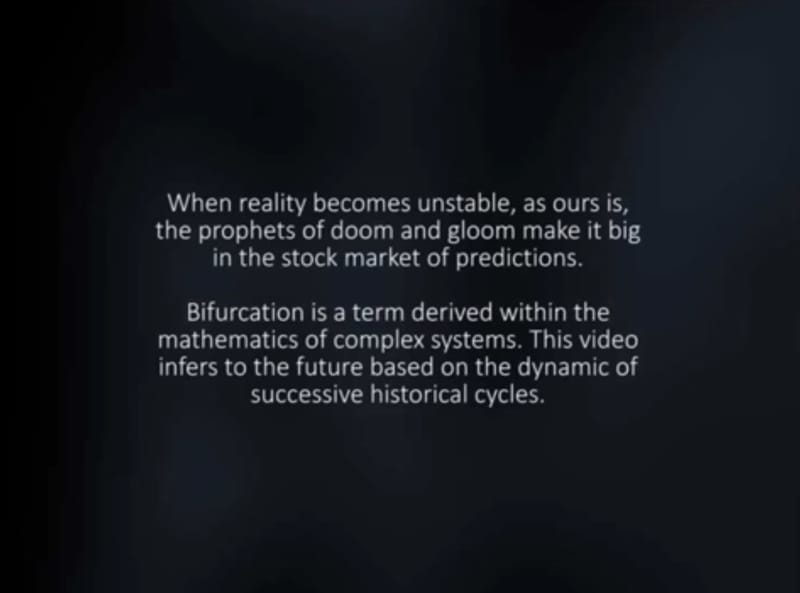
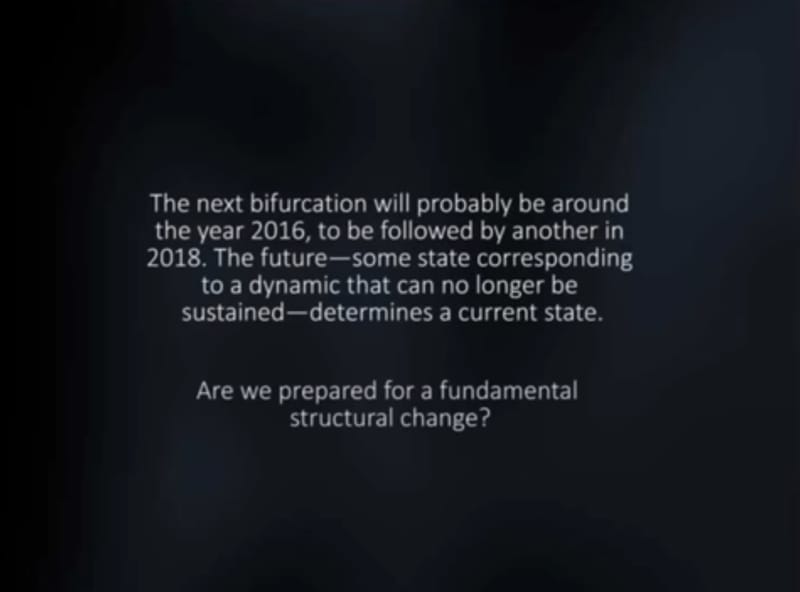
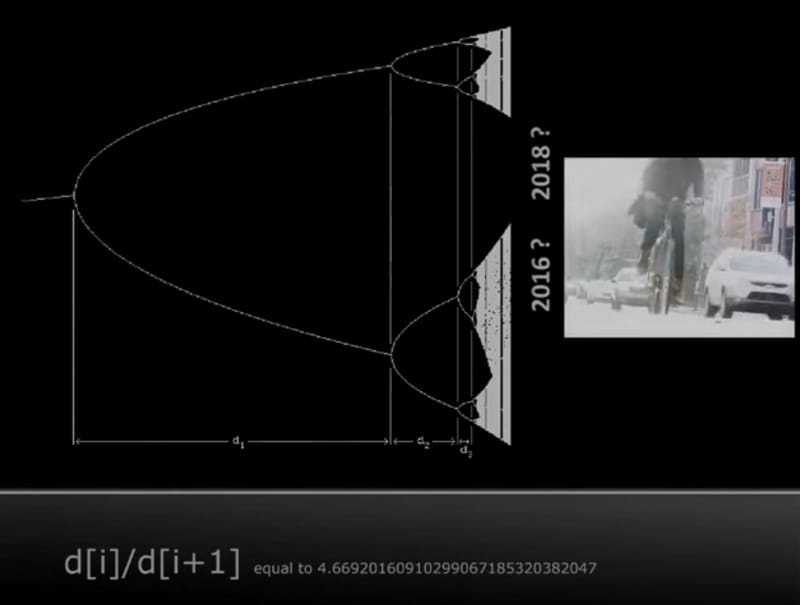
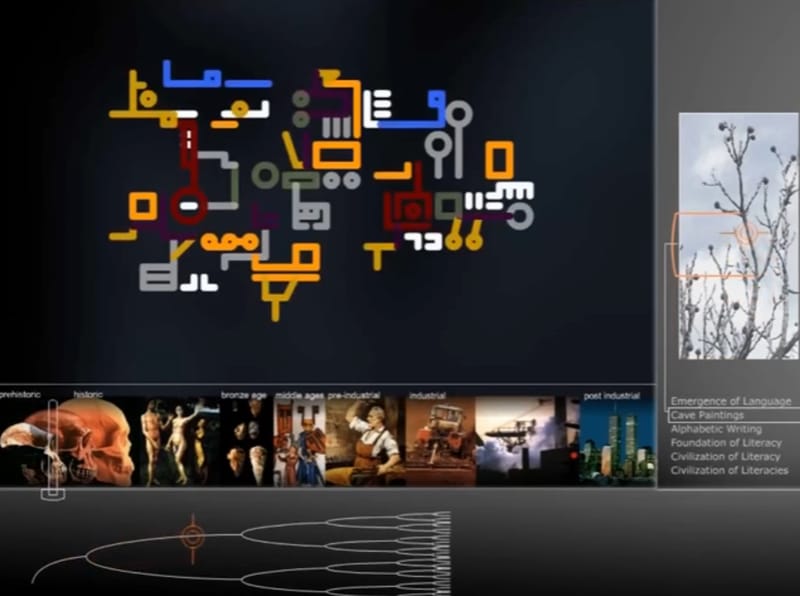
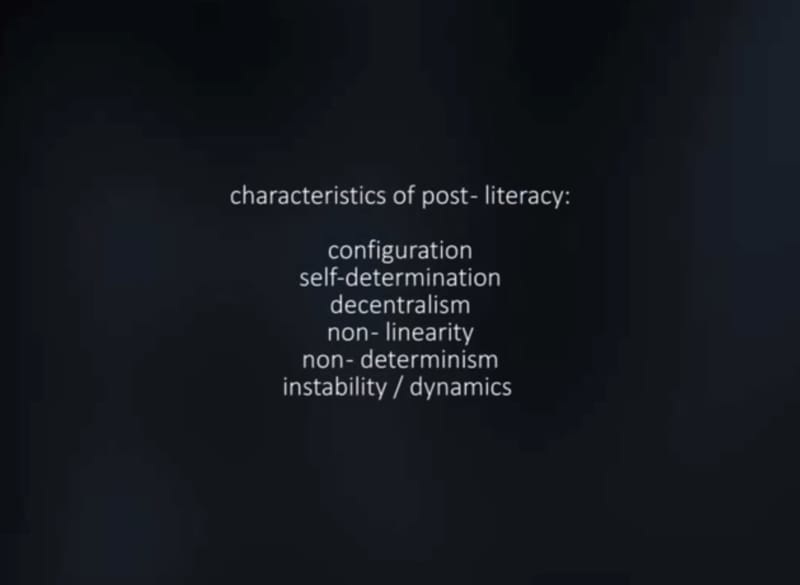
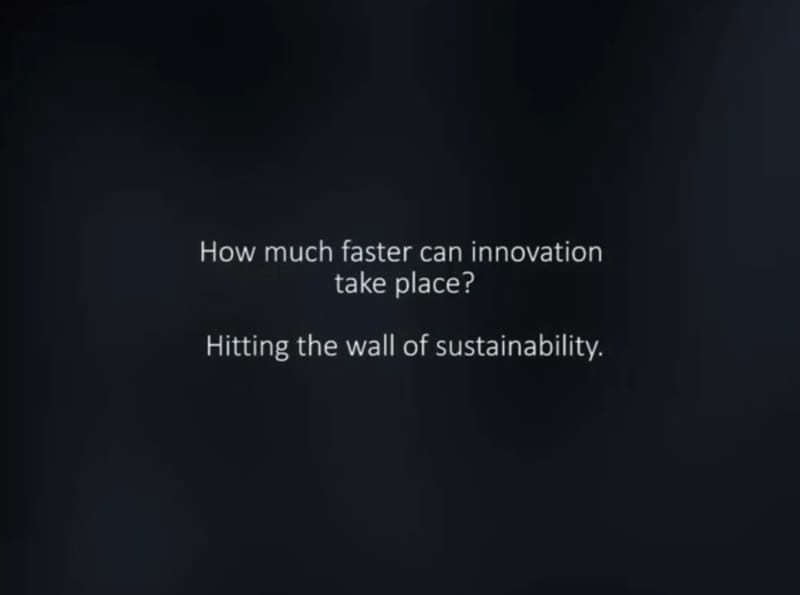
Mihai Nadin's entertaining 'bifurcation' model/theory is somewhat related to Terence McKenna's "Timewave Zero". I find it peculiar, that in all such "models of accelerating time/change" the critical singularity event is predicted to happen ("accidentally / conveniently") presciently during the life-time (or end of life, akin to the christian "armageddon") of the person stating the theory. Temporarily is the ultimate magic trick: As scientifically/objectively hardly approachable, it firmly is in the domain of the political, subjective and comedic. Paul Virilio's essay "Speed And Politics" on "Dromology" is an interesting read in this context. Within infinity, the distance from contemporary complex "Theories of Change" to ancient "Book of Changes" (I Ching) , is the same as the square root of negative one: Imaginary.
Terence McKenna - Timewave Zero:
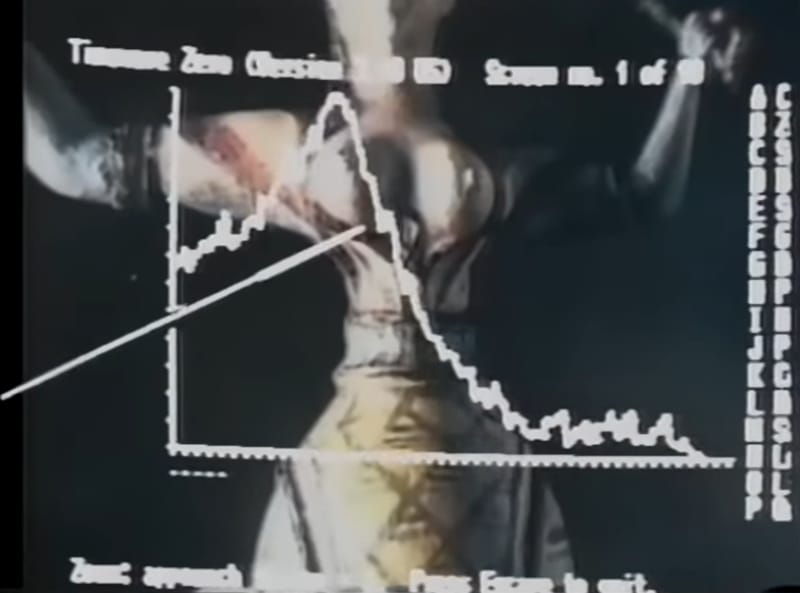
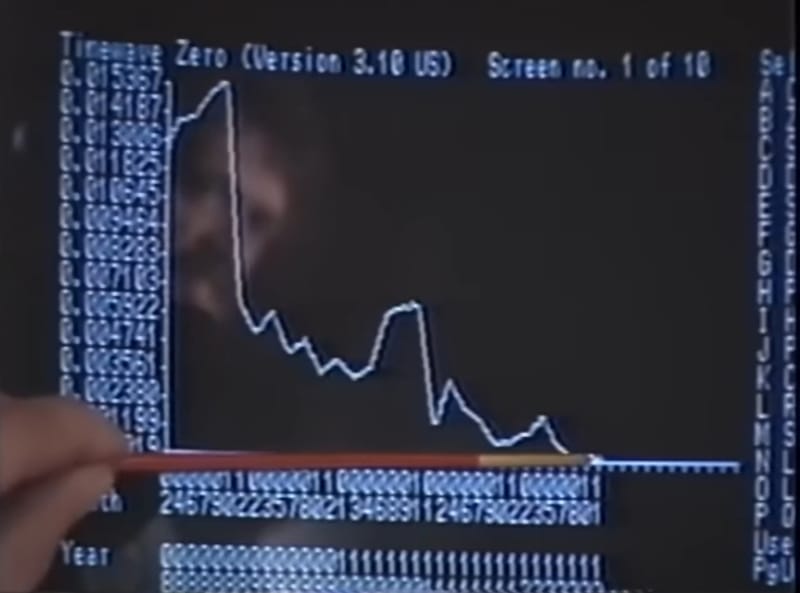
A far more pronounced example of the "acceleration fallacy" (almost bordering on the brute-force senseless & pointless speed-cult of Ray Kurzweil & co.) can be found in the following talk:
"Sense-Making in our Post AlphaGo World" - by John Seely Brown
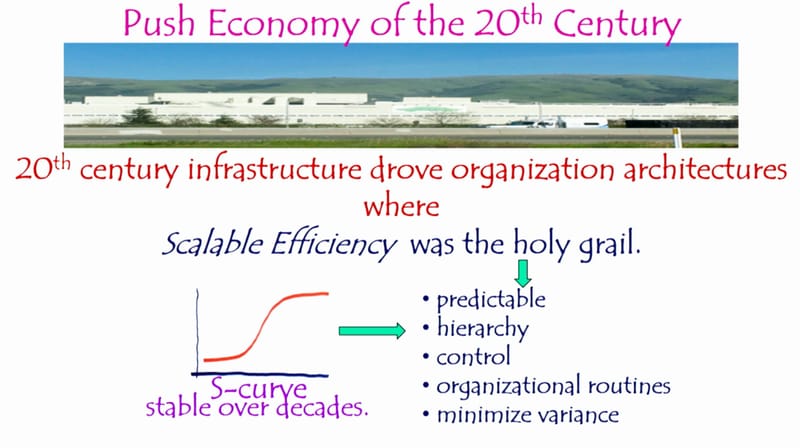
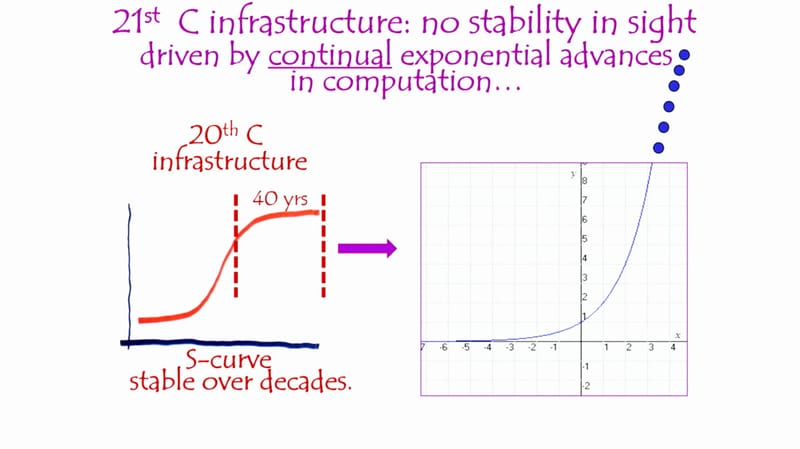
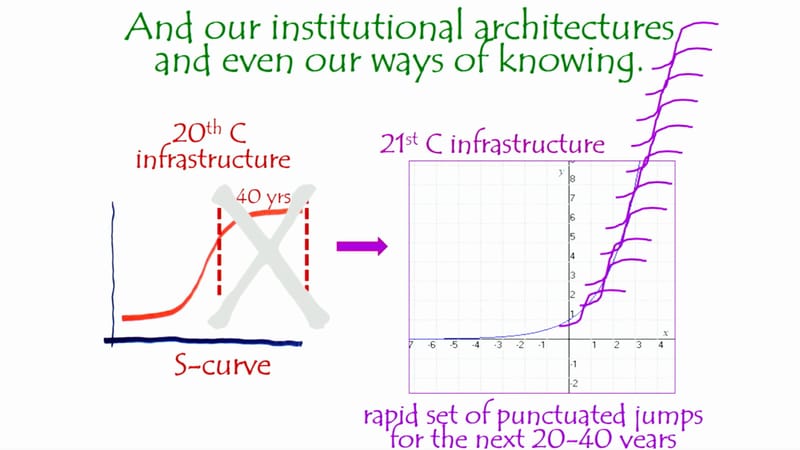
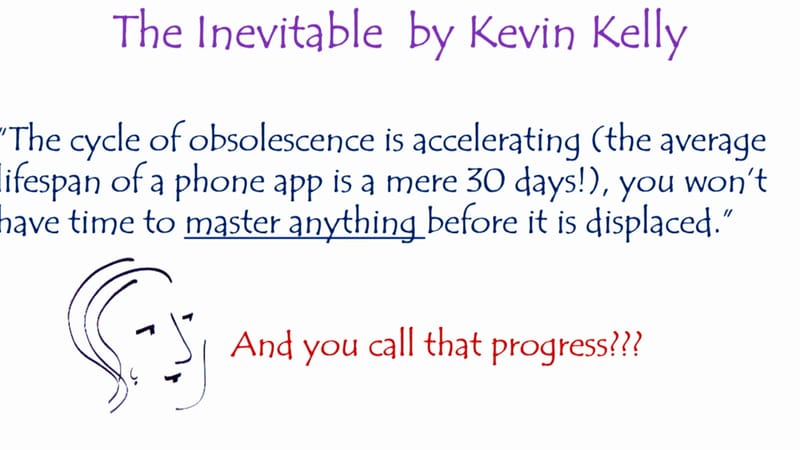
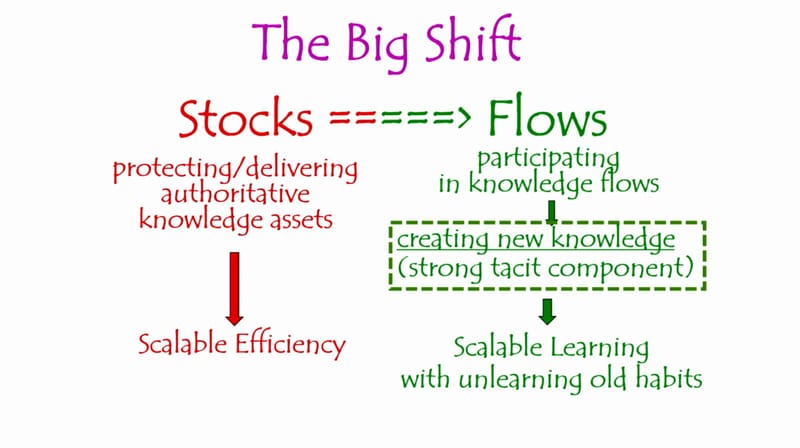
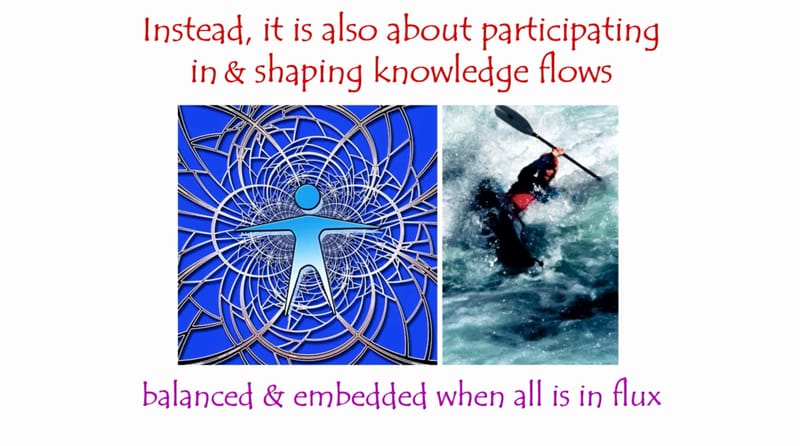
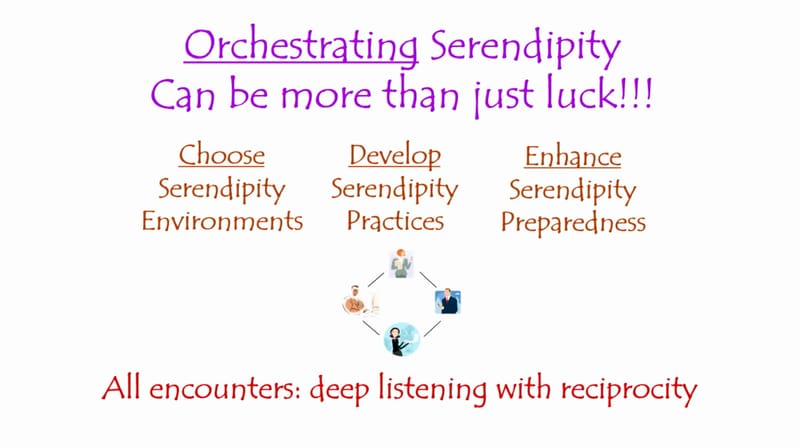
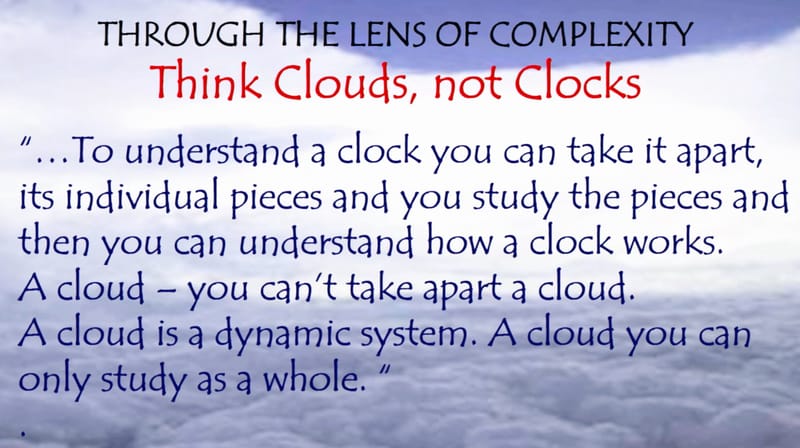

Directional/Qualitative/Evolutionary views on temporarily are very wide spread. See the following on A.E.Whitehead's views:"He then observes that the mark of higher forms of life is that they are actively engaged in modifying their environment, an activity which he theorizes is directed toward the three-fold goal of living, living well, and living better. In other words, Whitehead sees life as directed toward the purpose of increasing its own satisfaction. Without such a goal, he sees the rise of life as totally unintelligible.
"
The root of such "models of accelerating/progressing time/change" is essentially the illusive notion of the Afterlife (in Christianity, Islam, etc.), Enlightenment (in Buddhism, etc.) or more generally "the other" which "we are racing towards". It is truly peculiar, how this narrative tempted and confused thinkers across all ages, right up to the present day (the cult of optimization and objective functions in artificial intelligence, etc.). Isaac Asimov's "The Last Question" short story eloquently explores the nonsensical nature of of such narratives.

Interesting alternative perspective on temporarily ("non-directional", "static", etc.) can be found in Japanese Shintoism or Soto Zen, where practitioners do not actively seek Enlightenment, but rather seek to fully experience every moment; that is, to be acutely aware of every action in the here and now. As Zen Master Taisen Deshimaru once said, "Zazen has no object, it is purposeless, it only brings us back to ourselves." One doesn't need to worry about Satori. Or in other words: Stop trying to understand. There is nothing to compute. There is nothing to discover. This is it, here and now.
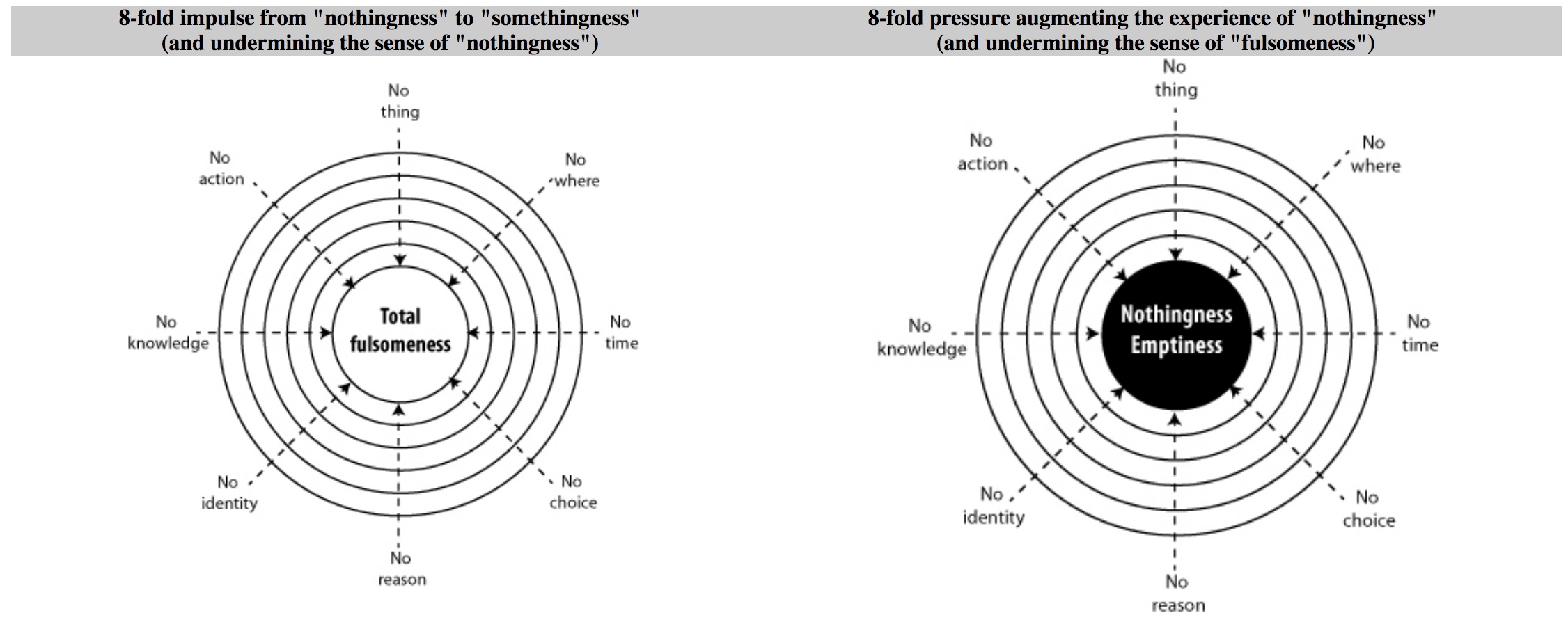
Finally, consider the following quote for a perhaps more relaxed and fun perspective on temporarily:
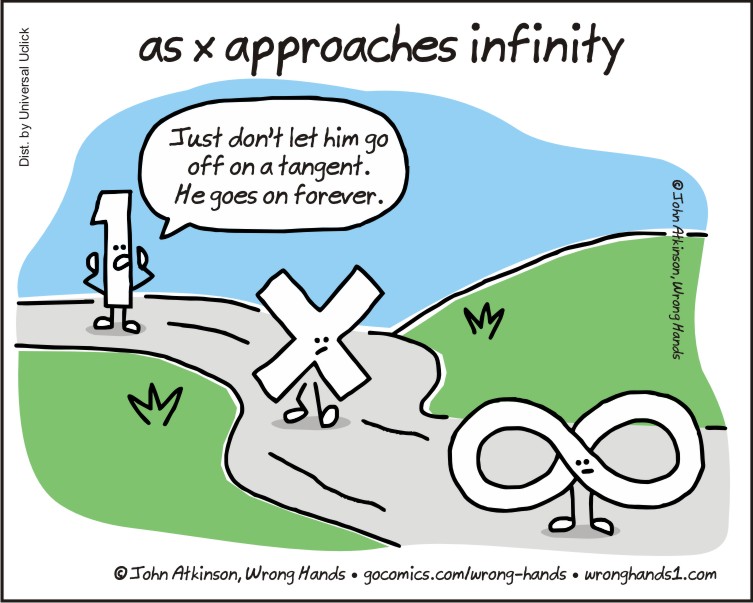
“In conclusion, there is no conclusion. Things will go on as they always have, getting weirder all the time.” ― Robert Anton Wilson


-
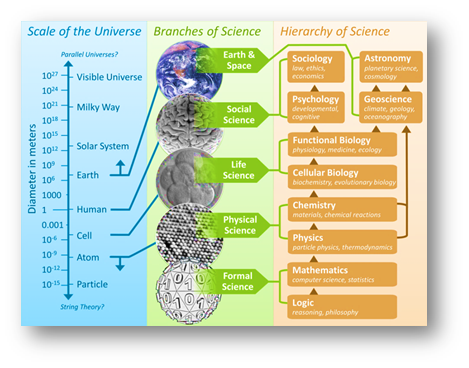
Fun blog by Dr.JT Velikovsky, with posts like "Invalid Criticisms of consilience":
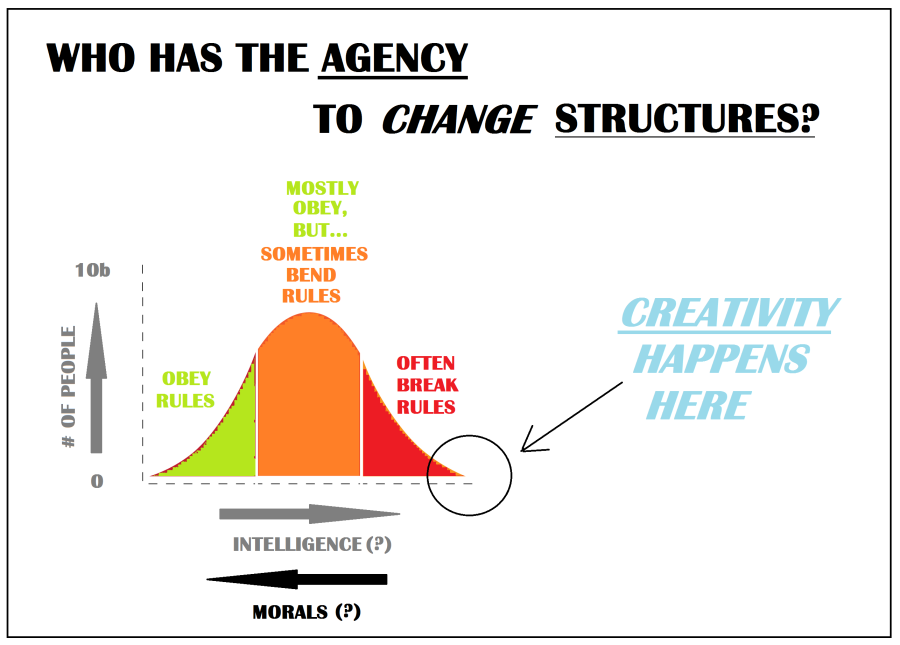
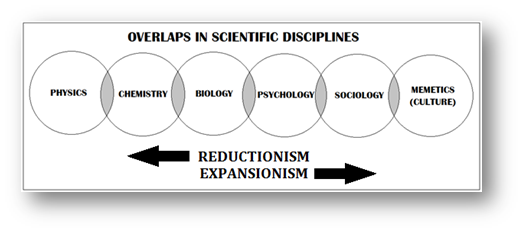
or "What is `creativity’ – and How Does It Work?":
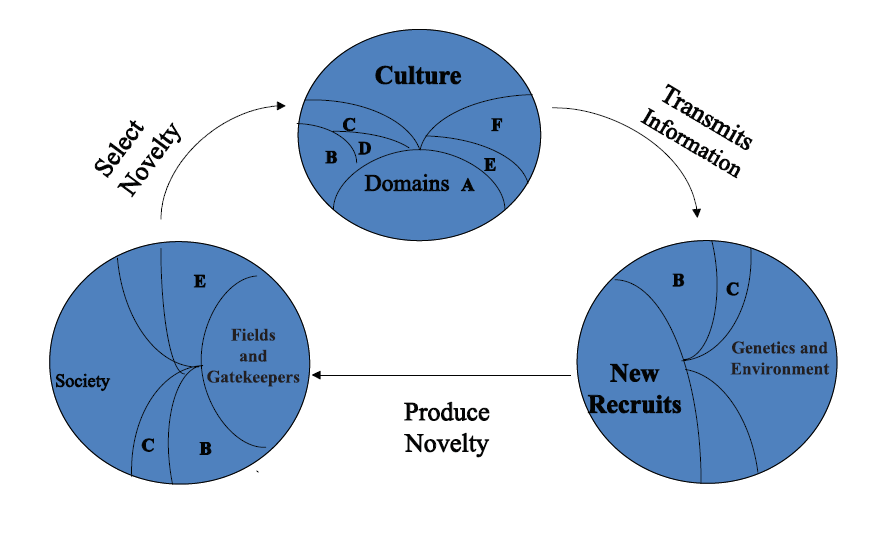
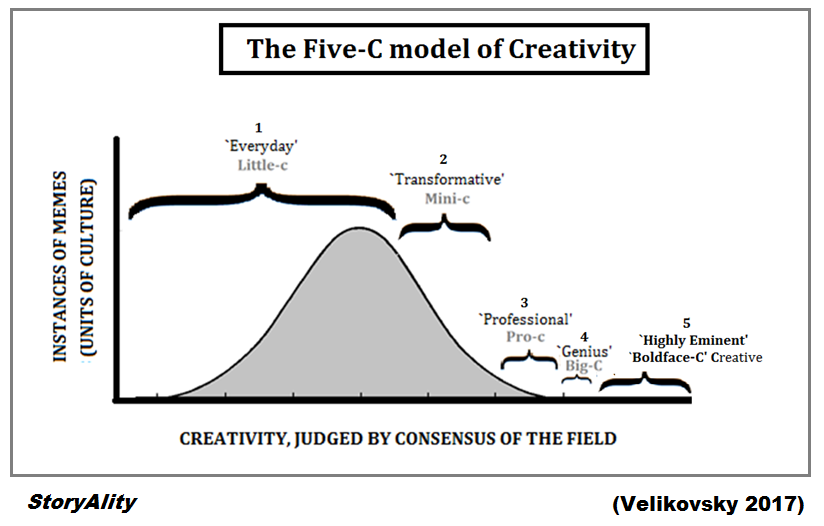
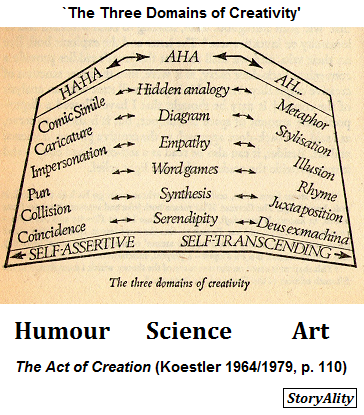
and much more general fun weirdness to explore..
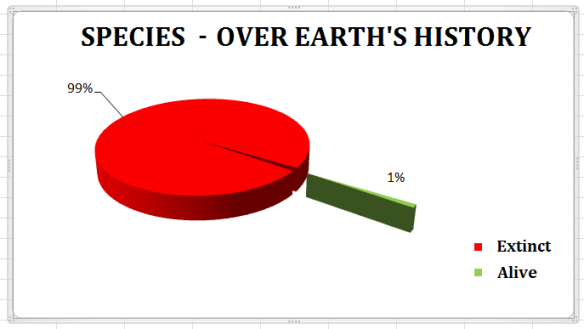

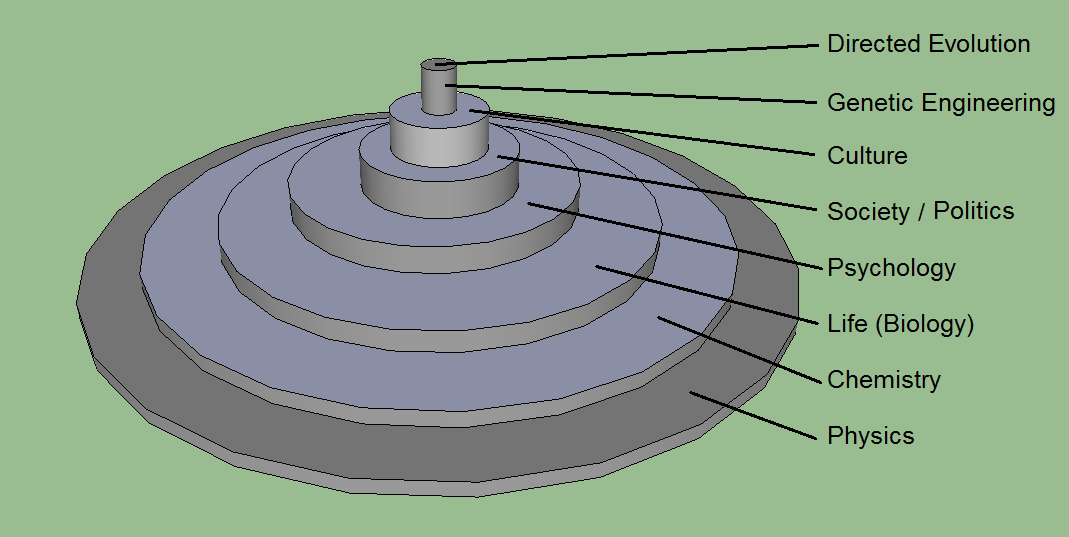

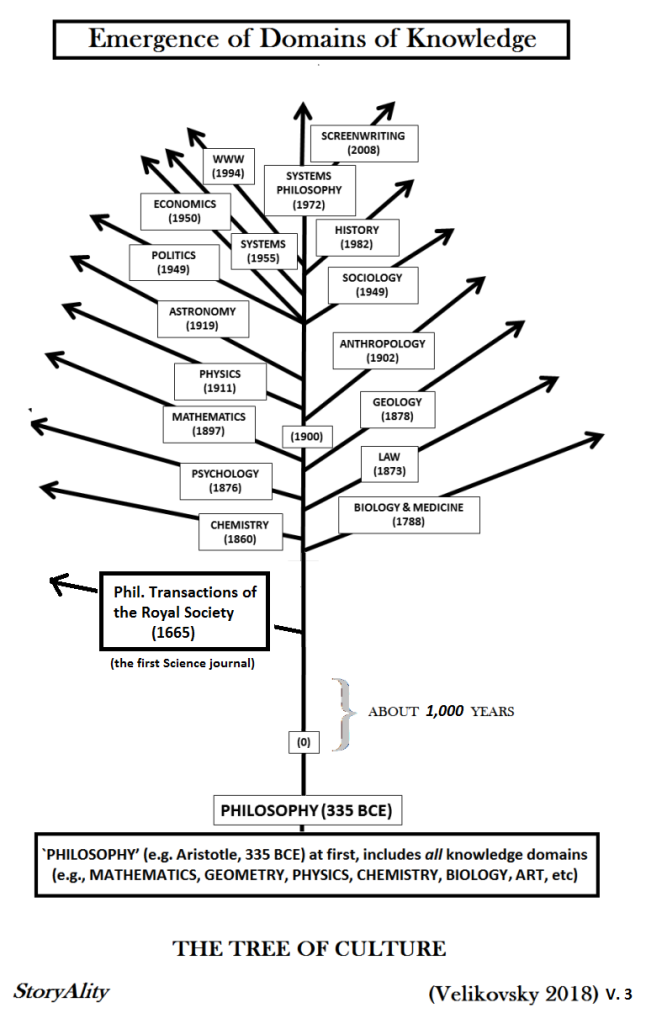

And he has a youtube channel:
-
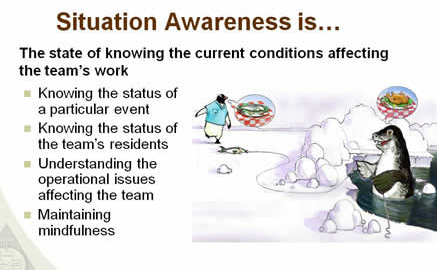
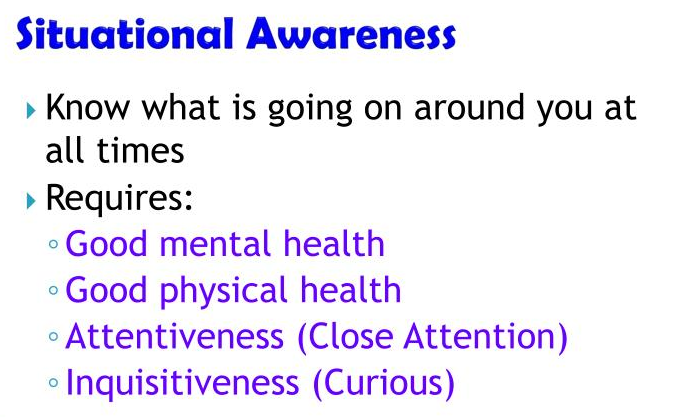
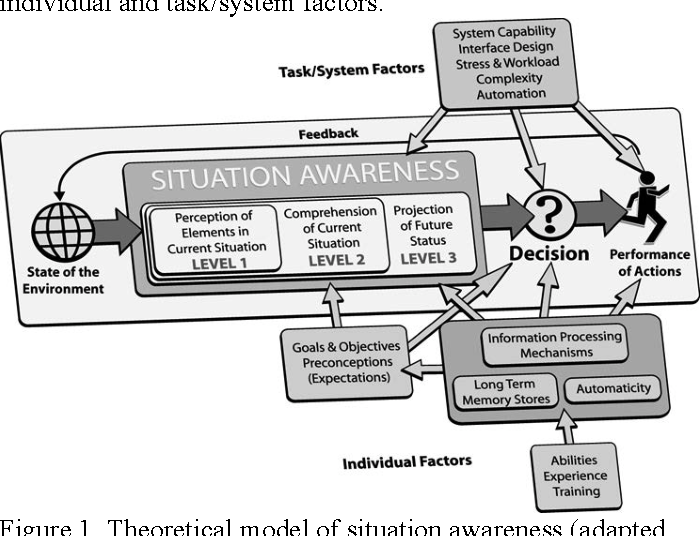
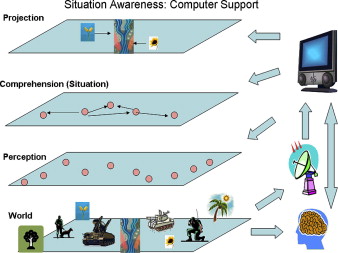
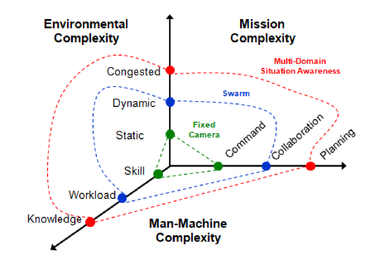
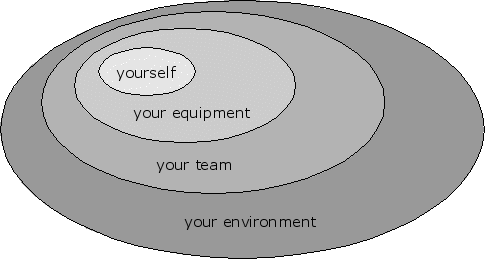
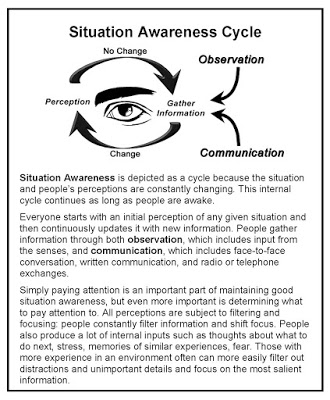
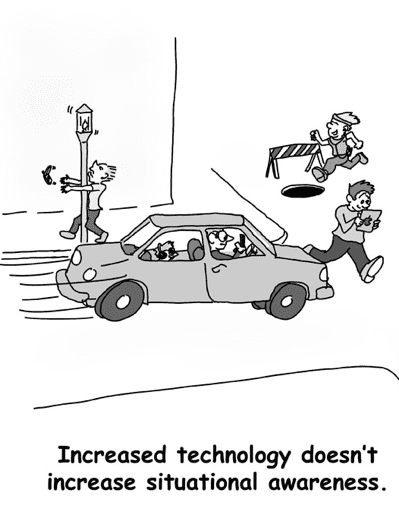
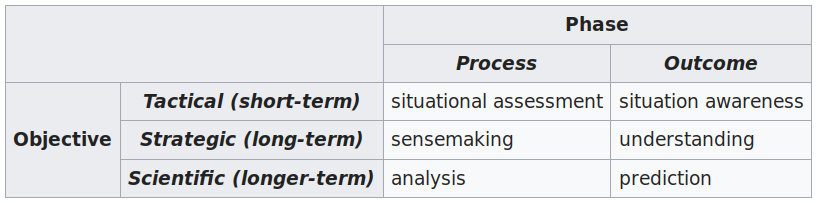
Situation Awareness is the perception of environmental elements and events with respect to time or space, the comprehension of their meaning, and the projection of their future status.