tag > Complexity
-
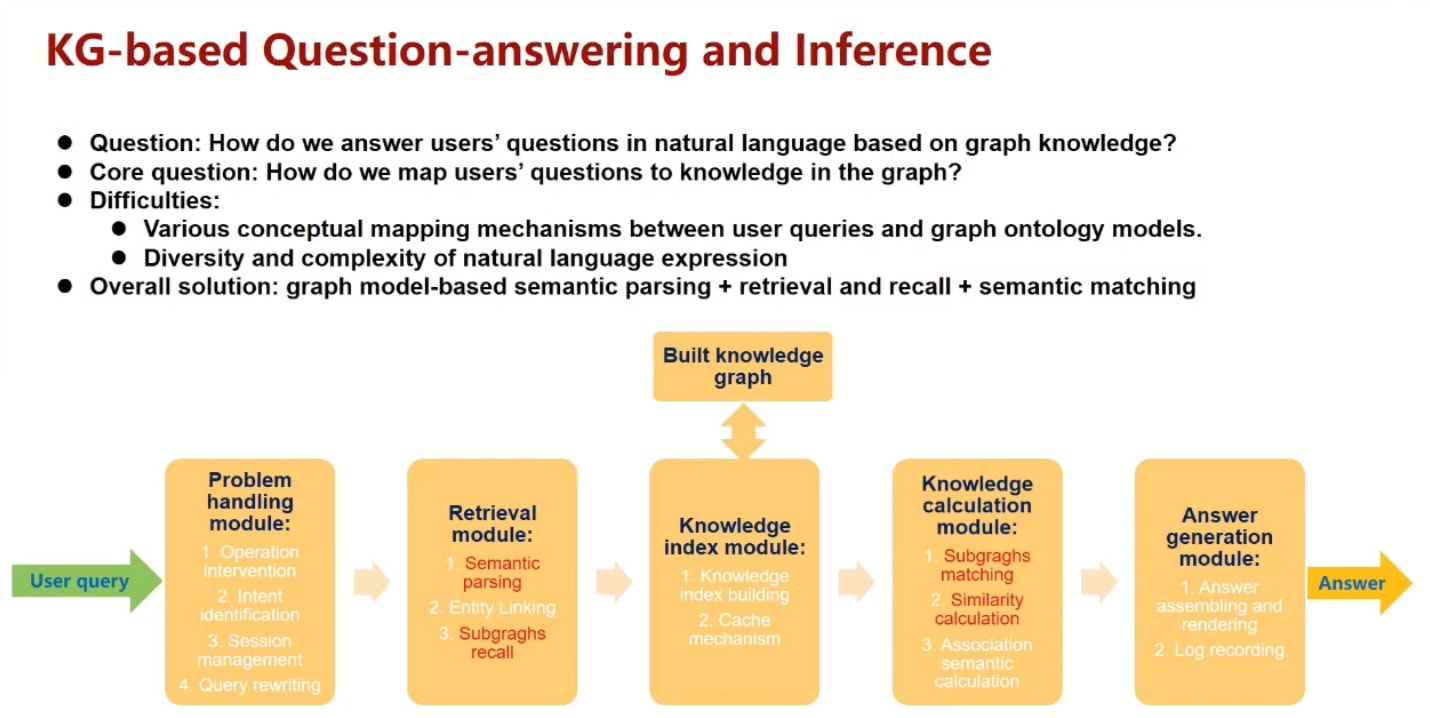
Language Models are Open Knowledge Graphs (Paper Explained)
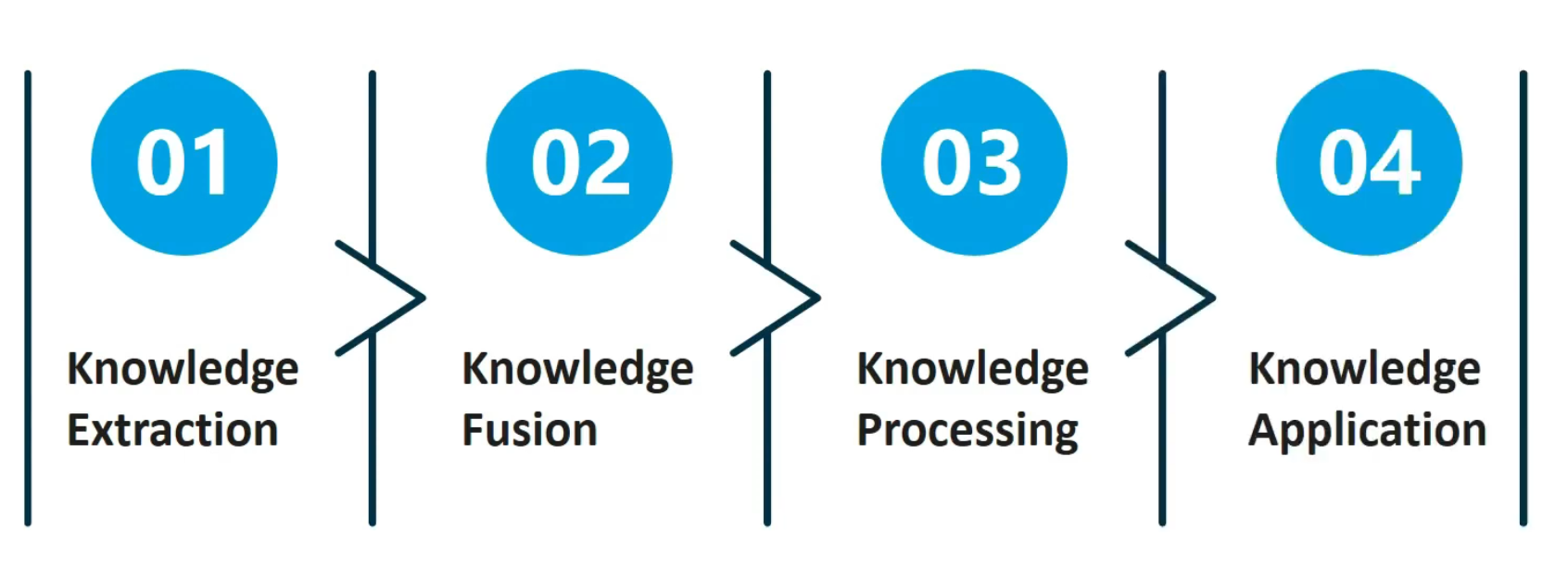
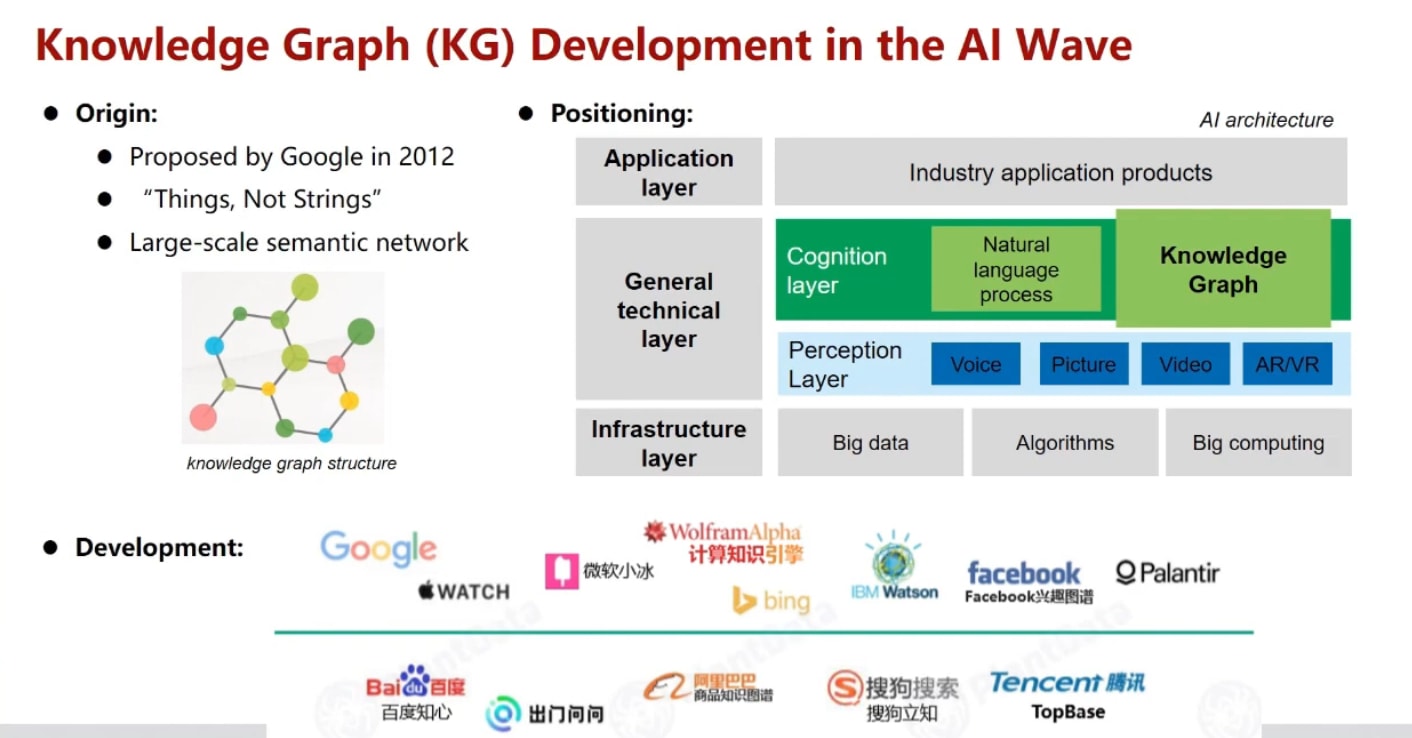
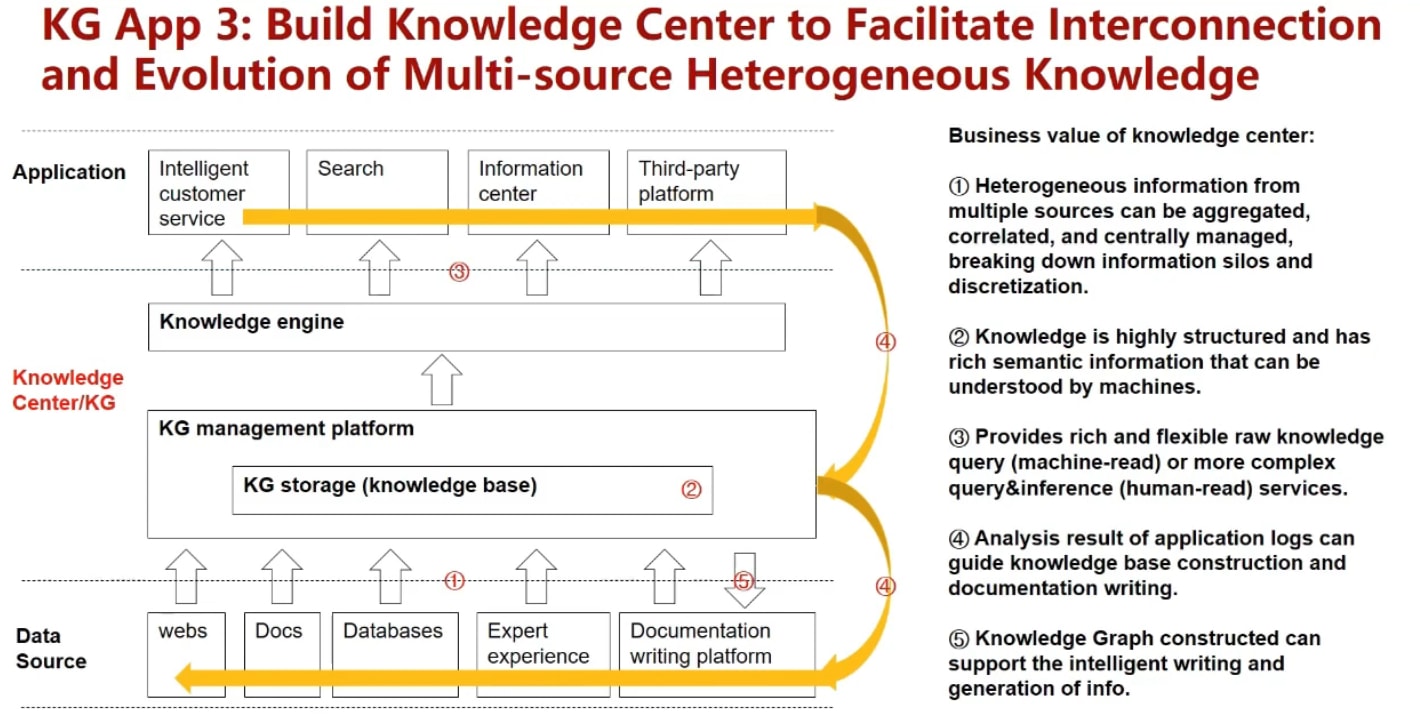
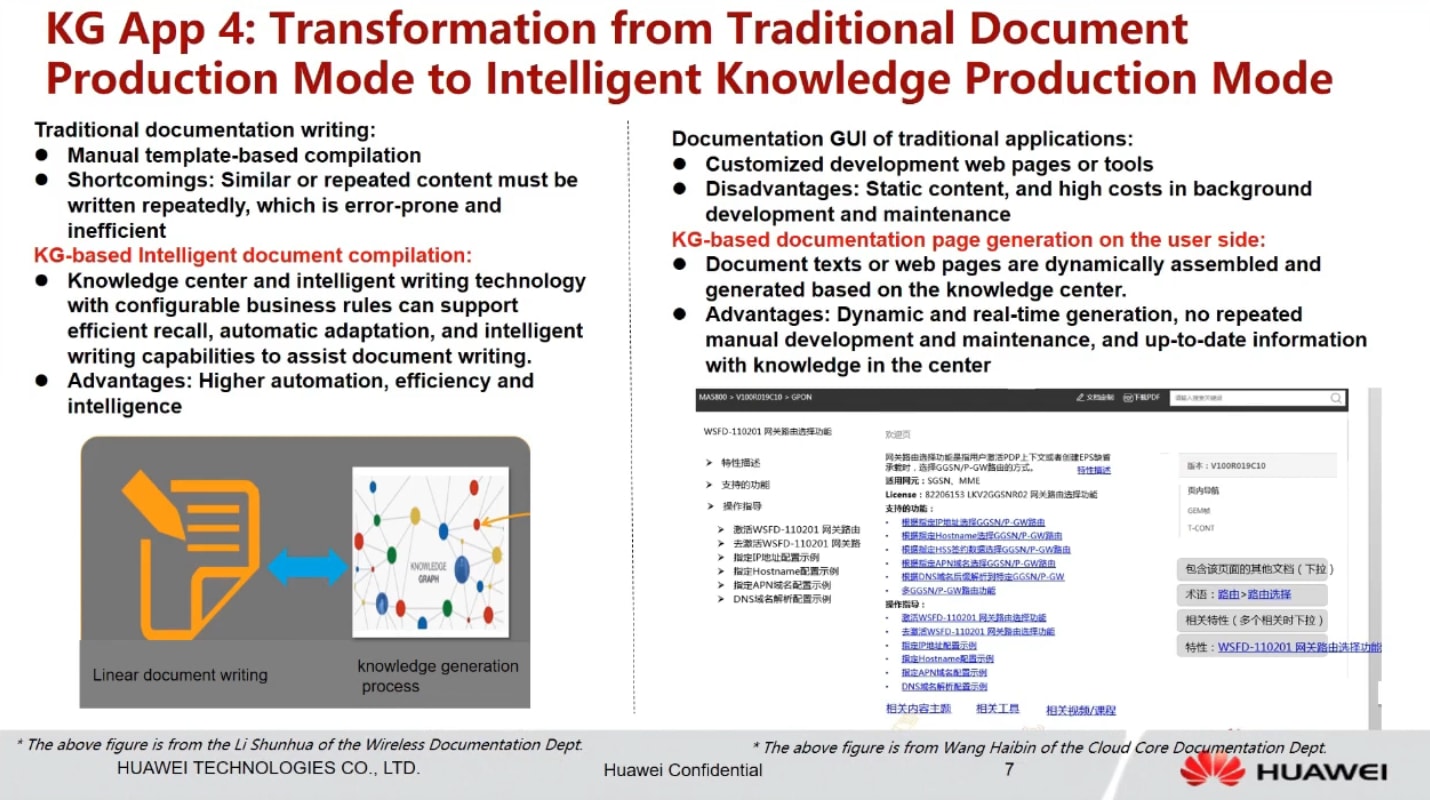
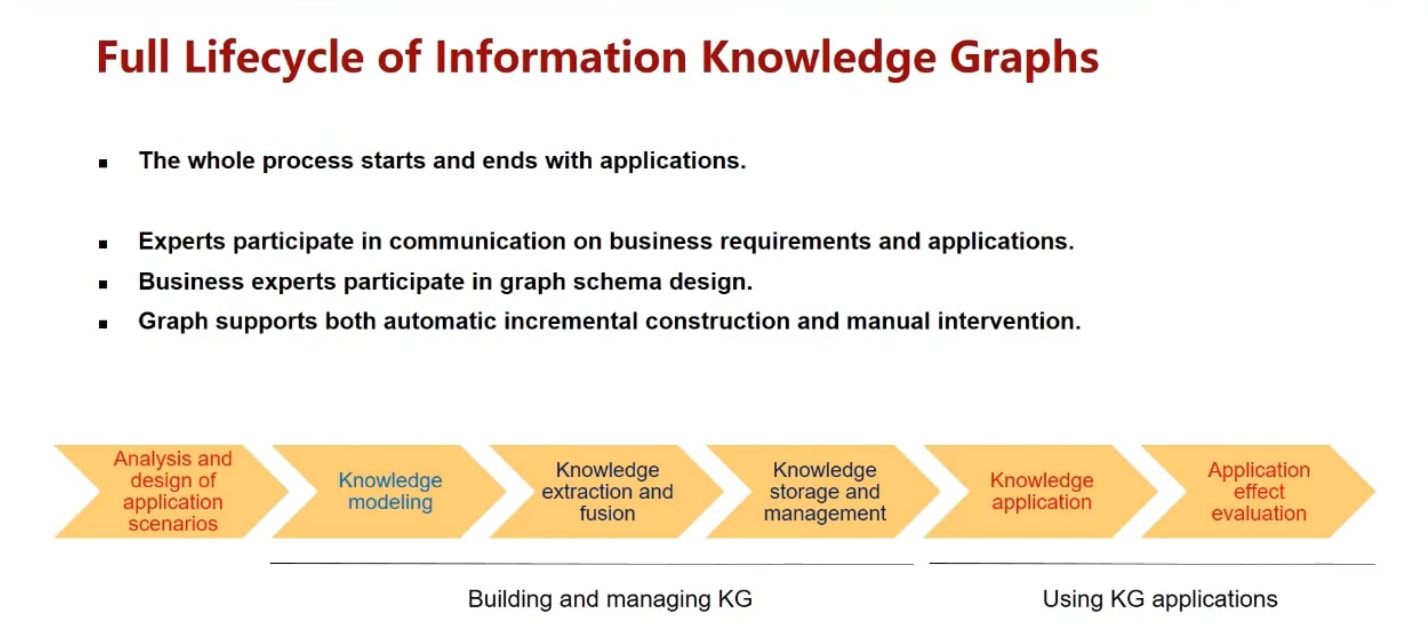
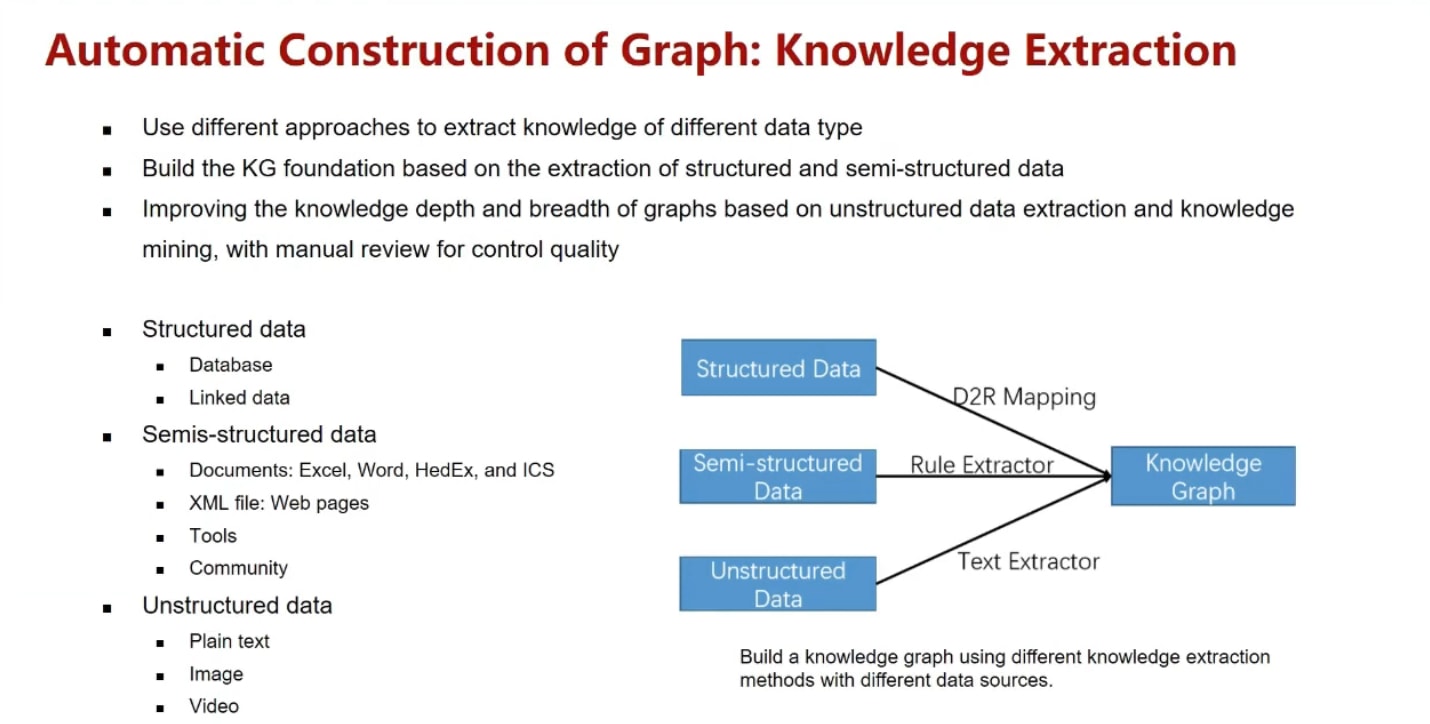
Introducing on how Huawei Knowledge Graph improves your working efficiency
-
The Quantum Butterfly Noneffect (scientificamerican)
A familiar concept from chaos theory turns out to work differently in the quantum world
-
The information catastrophe featured
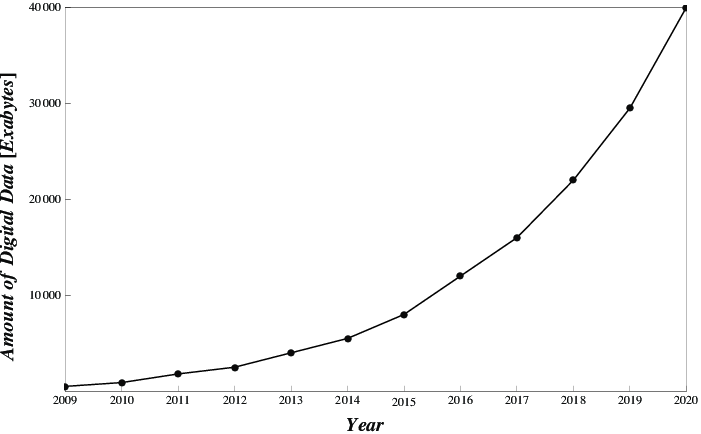
50-fold growth of the amount of digital data from 2010 to 2020 [IDC12]. Currently, we produce ∼1021 digital bits of information annually on Earth. Assuming a 20% annual growth rate, we estimate that after ∼350 years from now, the number of bits produced will exceed the number of all atoms on Earth, ∼1050. After ∼300 years, the power required to sustain this digital production will exceed 18.5 × 10¹⁵ W, i.e., the total planetary power consumption today, and after ∼500 years from now, the digital content will account for more than half Earth’s mass, according to the mass-energy–information equivalence principle. Besides the existing global challenges such as climate, environment, population, food, health, energy, and security, our estimates point to another singular event for our planet, called information catastrophe.
-
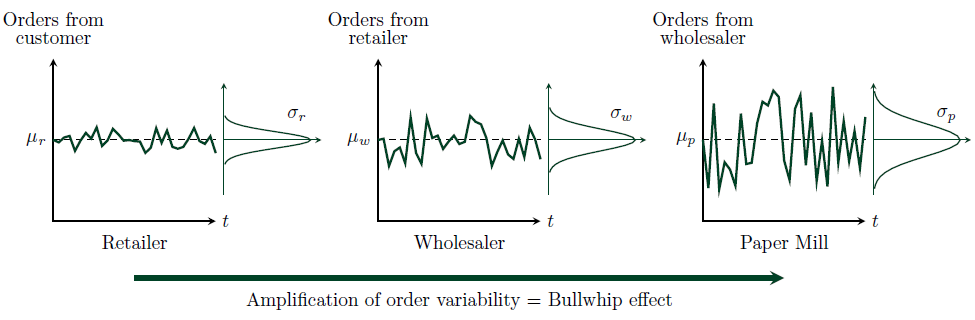
The bullwhip effect in supply chains
Variability of demand gets amplified from downstream (retailer) to upstream. Thus, firms must either increase their inventory levels, which limits responsiveness to demand, or risk shortages. Based on Moyaux, Chaib-draa & D’Amours (2006: 3).
-
A Network Theory of Power - by Manuel Castells
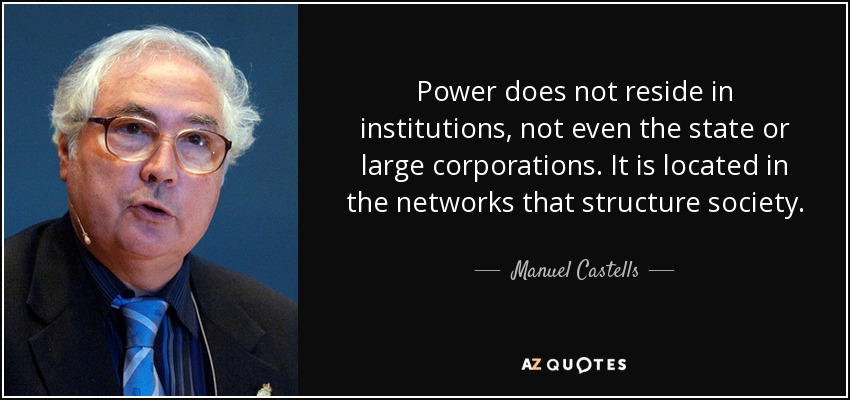
Power in the network society is exercised through networks. There are four different forms of power under these social and technological conditions:
1. Networking Power: the power of the actors and organizations included in the networks that constitute the core of the global network society over human collectives and individuals who are not included in these global networks.
2. Network Power: the power resulting from the standards required to coordinate social interaction in the networks. In this case, power is exercised not by exclusion from the networks but by the imposition of the rules of inclusion.
3. Networked Power: the power of social actors over other social actors in the network. The forms and processes of networked power are specific to each network.
4. Network-making Power: the power to program specific networks according to the interests and values of the programmers, and the power to switch different networks following the strategic alliances between the dominant actors of various networks.
Counterpower is exercised in the network society by fighting to change the programs of specific networks and by the effort to disrupt the switches that reflect dominant interests and replace them with alternative switches between networks. Actors are humans, but humans are organized in networks. Human networks act on networks via the programming and switching of organizational networks. In the network society, power and counterpower aim fundamentally at influencing the neural networks in the human mind by using mass communication networks and mass self-communication networks. -
Intellectual Gourmet Bullshit

Lately, I've come across many sentences along the lines of the following: "A transdisciplinary research project to cultivate new forms and practices of planetary cognition" (via). While it might sound intriguing at first, what does this actually mean precisely? It's quite possible that i am simply to dumb to "get it", but this stuff strikes me as intimately related to the intellectual gourmet bullshit that the likes of Gregory Bateson pioneered.
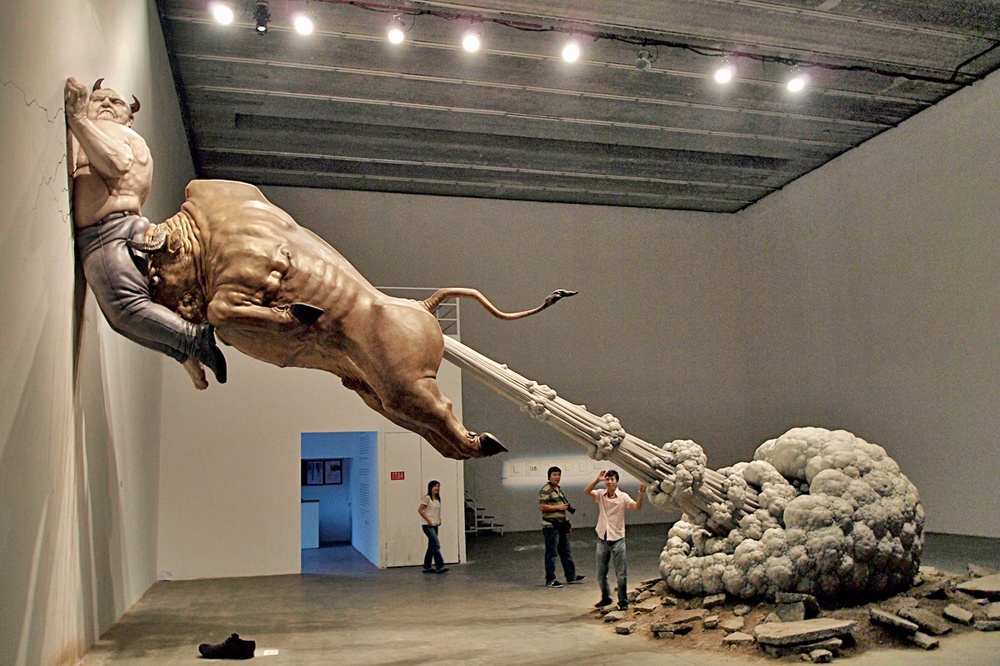
This "use many impressive fancy words, which in essence are totally incomprehensible for most" mentality seems to be taking hold of the wider ecology/regenerative movement across the Anglosphere. In a peculiar way, moving it closer to the mainstream "everything is for sale - buy or die" culture, which they proclaim to be an alternative to.
These developments are somewhat predictable and mirrored across many sectors. For example, Ted Nelson describes the MIT Media Lab as follows: "The whole point of the Media Lab is 'we know something that you don't know!' It is led by con men. Con men and politicians aren't necessarily held to telling the truth at all.".
I for one strive to adhere to the "explain it so a child can understand it" maxim and not hide behind a cloud of artificial complexity, that is mostly there to make one look important.
-
Code Review of Ferguson’s Model - Review of the software the UK Covid plan was based on.
Conclusions. All papers based on this code should be retracted immediately. Imperial’s modelling efforts should be reset with a new team that isn’t under Professor Ferguson, and which has a commitment to replicable results with published code from day one. On a personal level, I’d go further and suggest that all academic epidemiology be defunded.
-
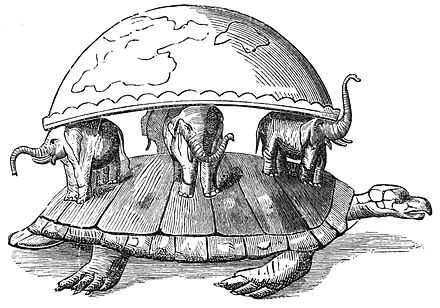
"Turtles all the way down" is an expression of the problem of infinite regress. The saying alludes to the mythological idea of a World Turtle that supports the earth on its back. It suggests that this turtle rests on the back of an even larger turtle, which itself is part of a column of increasingly large world turtles that continues indefinitely (i.e., "turtles all the way down").
-
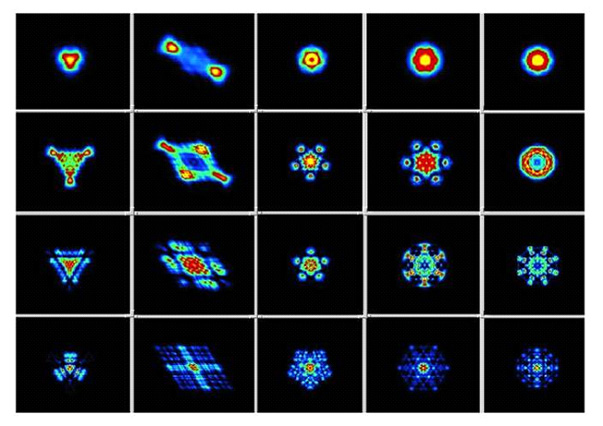
Within an Anglo-Dutch research collaboration, we discovered that certain types of laser designs output fractal light patterns. This work concerns fractal formation in linear systems, and is quite distinct from our later studies predicting the emergence of spontaneous patterns in nonlinear systems.
Research team demonstrates fractal light from lasers
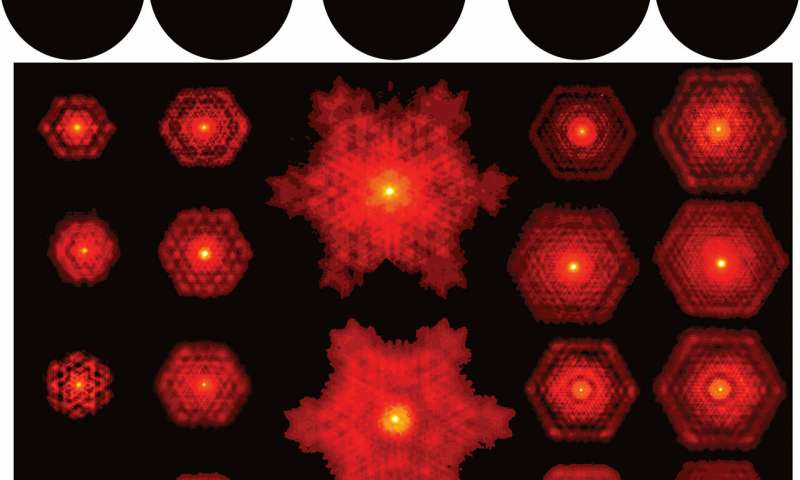
Reporting this month in Physical Review A, the team provides the first experimental evidence for fractal light from simple lasers and adds a new prediction: that the fractal pattern should exist in 3-D and not just 2-D, as previously thought.
-
Supply networks and complex adaptive systems: control versus emergence (unpaywalled)
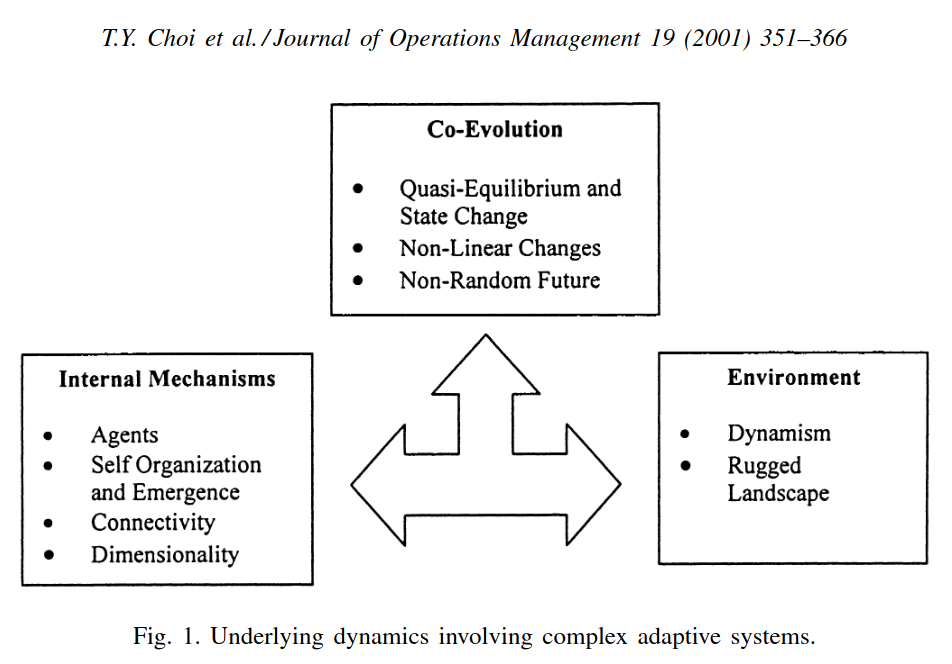
Abstract: In much of the current literature on supply chain management, supply networks are recognized as a system. In this paper, we take this observation to the next level by arguing the need to recognize supply networks as a complex adaptive system (CAS). We propose that many supply networks emerge rather than result from purposeful design by a singular entity. Most supply chain management literature emphasizes negative feedback for purposes of control; however, the emergent patterns in a supply network can much better be managed through positive feedback, which allows for autonomous action. Imposing too much control detracts from innovation and flexibility; conversely, allowing too much emergence can undermine managerial predictability and work routines. Therefore, when managing supply networks, managers must appropriately balance how much to control and how much to let emerge.
-
Malleable Systems: Software must be as easy to change as it is to use it
The user wants open software, software that can be modified, and that can participate in a progressive improvement process. — J.C.R. Licklider, Some Reflections on Early History (1986)
-
'A disastrous situation': mountains of food wasted as coronavirus scrambles supply chain (Guardian)
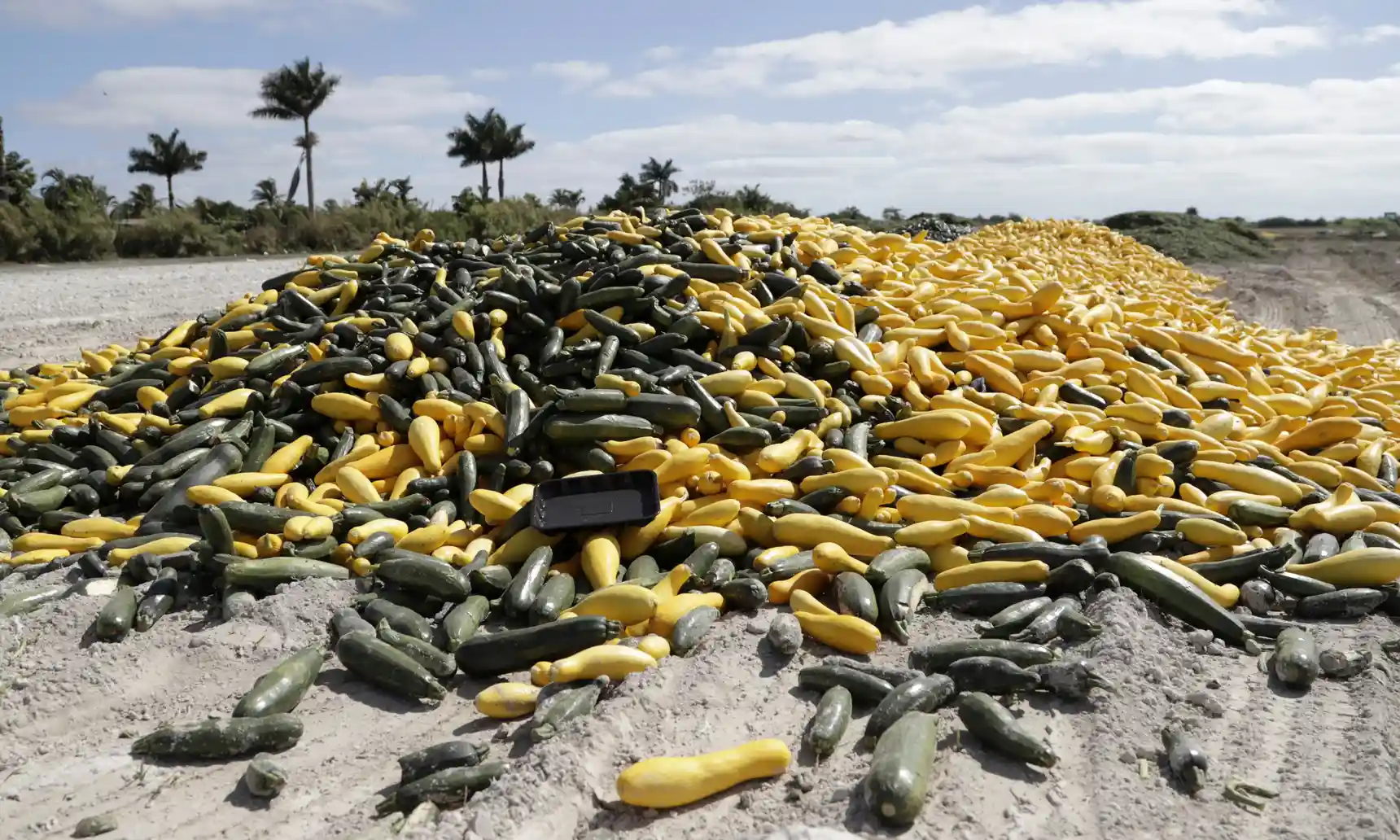
Billions of dollars worth of food is going to waste as growers and producers from California to Florida are facing a massive surplus of highly perishable items. As US food banks handle record demand and grocery stores struggle to keep shelves stocked, farmers are dumping fresh milk and plowing vegetables back into the dirt as the shutdown of the food service industry has scrambled the supply chain. Roughly half the food grown in the US was previously destined for restaurants, schools, stadiums, theme parks and cruise ships. The impact could be up to $1.32bn from March to May in farm losses alone, according to a National Sustainable Agriculture Coalition report.
-
Topological turbulence in the membrane of a living cell (Nature)
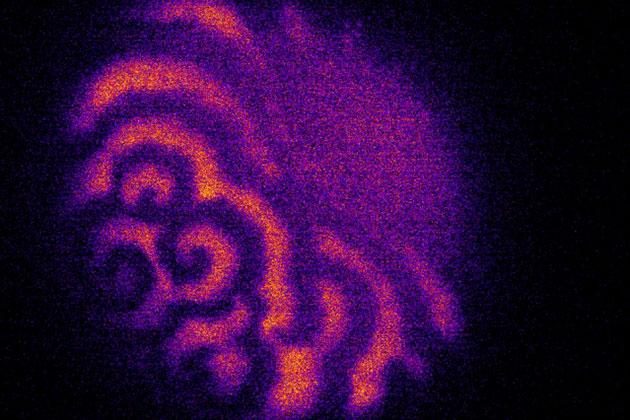
With spectacular as well as hypnotically beautiful recordings, US researchers have succeeded in showing how life spreads in a fertilized egg when activated proteins spread in a spiral wave through the egg membrane and thus give the star signal for cell division. (via)
-
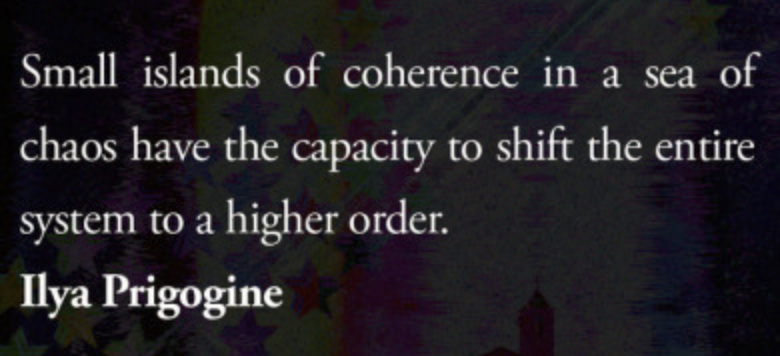
"Small island of coherence in a sea of chaos have the capacity to shift the entire system to a higher order" - Illya Prigogine
-
Arab nations sound alarm over oil tanker moored off Yemen (thenational)

Six Arab countries are urging the UN Security Council to exercise “maximum efforts” to persuade Yemen’s Houthi rebels to allow the United Nations to inspect a tanker moored in the Red Sea while loaded with over a million barrels to prevent “widespread environmental damage, a humanitarian disaster and the disruption of maritime commerce”. In a letter to the council circulated on Thursday, they warned that in the event of an explosion or leak “the possibility of a spill of 181 million litres of oil in the Red Sea would be four times worse than the oil disaster of the Exxon Valdez Exxon, which took place in Alaska in 1989”.
-
How Systems Collapse
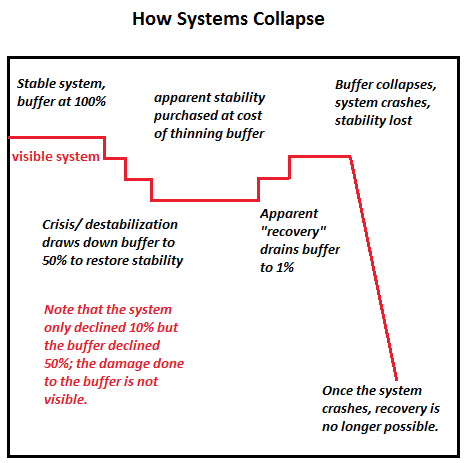
Societal collapse is the fall of a complex human society. Such a disintegration may be relatively abrupt, as in the case of Maya civilization, or gradual, as in the case of the fall of the Western Roman Empire. The subject of societal collapse is of interest in such fields as history, anthropology, sociology, political science, and, more recently, cliodynamics and complex-systems science. Common contributing factors are economical, environmental, social and cultural, and disruptions in one domain sometimes cascade into another. In some cases a natural disaster may precipitate a collapse.