tag > Economics
-
Before the Fall of the Roman Republic, Income Inequality and Xenophobia Threatened Its Foundations (smithsonianmag)
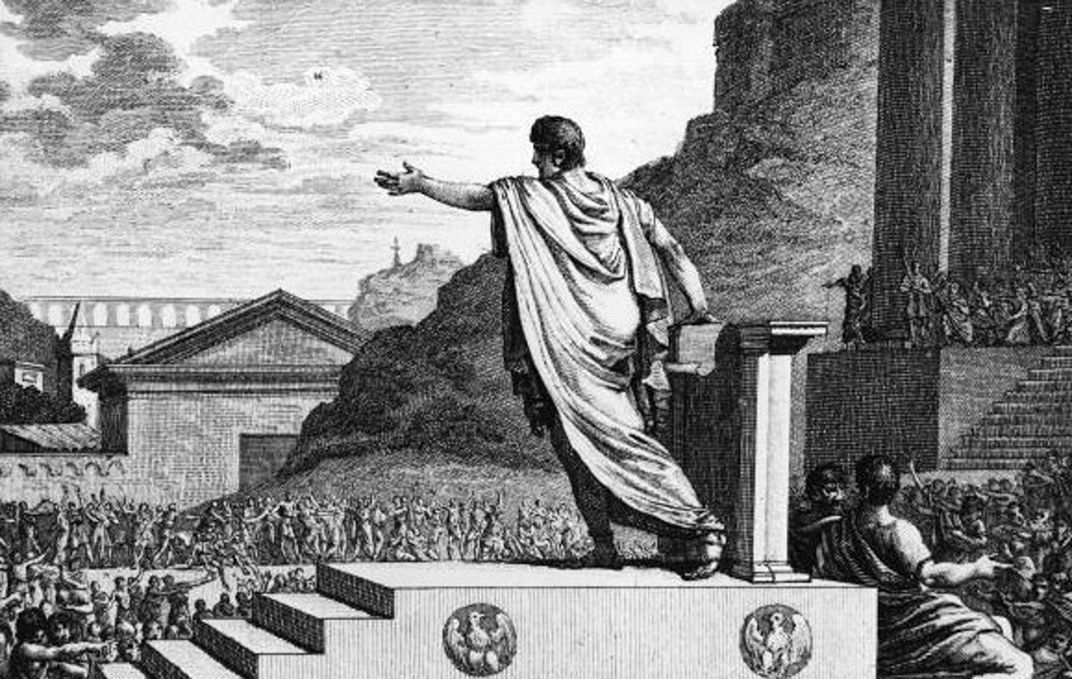
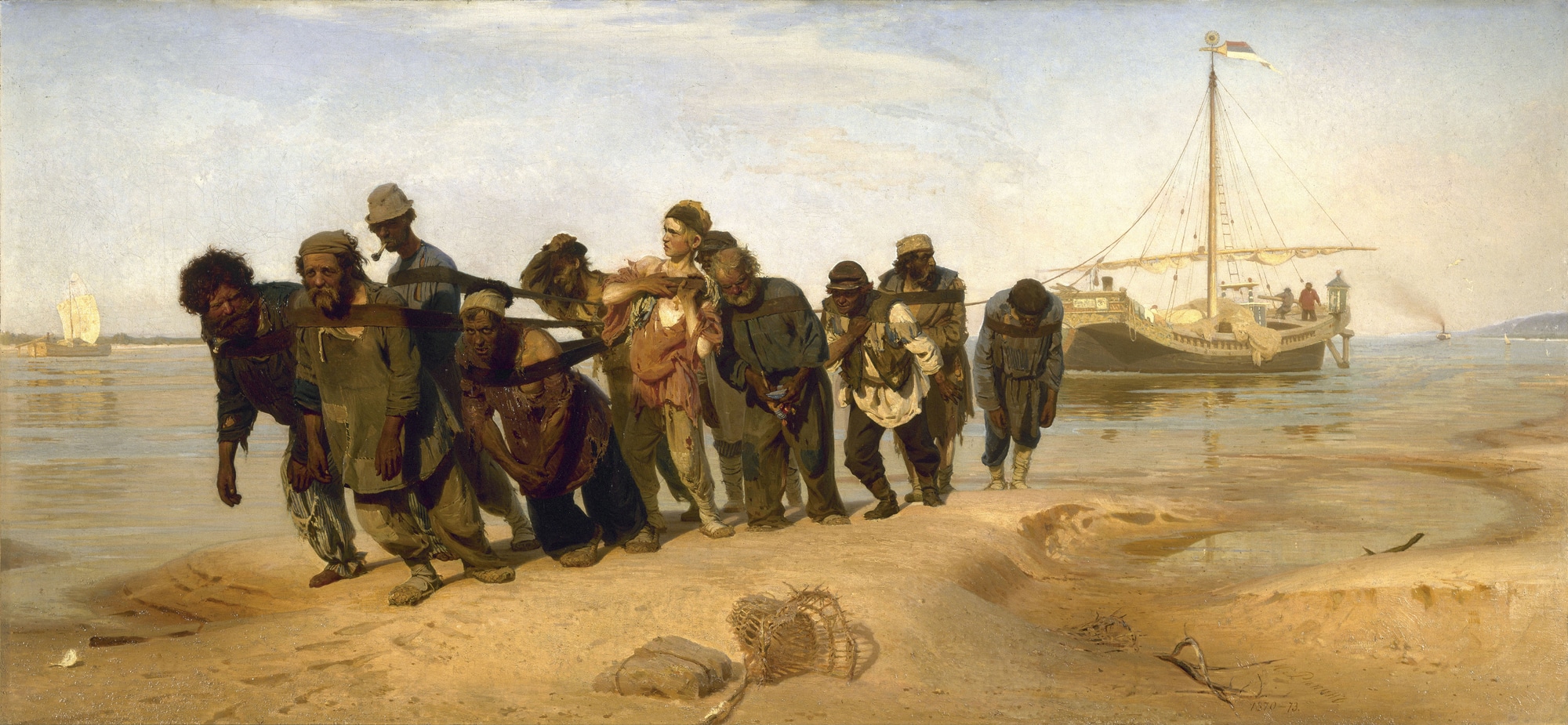
"At the same time, these wars of conquest were making the poor quite a bit poorer. Roman citizens were being hauled off to Spain or Greece, leaving for tours that would go on for three to five years a stretch. While they were gone, their farms in Italy would fall into disrepair. The rich started buying up big plots of land. In the 130s and 140s you have this process of dispossession, where the poorer Romans are being bought out and are no longer small citizen owners. They’re going to be tenant owners or sharecroppers and it has a really corrosive effect on the traditional ways of economic life and political life. As a result, you see this skyrocketing economic inequality. "
-
Former head of Vatican bank found guilty of embezzlement
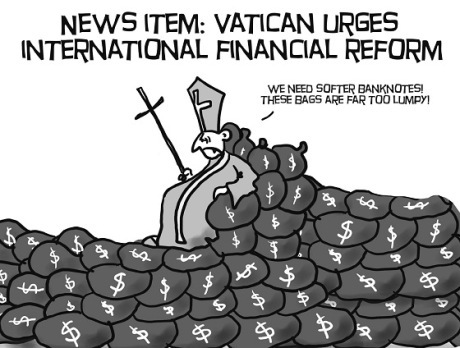
A former head of the Vatican bank, Angelo Caloia, has been found guilty of embezzlement and money laundering and sentenced to eight years and 11 months in prison, making him the highest-ranking Vatican official to be convicted of a financial crime.
The Vatican court on Thursday also convicted Gabriele Liuzzo, 97, and his son Lamberto Liuzzo, 55, both Italian lawyers who were consultants to the bank.
-
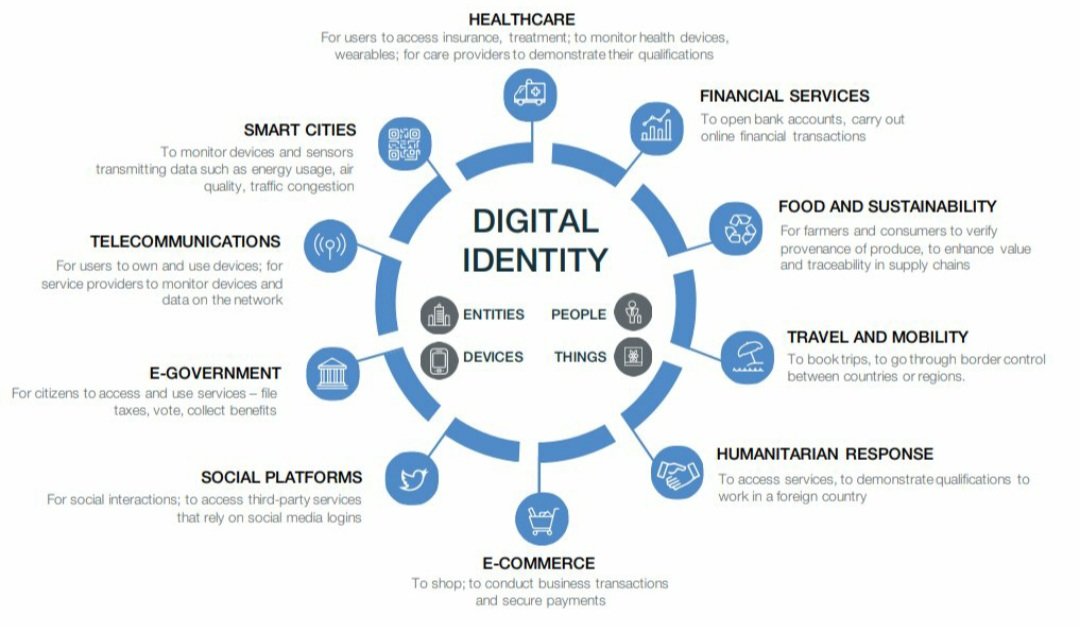
New digital "passport" incoming
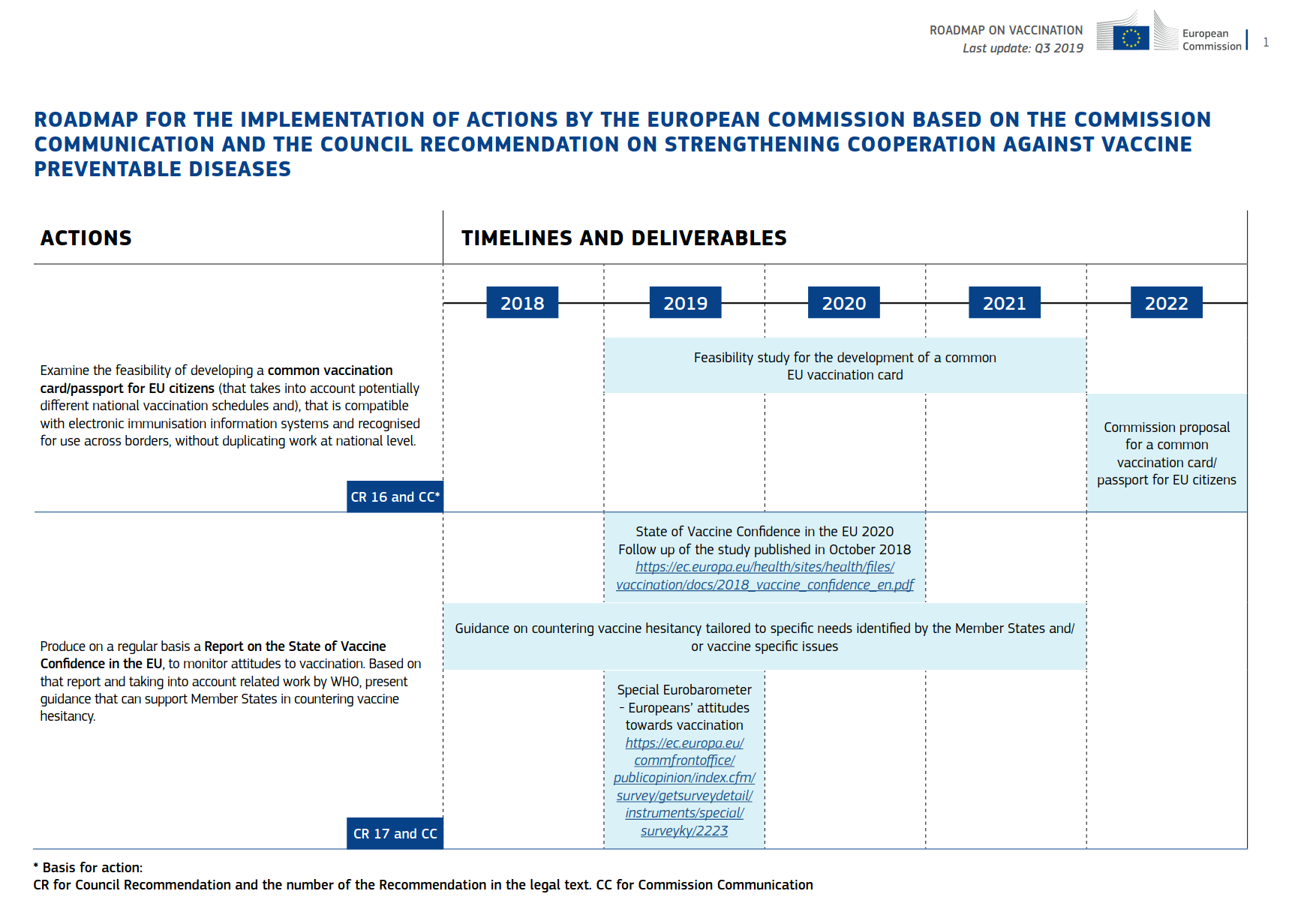
- Common vaccination card/passport for EU citizens was planned 2018 for 2022 (EU)
- Denmark is developing a digital COVID-19 'vaccine passport' (WEF)
- Silicon Valley and WEF-Backed Foundation Announce Global Initiative for COVID-19 Vaccine Records (unlimitedhangout)
- "The Known Traveller : Unlocking the potential of digital identity for secure & seamless travel" (WEF, 2018)
- The Global Grid (samim.io)
-
The Syndicate's Controlled Demolition
Since 2008, the global capitalist elites (the syndicate) silently pulled upwards of 100 trillion dollars out of the "real" economy into more "secure" vehicles: Offshore havens, Real-estate (buying entire cities), take-over of industries and massive privatization of public infrastructure and resources. Simultaneously, the central banks around the planet created money at an unprecedented rate, making the syndicate exponentially more rich - simply doing nothing. After a decade of this scheme, the next risk management "challenge" has come into focus: There are trillions of dollars of liabilities in the "real" economy, which the syndicate wants to detach itself from: Pensions, Insurances, Loans, Social Safety-Nets et cetera. So what to do? Historically, a controlled demolition of the economy is a effective solution: Through manufactured wars, civil wars and general chaos, the bottom 80% of the economy crashes into a highly depressed state. Inevitably, institutions collapse and liabilities magically evaporate. And while everybody is distracted and hurting, new totalitarian control structures are installed and power is consolidated in the same old hands.
-
Interview with Catherine Austin Fitts, on economic warfare and the new world order.
Predictably Youtube toke the video off with in day. Here is an alternative link - and one more
"Build Back Better" Compilation - "The Great Reset" Montage
-
How China’s digital currency will thwart US dollar trap and help the world (SCMP)

"The digital renminbi is a sovereign currency fully backed by the state, does not require a bank account and has full oversight by Chinese banking authorities. Developing countries will embrace the convenience of China’s digital payment systems, which have great poverty-relief potential for the world’s unbanked poor."
#Comment: In summary, highly centralized, total surveillance technocratic money coming east and west - aiming to quantize reality even more.
-
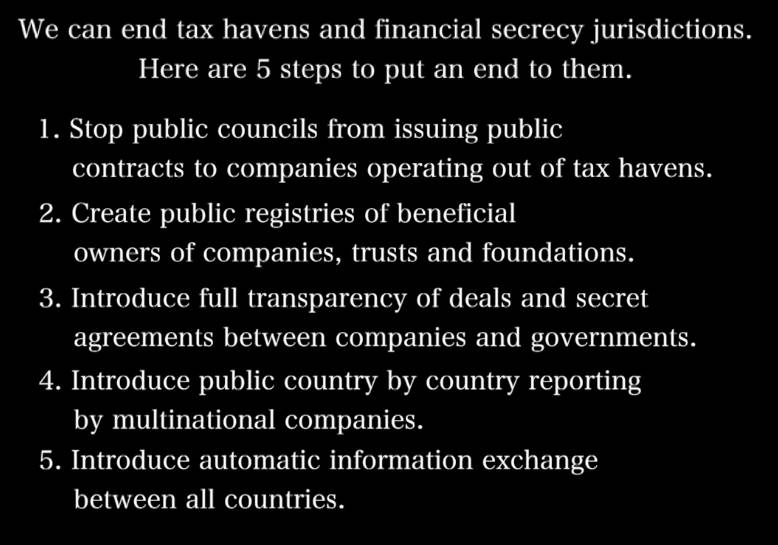
Resist The Rule Of Finance

Princes of the Yen: Central Bank Truth Documentary
The Spider's Web: Britain's Second Empire (Documentary)
-
"The establishment — with which science has habitually enjoyed a genial, if subservient relationship — is on the rocks...." - Colin Macilwain (The elephant in the room we can’t ignore, Nature, 2016)
-
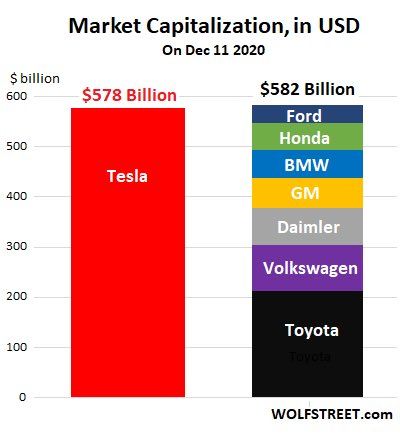
"No Bubble" - #Comedy #Economics #fuckcars
-
"Some people get rich studying artificial intelligence. Me, I make money studying natural stupidity" - Carl Icahn
-
Comedy of the week: The Council for Inclusive Capitalism - The Vatican Joins With Visa, Allianz, Bank of America, MasterCard, Lynn F. de Rothschild et al in capitalism "reform" effort.
#Comment: A total bullshit dark comedy show. Can VatiCoin be far behind?
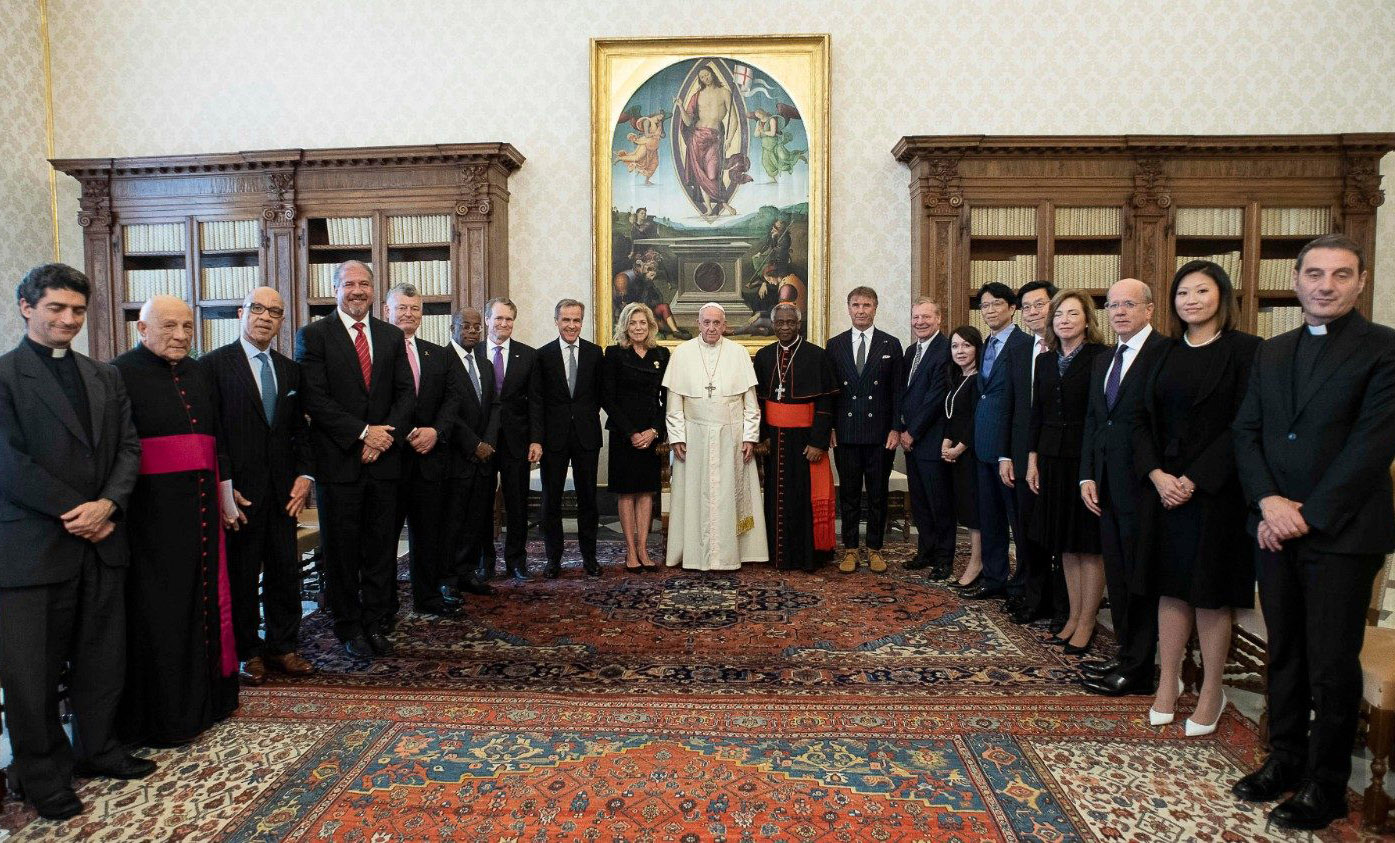
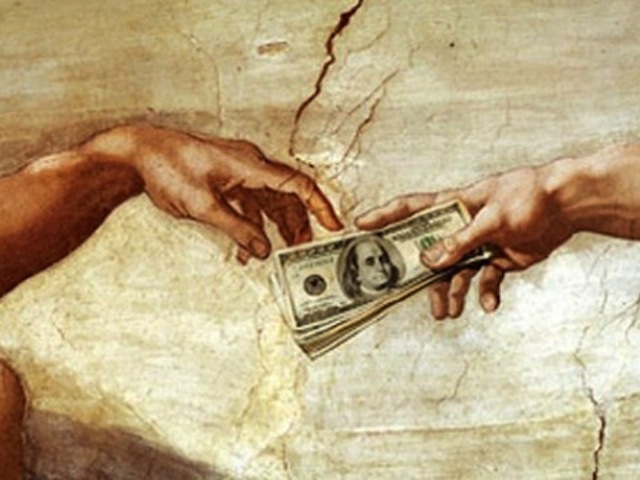
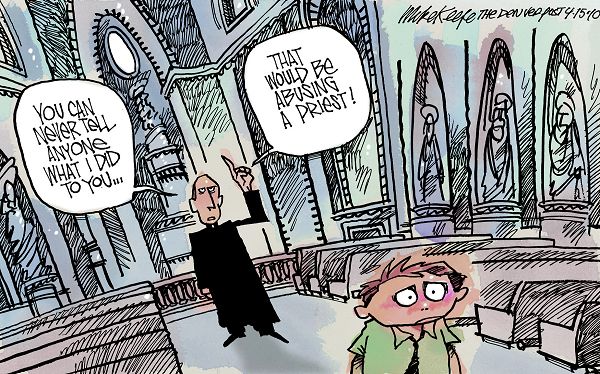
Pope Francis’s Plan to Fix the Vatican’s Finances Meets Internal Resistance (Bloomberg)
The Church bureaucracy known as the Curia is clinging to the privileges that come with controlling the purse strings.
-
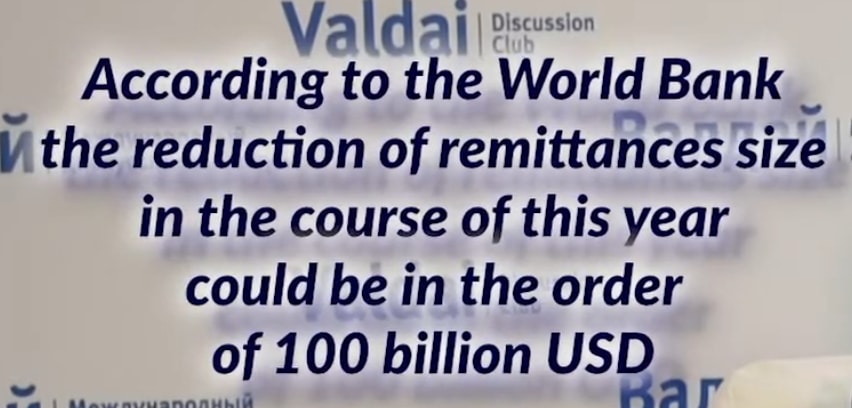
Yaroslav Lissovolik on pandemic and migration flows
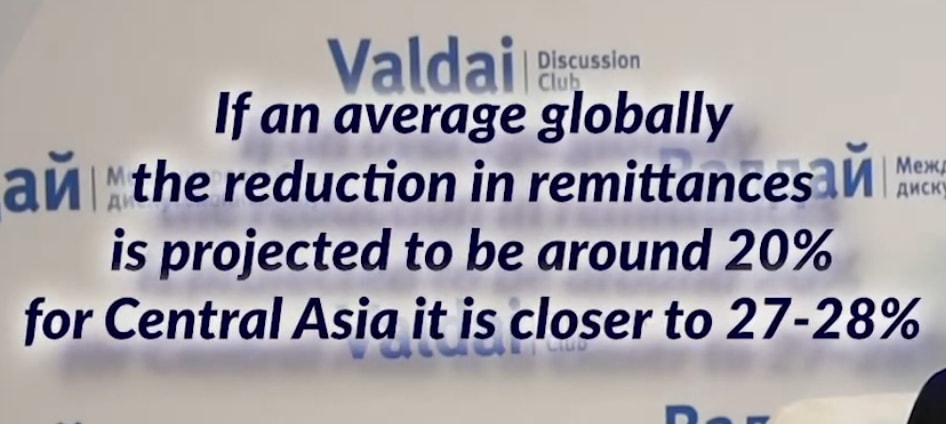
We’ve seen a significant structural break in migration flows because of the pandemic, said Yaroslav Lissovolik, Programme Director of the Valdai Discussion Club. Due to his opinion it could reflect on national economies, especially in developing countries where remittances give a significant part of GDP. Yaroslav Lissovolik analyzed opportunities to cope with this situation.

-
No Escape from Our Techno-Feudal World - By Pepe Escobar

This article was originally published on Asia Times.
The political economy of the Digital Age remains virtually terra incognita. In Techno-Feudalism, published three months ago in France (no English translation yet), Cedric Durand, an economist at the Sorbonne, provides a crucial, global public service as he sifts through the new Matrix that controls all our lives.
Durand places the Digital Age in the larger context of the historical evolution of capitalism to show how the Washington consensus ended up metastasized into the Silicon Valley consensus. In a delightful twist, he brands the new grove as the “Californian ideology”.
We’re far away from Jefferson Airplane and the Beach Boys; it’s more like Schumpeter’s “creative destruction” on steroids, complete with IMF-style “structural reforms” emphasizing “flexibilization” of work and outright marketization/financialization of everyday life.
The Digital Age was crucially associated with right-wing ideology from the very start. The incubation was provided by the Progress and Freedom Foundation (PFF), active from 1993 to 2010 and conveniently funded, among others, by Microsoft, At&T, Disney, Sony, Oracle, Google and Yahoo.
In 1994, PFF held a ground-breaking conference in Atlanta that eventually led to a seminal Magna Carta: literally, Cyberspace and the American Dream: a Magna Carta for the Knowledge Era, published in 1996, during the first Clinton term.
Not by accident the magazine Wired was founded, just like PFF, in 1993, instantly becoming the house organ of the “Californian ideology”.
Among the authors of the Magna Carta we find futurist Alvin “Future Shock” Toffler and Reagan’s former scientific counselor George Keyworth. Before anyone else, they were already conceptualizing how “cyberspace is a bioelectronic environment which is literally universal”. Their Magna Carta was the privileged road map to explore the new frontier.
Those Randian heroes
Also not by accident the intellectual guru of the new frontier was Ayn Rand and her quite primitive dichotomy between “pioneers” and the mob. Rand declared that egotism is good, altruism is evil, and empathy is irrational.
When it comes to the new property rights of the new Eldorado, all power should be exercised by the Silicon Valley “pioneers”, a Narcissus bunch in love with their mirror image as superior Randian heroes. In the name of innovation they should be allowed to destroy any established rules, in a Schumpeterian “creative destruction” rampage.
That has led to our current environment, where Google, Facebook, Uber and co. can overstep any legal framework, imposing their innovations like a fait accompli.
Durand goes to the heart of the matter when it comes to the true nature of “digital domination”: US leadership was never achieved because of spontaneous market forces.
On the contrary. The history of Silicon Valley is absolutely dependent on state intervention – especially via the industrial-military complex and the aero-spatial complex. The Ames Research Center, one of NASA’s top labs, is in Mountain View. Stanford was always awarded juicy military research contracts. During WWII, Hewlett Packard, for instance, was flourishing thanks to their electronics being used to manufacture radars. Throughout the 1960s, the US military bought the bulk of the still infant semiconductor production.
The Rise of Data Capital, a 2016 MIT Technological Review report produced “in partnership” with Oracle, showed how digital networks open access to a new, virgin underground brimming with resources: “Those that arrive first and take control obtain the resources they’re seeking” – in the form of data.
So everything from video-surveillance images and electronic banking to DNA samples and supermarket tickets implies some form of territorial appropriation. Here we see in all its glory the extractivist logic inbuilt in the development of Big Data.
Durand gives us the example of Android to illustrate the extractivist logic in action. Google made Android free for all smartphones so it would acquire a strategic market position, beating the Apple ecosystem and thus becoming the default internet entry point for virtually the whole planet. That’s how a de facto, immensely valuable, online real estate empire is built.
The key point is that whatever the original business – Google, Amazon, Uber – strategies of conquering cyberspace all point to the same target: take control of “spaces of observation and capture” of data.
About the Chinese credit system…
Durand offers a finely balanced analysis of the Chinese credit system – a public/private hybrid system launched in 2013 during the 3rd plenum of the 18th Congress of the CCP, under the motto “to value sincerity and punish insincerity”.
For the State Council, the supreme government authority in China, what really mattered was to encourage behavior deemed responsible in the financial, economic and socio-political spheres, and sanction what is not. It’s all about trust. Beijing defines it as “a method of perfecting the socialist market economy system that improves social governance”.
The Chinese term – shehui xinyong – is totally lost in translation in the West. Way more complex than “social credit”, it’s more about “trustworthiness”, in the sense of integrity. Instead of the pedestrian Western accusations of being an Orwellian system, priorities include the fight against fraud and corruption at the national, regional and local levels, violations of environmental rules, disrespect of food security norms.
Cybernetic management of social life is being seriously discussed in China since the 1980s. In fact, since the 1940s, as we see in Mao’s Little Red Book. It could be seen as inspired by the Maoist principle of “mass lines”, as in “start with the masses to come back to the masses: to amass the ideas of the masses (which are dispersed, non-systematic), concentrate them (in general ideas and systematic), then come back to the masses to diffuse and explain them, make sure the masses assimilate them and translate them into action, and verify in the action of the masses the pertinence of these ideas”.
Durand’s analysis goes one step beyond Soshana Zuboff’s
The Age of Surveillance Capitalism when he finally reaches the core of his thesis, showing how digital platforms become “fiefdoms”: they live out of, and profit from, their vast “digital territory” peopled with data even as they lock in power over their services, which are deemed indispensable.
And just as in feudalism, fiefdoms dominate territory by attaching serfs. Masters made their living profiting from the social power derived from the exploitation of their domain, and that implied unlimited power over the serfs.
It all spells out total concentration. Silicon Valley stalwart Peter Thiel has always stressed the target of the digital entrepreneur is exactly to bypass competition. As quoted in Crashed: How a Decade of Financial Crises Changed the World, Thiel declared, “Capitalism and competition are antagonistic. Competition is for losers.”
So now we are facing not a mere clash between Silicon Valley capitalism and finance capital, but actually a new mode of production:
a turbo-capitalist survival as rentier capitalism, where Silicon giants take the place of estates, and also the State. That is the “techno-feudal” option, as defined by Durand.
Blake meets Burroughs
Durand’s book is extremely relevant to show how the theoretical and political critique of the Digital Age is still rarified. There is no precise cartography of all those dodgy circuits of revenue extraction. No analysis of how do they profit from the financial casino – especially mega investment funds that facilitate hyper-concentration. Or how do they profit from the hardcore exploitation of workers in the gig economy.
The total concentration of the digital glebe is leading to a scenario, as Durand recalls, already dreamed up by Stuart Mill, where every land in a country belonged to a single master. Our generalized dependency on the digital masters seems to be “the cannibal future of liberalism in the age of algorithms”.
Is there a possible way out? The temptation is to go radical – a Blake/Burroughs crossover. We have to expand our scope of comprehension – and stop confusing the map (as shown in the Magna Carta) with the territory (our perception).
William Blake, in his proto-psychedelic visions, was all about liberation and subordination – depicting an authoritarian deity imposing conformity via a sort of source code of mass influence. Looks like a proto-analysis of the Digital Age.
William Burroughs conceptualized Control – an array of manipulations including mass media (he would be horrified by social media). To break down Control, we must be able to hack into and disrupt its core programs. Burroughs showed how all forms of Control must be rejected – and defeated: “Authority figures are seen for what they are: dead empty masks manipulated by computers”.
Here’s our future: hackers or slaves.
-
Your Guide to the Great Monetary Reset
Princes of the Yen: Central Bank Truth Documentary
SHADOW GATE – Documentary by Millie Weaver - 2020
-
World is ‘doubling down’ on fossil fuels despite climate crisis – UN report (Guardian)
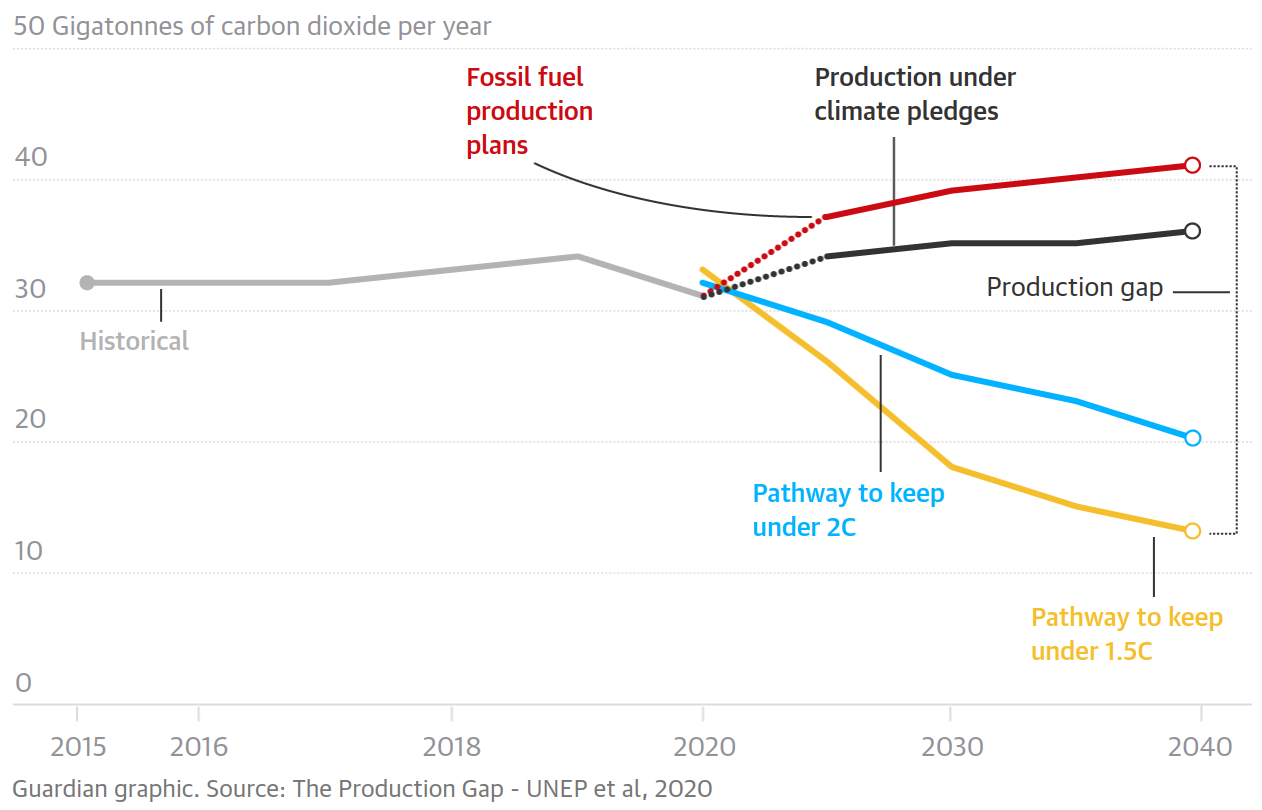
G20 governments have committed more than $230bn in Covid-19-related funding to fossil fuel production and consumption to date, far more than the $150bn to clean energy
Global soils underpin life but future looks ‘bleak’, warns UN report (Guardian)
It takes thousands of years for soils to form, meaning protection is needed urgently, say scientists
-
The week in review, focus on corona

Your obedience is prolonging this nightmare
- AstraZeneca to be exempt from coronavirus-vaccine liability claims in most countries
- Coronavirus vaccine: Pfizer given protection from legal action by UK government
- Moderna Chief Medical Officer admits you could still transmit the Covid-19, even if vaccinated.
- Comments on Pfizer/BioNTech COVID vaccine roll-out read like bot-generated advertising
- Covid vaccine: Facebook to ban anti-vaxx conspiracy theories
- Welsh Government Says People Will Get ID Cards To Prove They've Been Vaccinated
- Covid: Vaccination will be required to fly, says Qantas chief
- “Would you be willing to get a Covid vaccine in exchange for a $1,500 stimulus check?”
- Landmark legal ruling finds that Covid tests are not fit for purpose.
- Vitamin D Insufficiency May Account for Almost Nine of Ten COVID-19 Deaths
- Covid vaccine: How will we keep it cold enough?
- Head of Pfizer Research: Covid Vaccine is Female Sterilization
- Americans who've survived Covid-19 are now being denied life insurance.
- Xi Jinping may be facing an uphill battle in convincing the world to use a barcoded tracking
- We’re facing something much darker than a virus. 1 in 4 young adults are suicidal.
- Deep Breathing Could Help You Recover From Covid-19
- Look into my eyes, baby
"A society becomes totalitarian when its structure becomes flagrantly artificial: that is, when its ruling class has lost its function but succeeds in clinging to power by force or fraud." - G.Orwell