tag > Education
-
The habits of highly effective community development practitioners
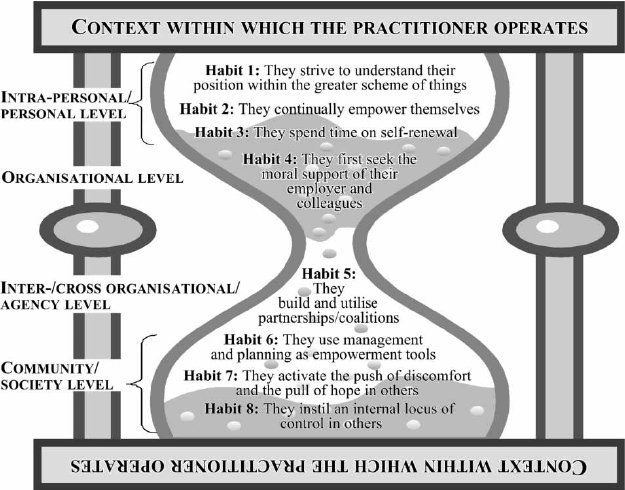
This paper is the result of a study aimed at answering the question: 'What makes effective community development practitioners effective?' In it, all the articles published over a 10-year period in the Community Development Journal, International Social Work, Journal of Community Practice and Social Work (South Africa) were subjected to a secondary analysis. This made it possible to identify eight 'habits of effectiveness'. This set of habits can form a credo to guide a practitioner's service delivery. It also provides a list of criteria to help identify ineffective habits and confirm effective ones.
-
"Wisdom is not the product of schooling but the lifelong attempt to acquire it." - Albert Einstein
-
China’s after-school tutoring crackdown goes nuclear

New draft rules circulated today would force China’s private education companies to turn nonprofit. Share prices of tutoring companies plummeted, and some see the end of a highly lucrative industry.
A popular Chinese commentator argued on Twitter today that turning the education companies nonprofit would be a big blow to investors, but not necessarily for parents and children. Even if this new policy is problematic, “the direction is right.”
-
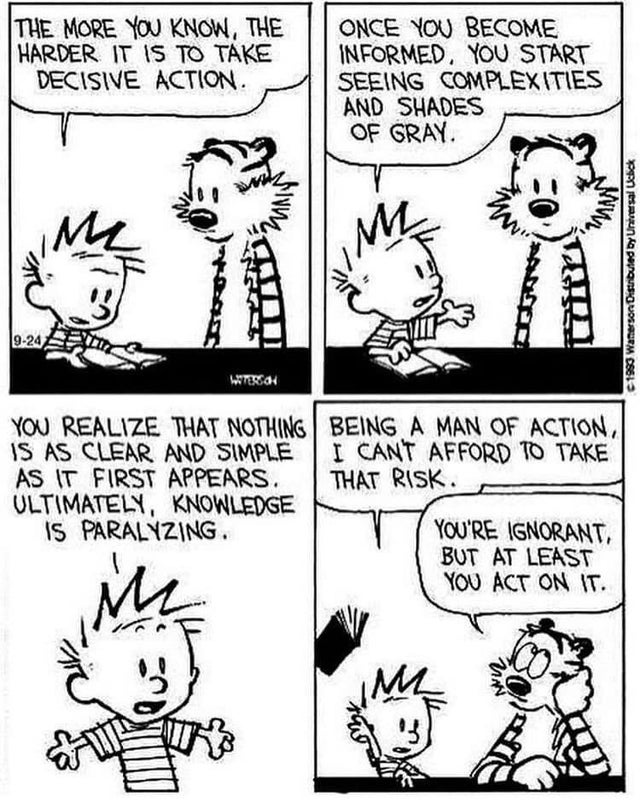
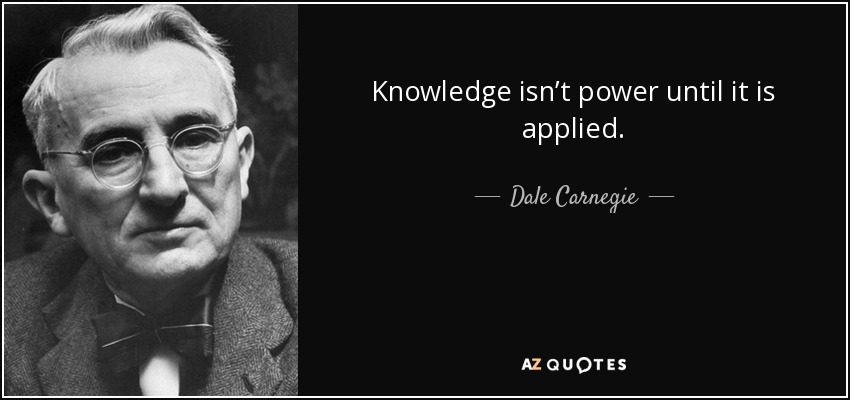
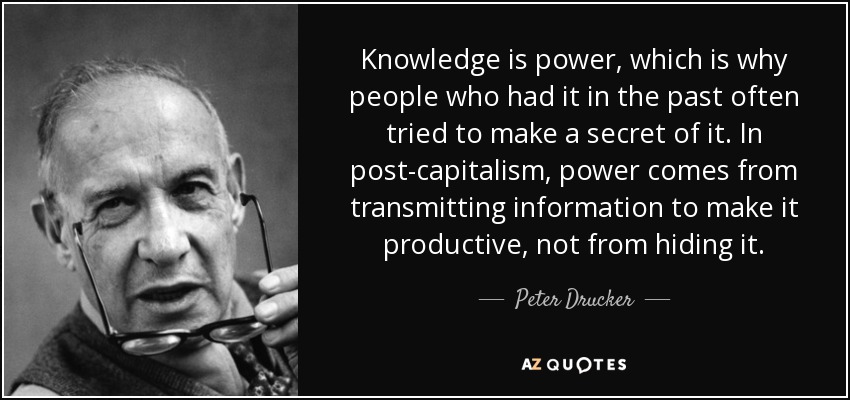
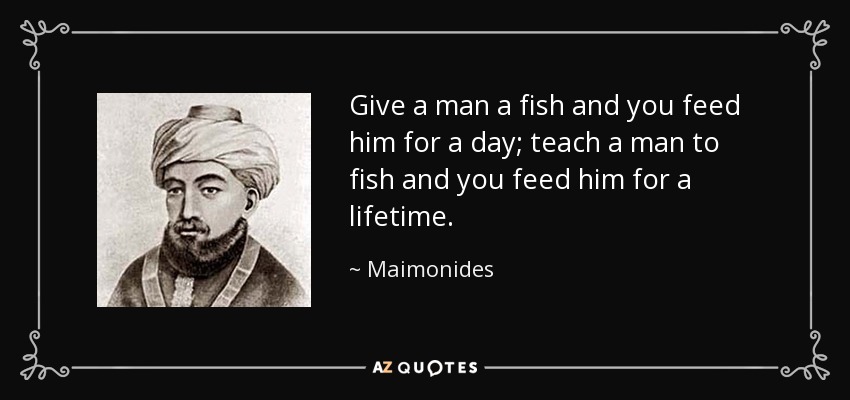
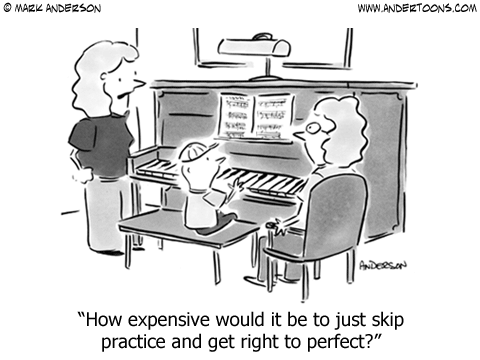
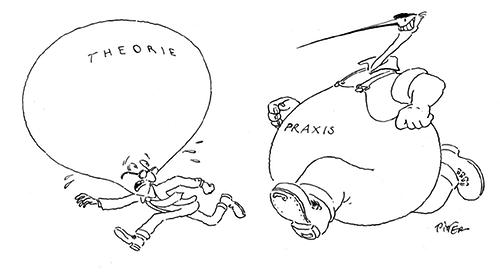
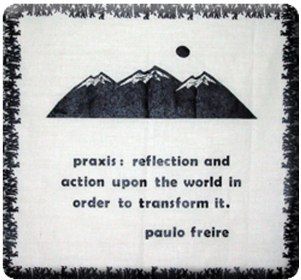
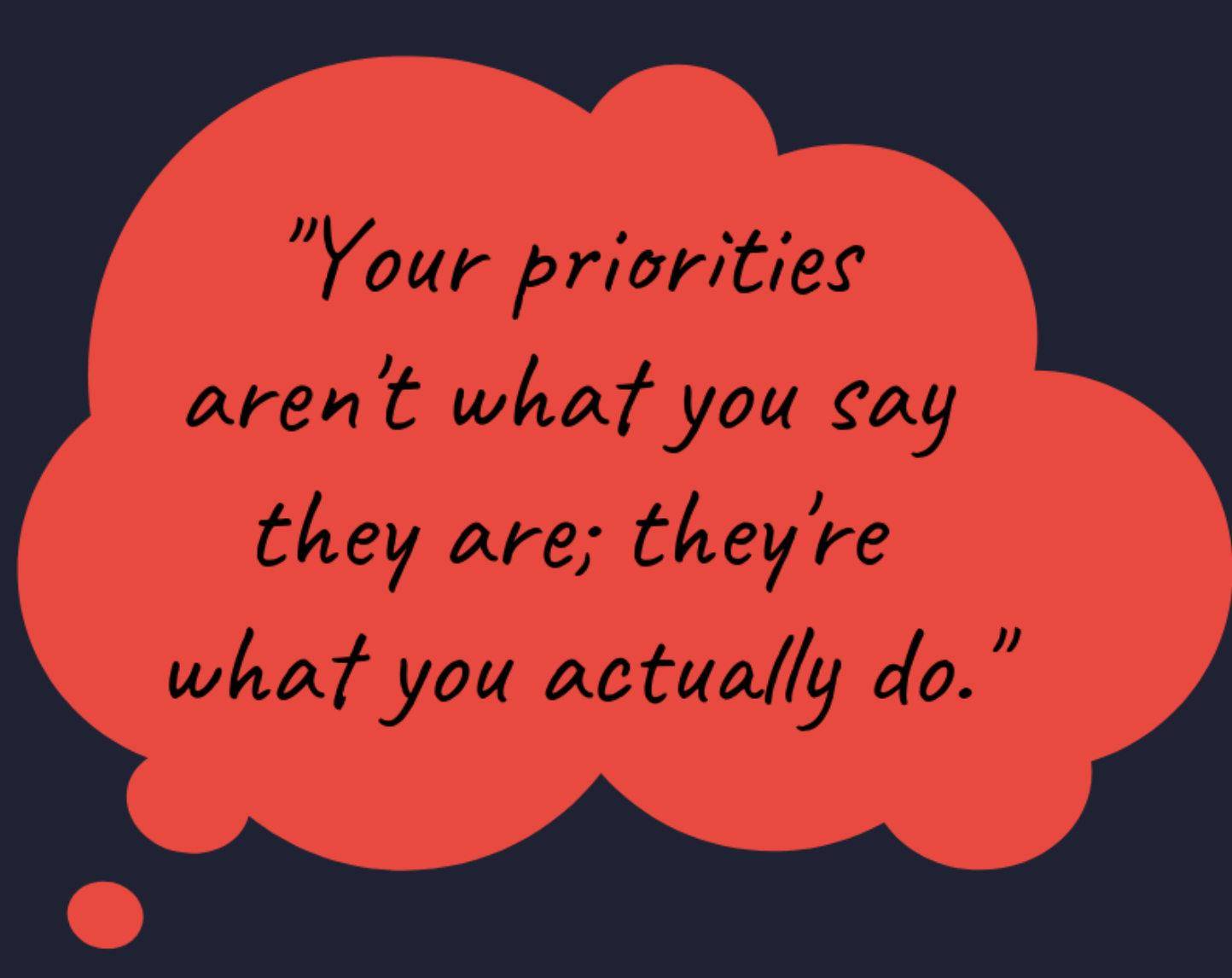
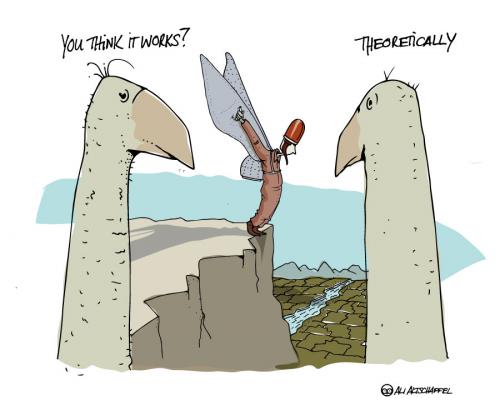
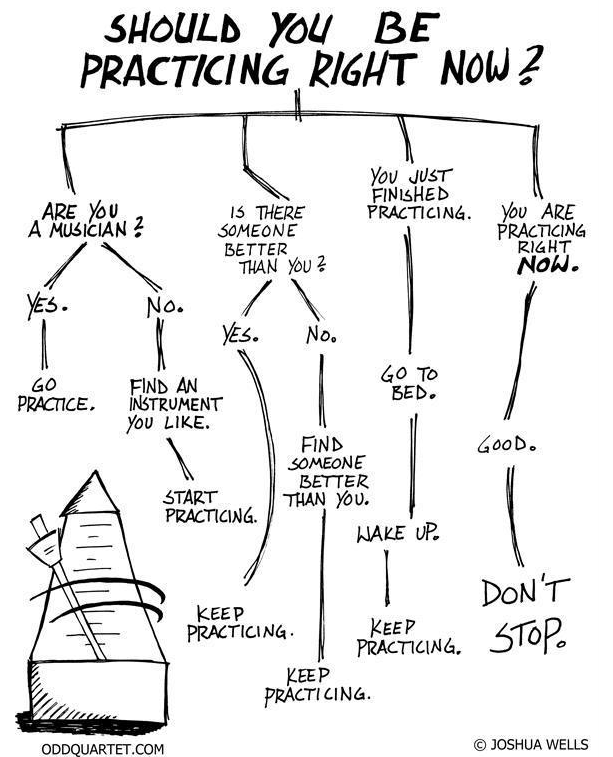
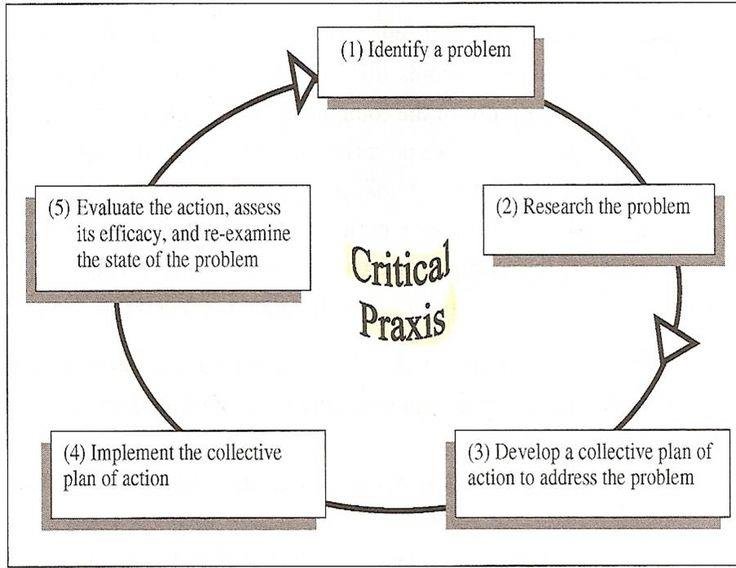
Praxis: Knowledge isn't power until it is applied.




-
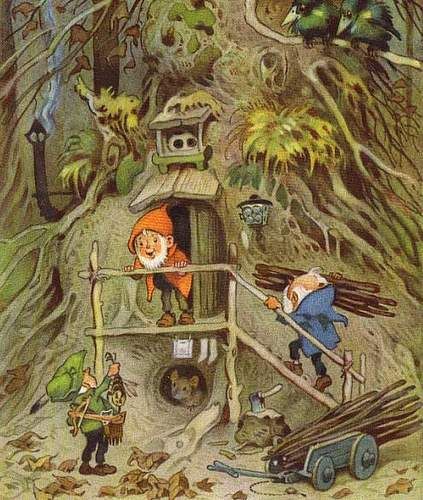
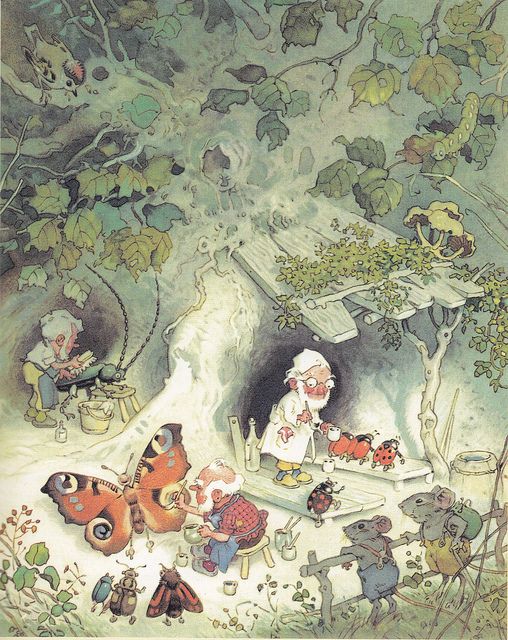
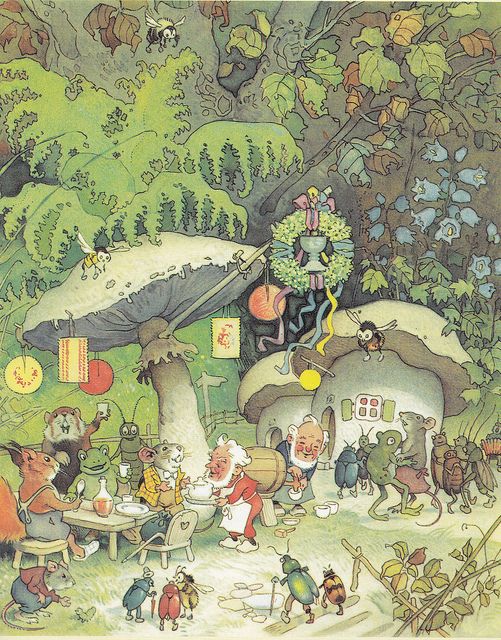
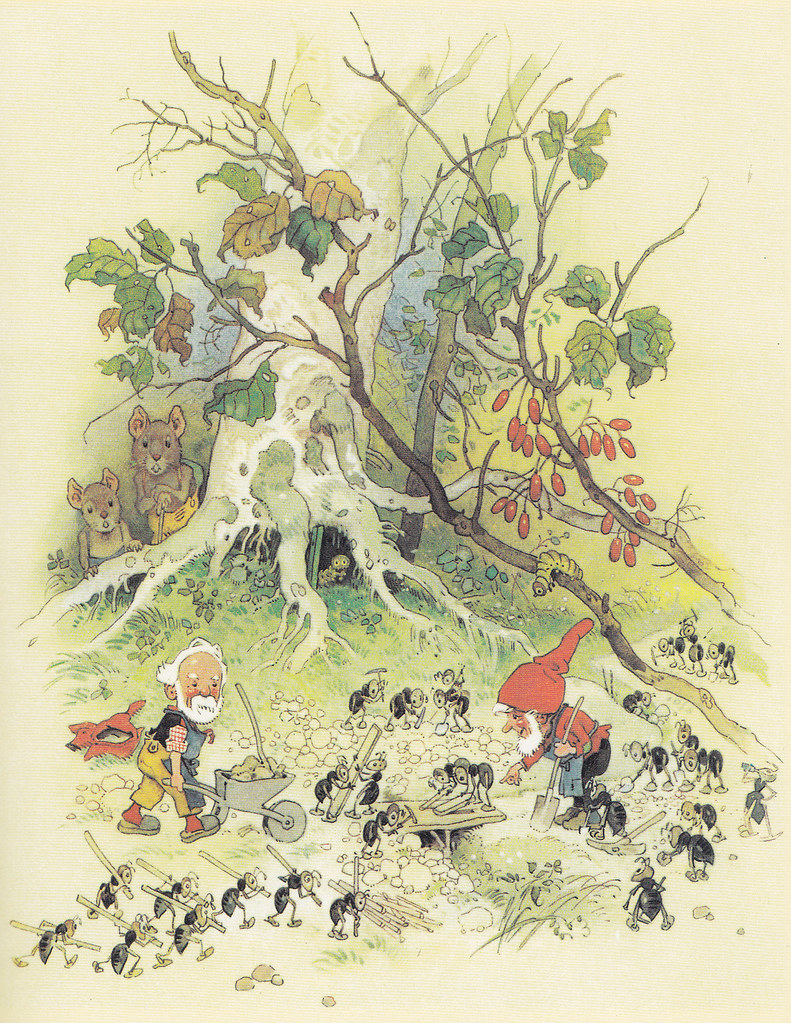
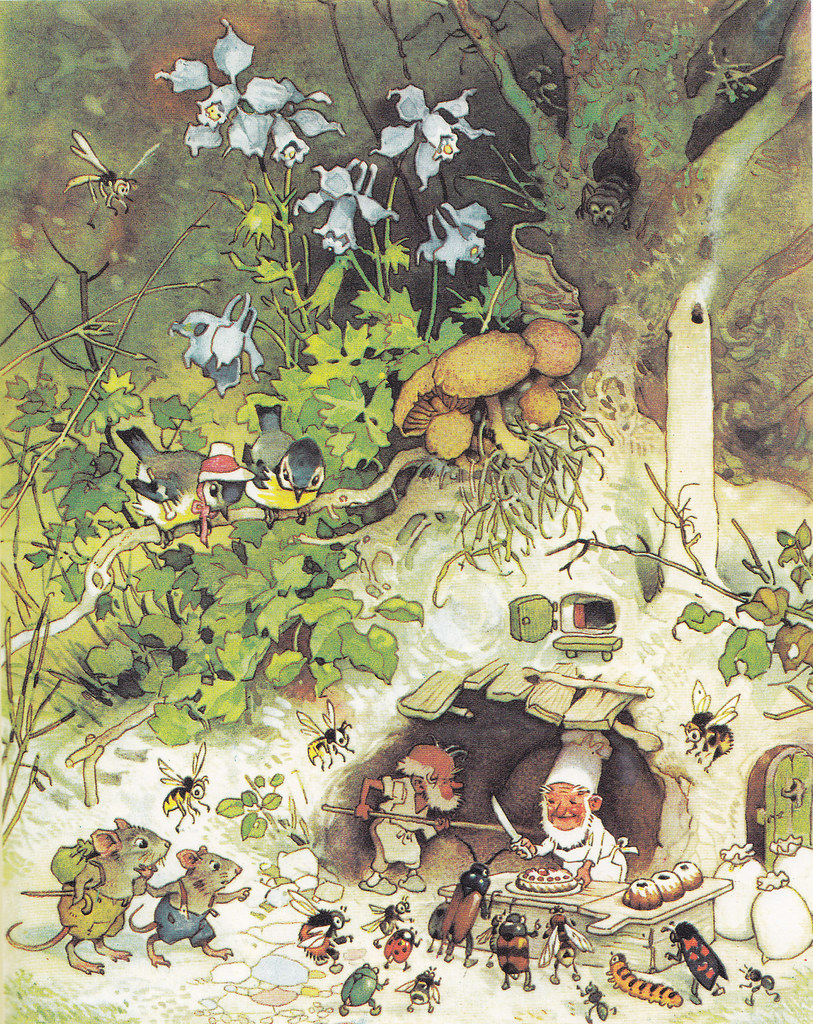
That moment when one is forced to acknowledge, that one's child can see unusual creatures (commonly called gnomes, elves, fairies, goblins, yōkai
, etc.) and interacts with them regularly.










-
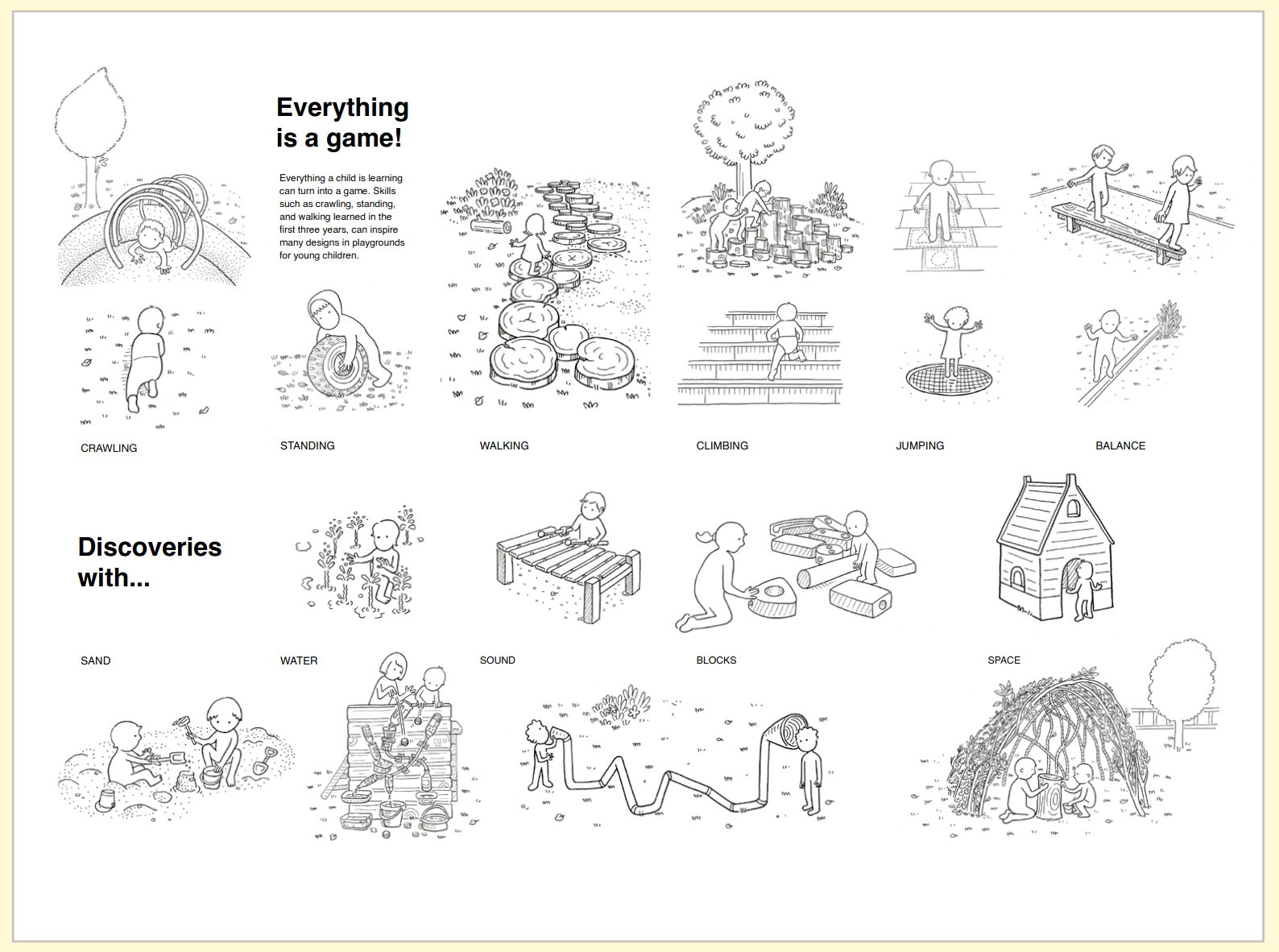
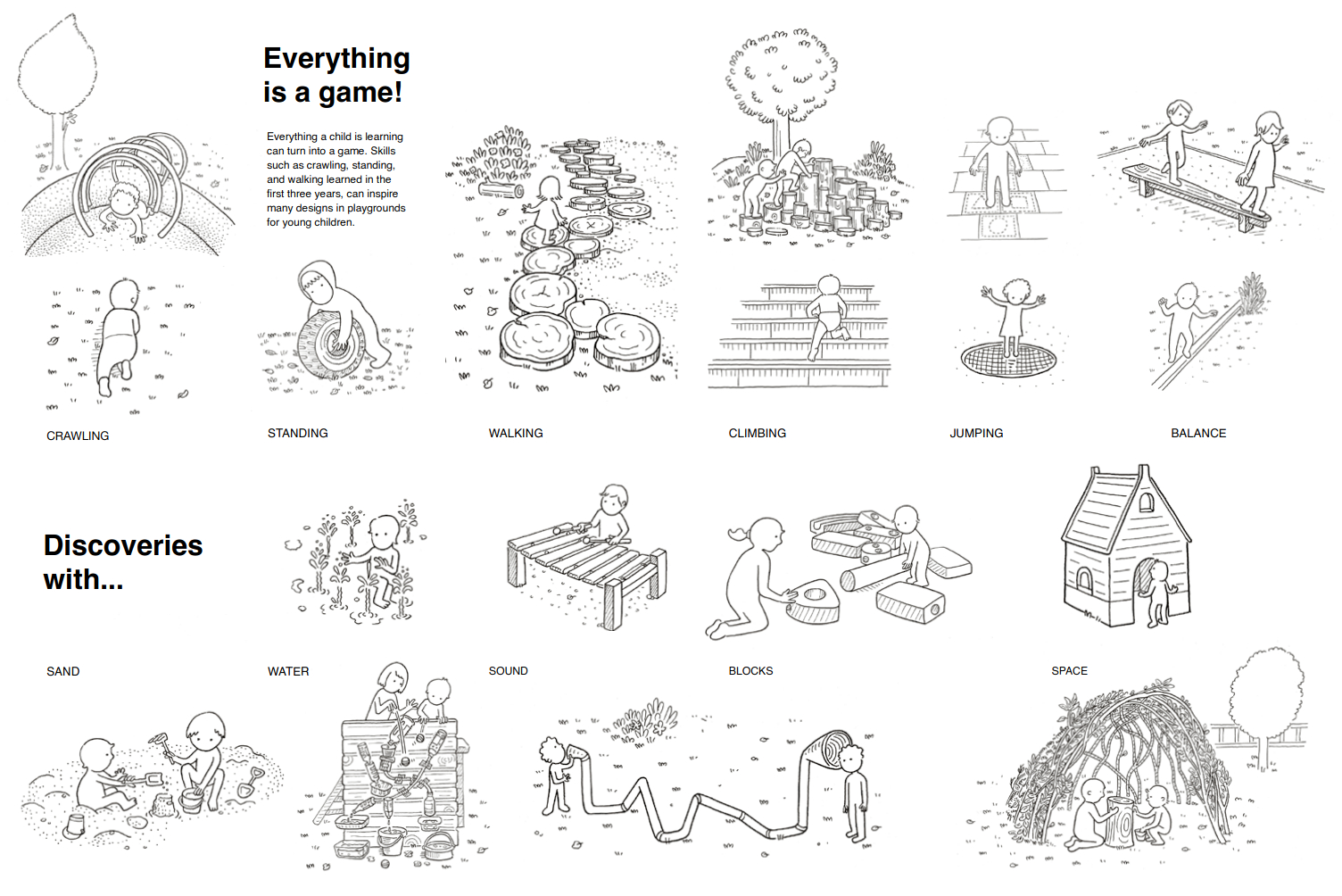
Everything is a game!
-
Psychedelic Learning - by Julian Vayne
"Magic is a set of techniques and approaches which can be used to extend the limits of Achievable Reality. Our sense of Achievable Reality is the limitations which we believe bind us into a narrow range of actions and successes—what we believe to be possible for us at any one given time. In this context, the purpose of magic is to simultaneously explore the boundaries and attempt to push them back—to widen the “sphere” of possible action." - Phil Hine in Condensed Chaos
-
"Praxis is a problem solving method" (Duncan-Andrade & Morrell, 2008)
-
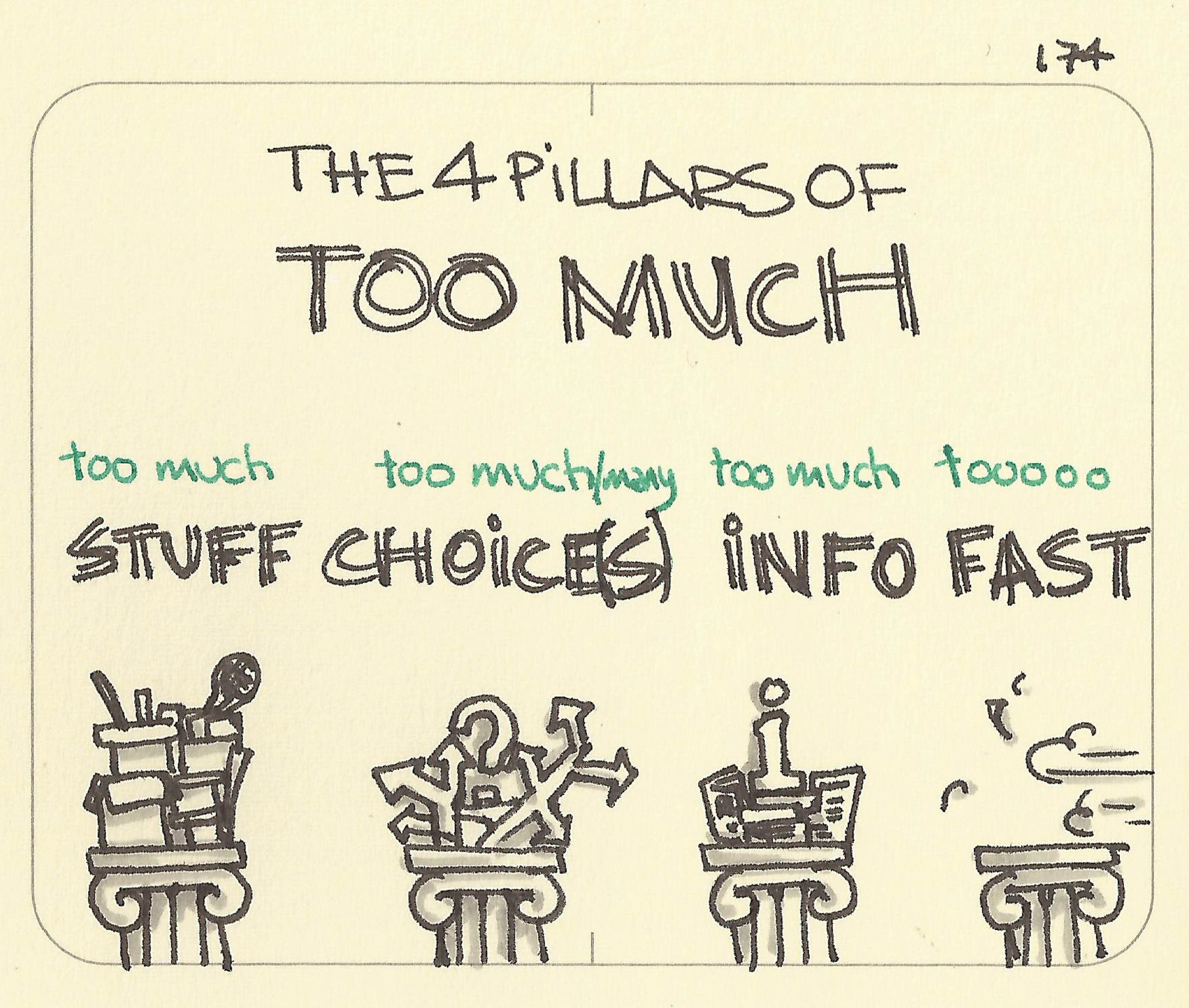
The four pillars of too much - by Sketchplanations (too much stuff, choice, info and too fast)
-
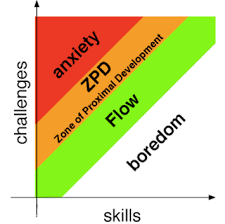
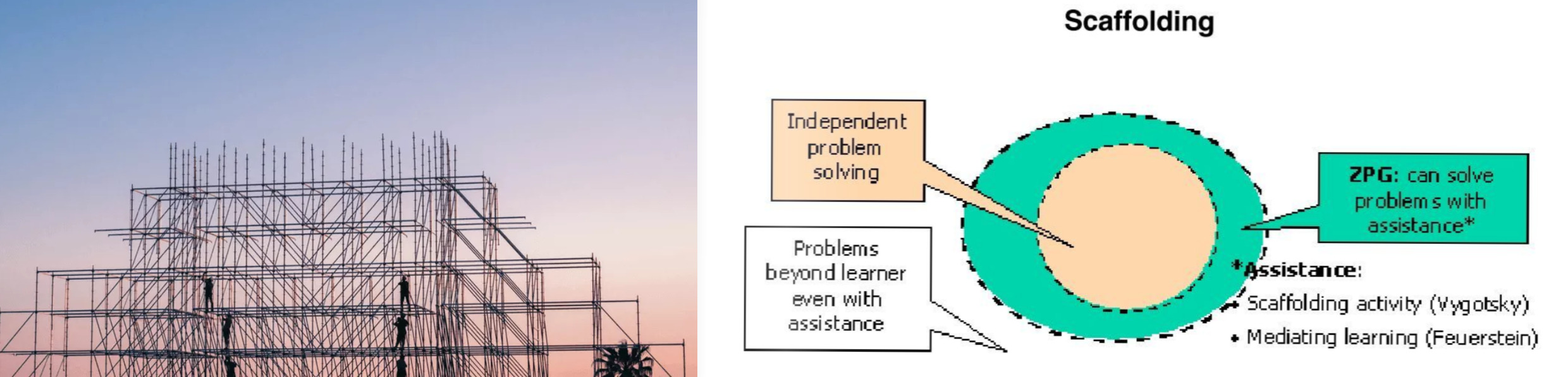
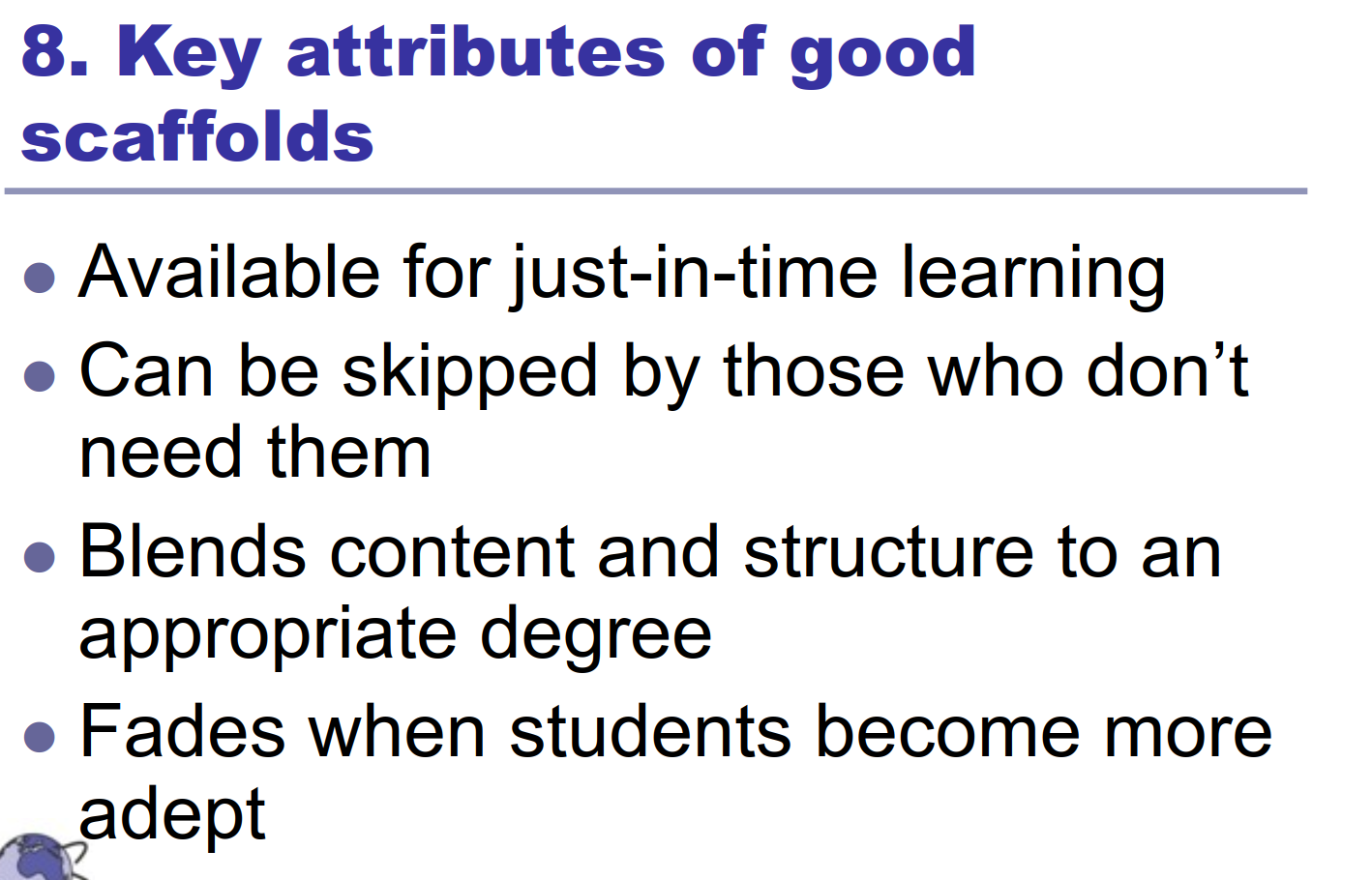
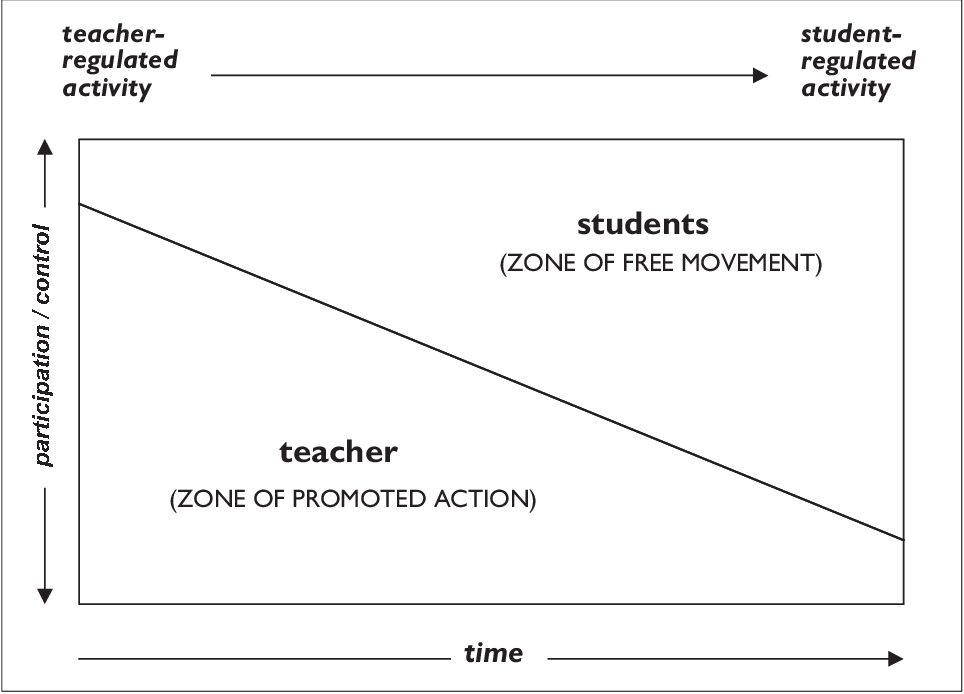
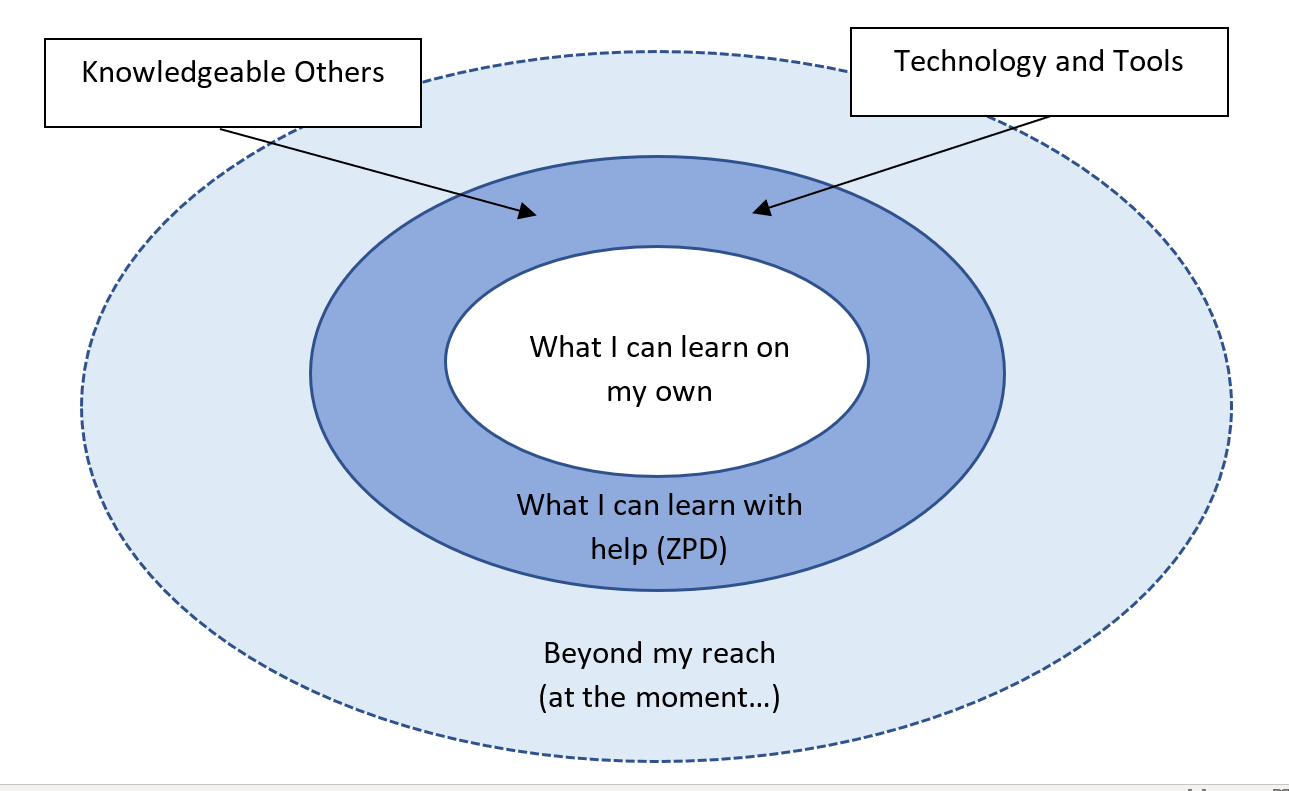
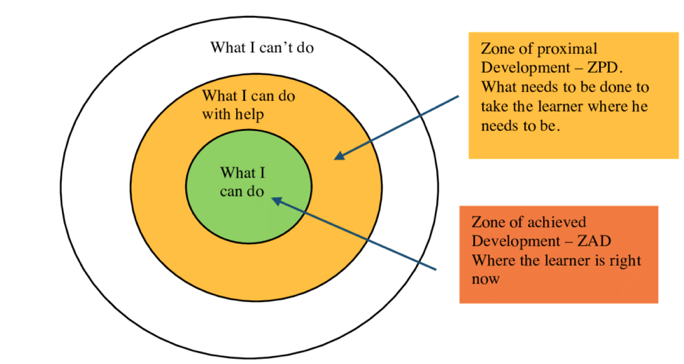
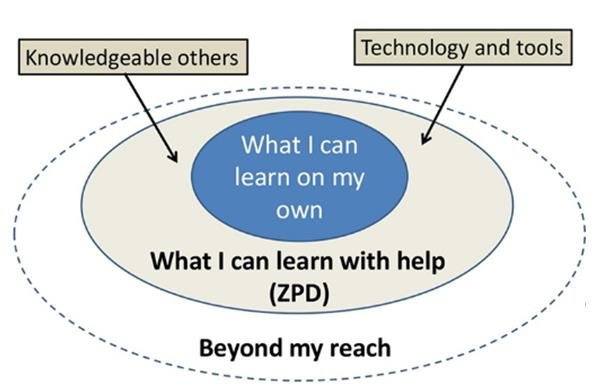
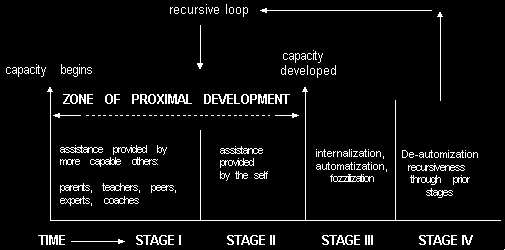
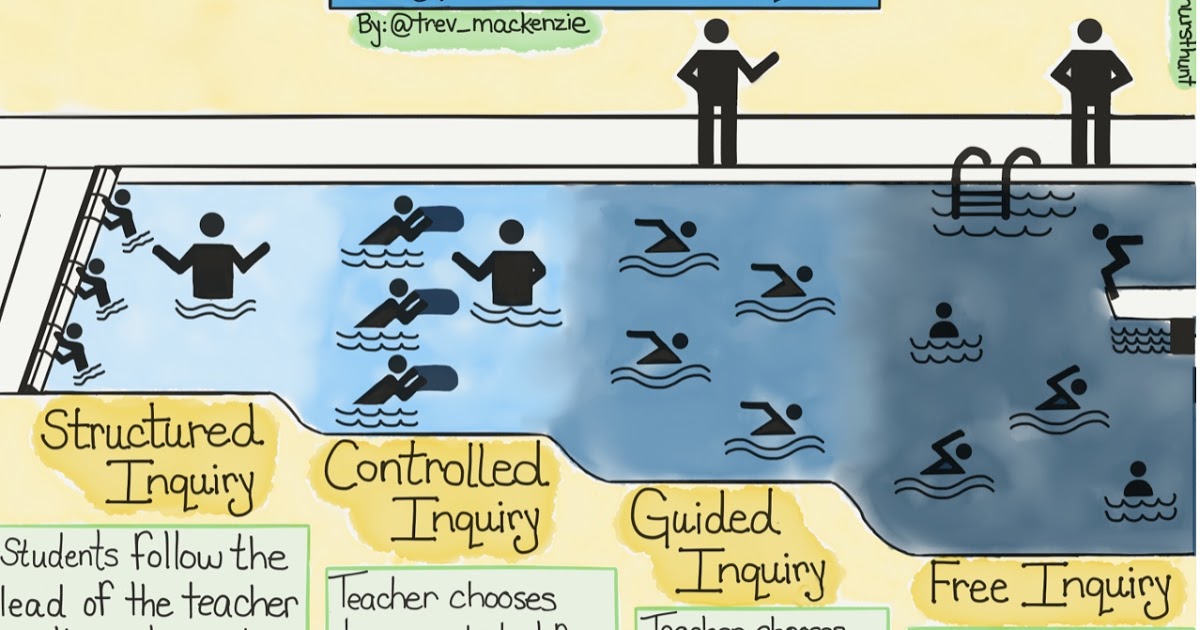
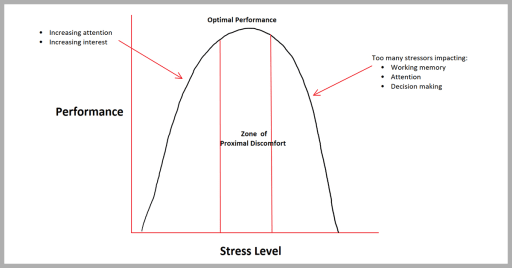
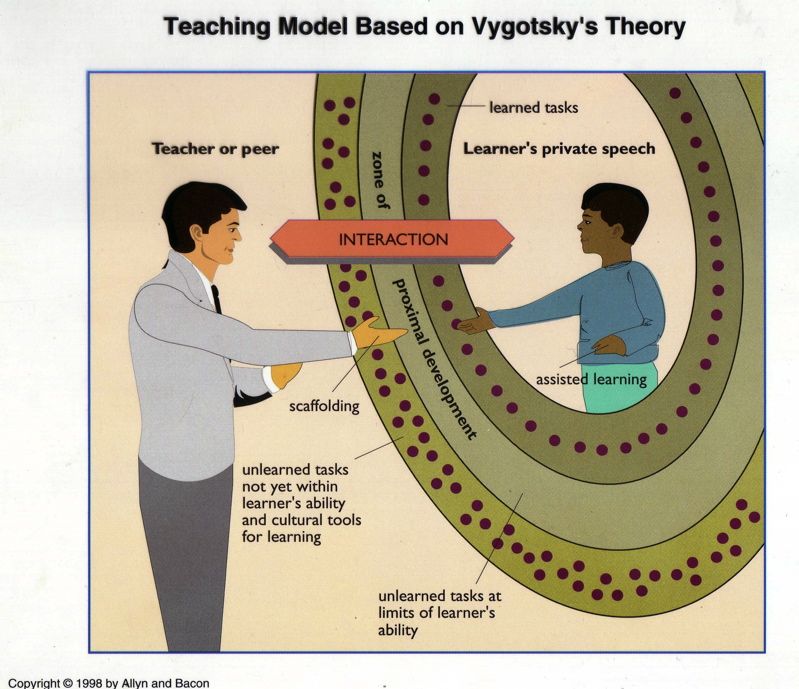
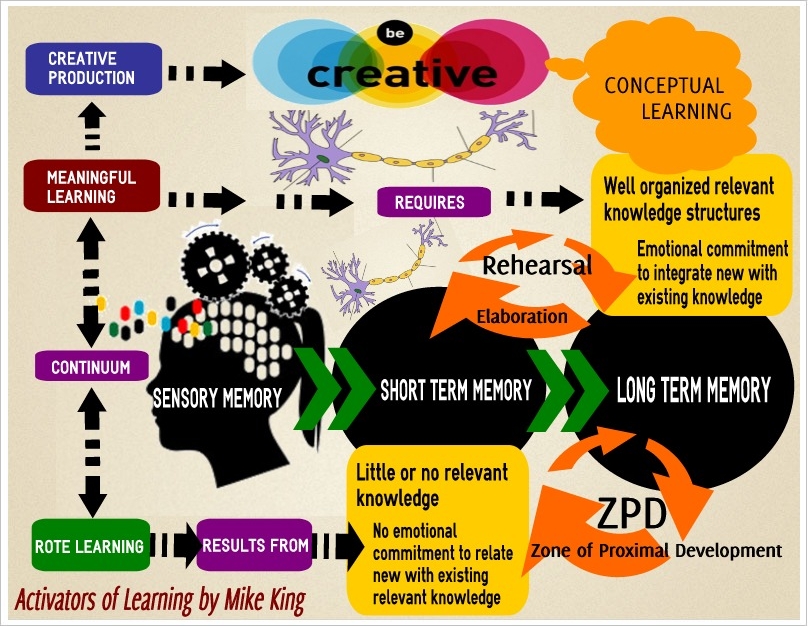
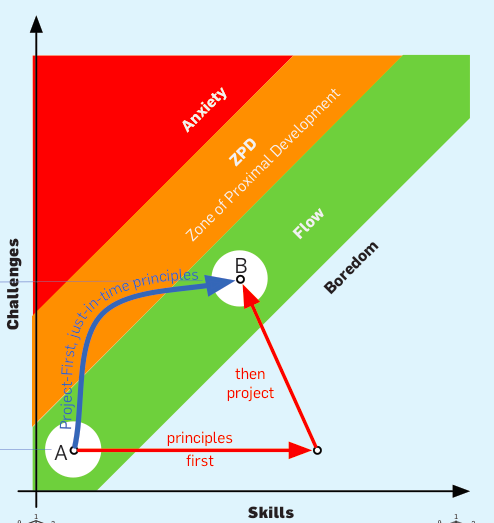
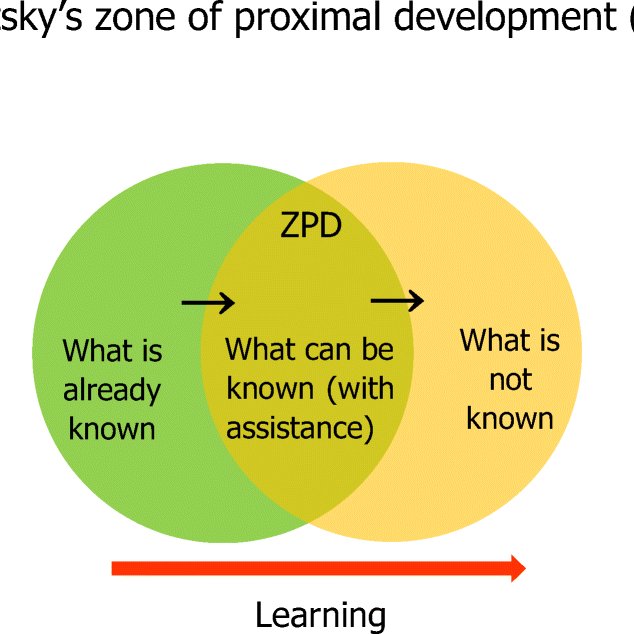
The zone of proximal development (ZPD), is best understood as the zone of the closest, most immediate psychological development of learners that includes a wide range of their emotional, cognitive, and volitional psychological processes. In contemporary educational research and practice, though, it is often interpreted as the distance between what a learner can do without help, and what they can do with support from someone with more knowledge or expertise ("more knowledgeable other"). The concept was introduced, but not fully developed, by psychologist Lev Vygotsky (1896–1934) during the last three years of his life.
Related