tag > FFHCI
-
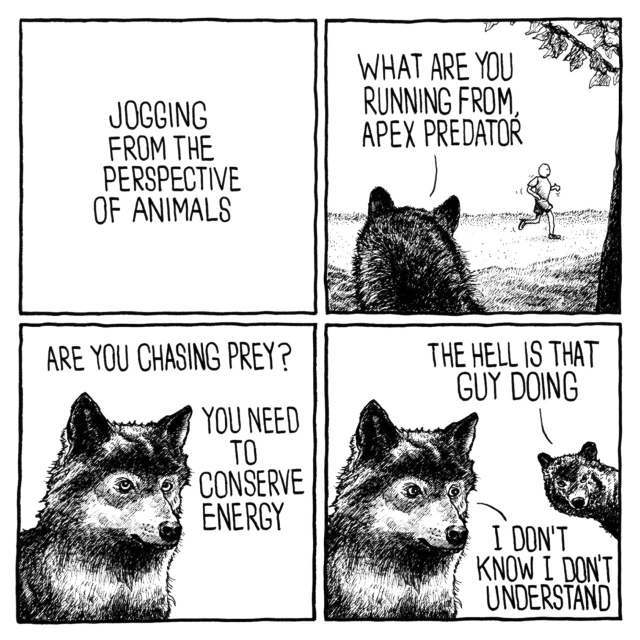
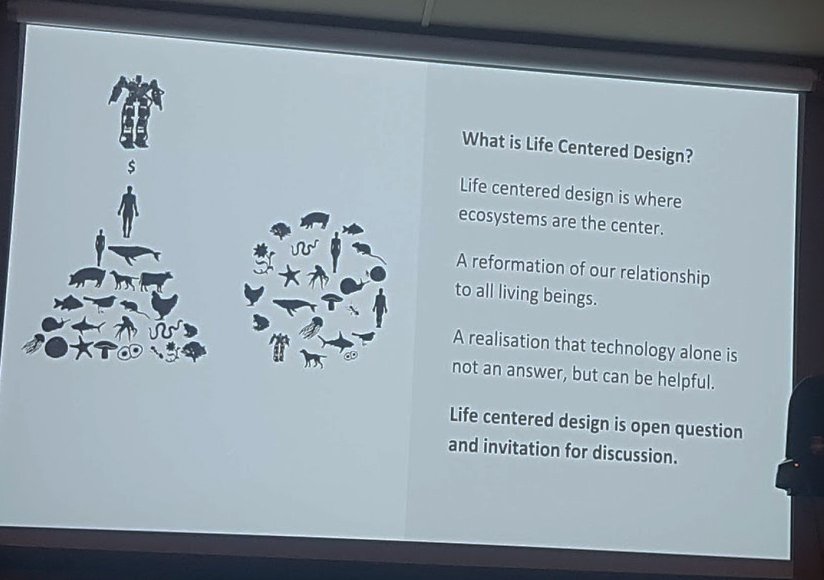
Slide from a presentation i gave in 2019 at the Helsinki design week, on "life centered design"
-
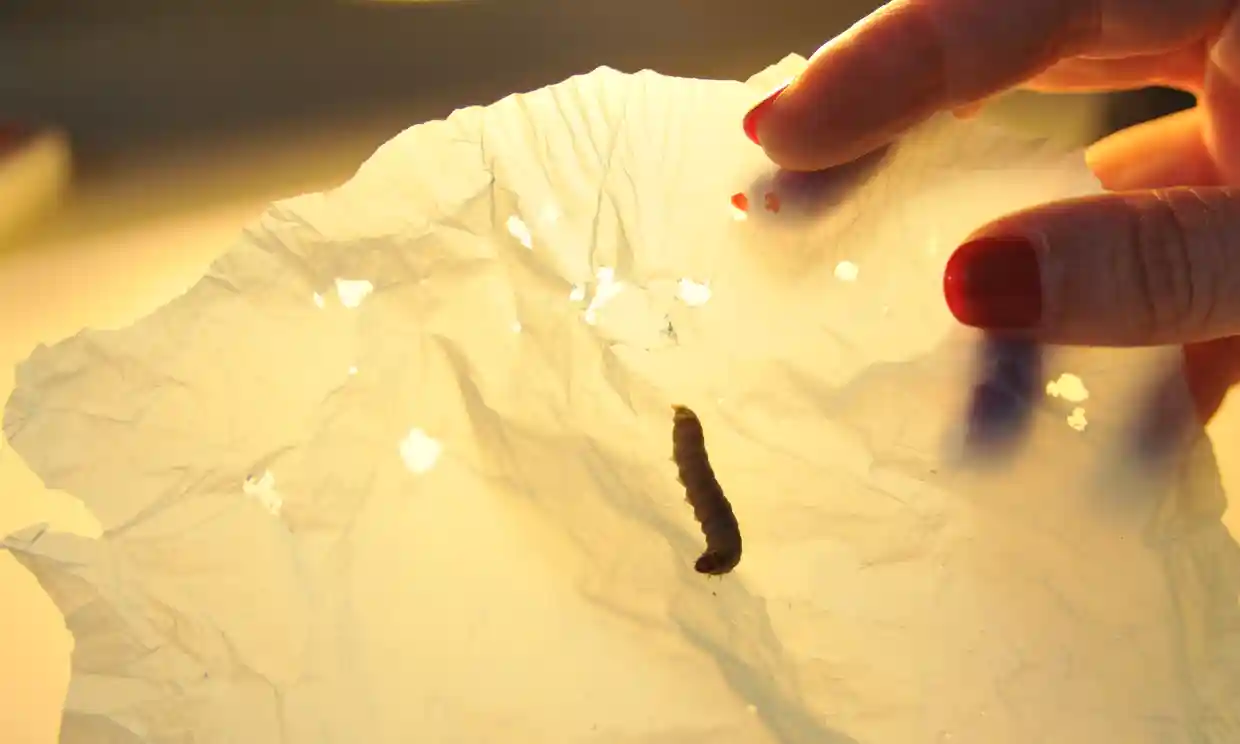
Wax worm saliva rapidly breaks down plastic bags, scientists discover - "Its enzymes degrade polyethylene within hours at room temperature and could ‘revolutionise’ recycling"
-
Electrical frequency discrimination by fungi Pleurotus ostreatus
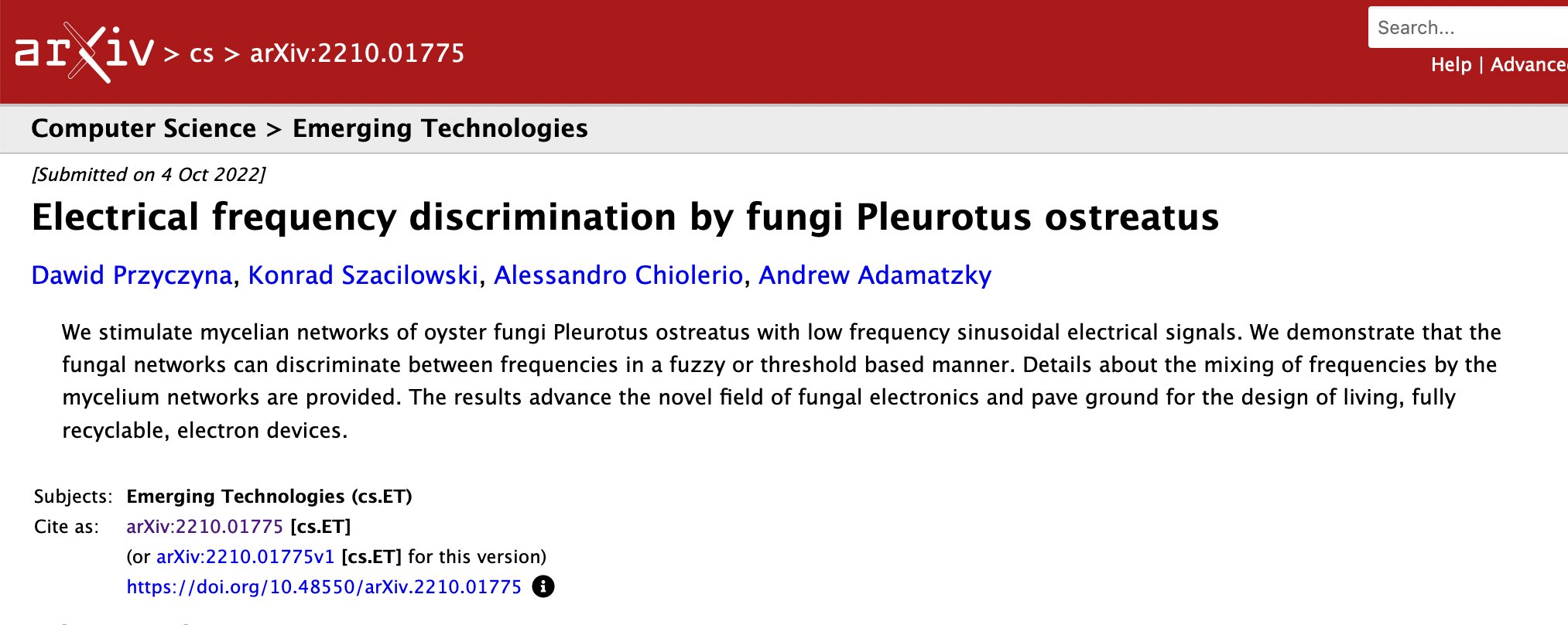
Soon humanity will recognize that nature is full of super intelligent beings - much more powerful than any artificial thing we build. Seeing them requires a shift in perspective, as they operate at radically different timescales & beyond simply notions of bodies & communications.
-
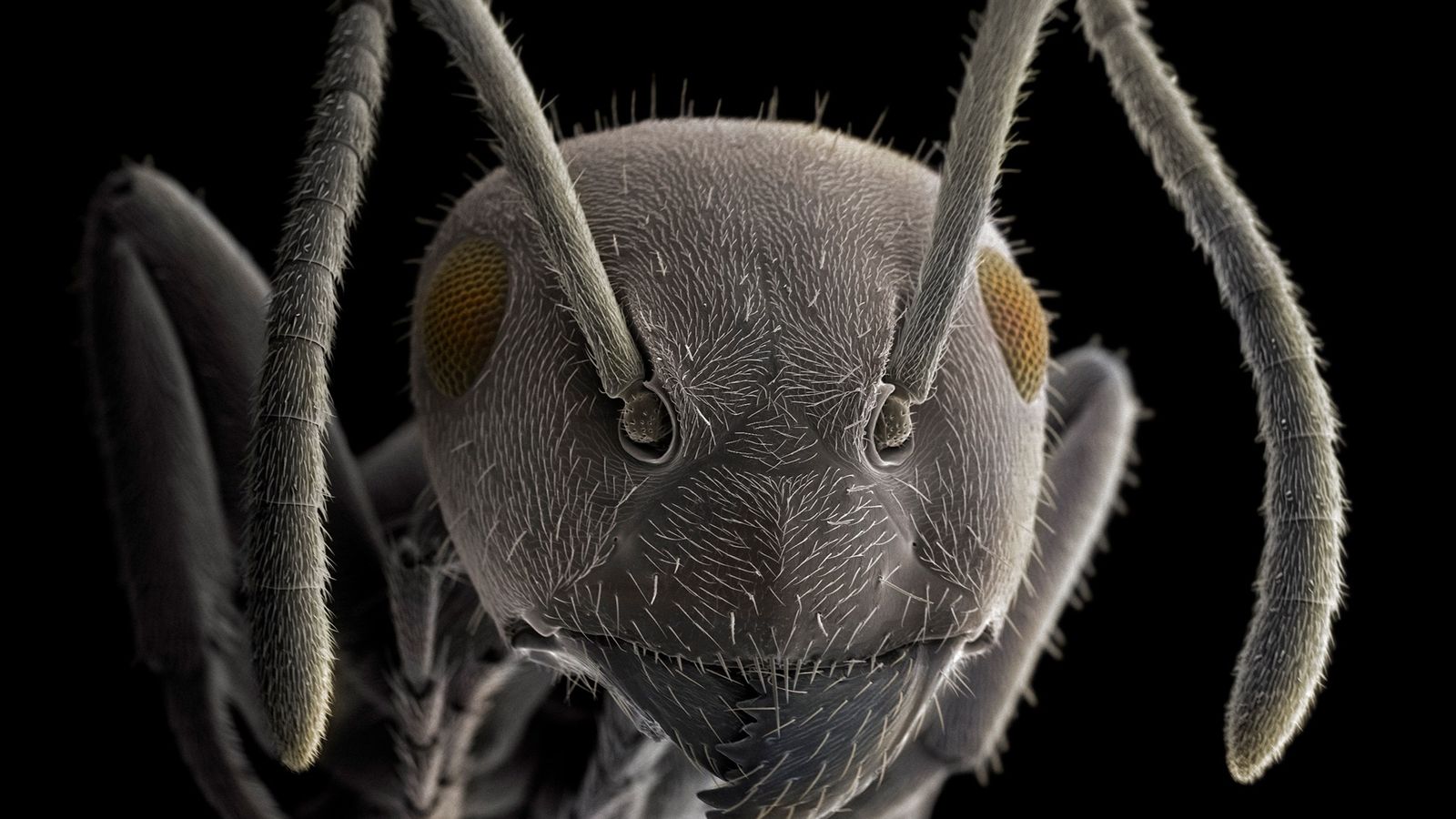
Earth Has 20 Quadrillion Ants, Study Says" - That is 20,000,000,000,000,000, or 20,000 trillion ants. Their weight is estimated at about 12 megatons of dry carbon - more than all the wild birds & mammals together.
-
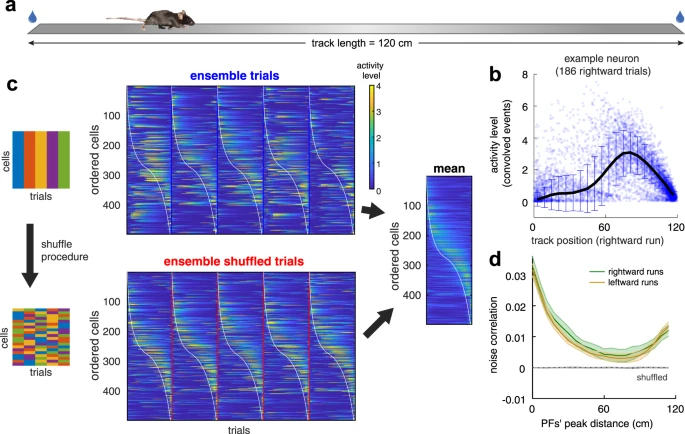
Recent work lead by Omer Hazon and Pablo Jercog reveals that, due to noise correlations, mouse hippocampus only encodes space with a limited resolution of 10cm (about the size of the mouse) & only ~1000 neurons are needed to decode space to this limit.
-
"In a glass of drinking water there is a network of micro bubbles that is about 1000 bigger than neurons in the human brain." - From the Documentary "The Mystery of Water - What we know is a drop"

#Nature #Regenerative #Complexity #Science #FFHCI #ML #Complexity #Documentary
-
Earth's Natural Radio: Strange sounds at VLF frequencies and below - NVARC Presentation by Philip J Erickson (W1PJE) (May 2022)
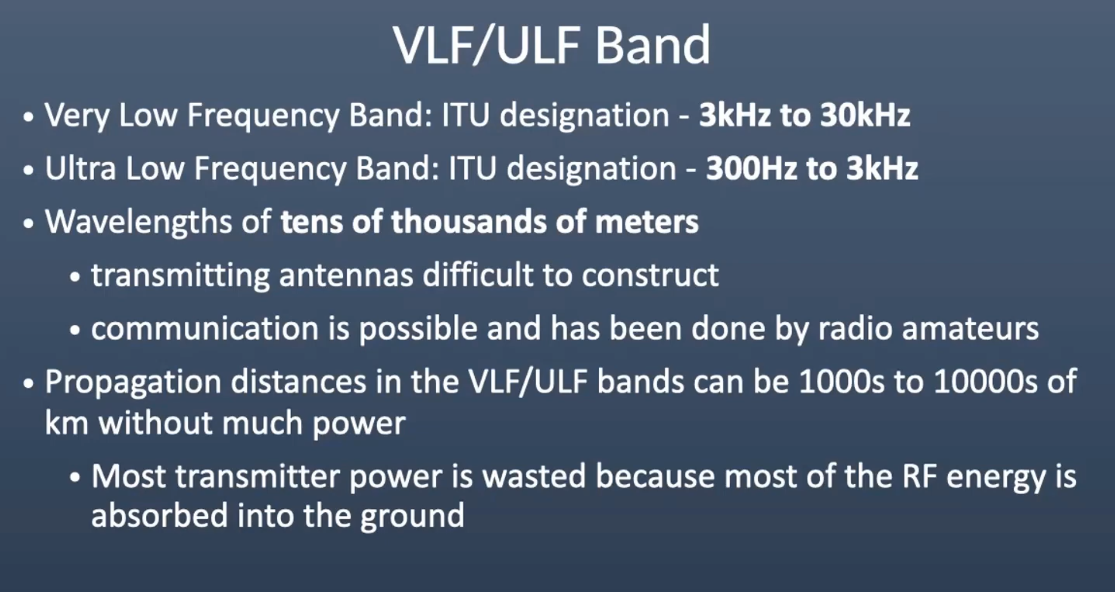
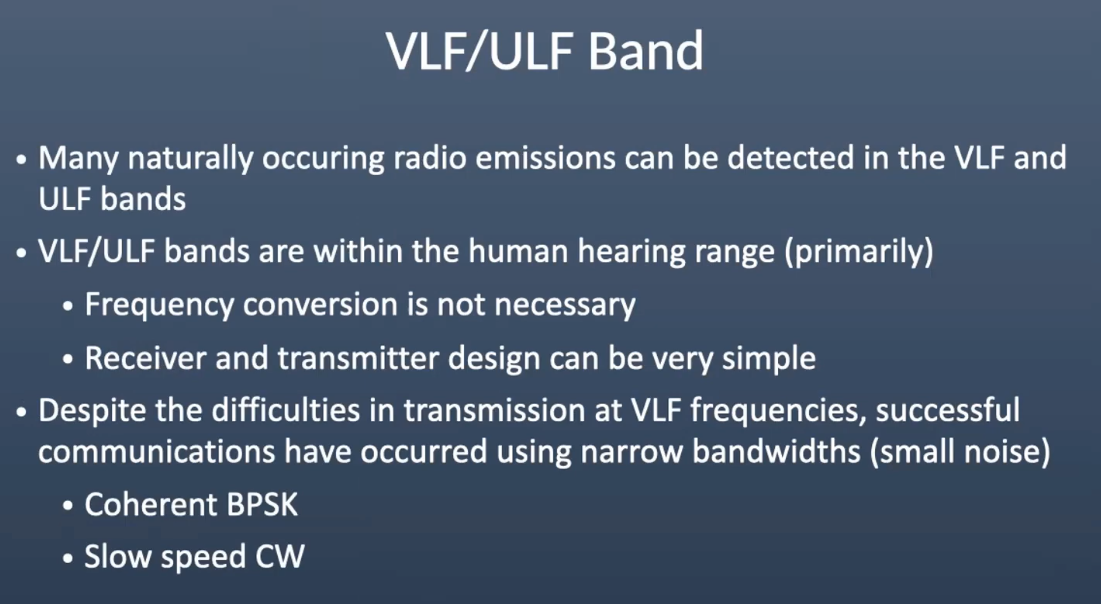
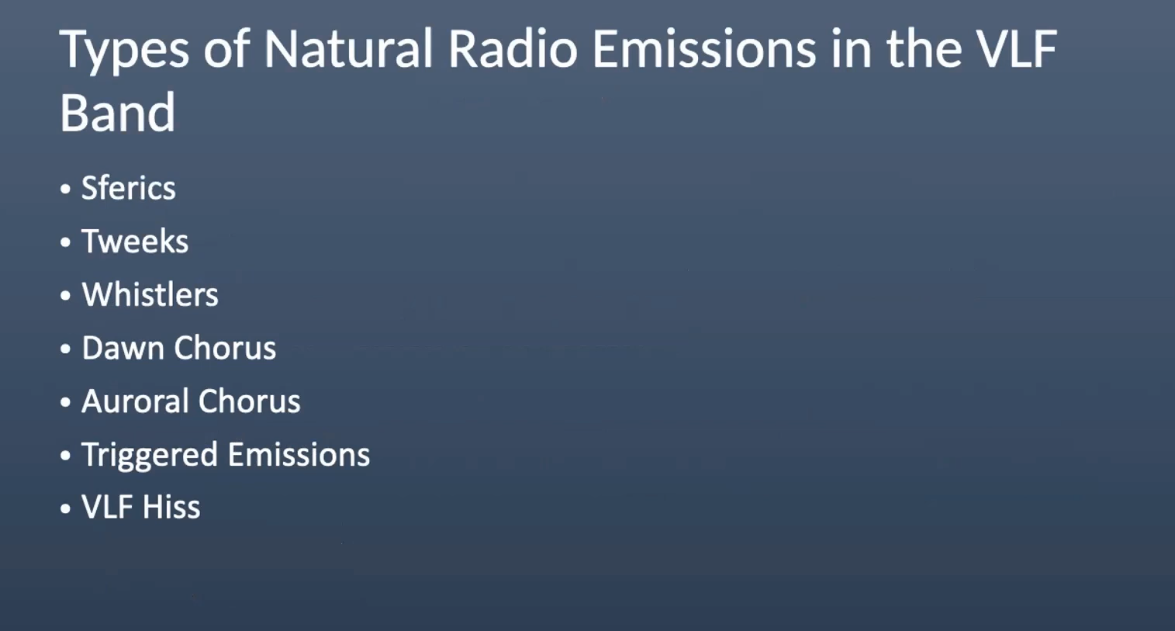
"I will provide an overview of natural emissions at very low electromagnetic frequencies in the VLF (3 - 30 kHz) and ULF (300 Hz - 3 kHz) ranges. These radio emissions are generated by physical phenomena, such as lightning discharges or interactions with plasma in the ionosphere, and in some cases are global in nature. They are also very interesting because their RF frequencies are primarily within human hearing range (although they are not acoustic waves!), and so heterodyne receiver architectures are not needed - making both receiver and transmitter design quite simple.
I will cover natural emissions, including audio samples, and describe what they tell us about the ionosphere and magnetosphere, including whistlers, chorus hiss, sferics, and more. Also covered will be human signals in this frequency range, such as power line harmonics and VLF communications signals used by almost every government for information transfer to submerged vessels. Some information will be provided as well on the challenges of receiving and transmitting signals in this range within your backyard, including the "Dreamer's Band" amateur frequencies below 9 kHz and the new "EbNaut" digital mode for this frequency range."
About Philip J Erickson
I am an associate director and head of the Atmospheric and Geospace Sciences group at Haystack Observatory, operated by Massachusetts Institute of Technology (MIT). Haystack is located approximately 42 km as the crow flies from the main MIT campus on a 1300 acre parcel overlapping the towns of Westford, Groton, and Tyngsboro, MA (grid FN42go). Since the late 1950s, Haystack has conducted frontier remote sensing research into the properties of the near-Earth space environment, including the ionosphere, neutral atmosphere, overlying plasmasphere, and the magnetosphere that surrounds our planet.I am a member of Nashoba Valley Amateur Radio Club (NVARC), a physical as well as spectral neighbor of Haystack. Outreach programs and activities are ongoing between Haystack and NVARC; see the NVARC page for details. I am also a member of the HamSCI citizen science initiative.
The talks Q&A section has interesting tid bits about the true complexities of climate change and the modeling of it: https://youtu.be/8J2zYgGIsno?t=4032 - https://youtu.be/8J2zYgGIsno?t=4235
Tools: http://www.abelian.org/ - http://websdr.org/ - http://www.vlf.it/ - https://theinspireproject.org/
Related Talk: Giant Antennas of the Navy! NVARC Presentation - by George Allison, K1IG
-
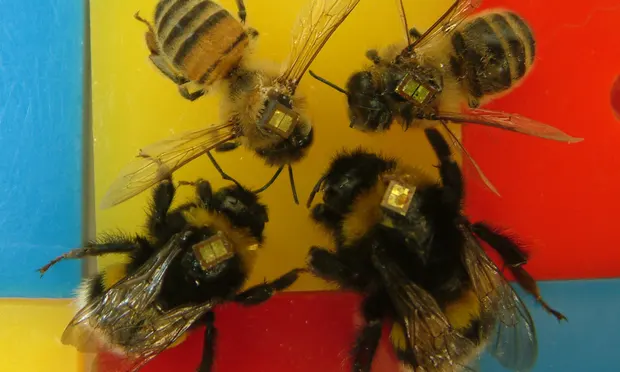
The quickest way to destroy a bee hive, is to place a wireless telephone inside it.
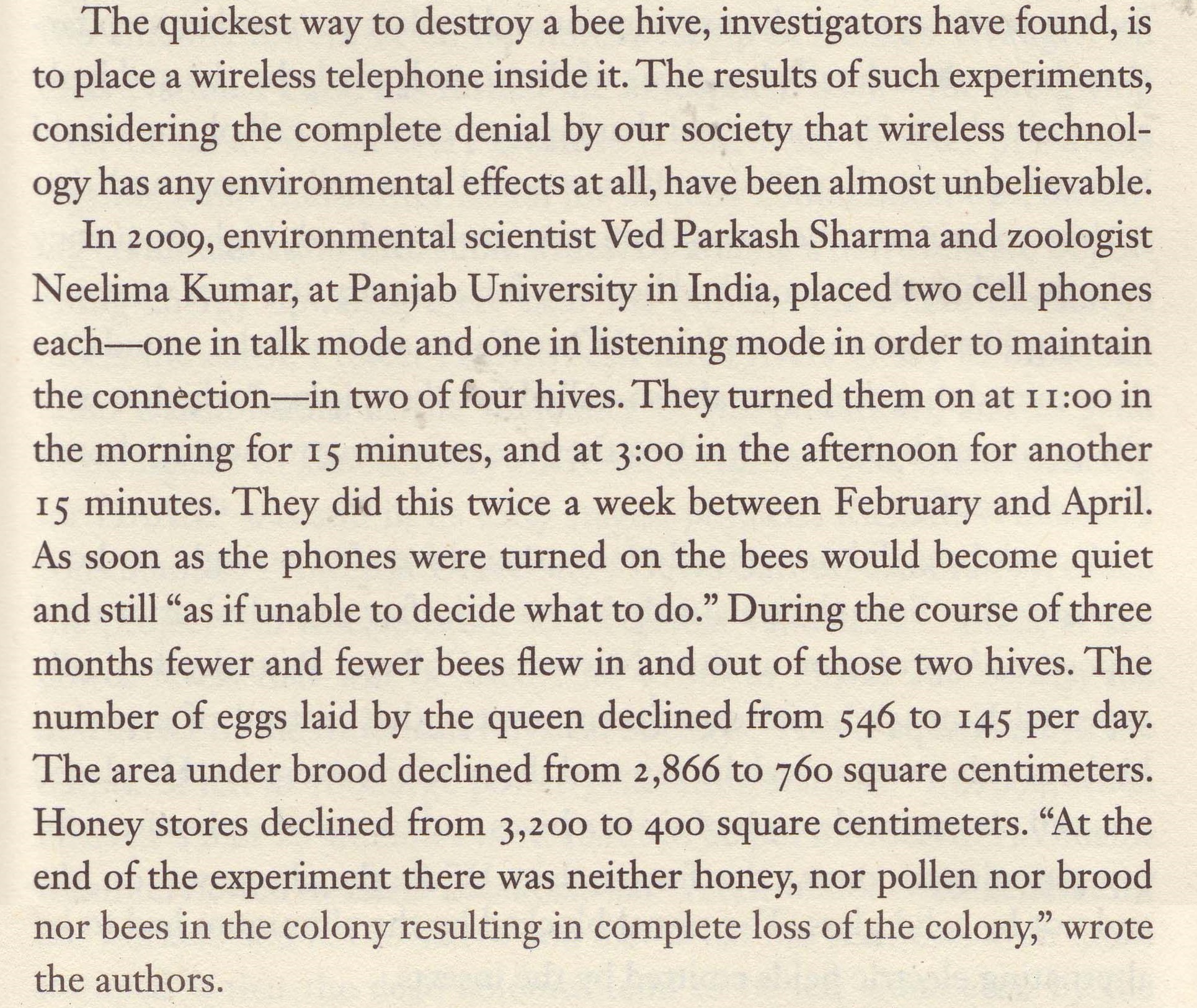
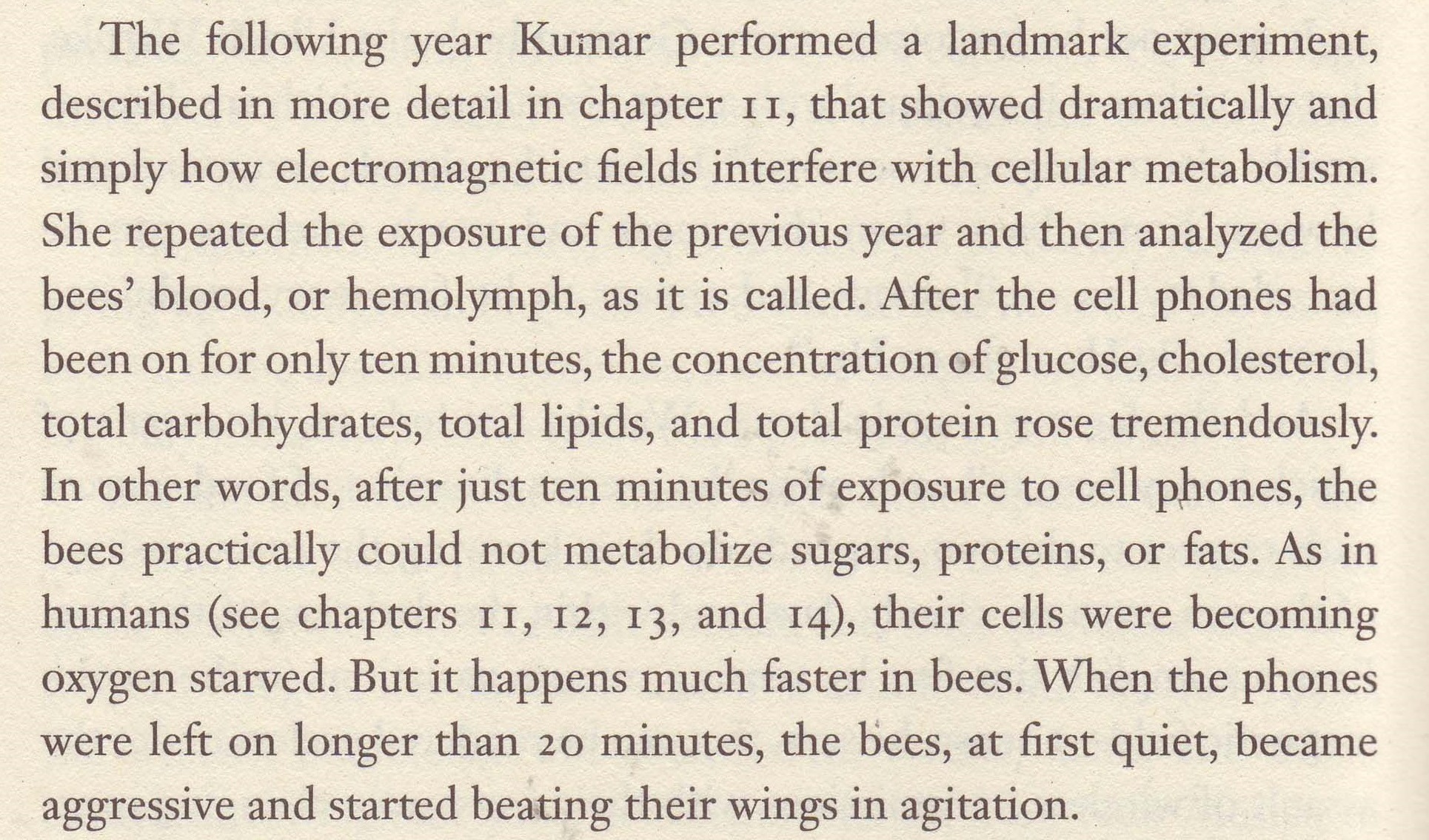
Europe’s first UMTS network, which turned every cell phone into a computer, and every cell tower into a transmitter of broadband radiation, went into service in the fall of 2002—just before the disastrous winter during which so many of Europe’s honey bees vanished.
The international beekeeping community is extremely resistant to giving up its long-standing belief in the infectious nature of bee losses, and so, in the absence of evidence, most beekeepers are falling back on the only thing they know: more toxic pesticides to kill mites.
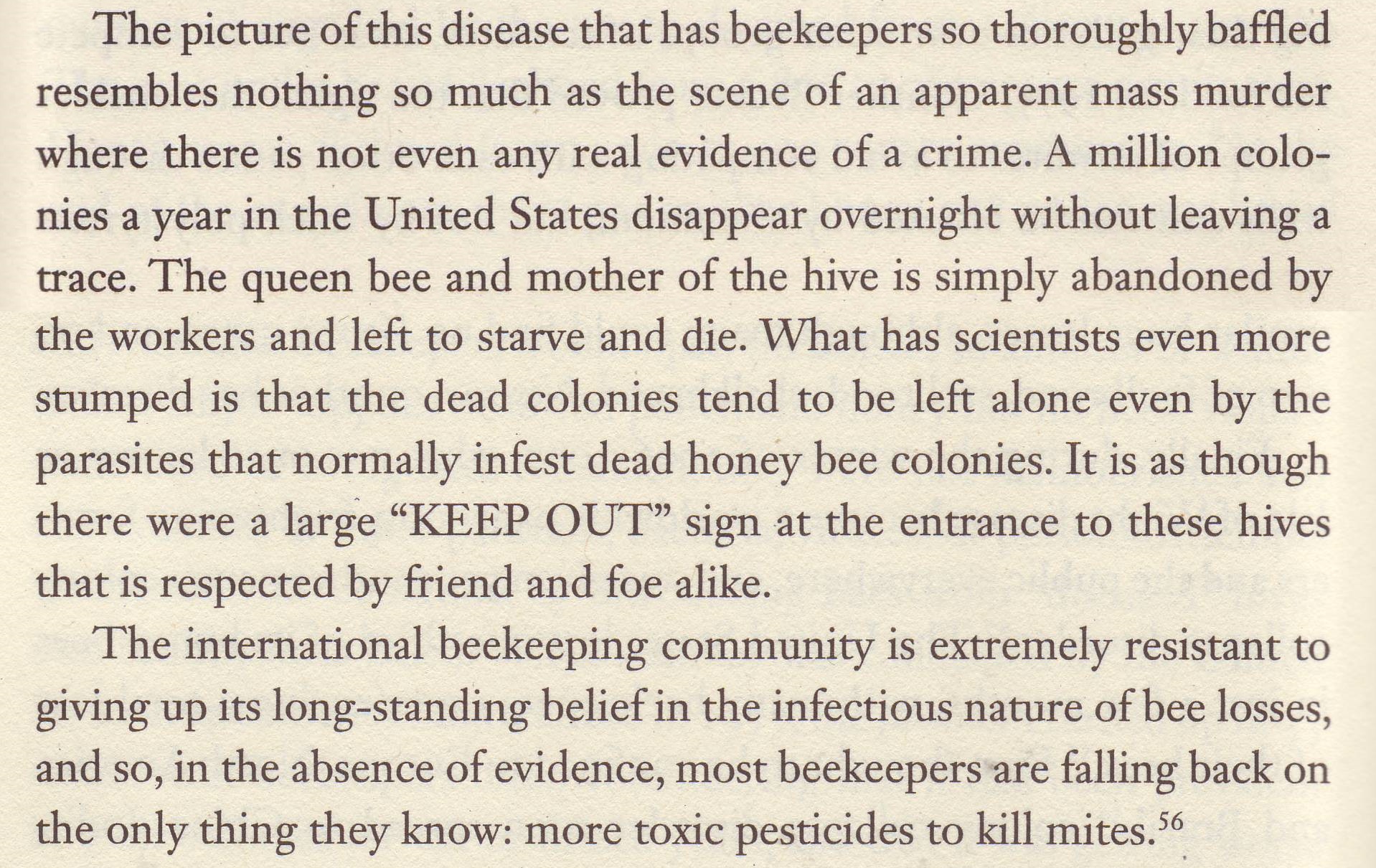
But the decimation of so many other insect species that are not subject to the same parasites is a strong hint that a non-infectious agent is at work. Exquisite sensitivity to electromagnetic fields has been demonstrated in a variety of insects.
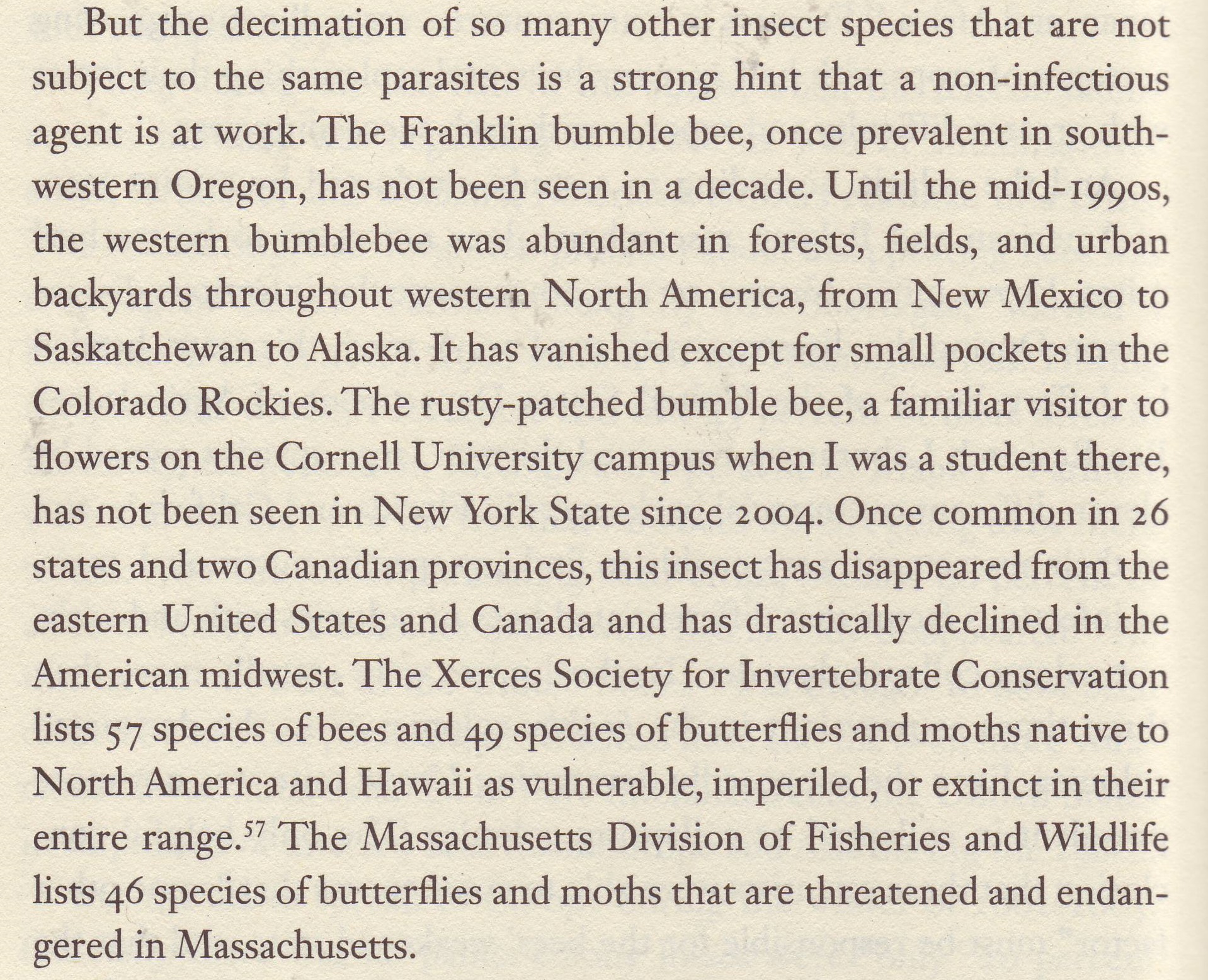
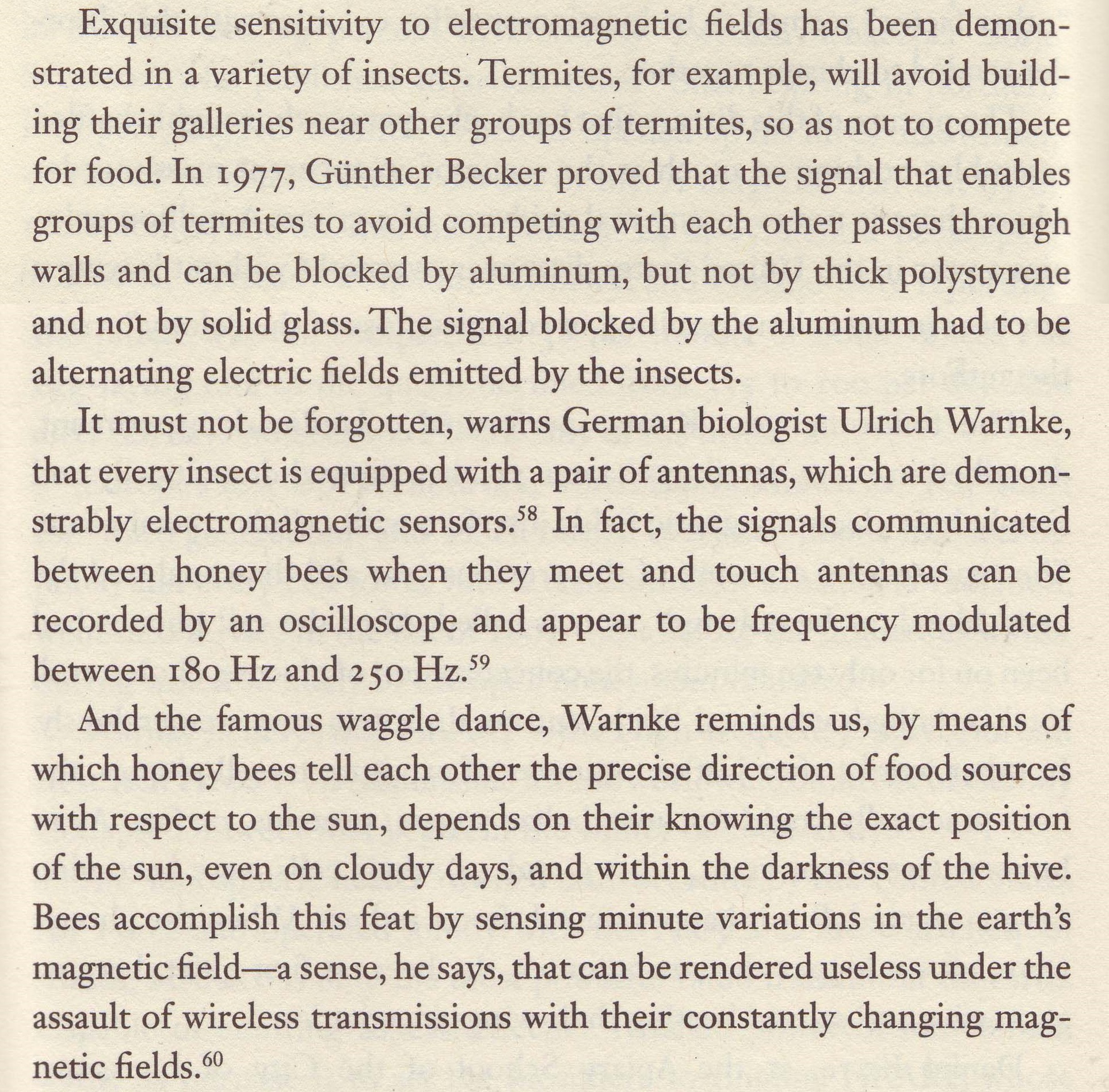
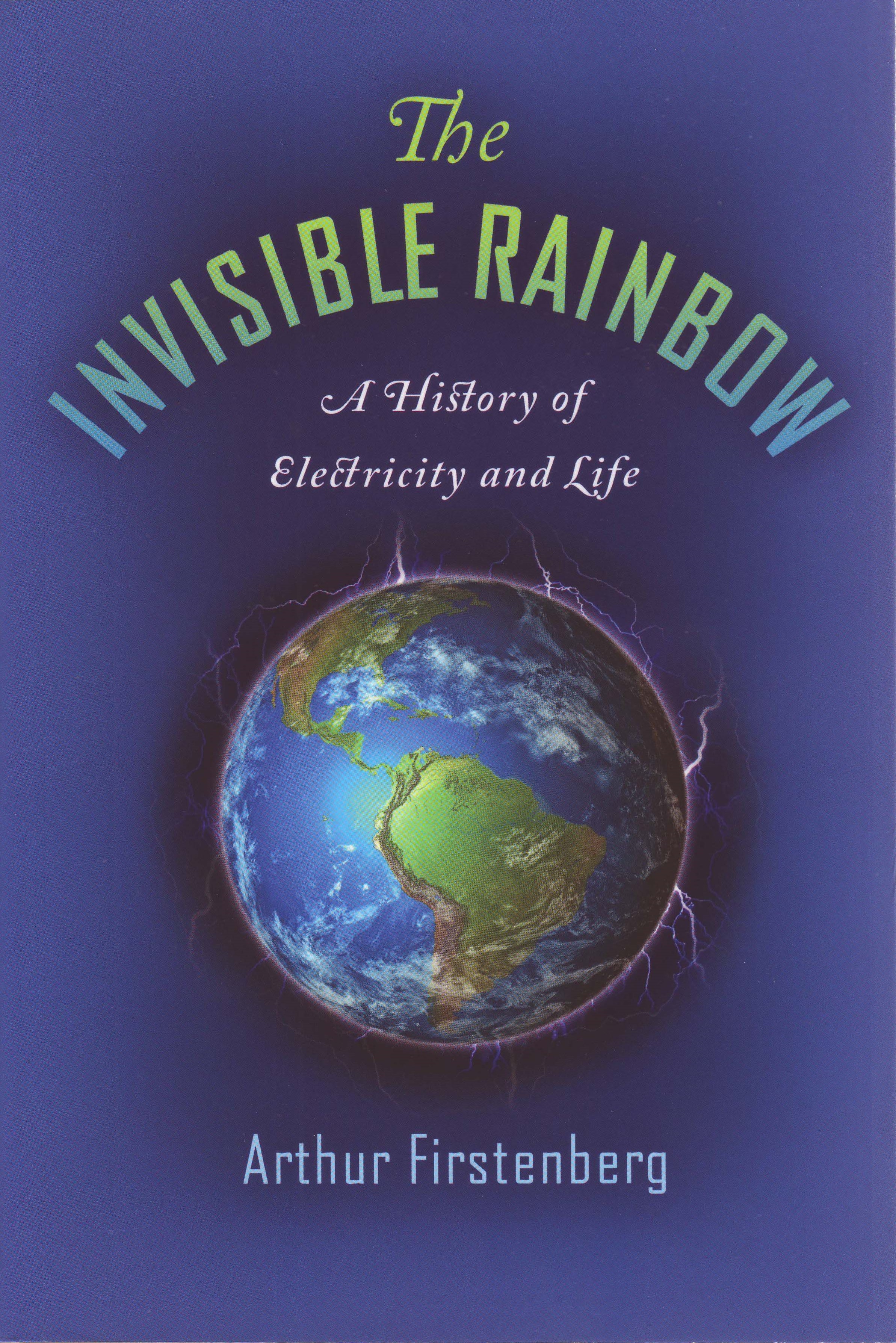
Excerpts from the Book "The Invisible Rainbow": A History of Electricity and Life
-
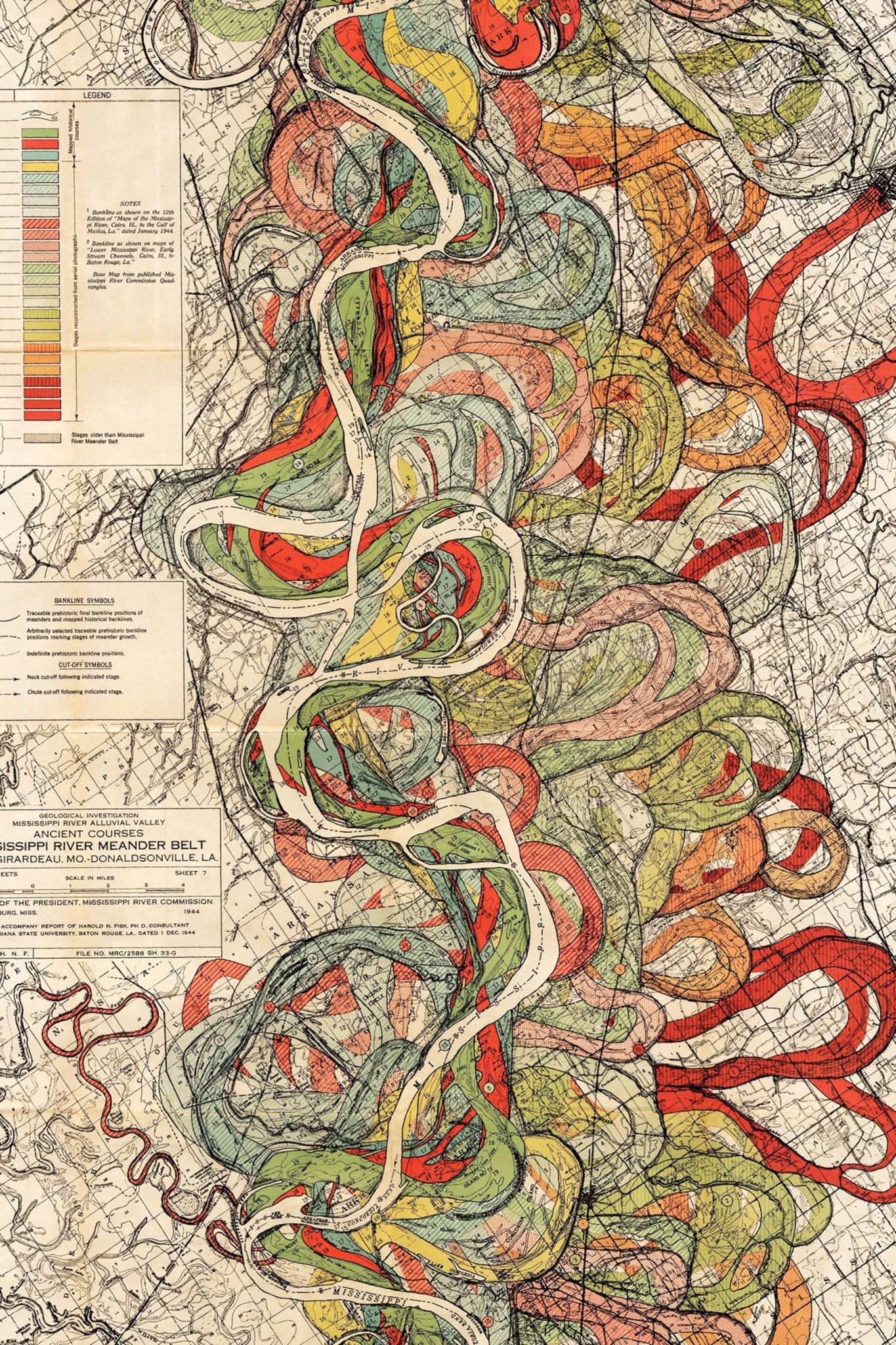
US Army engineer Harold Fisk’s 1944 map of the changing course of the Mississippi River over thousands of years.
-
Learning from Nature and emulating her, to a large extent means letting go of naive ideas of control

-
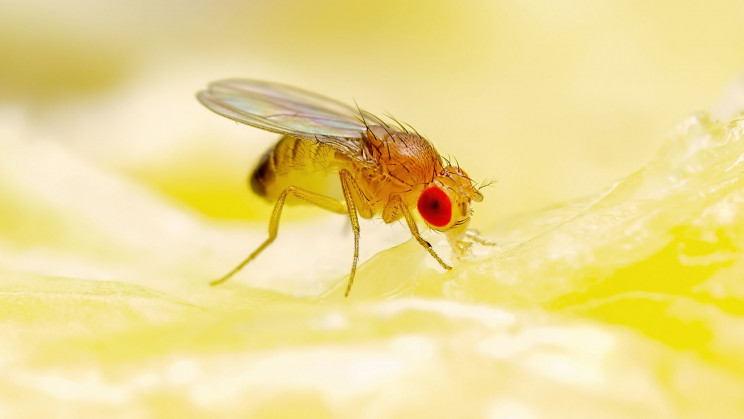
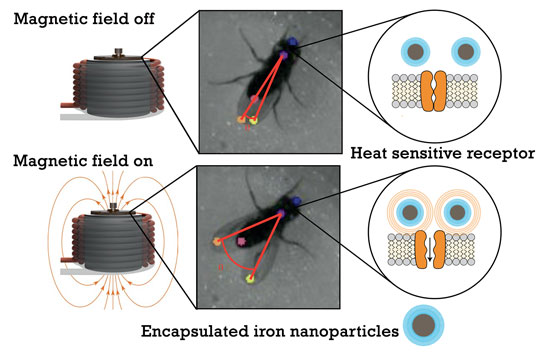
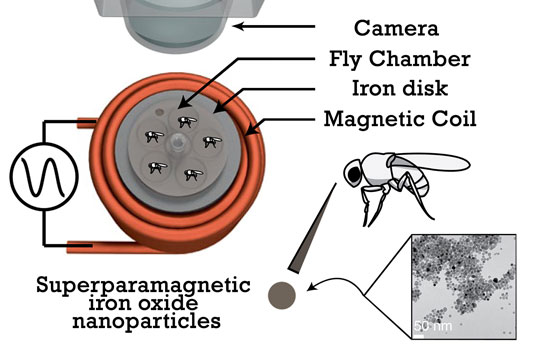
US researchers 'hack' fly brains and control them remotely - "It took genetic engineering, nanotechnology, and electrical engineering to achieve this result" - "Magnetic control of select neural circuits"
-
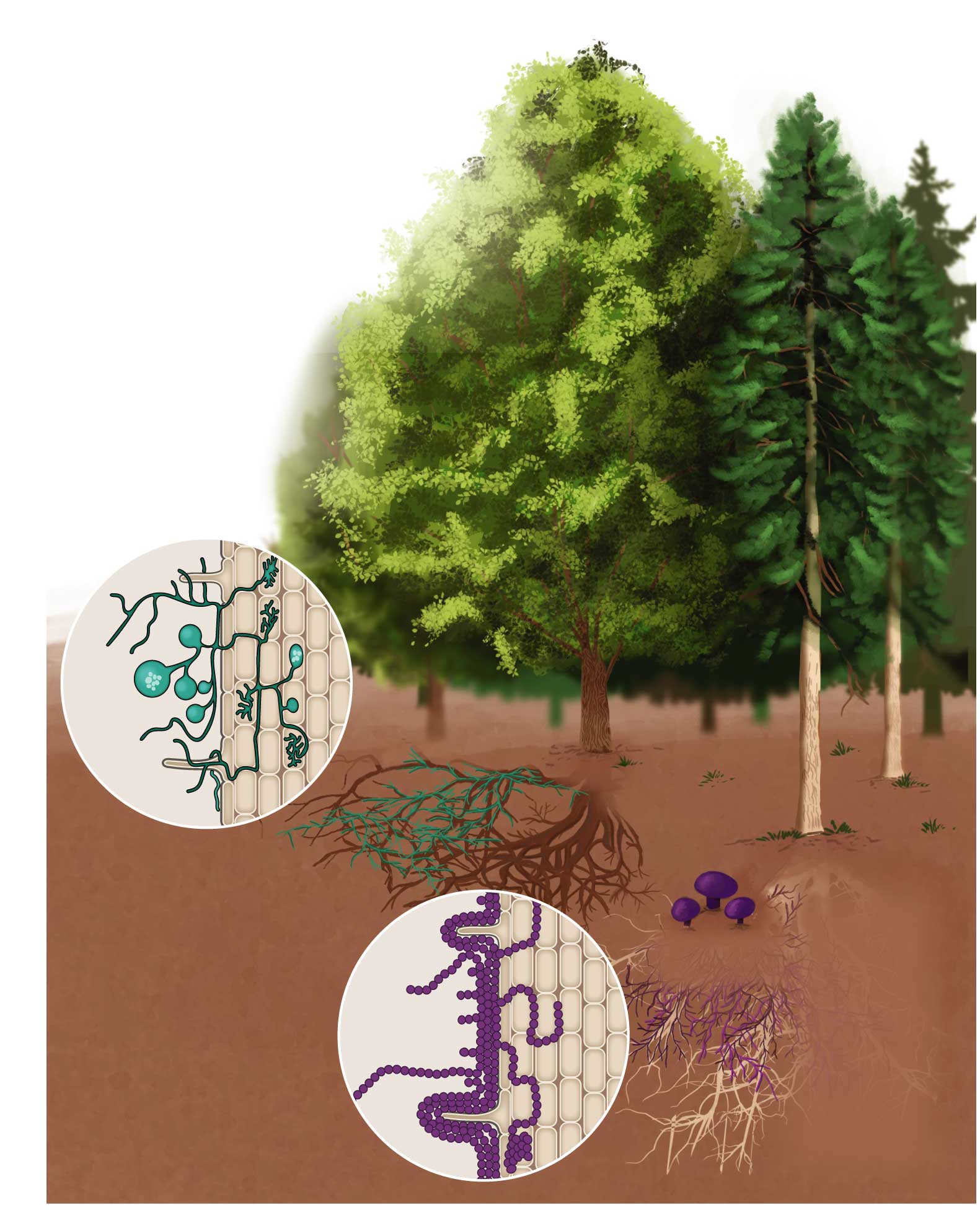
A fungal safari - A nonprofit has launched an ambitious effort to raise the profile of often invisible soil fungi
-
"‘Bees are really highly intelligent’: the insect IQ tests causing a buzz among scientists" - This stories headline should really read "Western scientists and media are highly stupid and arrogant"