tag > FFHCI
-
"Scientists discover never-before-seen brain wave after reading octopuses' minds"
"Similarity to patterns observed in the mammalian hippocampus [...] unique 2Hz activity, that were never reported in other animals."
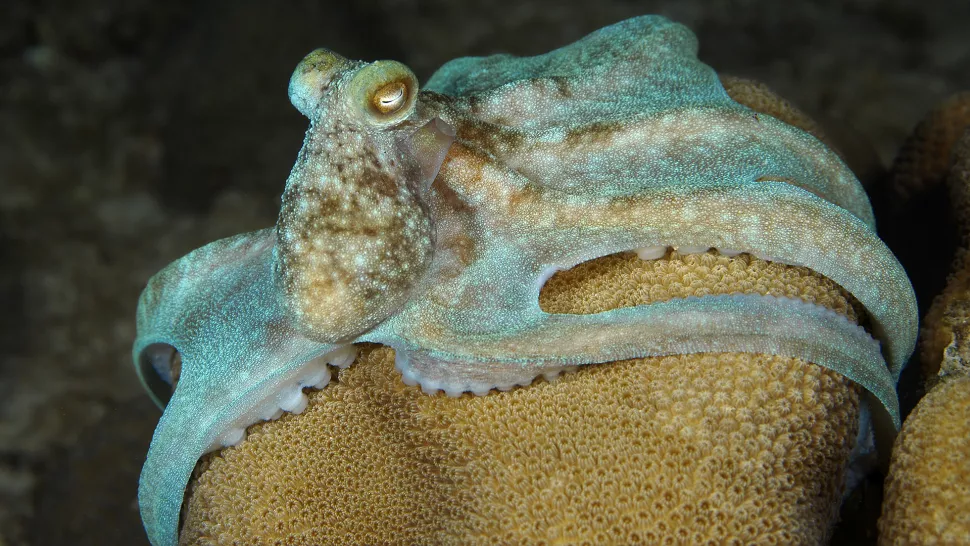
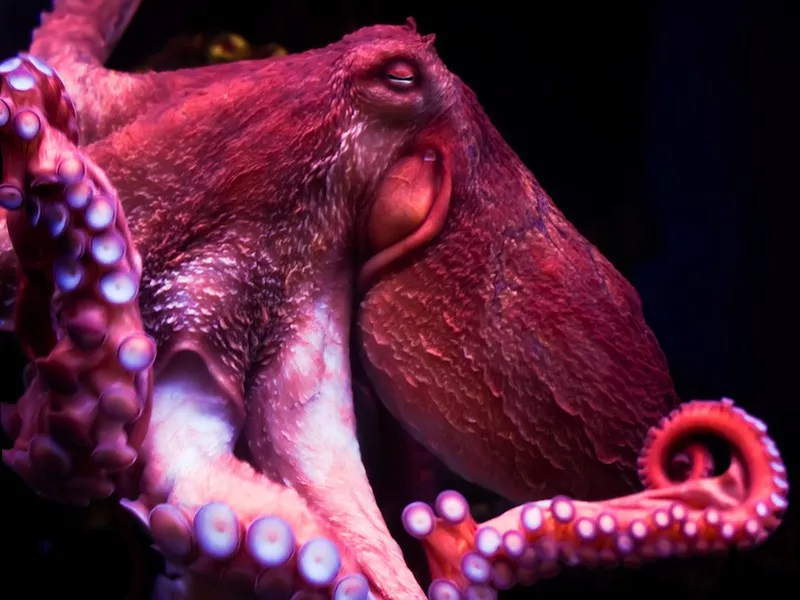
"Octopuses may be terrifically smart because of this genetic quirk they share with humans"
-
"I don't think the new electric fence is engendering the fear we intended"

-
In vitro neurons learn and exhibit sentience when embodied in a simulated game-world
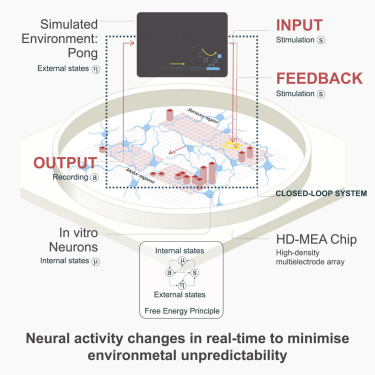
- Improvements in performance or “learning” over time following closed-loop feedback
- Learning observed from both human and primary mouse cortical neurons
- Systems with stimulus but no feedback show no learning
- Dynamic changes observed in neural electrophysiological activity during embodiment
TL;DR: Remarkably, small numbers of explanted human and mouse cells show the ability to learn and respond to artificial sensory feedback enough to play a game of electronic Pong. Something that i highlighted in EP 2 of my docu LIFE on "Neurorobotics"
-
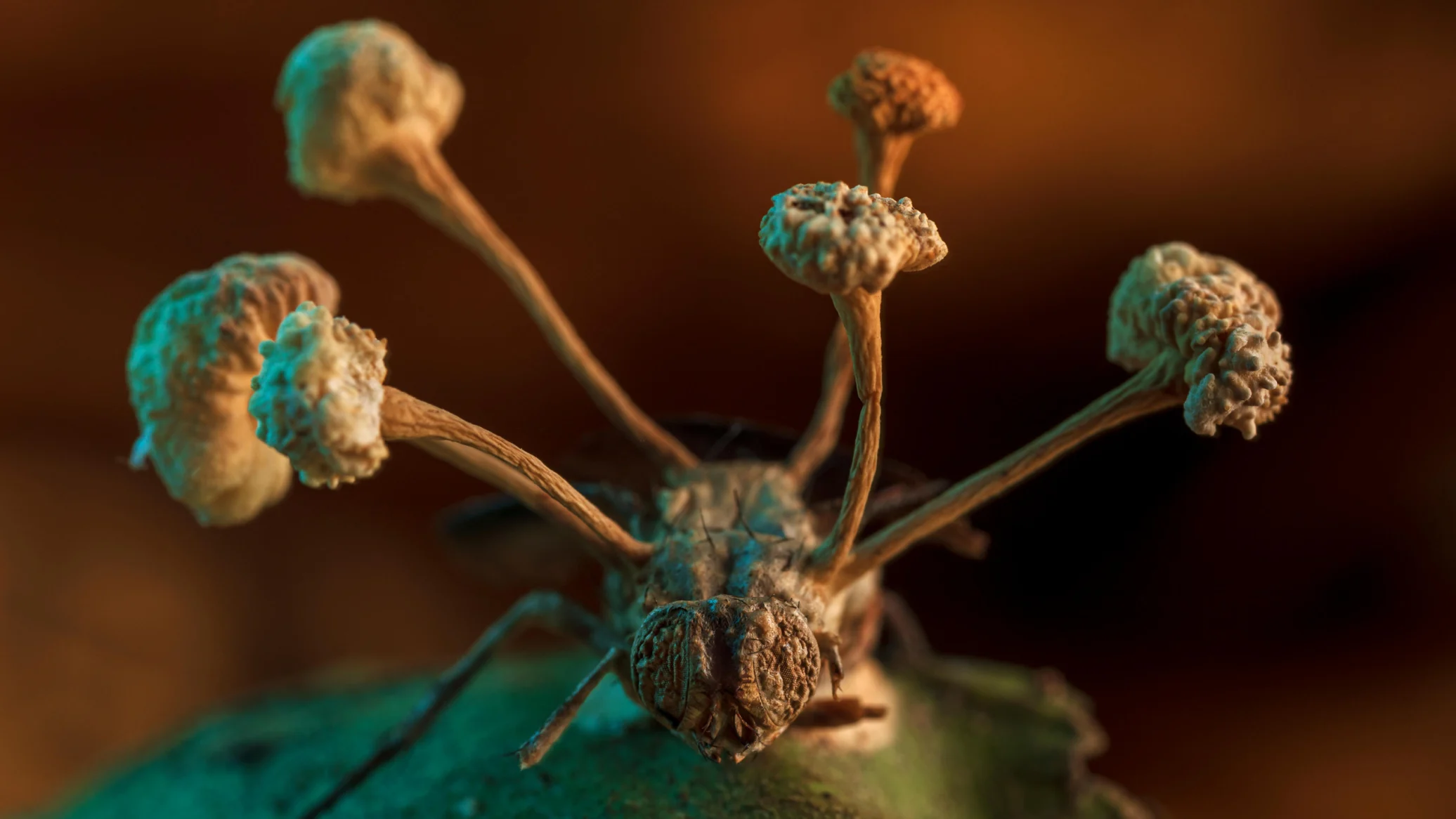
A parasitic fungus erupts from the body of a fly in the Tambopata National Reserve in Peru. Evolutionary biologist Roberto García Roa captured the shot, which won this year’s BMC Ecology and Evolution image competition. The spores of the ‘zombie’ fungus infiltrate the fly’s exoskeleton and brain and compel it to migrate to a location that is more favourable for the fungus’s growth.
-
How many ants live on Earth? At least 20 quadrillion, scientists say. For every person on Earth, there's 2.5 million ants.

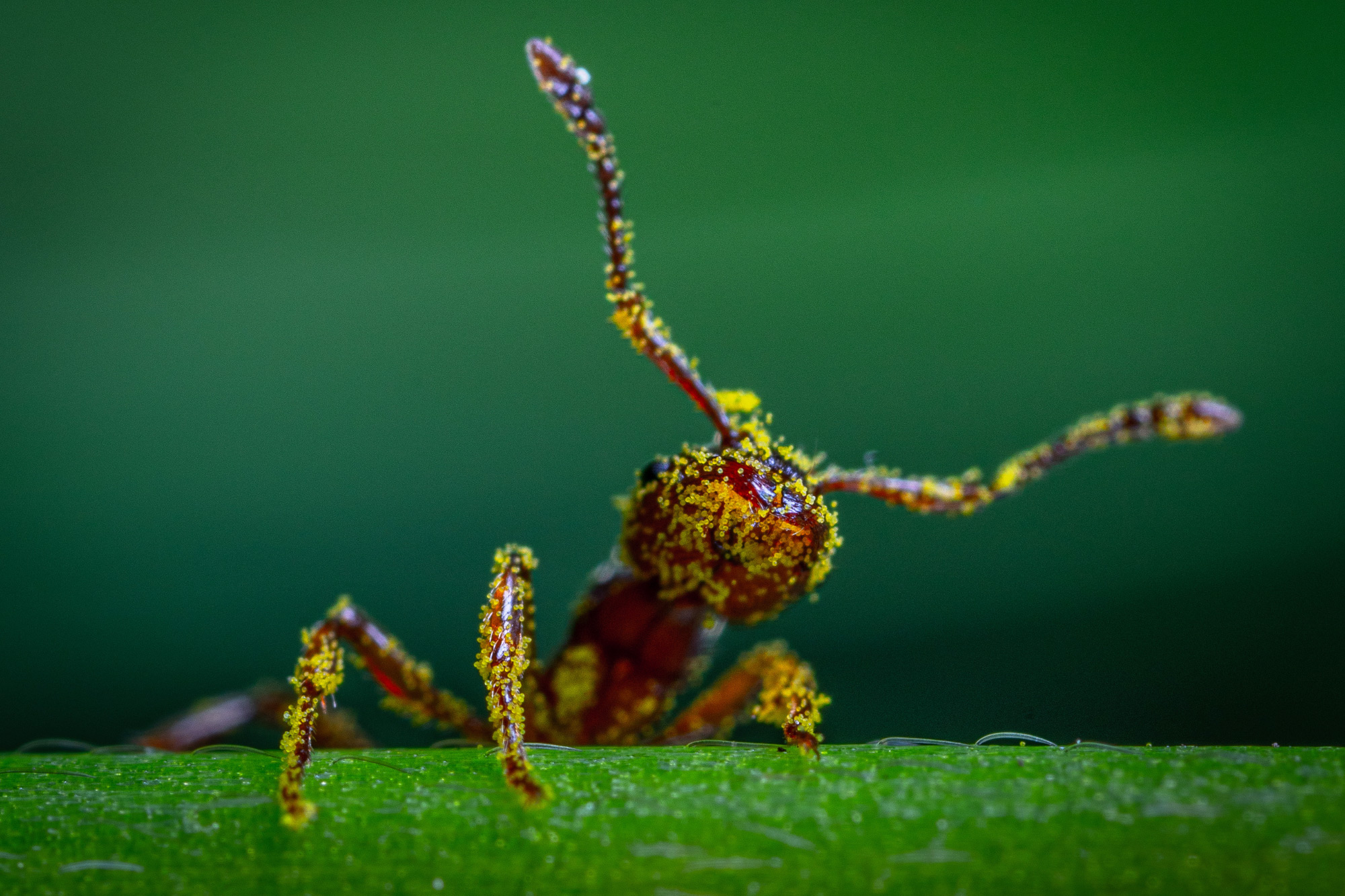
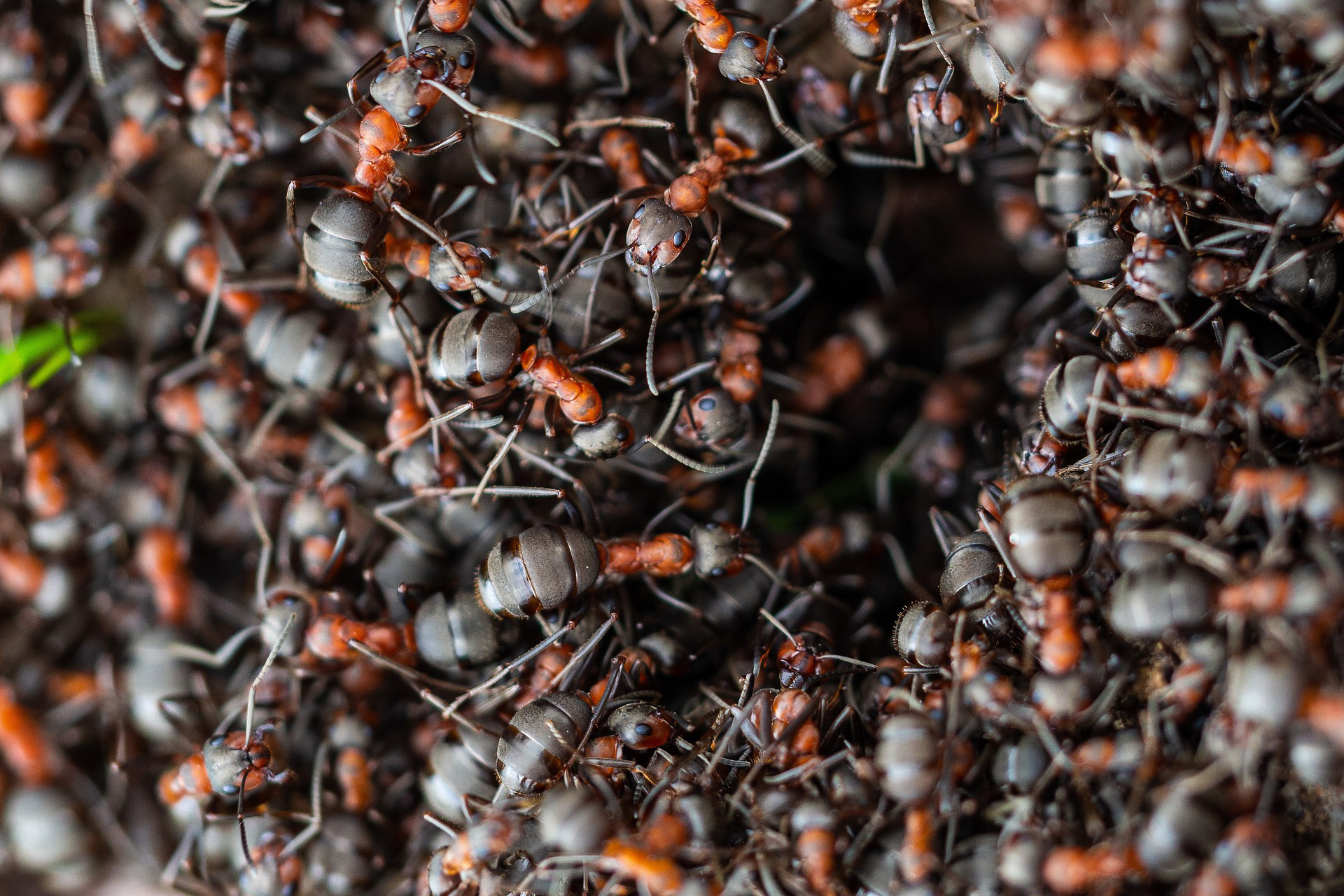
-
Technology that tangibly connects people with nature is underrated. (Photo: Forest Noise Amplifier)

-
What Octopus and Human Brains Have in Common
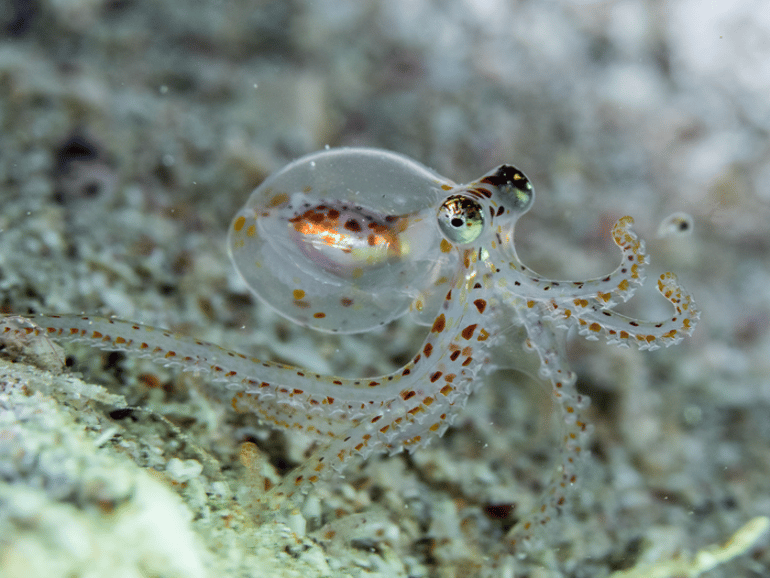
Octopuses have a massively expanded repertoire of miRNA in their neural tissue, reflecting a similar development to that which occurred in vertebrates. Findings suggest miRNA plays a significant role in the development of complex brains.
“This is the third-largest expansion of microRNA families in the animal world, and the largest outside of vertebrates”
-
Entanglement between superconducting qubits and a tardigrade
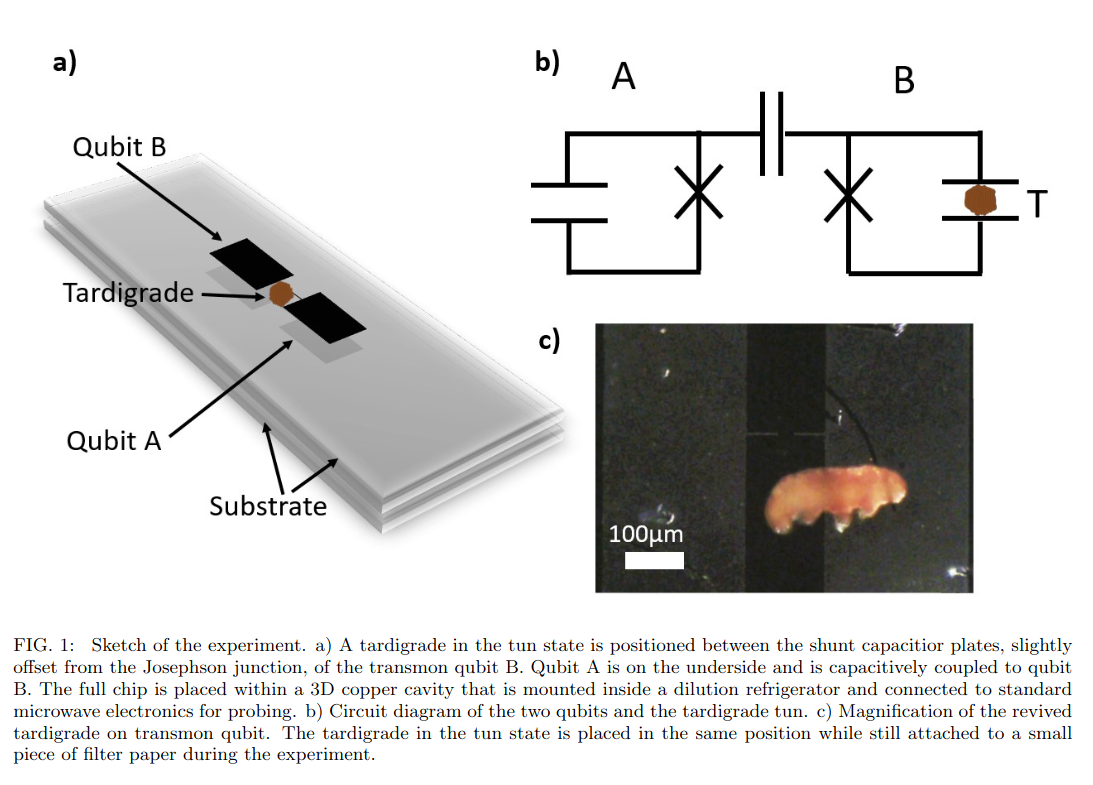
A tardigrade has become the first multicellular organism to be observed in a quantum entangled state, after scientists coupled the animal to a superconducting quantum bit (‘qubit’) and then entangled that combined system with another qubit. In the process of undergoing the experiment, the tardigrade also set a new record for survival under extreme conditions: it spent 420 hours at sub-10mK temperatures and pressure of 6 × 10⁻⁶ mbar.
-
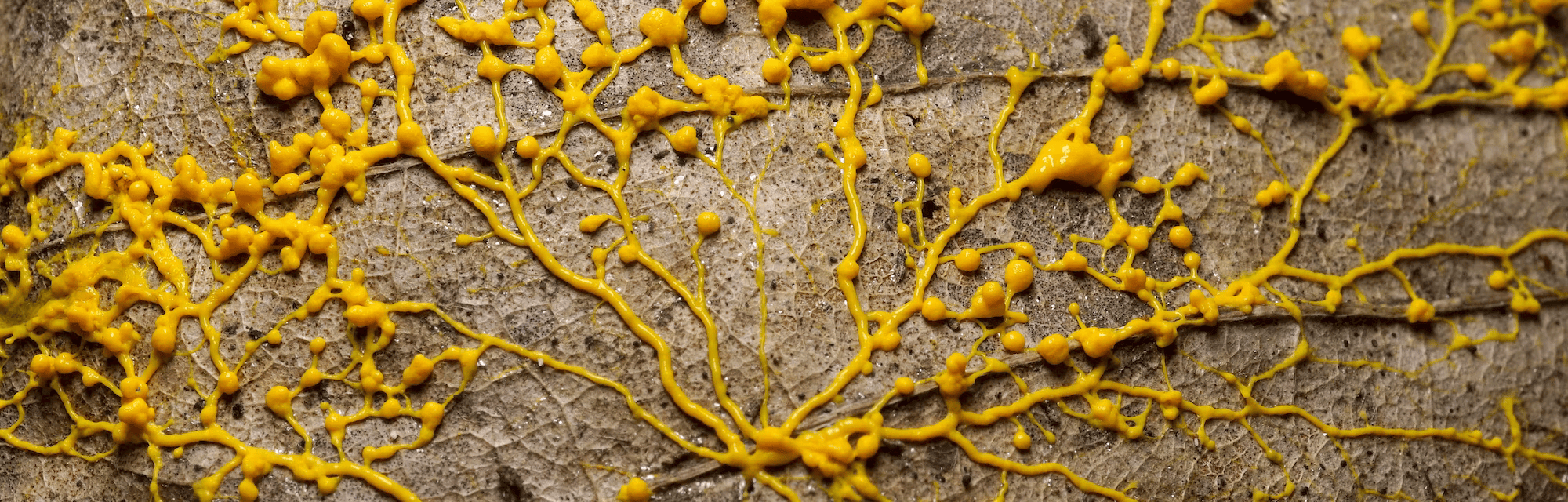
Fungal Intelligence (FI): "This gooey, brainless blob can store memories"
-
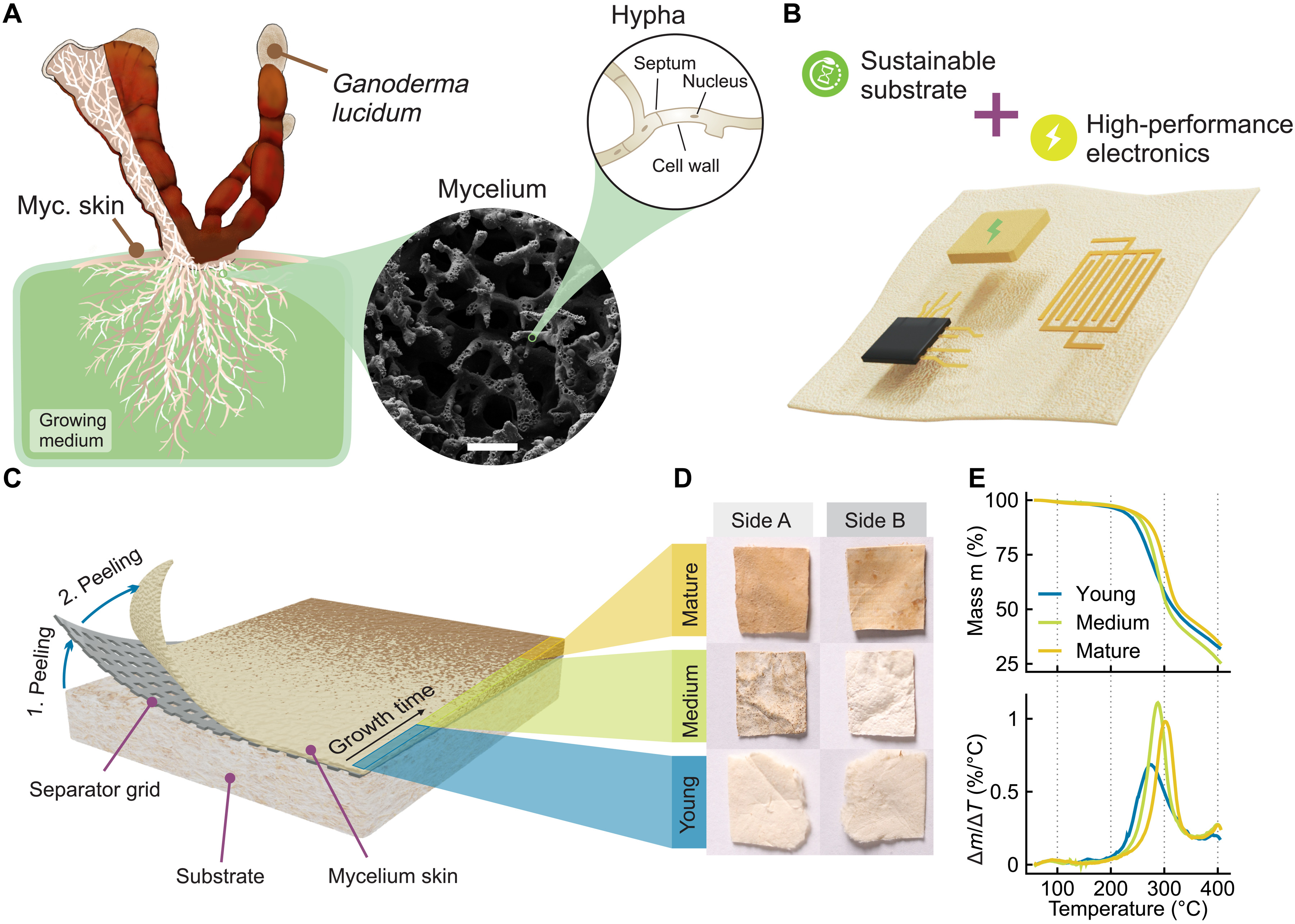
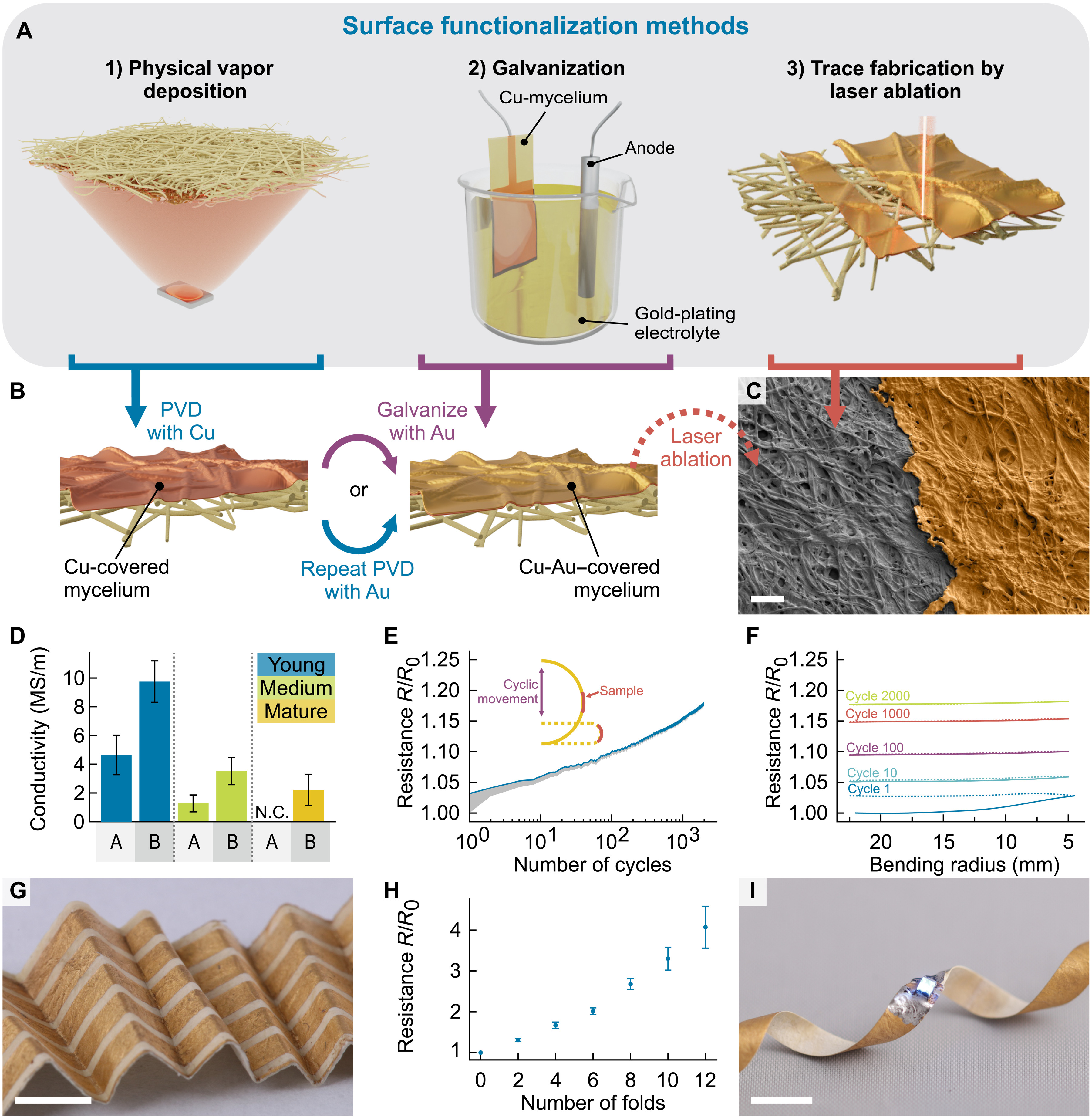
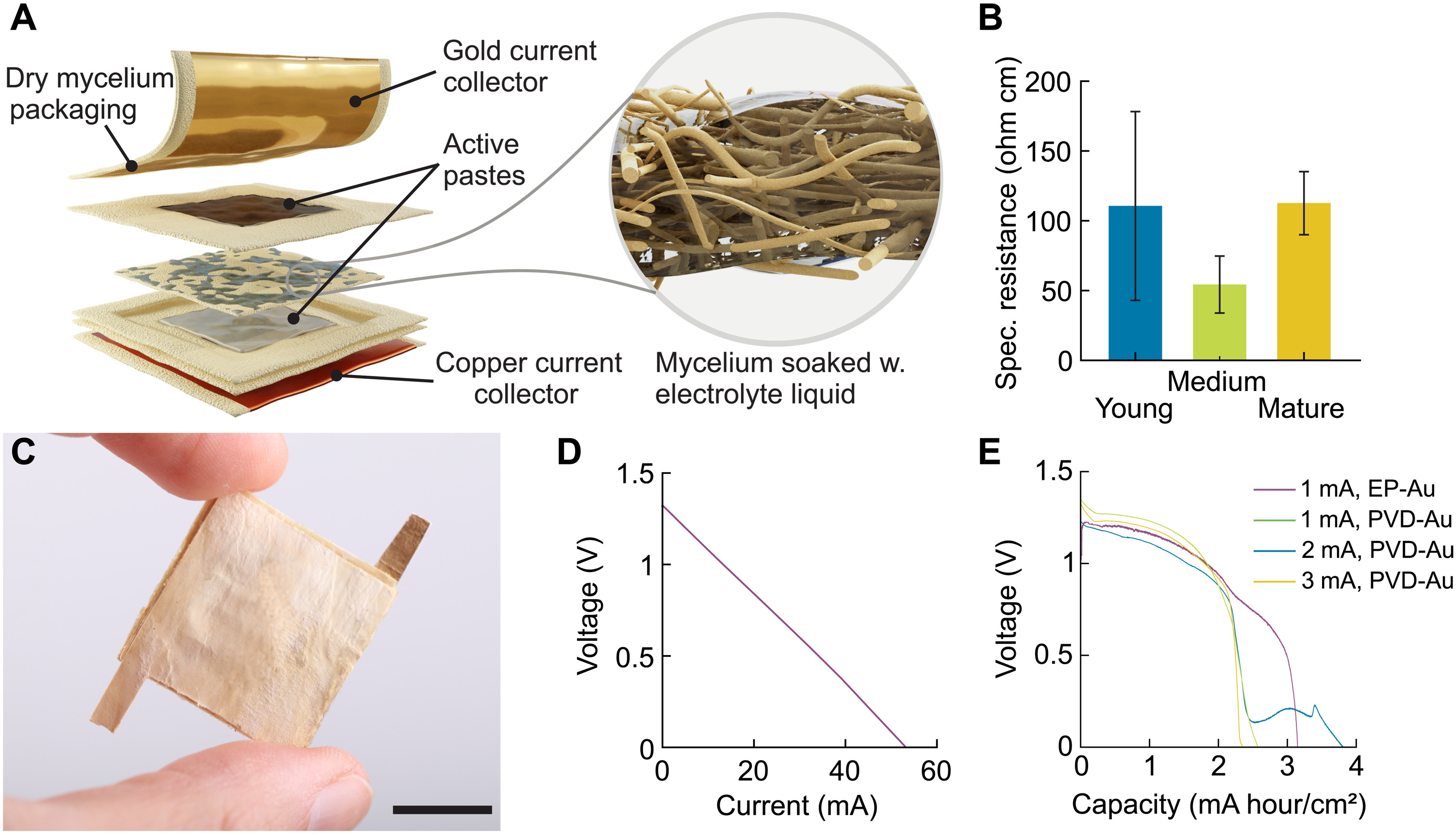
MycelioTronics: Fungal mycelium skin for sustainable electronics - A mycelium electronics hybrid device prototypes, that may improve several fields of sustainable electronics.