tag > HCI
-
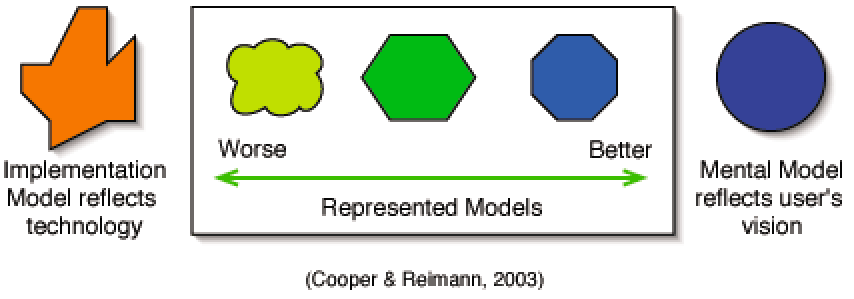
After a decade working on HCI / ML latent space exploration, I’ve noticed a big common misconception: Many believe longer exploration improves user outcomes. I argue the opposite—short, efficient interactions serve users better and should be our goal.
-
Once again, I’m contemplating a theory and praxis of technological augmentation rooted in the ancient wisdom of Qigong, Traditional Chinese Medicine, Meditation, Nature and Poetry. The need for it feels immense, yet perhaps misguided.
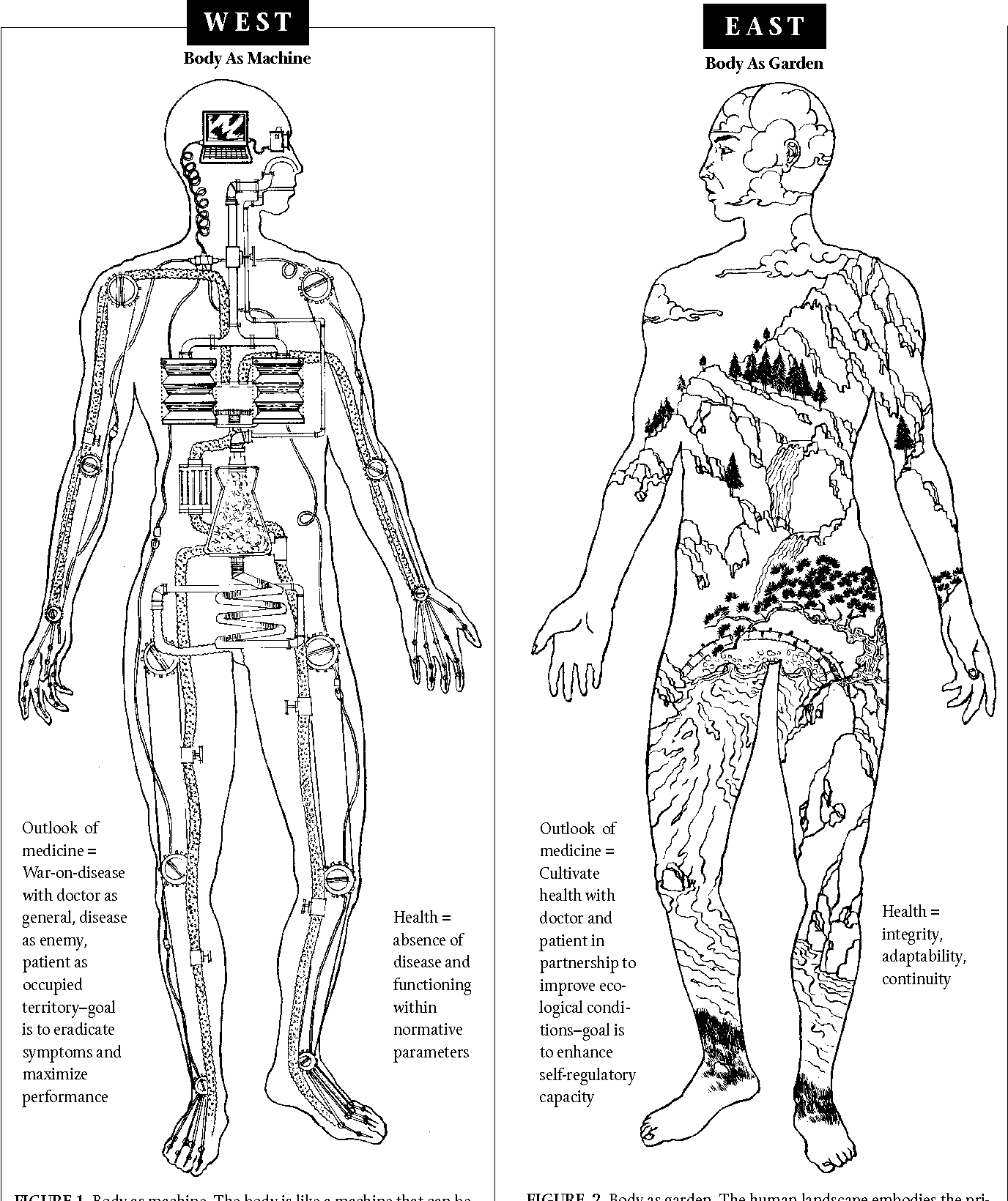
The "reality as machine" paradigm is a 19th century hangover, causing great havoc today. Embracing alternative paradigms, such as "Reality as Garden", leads to saner outcomes.
-
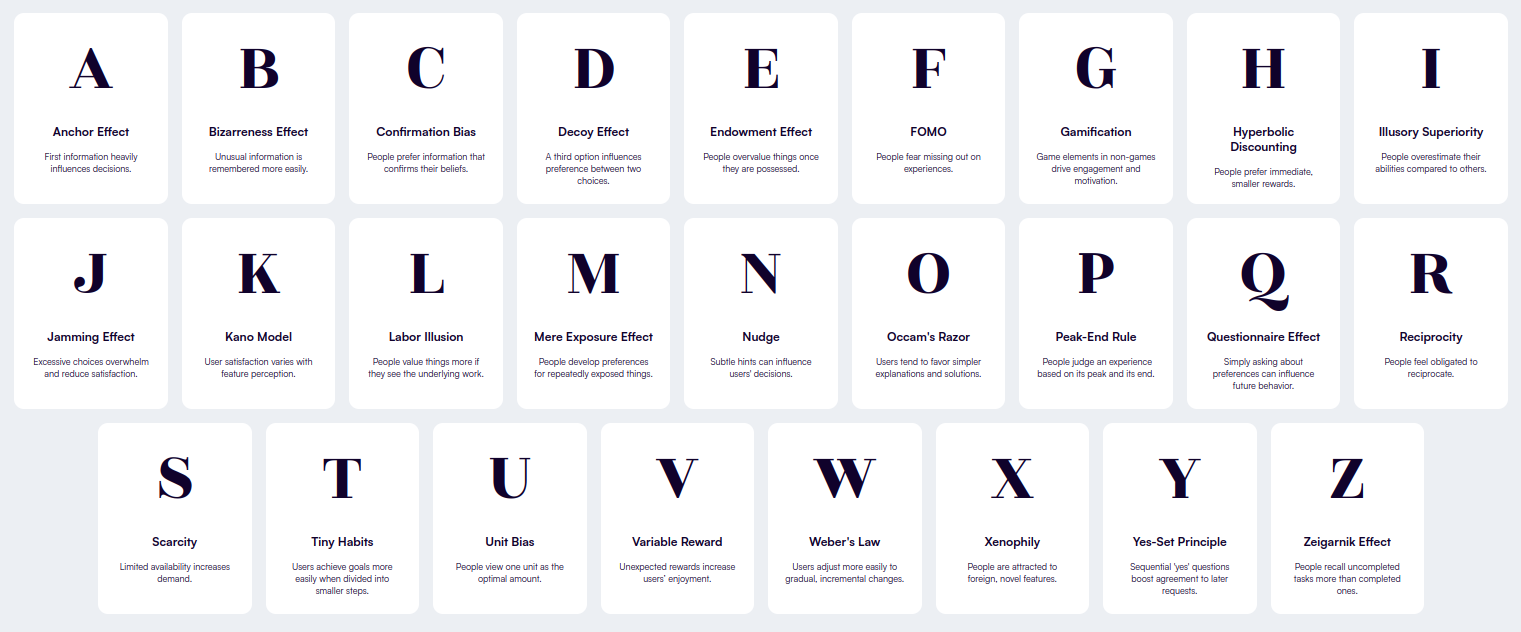
The A-Z of Product Psychology: Cognitive Biases and Principles you can use to create products people love - Pro Tip: You can ask your favorite LLM to suggest how to incorporate them into your design
-
Nintendo completely sat out the video game graphics wars. It’s winning anyway. What Nintendo lacks in fancy pixels, it makes up for in dopamine. That’s why it basically prints money.

Nintendo is a money machine. It’s been raking in more than $10 billion in revenue (more than 1.6 trillion yen) annually for the past several years, and its profits have grown sharply, topping out at about $3.3 billion in the fiscal year ended March 2024.
According to NYU Professor Joost van Dreunen, it’s more accurate to look at Nintendo as a toy company rather than a gaming one. “If you look at Nintendo as a company, it's over 100 years old,” “It originally started as a trading-card game company,” he said, “and over the years really just identified itself as a toy maker. So everything that they do is colorful, it's accessible, it's fun. It's very easy to get into. Maybe not necessarily easy to master, but it's easy to get into their games.”
Instead of innovating on technology, Nintendo has mastered the dopamine-reward system. You get out of a Nintendo game exactly what you put into it. The actions you take in their games feel good and natural.
The misleadingly basic gameplay mechanics of today’s Nintendo games are the very same that launched the company into the sales stratosphere in the late 1980s and early ’90s. Press A to jump. Press B to punch. And if you press A to jump and then press B in the air, you perform a separate third move. That is to say that the B button behaves differently depending on the circumstance the character is in. It sounds remedial today, but the mechanics were so successful back then that entire franchises were born out of copying it.
-
Vagus Nerve & HCI
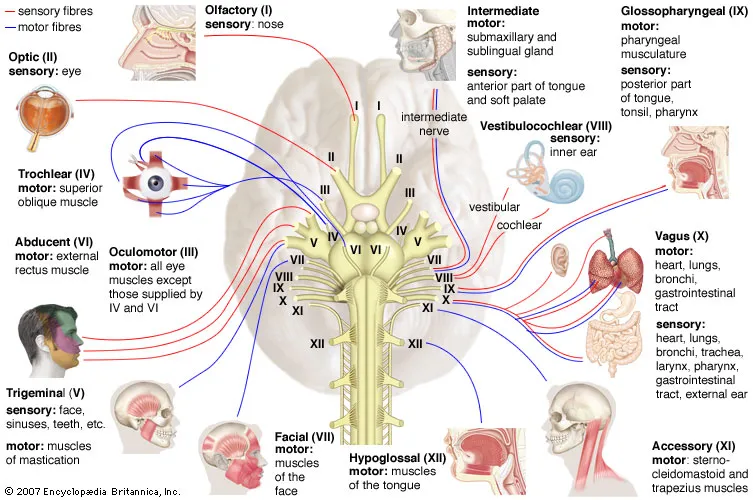
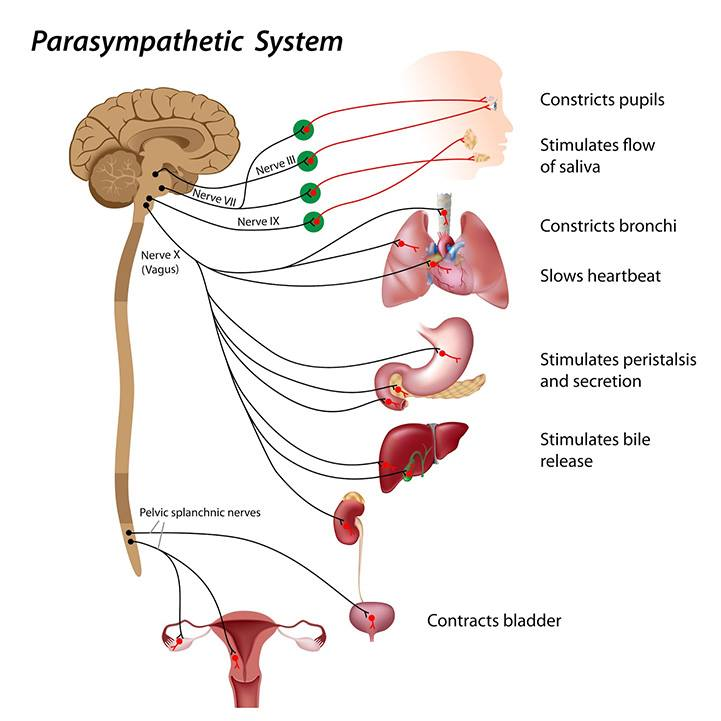

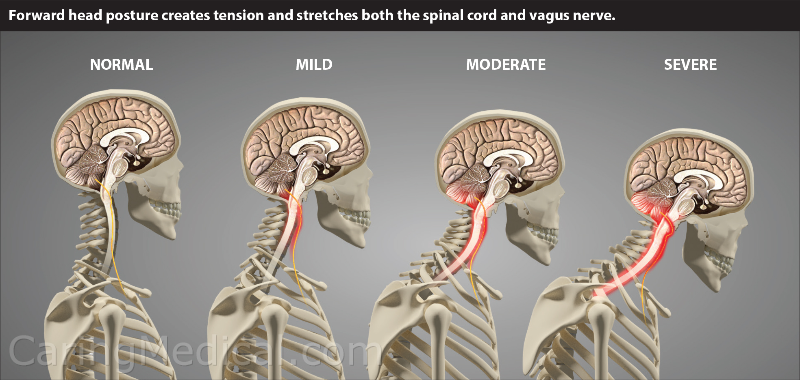
Prolonged use of computers and mobile devices often results in poor posture, negatively impacting the vagus nerve and triggering various health issues. Surprisingly, this critical HCI concern has been largely overlooked and remains unaddressed.
-
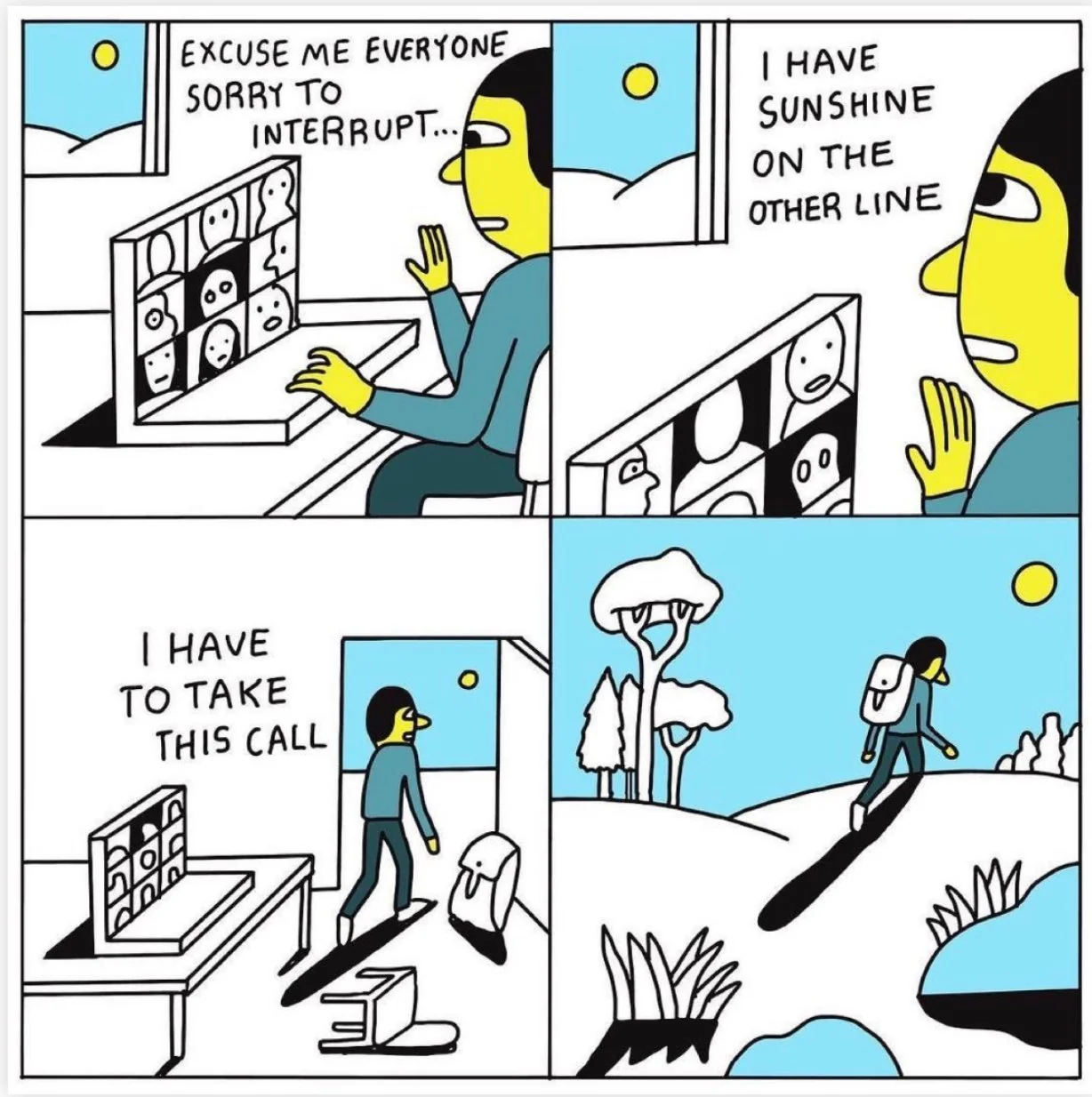
In the AI/UX/HCI field, it's inherently assumed that increasing computer usage is always beneficial. Few have the courage to challenge this status quo & explore how smarter machines could help us use computers less, freeing up more time for people & nature.
#ML #HCI #Design #Comment #Ideas #Augmentation #Automation #Economics
-
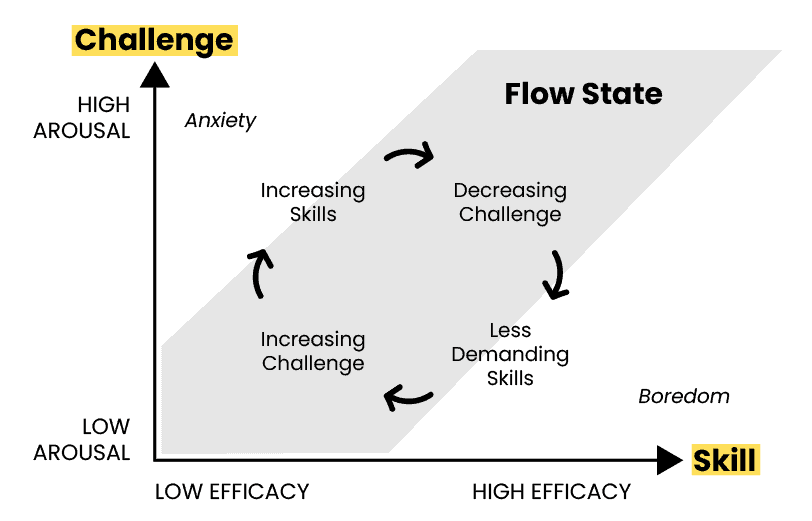
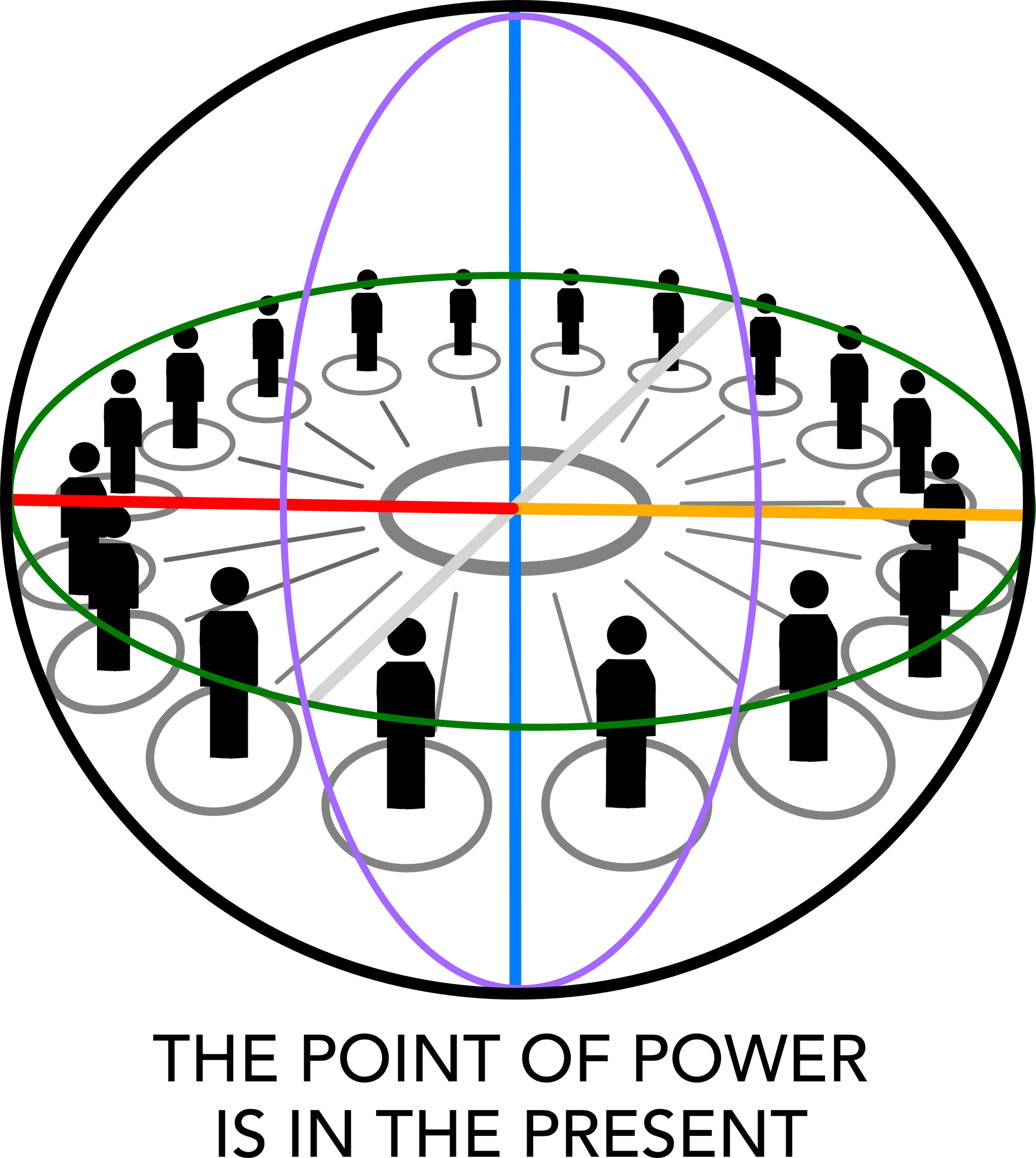
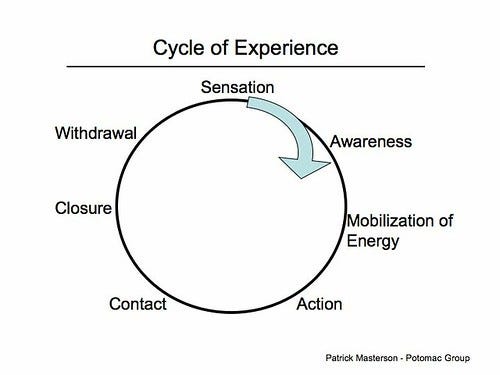
A crucial yet often overlooked aspect in software UX/HCI experience design is "Presence" (P): the depth and duration of user immersion, flow and present-moment awareness while using the software. Game designers have optimized for P for ages—why not other software fields?
-
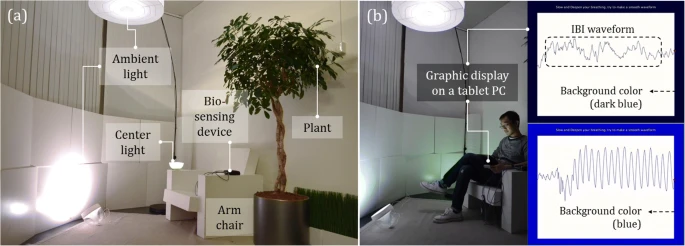
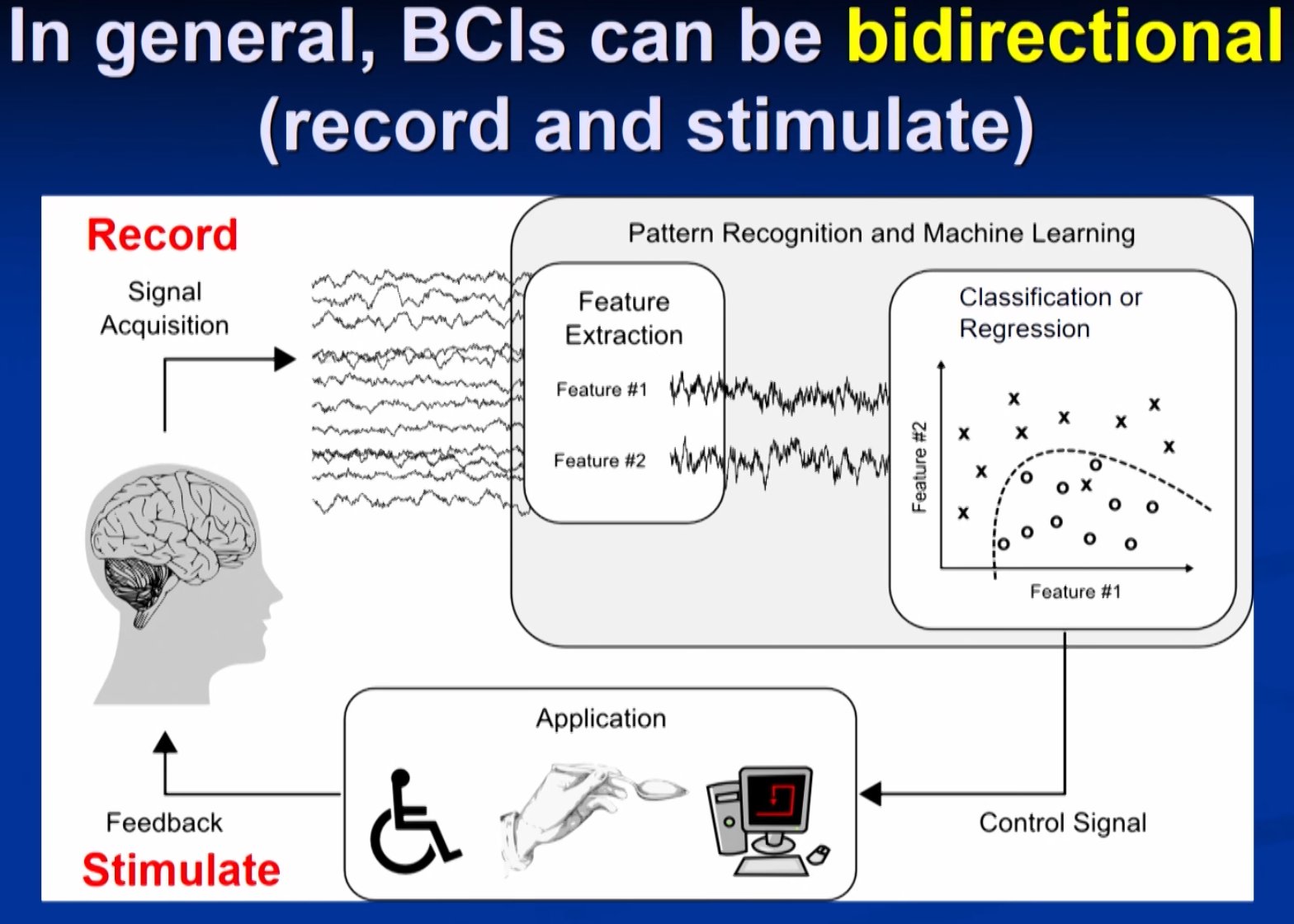
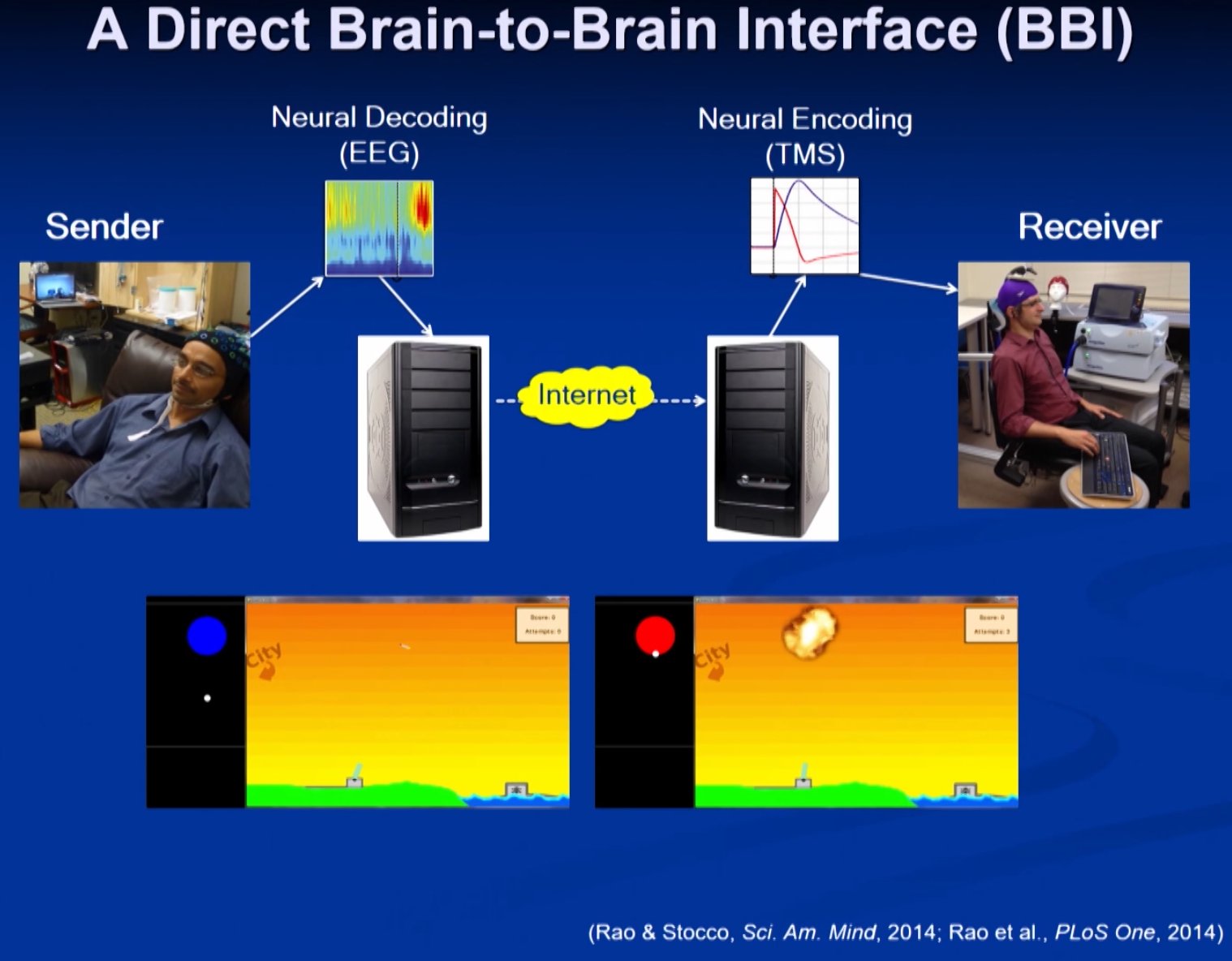
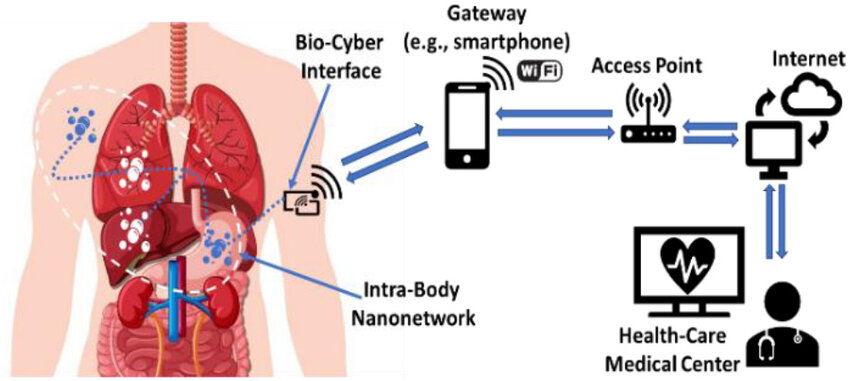
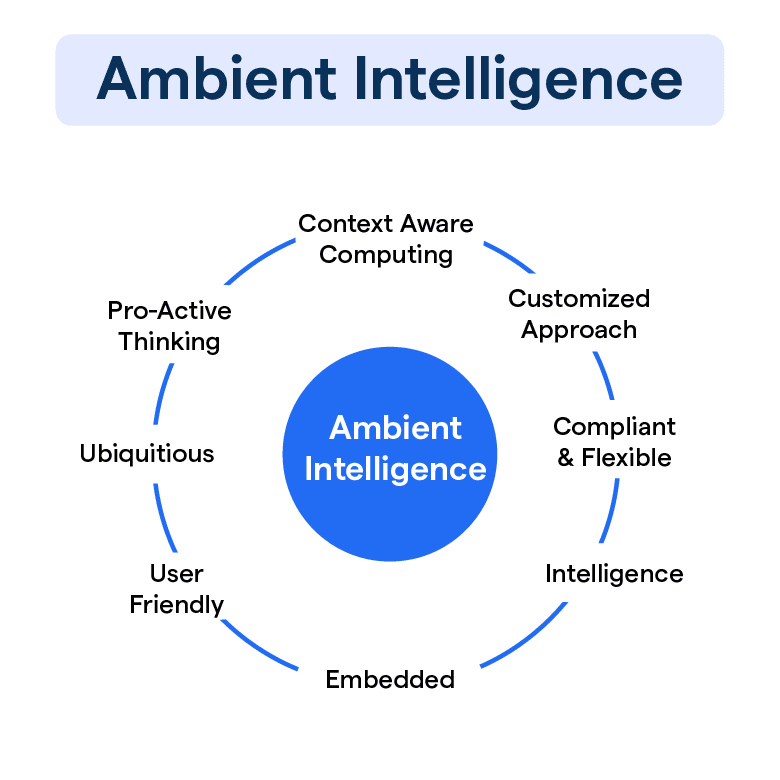
The iminant future of HCI/AI will be heavily defined by bidirectional Brain-Computer Interfaces (BCI), Brain-to-Brain Interfaces (BBI) and ubiquitous sensors, all hooked up to the Internet of Bio-Nano-Things (IoBNT) that guides pervasive and unobtrusive ambient intelligence.
-
Exploring Generative Design Spaces
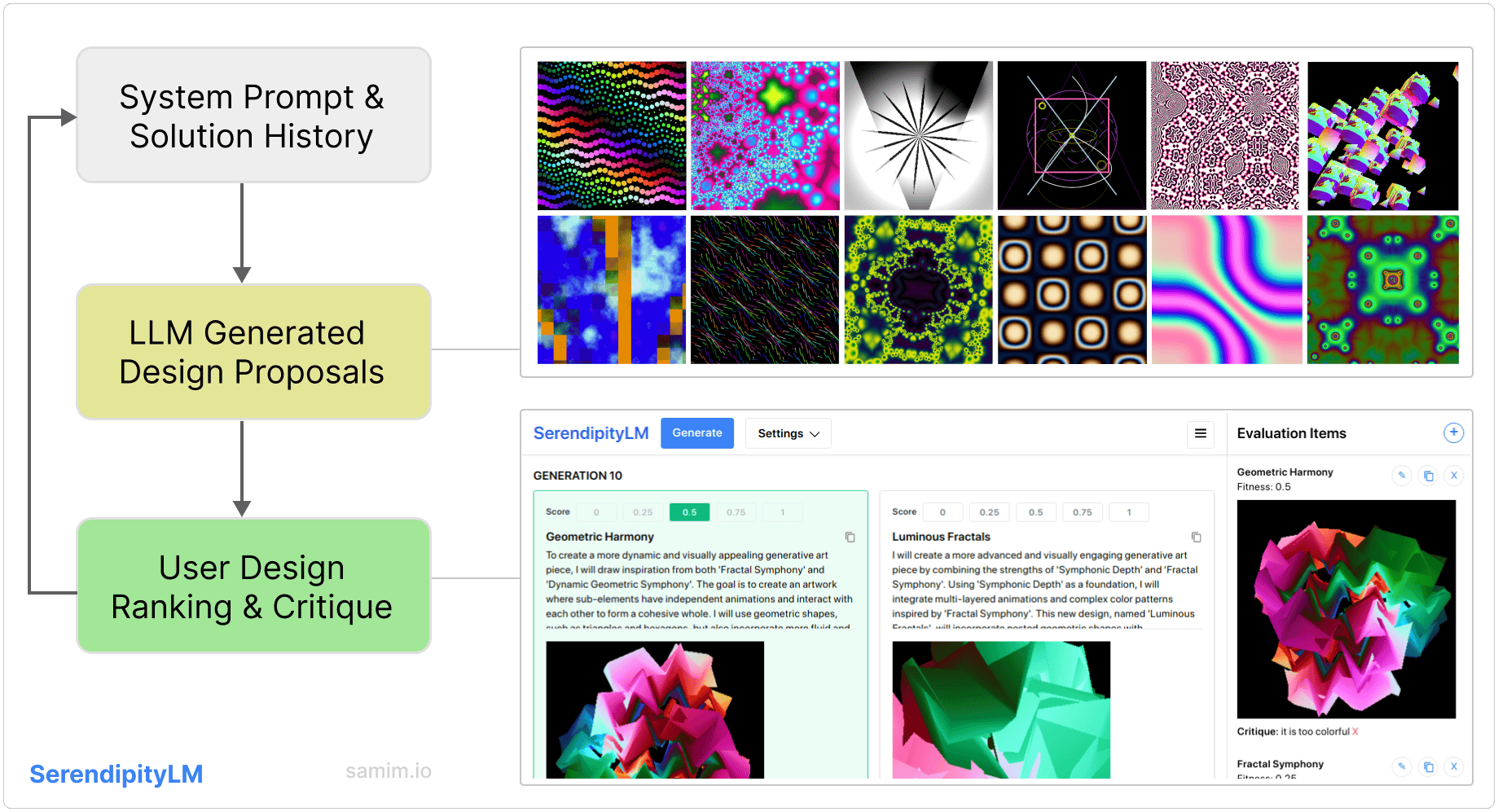
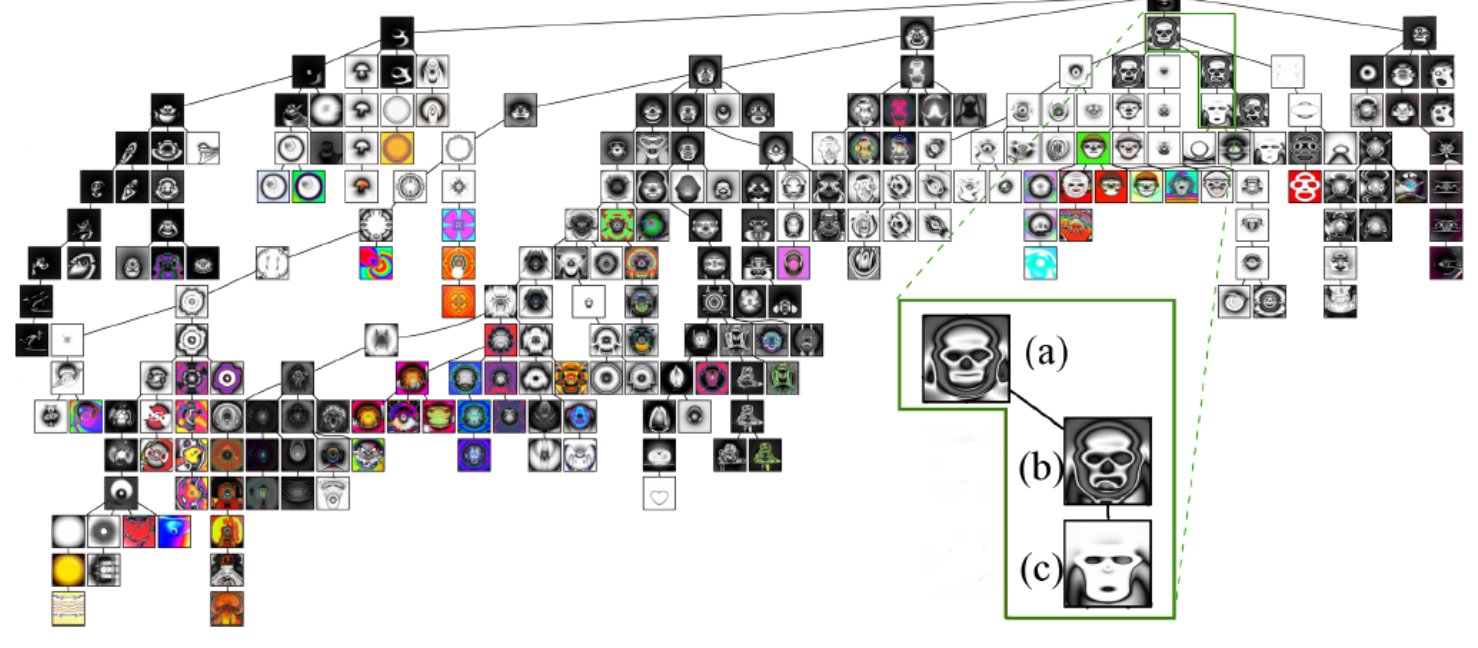
A primary HCI challenge of generative ML systems in creative settings is that the design possibility spaces that users are exploring are extremely large. Naive approaches - like manual prompting - do not scale. "Serendipity engineering" is still in its infancy.
It's fascinating that the Picbreeder experiment - A case study in collaborative evolutionary exploration of design space - which started in 2007 by @kenneth0stanley et al is still highly relevant and cutting edge today.
-
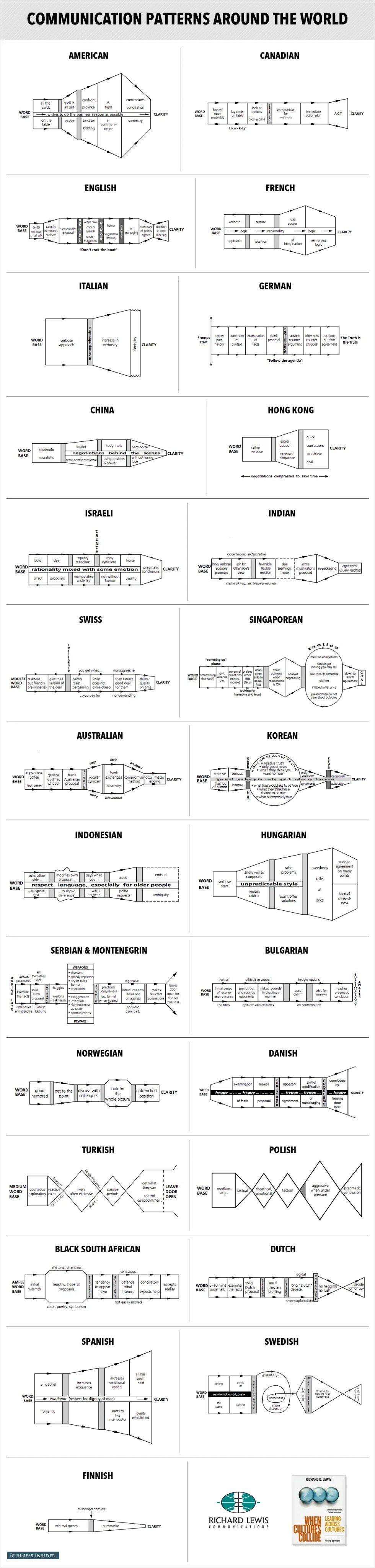
Computers that auto-translate languages were early signs of the coming communication revolution. Today, it is becoming possible to capture and translate complex contextual meanings and making cross-boundary communication truly effective.
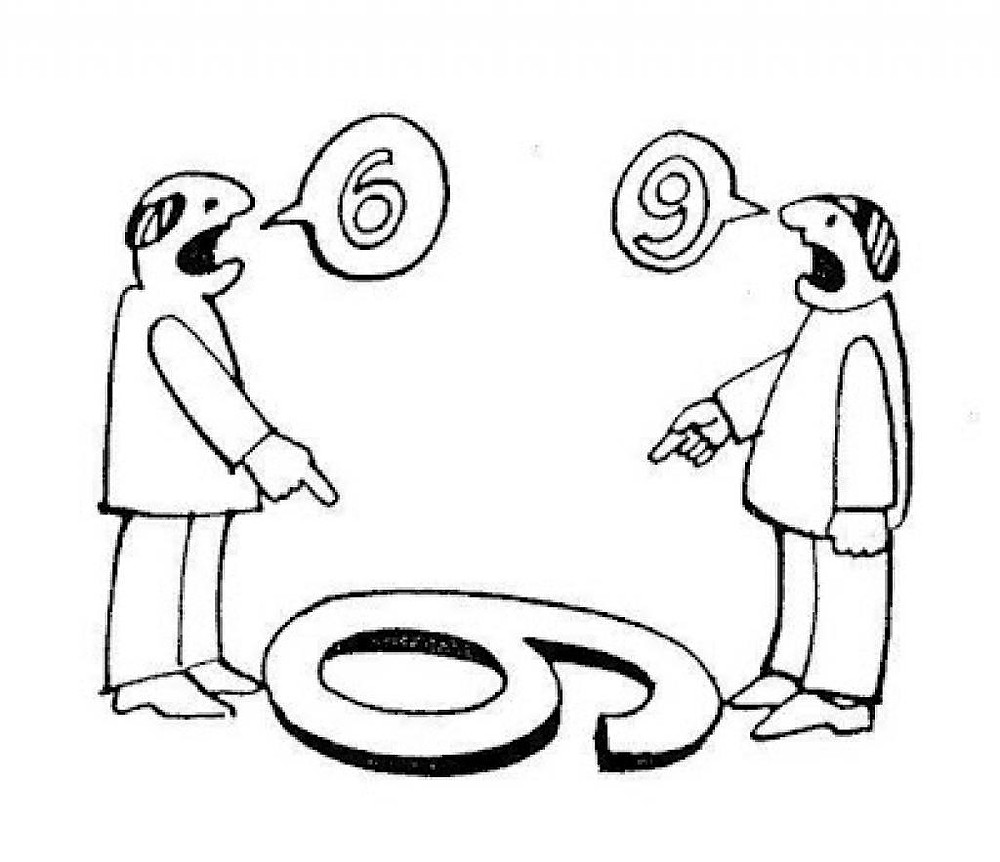
Generative AI is fueling a communication revolution, the media artefacts are just fun side effects. It will fundamentally redefine how people express themselves and relate to each other. For example, translate will expand from lingo2lingo now, to complex cultural context2context

"Turning points in human consciousness occur when new energy regimes converge with new communications revolutions, creating new economic eras." - Jeremy Rifkin
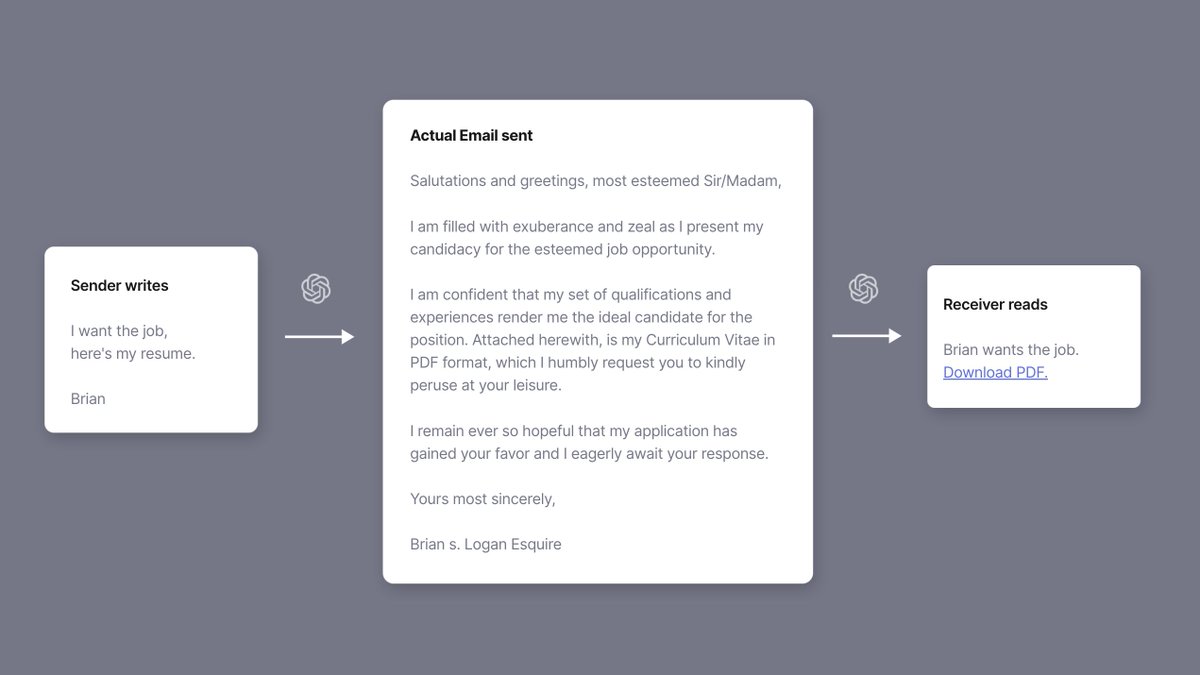
The future of email with ChatGPT
Anthony Burgess on translation

-
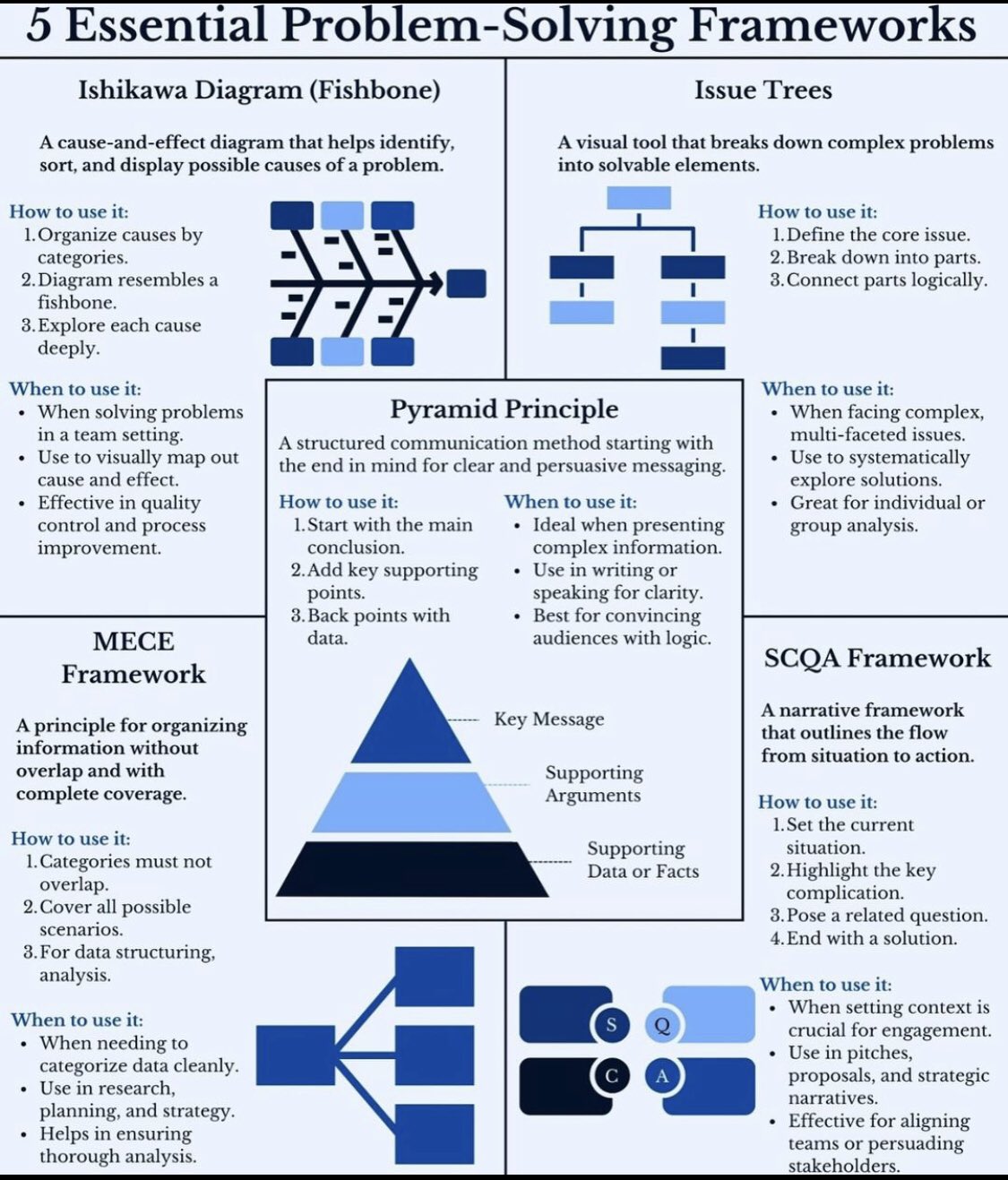
It's very useful and kind of magical, that LLM's can take any text and generate a Ishikawa diagram out of it, that show the potential causes of a specific event.

-
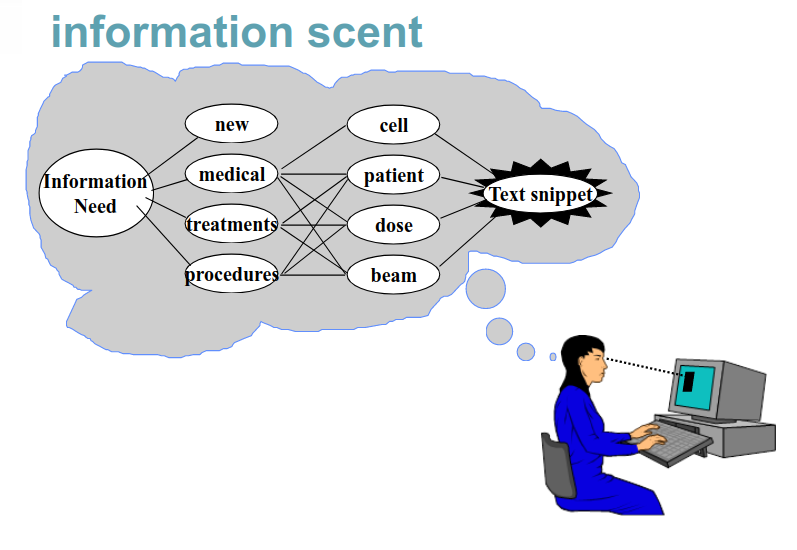
Information Foraging and Information Scent are poorly understood mechanisms how lifeforms navigate massive, complex search spaces efficiently.