tag > HCI
-
Thinking about Practices - by Caminao (2013)
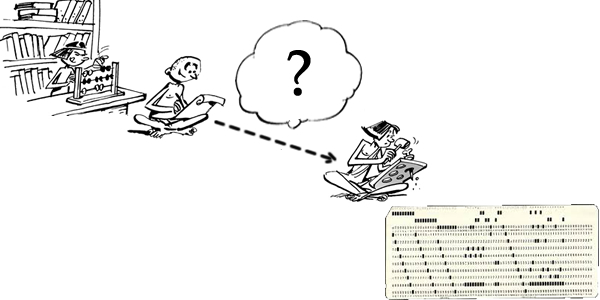
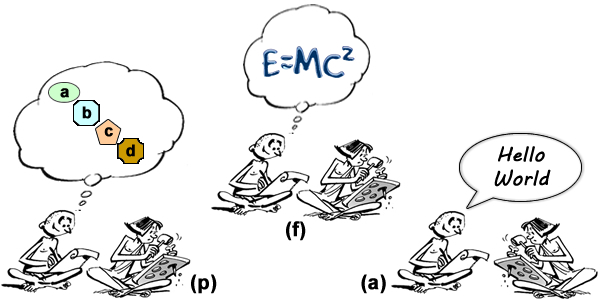
A theory (aka model) is a symbolic description of contexts and concerns. A practice is a set of activities performed in actual contexts. While the latter may be governed by the former and the former developed from the latter, each should stand on its own merits whatever its debt to the other. "Good practices hold sway without showing off theoretical subtext" - D.Chiparus.
-
Intuitionism in the Philosophy of Mathematics
Intuitionism is a philosophy of mathematics that was introduced by the Dutch mathematician L.E.J. Brouwer (1881–1966). Intuitionism is based on the idea that mathematics is a creation of the mind. The truth of a mathematical statement can only be conceived via a mental construction that proves it to be true, and the communication between mathematicians only serves as a means to create the same mental process in different minds.
-
"I am not a tekkie; I call myself a systems humanist." - Ted Nelson
-
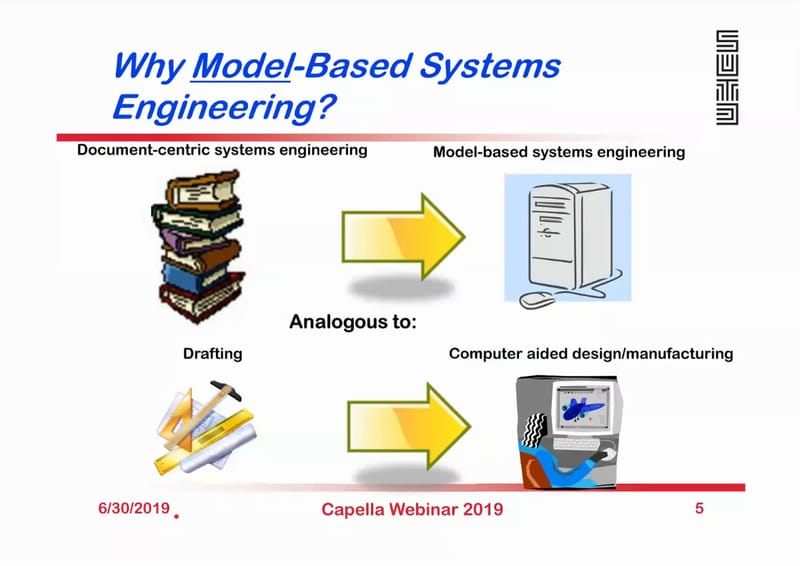
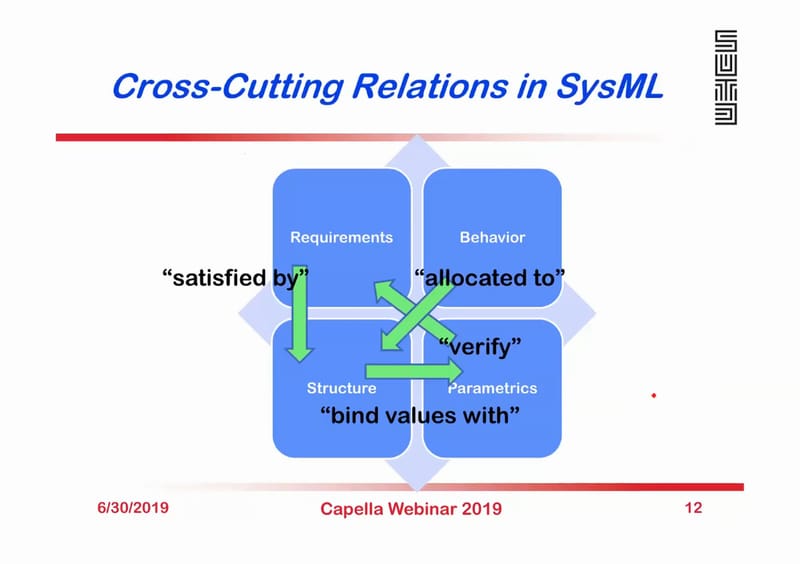
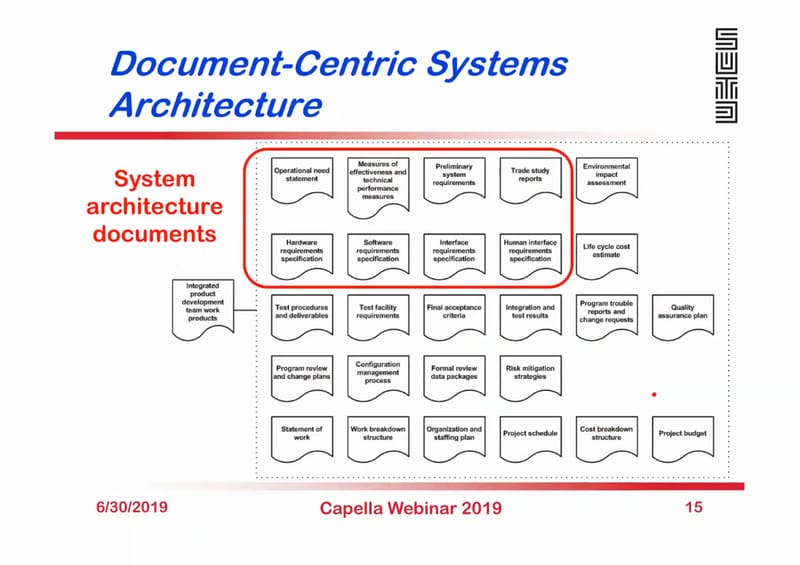
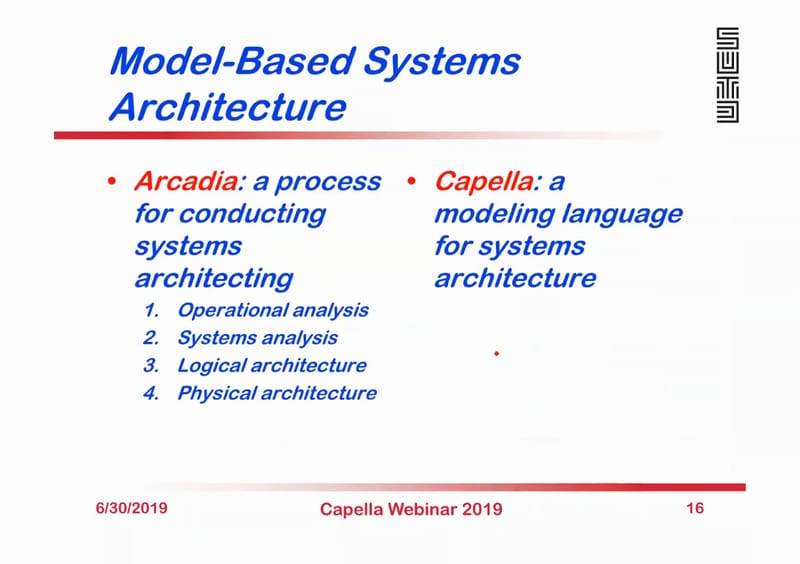
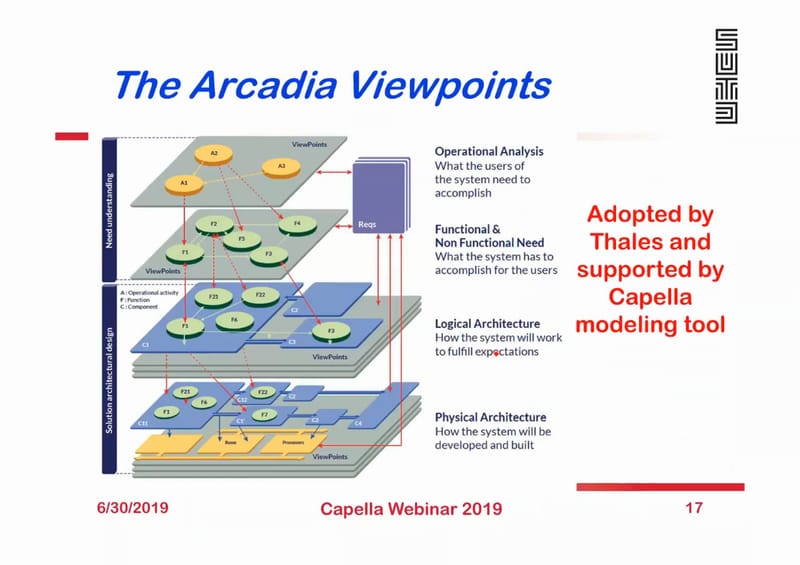
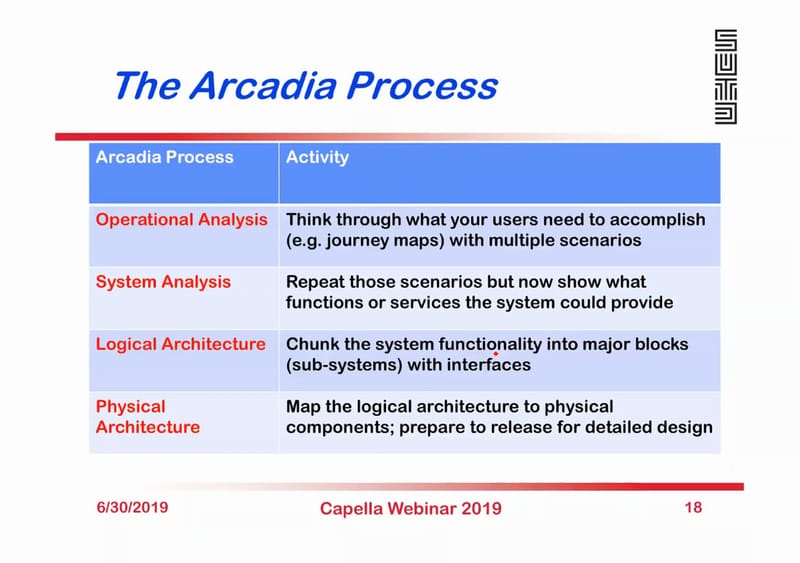
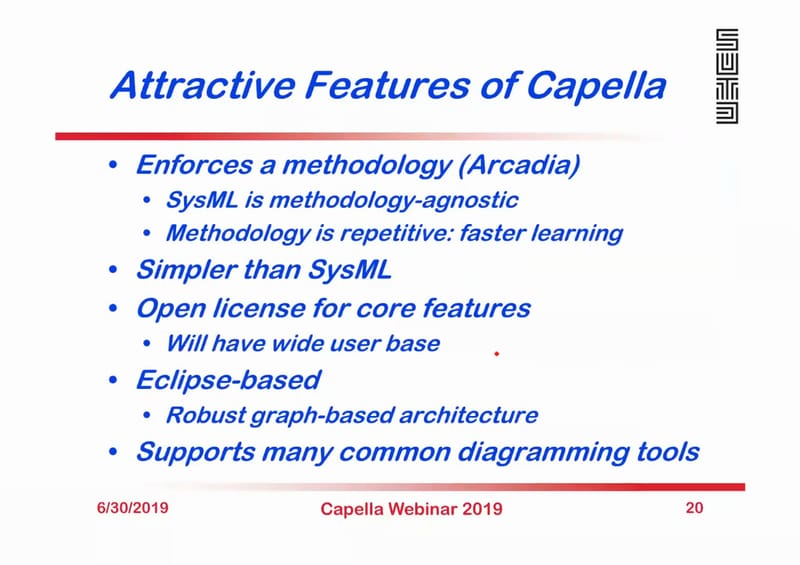
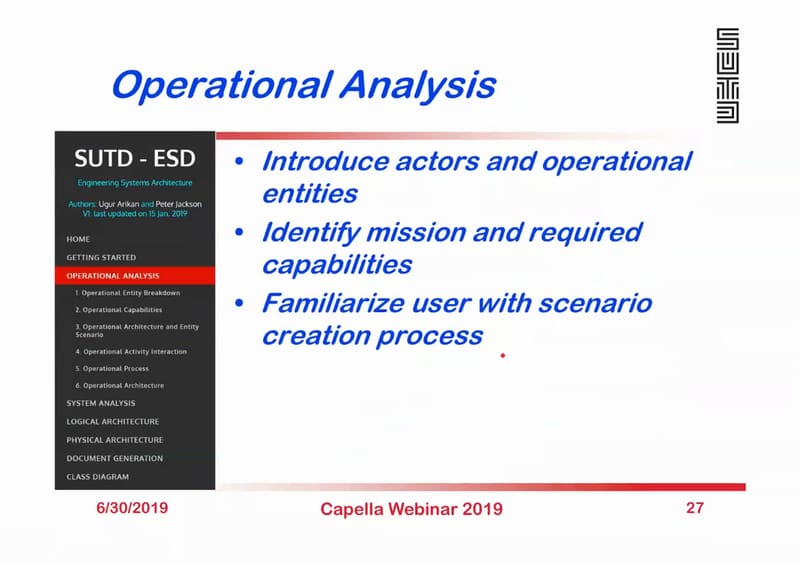
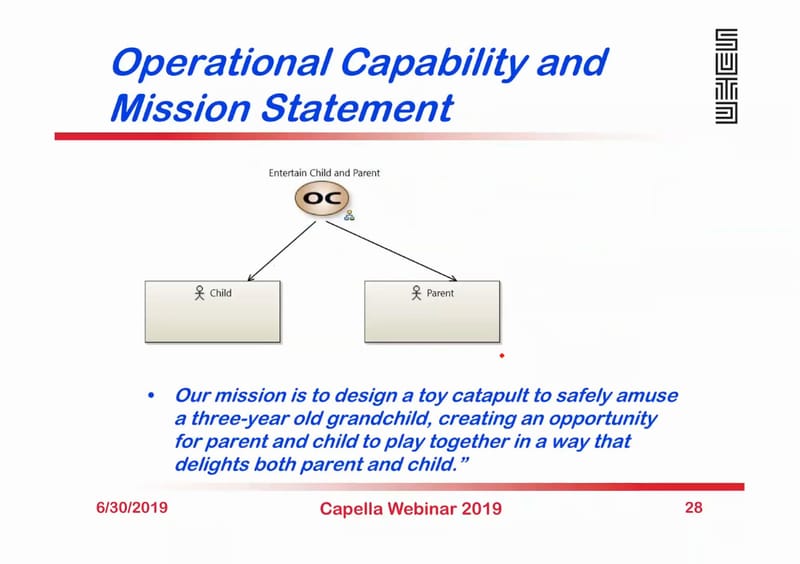
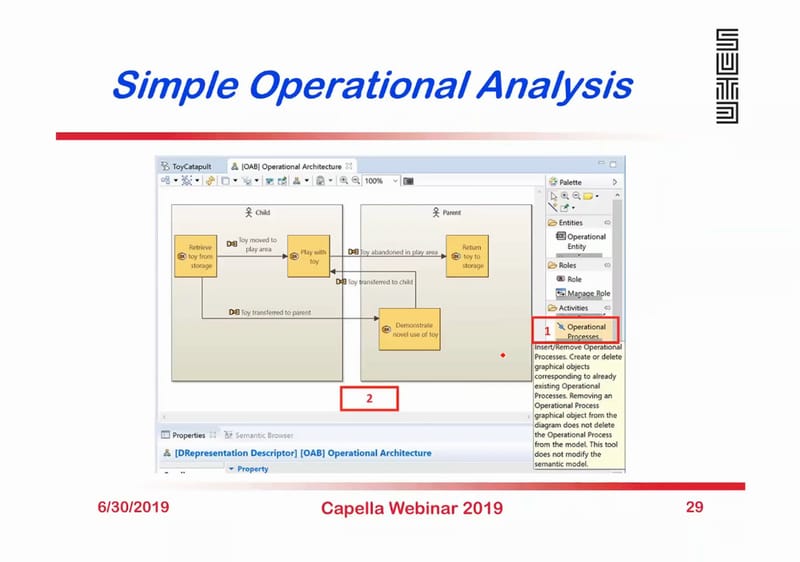
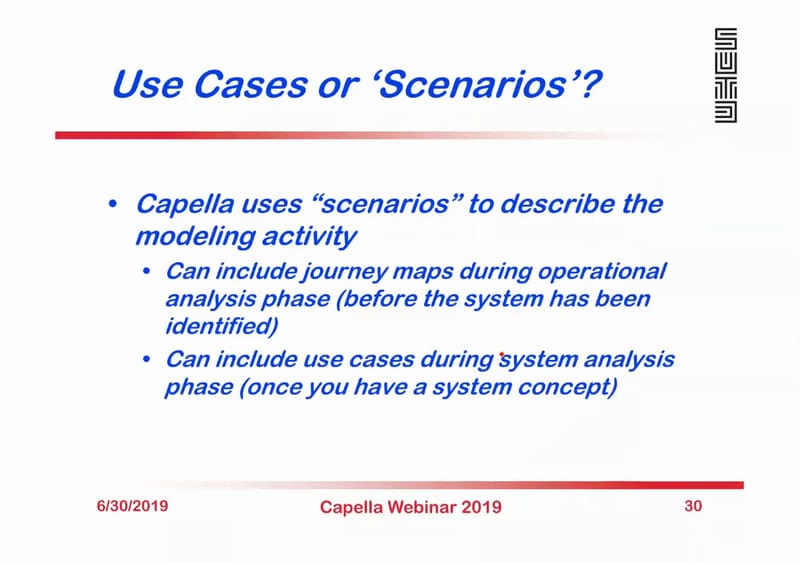
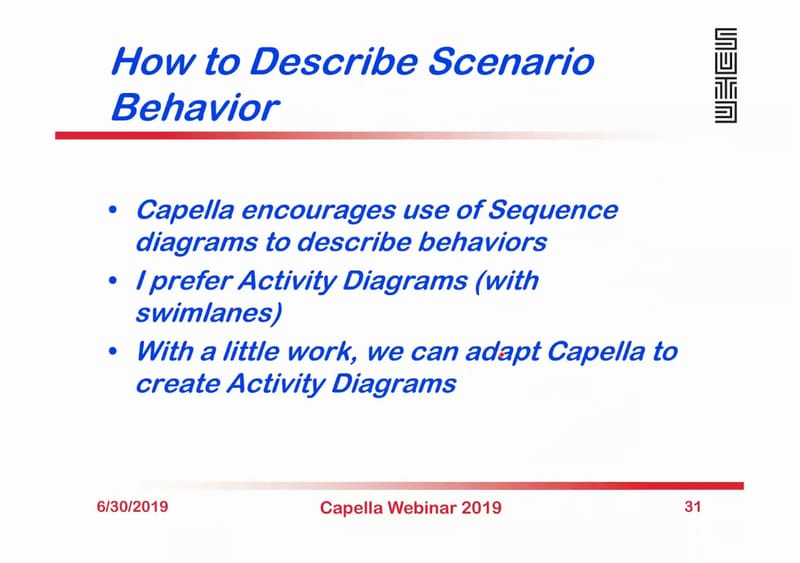
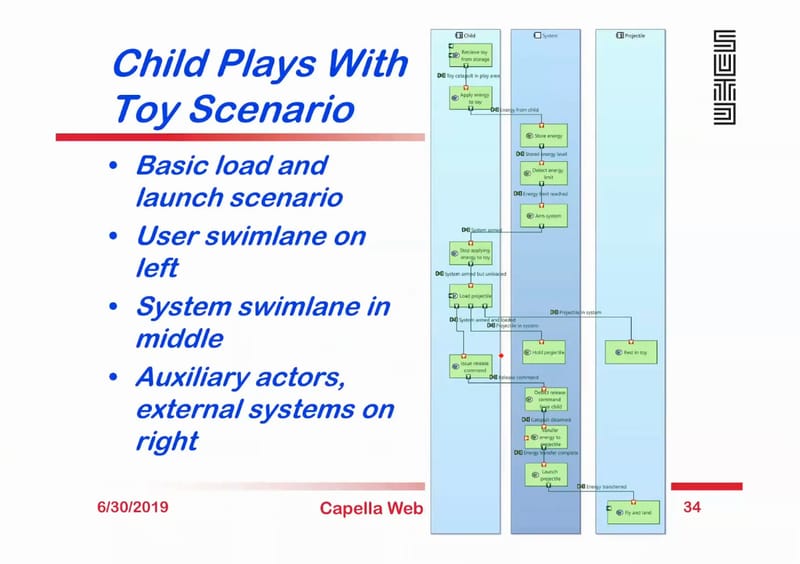
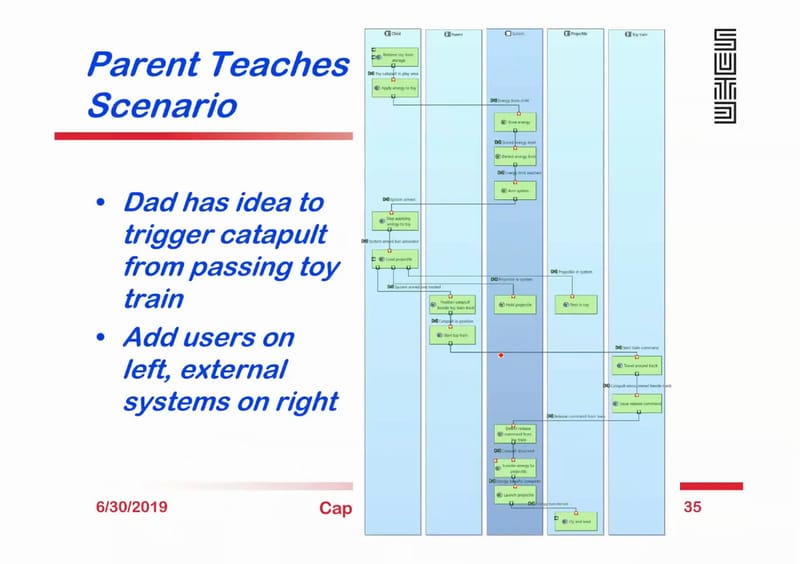
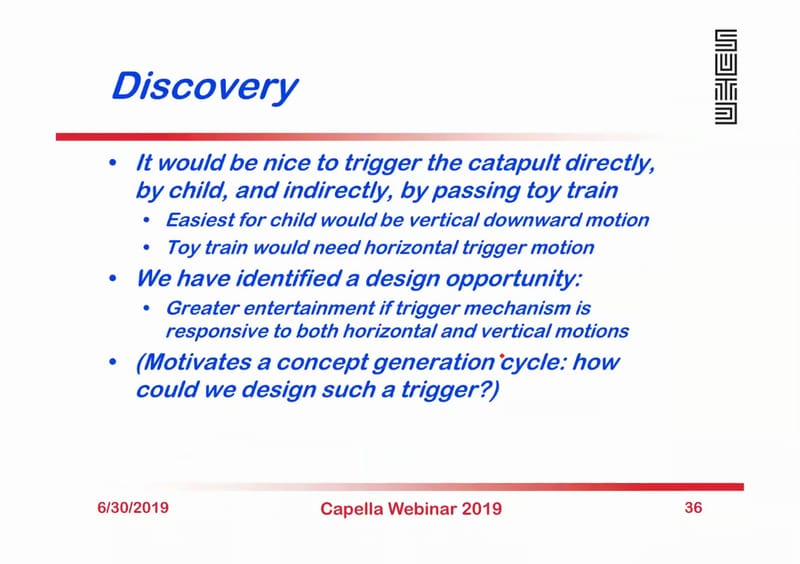
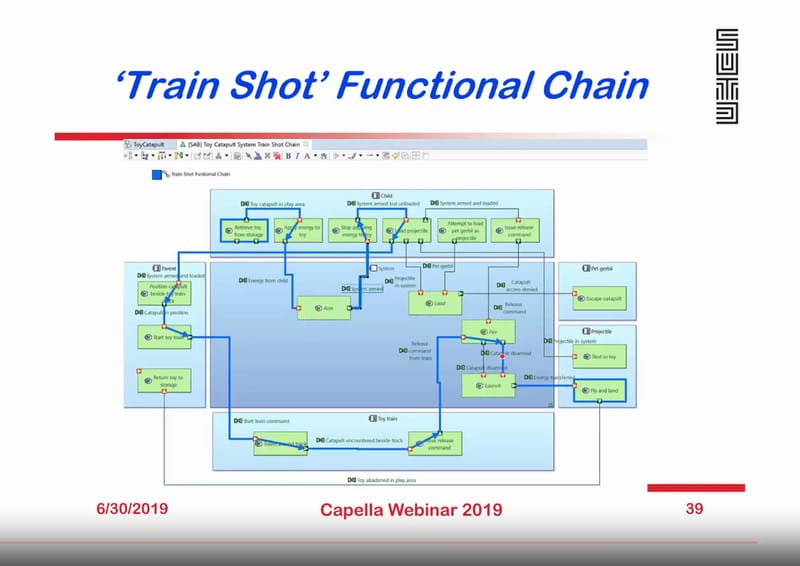
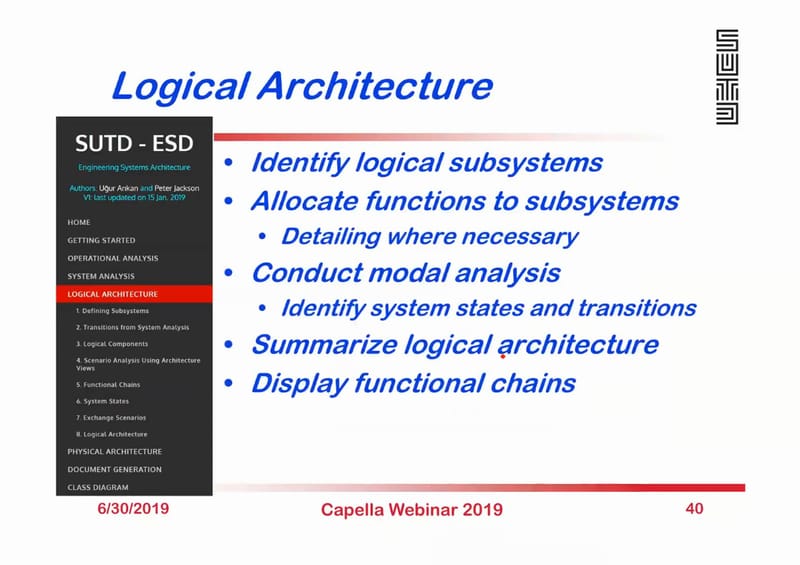
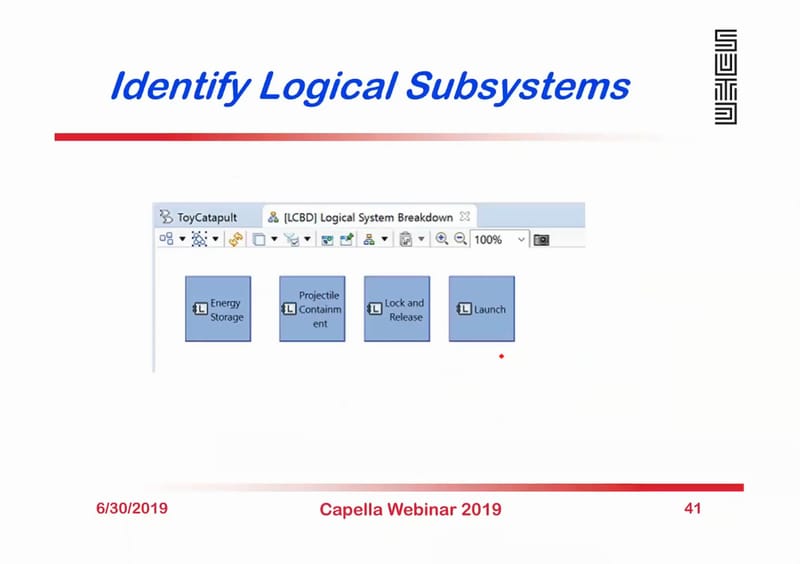
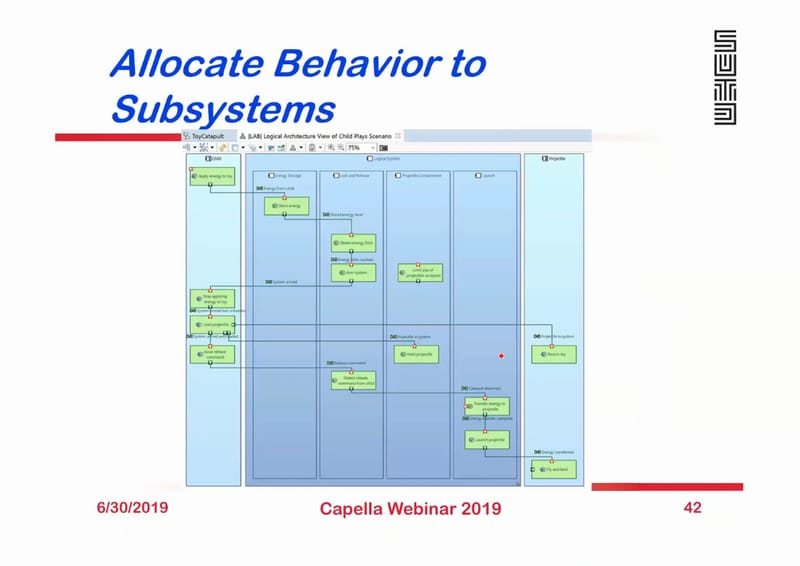
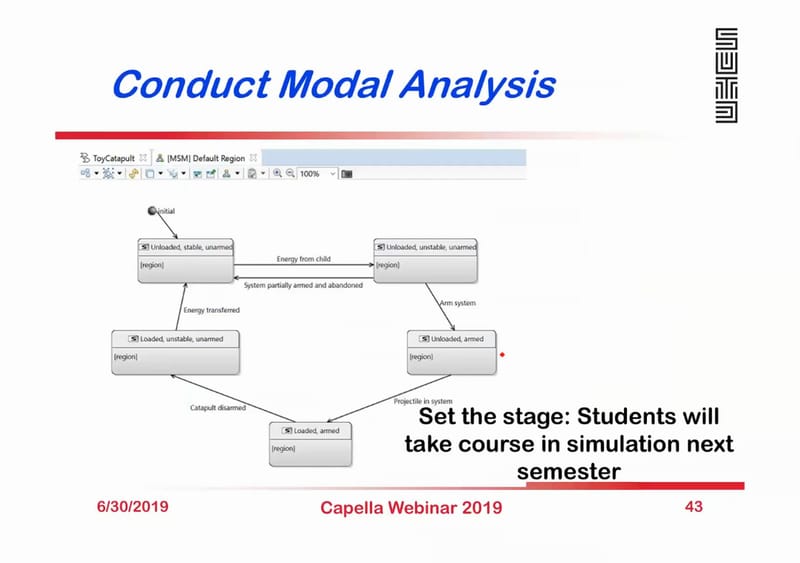
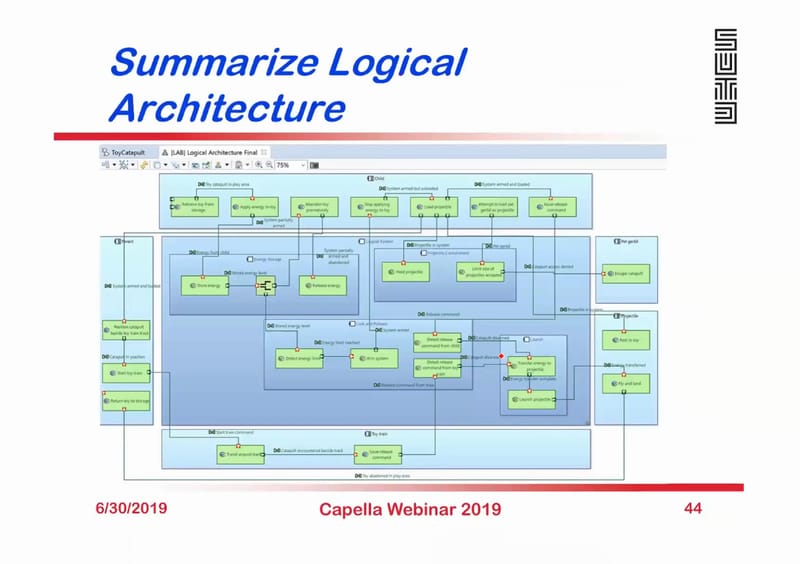
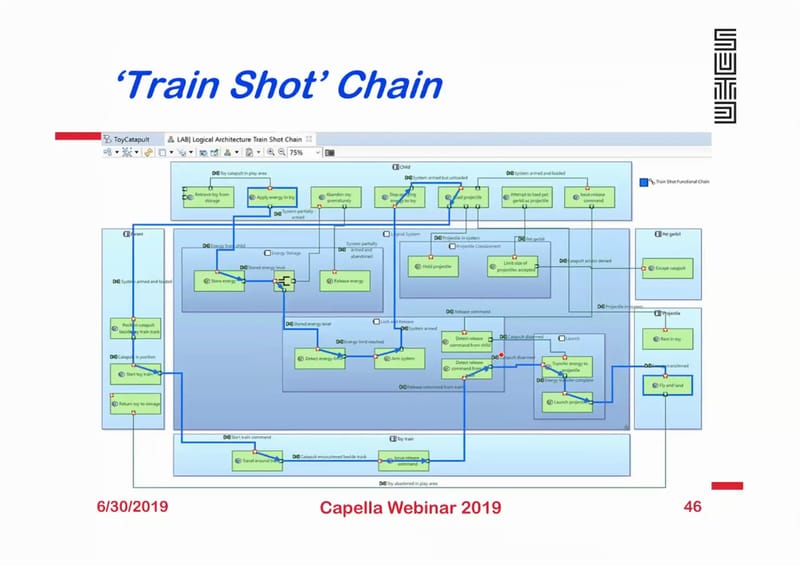
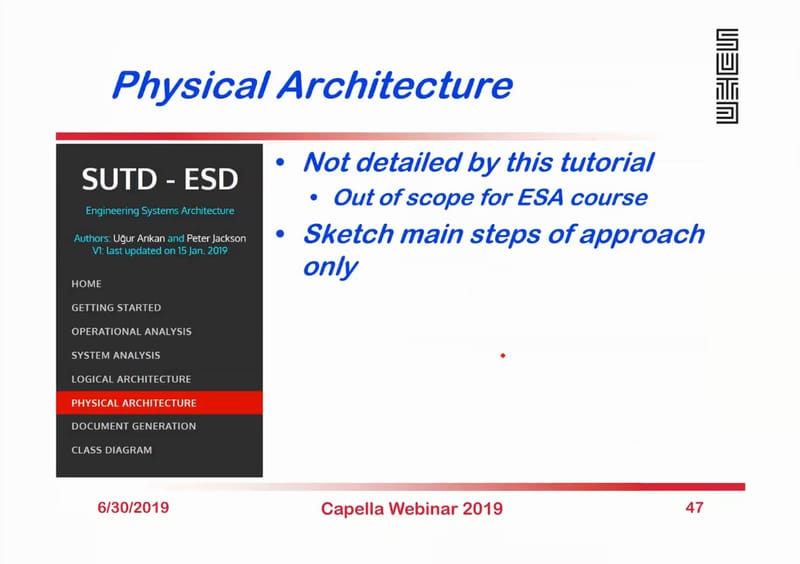
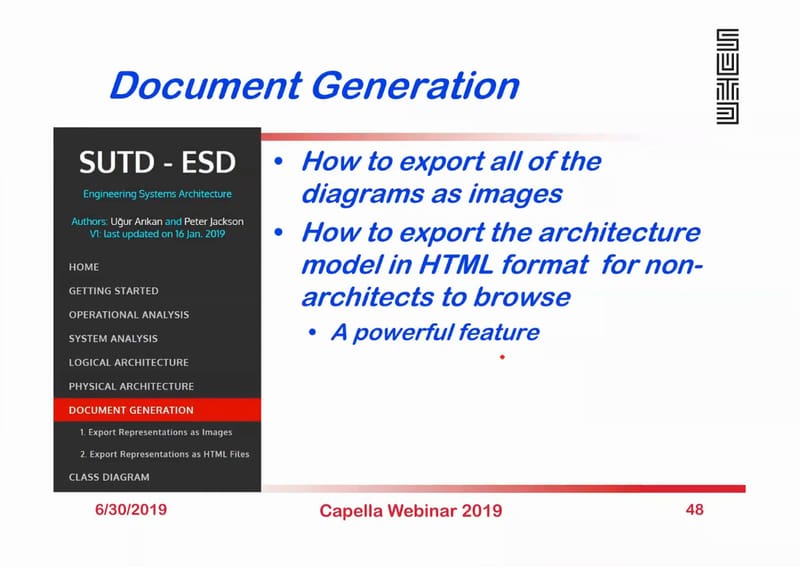
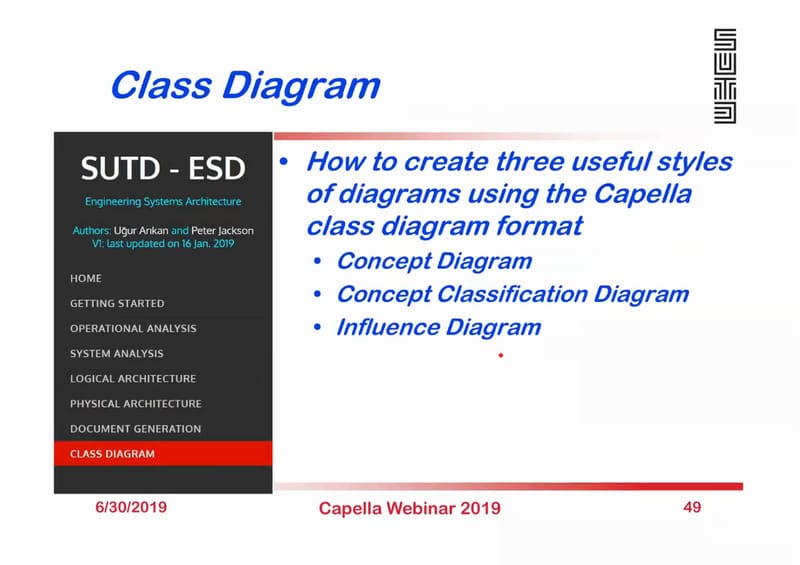
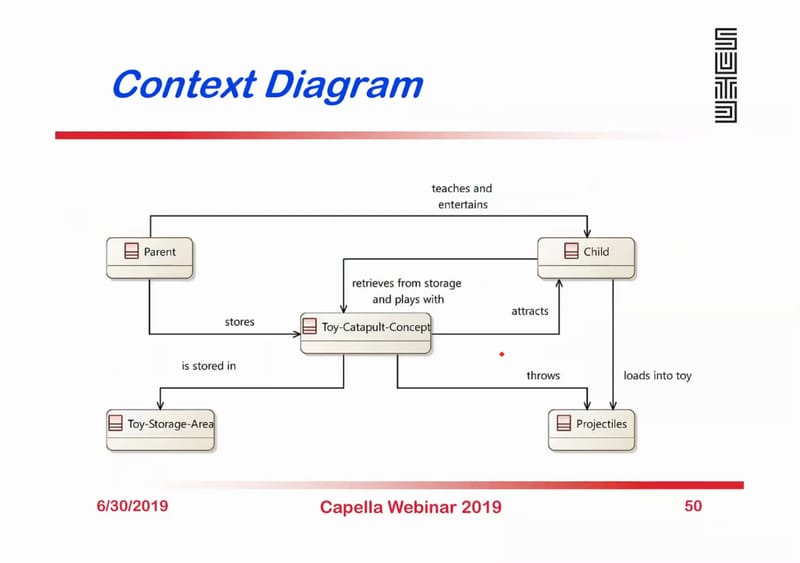
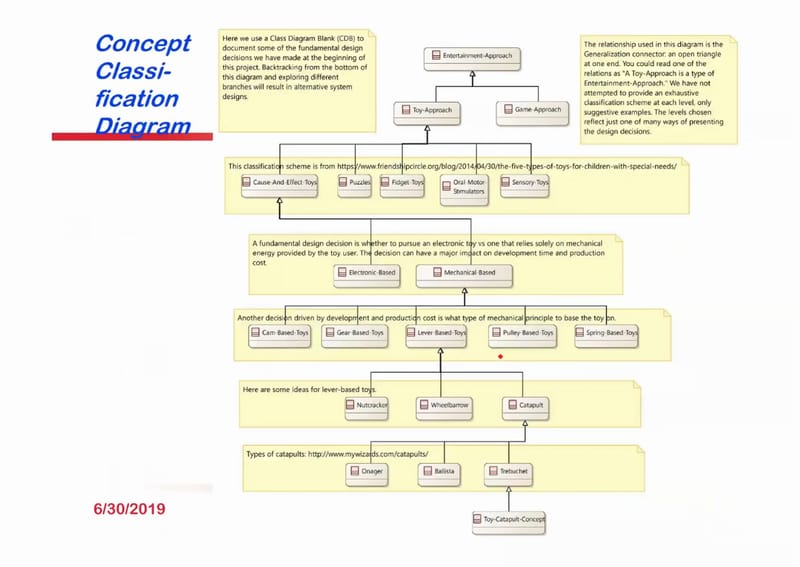
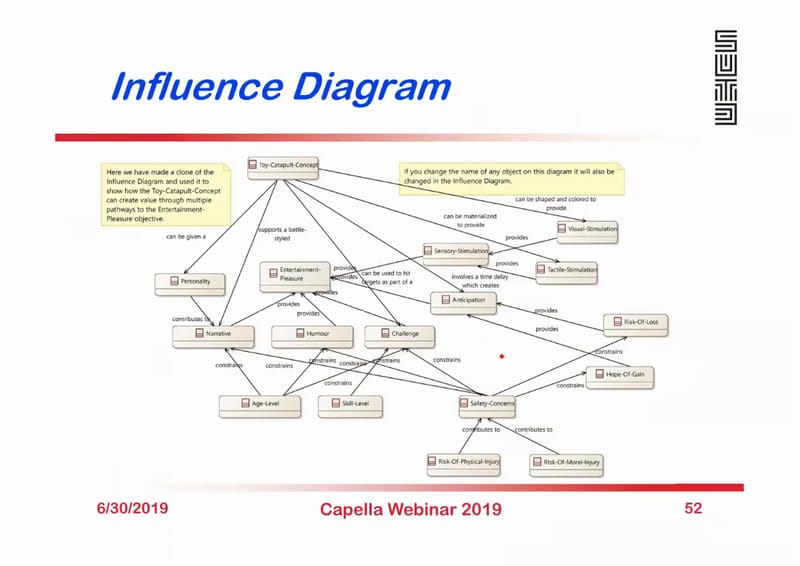
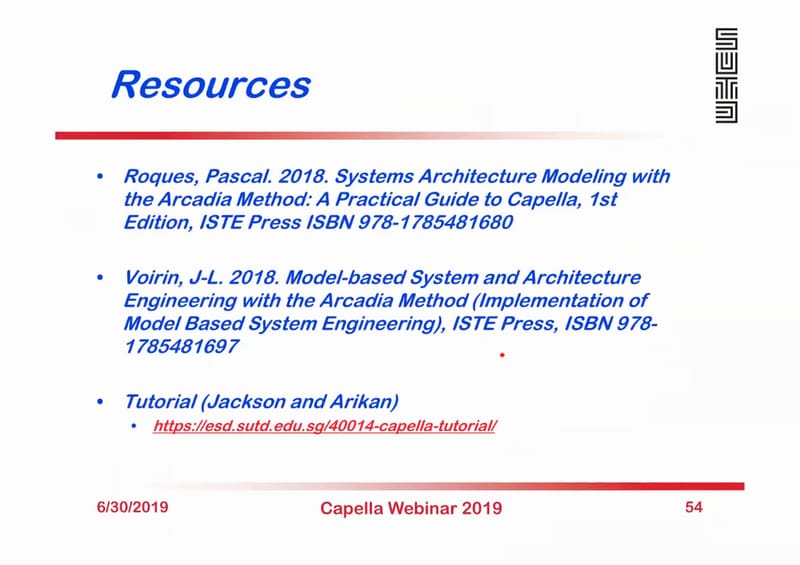
Introduction to Arcadia Capella with a toy catapult project - Systems Engineering Webinar by Professor Peter L. Jackson (Head, Engineering Systems and Design Pillar at Singapore University of Technology & Design.) Tutorial: https://esd.sutd.edu.sg/40014-capella-tutorial/

-
A World Without Apps - talk by Michel Beaudouin-Lafon (UIST 2019)
Homo Cyberneticus: The Era of Human-AI Integration - talk by Jun Rekimoto (UIST 2019)

-
SearchTogether: An Interface for Collaborative Web Search - by Meredith Ringel Morris (@merrierm) & Eric Horvitz (@erichorvitz) (Microsoft, 2007)
Related: Collaborative information seeking (wikipedia)
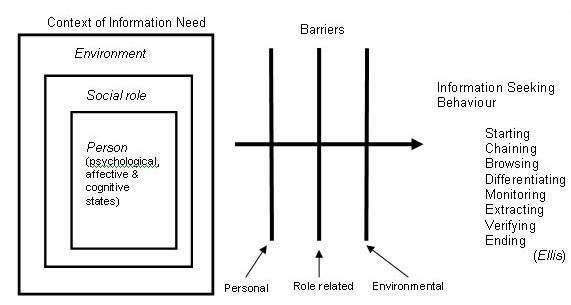
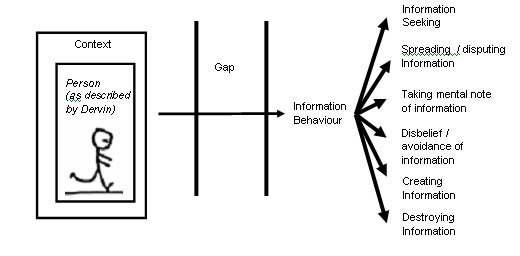
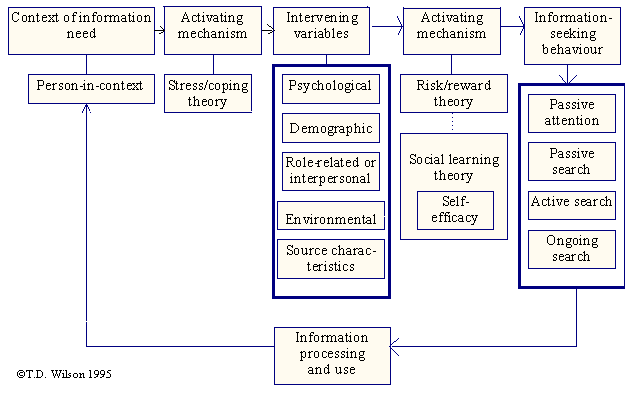
"Collaborative information seeking (CIS) is a field of research that involves studying situations, motivations, and methods for people working in collaborative groups for information seeking projects, as well as building systems for supporting such activities.
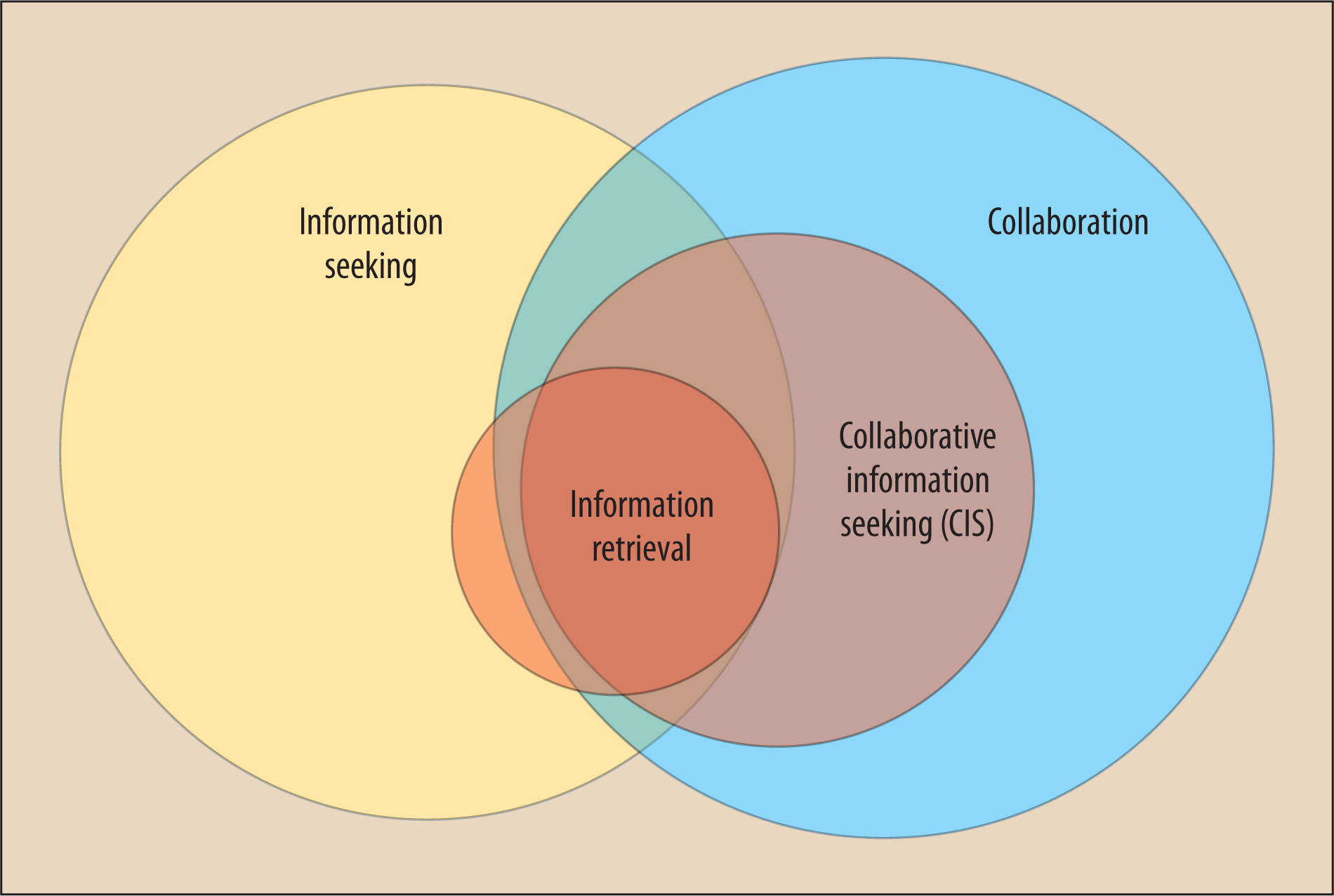
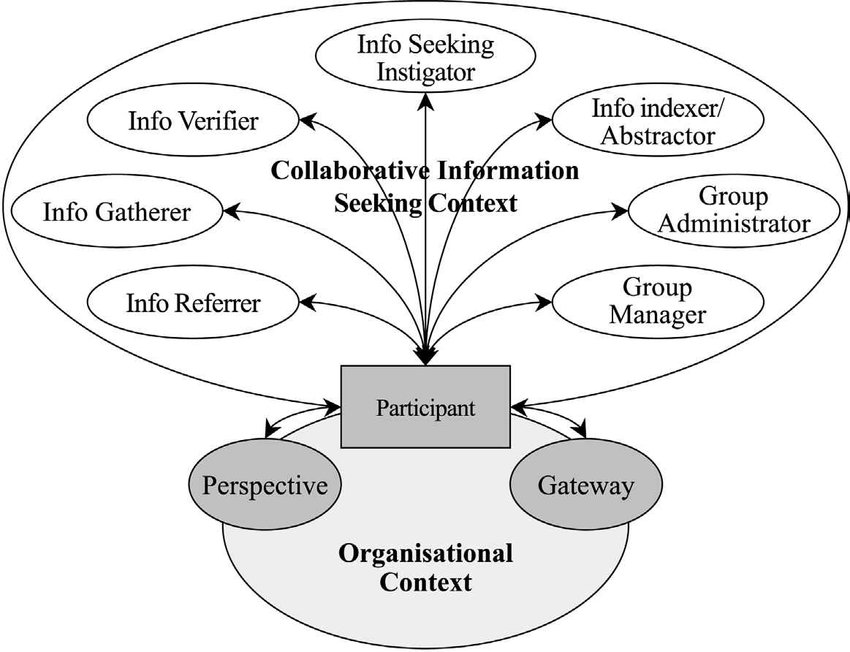
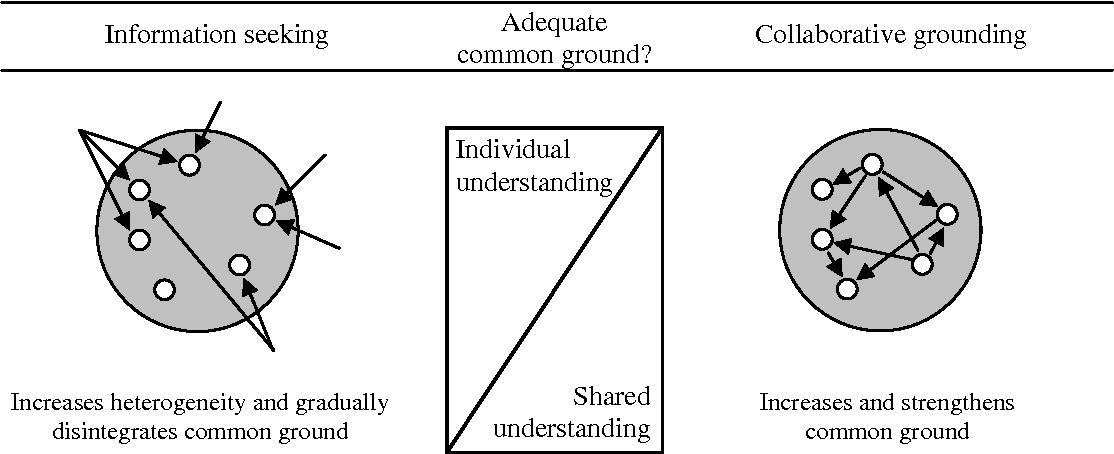
Images from the papers "Collaborative Information Seeking", "A qualitative study of collaborative information seeking" and "Collaborative information seeking: The combined activity of information seeking and collaborative grounding"
-
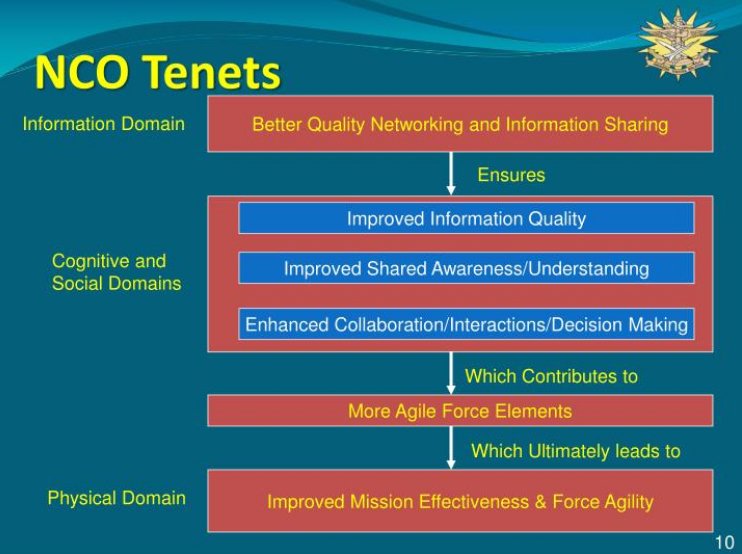
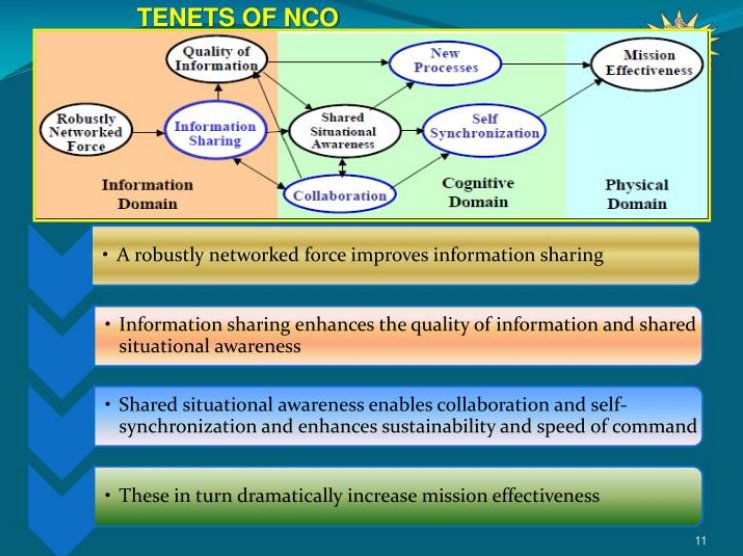
Network-Centric Warfare Domains: Information/Cognitive/Social/Physical
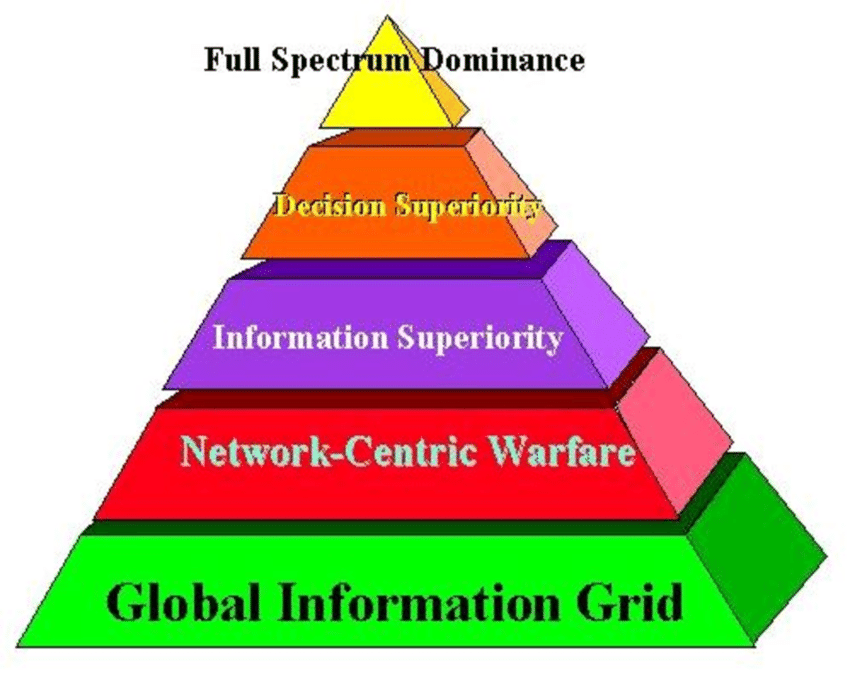
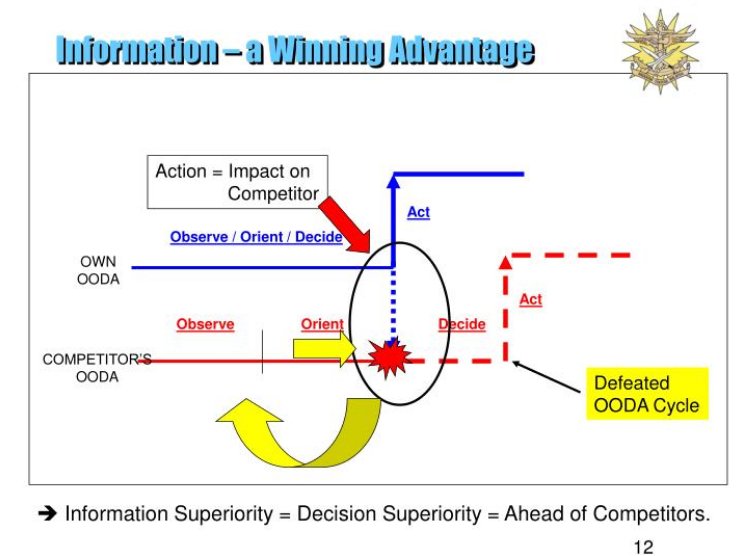
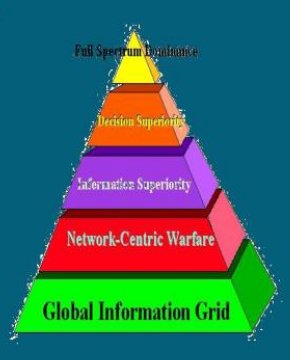
Network-centric warfare is a military doctrine or theory of war pioneered by the United States Department of Defense in the 1990s. It seeks to translate an information advantage, enabled in part by information technology, into a competitive advantage through the robust computer networking of well informed geographically dispersed forces.
Domains
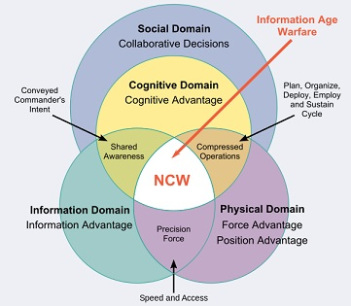
Network-centric Warfare brings together command and control (Social Domain) with assets on the ground (Physical Domain) and intelligence/recon data (Information Domain) to create a network-inclusive military. (Text Source)
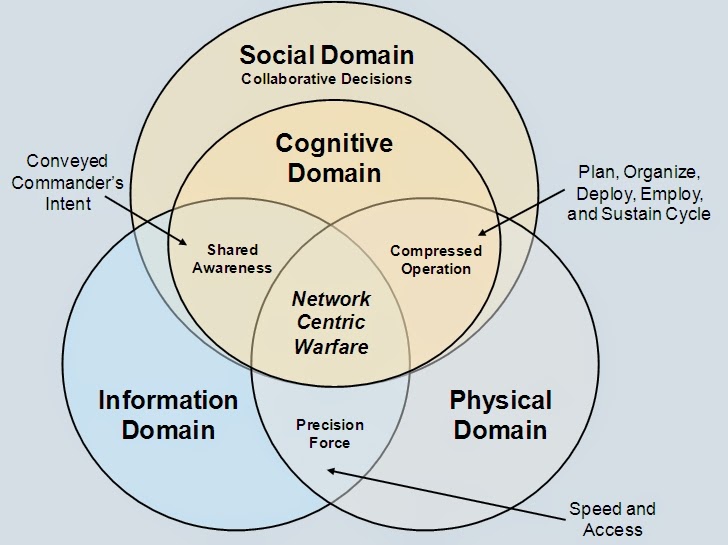
- Information Domain - Any intelligence or information that may offer a particular advantage. Information such as the disposition, schedule, and capabilities of the enemy or the specific knowledge of certain weapon systems, their function and their limits.
- Physical Domain - Any physical assets in the area of operation. From reconnaissance satellites to ground infantry companies and everything else in-between.
- Social Domain - This is a complicated category that encompasses human interaction, social theory, military hierarchy, discipline, and communication skills.
- Cognitive Domain - The planning and processing aspect of a large, lethal, and socially-restricted group within a hierarchical command structure. A subset of the Social Domain with emphasis on proper military decision-making skills, procedure, and doctrine.
- Precision Force - Precision force is having accurate data on enemy forces (such as that from recon reports or units in contact) as well as having military units within the area to react to the data at hand.
- Shared Awareness - If one has the proper intelligence and the correct process of command and control then one may attain a higher level of shared awareness. Merging commands intent (such as objectives or goals) and communication capabilities with the information available at hand to allow units to share awareness of their surrounding, their enemy, and priorities of the mission.
- Compressed Operations - The proper organization, deployment, and persistence of an operation in a efficient, supported, streamlined, and well-managed fashion. Good cognitive skills (command skills) with the proper forces can create compressed operation limited in scope and geography to allow for maximum efficiency of assets against enemy forces.
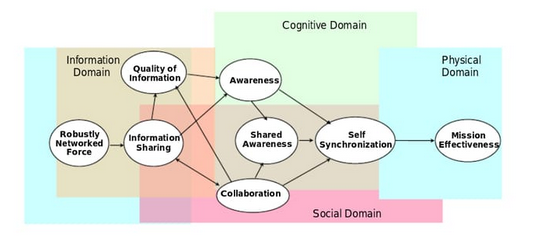
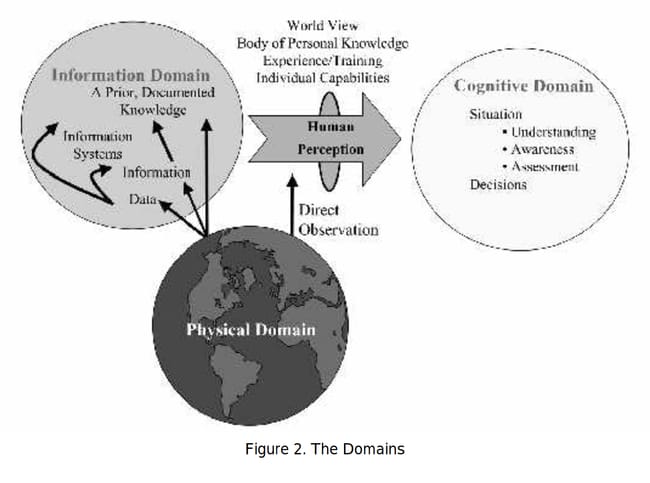
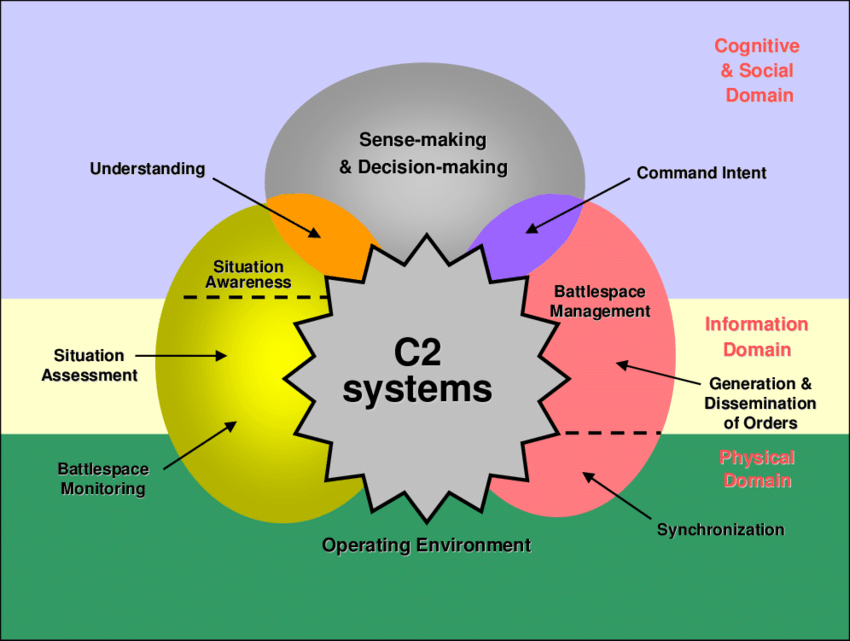
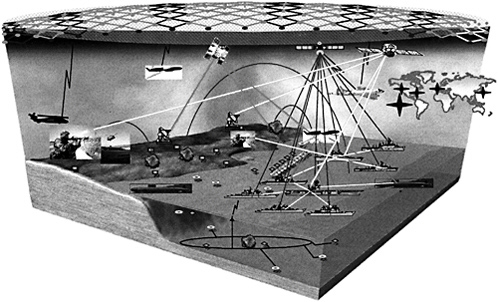
Net-centric warfare is heavily reliant on information technology integrated within military units to help units communicate, locate, and share information to each other in a rapid manner increasing mission effectiveness. Command units would be able to have a real-time assessment of where friendly forces are located while on the ground units are given an increased level of situational awareness through shared combat data such as enemy disposition, status of forces.
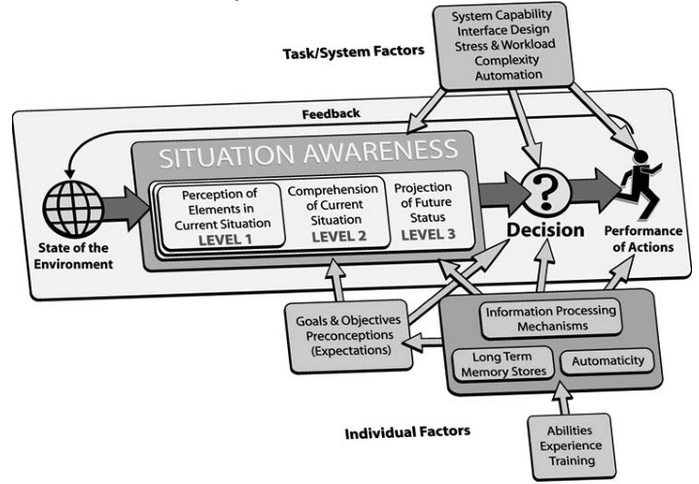
It's advantages are clear to see, units can have an increased degree of situational awareness almost down to the individual company, with its most extreme potential fitting small transmitting and receiving input and output capable computers down to the squad or squad member. Commanders from the very top can easily locate and visualize units on their own up-to-date map with a high degree of accuracy and informational support to allow for the best decision.
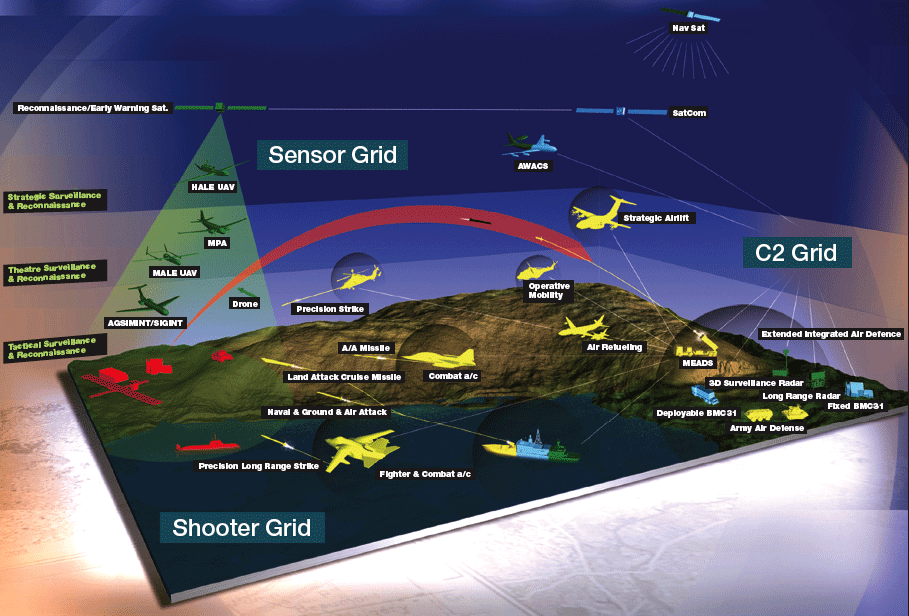
An area of operation under the network-centric warfare paradigm. Weapon systems, command and control and a "sensor grid" are interconnected with one another to allow for maximum efficiency. Network-centric warfare is possible due to a series of technological devices including IFF transponders, global position system, radio communications, RADAR contact, and other similar assets. The final dream of network-centric warfare is to allow units across the spectrum, from space, air, sea and land to share and relay communications, targeting and acquisition data, intelligence, and other related data with each other efficiently, securely, and on-demand. The end goal is to allow commanders throughout the command hierarchy a real-time command and control of units in a streamlined and yet precise manner.
The disadvantage to this however is the heavy reliance on technological convenience (over "warrior skills") and the degree of difficulty in controlling electronic emissions . The scope of a massive network-centric unit makes its communications vulnerable to enemy attacks attempting to destroy key nodes preventing the "self-healing" concept of a shared network. A large net-centric paradigm also demands much of the limited bandwidth physically capable by the EM spectrum especially if every individual unit is to have a emitting device. Encryption, secrecy, and signal interception by the enemy are also major concerns. The emissions of any radio or microwave signal can be detected easily by other enemy signal and electronic warfare units which can give away unit positions. Finally net-centric warfare still has several of the major issues that most, if not all, communication systems have in harsh terrain (such as urban centers, mountains, caves) with intermittent signal strength and sometimes signals blocked out entirely.
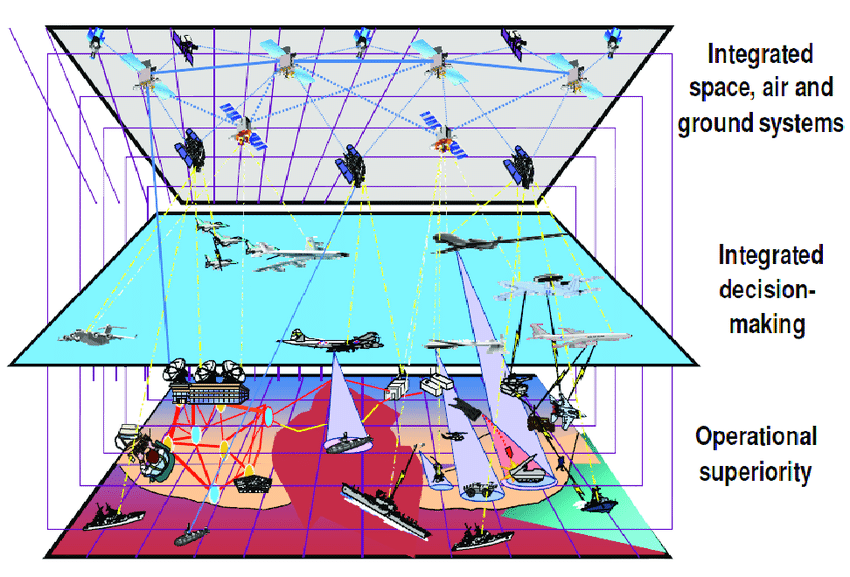
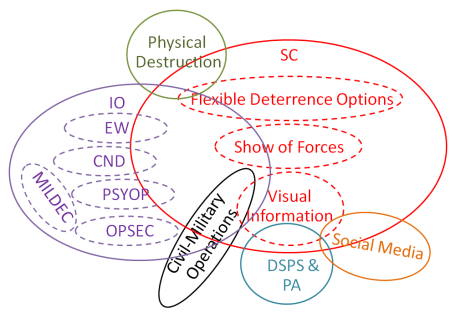
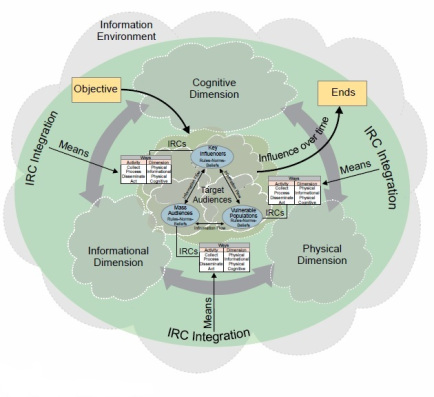
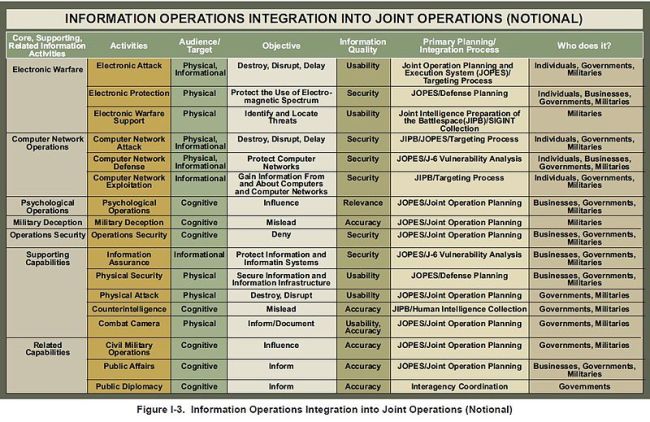
The Inter-Relation within Information Operations - by Gp.Capt.Niwat Niamploy, Royal Thai Air Force
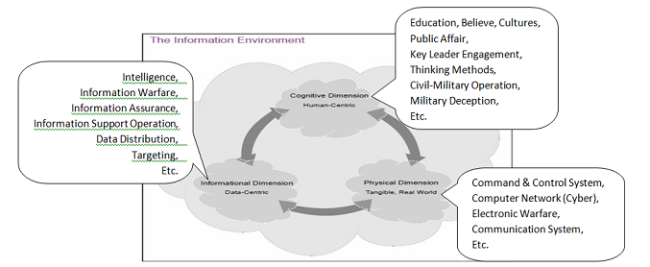
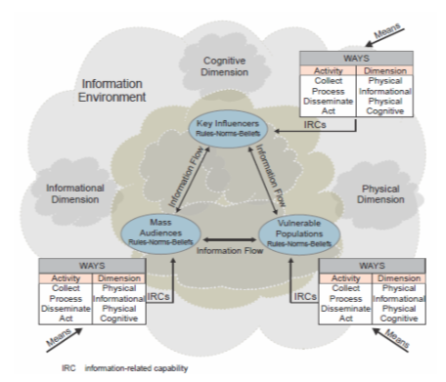
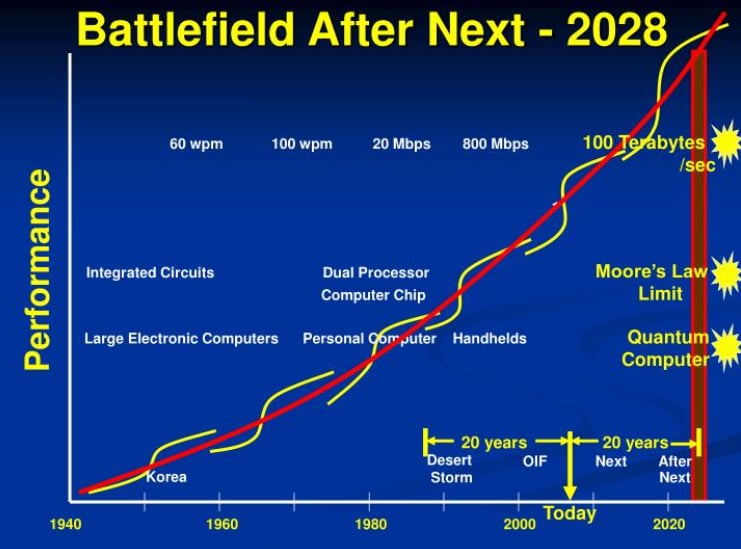
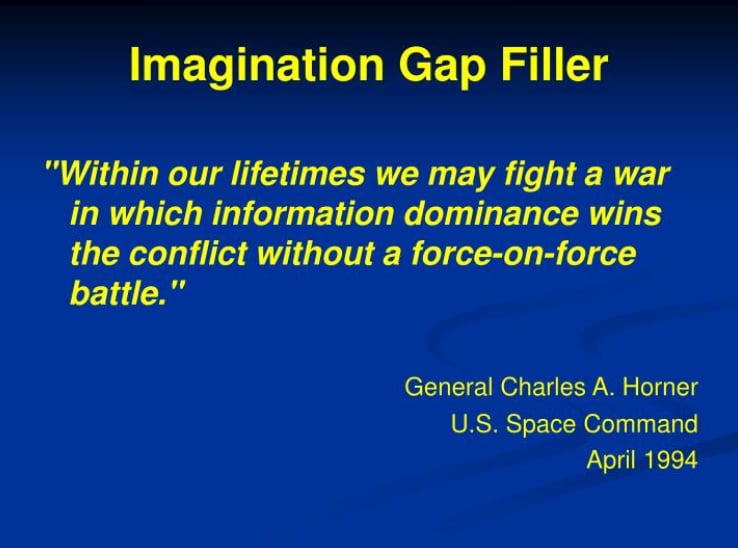
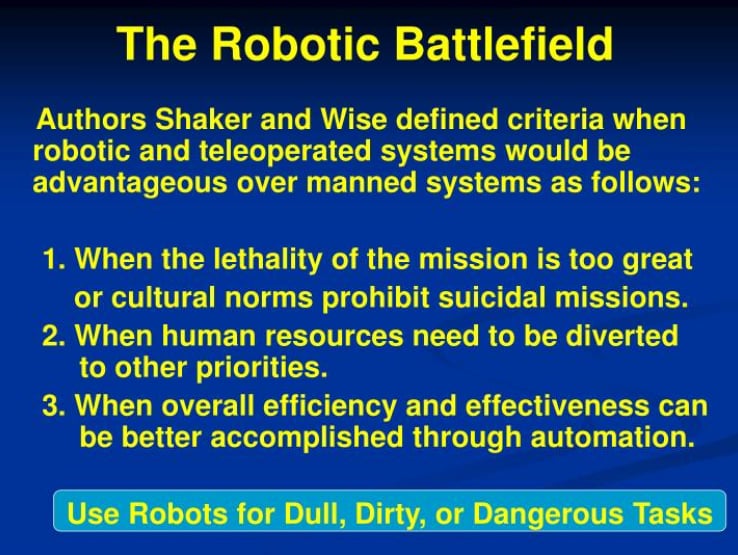
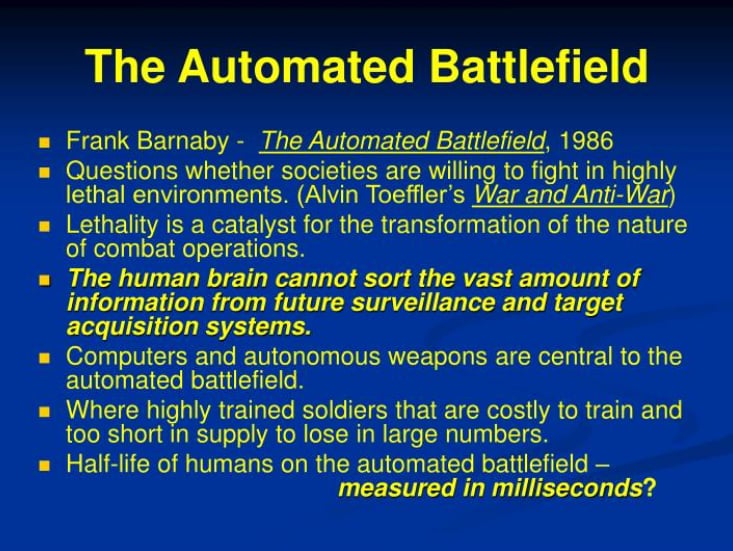
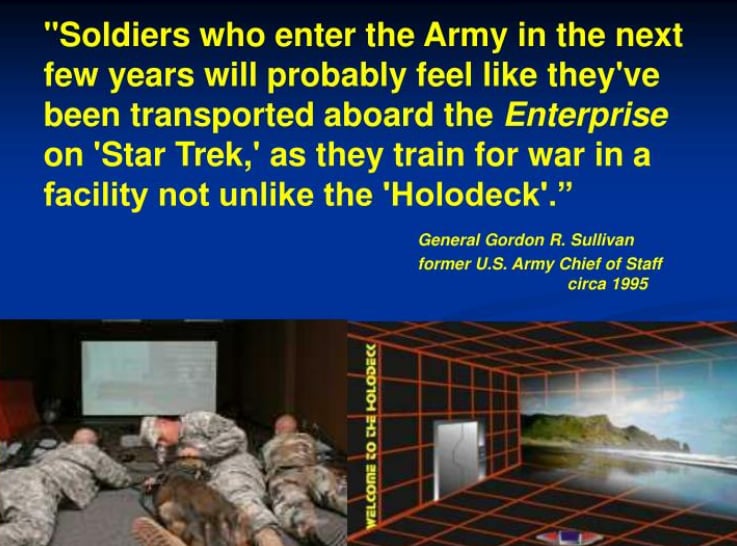
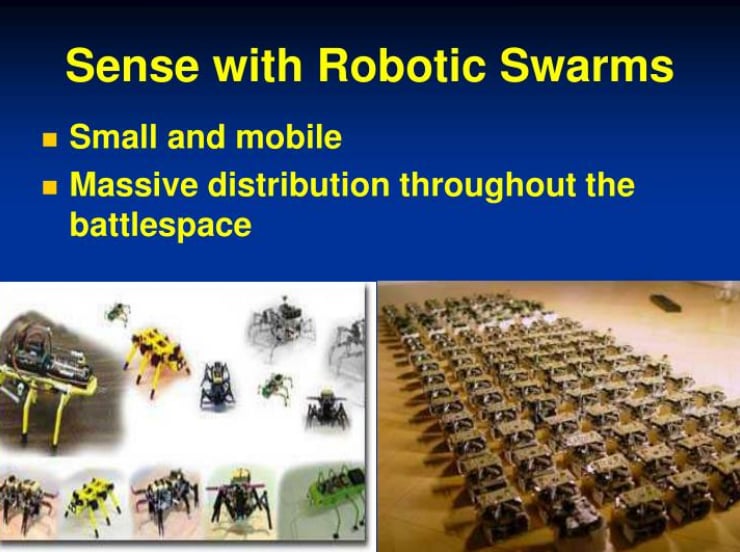
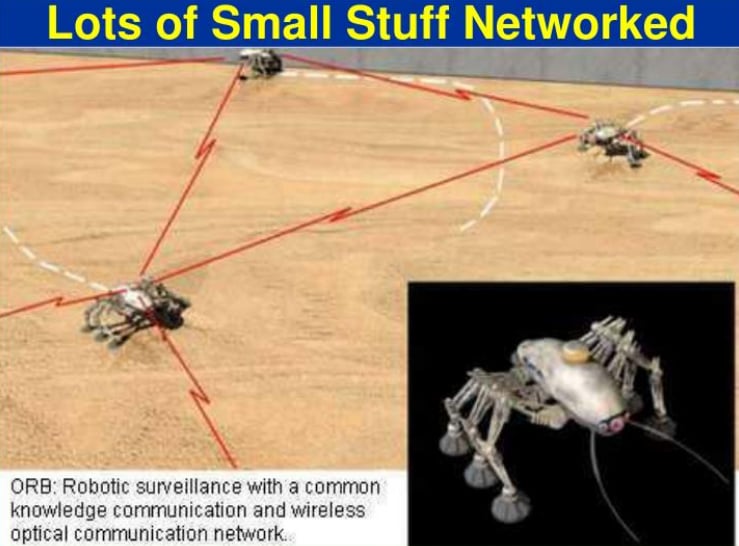
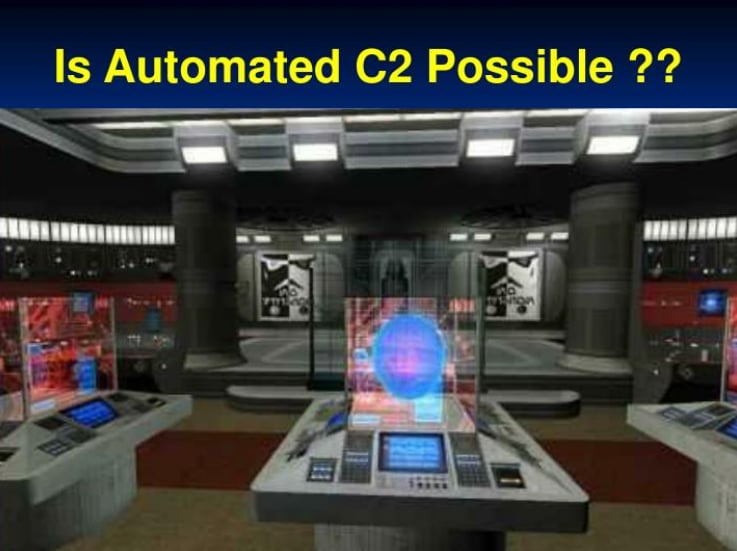
Sense-Shoot-Command on the Battlefield After Next - Presentation by Alexandra Romero
Sense-Shoot-Command on the Battlefield After Next. Koblenz Symposium on Information Technology Network Centric Warfare 28 August 2008. COL (ret) Kevin Cogan U.S. Army War College Center for Strategic Leadership Contractor: Booz Allen Hamilton.
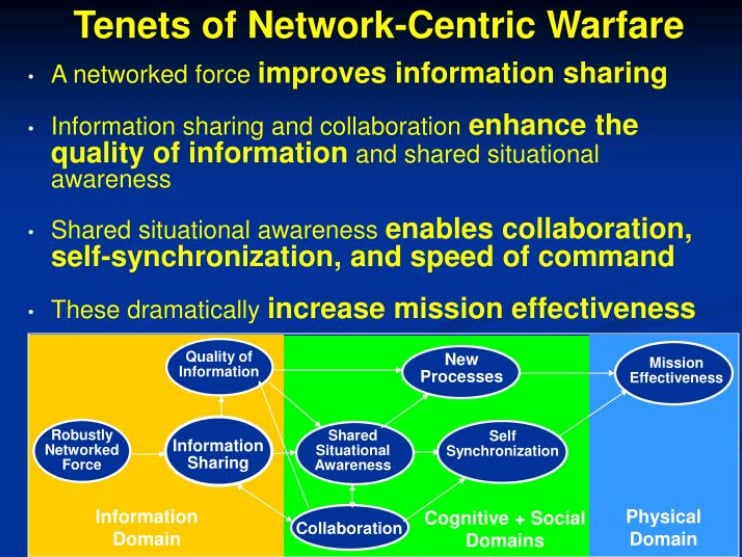
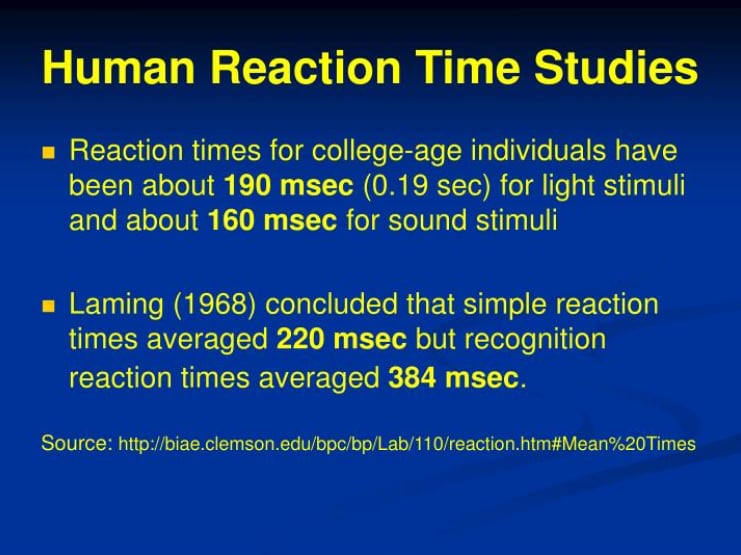
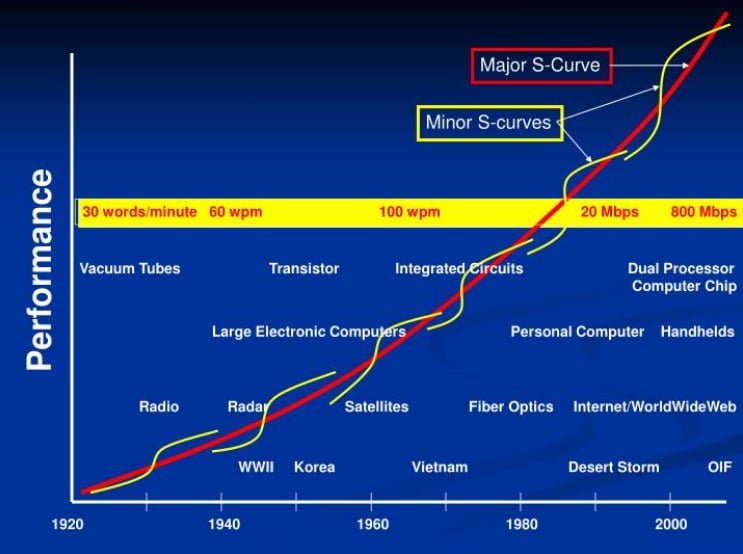
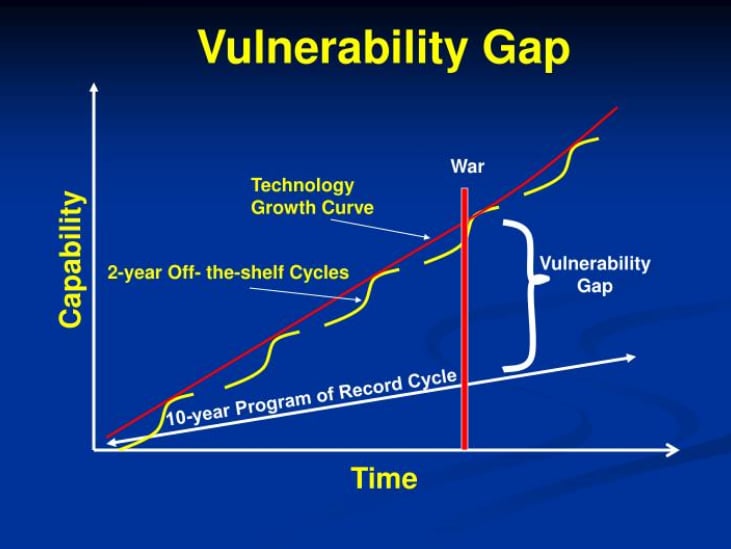
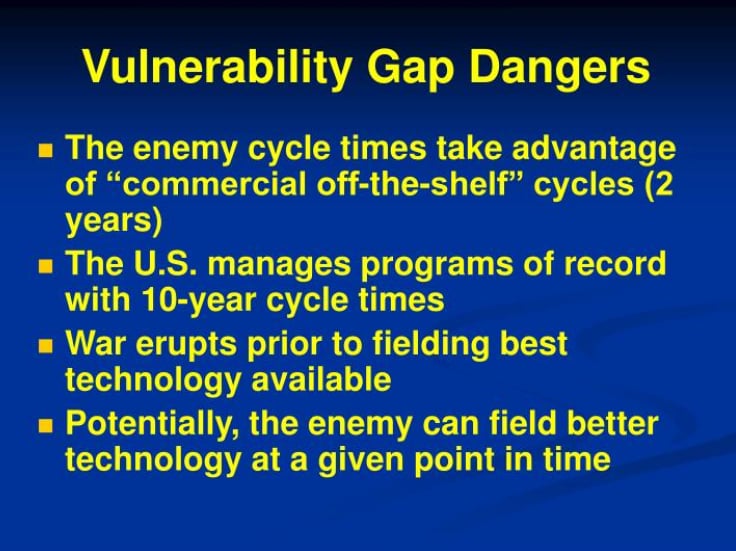
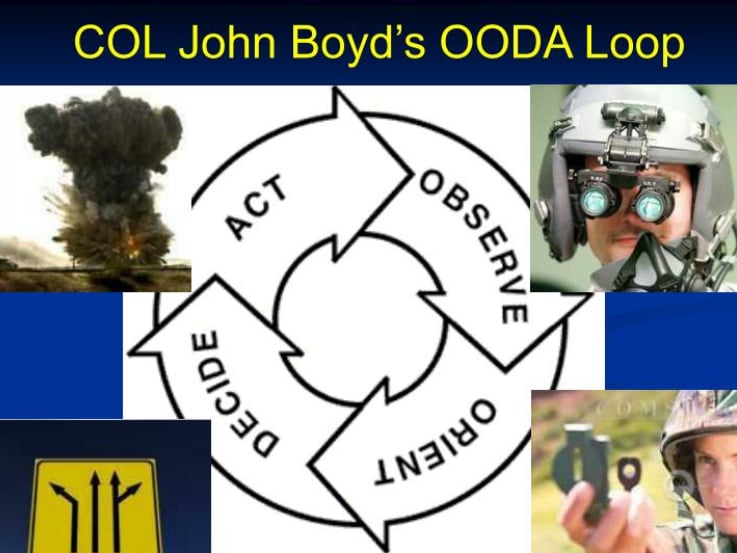
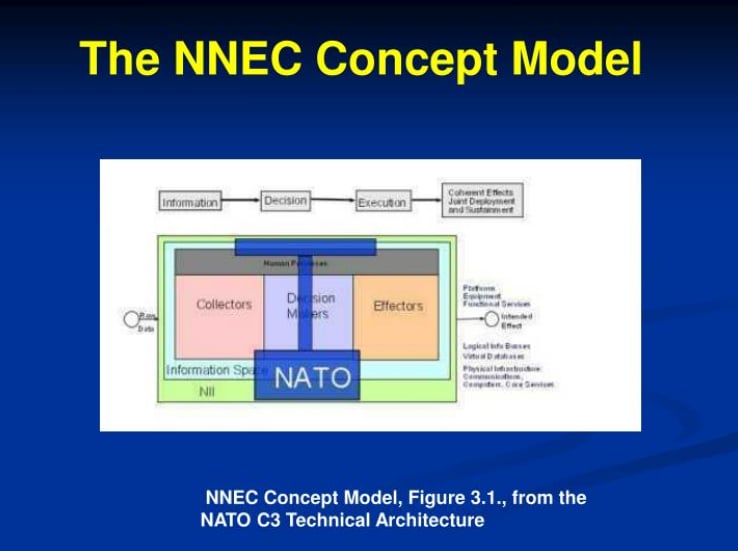
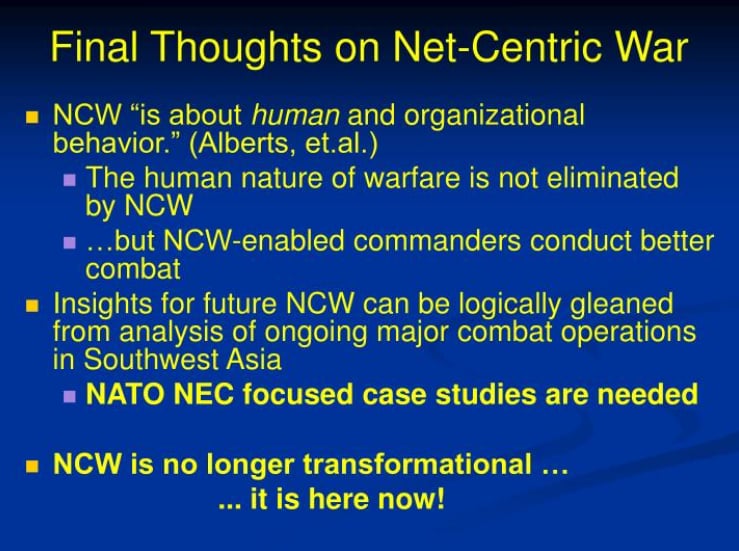
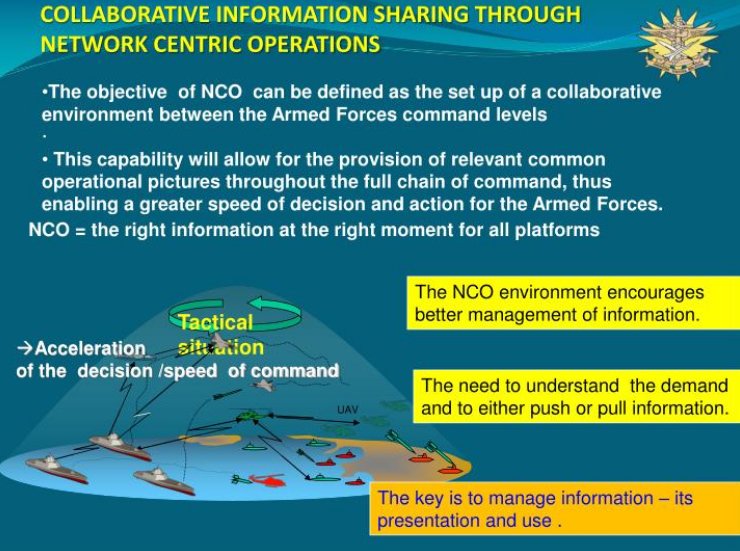
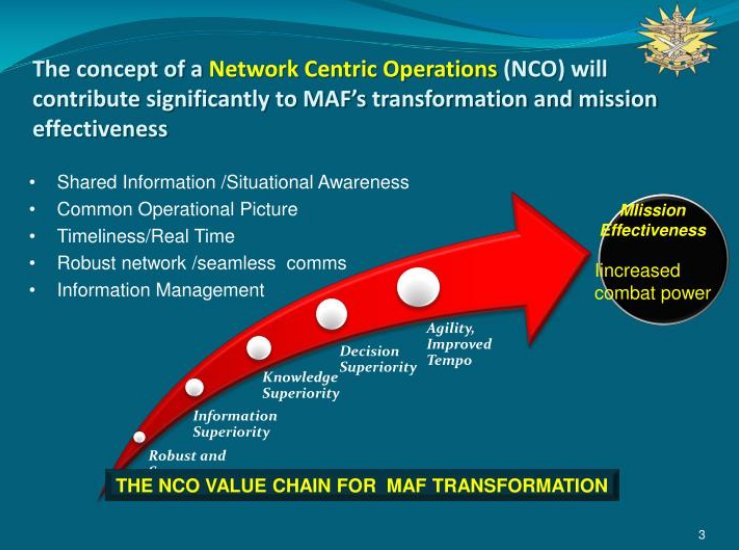
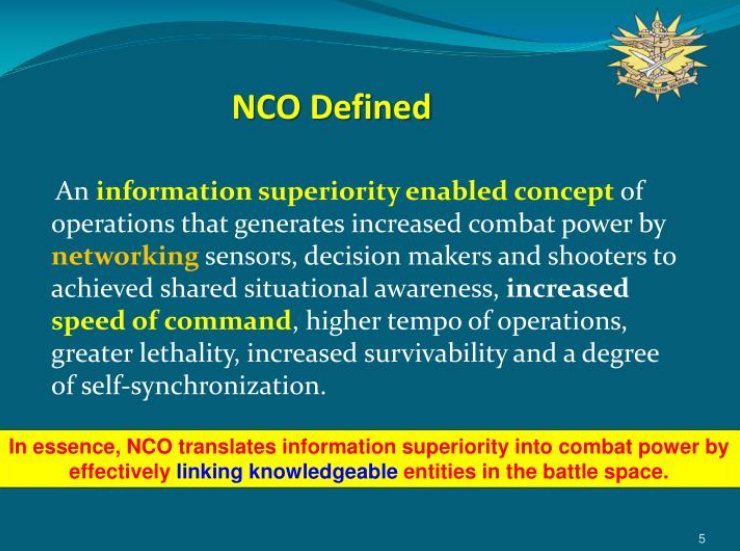
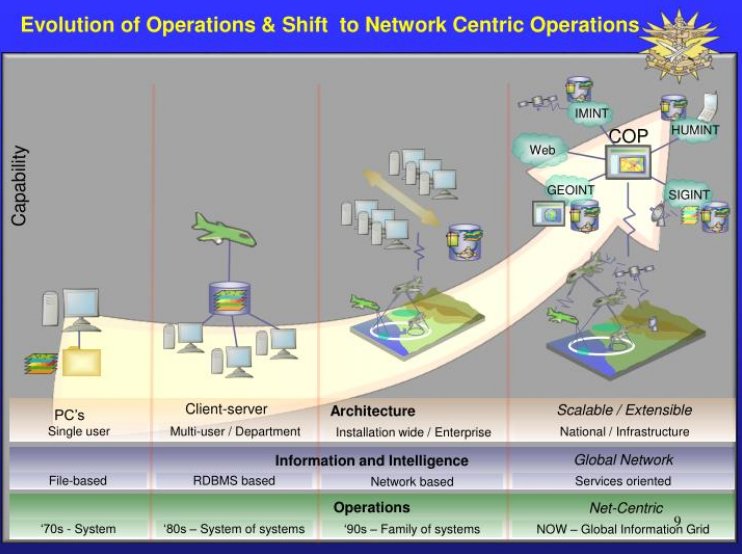
Collaborative Information Sharing Environment Through Network Centric Operations - Presentation by Danton Knox
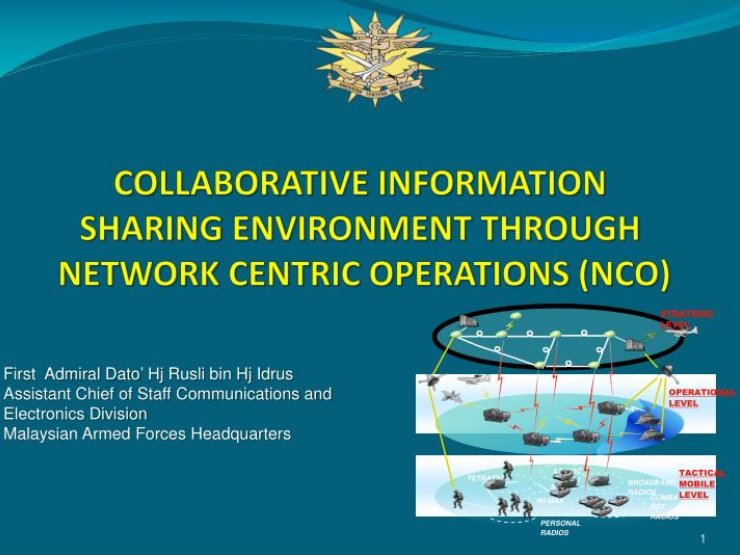
-
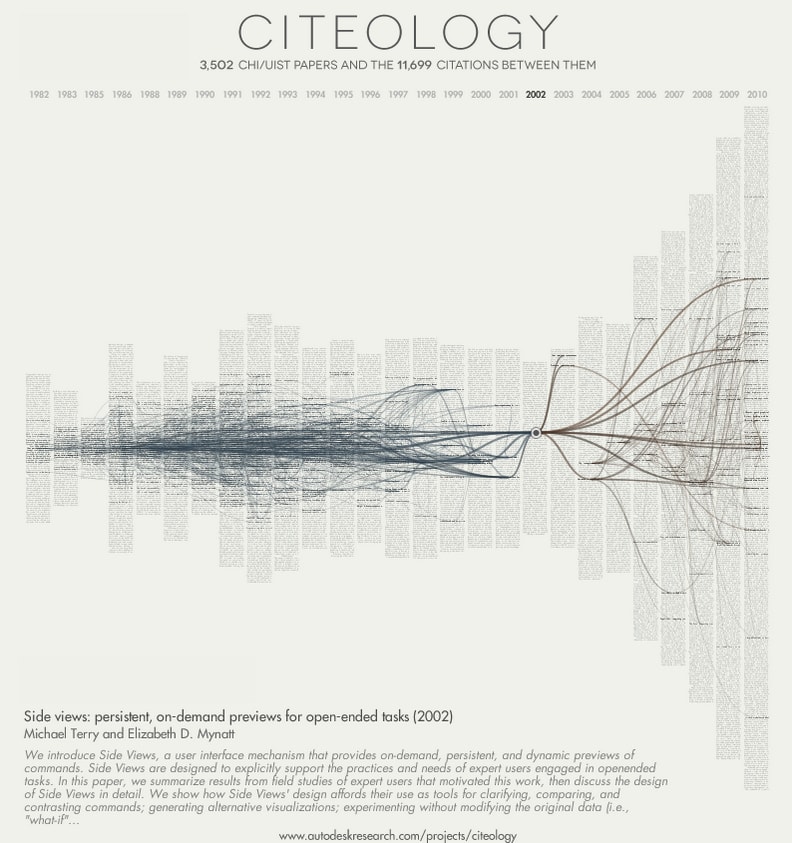
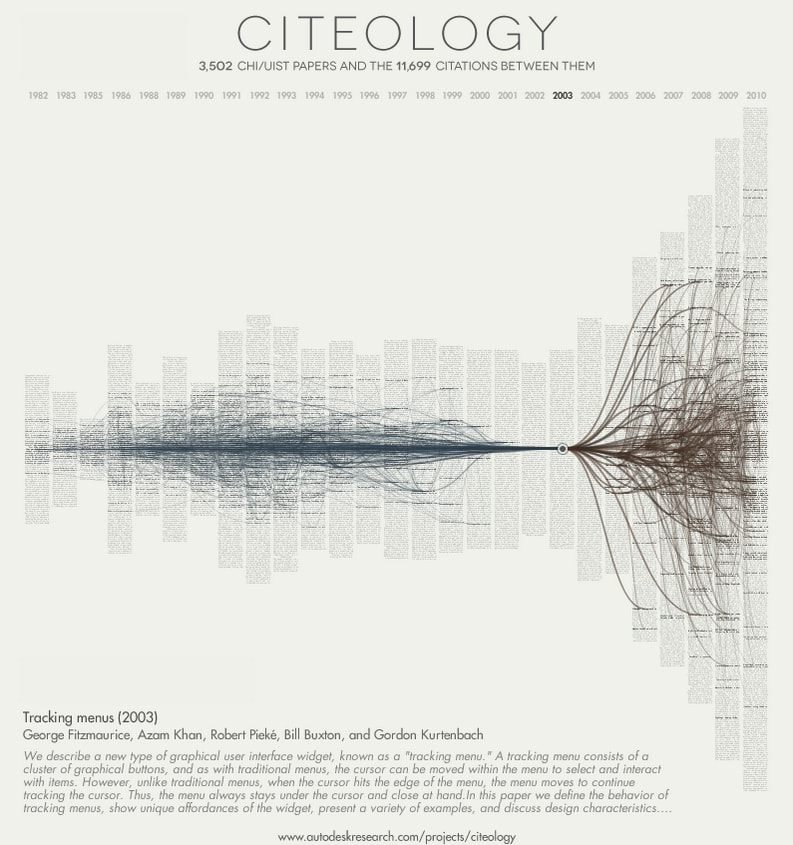
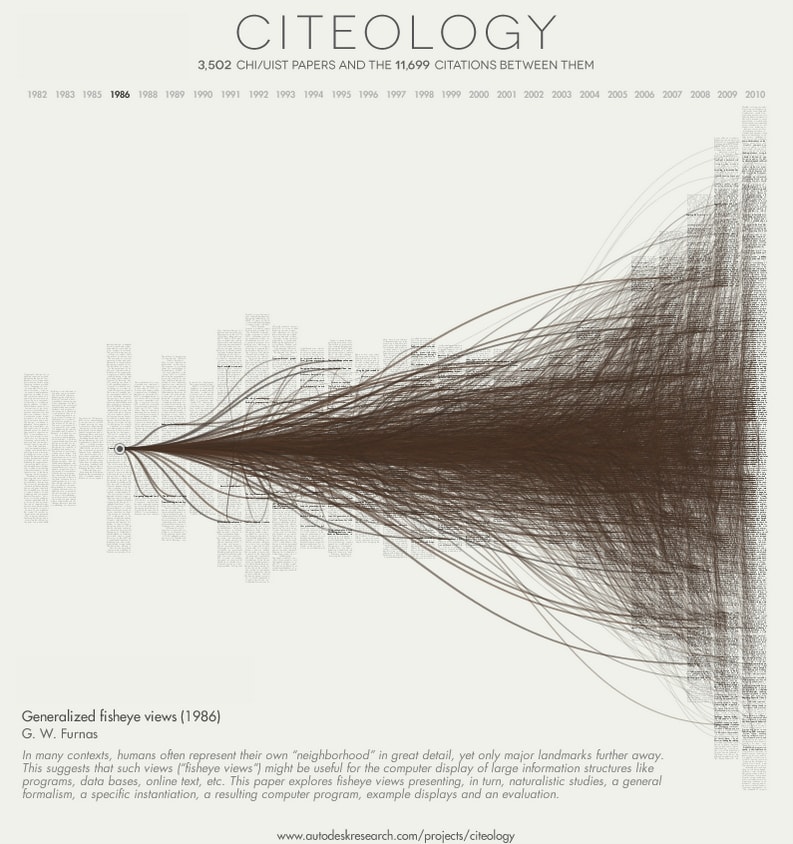
Citeology: Visualizing Paper Genealogy - by Autodesk Research (2012)

-
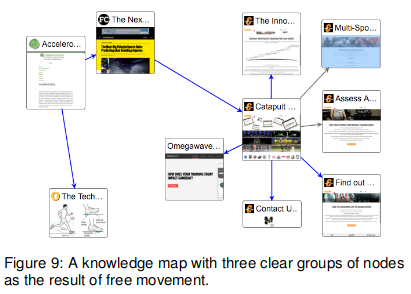
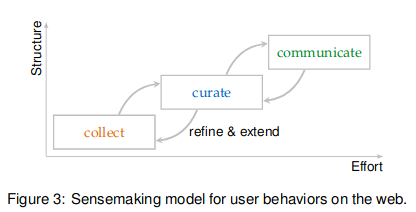
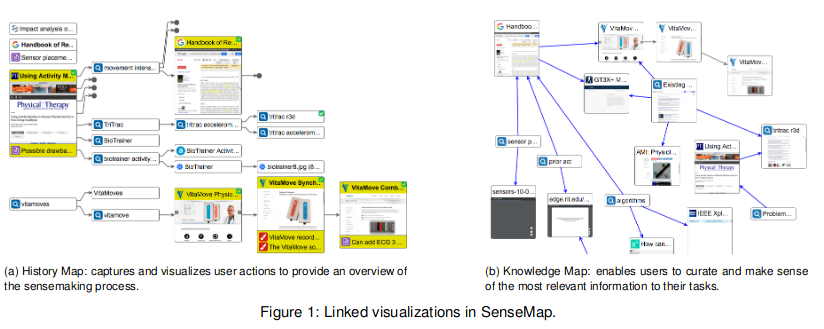
SenseMap for Online Sensemaking - by vis4sense
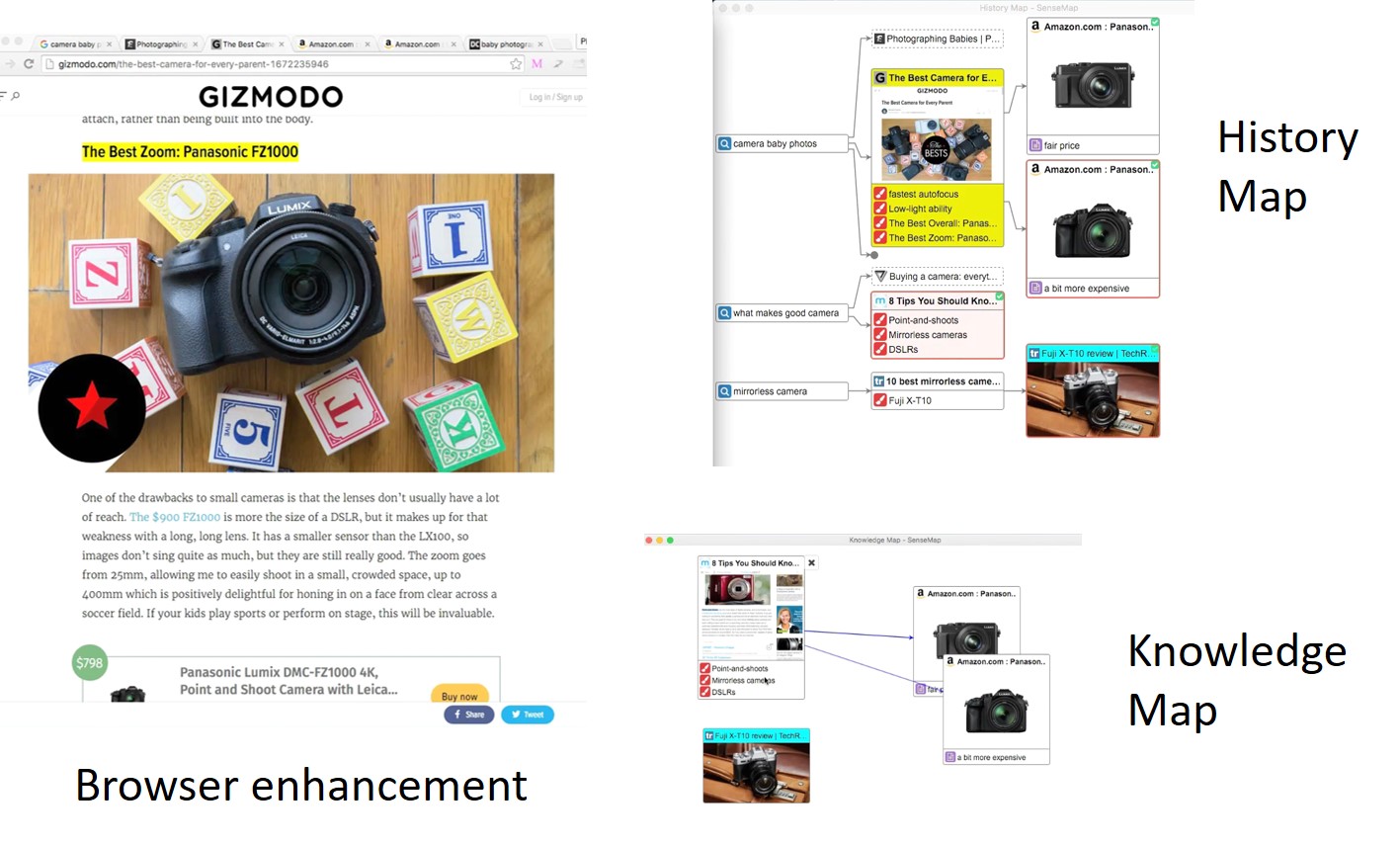
Research: "SenseMap: Supporting Browser-based Online Sensemaking through Analytic Provenance" - by P. H. Nguyen, K. Xu, A. Bardill, B. Salman, K. Herd and B. L. William Wong. (2016)
-
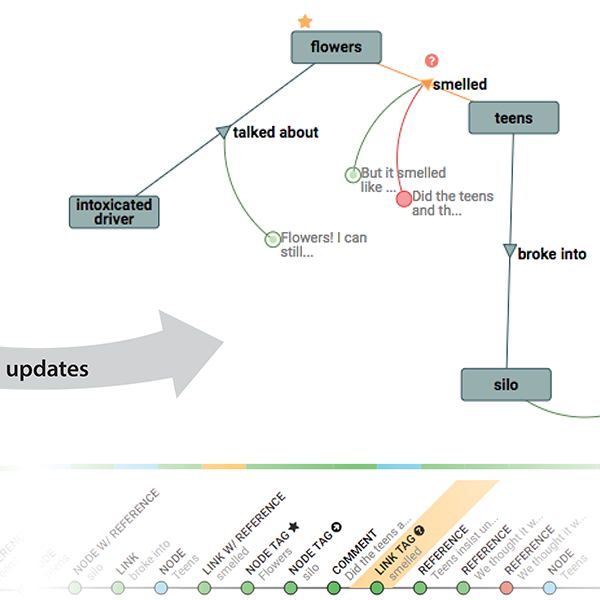
Supporting Handoff in Asynchronous Collaborative Sensemaking Using Knowledge-Transfer Graphs - by Autodesk Research (2017)
-
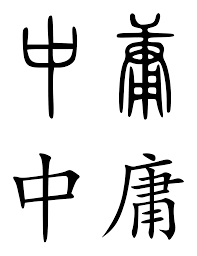
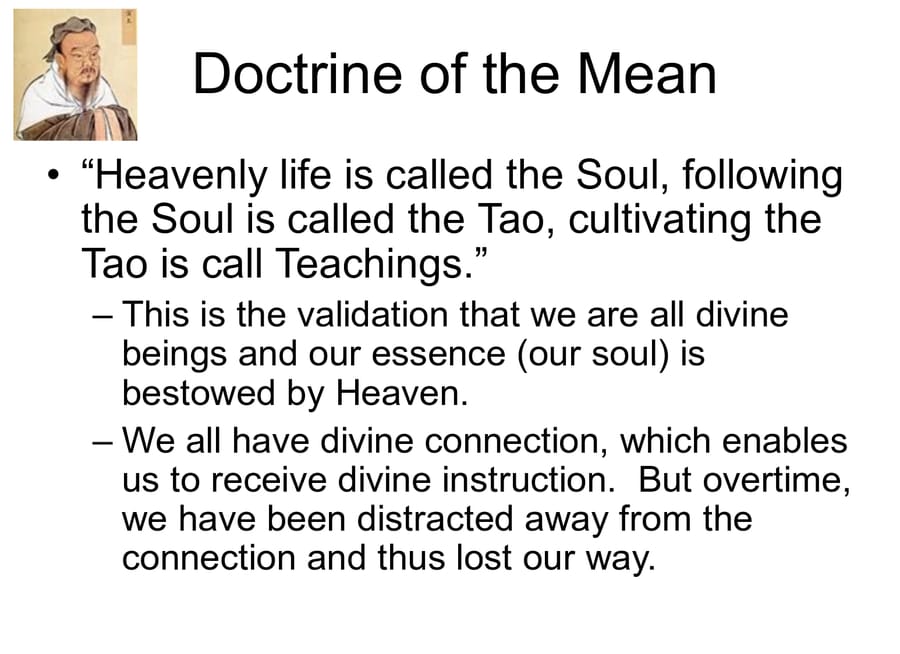
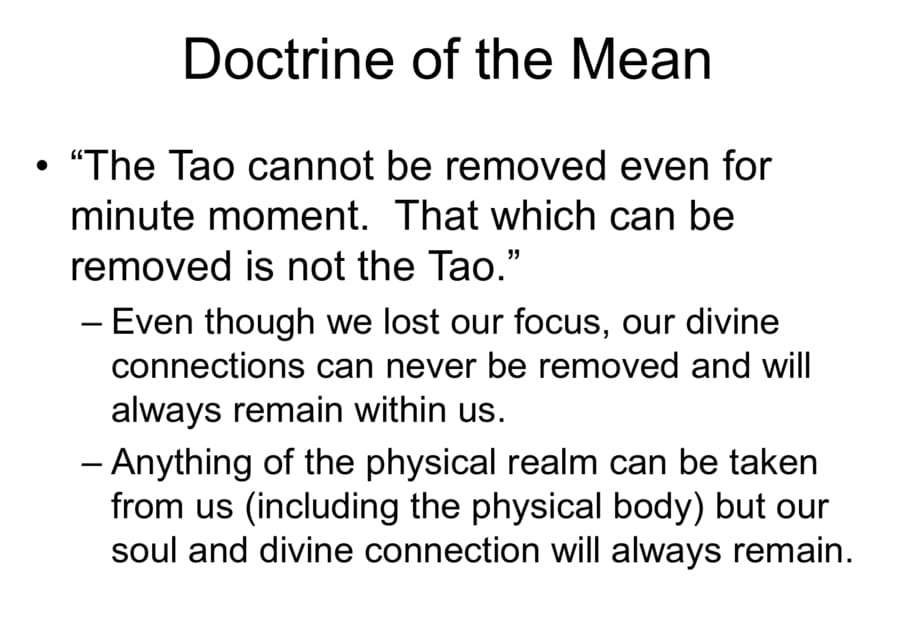
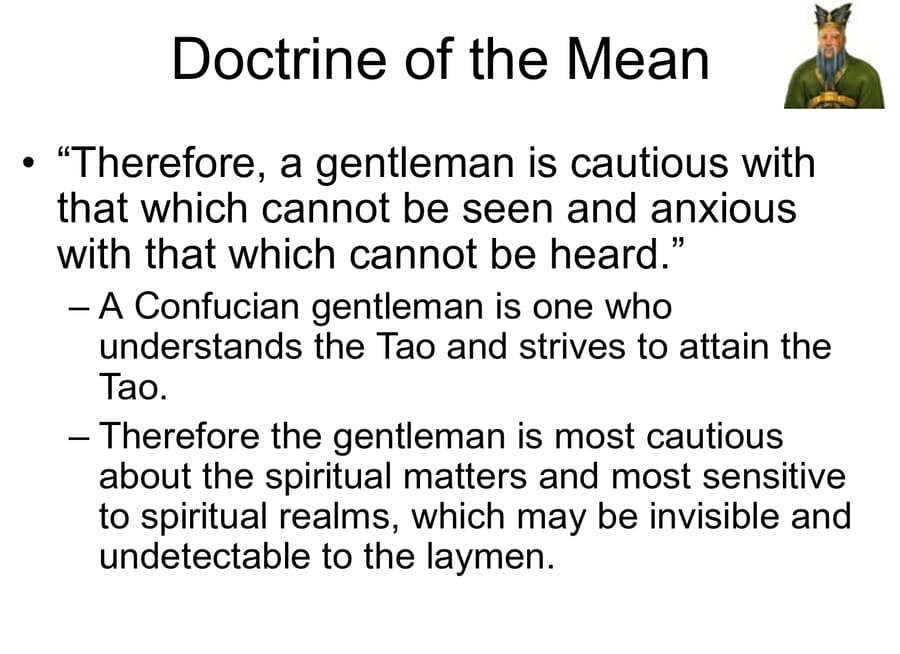
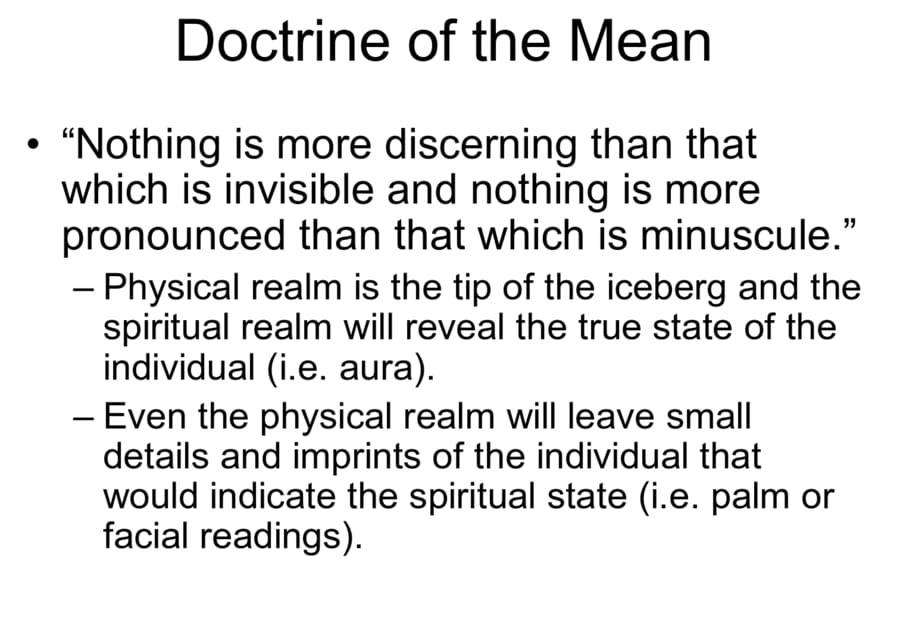
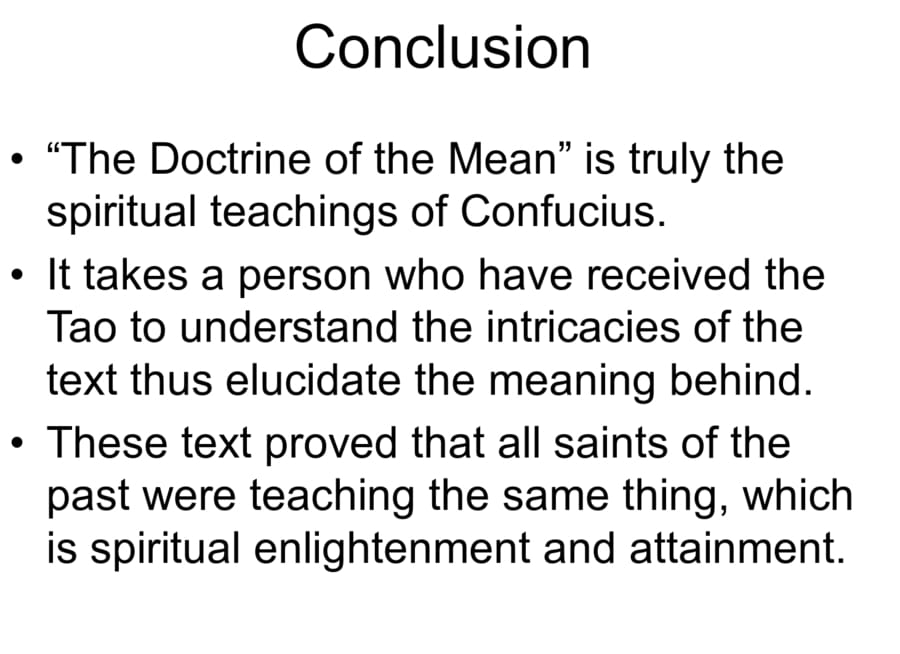
Zhongyong (中庸) (Doctrine of the Mean)
The Doctrine of the Mean is both a doctrine of Confucianism and also the title of one of the Four Books of Confucian philosophy.
The mean is also described as the 'unwobbling pivot' or zhongyong. Zhong means bent neither one way or another, and yong represents unchanging. Zhongyong represents moderation, rectitude, objectivity, sincerity, honesty and propriety. The guiding principle is that one should never act in excess.
The Doctrine of the Mean is divided into 3 parts: The Axis (Metaphysics), The Process (Politics) and The Perfect Word (Ethics). It instructed three Guidelines: Self-watchfulness, Leniency, Sincerity.
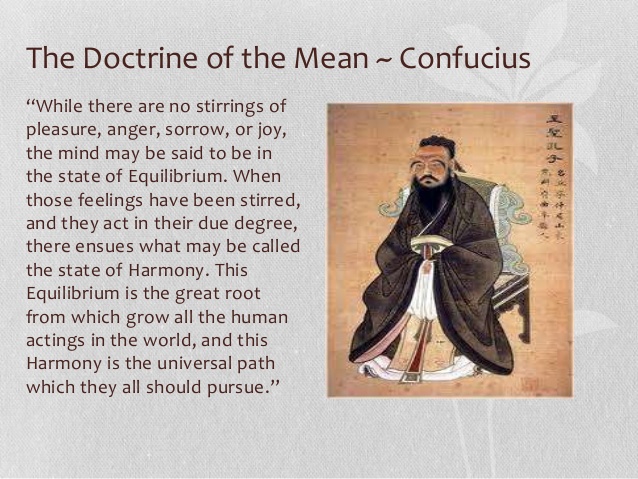
From "The Doctrine of the Mean" by followcn
Slide from "Doctrine of the Mean" - by Adela Ilene Underwood

Disputes
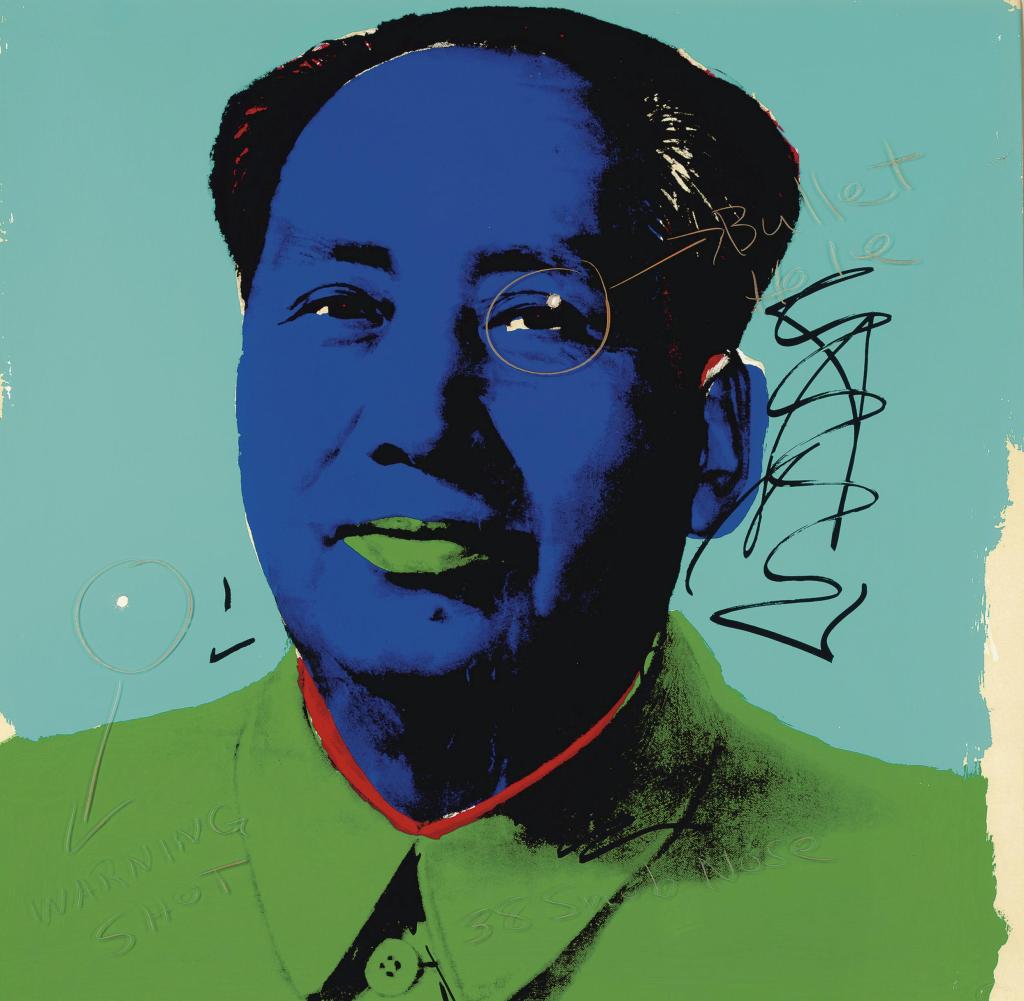
Mao Zedong, the founding father of the People's Republic of China, viewed Doctrine of the Mean as a mutation of eclecticism, which draws upon multiple theories/styles/ideas to gain complementary insights into a subject.
According to Mao's comments, Doctrine of the Mean is an eclecticism which simultaneously opposes the abolishment of exploitation. According to Mao, it failed to realize that something deserves absolute negation, and in compromise, Doctrine of the Mean prevented China from progress.
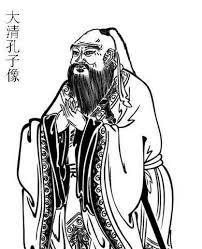
In his comment, Mao said that Doctrine of the Mean also goes against dialectics as it stops qualitative change by emphasizing maintaining balance and harmony. Lu Xun, a leading figure of modern Chinese literature, saw Doctrine of the Mean as major contributing factor of the abject ethnic stereotype in modern China, believing it prevented reform from happening."
-
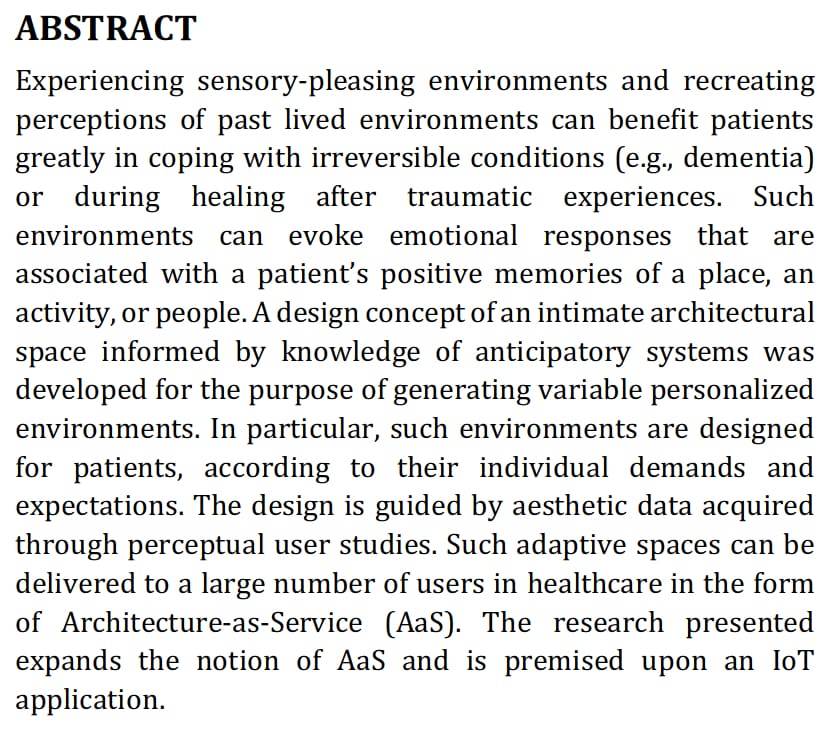
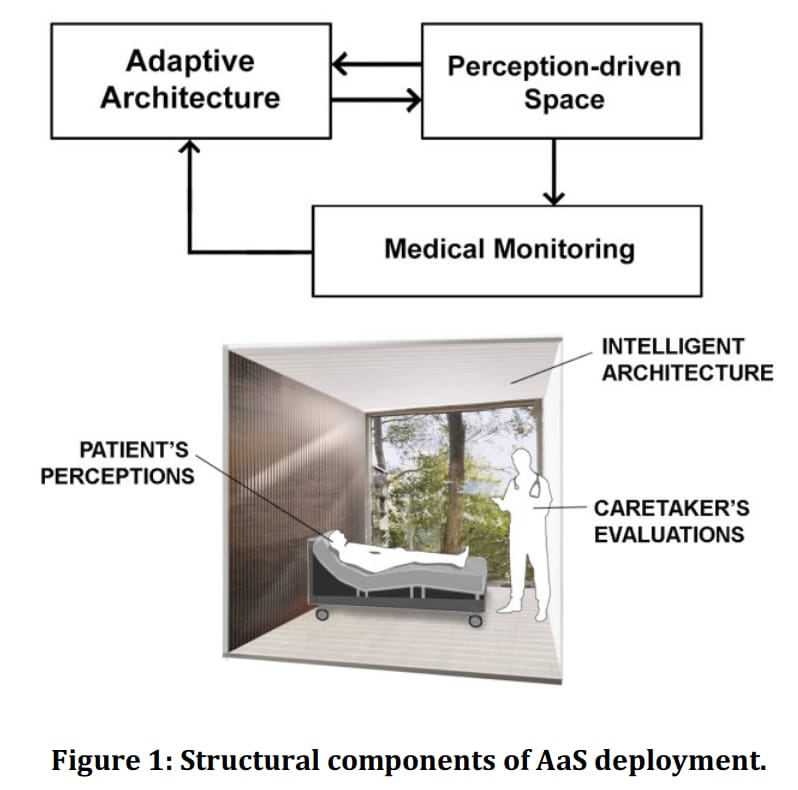
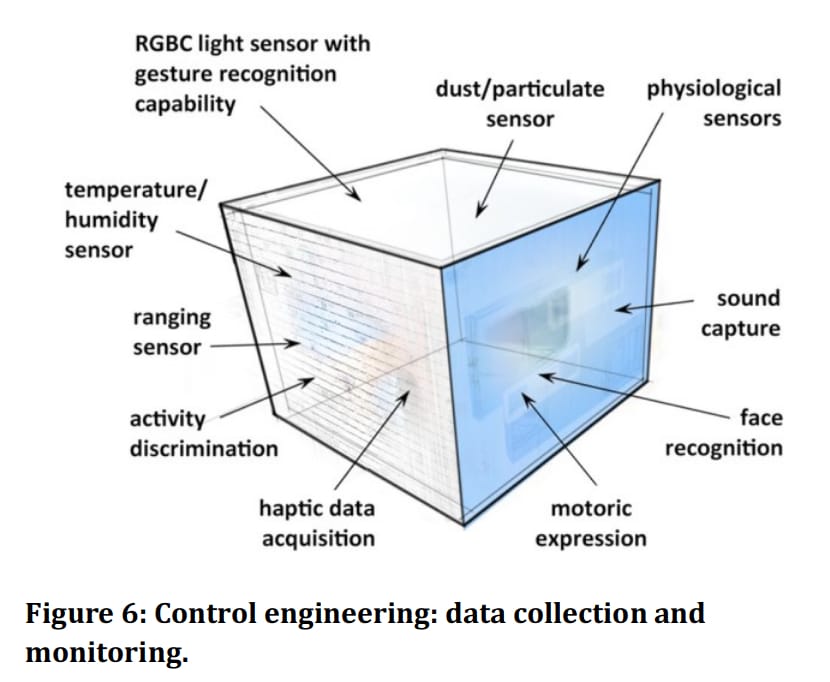
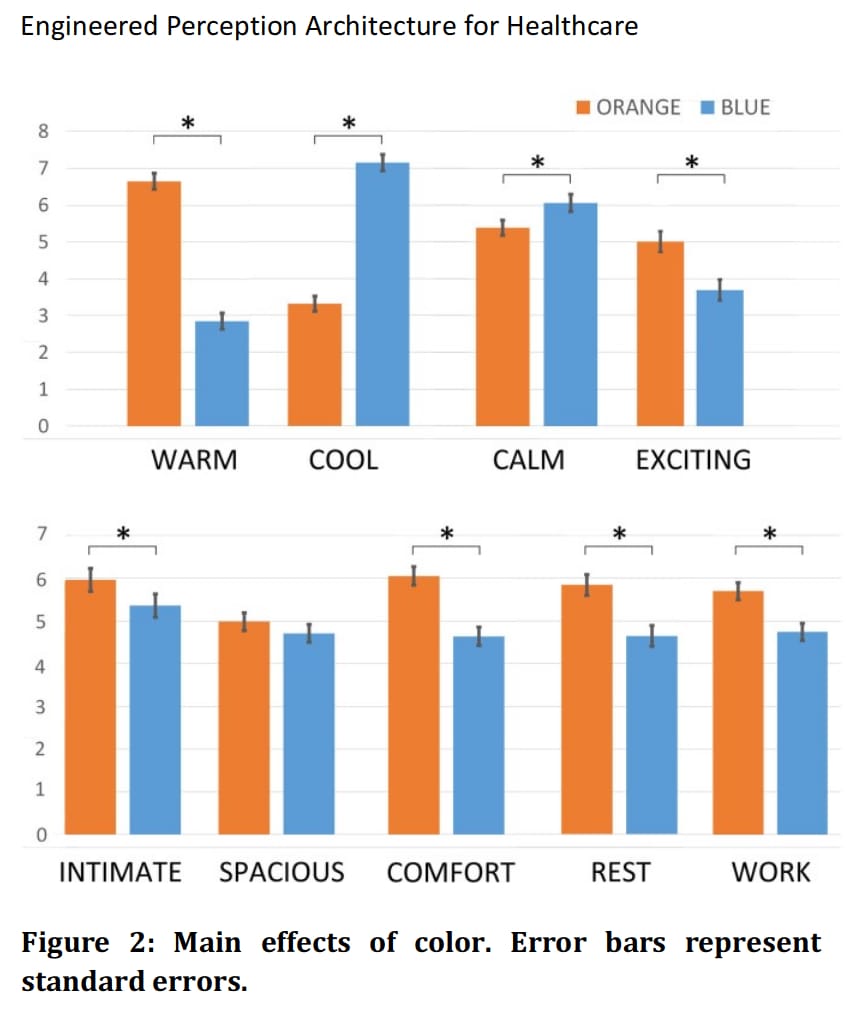
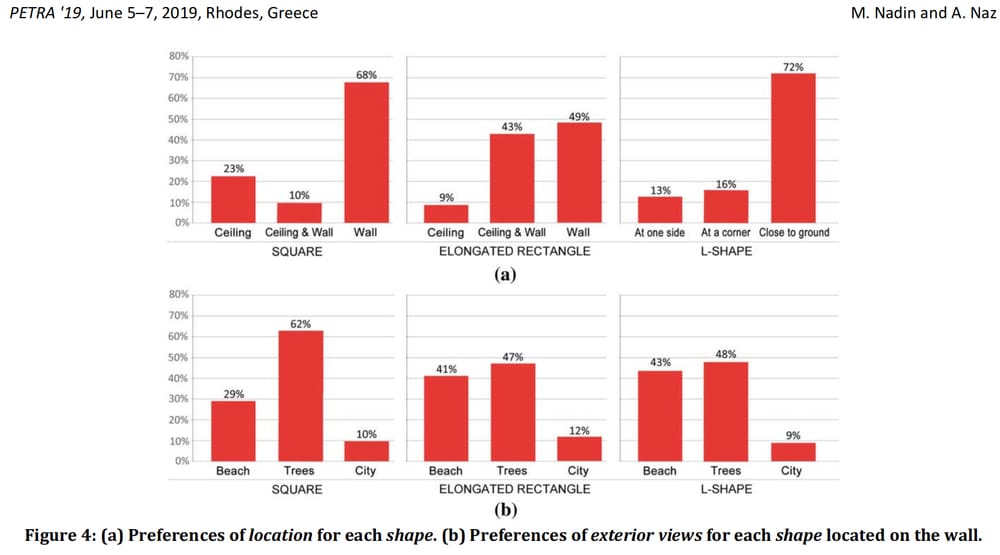
Engineered Perception Architecture for Healthcare - "Adaptive Interactive Room" Research by Mihai Nadin & Asma Naz (2019)

-
Online Pro-Tip: Don't argue with people or get annoyed by their stuff, just Unsubscribe

-
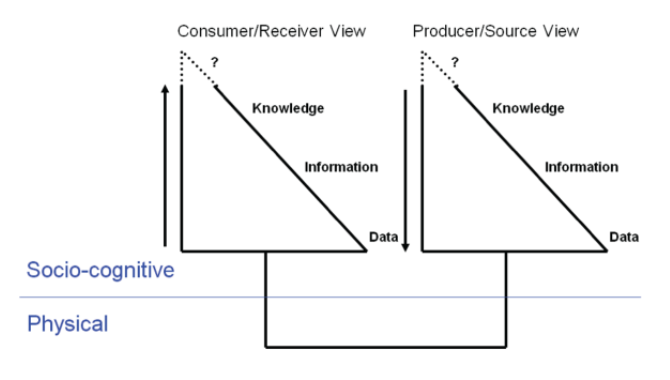
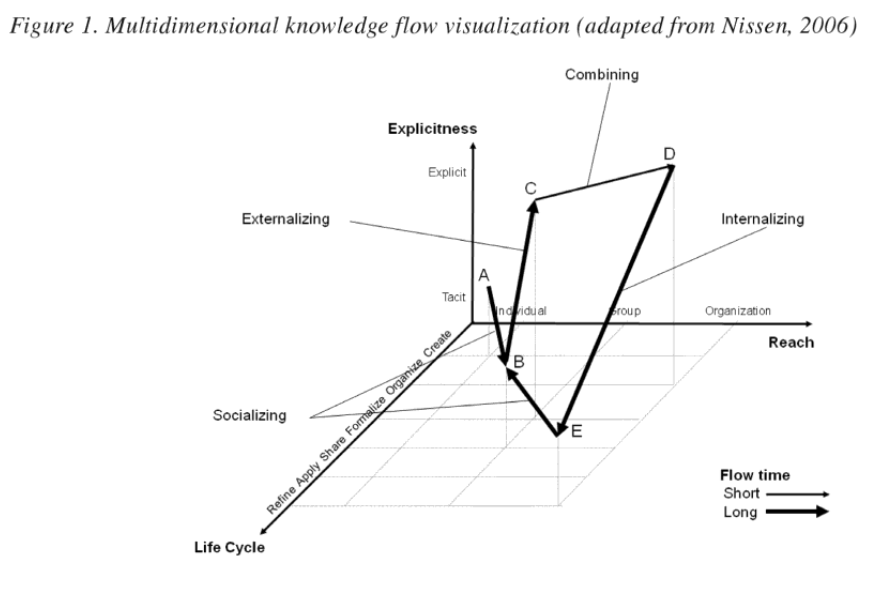
Harnessing Dynamic Knowledge Principles in the Technology-Driven World (2013) - Book by Mark Nissen (Prof. of Information Sciences, Naval Postgraduate School - Research)
-
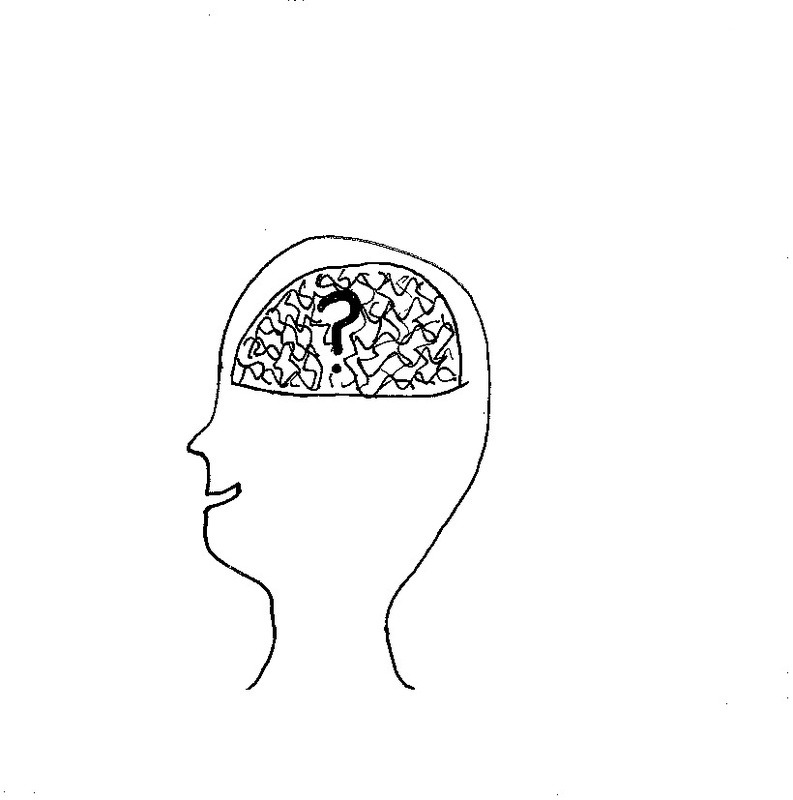
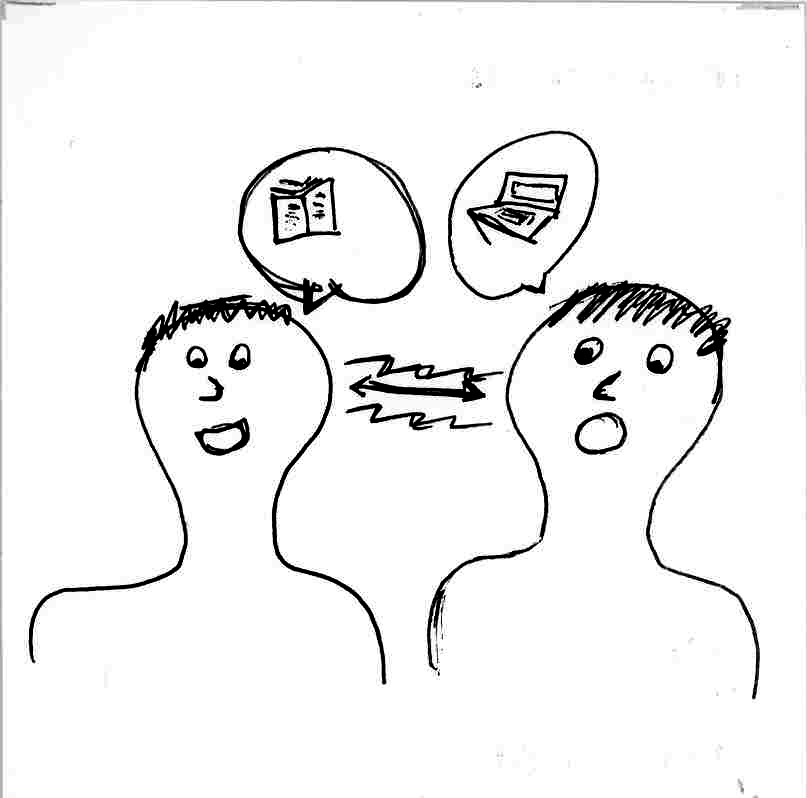
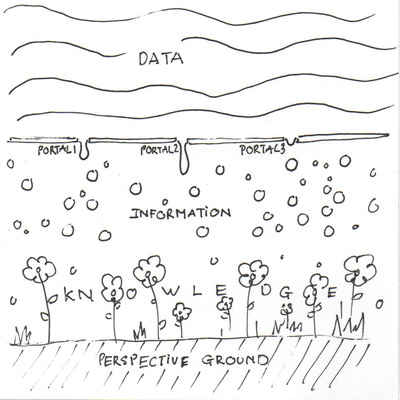
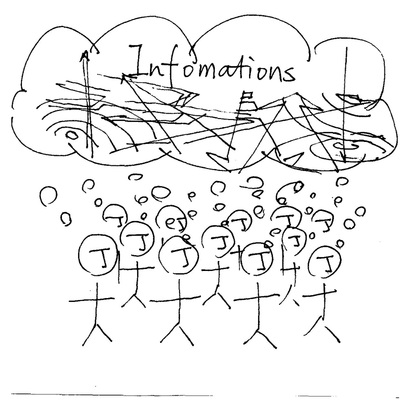
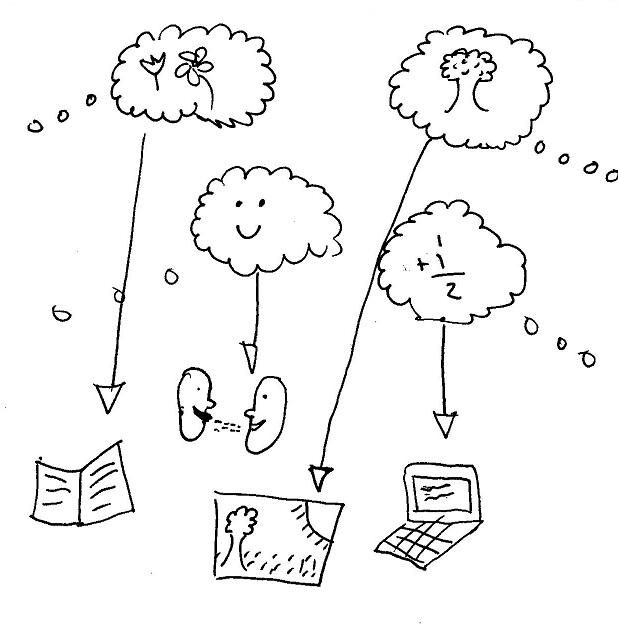
"iSquares bring information science into the Visual Information Age and create a richer multimedia genealogy for a beloved central concept. The study explores: 1) How do people visualize the concept of information?, 2) How do visual conceptions of information differ among various populations?, and 3) How do these images relate to conceptions of information made of words?"




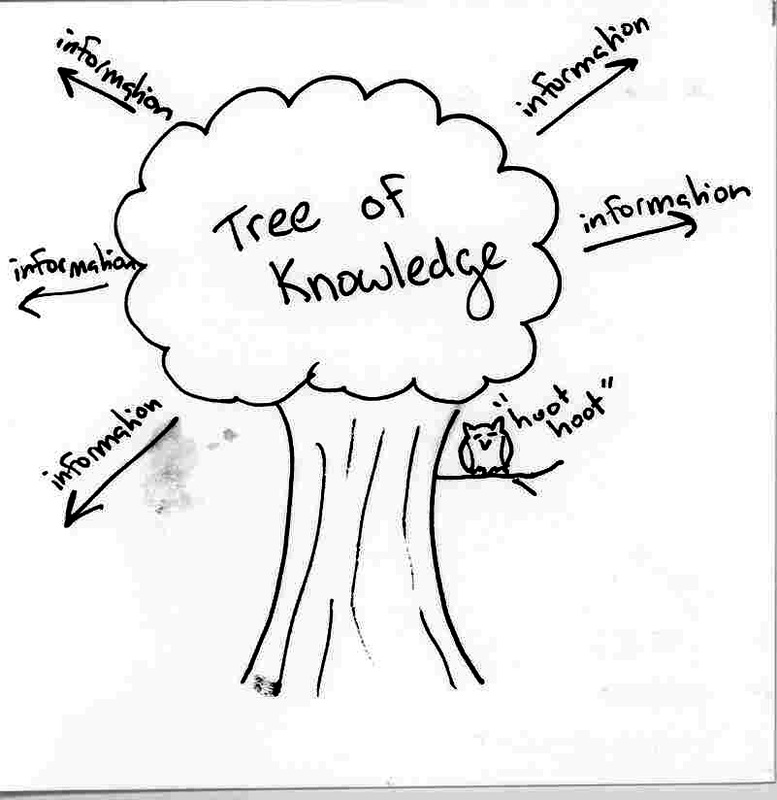
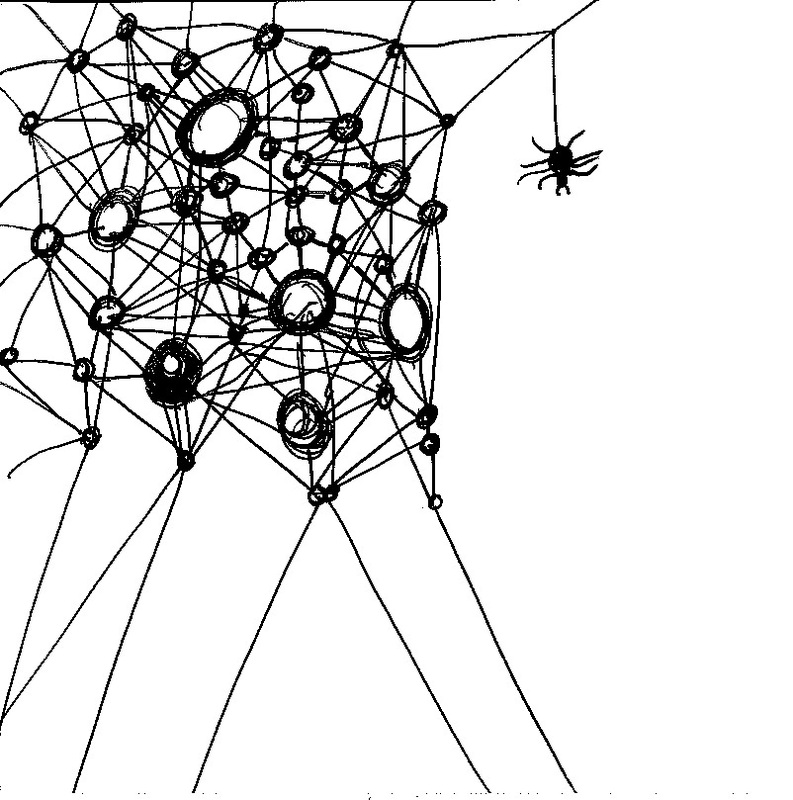

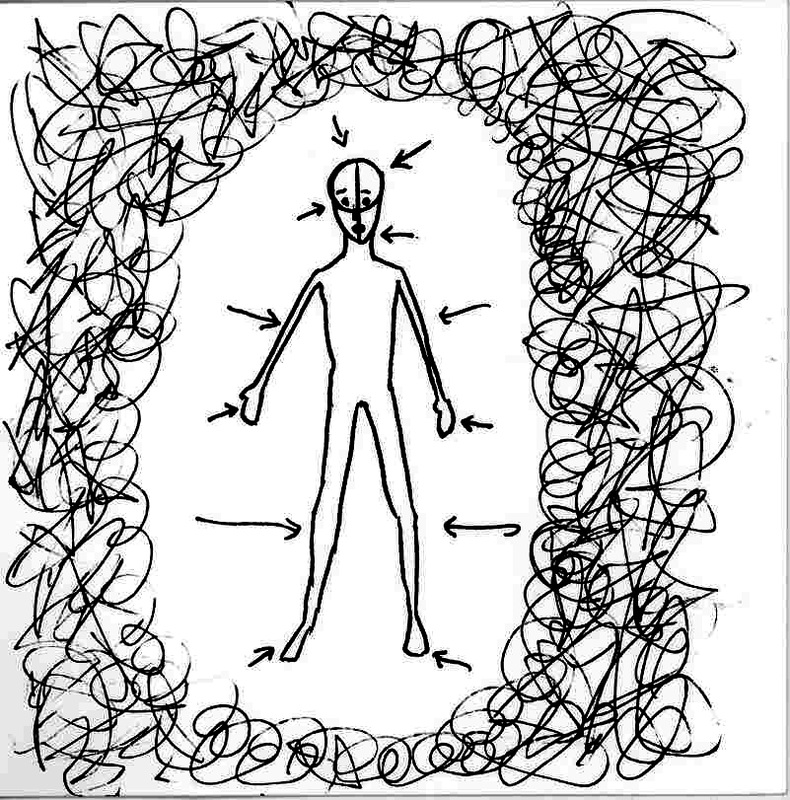

-
Castles and inverted castles: the work of Marcia J. Bates - by Jenna Hartel (2013).
Bates' work includes "Berrypicking", a classic technique for online search (1989)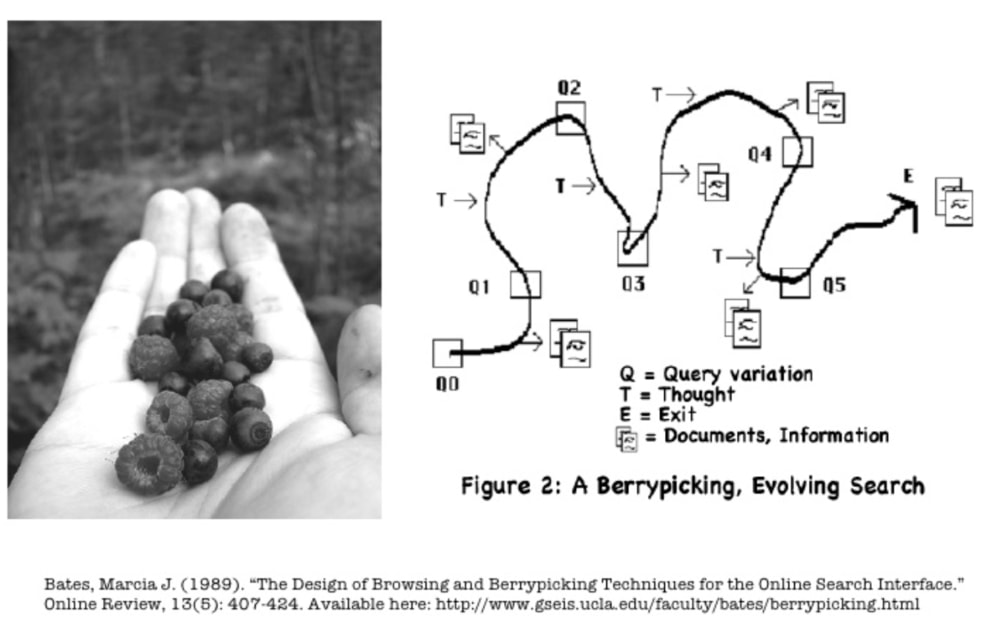
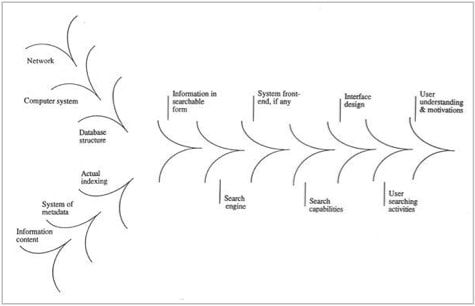
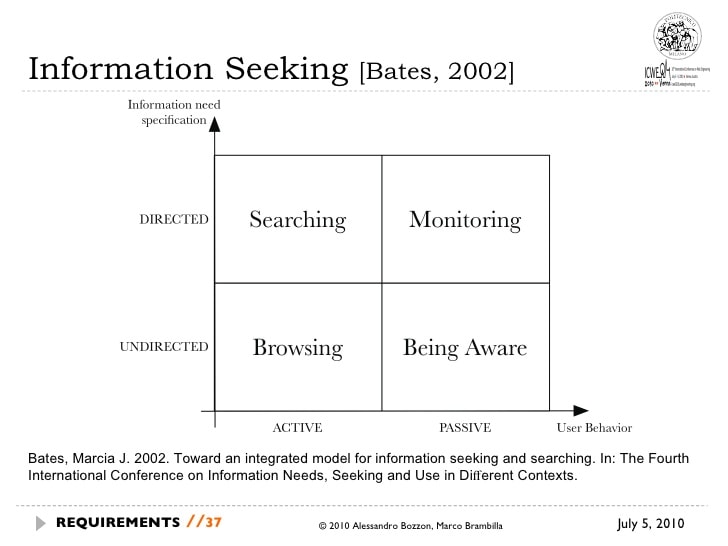

Marcia J. Bates Marcia J. Bates (1942) is Professor Emerita in the University of California at Los Angeles (UCLA) Department of Information Studies. She is a leading authority on information search, human-centered design of information systems and author of numerous books on the topic.
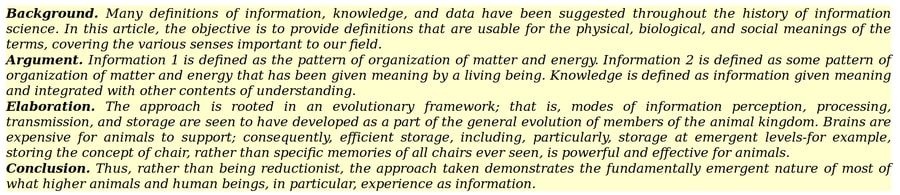
Paper: Information and knowledge: an evolutionary framework for information science