tag > HCI
-
Simulation model as a decision support tool
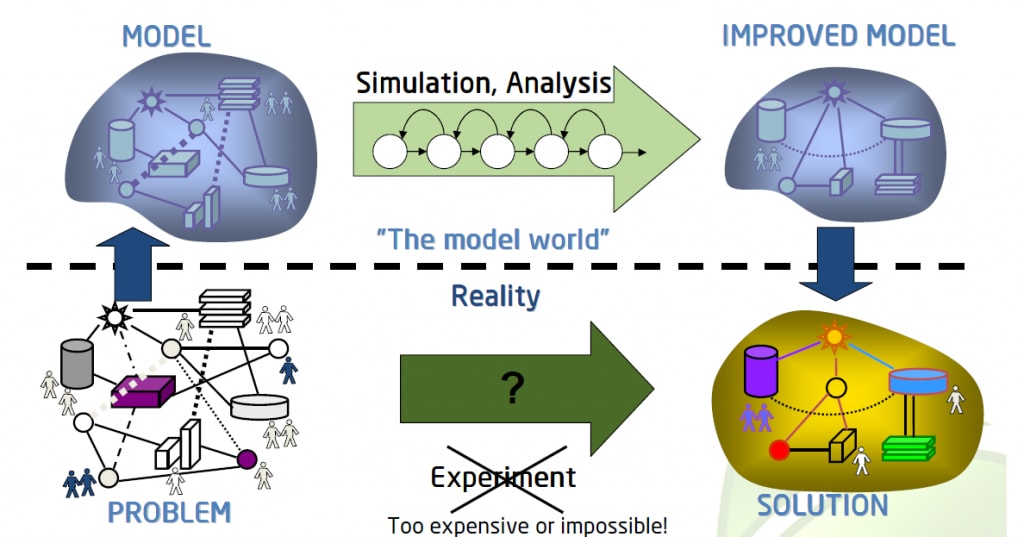
The simulation model does not give optimal decisions, unlike analytical solvers used for classical optimization tasks. The main advantage of this model is that it allows experts to answer the question of “What if?” using computational experiments. In the last decade, a lot of work was done to apply simulation to an opposite task: “What is need for?” This may also be called simulation-based optimization.
-
Evolving the Visual Programming Environment with React - talk by Jonas Gebhardt (2016)
-
Addiction Patterns: 50% of screen time (on mobile) sessions start within 3min of the previous one.
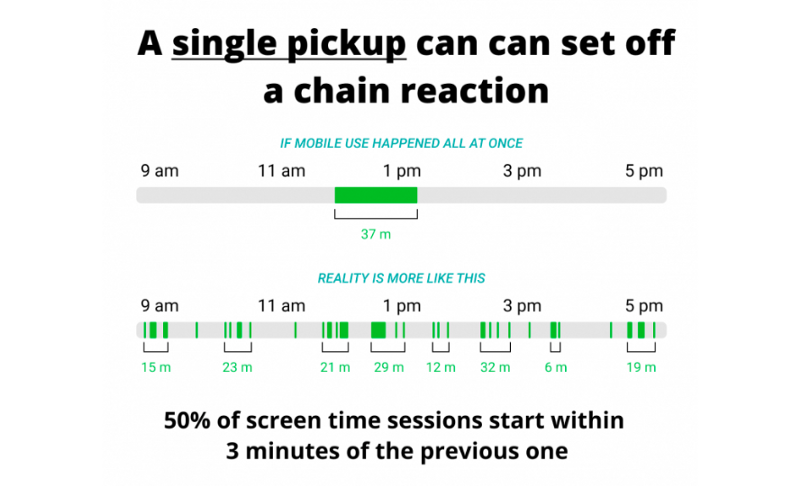
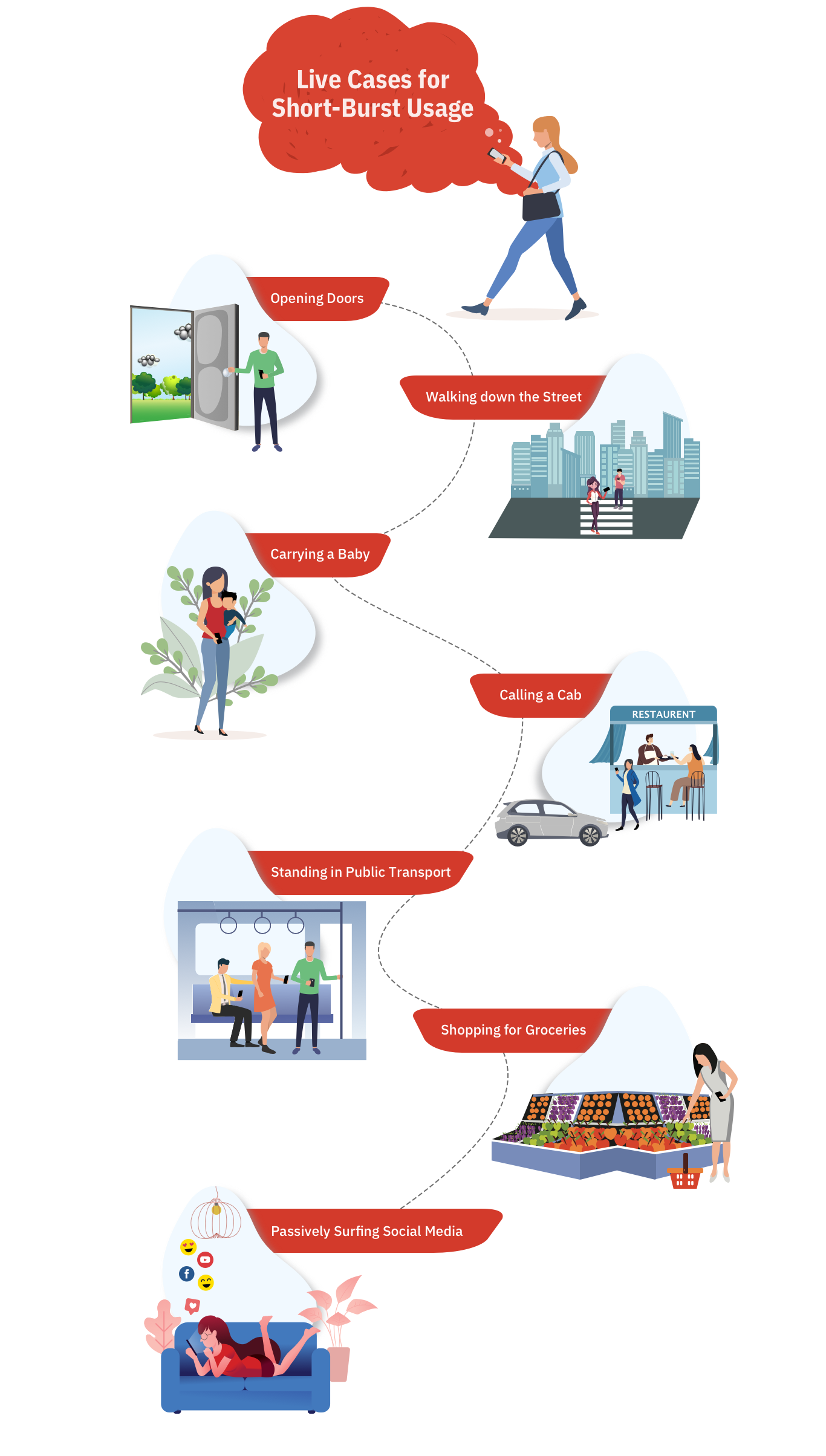
via https://www.smashingmagazine.com/2020/02/design-mobile-apps-one-hand-usage/
-
Blockly Developer Summit 2019: MakeCode Block Design - talk by Jacqueline Russell & Shannon Kao (2019)
Blockly: Using Block Based Coding in your App
-
Outbreak analytics: a developing data science for informing the response to emerging pathogens (2019)
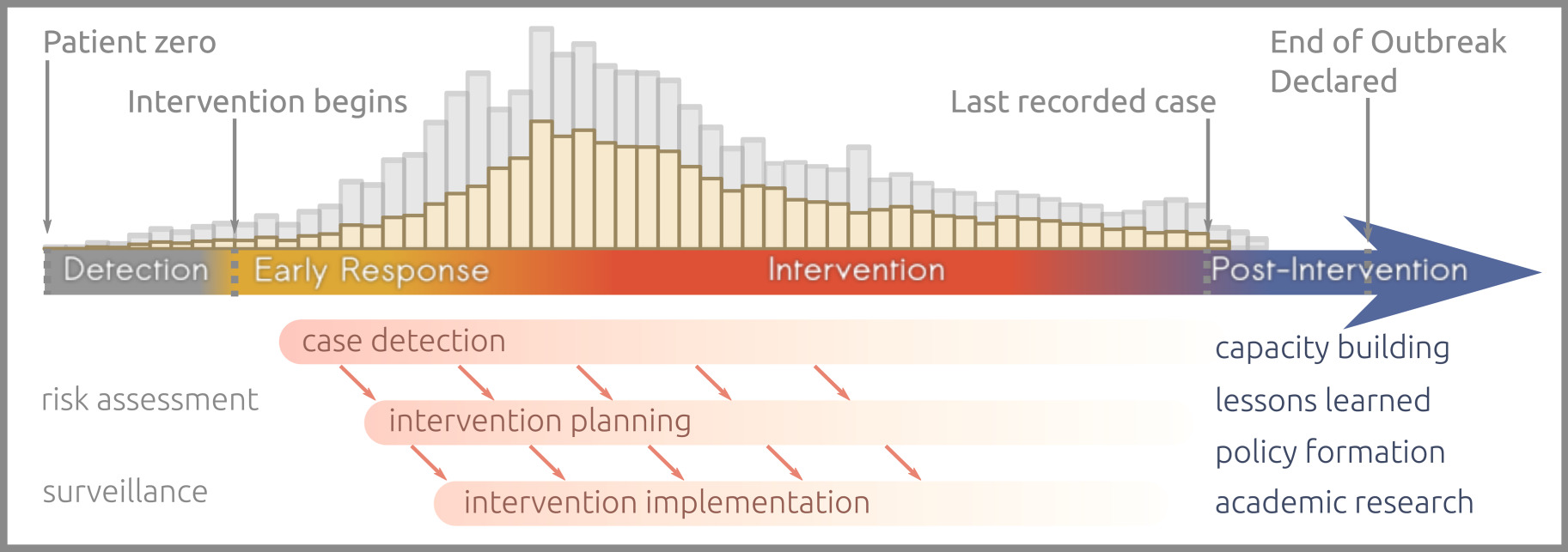
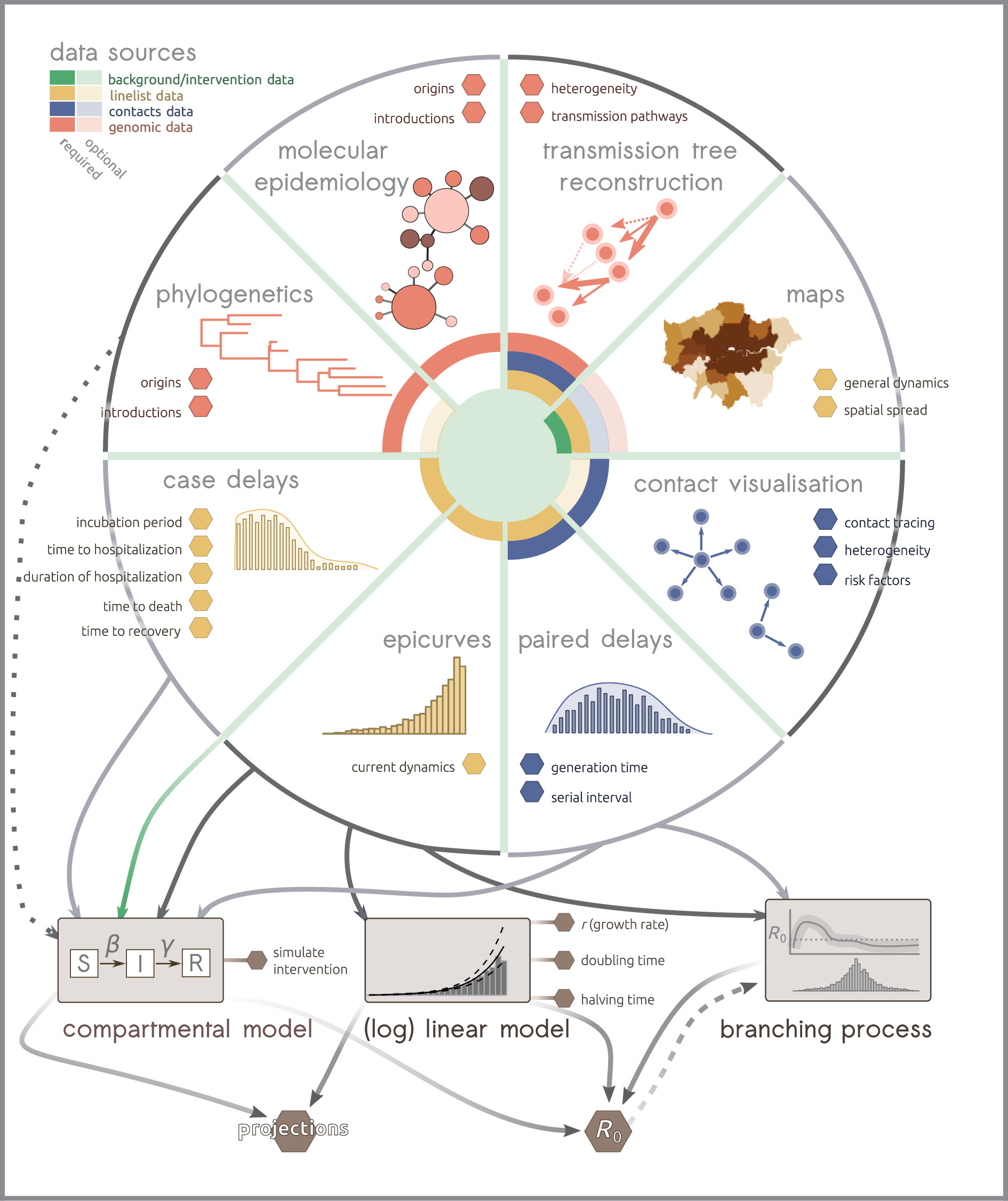
Abstract:
Despite continued efforts to improve health systems worldwide, emerging pathogen epidemics remain a major public health concern. Effective response to such outbreaks relies on timely intervention, ideally informed by all available sources of data. The collection, visualization and analysis of outbreak data are becoming increasingly complex, owing to the diversity in types of data, questions and available methods to address them. Recent advances have led to the rise of outbreak analytics, an emerging data science focused on the technological and methodological aspects of the outbreak data pipeline, from collection to analysis, modelling and reporting to inform outbreak response. In this article, we assess the current state of the field. After laying out the context of outbreak response, we critically review the most common analytics components, their inter-dependencies, data requirements and the type of information they can provide to inform operations in real time. We discuss some challenges and opportunities and conclude on the potential role of outbreak analytics for improving our understanding of, and response to outbreaks of emerging pathogens.
This article is part of the theme issue ‘Modelling infectious disease outbreaks in humans, animals and plants: epidemic forecasting and control‘. This theme issue is linked with the earlier issue ‘Modelling infectious disease outbreaks in humans, animals and plants: approaches and important themes’. -
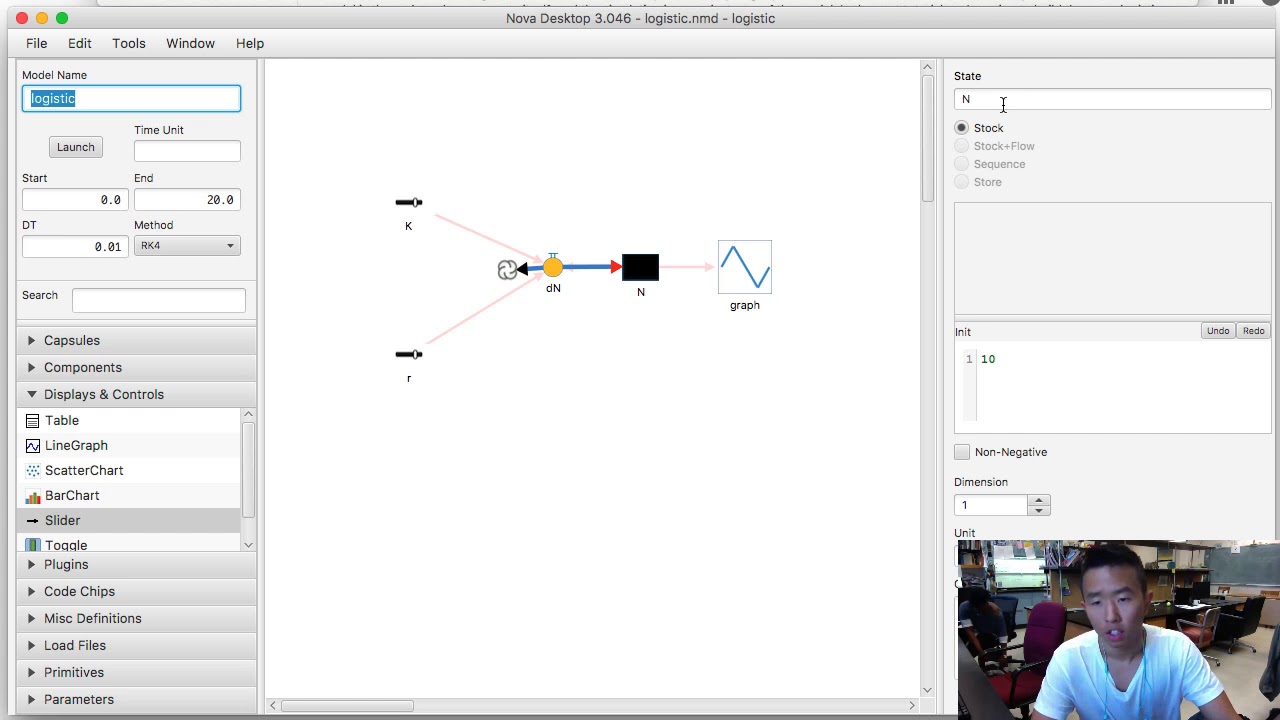
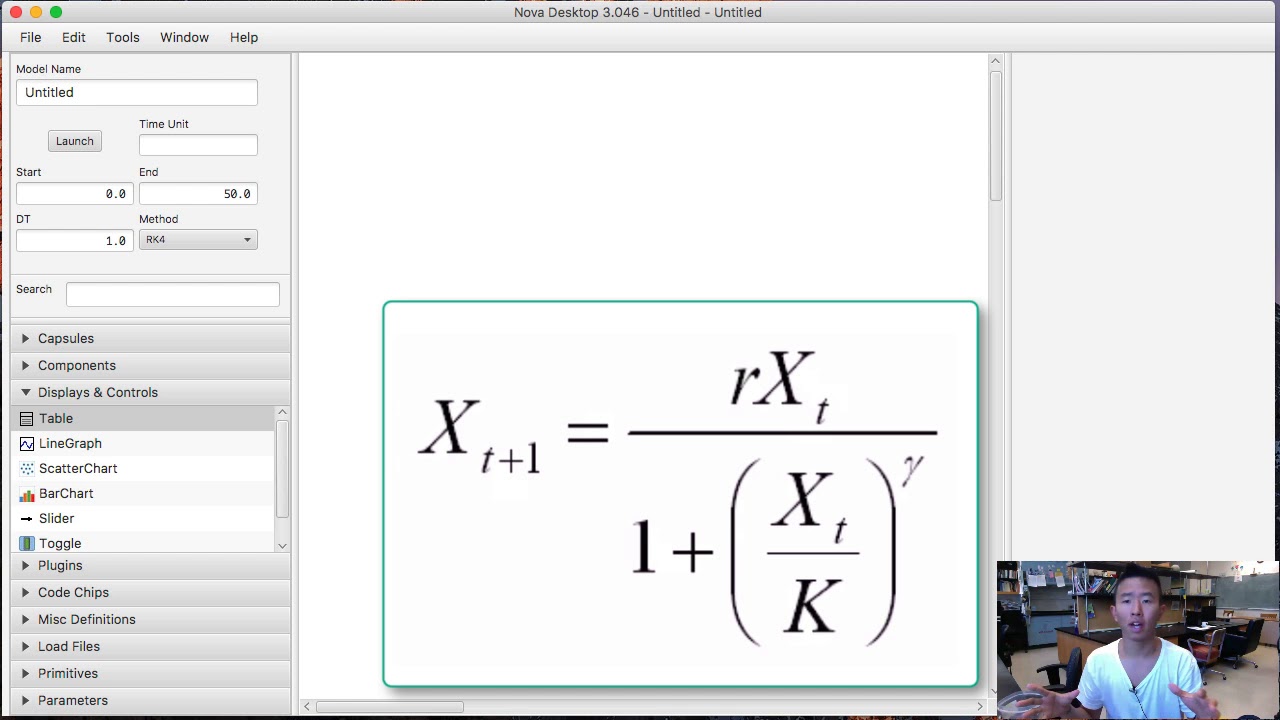
NOVA: An Interactive Graphics-Scripting Platform for Education and Computational Research
Nova: A Modern Platform for System Dynamics, Spatial, and Agent-Based Modeling - by Richard M. Salter (2013)
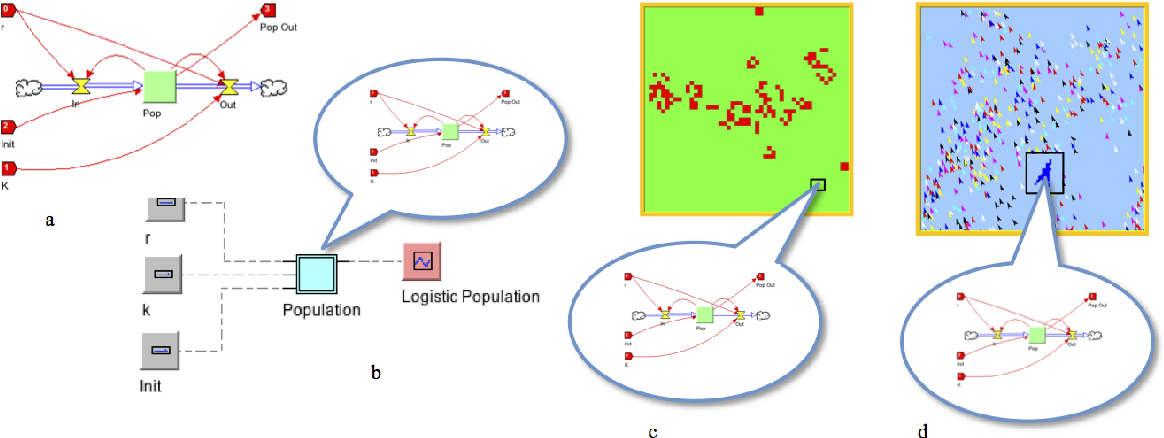
In this paper we describe Nova, a new Java-based modeling platform that naturally supports the creation of models in the system dynamics, spatial and agent-based modeling paradigms. Nova uses a visual language to express model design, and provides automatic conversion for such models to script form for execution. Nova's architecture promotes hierarchical design, code reuse, and extensibility through the use of plug-ins. The Nova Website, www.novamodeler.com, is being built to foster a vibrant user community by providing ample support for model and plug-in construction, and user services such as online repositories for user-contributed content.
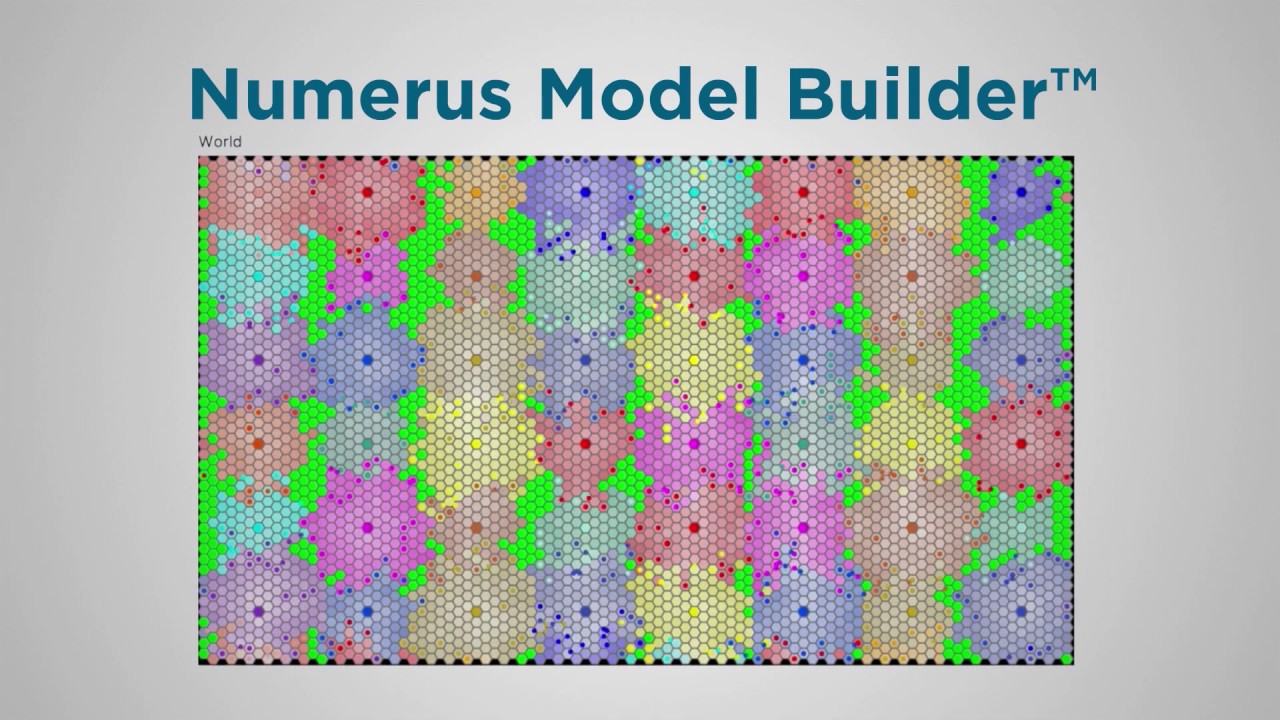
Numerus Model Builder Tutorial 1a
-
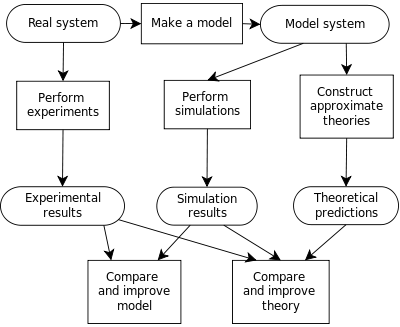
The process of mathematical modelling, performed on a computer, which is designed to predict the behaviour of and/or the outcome of a real-world or physical system. Simulation of a system is represented as the running of the system's model. It can be used to explore and gain new insights into new technology and to estimate the performance of systems too complex for analytical solutions.
Demystifying Simulation - Simulation software explained
-
Modern manufacturing’s triple play: Digital twins, analytics & the internet of things (Economist)
Imagine if doctors could create a digital twin version of you that updates in real time using data from sensors in your home, in your car and on your person, such as wearable devices like smart watches. This virtual twin could signal or even predict impending illnesses such as cancer, thus enabling early diagnosis when treatment might be most effective.
-
Interview with Dr. Saleema Amershi on Responsible AI
-
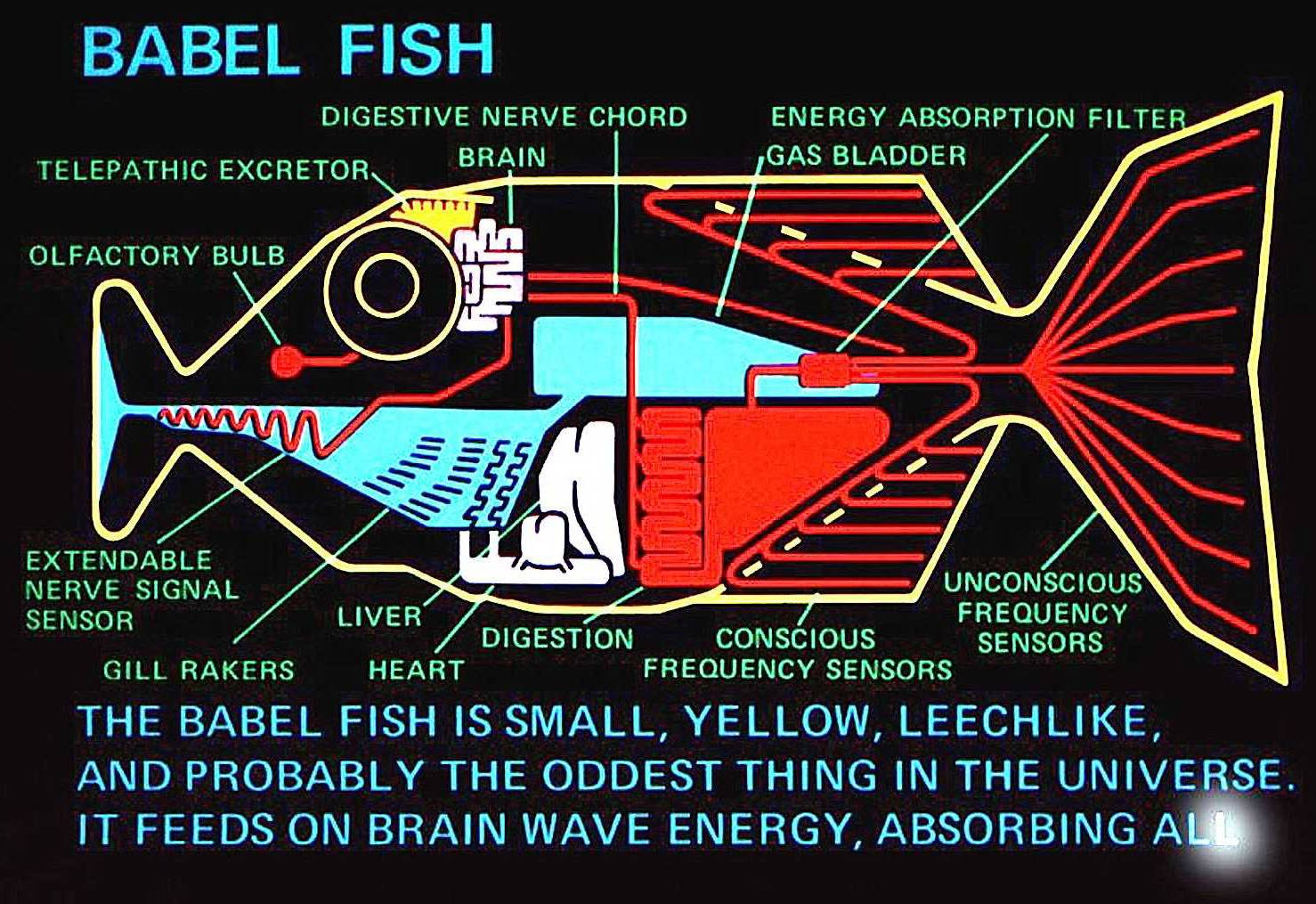
Google Translate will transcribe translations in real time on Android (The Verge. Alt: CNet)
-
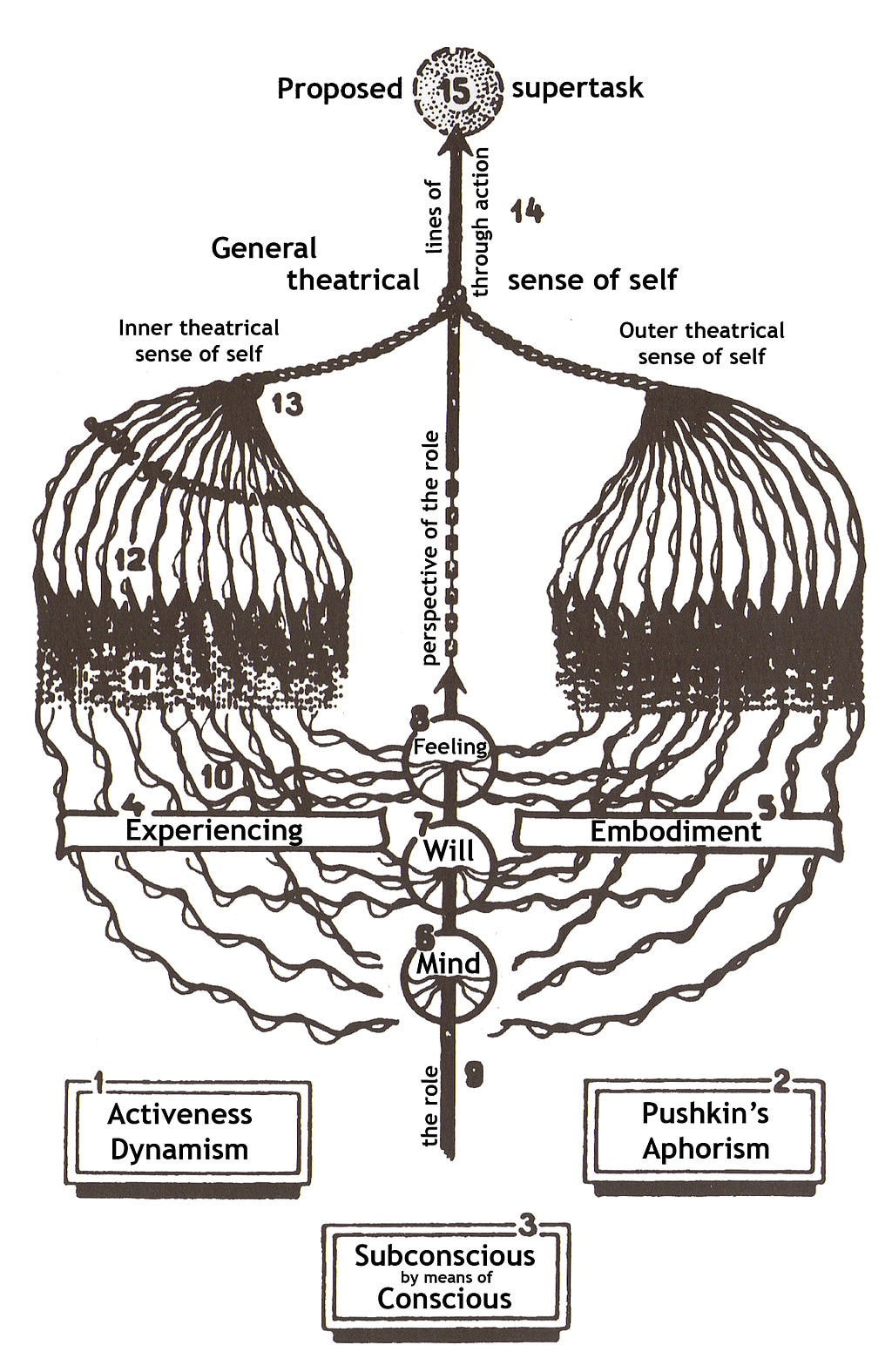
Stanislavski's system is a systematic approach to training actors that the Russian theatre practitioner Konstantin Stanislavski developed in the first half of the twentieth century. His system cultivates what he calls the "art of experiencing" (with which he contrasts the "art of representation"). It mobilises the actor's conscious thought and will in order to activate other, less-controllable psychological processes—such as emotional experience and subconscious behaviour—sympathetically and indirectly. In rehearsal, the actor searches for inner motives to justify action and the definition of what the character seeks to achieve at any given moment (a "task")
Related: Theatre as Engineering - from Stanislavski to Cybernetics & Overview of Stanislavski's System
-
Ted Nelson VS The MIT Media Lab
"From that moment i figured he (Nicholas Negroponte, lab founder) was really a con man [...] The whole point of the Media Lab is "we know something that you don't know!" - to have strange projects no one could understand. [...] Negroponte is a politician, exchanging favours. [..] One day i asked Negroponte for his definition of media and he finally said 'Media is like Air!'. Con men and politicians aren't necessarily held to telling the truth at all." - Ted Nelson
"For over thirty years, the MIT Media Lab has done strange and mysterious things, using hype and hokum to impress the unwary and raise ever more money. Whereas the principles of interaction and media, as far as I'm concerned, are and always have been simple and powerful, with human creativity at the centre. The creative mentality of the film director is exactly what is needed in software - anticipating the user's understandings and expectations, and fulfilling them elegantly." - Ted Nelson
#Comment: It's worth adding that besides the (ongoing) onslaught of "strange projects know one could understand" (aka "Bullshit", as defined by Harry Frankfurt in his essay "On Bullshit" (PDF) ), the Media Lab (and the wider MIT) has been a premier "think tank" for the US military industrial complex. And thus, the media lab has proven the marvellous fact that fictitious techno-utopian bullshit pushed by con man politicians, is highly capable of killing a great many people in the real world.
-
I Tried Listening to Podcasts at 3x and Broke My Brain - by Steve Rousseau (medium)
At 2x, the experience of listening to audio began to change: Though I could understand the words, they seemed to have less emotional resonance. At these high speeds, my brain seemed to shift away from assessing people's feelings towards baseline comprehension. At the end of each sentence, I'd feel a little twinge of joy, not because of anything happening in the podcast, but just because I had understood the words.