tag > Health
-
Making Sense of Medicine: Biophotons: The light of life

In 1923, a Russian cell biologist, Alexander Gurwitsch, discovered extremely low-level ultraviolet light emitted from onions. He called this mitogenic radiation, and his work was used in diagnosing cancer. In 1941, he was awarded the prestigious Stalin Prize for his work. However, 500 failures to duplicate his research results led to his work being discredited. Later in the 20th century, however, it was taken up by his daughter, Anna, and by others. In the 1970s, German cell biologist Fritz Albert Popp coined the currently used term “biophoton” for this light. What is a biophoton?
-
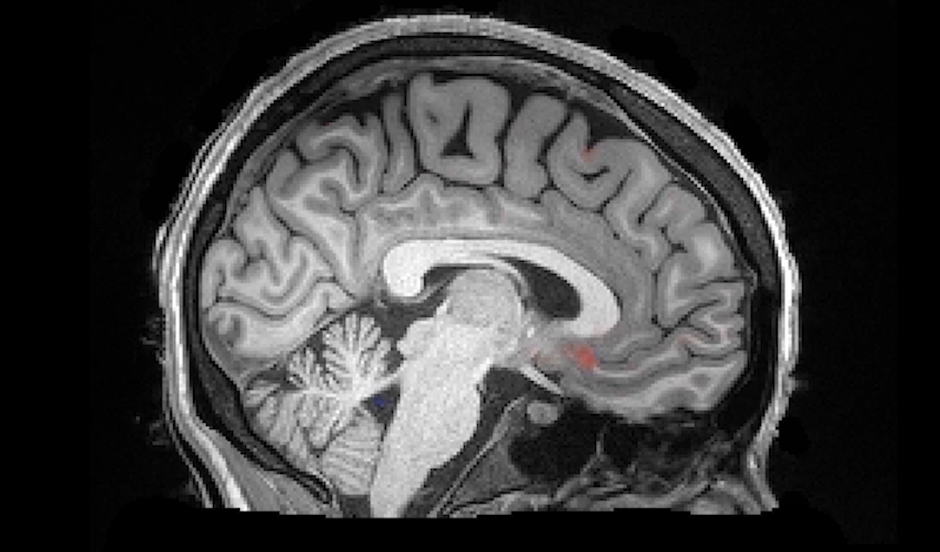
Are We “Brain Washed” during Sleep? - New BU study reveals the first-ever images of cerebrospinal fluid washing in and out of the brain during sleep
-
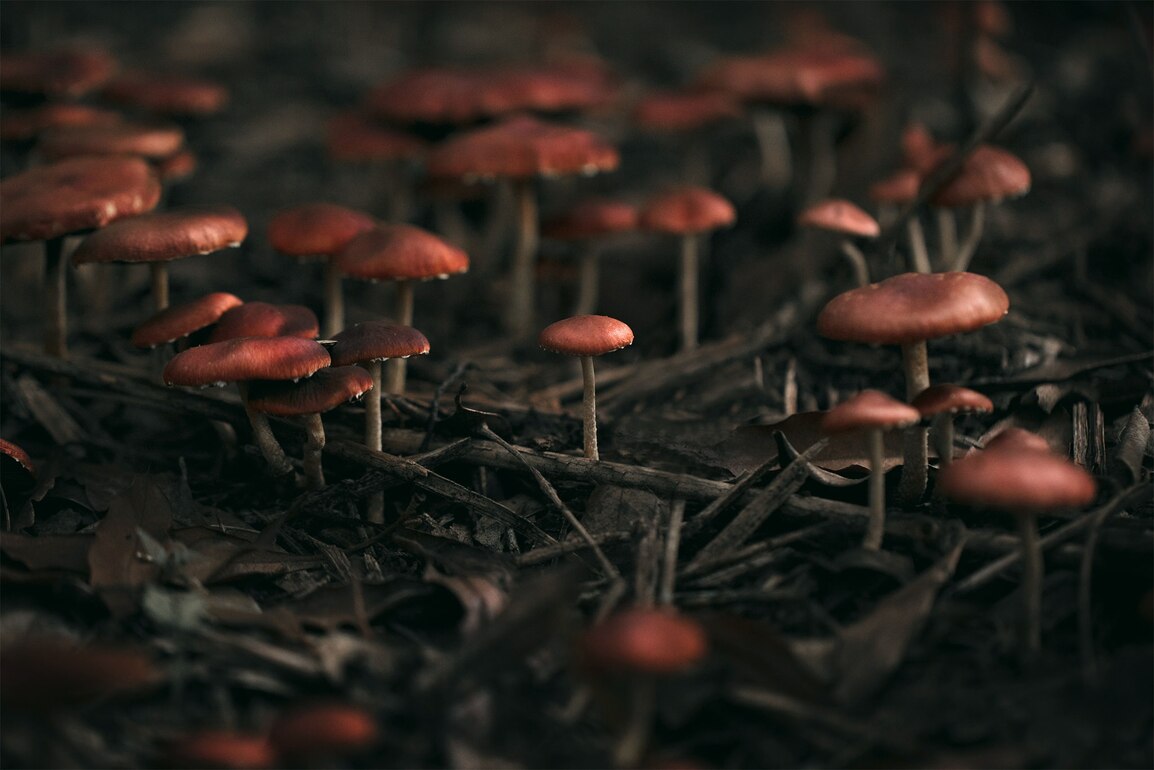
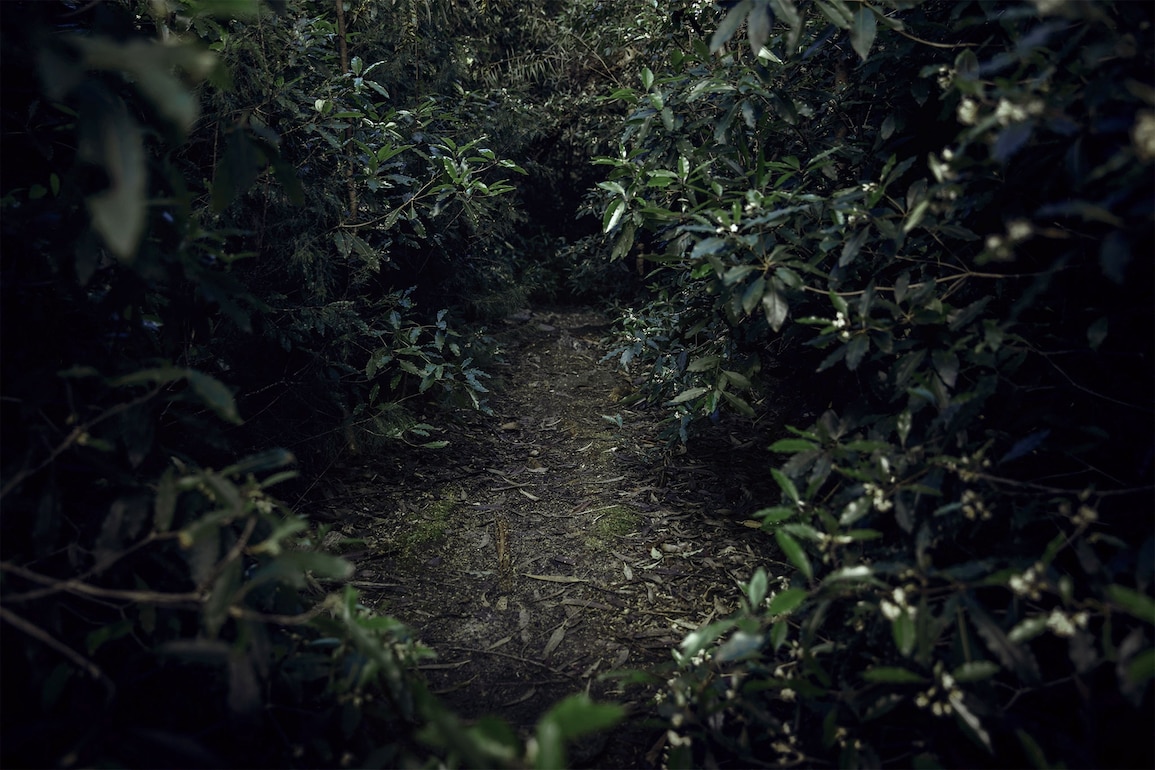
Experience the Magical Practice of 'Forest Bathing' - Photographer Tali Kimelman brings the sensory experience of the forest to life after letting herself get lost in its beauty.







-
The “healthy dose” of nature: A cautionary tale
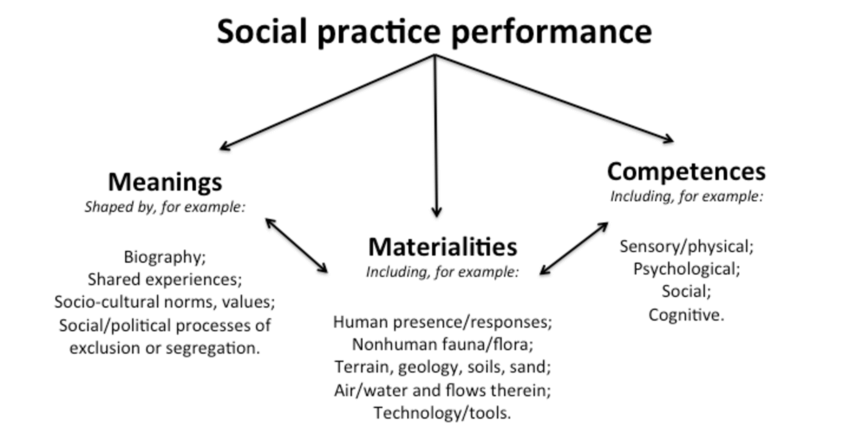
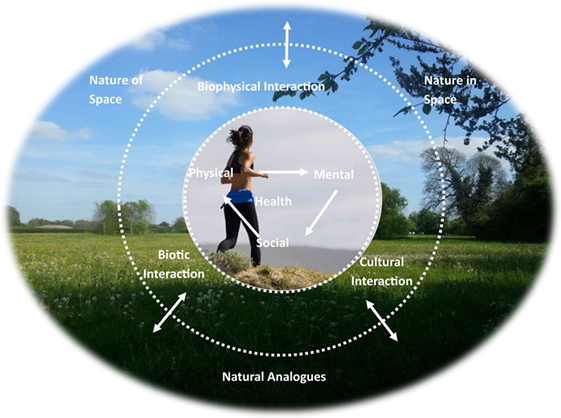
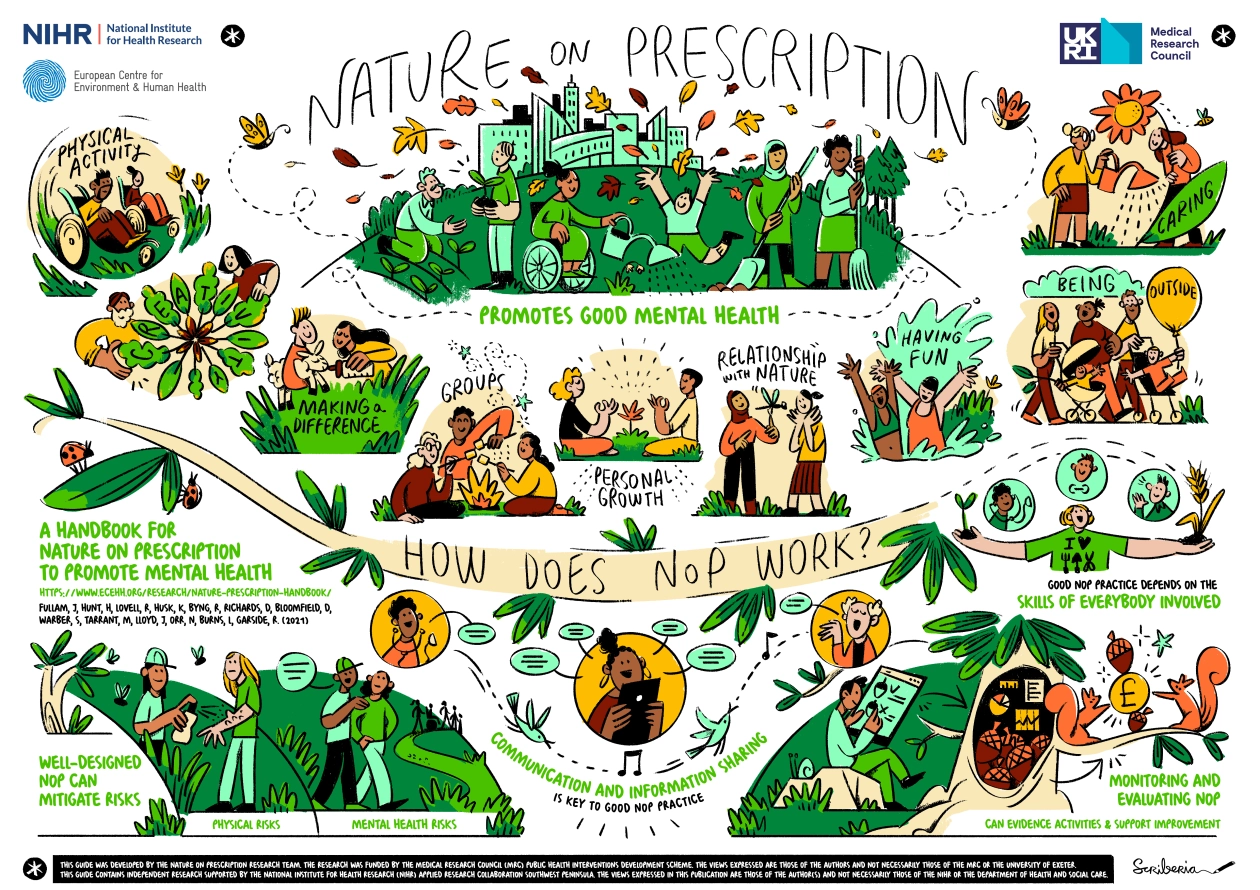
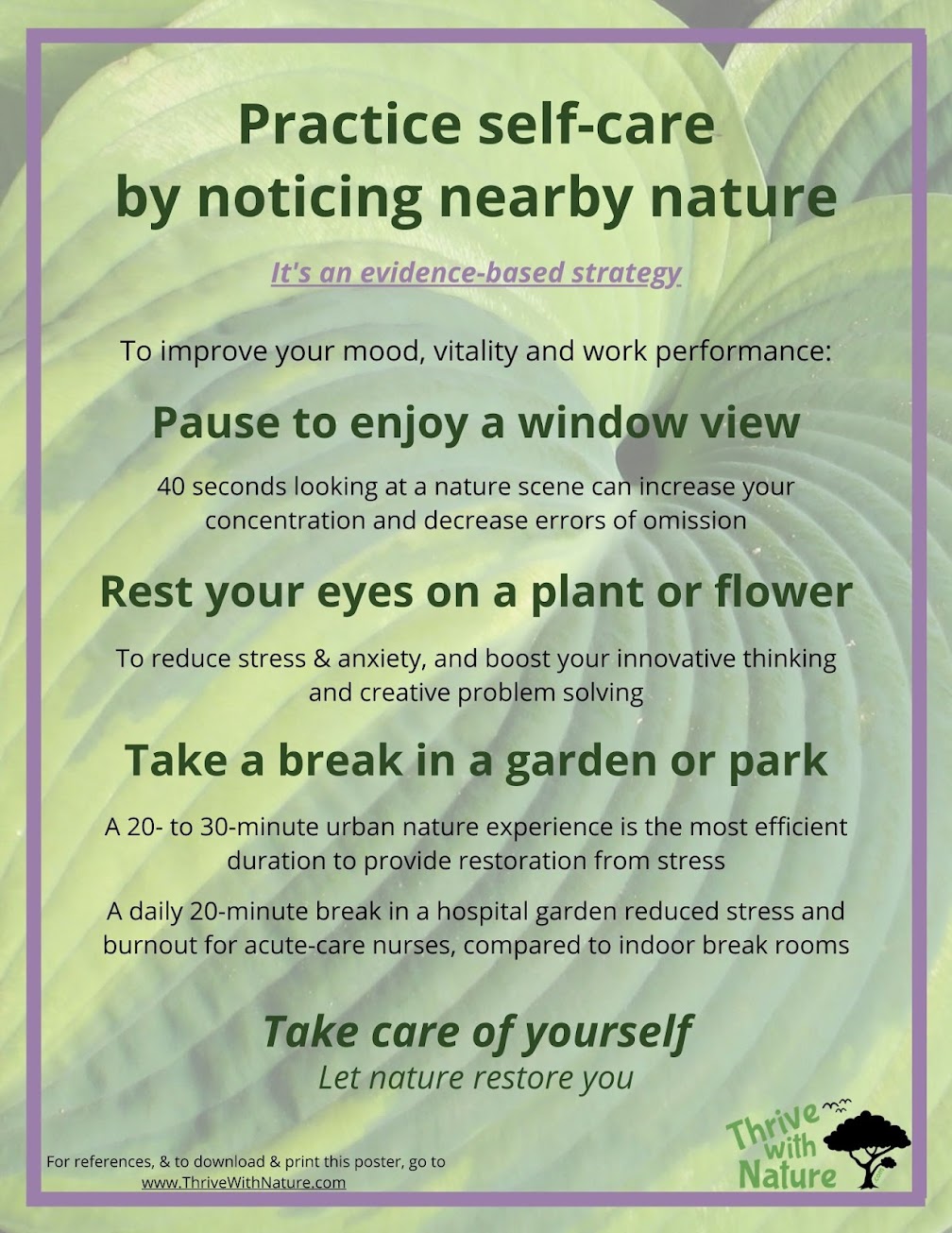
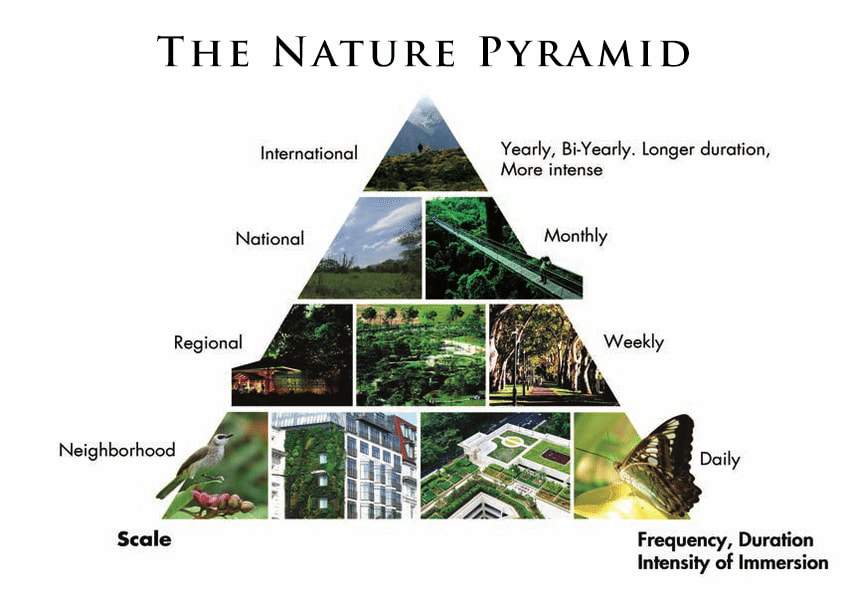
Growing cross‐disciplinary interest in understanding if, how, and why time spent with nature can contribute to human health and well‐being has recently prompted efforts to identify an ideal healthy dose of nature; exposure to a specific type of nature at a specified frequency and duration. These efforts build on longstanding attempts to prescribe nature in some way, most recently in the form of so‐called “green prescriptions.” In this critical discussion paper, we draw on key examples from within the fields of health and cultural geography to encourage deeper and more critical reflection on the value of such reductionist dose‐response frameworks. By foregrounding the relationally emergent qualities of people's dynamic nature encounters, we suggest such efforts may be both illusory and potentially exclusionary for the many individuals and groups whose healthy nature interactions diverge from the statistical average or “normal” way of being. We suggest value in working towards alternative more‐than‐human approaches to health and well‐being, drawing on posthumanist theories of social practice. We present two practice examples—beach‐going and citizen science—to demonstrate how a focus on social practices can better cater for the diverse and dynamic ways in which people come to conceptualise, embody, and interpret nature in their everyday lives. We close by reflecting on the wider societal transformations required to foster greater respect for embodied difference and diversity.
-
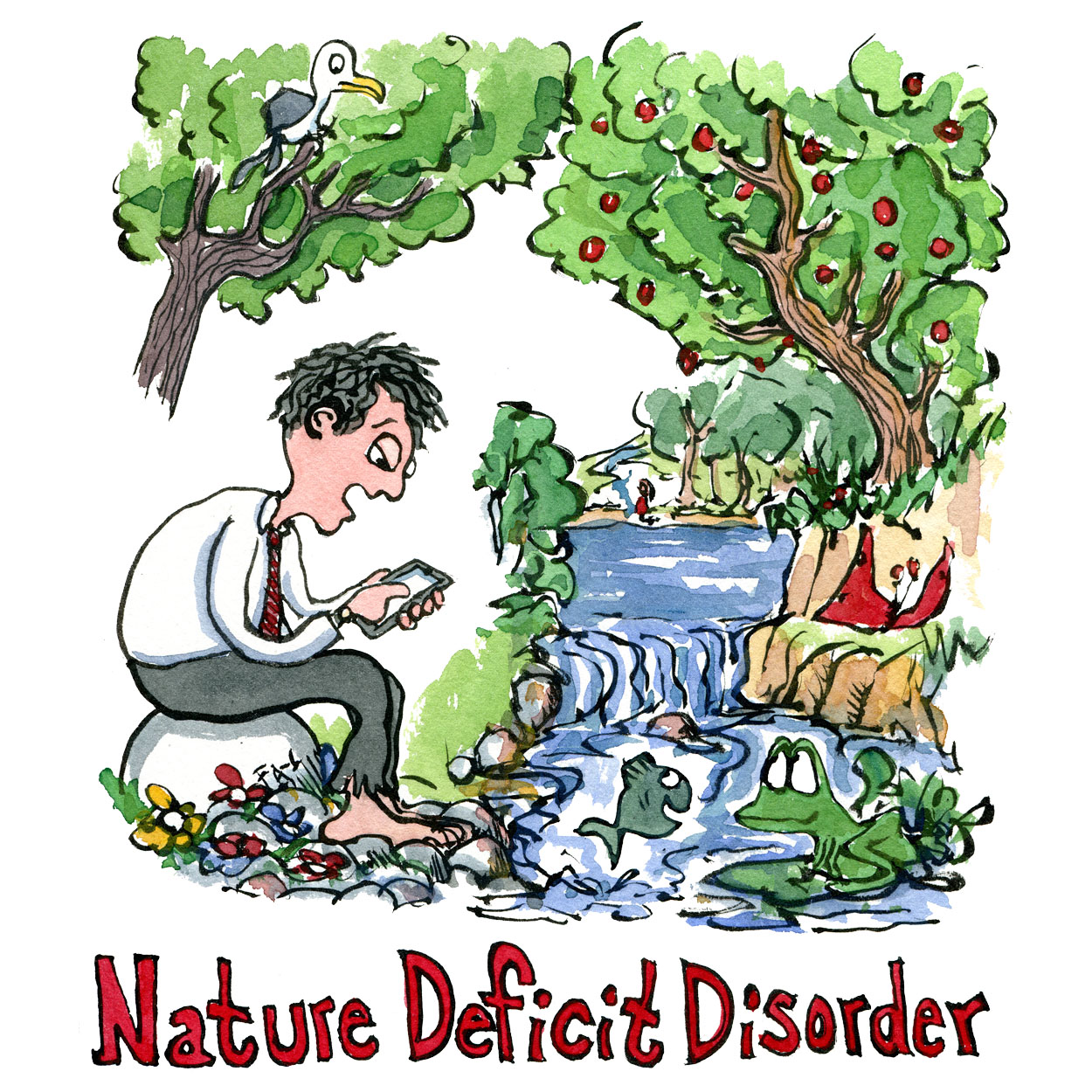
Nature-deficit disorder - the idea that human beings, especially children, are spending less time outdoors, and the belief that this change results in a wide range of behavioral problems.


-
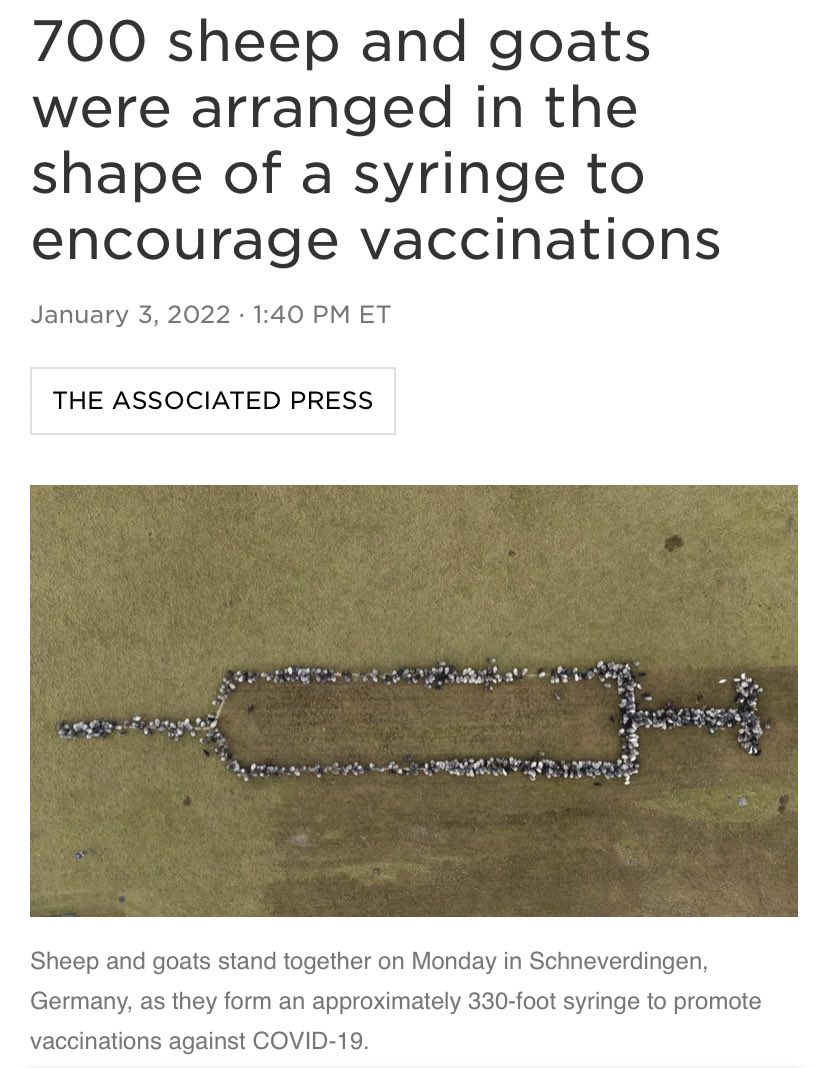
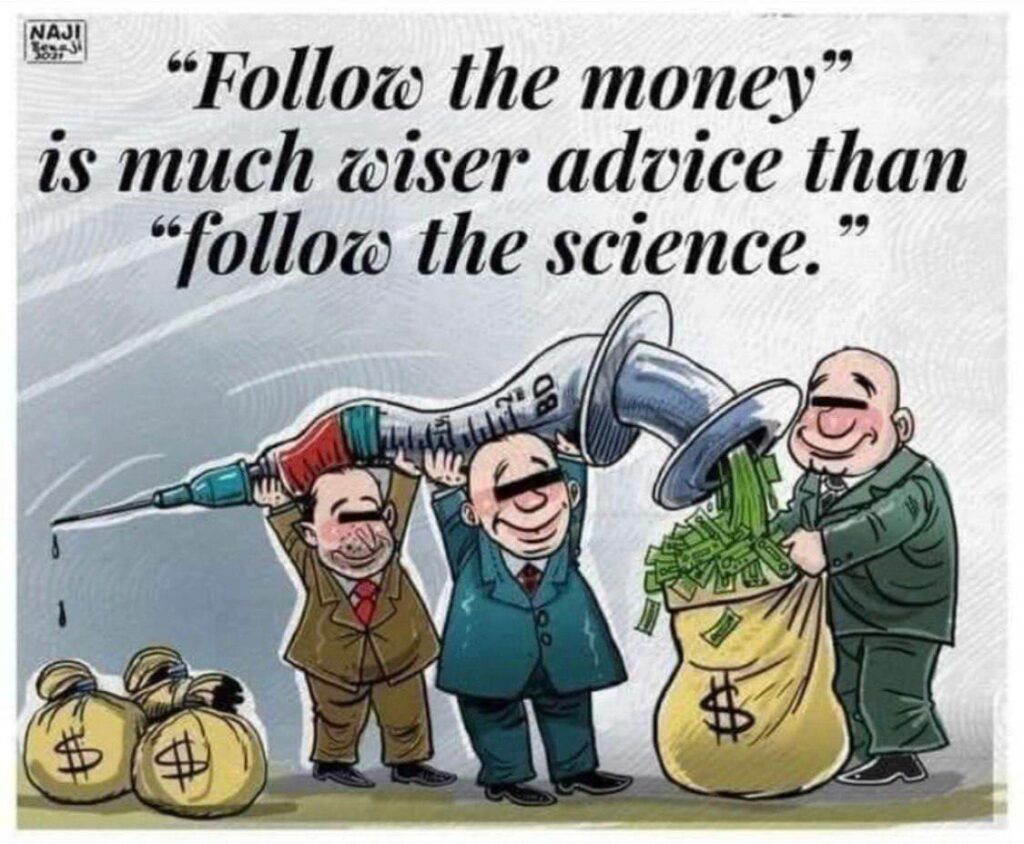
"Follow the money" is much wiser advice than "follow the science."
-
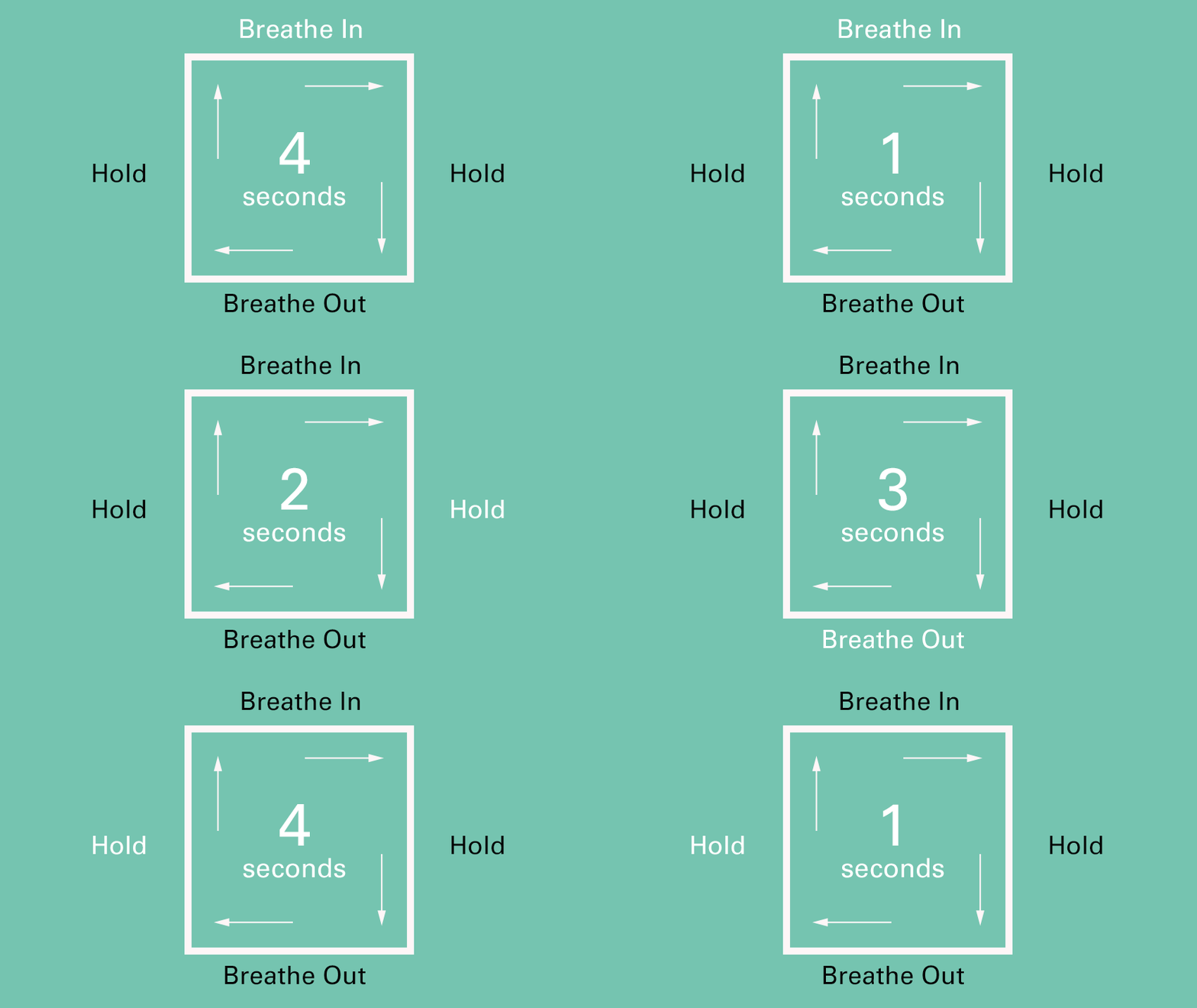
Breathing Matters - Jack Feldman, a distinguished professor of neurobiology at the David Geffen School of Medicine at UCLA, shares the series of remarkable revelations he has made about breathing and the brain
Related: A conversation about breathing with Neurobiologist Jack Feldman
-
Thinking in 140 Characters: The Internet, Neuroplasticity, and Intelligence Analysis
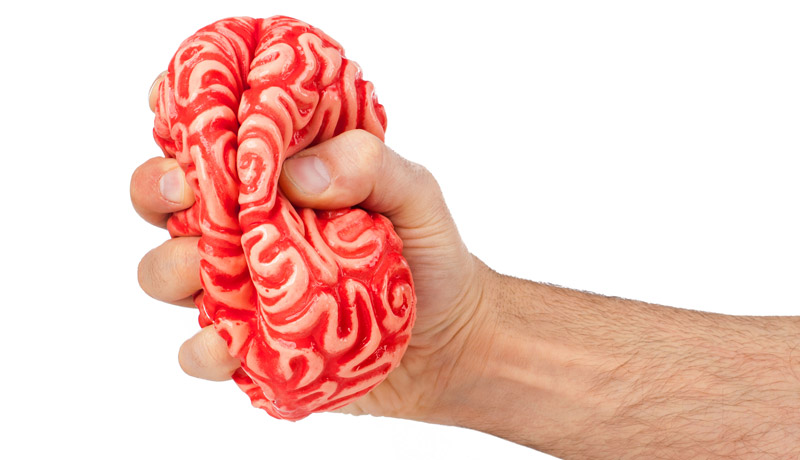
“Studies have shown the internet and related technologies are fundamentally changing the way people engage information, which in turn has compromised cognitive functioning in a number of important ways.”
“In the analytic segments of intelligence organizations, this phenomenon speaks directly to a—if not the—core occupational function: focused, disciplined thinking. This issue can be expected to be more pronounced among younger and newer analytic cohorts…”
“In this article, the basic concepts and science of neuroplasticity are introduced, as well as specific findings pertaining to the neuroplastic effects of internet usage. Potential implications for U.S. intelligence organizations are then explored.”
“It does not take long for the brain to show signs of physiological change after even moderate engagement with the internet and its applications.”
“One particularly worrisome finding is when in the state or habit of multi- tasking, individuals are more likely to accept conventional ideas and solutions without questioning them or considering alternatives.”
-
The Foundations of Chinese Medicine

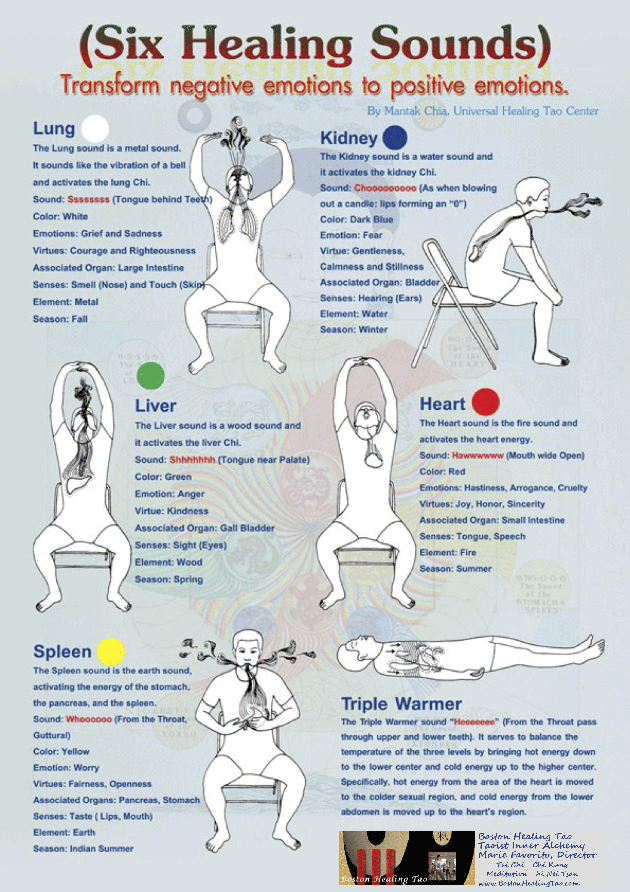
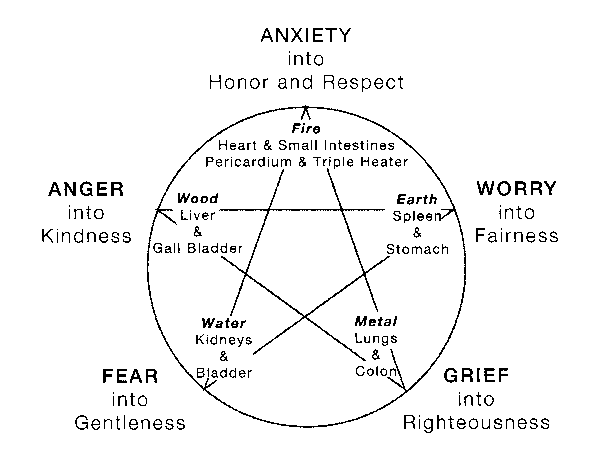
Chinese medicine is huge in scope and requires years of study. However, the primary prescription for health is quite simple: abide by the cycles of nature and maintain peace within the body, mind, and spirit.
In the Yellow Emperor’s Classic, the earliest surviving medical text written over 2300 years ago, Huang Di was told that in ancient times man lived a simple life in accord with nature, but “Nowadays people are not like this ... they adopt recklessness as usual behavior.” What would Huang Di think of today’s lifestyle? Perhaps, it is time to listen to the Yellow Emperor.