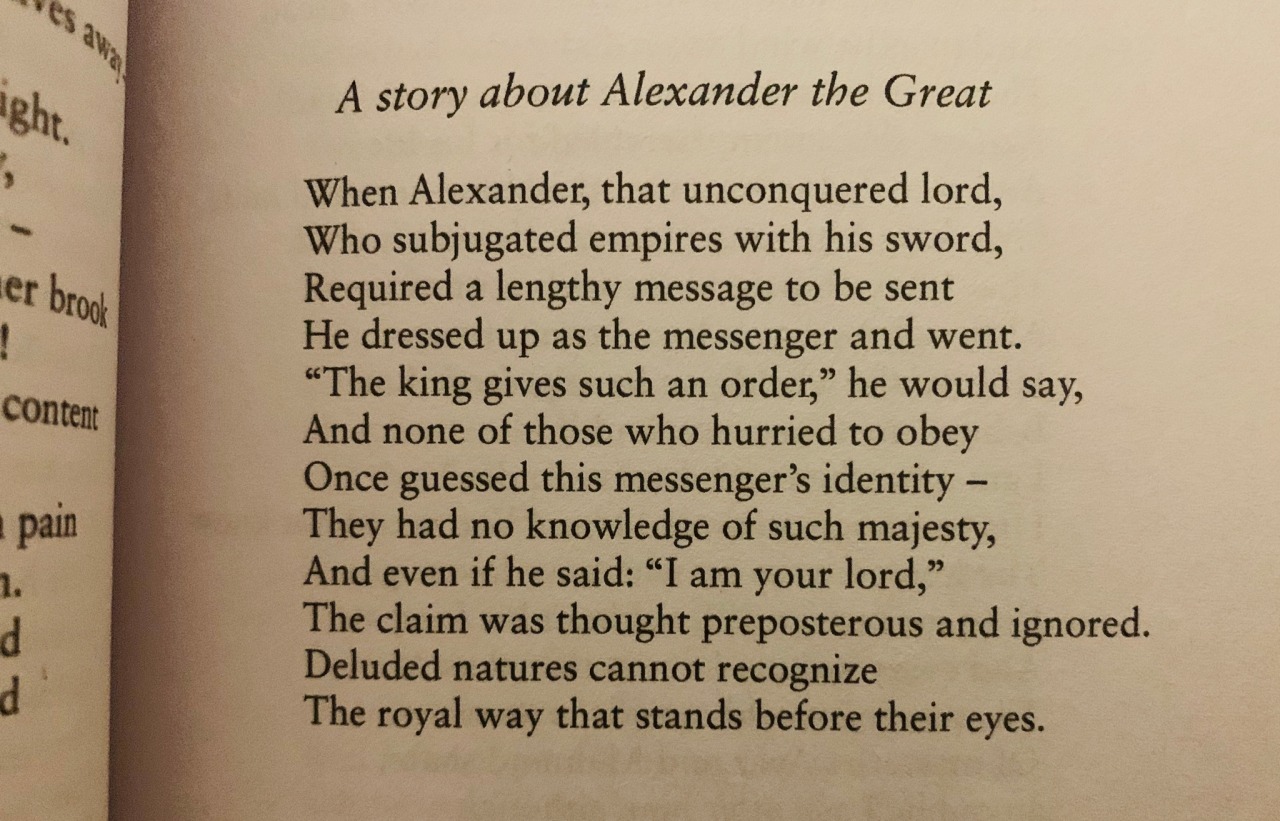
tag > History
-
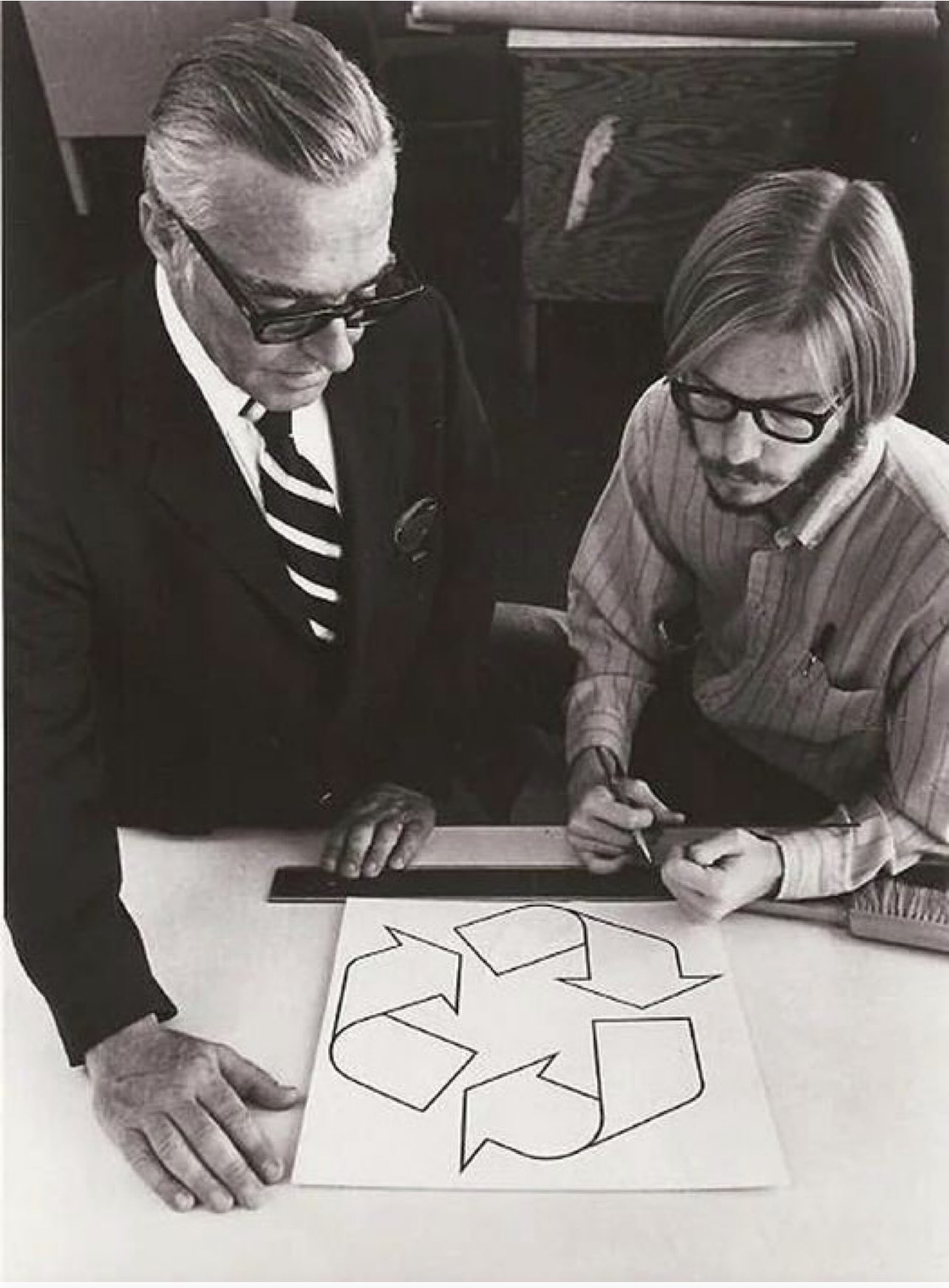
It was 1970 and 23 year old engineering student Gary Anderson invented the recycling logo. Today it is one of the most duplicated non-product logos in the world.
-
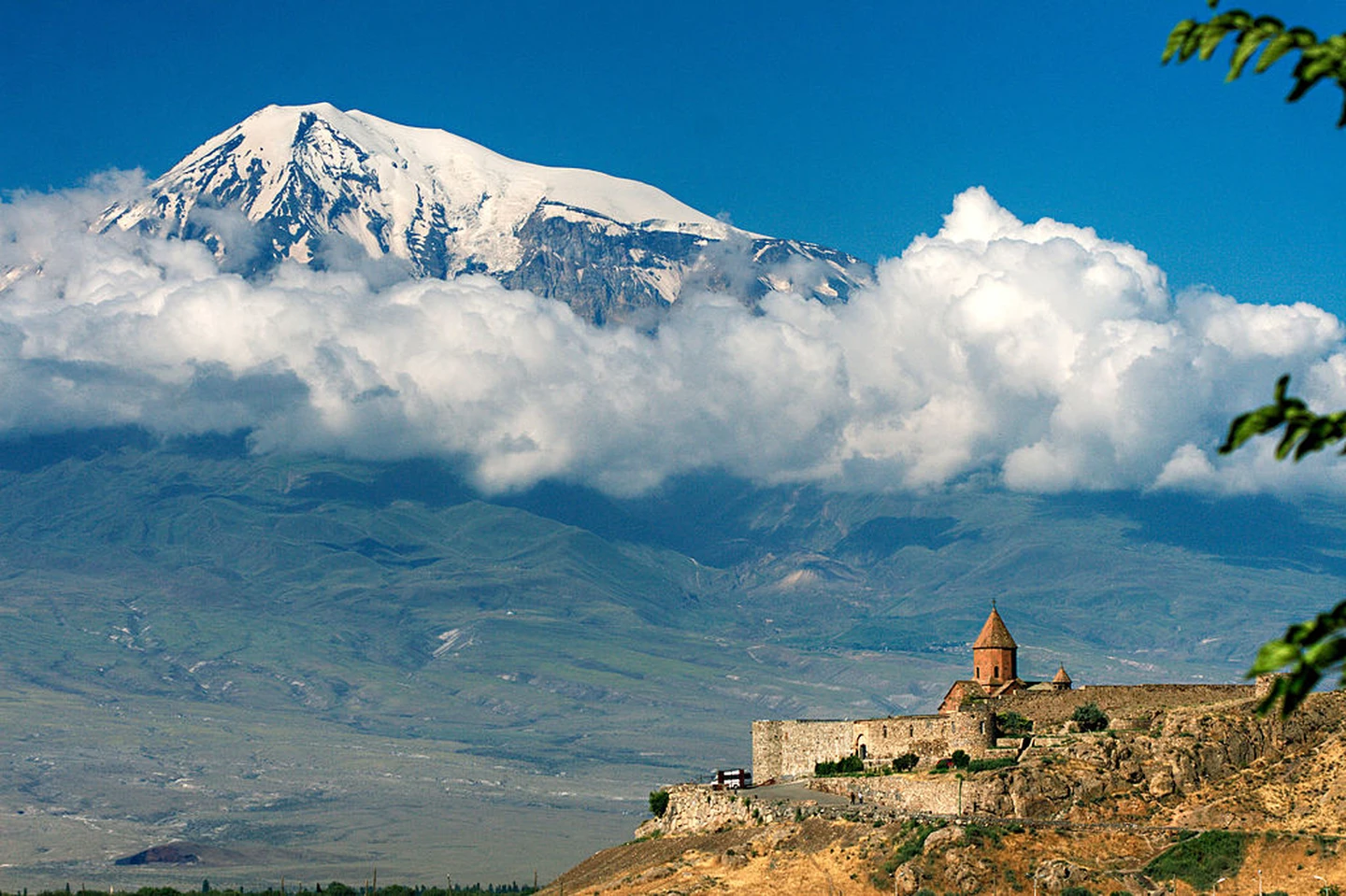
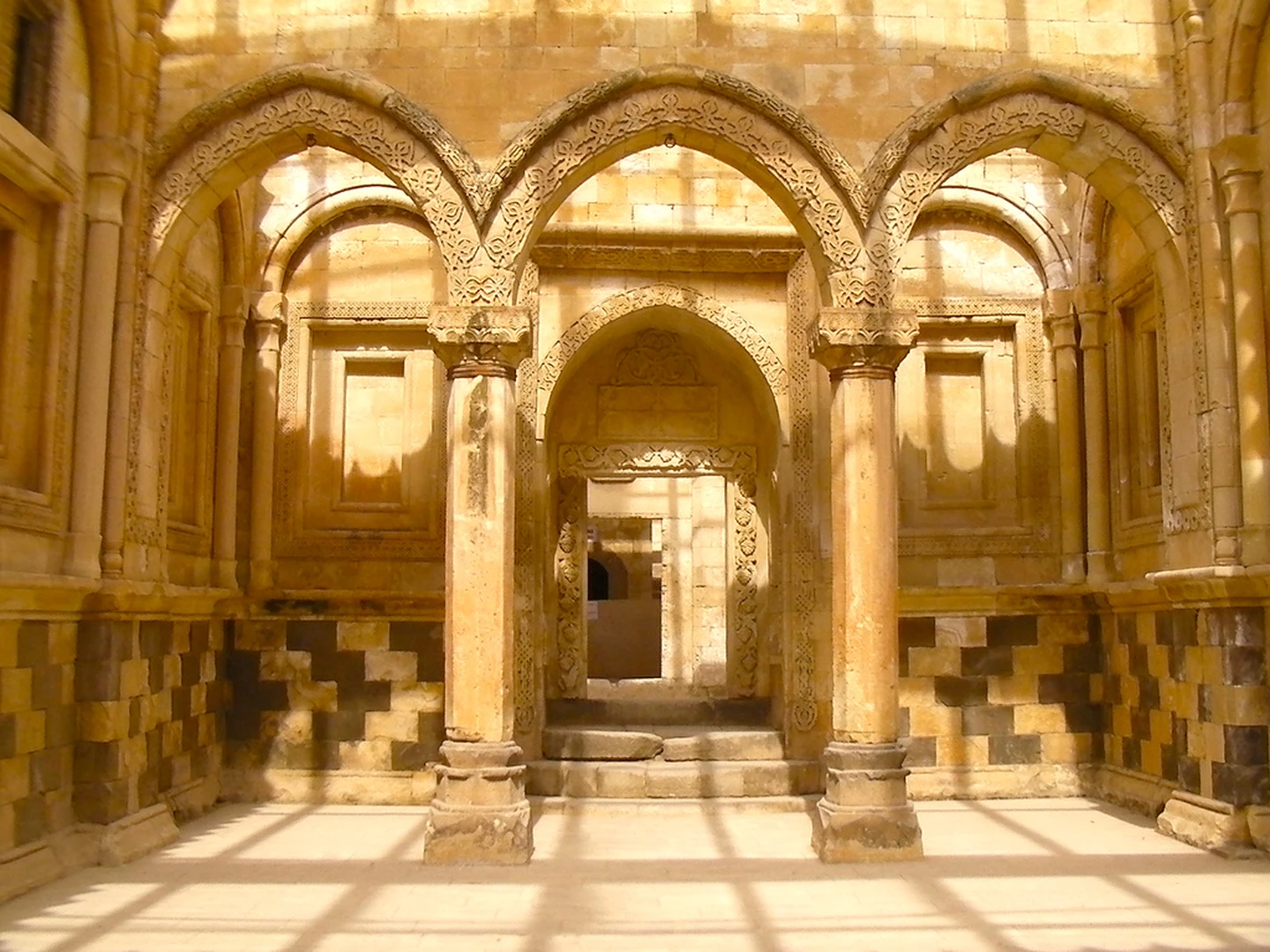
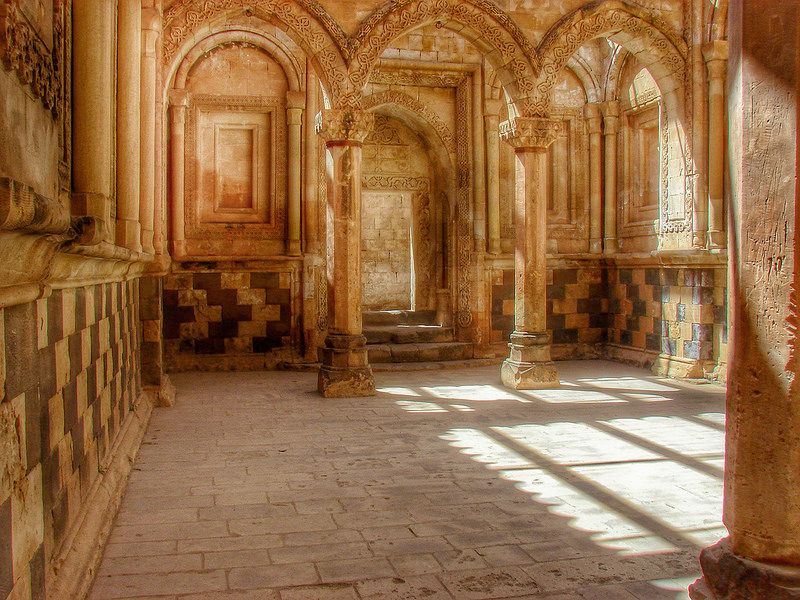
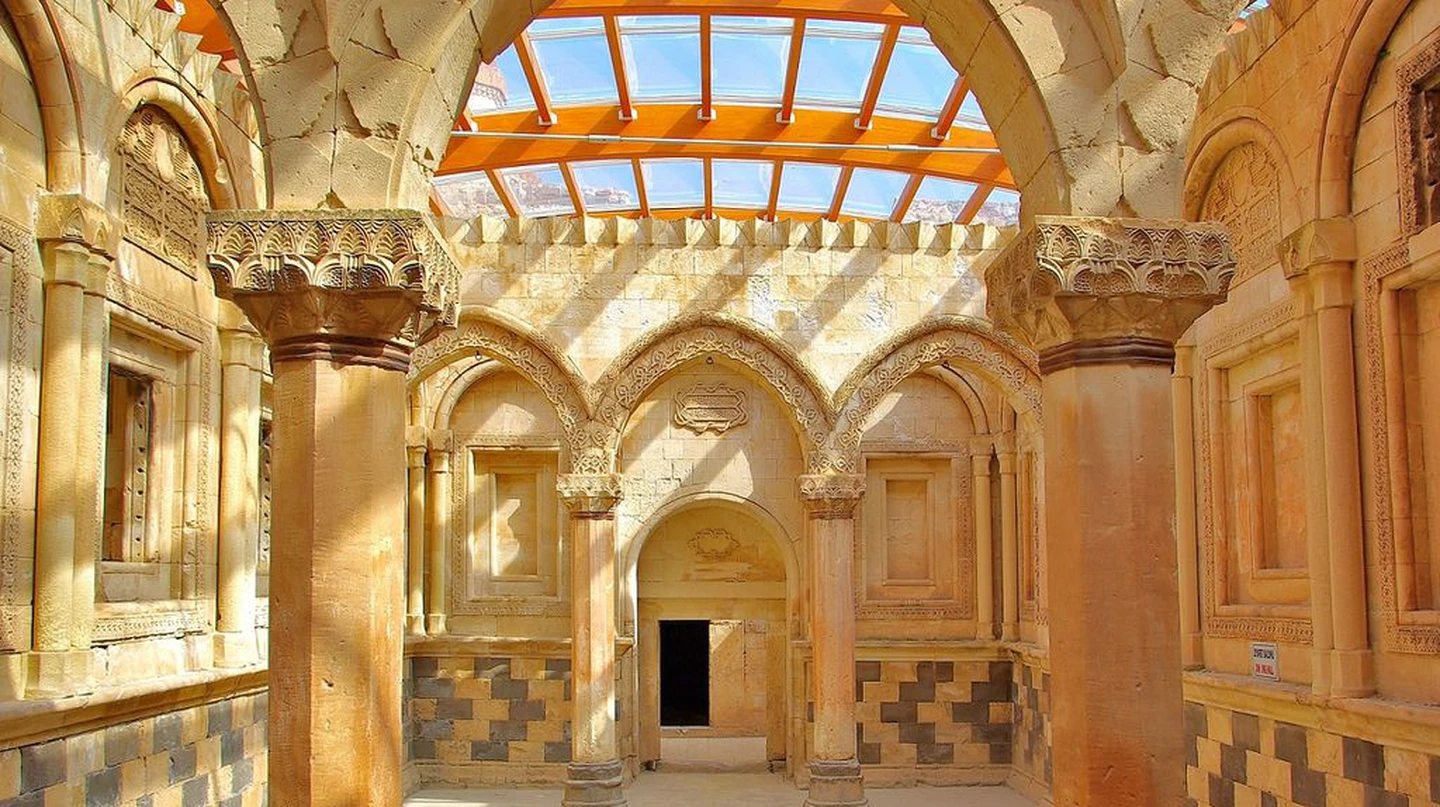
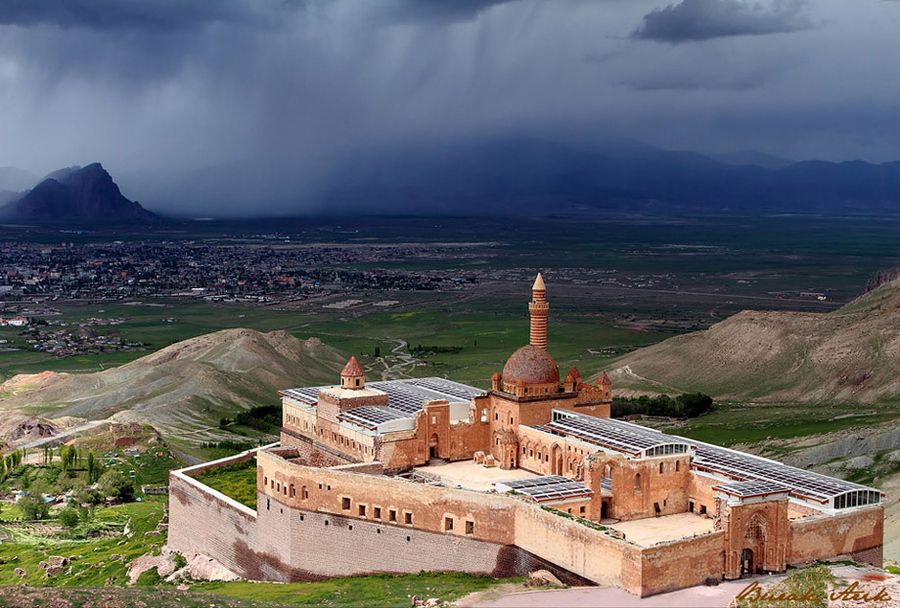
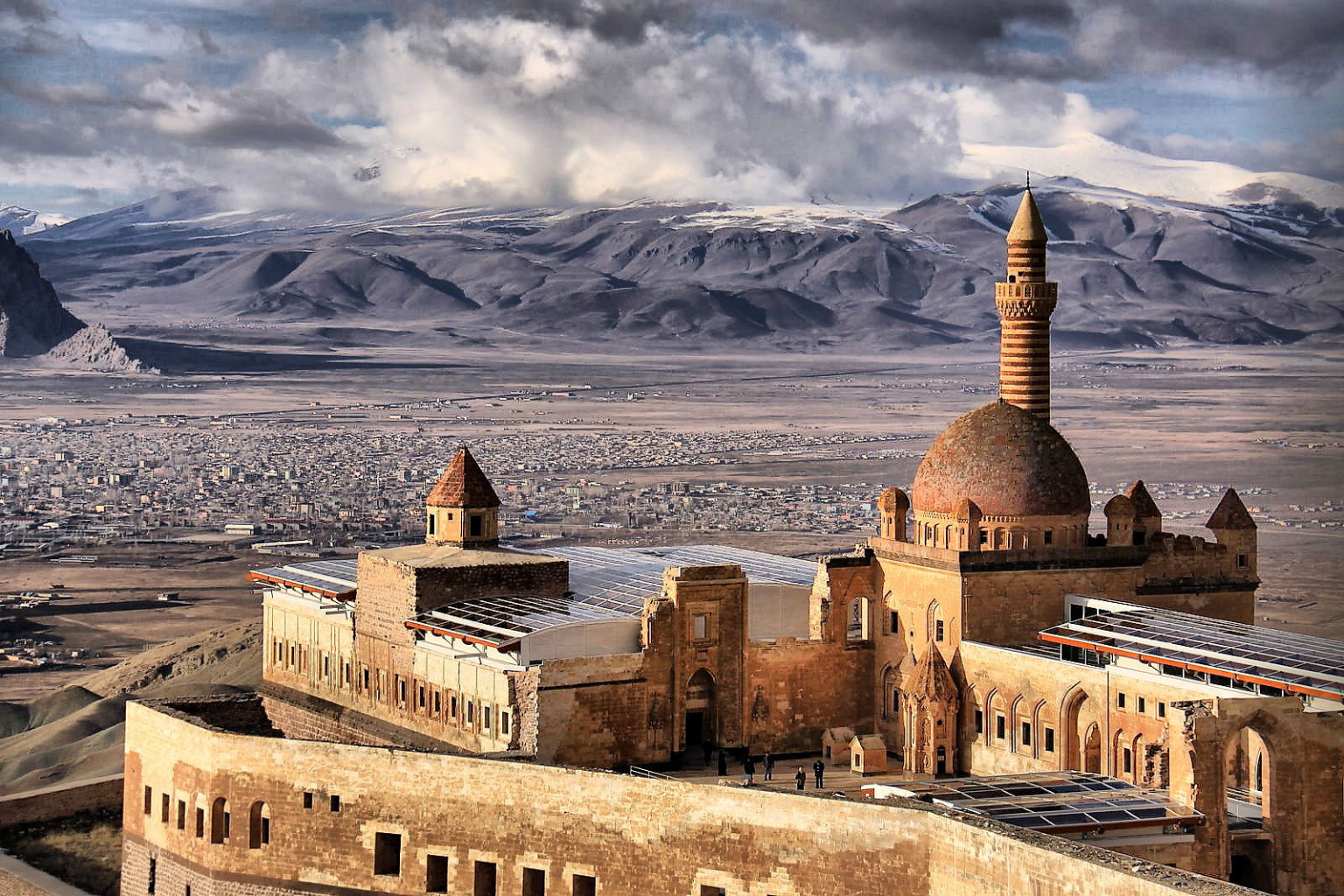
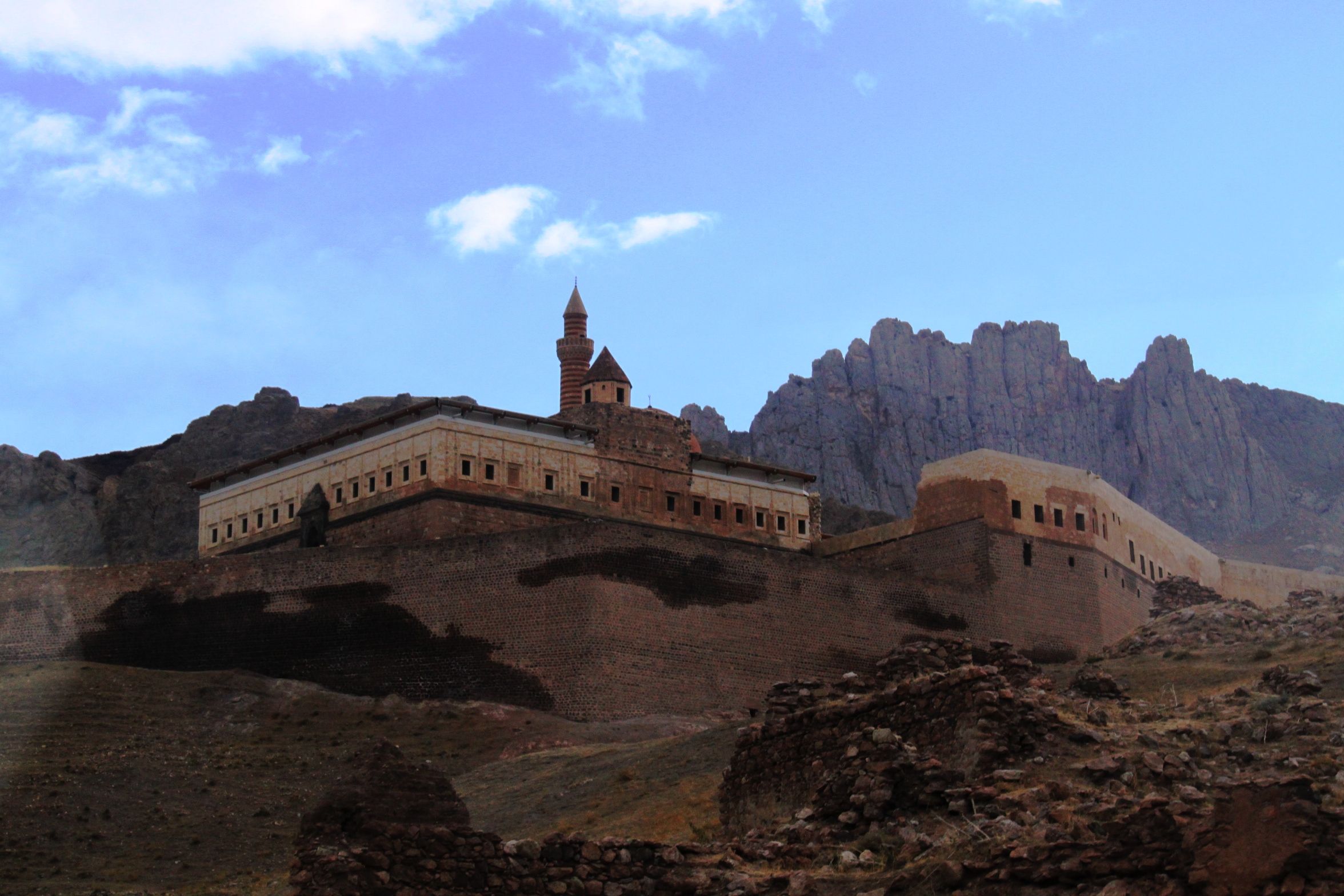
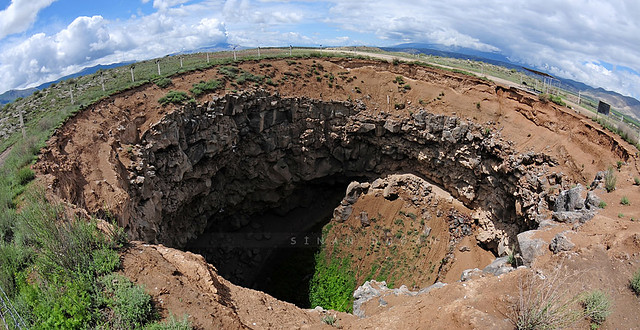
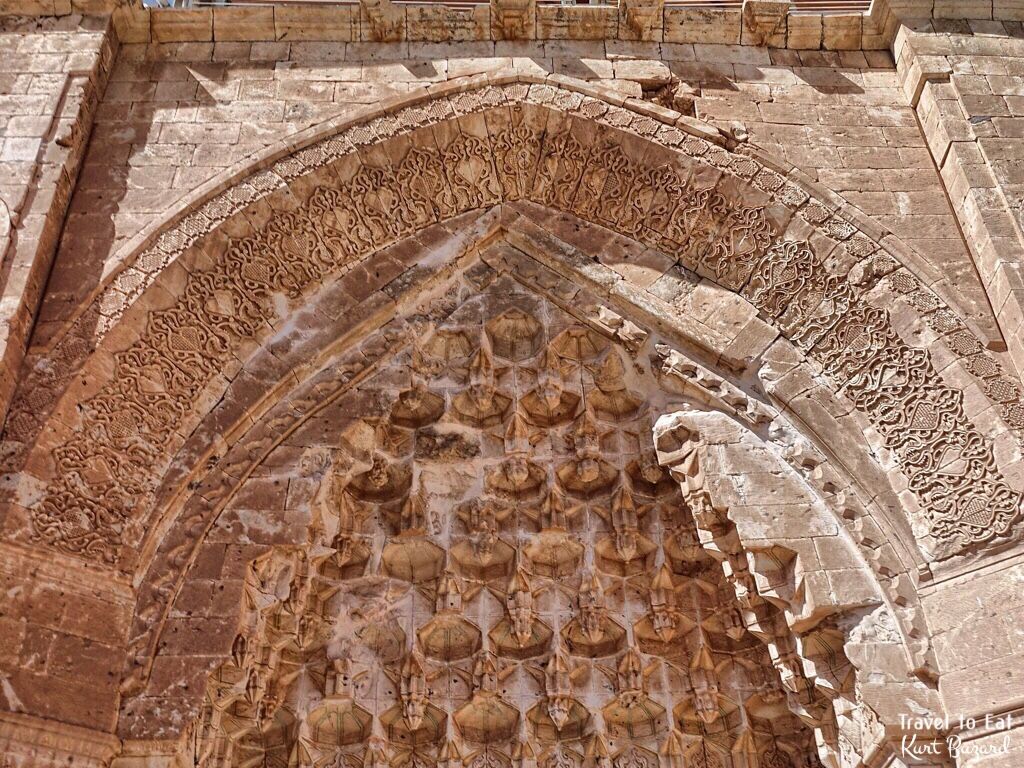
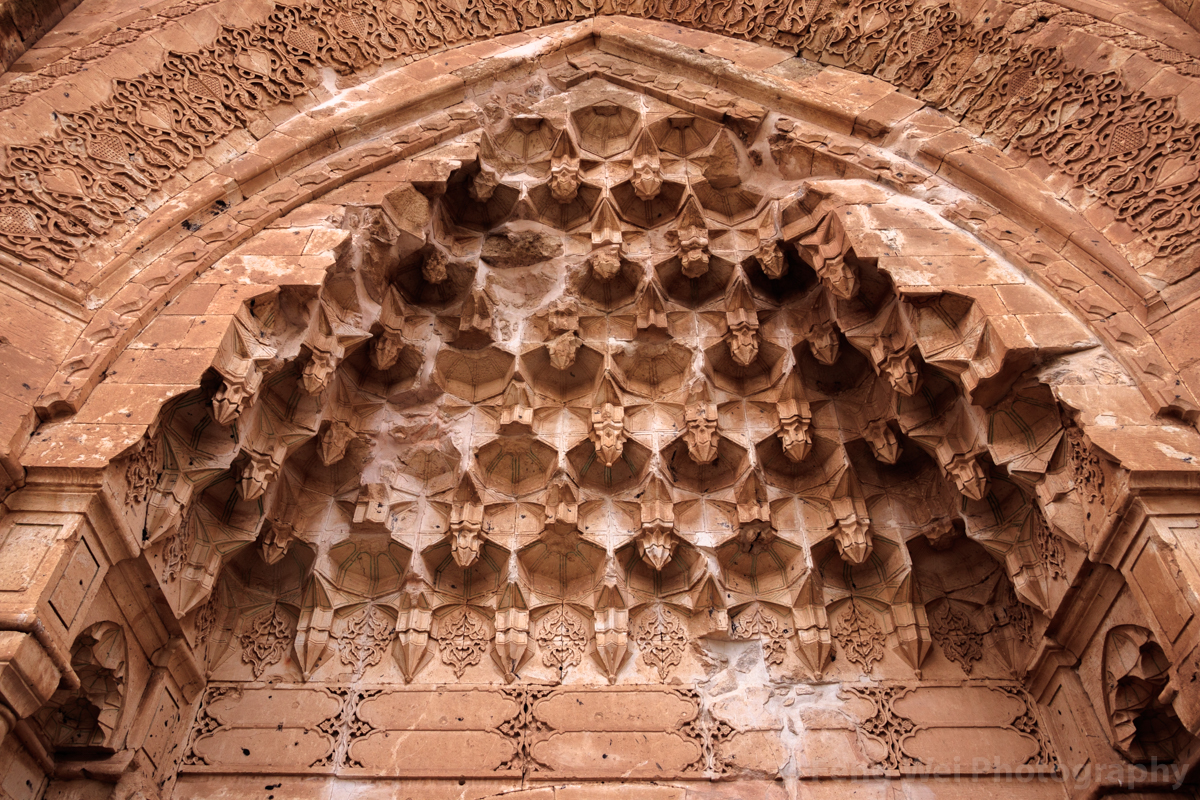
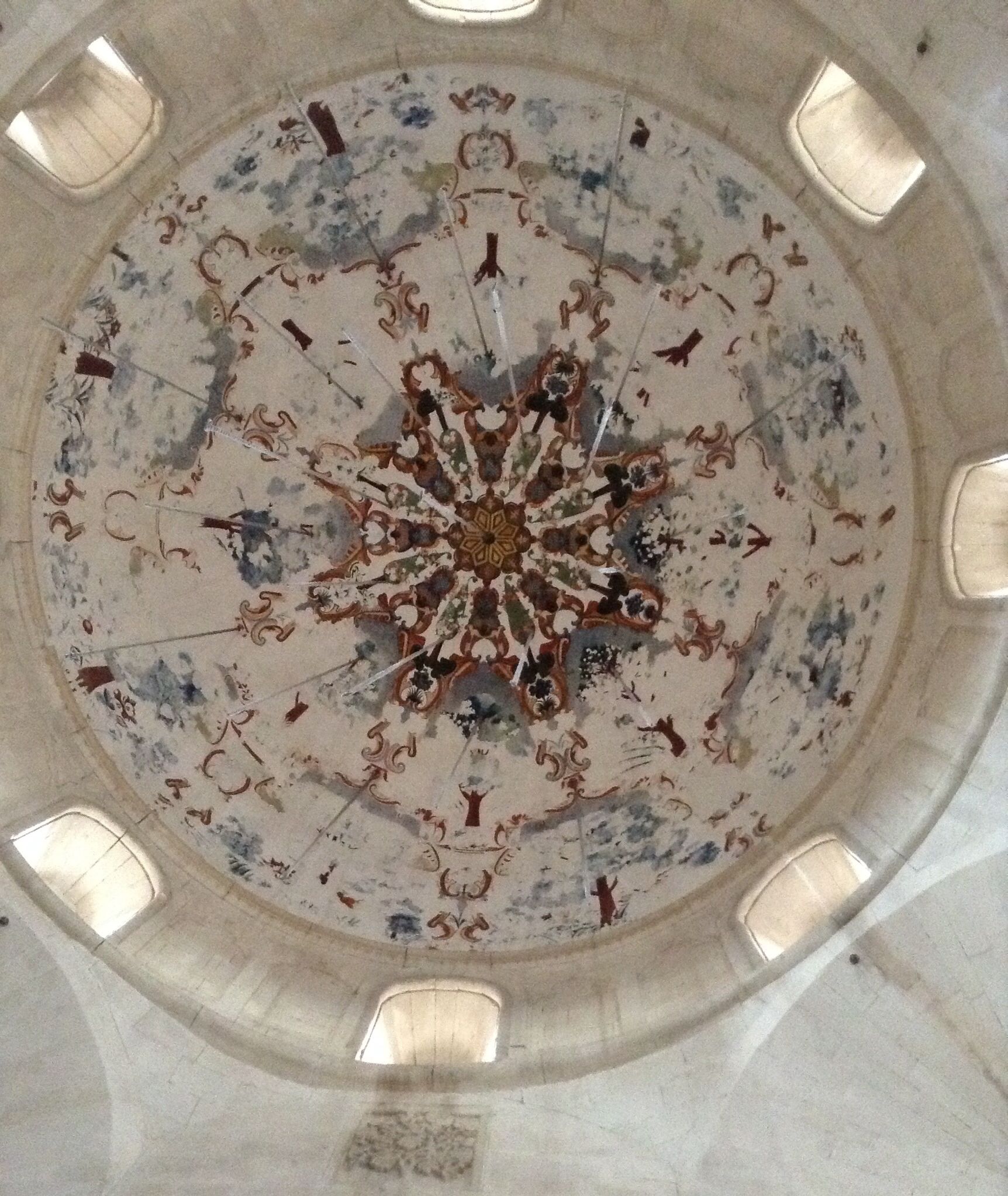
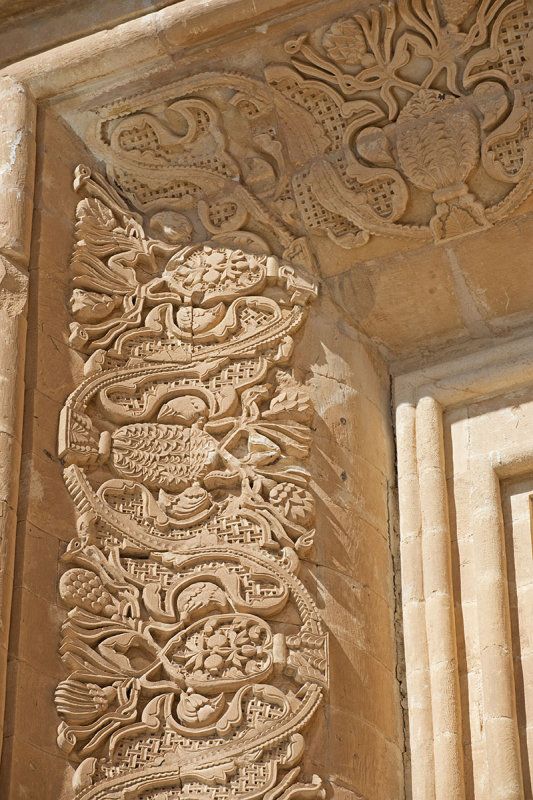
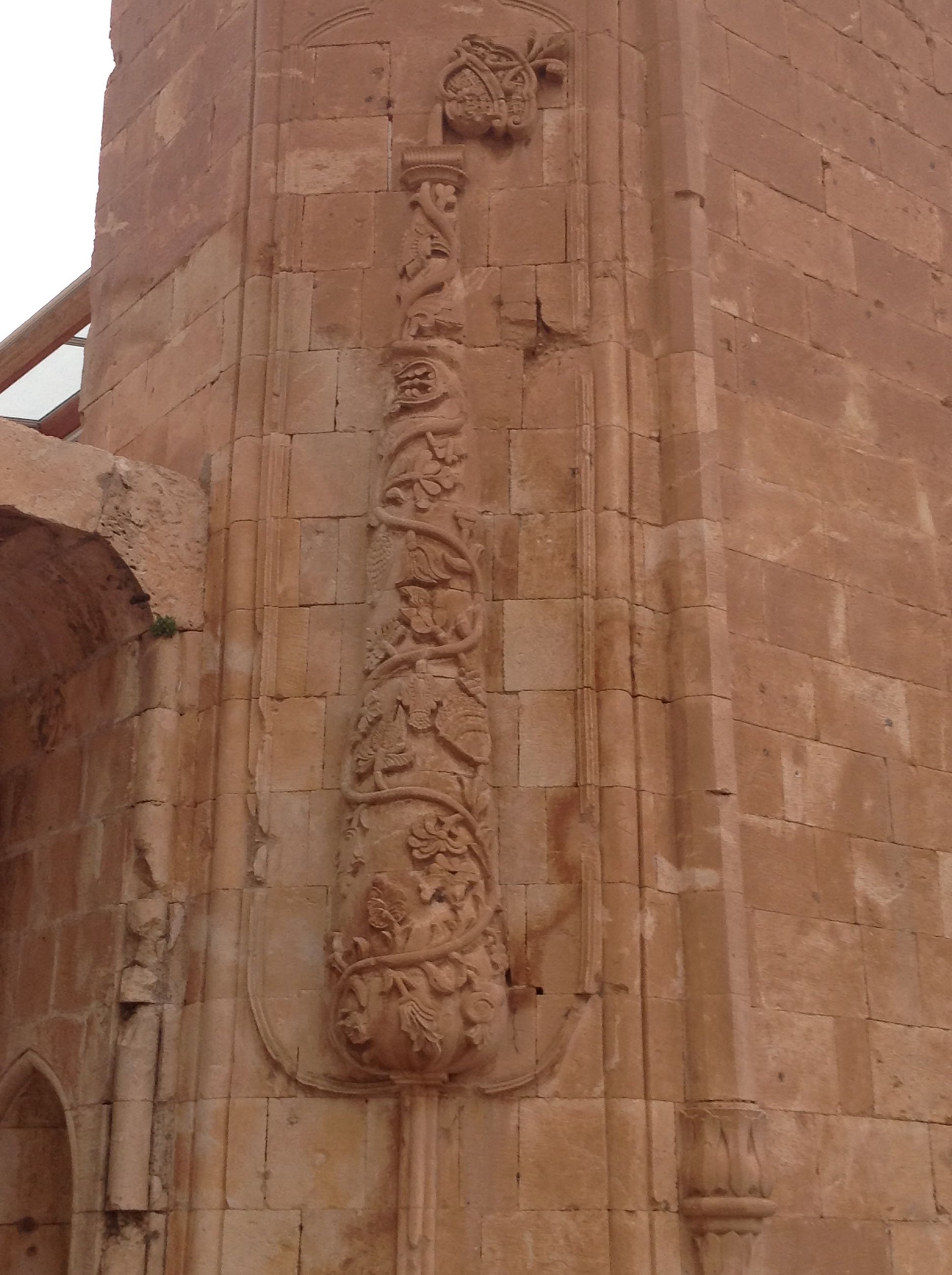
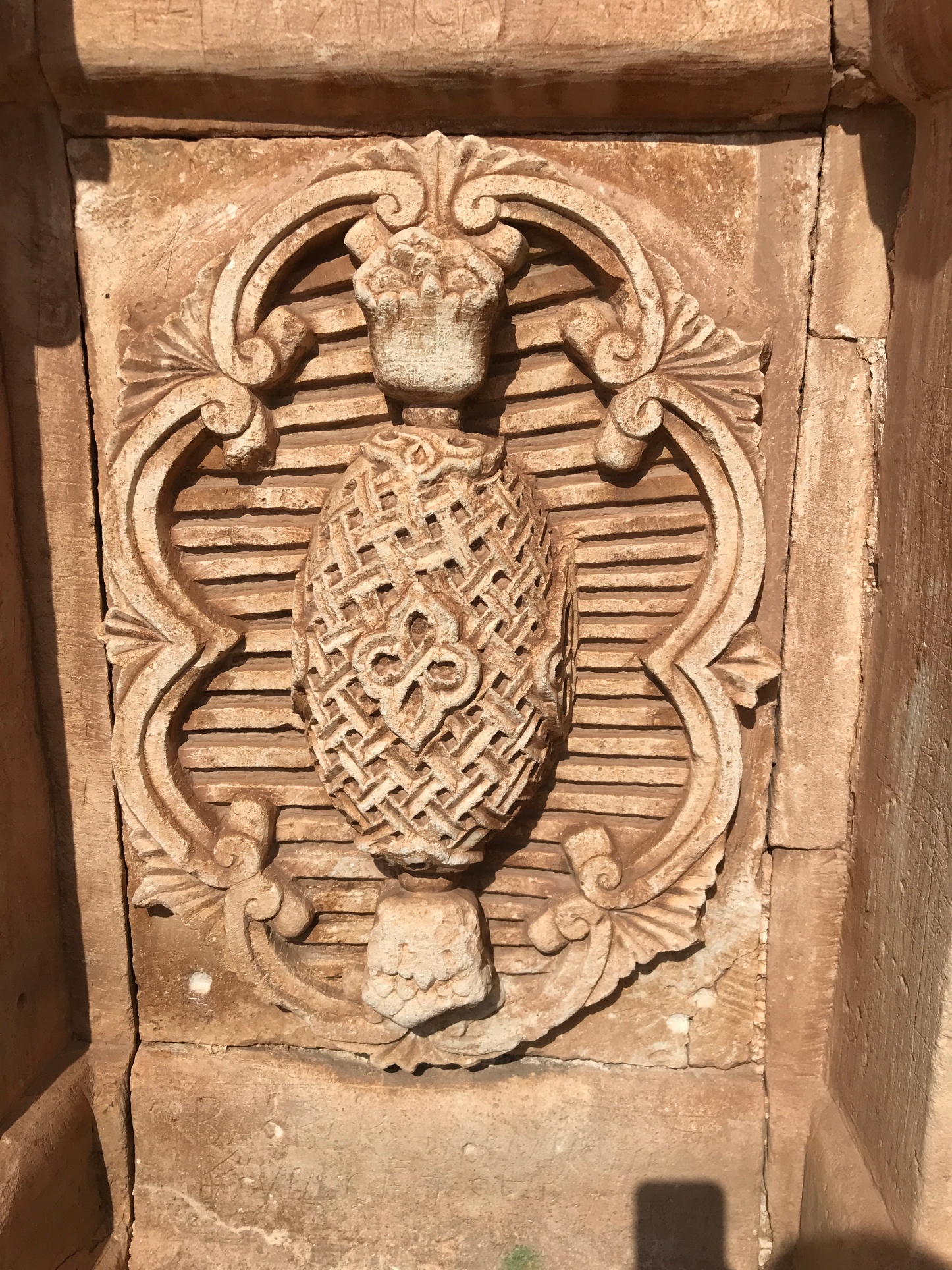
In the Shadow of Mt. Ararat: Impressions from Ishak Pasha Palace, Doğubeyazıt, Turkey




-
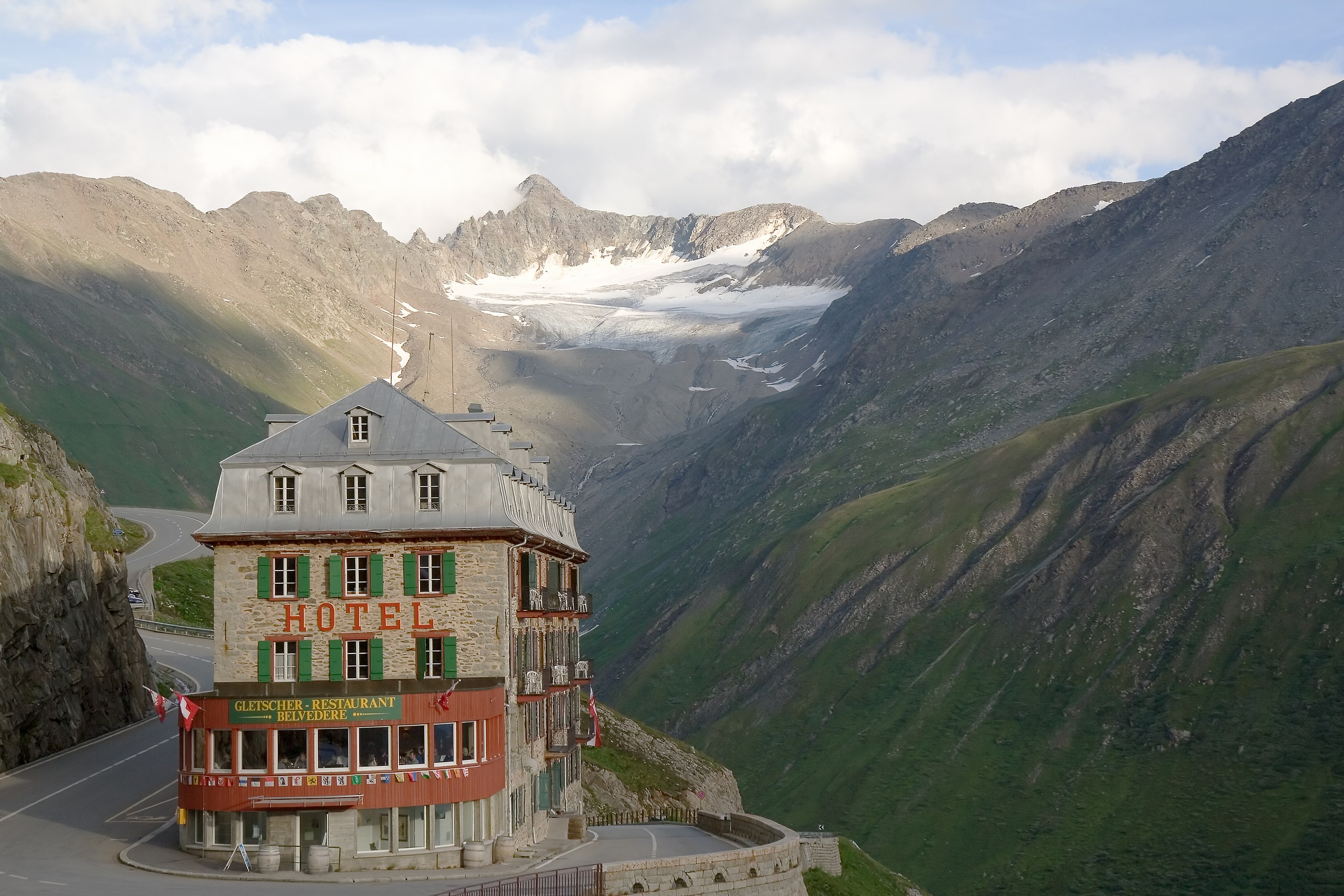
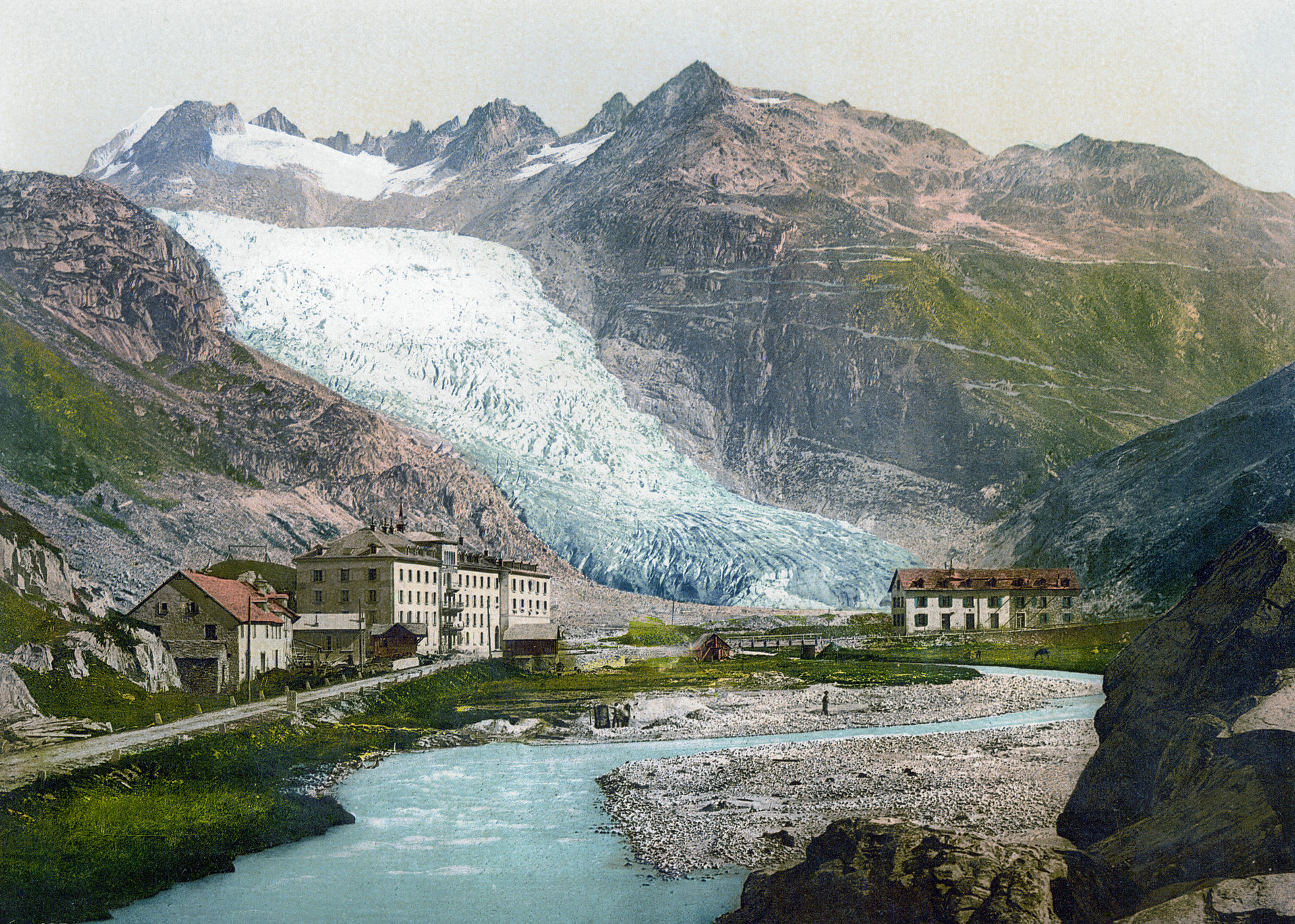
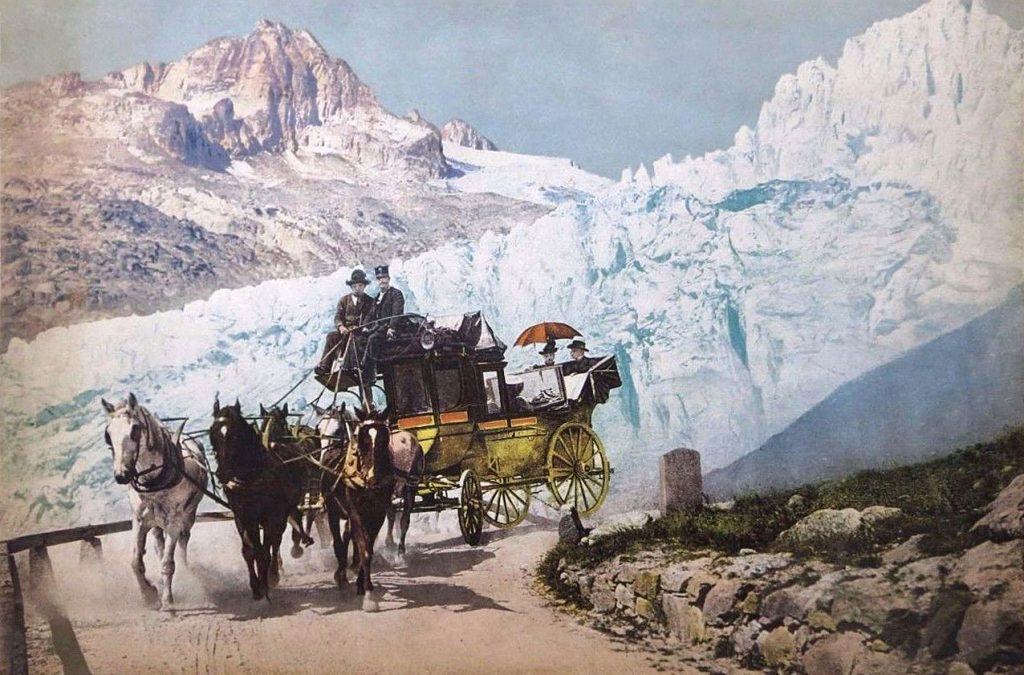
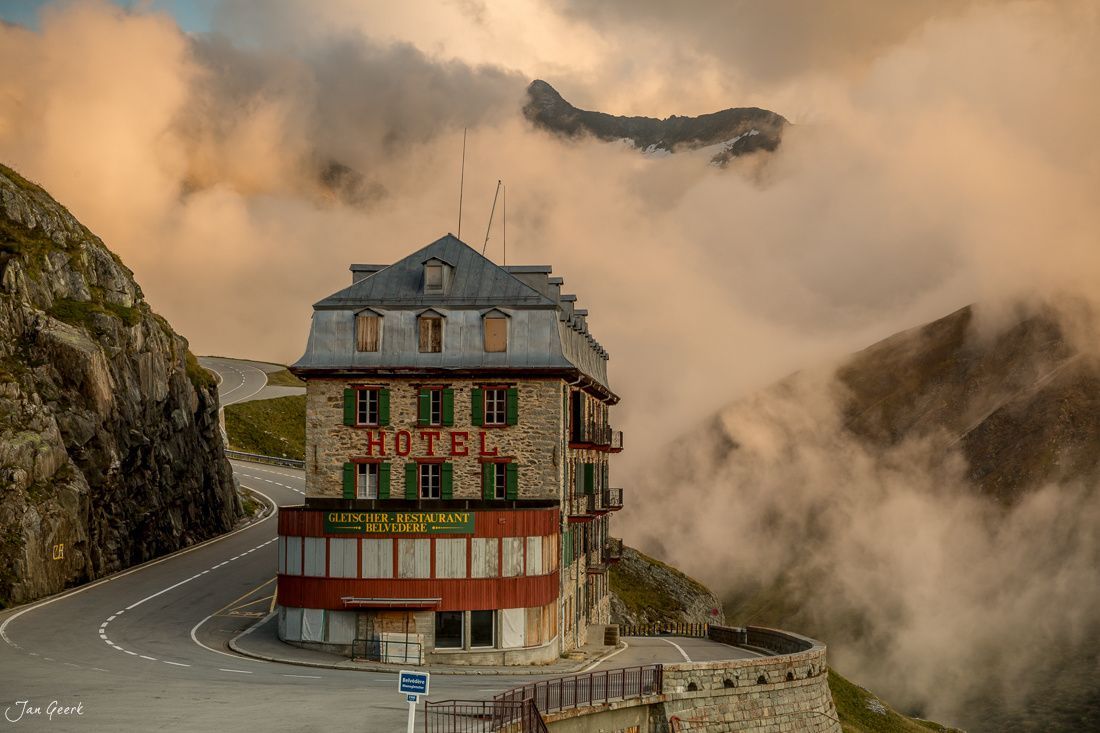
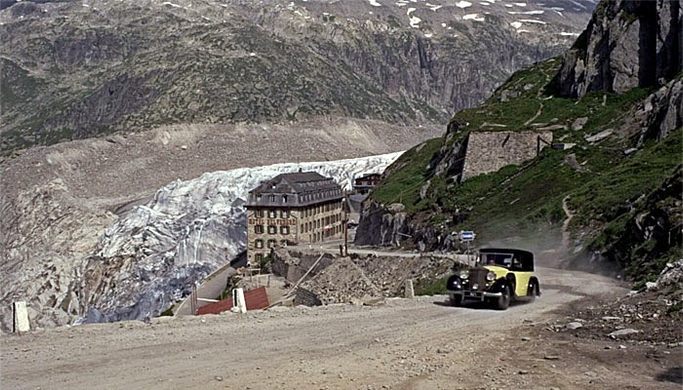
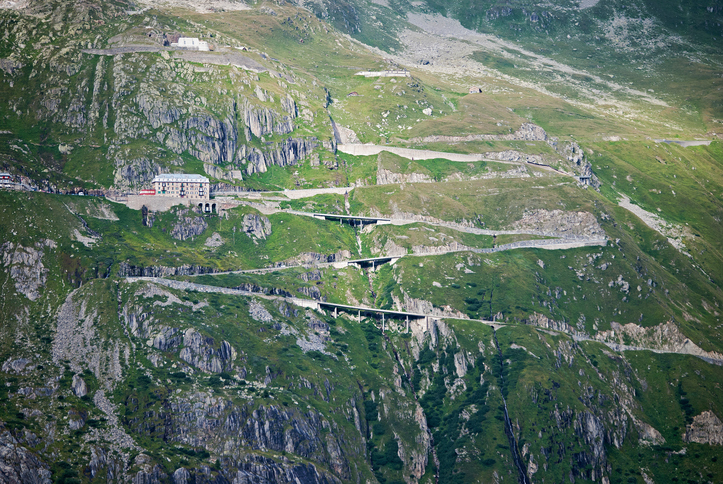
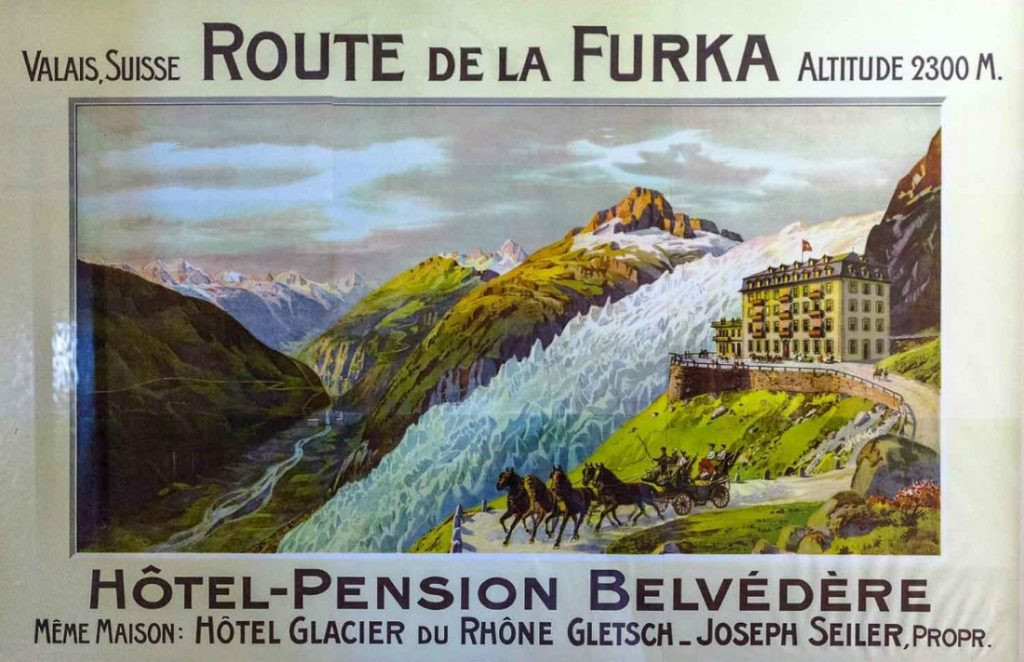
Hotel Belvedere in Oberwald, Switzerland
Let's play a game: Close your eyes for 30 seconds and simply imagine what stories and dramas might have occurred in this peculiar place over the past centuries. Please share if anything interesting arises.


-
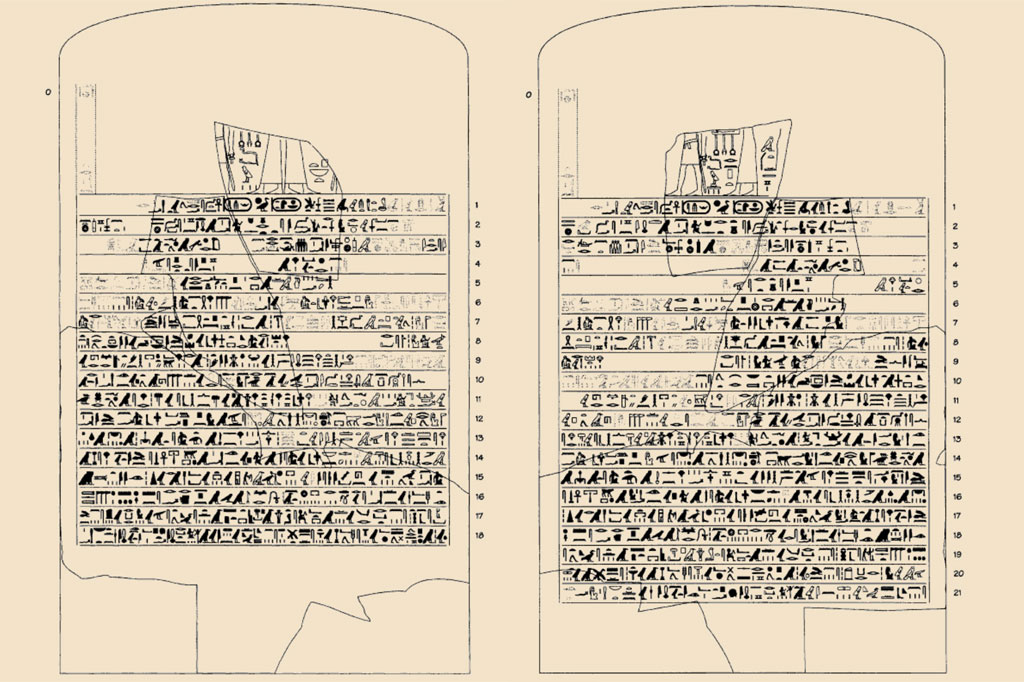
Shabako Stone - a relic incised with an ancient Egyptian religious text (Twenty-fifth Dynasty of Egypt)
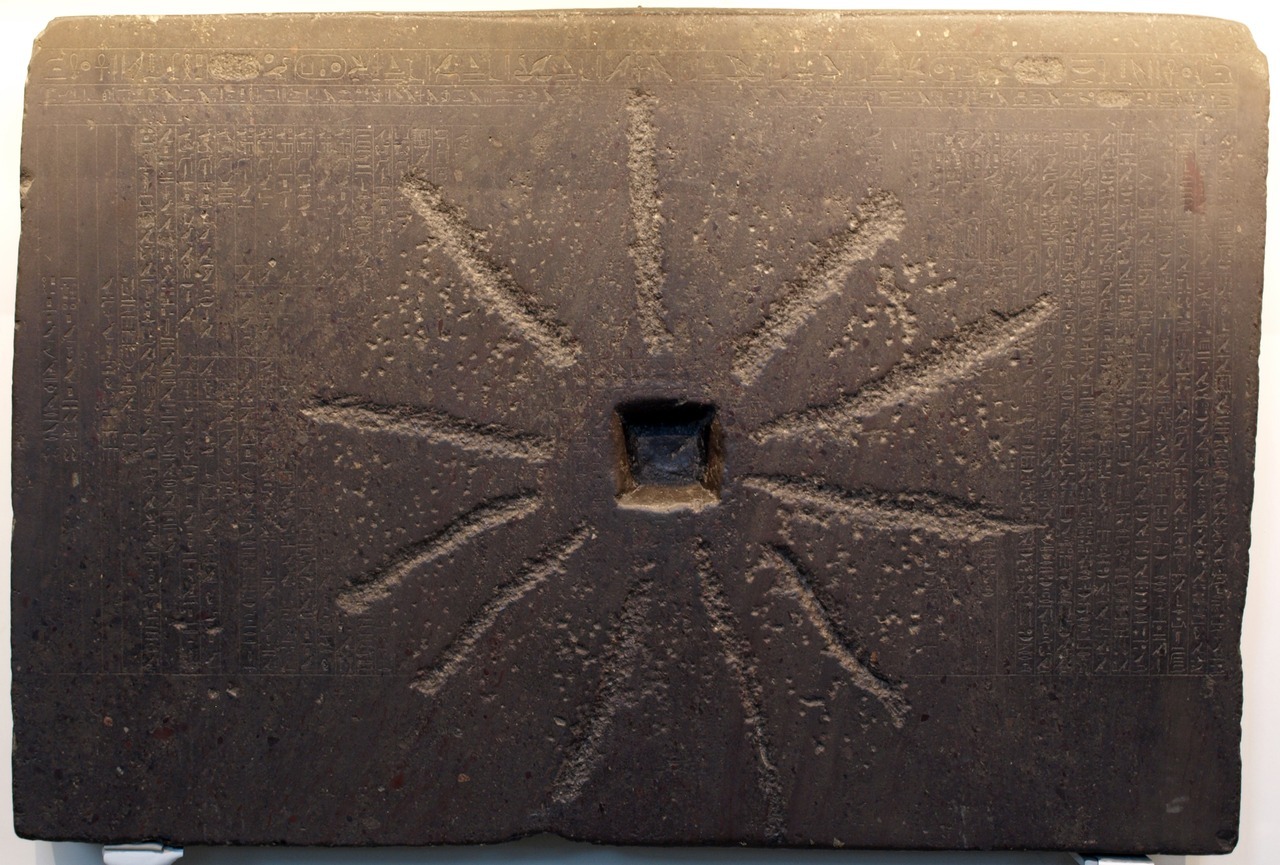
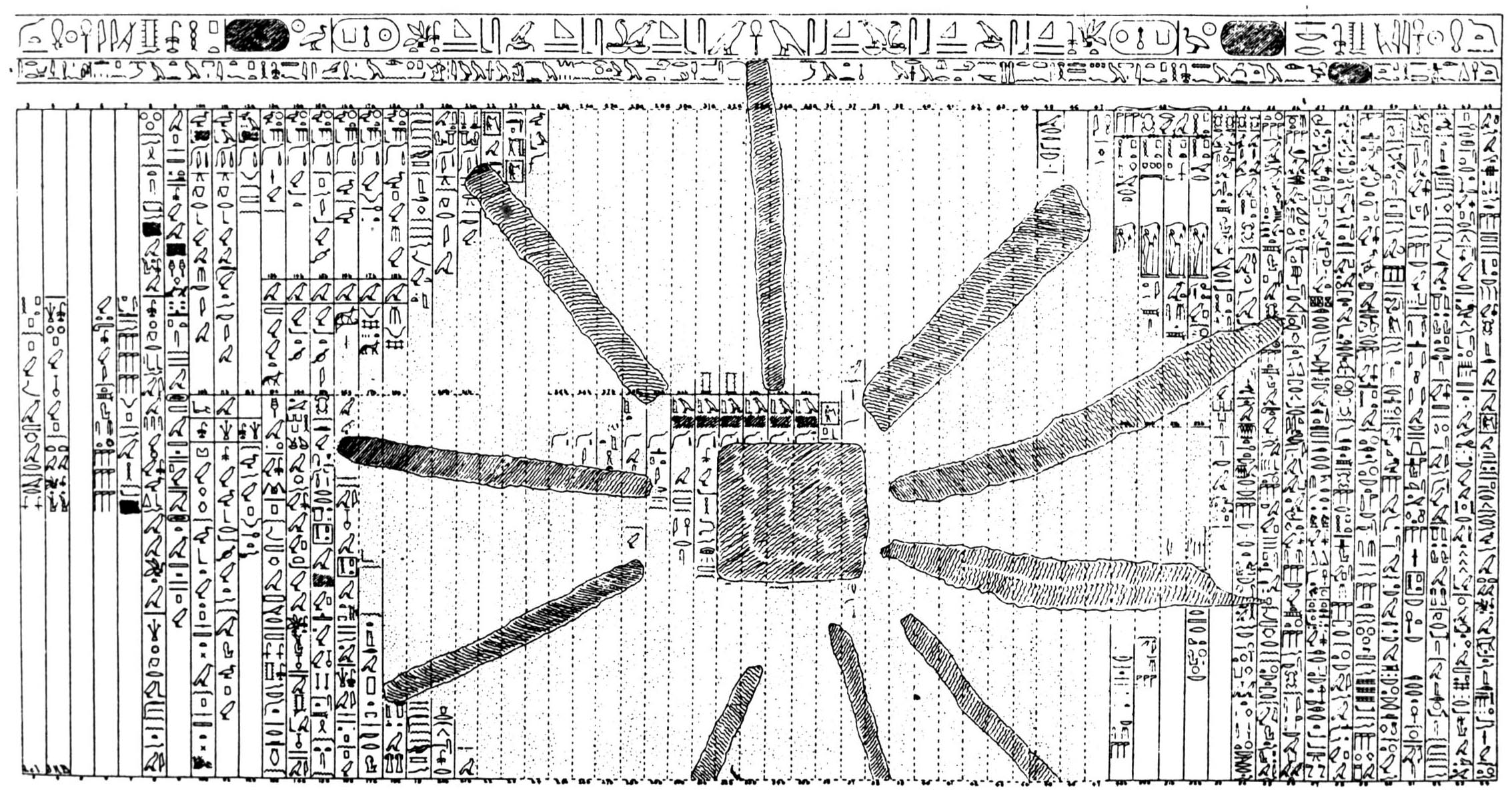
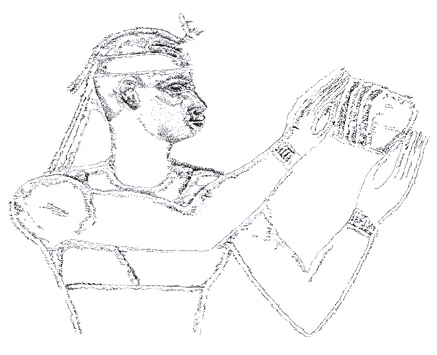
The Shabako Stone tells of the god Ptah, the cosmic architect who created the entire Cosmos simply by uttering words. Lines 56-57 of the text state: “Lo, every word of god came into being through the thoughts of the mind and the command on the tongue.” Read More, More, More
-
Allen Ginsberg, Angleton and the ‘Poetics of the CIA’
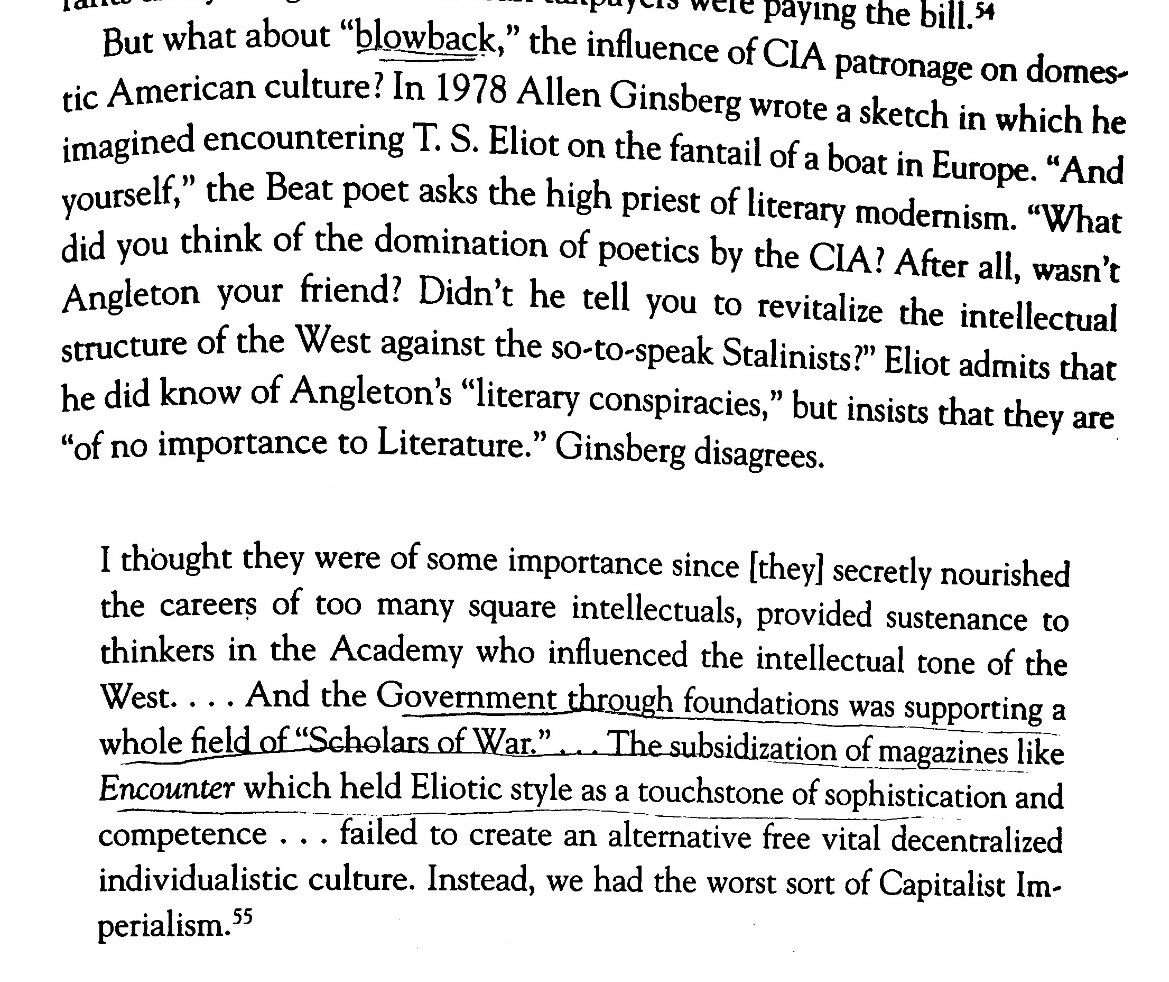
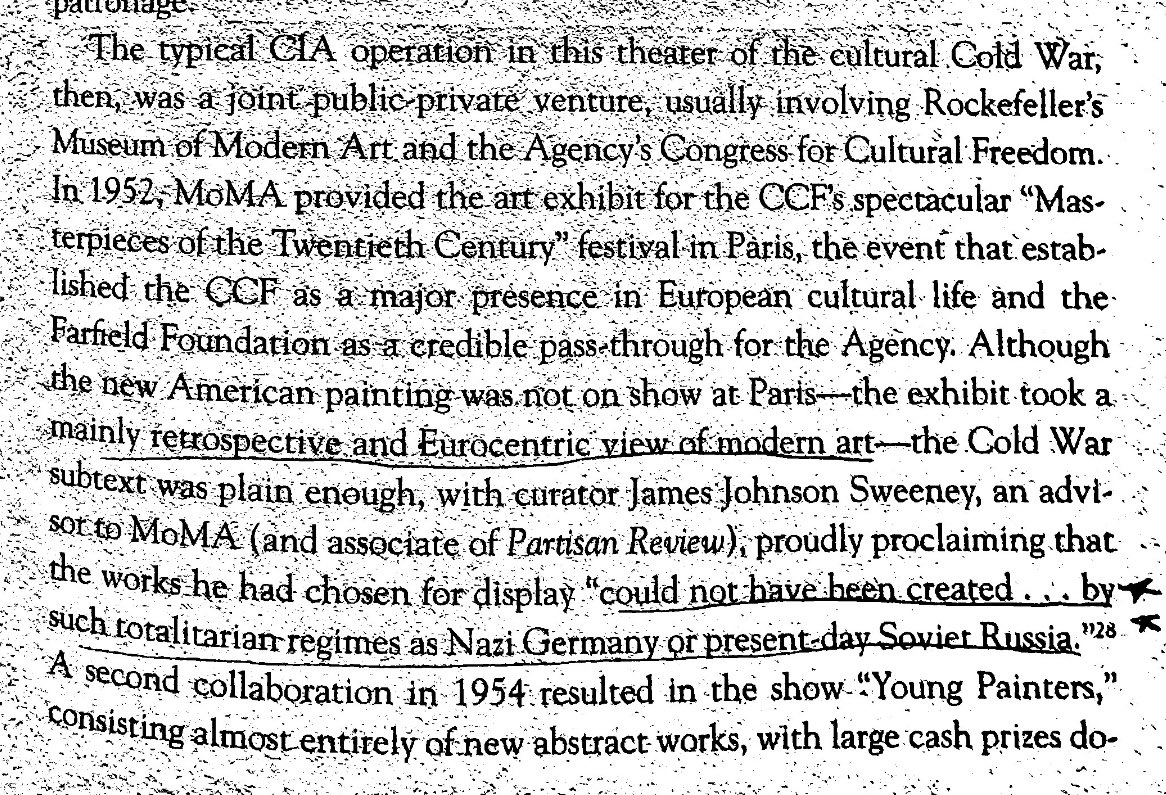
Yes, Kids, Cookie Monster is a Psyop
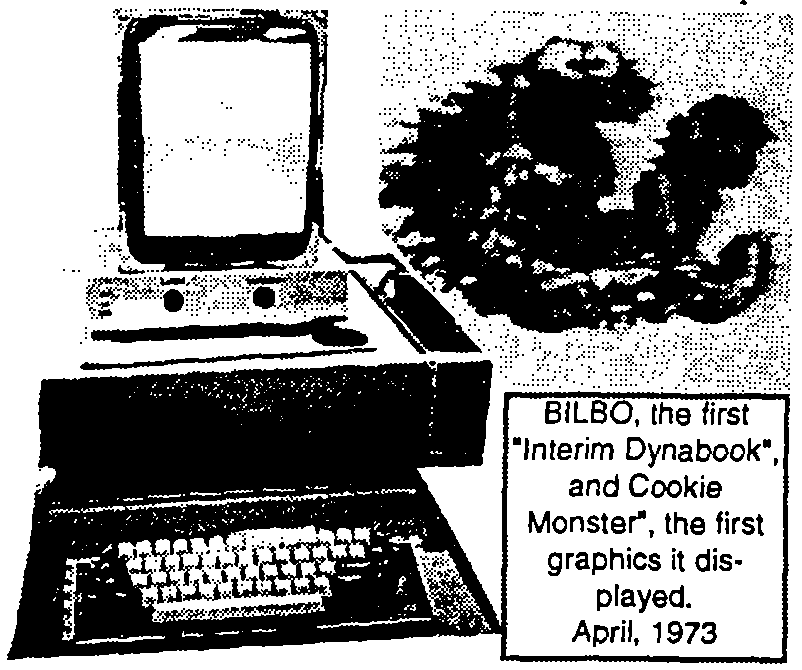
Sesame Street was created by veteran officers of the US Army’s Psychological Warfare Office with the goal of blunting the force of social-justice radicalism in the United States by promoting the liberal ideology that oppression not a structural economic injustice, but a matter of poor individual character or bad social skills. In a 1970’s state-directed project to determine how humans establish cathexis with military hardware, computer engineer Alan Kay leveraged the graphical capabilities of highly-advanced prototype personal computers to display animations of one of Sesame Street’s most popular characters, Cookie Monster, because he felt this would help children see personal computers not as technological artifacts derived from Air Force weapons, but as friendly and even “magical” helpers in their lives.
Kay, who developed the PARC Alto computer and Smalltalk programming language concurrently with Xerox funding the creation of Sesame Street, is very clear about this in his “Early History of Smalltalk.” Building the Sesame Street characters in to the design of the Alto’s user interface was an evolutionary step in ARPA’s 20 year study on “Human-Computer Symbiosis.”
Aerial combat was the initial use case for this cyborg symbiosis, and in the 1950’s/early 1960s this research was directed towards neuromuscular interfaces with the hardware – humans being literally “wired in” to the computers. By the late 1960s / early 1970s, computer displays + pointing devices (derived from Air Force radar scopes) had become responsive enough that it was possible to use the computer as an interface to display traditional works of art: books, music, animation. This is where it became possible for the user to establish deeper cathexis with the hardware across the full range of human emotions. Control feedback loops became visual / endocrine, not mechanical / muscular. This was the conceptual leap that Engelbart + Kay pulled off at SRI and PARC. It took Steve Jobs another few years to figure out how to commodify that cathexis, and then the Personal Computer Revolution was underway.
Although MK-Ultra was a CIA black operation nominally under the control of Dulles, it was in reality a British intelligence operation run into the United States under the cover of the CIA and the Rand Corporation. Furthermore. the presence of the Office of Naval Intelligence and Air Force Intelligence in the original -Operation Artichoke and MK-Ultra task force. and the subsequent importance of trained operatives of ONI and Air Force Intelligence in the creation of U.S.-based terrorist cults. points to heavy contamination of these agencies in particular by British SIS
The three British intelligence agents heading up MK Ultra as research directors from 1952 on were Aldous Huxley, Albert Hoffman of the Warburg-owned San doz drug firm (where Hoffman first synthesized LSD in 1943), and Humphrey Osmond, a close Huxley family friend and physician based at the University of London Hospital where he studied schizophrenia.
#Cryptocracy #Media #Culture #HCI #Military #Art #History #Psychedelic
-
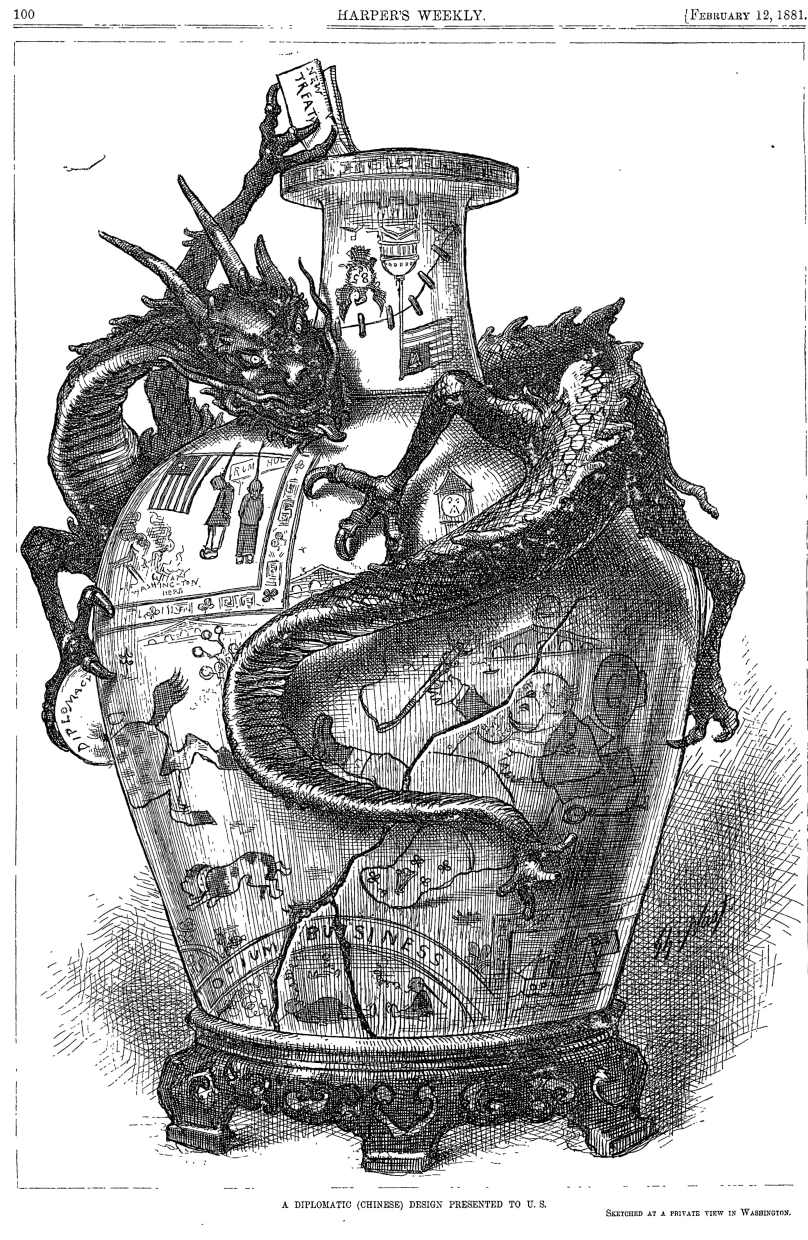
Art from the time of the imperial opium wars in China
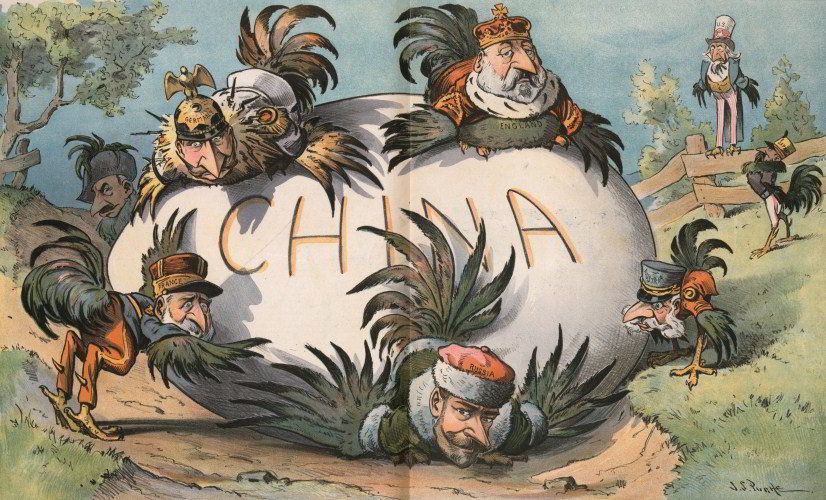
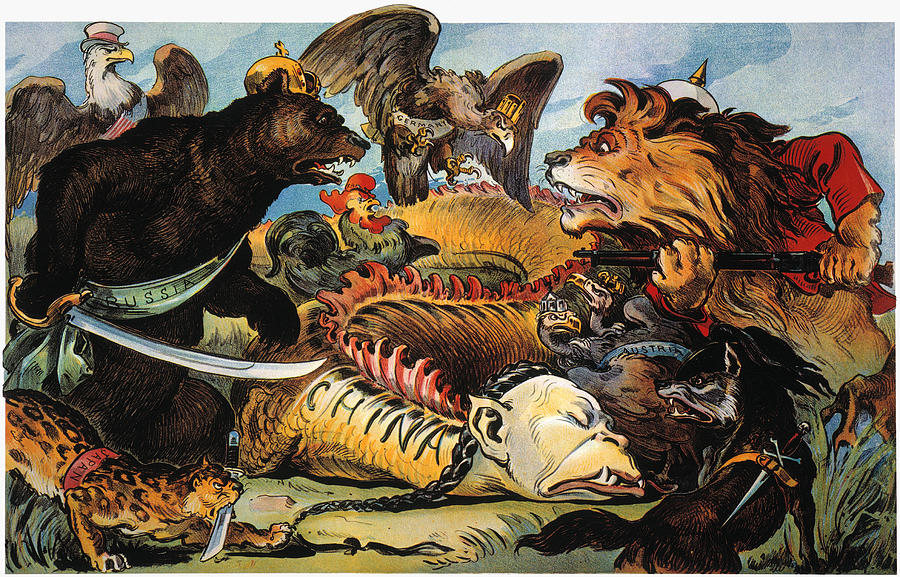
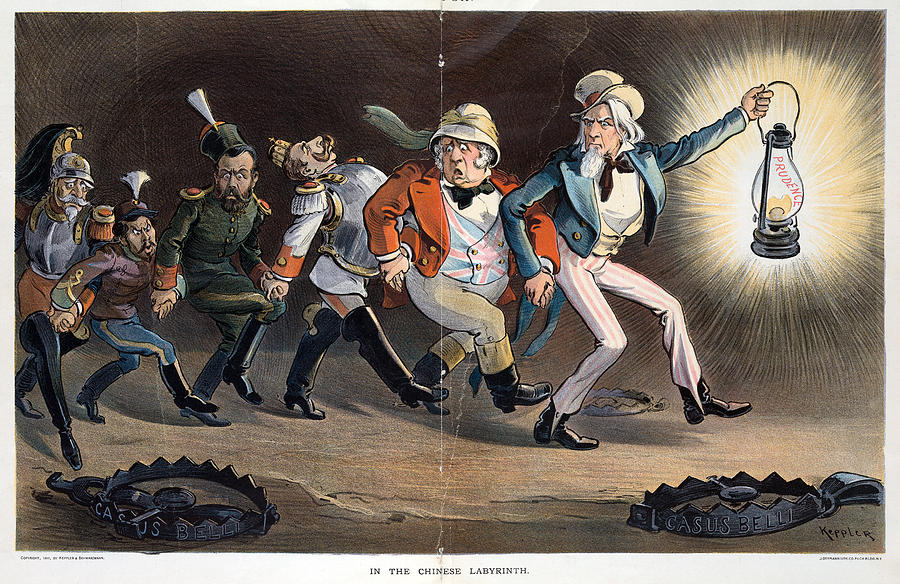
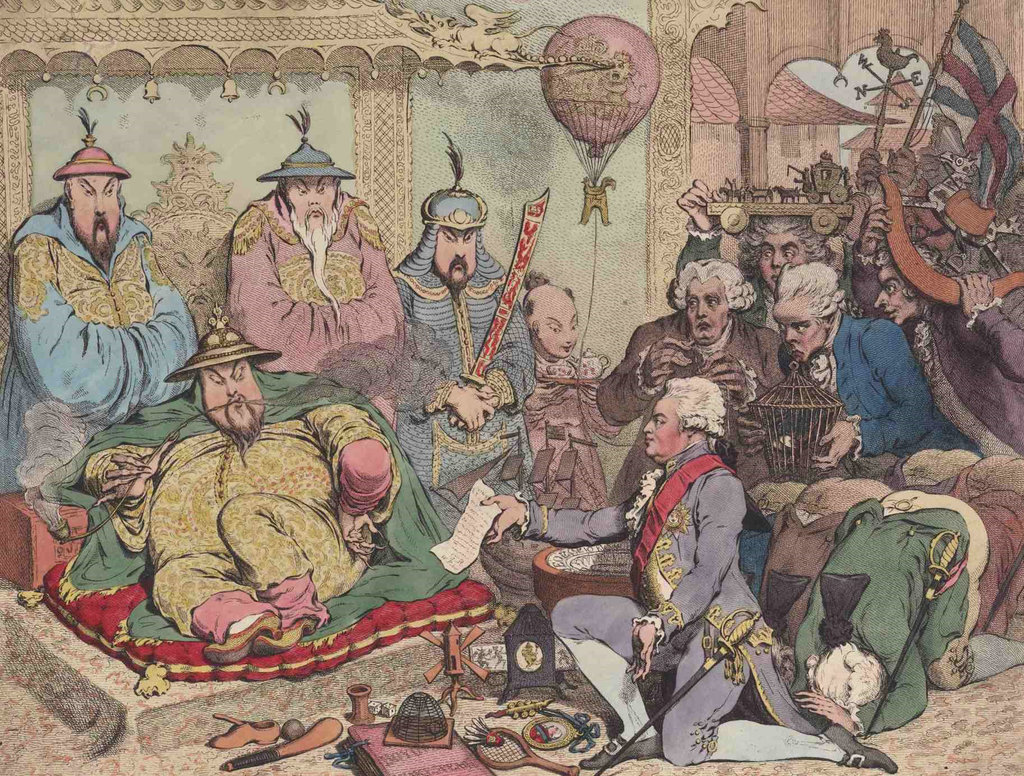
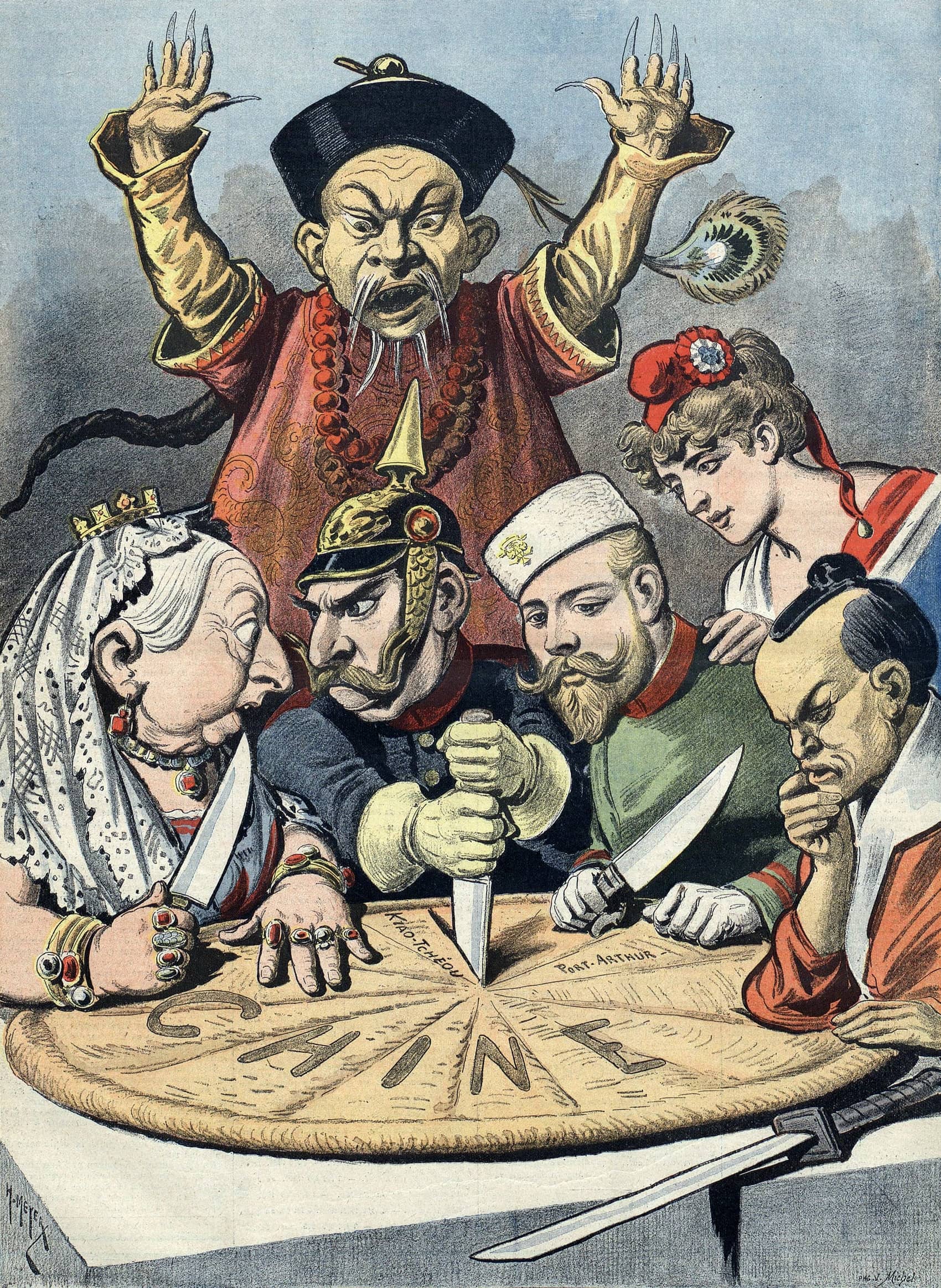
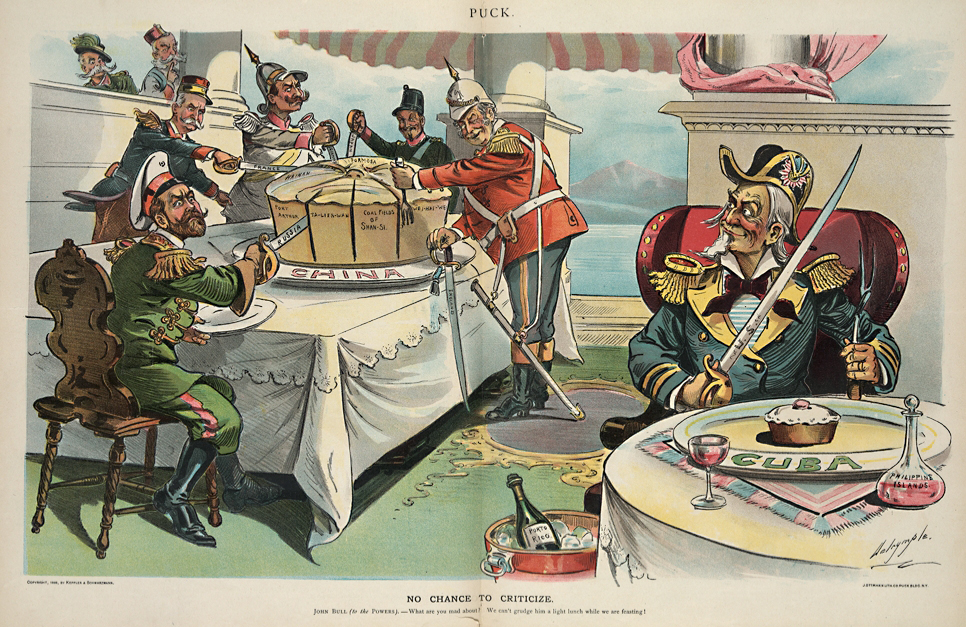
“A Diplomatic (Chinese) Design Presented to the U.S.” 1881
-
Titus Burckhardt (1908 – 1984) - Selection of Books
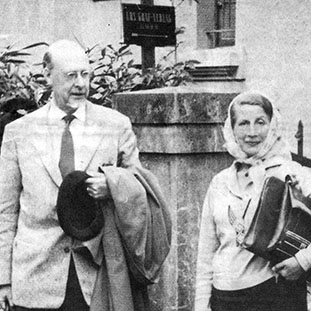
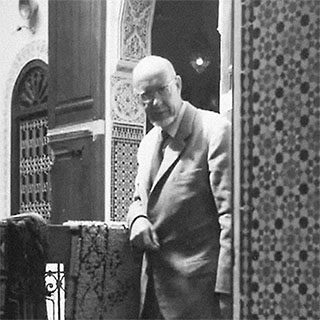
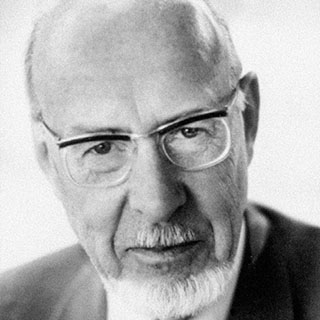
The Essential Titus Burkhardt (PDF)
Foundations of Oriental Art Symbolism by Titus-Burkhardt (PDF)
Mystical Astrology According to Ibn 'Arabi by Titus Burckhardt (Audio) -
A Basel landmark: The Basilisk fountain - Basel Switzerland: Water Monsters and Cheeky Kings
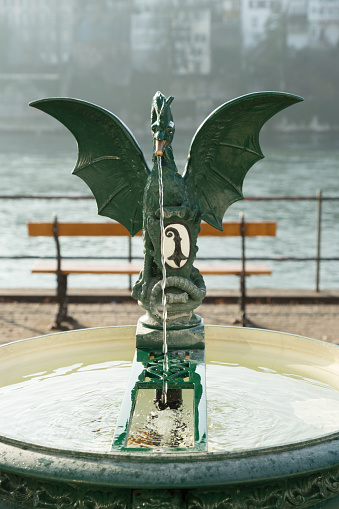
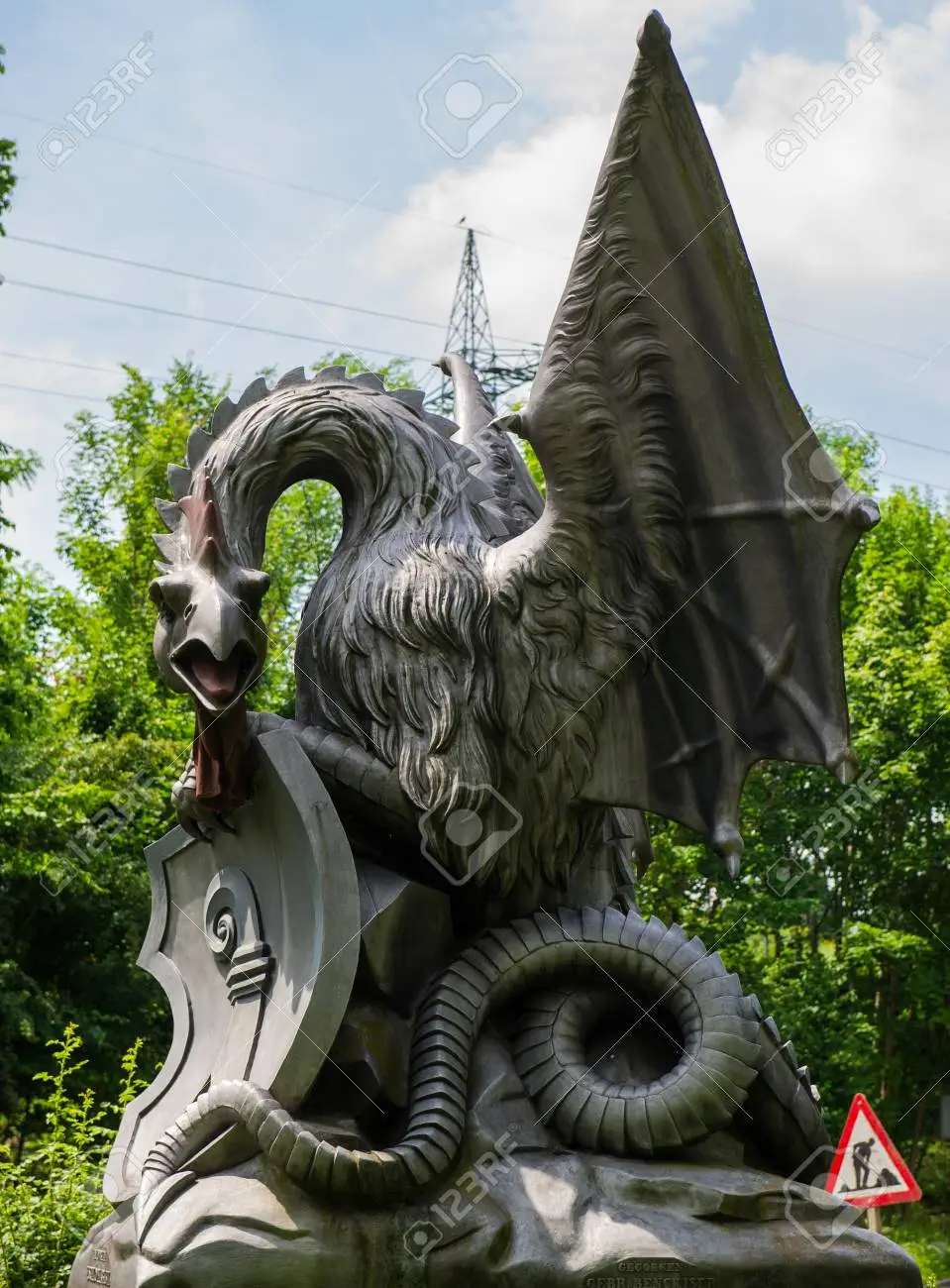
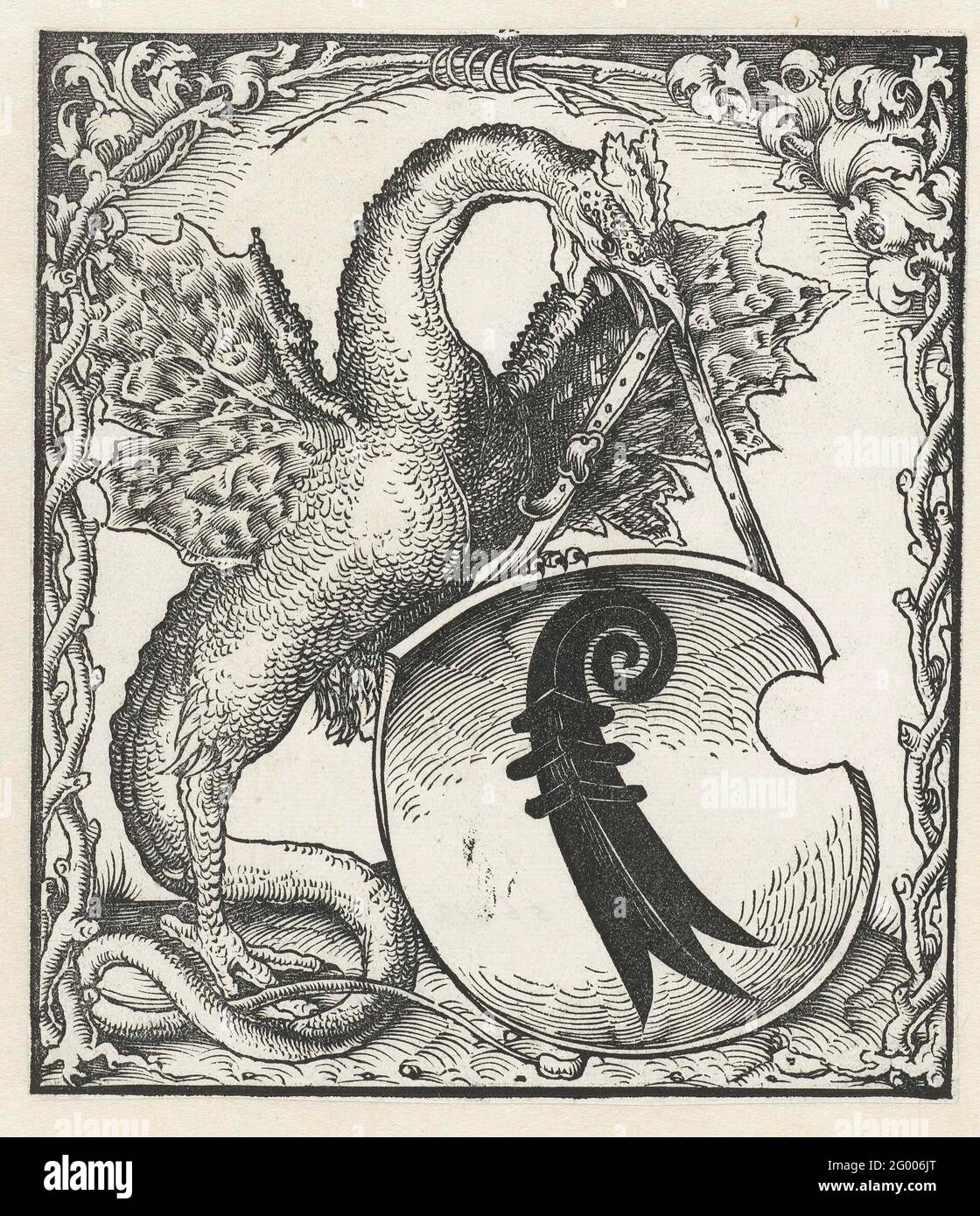
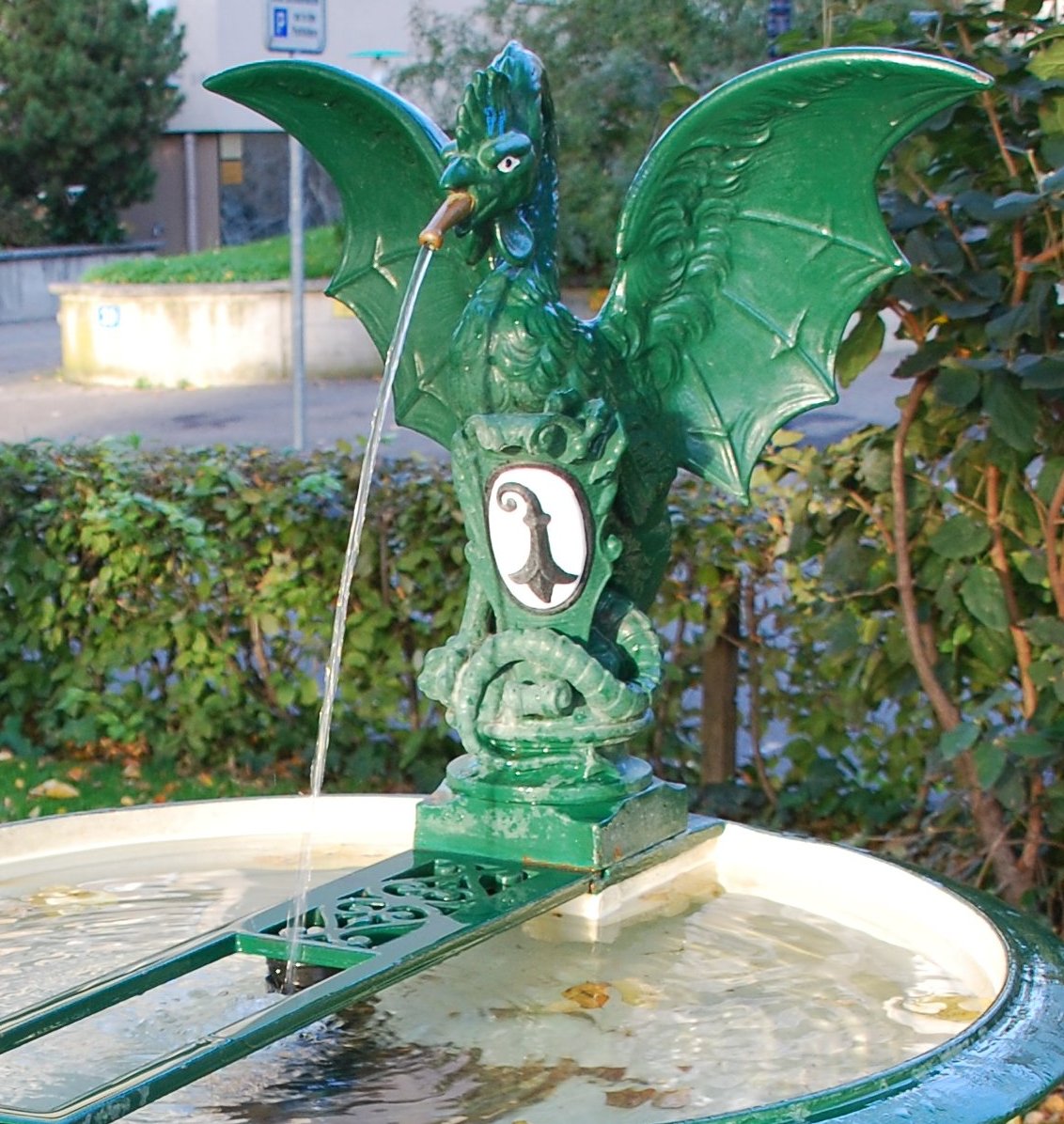
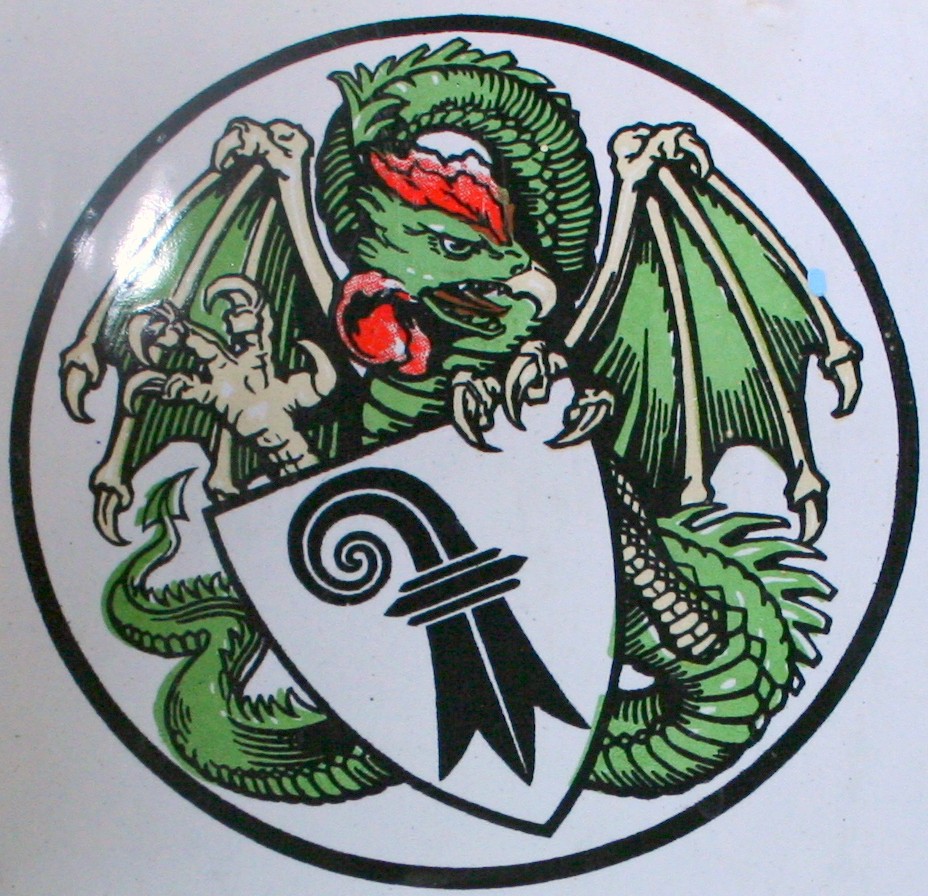
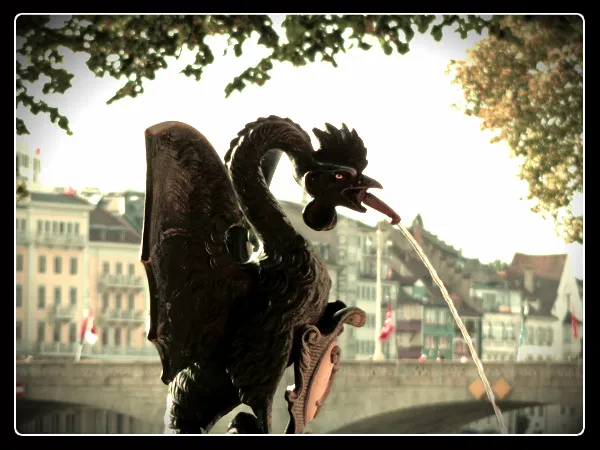
The Basilisk fountain owes its origin to a competition held in 1884. Designed by the architect and artist William Bubeck (1850-1890), it was cast in 50 pieces. The water flows from the mouth of the Basilisk in the round pool. It refreshes men, women and dogs alike: A water bowl for dogs is attached to the foot of the basin. In Basel, there are still 28 Basilisk fountains on public property, and some others on private land.
An unlikely couple: Basilea and the Basilisk
The name of the City of Basel comes from the Greek "basileus" (king, ruler) – meaning also "the royal". Its linguistic affiliation with the name of the dragon is obvious. This truly terrifying mythical creature was very popular in the Middle Ages and increasingly appeared in Basel bearing its coat of arms. The first stone "basilisk fountain" to be built is in Augustinergasse, where an elaborate Basilisk dating back to 1530 bears the Basel coat of arms.
The Basilisk - legendary and statesmanlike
The "king of serpents" was often depicted in the Middle Ages as a hybrid creature with the upper body of a rooster wearing a crown on his head, and the lower part of a snake. He turns up in several regions of Europe. The Basilisk first appeared as a crest bearer of the City of Basel in a manuscript in 1448. How the Basilisk came to play this honourable role is surrounded by a haze of legends. It is said that, during the Council to Basel (1431-1449) a traveling merchant presented a stuffed Basilisk. Another legend says that a Basilisk had lived in a cave since ancient times, on which the Gerber fountain was later erected. The inscription on the fountain is commemorative of the Gerber hilltop.
-
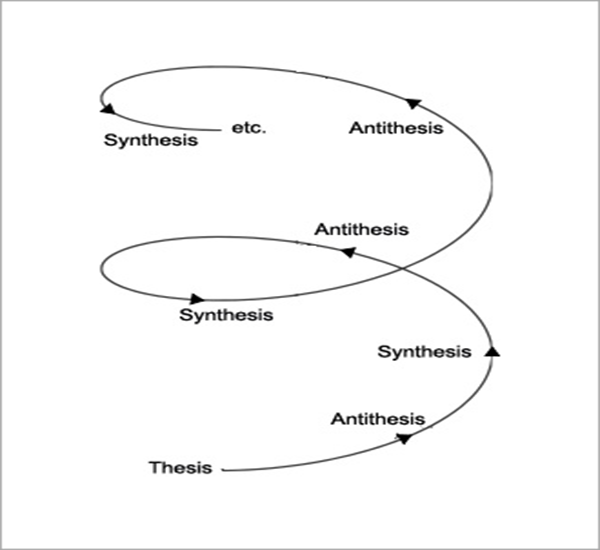
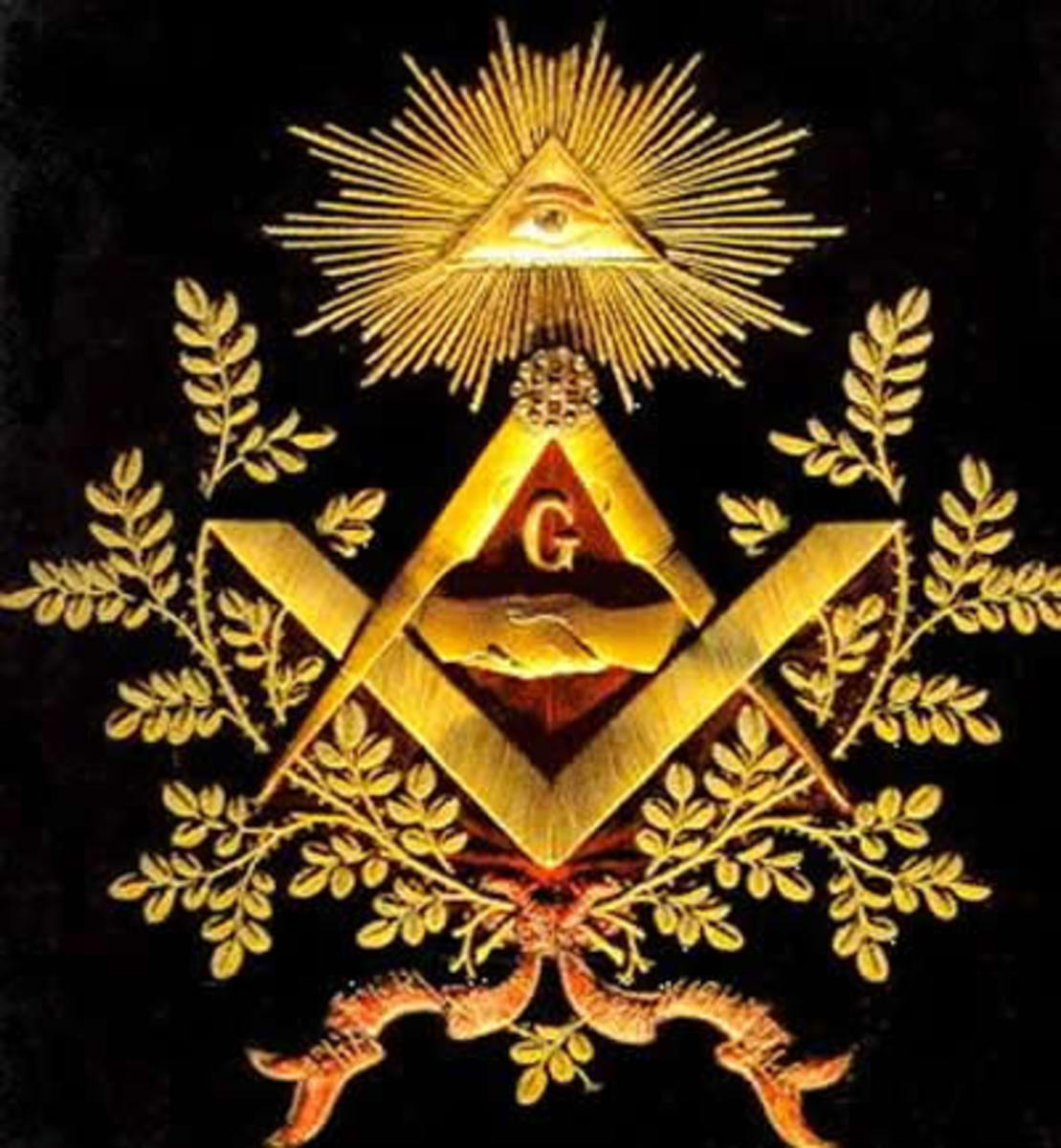
Dialectic: Realize that all sides of the current struggle are influenced by the chaordic organisation 🐙
“What can oppose the decline of the west is not a resurrected culture but the utopia that is silently contained in the image of its decline.” ― Theodor W. Adorno
#Philosophy #History #Economics #Politics #Cryptocracy #fnord
-
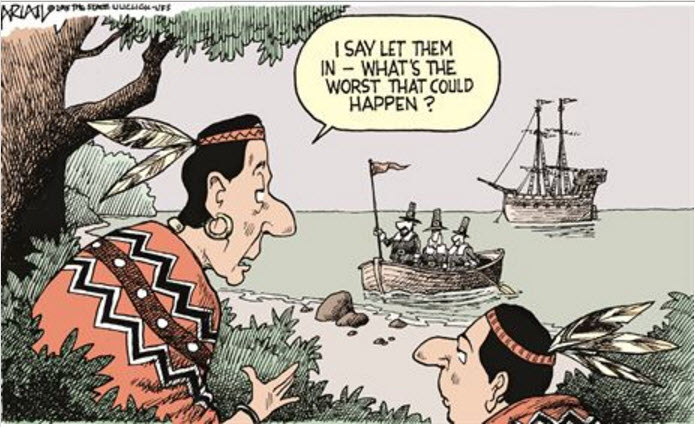
I say let them in - What's the worst that could happen?