tag > History
-
The Serpent in Aztec Culture
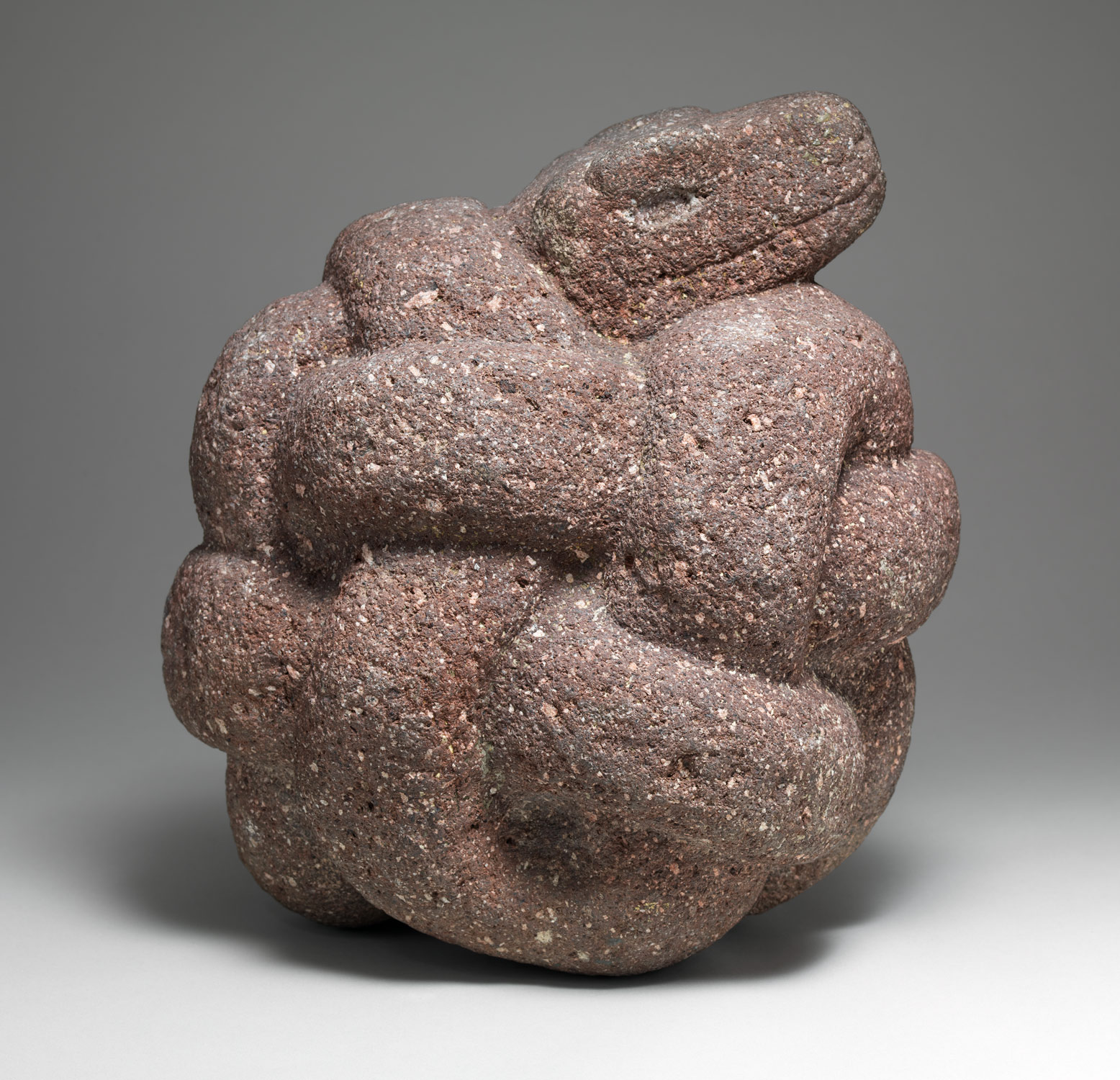
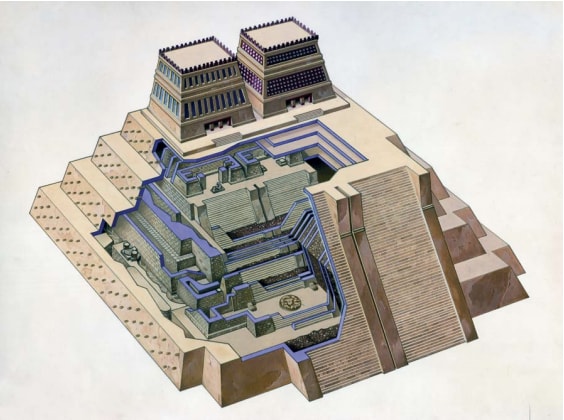
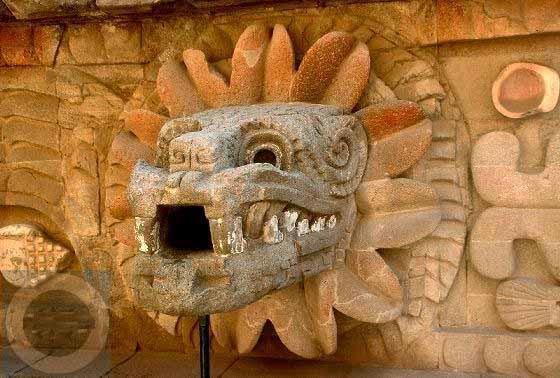
Coiled Serpent (15th–early 16th century) - by the Aztecs in Mexico, Mesoamerica Serpents held an important place in the belief systems of many peoples in ancient Mexico and they are the most frequently portrayed animals in art. Serpents had multiple connotations and inspired sky and earth imagery alike. Above all, they were fertility symbols, probably suggested by their terrestrial habitat and periodic skin shedding. At the Main Temple in the Aztec imperial capital Tenochtitlan, serpent depictions proliferate: monumental snake heads, probably representing different species—with open fanged mouths and forked tongues—flank braziers and stairways leading to the sanctuaries.
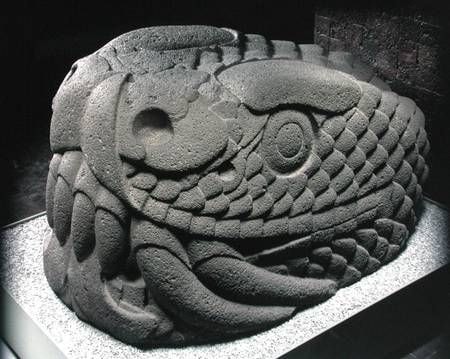
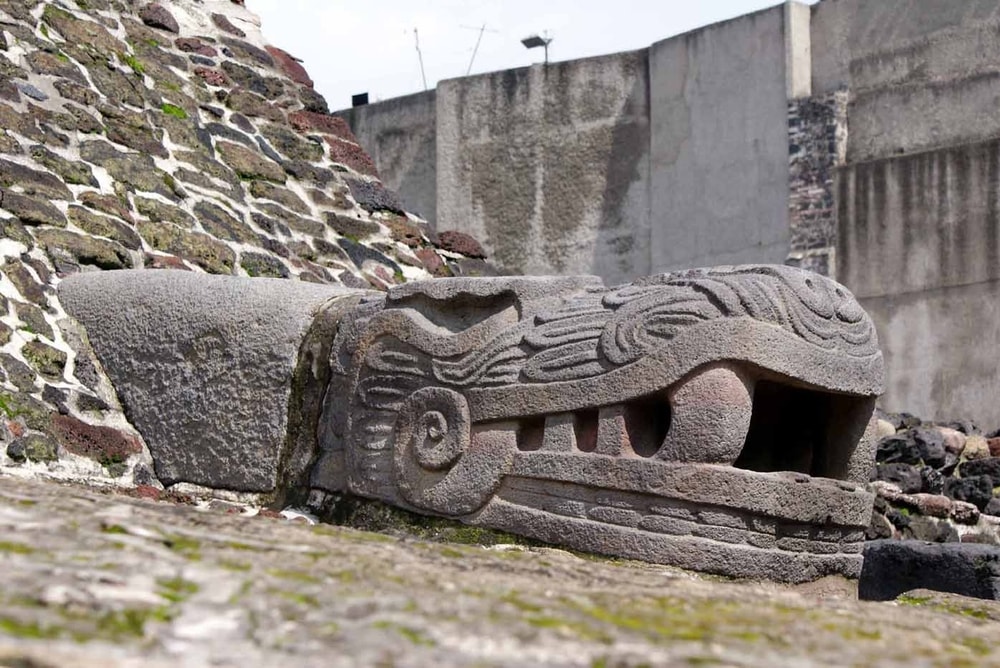
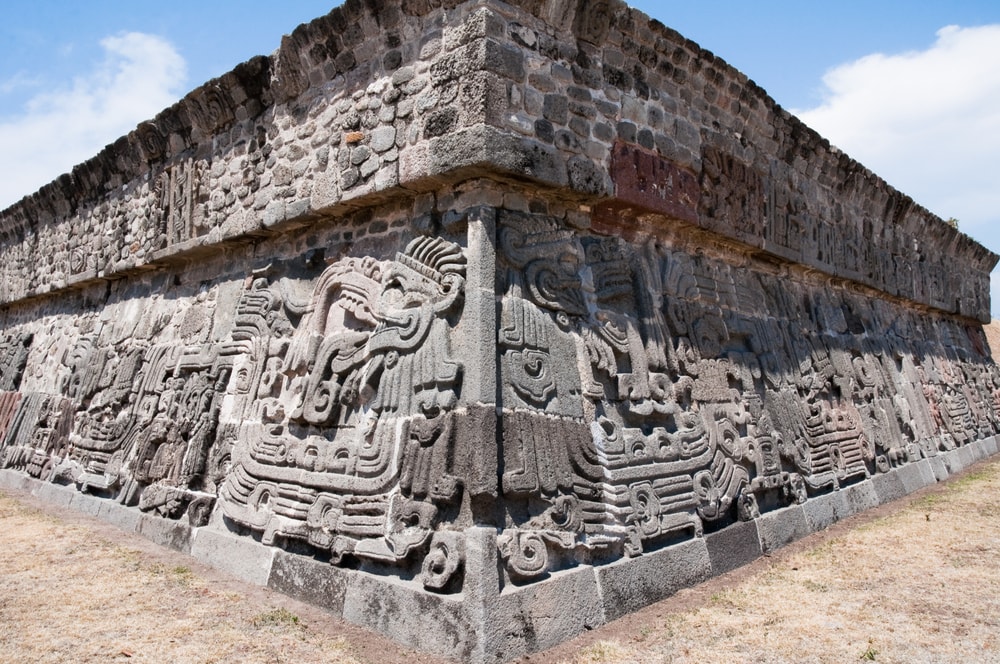
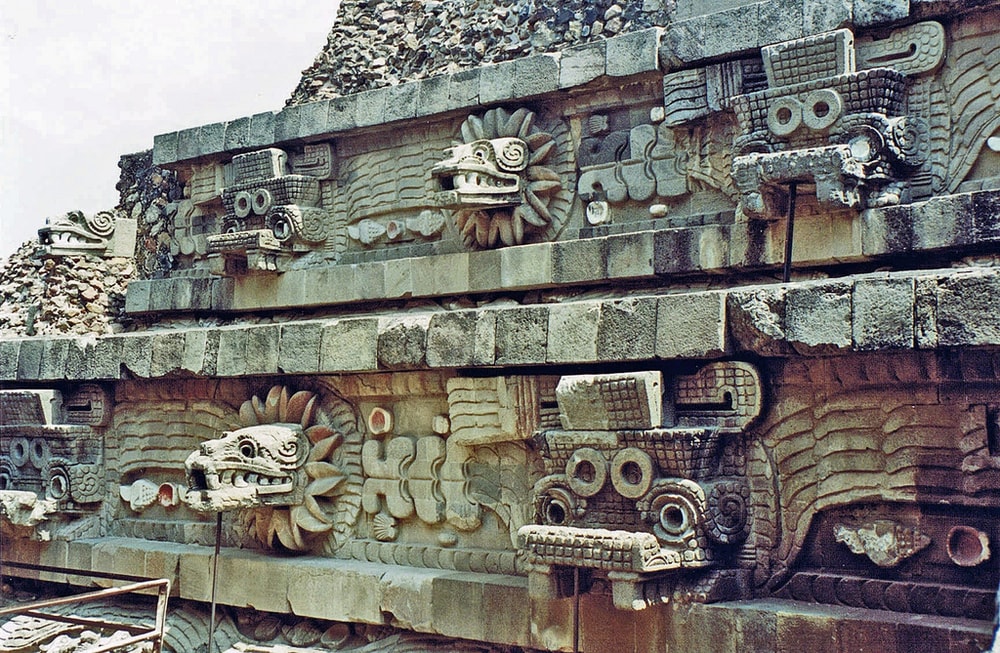
The temple itself is said to have been surrounded at the time of the Spanish conquest by a serpent wall, or Coatepantli, formed by hundreds of adjoining sculptures of snakes. In three-dimensional stone sculpture, serpents are most frequently shown coiled or knotted, as in this example. Carved from a porous stone, the body of the reptile is a tightly wound knot; the tail end with two rattles in shallow relief is visible on one side. Its flattened head, emerging from the tangled body at the top, has a pointed, closed mouth, and sunken oval eyes under bulbous supraorbital ridges. The function of this snake sculpture is uncertain.
-
Hakuin Ekaku (白隠慧鶴) (1686-1769) was one of the most influential figures in Japanese Zen Buddhism. He possessed an unusual ability to convey the meaning of Zen to large numbers of people from all classes and religions. His work had a profound effect on Zen study & painting. Master Hakuin published many texts, including "Yasen kanna" (夜船閑話), "Idle Talk on a Night Boat" - a work on health-improving meditation techniques (PDF, PDF)
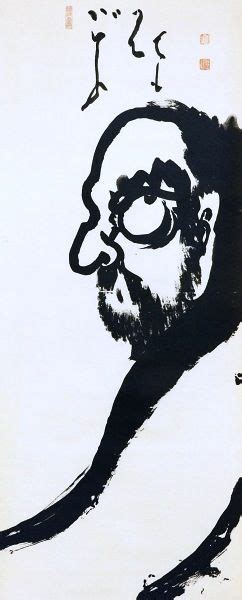
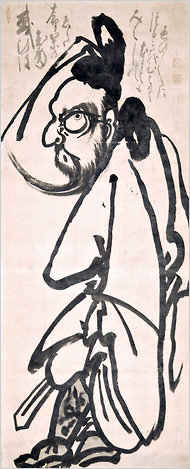
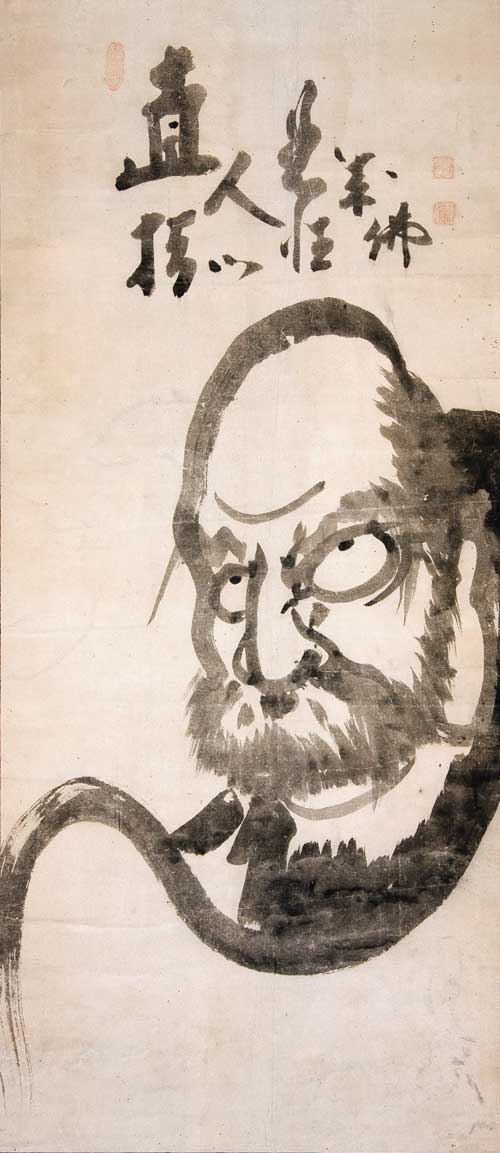
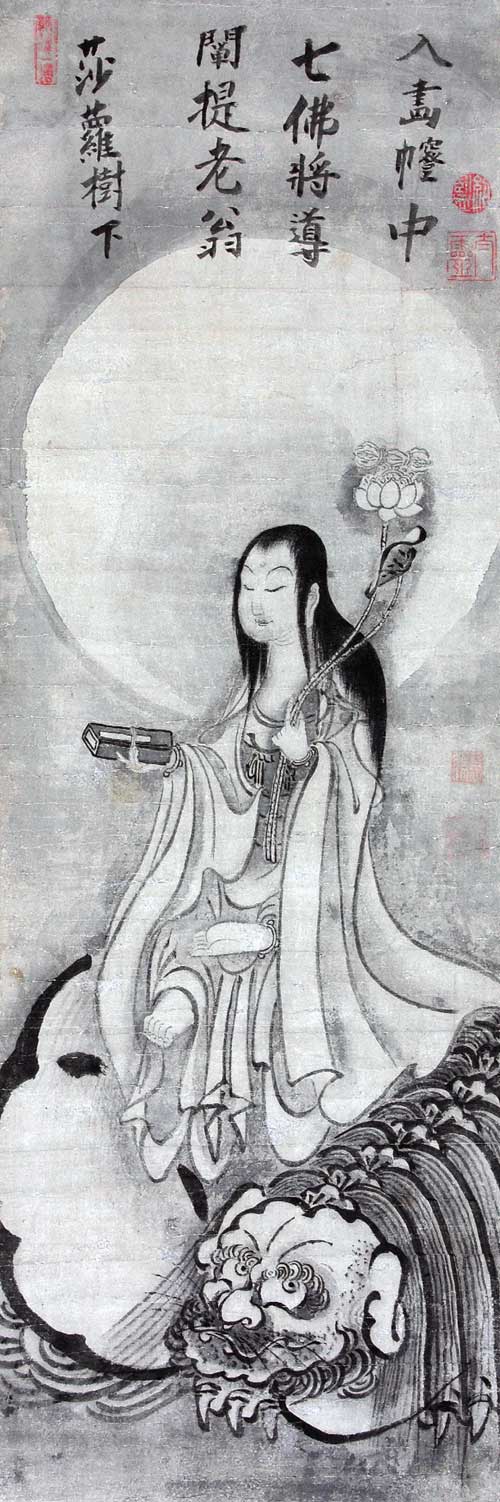
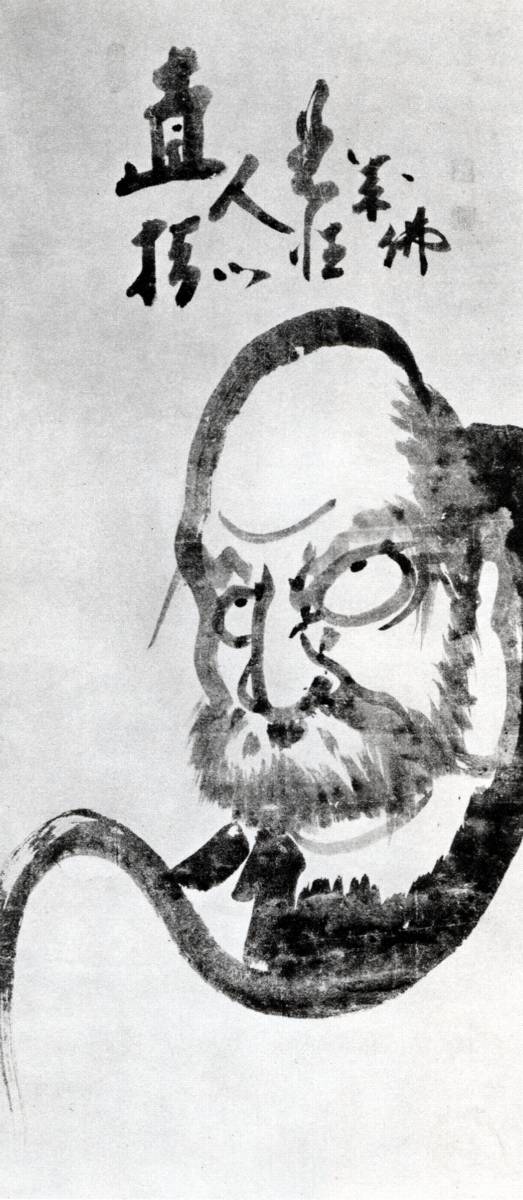
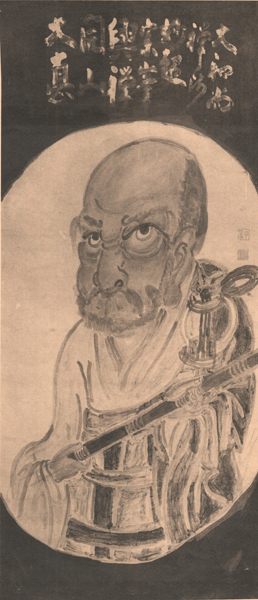
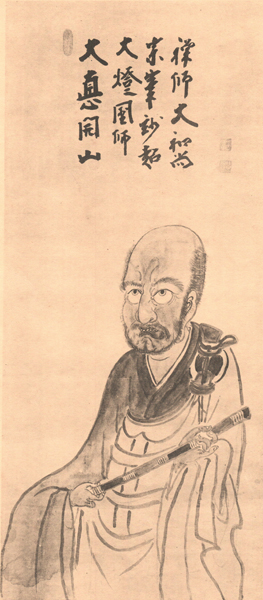
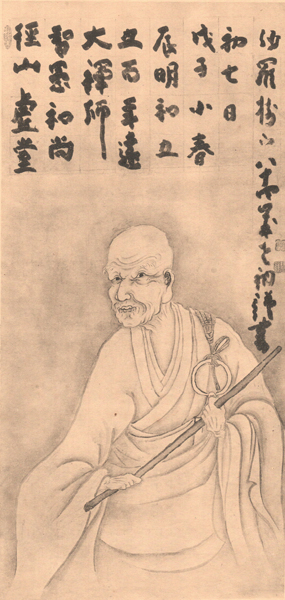
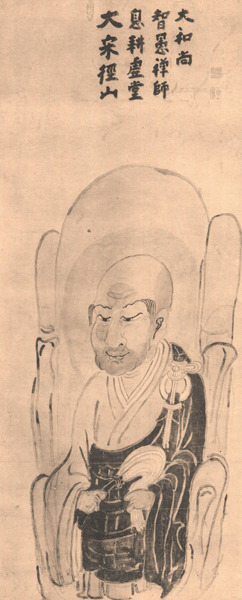
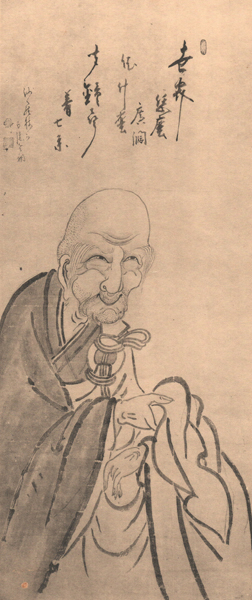
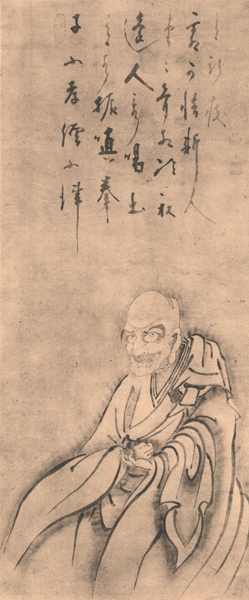
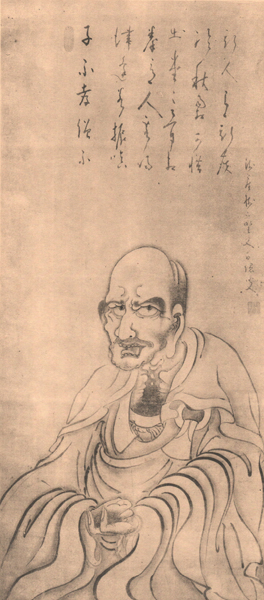
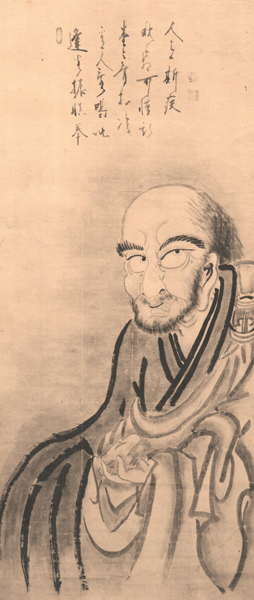
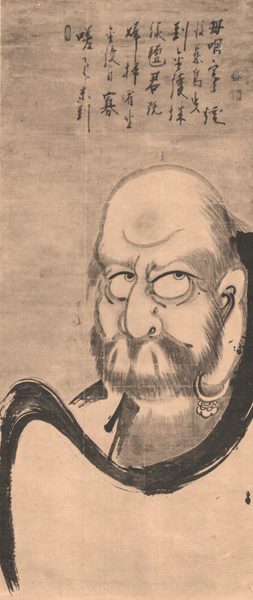
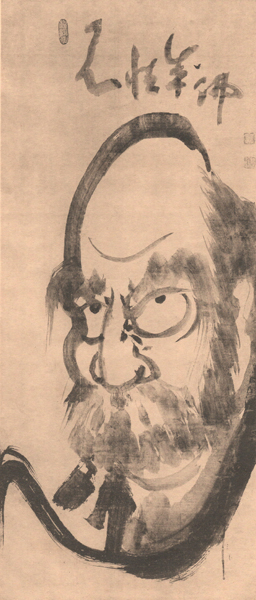
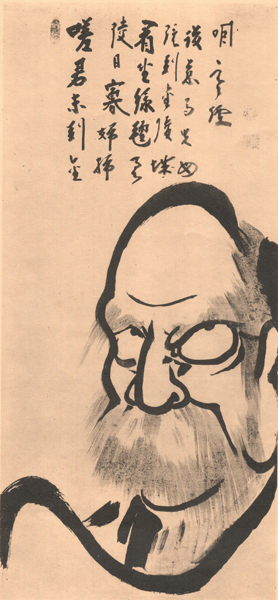
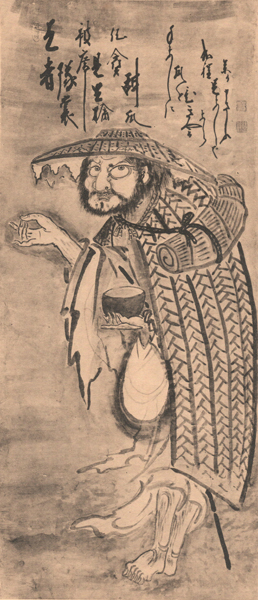
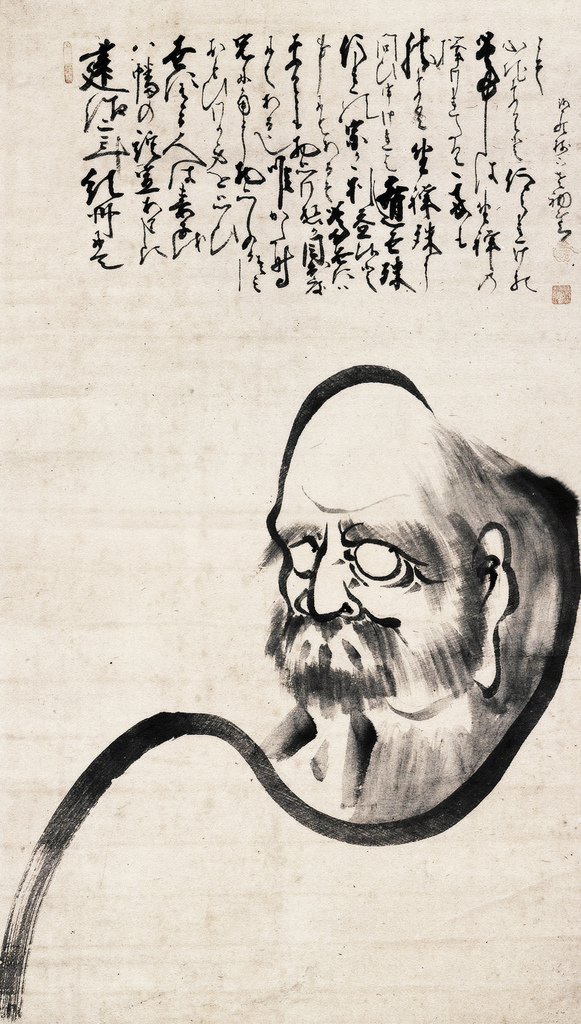
Related: The Sound of One Hand: Paintings and Calligraphy by Zen Master Hakuin
-
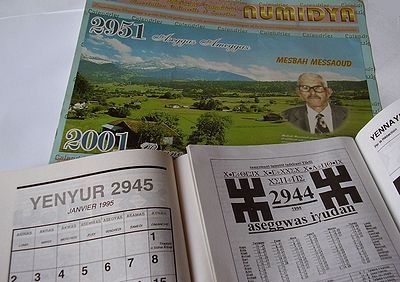
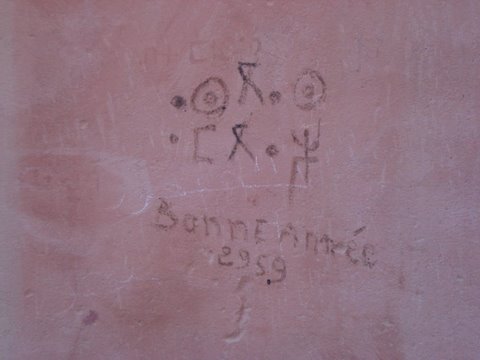
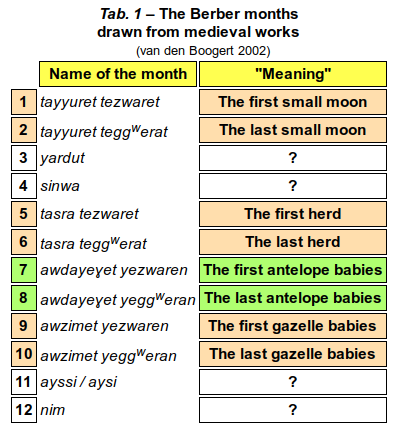
Happy New Year! Berbers in Algeria, Morocco and Tunisia celebrate the year 2970.
The Berber calendar is the agricultural calendar traditionally used by Berbers. It is also known as the fellaḥi (ﻓﻼّﺣﻲ "rustic" calendar). The calendar is utilized to regulate the seasonal agricultural works. The Islamic calendar, a lunar calendar is considered by some as ill-adapted for agriculture because it does not relate to seasonal cycles. More...
-
The Vikings erected a runestone out of fear of a climate catastrophe (Uni Gothenburg)
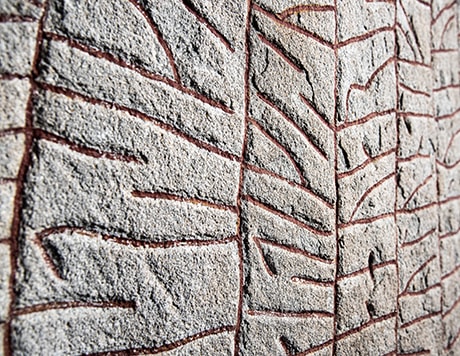
"Several passages on the Rök stone – the world’s most famous Viking Age runic monument – suggest that the inscription is about battles and for over a hundred years, researchers have been trying to connect the inscription with heroic deeds in war. Now, a new interpretation of the inscription is being presented. The study shows that the inscription deals with an entirely different kind of battle: the conflict between light and darkness, warmth and cold, life and death."
-
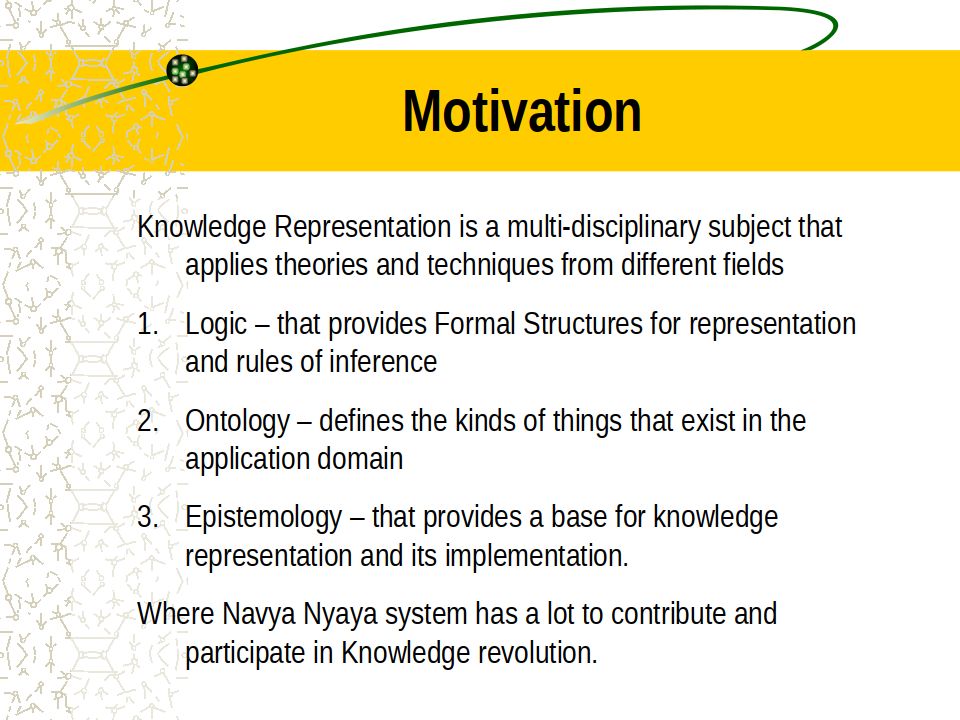
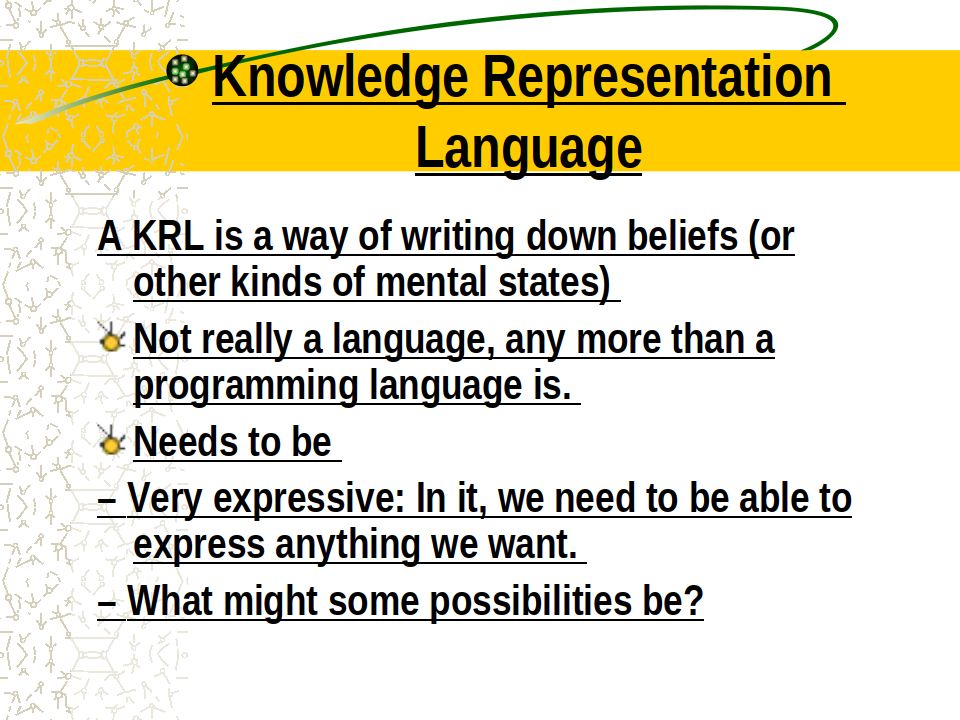
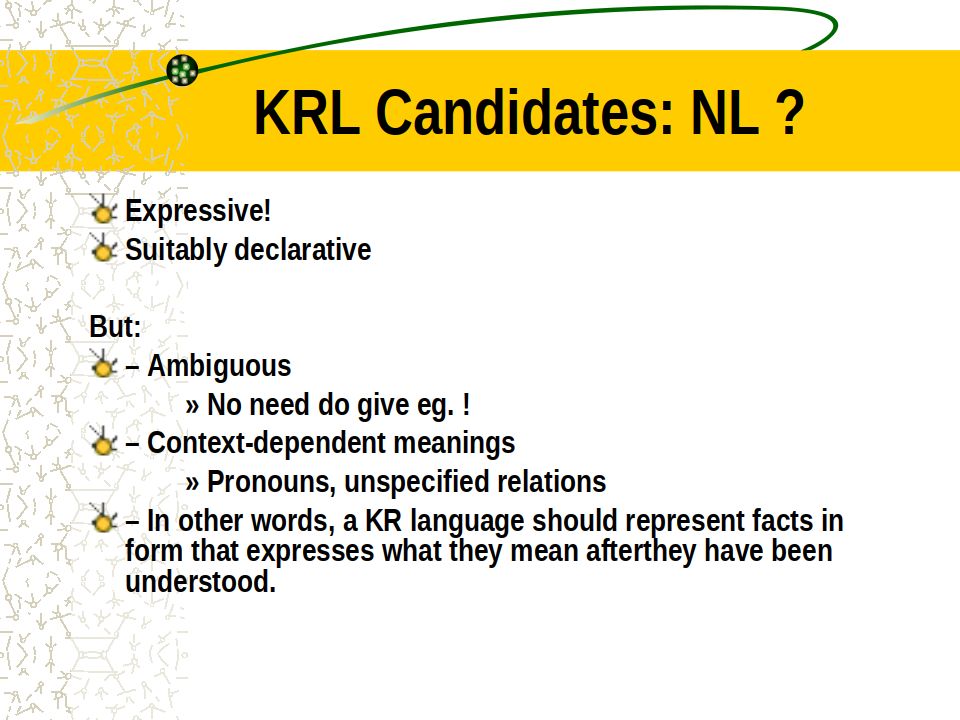
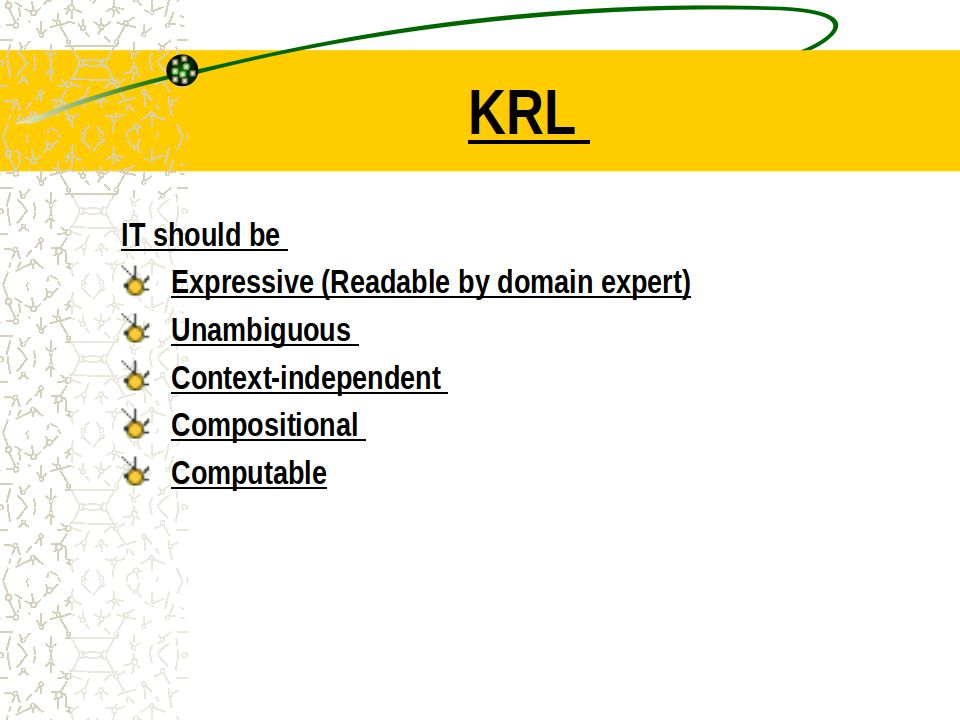
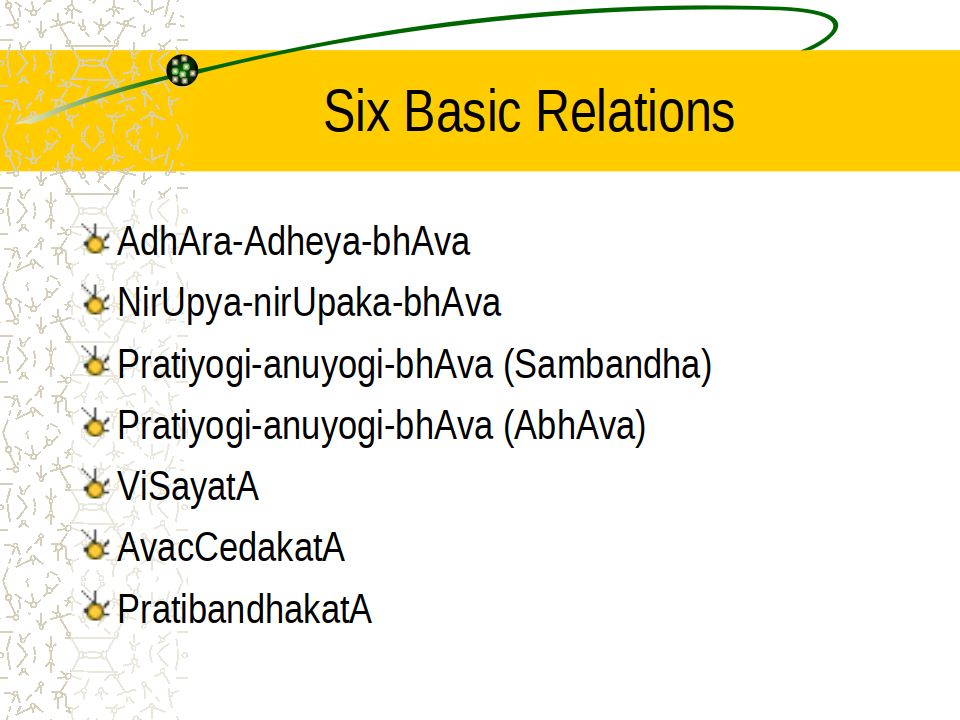
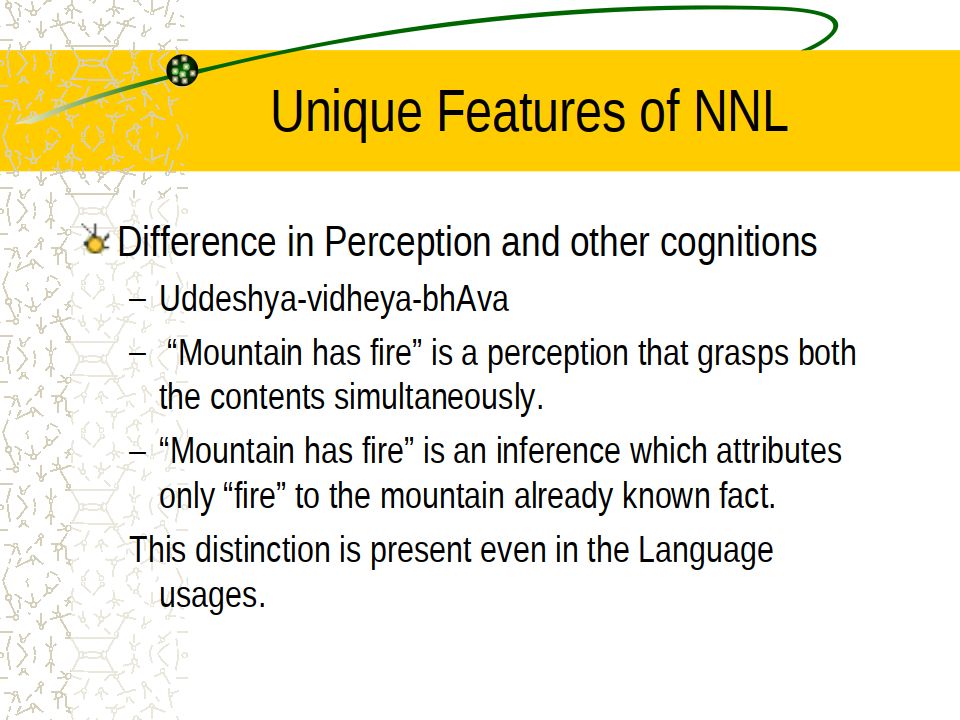
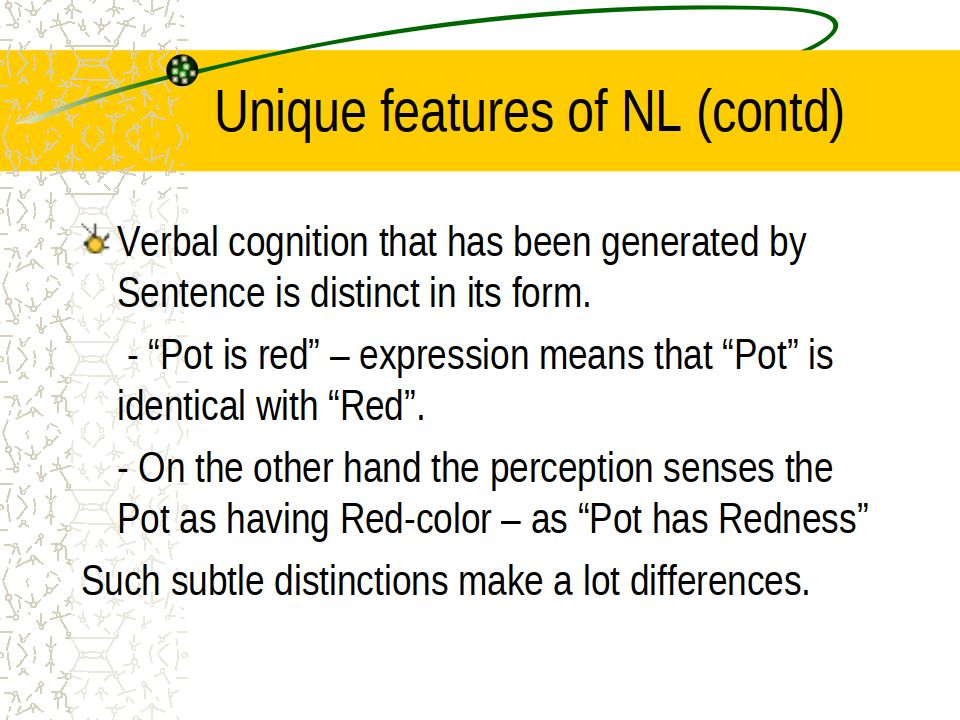
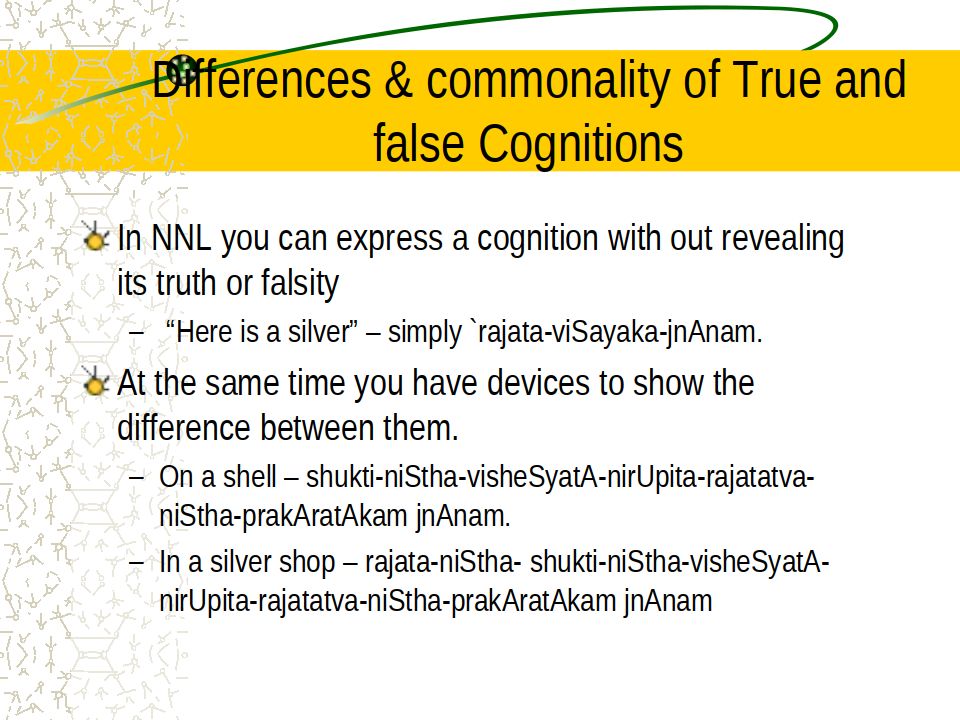
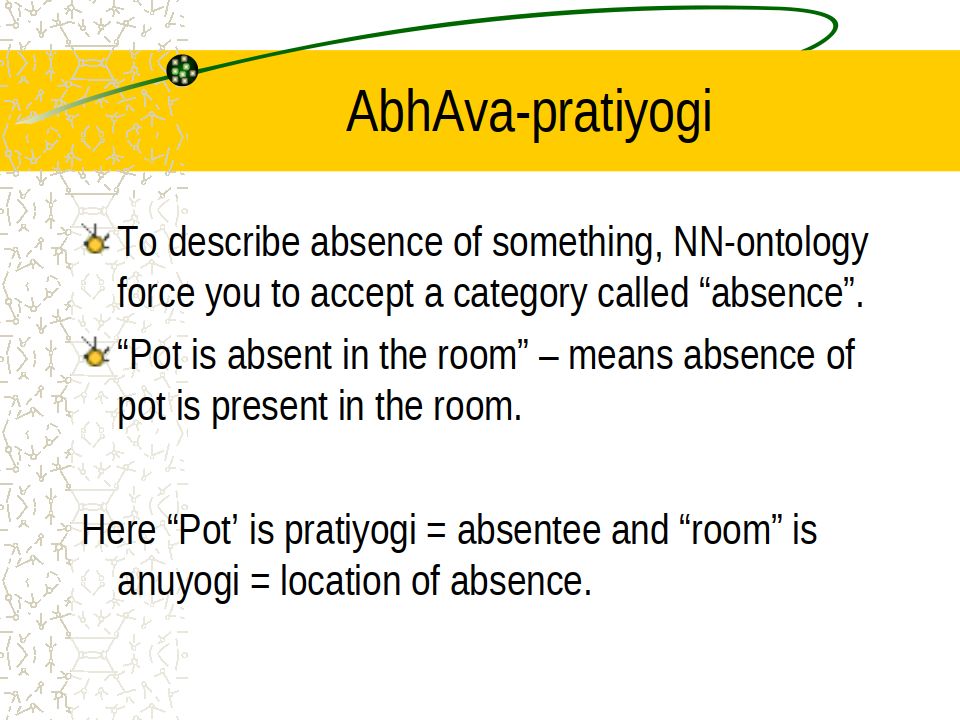
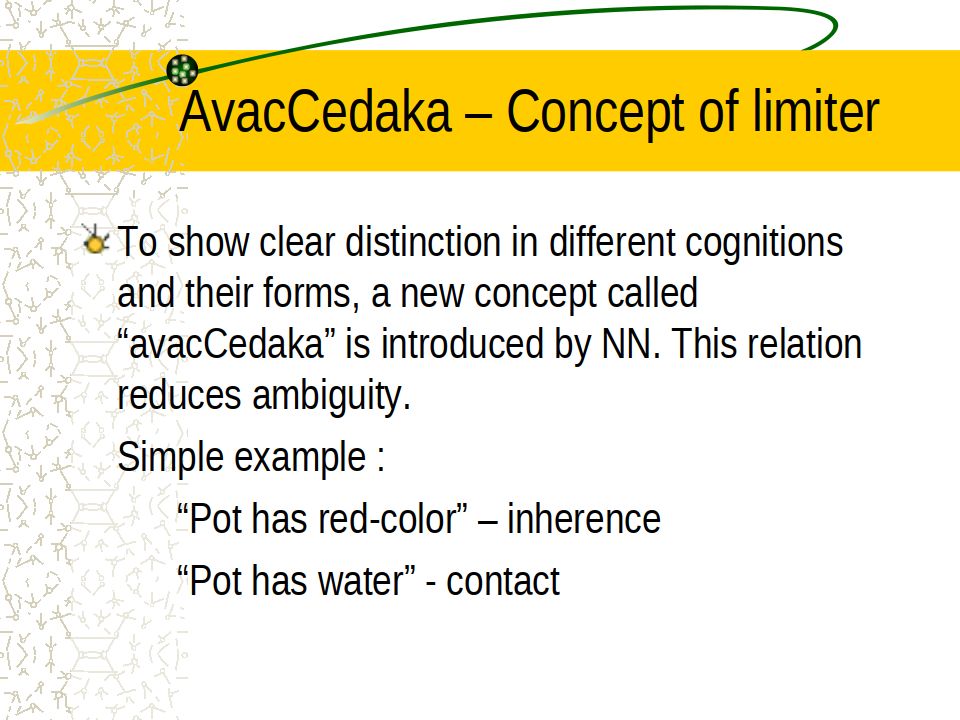
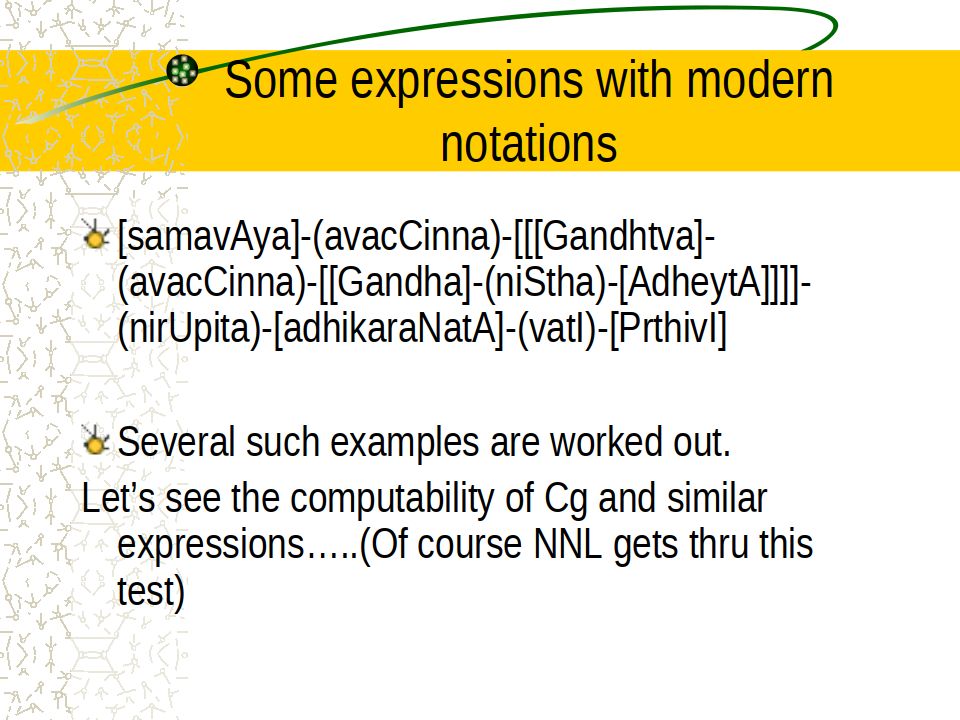
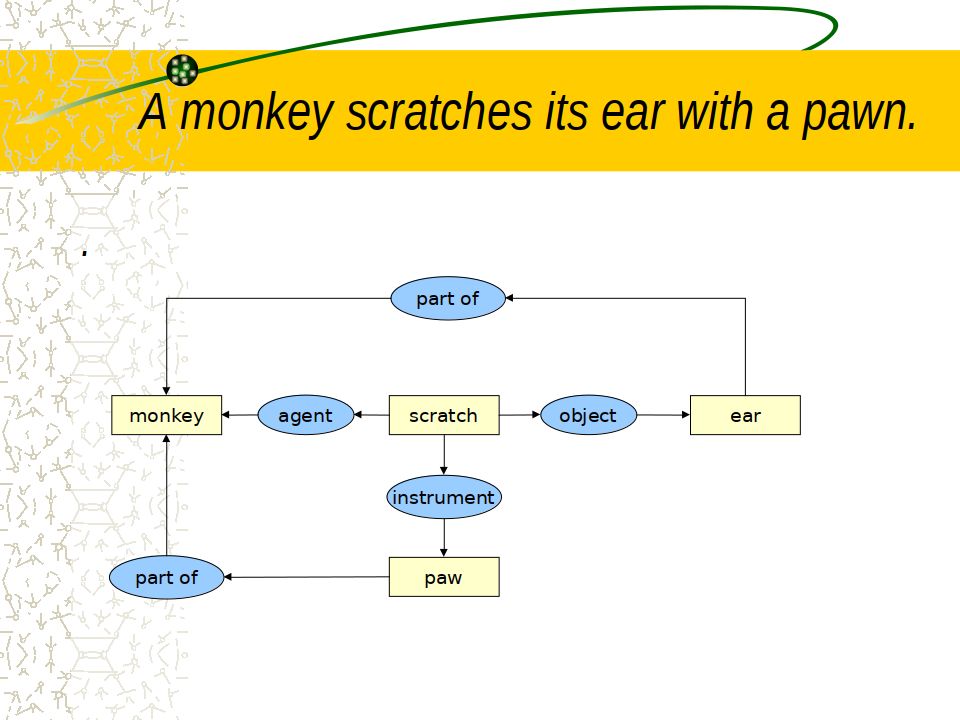
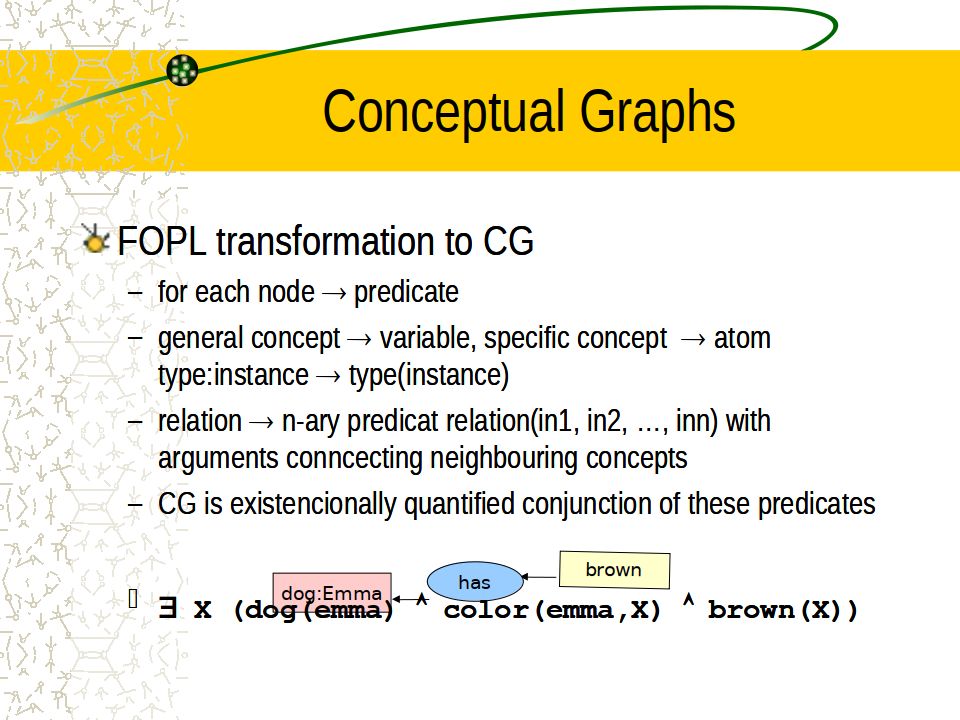
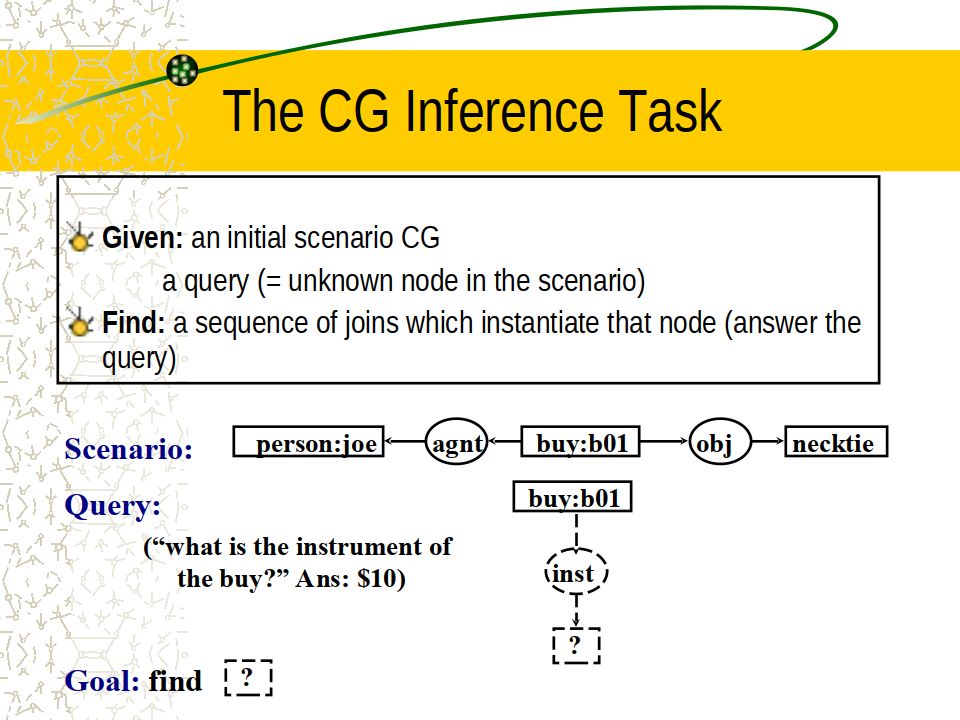
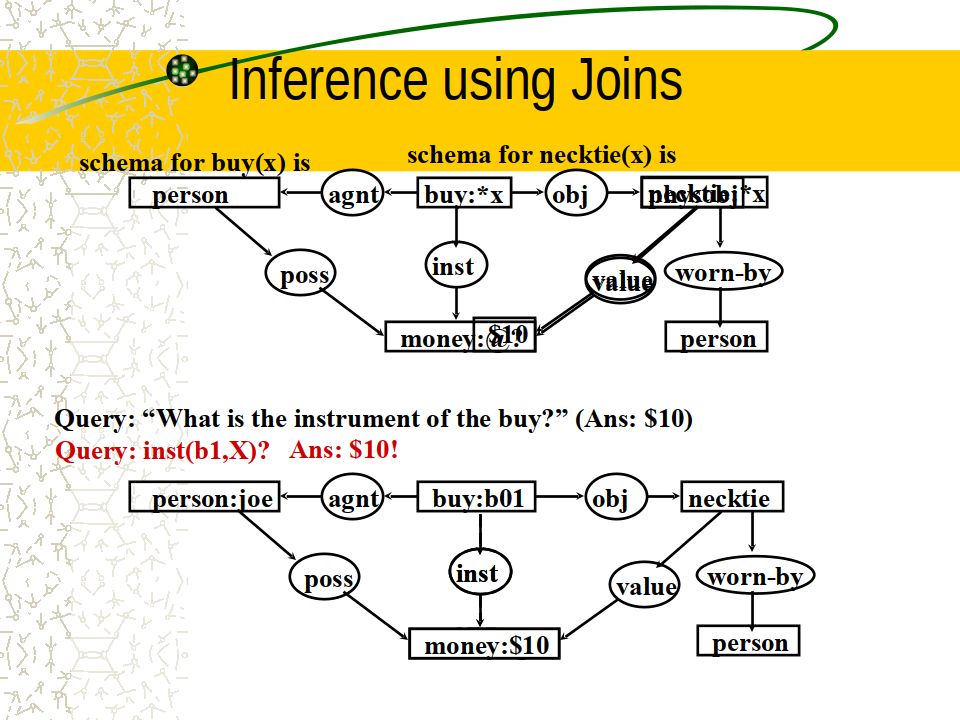
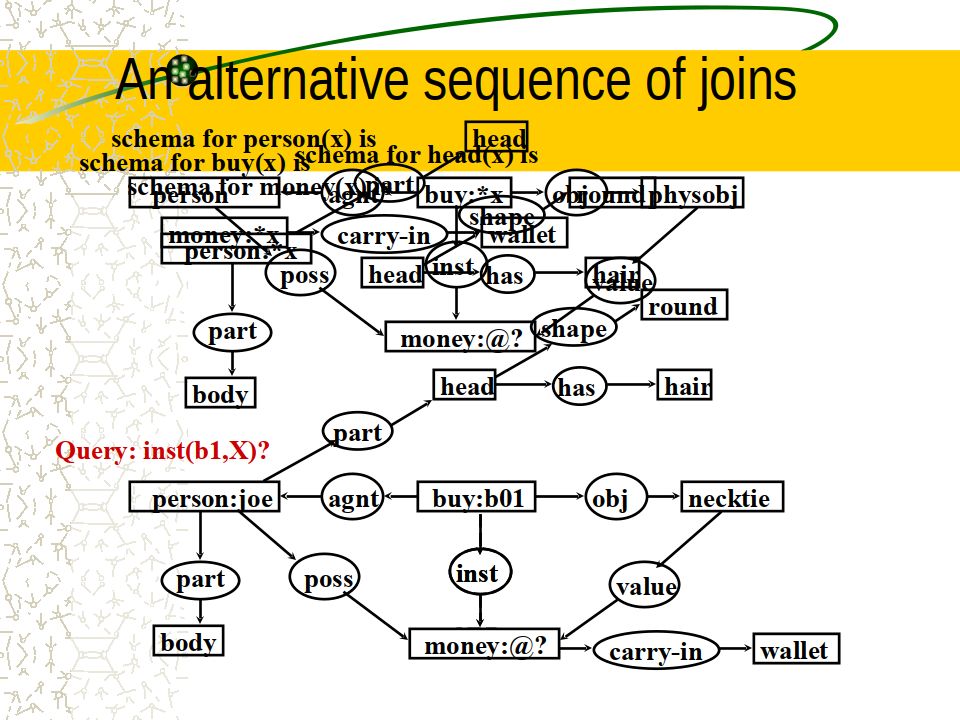
Navya-Nyāya
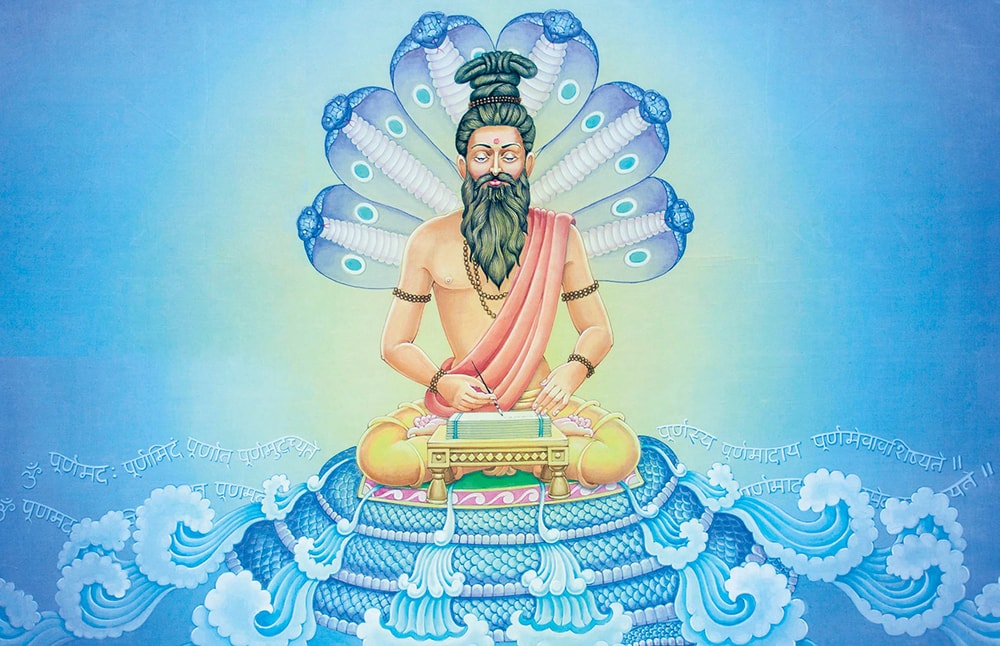
The Navya-Nyāya darśana (system/school) of Indian logic and philosophy was founded in the 13th century by the philosopher Gangeśa Upādhyāya. Other influences were the work of earlier philosophers Vācaspati Miśra (900–980 CE) and Udayana (10th century). Nyaya means correct thinking with proper arguments & valid reasoning. Its goal is “acquiring knowledge of the reality”. It remained active in India to the 18th century.
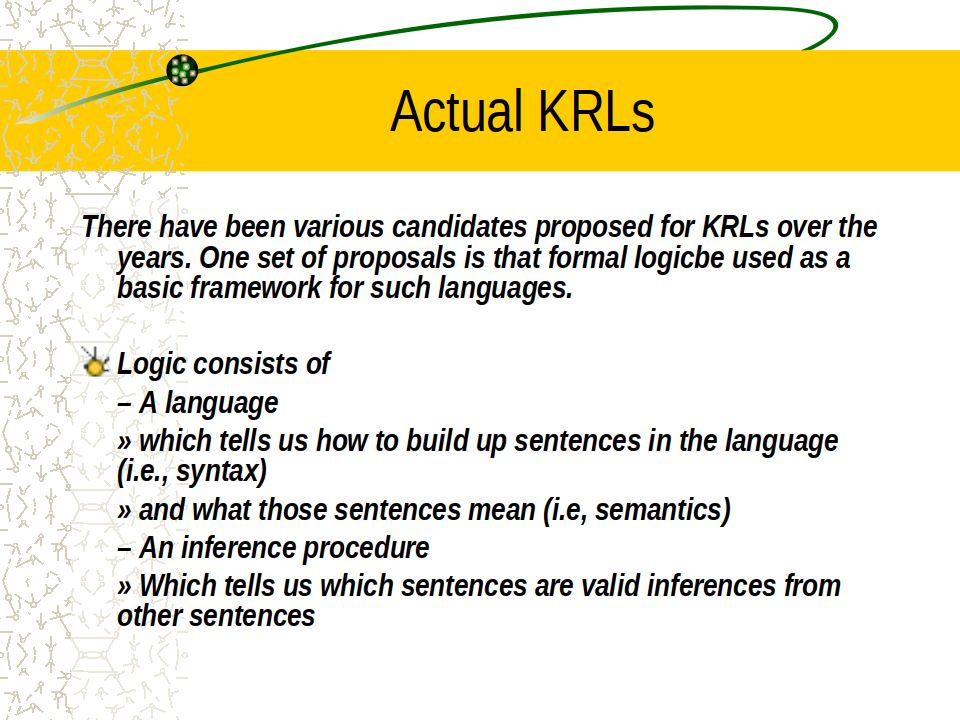
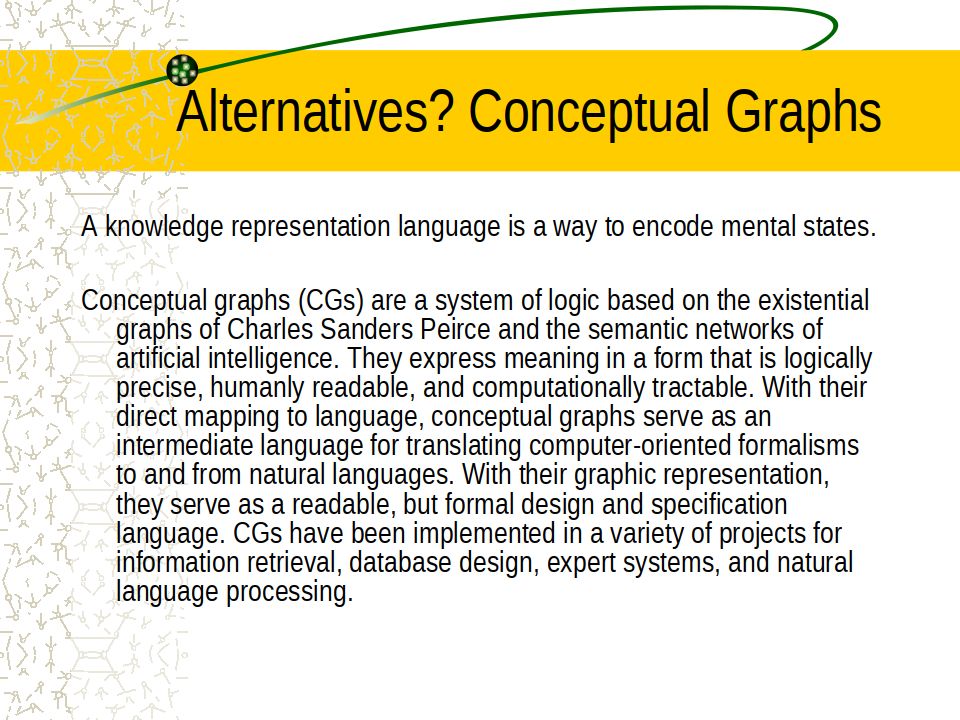
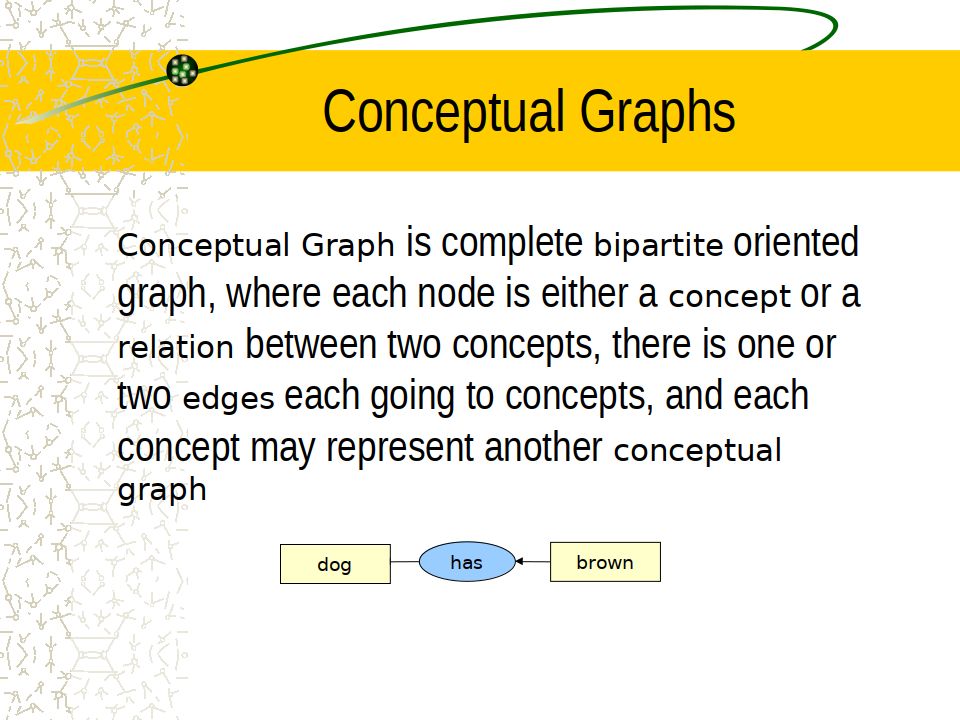
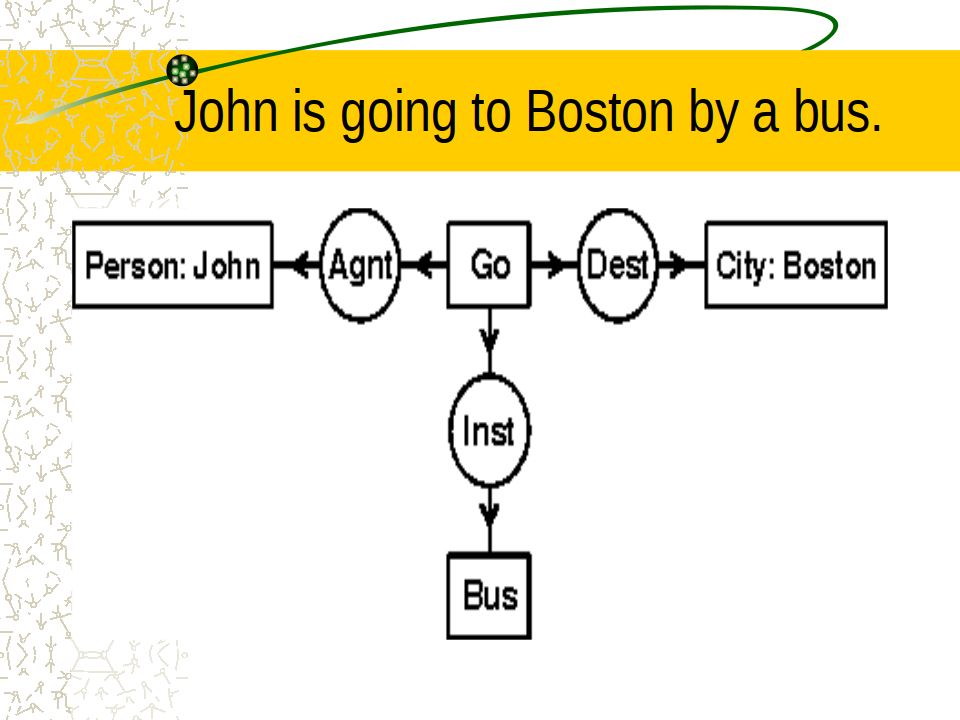
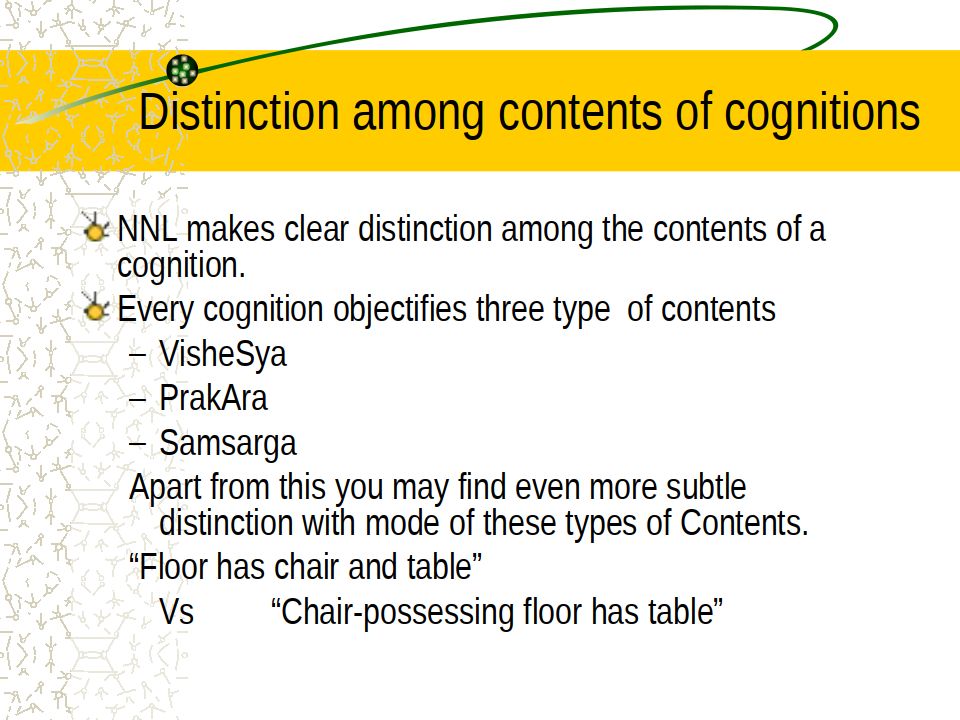
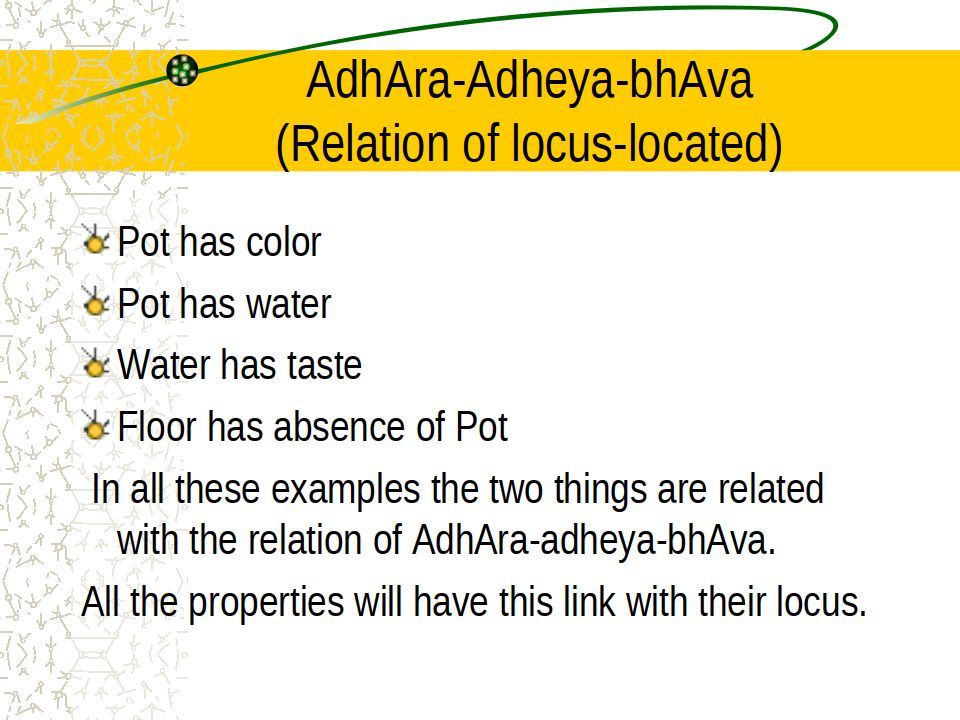
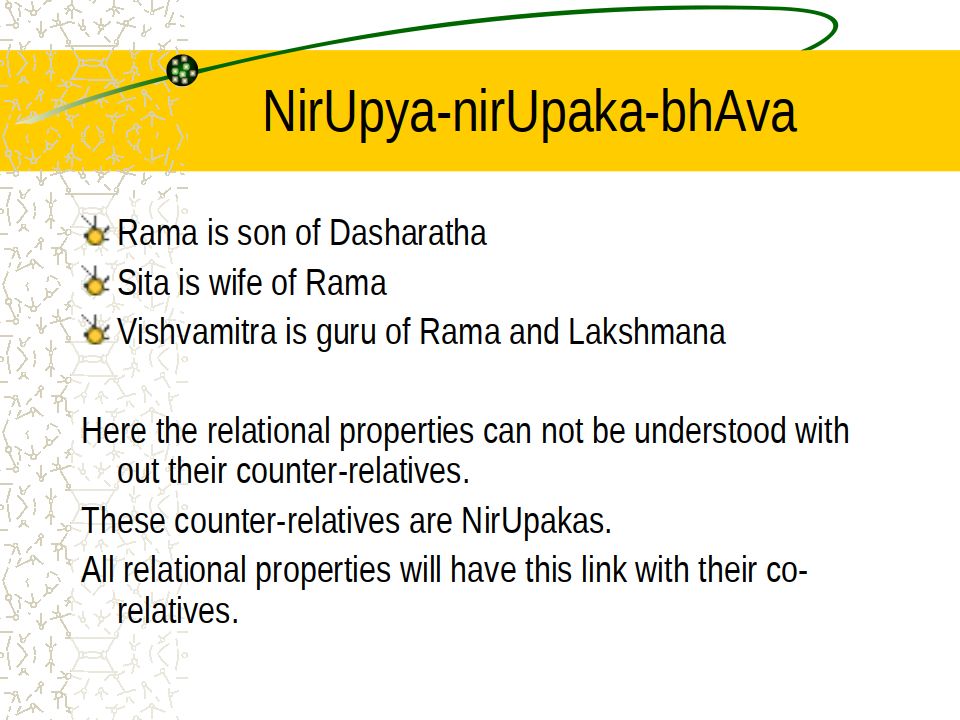
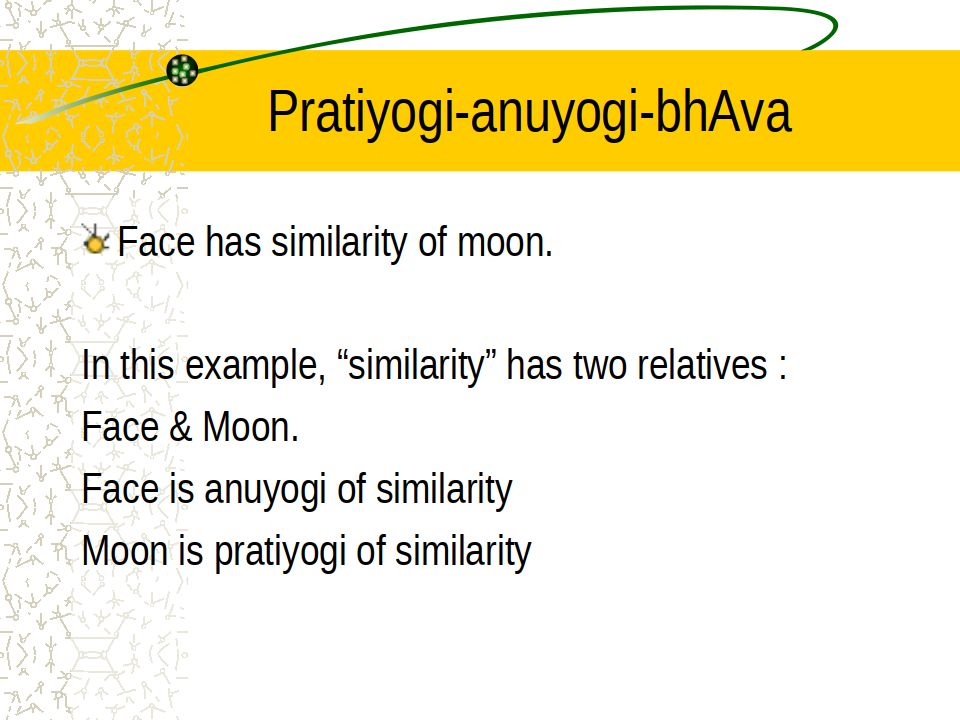
Introduction to Knowledge Representation and Navya Nyaya - by Dr. Shrinivasa Varakhedi
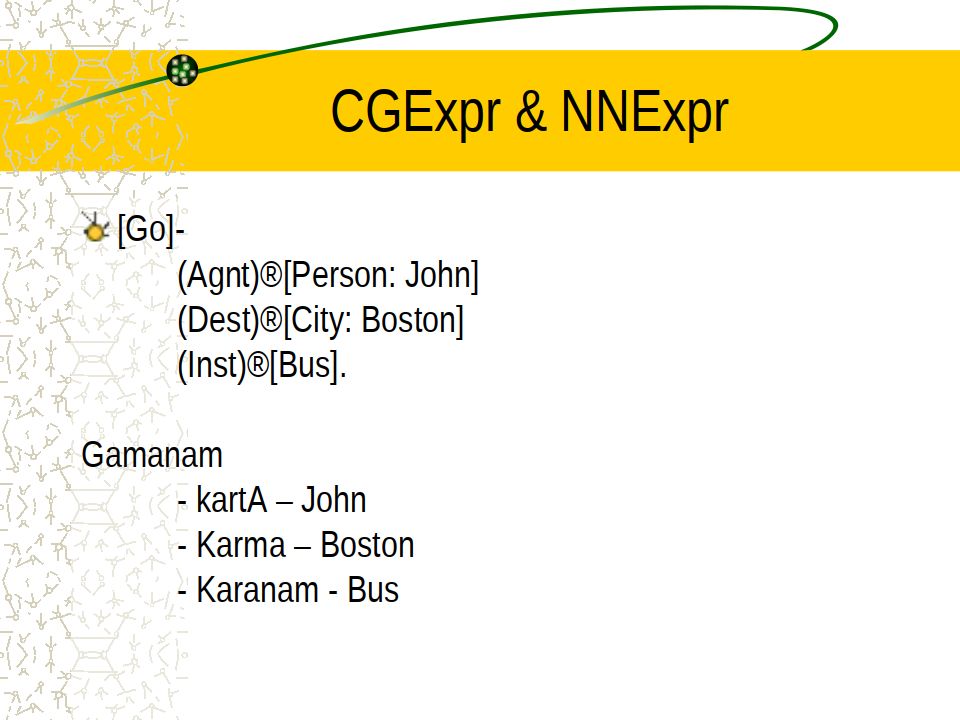
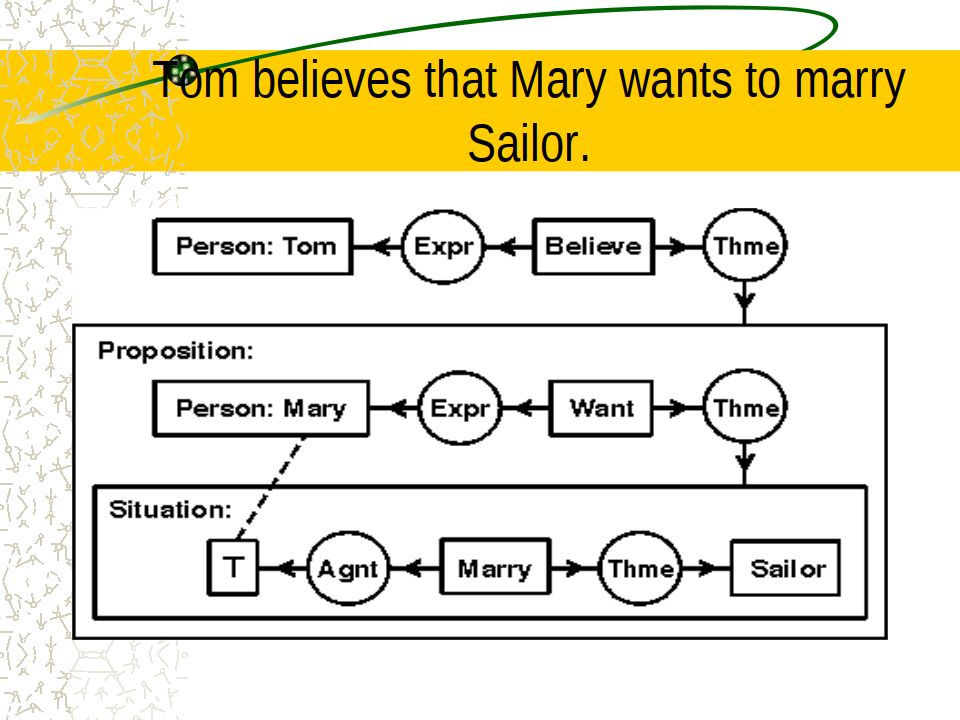
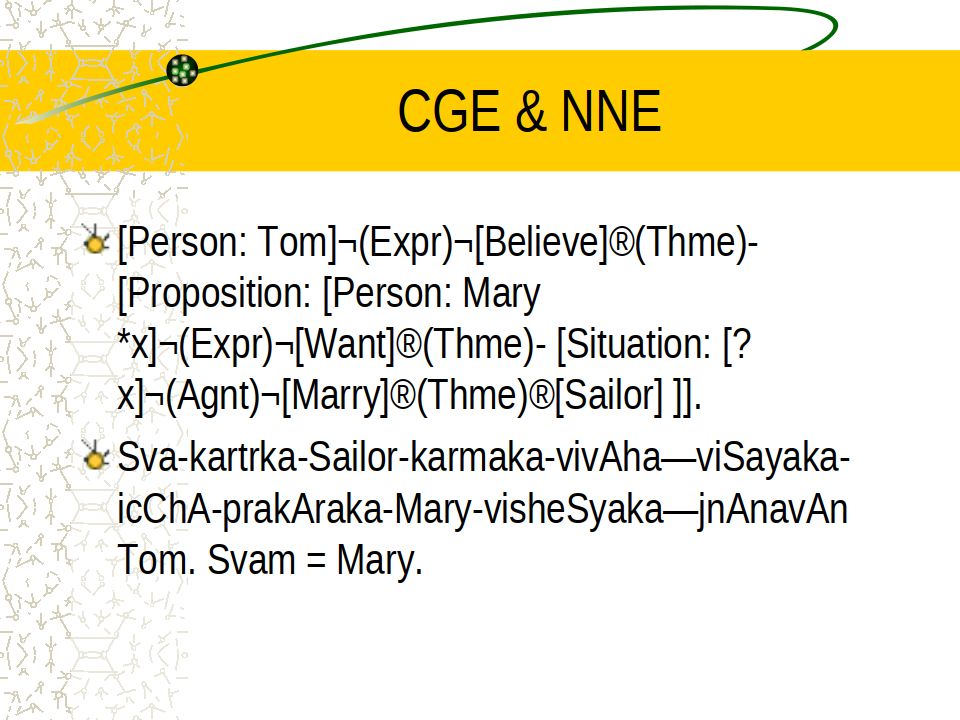
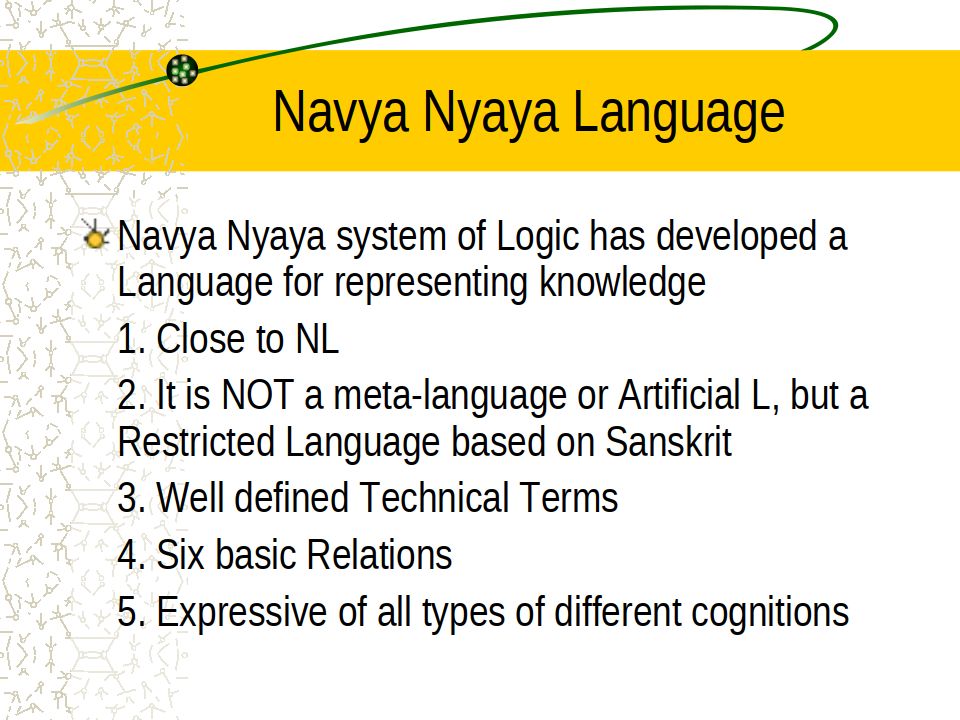
Related Links:
- Blog: The comparatively early appearance of sophisticated Nyāya logic, epistemology, and empiricism in Indian/Indic philosophy
- Research: Segmentation of Navya-Nyāya Expressions
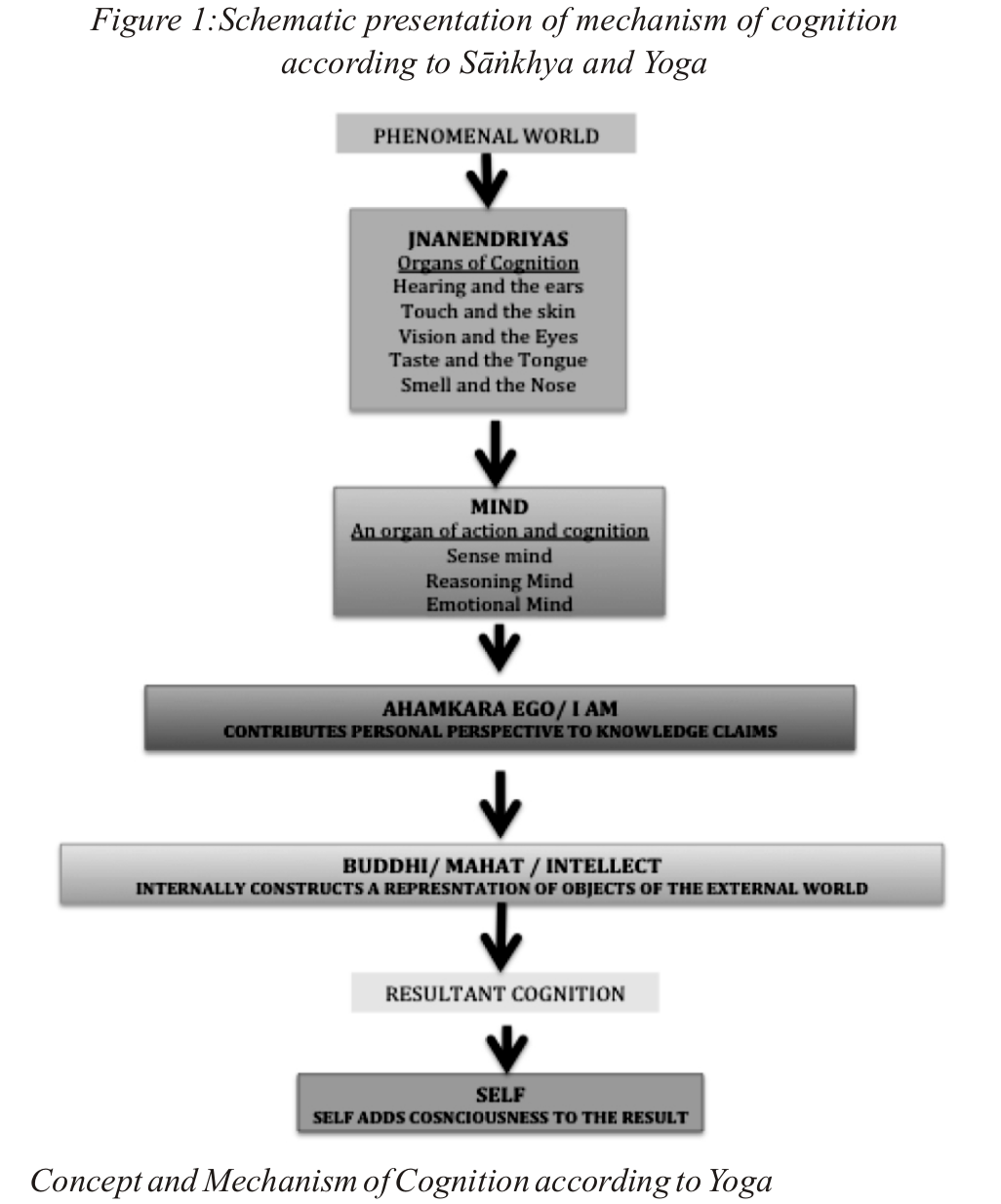
- Research: Concept and Mechanism of Cognition According to Ancient Indian Texts
- Research: A Survey and Evaluation of Diagrams for Navya-Nyāya
- Researchers: John Vattanky, Bimal Krishna Matilal
- Book: Navya Nyaya System of Logic - by D. Guha
- Book: Materials For The Study Of Navya Nyaya Logic - by Daniel H.H. Ingalls
- Context: Educational Insight: Six Streams Of Hindu Philosophy
- Context: Nyāya Sūtras
Nyaya Philosophy
Following Text is by Vikas Dhavaria from his Dhavaria blog:
1.1 Introduction
- Nyaya school is founded by sage Gautama (Aksapada).
- Nyaya means correct thinking with proper arguments and valid reasoning.
- Known as:
- Tarakshashtra (The science of reasoning)
- Pramanashashtra (The science of logic and epistemology)
- Hetuvidya (The science of causes)
- Vadavidya (The science of debate)
- Anviksiki (The science of critical study)
- Its goal is “acquiring knowledge of the reality”.
1.2 Epistemology
Nyaya school of thought is adhered to atomistic pluralism and logical realism.
Atomistic Pluralism
- atom is the constituent of matter,
- they are not one but many entities,
- both material and spiritual,
- as ultimate constituents of the universe.
Logical Realism
- world exist independently of our perception and knowledge.
- Independent existence of the world can be defended by logical argument and critical reflection on the nature of experience.
The Nyaya philosophy recognized sixteen categories and the first category is known as “Pramana” which focuses the logical and epistemological character of the Nyaya system.
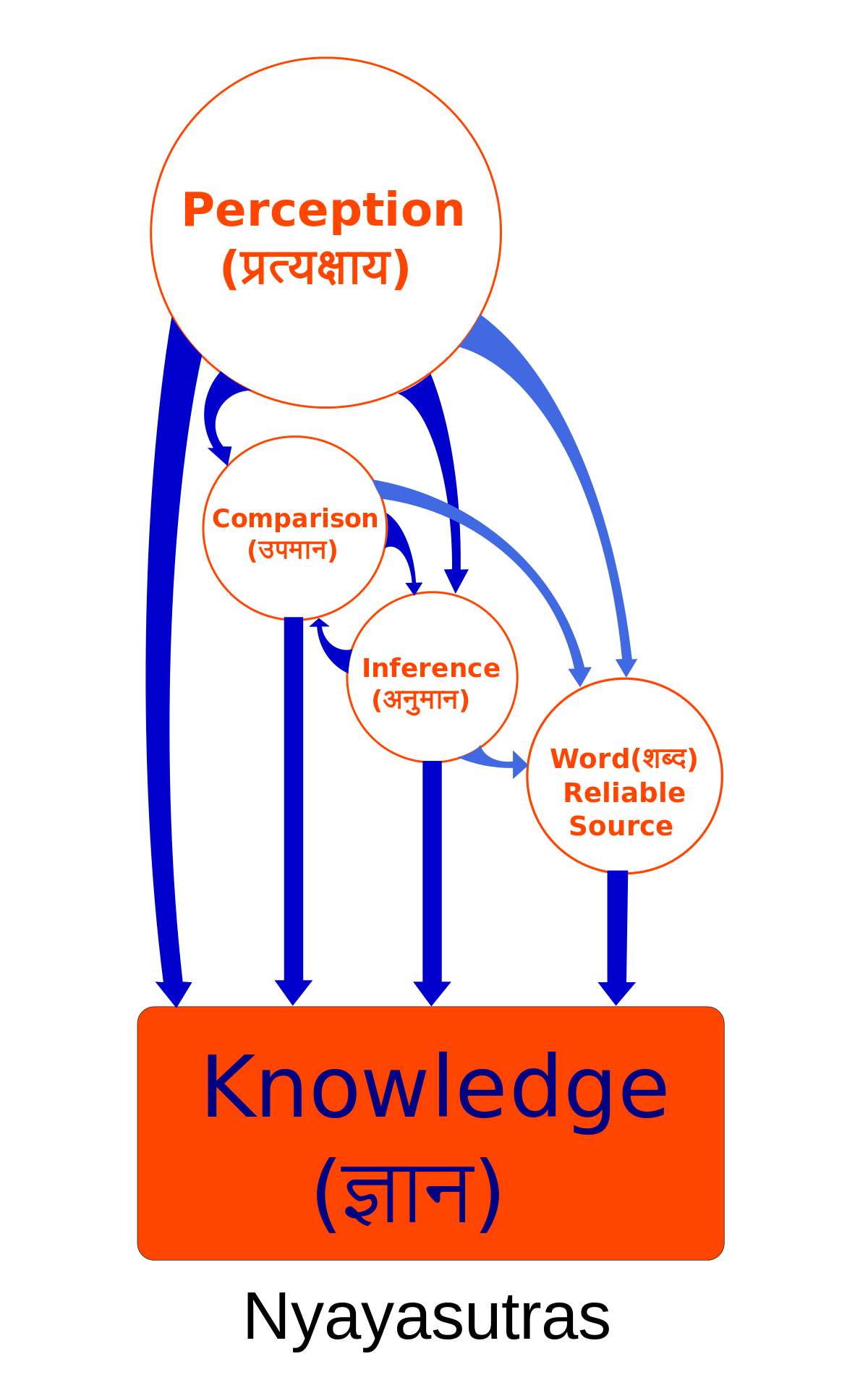
Pramanas – Four independent pramanas (sources of valid knowledge)
- Perception
- Inference
- Comparision
- Verbal testimony or sabda
Knowledge may be treated as cognition, apprehension, consciousness, manifestation of objects. Knowledge is of subjective and objective.
Subjective knowledge –
- Different people
- Different opinion
- Particular subject
Objective knowledge –
- Different people
- Similar opinion
- Particular subject
Knowledge may be valid (prama) or invalid (aprama).
Valid knowledge (Prama)
- True and right apprehension of an object.
- Manifestation of object as it is.
- Consequence of the correspondence theory of truth – truth is the correspondence between a proposition and reality.
- Presentative knowledge.
- Object of knowledge is directly present to the knower.
- Produced by four valid sources of knowledge-
- Perception
- Inference
- Comparision
- Sabda
Invalid knowledge (Aprama)
- Wrong apprehension of object
- It includes-
- Memory (smriti) – representative knowledge
- Doubt (samasya) – lack of certinity
- Error (viparyaya) – misapprehension
- Hypothetical reasoning (tarka) – invalid knowledge
Consider the four valid sources of knowledge (pramanas) that is upheld by the Nyayikas.
1. Perception
Direct and immediate cognition produced by the interaction between the object and sense-organs.
Four elements are necessary:
- self
- mind
- sense organs
- objects
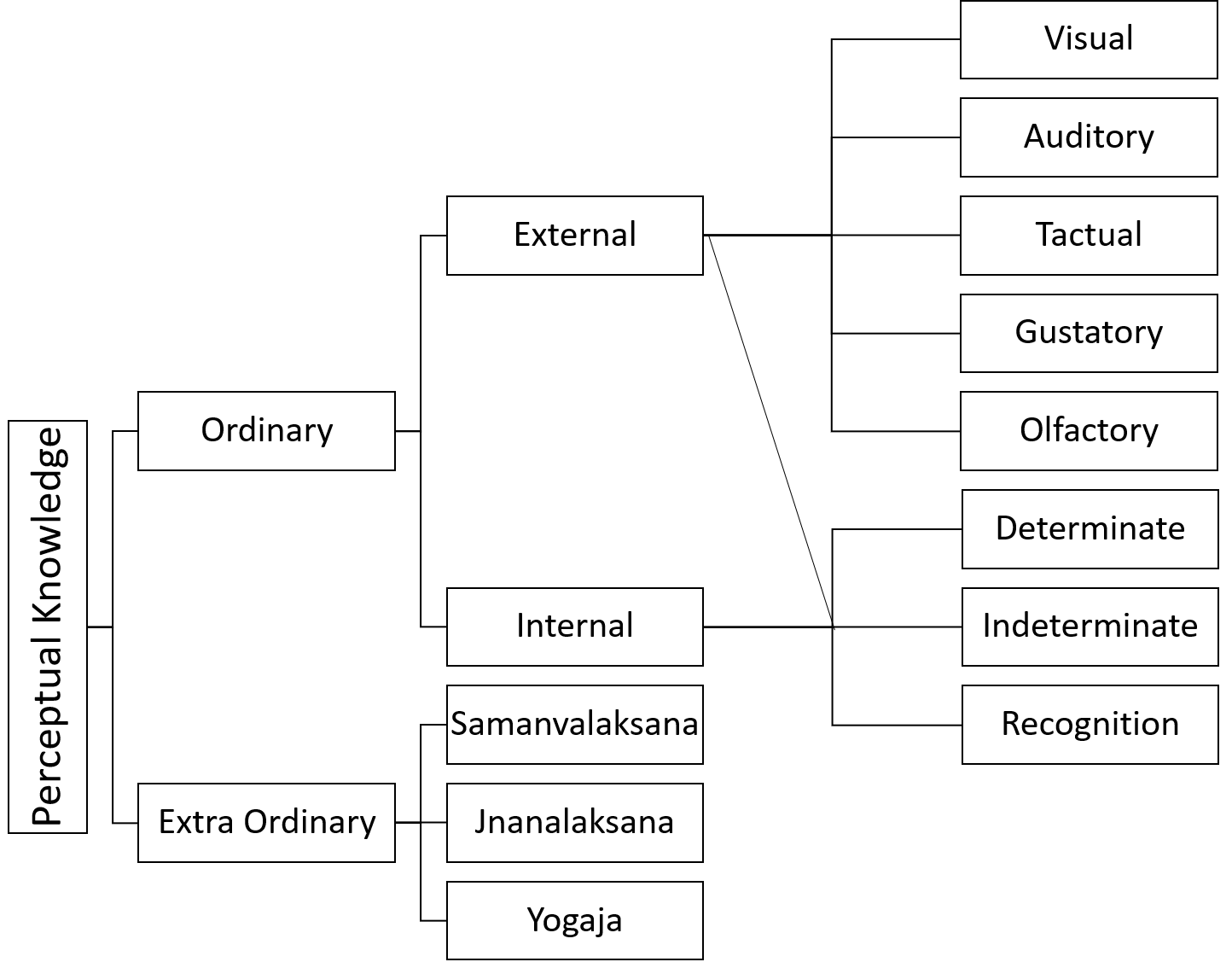
Two types of perception:
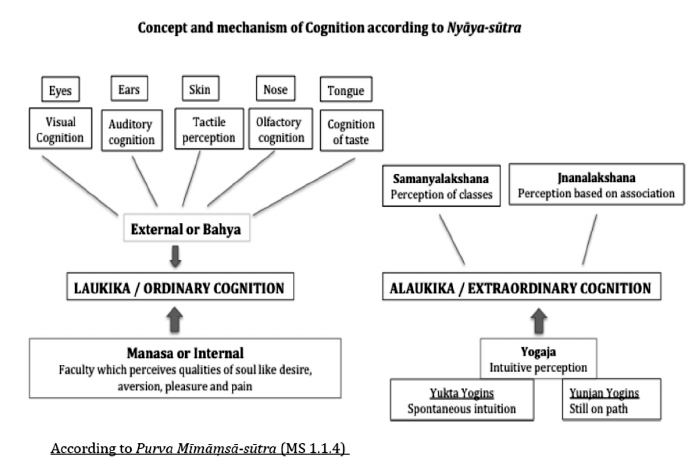
- Ordinary perception (laukika)
- Extra ordinary perception (alaukika)
Ordinary Perception (two types – external and internal)
- External perception (bahya)
- five sense organs
- auditory
- visual
- tactual
- gustatory
- olfactory
- five sense organs
- Internal perception (manas)
- only mind and object (example: feeling, desiring, wishing etc.)
Again, perceptions are divided in three sorts-
- Indeterminate perception (nirvikalpa)
- when we can not determine its features like color, shape, size etc.
- Determinate perception (savikalpa)
- when the knowledge of an object consists of characters, such as; name, color, shape etc.
- Recognition (prativijnana)
- the senses contact with the object and recalled that whether the same object had been encountered earlier or not.
Extra ordinary perception
It is a perception that provides knowledge even without the senses object contact.
Three types of extra ordinary perception
- Samanyalaksana
- perception of universals or classess
- all the particulars belonging to same class
- Jnanalaksana
- an object is not directly presented to the sense organs, but it is retrived in memory through the past cognition of it and is perceived through representation.
- example: the ice looks cold, the fire looks hot etc.
- Yogaja
- yogis through their power of meditation can have intuitive and immediate perception of all objects, past, present and future.
2. Inference (anumana)
anumana, anu (after) + mana (cognition)
Anumana or inference is such knowledge which follows from other knowledge.
Constituents of inference
An inference is constituted with at least three sentences and these
- three sentences
- major premise
- minor premise
- conclusion
are again constituted of
- three different terms
- major term
- minor term
- middle term

Major Premise : All things which have smoke (middle/hetu) have fire (major/sadhya).
Minor Premise : This hill (minor/paksha) has smoke (middle/hetu).
Conclusion : Therefore, this hill has fire.- Major term or Sadhya is found in the major premise. Not perceived but it is inferred by us.
- Minor term or Paksha is found in minor premise. Perceived but not inferred by us.
- Middle term or Hetu is found in both premises. Establish a relation between Sadhya and Paksha.
In an inference, knowledge of and object is derived due to previous knowledge of some sign or mark. The previous knowledge is due to the universal relation between the major term and the middle term is being present in the minor term.
Types of Inference
- Svartha or for one’s self
- Parartha of for other
Inference for others consists of five constituents:
- This hill has fire (Pratijna).
- Because there is smoke (Hetu).
- Wherever there is smoke, there is fire (Udaharana).
- This hill has smoke (Upamana).
- Therefore, this hill has fire (Nigamana).
Smoke, the middle term appears three times. Therefore, it is also known as “tritiyanlinga paramarsa”.
3. Upamana (Comparison)
Upa (similarity) + mana (cognition) means… the similarity between the things and objects.
Four steps involved:
- Authoritative statement or description of object (Describe a squirrel)
- One observes any such object. (Observe an animal)
- Recollection of description. (Recall the description of squirrel)
- Resulting knowledge… object is same as described. (Observed animal is squirrel)
4. Verbal Testimony (Sabda)
Sabda is the instructive assertion of a reliable person.
Example: A local fisherman tells about the depth of river.
Kinds of Sabda:
Based on objects of meaning-
- Drustartha – deals with perceptible object. Table is brown.
- Adrustartha – deals with imperceptible object. Truth is noble.
Based on the origin of words-
- Laukika – secular. Only the words of trustworthy person.
- Alaukika – Divine or Vaidika.
1.3 Theory of causation (Asatkaryavada/Armbhavada)
Two important components in this theory:
- Cause – an unconditional and invariable antecedent of an effect.
- Effect – an unconditional and invariable consequent of a cause.
Effect is produced by a cause but the effect and the cause are not one and the same.
Effect is a new product comes to the existence.
1.4 Self and liberation
Infinite numbers of self exists in the universe.
Self:
- neither be identified with mind
- nor with pure consciousness
- but a consciousness belonging to an individual.
Self (no consciousness) when comes to contact with sense organs = Acquires consciousness. This acquiring produces bondage, hence aspires for liberation or salvation.
Liberation:
- The state refrain from all kinds of sufferings, cycle or birth and death.
- Can be achieved when there is cessation of karmic chain or karmic influx.
1.5 The concept of God
God:
- Creator, sustainer and destroyer.
- Efficient cause (not the material) of universe.
- Desires the universe remain in the state of stability and tranquillity.
- Omnipresent and omniscient being.
-
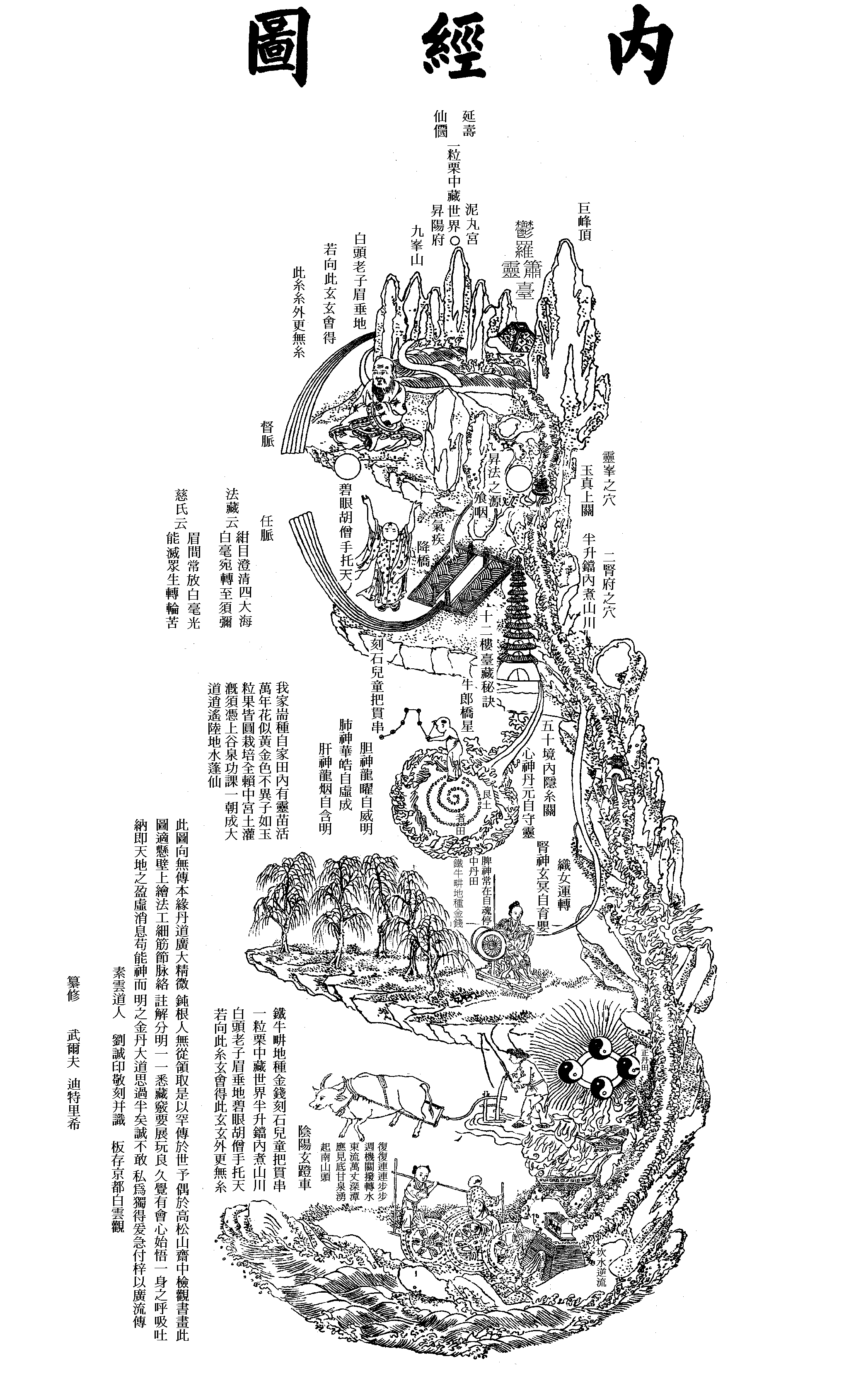
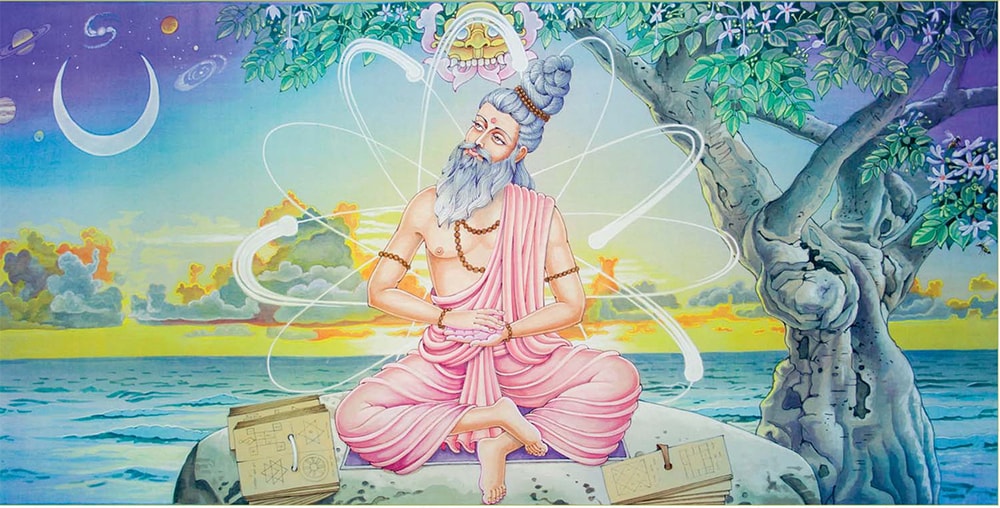
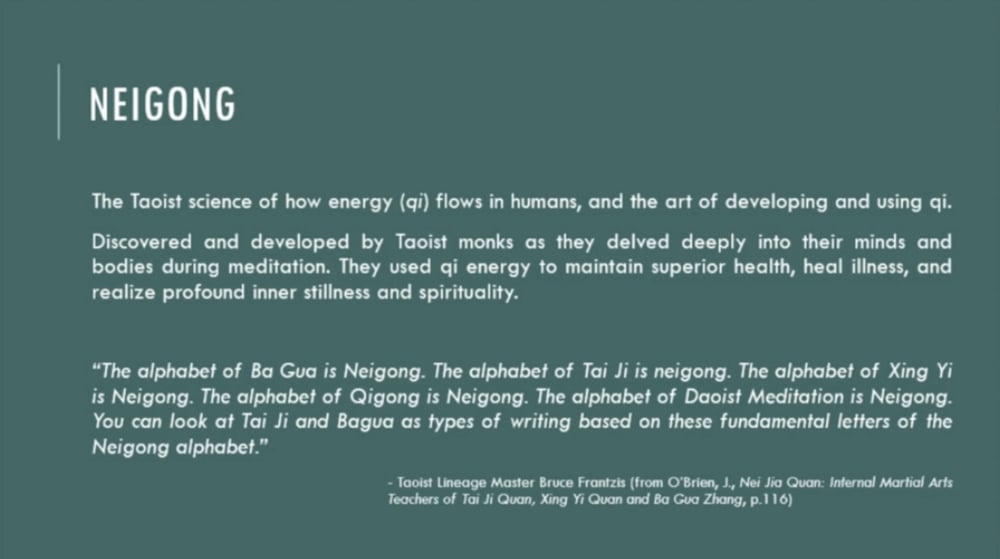
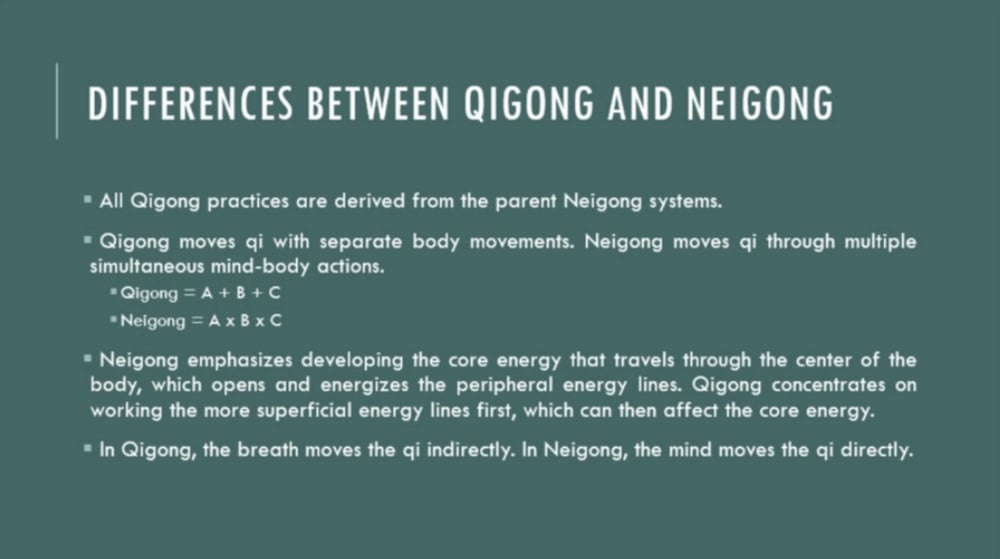
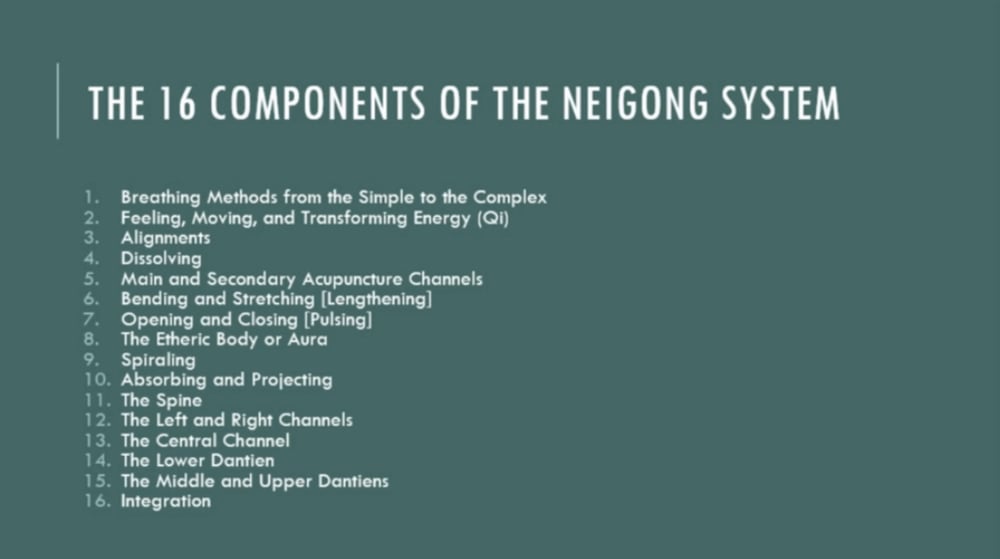
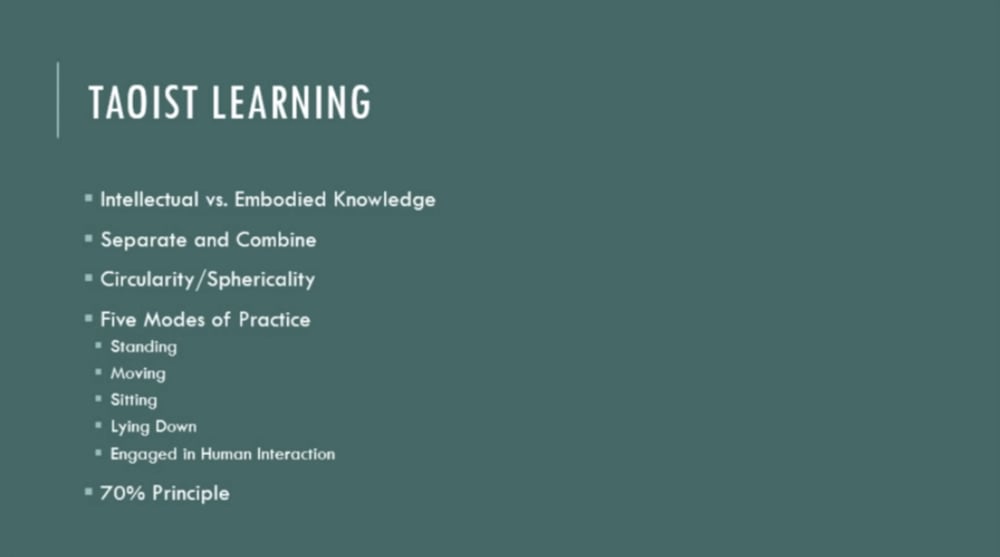
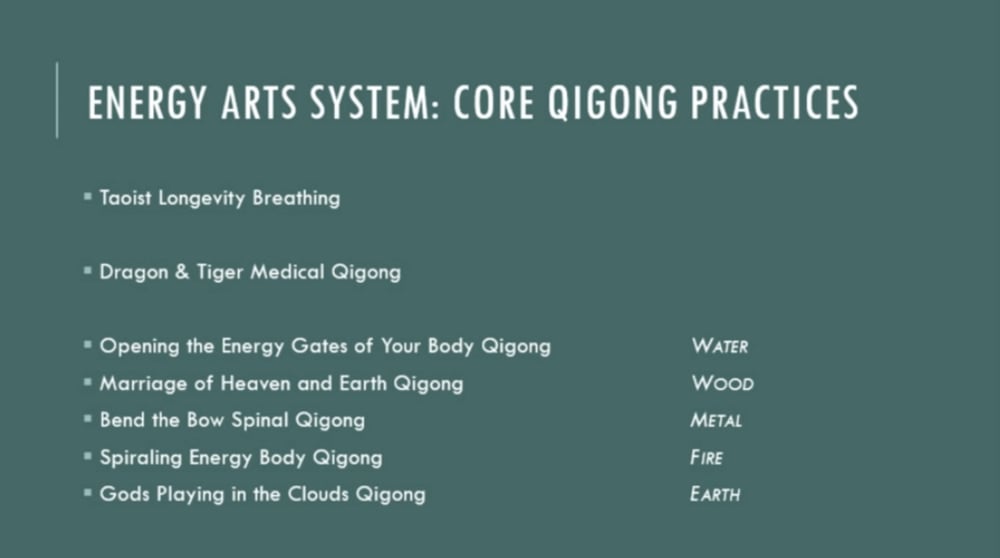
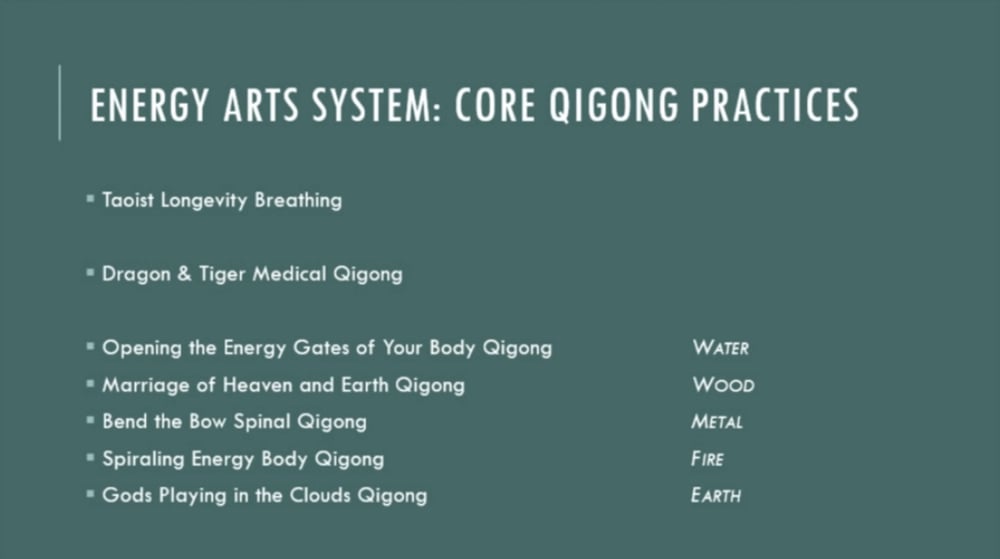
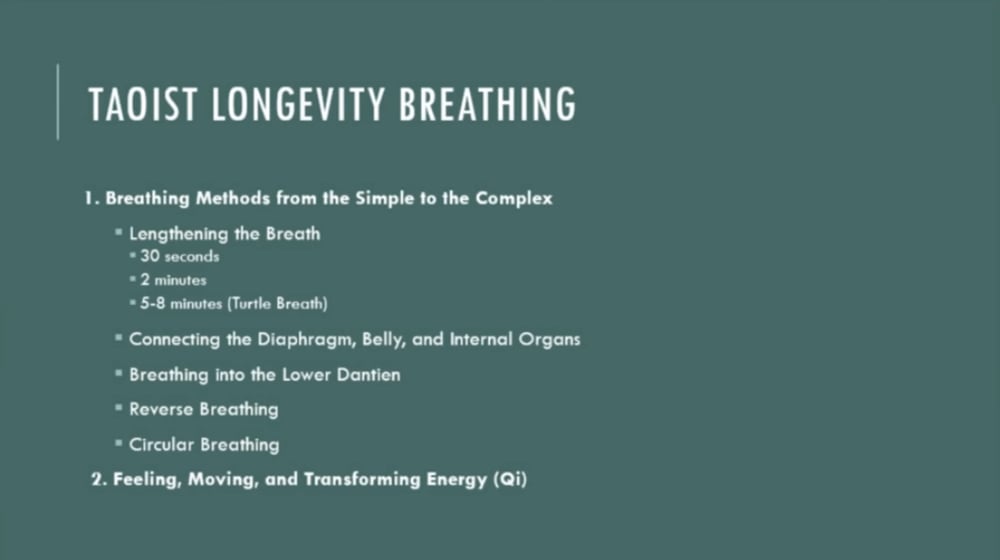
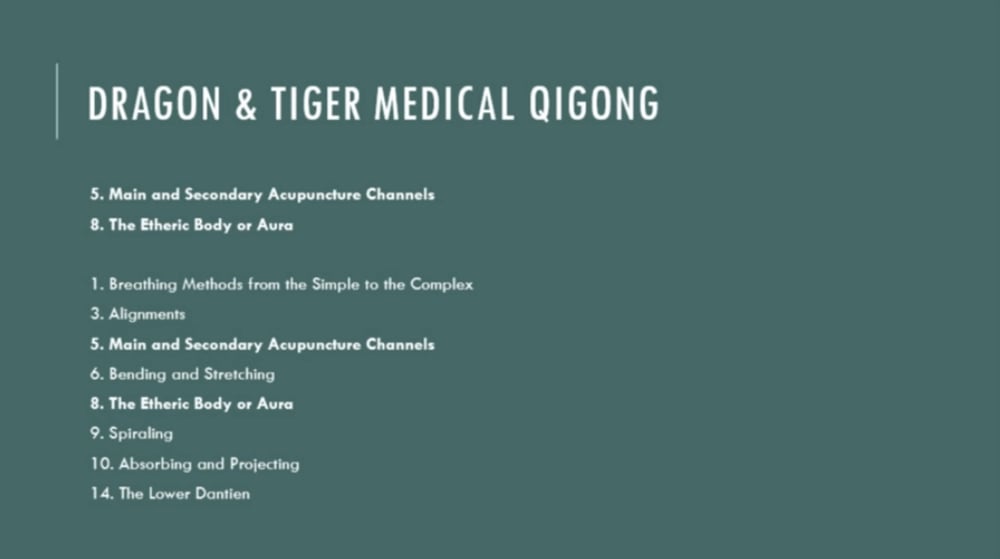
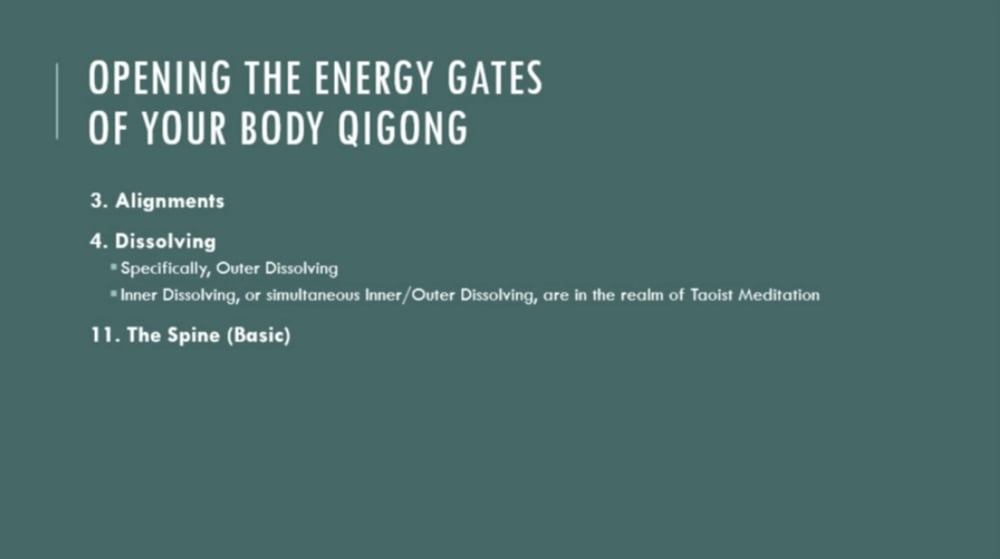
Taoist Neigong: The Internal Power of Tai Chi, Qigong, and Meditation - talk by Don Myers
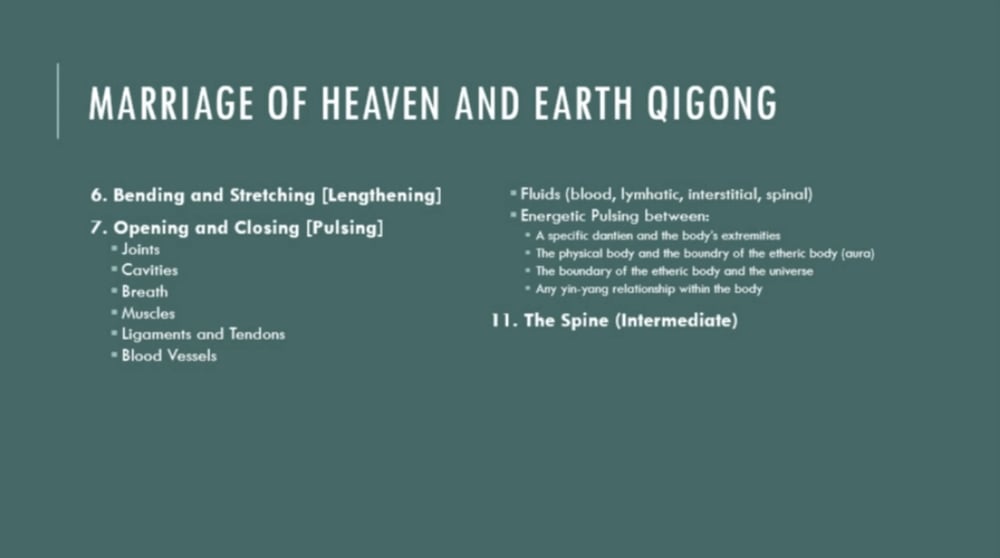
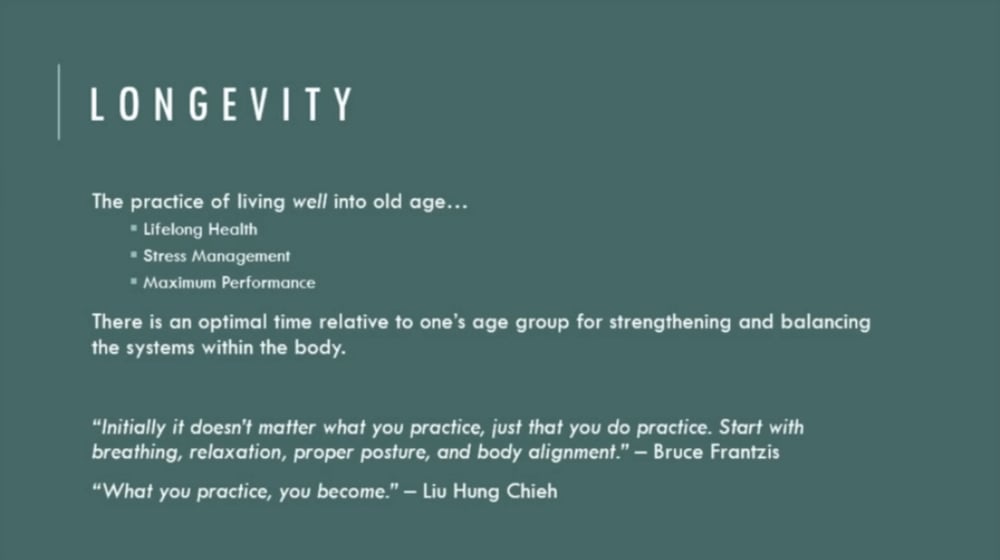
More talks by Don Myers:
- Embodying the Yin and Yang of Taoism
- Introduction to Dragon and Tiger Medical Qigong
- From Movement Comes Stillness: Tai Chi and Meditation
- The Dissolving Methods of Lao Tzu's Water Meditation Tradition
Taoist Learning: Intellectual VS. Embodied Knowledge
"Initially it doesn't matter what you practice, just that you do practice. Start with breathing, relation, proper posture, and body alignment." - Bruce Frantzis
"What you practice, you become" - Liu Hung Chieh
-
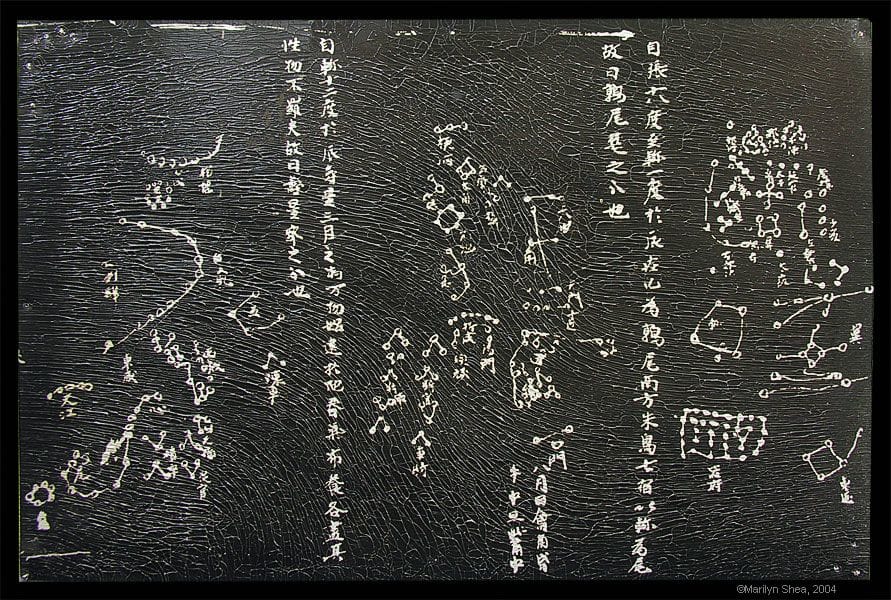
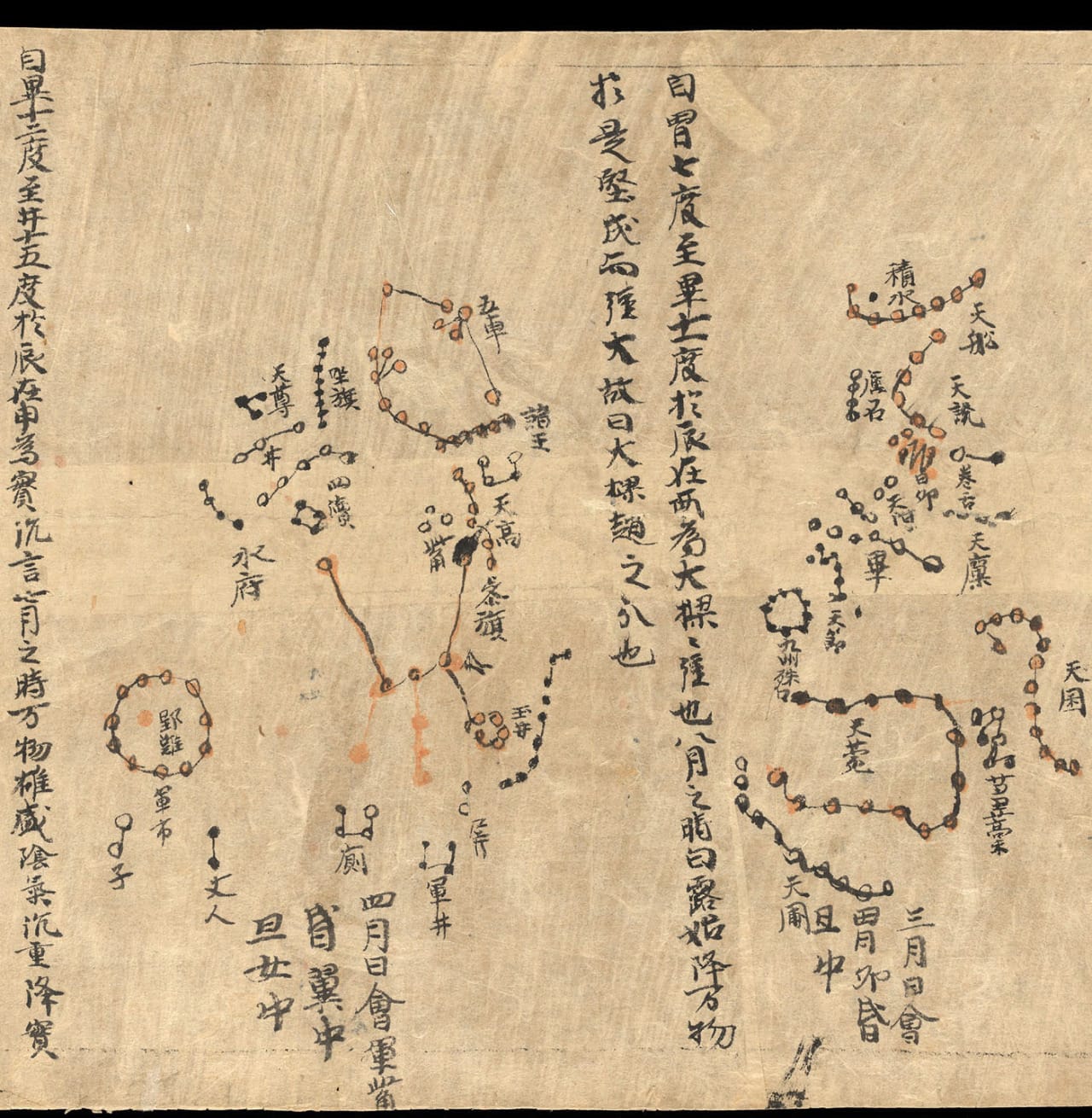
The Dunhuang Star Chart is one of the first known graphical representations of stars from ancient Chinese astronomy, dated to the Tang Dynasty (618–907). A recent analysis notes the atlas marks positions of over 1,300 stars and outlines 257 Chinese star groups. The star positions in the hand drawn atlas were found to be accurate to within a few degrees.
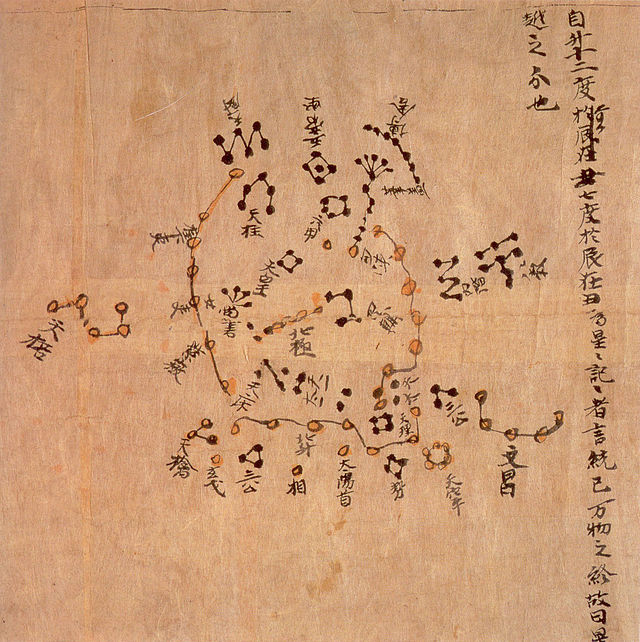
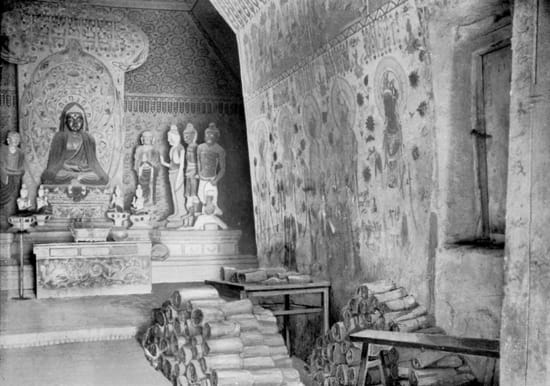
This example showing the north polar region, a very recognizable Big Dipper, part of the modern constellation Ursa Major, lies along the chart bottom. The Dunhuang Star Map was found in the Dunhuang Mogao Grotto(敦煌莫高窟) in a cache of manuscripts in a covered alcove. At that time, the Grottos were all but abandoned and the monk who found them was selling manuscripts piece by piece to support himself and what was left of the monastary. In 1907, Aurel Stein and Paul Pelliot bought over 9000 objects and manuscripts from him. They sent trunks of items to Beijing to try to alert the government to the importance of the find, but most of the items disappeared into private collections. The rest were sent to Europe. The Dunhuang Star Map is now housed in the International Dunhuang Project at the British Library in London, United Kingdom.
The star map has recently been dated back to the 700s. Earlier it was thought to date to the 900s. The map contains 1,350 stars in thirteen sections. One of the most interesting features of the charts is that they used two different methods to display the stars. One was a cylindrical projection for the stars around the horizon. When you flatten a curved object it changes the relationship among the objects on the surface. It is like a Mercator projection first seen in Europe in 1568.

Imagine cutting a ball to try to flatten it. You would have large segments of empty space between the slices of ball. On a cylindrical map, the lines of the ball are straightened artificially to maintain some relationship between the objects on the ball. This works fairly well on the equator or in the case of the sky, the horizon. When you get to the poles, the distances of the flattened slices are extremely distorted. To solve the problem, on the Dunhuang Star Map they used a circular polar projection method to draw the region around Polaris. That method, if used alone, would have distorted the measurements at the horizon.
What was it doing in Dunhuang? Usually such materials would be found in imperial archives. It is speculation, but it could have been used to guide travelers along the Silk Road. Dunhuang was the last major resting place before starting on the journey on the north or south routes across the Taklamakan desert to the west. (text source)
Related from contemporary science: The oldest extant star chart
-
Wanggongchang Explosion (王恭廠大爆炸)

"An unexplained catastrophic explosion that occurred in 1626 AD during the late reign of Tianqi Emperor, at the heavily populated Ming China capital Beijing, and had reportedly killed around 20,000 people. The nature of the explosion is still unclear to this day, as it is estimated to have released energy equivalent to about 10-20 kiloton of TNT, similar to that of the Hiroshima bombing."
-
Dresden Codex
The Dresden Codex is a Mayan book, the oldest surviving from the Americas, dating to the 13th or 14th century. The codex was rediscovered in the city of Dresden, Germany, hence the book's present name. It is located in the museum of the Saxon State Library.

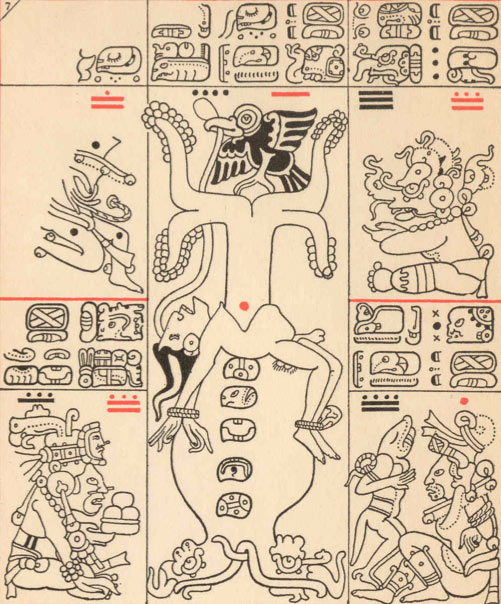


Images from "Dresden Codex, Mayan Art, and enjoying an unknowable other"
Deciphering the Maya Script - talk by Michael Coe (Yale University)
-
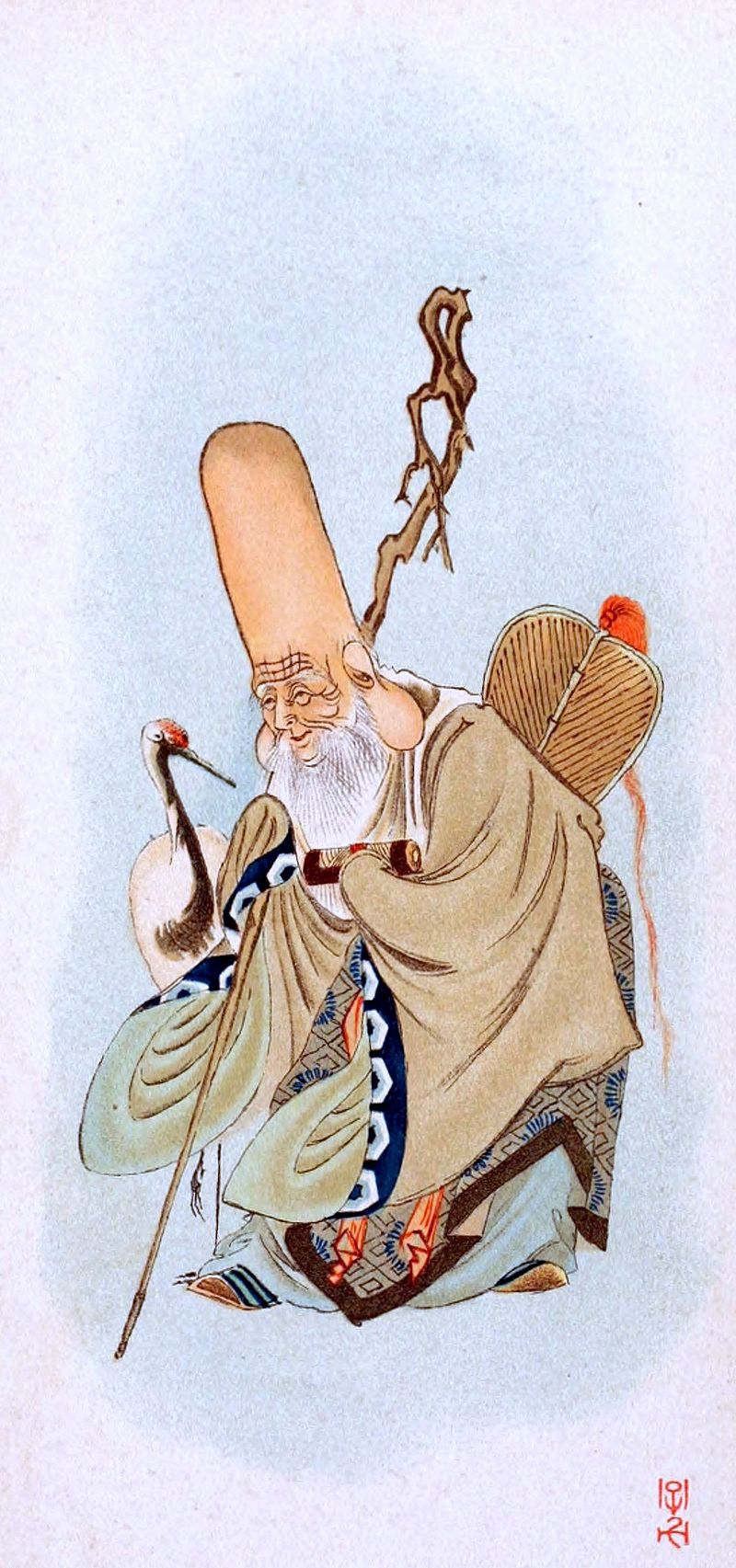
Old Man of the South Pole
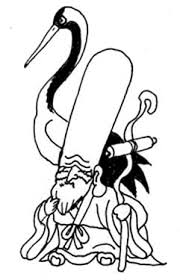
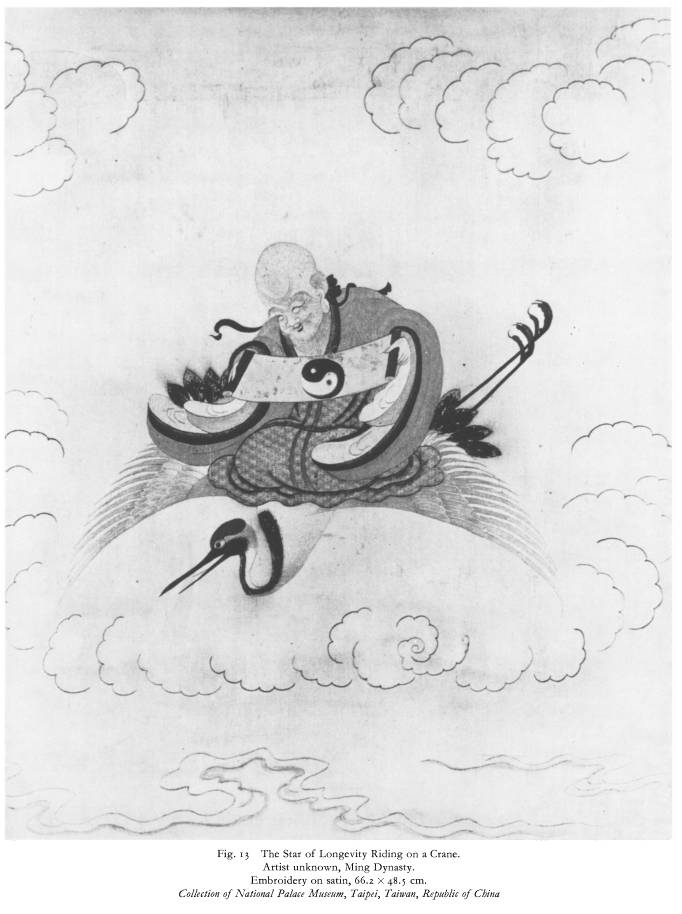
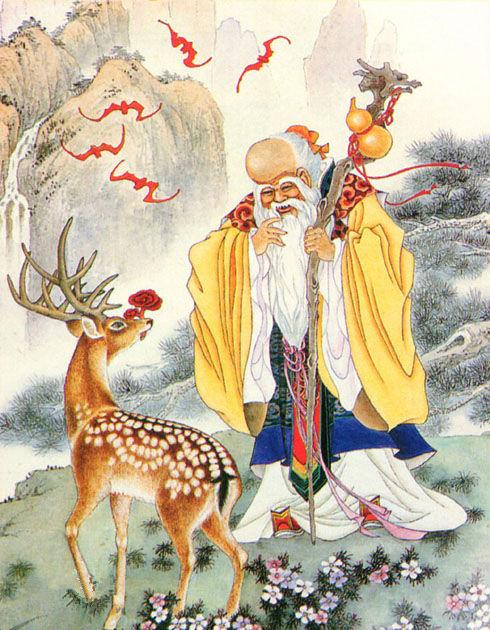
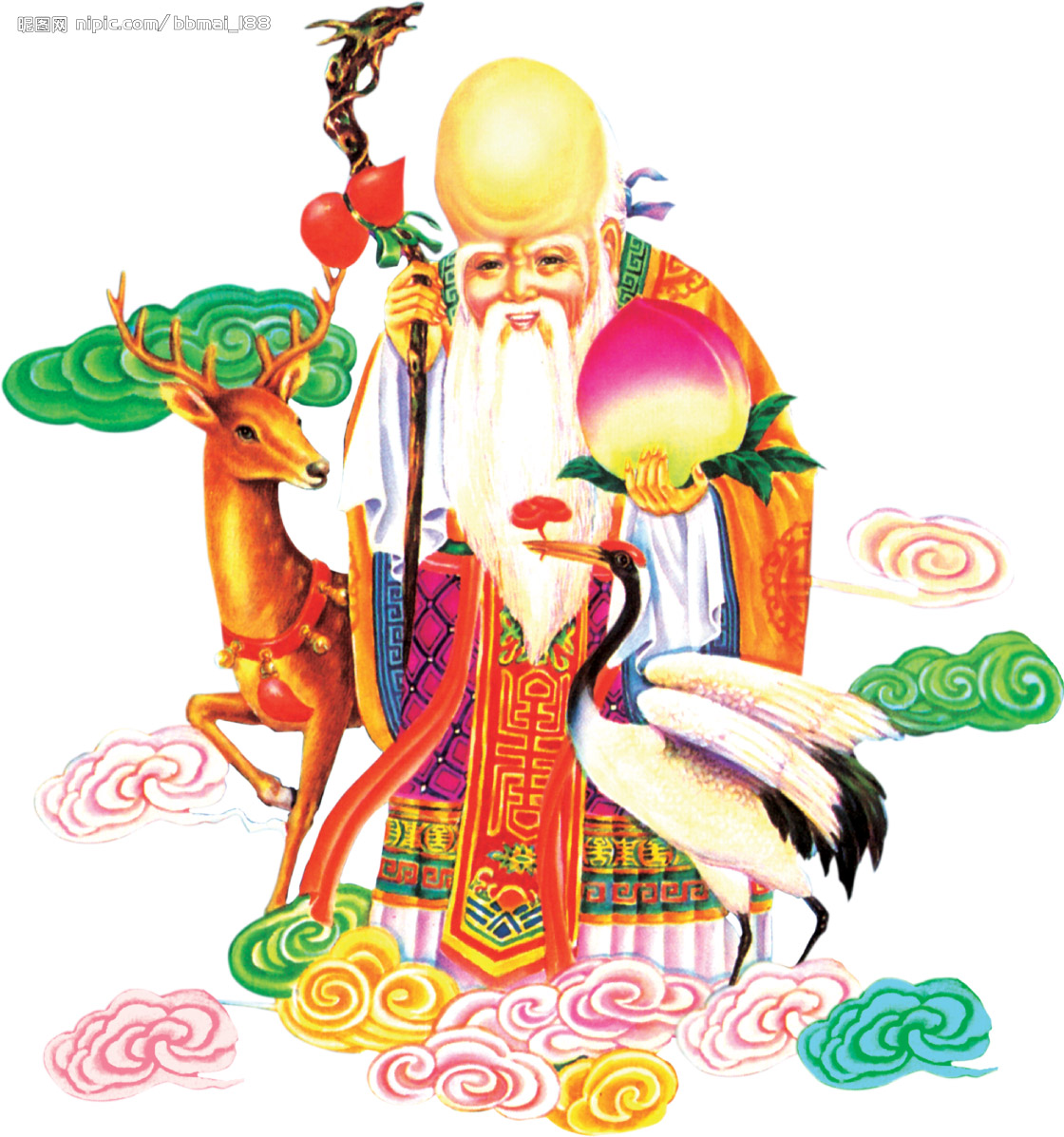
Shòu Xīng (寿星), is the Star of Longevity. The earliest known record of Shòu Xīng as a deity is the Shǐ jí 史籍 (149–90 BC). We know this star as Canopus, the largest of the stars in the constellation Carina, and second brightest in the heavens. In Chinese mythology the star is known as the Old Man of the South Pole (南极老人) and is seen in the south from the Autumn Equinox through to early spring. When observed it usually has a reddish color, a symbol of happiness and longevity in China, Canopus is also known in China and its neighboring countries of Korea, Japan and Vietnam.
See this Brief Explanation and Wikipedia
Related from Japan
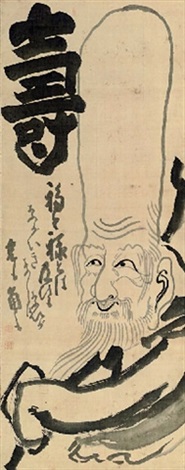
Fukurokuju (福禄寿) (from Japanese fuku, "happiness"; roku, "wealth"; and ju, "longevity") is one of the Seven Lucky Gods in Japanese mythology. Fukurokuju probably originated from an old Chinese tale about a mythical Chinese Taoist hermit sage.
Jurōjin (寿老人) is one of the Seven Gods of Fortune or Shichifukujin, according to Taoist beliefs. He is the God of longevity. Jurōjin originated from the Chinese Taoist god, the Old Man of the South Pole.

-
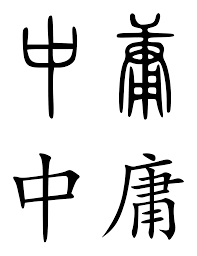
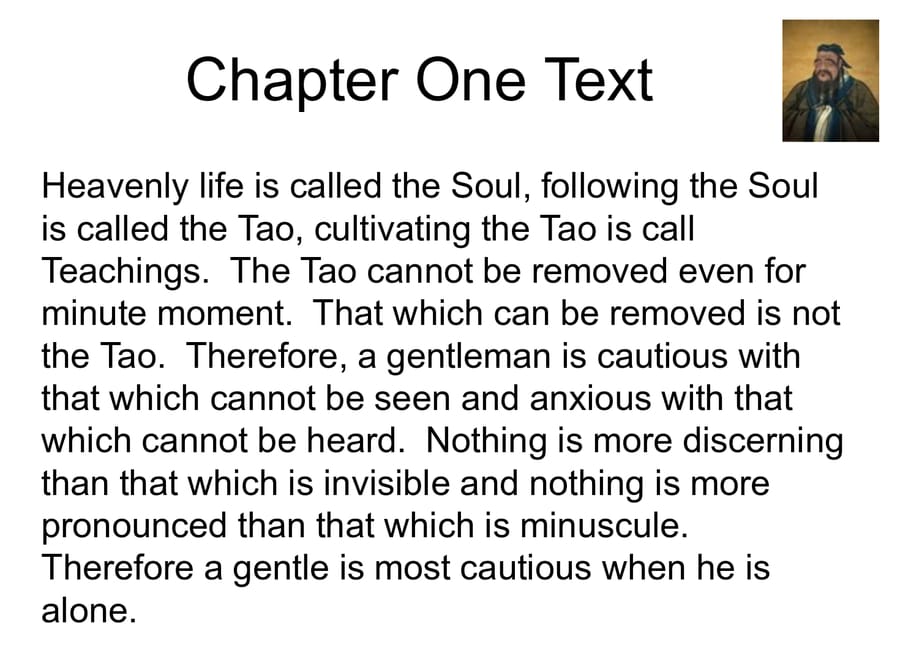
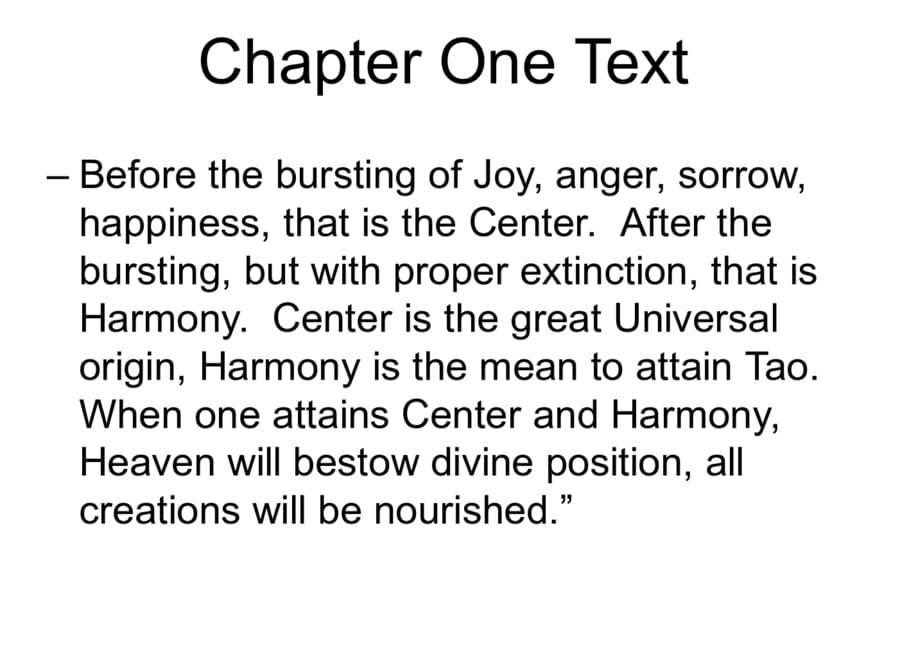
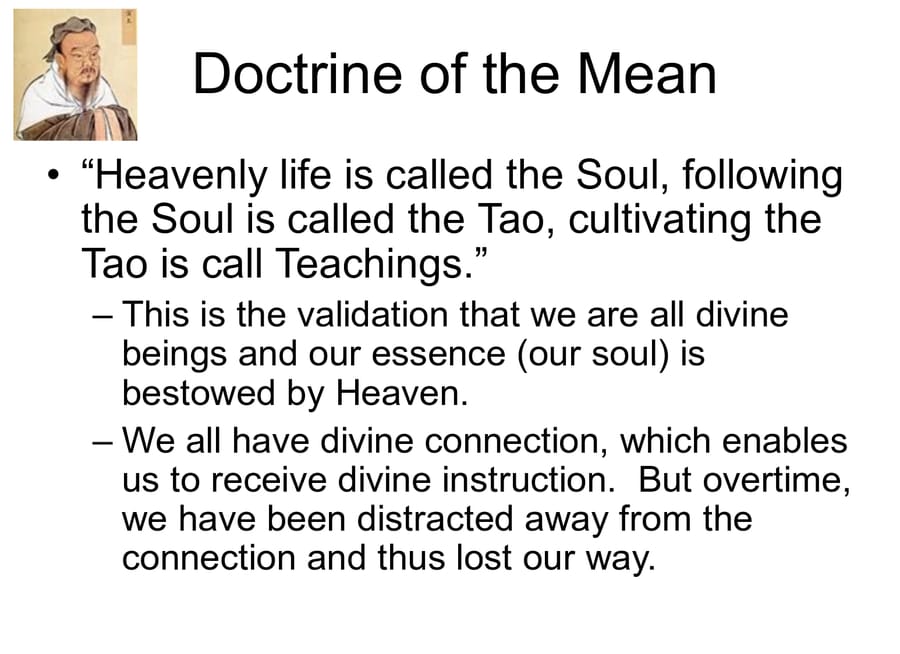
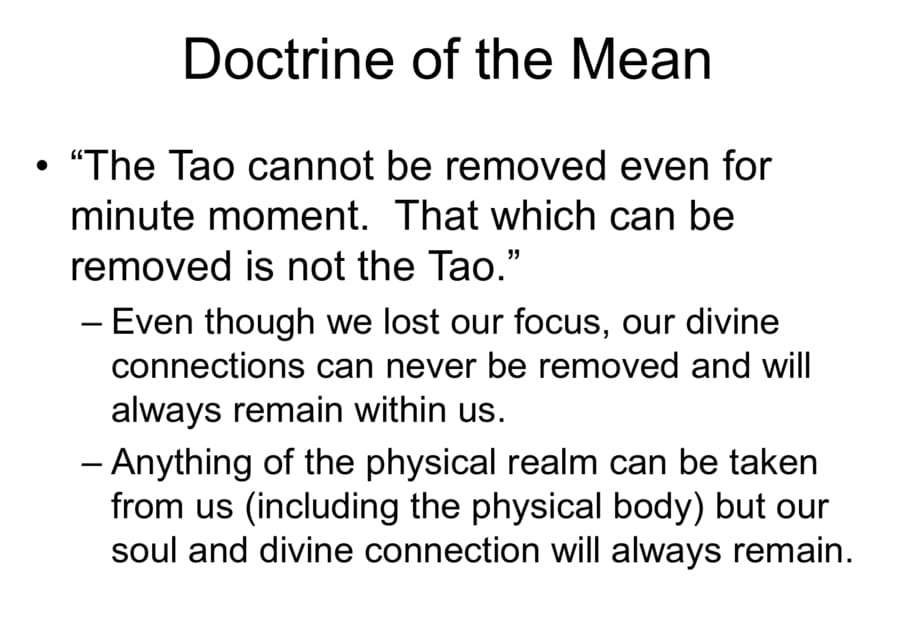
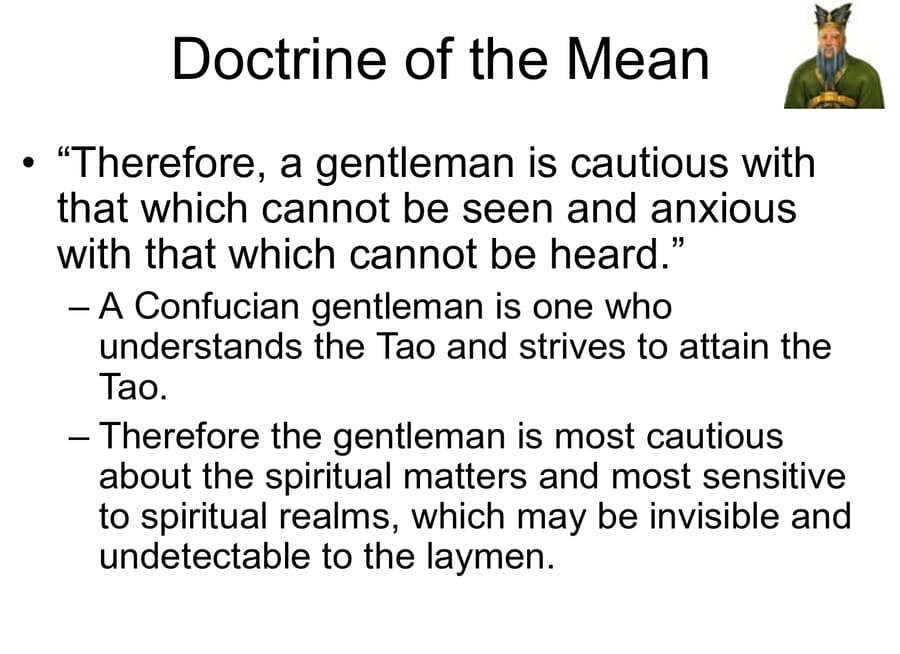
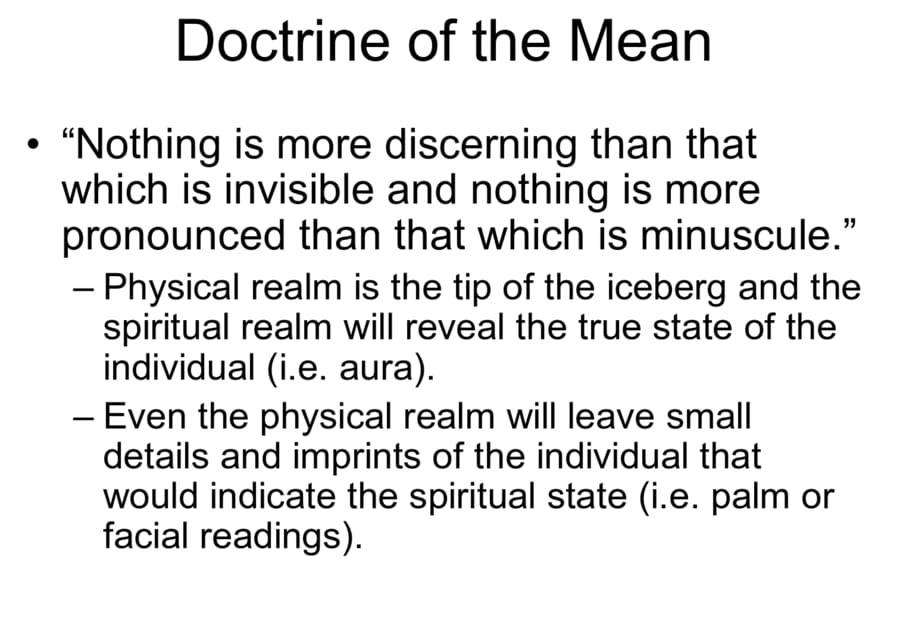
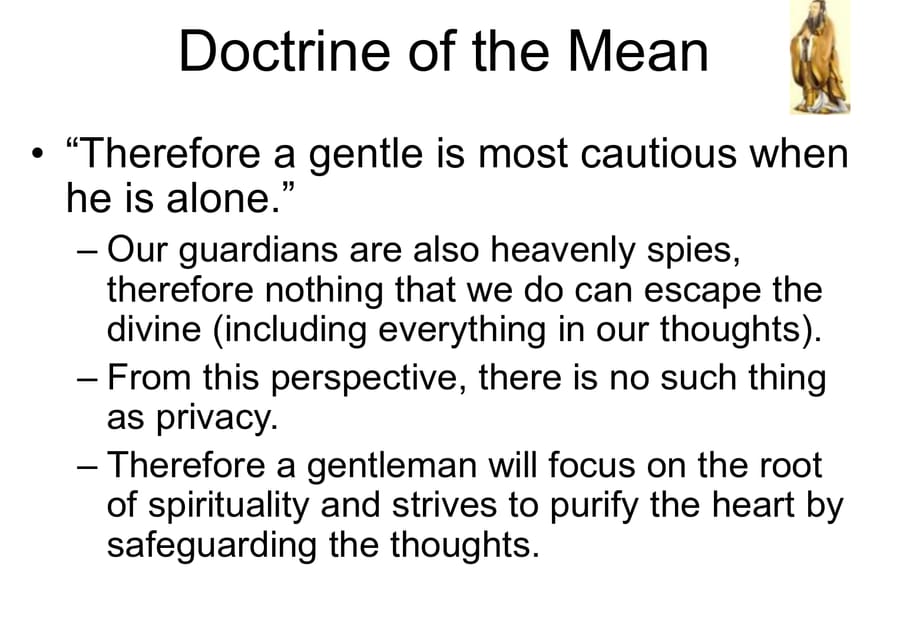
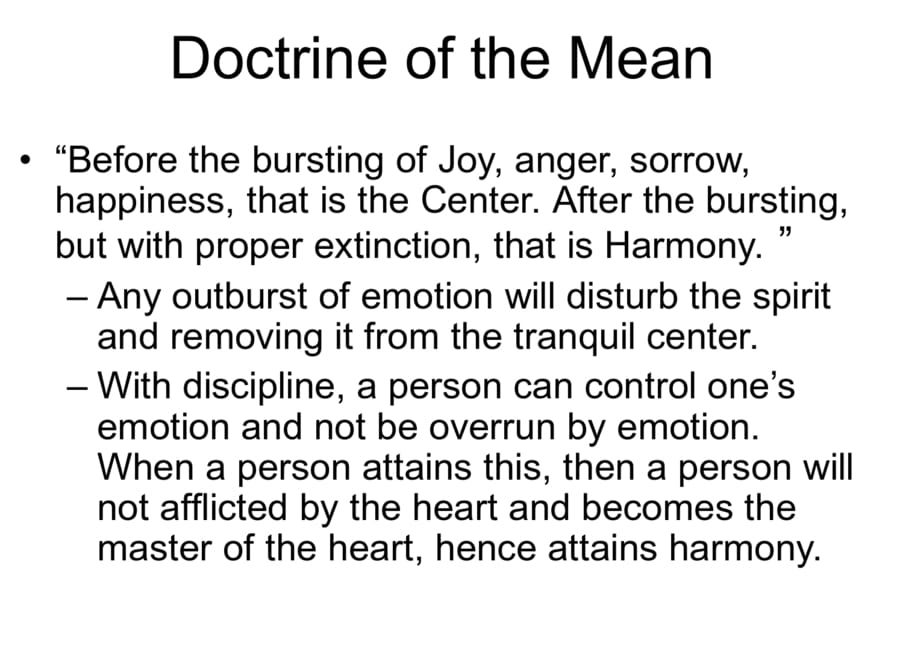
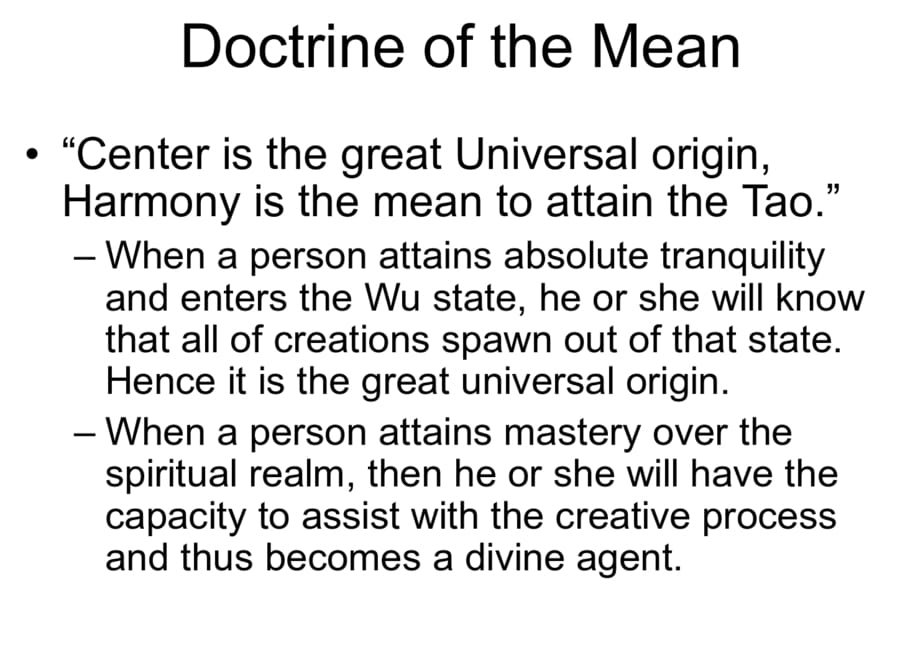
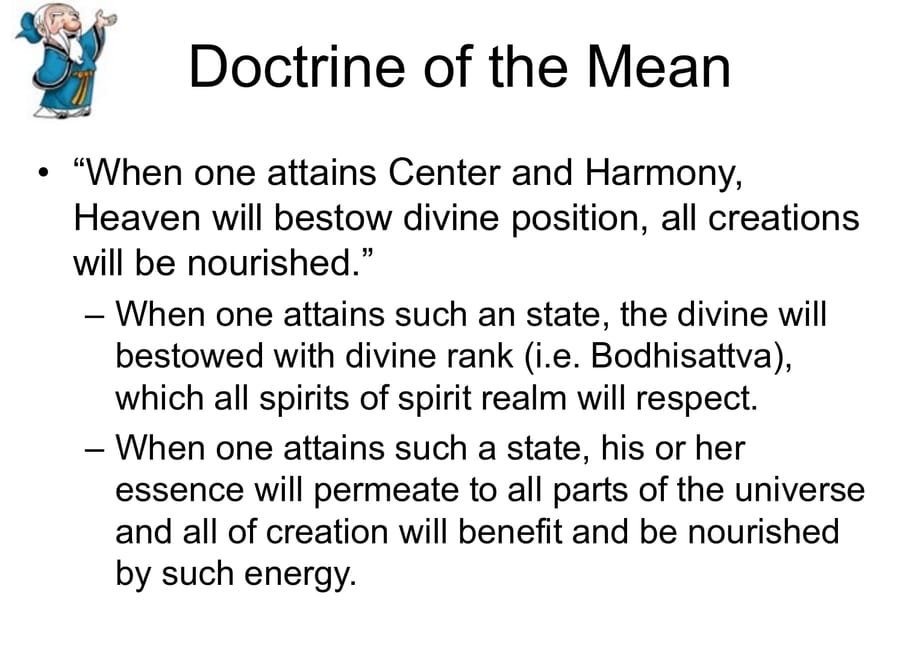
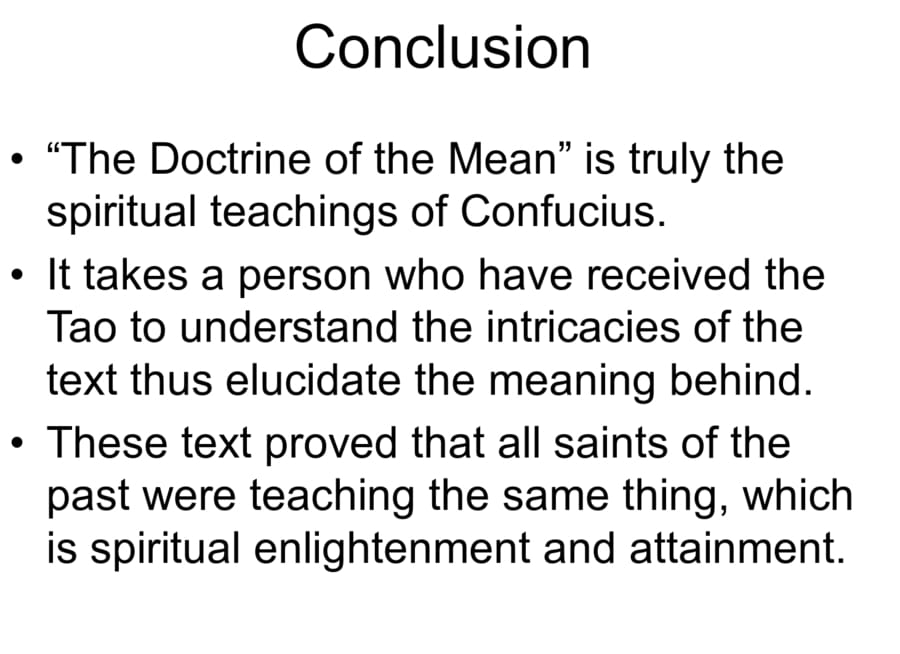
Zhongyong (中庸) (Doctrine of the Mean)
The Doctrine of the Mean is both a doctrine of Confucianism and also the title of one of the Four Books of Confucian philosophy.
The mean is also described as the 'unwobbling pivot' or zhongyong. Zhong means bent neither one way or another, and yong represents unchanging. Zhongyong represents moderation, rectitude, objectivity, sincerity, honesty and propriety. The guiding principle is that one should never act in excess.
The Doctrine of the Mean is divided into 3 parts: The Axis (Metaphysics), The Process (Politics) and The Perfect Word (Ethics). It instructed three Guidelines: Self-watchfulness, Leniency, Sincerity.
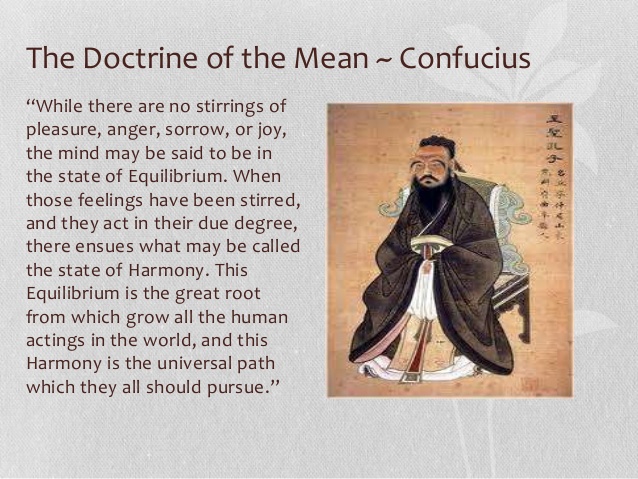
From "The Doctrine of the Mean" by followcn
Slide from "Doctrine of the Mean" - by Adela Ilene Underwood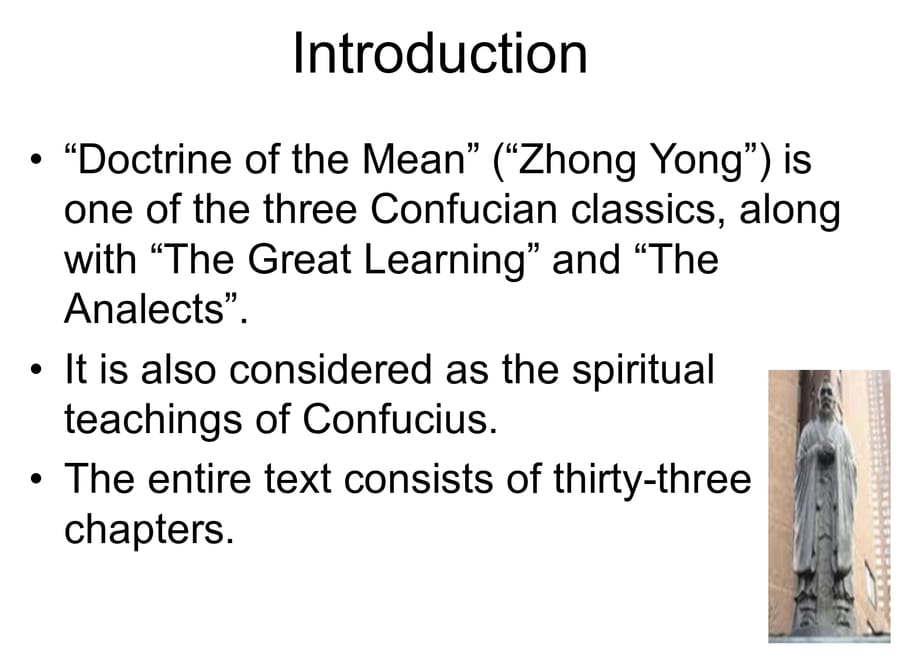
Disputes
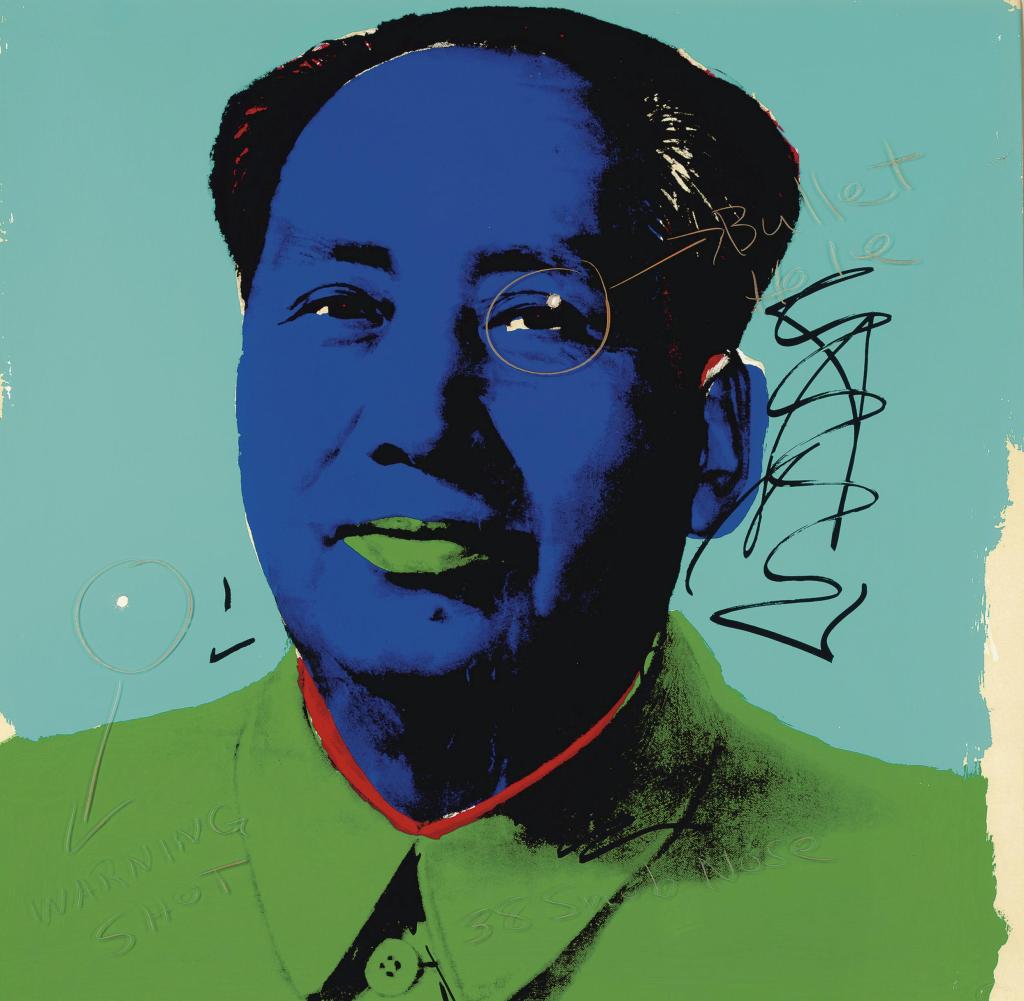
Mao Zedong, the founding father of the People's Republic of China, viewed Doctrine of the Mean as a mutation of eclecticism, which draws upon multiple theories/styles/ideas to gain complementary insights into a subject.
According to Mao's comments, Doctrine of the Mean is an eclecticism which simultaneously opposes the abolishment of exploitation. According to Mao, it failed to realize that something deserves absolute negation, and in compromise, Doctrine of the Mean prevented China from progress.
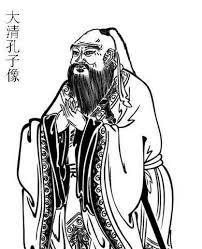
In his comment, Mao said that Doctrine of the Mean also goes against dialectics as it stops qualitative change by emphasizing maintaining balance and harmony. Lu Xun, a leading figure of modern Chinese literature, saw Doctrine of the Mean as major contributing factor of the abject ethnic stereotype in modern China, believing it prevented reform from happening."
-
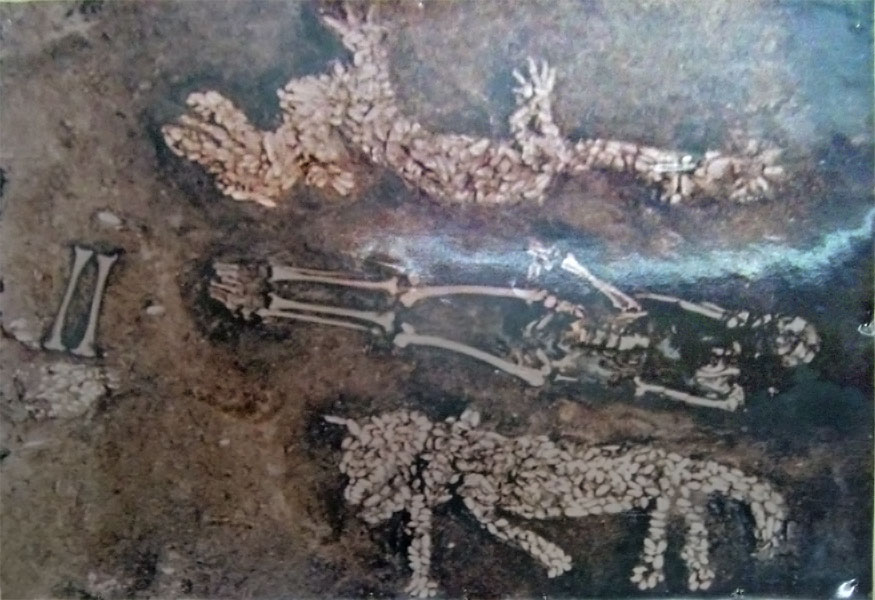
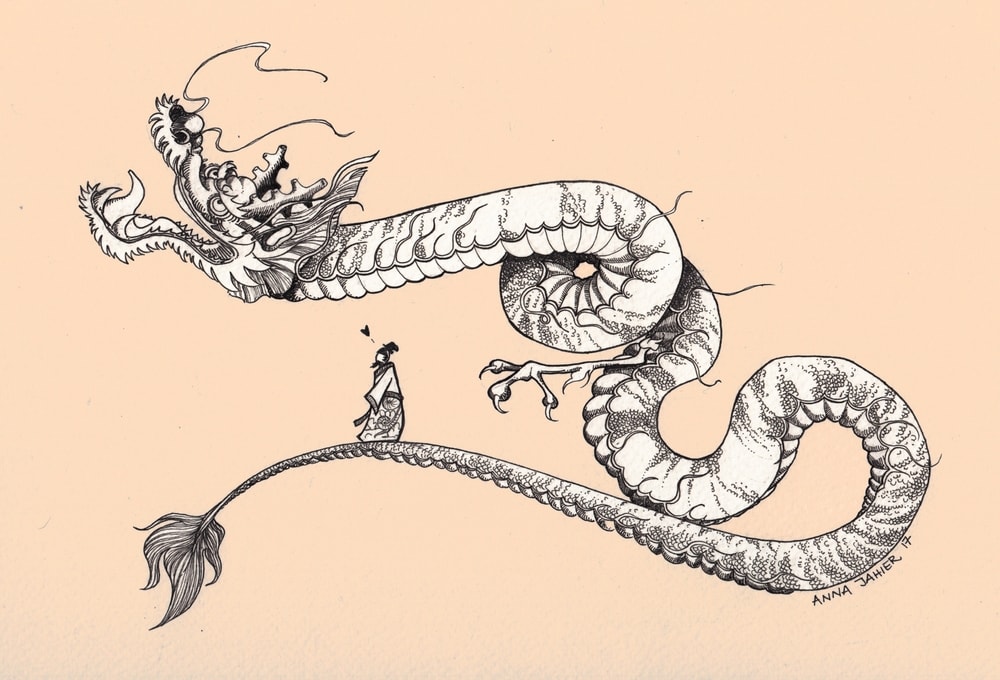
Photo from "Handbook of Chinese Mythology" - by Yang Lihui and An Deming. Archaeological evidence from the Xishuipo excavation "The figure of the dragon appeared within the modern boundaries of China at least 6,000 years ago. In 1987, at Xishuipo Cemetary Ruins in Puyang County, Henan Province, figures of a dragon and a tiger were unearthed in a tomb. Both of them were made from numerous shells. The dragon measured 1.78 meters (nearly 6 feet) in length and 0.67 (2.2 feet) in height. Dating back to over 6,400 years, it is presently the earliest image of a dragon uncovered in Chinese archeology. "
Found via "Dragons as Water Spirits" > found via "Dragon & Tiger - The Hun & Po Souls in Theory & Practice". #History #Science #Religion #Magic #Culture #China
-
Paranormal Communism - From the Biography of Gleb Bokii (1879–1937), the chief Bolshevik cryptographer and one of the bosses of the Soviet secret police:
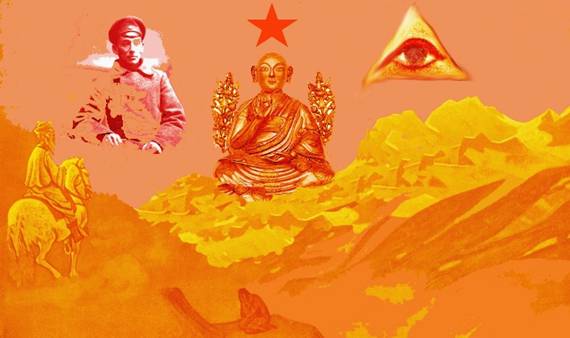
"Inspired by Theosophical lore and several visiting Mongol lamas, Bokii along with his writer friend Alexander Barchenko, embarked on a quest for Shambhala, in an attempt to merge Kalachakra-tantra and ideas of Communism in the 1920s. Among other things, in a secret laboratory affiliated with the secret police, Bokii and Barchenko experimented with Buddhist spiritual techniques to try to find a key for engineering perfect communist human beings. They contemplated a special expedition to Inner Asia to retrieve the wisdom of Shambhala – the project fell through as a result of intrigues within the Soviet intelligence service, as well as rival efforts of the Soviet Foreign Commissariat that sent its own expedition to Tibet in 1924."
See as well this interview with Professor Andrei Znamenski, talking about his latest book, "Red Shambhala", with Professor Guiomar Dueñas-Vargas. (book review here and here)
More here on topic of "Shambhala Researchers" here, including a fun line-up of strangers in strange land, such as Roman von Ungern-Sternberg (see the book "The Bloody White Baron"), Sándor Kőrösi Csoma, Nicolas Roerich, Alexandra David-Neel and many more.
-
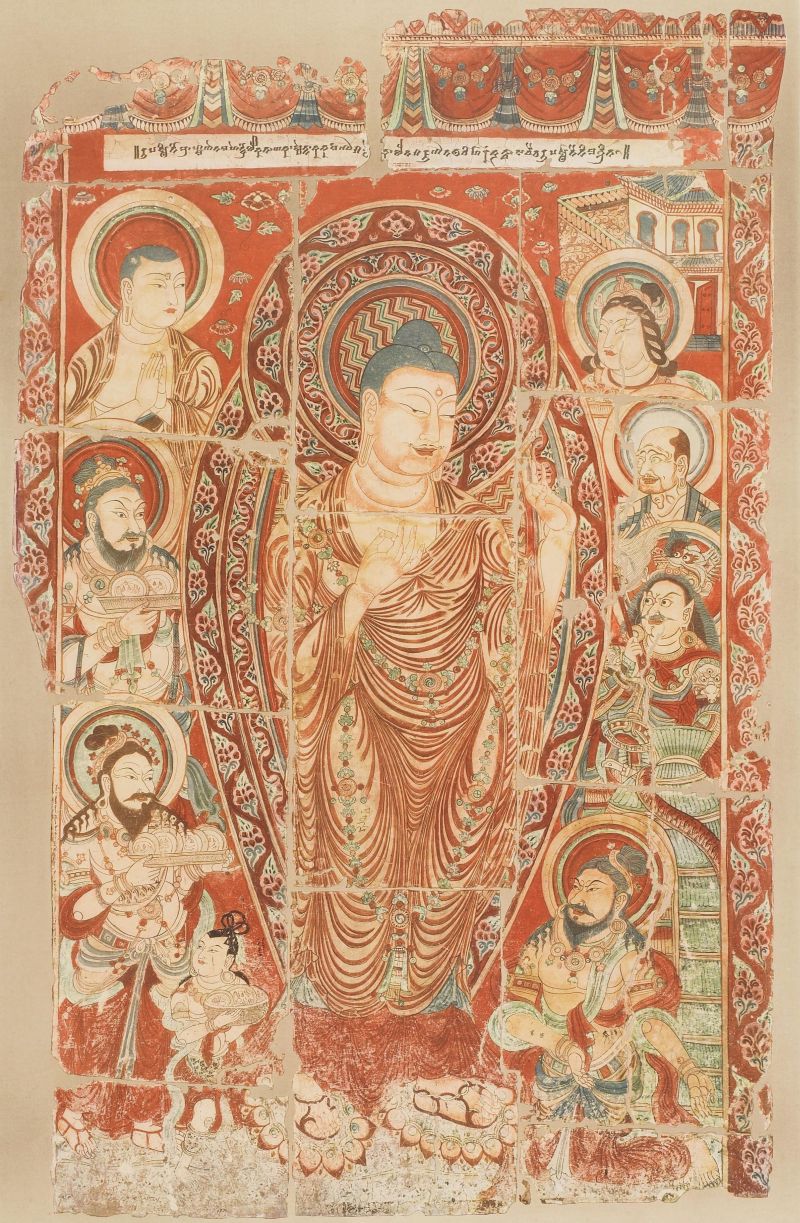
Photo from the book "Mythology of Buddhism in Tibet and Mongolia" (1900) - by Albert Grünwedel (1856 - 1935) (more photos)
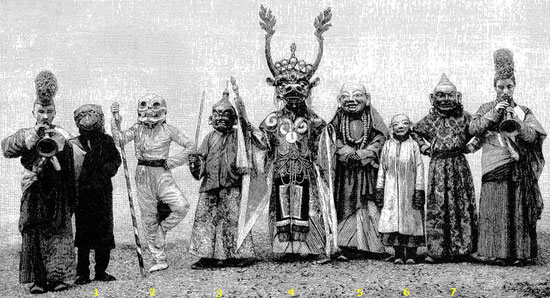
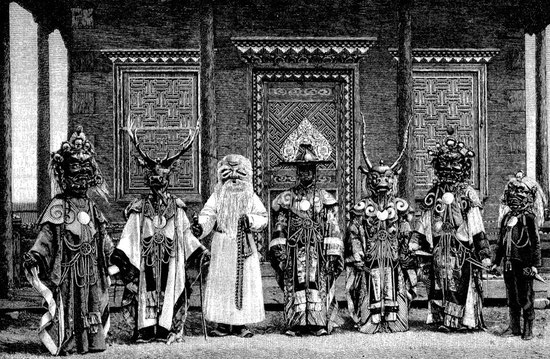

The story of the author: "Wie drei Deutsche eine ganze Zivilisation entdeckten" (DE only)
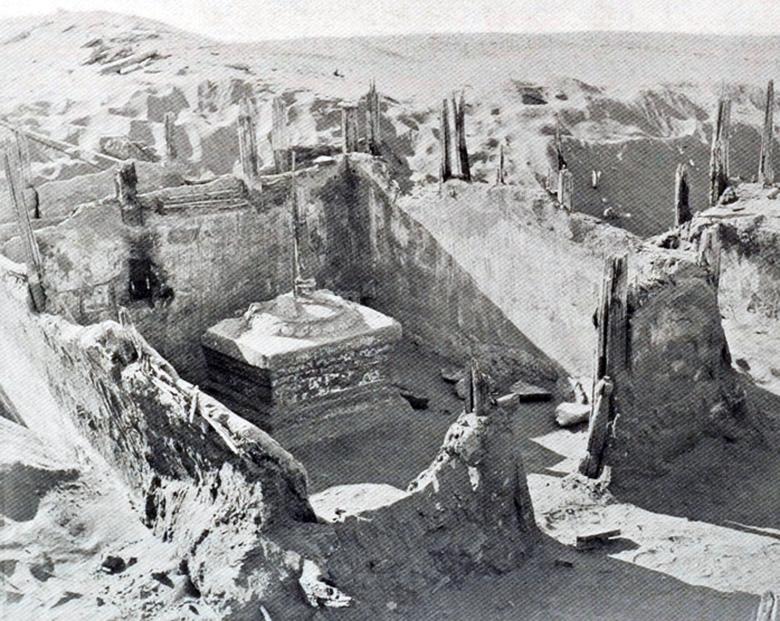
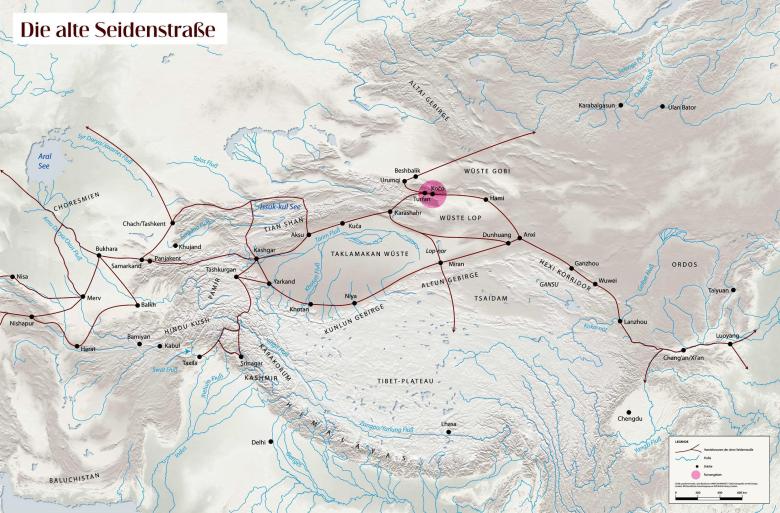
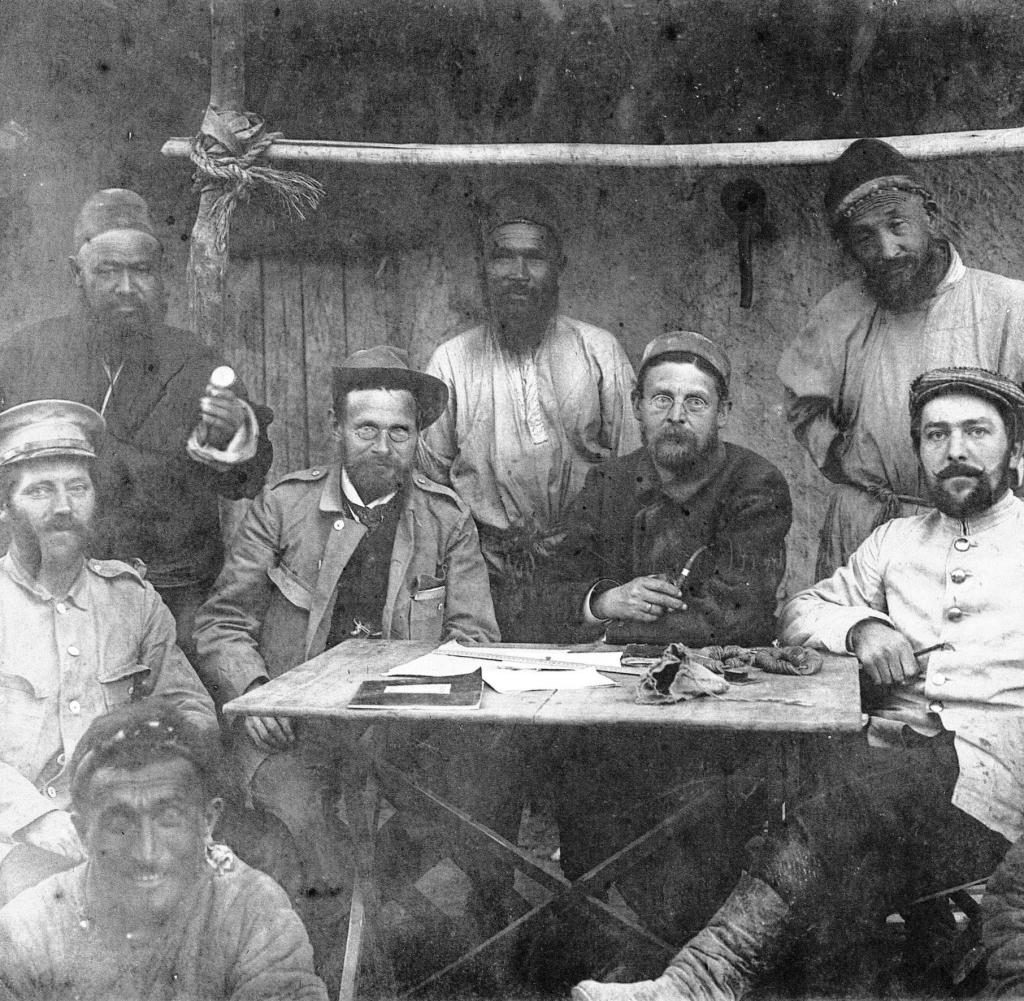
Art from Gaochang (Xinjiang, China), published by Albert von Le Coq (1860 - 1930) (via)


-
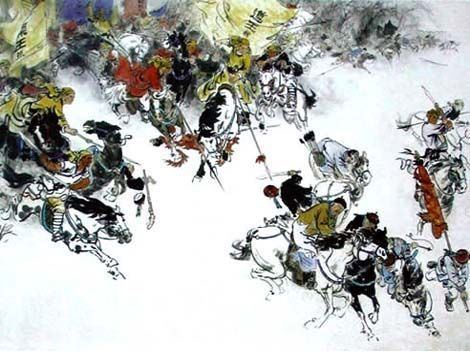
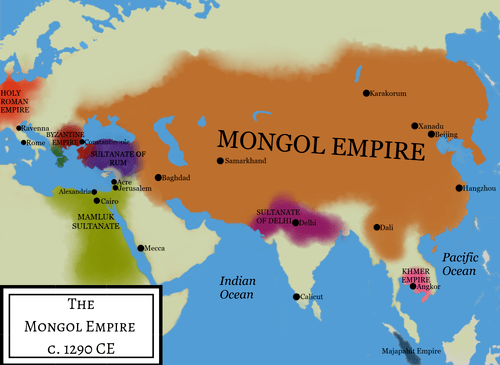
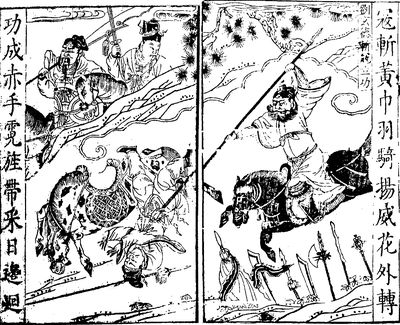
Red Turban Rebellion was an uprising influenced by White Lotus members that, between 1351 and 1368, targeted the ruling Mongol-led Yuan dynasty, eventually leading to the overthrow of Mongol rule in China.
"Decline of agriculture, plague & cold weather hit China, spurring the armed rebellion. In Hebei, 9 out of 10 were killed by the Black Death when Toghon Temür was enthroned in 1333. 2 out of 3 people in China had died of the plague by 1351."
-
Li Ching-Yuen (李清雲) - Qigong Master who lived a very long life
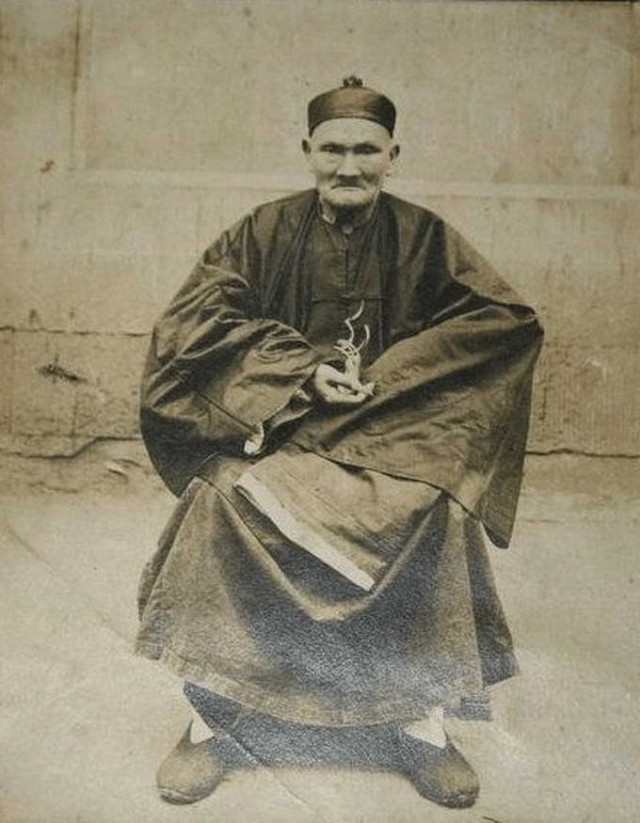
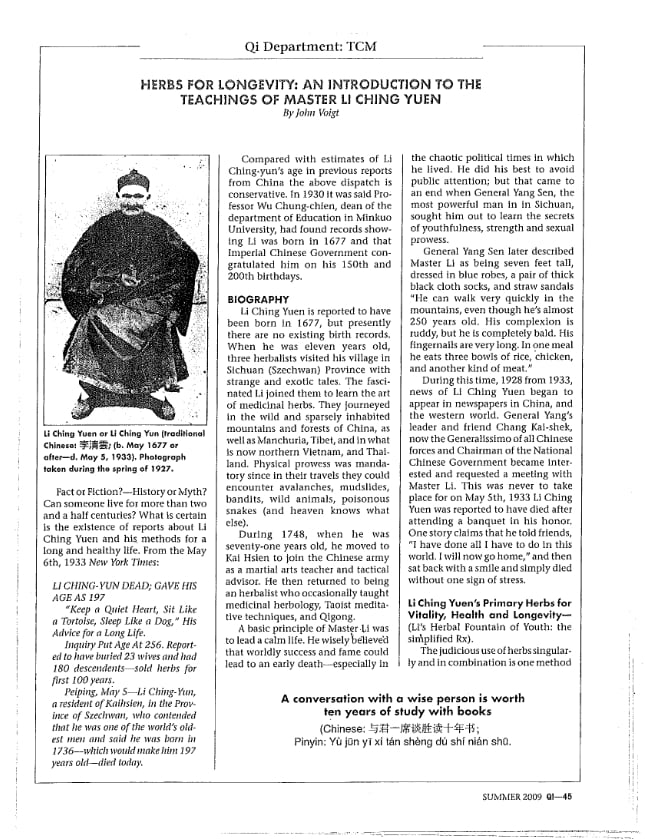
Li Ching-Yuen (simplified Chinese: 李清云; traditional Chinese: 李清雲) (1677 or 1736 – 6 May 1933) was a Chinese herbalist, martial artist and tactical advisor, known for his supposed extreme longevity. He claimed to have been born in 1736, while disputed records suggest 1677, implying an age at death of 197 or 256 years. Li Ching-Yuen spent most of his life in the mountains and was skilled in Qigong. He worked as an herbalist, selling lingzhi, goji berry, wild ginseng, he shou wu and gotu kola along with other Chinese herbs, and lived off a diet of these herbs and rice wine. He died from natural causes on 6 May 1933 in Kai Xian, Sichuan, China and was survived by his 24th wife, a woman of 60 years. Li supposedly produced over 200 descendants during his life span, surviving 23 wives.
After his death, General Yang Sen wrote a report about him, A Factual Account of the 250 Year-Old Good-Luck Man (一个250岁长寿老人的真实记载), in which he described Li's appearance: "He has good eyesight and a brisk stride; Li stands seven feet tall, has very long fingernails, and a ruddy complexion." General Yang became his disciple, practicing his teaching until the end of his life. In 1927 he invited him to his residence in Wanxian, Sichuan. The Tai Chi Chuan Master T. T. Liang (Liang Tung Tsai) learned from General Yang the practice of the "Eight Brocade Qigong". His student Stuart Alve Olson wrote in 2002 the book "Qigong Teachings of a Taoist Immortal: The Eight Essential Exercises of Master Li Ching-Yun", taking General Yang's report as reference. Some praticants of Jiulong Baguazhang, also known as Nine Dragon Eight Diagram Palm, claims that it was conceived by Li Ching-Yuen.
Longevity
Whereas Li Ching-Yuen himself claimed to have been born in 1736, Wu Chung-chieh, a professor of the Chengdu University, asserted that Li was born in 1677; according to a 1930 New York Times article, Wu discovered Imperial Chinese government records from 1827 congratulating Li on his 150th birthday, and further documents later congratulating him on his 200th birthday in 1877. However, gerontological researchers have viewed the age claim with extreme skepticism; the frequency of invalid age claims increases with the claimed age, rising from 65% of claims to ages 110–111 being invalid, to 98% of claims to being 115, with a 100% rate for claims of 120+ years.
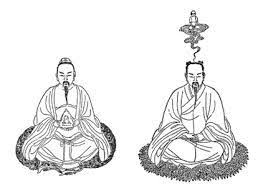
One of Li's disciples, the Taijiquan Master Da Liu, told of his master's story: when 130 years old Master Li encountered in the mountains an older hermit, over 500 years old, who taught him Baguazhang and a set of Qigong with breathing instructions, movements training coordinated with specific sounds, and dietary recommendations. Da Liu reports that his master said that his longevity "is due to the fact that he performed the exercises every day – regularly, correctly, and with sincerity – for 120 years."
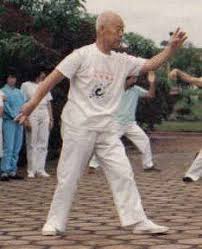
Master Liu Pai Lin (劉百齡) The Taoist Master Liu Pai Lin (劉百齡), who lived in São Paulo, Brazil from 1975 until 2000, had in his classroom another photograph of Master Li Ching Yuen unknown to the West. In this photo his face is clearly visible, as are his long and curled fingernails. Master Liu had met him personally in China, and considered him as one of his Masters. He used to say that Master Li answered to him that the fundamental taoist practice is to learn to keep the “Emptiness” (Wuji). Master Liu’s son, Master Liu Chih Ming, teaches the 12 Silks Qigong in CEMETRAC, as transmitted by Master Li.
The article "Tortoise-Pigeon-Dog", from the 15 May 1933 issue of Time reports on his history, and includes Li's answer to the secret of a long life:
- Keep a quiet heart
- Sit like a tortoise
- Walk sprightly like a pigeon
- Sleep like a dog
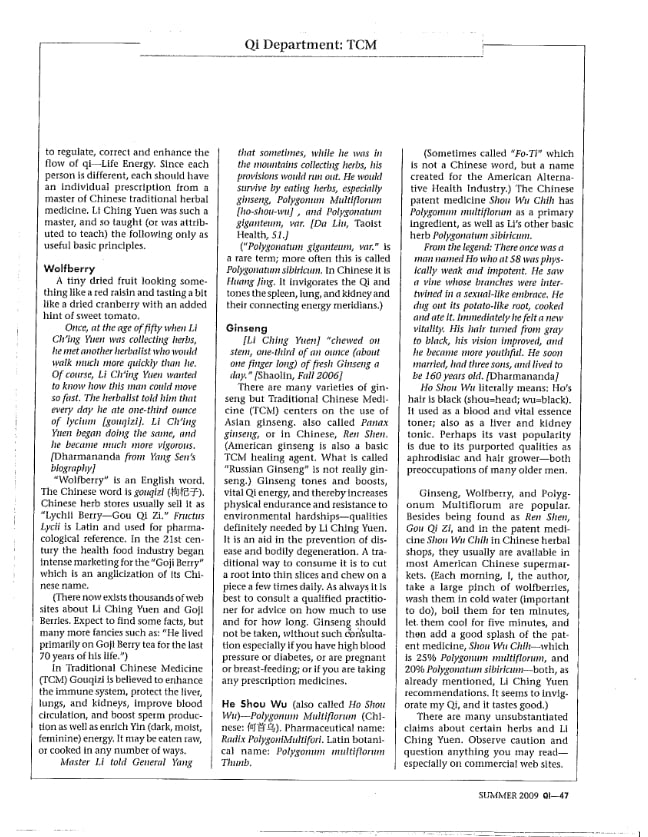
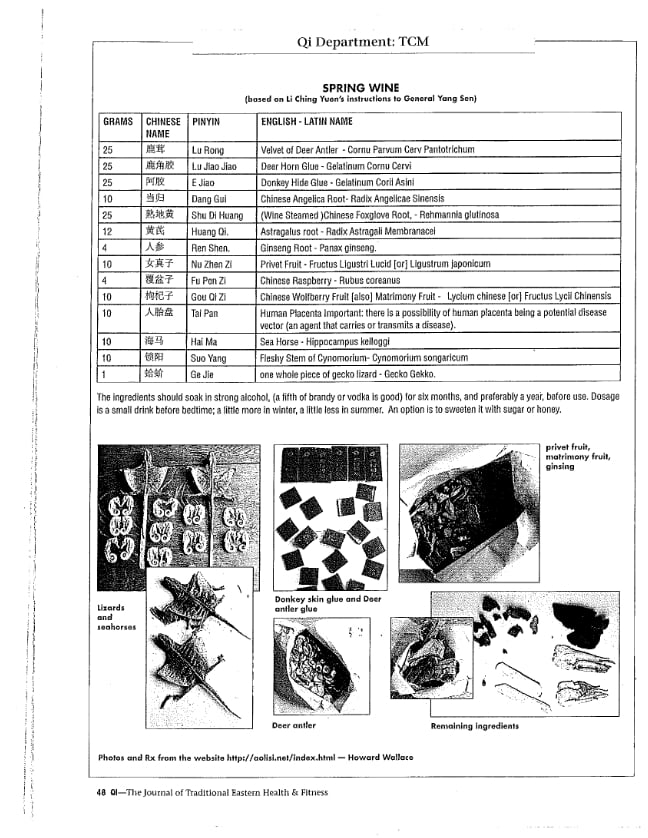
Following from "The Legend of Li Qingyun Meets Scientific Life Span Experiments":
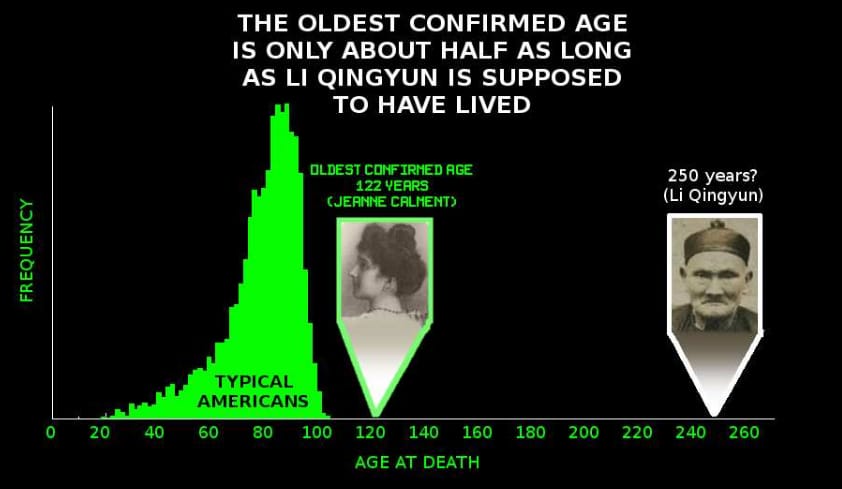
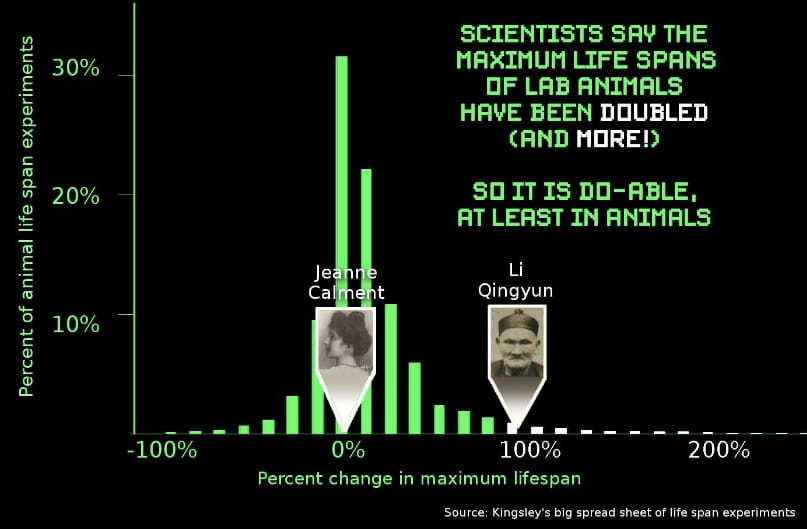
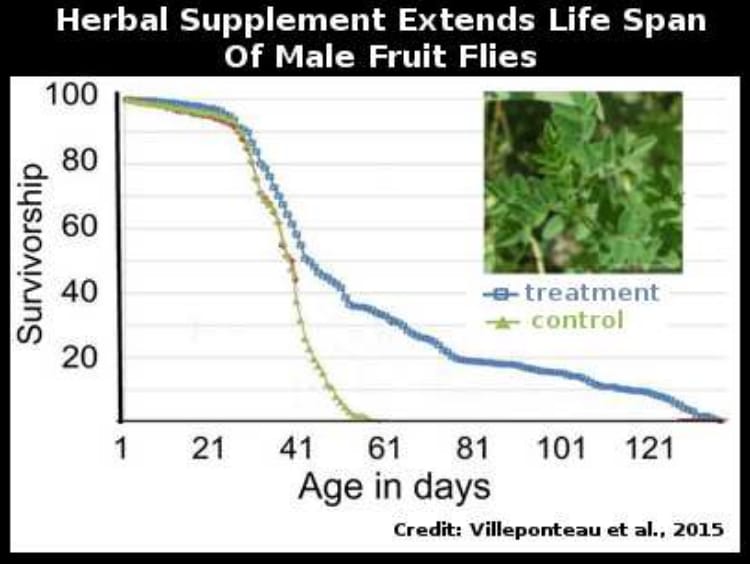
- Li Qingyun advised against feeling too happy
- Li Qingyun advised against drinking wine
- Li Qingyun meditated
- Li Qingyun ate rice
- Li Qingyun ate herbs
- Li Qingyun had plenty more tips for living longer.They included: Diet, exercise, sleep, religion, education, relaxing, living in remote areas, and occasionally going hungry.
Books:
- Qigong - The secret of youth - Da Mo’s Muscle/Tendon Changing and Marrow/Brain Washing Classics - by Dr. Yang, Jwing-Ming
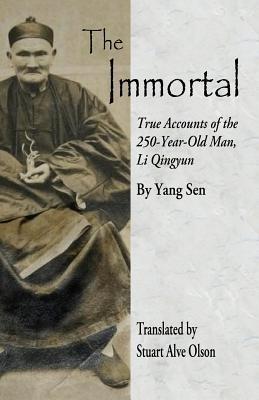
- The Immortal: True Accounts of the 250-Year-Old Man, Li Qingyun - by Yang Sen, Stuart Alve Olson
- The Jade Emperor's Mind Seal Classic: The Taoist Guide to Health, Longevity, and Immortality - by Stuart Alve Olson
- Blog post on Li Qingyun in Chinese
Related
-
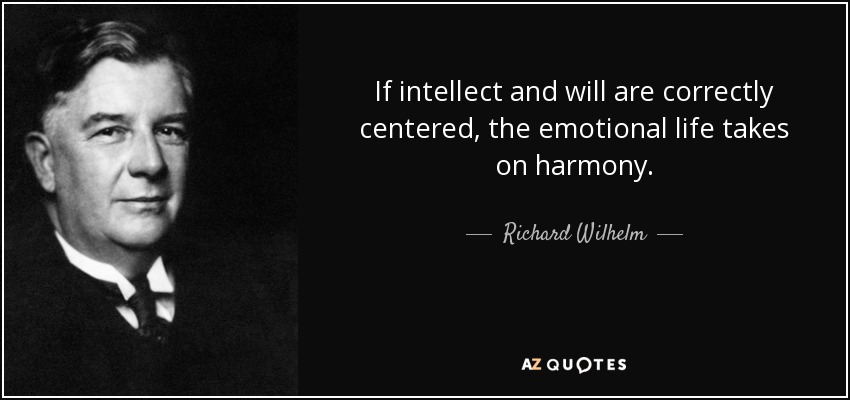
Richard Wilhelm (1873 - 1930) was a German sinologist, theologian, and missionary. He lived in China for 25 years. He is best remembered for his translations of philosophical works from Chinese into German, including the I Ching and The Secret of the Golden Flower (PDF)