tag > Infrastructure
-
Researchers Uncover 2,000-Year-Old Maya Water Filtration System (smithsonianmag)
The city of Tikal purified one of its reservoirs with technology comparable to modern systems

-
EU shoots for €10B ‘industrial cloud’ to rival US

25 EU countries signed a joint declaration pledging public money to power up the cloud sector and establishing the "European Alliance on Industrial Data and Cloud".
-
Oil giants' production cuts come to 1 million bpd as they post massive writedowns
The world’s five largest oil companies collectively cut the value of their assets by nearly $50 billion in the second quarter, and slashed production rates as the coronavirus pandemic caused a drastic fall in fuel prices and demand.
Saudi Aramco's second-quarter net profit plunges 73.4% on lower oil prices
Saudi Arabian state oil group Aramco (2222.SE) on Sunday reported a 73.4% fall in second-quarter net profit, a steeper drop than analysts had expected, hit by lower crude oil prices and declining refining and chemicals margins, as the coronavirus hit demand.
-
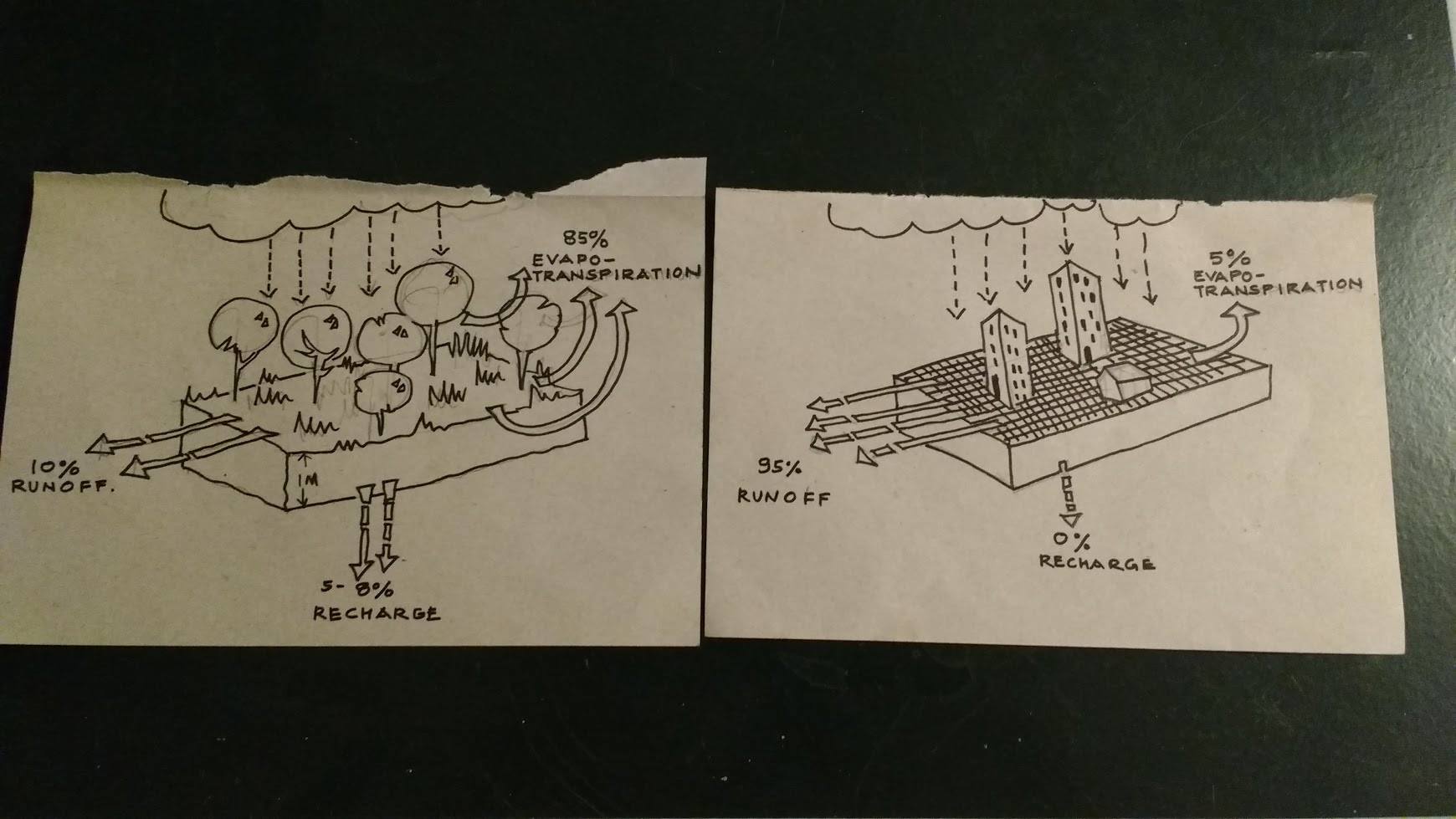
The water balance on a site in Bengaluru (via). Unbuilt and Built. The challenge is to restore the previous balance
-
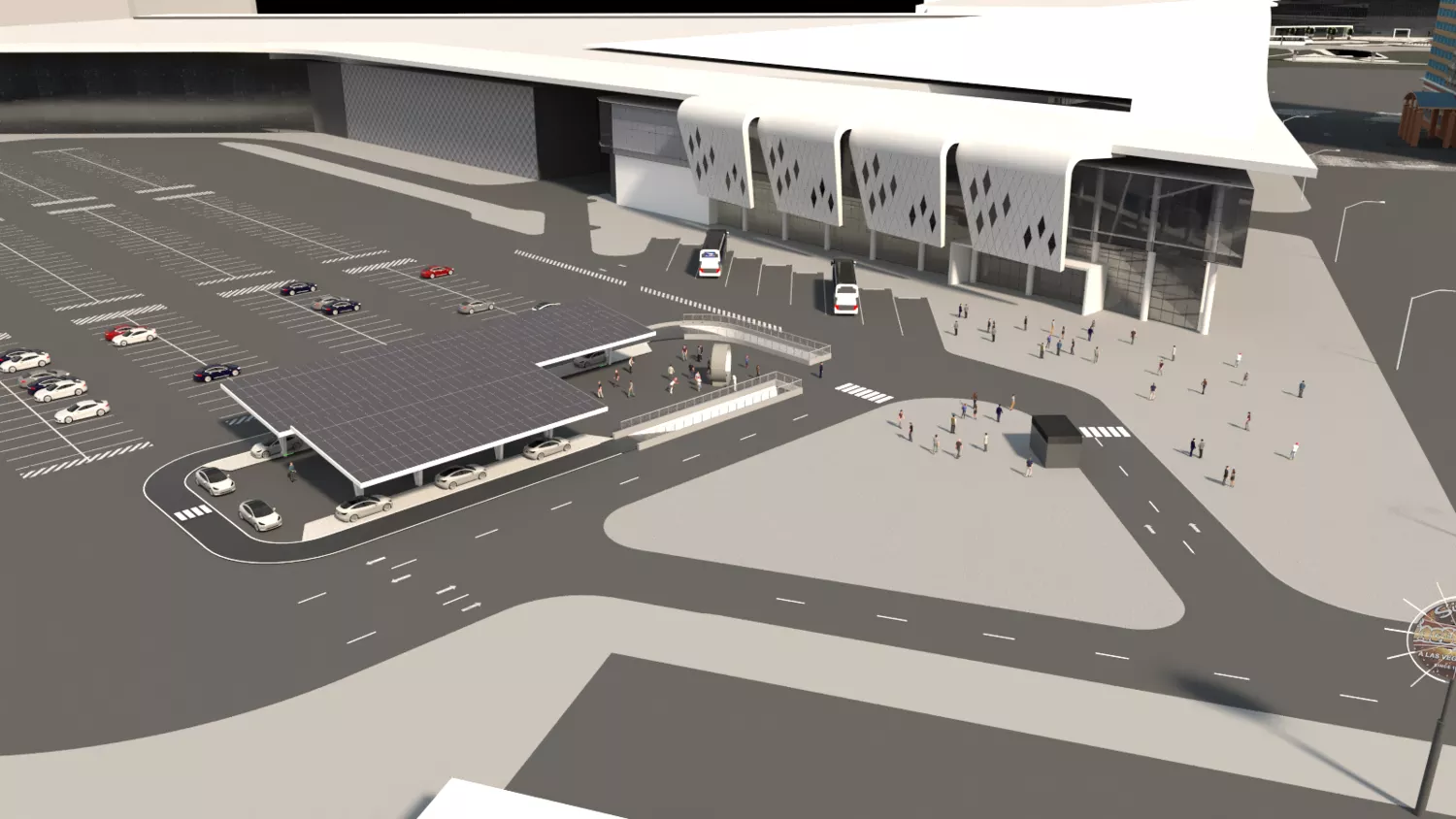
Elonmusk continues his effort to spend lots of money to transport tiny numbers of people
The Boring Company’s “public transit” system has become a valet stand in a parking garage.


-
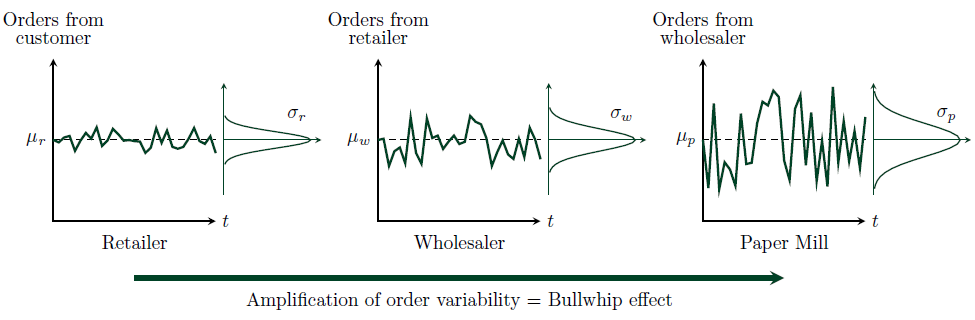
The bullwhip effect in supply chains
Variability of demand gets amplified from downstream (retailer) to upstream. Thus, firms must either increase their inventory levels, which limits responsiveness to demand, or risk shortages. Based on Moyaux, Chaib-draa & D’Amours (2006: 3).
-
Fuck Cars: VanMoof’s e-bike ad banned in France for creating a ‘climate of anxiety’

VanMoof, the Dutch electric bicycle brand, is officially too hot for (French) television.
The company’s first TV advertisement was banned in France for its negative portrayal of car traffic and pollution. The commercial was rejected by France’s advertising regulatory authority, ARPP, because it “discredit[s] the automobile sector [...] while creating a climate of anxiety.”
-
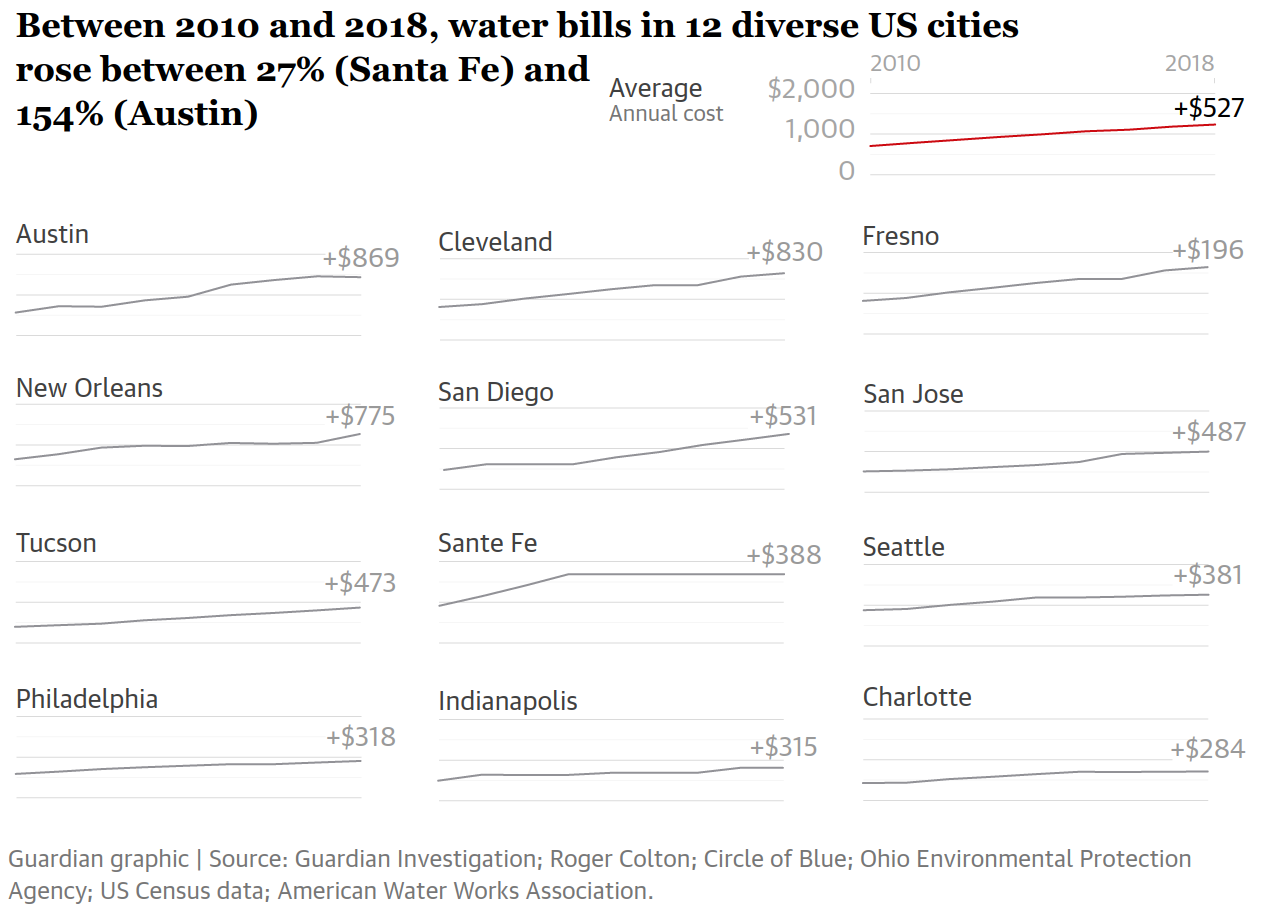
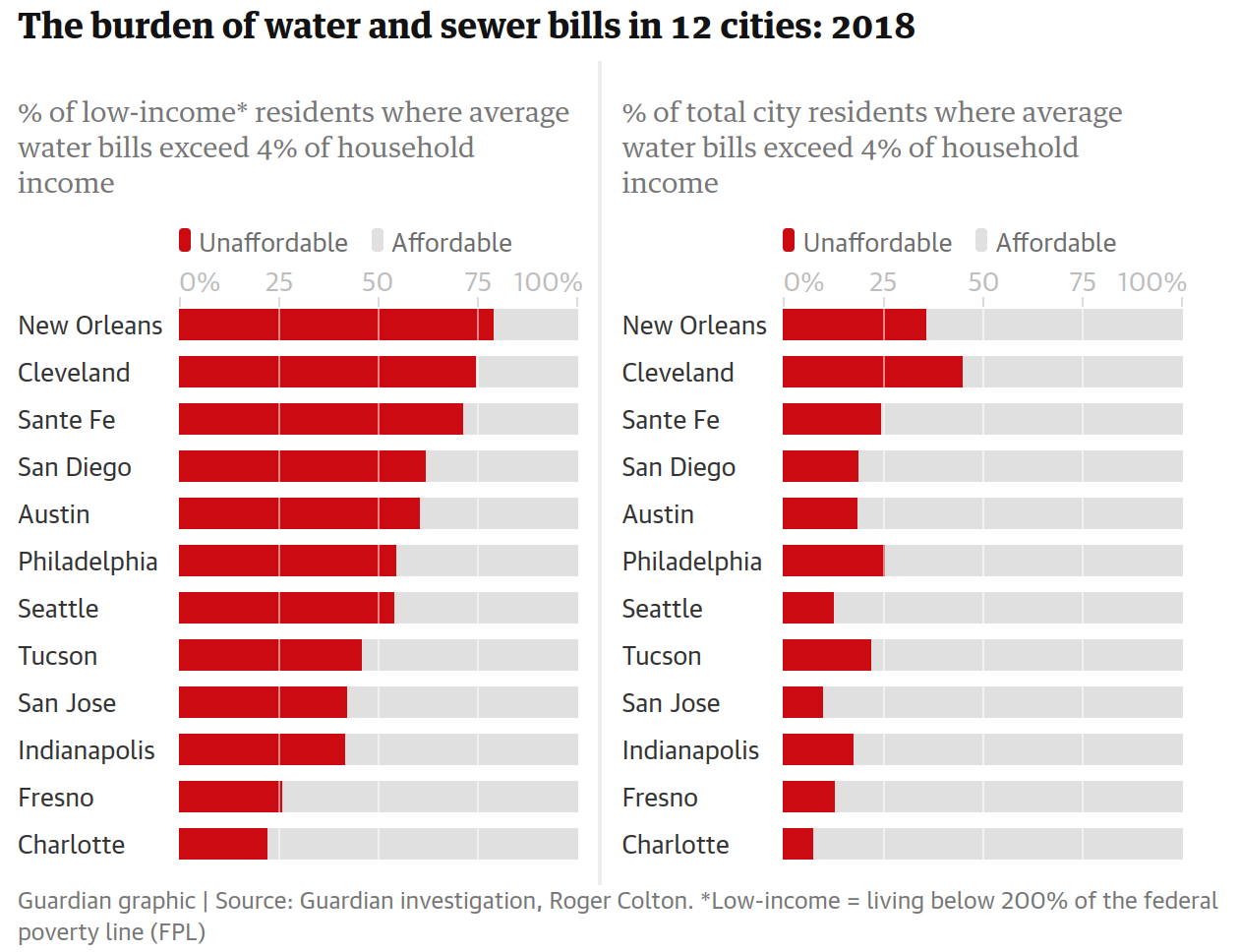
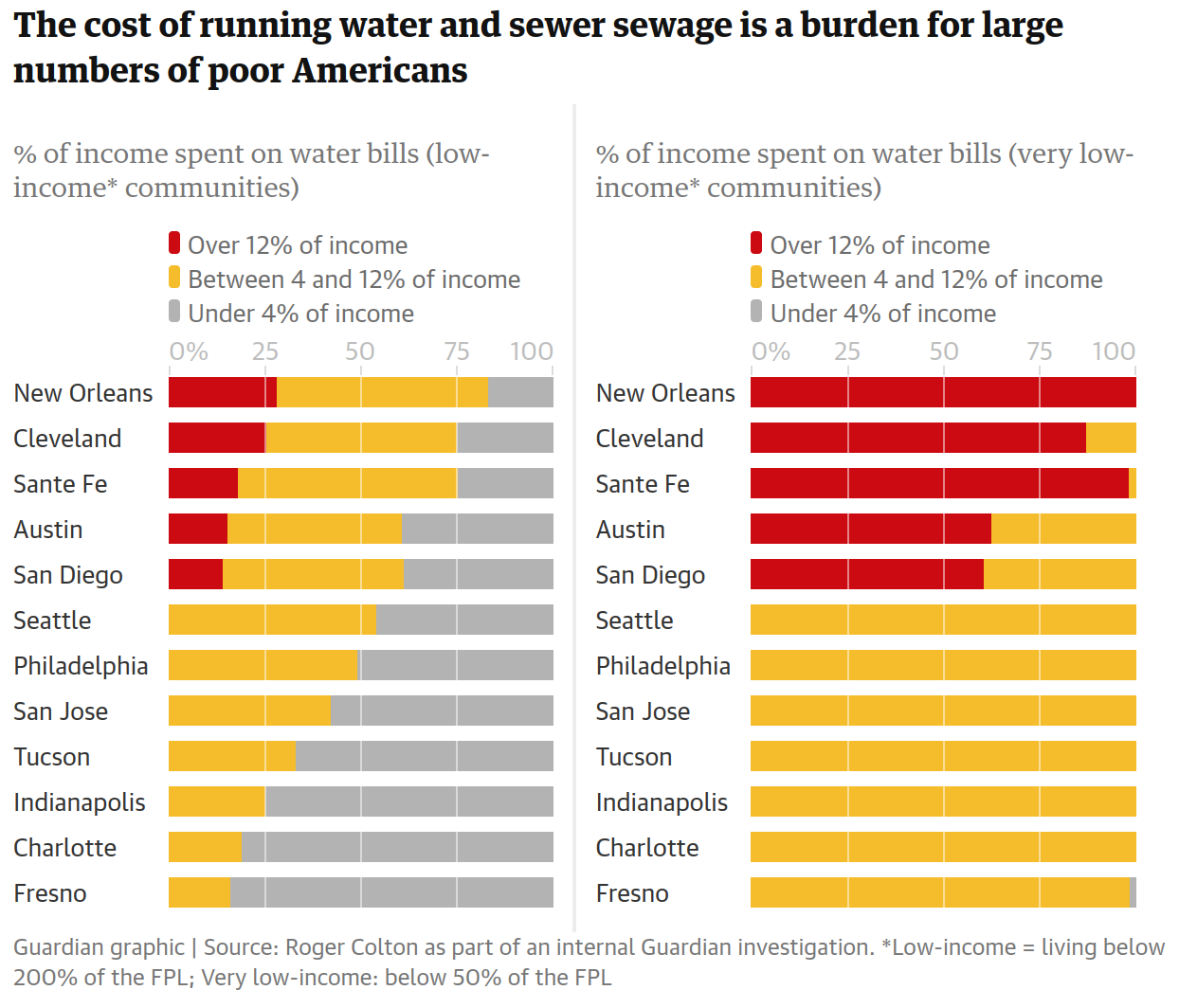
Revealed: millions of Americans can’t afford water as bills rise 80% in a decade
Exclusive analysis of 12 US cities shows the combined price of water and sewage increased by an average of 80% between 2010 and 2018, with more than two-fifths of residents in some cities living in neighbourhoods with unaffordable bills.
-
New 'Spectra' attack breaks the separation between Wi-Fi and Bluetooth

Academics from Germany and Italy say they developed a new practical attack that breaks the separation between Wi-Fi and Bluetooth technologies running on the same device, such as laptops, smartphones, and tablets. Called Spectra, this attack works against "combo chips," specialized chips that handle multiple types of radio wave-based wireless communications, such as Wi-Fi, Bluetooth, LTE, and others.
-
What the Transition movement can teach us about how to ‘bounce forward’
“it’s hard to imagine what the future will look like, but for now, consumer demand for local products is exploding” - by @robintransition
-
A Wendy’s With No Burgers as Meat Production Is Hit (nytimes)
Hundreds of the fast-food chain’s locations aren’t serving hamburgers and grocery stores are limiting meat purchases, as shoppers begin to feel the impact of meatpacking plant shutdowns.
-
Supply networks and complex adaptive systems: control versus emergence (unpaywalled)
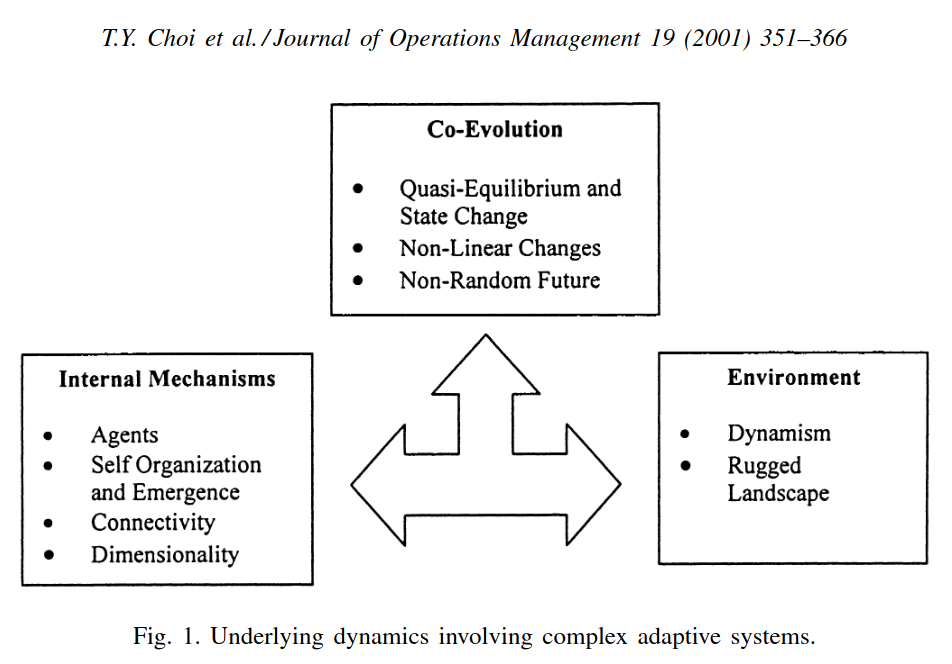
Abstract: In much of the current literature on supply chain management, supply networks are recognized as a system. In this paper, we take this observation to the next level by arguing the need to recognize supply networks as a complex adaptive system (CAS). We propose that many supply networks emerge rather than result from purposeful design by a singular entity. Most supply chain management literature emphasizes negative feedback for purposes of control; however, the emergent patterns in a supply network can much better be managed through positive feedback, which allows for autonomous action. Imposing too much control detracts from innovation and flexibility; conversely, allowing too much emergence can undermine managerial predictability and work routines. Therefore, when managing supply networks, managers must appropriately balance how much to control and how much to let emerge.
-
Tesla has a new product: Autobidder, a step toward becoming an electric utility
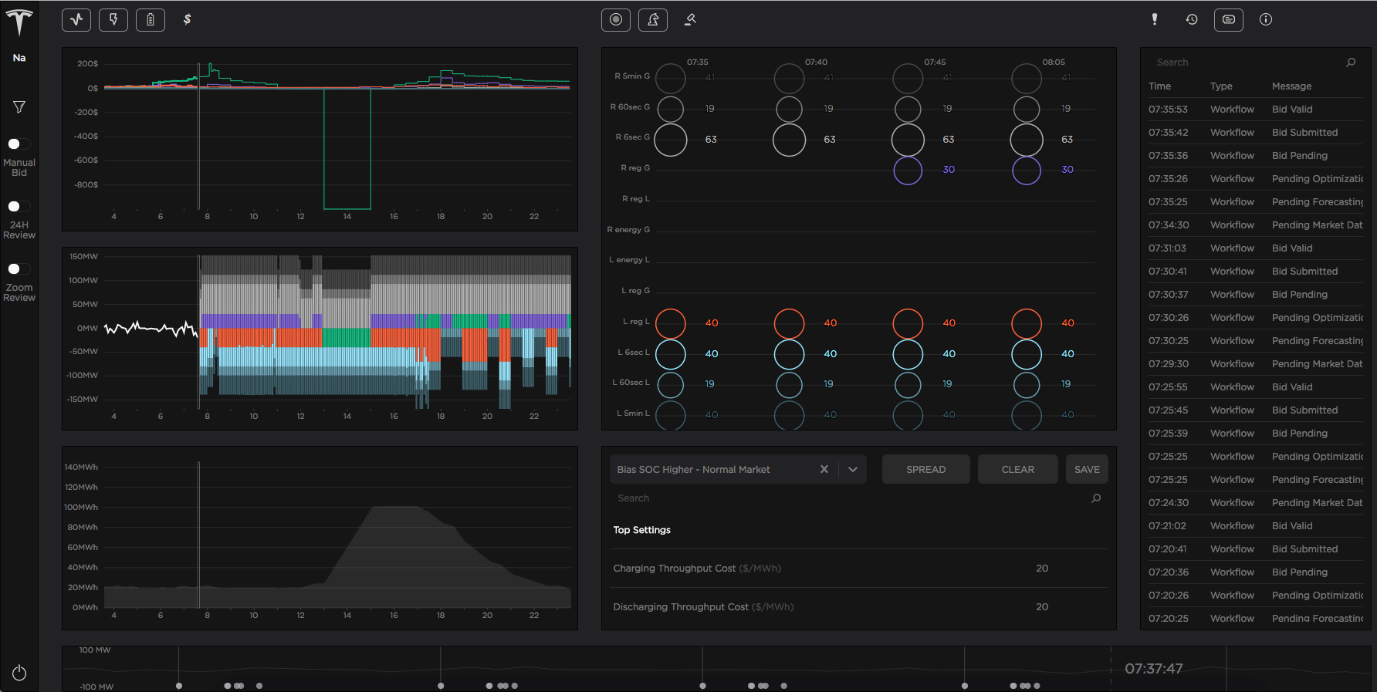
Tesla aims to eventually become a massive distributed electric utility, and we’ve now learned of a new product, Autobidder. The idea is that Tesla would keep deploying more solar and energy storage systems, big and small, at the residential level and on utility-scale, and manage those distributed systems to act as a giant electric utility.
-
Blackstone Raises $10.7 Billion for European Property Fund (Yahoo Finance)
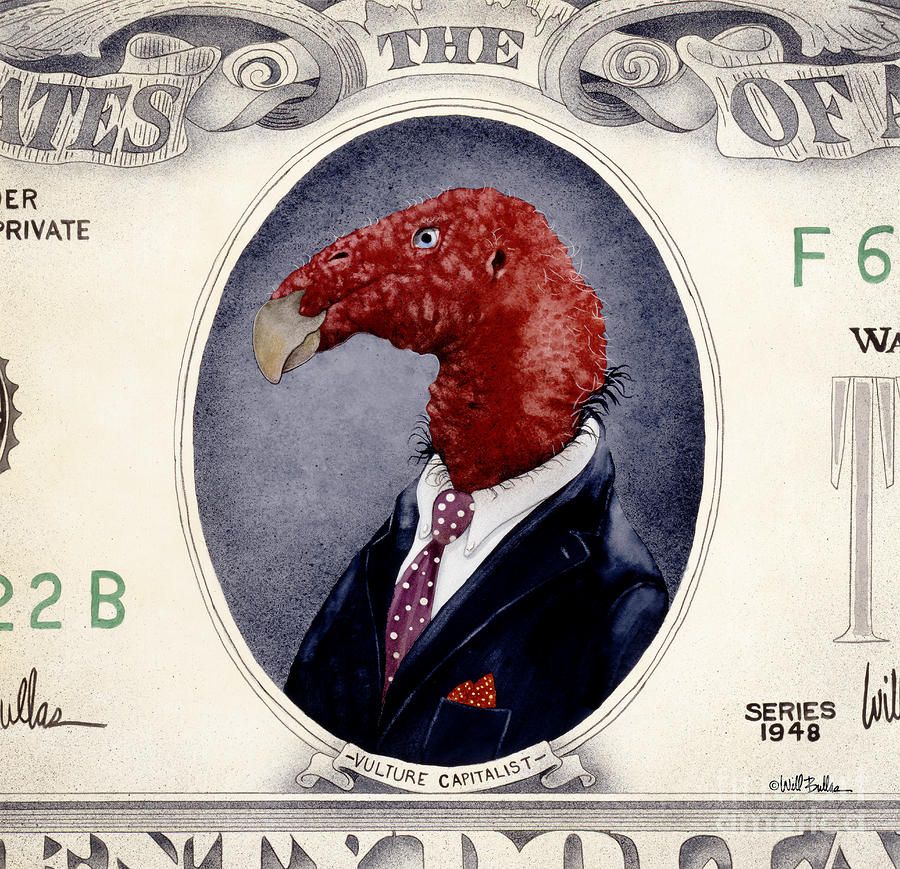
Vulture capitalist Blackstone Group Inc. has finished raising a €9.8 billion fund that will target European real estate. The fund swells the firm’s uninvested capital for opportunistic property bets to about $30 billion just as the coronavirus roils markets worldwide. It’s also the largest private equity capital raising to complete since the pandemic’s outbreak, according to data compiled by Bloomberg.
#Comment: A totally predicable and equally horrific and idiotic development. The permanent revolution from above keeps seizing the means of production across the global. Insane bullshit.
-
Interview: Wie Barcelona eine offene „Smart City“ im Dienste des Gemeinwohls plant

Im Interview spricht Francesca Bria, Barcelonas Chief Technology and Digital Innovation Officer, über „Digitale Soziale Innovation“ und passende Strategien, um die lokale Wirtschaft, Privatsphäre und die demokratische Teilhabe der Bürger*innen auch in einer „Smart City“ langfristig zu sichern und zu fördern.
-
Satellites Are Helping to Track Food Supplies in Coronavirus Era (Bloomberg)

As the coronavirus pandemic leads to anxiety over the strength of the world’s food supply chains, everyone from governments to banks are turning to the skies for help. Orbital Insight, a California-based Big Data company that uses satellites, drones, balloons and cell phone geolocation data to track what’s happening on Earth, has seen inquiries about monitoring food supplies double in the past two months, according to James Crawford, founder and chief executive officer of the company.
-
'A disastrous situation': mountains of food wasted as coronavirus scrambles supply chain (Guardian)
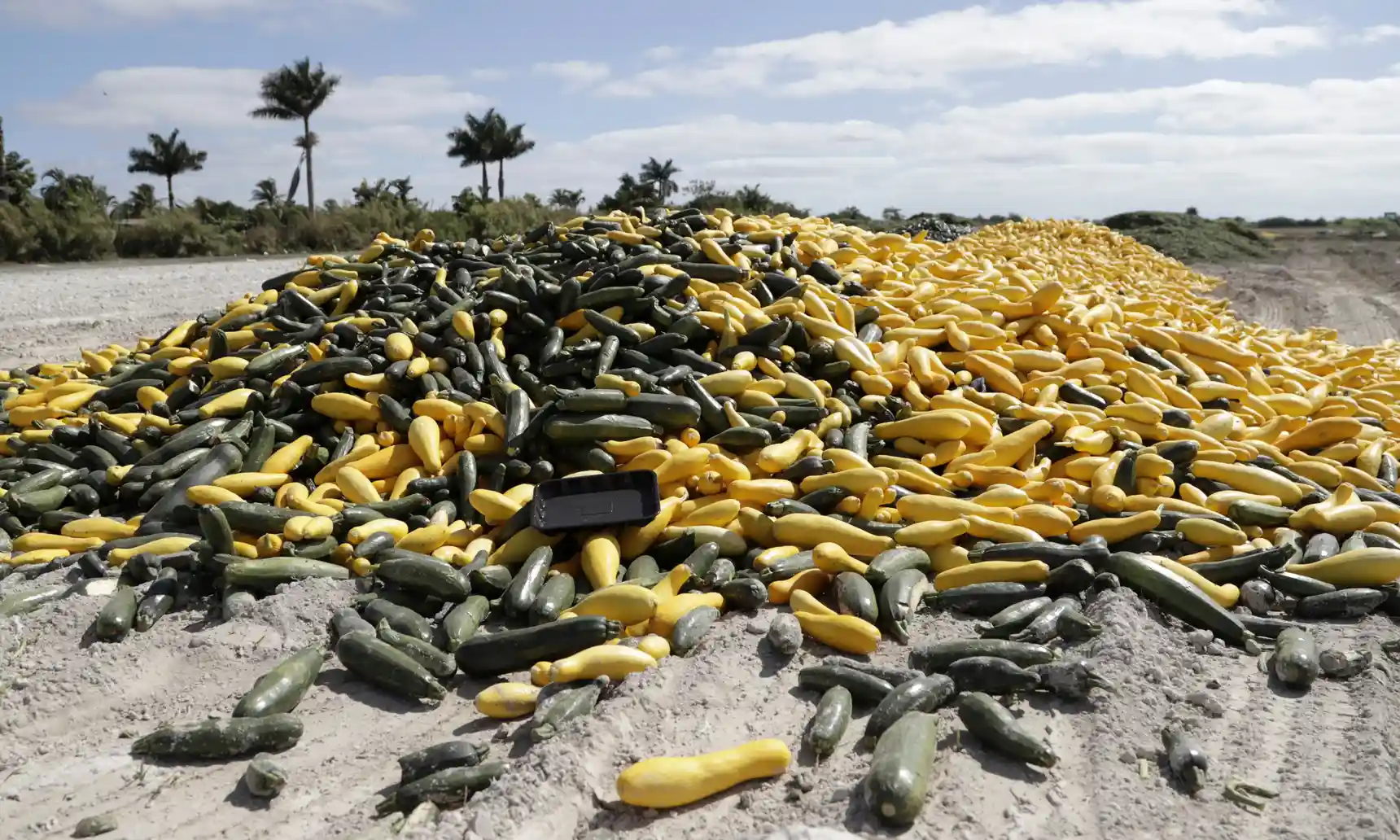
Billions of dollars worth of food is going to waste as growers and producers from California to Florida are facing a massive surplus of highly perishable items. As US food banks handle record demand and grocery stores struggle to keep shelves stocked, farmers are dumping fresh milk and plowing vegetables back into the dirt as the shutdown of the food service industry has scrambled the supply chain. Roughly half the food grown in the US was previously destined for restaurants, schools, stadiums, theme parks and cruise ships. The impact could be up to $1.32bn from March to May in farm losses alone, according to a National Sustainable Agriculture Coalition report.