tag > Infrastructure
-
Delivering Community-Based Solutions - Interview with Illac Diaz, Liter of Light
-
China proposes a new internet protocol that gives government ultimate control (reclaimthenet)
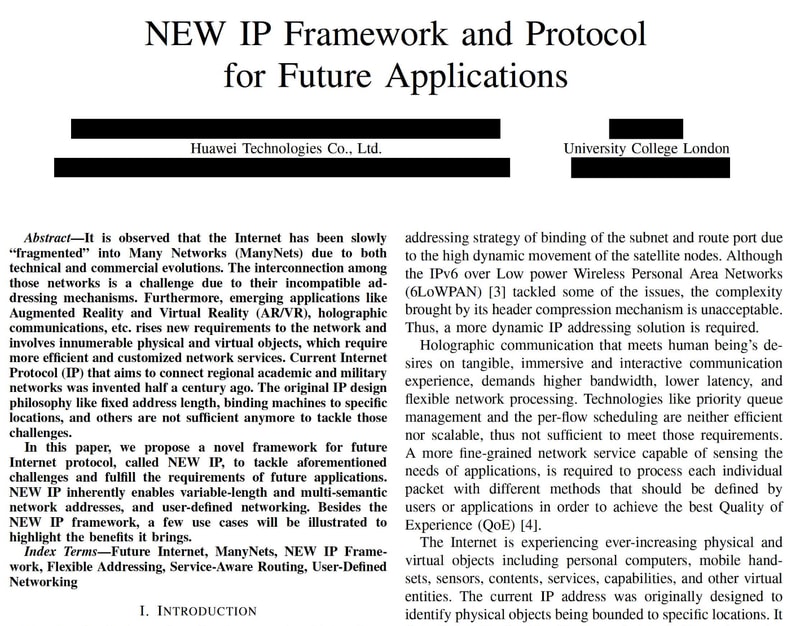
After years of meddling with the internet and censoring everything left and right, China now wants to introduce a new authoritarian-friendly internet protocol. The Financial Times has recently gained access to several documents about the protocol. Huawei, China’s Ministry of Industry and Information Technology (MITT), and state-run Unicom and China Telecom were the ones to craft the proposal and presented it to the UN’s International Telecommunication Union (ITU).
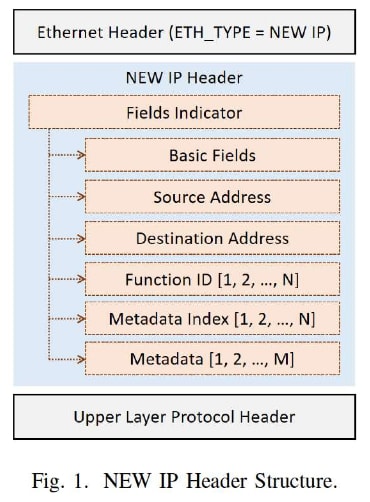
It was found that Russia and maybe Saudi Arabia were in favor of the proposal, whereas nations such as the US and UK expressed concerns. Based on what the developers of the protocol say, it may be standardized at a conference in India later this year with the testing of the protocol beginning in early 2021. On the whole, China’s new proposal states that the internet must catch up with the future and that the “current designs are obviously insufficient”. Considering the fact that the underlying technical architecture of the internet hasn’t really changed in a long time, China’s thoughts to modernize the whole infrastructure does sound like a necessary step to take. The proposal calls for an advanced internet that has improved security and efficiency while supporting holograms as well as latency stability.
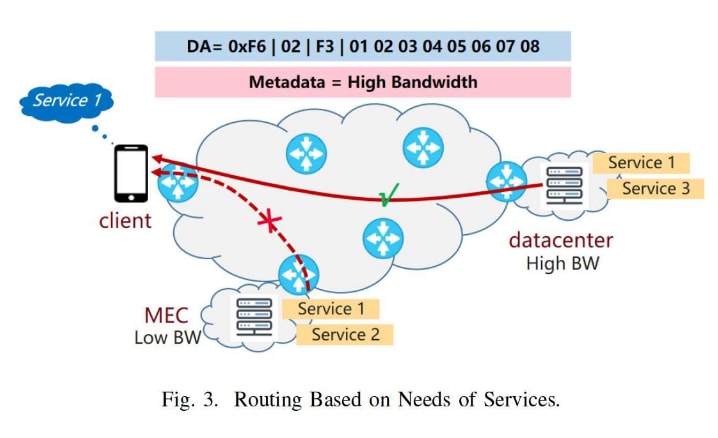
Finally, the new protocol aims to integrate the interactions between ManyNets (networks from IoT and satellites) and the internet seamlessly. But there is a strong concern with the new proposal that was even pointed out by countries such as the US and UK. The new proposal, if accepted globally, will give governments the ultimate power over the internet accessibility in their nations.
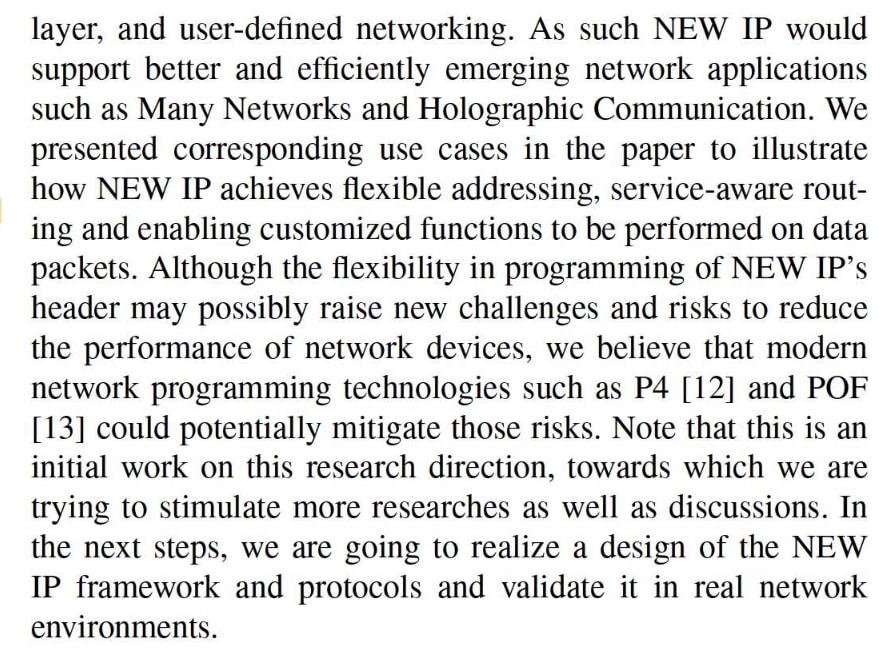
Such a “top-down” internet architecture will lead to potential internet censorship. With many countries already practicing blatant internet censorship, especially China, the idea of placing more power over internet accessibility into the hands of a country’s government may not be the wisest course of action. It is also worth noting that authoritarian governments such as Russia are already moving in the direction of gaining “cyber sovereignty“. For instance, Russia already tested its own heavily controlled internet.
At such a juncture, the new proposal by China, while promising the hopes of a better future, might make it easy for countries to practice internet censorship.
#Technology #Infrastructure #Internet #Politics #Economics #Military
-
The great oil industry collapse of the 2020s has started
Oil Prices Could Fall Another 20% (oilprice.com)
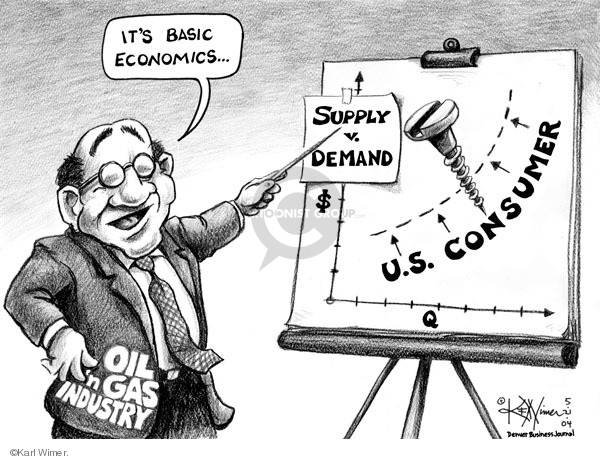
Brent crude was down four percent Friday afternoon at $27.50 per barrel. US crude was five percent lower at $21.47 per barrel. Prices were on track for their fifth weekly drop in a row as coronavirus ravages economies around the world. The price war launched by Saudi Arabia almost three weeks ago after talks with Russia over price stabilisation broke down has sent prices to their lowest level in 17 years. The Brent crude price was around $65 per barrel at the start of January.
US crude oil price falls below $20 (FT)
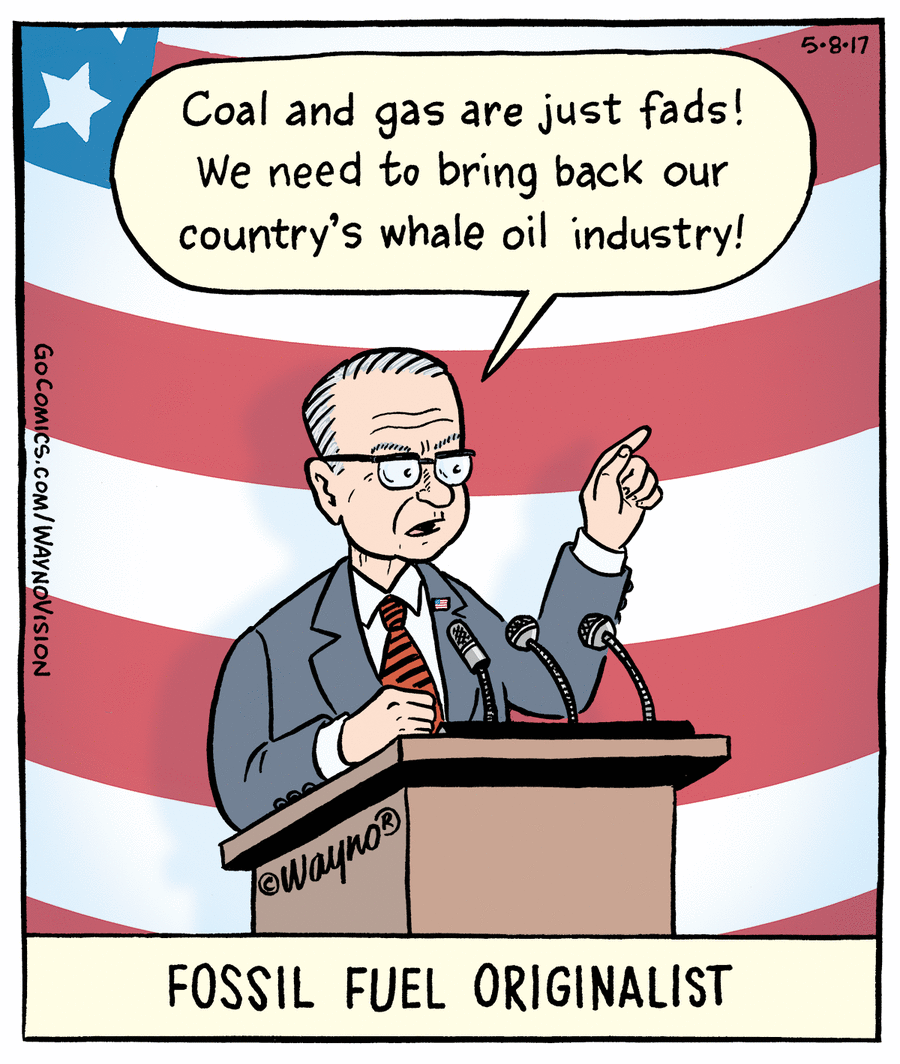
US crude oil prices fell below $20 a barrel on Monday, close to their lowest level in 18 years, as traders bet production would have to shut to cope with the collapse in demand from the coronavirus pandemic. The global oil industry is facing its biggest demand drop in history, with traders and analysts forecasting crude consumption could fall as much as a quarter next month because of widespread lockdowns across the western world as the pandemic spreads.
Oil in Canada hit $3.80 per barrel this morning in Canada.
@MarinKatusa: A starbucks latte is now almost 2X more expensive than a barrel of oil in Canada today. A barrel of oil is cheaper than a donut and coffee from Tim Hortons.
Russia's Rosneft stops operations in Venezuela (TASS)
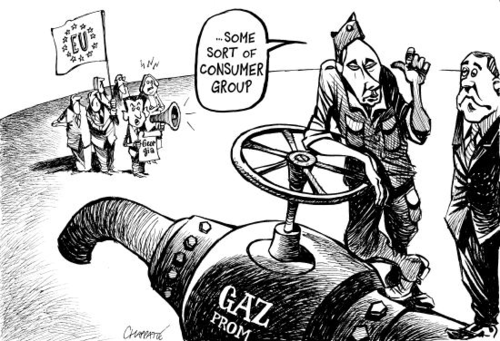
Russia's Rosneft stops operations in Venezuela, sells assets related to functioning in that country. A company owned by Russia has acquired Rosneft’s assets in Venezuela, the cabinet’s press office told TASS on Saturday. "The government of the Russian Federation has acquired assets in Venezuela from Rosneft. A company 100% owned by the Russian Federation has become the owner," the press service said.
Russian state gave up majority share of Rosneft in Venezuela deal (Yahoo News)
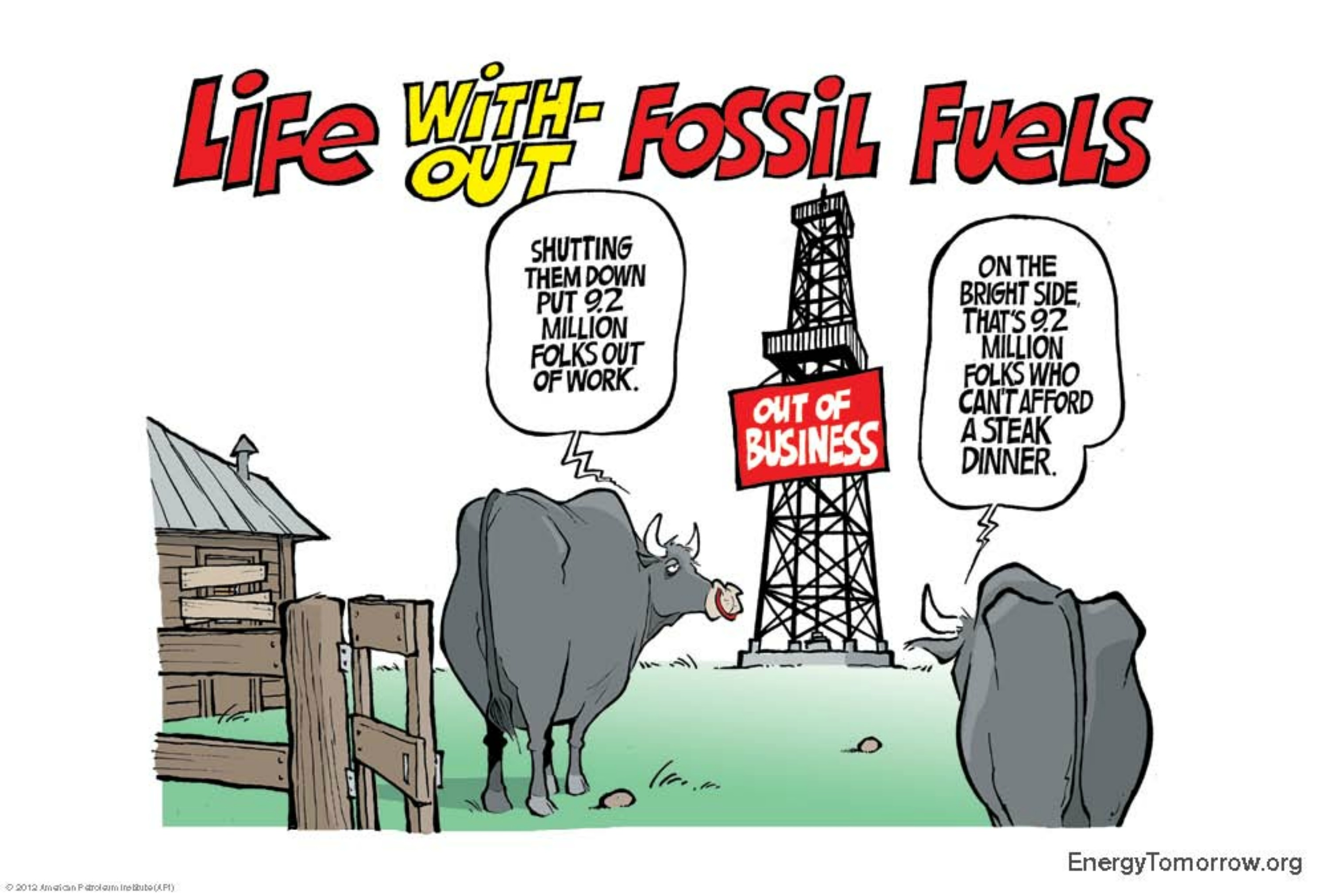
The Russian state has cut its holding in oil giant Rosneft to below a majority stake as part of its deal to buy the group's Venezuelan assets, announced over the weekend, a source familiar with the details told Reuters. Rosneft, Russia's largest oil producer, said on Saturday it had sold all its assets in Venezuela to an unnamed company owned by the Russian government. The group said it would receive in return payment worth 9.6% of Rosneft's equity capital, which would be held by a subsidiary. It did not say who the seller of that stake was. Before the deal, Russia, via state holding company Rosneftegaz, owned slightly over 50% of Kremlin-controlled Rosneft's capital.
Russia’s Plan To Bankrupt U.S. Shale Could Send Oil To $60 (oilprice.com)
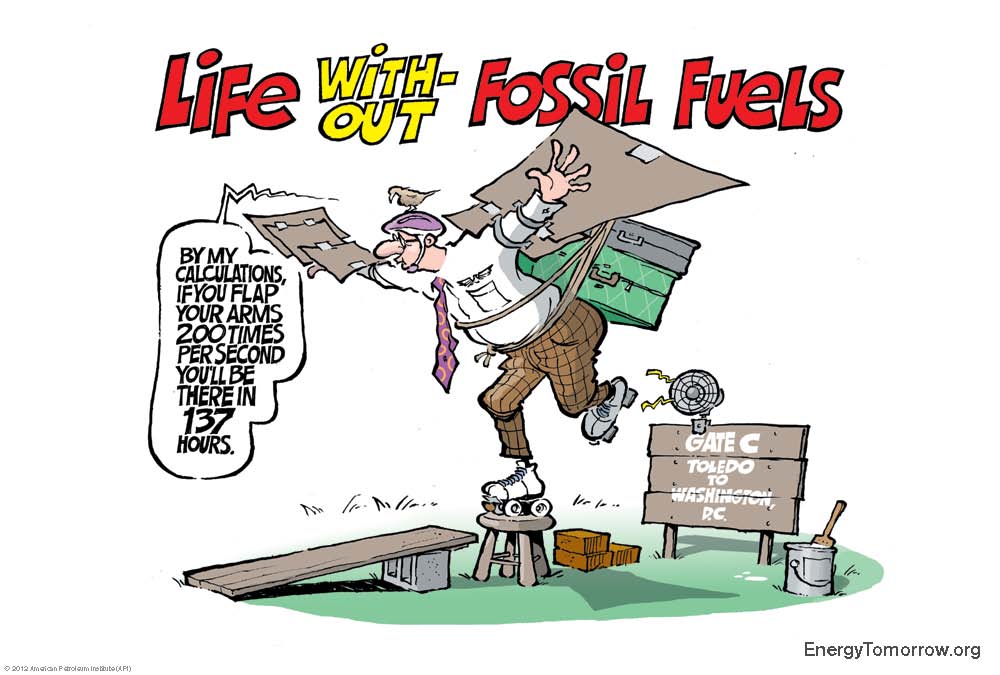
As soon as U.S. shale leaves the market, prices will rebound and could reach $60 a barrel, Rosneft’s Igor Sechin said recently. As fate would have it, in what many would have until recently considered an impossible scenario, a lot of U.S. shale might do just that. Breakeven prices for U.S. shale basins range between $39 and $48 a barrel, according to data compiled by Reuters. Meanwhile, West Texas Intermediate (WIT) is trading below $25 a barrel and has been for over a week now.
The world's on the brink of running out of places to put oil (financial post)
With supply exceeding demand by 12.4 million barrels a day, producers will be forced to cut output by June
Collapse (documentary)
Sitting in a room that looks like a bunker, Ruppert briefly recounts his life including his parents' ties to U.S. intelligence agencies and Ruppert’s own career as an LAPD beat cop and detective. Ruppert then summarizes current energy and economic issues, focusing mainly around the core concepts of peak oil and sustainable development. He also criticizes fiat money, fractional reserve banking, compound interest, and leveraging, and discusses alleged CIA drug trafficking. The bulk of the film presents Ruppert making an array of predictions including social unrest, violence, population dislocation and governmental collapses in the United States and throughout the world. He draws on news reports and data available via the Internet, but he applies a unique interpretation which he calls “connecting the dots”.
USA im Irak: Letzter Akt einer Chaos-Politik? (heise)
90 Prozent der Einkünfte kommen vom Ölgeschäft. Bei dem derzeit niedrigen Ölpreis wird es für die irakische Regierung schwierig, dass sie überhaupt Gehälter bezahlen kann. 30 Prozent der Beschäftigten im Irak leben als Beamte oder Vertragspartner von Staatsgeldern. Das Gesundheitswesen ist vollkommen von den Staatseinnahmen abhängig.
EasyJet grounds 'entire fleet' over coronavirus (Techexplorer)
British airline easyJet on Monday said it had grounded its entire fleet because of the coronavirus pandemic but would still be available for rescue flights to repatriate stranded customers.
Coronavirus may cause global food shortages as panic buying and export curbs hit supply (SCMP)
UN Food and Agricultural Organisation says there could be global food shortages in April and May as a result of supply problems caused by the coronavirus. China is heavily dependent on imports for some crops like soybeans, which may be affected by disruptions to global logistics networks.
UN warns that COVID-19 pandemic could trigger global food shortage (World Socialist Web)
The United Nations Food and Agriculture Organization (FAO) warned of the impact of the COVID-19 virus on the global food supply chain in a notice on their website writing: “We risk a looming food crisis unless measures are taken fast to protect the most vulnerable, keep global food supply chains alive and mitigate the pandemic’s impacts across the food system.”
-
Global condom shortage looms as coronavirus shuts down production (Guardian)
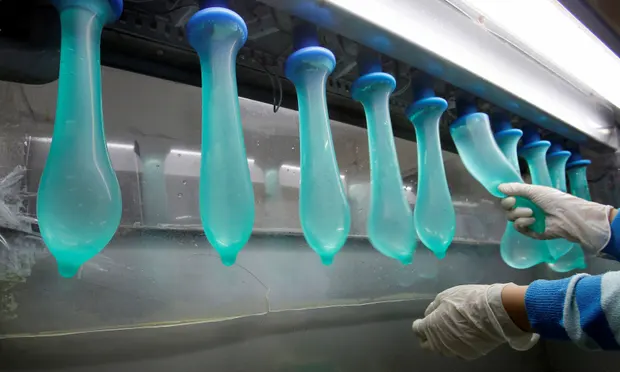
A global shortage of condoms is looming, the world’s biggest producer has said, after a coronavirus lockdown forced it to shut down production. Malaysia’s Karex Bhd makes one in every five condoms globally. It has not produced a single condom in its three Malaysian factories for more than a week because of a lockdown imposed by the government to halt the spread of the virus.
-
Panic buying, lockdowns may drive world food inflation - FAO, analysts (Reuters)
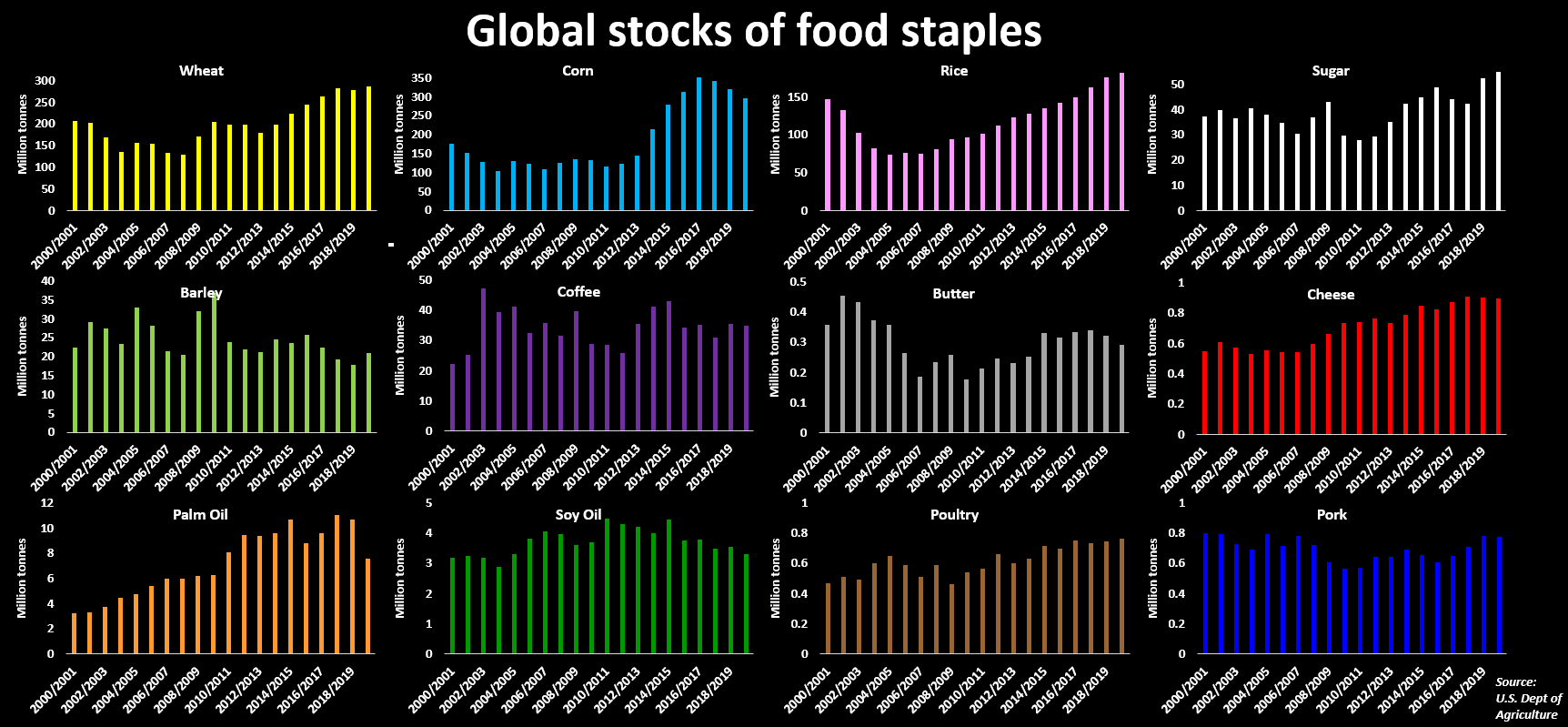
“All you need is panic buying from big importers such as millers or governments to create a crisis,” said Abdolreza Abbassian, senior economist at the United Nations’ Food and Agriculture Organization (FAO). “It is not a supply issue, but it is a behavioral change over food security,” he told Reuters by phone from Rome, the FAO headquarters. “What if bulk buyers think they can’t get wheat or rice shipments in May or June? That is what could lead to a global food supply crisis.”
Corona crisis hits global food supply (Reuters)
The corona epidemic around the world is also putting pressure on the food supply.
-
The Modern Supply Chain Is Snapping
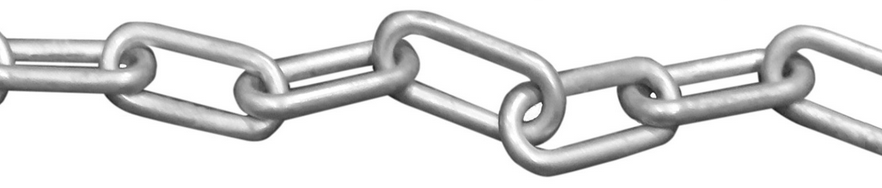
The coronavirus exposes the fragility of an economy built on outsourcing and just-in-time inventory.
-
Coronavirus: European standards for medical supplies made freely available to facilitate increase of production (European Commission)
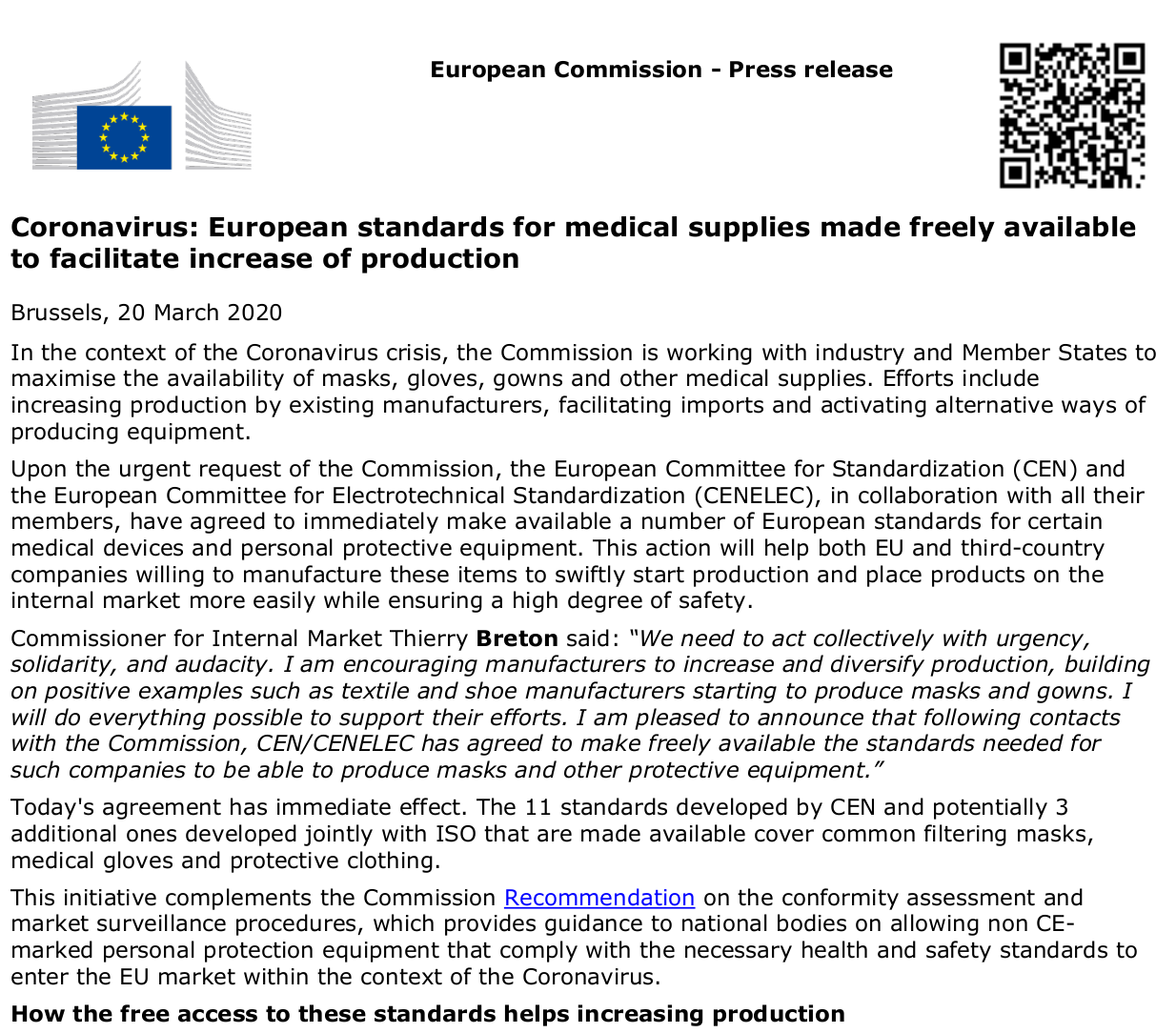
Commissioner for Internal Market Thierry Breton said: “We need to act collectively with urgency, solidarity, and audacity. I am encouraging manufacturers to increase and diversify production, building on positive examples such as textile and shoe manufacturers starting to produce masks and gowns. I will do everything possible to support their efforts. I am pleased to announce that following contacts with the Commission, CEN/CENELEC has agreed to make freely available the standards needed for such companies to be able to produce masks and other protective equipment.” The standards are available for free download from the websites of CEN national members.
-
iFixit is building a repair database for medical equipment, and it needs your help (Verge)

Repair specialist iFixit is building a database filled with repair information for the world’s hospital equipment in anticipation of the increased demand caused by COVID-19, the disease caused by the novel coronavirus. In particular, it’s calling for repair manuals for ventilators and BiPAP machines that can be used as ventilators. iFixit’s database can be found here, and the company is calling for people to create new device pages and upload photos and manuals.
-
What Happened After Market Street in Sanfranscio Went Car-Free (citylab)

Less than two months after San Francisco’s Market Street went mostly car-free, the central downtown artery is palpably calmer. While freight deliveries, fire trucks, buses and streetcars are still trundling along the vehicle lanes, navigating by bike, scooter or foot feels far less death-defying now that clots of private autos and ride-hailing vehicles are no longer allowed to vie for space among them.
-
South Sudan Is Building Its Electric Grid Virtually From Scratch (IEEE Spectrum)
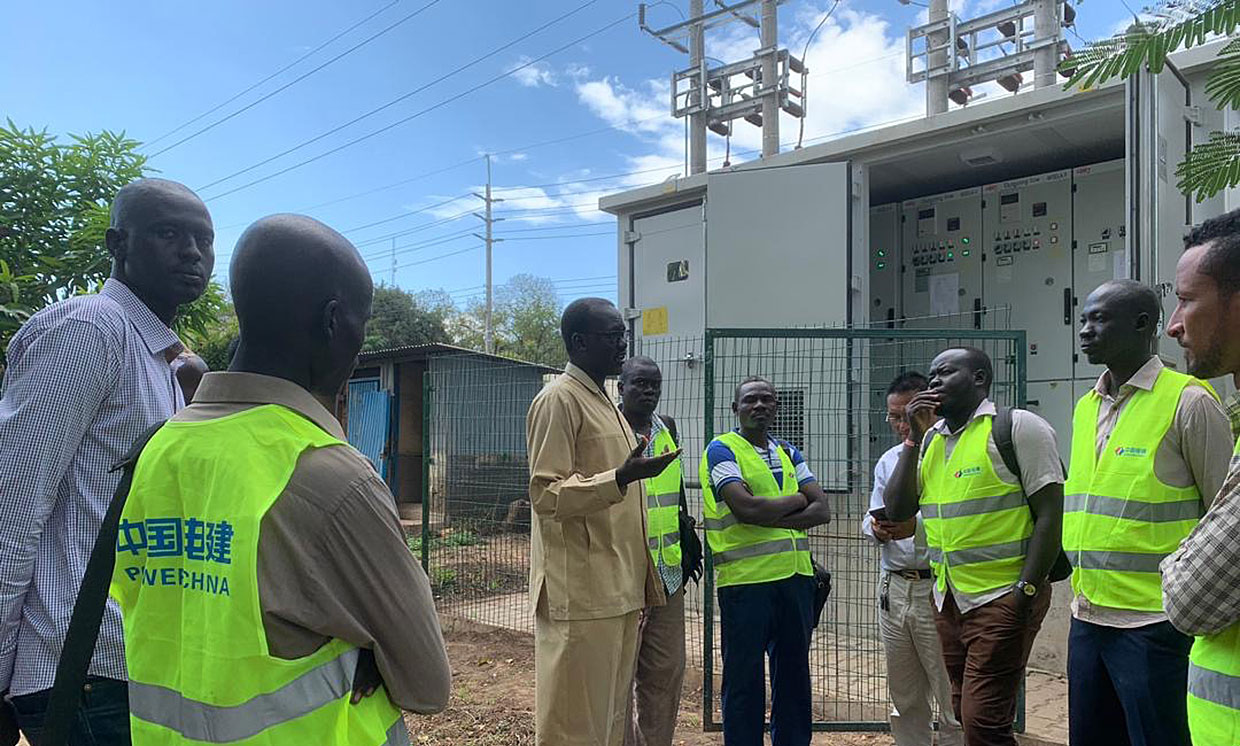
Jacob M. Deng, in a khaki suit, talks with utility workers during the commissioning of a substation in Juba, South Sudan. The government could instead partner with private investors to “lay decentralized grid networks” and provide incentives for “a mix of solar, small hydro and thermal power” that’s generated by independent producers, households, and institutions, the Sudd Institute, an independent research organization, wrote in a 2018 report. That way, should the country’s fragile peace unfurl, people would still have access to electricity to meet their basic needs.
-
London’s Trees Are Saving the City Billions (citylab)

#Comment: Why is the "saving money" perspective used so frequently when talking about nature ("nature based services" etc.)? Do these foolish people really not comprehended, that the notion that "Nature = Money" is at the very core of the problem they pretend to address?
#Regenerative #Urban #Infrastructure #Economics #ClimateChange
-
Roads made out of recycled plastic
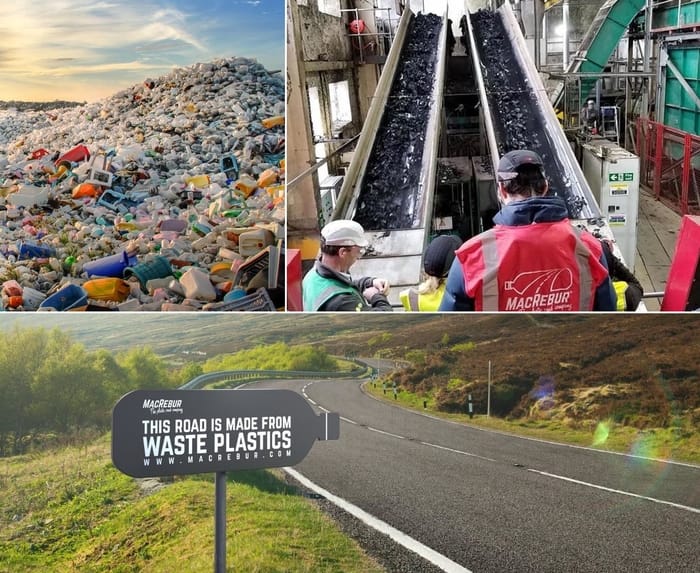
Scotland-based MacRebur company creates pellets out of recycled plastic waste and lays roads that are 60% stronger and expected to last about ten times longer than asphalt roads. One kilometer stretch of road uses the equivalent of about 684,000 plastic bottles or 1.8m single-use plastic bags.
-
Coronavirus has disrupted supply chains for nearly 75% of U.S. companies (axios)
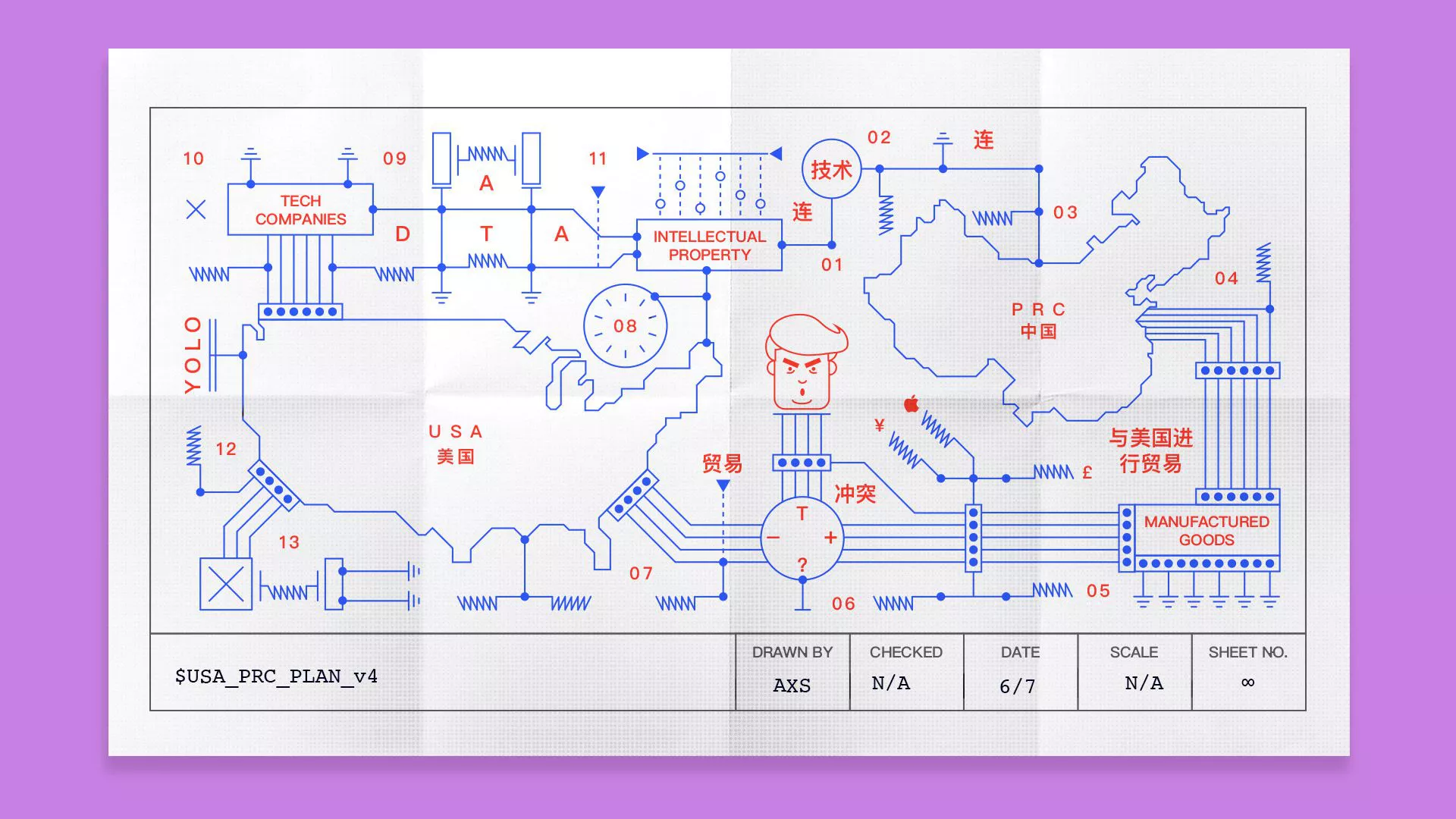
- Manufacturers in China report operating at 50% capacity with 56% of normal staff.
- More than 44% of respondents said they did not have a plan in place to address supply disruption from China.
- Six in 10 (62%) respondents are experiencing delays in receiving orders from China.
- More than half (53%) are having difficulty getting supply chain information from China.
#Comment: It is high time for the global community to take alternative, resilient bioregional supply chains much more serious. Scale out, not Scale up.
-
Global Electricity Review 2020 - by ember
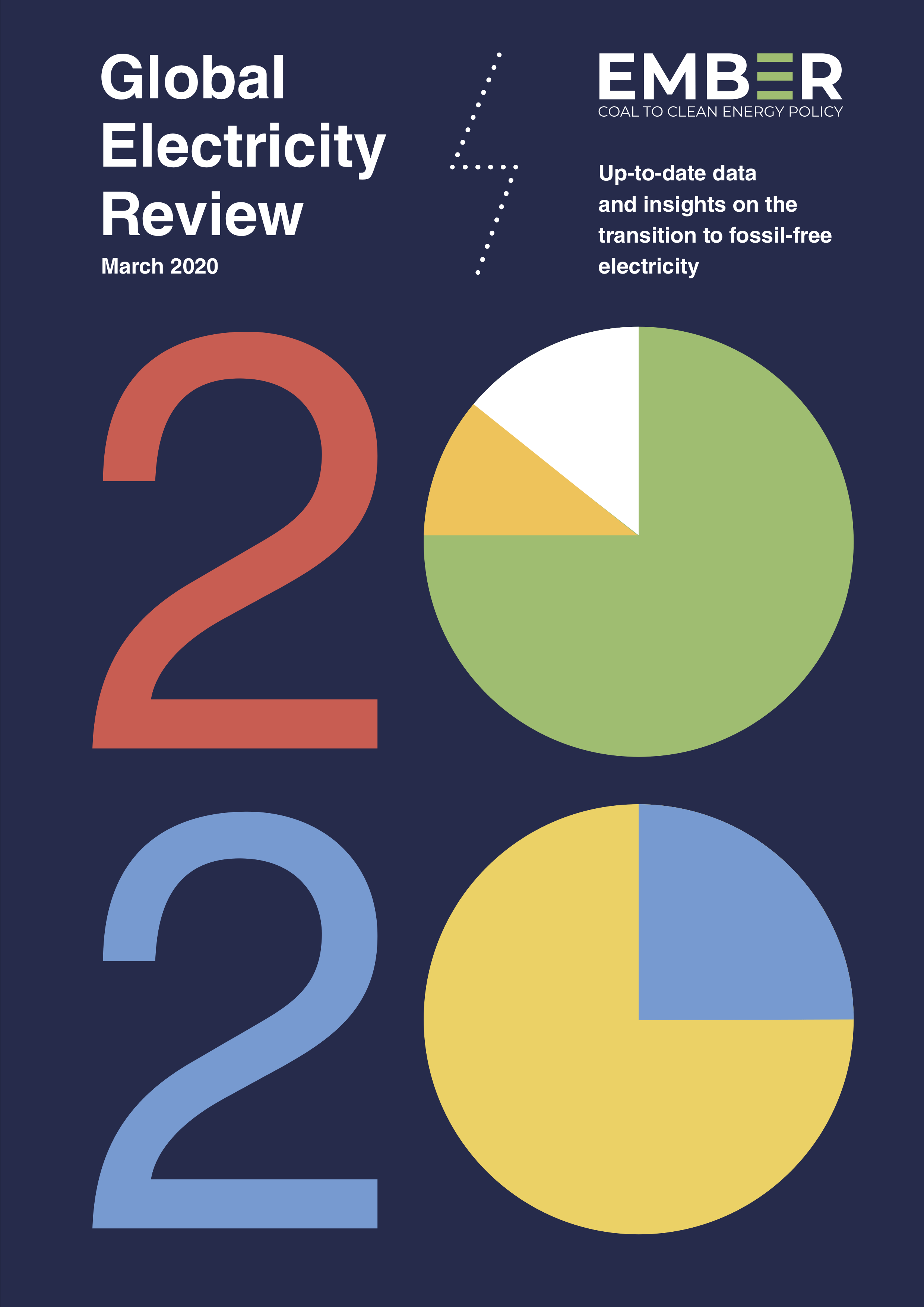
Key finding 1: Global coal-fired electricity generation fell by 3% in 2019, leading to a 2% fall in CO2 power sector emissions.
2: But falling coal generation is not yet the “new normal”, which means limiting climate change to 1.5 degrees is looking extremely difficult.
3: Wind and solar generation rose by 15% in 2019, generating 8% of the world’s electricity.
4: The US coal collapse is undermined by a switch to gas, whereas the EU is leapfrogging from coal to wind and solar. -
Empty Skies. The Corona Virus is "helping" humans reach climate change targets much faster...
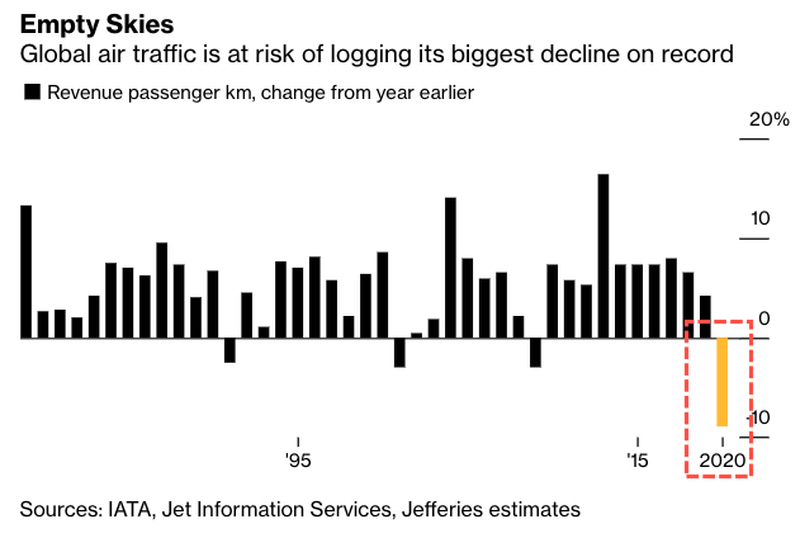
Related: Norwegian Air Suspends 4,000 Flights, Cuts Half Its Employees
-
China, post-virus, will invest 34 trn yuan (equivalent to 34% of 2019 GDP) on "new infra" - 5G, UHV, intercity high-speed railway, new energy vehicles, big data centers, AI (via)
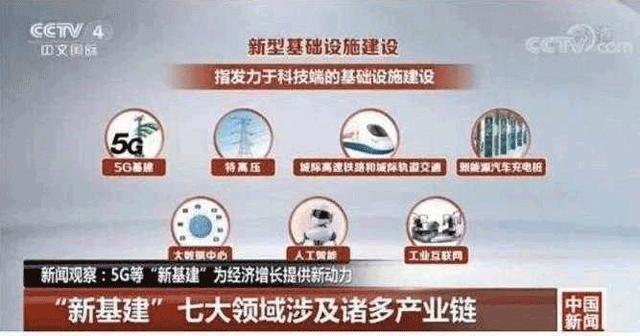
As of March 1, 13 provinces and municipalities have released a list of investment plans for key projects in 2020. The investment list includes a total of 10,326 projects, totaling 33.83 trillion yuan; another 8 provinces announced annual investment, totaling about 2.79 trillion yuan.
-
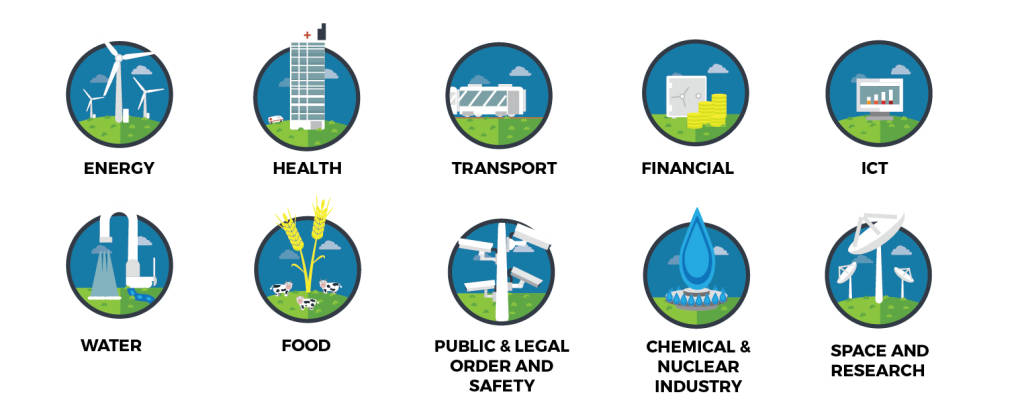
Critical infrastructure is a term used by governments to describe assets that are essential for the functioning of a society and economy – the infrastructure.
-
Uber and Lyft generate 70 percent more pollution than trips they displace: study

According to the Union of Concerned Scientists, ride-hailing trips today result in an estimated 69% more climate pollution on average than the trips they displace. In cities, ride-hailing trips typically displace low-carbon trips, such as public transportation, biking, or walking. Uber and Lyft could reduce these emissions with a more concerted effort to electrify its fleet of vehicles or by incentivizing customers to take pooled rides, the group recommends.
Uber Adding To Air Pollution In Europe - Report
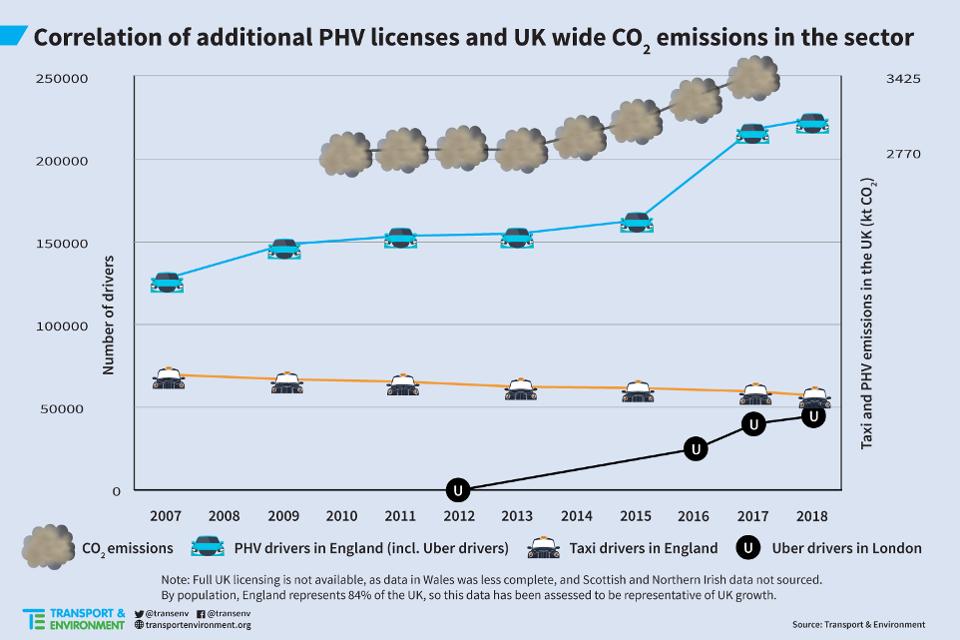
The report suggests the surge in taxi apps like Uber is actually contributing to air pollution and climate change. Data compiled by Euromonitor shows a correlation between the surge in the number of ride-share drivers in major European cities and increasing levels of air pollution.
-
Uber and Lyft Are Creating Traffic, Not Reducing It
Rather than the apps becoming a model of algorithm-driven efficiency, drivers in major cities cruise for fares without passengers an estimated 40% of the time. Multiple studies show that Uber and Lyft have pulled people away from buses, subways and walking, and that the apps add to the overall amount of driving in the U.S. A study found that over 60% of the slowdown of traffic speeds in San Francisco between 2010 and 2016 was due to the introduction of the ride-hail companies.