tag > Mindful
-
A Brief Study on the Fitness Effects of Standing Exercise - by Chen Gang
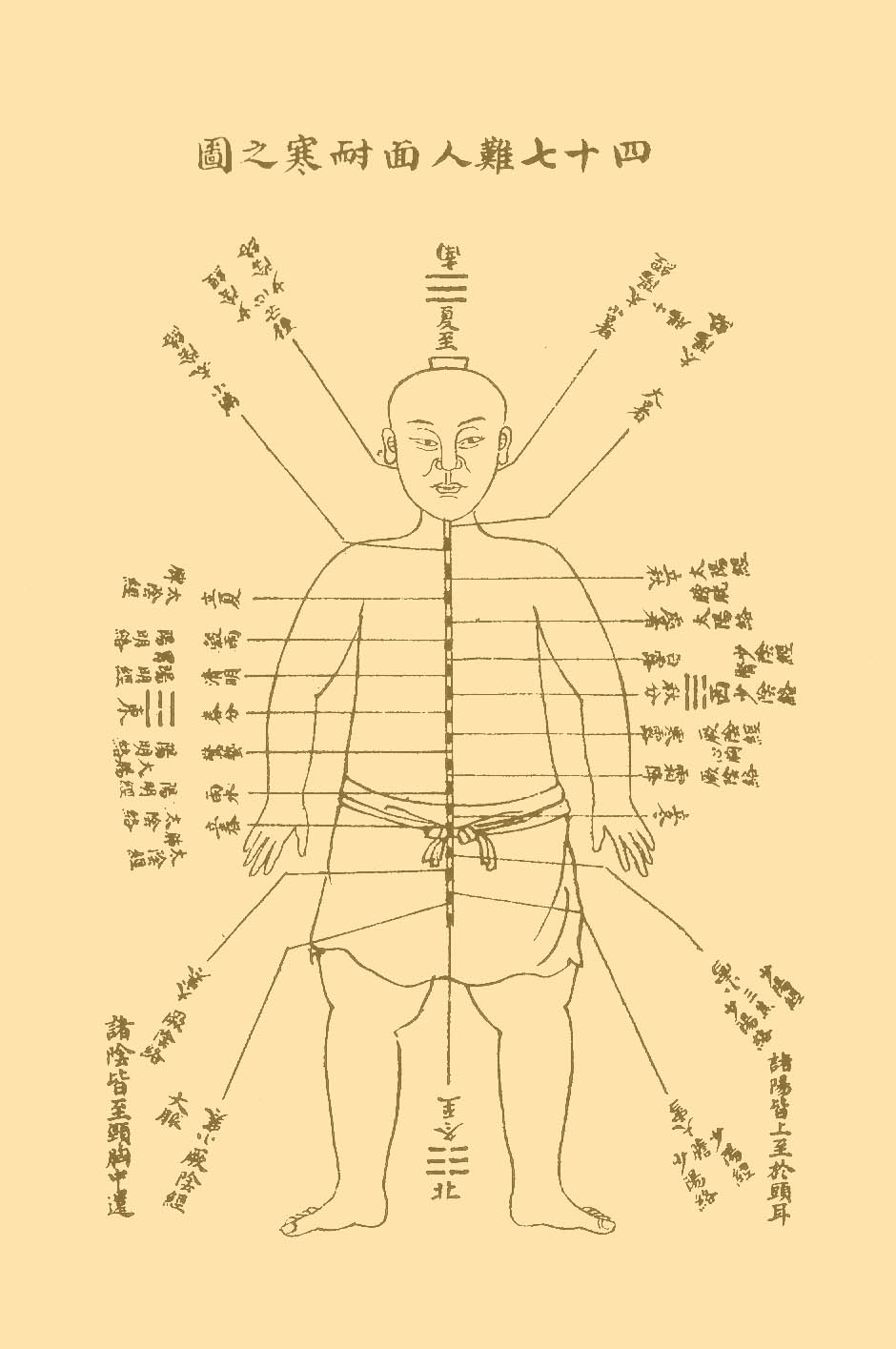
Health can be said to be an eternal subject of human development, and health preserving is a widespread concern. In the thousands of years development process in China, a large number of health methods have been formed, which have some common characteristics, namely the basic operation contents including regulating body, breathing and mind (three regulations), the basic standard of being relaxed and nature, as well as the core of training qi.
Among many fitness methods, standing exercise can be said to be a simple, practicable and effective method. Standing still of the standing exercise is a kind of intensive exercise. To stand firm and steadily, the bones and muscles need to maintain the appropriate nervous coordination state, including the consumption and supplement of energy. It consumes biological energy and chemical energy, and replenishes the "vitality" of human body. "Huangdi Neijing" (The Inner Canon of Huangdi) said, "Support heaven and earth, grasp yin and yang, breathing essence qi with single-leg stance and mind concentration, and the muscles and bones incorporated into one". The single-leg stance and mind concentration aims to "looking inward". There is also a saying that "Standing exercise is a hundred times better than practicing". I will explain the fitness effects of standing exercise from the following three aspects.
"Three regulations" of the standing exercise
First, the regulation of body:
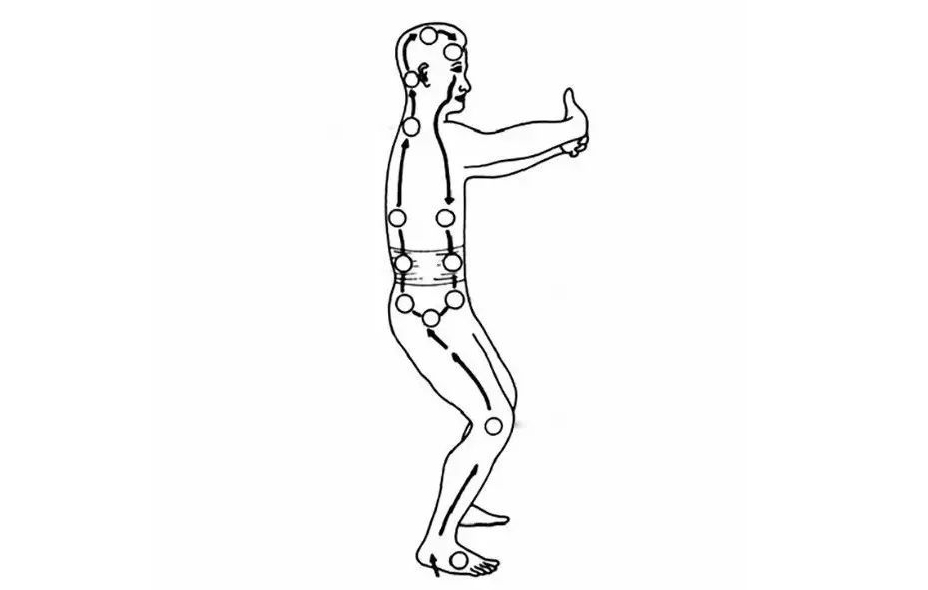
Feet shoulder-width apart, toes forward, do not slant outward nor inward, and stand naturally. Bend knees slightly with upright body, keep chest inward, and relax lower abdomen. Lift hands to the front of abdomen and slightly spread fingers. The distance of hands is about 10 to 20 cm, and both hands are away from abdomen about 20 to 25 cm. Hands encircle into an oval shape with the height of between shoulder and crotch. Exercisers should keep head and neck straight with head upward, lower shoulders and elbows, empty axillas, stretch wrists and fingers, keep chest inward and stretch back, erect spine and lower hips, buttocks in, tongue touches the palate, toes grip, and look forward (eye closure or semi-closure are all ok) with a faint smile on the face.
Second, The regulation of breathing
The mouth is apparent close. Give priority to the nasal natural breathing and gradually increase the depth of breathing, transforming to abdominal breathing.
Third, The regulation of mind
Start with the "three lines relaxation method":
The body can be successively relaxed though three lines, namely the front, back, and both sides.
- The first line: both side of head→ both sides of neck → shoulders → forearms →wrists → hands → fingers.
- The second line: face → neck → chest → abdomen → thighs → knees → shanks → feet → toes.
- The third line: back of head → back of neck → back → waist →back of thighs→ popliteal space→ shanks → feet → soles.
Keep mind concentration on a part and meditate "relaxation", while leaving this part, and then keep mind concentration on next part and meditate "relaxation". Start from the first line and step by step, after finishing the relaxation of the first line, and then relax along the second line and third line.
After finishing the relaxation of each line, keep mind concentration on the cease point of the line gently. The cease point of the first line is the middle finger, the cease point of the second line is the big toe, and the cease point of the third line is the heart of the center of foot. After finishing the relaxation of three lines, that is a cycle, focus on the navel, and gently mind concentration on the navel for 3 to 4 minutes in the quiet state. Usually, exercisers should practice 2 to 3 cycles every time, quiet down, and then complete the exercise. In the meditation, if exercisers have not obviously experienced the feeling of "relaxation", do not be impatient and let nature take its course, and continue to relax the body according to the order and meditate "relaxation", properly grasp the speed and strength, and do not too fast nor strong.
To the appropriate extent, "three lines relaxation" gradually transformed to the method of mind concentration and looking inward, such as looking-inward the lower Dantian, and imagining the fever and bloat of Dantian, etc. When feeling the warm, the hotness gradually spread to the entire abdomen. The process must be natural and not artificial, keeping the upper body empty and lower body solid.
Here more on the "Three Lines Relaxation" method - and here a training video.
-
Precision Medicine for Breath-Focused Mind-Body Therapies for Stress and Anxiety: Are We Ready Yet? - by Helen Lavretsky MD and Jack Feldman PhD
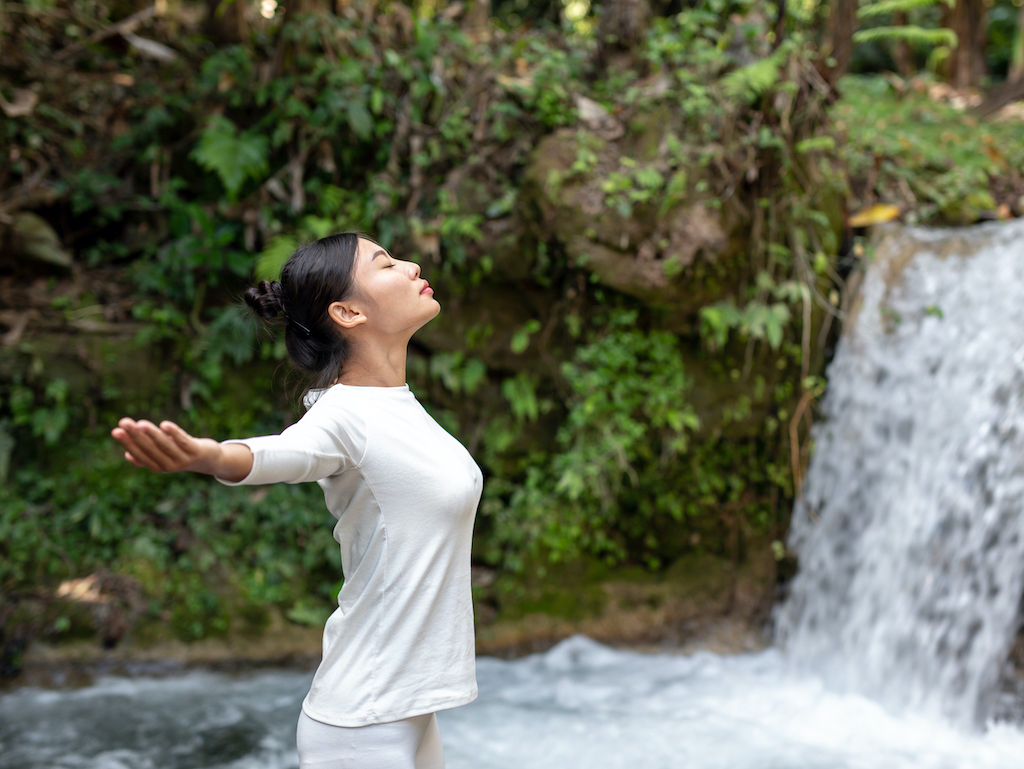
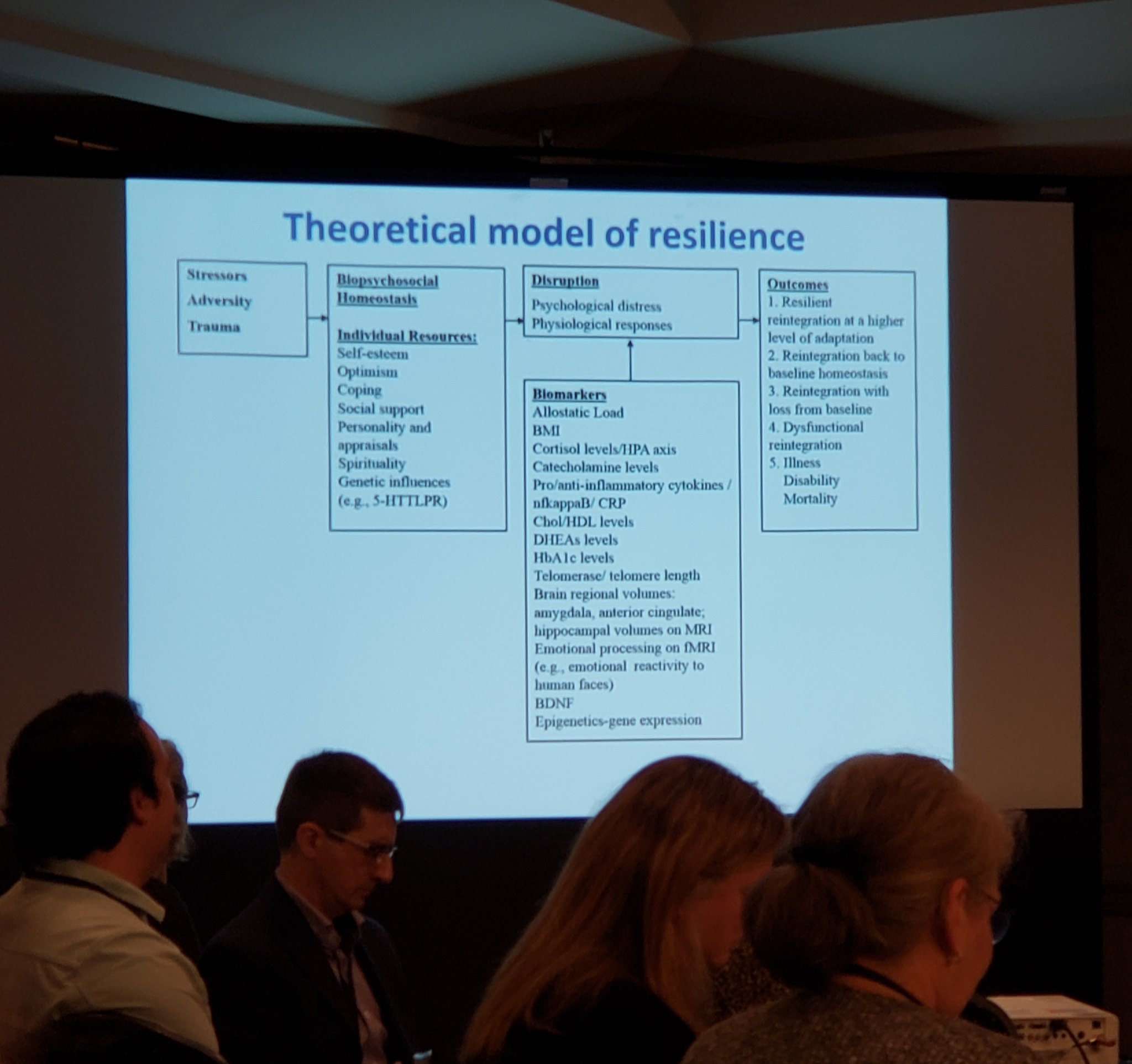
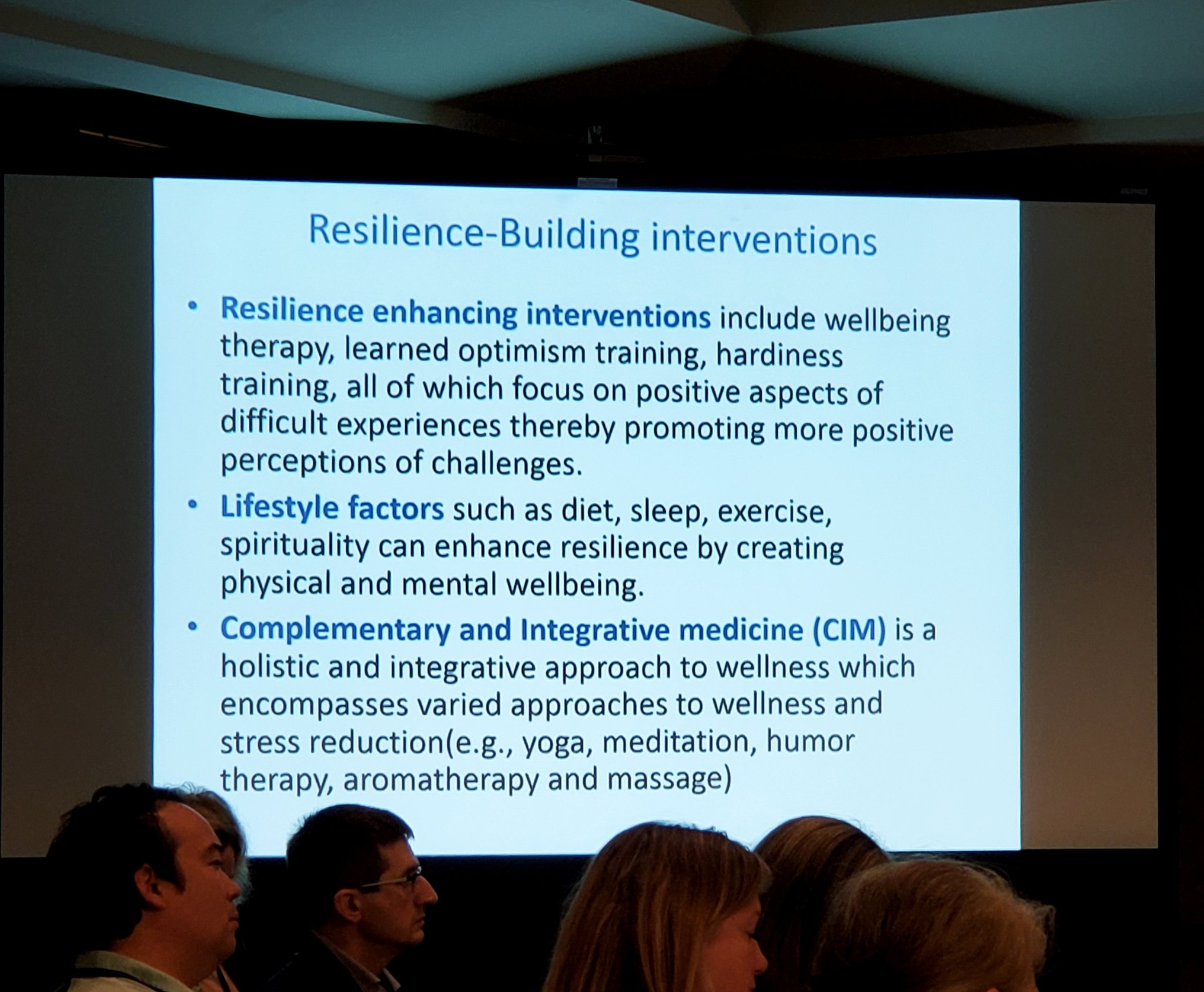
In this viewpoint, we present an argument for transdisciplinary “precision medicine” approaches that combine studies of basic neurobiology of breathing in animal and human models of stress that can help characterize physiological and neural biomarkers and mechanisms of breathing control and emotion regulation in humans. Such mechanistic research is fundamental for the development of more effective and mechanism-based mind-body therapies. The potential for this research to positively impact public health is high, as breathing techniques are inexpensive, accessible, and cross-culturally accepted, with fewer complications then observed with other standard therapies for stress-related disorders.
Mind-body Interventions for Brain Health in Older Adults - talk by Dr. Helen Lavretsky
-
“
In silence there must be movement, and in motion, there must be silence.
A small movement is better than a big,
no movement is better than a small
movement, silence is all the movement's mother.
In Movement you should be like a dragon or a tiger.
In non Movement you should be like a Buddha.
” - Wang Xiang Zhai
-
"I would rather lead a simple life than dine on riches, and live in fear." - Art by Richard Scarry

-
"Abandon hopelessness, all ye who enter here." — G.K. Chesterton

-
Standing alone and unchanging
Standing alone and unchanging.
One can observe every mystery,
Present at every moment and ceaselessly continuing -
This is the gateway to indescribable marvels.
- Lao Tzu, the Tao Teh Ching -

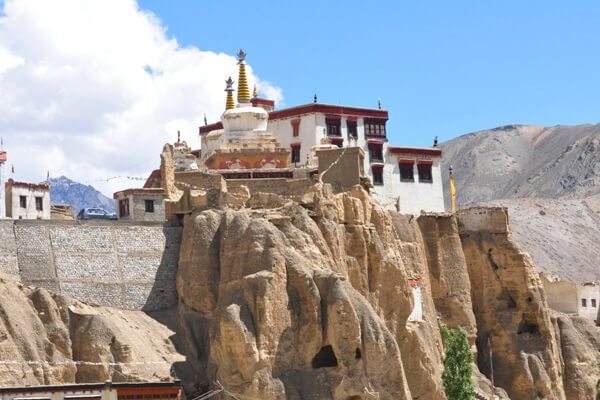
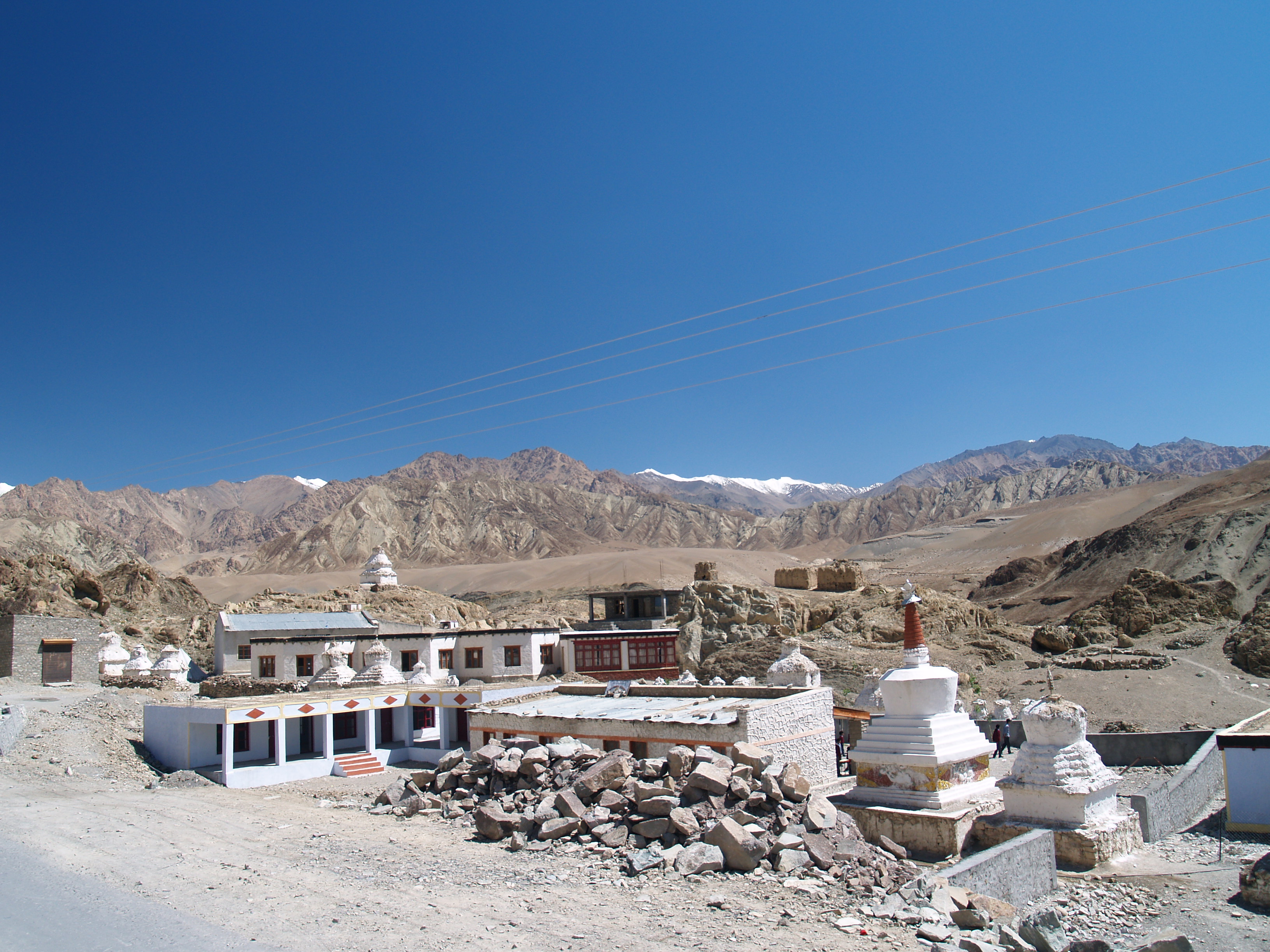
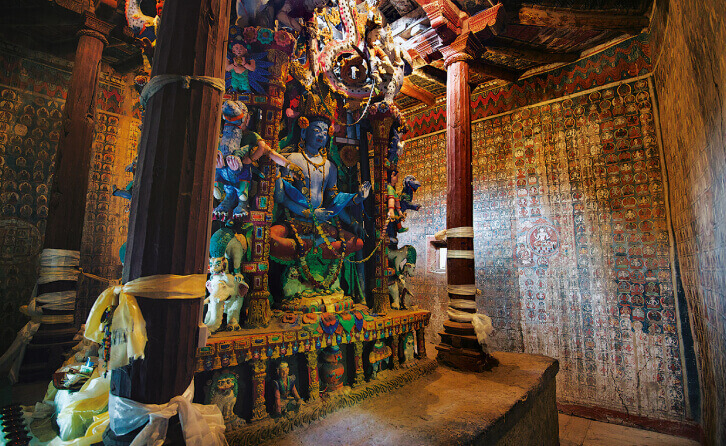
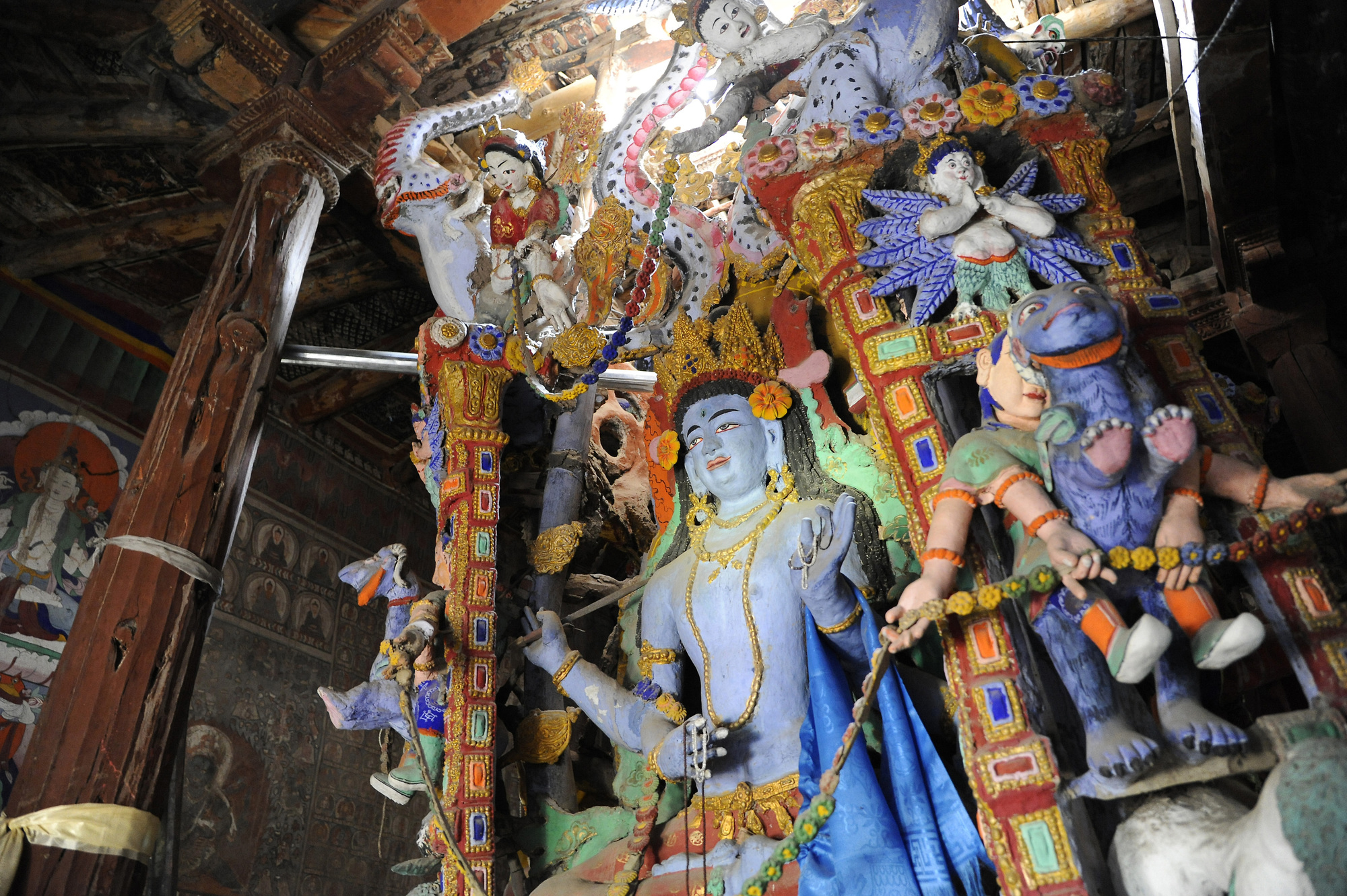
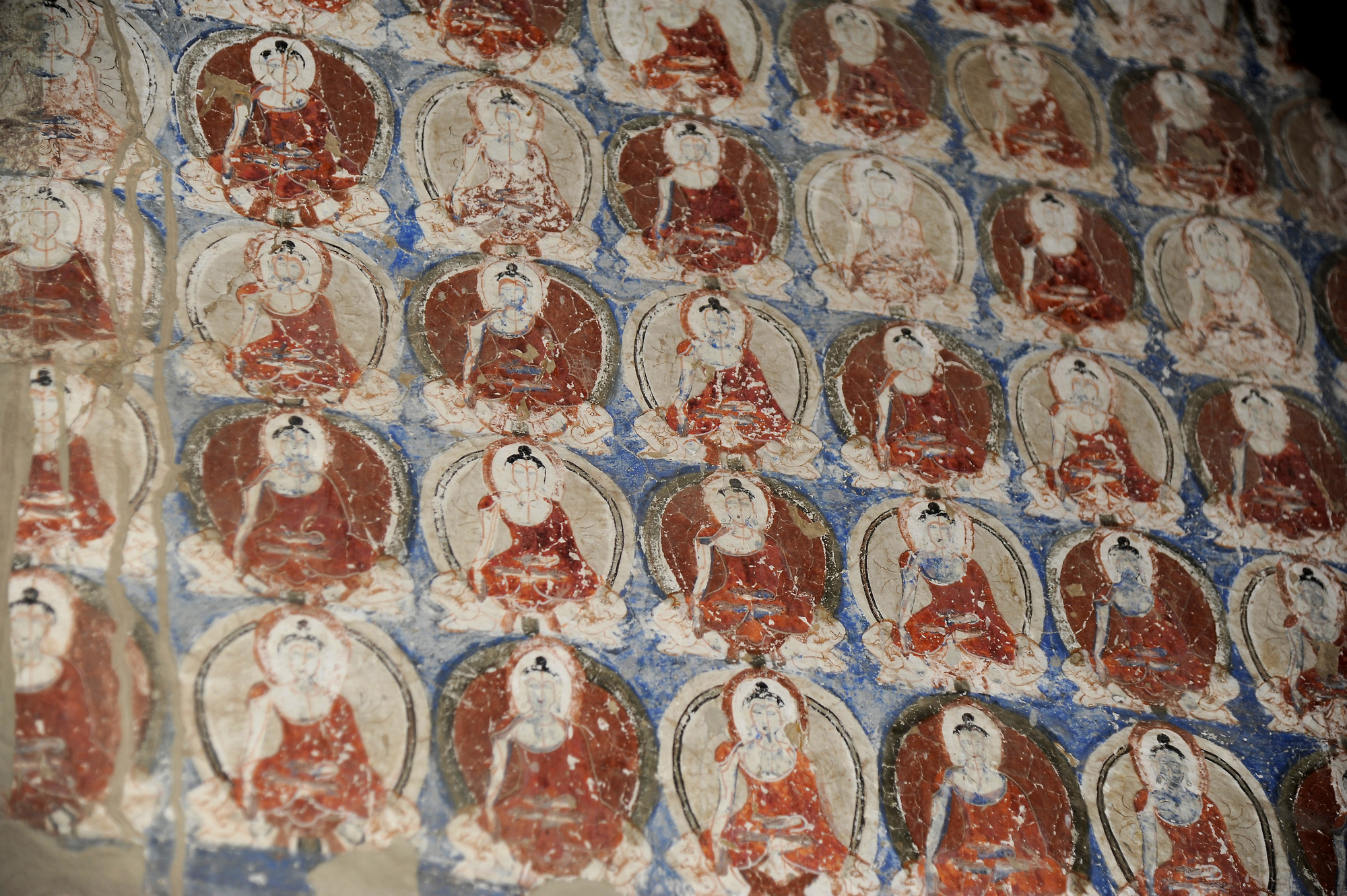
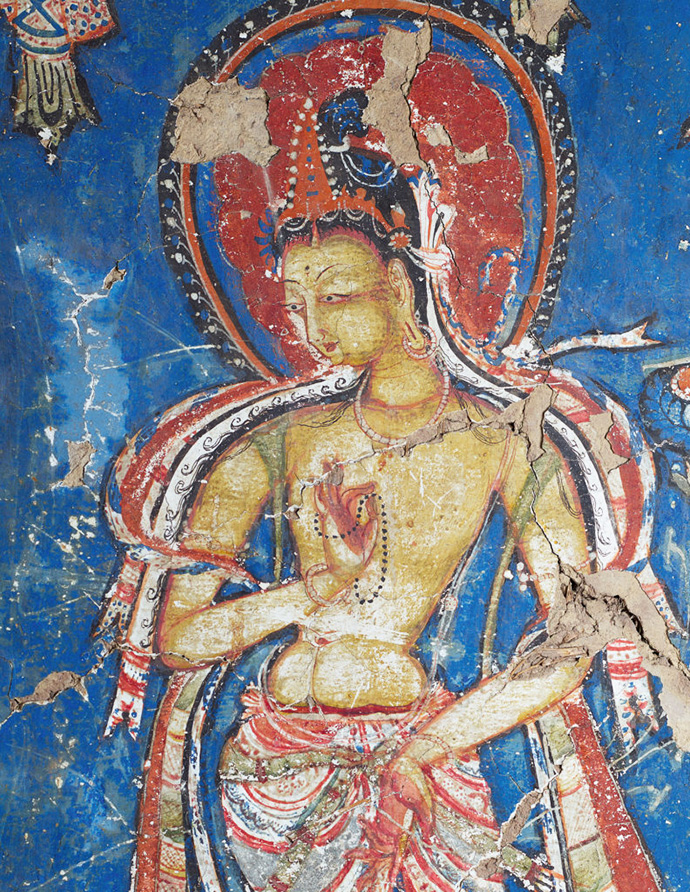
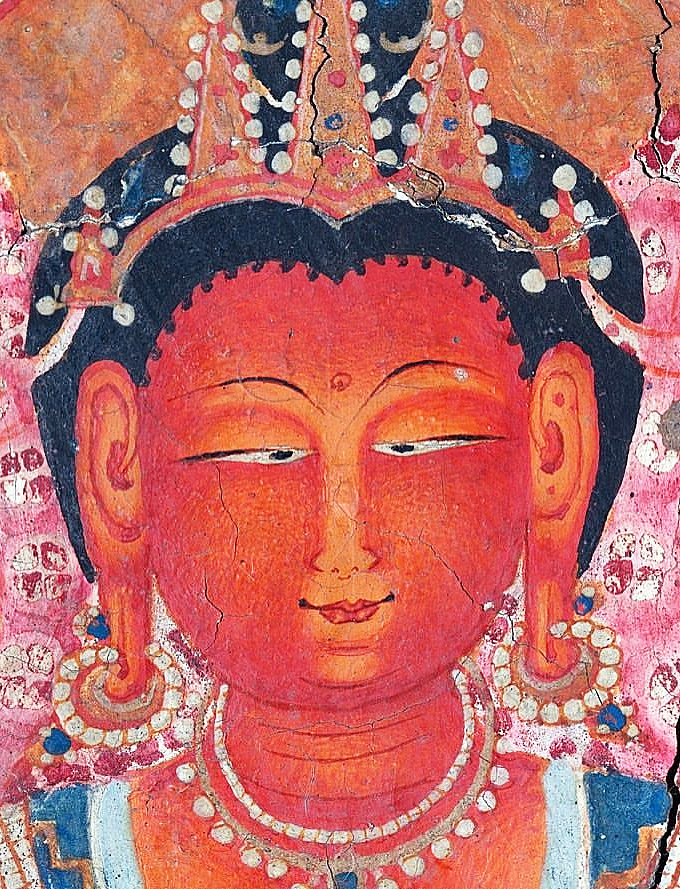

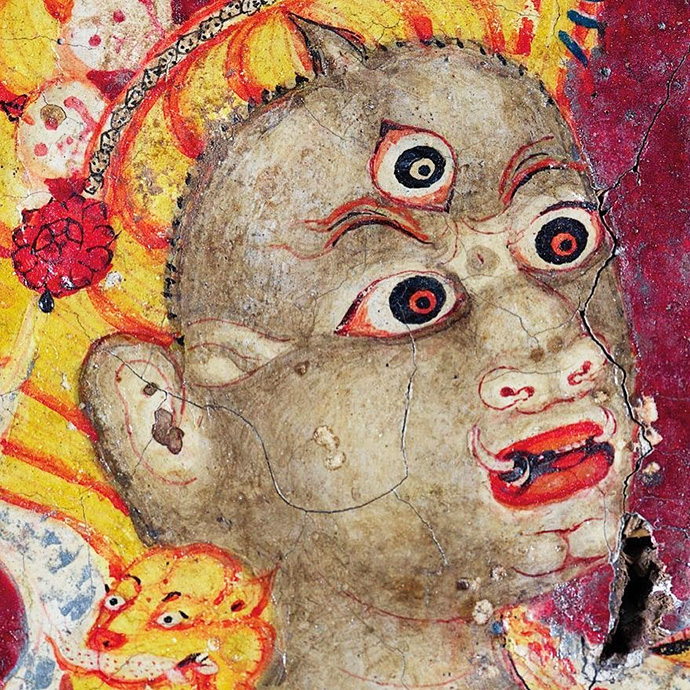
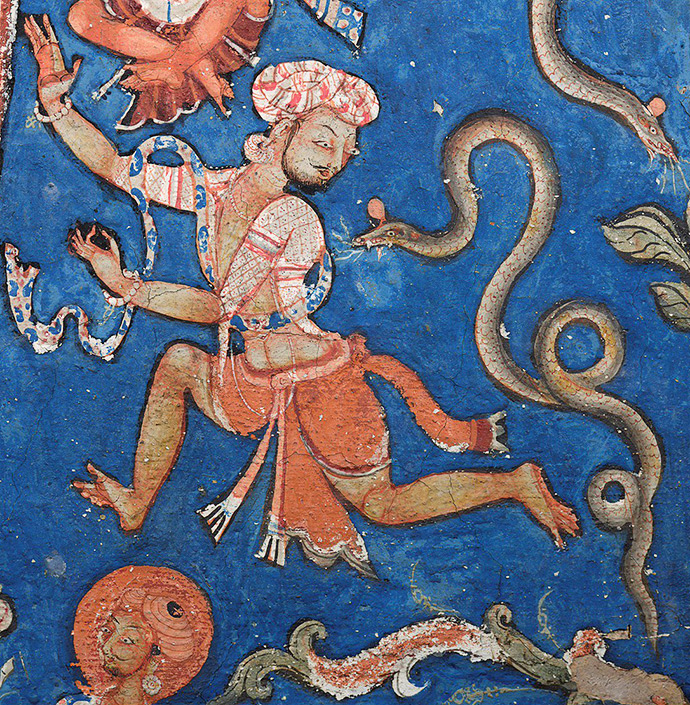
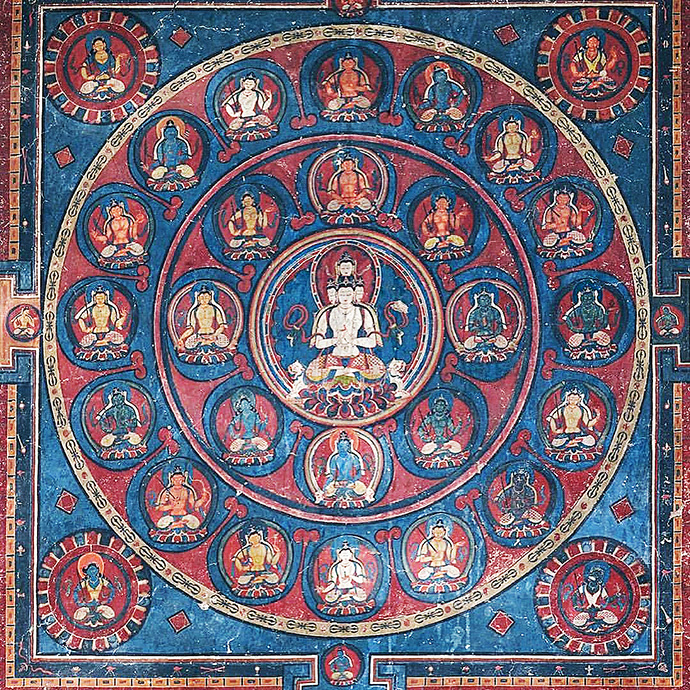
Related Video: “New Research on Alchi Monastery, Ladakh” - by Christian Luczanits (2021)
-
Om mani padme hum (ॐ मणि पद्मे हूँ,)
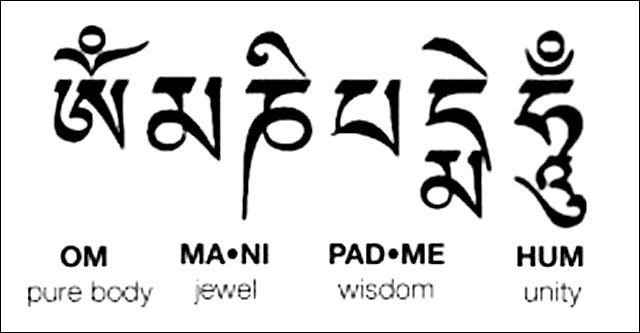
Recent Related Scientific Research : Frequencies of the Buddhist Meditative Chant – Om Mani Padme Hum • Effect of hypothermia on cognitive capabilities in snail (Achatina fulica) and their recovery post exposure to the Buddhist meditative chant “Om Mani Padme Hum”
-
Published scientific studies on meditation
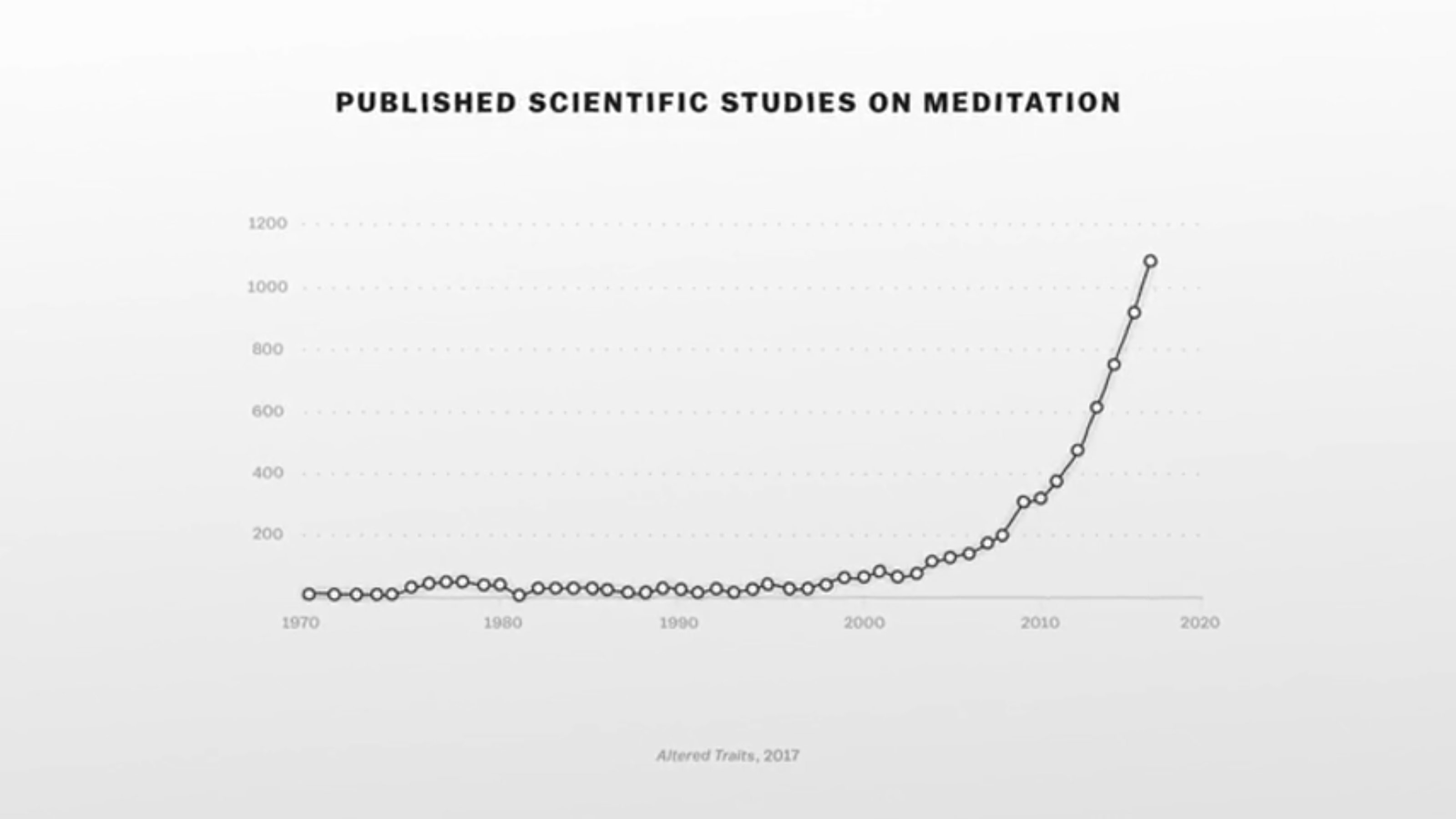
(via "The Mind, Explained" S01 E04) #Mindful #Science #NeuroScience