tag > NeuroScience
-
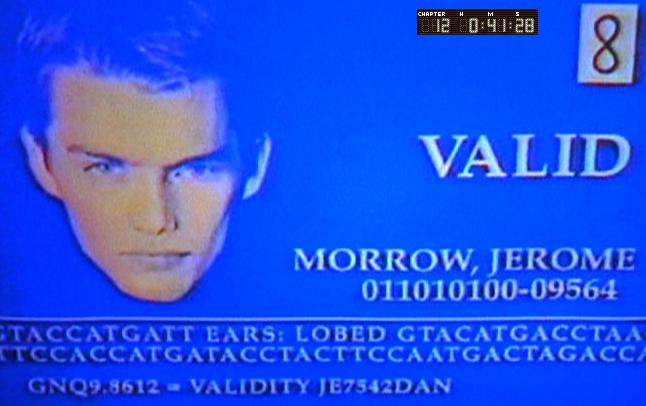
New GWAS research found genetic links between poor math ability and most psychiatric disorders. Links between strong language ability and schizophrenia and employment in creative professions were also found.
#Comment: They measure genetic predictors of only 30,982 individuals in "school performance" which is a strange metric awarded by a strange institution, and then ignore the complex web of influences and make bold claims. Pathways to eu-gene-ics?
"There are no genes 'for intelligence.' Mutations in thousands of genes indirectly and non-specifically affect intelligence." - From Innate: How the Wiring of Our Brains Shapes Who We Are, by Kevin Mitchell, Princeton University Press (2018).
-
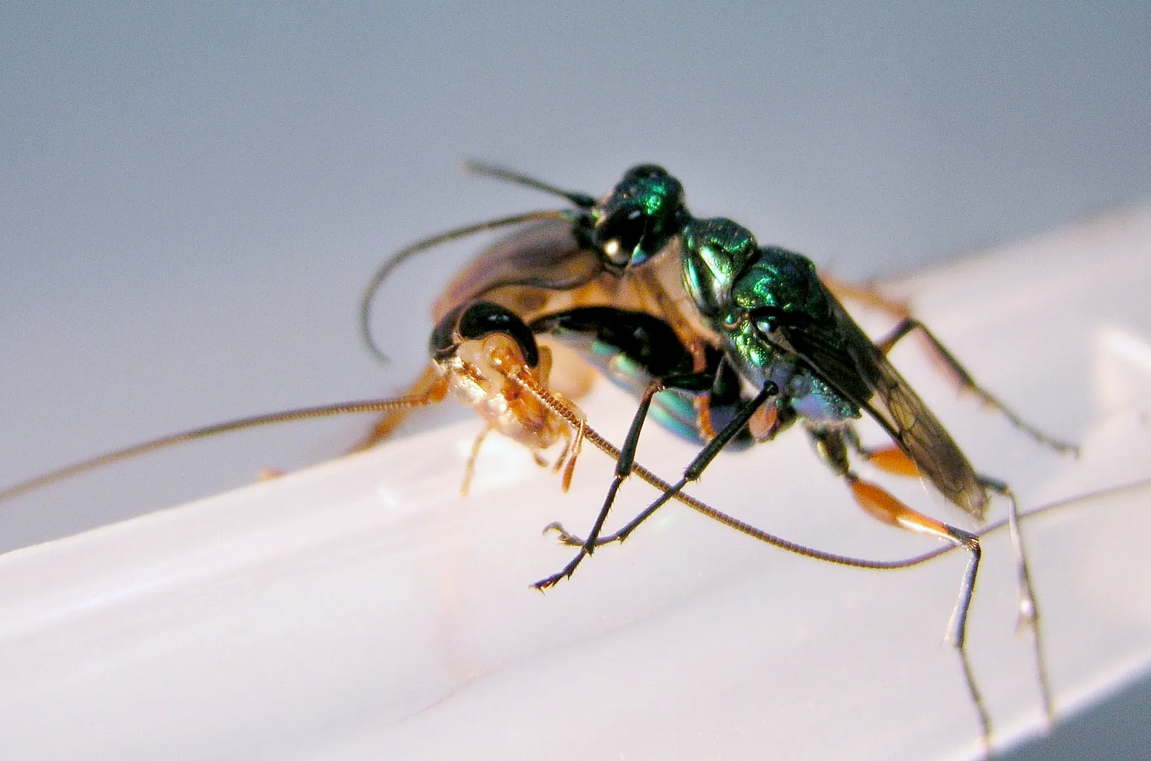
How a Wasp Turns Cockroaches into Zombies (more, more) "A special chemical blend injected into the brains of cockroaches makes them pawns in the jewel wasp’s control—and perfect live food for its offspring"
-
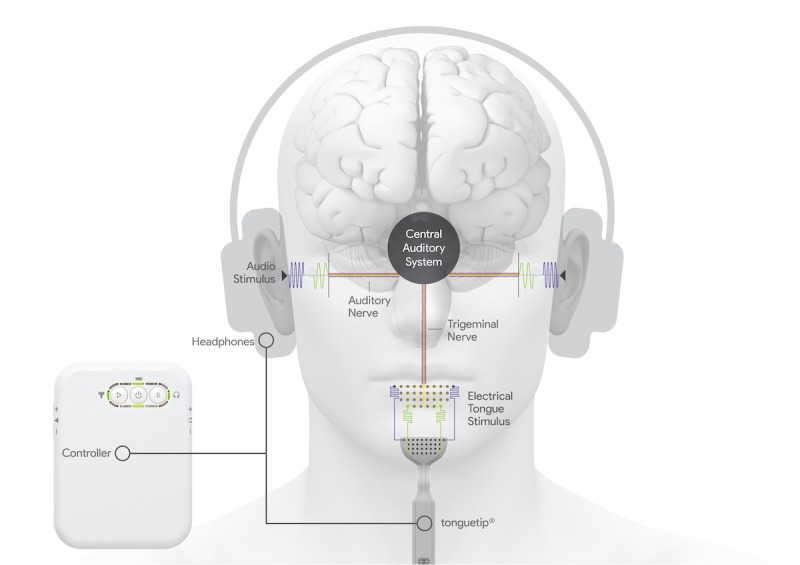
Bimodal Neuromodulation: Non-invasive stimulation device that deliver sound to the ears and electrical stimulation to the tongue or other body parts, for the treatment of diseases like tinnitus.
-
What Octopus and Human Brains Have in Common
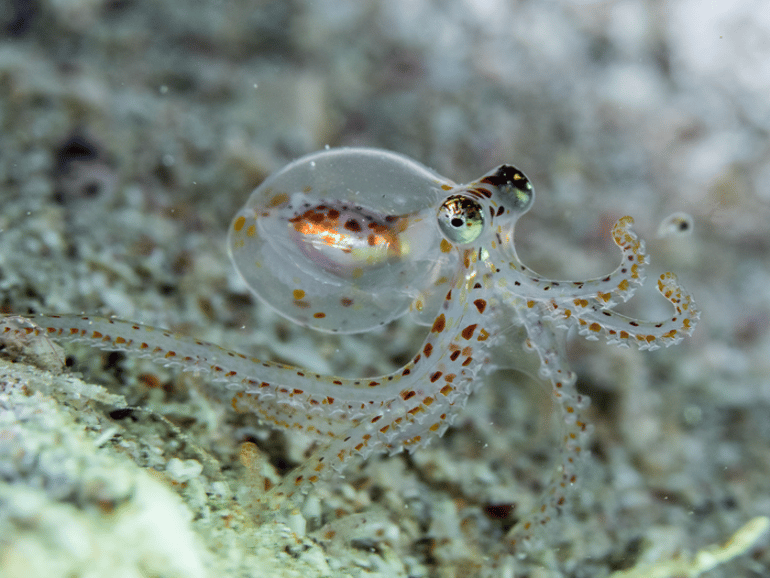
Octopuses have a massively expanded repertoire of miRNA in their neural tissue, reflecting a similar development to that which occurred in vertebrates. Findings suggest miRNA plays a significant role in the development of complex brains.
“This is the third-largest expansion of microRNA families in the animal world, and the largest outside of vertebrates”
-
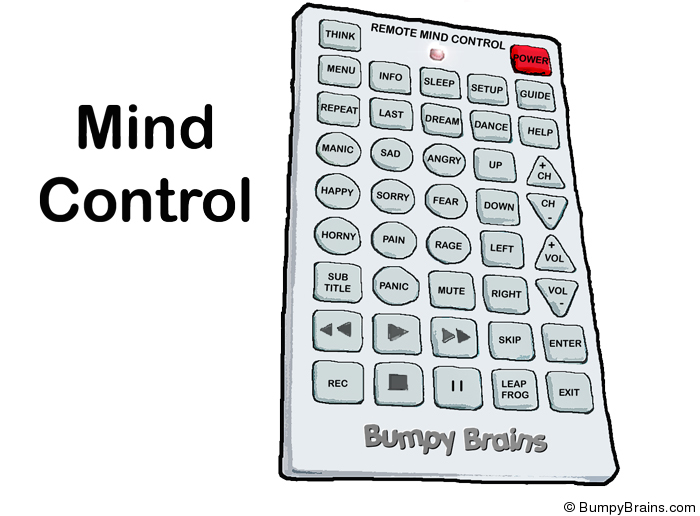
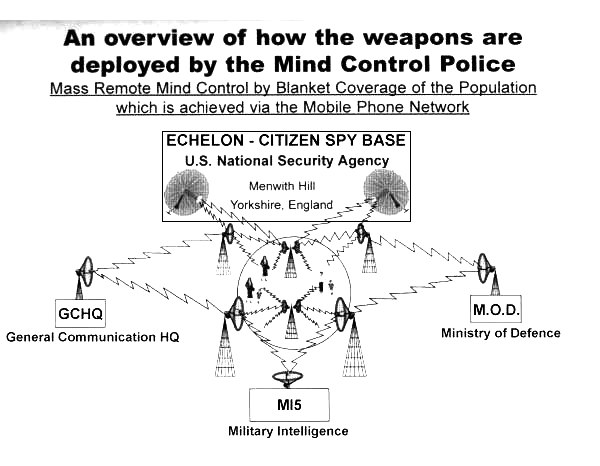
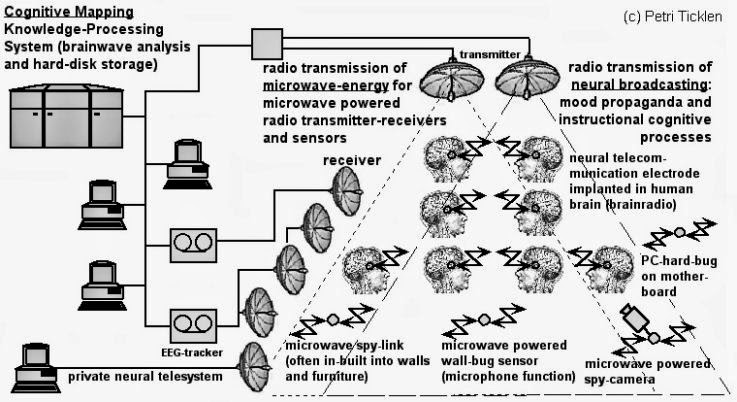
Mind Control is fantastic as long as you are the one doing it to yourself...
-
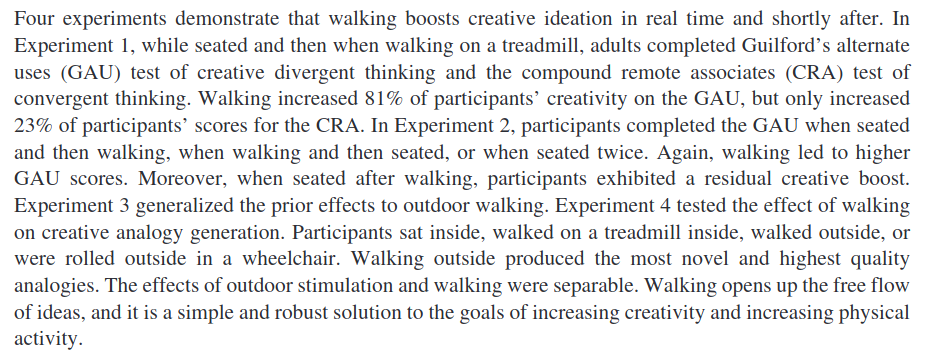
Give Your Ideas Some Legs: The Positive Effect of Walking on Creative Thinking
Paper found walking (whether outdoors or a treadmill) increased key types of creative thinking for over 80% of undergraduates. The reasons are not fully clear, but there seem to be direct effects on the brain.
-
Who gets to define what is normal?
"Insanity - a perfectly rational adjustment to an insane world."
"There is no such condition as 'schizophrenia,' but the label is a social fact & the social fact a political event."
Quotes from R.D.Laing's "The Politics of Experience" (1967).
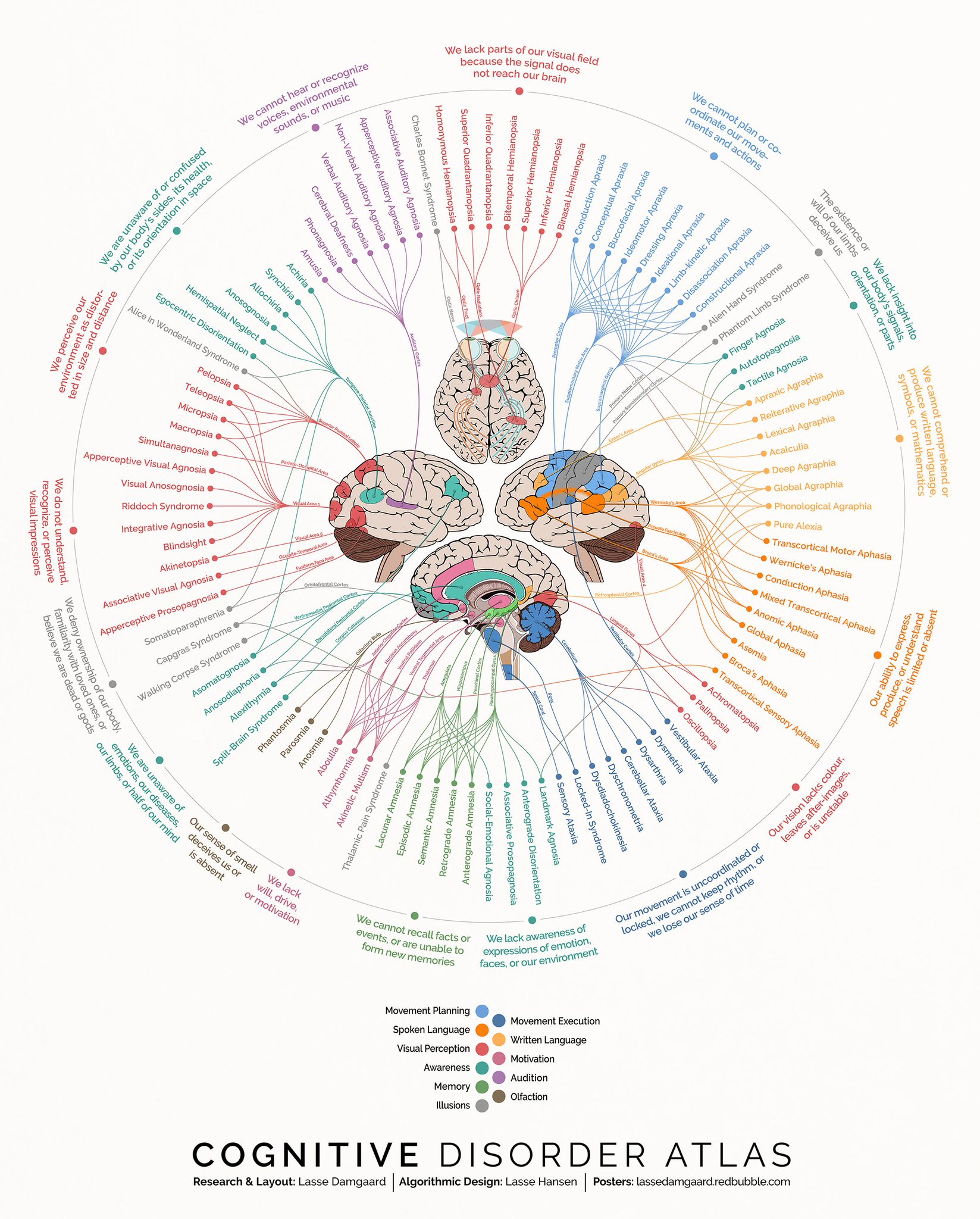
Image: The Cognitive Disorder Atlas
"A useful tool to understand some clinically relevant relationships between brain structure and focal neuropsychological syndromes"
-
What are the effects of Generative Media on Human Psychology?
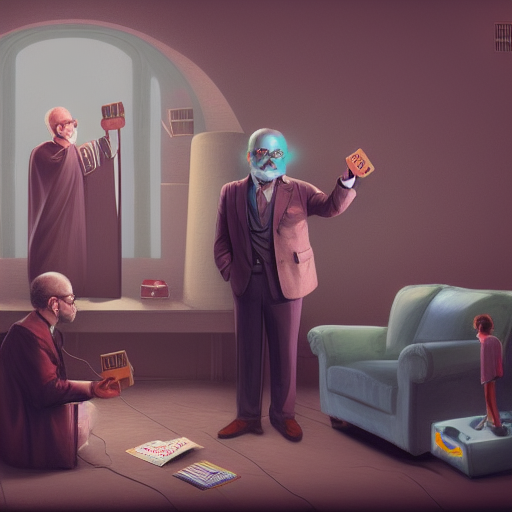
I want to read a study on the effects of prolonged exposure to ML generated images. Interested in questions such:
- Do people start to question the "realness" of non-generated images?
- Do generated images show up in people's dreams?
- Does the perceived value of images change?
- etc. etc.
-
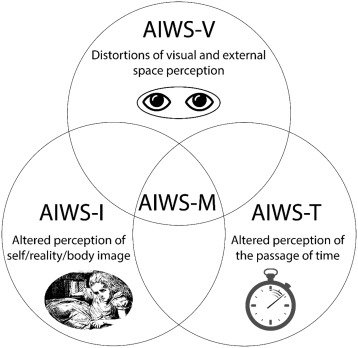
A neuropsychological condition that causes a distortion of perception. People may experience distortions in visual perception of objects, such as appearing smaller (micropsia) or larger (macropsia), or appearing to be closer (pelopsia) or farther (teleopsia) away than they actually are. Distortion may also occur for senses other than vision.
Image from: The Curious Case of the Fast Feelers: A Reflection on Alice in Wonderland Syndrome
-
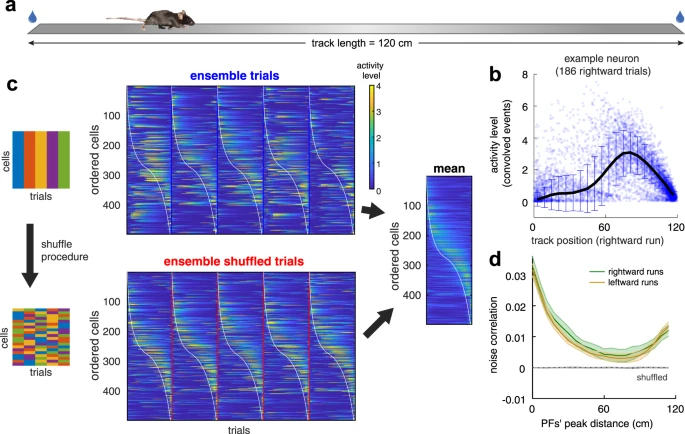
Recent work lead by Omer Hazon and Pablo Jercog reveals that, due to noise correlations, mouse hippocampus only encodes space with a limited resolution of 10cm (about the size of the mouse) & only ~1000 neurons are needed to decode space to this limit.