tag > Politics
-
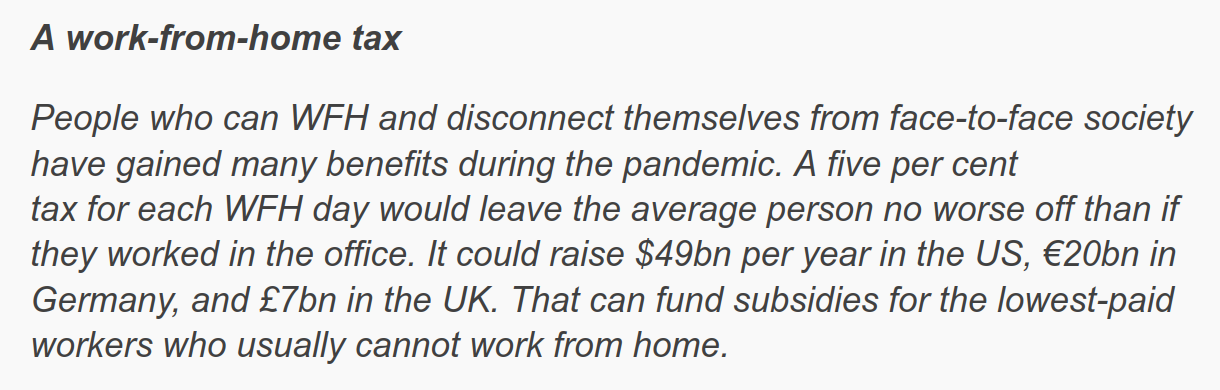
Deutsche Bank Recovery Plan: Tax People for the “Privilege” of Working from Home
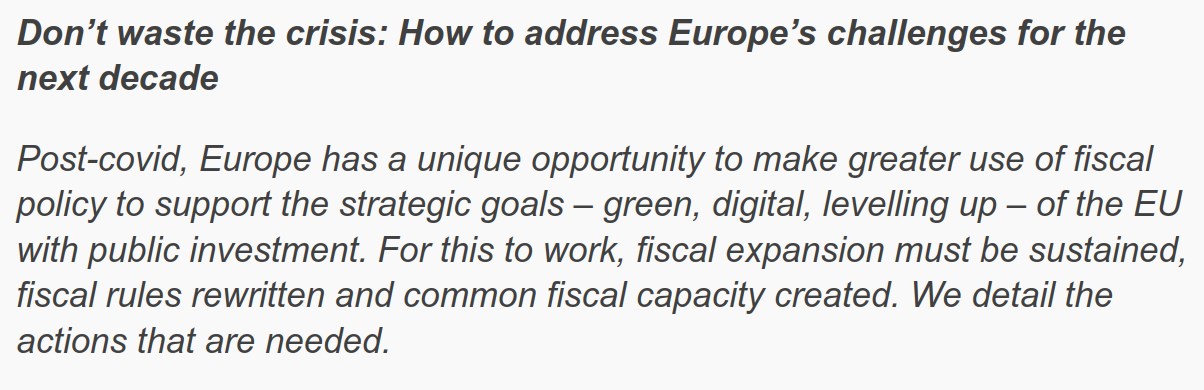
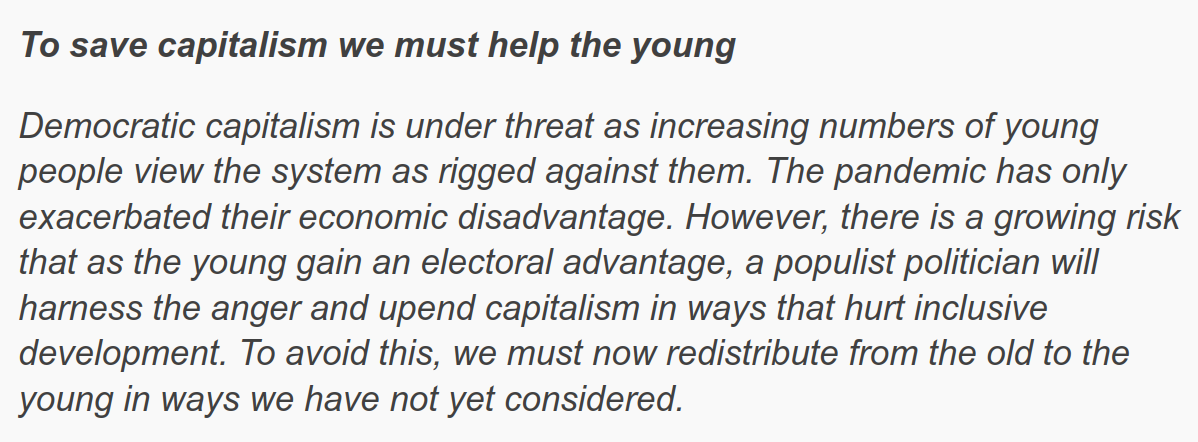
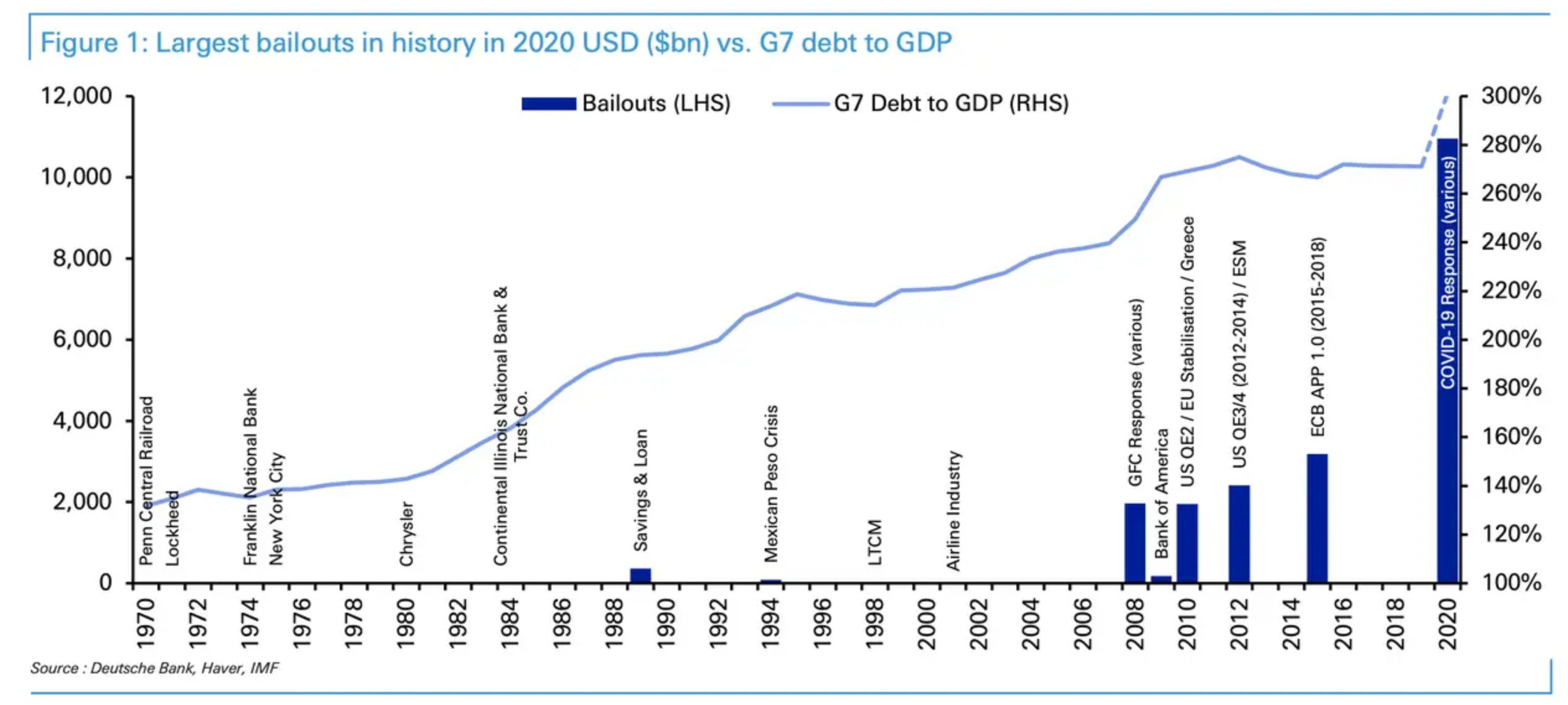
Deutsche Bank warns of too much Corona goverment aid - "Allow creative destruction"
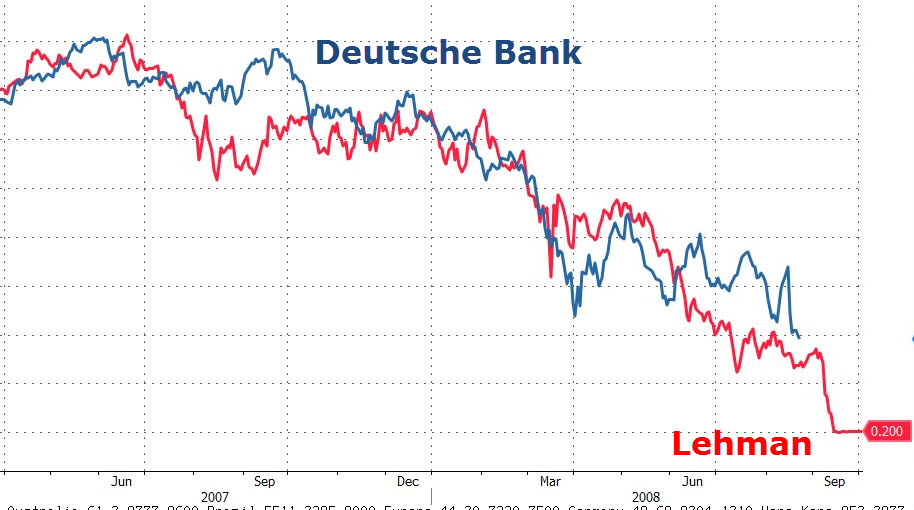
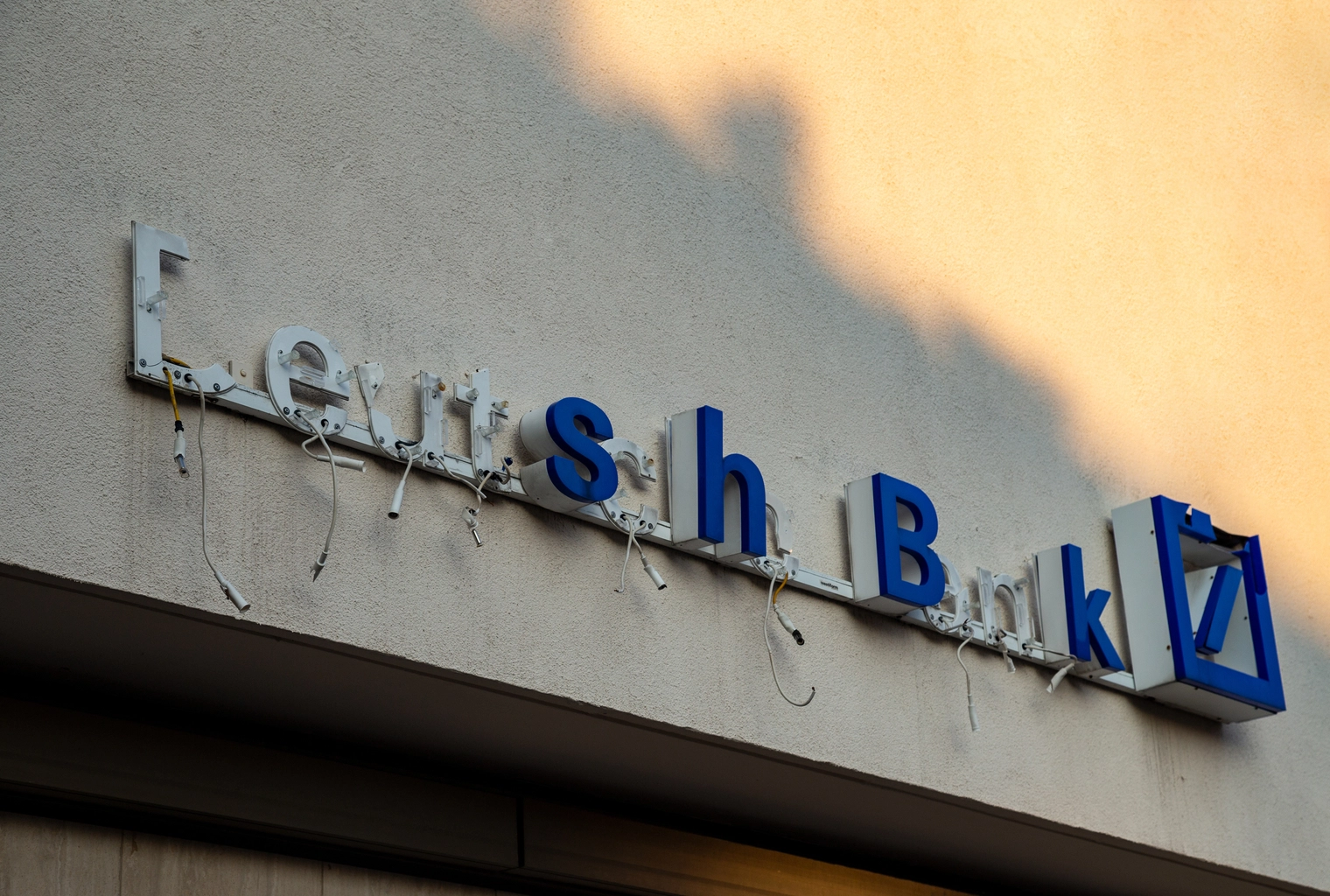
Deutsche Bank Admits It Helped Hitler : Confronting a Dark Past (1995)
Deutsche Bank AG actively aided the expropriation of Jewish businesses and helped Hitler consolidate control over Germany's neighbors between 1933 and 1945, according to a history of the bank to be published in March.
-
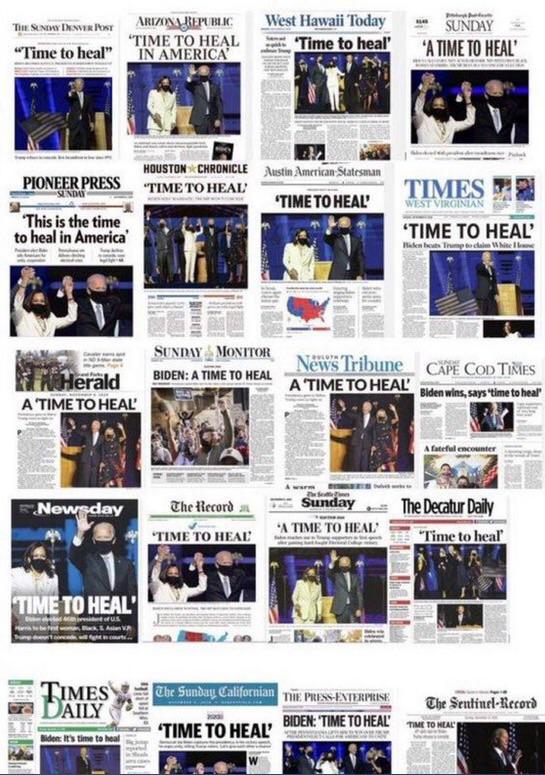
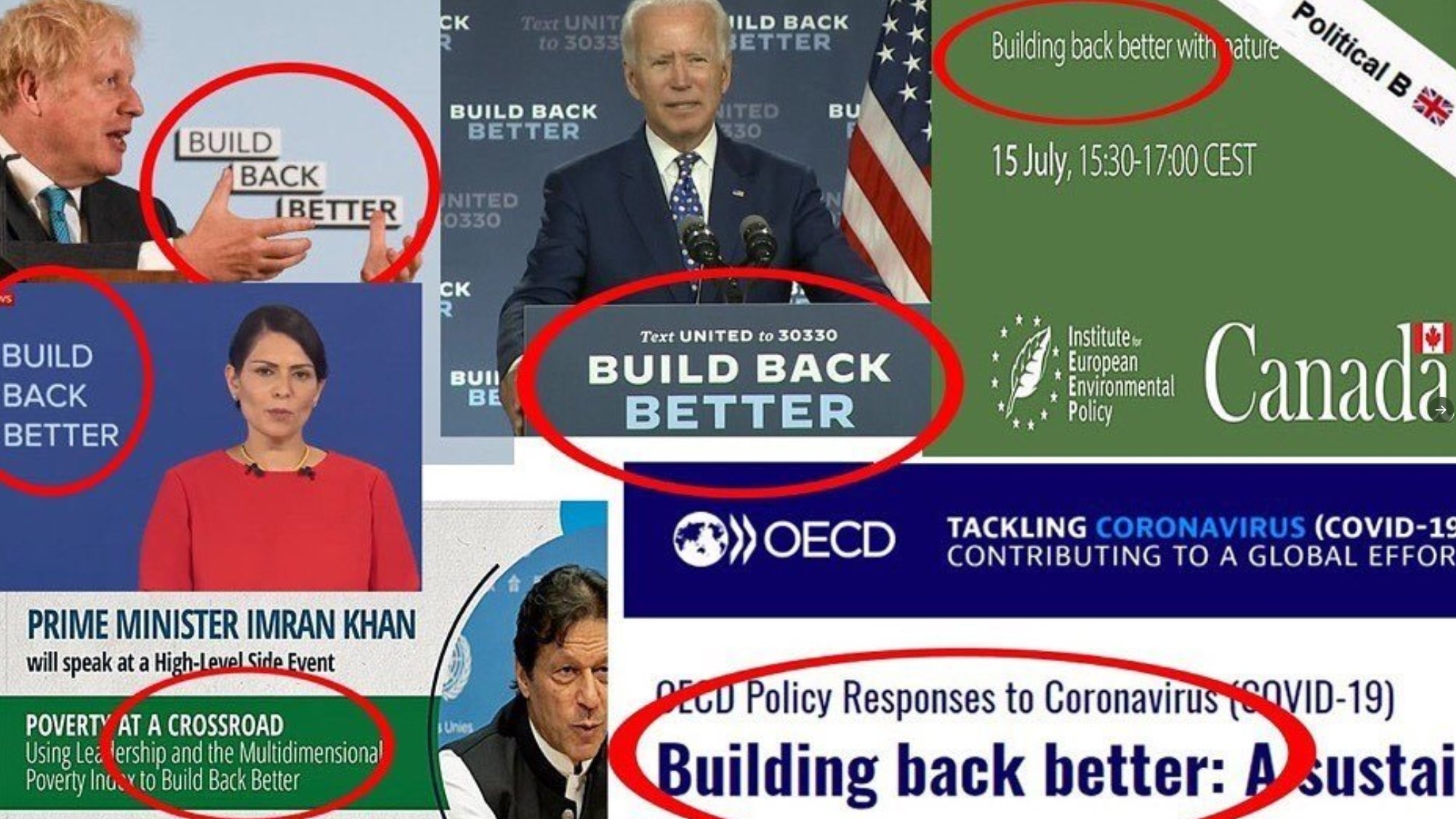
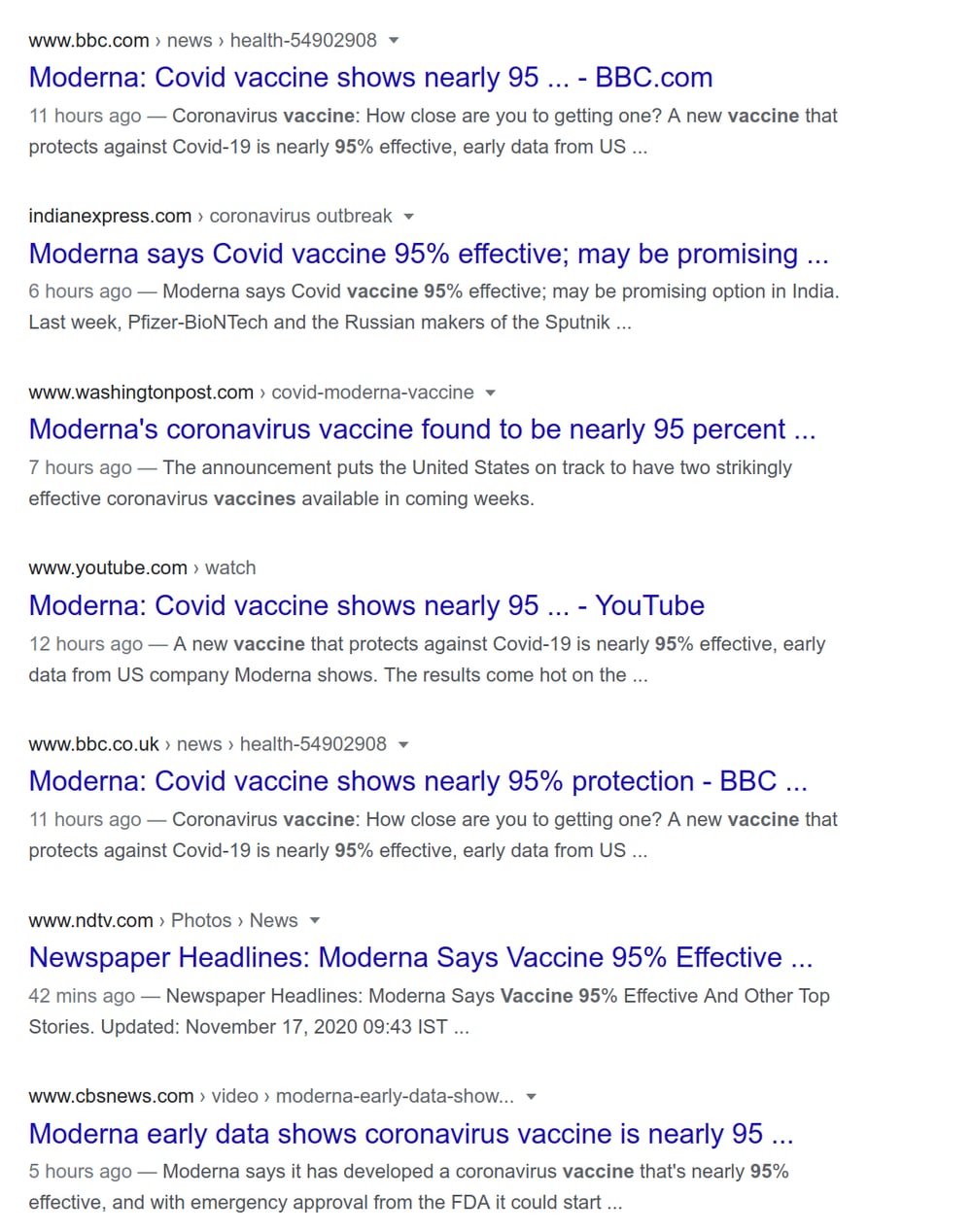
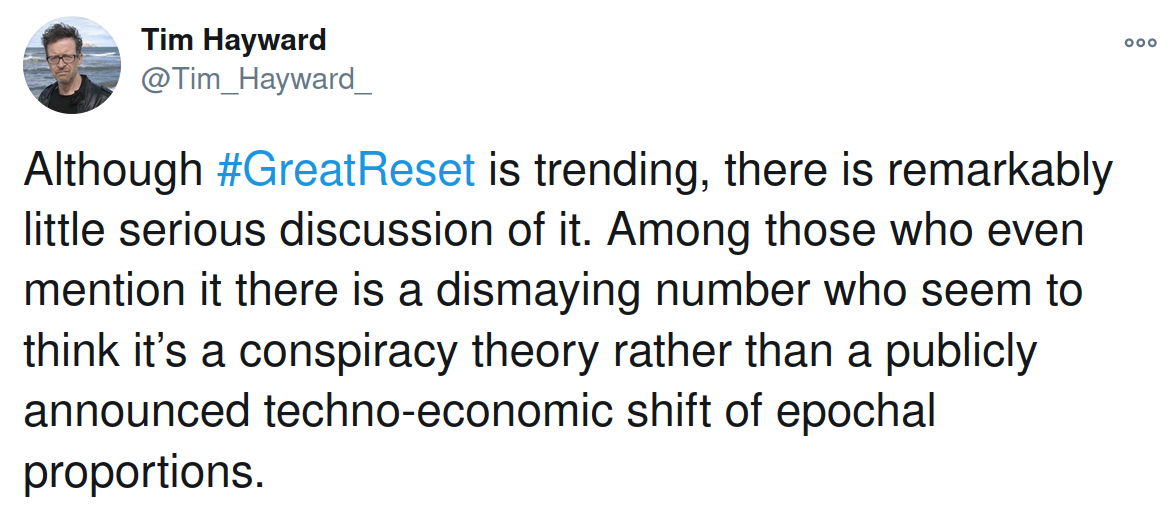
The cryptocrats want everyone to know, that its "Time to heal" and then "Build Back Better" (and shut up, take their gene modification vaccination, adopt their post-national digital ID/Money - and accept the restructuring of the global economy that remove any sense of ownership & agency for most). The collapsing western "Great Reset" empire is a shit show.
-
The week in review, focus on #Politics & #Economics
The ECB Podcast - Is it time for a digital euro?
What is a digital euro? What would its benefits be and how would it affect the way we make payments? When could it be ready?
All the good things a digital euro could do – and all the bad things it will
Few other documents has been sent to me as often as the recent deliberations of the European Central Bank (ECB) on a digital euro. There is obviously a great deal of suspicion with regard to plans of a digital euro. The following analysis will try to answer the question if this suspicion is justified.
Updates on China's Digital Yuan
Digital yuan gaining wider currency
China tech regulators try to avoid American trap
Country's Internet giants warned against stifling competition through monopolistic control of data
China scores victory as 15 Asian nations sign world’s biggest free-trade deal
The Regional Comprehensive Economic Partnership accounts for about one-third of the world’s population and economy, but does not include the United States. Agreement paves the way for lower tariffs, less red tape and post-pandemic growth, observers say
RCEP set to supercharge the New Silk Roads
World's biggest free trade pact isn't about excluding the US or China's geopolitical ambitions but rather the natural evolution of Asian integration
Google Launches App That Lets Banks Remotely Lock Your Android Device
With the device locked, users will be able to access very limited functions in their smartphones. These include emergency calls, incoming and select outgoing calls, settings, and backup and restore service.
EU Governments plan to ban strong encryption
The Vienna terrorist attack is an opportunity for governments to expand surveillance. Online services should have to deposit duplicate keys with authorities.
Coronavirus has been circulating in Italy since September last year, researchers say
Findings ‘may reshape history of pandemic’, scientists say
GCHQ begins operation against Russian disinformation on COVID-19 vaccine
GCHQ is using tools that were originally developed to tackle ISIS recruitment in its fight against disinformation
It’s the destruction of people’s lives. It is the destabilization of civil society. And for What? The Lies are sustained by a massive media disinformation campaign. 24/7, Incessant and repetitive “Covid alerts” for the last ten months. … It is a process of social engineering.
Government of Canada Tender Notice: Programmable Hydraulic Guillotines
Statistics Canada (STATCAN) has a requirement for the purchase, delivery, off-loading and commissioning of 2 new Programmable Fully Hydraulic Guillotines
Announcement from the U.S. acting Defense Secretary Chris Miller
"We are not a people of perpetual war - it is the antithesis of everything for which we stand and for which our ancestors fought. All wars must end." <- No matter how disgusting and full of BS the trumpers are - such a statement the world has never heard from a leading US mil leader
Egypt announces the biggest archaeological discovery in 2020 at Saqqara Necropolis
'We have discovered only one percent of the antiquities buried in the Saqqara Necropolis,' Antiquities Minister El-Enany said, pointing out that many other discoveries will follow
Virtual Influencers Make Real Money While Covid Locks Down Human Stars
The pandemic isn’t a problem when you’re computer-generated.
-
The European Investment Bank, largest multilateral bank worldwide, approves €1 trillion green investment plan to become EU's ‘climate bank’; to align to Paris Agreement; and to cease funding fossil fuels by 2022 - #Regenerative #Economics #Politics #Cryptocracy
-
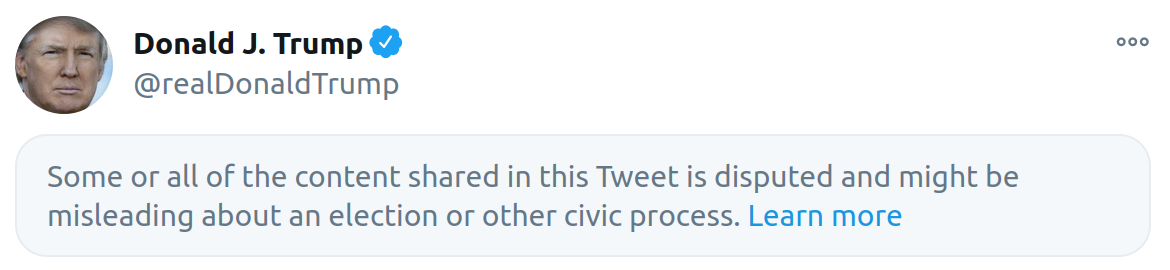
The Great Firewall of America is turning out to be even more comedic then the Chinese one. The President of the United States is currently censored in his own country - by Twitter & many others. The aspirational freedom of speech narrative of the west is collapsing.
-
The Great Reset for Dummies - Where do we go from here? - by Tessa Lena

"The peasants are getting fat, and they are breeding! Oh no!" -
Silence is Bliss
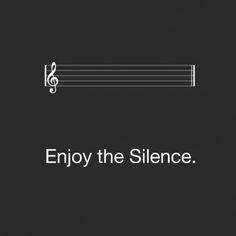
#Comment: Just about now, the majority of people around the world most be longing for a long break from the USA - that 4.23% of the global population which has been disproportional dominating all channels for decades with their entertaining but often very noisy and violent show. Life on planet earth with out Hollywood, Silicon Valley, Madison Avenue, Wallstreet, K-Street and the military industrial swamp on the main-stage will inevitably be much more quiet - but hey, silence is bliss. از سکوت لذت ببر! - 享受安静! - наслаждайся тишиной! - चुप्पी का मज़ा लो! - 静寂を楽しんでください!Genieße die Stille!
-
Dominic Lieven: Dismantling Anglophone Hegemony Is a Costly Enterprise
-
Press TV, the Iranian equivalent of the BBC, announcing that Iran will use bitcoin as part of its import settlement system. It will export bitcoins and import things barred to it from the U.S.

"Can Iran and the US re-engage after the election?" - Webinar with Asia Times columnist Pepe Escobar and renowned Iran expert Mohammad Marandi (October 28 2020)
-
Iron Curtain still separates Russia and the EU - by Pepe Escobar
'When the European Union speaks as a superior, Russia wants to know: Can we do any business with the EU?' (AsiaTimes, October 21, 2020, Unpaywalled)
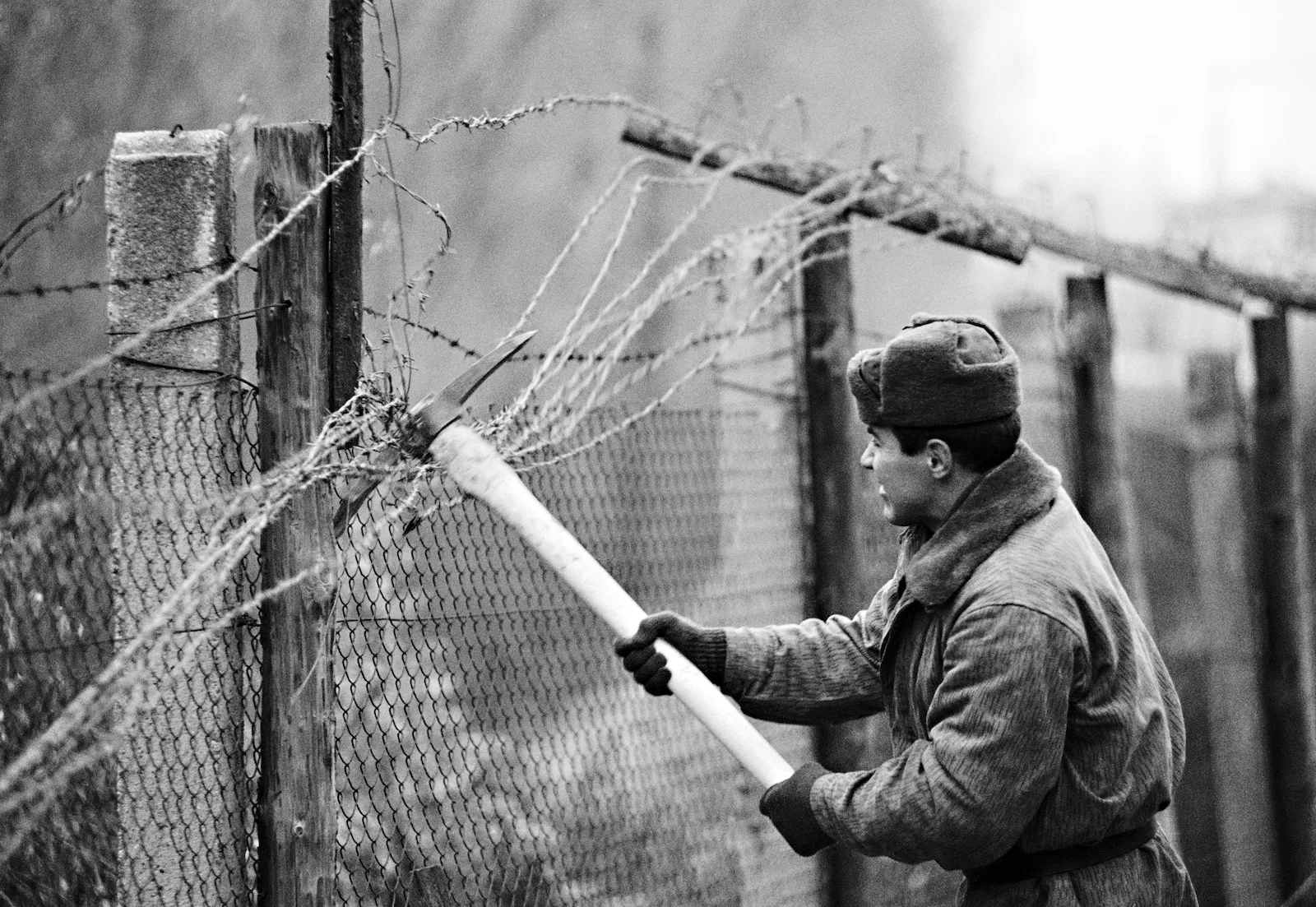
Soldiers destroy the Iron Curtain at Slovakian city (now capital) Bratislava, on December 11, 1989. Photo: AFP Sergey Lavrov, not merely Russia’s foreign minister, is the world’s foremost diplomat. The son of an Armenian father and a Russian mother, he’s simply on another level altogether. Here, once again, we may be able to see why.
Let’s start with the annual meeting of the Valdai Club, Russia’s premier think tank. Here’s the must-watch presentation of the Valdai annual report on “The Utopia of a Diverse World,” featuring, among others, Lavrov, John Mearsheimer of the University of Chicago, Dominic Lieven of the University of Cambridge and Yuri Slezkine of UCLA/Berkeley.
It’s a rarity nowadays to be able to share peak-level serious political debate. We have, for instance, Lieven – who, half in jest, defines the Valdai report as “Tolstoyian, a little anarchical” – focusing on the current top two, great interlocking challenges: climate change and the fact that “350 years of Western and 250 years of Anglo-American predominance are coming to an end.”
As we see the “present world order fading in front of our eyes,” Lieven notes a sort of “revenge of the Third World.” But then, alas, Western prejudice sets in, as he defines China reductively as a “challenge.”
Mearsheimer neatly remembers that we have lived, successively, under a bipolar, a unipolar and now a multipolar world: With China, Russia and the United States, “Great Power Politics is back on the table.”
After the dire experience of the “century of humiliation,” he correctly assesses, “the Chinese will make sure they are really powerful.” And that will set the stage for the US to deploy a “highly aggressive containment policy,” just as it did against the USSR, a policy that “may well end up in a shooting match.”
‘Trust Arnold more than the EU’
Lavrov, in his introductory remarks, explained that in realpolitik terms, the world “cannot be run from one center alone” – and took time to stress the “meticulous, lengthy and sometimes ungrateful” work of diplomacy.
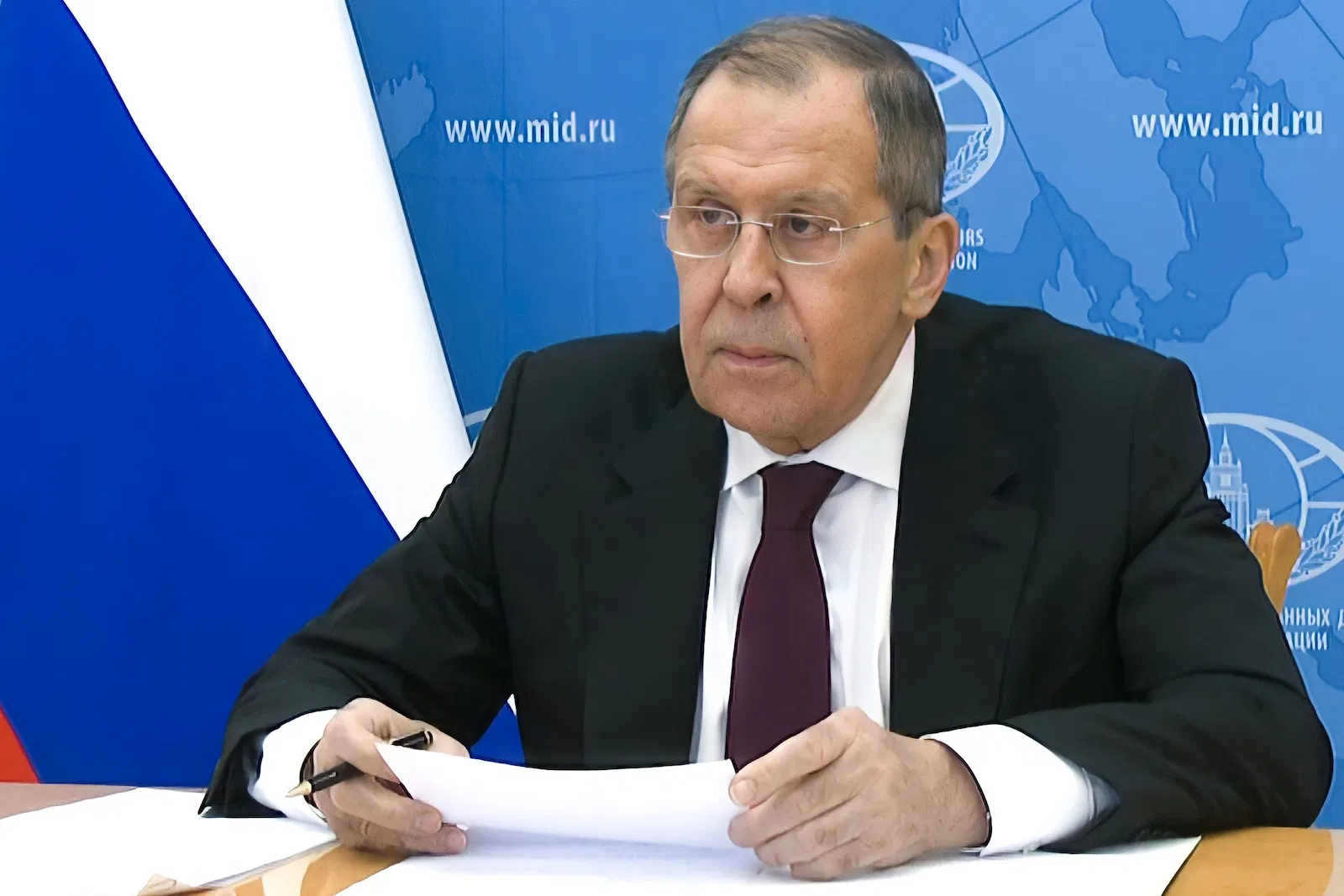
Russian Foreign Minister Sergey Lavrov at an October 10 meeting of the United Nations Security Council, via teleconference call in Moscow. Photo: AFP/Russian Foreign Ministry It is later, in one of his interventions, that he unleashes the real bombshell (starting at 1:15:55; in Russian, overdubbed in English): “When the European Union speaks as a superior, Russia wants to know: Can we do any business with Europe?”
He mischievously quotes Schwarzenegger, “who in his movies always said ‘Trust me.’ So I trust Arnold more than the European Union.”

Arnold Schwarztenegger in Terminator 3, with Nick Stahl and Claire Danes. Photo: AFP/Collection Christophel © C2 Pictures/Intermedia Films And that leads to the punchline: “The people who are responsible for foreign policy in the West do not understand the necessity of mutual respect in dialogue. And then probably for some time we have to stop talking to them.”
After all, European Commission president Ursula von der Leyen has stated on the record that, for the EU, “there is no geopolitical partnership with modern Russia.”
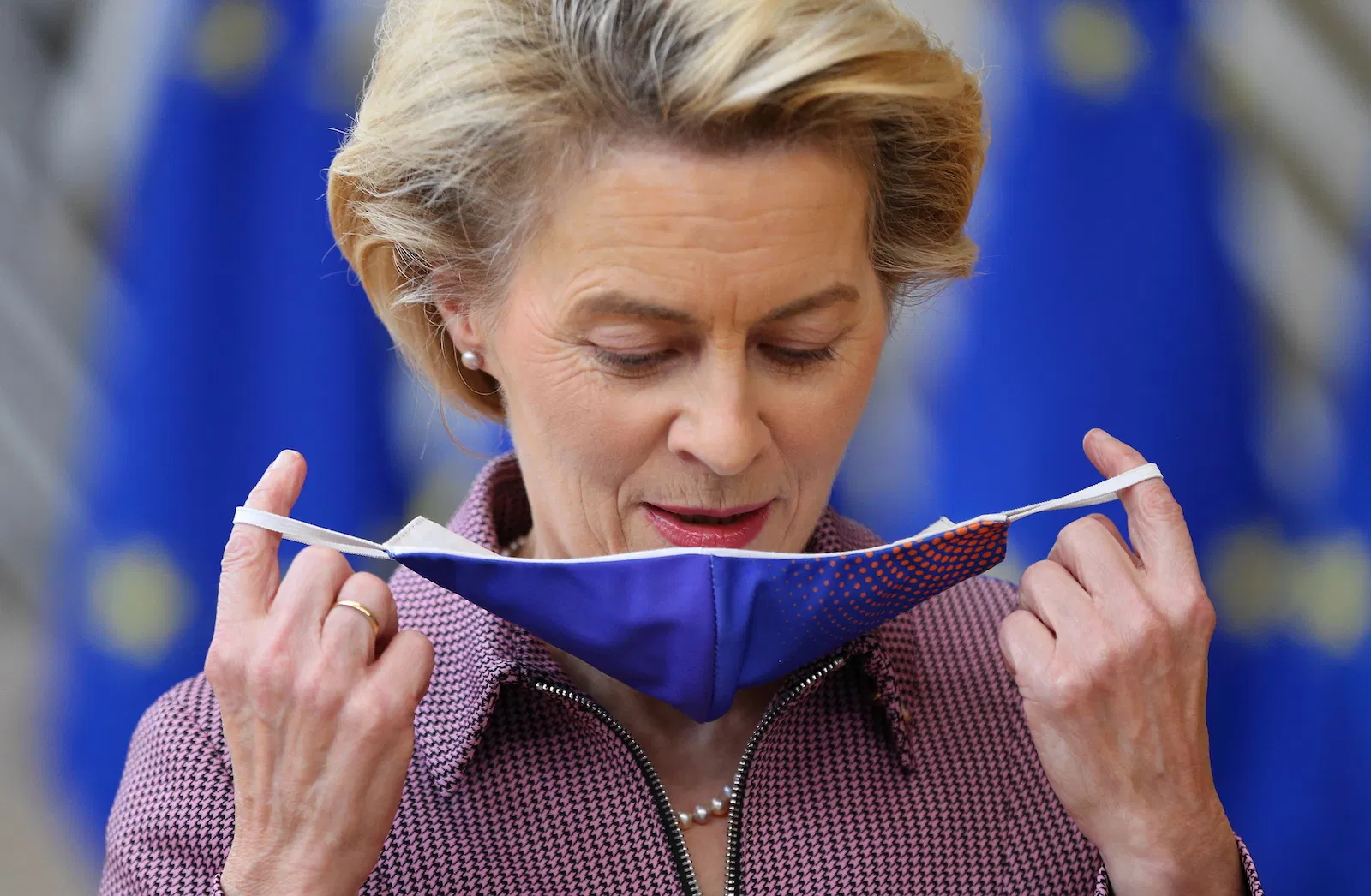
European Commission President Ursula von der Leyen at an EU Leaders Summit on coronavirus on October 15. Photo: AFP/Dursun Aydemir/Anadolu Agency Lavrov goes even farther in a stunning, wide-ranging interview with Russian radio stations, whose translation deserves to be carefully read in full. Here is just one of the most crucial snippets:
Lavrov: “No matter what we do, the West will try to hobble and restrain us, and undermine our efforts in the economy, politics and technology. These are all elements of one approach.”
Question: “Their national security strategy states that they will do so?”
Lavrov: “Of course it does, but it is articulated in a way that decent people can still let go unnoticed, but it is being implemented in a manner that is nothing short of outrageous.”
Question: “You, too, can articulate things in a way that is different from what you would really like to say, correct?”
Lavrov: “It’s the other way round. I can use the language I’m not usually using to get the point across. However, they clearly want to throw us off balance, and not only by direct attacks on Russia in all possible and conceivable spheres by way of unscrupulous competition, illegitimate sanctions and the like, but also by unbalancing the situation near our borders, thus preventing us from focusing on creative activities. Nevertheless, regardless of the human instincts and the temptations to respond in the same vein, I’m convinced that we must abide by international law.”
Moscow stands unconditionally by international law – in contrast with the proverbial “rules of the liberal international order” jargon that is parroted by NATO and its minions such as the Atlantic Council.
And here it is all over again, a report exhorting NATO to “Ramp up on Russia,” blasting Moscow’s “aggressive disinformation and propaganda campaigns against the West, and unchecked adventurism in the Middle East, Africa and Afghanistan.”
The Atlantic Council insists that those pesky Russians have once again defied “the international community, by using an illegal chemical weapon to poison opposition leader Alexei Navalny. NATO’s failure to halt Russia’s aggressive behavior puts the future of the liberal international order at risk.”
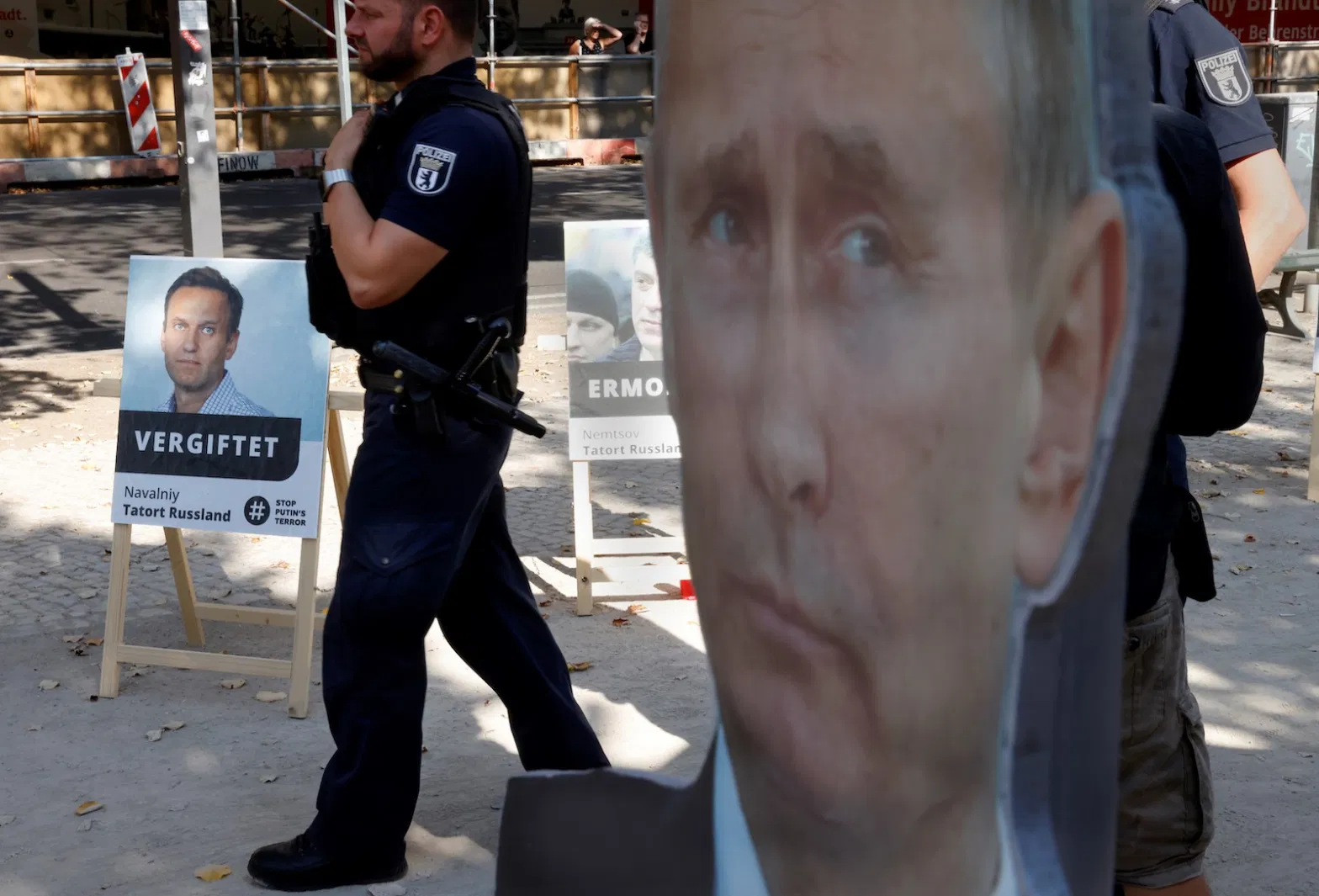
A poster with a picture of Russian opposition leader Alexei Navalny (L) with the headline ‘poisoned’ is seen near an effigy of President Vladimir Putin outside the Russian embassy on Unter den Linden in Berlin during an anti-government protest on September 23. Photo: AFP/Odd Andersen Only fools falling for the blind-leading-the-blind syndrome don’t know that these liberal order “rules” are set by the hegemon alone, and can be changed in a flash according to the hegemon’s whims.
So it’s no wonder that a running joke in Moscow is: “If you don’t listen to Lavrov, you will listen to Shoigu.” Sergey Shoigu is Russia’s minister of defense, supervising those hypersonic weapons that the US military-industrial complex can only dream about.
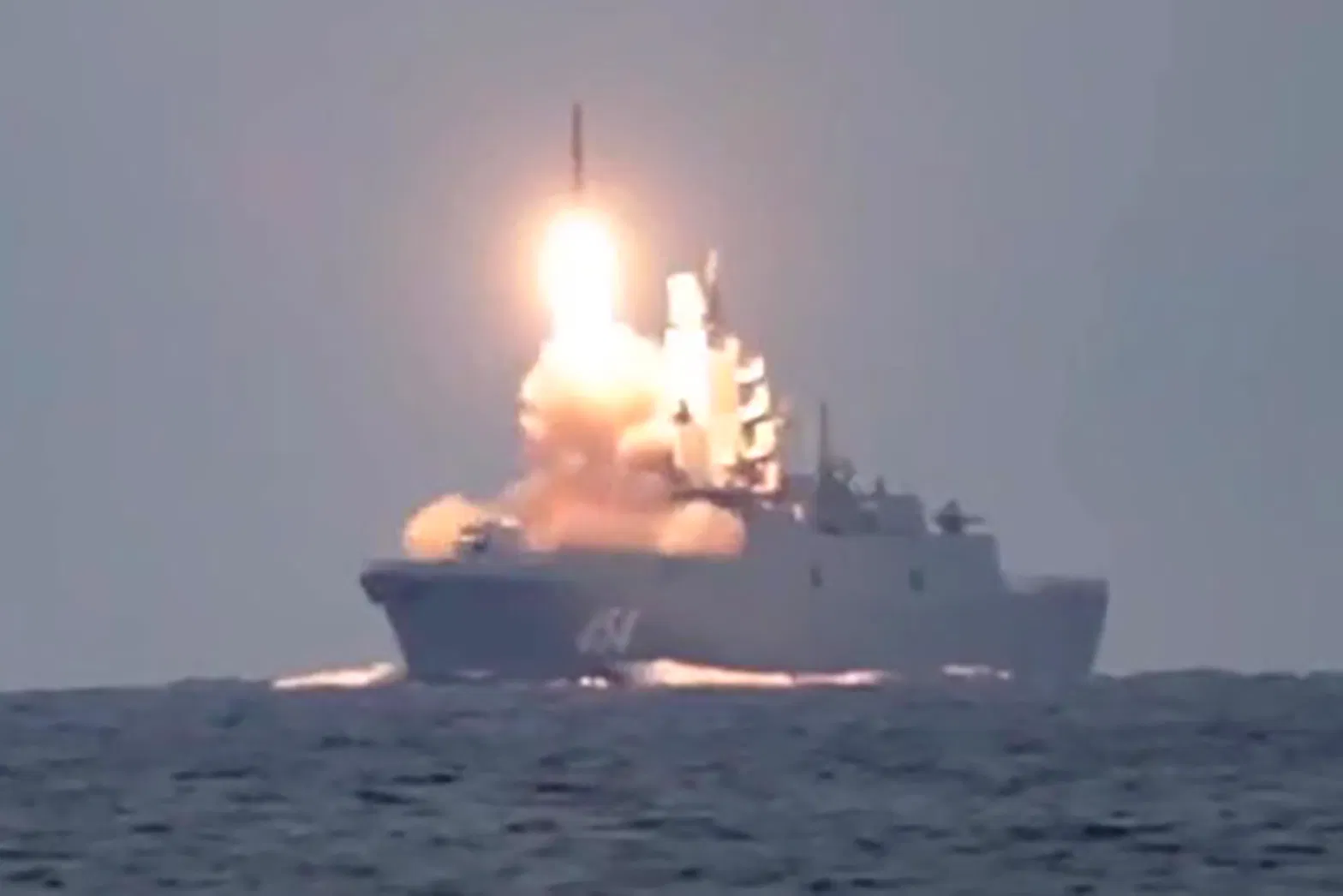
Russia’s Admiral Gorshkov frigate on October 7 launches the Zircon hypersonic cruise missile from the White Sea at a target in the Barents Sea, Russia. AFP/Russian Defence Ministry The crucial point is that, even with so much NATO-engendered hysteria, Moscow could not give a damn thanks to its de facto military supremacy. And that freaks Washington and Brussels out even more.
What’s left are hybrid war eruptions following the RAND Corporation-prescribed non-stop harassment and “unbalancing” of Russia, in Belarus, the southern Caucasus and Kyrgyzstan – complete with sanctions on Lukashenko and on Kremlin officials for the alleged Navalny poisoning.
‘Don’t negotiate with monkeys’
What Lavrov has just made quite explicit was a long time in the making. “Modern Russia” and the EU were born almost at the same time. On a personal note, I experienced it in an extraordinary fashion.
“Modern Russia” was born in December 1991 – when I was on the road in India, then Nepal and China. When I arrived in Moscow via the Trans-Siberian in February 1992, the USSR was no more. And then, flying back to Paris, I arrived in a European Union born in that same February.
One of Valdai’s leaders correctly argues that the daring concept of a “Europe stretching from Lisbon to Vladivostok” put forth by Gorbachev in 1989, right before the collapse of the USSR, unfortunately “had no document or agreement to back it up.”
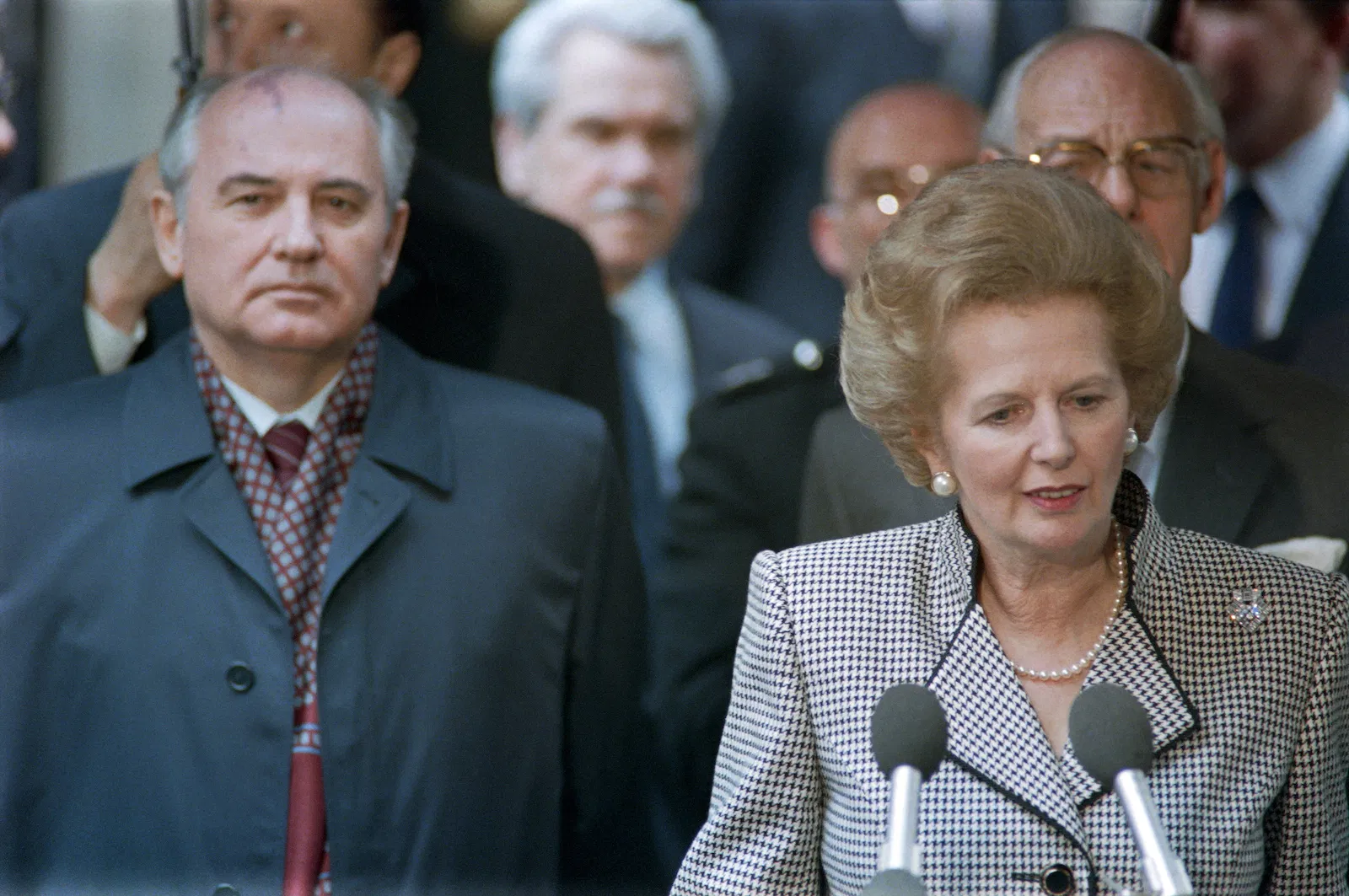
Soviet Leader Mikhail Gorbachev listens to British Prime Minister Margaret Thatcher’s speech in London on April 6, 1989, during a news conference outside 10 Downing Street after the two leaders’ last round of talks. Phoro: AFP/Georges Gobet And yes, “Putin searched diligently for an opportunity to implement the partnership with the EU and to further rapprochement. This continued from 2001 until as late as 2006.”
We all remember when Putin, in 2010, proposed exactly the same concept, a common house from Lisbon to Vladivostok, and was flatly rebuffed by the EU. It’s very important to remember that this was four years before the Chinese would finalize their own concept of the New Silk Roads.
Afterward, the only way was down. The final Russia-EU summit took place in Brussels in January 2014 – an eternity ago in politics.
The intellectual firepower gathered at the Valdai is very much aware that the Iron Curtain 2.0 between Russia and the EU simply won’t disappear.
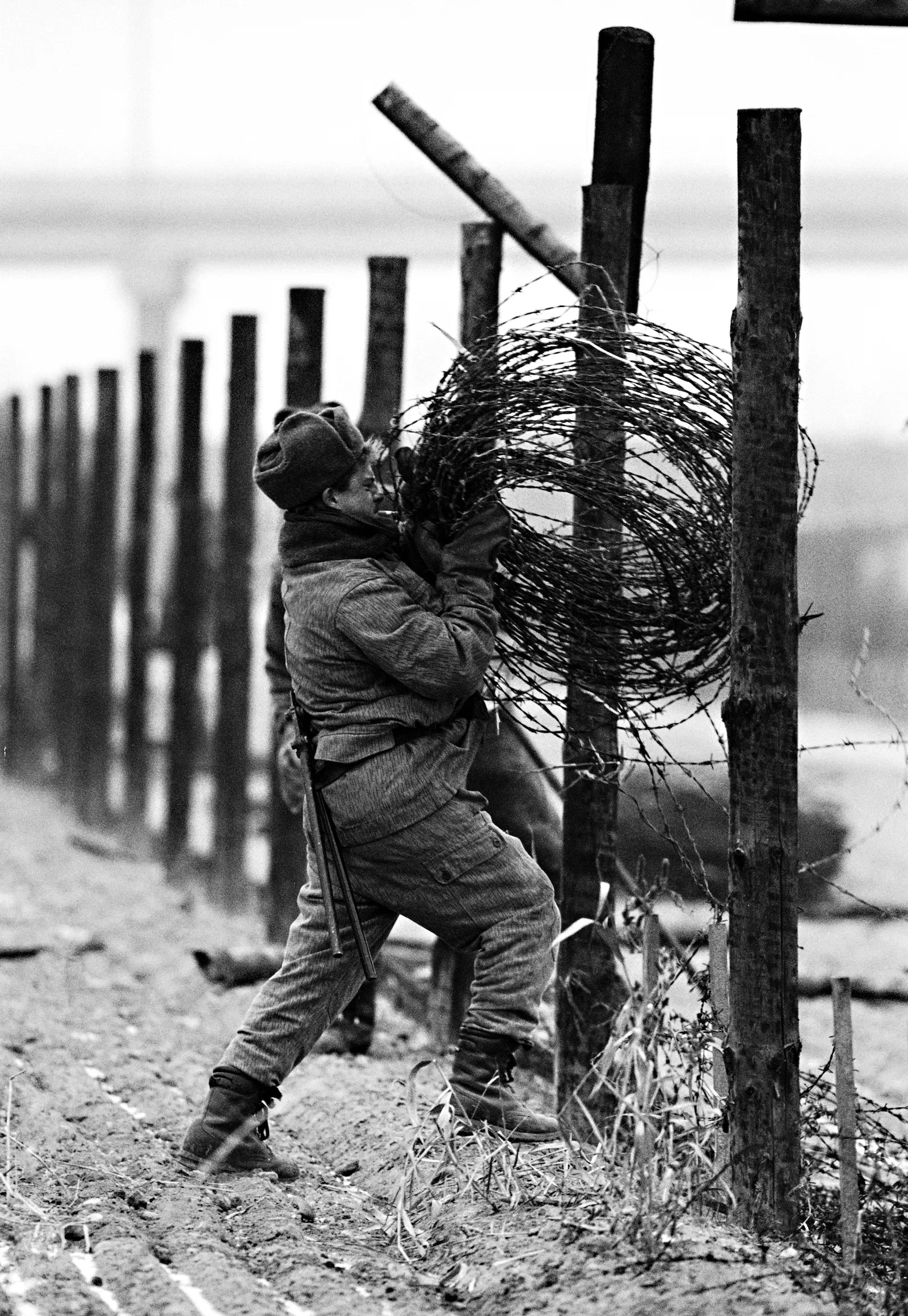
Soldiers destroy the Iron Curtain at Bratislava on December 11, 1989. Photo: AFP And all this while the IMF, The Economist and even that Thucydides fallacy proponent admit that China is already, in fact, the world’s top economy.
Russia and China share an enormously long border. They are engaged in a complex, multi-vector “comprehensive strategic partnership.” That did not develop because the estrangement between Russia and the EU/NATO forced Moscow to pivot East, but mostly because the alliance between the world’s neighboring top economic power and top military power makes total Eurasian sense – geopolitically and geoeconomically.
And that totally corroborates Lieven’s diagnosis of the end of “250 years of Anglo-American predominance.”
It was up to that inestimably smart military analyst Andrey Martyanov, whose latest book I reviewed as a must-read, to come up with the utmost deliciously devastating assessment of Lavrov’s “We had enough” moment:
Any professional discussion between Lavrov and amateurs such as the EU’s von der Leyen or Germany’s Foreign Minister Maas, who is a lawyer and a party worm of German politics, is a waste of time. Western “elites” and “intellectuals” are simply on a different, much lower level, said Lavrov.
They want to have their Navalny as their toy – let them.
I call on Russia to start wrapping economic activity up with the EU for a long time. They buy Russia’s hydrocarbons and high tech, fine. Other than that, any other activity should be dramatically reduced and the necessity of the Iron Curtain must not be doubted anymore.
As much as Washington is not “agreement-capable,” in the words of President Putin, the same goes for the EU, says Lavrov: “We should stop trying to orient ourselves toward European partners, stop trying to care about their assessments.”
Not only Russia knows it: the overwhelming majority of the Global South also knows it.
-
“Those who make peaceful revolution impossible will make violent revolution inevitable” - John F. Kennedy (via)
-
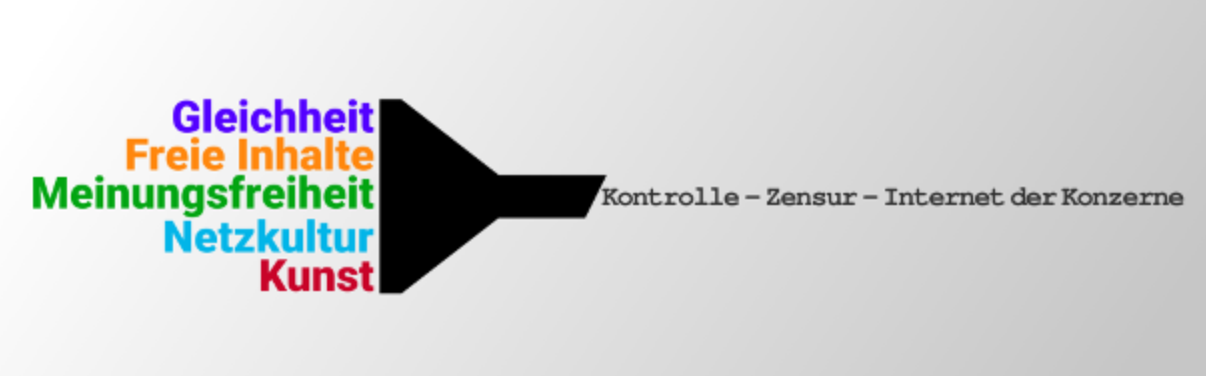
The Great Firewall of the West is advancing - and it is as shitty as the Chinese one, if not worse.
-
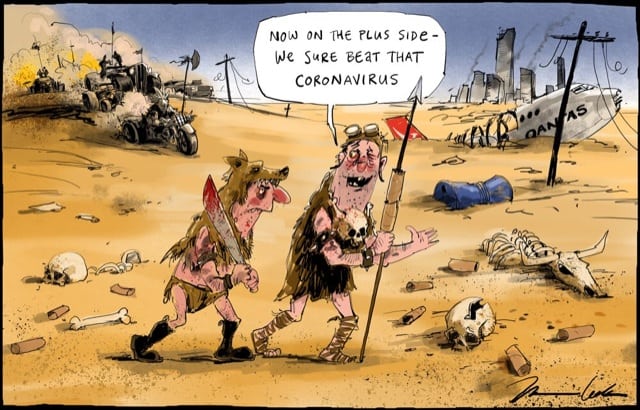
55% of Small and Medium Firms in Europe Expect to Shut Down by September Next Year if Things Stay as They Are - Together they employ two-thirds of European workers. (reuters)
-
From Follower To Leader: The Story Of China’s Rise - short talk by Martin Jacques
-
Talk by Lanxin Xiang at the Camden Conference (2015)
Interview with Prof. Xiang Lanxin (2013)
Xiang Lanxin on the Evolution of China’s Foreign Policy (2017)
Confucius and Marx will never marry in China
Modern China’s deviation from traditional Confucian values has seriously damaged its ‘Mandate of Heaven‘ - by Pepe Escobar (October 9, 2020)
Chinese scholar Lanxin Xiang has written a book, The Quest for Legitimacy in Chinese Politics, that is in my view the most extraordinary effort in decades to bridge the East-West politico-historical divide.
It’s impossible in a brief column to do justice to the relevance of the discussions this book inspires. Here we will highlight some of the key issues hoping they will appeal to an informed readership – especially denizens of the Beltway, now convulsed by varying degrees of Sinophobia.
Xiang jumps right into the fundamental contradiction: China is widely accused by the West of lack of democratic legitimacy exactly as it enjoys a four-decade, sustainable, history-making economic boom.
He identifies two key sources for the Chinese problem: “On the one hand, there is the project of cultural restoration through which Chinese leader Xi Jinping attempts to restore ‘Confucian legitimacy’ or the traditional Mandate of Heaven. On the other hand, Xi refuses to start any political reforms, because it is his top priority to preserve the existing political system, i.e., a ruling system derived mainly from an alien source, Bolshevik Russia.”
Ay, there’s the rub: “The two objectives are totally incompatible.”
Xiang contends that for the majority of Chinese – the apparatus and the population at large – this “alien system” cannot be preserved forever, especially now that a cultural revival focuses on the Chinese Dream.
Needless to add, scholarship in the West is missing the plot completely because of the insistence on interpreting China in terms of Western political science and “Eurocentric historiography.” What Xiang attempts in his book is to “navigate carefully the conceptual and logical traps created by post-Enlightenment terminologies.”
Thus his emphasis on deconstructing “master keywords” – a wonderful concept straight out of ideography. The four master keywords are legitimacy, republic, economy and foreign policy. This volume concentrates on legitimacy (hefa, in Chinese).
When law is about morality
It’s a joy to follow how Xiang debunks Max Weber – “the original thinker of the question of political legitimacy.” Weber is blasted for his “rather perfunctory study of the Confucian system.” He insisted that Confucianism – emphasizing only equality, harmony, decency, virtue and pacifism – could not possibly develop a competitive capitalist spirit.
Xiang shows how, since the beginning of the Greco-Roman tradition, politics has always been about a spatial conception – as reflected in polis (a city or city-state). The Confucian concept of politics, on the other hand, is “entirely temporal, based on the dynamic idea that legitimacy is determined by a ruler’s daily moral behavior.”
Xiang shows how hefa contains in fact two concepts: “fit” and “law” – with “law” giving priority to morality.
In China, the legitimacy of a ruler is derived from a Mandate of Heaven (Tian Ming). Unjust rulers inevitably lose the mandate, and the right to rule. This, argues Xiang, is “a dynamic ‘deeds-based’ rather than ‘procedure-based’ argument.”
Essentially, the Mandate of Heaven is “an ancient Chinese belief that tian [heaven, but not the Christian heaven run by an omniscient God] grants the emperor the right to rule based on … moral quality and ability to govern well and fairly.”
The beauty of it is that the mandate does not require a divine connection or noble bloodline, and has no time limit. Chinese scholars have always interpreted the mandate as a way to fight abuse of power.
The overall crucial point is that, unlike in the West, the Chinese view of history is cyclical, not linear: “Legitimacy is in fact a never-ending process of moral self-adjustment.”
Xiang then compares it with the Western understanding of legitimacy. He refers to Locke, for whom political legitimacy derives from explicit and implicit popular consent of the governed.
The difference is that without institutionalized religion, as in Christianity, the Chinese created “a dynamic conception of legitimacy through the secular authority of general will of the populace, arriving at this idea without the help of any fictional political theory such as divine rights of humanity and social contract.”
Xiang cannot but remind us that Leibniz described it as “Chinese natal theology,” which happened not to clash with the basic tenets of Christianity.
Xiang also explains how the Mandate of Heaven has nothing to do with empire: “Acquiring overseas territories for population resettlement never occurred in Chinese history, and it does little to enhance legitimacy of the ruler.”
In the end it was the Enlightenment, mostly because of Montesquieu, that started to dismiss the Mandate of Heaven as “nothing but apology for Oriental Despotism.” Xiang notes how “pre-modern Europe’s rich interactions with the non-Western world” were “deliberately ignored by post-Enlightenment historians.”
Which brings us to a bitter irony: “While modern ‘democratic legitimacy’ as a concept can only work with the act of delegitimizing other types of political system, the Mandate of Heaven never contains an element of disparaging other models of governance.” So much for “the end of history.”
Why no Industrial Revolution?
Xiang asks a fundamental question: “Is China’s success indebted more to the West-led world economic system or to its own cultural resources?”
And then he proceeds to meticulously debunk the myth that economic growth is possible only under Western liberal democracy – a heritage, once again, of the Enlightenment, which ruled that Confucianism was not up to the task.
We already had an inkling that was a wrong judgment with the ascension of the East Asian tigers – Singapore, Hong Kong, Taiwan and South Korea – in the 1980s and 1990s. That even moved a bunch of social scientists and historians to admit that Confucianism could be a stimulus to economic growth.
Yet they only focused on the surface, the alleged “core” Confucian values of hard work and thrift, argues Xiang: “The real ‘core’ value, the Confucian vision of state and its relations to economy, is often neglected.”
Virtually everyone in the West, apart from a few non-Eurocentric scholars, completely ignores that China was the world’s dominant economic superpower from the 12th century to the second decade of the 19th century.
Xiang reminds us that a market economy – including private ownership, free land transactions and highly specialized mobile labor – was established in China as early as in 300 BC. Moreover, “as early as in the Ming dynasty, China had acquired all the major elements that were essential for the British Industrial Revolution in the 18th century.”
Which brings us to a persistent historical enigma: why the Industrial Revolution did not start in China?
Xiang turns the question upside down: “Why traditional China needed an industrial revolution at all?”
Once again, Xiang reminds us that the “Chinese economic model was very influential during the early period of the Enlightenment. Confucian economic thinking was introduced by the Jesuits to Europe, and some Chinese ideas such as the laisser-faire principle led to free-trade philosophy.”
Xiang shows not only how external economic relations were not important for Chinese politics and economy but also that “the traditional Chinese view of state is against the basic rationale of the Industrial Revolution, for its mass production method is aimed at conquering not just the domestic market but outside territories.”
Xiang also shows how the ideological foundation for Adam Smith’s The Wealth of Nations began to veer towards individualist liberalism – while “Confucius never wavered from a position against individualism, for the role of the economy is to ‘enrich people’ as a whole, not specific individuals.”
All that leads to the fact that “in modern economics, the genuine conversation between the West and China hardly exists from the outset, since the post-Enlightenment West has been absolutely confident about its sole possession of the ‘universal truth’ and secret in economic development, which allegedly has been denied to the rest of the world.”
An extra clue can be found when we see what ‘economy” (jingji) means in China: Jingji is “an abbreviate term of two characters describing neither pure economic nor even commercial activities. It simply means “managing everyday life of the society and providing sufficient resources for the state.”
In this conception, politics and economy can never be separated into two mechanical spheres. The body politic and the body economic are organically connected.” And that’s why external trade, even when China was very active along the ancient Silk Road, “was never considered capable of playing a key role for the health of the overall economy and the well-being of the people.”
Wu Wei and the invisible hand
Xiang needs to go back to the basics: the West did not invent the free market. The laissez-faire principle was first conceptualized by Francois Quesnay, the forerunner of Adam Smith’s “invisible hand.” Quesnay, curiously, was known at the time as the “European Confucius.”
In Le Despotisme de la Chine (1767), written 9 years before The Wealth of Nations, Quesnay was frankly in favor of the meritocratic concept of giving political power to scholars and praised the “enlightened” Chinese imperial system.
An extra-delicious historical irony is that laissez-faire, as Xiang reminds us, was directly inspired by the Taoist concept of wu wei – which we may loosely translate as “non-action.”
Xiang notes how “Adam Smith, deeply influenced by Quesnay,” whom Smith had met in Paris, while “learning this laissez-faire philosophy may have got right the meaning of wu wei with his invention of ‘the invisible hand,’ suggesting a proactive rather than passive economic system, and keeping the Christian theological dimension aside.”
Xiang reviews everyone from Locke and Montesquieu to Stuart Mill, Hegel and Wallerstein, with his “world system” theory, to arrive at a startling conclusion: “The conception of China as a typical ‘backward’ economic model was a 20th century invention built upon the imagination of Western cultural and racial superiority, rather than historical reality.”
Moreover, the idea of “backward-looking” was actually not established in Europe until the French revolution. “Before that, the concept of ‘revolution’ had always retained a dimension of cyclical, rather than ‘progressive’ – i.e., linear, historical – perspective.
The original meaning of revolution (from the Latin word revolutio, a “turn-around”) contains no element of social progress, for it refers to a fundamental change in political power or organizational structures that takes place when the population rises up in revolt against the current authorities.”
And that brings us to post-modern China. Xiang stresses how a popular consensus in China is that the Communist Party is “neither Marxist nor capitalist, and its moral standard has little to do with the Confucian value system.” Consequently, the Mandate of Heaven is “seriously damaged.”
The problem is that “marrying Marxism and Confucianism is too dangerous.”
Xiang identifies the fundamental flaw of the Chinese wealth distribution “in a system that guarantees a structural process of unfair (and illegal) wealth transfer – from the people who contribute labor to the production of wealth, to the people who do not.”
He argues that “deviation from Confucian traditional values explains the roots of the income distribution problem in China better than the Weberian theories which tried to establish a clear linkage between democracy and fair income distribution.”
So what is to be done?
Xiang is extremely critical of how the West approached China in the 19th century, “through the path of Westphalian power politics and the show of violence and Western military superiority.”
Well, we all know how it backfired. It led to a genuine modern revolution – and Maoism. The problem, as Xiang interprets it, is that the revolution “transformed the traditional Confucian society of peace and harmony into a virulent Westphalian state.”
So only through a social revolution inspired by October 1917 the Chinese state began “the real process of approaching the West” and what we all define as “modernization.” What would Deng say?
Xiang argues that the current Chinese hybrid system, “dominated by a cancerous alien organ of Russian Bolshevism, is not sustainable without drastic reforms to create a pluralist republican system. Yet these reforms should not be conditioned upon eliminating traditional political values.”
So is the CCP capable of successfully merging Confucianism and Marxism-Leninism? Forging a unique, Chinese Third Way? That’s not only the major theme for Xiang’s subsequent books: that’s a question for the ages.
-
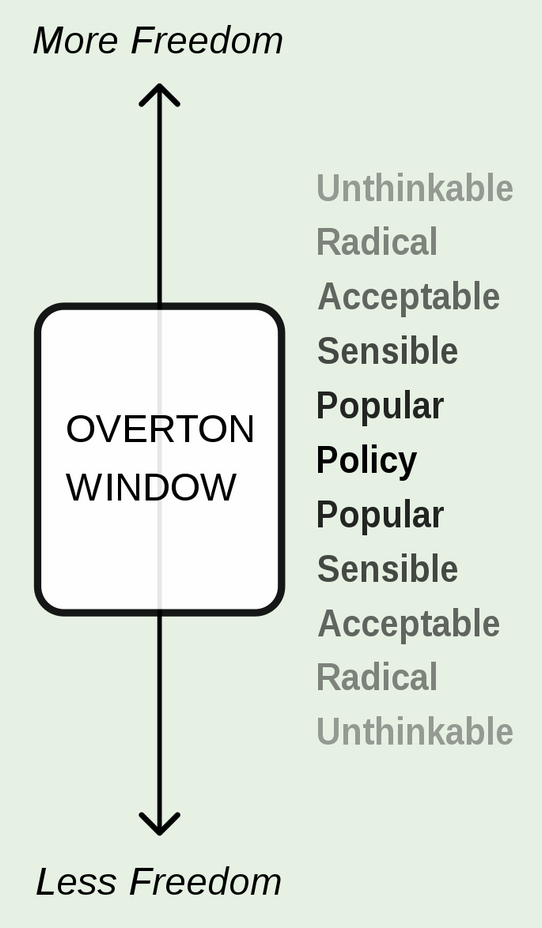
The Overton window is the range of policies politically acceptable to the mainstream population at a given time. It is also known as the window of discourse. The term is named after Joseph P. Overton. According to Overton, the window frames the range of policies that a politician can recommend without appearing too extreme to gain or keep public office given the climate of public opinion at that time.
"The smart way to keep people passive and obedient is to strictly limit the spectrum of acceptable opinion, but allow very lively debate within that spectrum—even encourage the more critical and dissident views. That gives people the sense that there's free thinking going on, while all the time the presuppositions of the system are being reinforced by the limits put on the range of the debate." - Noam Chomsky