tag > Qi
-
"Big moves are not as well polished as small moves; small moves are not as well polished as stillness!" - Kuo Lin Ying
(1895–1984)

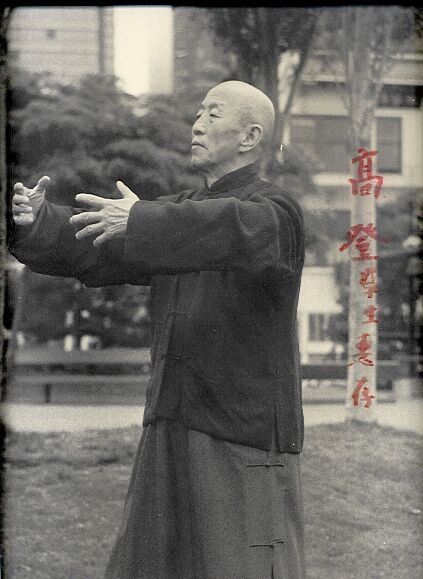

"The T'ai Chi Boxing Chronicle" - Book by Kuo Lien-Ying


-
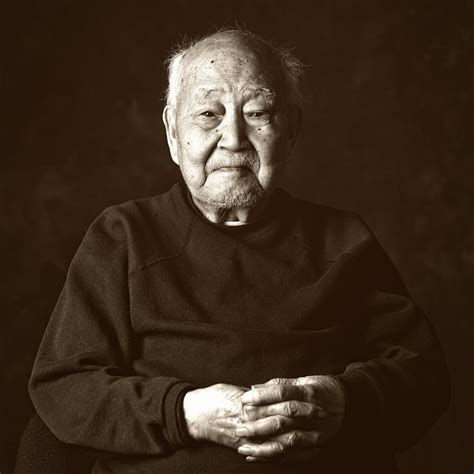
Master T.T Liang (1900-2002)
Master Liang started his martial art career in High School in Tientsin where his physical education teacher was the famous Huang Han Hsun, a Master of Praying Mantis boxing. In 1933, whilst attending a British Maritime Customs service training seminar in Beijing, he was able to study Tui Shou (Pushing Hands) with Yang Cheng Fu (1883–1936), a member of the original Tai Chi Yang family, who also taught Cheng Man Ch'ing. Liang was able to study with him for a couple of weeks but did not name him formally as one of his teachers. After a period of serious illness in Shanghai in 1946, Liang began to study Tai Chi Chuan with various students of Cheng Man Ch'ing, and began formal training with Cheng himself in 1947. He became Cheng's Ta Shih Hsiung (N1 Chief Disciple). Master Liang died in 2002 at the age of 102. (via)
Biography: About Master T.T. Liang - by Sanctuary of Tao
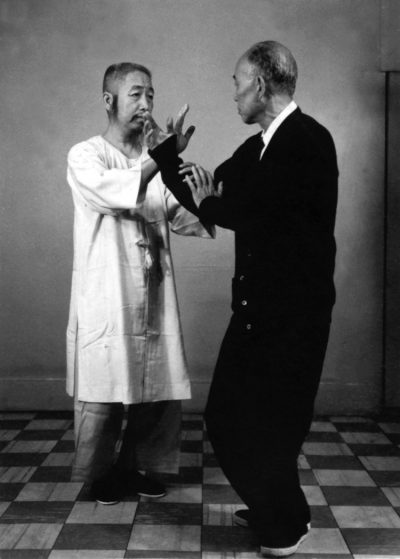
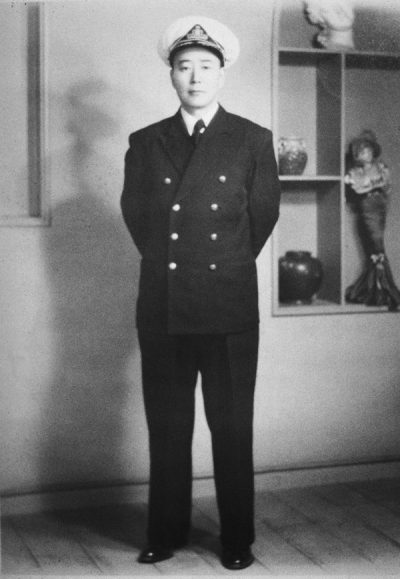
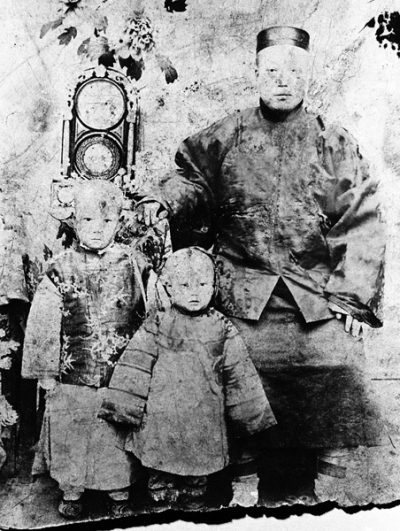
Master T.T Liang (1900-2002) - Yang style Tai Chi, 150 postures full routine
Master T.T. Liang Interview
Book: T. T. Liang's Tai Chi Chuan: The Tai Chi Solo Form with Rhythm - by Jonathan Russell
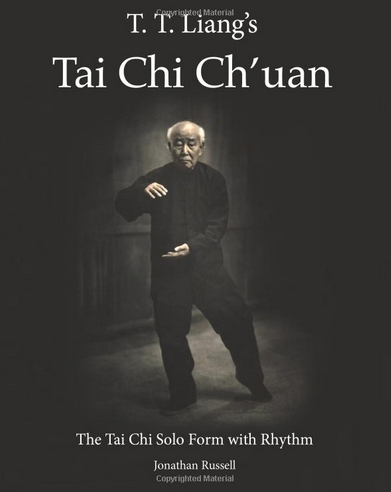
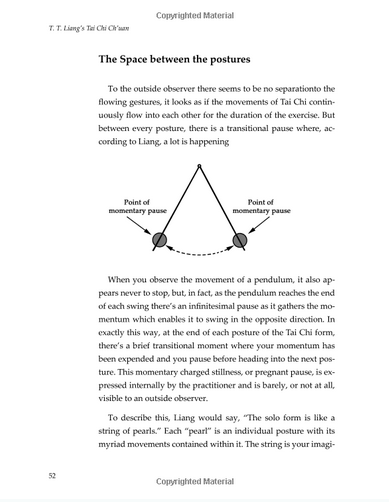
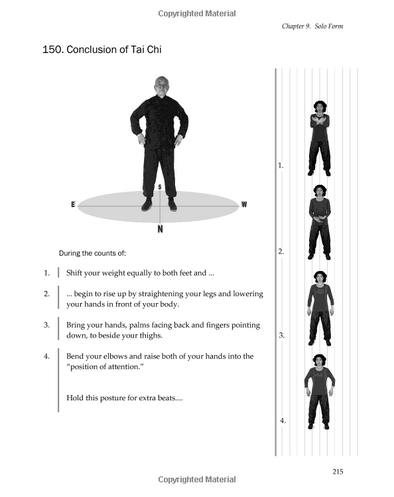
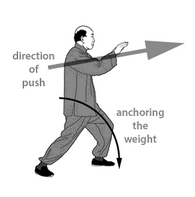
TT Liang Solo form - Performed by Jonathan Russell
-
The Taiji Model of Self (2019) - by Feng-Yan Wang, Zhen-Dong Wang and Rou-Jia Wang

Figure: Schematic diagram of the integrated harmony process of self and four realms of person-making. Abstract: An important theme in the development of self-psychology is the attempt by scholars to construct a self-model with universal cultural adaptability. Among them, representatives are the tripartite model of self-built by Triandis, the theory of the independent self and interdependent self-proposed by Markus and Kitayama, Yang Kuo-Shu's four-part theory of the Chinese self, Hwang Kwang-Kwo's Mandala model of self, and Shiah Yung-Jong's Non-self-Theory. However, these models have a difficult time explaining the structure and development of the Chinese self in Chinese cultural background. After pondering over Chinese traditional culture and the Chinese self, inspired by the archetype of Taiji diagram, in this paper, we construct the Taiji Model of Self. The Taiji Model of Self can not only properly represent the Chinese self-structure, but also explain the growth course of the Chinese self and four kinds of life realms of Chinese people with satisfactory cultural and ecological validity.
-
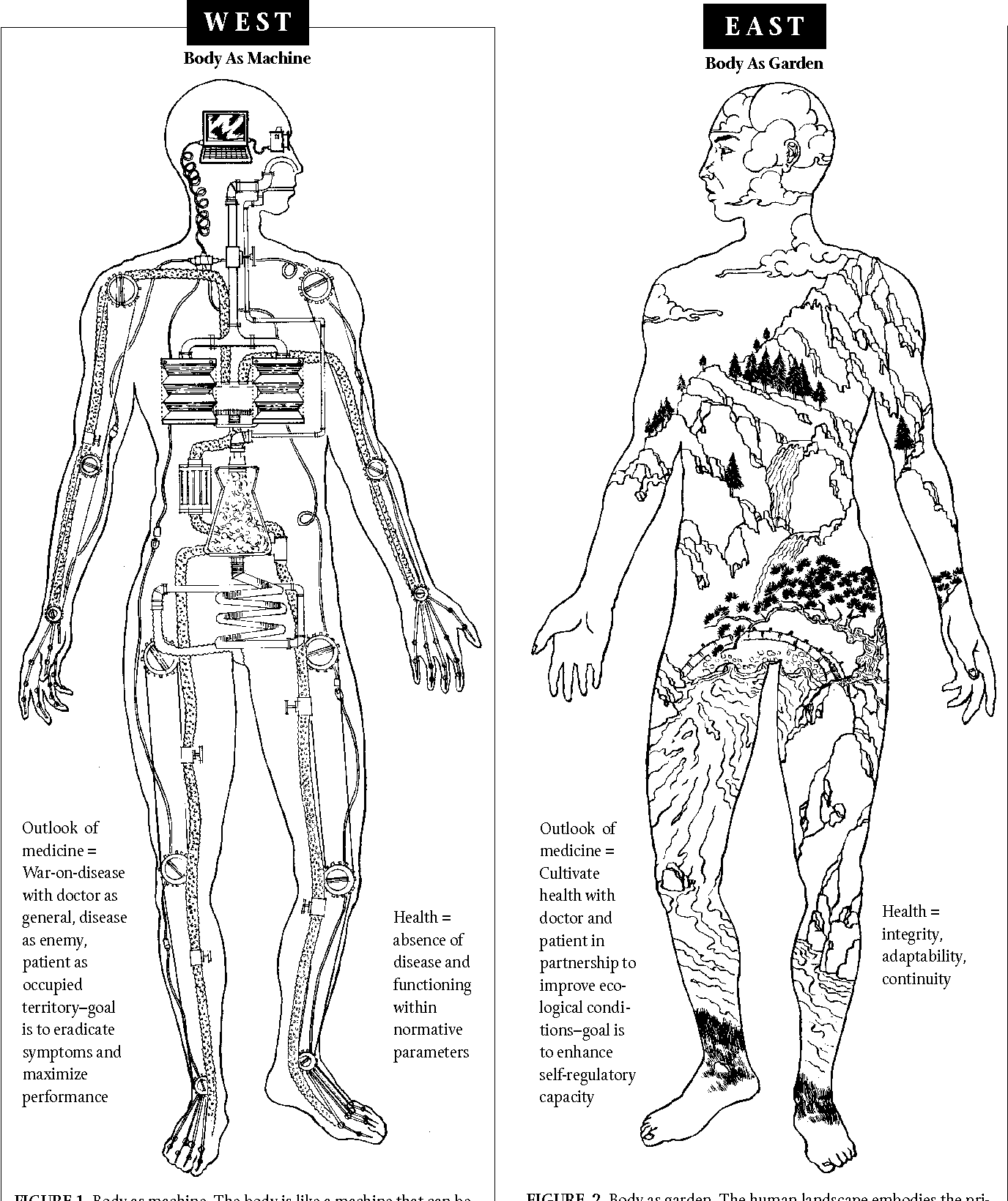
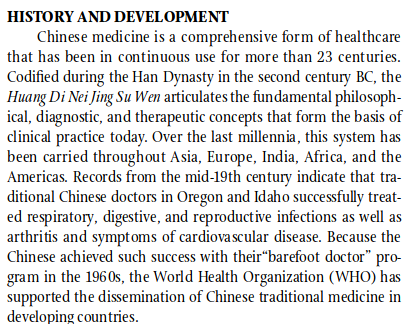
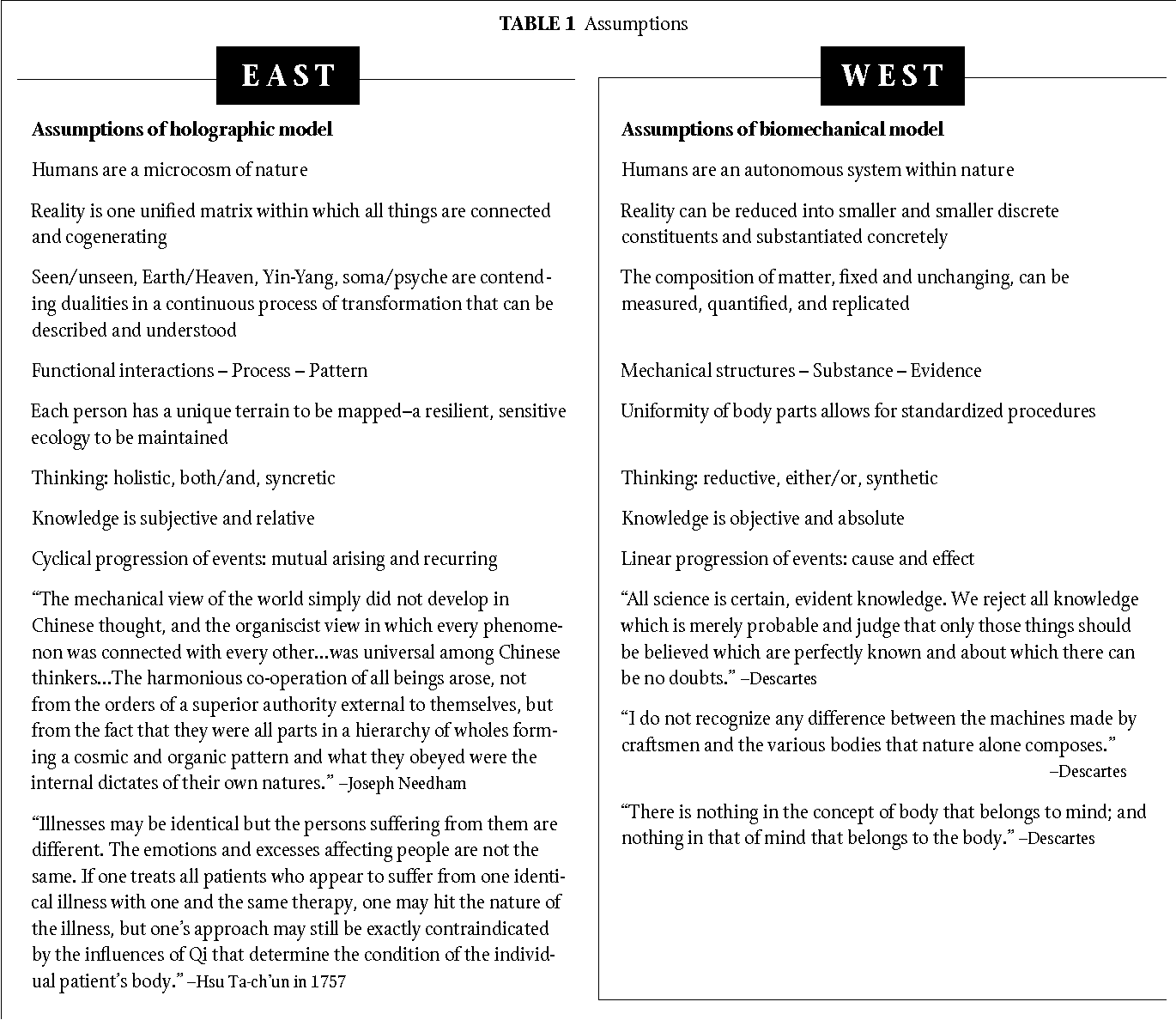
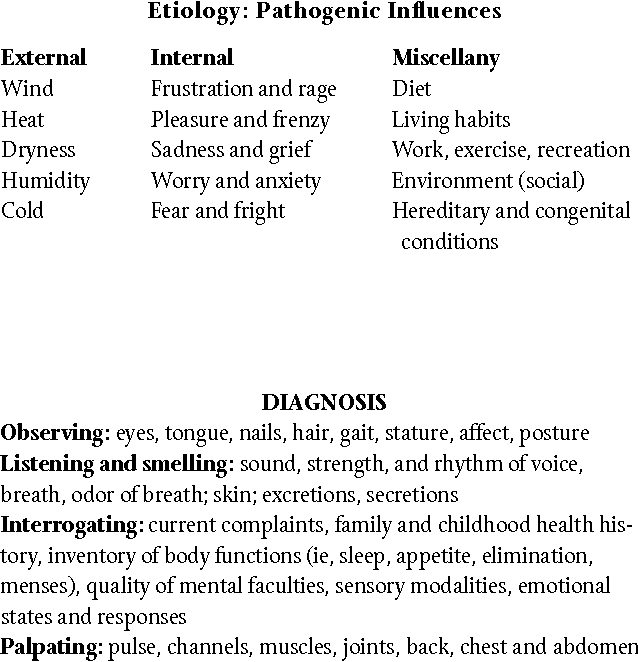
Chinese traditional medicine: an introductory overview - by Harriet Beinfield, Efrem Korngold (1995) (PDF)
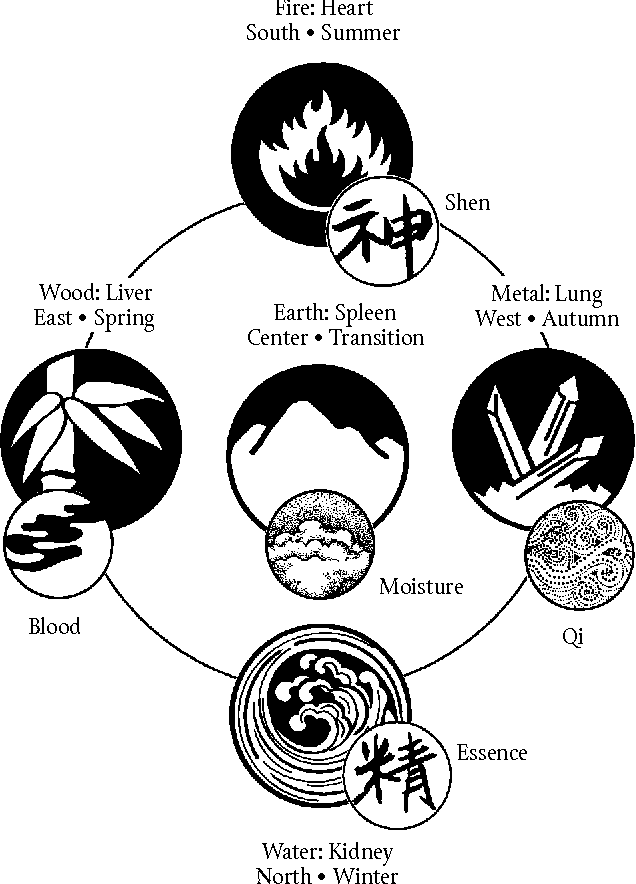
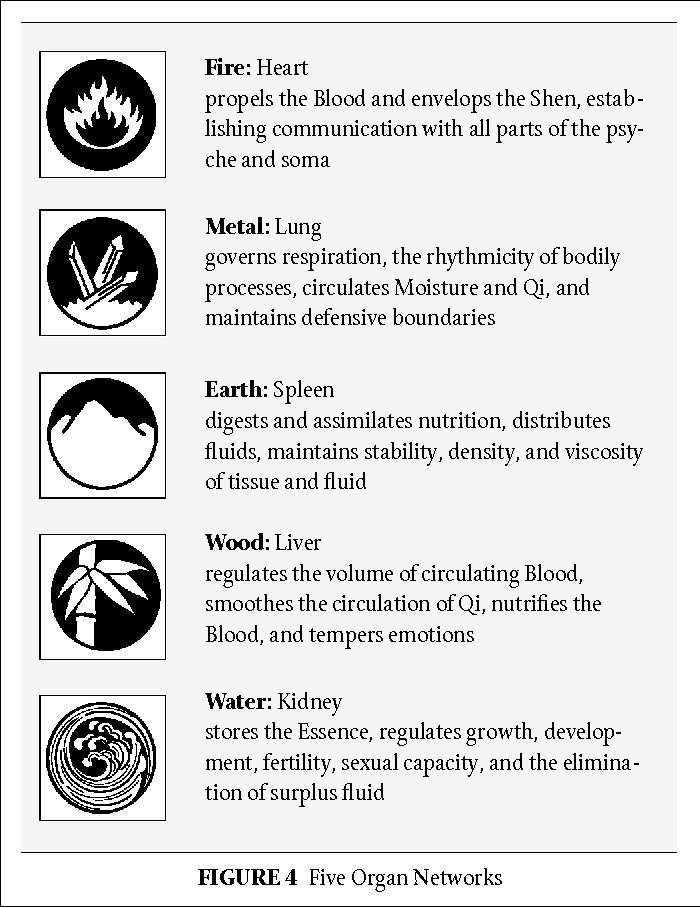
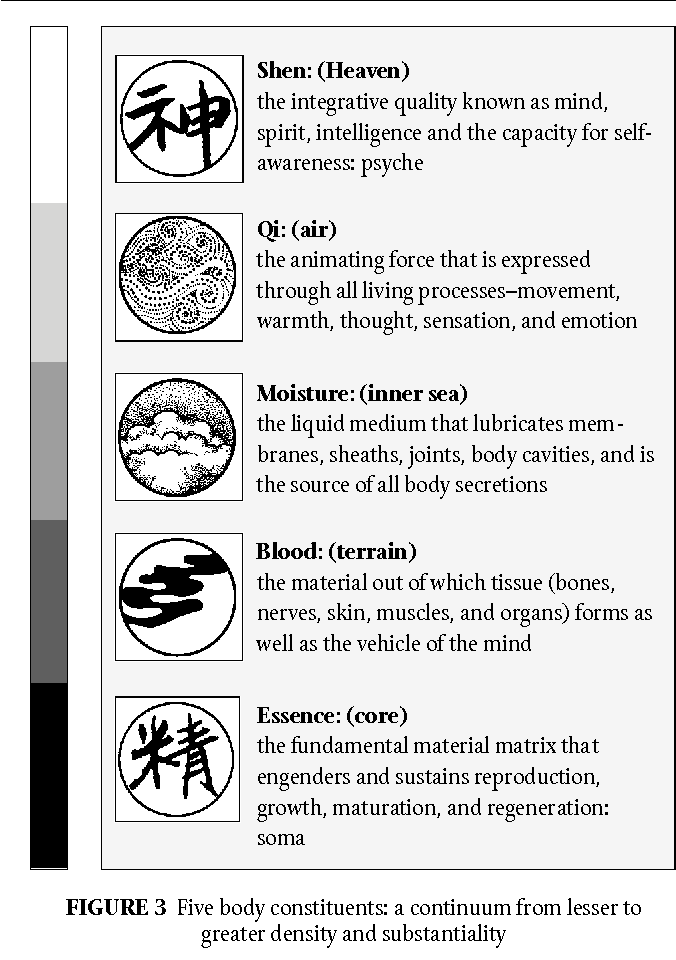
#Health #Qi #China #Philosophy -
Understanding Qigong and Qi - by Dr. Yang, Jwing-Ming (YMAA). Author of the book "The Root of Chinese Qigong: Secrets of Health, Longevity, & Enlightenment".
-
Paranormal Communism - From the Biography of Gleb Bokii (1879–1937), the chief Bolshevik cryptographer and one of the bosses of the Soviet secret police:
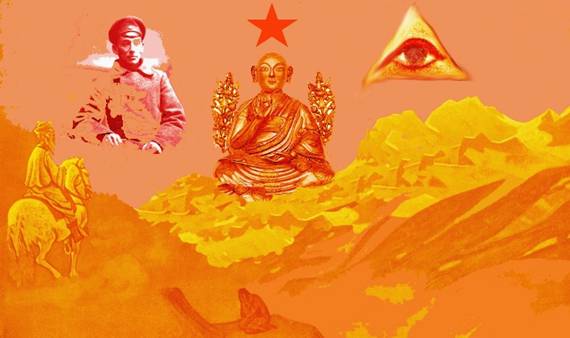
"Inspired by Theosophical lore and several visiting Mongol lamas, Bokii along with his writer friend Alexander Barchenko, embarked on a quest for Shambhala, in an attempt to merge Kalachakra-tantra and ideas of Communism in the 1920s. Among other things, in a secret laboratory affiliated with the secret police, Bokii and Barchenko experimented with Buddhist spiritual techniques to try to find a key for engineering perfect communist human beings. They contemplated a special expedition to Inner Asia to retrieve the wisdom of Shambhala – the project fell through as a result of intrigues within the Soviet intelligence service, as well as rival efforts of the Soviet Foreign Commissariat that sent its own expedition to Tibet in 1924."
See as well this interview with Professor Andrei Znamenski, talking about his latest book, "Red Shambhala", with Professor Guiomar Dueñas-Vargas. (book review here and here)
More here on topic of "Shambhala Researchers" here, including a fun line-up of strangers in strange land, such as Roman von Ungern-Sternberg (see the book "The Bloody White Baron"), Sándor Kőrösi Csoma, Nicolas Roerich, Alexandra David-Neel and many more.
-
Qigong Classics
This video presents "Eight Pieces of Silk Brocade - Ba Duan Jine" (八段錦), the ancient Chinese Qigong exercise. Practiced daily, it can slow down the aging process & improve health.
This video presents the "Muscle-Tendon Change Classic - Yijin Jing" (易筋經), the ancient Chinese Qigong exercise.
This video presents the "Six Healing Sounds - Liu Zi Jue" (六字訣), the ancient Chinese Qigong exercise, involving coordination of movement & breathing patterns with specific sounds.
This video presents the "Five Animals Frolics - Wu Qin Xi" (五禽戲), the ancient Chinese Qigong exercise, including Tiger, Crane, Leopard, Snake, and Dragon.
-
Li Ching-Yuen (李清雲) - Qigong Master who lived a very long life
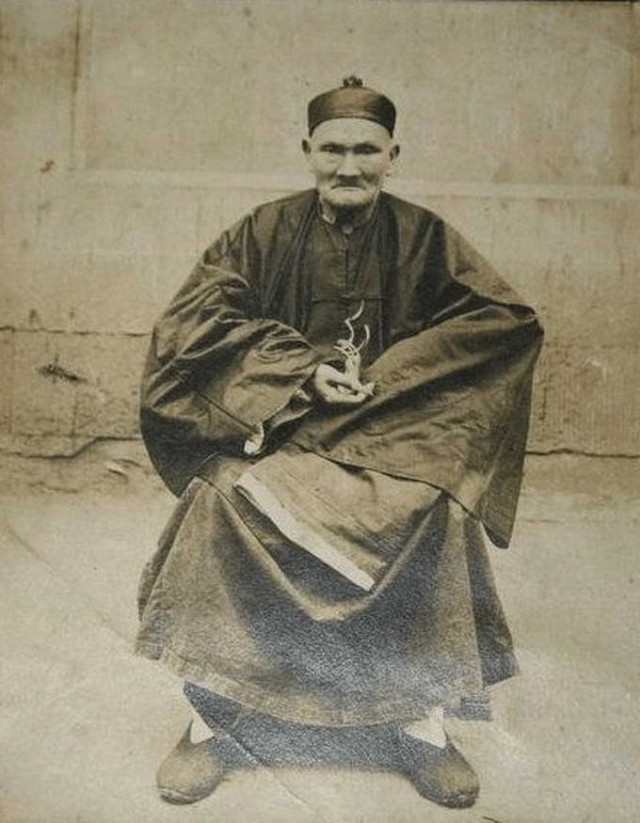
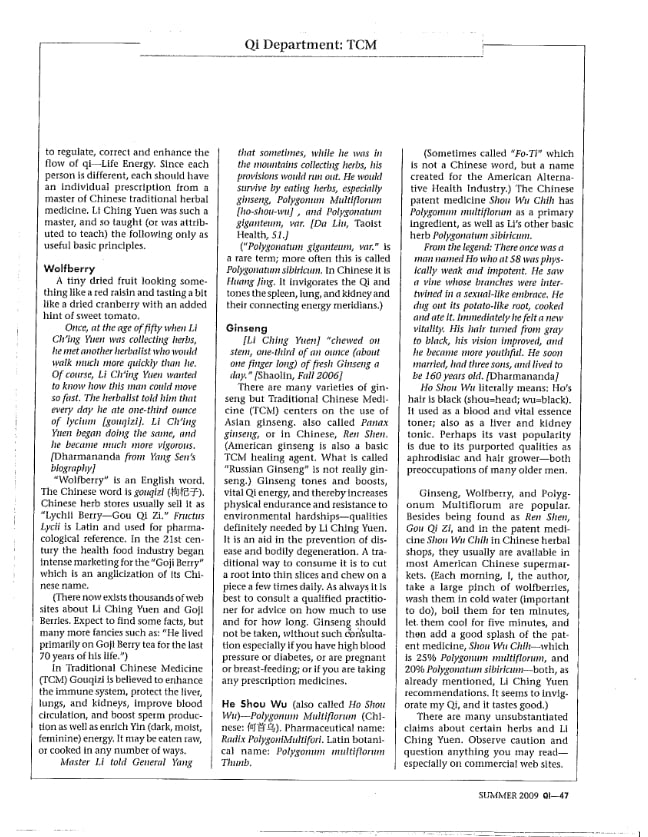
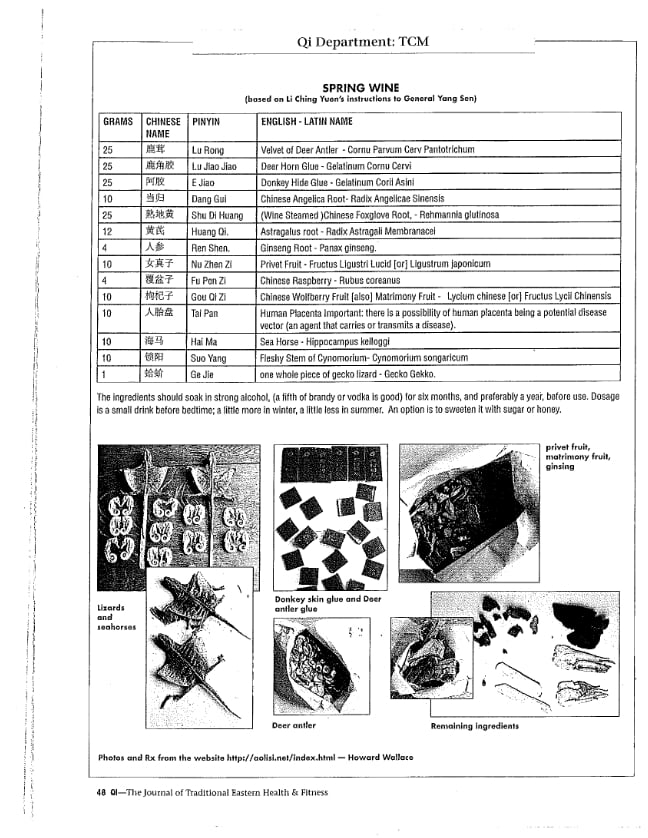
Li Ching-Yuen (simplified Chinese: 李清云; traditional Chinese: 李清雲) (1677 or 1736 – 6 May 1933) was a Chinese herbalist, martial artist and tactical advisor, known for his supposed extreme longevity. He claimed to have been born in 1736, while disputed records suggest 1677, implying an age at death of 197 or 256 years. Li Ching-Yuen spent most of his life in the mountains and was skilled in Qigong. He worked as an herbalist, selling lingzhi, goji berry, wild ginseng, he shou wu and gotu kola along with other Chinese herbs, and lived off a diet of these herbs and rice wine. He died from natural causes on 6 May 1933 in Kai Xian, Sichuan, China and was survived by his 24th wife, a woman of 60 years. Li supposedly produced over 200 descendants during his life span, surviving 23 wives.
After his death, General Yang Sen wrote a report about him, A Factual Account of the 250 Year-Old Good-Luck Man (一个250岁长寿老人的真实记载), in which he described Li's appearance: "He has good eyesight and a brisk stride; Li stands seven feet tall, has very long fingernails, and a ruddy complexion." General Yang became his disciple, practicing his teaching until the end of his life. In 1927 he invited him to his residence in Wanxian, Sichuan. The Tai Chi Chuan Master T. T. Liang (Liang Tung Tsai) learned from General Yang the practice of the "Eight Brocade Qigong". His student Stuart Alve Olson wrote in 2002 the book "Qigong Teachings of a Taoist Immortal: The Eight Essential Exercises of Master Li Ching-Yun", taking General Yang's report as reference. Some praticants of Jiulong Baguazhang, also known as Nine Dragon Eight Diagram Palm, claims that it was conceived by Li Ching-Yuen.
Longevity
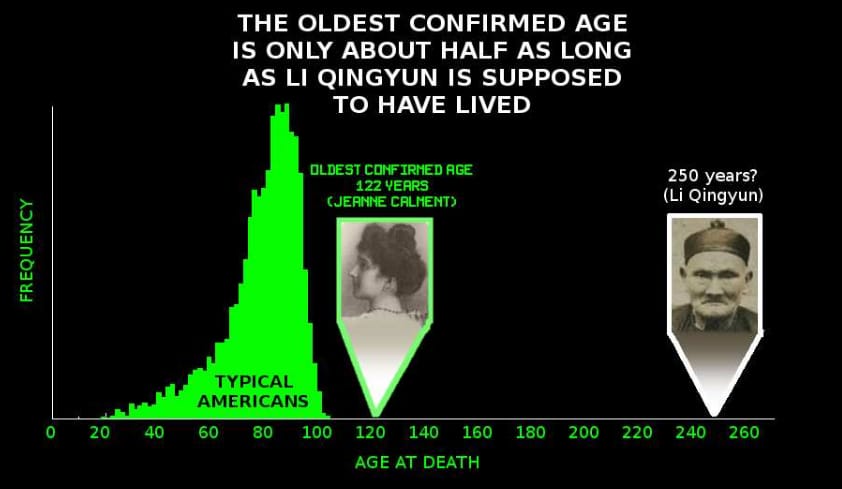
Whereas Li Ching-Yuen himself claimed to have been born in 1736, Wu Chung-chieh, a professor of the Chengdu University, asserted that Li was born in 1677; according to a 1930 New York Times article, Wu discovered Imperial Chinese government records from 1827 congratulating Li on his 150th birthday, and further documents later congratulating him on his 200th birthday in 1877. However, gerontological researchers have viewed the age claim with extreme skepticism; the frequency of invalid age claims increases with the claimed age, rising from 65% of claims to ages 110–111 being invalid, to 98% of claims to being 115, with a 100% rate for claims of 120+ years.
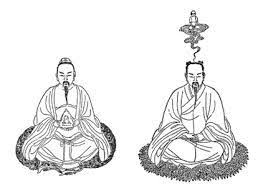
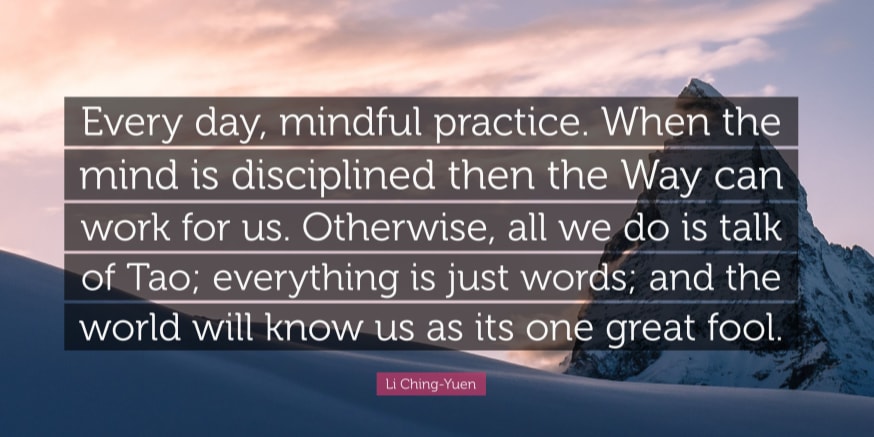
One of Li's disciples, the Taijiquan Master Da Liu, told of his master's story: when 130 years old Master Li encountered in the mountains an older hermit, over 500 years old, who taught him Baguazhang and a set of Qigong with breathing instructions, movements training coordinated with specific sounds, and dietary recommendations. Da Liu reports that his master said that his longevity "is due to the fact that he performed the exercises every day – regularly, correctly, and with sincerity – for 120 years."
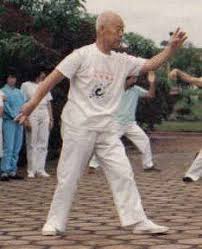
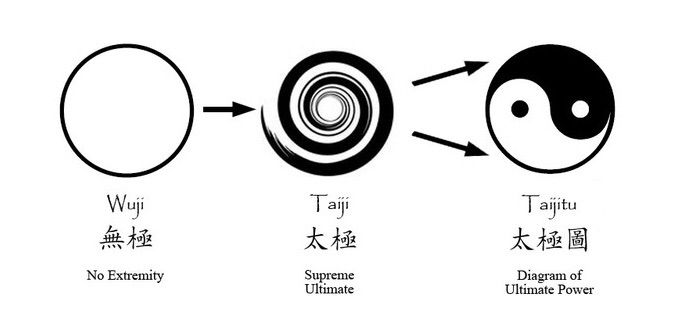
Master Liu Pai Lin (劉百齡) The Taoist Master Liu Pai Lin (劉百齡), who lived in São Paulo, Brazil from 1975 until 2000, had in his classroom another photograph of Master Li Ching Yuen unknown to the West. In this photo his face is clearly visible, as are his long and curled fingernails. Master Liu had met him personally in China, and considered him as one of his Masters. He used to say that Master Li answered to him that the fundamental taoist practice is to learn to keep the “Emptiness” (Wuji). Master Liu’s son, Master Liu Chih Ming, teaches the 12 Silks Qigong in CEMETRAC, as transmitted by Master Li.
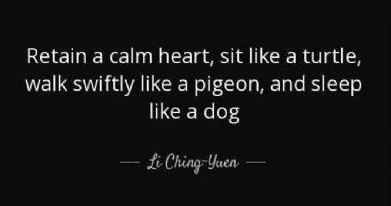
The article "Tortoise-Pigeon-Dog", from the 15 May 1933 issue of Time reports on his history, and includes Li's answer to the secret of a long life:
- Keep a quiet heart
- Sit like a tortoise
- Walk sprightly like a pigeon
- Sleep like a dog
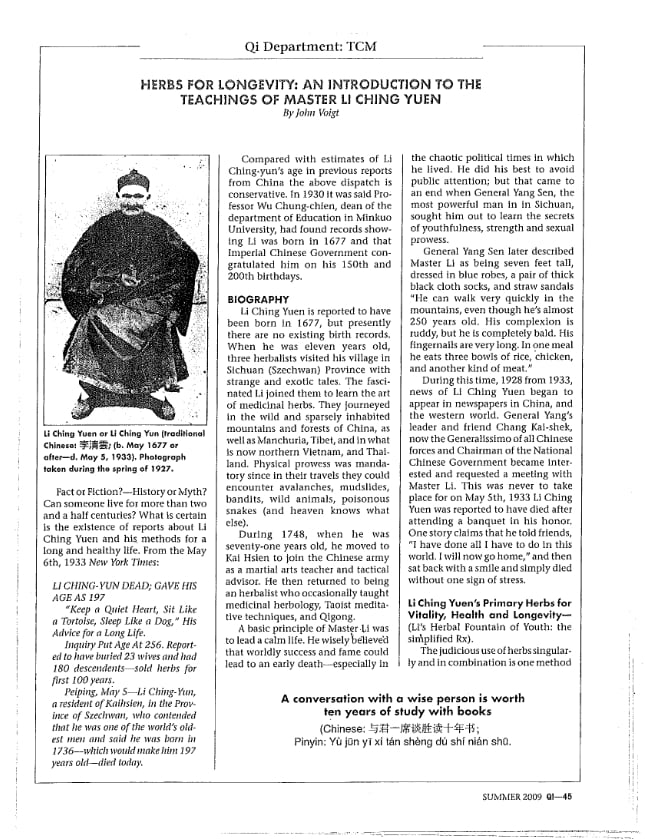
Following from "The Legend of Li Qingyun Meets Scientific Life Span Experiments":
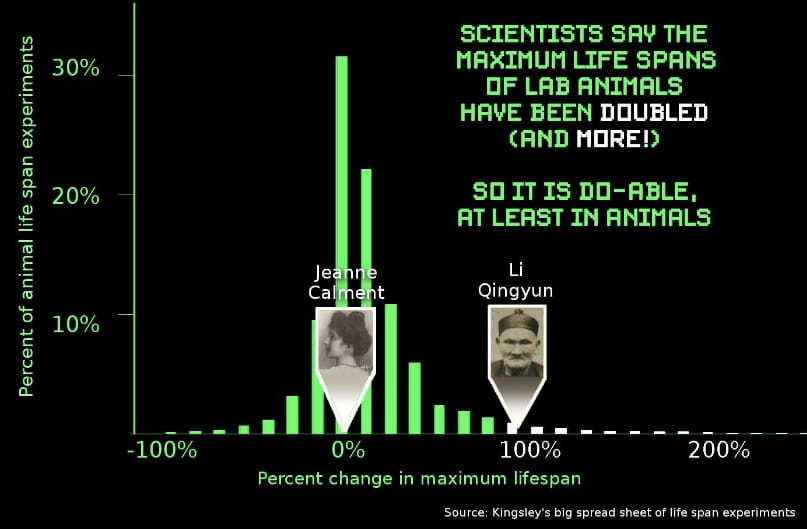
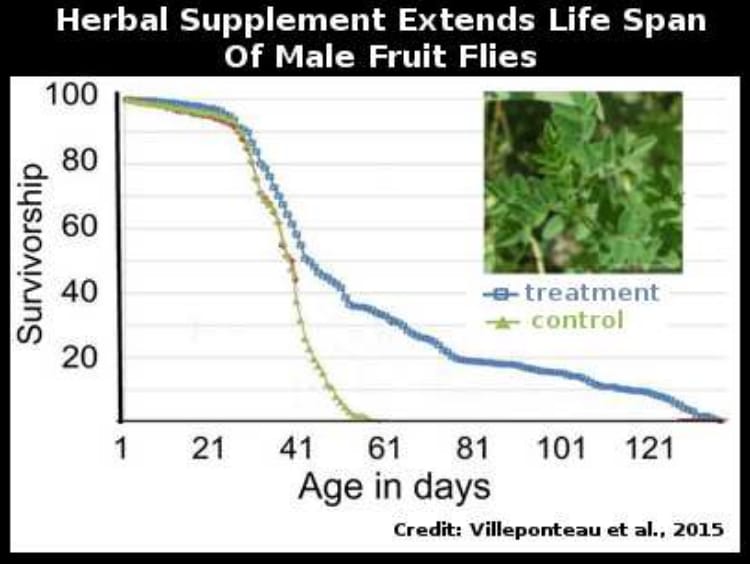
- Li Qingyun advised against feeling too happy
- Li Qingyun advised against drinking wine
- Li Qingyun meditated
- Li Qingyun ate rice
- Li Qingyun ate herbs
- Li Qingyun had plenty more tips for living longer.They included: Diet, exercise, sleep, religion, education, relaxing, living in remote areas, and occasionally going hungry.
Books:
- Qigong - The secret of youth - Da Mo’s Muscle/Tendon Changing and Marrow/Brain Washing Classics - by Dr. Yang, Jwing-Ming
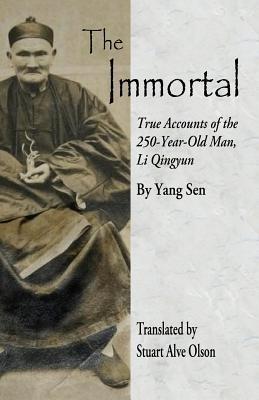
- The Immortal: True Accounts of the 250-Year-Old Man, Li Qingyun - by Yang Sen, Stuart Alve Olson
- The Jade Emperor's Mind Seal Classic: The Taoist Guide to Health, Longevity, and Immortality - by Stuart Alve Olson
- Blog post on Li Qingyun in Chinese
Related
-
Qigong - Energy Medicine for the New Millennium - by Tom Rogers (2004) (PDF)
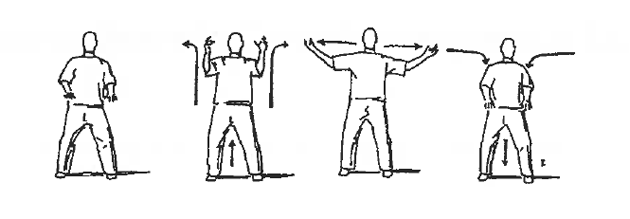
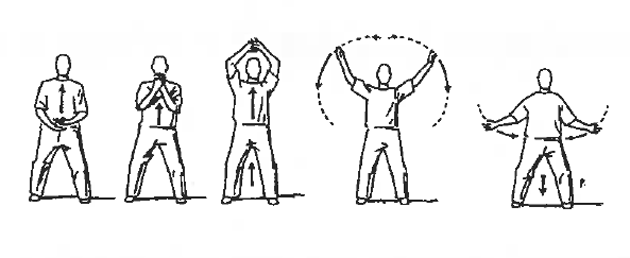
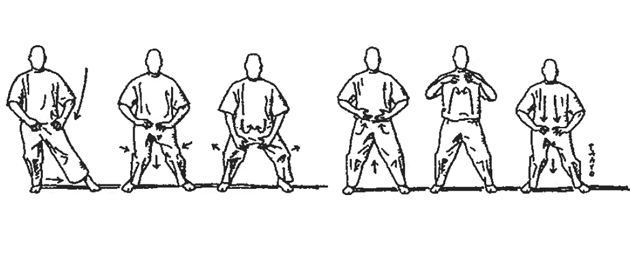
Tom Rogers is the President of the Qigong Institute, who's goal is "to promote the scientific understanding of the basis of Qigong". They maintain an extensive collection of Qigong related scientific research papers in the "Qigong and Energy Medicine Database" and have a dedicated page on the "Harvard Medical School Qigong research". More related science papers can be found on Semanticscholar, including some making miraculous claims.
-
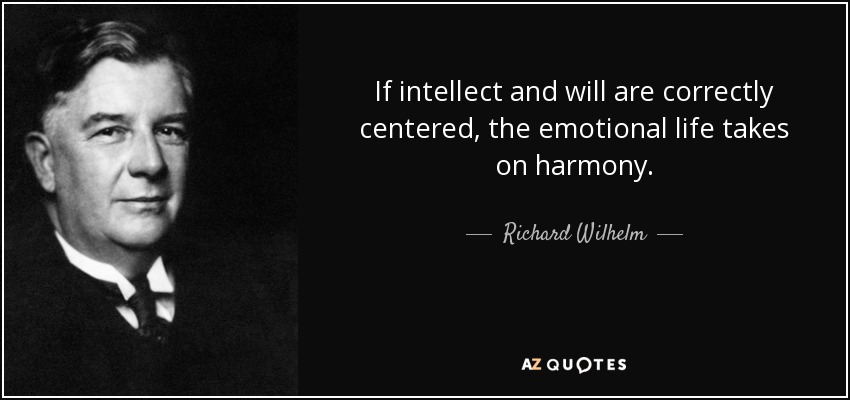
Richard Wilhelm (1873 - 1930) was a German sinologist, theologian, and missionary. He lived in China for 25 years. He is best remembered for his translations of philosophical works from Chinese into German, including the I Ching and The Secret of the Golden Flower (PDF)


-
“Those who know don’t talk. Those who talk don’t know.” - Tao Te Ching
https://www.thedaobums.com/ - Daoism Forum
https://rumsoakedfist.org/ - Martial Arts Forum
https://dharmawheel.net/ - Buddhism Forum
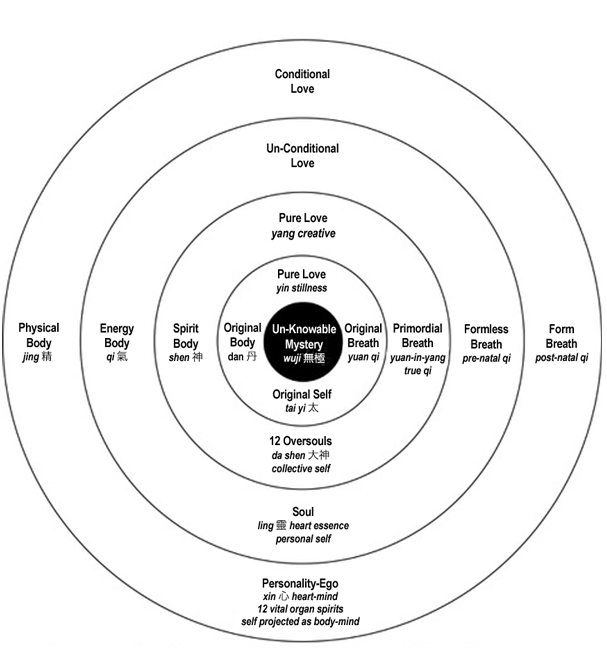
http://qi-encyclopedia.com - Qi Encyclopedia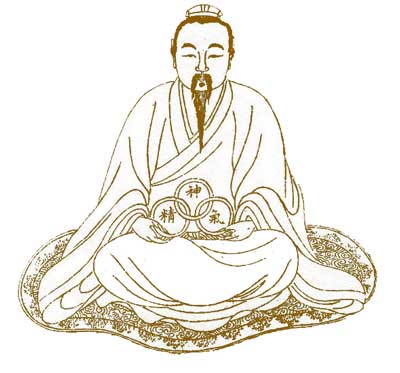
-
Paranormal and Qiqong frenzy in China: Collection of texts & links
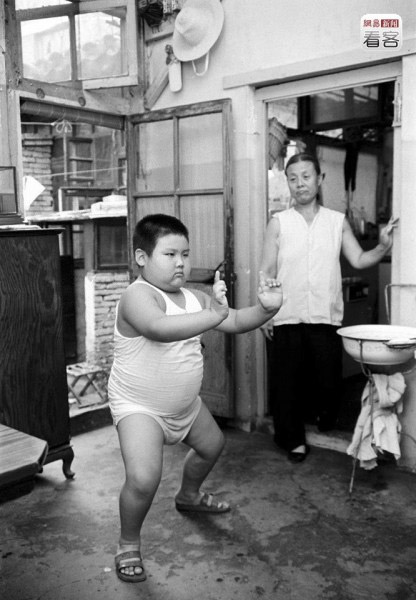
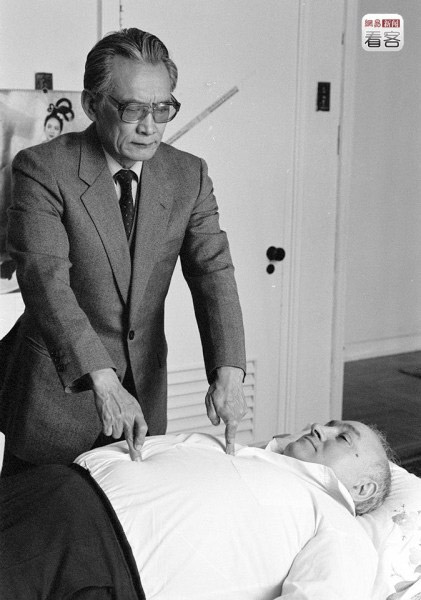
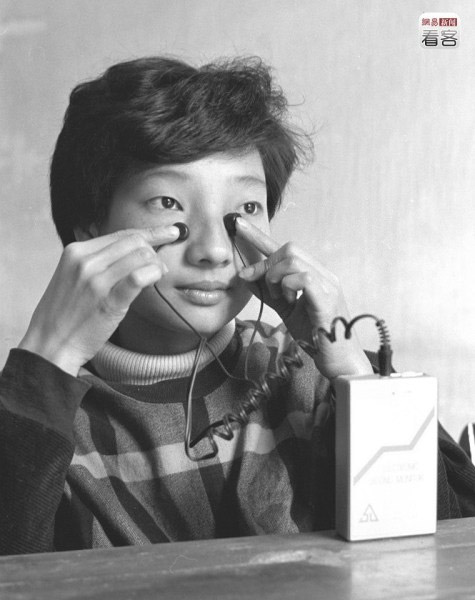
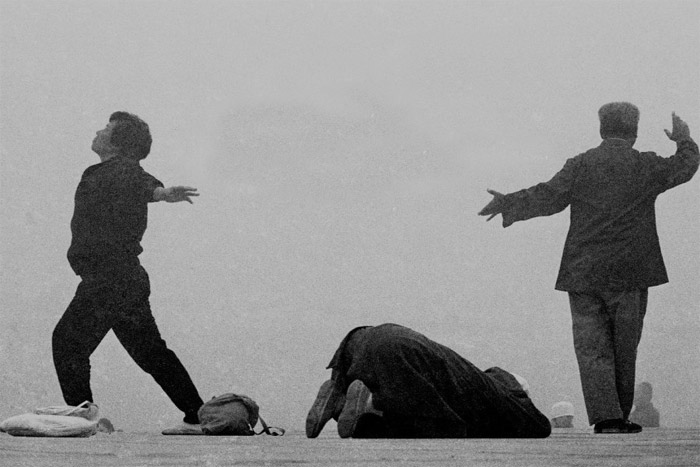
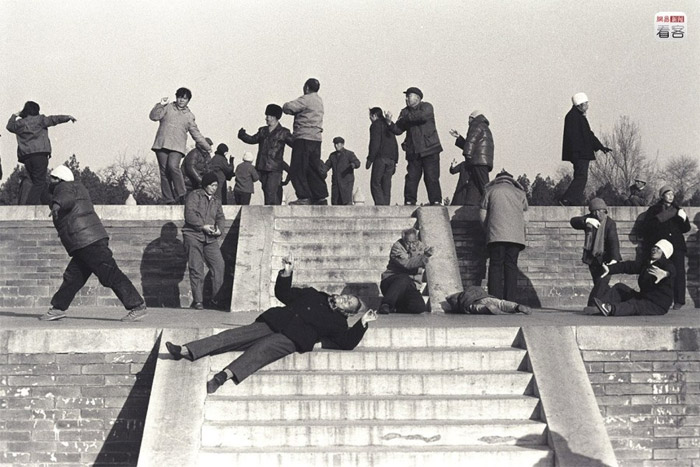
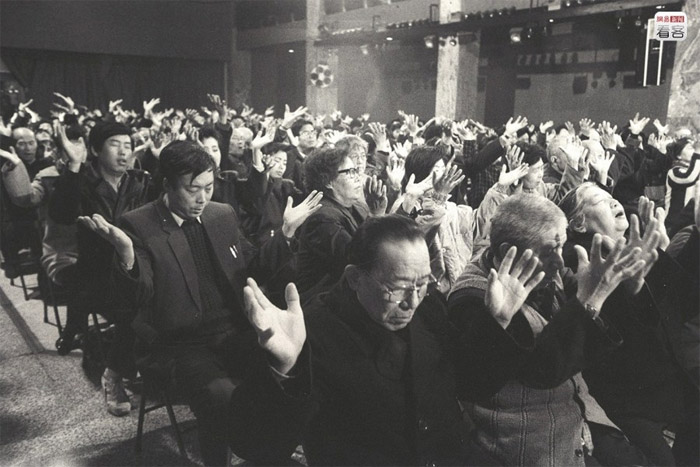
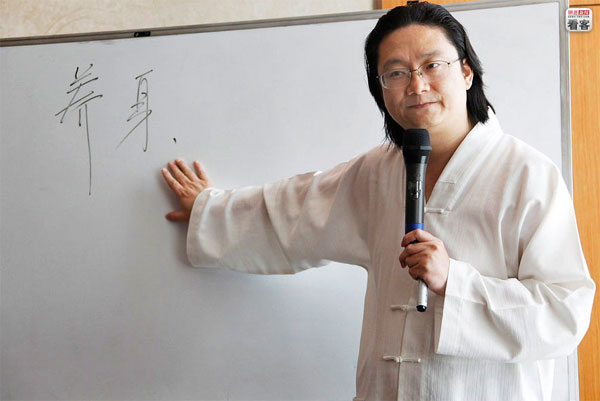
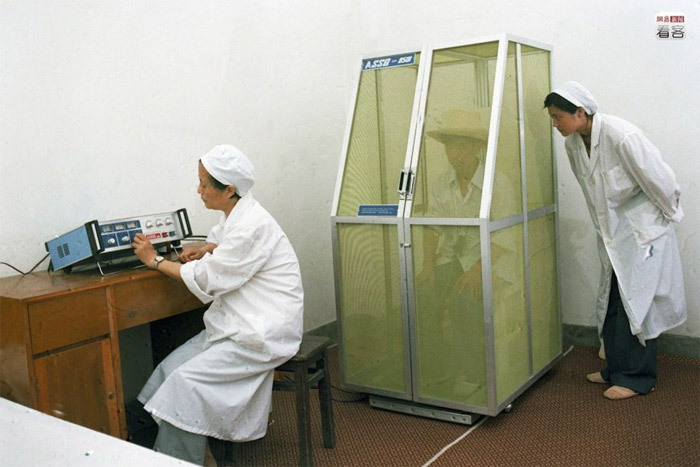
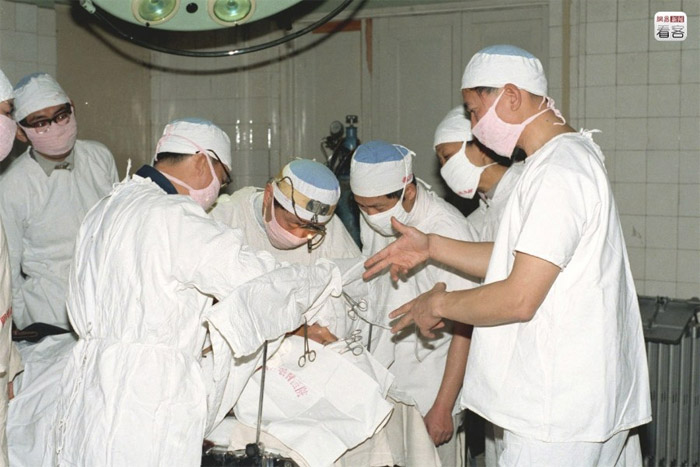
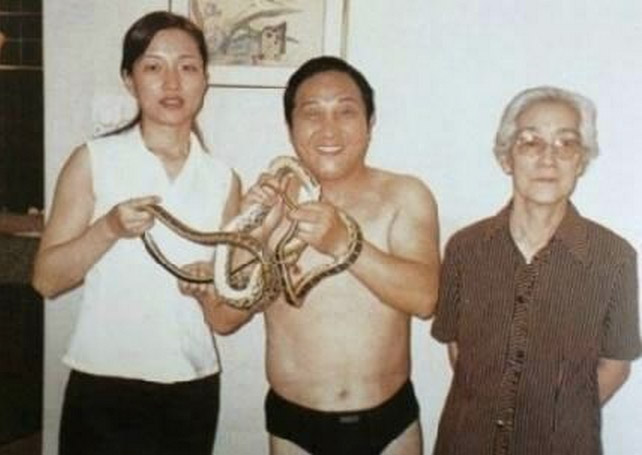
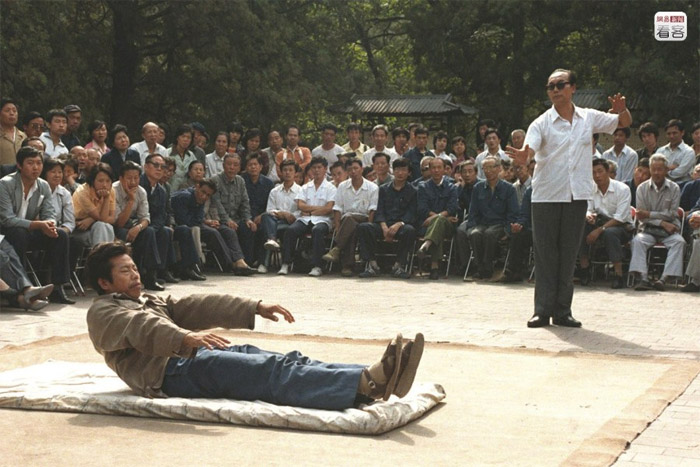
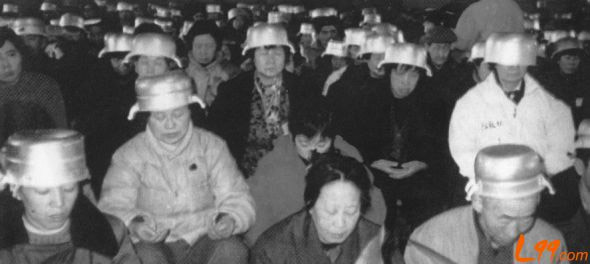
Rise and fall of the QiGong frenzy in China: when superstition and science collide - by Matteo Damiani (2014, china-underground)
"After the fall of the Gang of Four, Qigong represented an opportunity for China to find a cultural identity tested by the disastrous consequences of the Cultural Revolution that erased an entire cultural and relationships system. Looking for its own way to modernization, China took a shortcut to scientific progress by mixing weird science and superstition, with grotesque and devastating consequences in the long run."
Paranormal in China - by Wu Xianghong (1995, skepticalinquirer)
Excerpt: "At the same time, the research into Qi Gong was also booming. New ways of performing Qi Gong were found, such as projecting the Qi out of the sender’s body, through the air, and finally into the body of receivers. These methods were investigated with “scientific” apparatus, including infrared detectors and radiometers. It has been reported since 1984 that Qi Gong could activate the potential SA (“special ability”) in people. In 1985, Zhang Hongbao, a master of Qi Gong, proposed the theory of a “cosmic field”; that the energy accounting for both Qi Gong and SA were generated out of and transferred through the “cosmic field” and therefore Qi Gong and SA were unified. Zhang believed that everyone could get SA by training in Qi Gong and that those who had SA but did not know Qi Gong could be taught it. Henceforth, all those who were engaged in the paranormal named themselves “Master of Qi Gong.” Millions of people began to train in Qi Gong, including the youth. The main goal was usually not to heal diseases and improve health, but to get SA and be a “superman.”
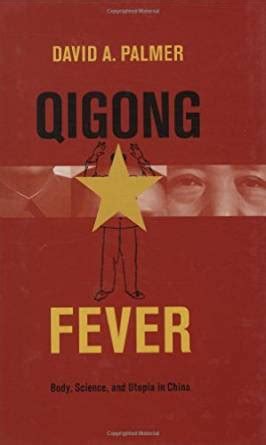
#Book: Qigong Fever: Body, Science, & Utopia in China - by David A. Palmer (2007)
"In this absorbing and revealing book, David A. Palmer relies on a combination of historical, anthropological, and sociological perspectives to describe the spread of the qigong craze and its reflection of key trends that have shaped China since 1949, including the search for a national identity and an emphasis on the absolute authority of science. Qigong offered the promise of an all-powerful technology of the body rooted in the mysteries of Chinese culture. However, after 1995 the scientific underpinnings of qigong came under attack, its leaders were denounced as charlatans, and its networks of followers, notably Falungong, were suppressed as 'evil cults.'"
Zhang Hongbao (1954 - 2006, died in a vehicle "accident" in Arizona/USA) is a fascinating character, which makes the explosive power of Cult "PK-Politics" in communist china clear:
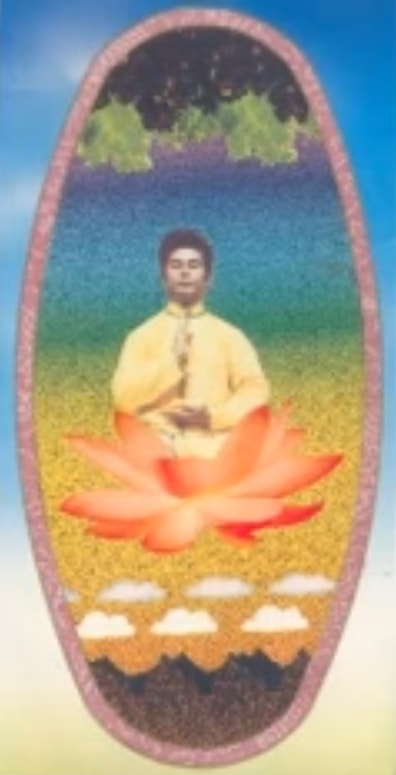
"In 1987, he founded Zhong Gong. Zhang gave two-week-long Qigong workshops which received national coverage in the People's Daily. Among the over a thousand people who participated were prominent academics such as the President of Beijing University, who were reportedly able to capture and emit Qi. Having won over the academic community, Zhang also gained acceptance within the China Academy of Science, and other sections of the scientific community. Furthermore, he became a media celebrity after one workshop was featured in a three-minute news segment on CCTV. He also gained credibility within the media and political elites. The movement claimed 34 million followers, 120,000 employees, 30 life cultivation bases, and 100,000 "branches" at its peak.
Zhong Gong Beliefs and teachings:
"Zhang developed a style of Qigong which was based on automation, physics, relativity, bionics, and with distinctive use of mechanical engineering jargon"
.
"Zhong Gong is based on the Qilin culture (麒麟文化) created by Zhang in 1987 which He (2000) states is "an obvious challenge to Marxism and the CCP's one-party rule". According to Zhang's 'spirit-matter dialectics', both spirit and matter both have objective existence and can transform into the other under certain circumstances. In 1992, based on the ancient theories of yin and yang, Zhang extrapolated his universal law of motion according to which all objects or matter can subdivide into 'Yin' or 'Yang', predicting anything or act which contravened it would bring eventual disaster. He asserted Marxist property right theory and the derived Communist Party aim to eliminate private property were in conflict with his laws. In 1993, Zhang advanced his theories of 'promotion-restriction-inhibition-transformation' derived from the Five elements. In 1998, Zhang put forward a moral code which he referred to as "eight virtues and eight calls".[4]Cultural Context:
"However, Qi Gong staged a comeback in a different form after 1992, as a trend of thought instead of a practical movement. In this way it has much to do with the revival of the paranormal in traditional Chinese culture. The renaissance of traditional culture began in 1989, when the government found it useful as an ideological weapon to fight against Western-style liberalism. Moreover, it seemed to be a hopeful alternative to orthodox Marxism as an ideology to join people’s viewpoints with feelings.
In the 1990s, as China accepts the market system step by step, the public media plays more and more important roles in the spread of pseudoscience, and cases of pseudoscience increase in the area of business. The Chinese people haven’t developed the necessary skeptical view of advertising, and the lack of related laws provide cunning businessmen with an open field. Until November 1994 China didn’t have a law for truth in advertising. The public media abounded with fraudulent advertisements.
Related:
"Only a real hero can goes along with no sword on. In 1999, directed the first national political action protesting the national political persecution in CCP ruled Chinese history. In 1999, continental China experienced another Cultural Revolution. Just by one order from Jiang Zemin, almost a billion Chinese who practice meditation became the target for persecution.
This year, CCP government lay down complete blockade and rounded up Fa Lun Gong and Zhonggong for the kill.
The only difference in the ways CCP treated Fa Lun Gong and Zhonggong is, it only kills but doesn¡¯t talk about the kill to Zhonggong.
"
Declassified CIA report from 1990 about Qigong cult prosecution start.
Video: Jack Ma talks about Tai Chi Chuan and applying it into life and business.
#Comment: Jack Ma - the world's 20th Richest Person, chairman of Alibaba Group, Kung fu master - is frequently directly associated with prominent Chinese cult-type "Qigong" etc. spiritual movements and its leaders (that get banned by the government)
Documentary on Qigong in the 1990s in China:
"Qigong Documentary Overview by Francesco Garri Garripoli "Here is a copy of the entire "Paranormal in China" article, for future backup:
Paranormal in China - by Wu Xianghong
From: Skeptical Briefs Volume 5.1 - March 1, 1995
Every evening in an open area furnished with several pine trees, I wander from the new library of our university. I see a group of old people, standing swaying, and rocking in time with the rhythm of Chinese classical music, coming out from a shabby loud speaker hanging from one of the branches. They are performing the Qi Gong, an ancient Chinese exercise, revived in the early 1980s, that supposedly advances one’s ability to gather and utilize the “energy” or “force” of the universe.
Now there are hundreds of types of Qi Gong: some only need meditation and others require body motion to music. They are popular among Chinese who wish to improve their health and cure their diseases. It is hard to say if anyone has restored his health by performing Qi Gong; while it is also hard to say if Qi Gong is completely ineffective if accompanied by orthodox treatment. Deep breathing, self-controlled meditation, and little movement, which are usually involved in performing Qi Gong, are not harmful.
The cult of Qi Gong, however, is not based on its effectiveness in health care. The “spirit balance” it gives and the quasi-religious mood involved in performing Qi Gong partly accounts for its popularity. Old people may perform it because they have no better ways to spend their time. Around 1985, Qi Gong began to closely connect with another cult—the cult of “special ability”—and each reinforced the popularity of the other.
The phenomenon of SA was first reported in 1978, when the political group headed by Mao’s widow lost its power, and Deng Xiaoping was reinstated and began to advocate the movement to “love, learn and utilize science” in China. This science movement quickly met the needs that the majority of Chinese, including some scholars had. They had forgotten what the rigorous demarcation line of empirical science was. In articles published in many scientific magazines and journals, the coming 21st century was portrayed as a utopian, entirely automated world. The research of UFOs and ETs was regarded as an advanced area of science. Scientific spirit was understood as “to doubt every idea you believe in and to believe in the raw materials you see with your eyes.” This attitude I’d like to name as the “materialist” view on science. (It is not even a Marxist view because Engels disagreed. He believed that observation should be guided by theory, and that idea was quite popular among the scientists and philosophers.)
It was in such a context that the public media reported finding some children who could identify human character by outward appearance—ear, forehead, and nose—and called it “special ability” (SA). The word “special” (Teyi in Chinese) means something a bit different from “paranormal,” the word my American colleagues prefer to use.
The “materialist” scientists believed that SA was not a transcendent phenomenon, but an empirical phenomenon outside of the existing scientific knowledge that could explain and predict; that it could be and should be studied by “scientific method.” In this way the existing laws and theories of scientific knowledge might be challenged and revised. Perhaps it is better to translate the concept of SA as “exceptional ability.”
Although there were some disagreements, the research into SA was booming. More cases were reported and the field expanded to include perception and PK—the ability to bend iron wire in a sealed test tube, or remove pills from a sealed bottle. At the same time, the research into Qi Gong was also booming. New ways of performing Qi Gong were found, such as projecting the Qi out of the sender’s body, through the air, and finally into the body of receivers. These methods were investigated with “scientific” apparatus, including infrared detectors and radiometers. It has been reported since 1984 that Qi Gong could activate the potential SA in people. In 1985, Zhang Hongbao, a master of Qi Gong, proposed the theory of a “cosmic field”; that the energy accounting for both Qi Gong and SA were generated out of and transferred through the “cosmic field” and therefore Qi Gong and SA were unified. Zhang believed that everyone could get SA by training in Qi Gong and that those who had SA but did not know Qi Gong could be taught it. Henceforth, all those who were engaged in the paranormal named themselves “Master of Qi Gong.” Millions of people began to train in Qi Gong, including the youth. The main goal was usually not to heal diseases and improve health, but to get SA and be a “superman.”
In 1987 and 1988, Yaniments by a group at Tsing Hua University were published in scientific journals that “verified” that Qi could be sent out over 2,000 kilometers to hit the targets—a polariscope and a reagent in a test tube—and change the direction of the polariscope axis and the molecular structure of the reagent. The scientific community was shocked by these results, and even more so when it was discovered that those who engaged in these experiments were only amateurs. The authorities at Tsing Hua University had failed to realize that the group represented the university.
Another creation of Yan Xin was the “Talk Show with Gong.” Hundreds, even thousands of people came to listen to his lecture and were induced by some unexplained forces to sway, quiver, sob, grin, sleep, and express other emotions at the lecture. Such induced emotions were believed to be good for health. The “Talk Show with Gong” was quite popular from that time on, and the recorded tapes of Yan’s lecture were claimed to carry the information of Qi Gong. They sold very well around the country.
Yan Xin attributed SA to Qi Gong. His theory was that the children who had SA were not talents but that there were some masters of Qi Gong sending Qi to them in secret. Yan also expanded the effectiveness of Qi Gong’s psychokinetic powers to include moving away tons of fish, changing the weather, and putting out a forest fire.
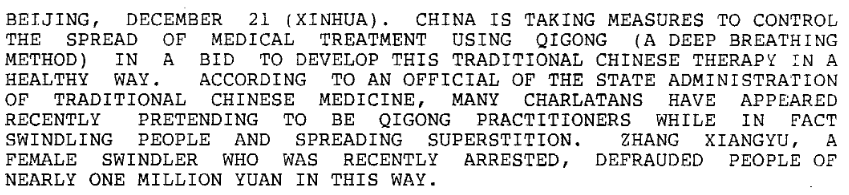
After 1988, Qi Gong became more influential. In 1990, a woman master of Qi Gong, Zhang Xiangyu, pushed its influence to a peak with her performance in Beijing. Millions of “pilgrims” gathered from several provinces to see her and caused great traffic jams. When Zhang waved her hand out of a window of the third floor of the hotel, the “pilgrims” in the street cheered. Zhang claimed that she could talk with extraterrestrial beings and was able to cure every disease. She treated her patients with methods similar to those of witchcraft and demanded large amounts of money from them. Many patients became ill under her treatment and some of them died. In August, Zhang was arrested and accused of cheating. The exposition of her swindle weakened the cult of Qi Gong. Zhang was convicted in 1993.
Soon after the arrest of Zhang Xiangyu, a conscientious master of Qi Gong, Sima Tu, told the truth about the various kinds of Qi Gong hoaxes. The prestige of Qi Gong dropped rapidly and became merely a sort of body exercise popular among old people, as I mentioned at the beginning of this article. However, Qi Gong staged a comeback in a different form after 1992, as a trend of thought instead of a practical movement. In this way it has much to do with the revival of the paranormal in traditional Chinese culture.
The renaissance of traditional culture began in 1989, when the government found it useful as an ideological weapon to fight against Western-style liberalism. Moreover, it seemed to be a hopeful alternative to orthodox Marxism as an ideology to join people’s viewpoints with feelings. The preference for traditional culture in literature, however, can be dated back to 1984. Then, some novelists announced they were able to “find the root for our literature” when they felt disillusioned by the importation of Western literature and art since 1978, as well as Marxism, which is also a western ideology. The announcement of finding the “root” is not a bad one.
When the government took part in the revival of traditional culture, things turned out to be worse, because the leadership of government was far from being scientific and rational. A manifest example was the “I Ching” craze beginning in 1989. An ancient classic about divination, the “I Ching” relates something of the philosophy, beliefs, customs, and mathematical ability of ancient China. But in the recent craze it was claimed to have the implications of modern physics, mathematics, astronomy, and computer science.
For example, it is said that G.W. Leibniz (1646 – 1716) got inspiration out of the Eight Diagrams to create the binary computer and had sent one of his machines to Emperor Kang Xi of the Ding Dynasty. This claim turns out to be completely false. The binary computer wasn’t created until 1941 (the Z-3 machine). What Leibniz created is the binary system, and he worked it out before he saw the Eight Diagrams.
While the cult of traditional culture led to pseudoscience in intellectual circles, it resulted in the revival of primitive superstition, such as fortune telling, astrology, physiognomy, and “I Ching,” ancestral worship, and magic among the masses with less education. They abounded in the broad rural areas, as did the Qi Gong in the cities. The official newspapers warned that “the superstition of feudal ideology is reviving in our countryside.”
From the standpoint of the official media, superstition refers to something more than we have mentioned above. It includes the spontaneous, disorganized minor religions in the rural areas. For instance, hundreds of pamphlets on Zen have been issued since 1990. Zen, as a specific religion originating in China and spreading over the Far East, was generated out of the mixture of Indian Buddhism and Chinese traditional thought. It had benefited from Taoism, Confucianism and other traditional Chinese teachings. Therefore Zen, as well as Taoism and other religious traditions, became popular with the revival of traditional culture. These traditions should be highly appreciated in themselves but the popular interpretation of them came to include the paranormal.
A typical case is the book The Decoding of Liuman’s Mysteries (Renlei Shenmi Xianxiang Poyi, 1992) by Ke Yuniu. In it, he announced that he had encoded all the mysteries in human history: Qi Gong, Yoga, SA, psychic phenomena, parapsychology, magic, soul, I Ching, Chinese medicine, Laozi and Dao De Jing, Zen, Sakyamulli and Buddhism, the Bible, Jesus and God!
Carefully read, one can uncover that Ke’s thoughts never transcend the ideas of the early sages, such as Laozi, Sakyamuni and Jesus. He borrows from Zen epistemology, makes use of Laozi in the ontology, believes Qi Gong as an alternative to physics, and he also contributes his own illogical methods of thinking.
In November 1994, Ke issued his new three volume book: Research Into Life. In this book he proposed few new ideas but described hundreds of “successful” experiments to verify the presence of SA. In general, Ke’s books are not worth being treated seriously; but their great influence on the social ideology is dangerous, and we need to deal with them.
The movement to “love, learn and utilize science” from the end of the 1970s unexpectedly helped the growth of pseudoscience. The above-mentioned “materialist” view of science was an important cause, another was that public education in science was led astray in this period. The masses were given “scientific knowledge” without the necessary explanation of how it was achieved. That no method was available for the masses to decide whether a claim was scientific made them turn to some “authoritative” source, for example, the public media, an administrative organ, or the “mystery authority” relating to the intelligence agencies and the military.
“Hongcheng Magic Liquid” is a case of “mystery authority.” Being an ordinary man in Northeast China without higher education, Wang Hongcheng, in the early 1980s, pretended to have created a sort of “liquid” of which two to three drops could change the structure of one liter of water to make it as combustible as petrol. Were his claim true the words “energy crisis” could be canceled from the dictionary eternally. The Chinese security and military departments paid much attention to the declared creation and funded Wang for further research. When it was shown to be obviously a fraud, Wang was thrown into prison. However, he became a legendary figure. Some people believed that Wang was persecuted because he refused to turn over his “secret” formula to the government, and that this was covered up.
When Wang was finally freed, many news reporters, worshippers, investors, and crooks gathered around him to hear about the “secret” formula. In 1992-1993, Wang was rather popular on the public media, and he set up a company to develop the “Hongcheng Magic Liquid.” Nothing happened in the end, of course.
Another case has more to do with the authority of administrative organs. It is the “W-Shape Ship Patent” belonging to Zhou Jinyu from South China. He was a young technician and announced his innovation in 1985. This was to put the propeller in the middle of a ship instead of at the stern and to give the whole ship a W-shape. Zhou claimed that he had discovered a new fluid theory, by which the W-shape innovation could improve the speed of ships by 200 to 300 percent, but he had never published a paper about his “theory.” Experiments performed by some experts indicated that a ship when applied with this innovation would lose 20 to 30 percent of its speed and risk turning over. However, Zhou managed to get a formal appraisal from the local administrative committee of science and technology. He succeeded in bypassing the patent bureaus, the local government, public media, and entrepreneurs, simply by waving the appraisal. A large amount of money was wasted in making W-shaped ships, because they couldn’t move at all. Zhou was awarded and honored by governments at different levels until he was exposed by thirty scientists in 1992.
In the 1990s, as China accepts the market system step by step, the public media plays more and more important roles in the spread of pseudoscience, and cases of pseudoscience increase in the area of business. The Chinese people haven’t developed the necessary skeptical view of advertising, and the lack of related laws provide cunning businessmen with an open field. Until November 1994 China didn’t have a law for truth in advertising. The public media abounded with fraudulent advertisements. One example was the “electronic adding-growth shoe pad.” This shoe pad was said to help short young men grow taller by stimulating specific parts of the sole of the foot.
Another case was the “electronic stutter-curing instrument,” which was only a micro-amplifier, to enable you to hear your own voice through an earphone attached.
Fraudulent advertisements have been reduced since the Law of Advertisements went into effect, but pseudoscientific businesses, especially in the field of medicine, haven’t been contained. First, an essential system to test the quality of new medicines has not been established. New medicines always have to “pass” a clinical test, but the necessary control group is usually neglected, or the it is not under rigorous control. For example, all the patients of the control group haven’t been given the same dose. Second, the effectiveness of Chinese medicines cannot be tested by orthodox procecare articles” insteading disease instead of caring for health.
The Chinese medicine and “health care articles” market has been full of various sorts of oral liquids. They all claimed to be able to reduce your white hair, or improve your memory, or strengthen your sexual ability. One of them is called “China Soft- Shelled Turtle Extract.” It is well known that female Chinese long-distance runners have continually been winning the championships in different races and often also win and as the runner-ups. It is also well known that all these female athletes are guided by the same coach, Ma Junren. Ma’s method in training is peculiar, but public opinion holds that he has a certain “secret formula.” In the West, reporters guess about the stimulant used. In China, people noted that Ma had his athletes drink the blood and fat of soft-shelled turtles everyday. A financial group in Chang Zhou announced that they had bought the “secret formula” from Ma and began to produce the extract. However, a group of reporters recently discovered that no turtles could be found on the production line.
Besides, Ma had sold his “secret formula” to another company for two million Juan (about $250,000). Turtle, of course, is not among the ingredients. This company is now selling a liquid named “Life Atomic Energy,” which is said to be produced according to Ma’s direction.
In my view, the most influential commodity and the first object that ought to be inquired about in the present China market is the so-called “Life-Spectrum Healing Instrument.” According to its creator, Zhou Lin, it can emit rays whose spectrum is similar to the emission spectrum of the human body. Thus it “adjusts the balance of the human body system.” This explanation for its mechanism is not clear. If its spectrum is really in accordance with the human’s emission spectrum, we can understand that the energy of the rays is subject to absorption by the body, that it will heat the tissue inside of body.
Perhaps it is a better physical healing method than the traditional hot compress, but this wouldn’t help us to understand how it could adjust the balance of the body system.
In fact, Zhou’s instrument hasn’t been strictly investigated. It is widely accepted primarily because it won the first prize in an international fair. The general underdevelopment of Chinese science and technology induces people to be convinced by the “authority” from any international organization.
On December 5, 1994, the State Council and the Committee of the CPC issued a proclamation to strengthen public education in science. In this proclamation it was recognized that “public education in science has been withering in recent years, at the same time activities of superstition and ignorance have been growing and antiscience and pseudoscience cases have frequently been happening. Therefore effective measures must be applied as soon as possible to strengthen public education of science. The level of public education in science and technology is an important sign of the national scientific accomplishment, and is a matter of overall importance relating to the promotion of the economy, the advancement of science, and the development of the society. We must pay attention and carry out the public education with consideration of a strategy to modernize our socialist country and to make our nation powerful and prosperous. Ignorance is never socialist nor is poverty.” It is planned to advocate education with the three aspects of science: scientific knowledge, scientific method, and scientific ideas. This proclamation greatly encourages the rationalists, and has formed a helpful context for attacking the paranormal. However, it is possible that such a government- guided movement would turn out to be politically oriented. If the paranormal was only suppressed by the political power, and if people were not to be persuaded reasonably to discard their irrational beliefs, the matter would be worse. In my view, political intervention is the most dangerous element of skepticism, and it could result in many more cases of paranormal claims.
Author: Wu Xianghong - a doctoral candidate in philosophy and science at Renmin University of China, Beijing.
-
Lu Zijian (1893 - 2012) - Wudang Daoist Baguazhang and Qigong Grandmaster
Yuanming Zhang (1963) - Baguazhang and Qigong Grandmaster, Lu Zijian's disciple
Hai Teng (1902-1989) - Buddhist monk, martial artist and pro-tem abbot of Shaolin Temple:
Duan Zhi Liang (1909 - 2016) - Qigong Grandmaster
-
Shaolin Eighteen Lohan Hands - by Sifu Wong Kiew
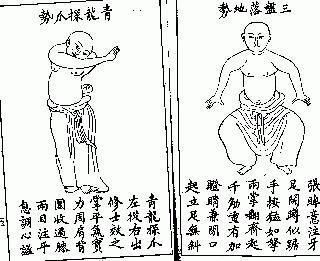
"The Shaolin Eighteen Lohan Hands were taught by the great Bodhidharma in 527 CE to monks at the Shaolin Monastery in China when this First Patriarch of the Shaolin arts found the monks weak and often sleepy during meditaion, which is the essential path towards enlightenment.
The Shaolin Eighteen Lohan Hands are fundamental qigong exercises that can bring tremendous benefits if they are practised as qigong. "
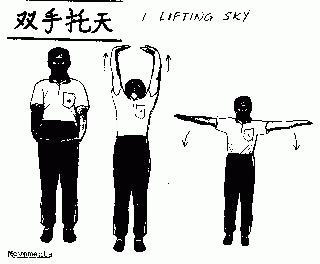
1. Lifting the Sky 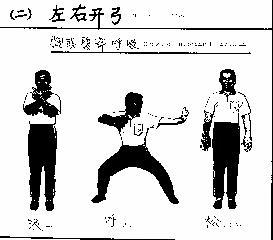
2. Shooting Arrows 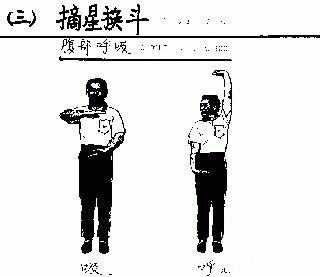
3. Plucking Stars 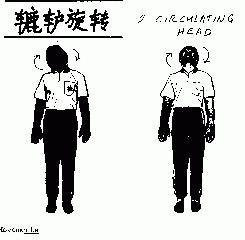
4. Turning Head 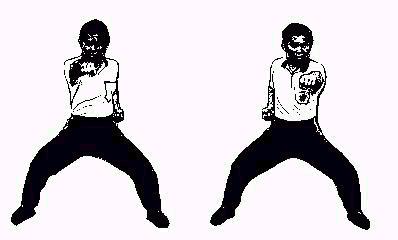
5. Thrust Punch 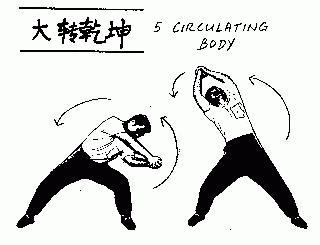
6. Merry-go-Round 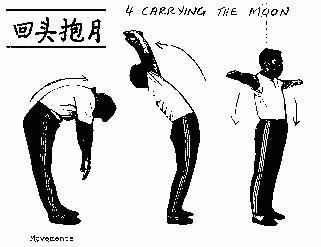
7. Carrying the Moon 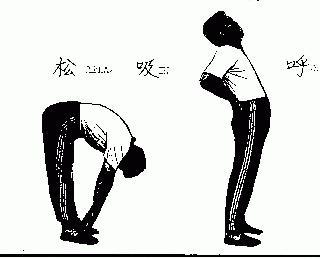
8. Nourishing Kidneys 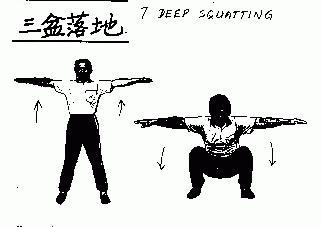
9. Three Levels to Ground 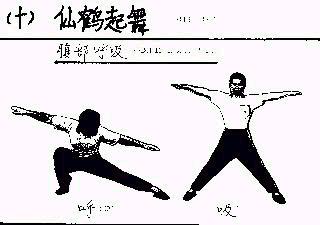
10. Dancing Crane 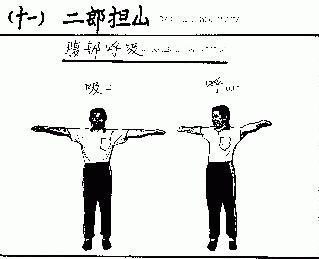
11. Carrying Mountains 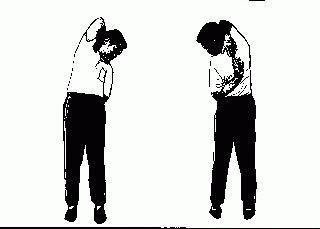
12. Drawing Knife 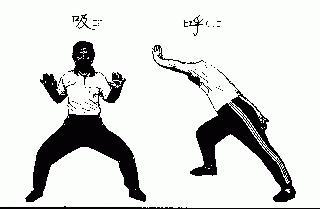
13. Presenting Claws 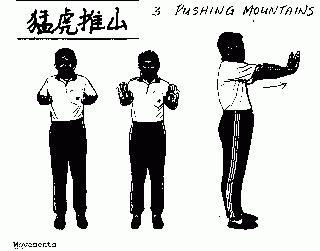
14. Pushing Mountains 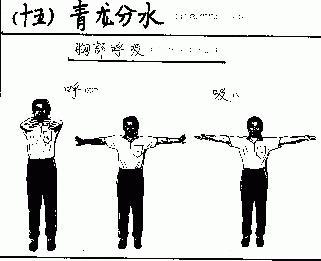
15. Separating Water 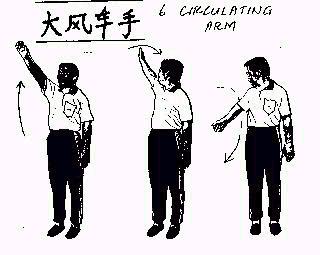
16. Big Windmill 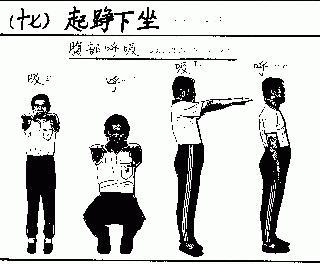
17. Deep Knee Bending 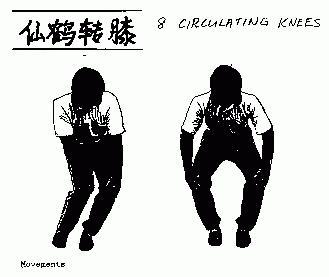
18. Rotating Knees "But if they are practised as physical exercise, which is often the case nowadays, naturally the practitioner will only get the benefits of physical exercise. The crucial difference between chi kung exercise and physical exercise lies not in the outward form (which can be the same for both types of exercise), but in the internal dimensions of energy and mind. If one does not know what these internal dimensions are, it is unlikely that he (or she) has practised chi kung, although he may have performed the outward form for years.
At the Shaolin Monastery, these Eighteen Lohan Hands evolved into a kungfu set called “Eighteen Lohan Fist”, which forms the prototype of Shaolin Kungfu today. Because of its long history, there are many versions of the Eighteen Lohan Hands being taught today. Shown below are the Eighteen Lohan Hands taught in my Shaolin Wahnam School. The illustrations are reproduced from a manual used more than 10 years ago by my chi kung students. "
-
An Introduction to Koichi Tohei (1920 - 2011) - 10th Dan aikidoka and founder of the Ki Society and its style of Aikido, Ki-Aikido. Practitioner of Shinshin-tōitsu-dō (Japanese Yoga).
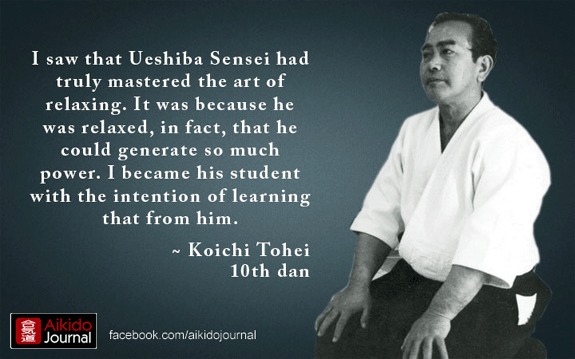
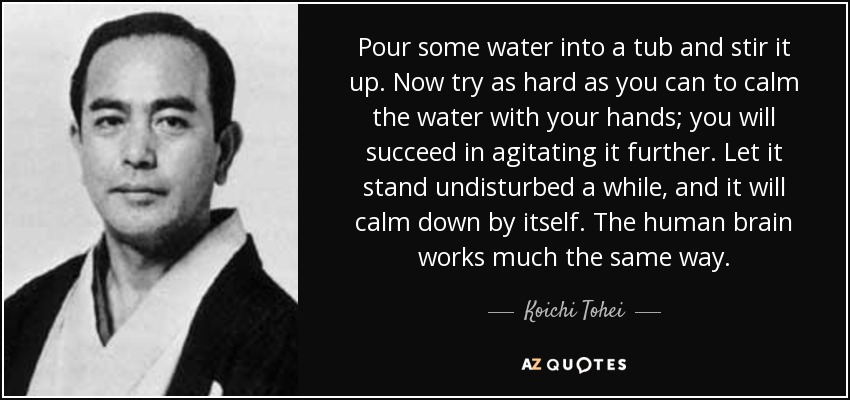
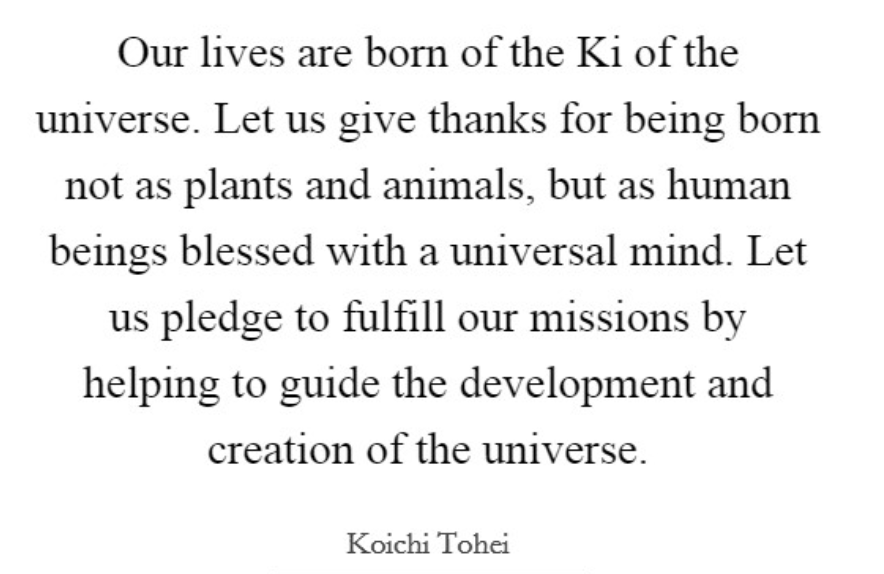
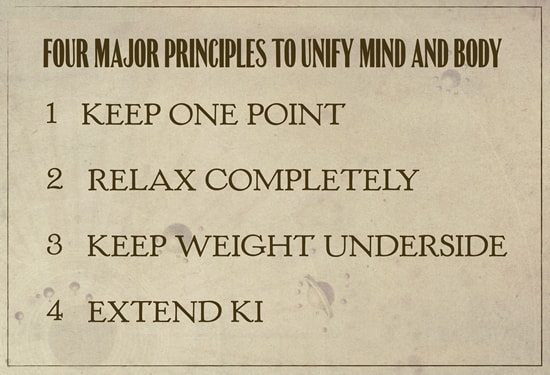
Four Basic Principles to Experience Mind and Body Unification 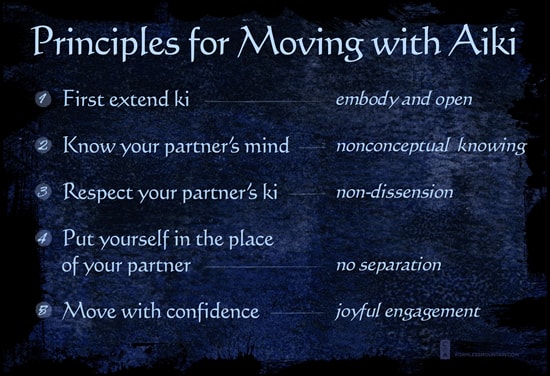
Principles for Moving with Aiki (via) 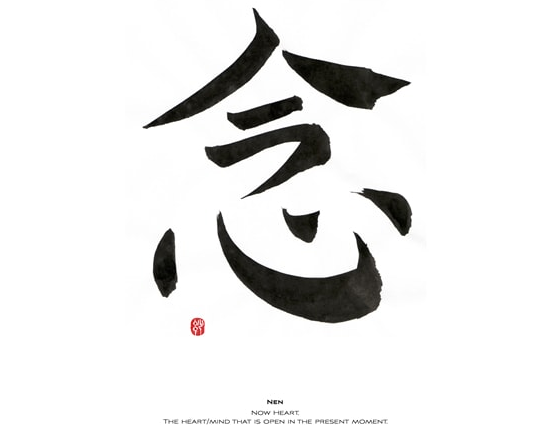
Nen - Heart Mind Now - Willpower Books: https://www.goodreads.com/author/show/248718.Koichi_Tohei
Videos: Intro - Ki Aikido - Fundamental Concept Principle Part1 - Part2 - Part3 - Part4 - Part5
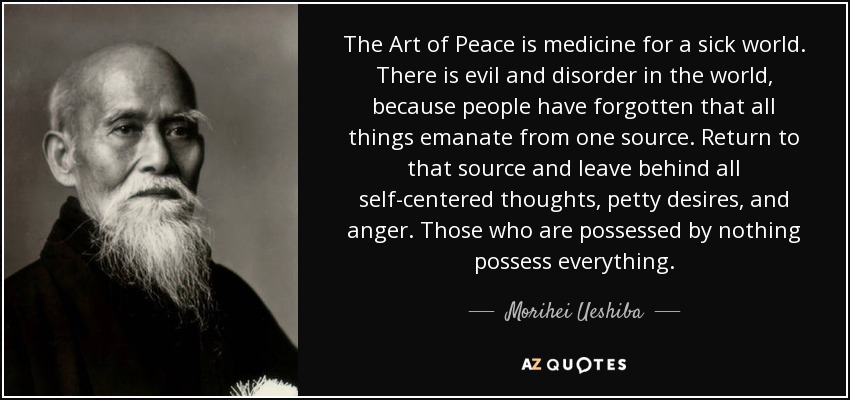
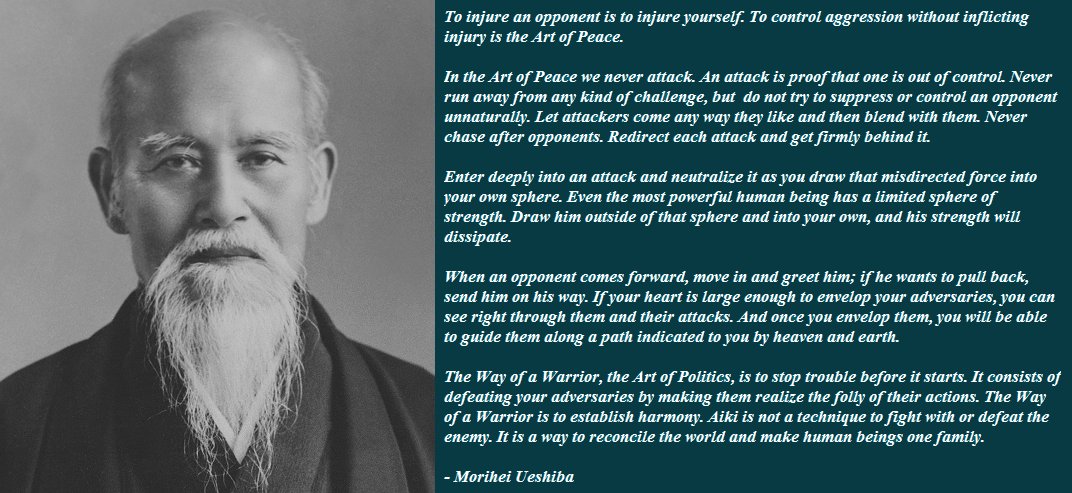
Tohei trained with Morihei Ueshiba - Japanese martial artist and founder of aikido.