tag > Qi
-
"The less effort, the faster and more powerful you will be." — Bruce Lee
-
Reiki Can’t Possibly Work. So Why Does It? (The Atlantic)
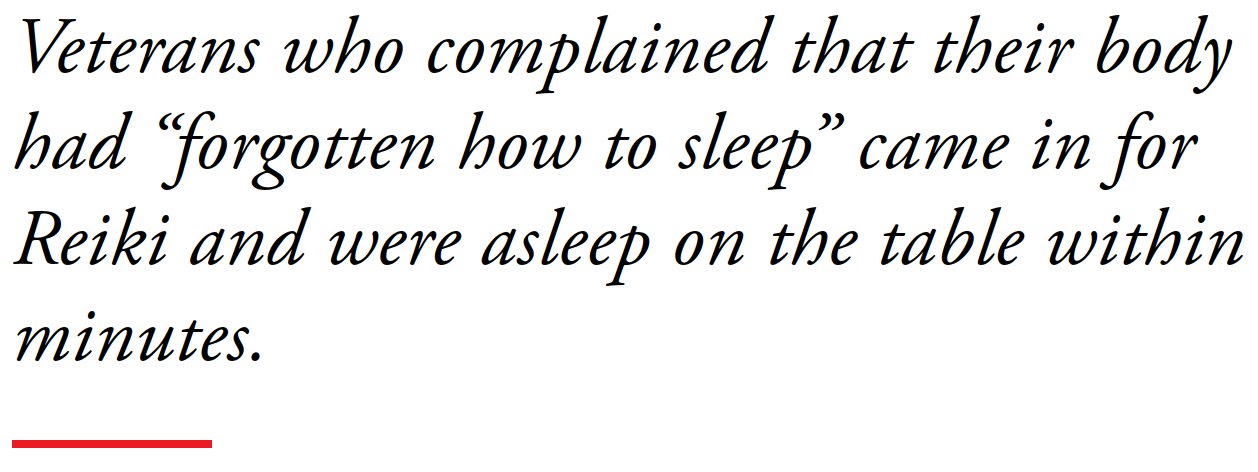
The energy therapy is now available in many hospitals. What its ascendance says about shifts in how American patients and doctors think about health care.
-
Building Immunity in Qi Gong - by Lotus Nei Gong International
-
“Those who know do not speak. Those who speak do not know.” ― Lao Tsu, Tao Te Ching
-
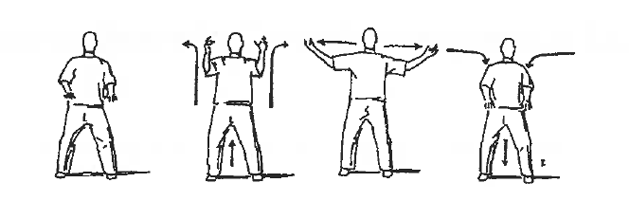
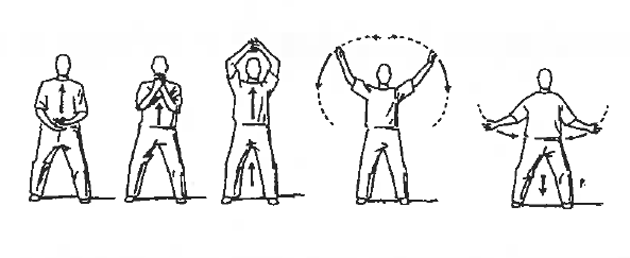
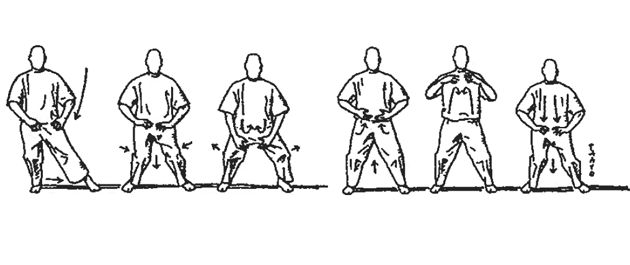
#Qi Gong Patterns
-
lololol Future Tao: Online Inner Scripture
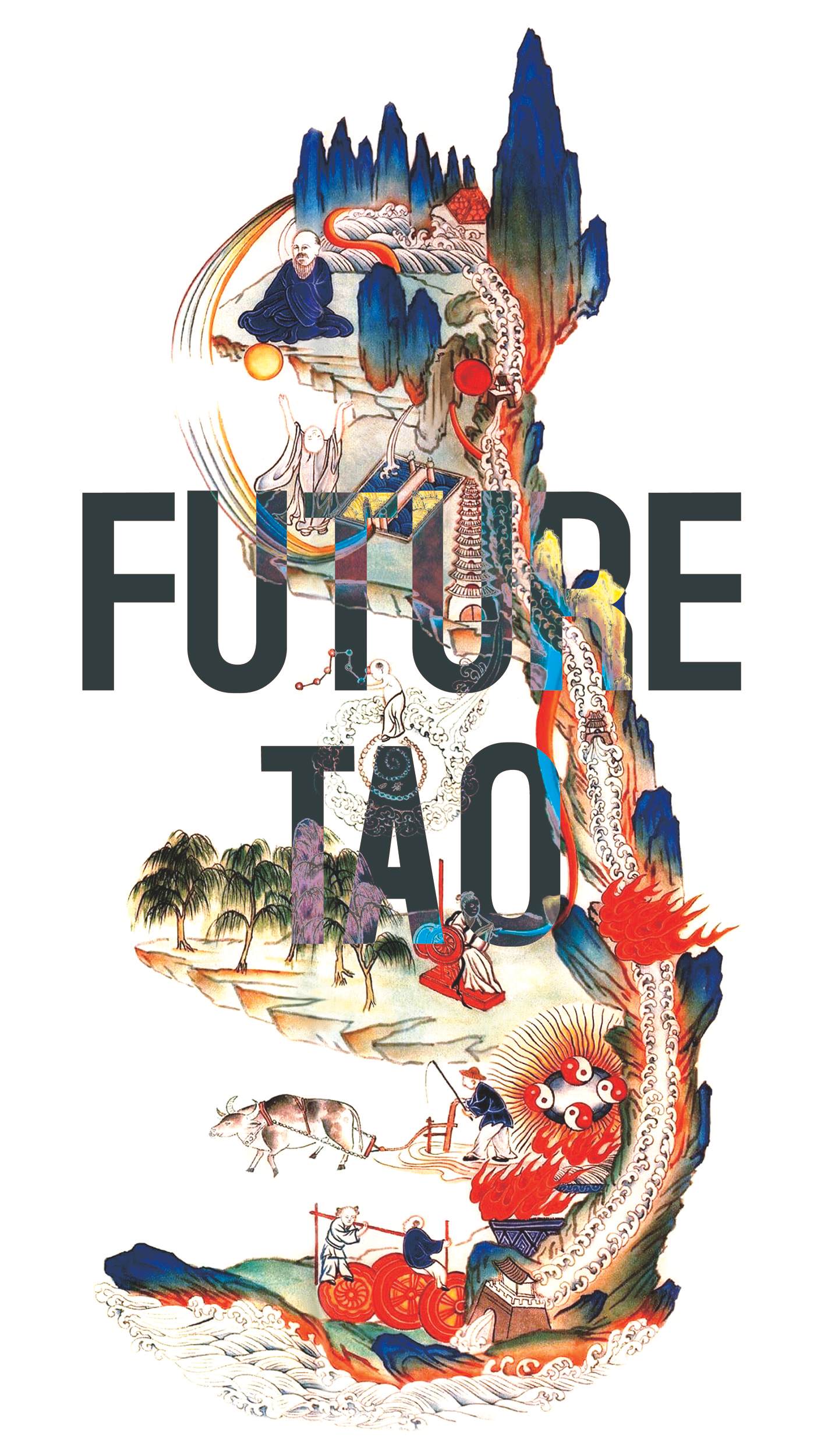
“Future Tao” is an ongoing interpretive manuscript of Taoist-informed experimental practices for mind and body cultivation in contemporary times. Initiated by lololol, the manuscript is collectively written and organically evolving, and includes a decentralized program of exercises and techniques shared as a community for inspiring healthy living.
-
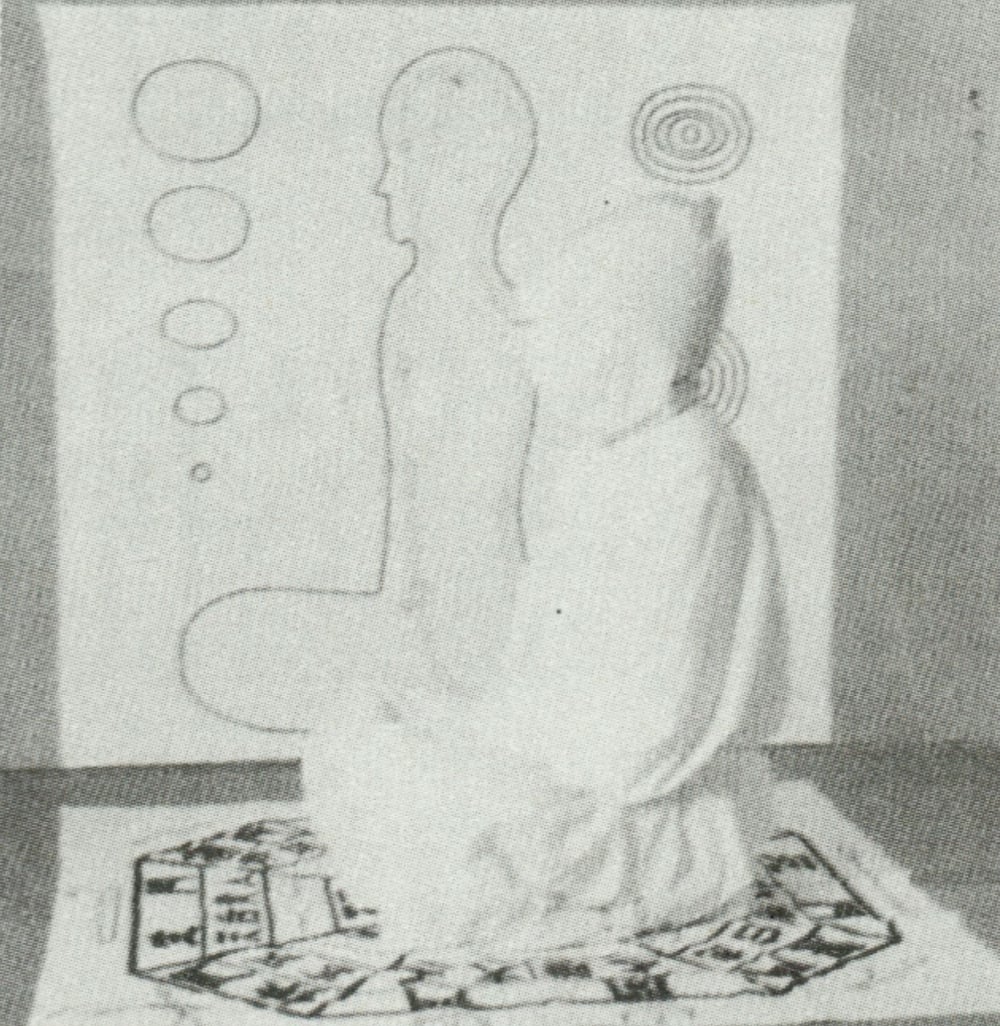
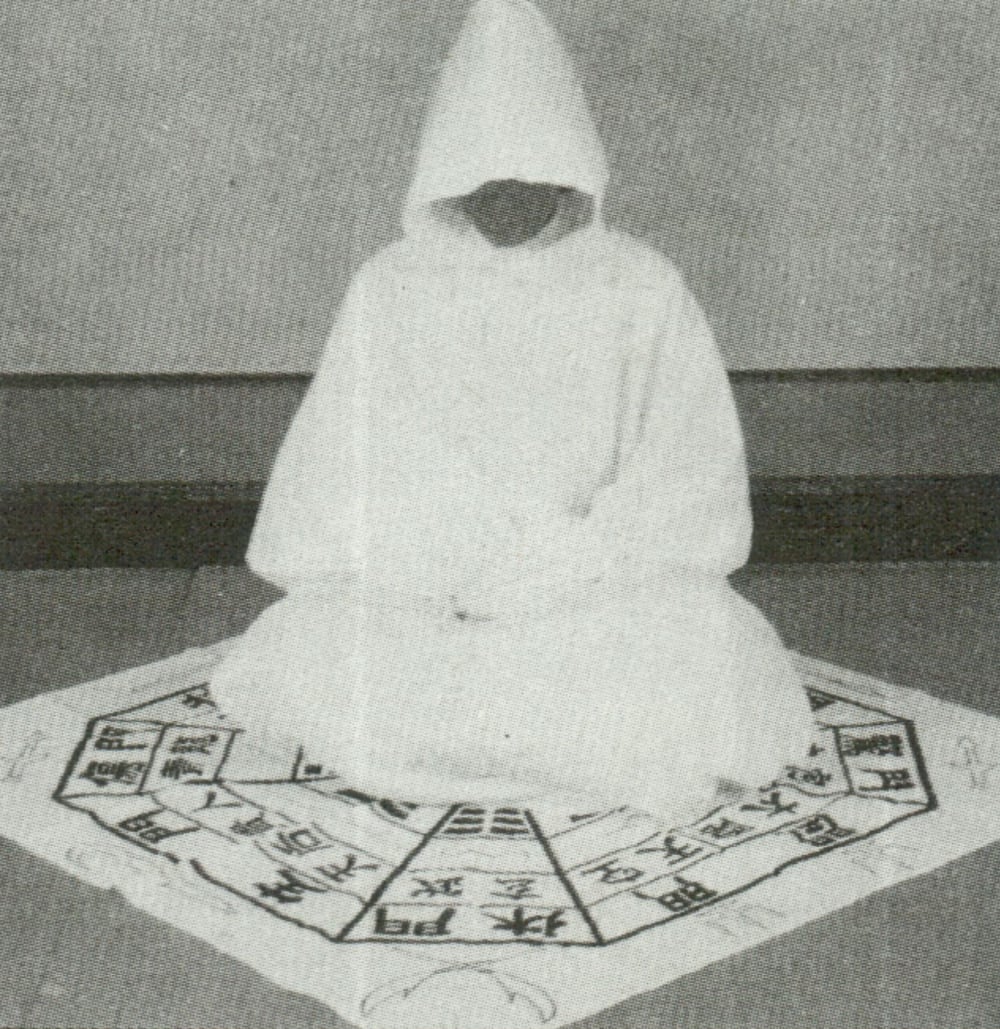
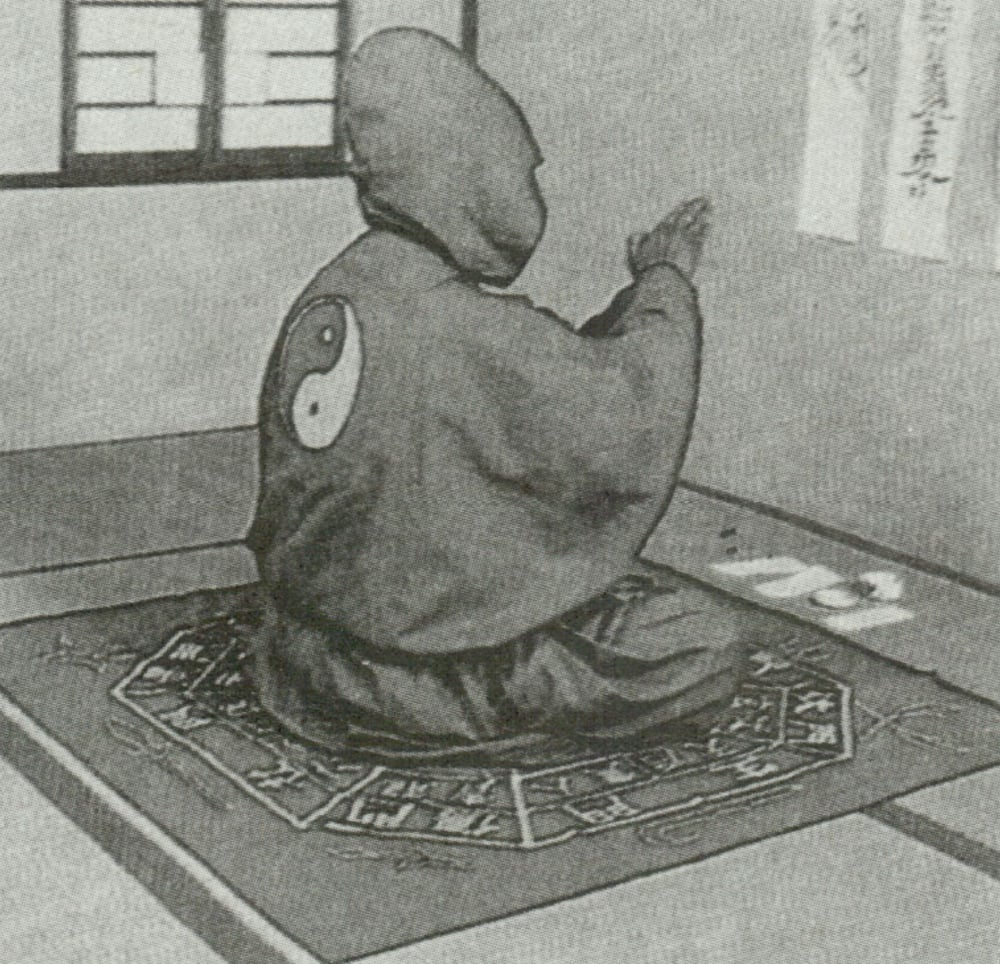
Lo Shu Square (洛书) is part of the legacy of ancient Chinese mathematical and divinatory (cf. the I Ching 易經) traditions, and is an important emblem in Feng Shui (風水), the art of geomancy concerned with the placement of objects in relation to the flow of qi (氣)
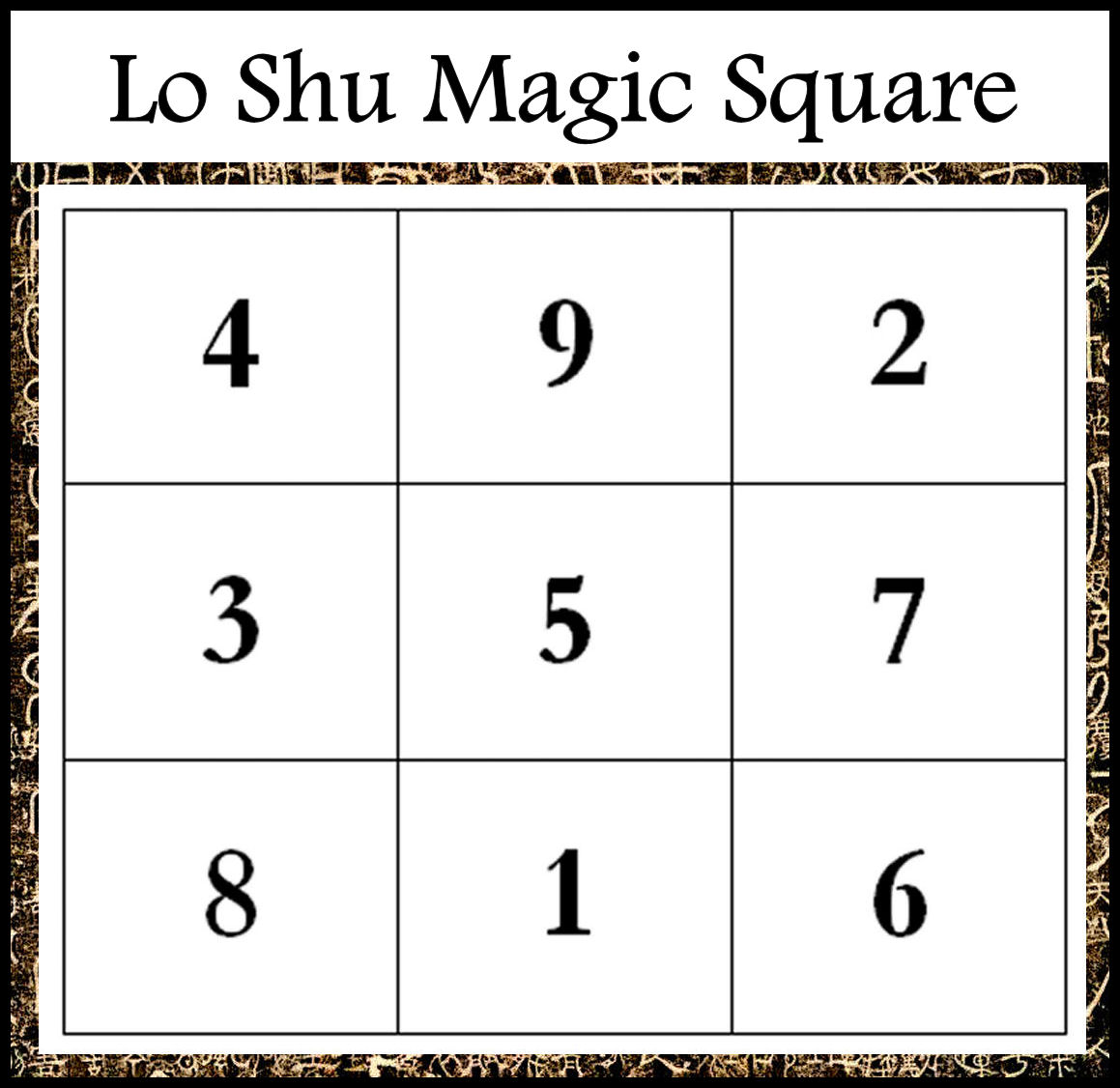
Image Source: https://benebellwen.com/2017/09/09/tinkering-bell-series-architecture-of-sacred-space-part-i/ 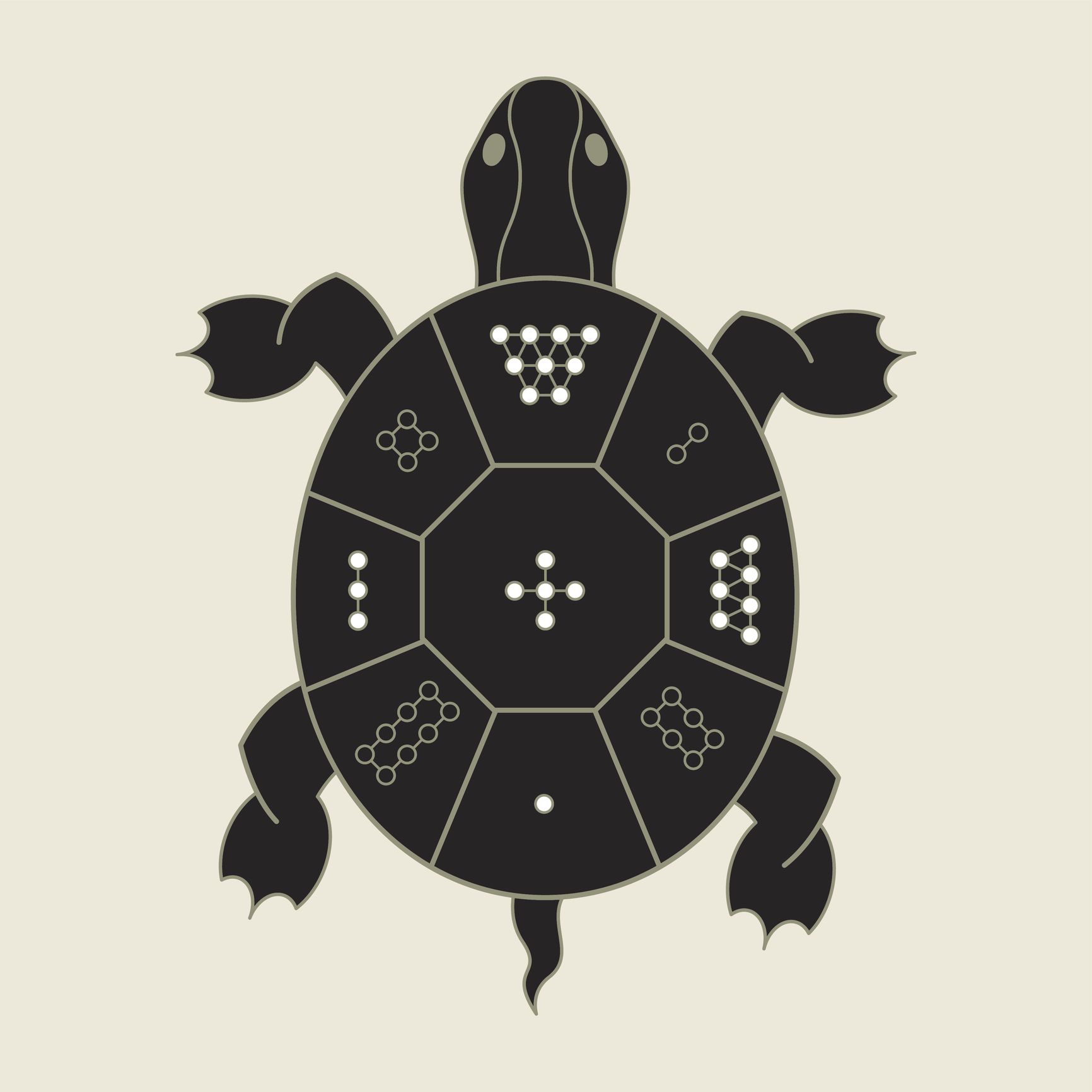
Image Source: https://www.thespruce.com/feng-shui-magic-of-the-lo-shu-square-1274879 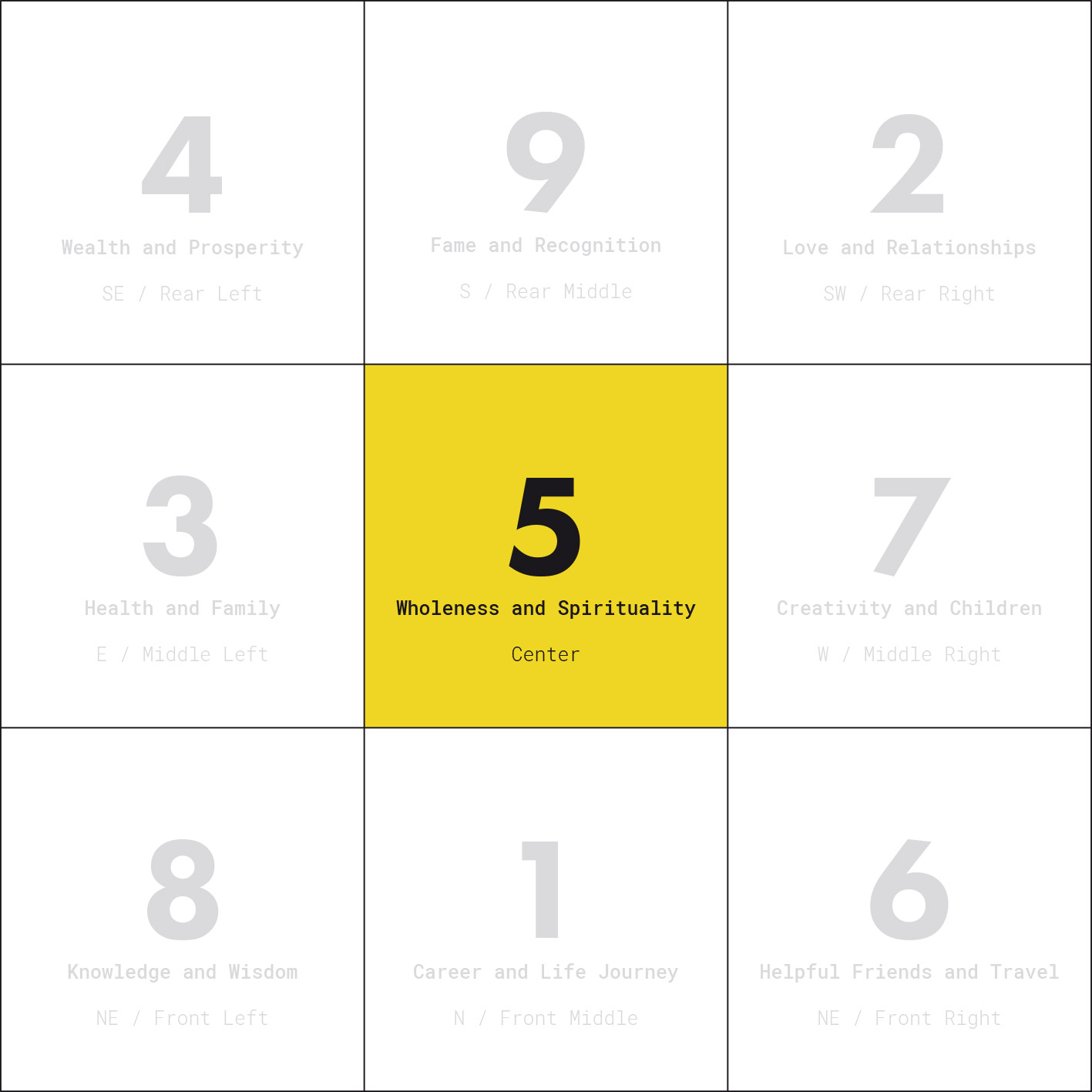
Image Source: https://thoth-adan.com/blog/wholeness-and-spirituality 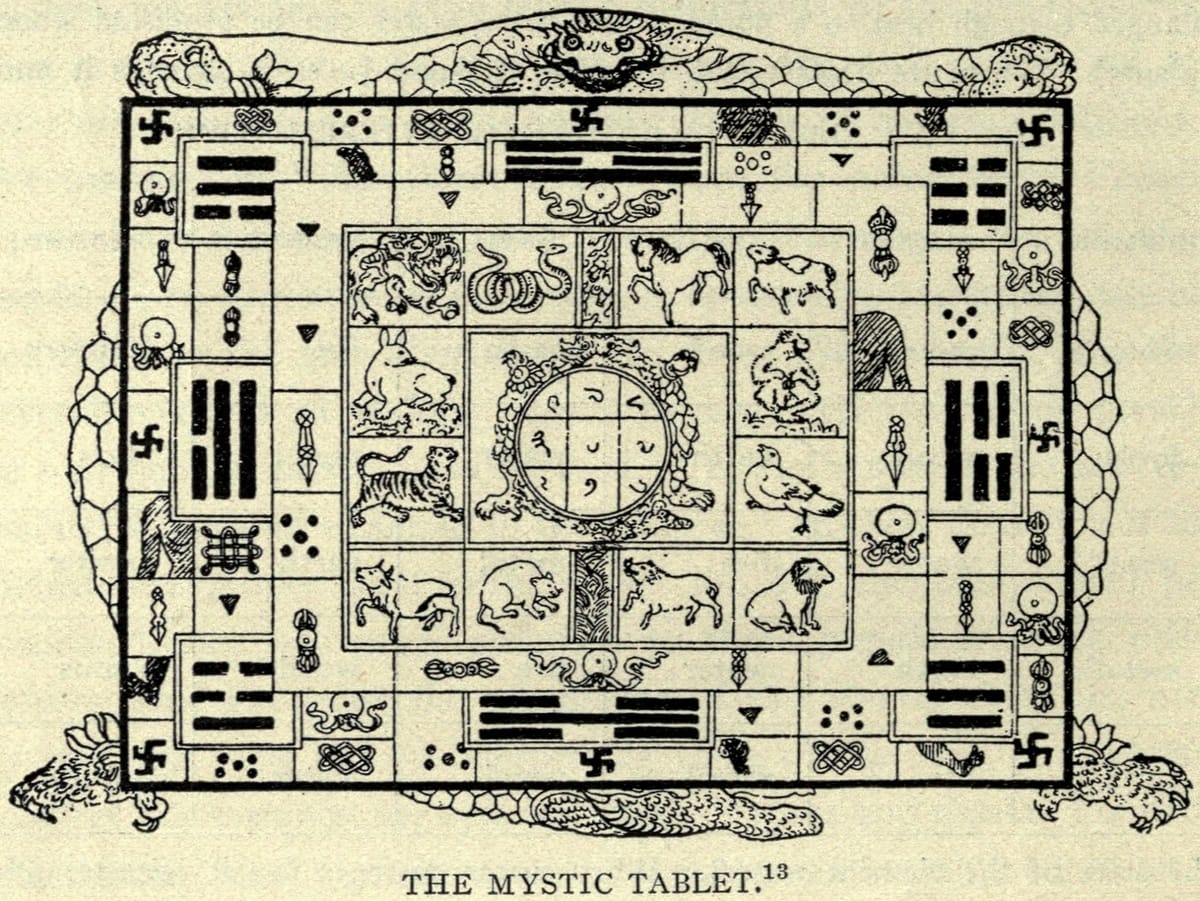
Related: Carl Jung called the framework behind his Archetypes a Quaternion, a 4×4-square that contains complementary (“dual“) concepts (Senses/Facts vs Imagination), (Object/Unity) vs/Subject (Social). Complementary concepts share the void when they are united. They are often called a Paradox. The Quaternion has a lot in common with the Chinese Lo Shu Magic square which is the “generator” of the ancient Chinese Cyclic Models. The Lo-Shu was given to the mythical Emperor Yu before the great Deluge when he was sitting at the Yellow River. The Lo Shu Magic Square was an important model for time and space and served as a basis for city planning, tomb design, and temple design. The Magic Square was used to designate spaces of political and religious importance. (via)
Related: About the Chinese Domino Game and the Magic Square of Lo Shu
-
Hakuin Ekaku (白隠慧鶴) (1686-1769) was one of the most influential figures in Japanese Zen Buddhism. He possessed an unusual ability to convey the meaning of Zen to large numbers of people from all classes and religions. His work had a profound effect on Zen study & painting. Master Hakuin published many texts, including "Yasen kanna" (夜船閑話), "Idle Talk on a Night Boat" - a work on health-improving meditation techniques (PDF, PDF)
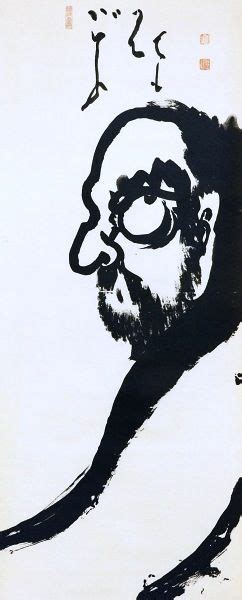
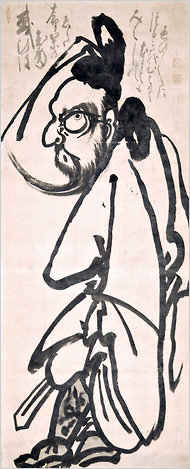
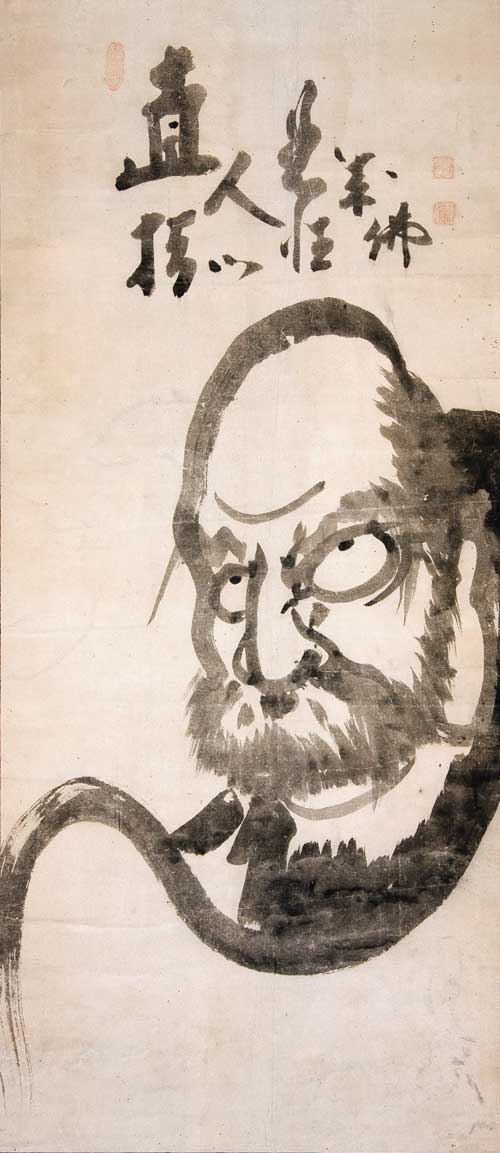
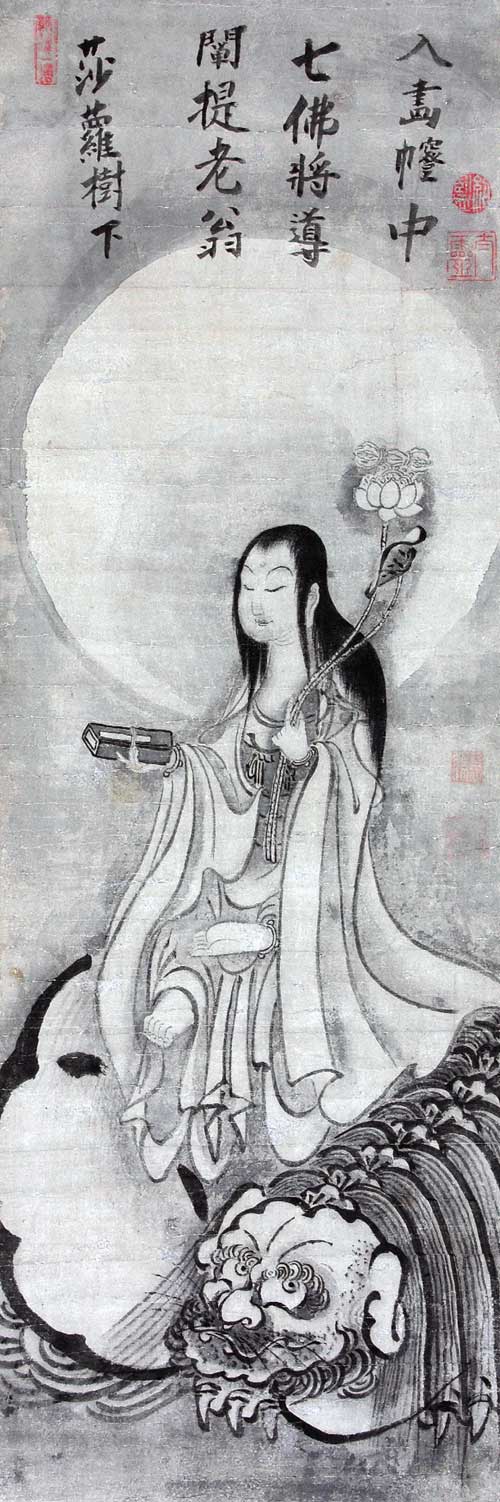
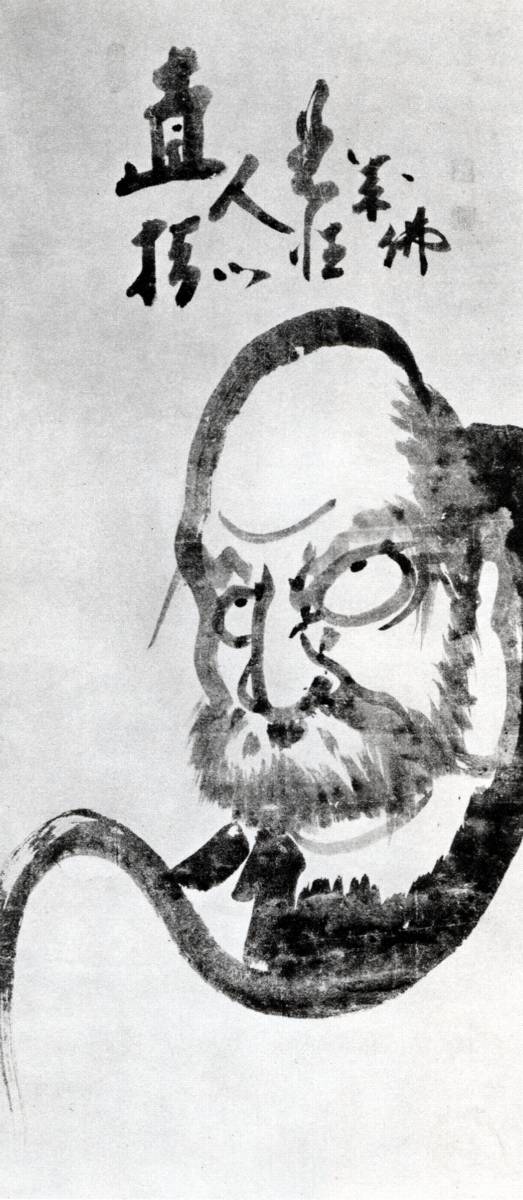
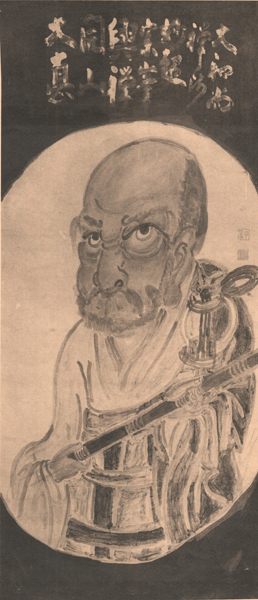
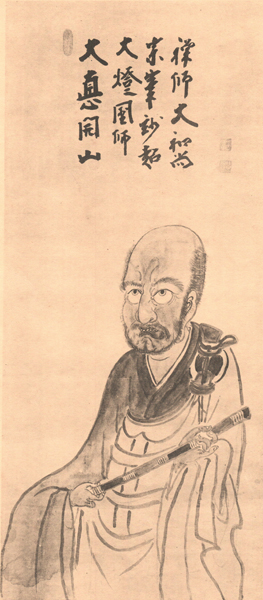
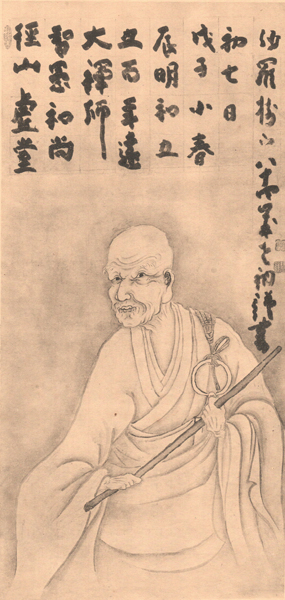
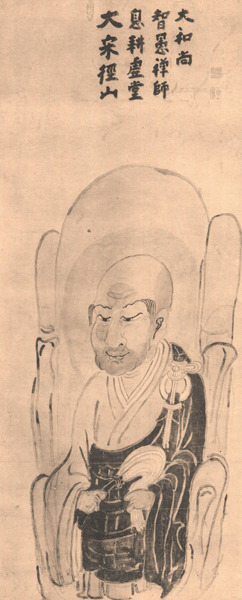
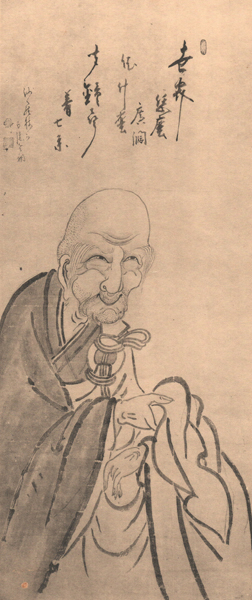
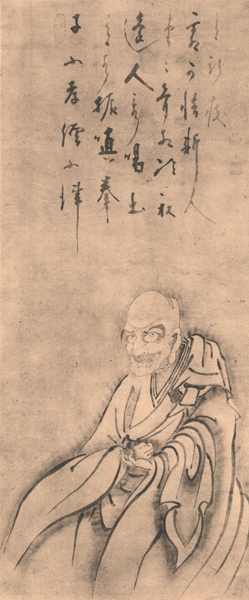
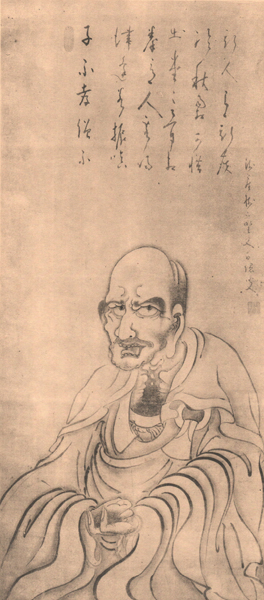
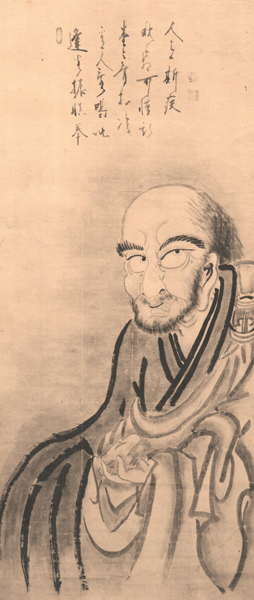
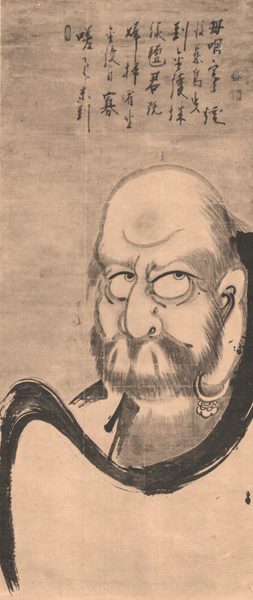
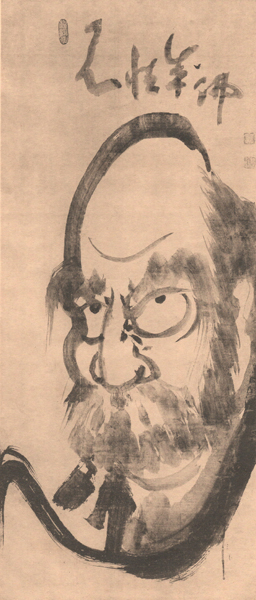
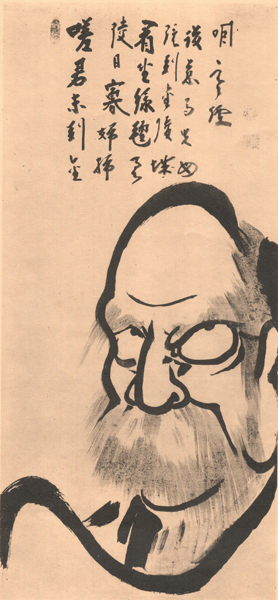
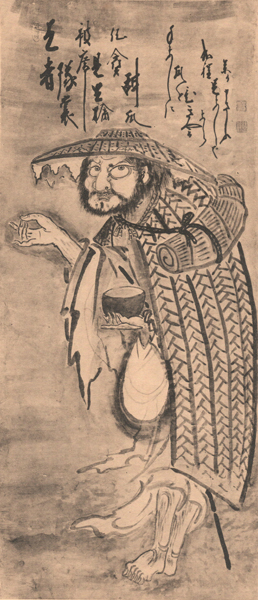
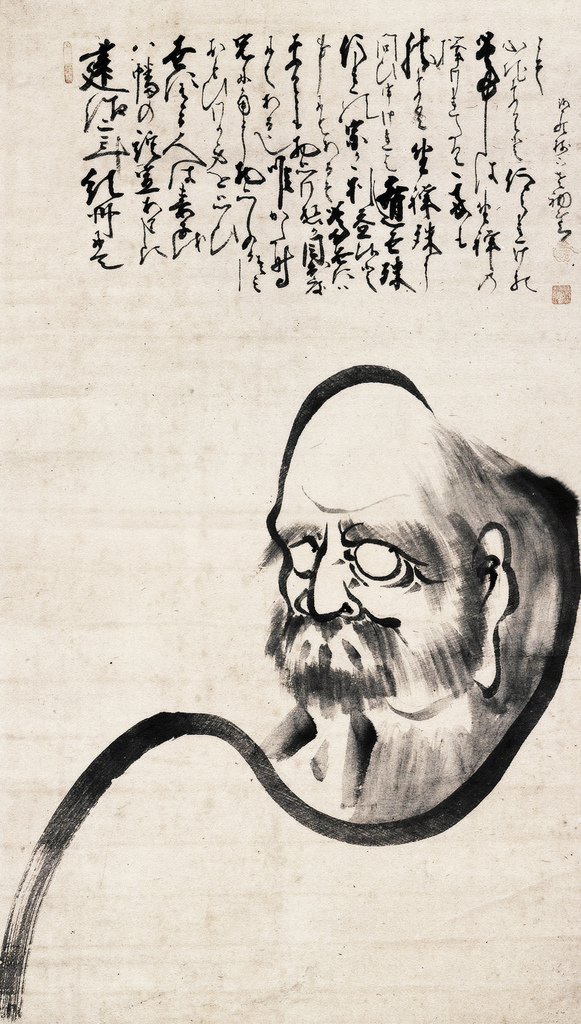
Related: The Sound of One Hand: Paintings and Calligraphy by Zen Master Hakuin
-
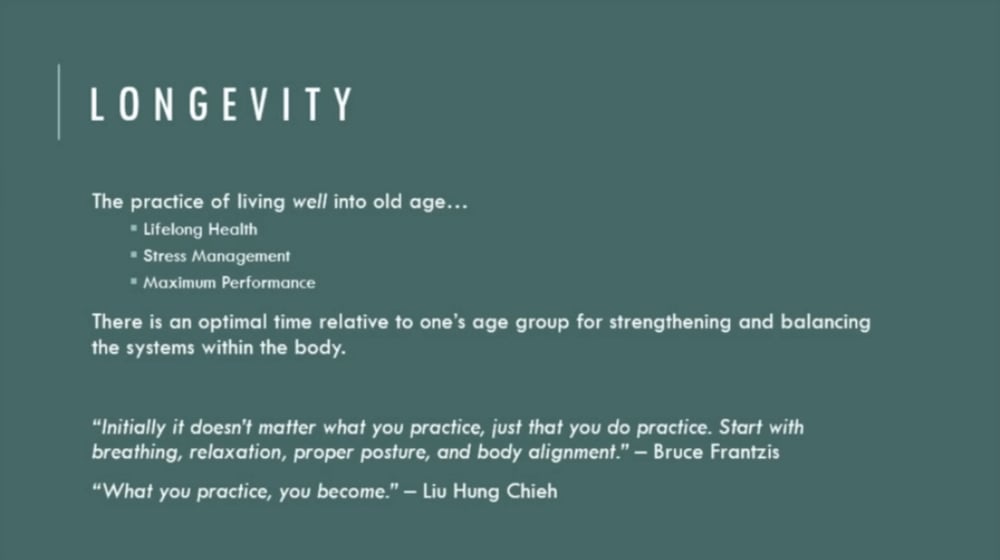
"What you practice, you become." - Liu Hung Chieh
-
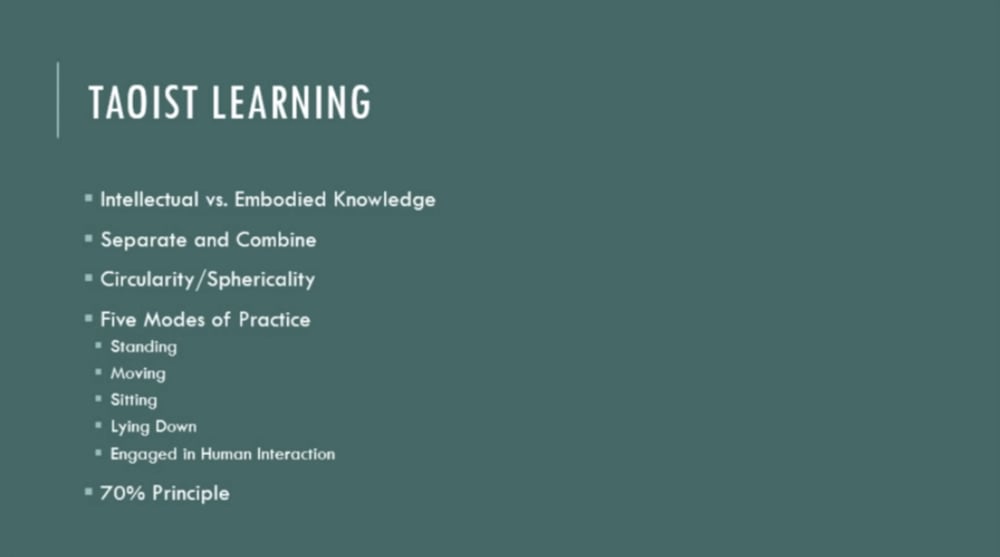
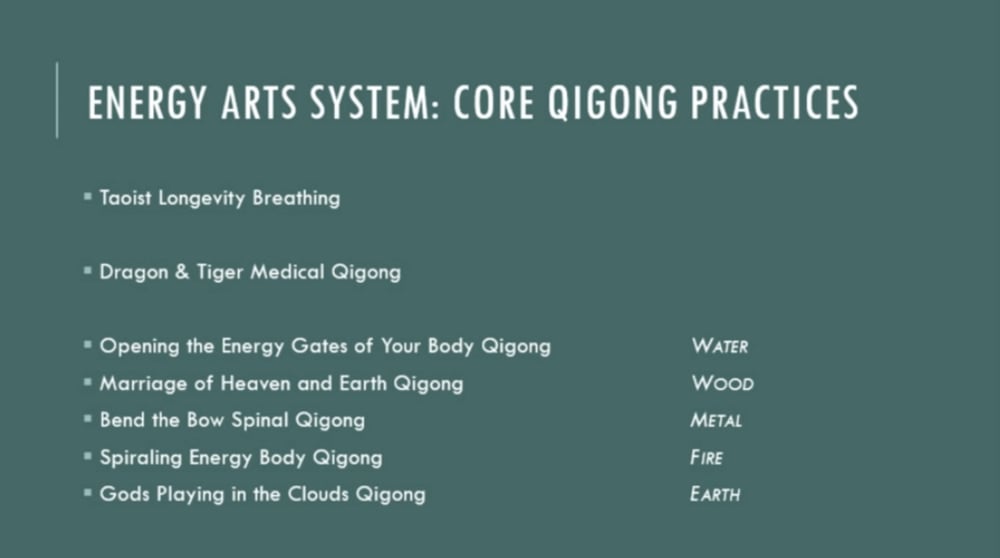
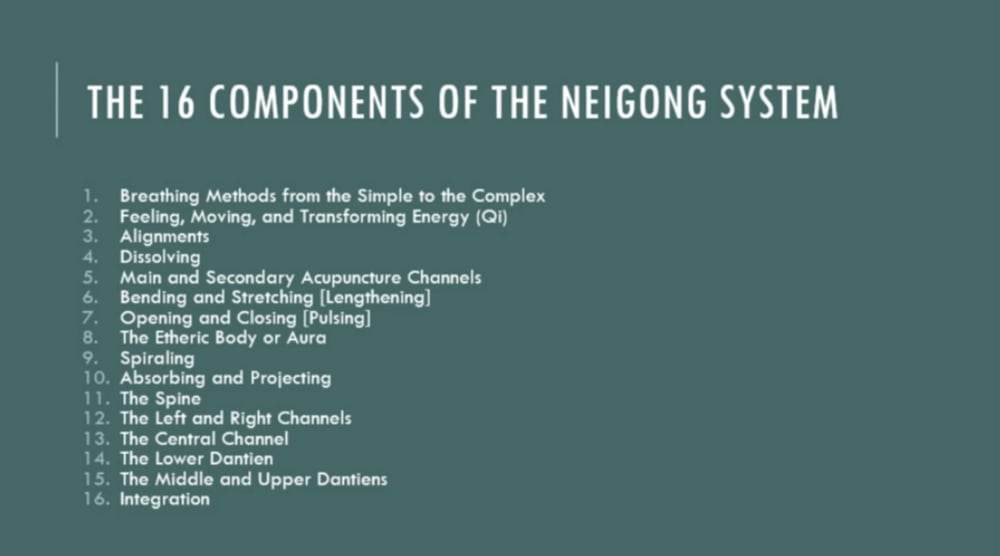
Taoist Neigong: The Internal Power of Tai Chi, Qigong, and Meditation - talk by Don Myers
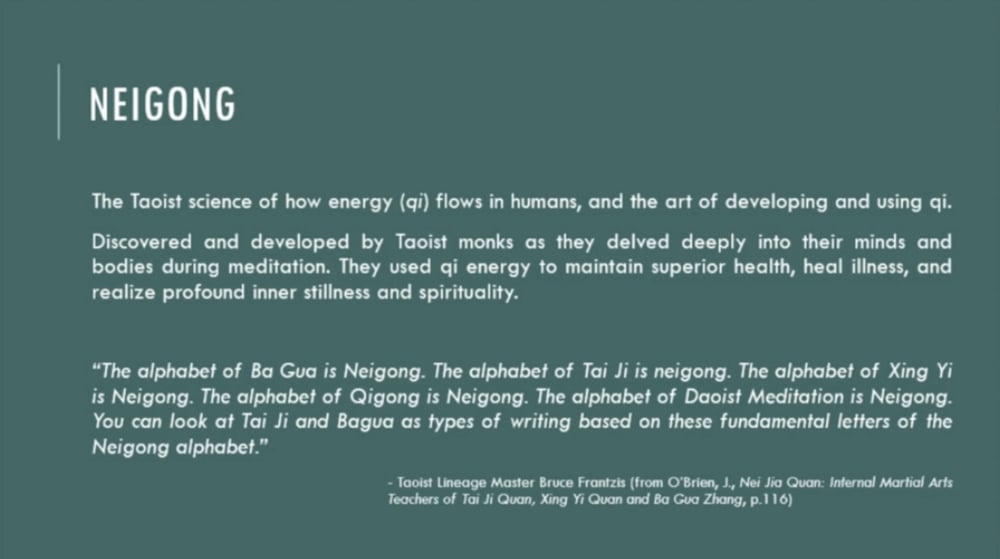
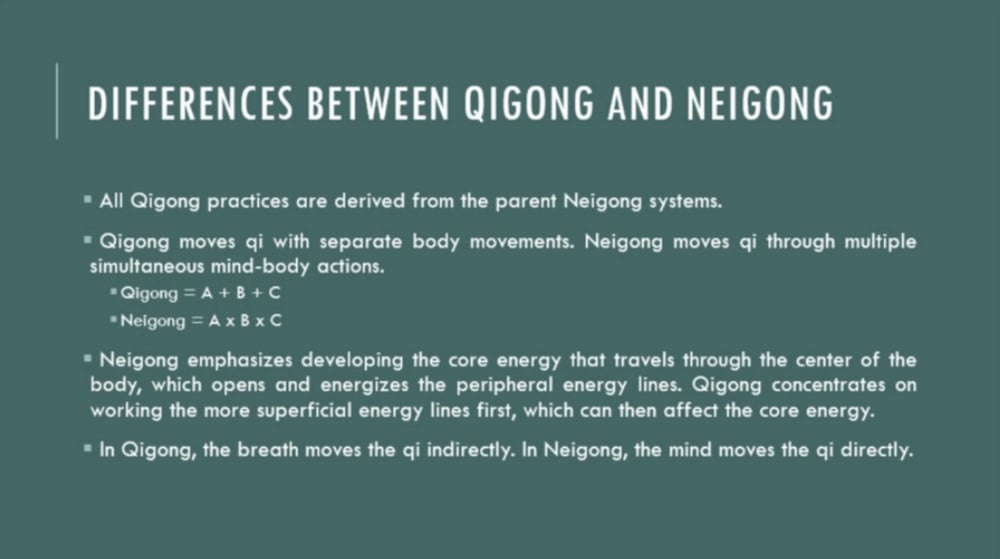
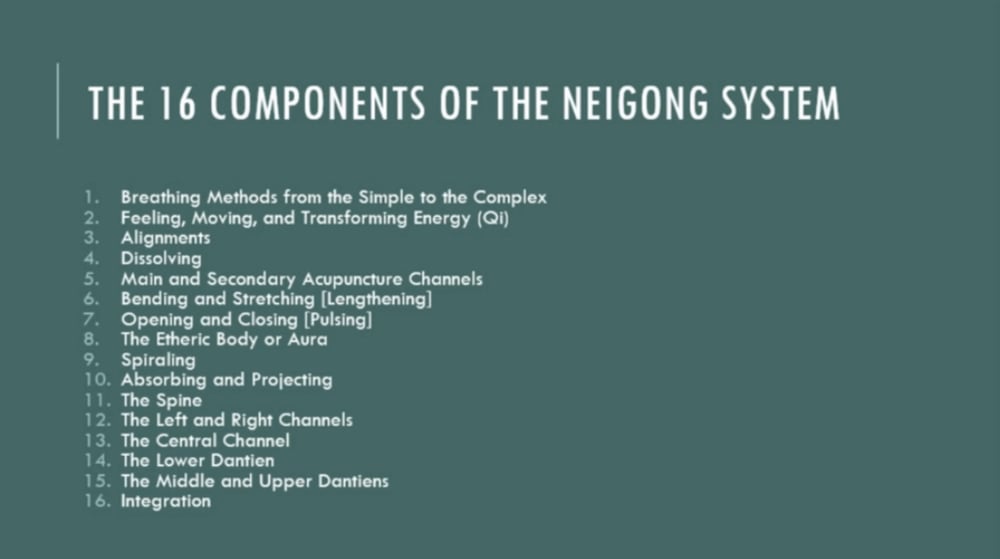
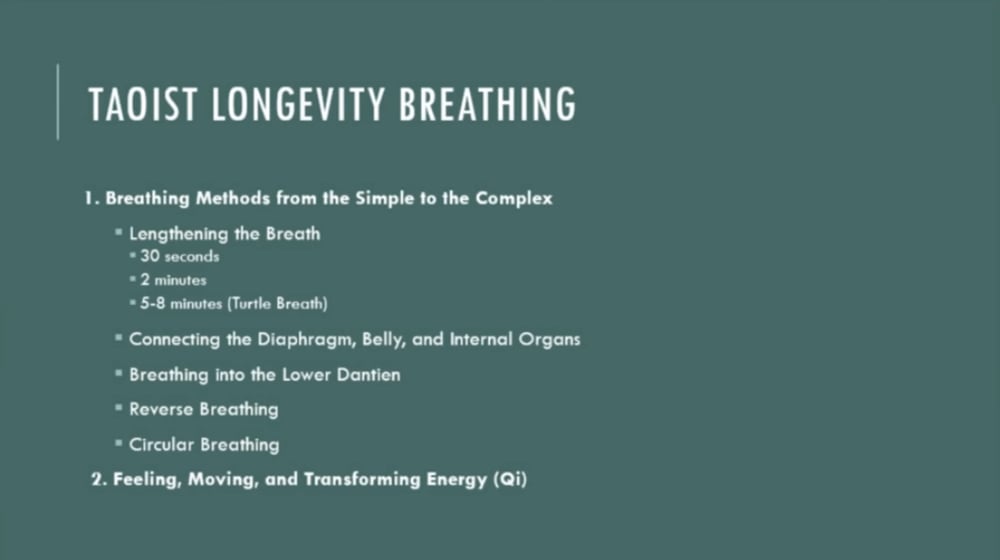
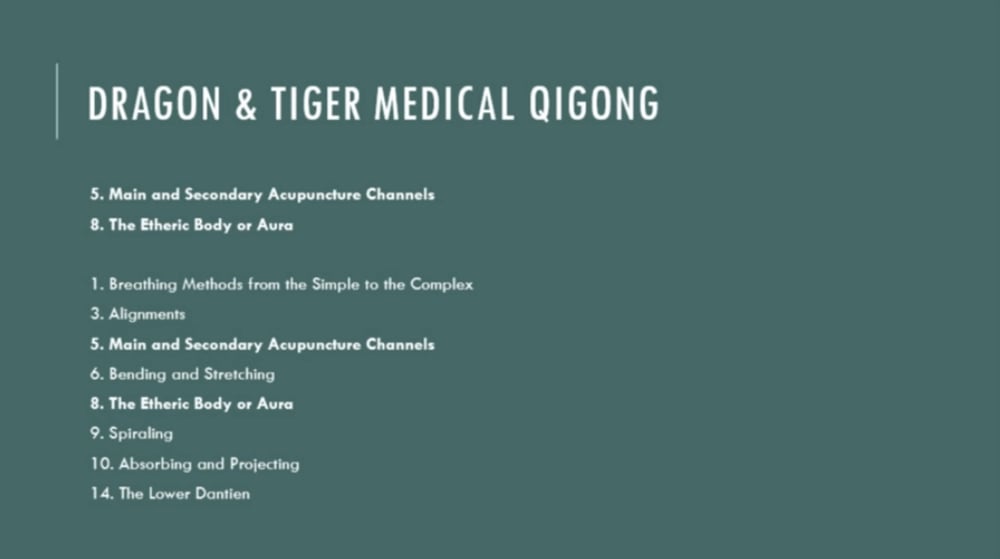
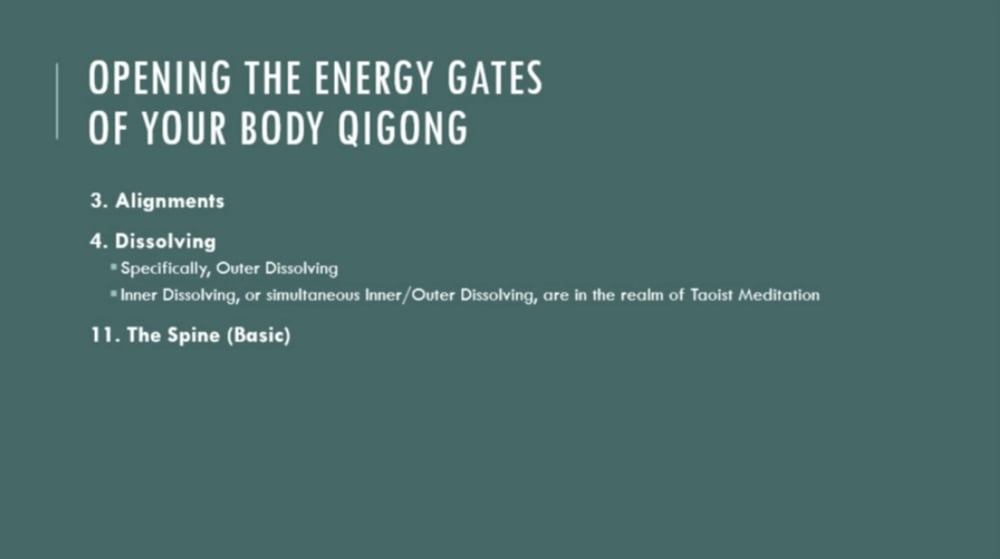
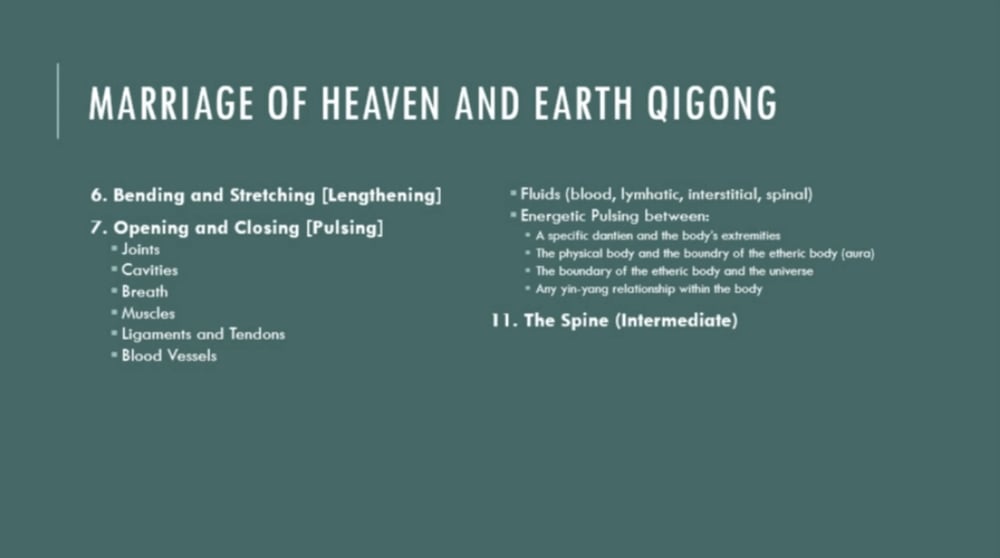
More talks by Don Myers:
- Embodying the Yin and Yang of Taoism
- Introduction to Dragon and Tiger Medical Qigong
- From Movement Comes Stillness: Tai Chi and Meditation
- The Dissolving Methods of Lao Tzu's Water Meditation Tradition
Taoist Learning: Intellectual VS. Embodied Knowledge
"Initially it doesn't matter what you practice, just that you do practice. Start with breathing, relation, proper posture, and body alignment." - Bruce Frantzis
"What you practice, you become" - Liu Hung Chieh
-
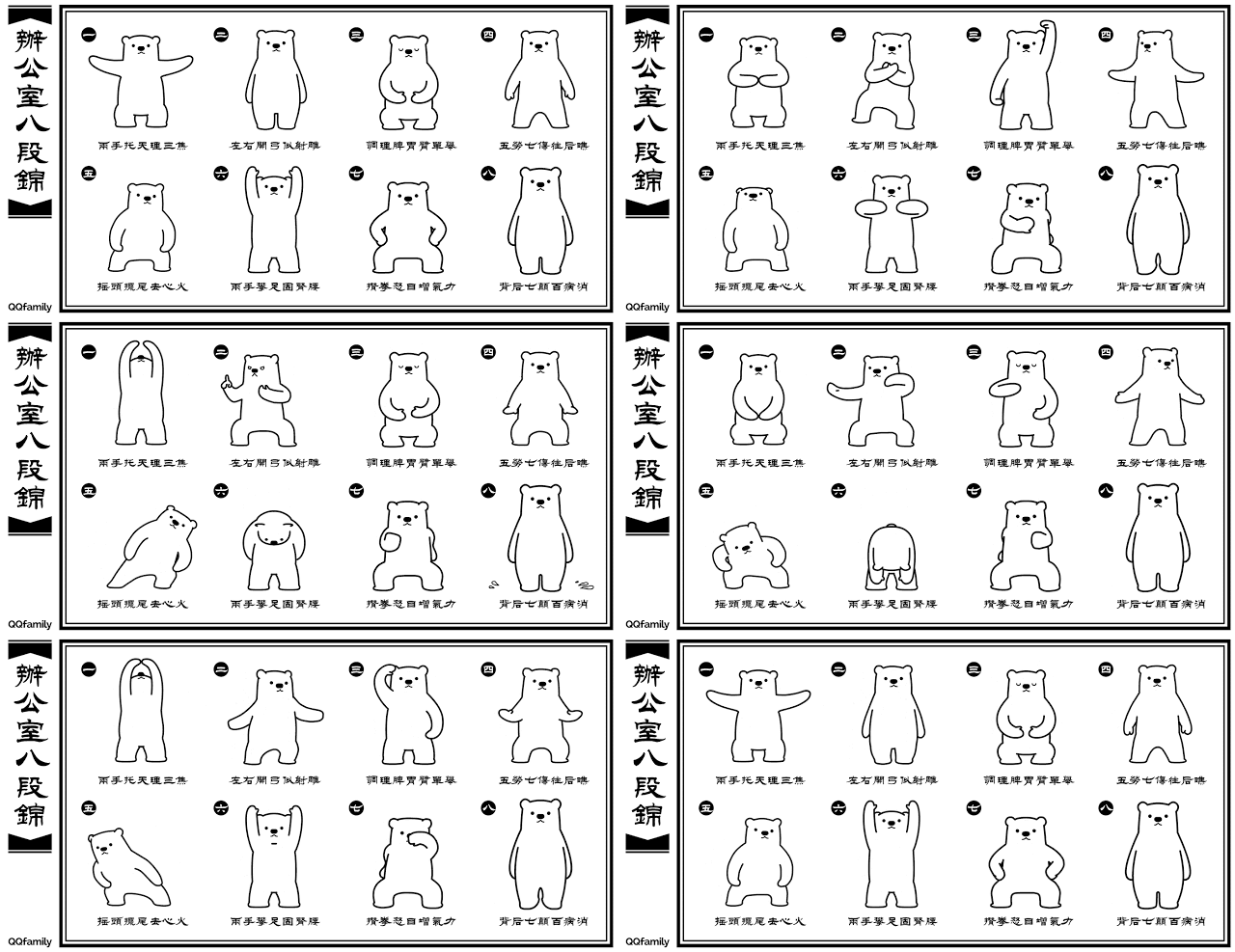
Collection of Baduanjin (八段錦, Eight Pieces of Brocade) Qigong Practice Videos
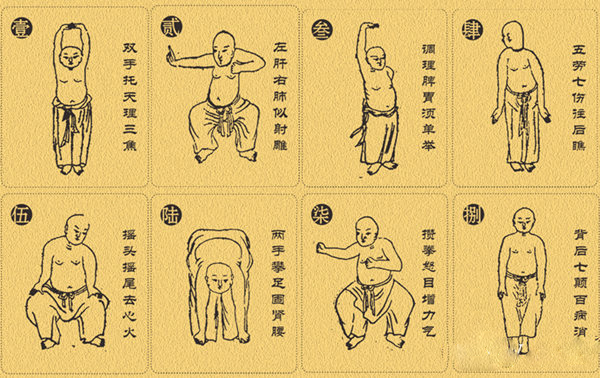
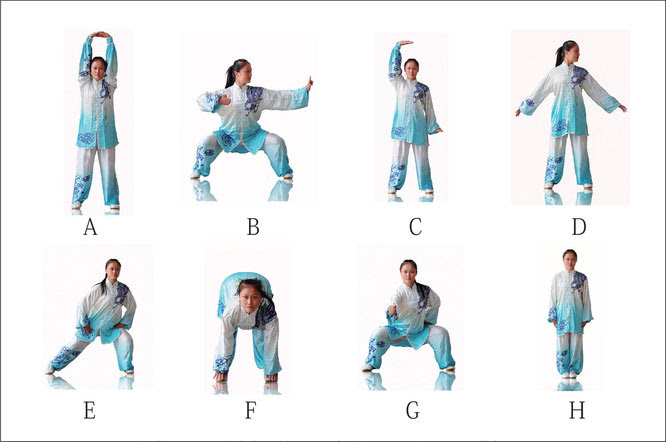
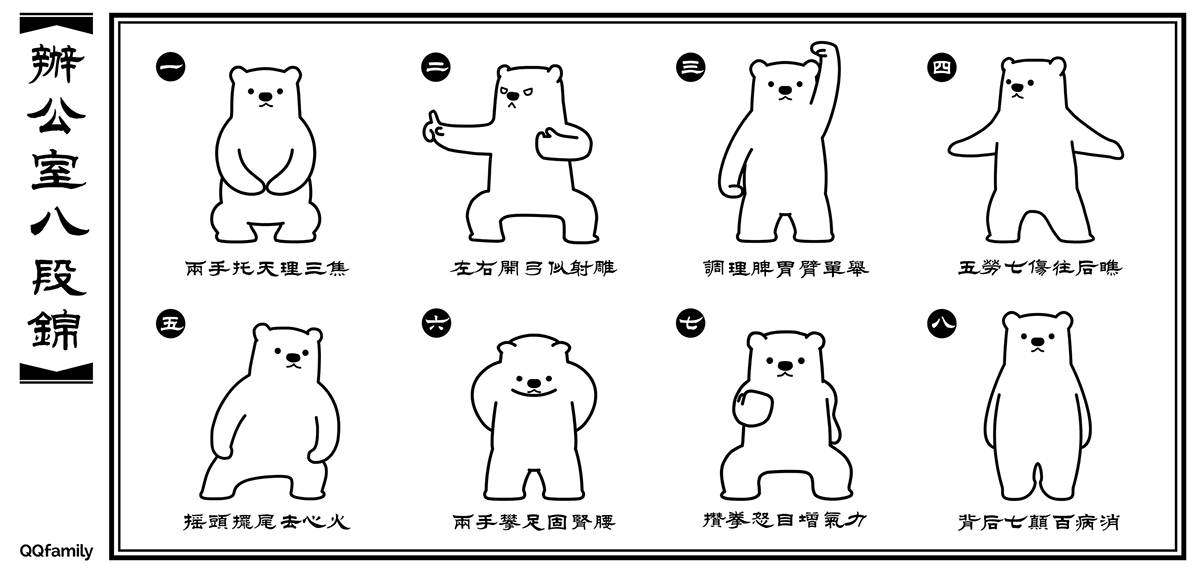
The Baduanjin is mentioned in several encyclopedias originating from the Song Dynasty. The Pivot of the Way (Dao Shi, c. 1150) describes an archaic form of this qigong. The Ten Compilations on Cultivating Perfection (Xiuzhen shi-shu, c. 1300) features illustrations of all eight movements. The same work assigns the creation of this exercise to two of the Eight Immortals, namely Zhongli Quan and Lü Dongbin.
-
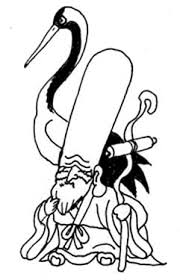
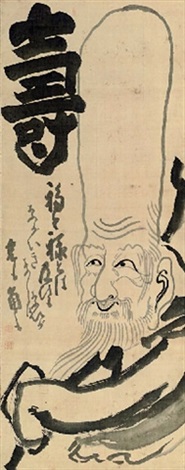
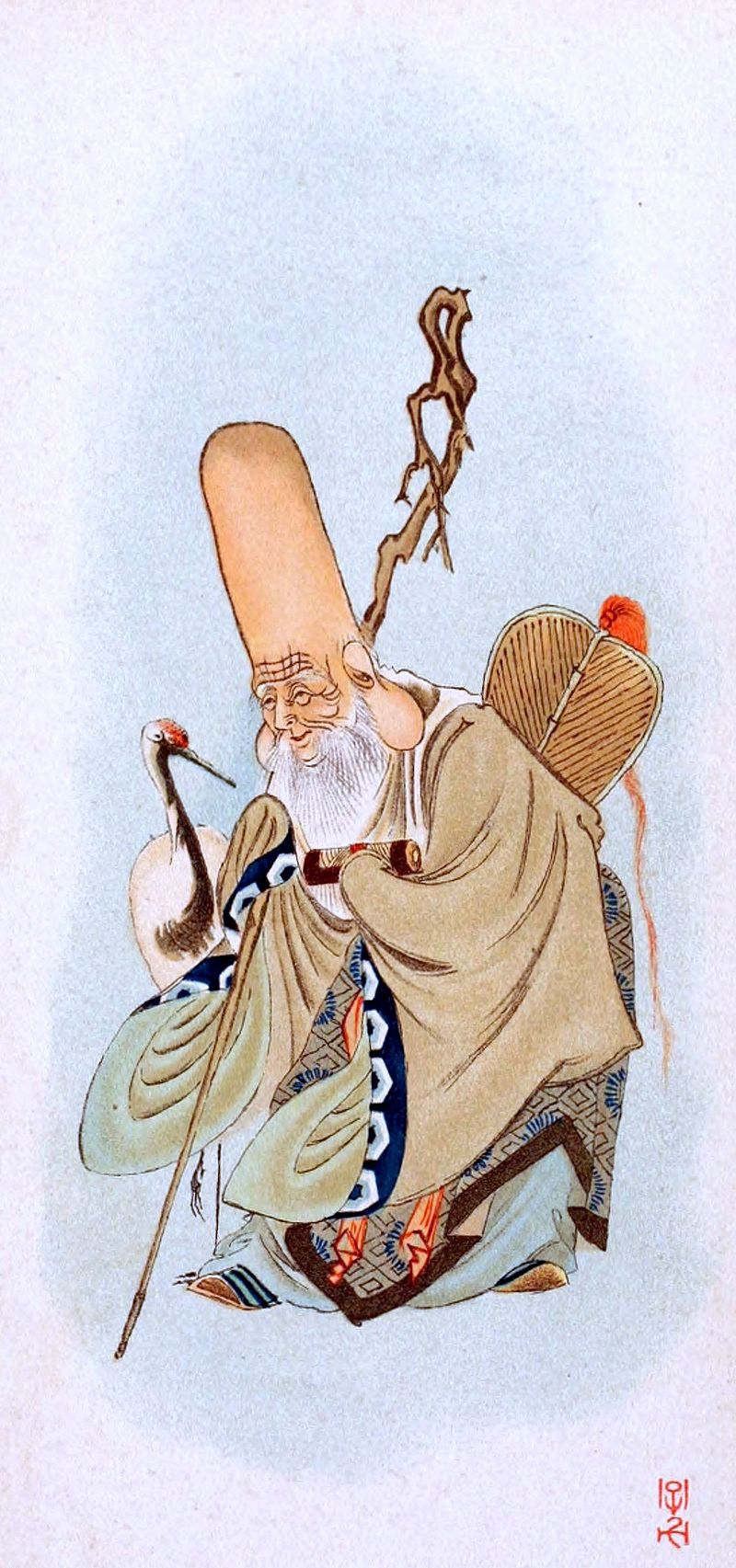
Old Man of the South Pole
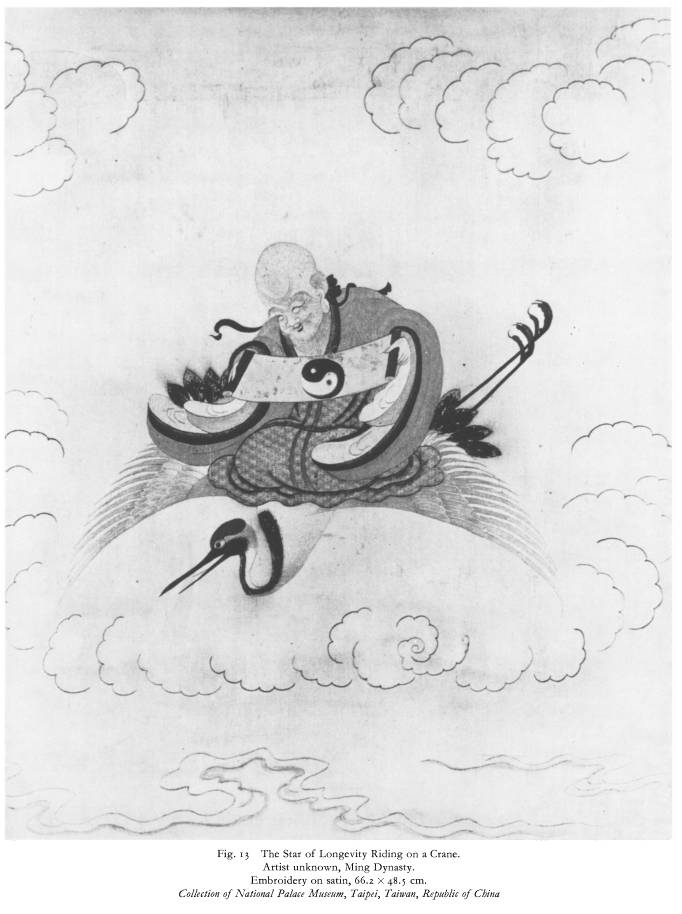
Shòu Xīng (寿星), is the Star of Longevity. The earliest known record of Shòu Xīng as a deity is the Shǐ jí 史籍 (149–90 BC). We know this star as Canopus, the largest of the stars in the constellation Carina, and second brightest in the heavens. In Chinese mythology the star is known as the Old Man of the South Pole (南极老人) and is seen in the south from the Autumn Equinox through to early spring. When observed it usually has a reddish color, a symbol of happiness and longevity in China, Canopus is also known in China and its neighboring countries of Korea, Japan and Vietnam.
See this Brief Explanation and Wikipedia
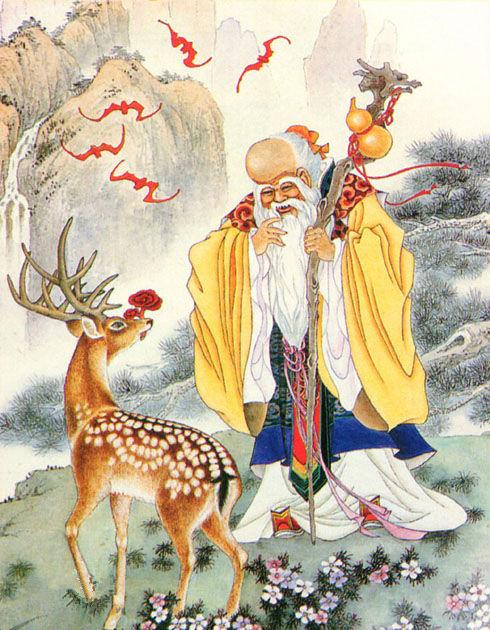
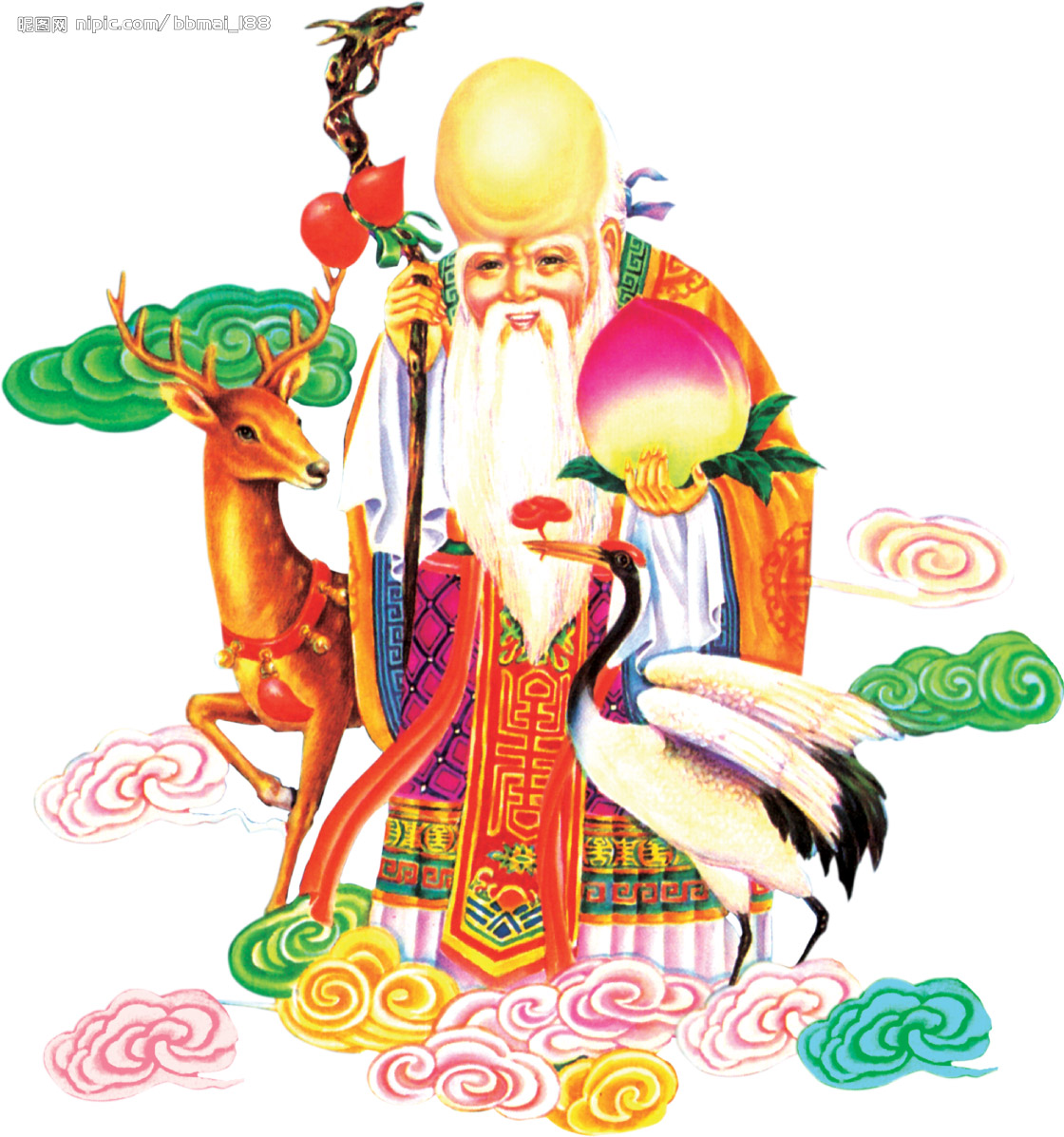
Related from Japan
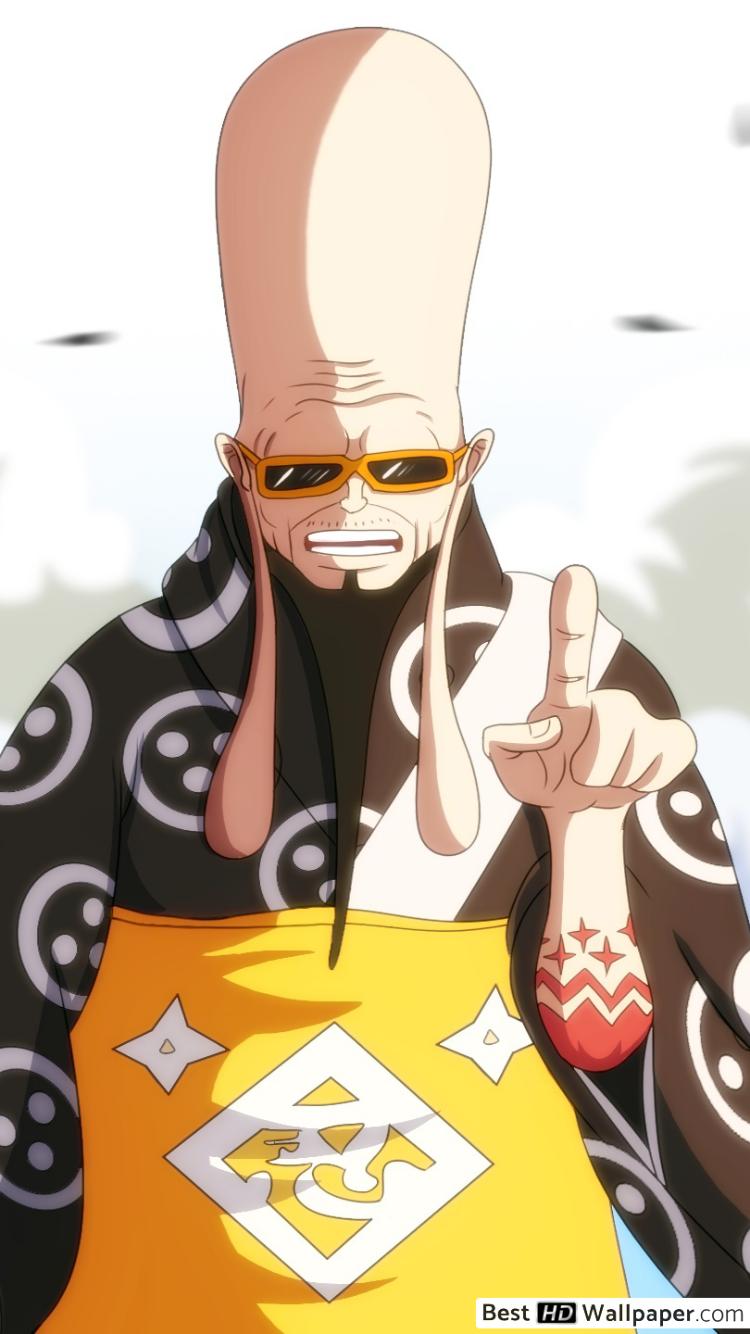
Fukurokuju (福禄寿) (from Japanese fuku, "happiness"; roku, "wealth"; and ju, "longevity") is one of the Seven Lucky Gods in Japanese mythology. Fukurokuju probably originated from an old Chinese tale about a mythical Chinese Taoist hermit sage.
Jurōjin (寿老人) is one of the Seven Gods of Fortune or Shichifukujin, according to Taoist beliefs. He is the God of longevity. Jurōjin originated from the Chinese Taoist god, the Old Man of the South Pole.
-
Feng Zhi Qiang (1926-2012) - Chen Style Taiji 18th Generation Master
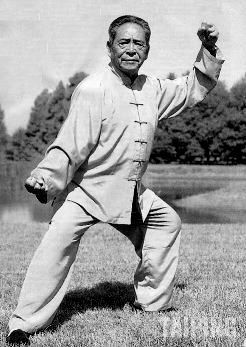
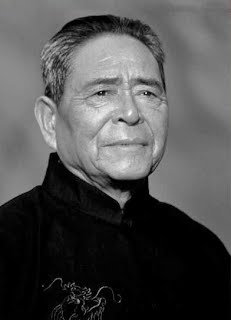

Biography: Feng Zhi-Qiang was born in 1926 in Hebei province, and passed away in 2012. He was the Vice President of Beijing Municipal Martial Arts Association & President of Beijing Municipal Chen-style Taijiquan Research Institute. He is noted for his development of the Chen Shi Xin Yi Hun Yuan Taijiquan system. Feng grew up in a martial art family. He began to practice martial arts at eight, and learned a great variety of martial styles such as Shao-Ling Tong-Zi-Gong. Later, he learned Tong-Bei-Quan from Han Xiao-Feng in He-Bei, Liu-He-Xing-Yi Quan from Hu Yao-Zhen of Shan-Xi, and Ba-Gua-Zhang from several famous masters. In 1951, on Master Hu Yao-Zhen's recommendation, Feng began to learn the Chen-style Tai-Ji-Quan from the well known 17th generation master Chen Fa-Ke in Beijing. (Extended bio here)
Primordial Qigong - by Feng Zhi Qiang
Feng Zhiqiang - Form Demonstration (2011)
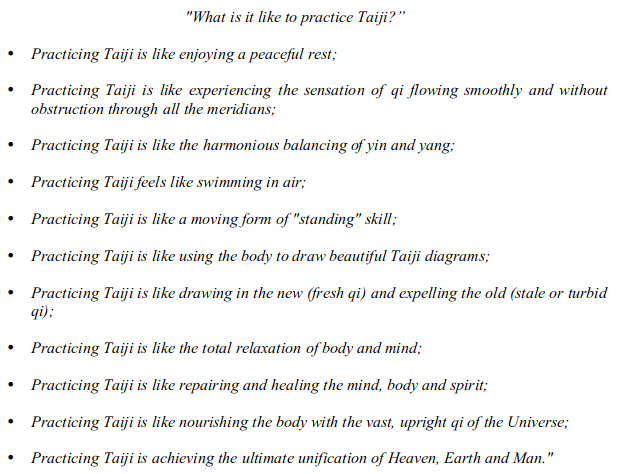
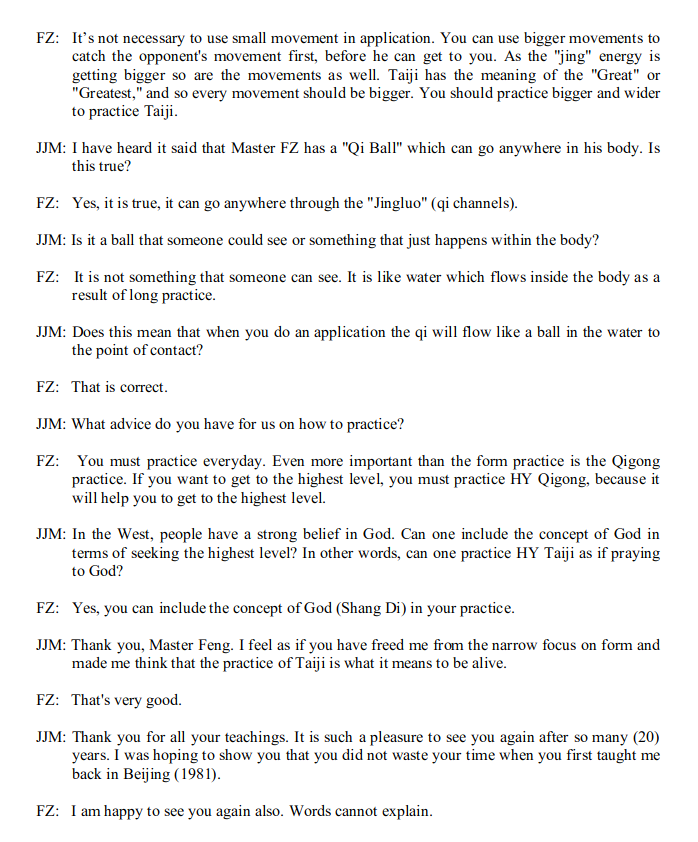
"Hun Yuan Taiji/Qigong of Grand Master Feng Zhiqiang" - by J. Justin Meehan (2004):

-
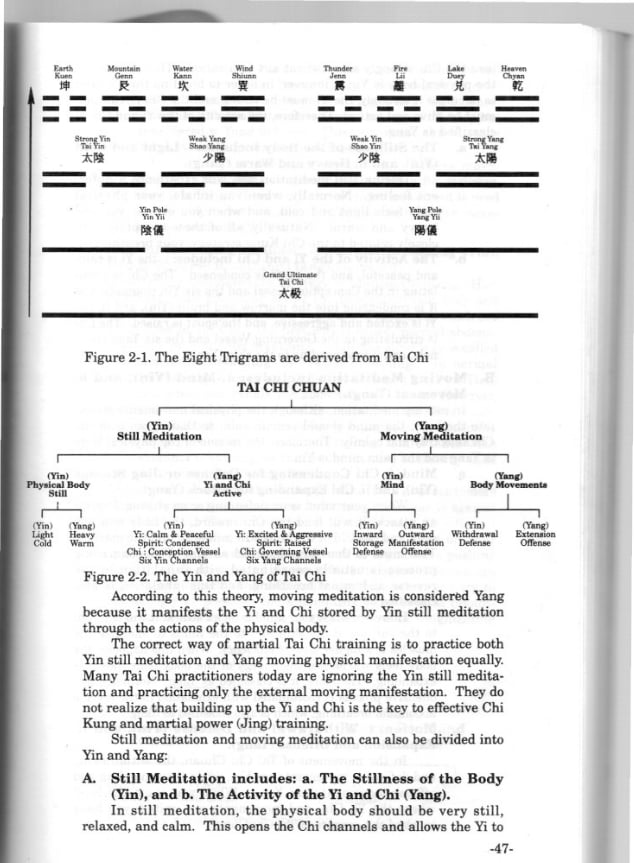
The Essence of Tai Chi Chi Kung: Health & Martial Arts - by Jwing-Ming Yang (1990) (PDF)
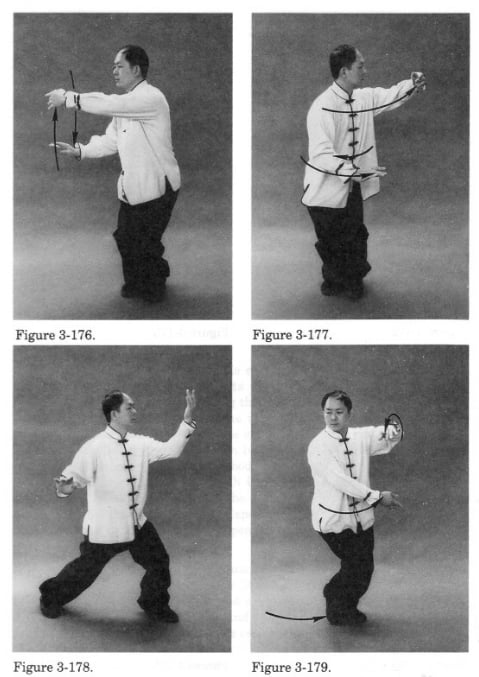
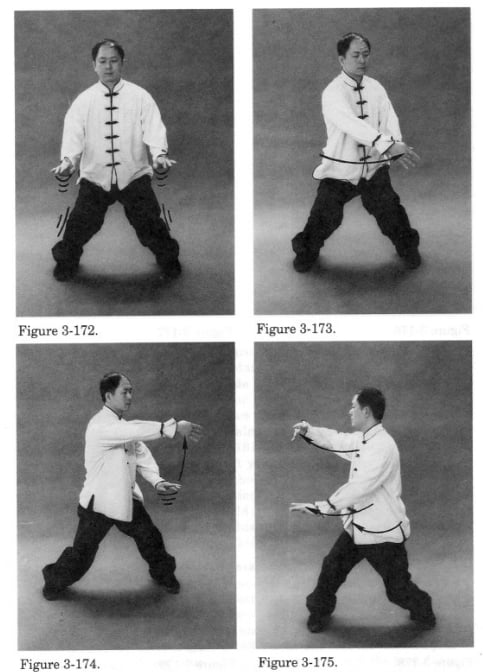
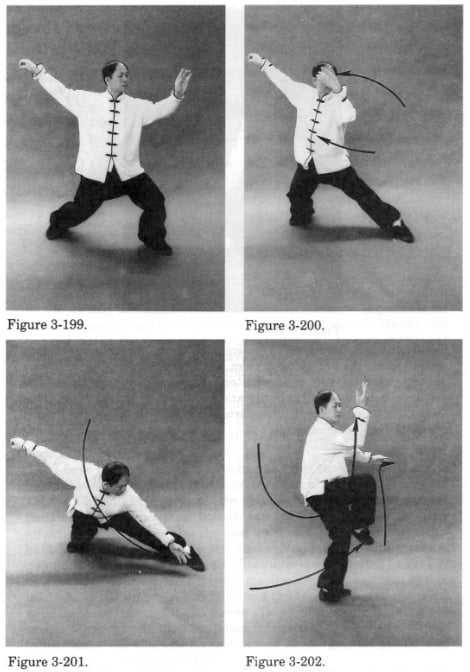
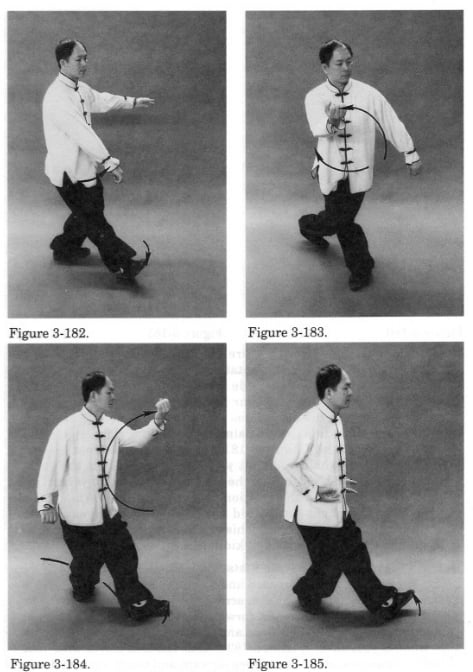

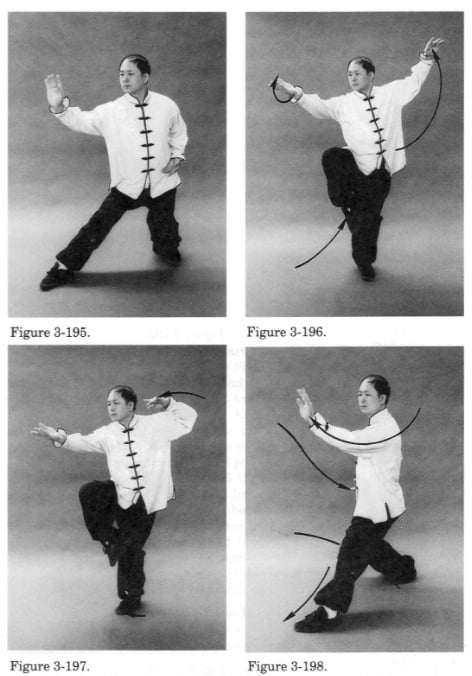


Dr. Yang, Jwing-Ming Biography (YMAA) Yang's Martial Arts Association