tag > Qi
-
Sifu James Wing Woo at 90 years
-
An as yet undiscovered force, more significant than electricity...
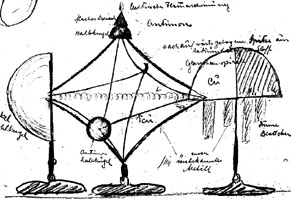
"...The method of science, in a materialistic sense, is based on analysis splitting apart (today atomsplitting and fusion etc.), disintegration, separation, dissecting and all the procedures which have to destroy and take apart, to work on the corpse rather than to grow, to develop, to synthesize. That the human mind was captured by these methods of braking apart: in that I saw the source of our present situation. My question therefore was: is it possible to find another force or energy in nature, which does not have in itself the ductus of atomazing and analysis but builds up, synthesizes. Would we discover that force constructive, which makes things alive and grow, develop adequate building up methods of investigation, evt. use this force for another type of technic, applied to drive machines, than because of the inner nature of this force or energy we might be able to create another technology, social structure, constructive thinking of man rather than destructive thinking. This force must have the impulse of life, of organisation within itself as the so-called physical energies have the splitting, separating trend within themselves. My question to Rudolf Steiner October 1920 and spring 1921 therefore was: does such a force or source of energy exist? Can it be demonstrated? Could an altruistic technic be build upon it?"
-
"In Infinity, all models are wrong and right, but some are useful and useless!?" - Samim
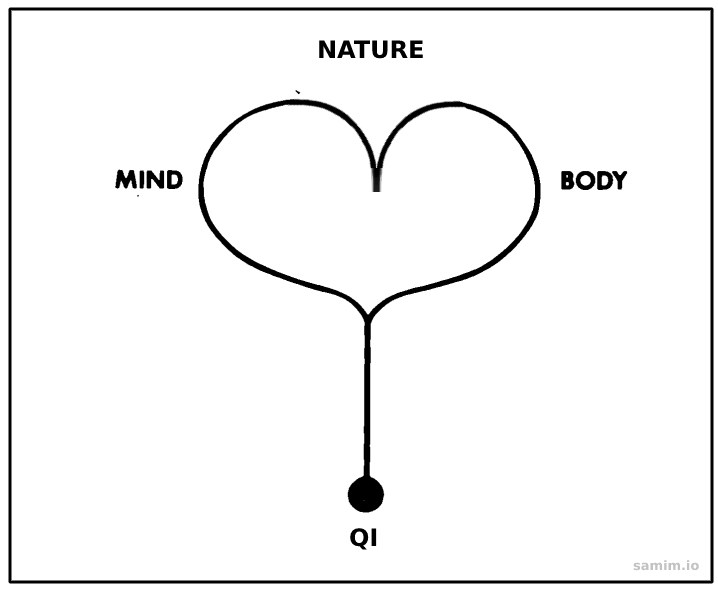
An Idea is a form of Knowledge. Knowledge is a form of Energy Pattern - as is Mind, Body, Nature and Everything. A Energy Pattern has a Potential for Emergent Generative Change, including the Potential for an Intention for doing Nothing.
-
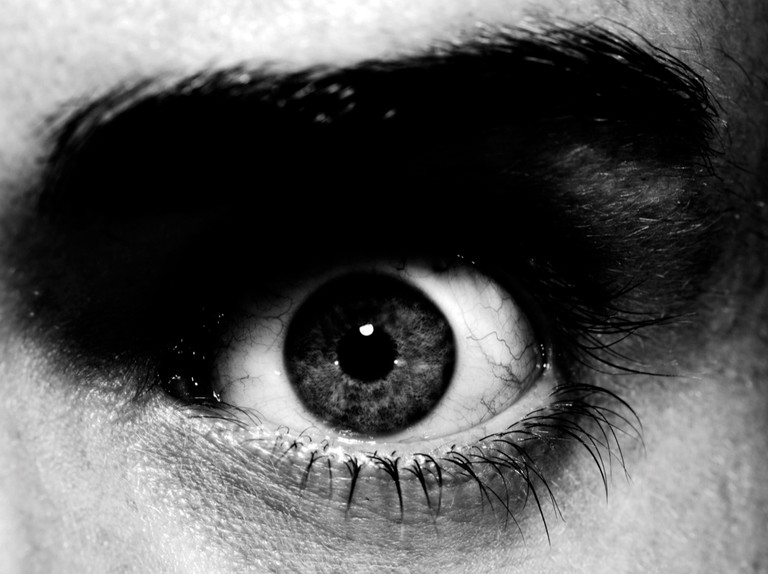
Psychic staring effect (Scopaesthesia): Extrasensory ability to detect being stared at.
-
The Foundations of Chinese Medicine
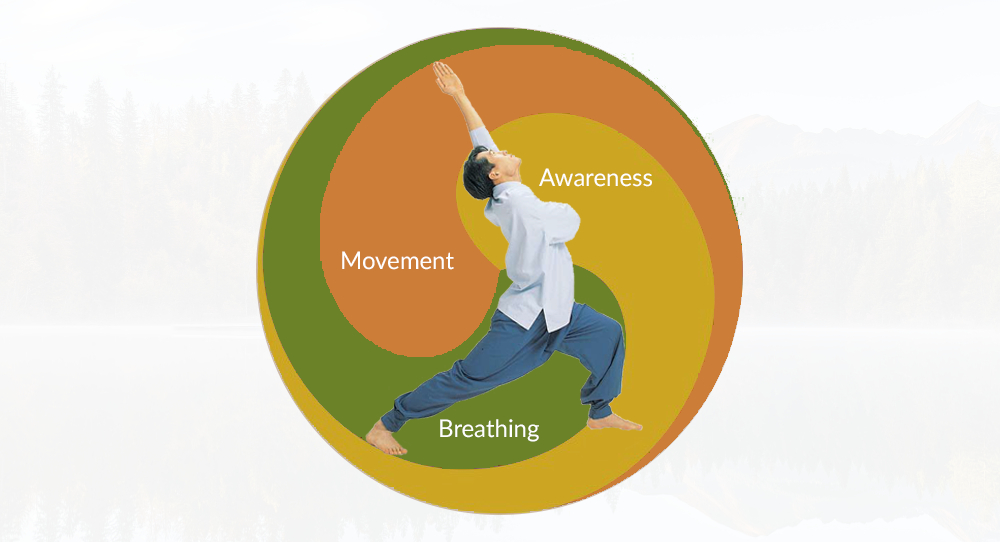
Chinese medicine is huge in scope and requires years of study. However, the primary prescription for health is quite simple: abide by the cycles of nature and maintain peace within the body, mind, and spirit.
In the Yellow Emperor’s Classic, the earliest surviving medical text written over 2300 years ago, Huang Di was told that in ancient times man lived a simple life in accord with nature, but “Nowadays people are not like this ... they adopt recklessness as usual behavior.” What would Huang Di think of today’s lifestyle? Perhaps, it is time to listen to the Yellow Emperor.
-
Getting started with Qigong
Today a reader of this blog asked me the following question:
"I wanted to ask you, do you have a tip to get started with Qigong? Haven't been able to find any practitioners with experience close by and I am not sure if one can learn it by only mirroring a video."
I briefly formulated the following answer:
Hey journey_in_ai, great to hear from you! Practicing Qigong is a fantastic and very rewarding journey to go on. Mirroring videos is a solid way to get started that can be very effective. The hardest and most important part of such practices, is doing it regularly and keeping it up - even if its just 15min a day.
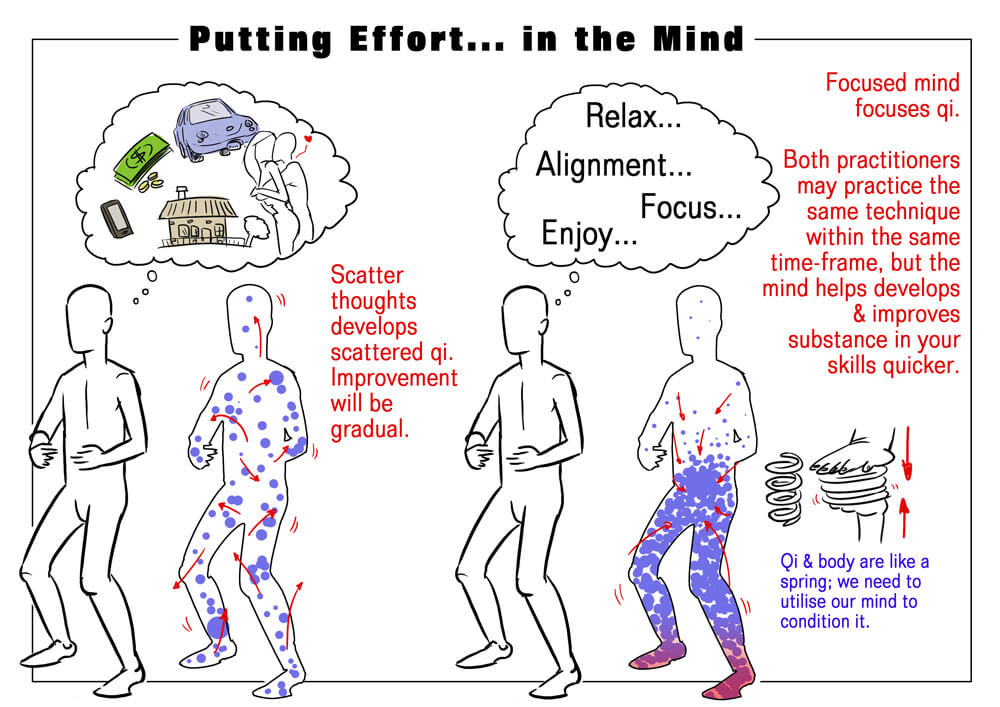
There are 4 foundational things to practicing Qigong:
- Movement: Proper body alignment provides the ways and means for smooth energetic flow. While there are countless best-practices and techniques to discover related to posture, here is an essential one: The Wu Ji Posture which is found in Qigong and Tai Chi/Ji. “Wu” means none, and “ji” (the same “ji” of Tai Ji) means extreme. Hence this is the way of standing that has no extremes. Wu Ji is easy to perform but takes a life to master. It is commonly used for beginning and ending movements.
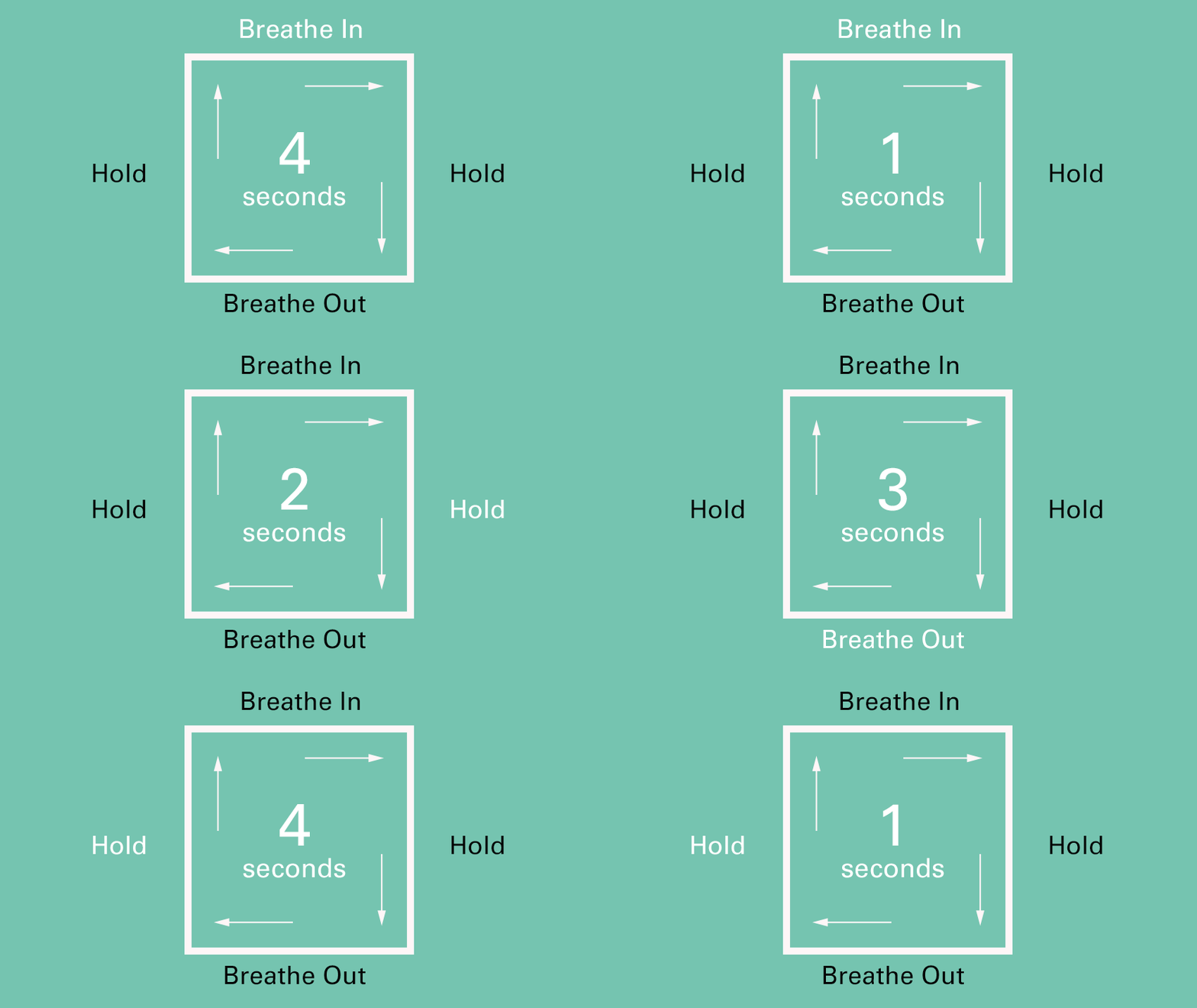
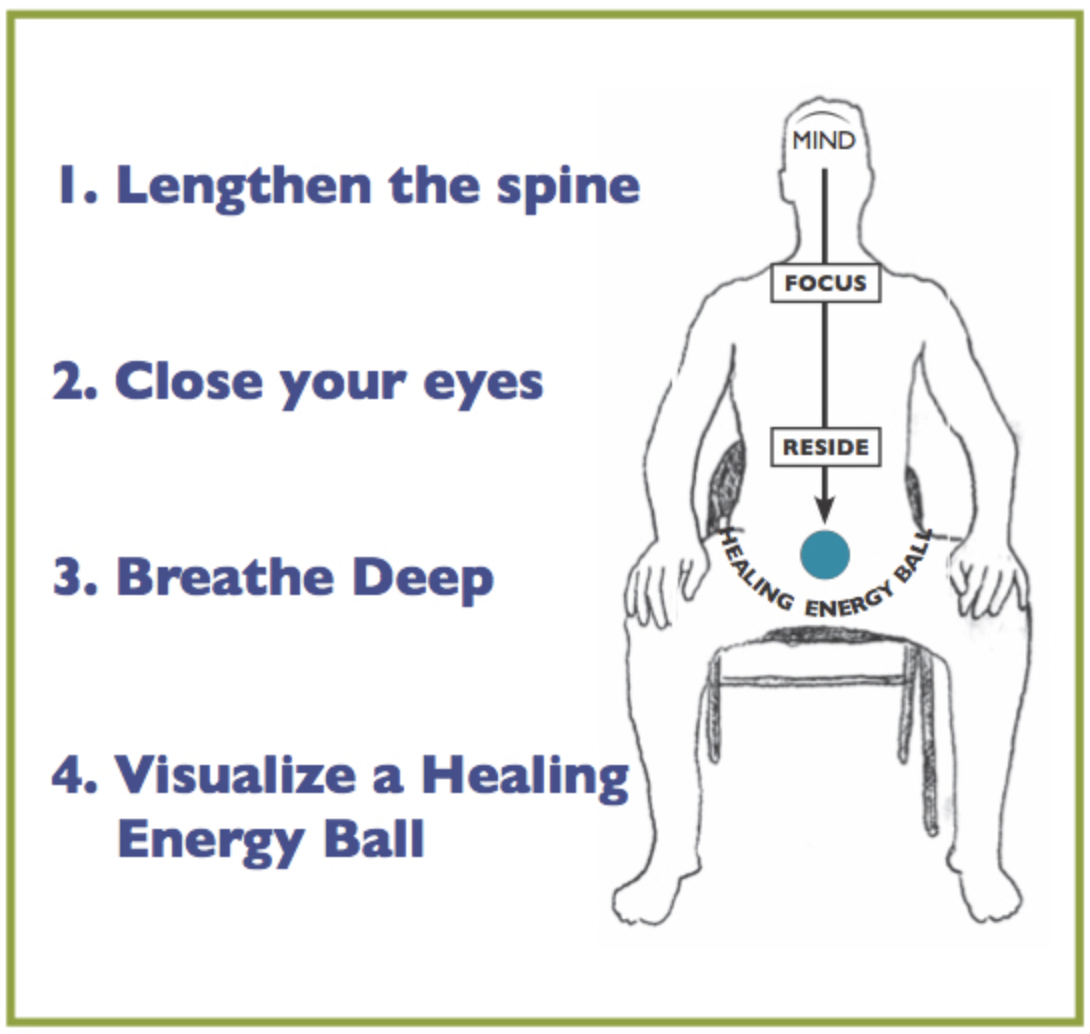
- Breathing: Breathing should be natural, slow, smooth, even, and deep. Breathe from your belly: Allow the abdomen to relax so that it rises with each inhalation and falls with each exhalation. Do not use force. At the end of the exhalation, the body itself will initiate the inhalation. Always breathe through your nose.
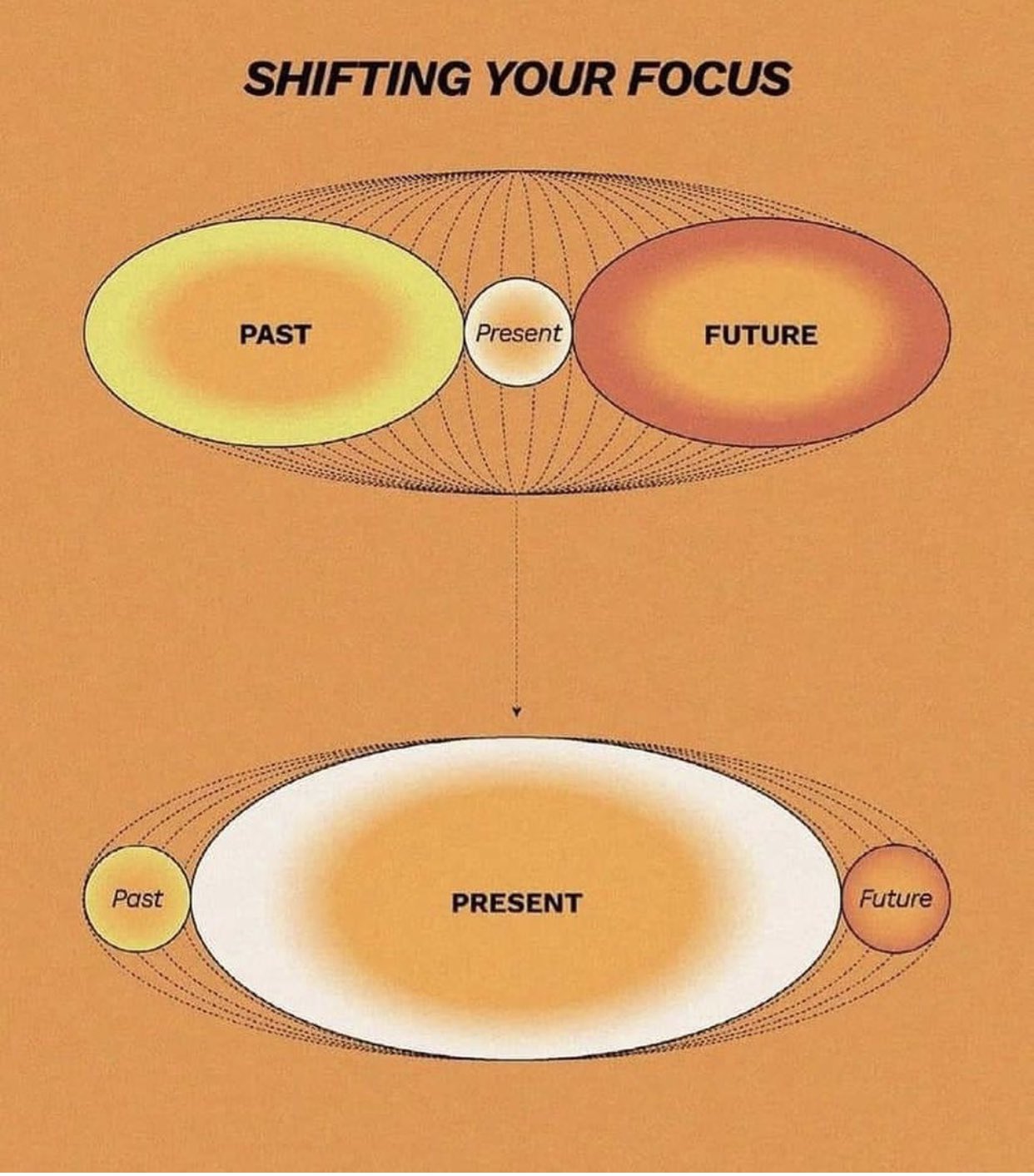
- Awareness: Qigong is moving meditation. Like the breathing, the mind should be relaxed. At the same time, it needs to be focused because later mind intent will be used to visualize and guide Qi. Balance relaxation with alert curiosity as to what is happening in your body and with firm but gentle determination to maintain your attention and intention.
- Qi: If you keep practicing for a while, you will be able to feel/see Qi (vital force / life-energy / prana / etc.) and actively participate in its flow and cultivation.
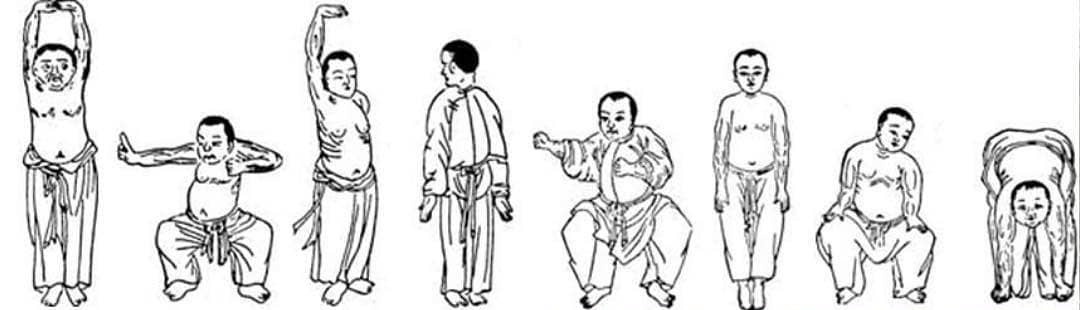
There are many Qigong forms:
You will have to experiment a bit to find the right Qigong form ("set", "tradition") for you. Once you find a form that resonates with you, I recommend sticking with just that for at least a few month. Here are a few beginner friendly forms you might want to consider. I've included a few video links, but you can easily find many more.
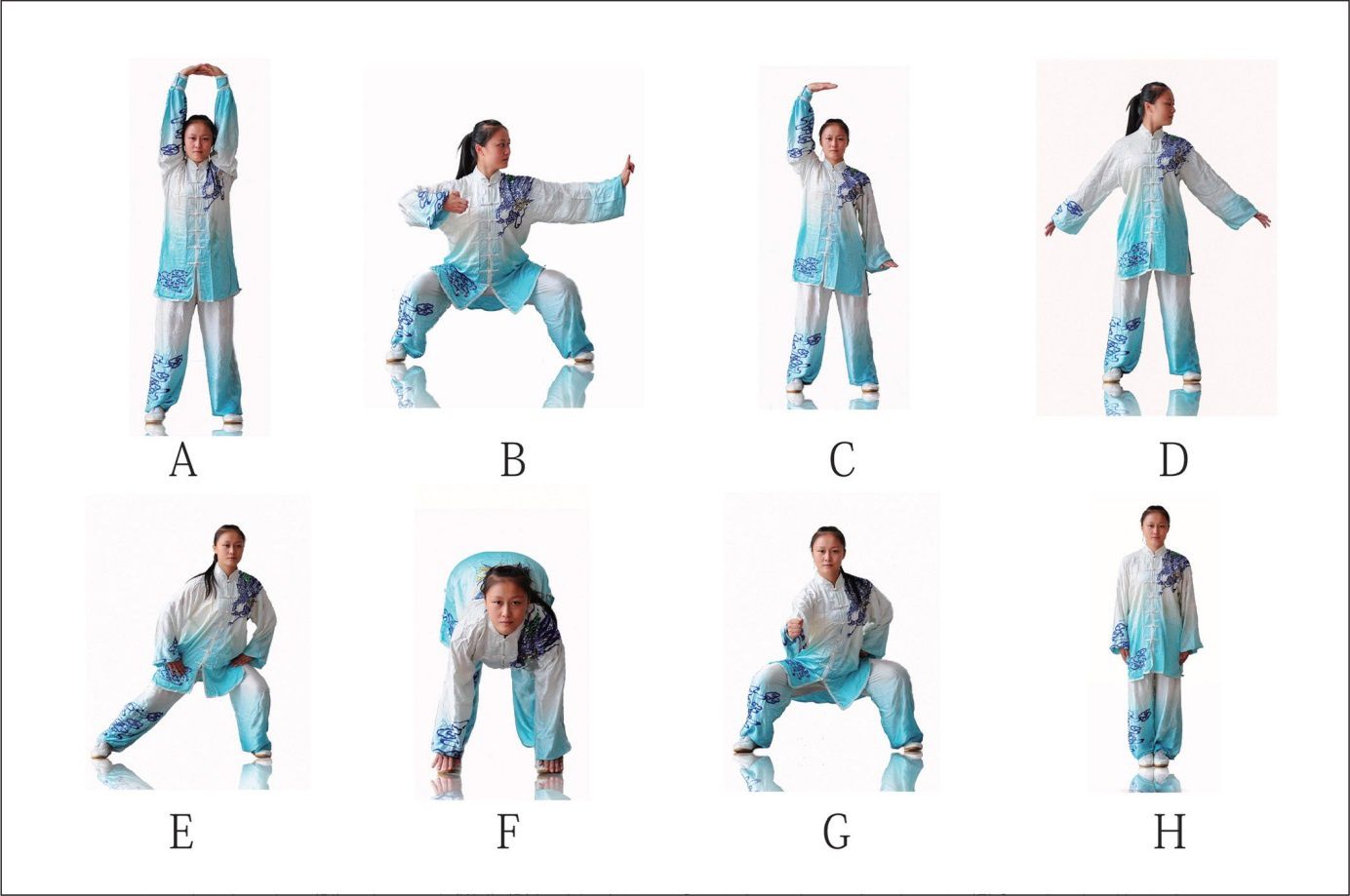
- Ba Duan Jin (八段錦): Eight Pieces of Brocade: one of the most common forms of Chinese qigong used as exercise. Variously translated as Eight Pieces of Brocade or Eight Silk Weaving, the name of the form generally refers to how the eight individual movements of the form characterize and impart a silken quality (like that of a piece of brocade) to the body and its energy. The Baduanjin is primarily designated as a form of medical qigong, meant to improve health. - Videos: https://www.youtube.com/watch?v=hiVjiOM5WGs - https://www.youtube.com/watch?v=EwjLUk0wF1s - https://www.youtube.com/watch?v=cwlvTcWR3Gs (simplified form)
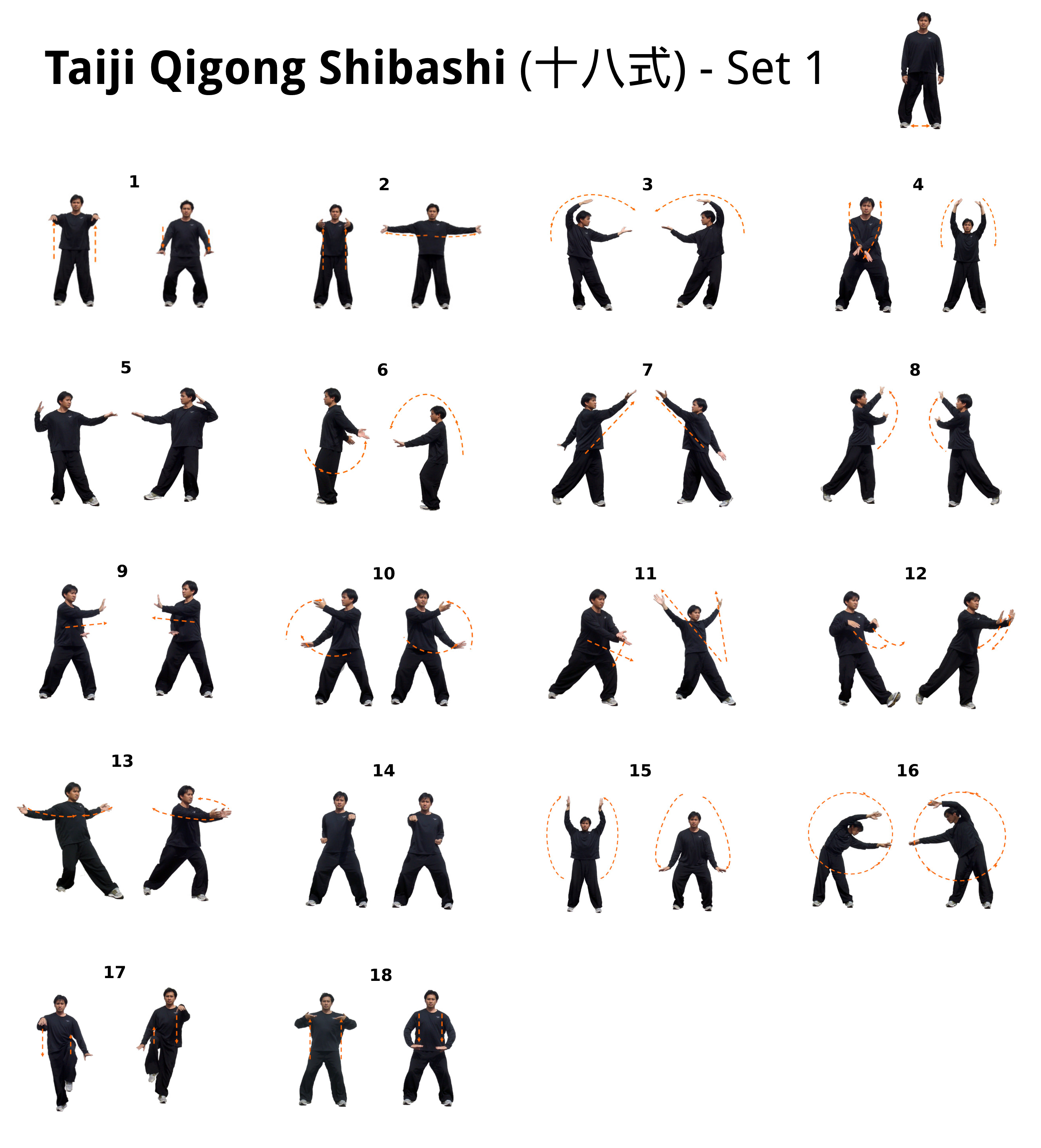
- Taiji Qigong Shibashi (十八式): 18 Forms Qigong: A set of Qigong exercises which is based on the philosophy of Tai Chi and extracts some of the best movements from the Yang style Tai Chi Chuan. It places emphasis on synchronizing the 18 movements with proper breathing techniques. It is a gentle, beautiful and flowing routine that is both a joy to do and deeply relaxing. Videos: https://www.youtube.com/watch?v=JHQmY2sLhbI - https://www.youtube.com/watch?v=vKhC3d3R-Uc - https://www.youtube.com/watch?v=32tH89vBtTs - https://www.youtube.com/watch?v=p6DUfLxz6wY (Shibashi has a total of 8 sets, each with 18 moments. Set 2 Example: https://www.youtube.com/watch?v=NOENwWg3e2M)
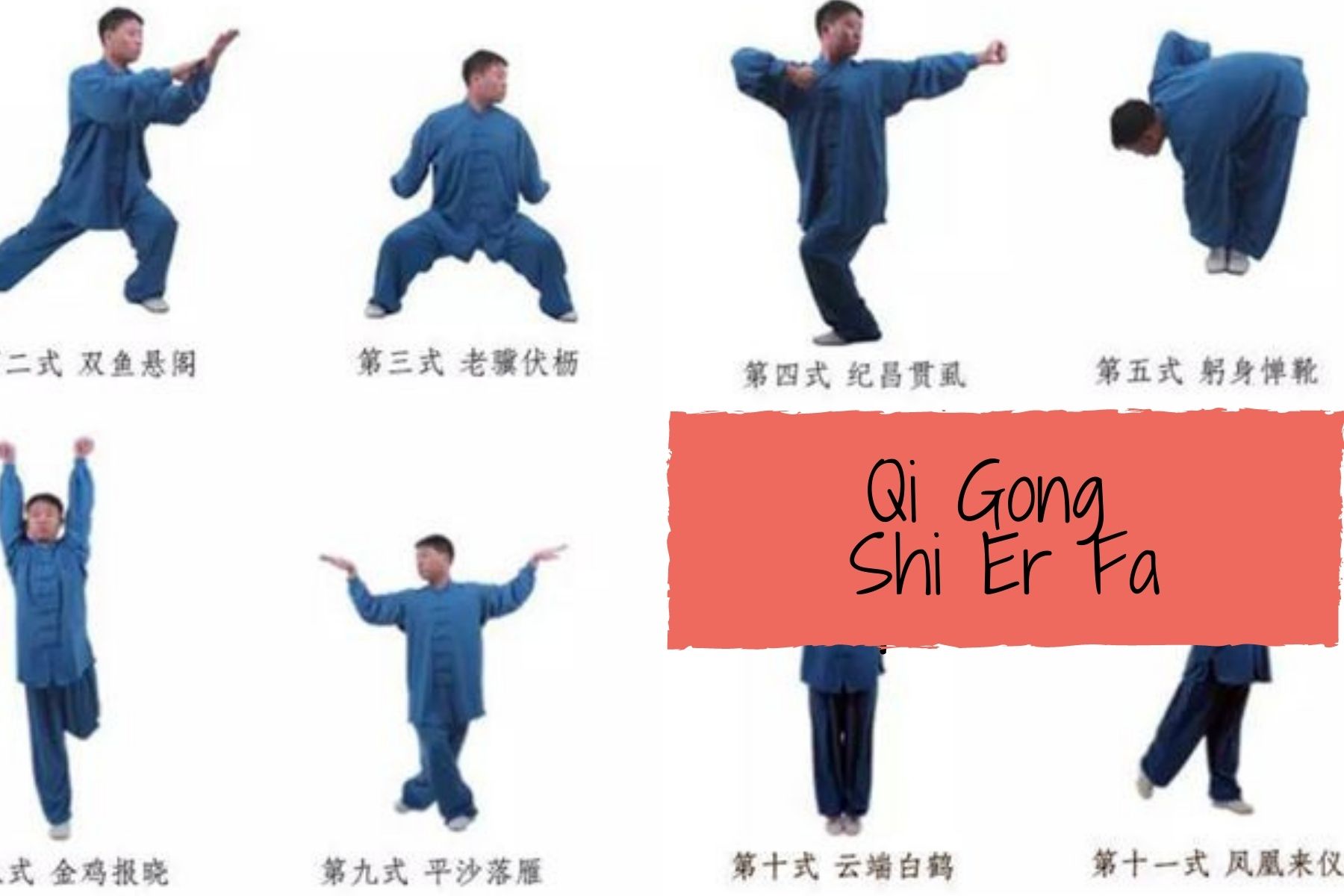
- Daoyin Yang Sheng Gong Shi Er Fa (导引养生功十二法): 12 routines from Daoyin tradition: Dao Yin Yang Sheng Gong Shi Er Fa consists of 12 steps of exercises from over 50 routines of Daoyin health qigong developed since 1974 by Zhang Guangde, a professor from the Beijing Sports University. Based on the principles of Traditional Chinese Medicine concerning viscera and meridians, yin-yang and the Five elements, and qi and blood. Videos: https://www.youtube.com/watch?v=59p4Ho2flhk - https://www.youtube.com/watch?v=sYEb504TR68 - https://www.youtube.com/watch?v=4AnvEHj5Nzo
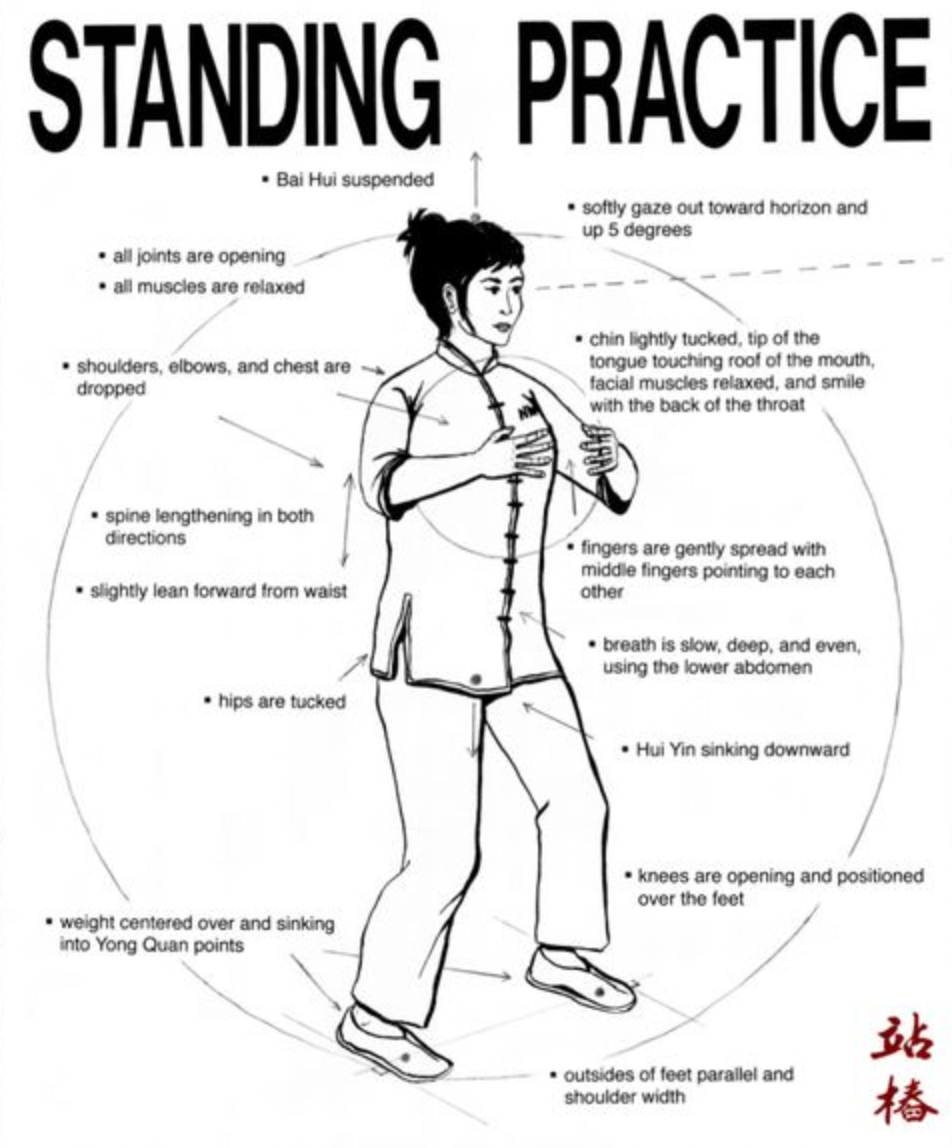
- Zhàn Zhuāng (站樁/站桩): Standing Like a Tree: A training method often practiced by students of neijia (internal kung fu), such as, Xing Yi Quan, Bagua Zhang and Taiji Quan. Zhan Zhuang is sometimes translated Standing-on-stake, Standing Qigong or Standing Like a Tree. It is commonly called a form of Qigong, despite the differences from other Qigong methods in Zhan zhuang's orientation. Videos: https://www.youtube.com/watch?v=PA1UphVWXks - https://www.youtube.com/watch?v=Wg-BIt0y6T4 - https://www.youtube.com/watch?v=zlXorC3__AU If it's to daunting at first, check out Pingshuai Gong
- Warm up: It is advisable, to do a brief warm up routine before practising qigong, to get your mind-body ready. Videos: https://www.youtube.com/watch?v=z4eOZp5SBtQ - https://www.youtube.com/watch?v=p1S78x0fOJo - https://www.youtube.com/watch?v=gdo4HfO2aX0
Once you have selected a form which resonates with you, I'm happy to point you towards more useful resources on that topic. May our practice and life be of benefit to all beings everywhere.
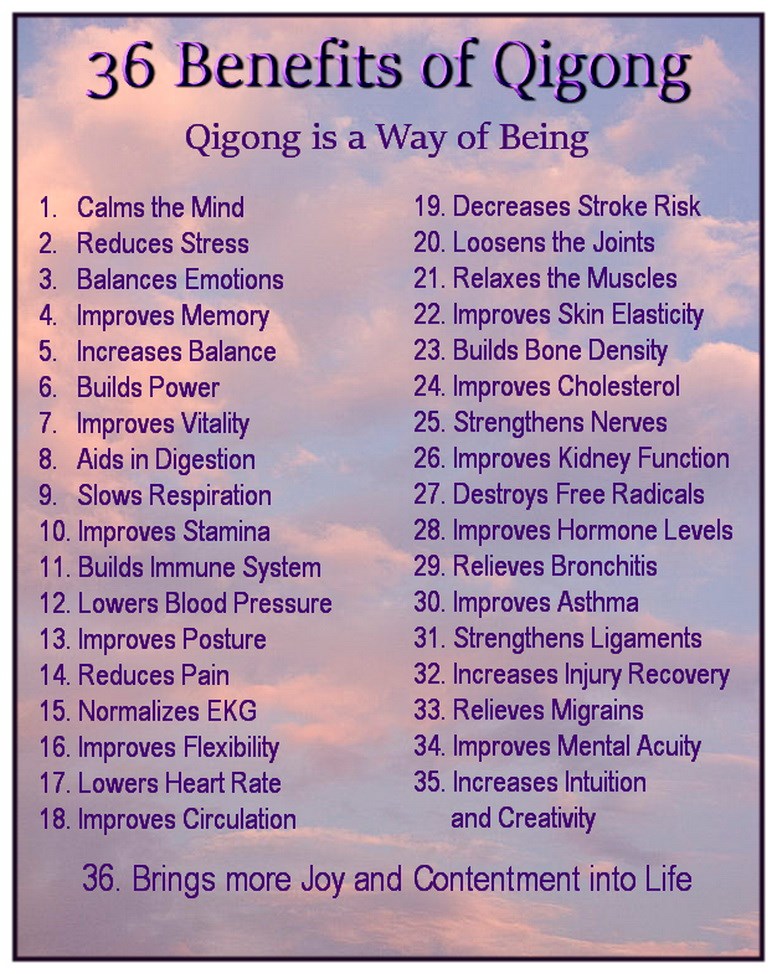
- Movement: Proper body alignment provides the ways and means for smooth energetic flow. While there are countless best-practices and techniques to discover related to posture, here is an essential one: The Wu Ji Posture which is found in Qigong and Tai Chi/Ji. “Wu” means none, and “ji” (the same “ji” of Tai Ji) means extreme. Hence this is the way of standing that has no extremes. Wu Ji is easy to perform but takes a life to master. It is commonly used for beginning and ending movements.
-
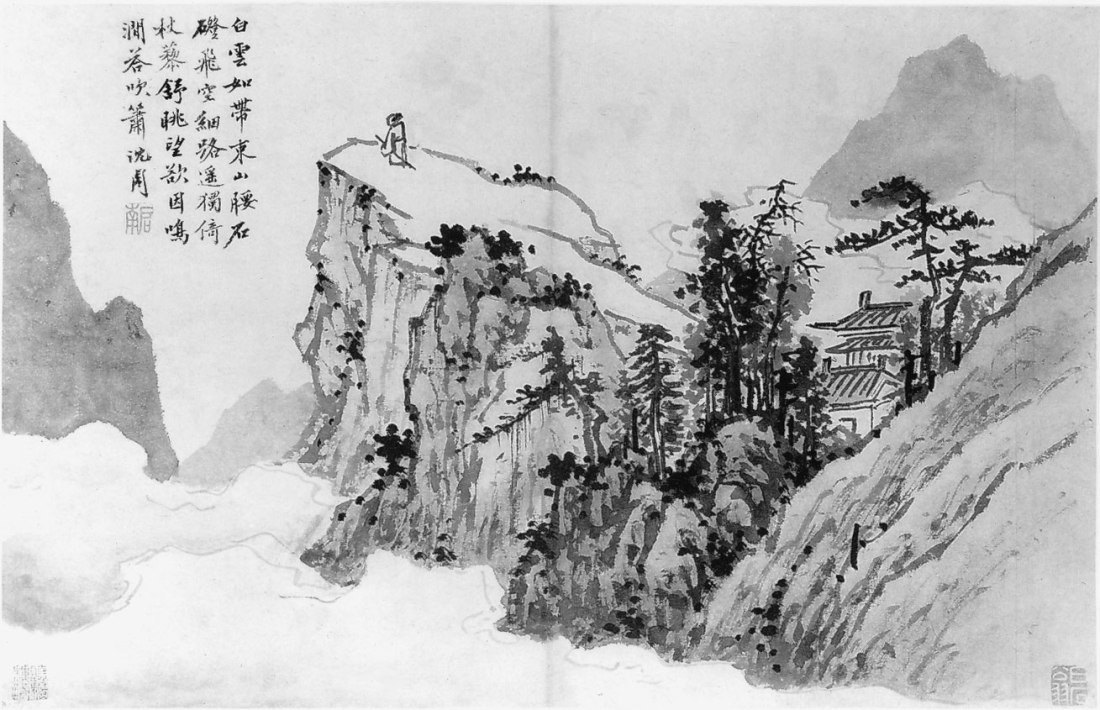
The Paradox of Wu Wei (無為) - The Art of non-action, non-doing or 'doing nothing'
-
Three In One Exercise:

- Barefoot on grasses or sand or conductive surface
- Embracing the AM Sunlight
- Zhan Zhuang (Standing like a tree)
"In the silence and the void, Standing alone and unchanging, Ever present and in motion." - Tao Te Ching, Laozi
-
San Jiao Challenge - by Michael Goddard