tag > Qi
-
Lives of Chinese Martial Artists: Tang Hao – The First Historian of the Chinese Martial Arts
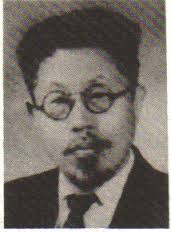
Tang Hao Tang Hao (1887–1959) is not a household name, even among avid practitioners of the traditional Chinese martial arts. While little known outside of certain specialized circles, few people have had a more profound impact on the way that we write and think about these hand combat systems. A lawyer by training and profession, Tang Hao was the first individual to undertake a serious, sustained, investigation of the history of the Chinese martial arts using modern documentary and field research methods. Tang Hao was very aware of the transformative social power of well written historical research. He was counting on it. In an era when so many other martial artists were (sometimes literally) taking up the sword for the defense of the nation, he instead picked up his pen.

-
10 guiding principles for Tai Chi by T. T. Liang (1900 – 2002)
T. T. Liang (1900 – 2002) gives a talk on his 10 guiding principles for Tai Chi from his book “T’ai Chi Ch’uan for Health and Self-Defense”. This was filmed at the annual Zhang San Feng festival when he was 96 years old. T. T. Liang was a popular Tai Ch teacher in the United States. He was a senior disciple of the famous Cheng Man Ching, as well he studied with various teachers. After moving to the United States from Taiwan in 1964, he had taught Tai Chi for many years in Boston. When T.T. Liang retired from teaching at his school in Boston, he moved to St. Cloud, Minnesota in 1981 where he continued to teach.
-
Pingshuai Gong
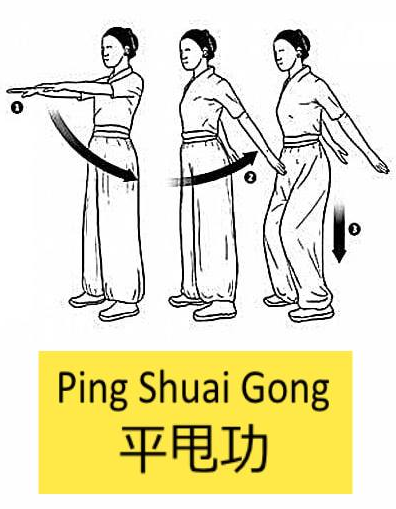
There are many Qi Gong exercises in the world. They are all good for people's health. Many of them have too many steps and difficult to learn. They need to take time to do it right. Some of them are easy to learn. But we wonder those simple exercises can help our body that much. As a result, most people will give up the exercise because of difficulty or faithless.
Ping Shuai Gong is one of the simple exercises. It comes from Master Feng-Shan Li, the founder of Mei-Men Qi-Gong Center, in Taiwan. Some cancer patients heal their bodies simply by exercising the Ping Shuai Gong. Because of getting more witnesses, Ping Shuai Gong populates very quickly in Taiwan and then have extended to more than 44 countries today.
We just need to exercise 10 minutes at a time and 3 times a day, if we want to keep healthy. For people who want to recover from severe illness, then they need to increase to 30 minutes at a time. Ping Shuai Gong is very easy to learn. It doesn't need too much time a day. It's not difficult for people to persist in exercising the Ping Shuai Gong every day.
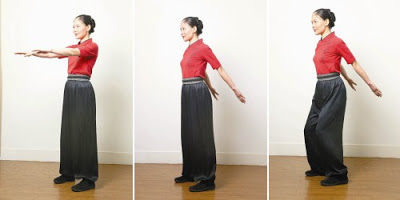
When exercising Ping Shuai Gong, we need to pay attention to the body's balance with a smiling face. The upper body should maintain straight. After swinging arms 4 times, then bend the knees and then spring up the knees. If you don't have healthy knees, then just bend a little bit or sit on a bench or a chair. We need to swing arms softly and slowly to relax our body and mind. After exercising, close eyes, take a deep breathe and adjust it.
Ping Shuai Gong is very simple in actions. But to train our mind to focus is a challenge.
-
"Join the joyful club today! There are no membership prerequisites, except you have to be joyful." - Lama Yeshe Rinpoche, in a interview about Dream Yoga
"Rinpoche, what do you do in your lucid dreams?" Rinpoche: "I don't do anything. I am free. I do nothing. In my everyday life i have nothing to do any more. I'm relaxed. I'm enjoying my life"
"Don't allow yourself to be stressed for no good reason. Some get stressed saying the world is going baldy. I am feeling hurt. I am so stressed. Then you are joining a stupid path. If the world is having a lot of pain and suffering, and you become one with pain and suffering, how can you solve the world's problems? If you're thinking "the world is suffering", then I have to be relaxed. I have to be calm, kind. I have to be ready to help them." - Lama Yeshe Rinpoche
-
A brief look at the wonderfully strange and peaceful world of Kevin Wacknov
Psychic Tools with the Mind Body Tool
Body Mind Spirit Exercise App
Crown Chakra Balancing Video -- 2 Minutes
-
Mind Intent or Imagination in Qigong and Tai Chi
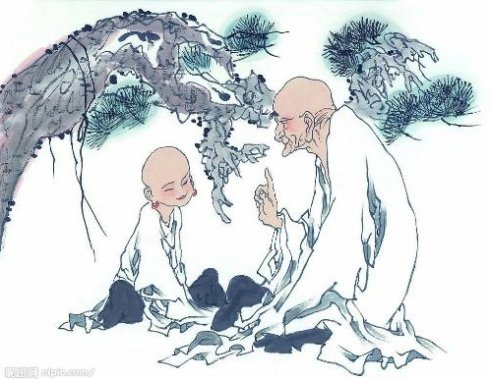
"Qigong and Tai Chi both make use of the Qi energy that runs through the body. That qi energy is moved about through the acupuncture energy channels of the body, by use of the mind. “The mind intent leads the qi energy, and the blood follows” is an old training adage. It is the blood that is following the qi, that brings about the greatest health benefits. If using imagination, little to no blood flow, because the mind is not really moving the qi. In imagination, the mind pretends to move the qi. In using mind intent, catching the feeling of the qi is of primary importance. Once the feeling of the qi is found, the mind intent ( Yi Nian - 意念) can easily move and guide the qi."
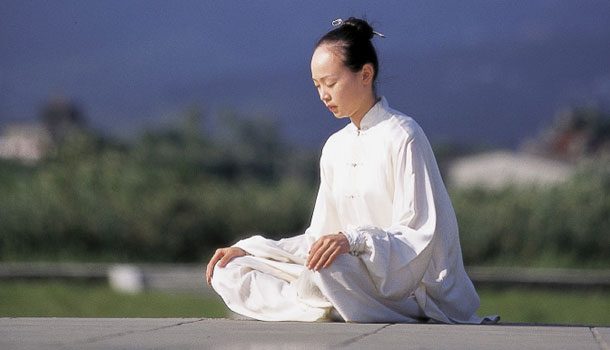
Catching the feeling of the qi can be easy or complicated, depending on your qi sensitivity. If you are a qi sensitive, it can be felt right away. If you are a qi insensitive it may take years of looking to catch the feeling of the qi. Most people are somewhere in between. The feelings of the qi are: hot, cold, jump about, fullness, pressure, distension, itch, pain or electrical feelings. Sometimes it is also felt as a menthol feeling, this usually falls under the cool sensation, but I can notice a difference between menthol and cold. Once you have caught the feeling of the qi, which is recognition of its sensations, the qi energy can be easily led along the qi pathways throughout the body.
Internal Martial Arts Explained

"To the Internalists, the body is an empty vessel, an external shell or form (Xíng形in Mandarin Chinese). To have a functional meaning, the empty vessel must contain something called "Yi" (Intention 意). Yi is not some kind of cosmic energy floating in the universe around us, and gathered with fancy movements. It is a physical manifestation of the thought of doing an action."
"The highest level of training one's Yi in the Internally-oriented arts, has been referred to in the Xing Yi Quan classics as: 'A fist without a fist, intention without intention – within the absence of Intention, lays the true Intention'."
-
Balanced Life, Peaceful World - A Discussion with Wushu and Qigong Master Lee Feng-San
Pingshuai Gong - 平甩功 - a hand-swinging exercise pioneered by Taiwan Qigong (氣功)master Li Feng-shan (李鳳山)
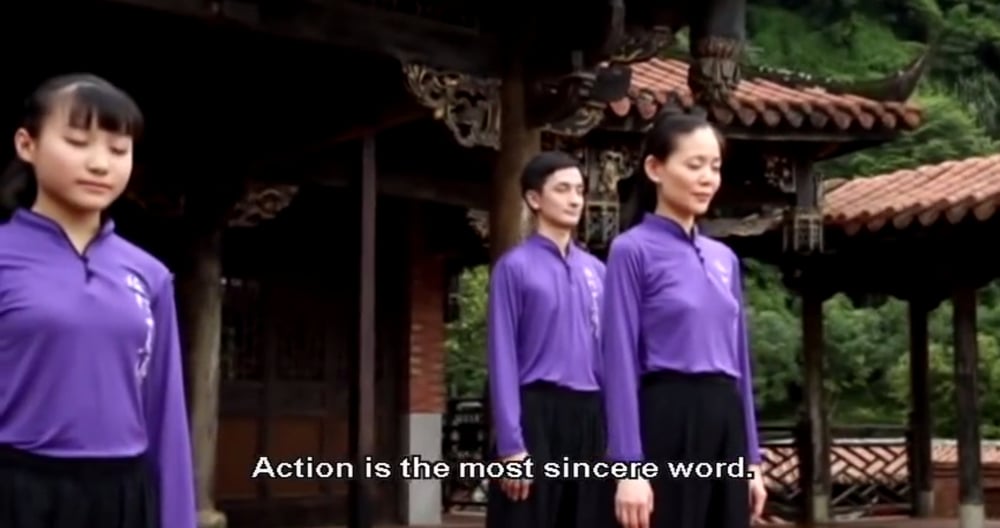
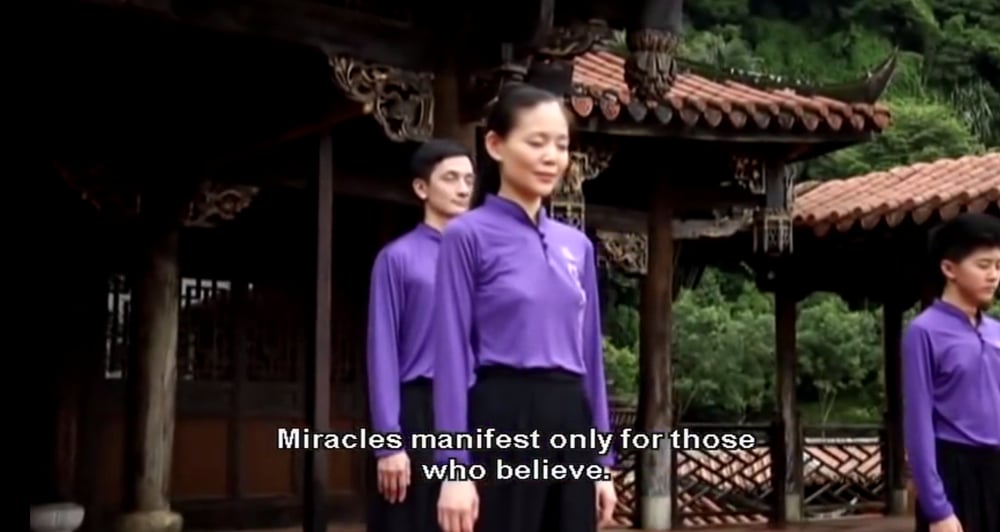
Pingshuai Course—Live Webcast For The First Time
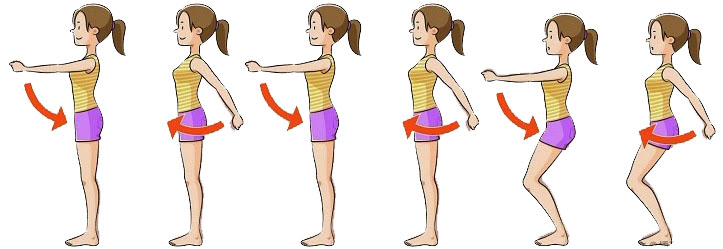
Pingshuai 30min exercise
-
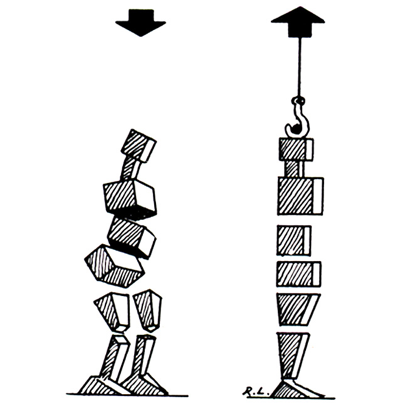
According to Ideokinesis pioneer Mabel Todd, “In order to have a minimum of stress, and therefore of strain, within the body, not only must the structure as a whole be in balanced relation with the outside forces, but each part must be in balance with every other part within the system” (Todd, 56). When we don’t balance the three major weights of the skull, ribcage and pelvis, the body has no choice but to respond by increasing muscular tension in order to avoid toppling over. Many times, the increase in tension that arises due to poor postural positioning leads to chronic discomfort in the shoulders, back, or the neck.
-
Hexagram 51 - Zhen (Shocking) - Yijing (I Ching) sign of the year 2021

"Success comes when you achieve tranquility in disturbance."
"Cultivate inner peace in turbulent times."
-
A summary of the requirements for QiGong - from Lao Zi's "Tao Te Ching", Chapter 3
1. Empty the Chest - 2. Fill the Abdomen - 3. Weaken the Mind - 4. Strengthen the Bone
-
Huangdi Neijing (黄帝内经)
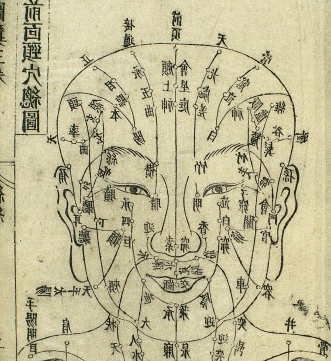
Huangdi Neijing, literally the Inner Canon of the Yellow Emperor or Esoteric Scripture of the Yellow Emperor, is an ancient Chinese medical text that has been treated as the fundamental doctrinal source for Chinese medicine for more than two millennia. The work is composed of two texts—each of eighty-one chapters or treatises in a question-and-answer format between the mythical Yellow Emperor and six of his equally legendary ministers.
-
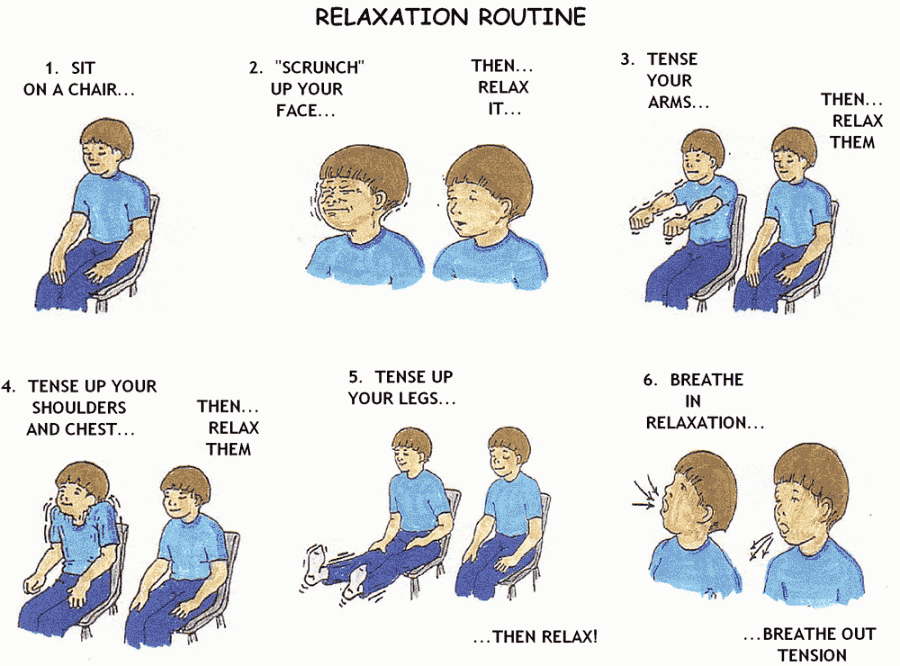
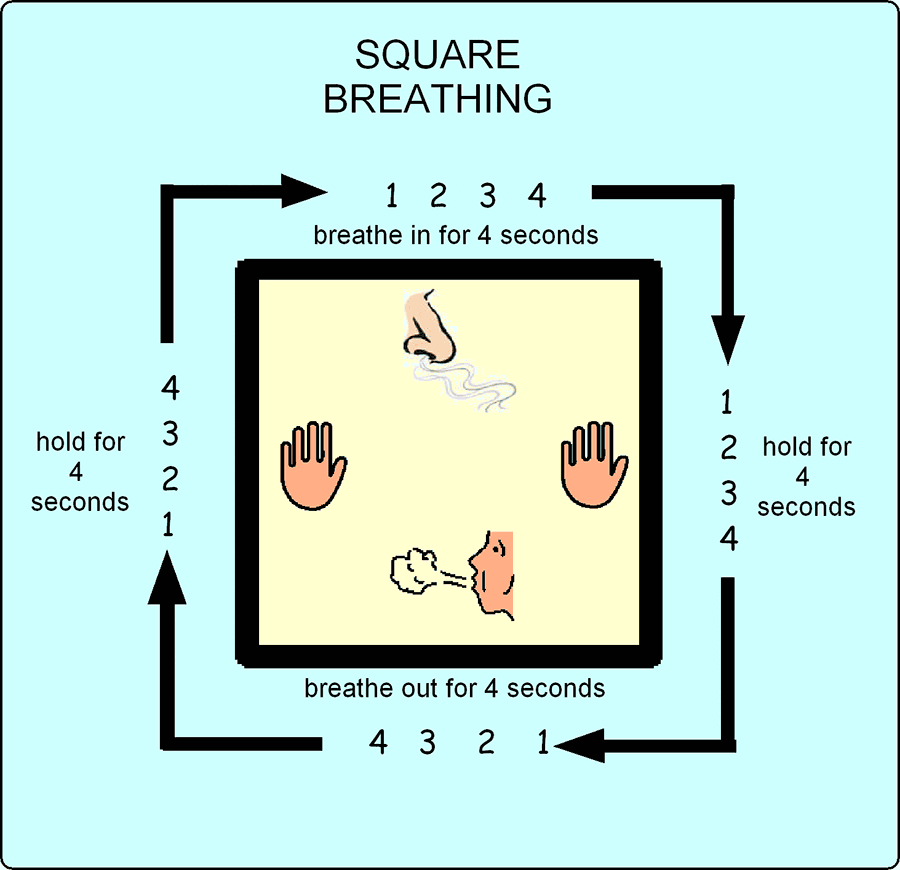
Relaxation Response: Dr. Herbert Benson Teaches You The Basics