tag > Qi
-
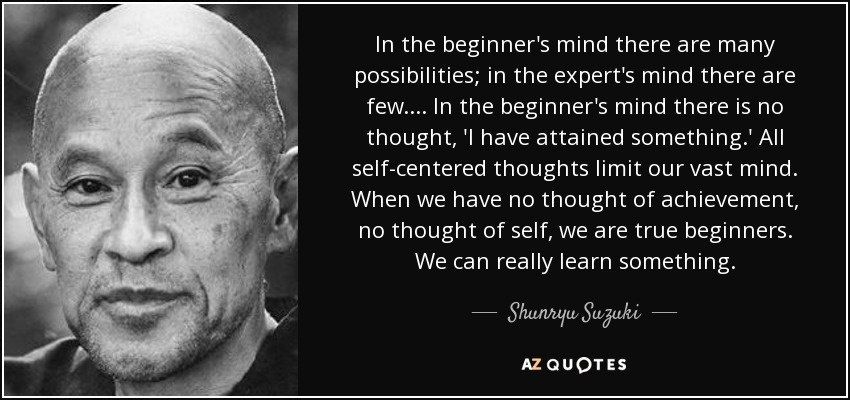
Shoshin (初心) is a word from Zen Buddhism meaning "beginner's mind."
-
Taiji Qigong Shibashi
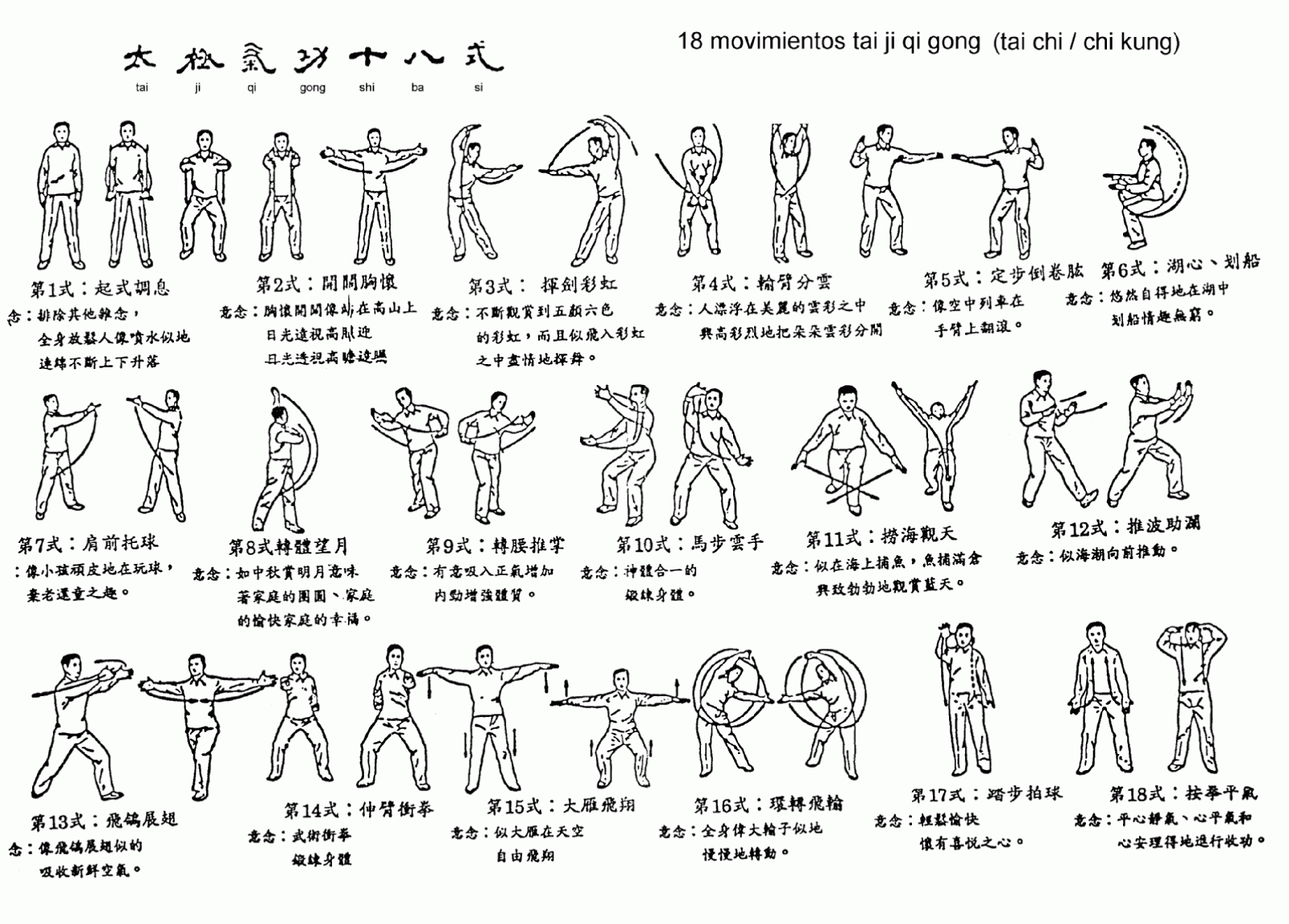
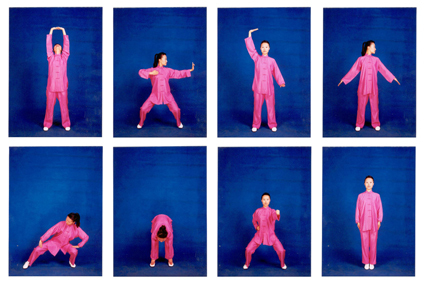
Shibashi is a gentle, beautiful and flowing qigong exercise routine that is both a joy to do and deeply relaxing. It’s suitable for all groups and all ages. As always it is better to practice every day even for just 15 minutes than to do an hour twice a week. Here is a great practice video.
Shibashi Introdocution - by Michael Watts
Shibashi, when correctly pronounced in Chinese, literally means ‘eighteen postures’. This Qigong form, which is deeply relaxing and pleasurable to learn, offers numerous health benefits that significantly slow the process of ageing.
Currently practised by over ten million people, it has become the national health exercise in Malaysia and Indonesia and, in China, all students of Traditional Chinese Medicine (TCM) – roughly estimated to be 100,000 men and women – are now required by the Government to study Shibashi, which is currently the most popular and fastest growing Qigong in the world.
Based on the philosophy and principles of Tai Chi, it is in fact a ‘hybrid’ of Qigong postures, Qigong breathing and modified ‘Yang Style’ Tai Chi movements that have been choreographed into a smooth, continuously flowing sequence of 18 movements that are precisely synchronised with deep, relaxed abdominal (Dan Tien) breathing – which is why Shibashi is often called ‘Taichi Qigong’.
Very little motivation is required to maintain Shibashi as a daily routine because this gentle, beautiful, flowing routine is exceptionally pleasurable and provides a prolonged feeling of wellbeing.
Shibashi is also ideal for those working in any of the healing professions because it not only replenishes energy that is expended in the process of dealing with other people’s health imbalances, but it also serves to build up a great deal of Qi (energy) in the palms of the hand, which is especially useful for bodywork therapists. In addition, it is also an excellent self-healing Qigong that can be recommended to one’s clients.
Shibashi was developed in 1979 at the Chinese Medicine Research Institute of Shanghai University by the renowned scientist, physician, healer and Qigong Master Professor Lin Hou-Sheng. On March 10, 1978, Lin Housheng’s name rapidly became known in China when a famous nuclear scientist, Gu Hansen, used scanning technology that recorded Lin projecting, from the palms of his hands, low-frequency, infrared ray modulations and electromagnetic waves:
“It is the first time that the physical nature of qi was proven. The publication of the results of the experiment created waves within the country, aroused interest and drew the attention of numerous scientists towards qigong research. Their heroic undertaking had a determining effect on the rise of qigong in contemporary China.” (David A. Palmer, Qigong Fever, Columbia University)
In 1980, Professor Lin’s book Qigong Makes Health was published. It was the first book about Qigong to appear after the end of the Cultural Revolution, and Lin Housheng subsequently became a Chinese Qigong superstar.
In 1988, nearly ten years after the first set of movements was created, Professor Lin choreographed Shibashi Set II, which was later followed by further variations, though the original set remains the most important, and is more than sufficient on its own.
Professor Lin first visited the United States in 1989, to participate in a research project at San Diego State University, and in 2010 he chose to become a US citizen.
The benefits of Shibashi Qigong
Although Shibashi is fairly easy to learn and practise, it has proved itself to offer benefits equal to, and often exceeding, far more complex forms of Qigong, thus epitomising the truth that sometimes ‘simplicity’ can be ‘the highest expression of an Art’.
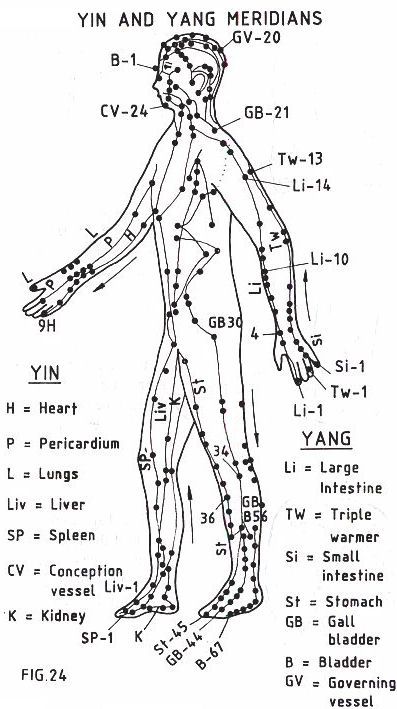
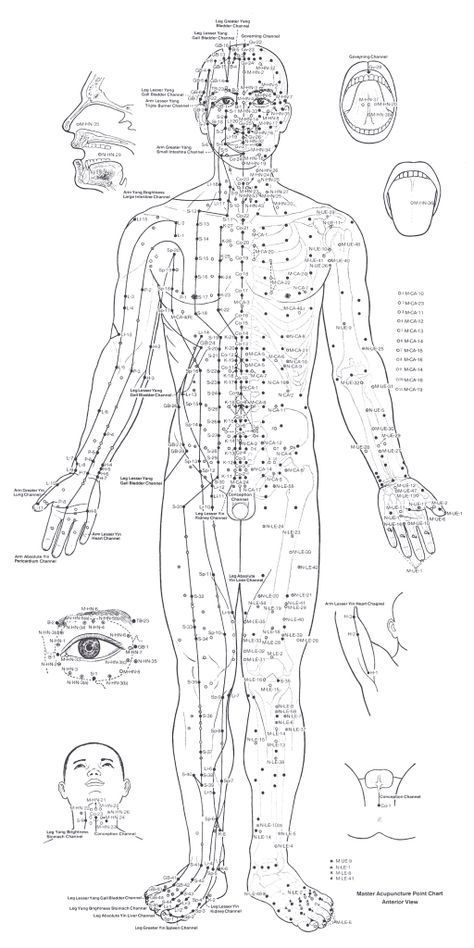
The soft, rocking motions and smooth, synchronised breathing gently stretch and release deep muscular contractions, which increases both flexibility and suppleness, and as the body’s tissues soften, the joints release and open, and the blood vessels and acupuncture meridians dilate, allowing your life force (Qi) and blood circulation to flow more freely. Psychological and emotional tensions gradually dissolve, and what remains is a wonderfully pleasurable sense of physical and emotional wellbeing and a renewed sense of energy on multidimensional levels of being, that improves mental focus and clarity and enhances intuition and creativity.
Professor Lin Housheng explains that, with practice, the mind merges effortlessly with the even-paced movements and rhythmic breathing and, when this happens, one becomes deeply aware of the sensations arising from the life energy streaming through the arms, legs and body; at this stage, all the beneficial effects are considerably enhanced.
In TCM, sickness is thought to be caused by excesses or depletions or stagnation of the Qi. Shibashi can help to rectify such imbalances to bring about a state of health and wellbeing because physical and emotional problems are washed away in the increased flow of life energy. Importantly, Shibashi’s gentle movements can be practised by young and old alike to rejuvenate the body, mind and soul, and to improve physical balance and flexibility.
Shibashi also provides an excellent warm-up routine for all types of sport because, unlike most Western forms of exercise, which work mainly on the larger muscle groups, the movements of Shibashi increase athletic performance by encouraging the stimulation, strengthening and stretching of the tiny muscles and ligaments that support and protect the joints of the body from the various injuries that often arise from high-impact sporting activities.
Sifu Wing Cheung, a renowned Canadian champion of Tai Chi who studied Shibashi with a colleague of Professor Lin Hou-Sheng, asserts: “I have learned more than 30 different styles of Qigong. Tai Chi Qigong Shibashi is one of the most effective and easiest to learn. Most of my students are able to master it in just a few lessons.”
Although not often mentioned in the existing literature, as one’s sensory awareness of the ‘internal Qi/life force’ increases, one also tends simultaneously to experience a deepening awareness of the Qi energy that is all around us. When this happens, we may sometimes experience a profound awakening that allows us to sense the connection/unity between our own life force and that of all living beings. Some people experience this as a spiritual realisation of the oneness of divine presence that connects all forms in existence.
A brief summary of some of the main effects of Shibashi Set 1
- Commencing the Form – as the arms are raised, the body absorbs the cool Yin quality of Earth Qi, which calms the emotions. As the arms are lowered, muscular tensions are released. The gentle movement of the legs up and down alleviates pain in the knees, reduces anger and frustration, and lowers high blood pressure.
- Broadening One’s Chest – as the arms open wide, contracted Qi energy in the chest is unblocked. This strengthens the heart and lungs and helps reduce insomnia and depression.
- Dancing with Rainbows – the shifting of weight from one leg to the other absorbs Earth Qi, which is drawn upwards to the stomach by the raised arms. This movement strengthens the stomach/digestion and heart and alleviates shoulder pain.
- Circling Arms – the circling arms relieve shoulder pain and guide Qi along the arm meridians, increasing Qi flow along the heart, lung and pericardium meridians in the chest. This strengthens the heart and lungs and relieves dizziness, anxiety and shortness of breath.
- Twisting Waist and Swinging Arms – relieves shoulder pain and headaches, and squeezes out congested energy from the liver and gall bladder, establishing smooth Qi flow in both organs.
- Rowing the Boat – improves overall Qi circulation and enhances mental clarity.
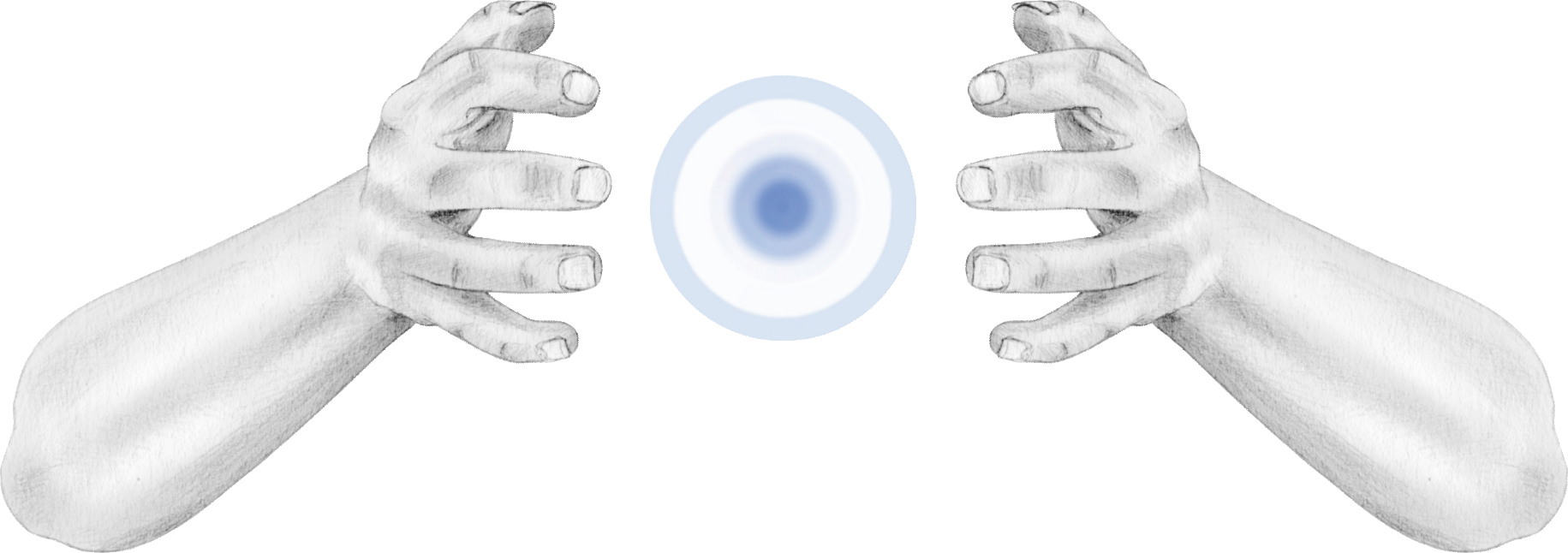
- Holding a Ball – strengthens the spleen, calms the spirit and helps reduce insomnia.
- Carrying the Moon – strengthens the spleen and liver, improves digestion, reduces fat around waist.
- Twisting Waist and Pushing Palms – helps digestion, bowels, bladder and large intestine, increases circulation in hands, calms the emotions.
- Playing with Clouds – improves overall blood and Qi circulation, and relaxes the eyes thereby calming the mind.
- Scooping from the Sea – increases flexibility, unblocks and establishes harmonious Qi flow in chest, which strengthens heart and lungs and relieves depression.
- Playing with Waves – stimulates key acupuncture point on soles of feet that strengthens kidney and bladder. Calms the mind, alleviates anxiety and insomnia.
- Spreading your Wings – relieves chest tightness and the expansion of the chest releases blocked Qi flow which strengthens heart and lung function and relieves depresson.
- Punching – strengthens the digestion and regulates the bowels.
- Flying like a Wild Goose – expands the chest and releases blocked Qi flow, strengthening heart and lungs and reducing depression. Helps regulate high blood pressure, relieves headaches and reduces anxiety.
- Spinning Wheels – the circling motion of the waist increases flexibility, flushes the blood and toxins out of the internal organs and establishes a healthy flow of Qi around the entire body. Improves bowel, liver and kidney function. Regulates low blood pressure. Reduces fatigue.
- Bouncing the Ball – precisely coordinating the arms and legs in a smooth rhythmic manner, balances the left and right hemispheres of the brain, improves mental and physical co-ordination, and stimulates circulation which unblocks stagnated Qi in the body. The alternating weight shifting of the feet stimulates via the acupuncture points on the base of the feet, all the Qi meridians travelling throughout the entire body. Reduces fatigue and insomnia.
- Pressing the Palms – quietens the Qi, calms the mind, lowers high blood pressure, and stores the Qi in the Qi ‘storage zone’ of the lower Dantien. Stimulates a feeling of connection with nature and all living beings.
-
"When you drink the water, remember the spring" —Chinese Proverb
-

Du schreist: "Friede, Frieden!", aber wenn du nur still sein würdest, wäre es so viel friedlicher. Du sagst: "Meiner Meinung nach...", aber gerade wenn Meinungen und Theorien ins Bild kommen, beginnt der Zank." - Kōdō Sawaki
-
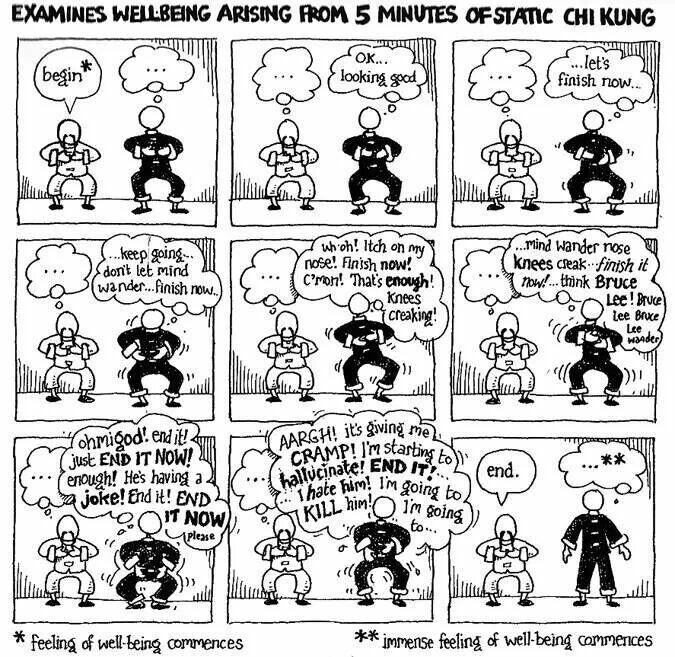
On practicing Zhan Zhuang, Standing Meditation
"In the silence and the void, Standing alone and unchanging, Ever present and in motion." - Tao Te Ching, Laozi
-
"When your are in Harmony with yourself the whole world begins to orchestrate with you"

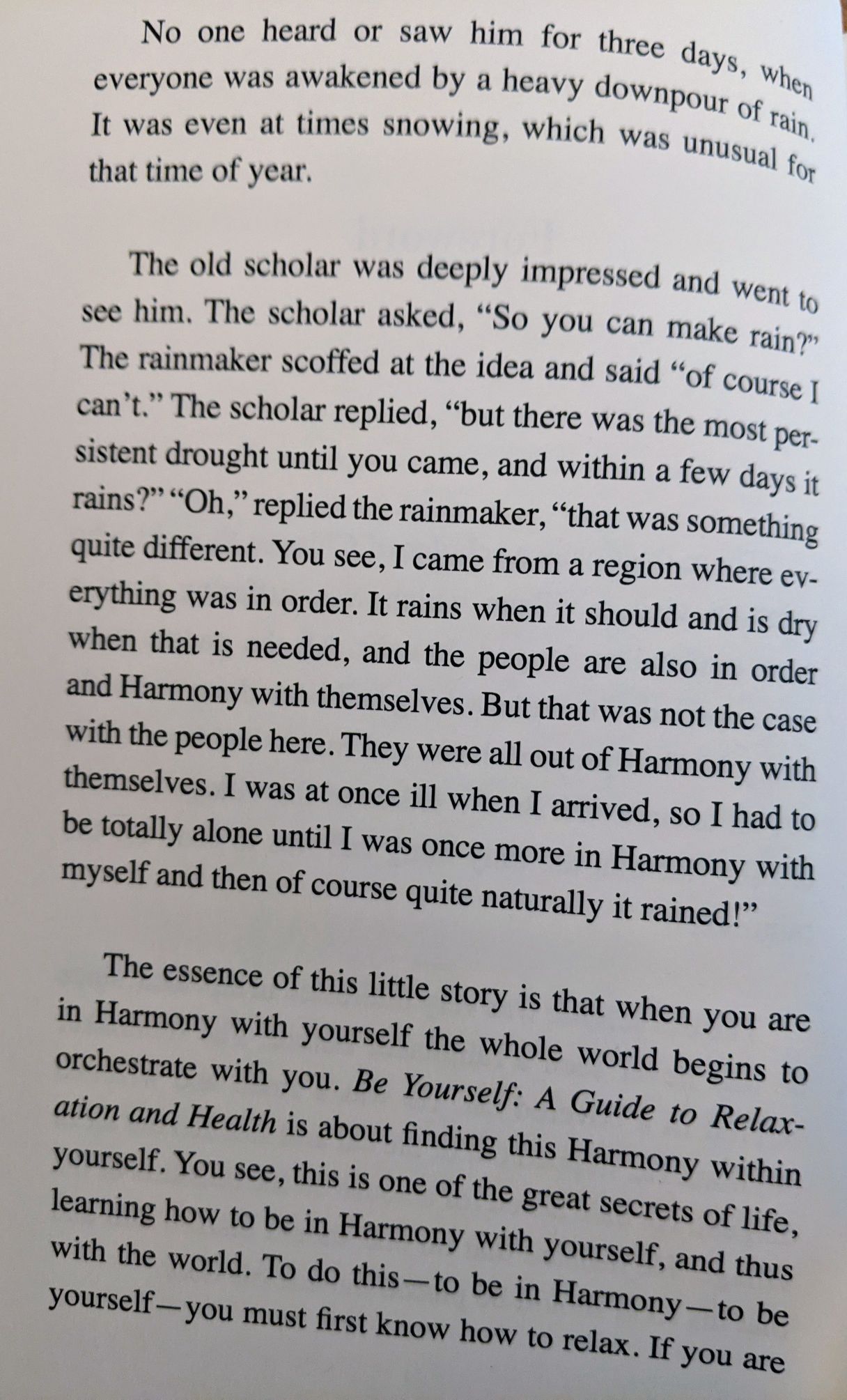
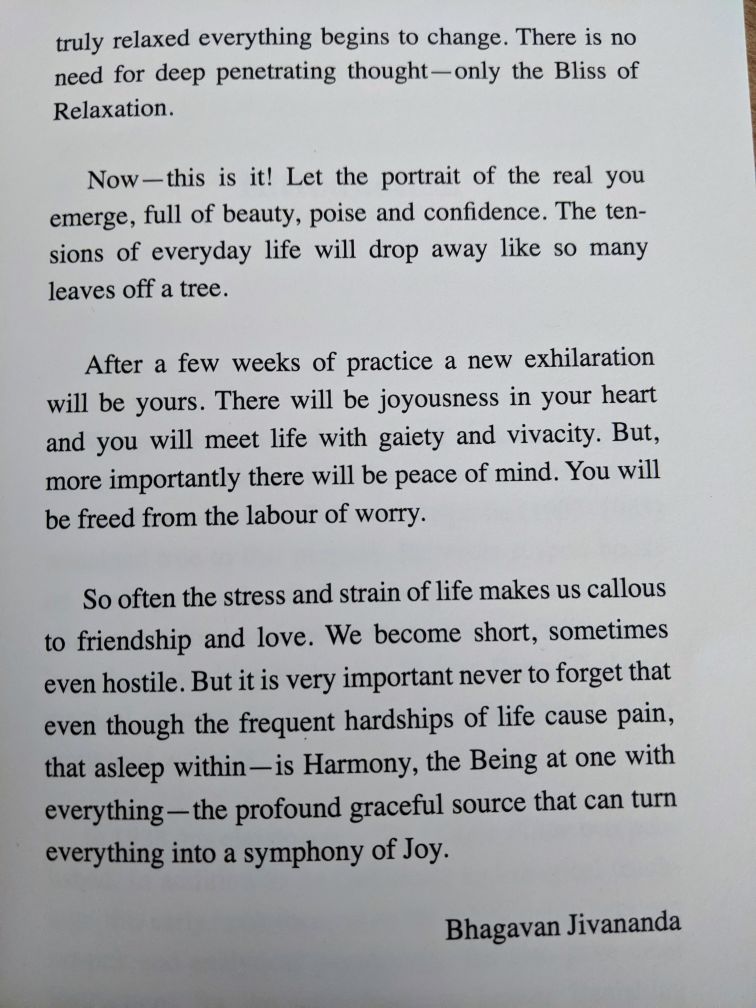
From the book "Be Yourself: A Guide to Relaxation and Health" - by Dr. Israel Regardie
-
"Your life has a limit but knowledge has none. If you use what is limited to pursue what has no limit, you will be in danger. If you understand this and still strive for knowledge, you will be in danger for certain!" - Zhuangzi on The Danger of Knowledge
-
The wrong way: Relentlessly do stuff, with the goal of relaxing one day in the distant future.
The right way: Relax here and now, with no goal other than to relax. Stuff will get done anyhow.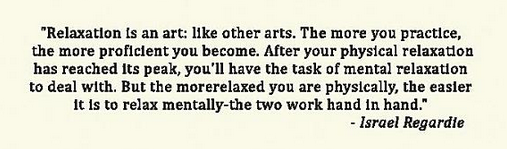
Quote from the Book "Lazy Mans Guide to Relaxation - by Israel Regardie" (1983) (PDF)
-
"The body provides something for the spirit to look after and use." - Alan Turing
#Comment: This quote nicely illustrates the great contempt Turing - and the majority of the contemporary scientific establishment - have for the Human Body. The underlying dualistic believe system - which ultimately perceives the body as a irrelevant nuisances and the disembodied intellect ("spirit") as the true king - is truly sickening for mindbody.
-
Quiet Is More than Words - Essay by Lu Shirong
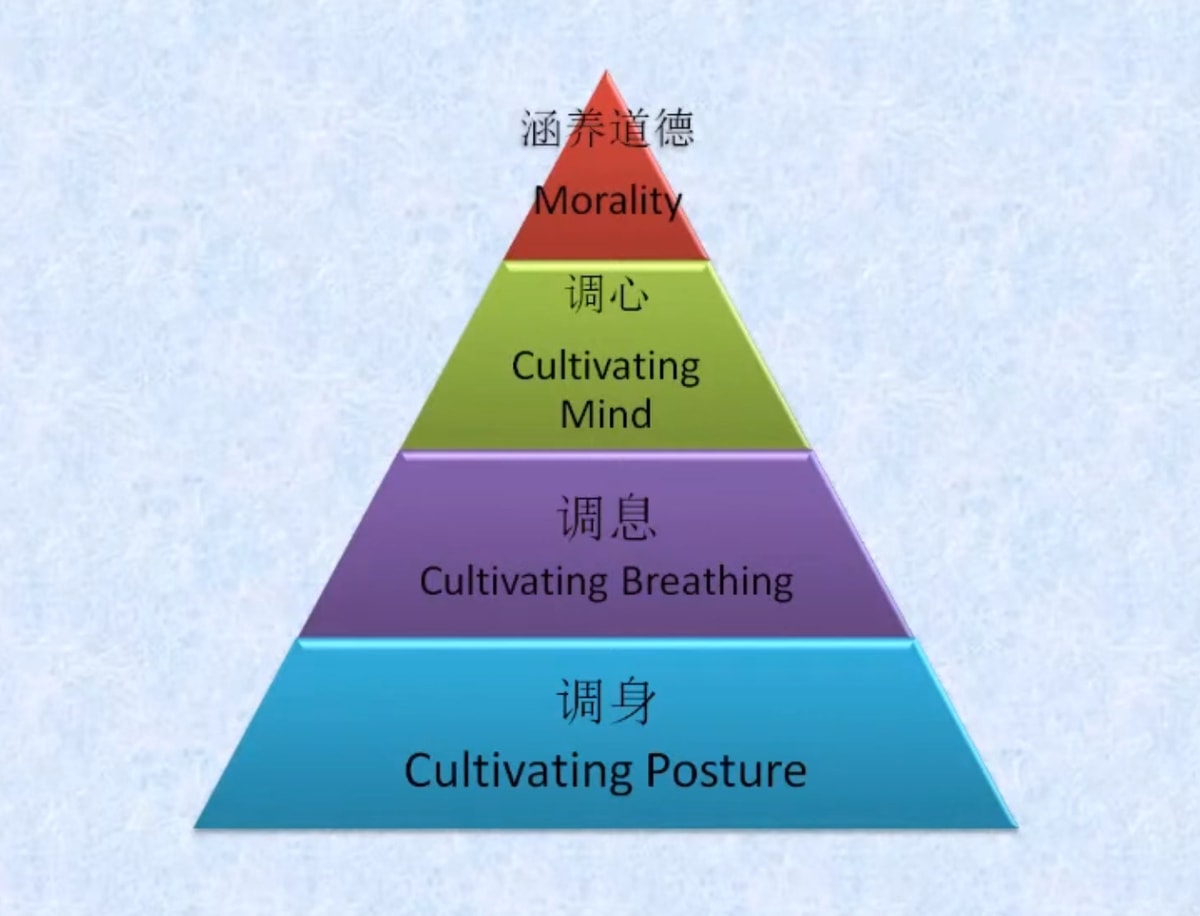
The practice of Health Qigong is inseparable from the quiet, and the “three regulations” also need the quiet. People can talk about the quiet freely in the non-practicing status, but all language activities will disappear or fade when entering into the meditation state. At this point, practitioners will feel pleasant and wonderful, caused by the integration of the body, mind and breathing, which is the meaning of “Quiet Is More than Words” talking about in this article.
First of all, the “quiet”, which usually talked about, is the review of the pleasant experience in the meditation after the practice. As we all know, the meditation state of the practice is beyond description, which is a character of quiet. The quiet described in the words is not the original ecology. In terms of general practitioners, the cognition of quiet is mostly from the oral transmission of teacher before participating in the practice and the cognition of quiet also needs to be found with the guide of the predecessors after participating in the practice. While entering into the meditation state, the cognition of quiet is beyond description, or the mentality in the meditation state has disappeared without a trace before opening the mouth. Thus, the quiet expressed by language has been away from its nature and converted to the quiet in the language environment, which can be expressed as fleeting or brief stopover or enduring caused by penetrating into all aspects of daily life. Therefore, practitioners still miss the wonderful quiet after leaving the meditation state. So they try to find some words to praise that kind of quiet. For example, quiet is a basic condition of Health Qigong, quiet is an essential kind of temperament of practitioners, and quiet is an accomplishment of practitioners. All these are the reviews and aftertastes of the meditation state. That is true. Quiet is the key factor to observe all things, so as to practice in high spirits. Most people cannot feel the taste of quiet, because of being capricious and busy. Unquiet mind leads to ineffective ideal condition. The so-called meditation refers to the quiet mind rather than the quiet physical condition, and the physical condition is never quiet. In this sense, the integration of three regulations in the practice of Health Qigong is to pursue the quiet of the body, mind and breathing, achieving the state of quiet and emptiness and observing all things with that kind of mentality. Then all things will exhibit the natural charm, and the exercisers can focus on the most subtle place, or even the infinity vast universe, caring deeply about all tings. As Su Shi said, “To make wonderful poem, poet must keep quiet and empty, so as to take in all things”, which is a kind of pleasant experience of meditation.
Secondly, the survival conditions for human language have gone in the meditation state, which is the essence of “Quiet Is More than Words”. Language is a tool for thinking and communication, closely linking with thinking, which is the carrier of thinking, substances housing and pattern of manifestation. Language is a symbolic system, which is a system combining with voice, semantic, vocabulary and grammar organization law.
On the one hand, after entering the language system, people have to express their mind through speaking or writing. Precisely at this link, "talking and writing” are contrary to “forgetting everything” required by the meditation. In that case, exercisers must only choose one of the two. So, to choose meditation, the language must be given up. The pattern of “Quiet Is More than Words” is formed. The Chinese character “Jing ( Quiet)” is composed by two characters, namely “Qing (blue)” and “Zheng (scramble)”. How to scramble the blue? Raise head to see the blue sky, which is the original quiet. How wonderful it is! On the other hand, from the beginning, conversion and implementation stage of meditation and formation of language, we can find that the formation of language is completely opposite to the direction of meditation. In the initial stage, language is used to express thoughts according to the purposes, while the meditation is to eliminate distractions. In the conversion stage, convert the thoughts into the form of language conform to the syntactic rules, while the meditation is to achieve the state of the integration of three regulations. In the implementation stage, the language is used to speak or write the contents in their own forms, while the meditation is to be tranquil and nothingness. In short, there are insurmountable barrier between the meditation and language, the mutual exclusiveness makes the view of “Quiet Is More than Words” sensible, reasonable and logical. Of course, exercisers may not be able to enter the meditation state without words, which is not in the scope of this paper.
-
What is Health Qigong? What is your benefit with practice any Health Qigong movements?
-
The Natural Order, according to Qigong. The western scientific mindset is upside down confused.