tag > Regenerative
-
The Monster Exane BNP Paribas Note On Electric Cars

...And Exane BNP Paribas has a monster note on electric cars that downgrades BMW and Schaeffler, raises Valeo and hikes its Tesla target to $1,550. “Your next car may not be electric. But the one after could well be”, it begins, before moving on to a dictionary definition of disruption. Better batteries mean electric vehicle margins will be above internal combustion within two to three years” meaning “dramatic market share shifts lie ahead”, it says:
The collision of a green new political era with the arrival of ‘million mile’ batteries is set to turn EV economics on its head. As EV residuals and margins rise above that of ICE, radical market share shifts lie ahead. We look for those that can thrive – and those that may struggle to survive. Green New Politics: Europe’s New Deal meets a US Blue Wave
This autumn could mark a defining moment for decarbonisation as Europe’s Green New Deal and a potential US Blue Wave drive radical policy changes. We now expect Europe’s 2030 CO2 targets to be further tightened, with a review due by June 2021. To comply, we see European BEV penetration at 40% by 2030. Meanwhile a Biden Administration looks set to kick-start US EV adoption – the Democrats climate crisis plan even recommends 100% ZEV sales by 2035....
-
Germany Plans To Dim Lights At Night To Save Insects 46
Germany is planning to ban floodlights from dusk for much of the year as part of its bid to fight a dramatic decline in insect populations, it emerged Wednesday.
-
Hackers Could Use IoT Botnets to Manipulate Energy Markets
With access to just 50,000 high-wattage smart devices, attackers could make a bundle off of causing minor fluctuations.
-
Making Knowledge Actionable for Sustainability (Journal)
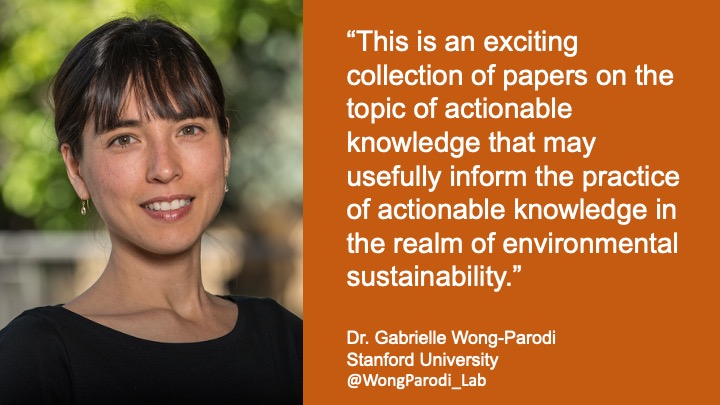
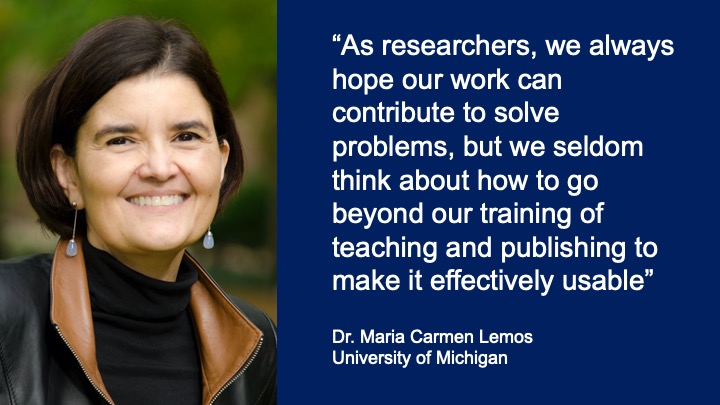
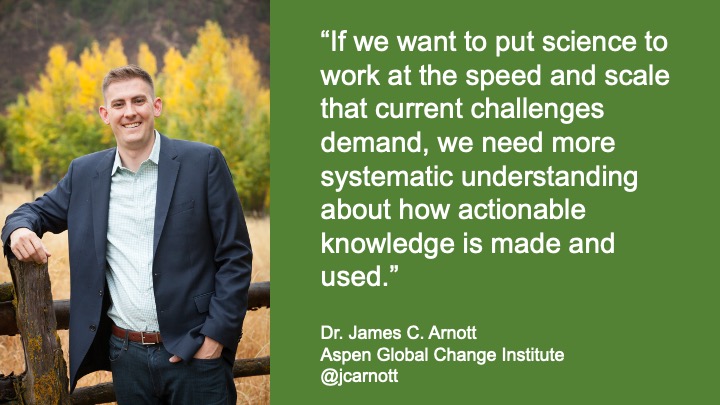
The COVID-19 pandemic has transformed the world in unimaginable ways and at a rapid pace. The crisis has revealed, very dramatically, how science can inform bold societal actions in response to risks. At the same time, the use of science for decision-making on COVID-19 and other major societal challenges reveals a very complex relationship between science and action. The relationship between science and action on sustainability is the focus of a newly released special issue of the journal Current Opinion in Environmental Sustainability. A team of researchers from different social sciences disciplines came together to understand what makes knowledge “actionable,” and how scientific organizations can fund and foster the production and use of knowledge to advance sustainability solutions.
-
Interview with Michael R. Wasielewski on materials in energy
-
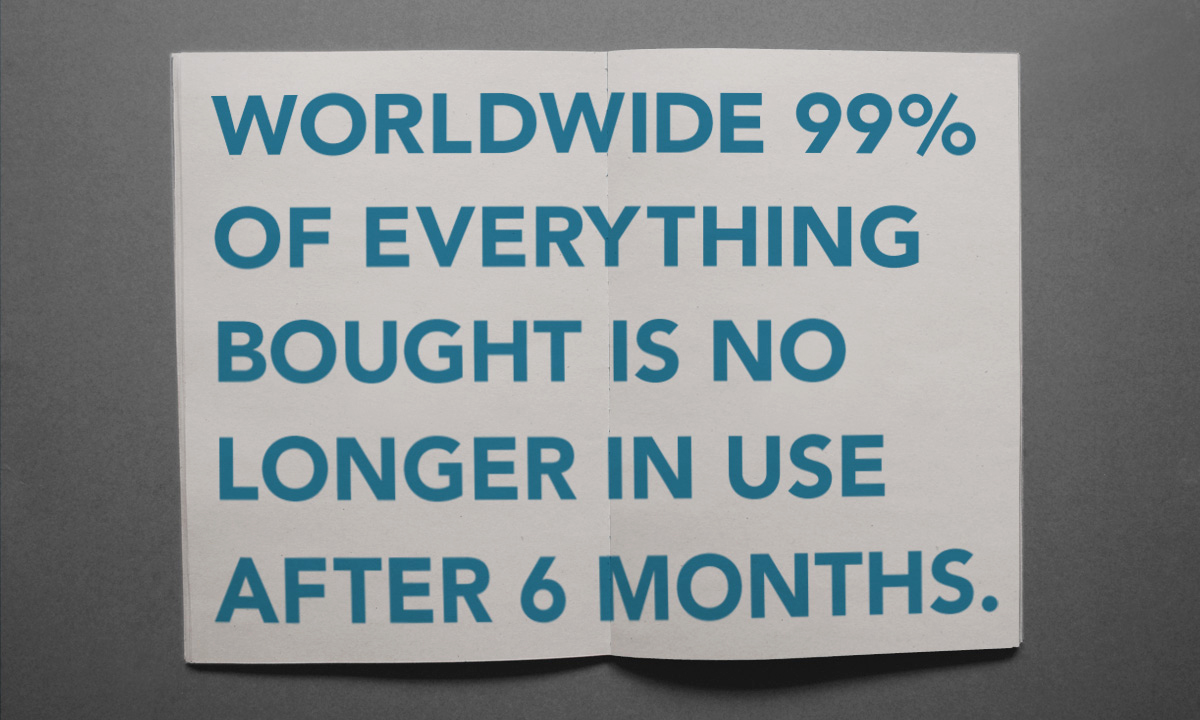
Worldwide 99% of everything bought is no longer in use after 6 months.
-
When they germinated, people in Europe still lived in the Stone Age. Scientists are now arguing whether some tree species even completely negate the aging process.

-
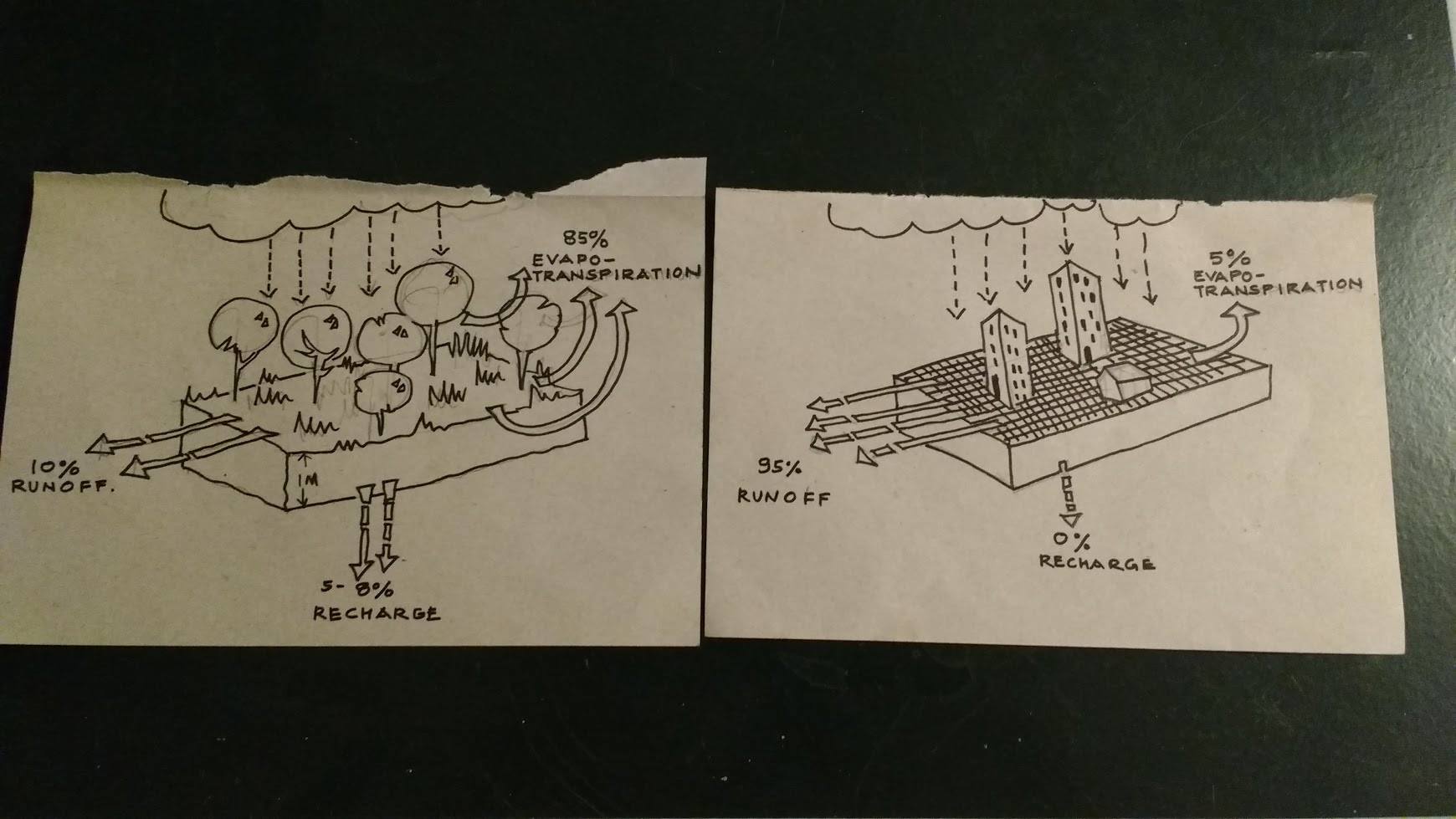
The water balance on a site in Bengaluru (via). Unbuilt and Built. The challenge is to restore the previous balance
-

Cargo bike share is happening in a big way in Germany - run by municipalities, and supported by the Federal government. The TINK platform helps other municipalities get started. The TINK support platform for municipalities joins @copenhagenizers in the vast global market for eliminating autonomous four wheeled vehicles from cities
-
Explosions at China GCL facility threaten 10% of global solar production
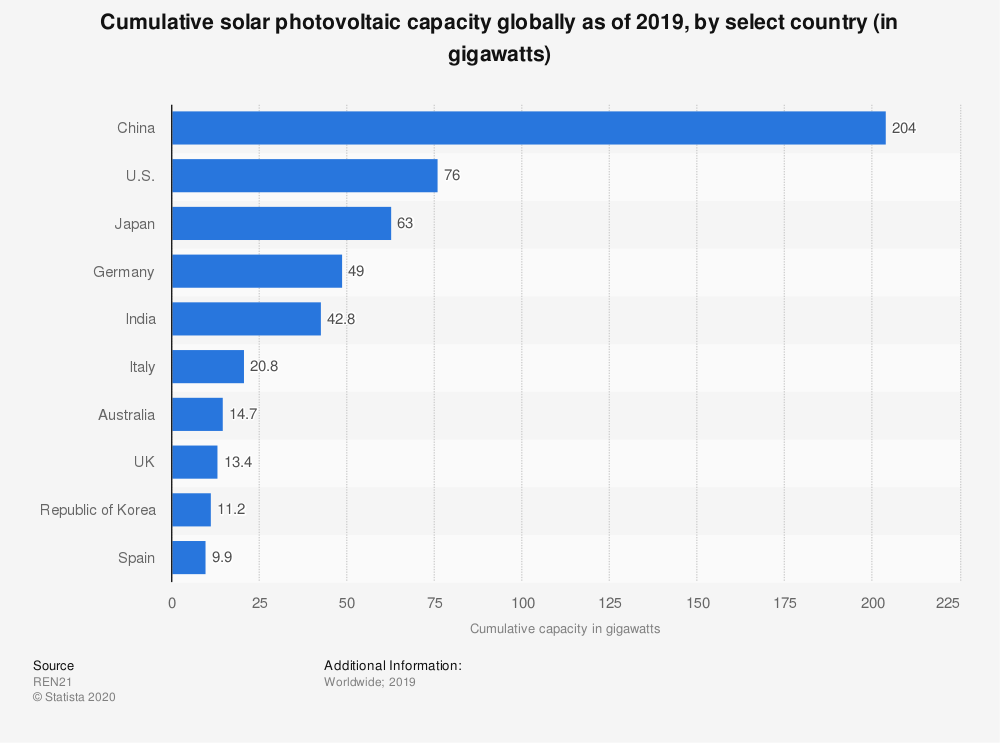
One of the world’s largest producers of polysilicon, GCL-Poly Energy Holdings, has reportedly been forced to shut a major production facility in China after five explosions rippled through the facility. According to California-based investment banking group Roth Capital Partners, the closure takes as much as 10% of the global supply of polysilicon – a key ingredient for solar power systems – out of the global supply.
#Comment: What are the chances, that this mysterious explosion wasn't an accident but part of the ongoing hybrid warfare campaign against china? The pattern certainly is suspicious.
-
The true price of pesticides is unaffordable
The European Union has banned many active pesticide ingredients due to damaging health and environmental effects. With leading global agrochemical firms seeking new markets to conquer, developing countries urgently need strict controls.
-
Solar-driven membrane distillation technology that can double drinking water production
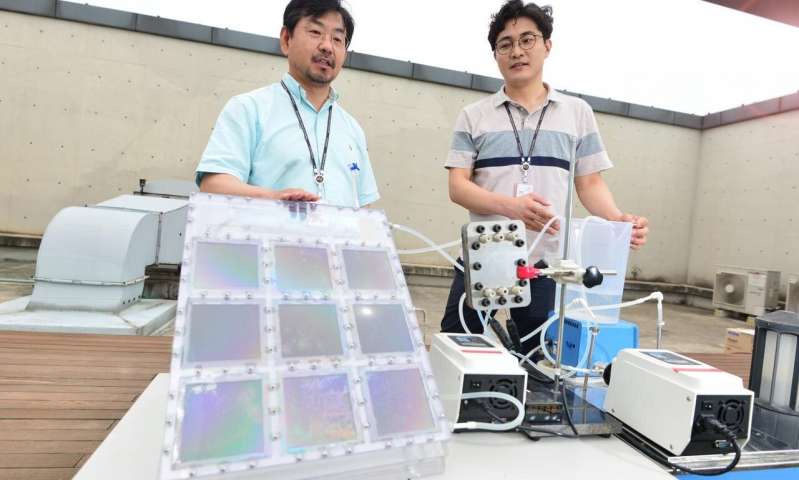
A joint research team from the Korea Institute of Science and Technology (KIST), led by Dr. Kyung-guen Song from the KIST Water Cycle Research Center and Dr. Won-jun Choi from the KIST Center for Opto-Electronic Materials and Devices, has used solar energy technology to develop a highly efficient membrane distillation technology that can produce drinking water from seawater or wastewater.
-
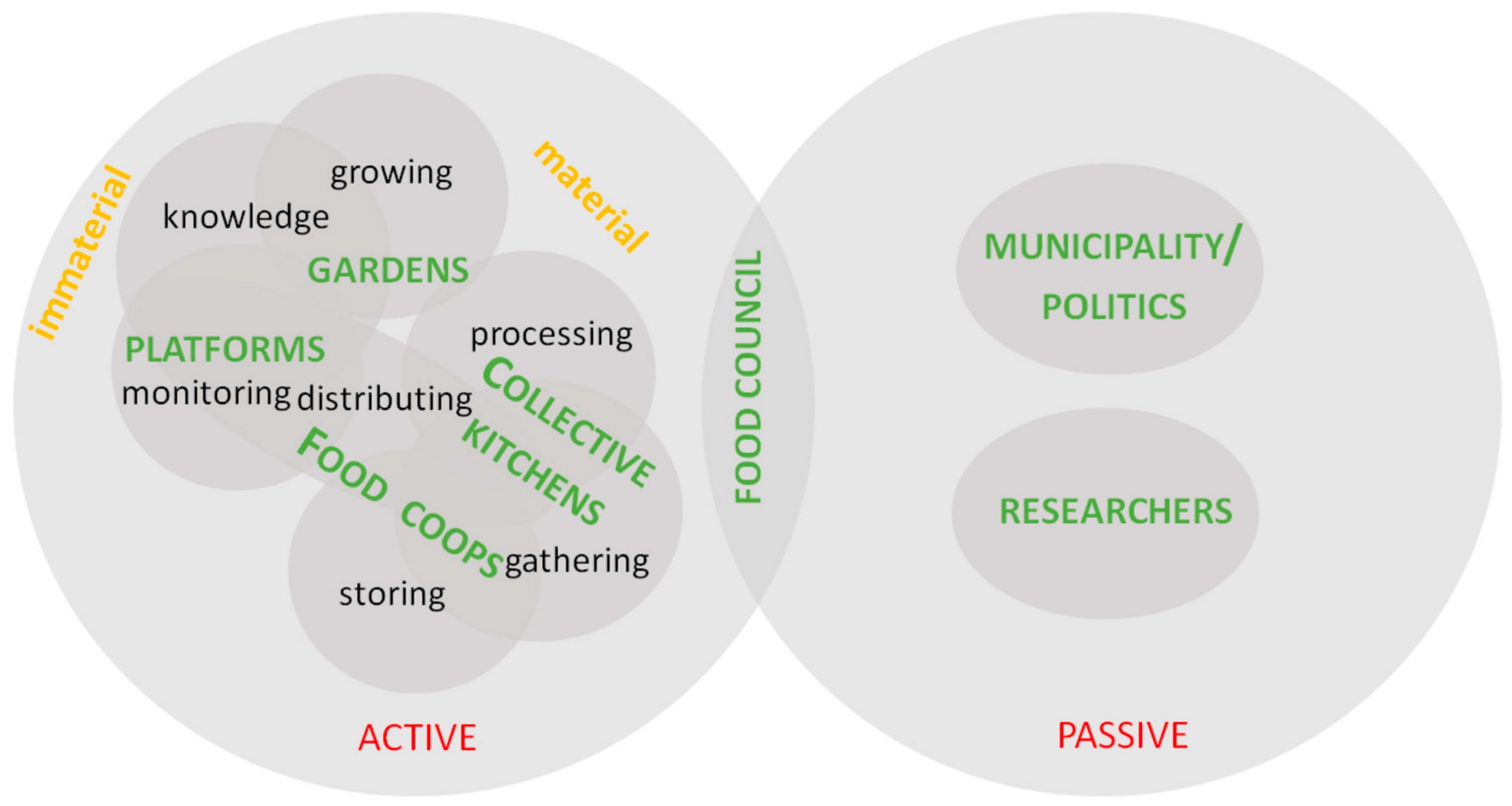
Selection of urban food commons actors by different attributes. Urban planning is facing multi-layered challenges to manage the transformation towards a more sustainable and inclusive society. The recently evolved concept of an “urban commons” responds to the crucial need to re-situate residents as key actors. Urban food commons summarize all initiatives that are food-related (e.g., cultivation, harvest, and distribution), aiming at a visualization and utilization of value chains and the commons-based linkage between them.
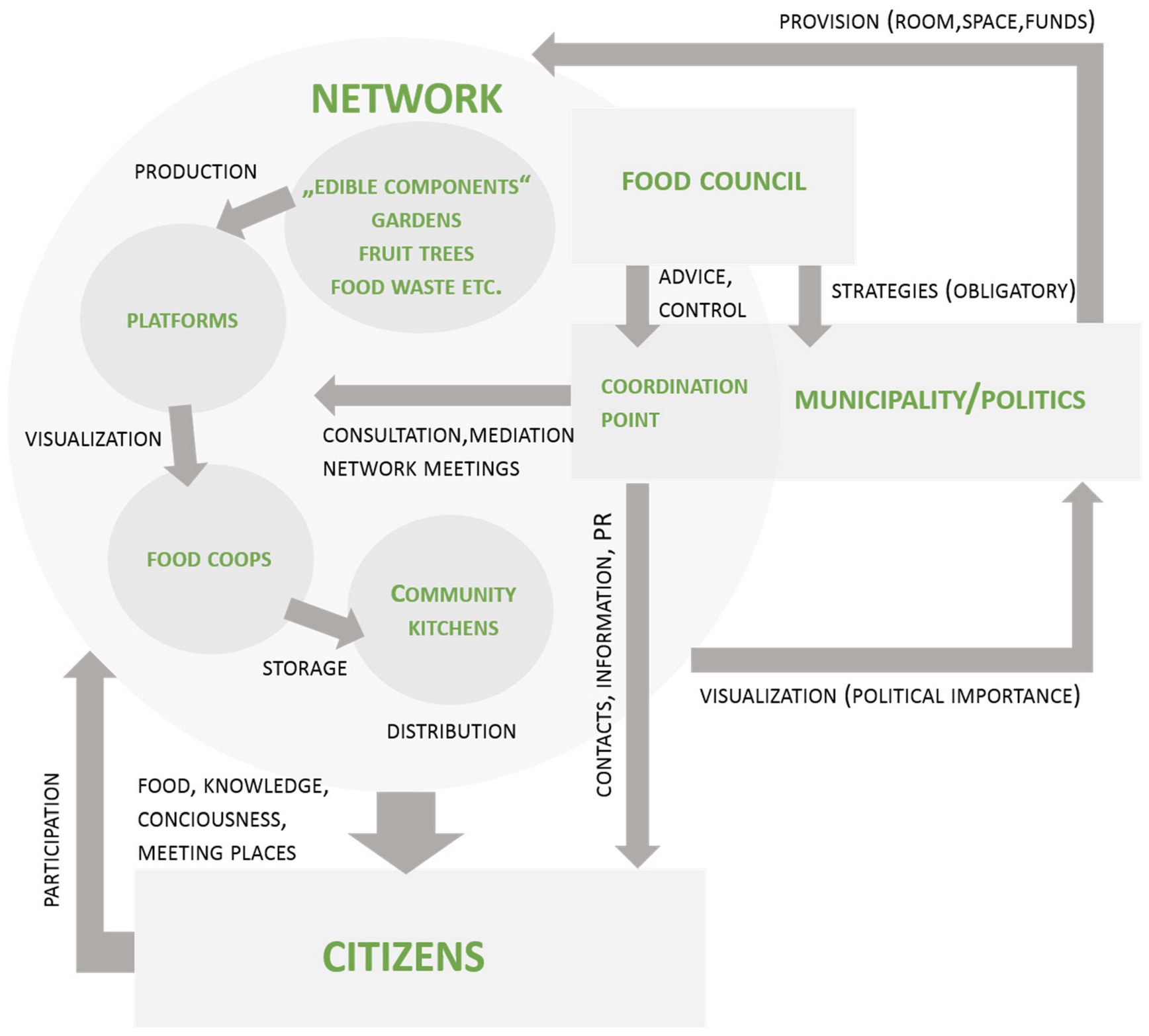
Relations between different actors in an edible city network. We explored first insights of food commons in Berlin based on semi-structured, in-depth interviews. Urban food commons strengthen identification, participation, self-organization, and social resilience, are steered by bottom-up processes, and can be a powerful tool for a transformation towards urban sustainability. However, a viable political integration of existing initiatives lacks due to structural implementation problems. Respondents recommend a pooling of all initiatives in a strong network and a mediation interface to coordinate between food commons and city administration and politics. A combined approach of commons and edible cities will be helpful for the development of future prove food systems.
-
Can capitalism be regenerative? - John Elkington & Daniel Wahl in Conversation
-
Energy governance and China’s bid for global grid integration

Energy projects have always been a major part of China’s Belt and Road Initiative (BRI) infrastructure mega-plan for Eurasia. The enormity of that plan was on display at the BRI Forum last month, where an official report was released estimating that energy investments in BRI countries would add up to $27 trillion by 2050, with $7 trillion alone going to power grid construction, and over 200 million new jobs created in the process.
-
The circular bioeconomy: Its elements and role in European bioeconomy clusters
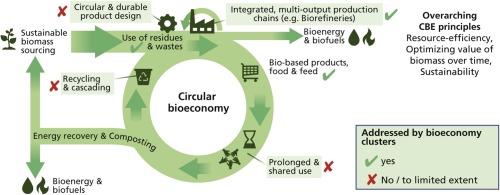
Biomass is projected to play a key role in meeting global climate targets. To achieve a resource-efficient biomass use, European bioeconomy strategies increasingly consider the concept of a circular bioeconomy (CBE). We define the term CBE via a literature review and analyze the concept’s role in north-west European bioeconomy clusters through interviews. We identify strategies regarding the clusters’ feedstock and product focus, and investigate what role biorefineries, circular solutions, recycling and cascading play.
-
New battery breakthrough paves way for 100% silicon batteries with higher energy density
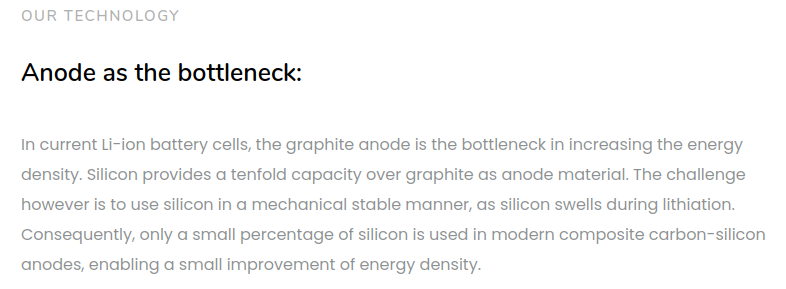
LeydenJar Technologies, a Dutch spin-out of TNO, the Netherlands Organisation for applied scientific research, has developed a new anode which it believes will “drastically change the battery industry,” allowing lithium-ion batteries to be made from 100% silicon, boosting energy density by 70%.
-
http://waystup.eu - Value chains for disruptive transformation of urban biowaste into biobased products in the city context
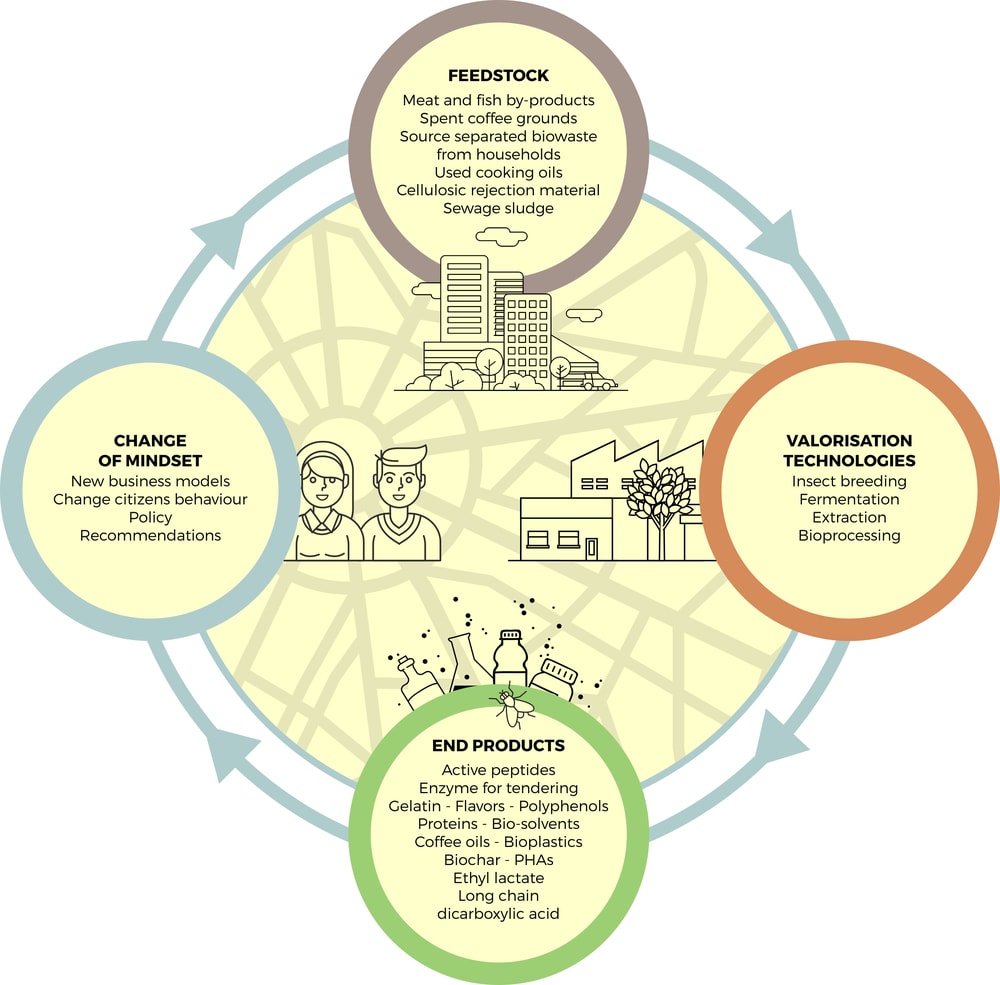
The EU-funded WaysTUP! project aims to establish new value chains for urban bio-waste. The project will display a range of new products produced from urban bio-waste to bio-based processes starting from different feedstocks, including fish and meat waste, spent coffee grounds, household source-separated bio-waste, and used cooking oils. The project is expected to produce a behavioral change in citizens and local communities, improving and changing longstanding perceptions of urban bio-waste during its implementation. This will overall contribute to a more circular economy.