tag > Religion
-
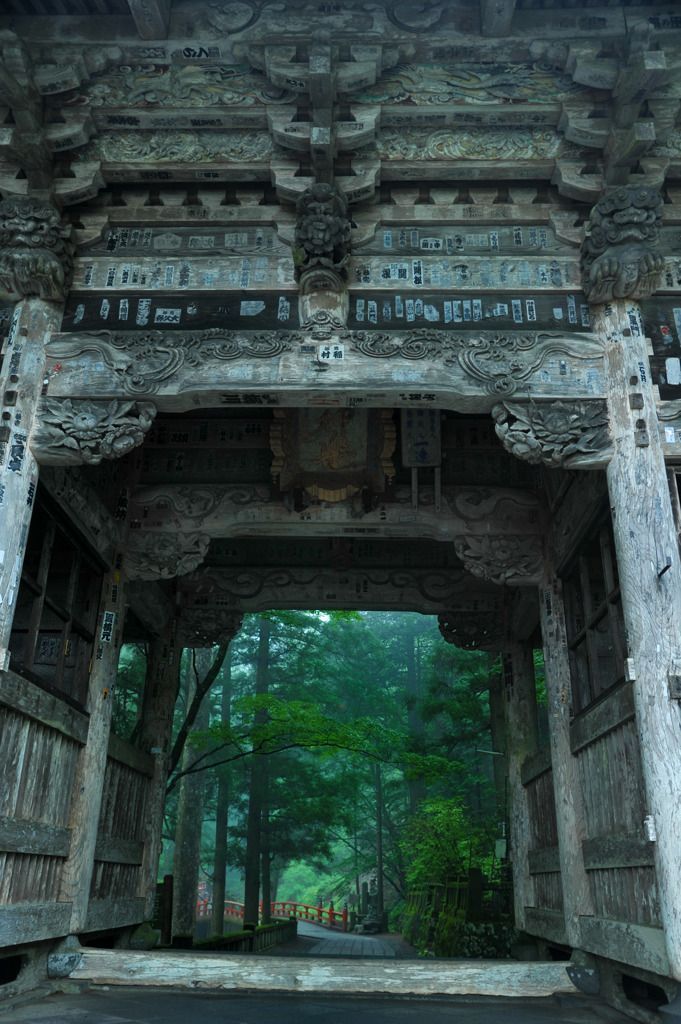
Entrance gate of Haruna shrine, Gunma, Japan (榛名神社). Photo by 小梨怜さん
-
Ram Dass is dead - by Brad Warner
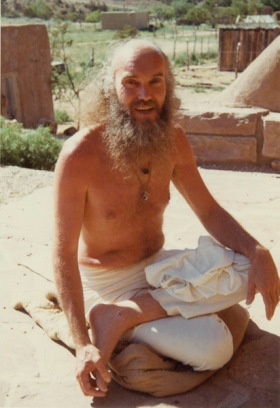
"Looking over Ram Dass’s work now he strikes me as one of those guys who was at once really smart and really stupid. It’s funny how often those go hand-in-hand. He’s also one of those guys who was absolutely part of the cultural elite, yet managed to convince everybody that he was just a regular guy. He was super rich, super privileged, and super well-connected right from the start, and remained so until the end of his life. Although he also added super famous and super spiritual to the list of super things he super was. Spirituality, it seemed, was yet another way for him to be super. He was one of those driven Type A personalities who wanted to be number one in everything he did. So when he got into spirituality, he got into it with the same mindset. And he achieved his goal. He was the most famous and most spiritual of all the super famous, super spiritual guys. He had lots of groovy sounding theories about higher consciousness, which were mostly bullshit."
Related: Ram Dass is ready to die - by David Marchese (nytimes, sept.2019)
-
WikiLeaks reveals Bin Zayed’s opinion on Saudi royal family
The New York Times reported that Bin Zayed: “Put much of his enormous resources into the counter-revolution, and he cracked down on the Muslim Brotherhood and built a hyper-modern security-based state, where everyone is monitored in search of the slightest whiff of Islamic inclinations.”
-
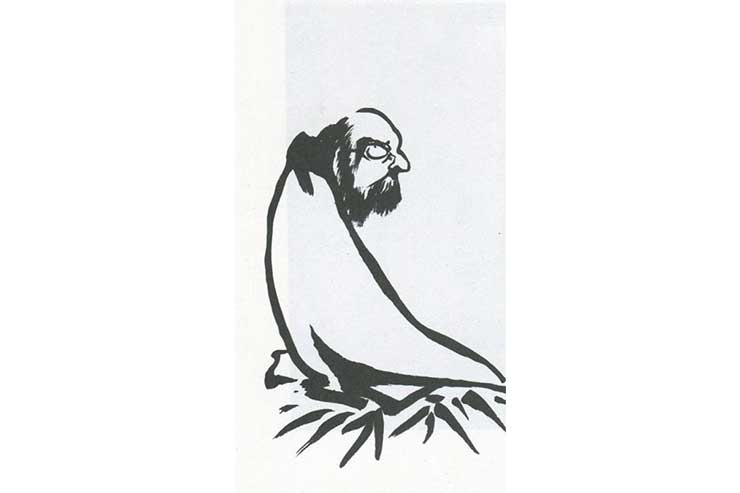
Japanese Hanging Scroll of Bodhidharma seated on grass. From Song of the Brush. Found via "Daily Life as Spiritual Exercise, by Karlfried Graf Dürckheim"
-
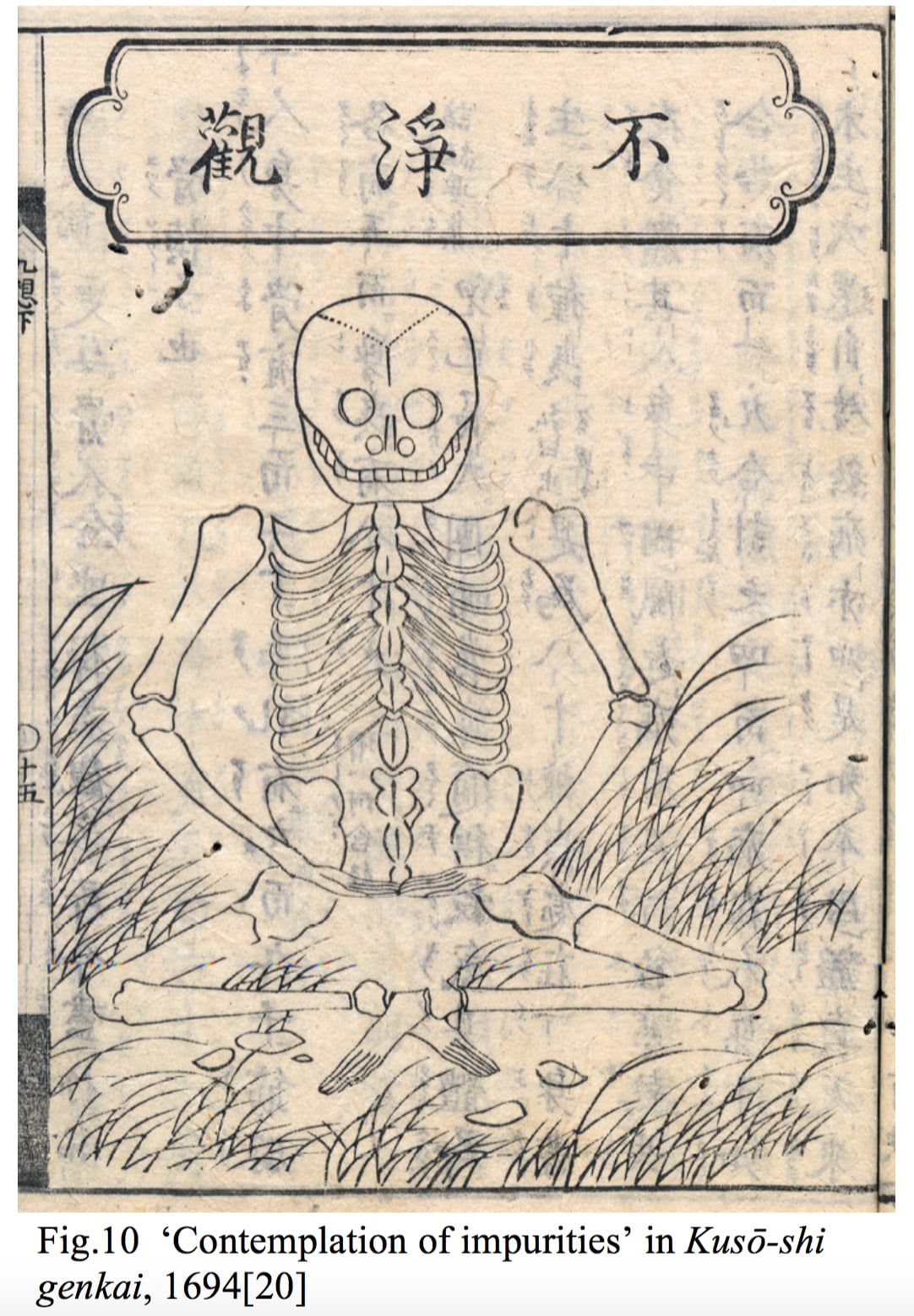
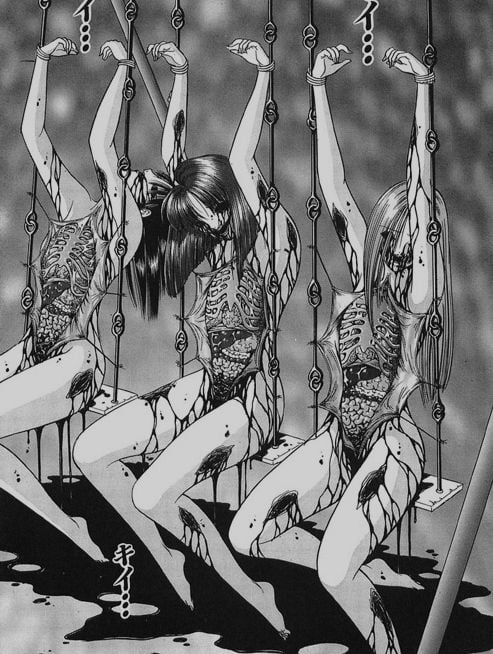
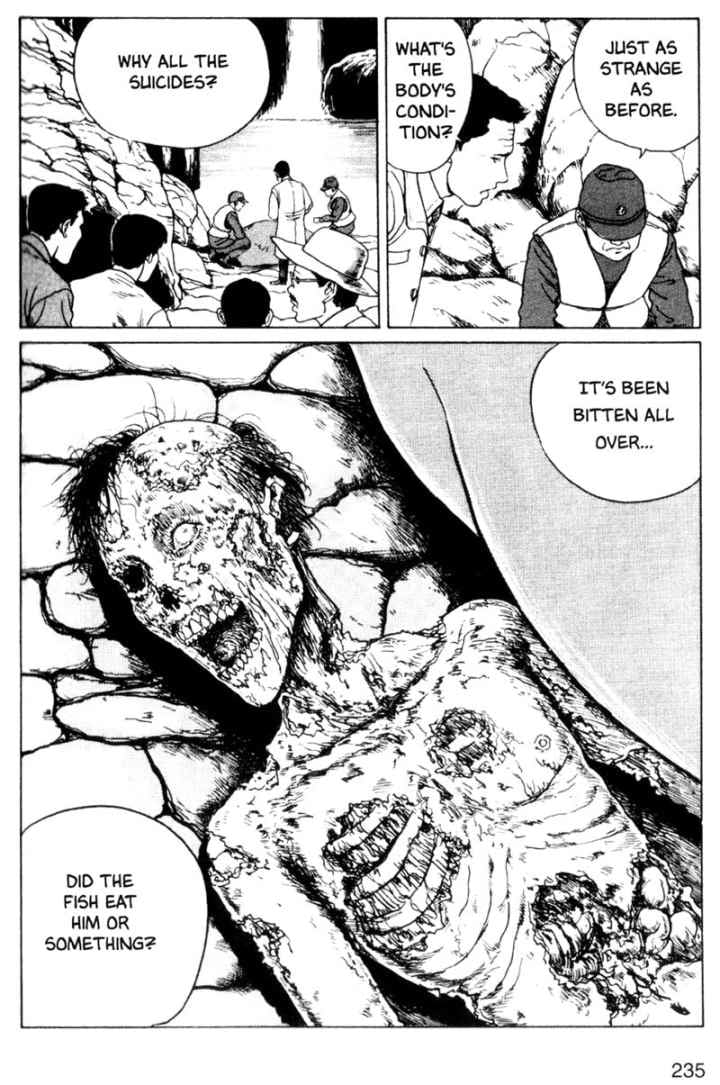
Buddhist Meditation on the Foul, and the Body in Horror Manga - by Videshi Sutra

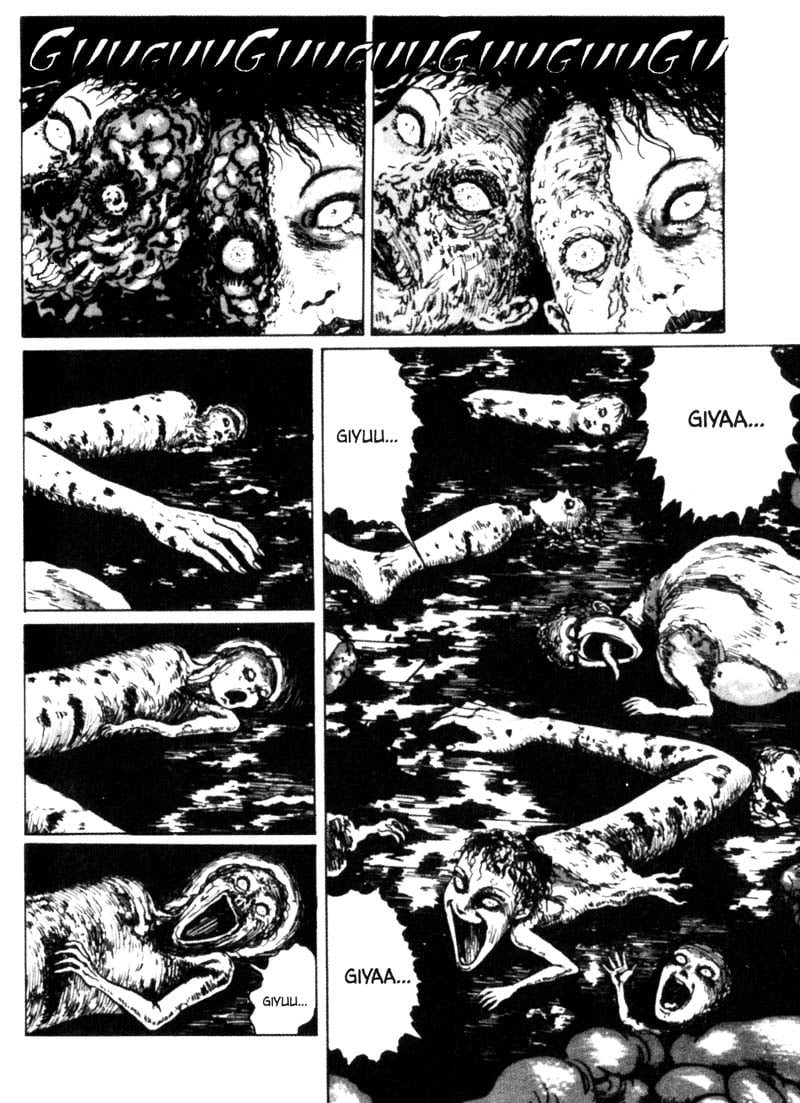
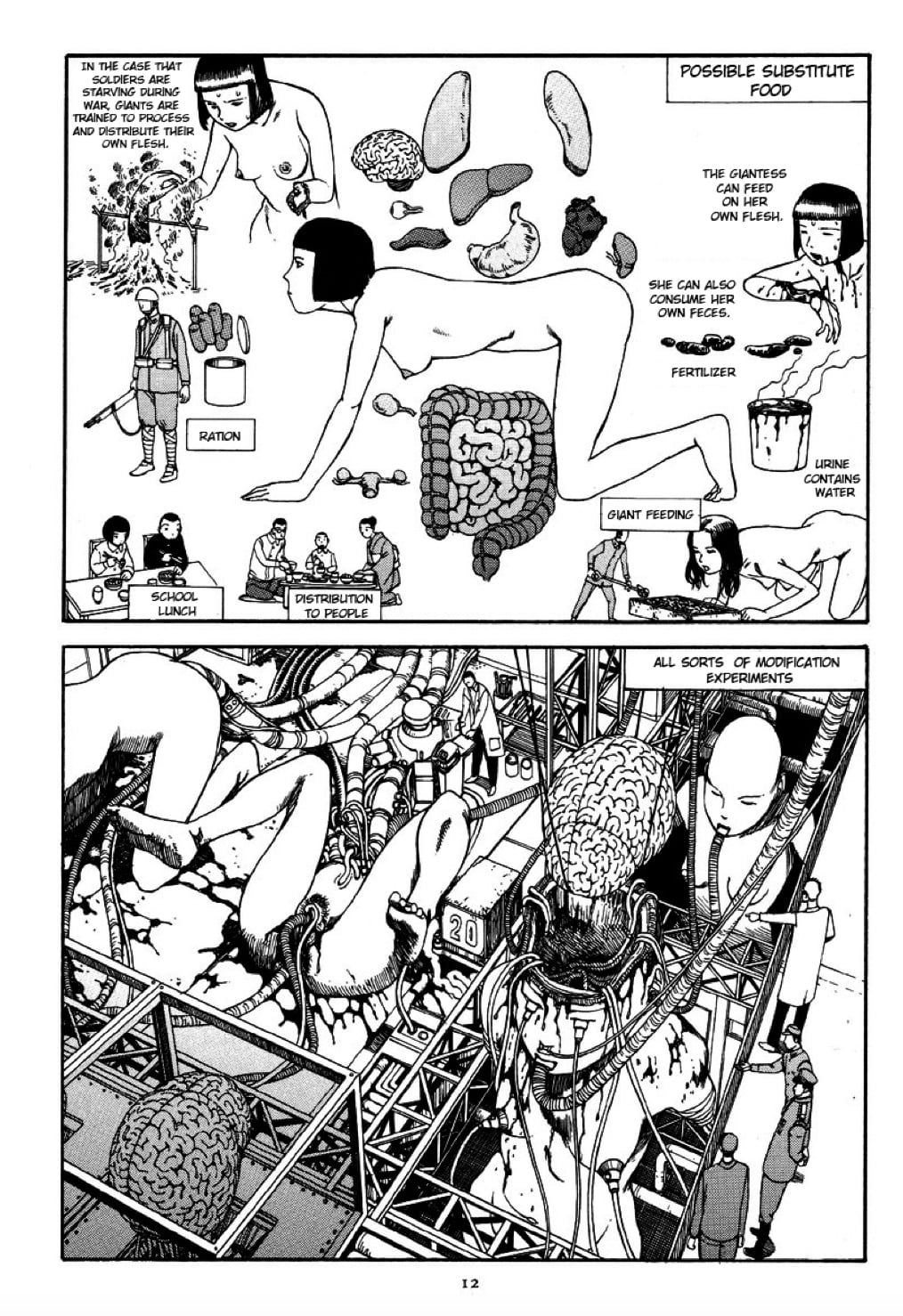
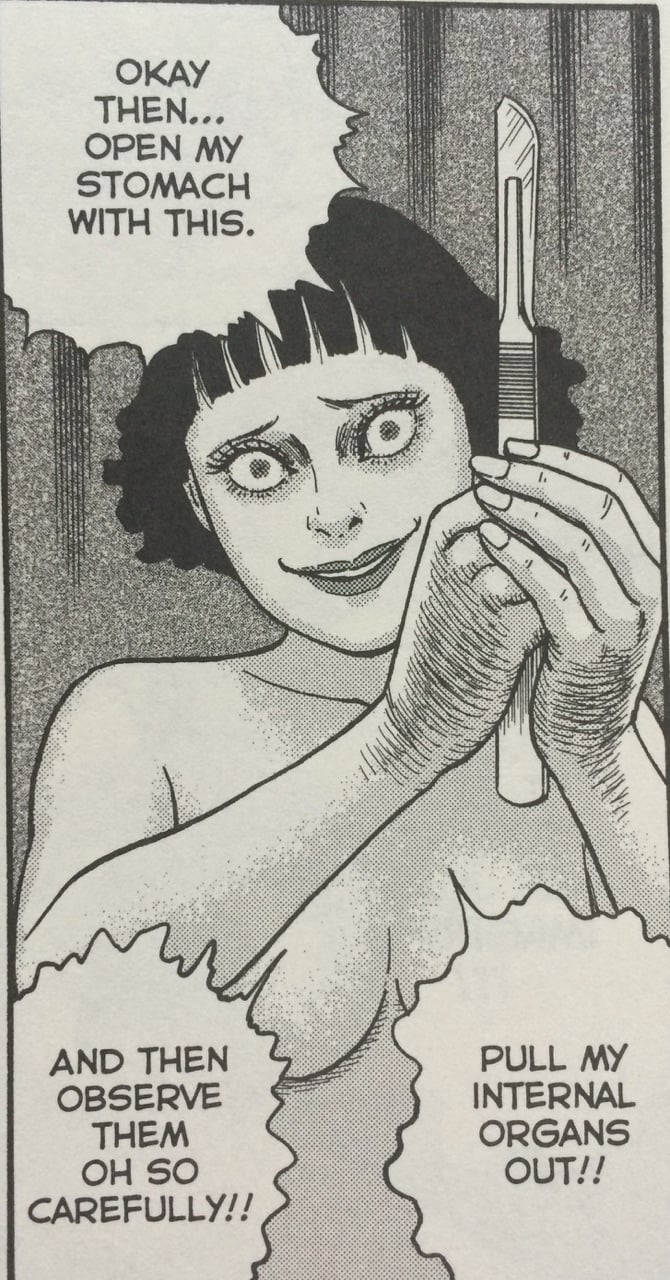
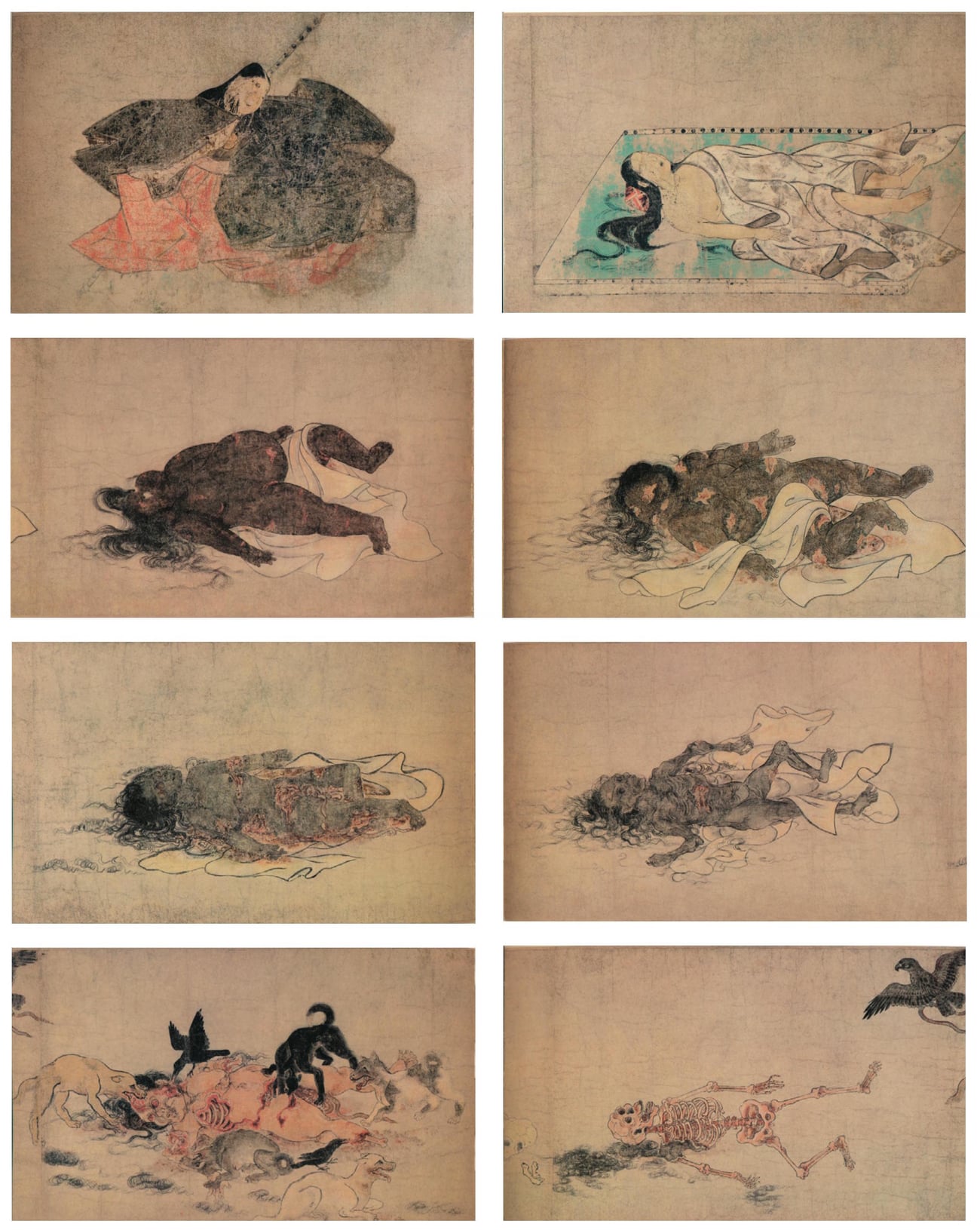
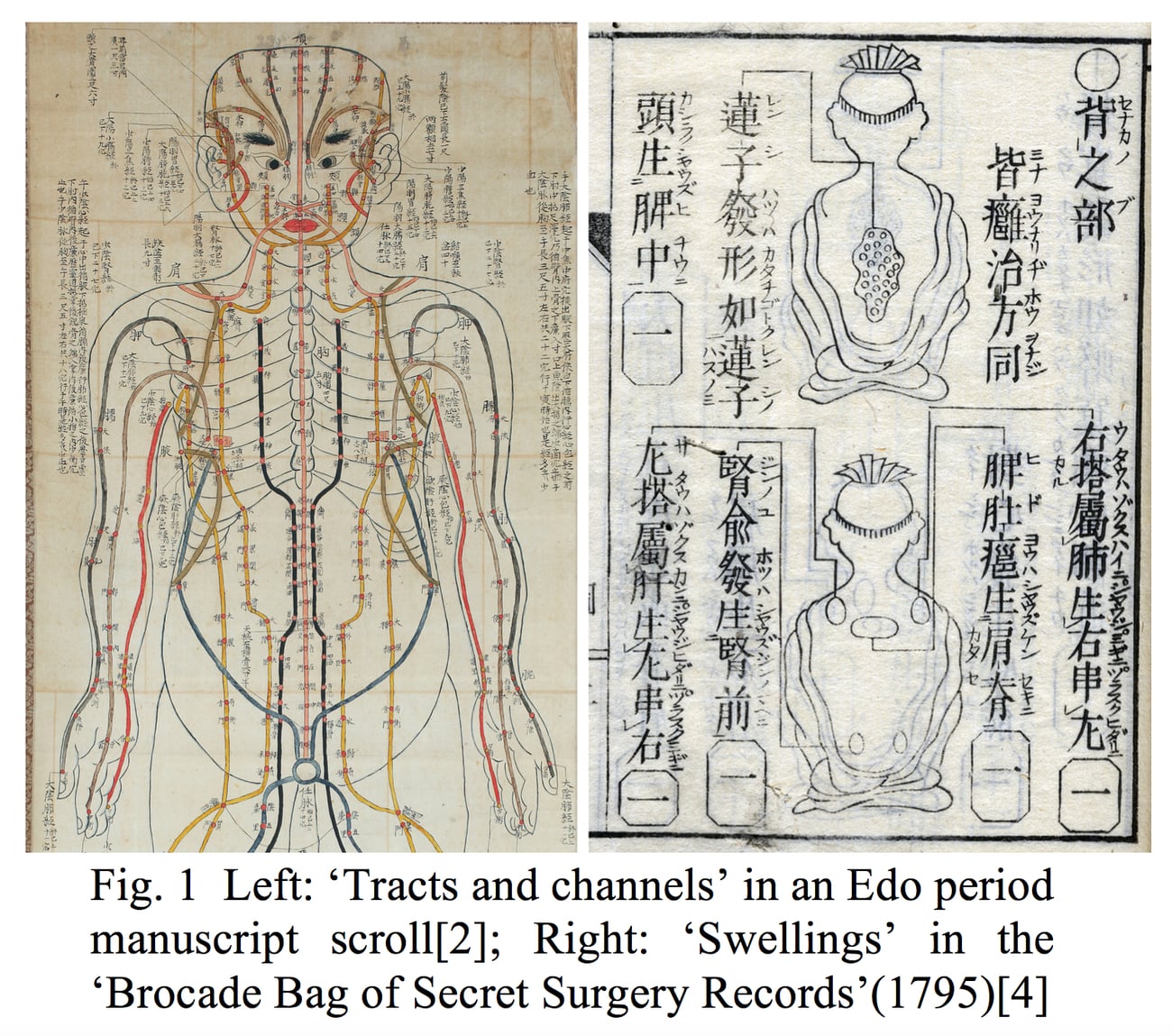
-
Talk on Indian philosophy by Swāmī Agehānanda Bhāratī (Leopold Fischer) (1978)
He clearly lays out the argument, that the Indian "philosophy" (a western term, inadequate to describe Hinduism, Buddhism, etc.) tradition is at its core therapeutic, not scientific - yet it still uses scientific techniques (many of which it pioneered: logic, epistemology, etc.).
-
DADAISM in Japan!
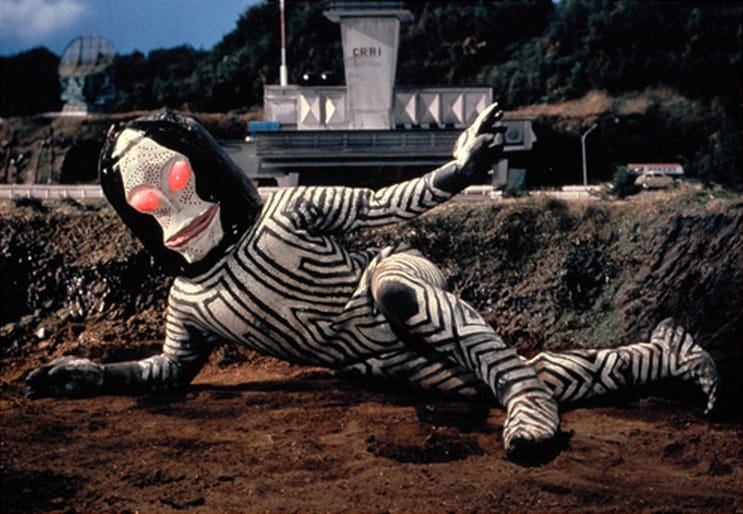
Dada (ダダ) are a humanoid alien race that attacked Earth and started abducting humans to advance some form of research. A character from the Japanese TV show "Utraman".


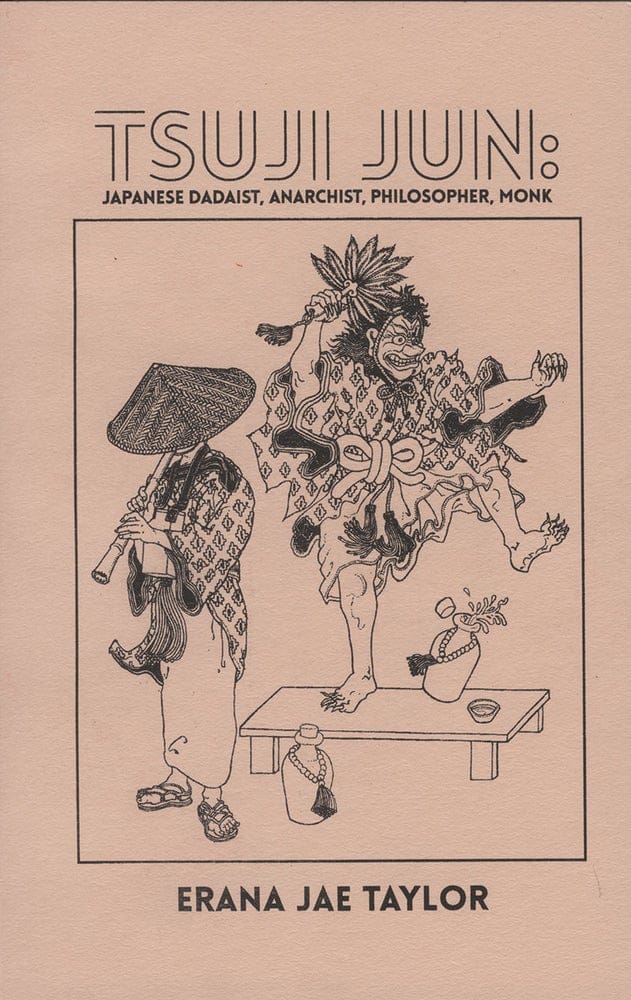
Jun Tsuji (辻 潤) (1884 - 1944) was a Japanese writer, translator, theater actor, musician, monk and philosopher of anarchism, egoism, nihilism, Dada and Buddhism. There is a book about him - by Erana Jae Taylor, a collection of poems (PDF) and more poems.
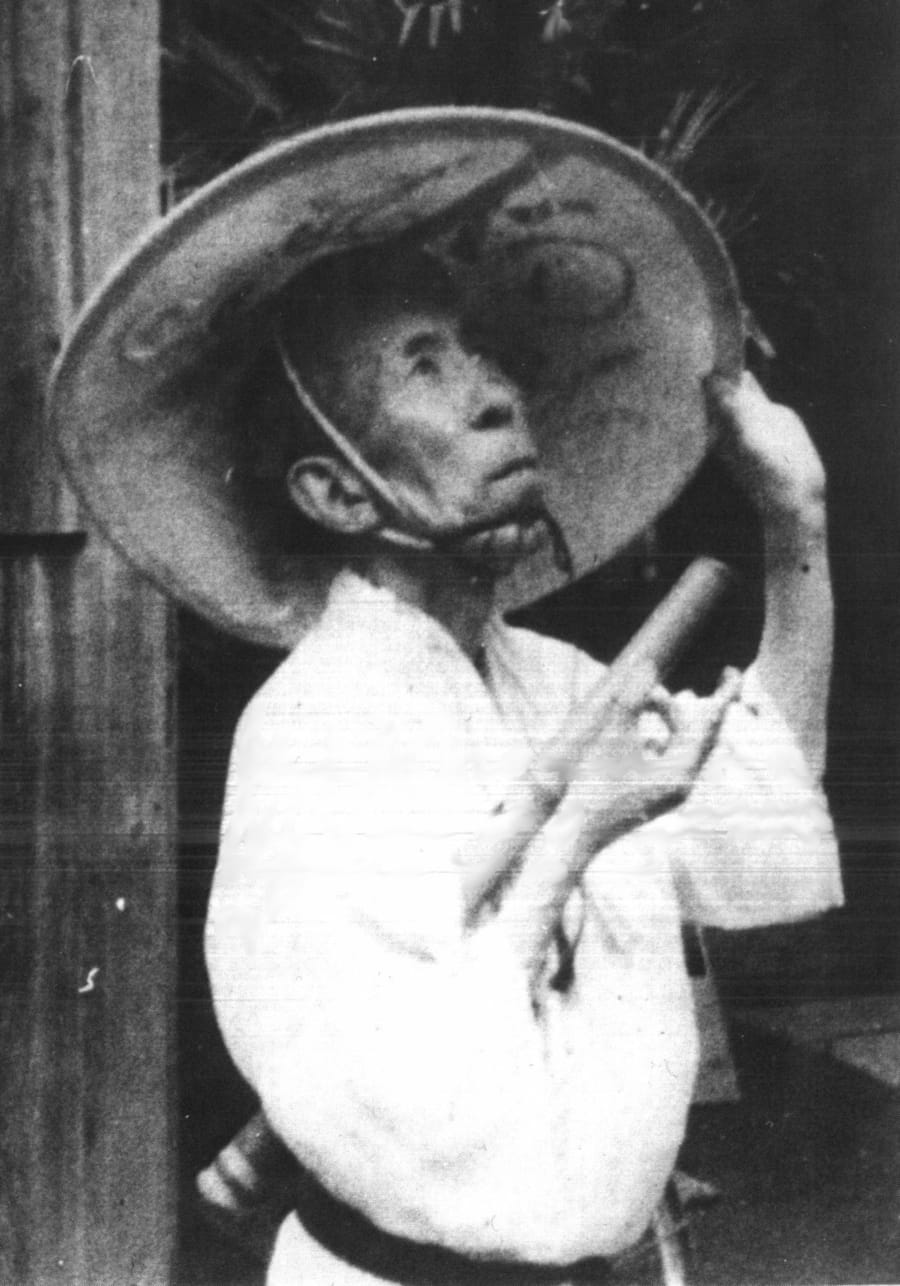
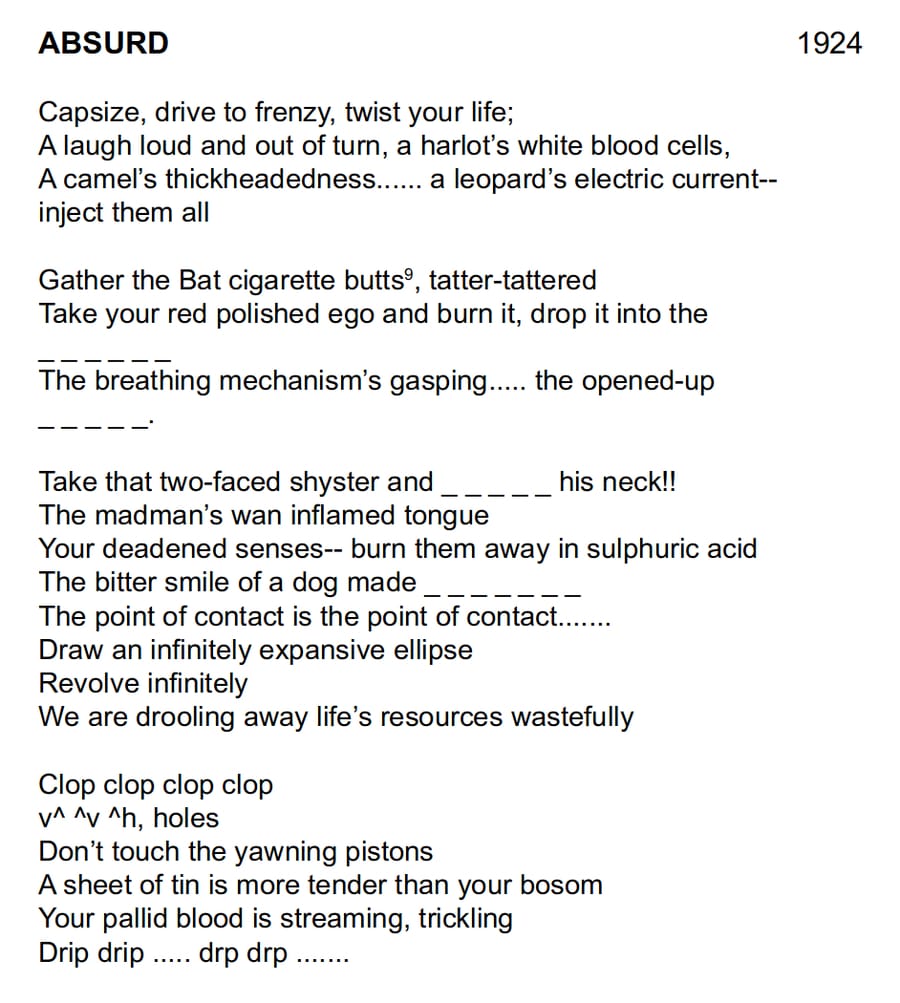
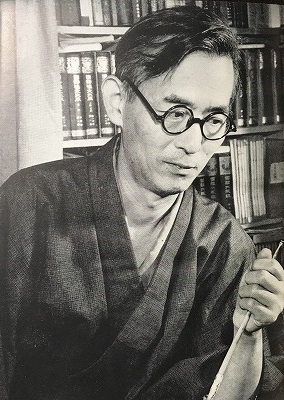
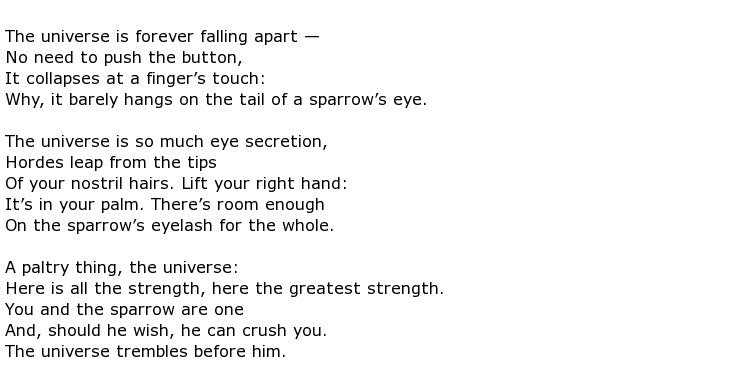
Shinkichi Takahash (wiki) (1901 - 1987), Japanese poet and pioneer of Dadaism in Japan. According to Makoto Ueda, he is also the only major Zen poet of modern Japanese literature.
The Art Of Nothingness: Dada, Taoism, And Zen - by Erin Megan Lochmann (2011) (PDF)
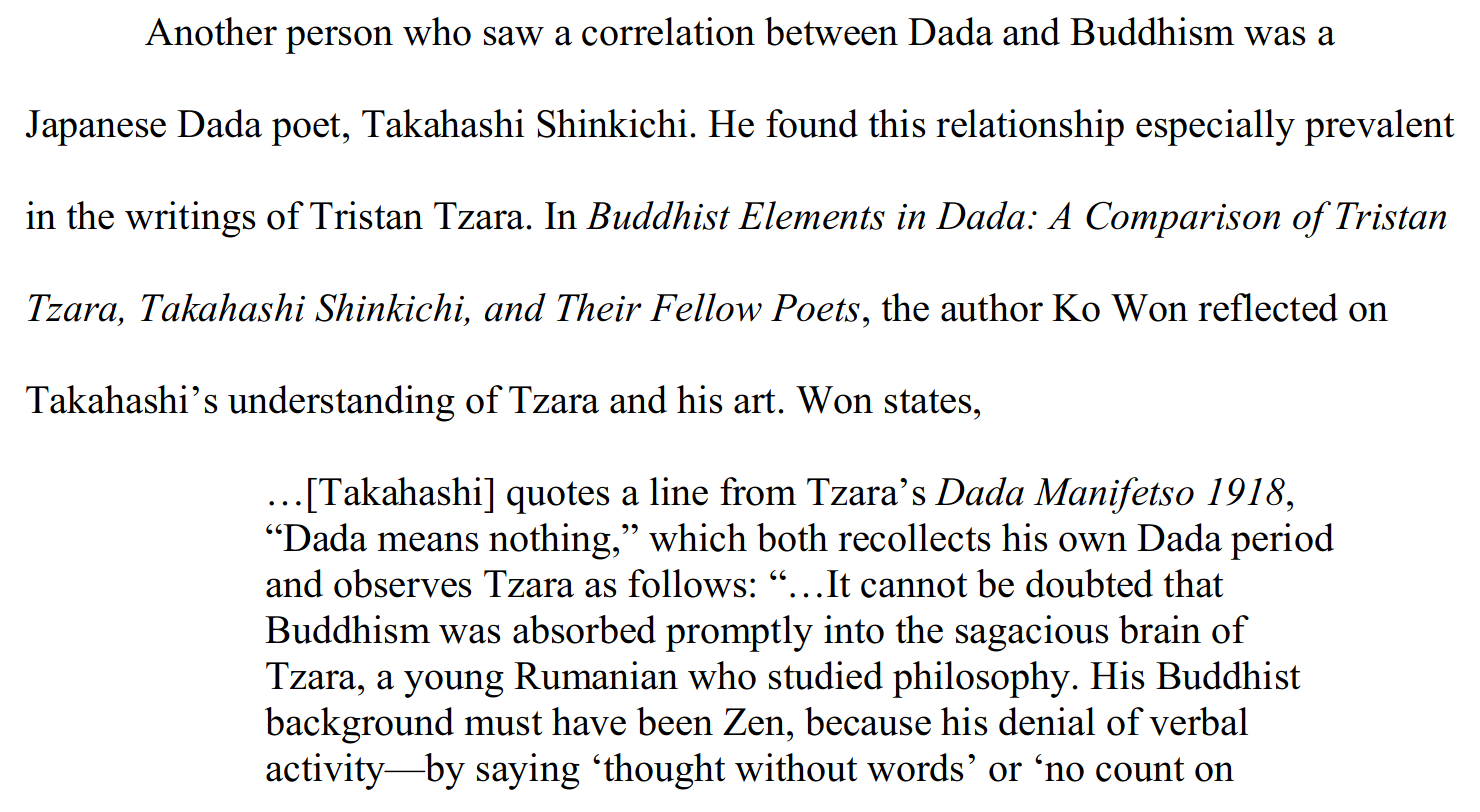
Abstract: When examining the art, actions, and writings of Zurich Dadaists it becomes apparent that there is an affinity with Eastern thought, namely Taoism and Zen Buddhism. It cannot be said that Eastern thought directly influenced the artistic production of these Dadaists. However, the philosophy of Dada artists in Zurich mirrors that of Taoism and Zen so strongly that this connection cannot be ignored.
Was Japanese Dada Even Tougher Than Its European Versions? - by Blake Gopnik (2016)
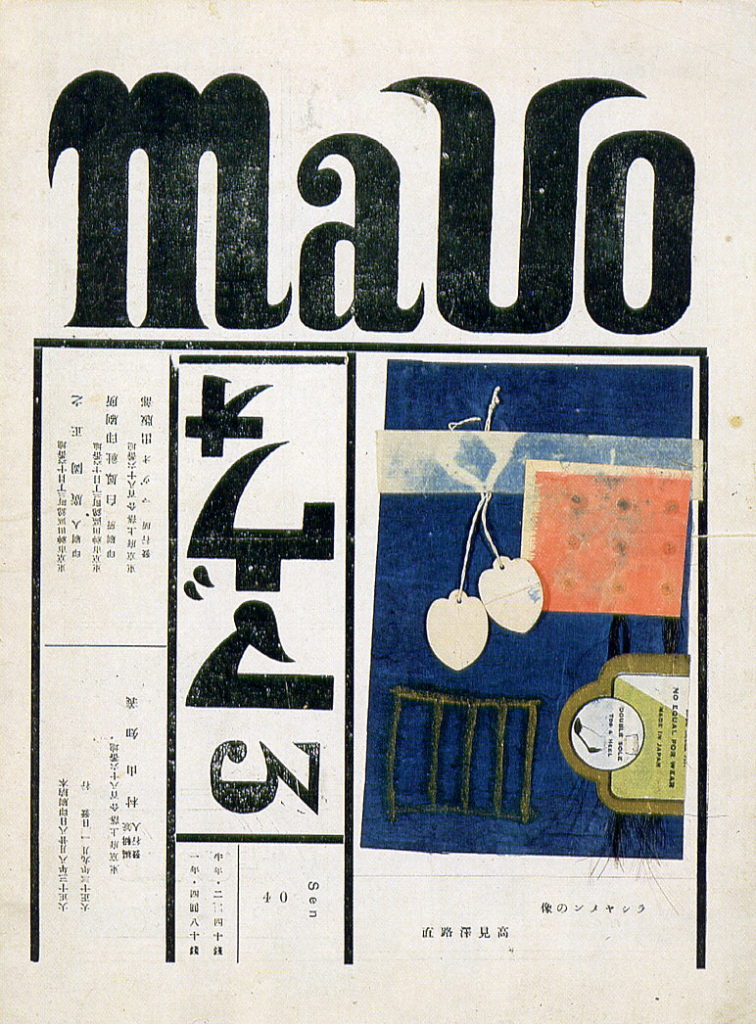
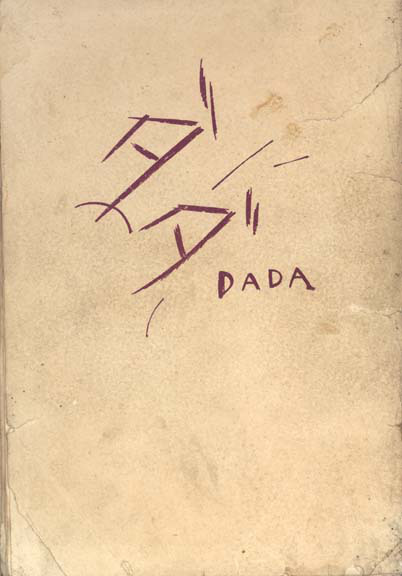
"Today’s Pic illuminates an arm of the international Dada movement about which I was totally ignorant – its Japanese arm. I’m showing the cover of a 1924 issue of the Japanese Dada journal called Mavo, edited by Tatsuo Okada and the Berlin-trained Tomoyoshi Murayama. Mavo originally came with a firecracker attached to its cover: How many museums or libraries would want that detail “read” outloud in their halls?"
MAVO was a radical Japanese art movement of the 1920s. The group used an interdisciplinary array of art, to communicate anti-establishment messages. Fueled by responses to industrial development, the MAVO group created works about crisis, peril and uncertainty. (wikipedia)
Dada theory and the current noise scene in Japan (JP only)
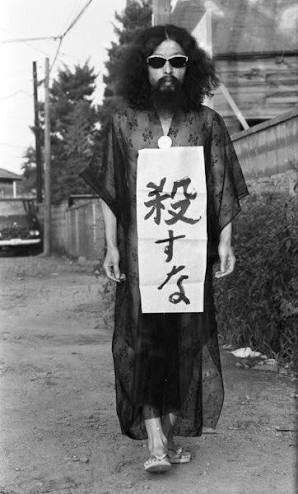

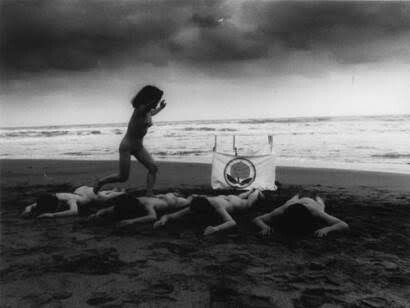
Dada movement's influence felt in Tokyo 100 years after launch in Europe
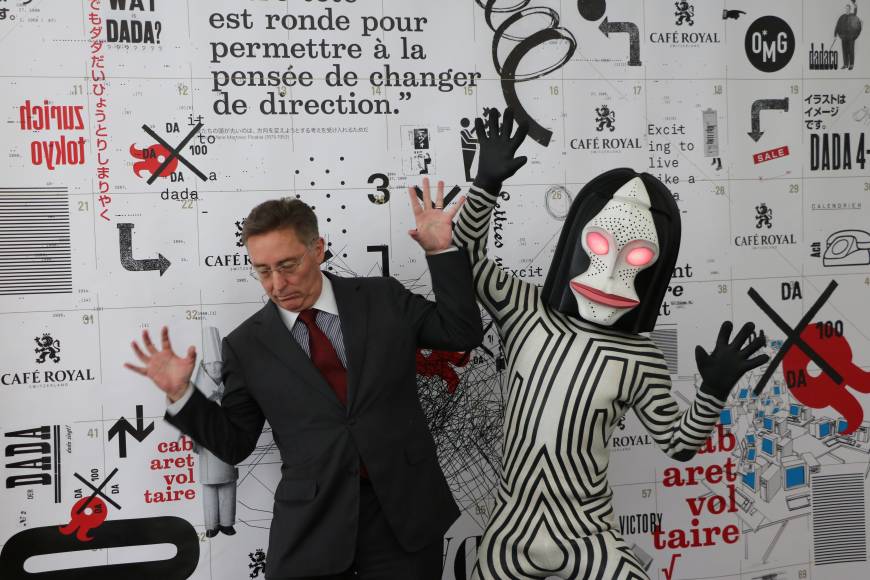
Photo: Swiss Ambassador to Japan Urs Bucher (left) poses for photos with "Dada," a monster in a popular TV series created as an extension of Dadaism, in Tokyo.
#Philosophy #Religion #Art #Politics #fnord #Comedy #Book #Japan
-
Dresden Codex
The Dresden Codex is a Mayan book, the oldest surviving from the Americas, dating to the 13th or 14th century. The codex was rediscovered in the city of Dresden, Germany, hence the book's present name. It is located in the museum of the Saxon State Library.

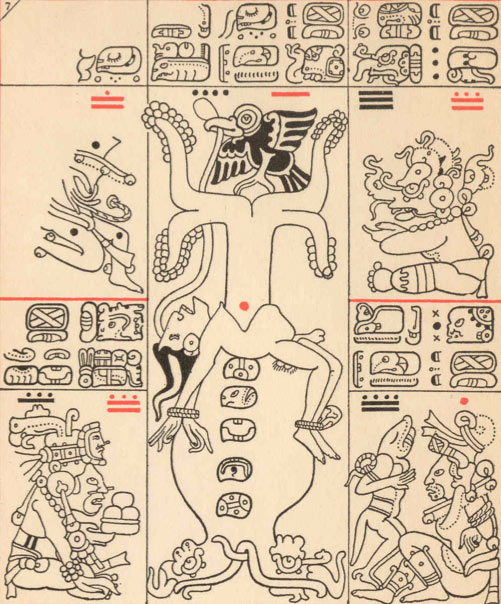


Images from "Dresden Codex, Mayan Art, and enjoying an unknowable other"
Deciphering the Maya Script - talk by Michael Coe (Yale University)
-
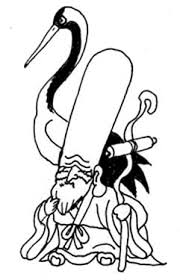
Old Man of the South Pole
Shòu Xīng (寿星), is the Star of Longevity. The earliest known record of Shòu Xīng as a deity is the Shǐ jí 史籍 (149–90 BC). We know this star as Canopus, the largest of the stars in the constellation Carina, and second brightest in the heavens. In Chinese mythology the star is known as the Old Man of the South Pole (南极老人) and is seen in the south from the Autumn Equinox through to early spring. When observed it usually has a reddish color, a symbol of happiness and longevity in China, Canopus is also known in China and its neighboring countries of Korea, Japan and Vietnam.
See this Brief Explanation and Wikipedia
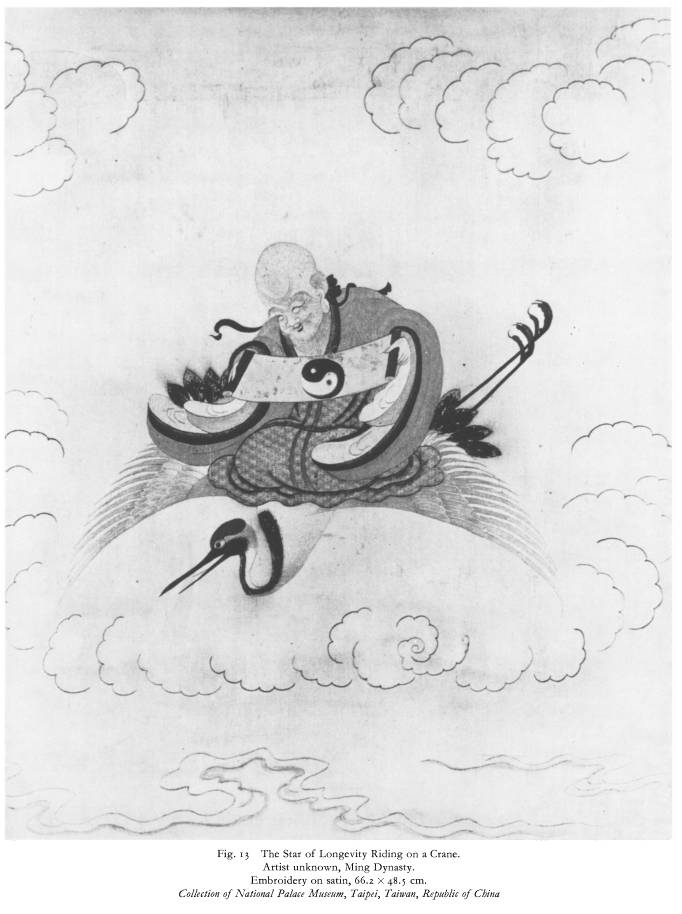
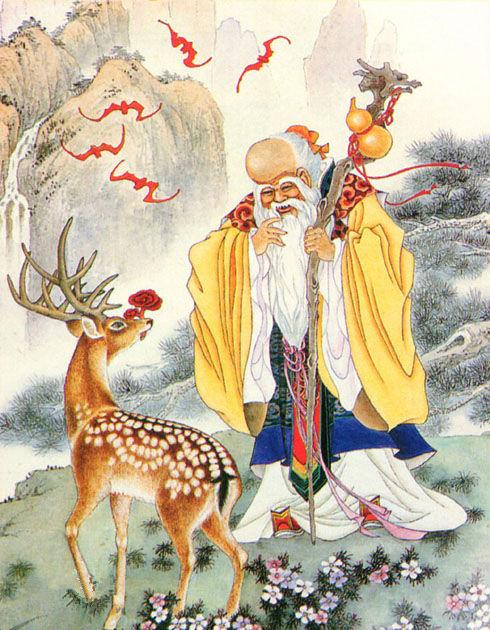
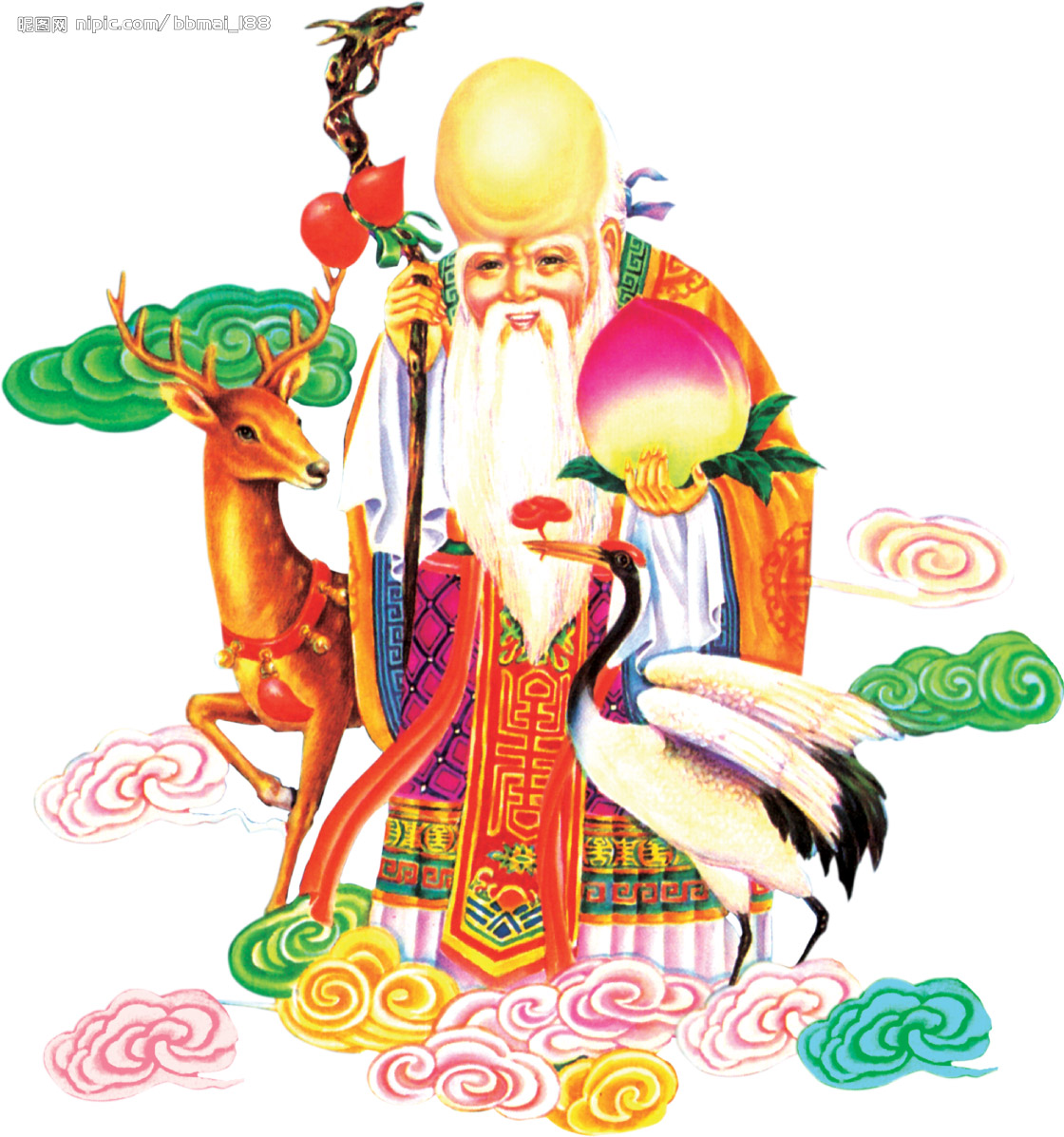
Related from Japan
Fukurokuju (福禄寿) (from Japanese fuku, "happiness"; roku, "wealth"; and ju, "longevity") is one of the Seven Lucky Gods in Japanese mythology. Fukurokuju probably originated from an old Chinese tale about a mythical Chinese Taoist hermit sage.
Jurōjin (寿老人) is one of the Seven Gods of Fortune or Shichifukujin, according to Taoist beliefs. He is the God of longevity. Jurōjin originated from the Chinese Taoist god, the Old Man of the South Pole.
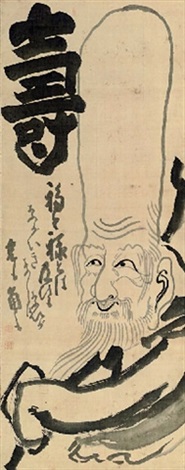

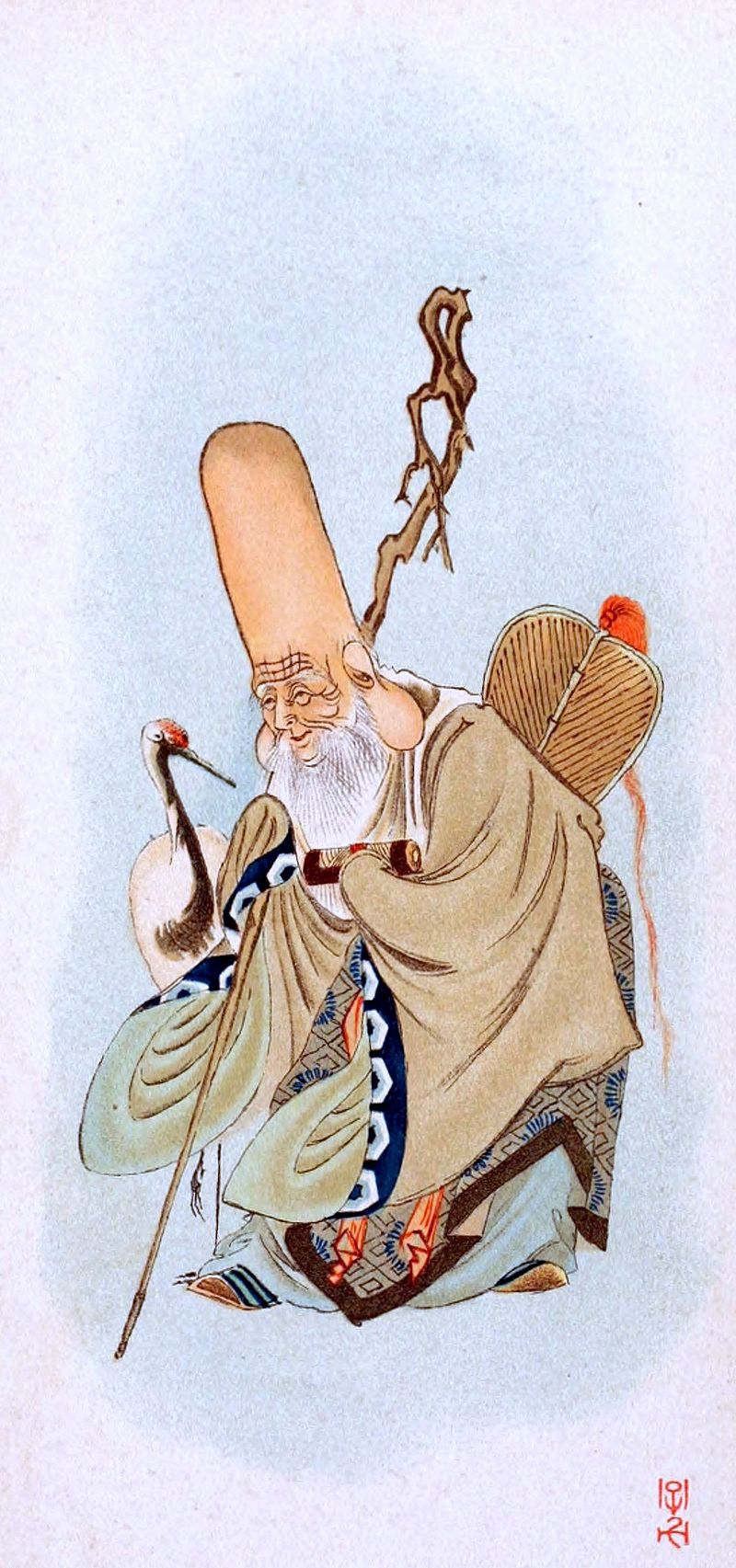
-
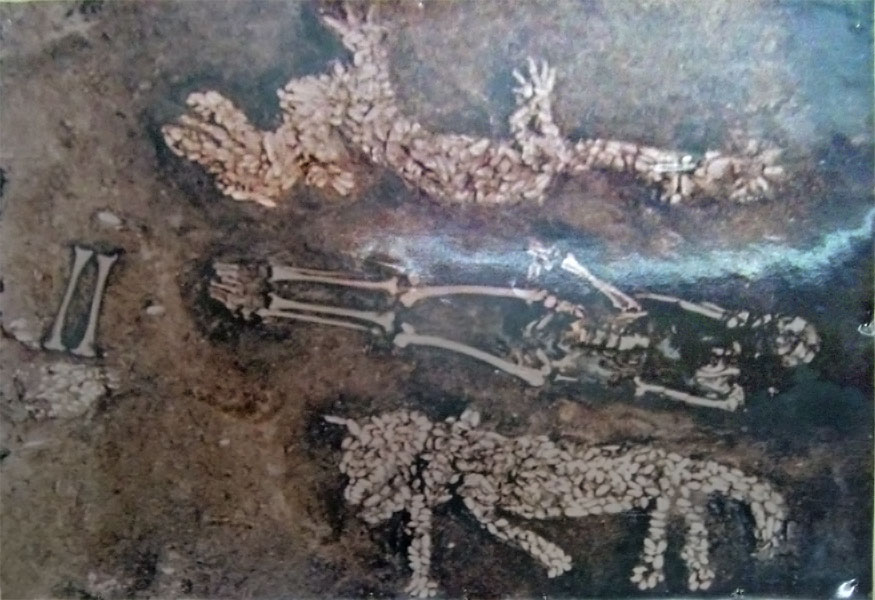
Photo from "Handbook of Chinese Mythology" - by Yang Lihui and An Deming. Archaeological evidence from the Xishuipo excavation "The figure of the dragon appeared within the modern boundaries of China at least 6,000 years ago. In 1987, at Xishuipo Cemetary Ruins in Puyang County, Henan Province, figures of a dragon and a tiger were unearthed in a tomb. Both of them were made from numerous shells. The dragon measured 1.78 meters (nearly 6 feet) in length and 0.67 (2.2 feet) in height. Dating back to over 6,400 years, it is presently the earliest image of a dragon uncovered in Chinese archeology. "
Found via "Dragons as Water Spirits" > found via "Dragon & Tiger - The Hun & Po Souls in Theory & Practice". #History #Science #Religion #Magic #Culture #China
-
Paranormal Communism - From the Biography of Gleb Bokii (1879–1937), the chief Bolshevik cryptographer and one of the bosses of the Soviet secret police:
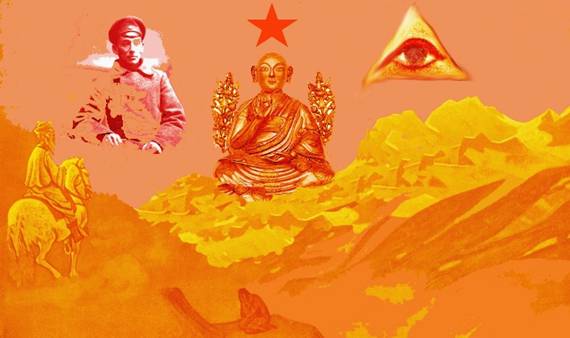
"Inspired by Theosophical lore and several visiting Mongol lamas, Bokii along with his writer friend Alexander Barchenko, embarked on a quest for Shambhala, in an attempt to merge Kalachakra-tantra and ideas of Communism in the 1920s. Among other things, in a secret laboratory affiliated with the secret police, Bokii and Barchenko experimented with Buddhist spiritual techniques to try to find a key for engineering perfect communist human beings. They contemplated a special expedition to Inner Asia to retrieve the wisdom of Shambhala – the project fell through as a result of intrigues within the Soviet intelligence service, as well as rival efforts of the Soviet Foreign Commissariat that sent its own expedition to Tibet in 1924."
See as well this interview with Professor Andrei Znamenski, talking about his latest book, "Red Shambhala", with Professor Guiomar Dueñas-Vargas. (book review here and here)
More here on topic of "Shambhala Researchers" here, including a fun line-up of strangers in strange land, such as Roman von Ungern-Sternberg (see the book "The Bloody White Baron"), Sándor Kőrösi Csoma, Nicolas Roerich, Alexandra David-Neel and many more.
-
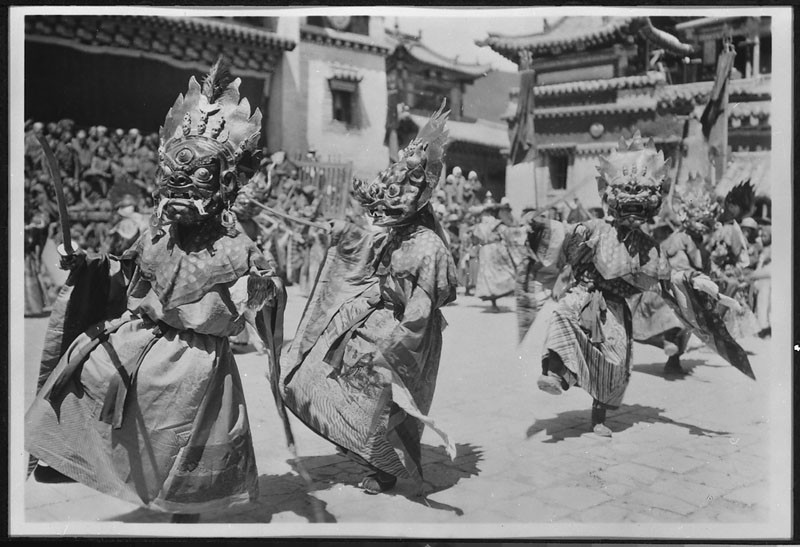
Photo from the book "Mythology of Buddhism in Tibet and Mongolia" (1900) - by Albert Grünwedel (1856 - 1935) (more photos)
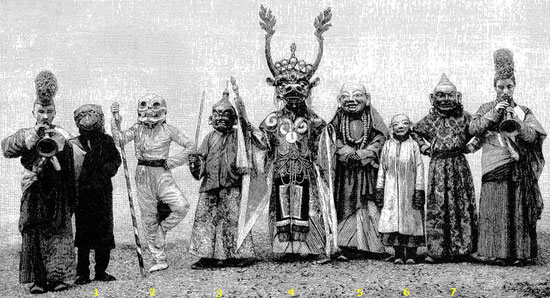
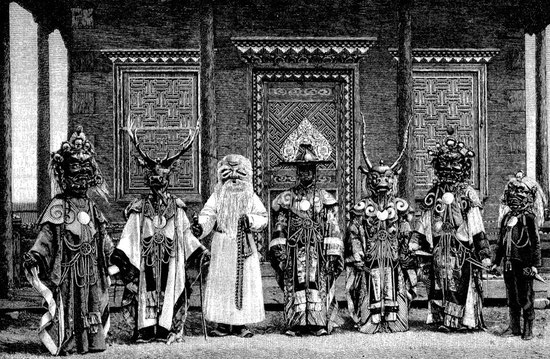

The story of the author: "Wie drei Deutsche eine ganze Zivilisation entdeckten" (DE only)
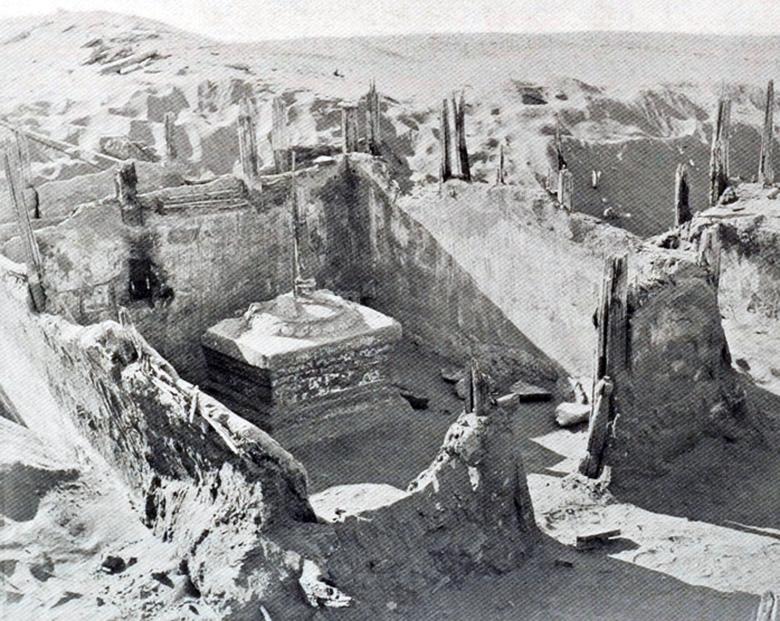
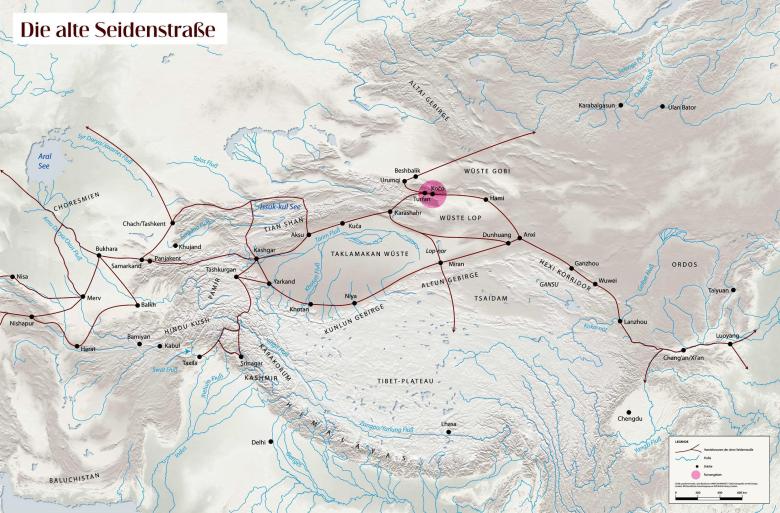

Art from Gaochang (Xinjiang, China), published by Albert von Le Coq (1860 - 1930) (via)


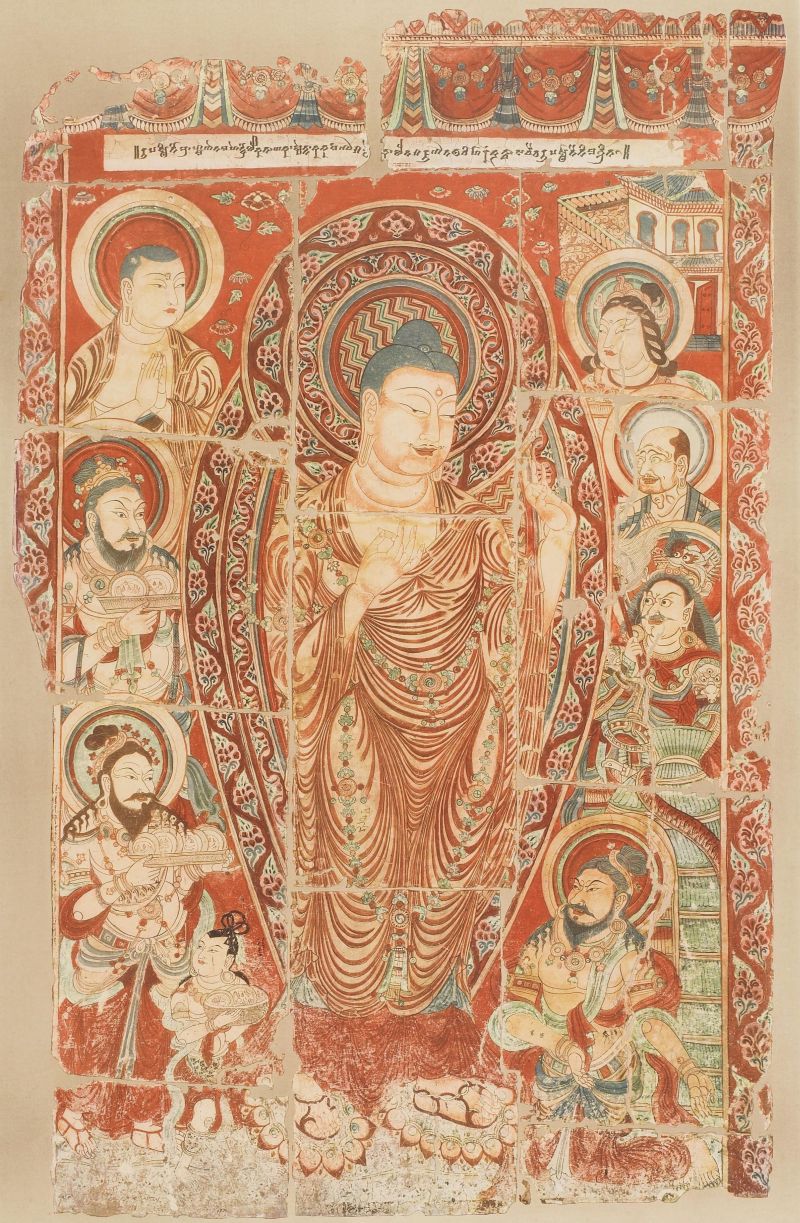
-
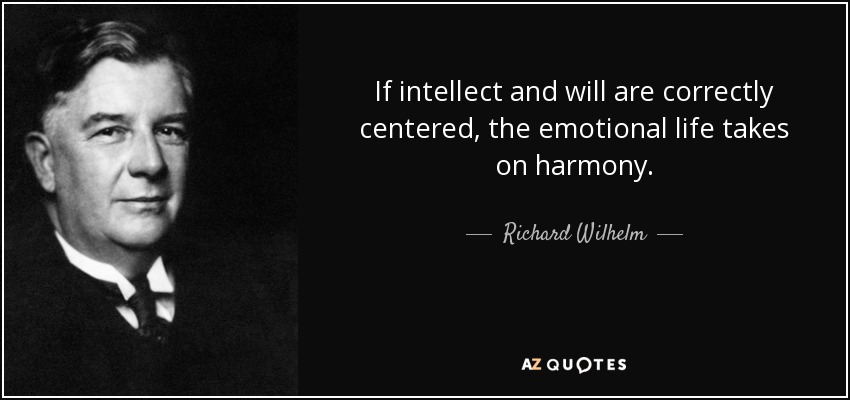
Richard Wilhelm (1873 - 1930) was a German sinologist, theologian, and missionary. He lived in China for 25 years. He is best remembered for his translations of philosophical works from Chinese into German, including the I Ching and The Secret of the Golden Flower (PDF)


-
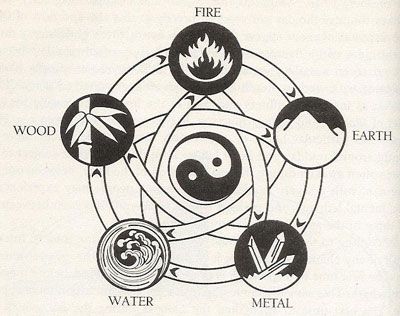
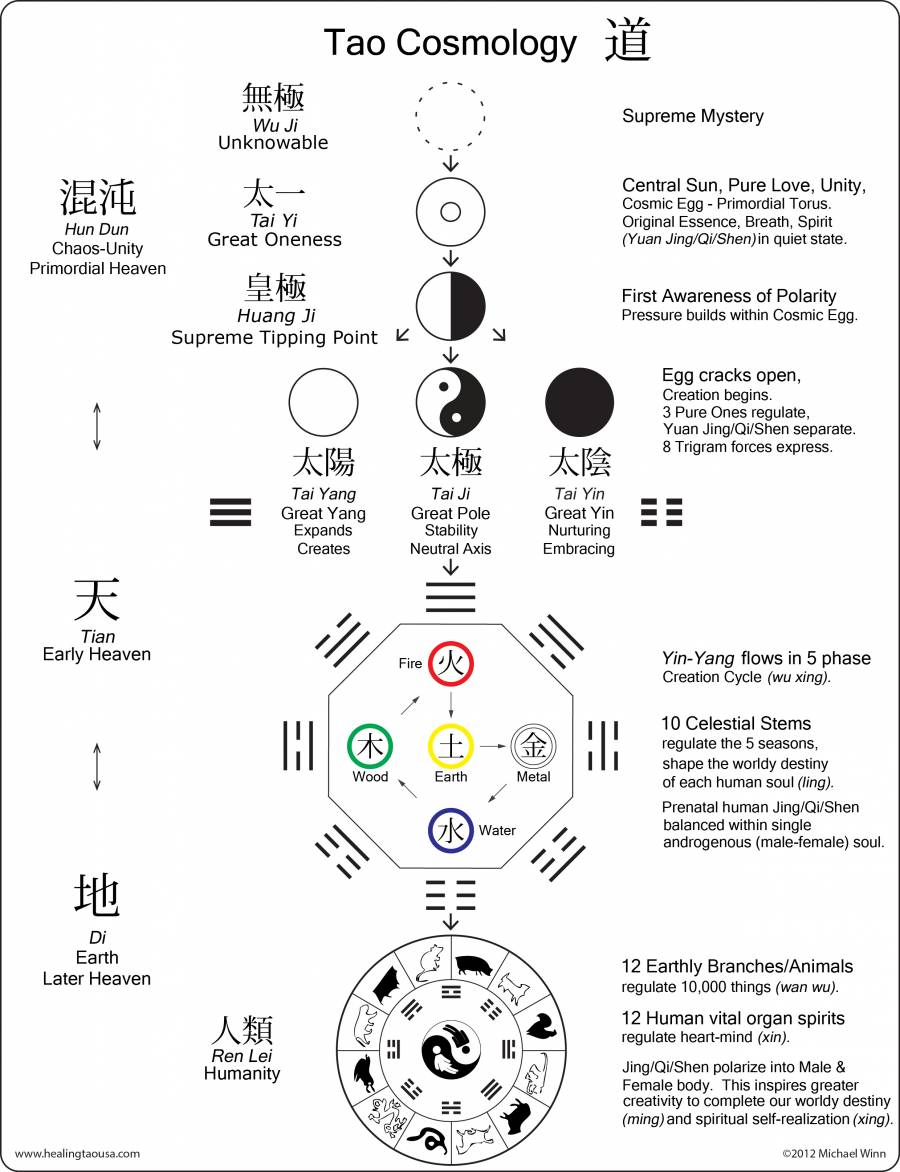
"According to Wuxing (五行) theory, the structure of the cosmos mirrors the five phases. Each phase has a complex series of associations with different aspects of nature. In the ancient Chinese form of geomancy, known as Feng Shui, practitioners all based their art and system on wuxing. All of these phases are represented within the trigrams. Associated with these phases are colors, seasons & shapes; all of which are interacting with each other." - Wikipedia
Book (PDF): Fengshui in China: Geomantic Divination between state Orthodoxy & Popular Religion (2011) - by Ole Bruun (Professor Social Sciences & Business & Prof Global Political Sociology at University of Roskilde)

Book Cover: "Fengshui in China" "For well over a century, Chinese fengshui, or "geomancy," has interested Western laymen and scholars. Today, hundreds of popular manuals claim to use its principles in their advice on how people can increase their wealth, happiness, longevity, and so on. This study is quite different, approaching fengshui from an academic angle. The focus is on its significance in China, but the recent history of its reinterpretation in the West is also depicted. The author argues that fengshui serves as an alternative tradition of cosmological knowledge, which is used to explain a range of everyday occurrences in rural areas, such as disease, mental disorders, accidents, and common mischief. The study includes a historical account of fengshui over the last 150 years augmented by the results of anthropological fieldwork on contemporary practices in two Chinese rural areas."
-
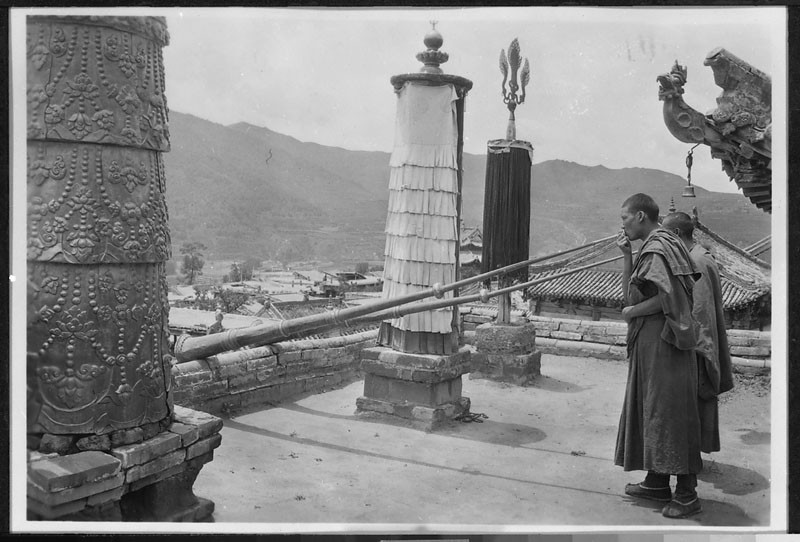
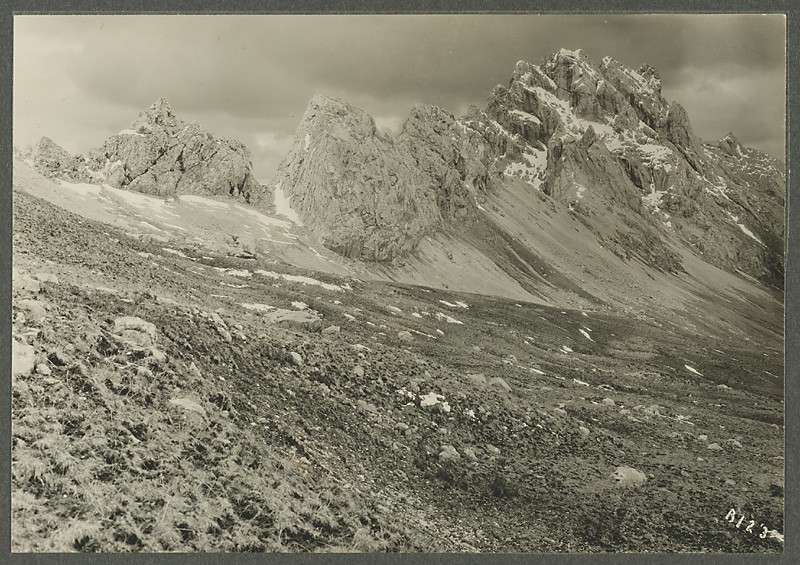
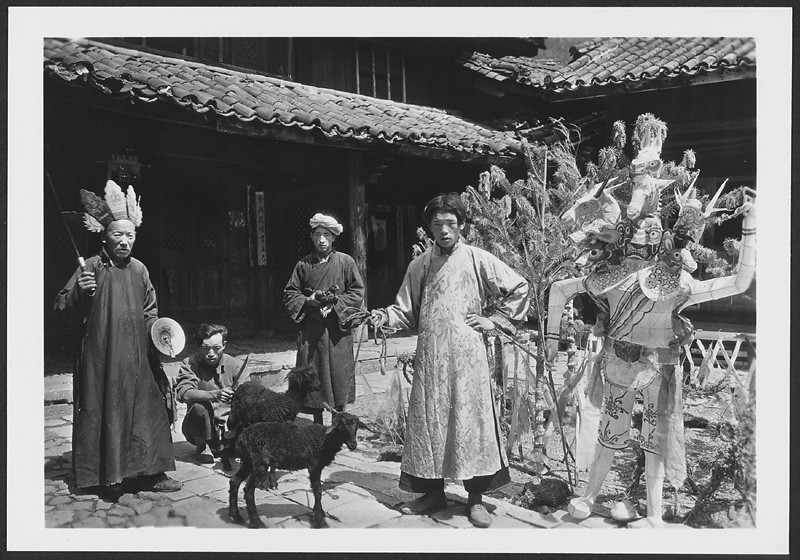
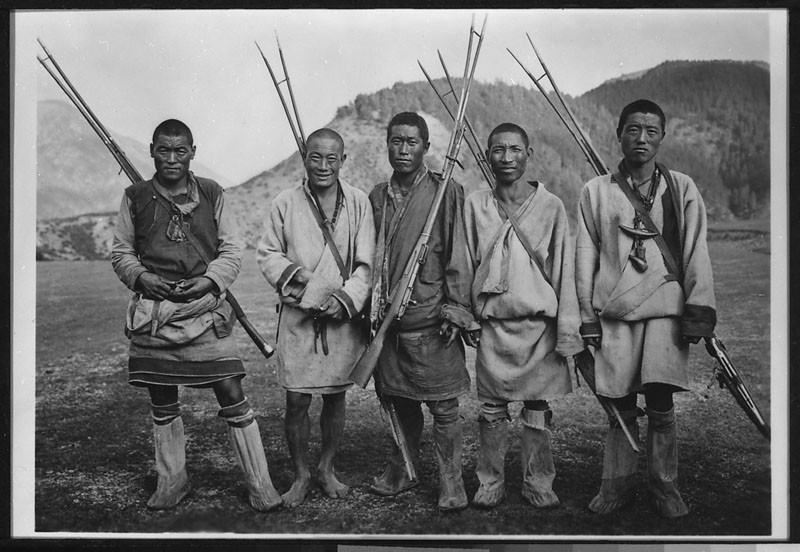
Joseph Rock: Travels Through China
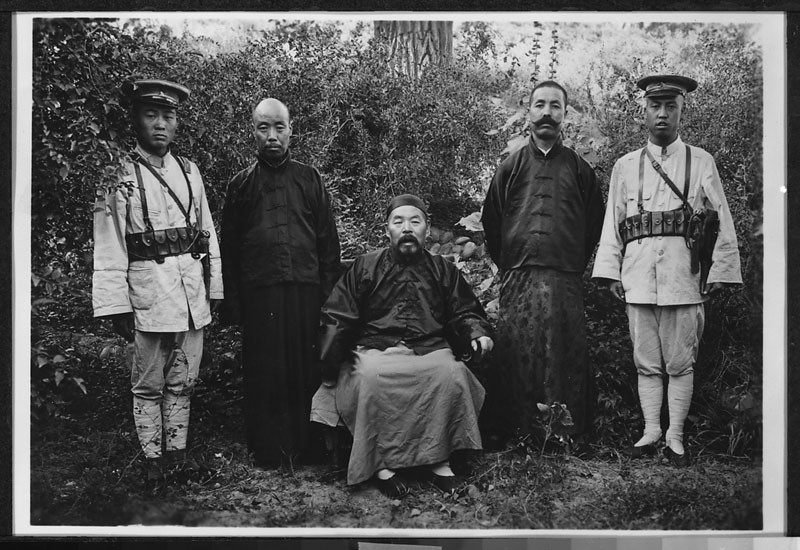
Joseph Francis Charles Rock (1884 – 1962) was an Austrian-American explorer, botanist, and anthropologist. For more than 25 years, he travelled extensively through Tibet and Yunnan, Gansu, and Szechuan provinces in China before finally leaving in 1949. This is a visual excerpt of some of the works of Joseph Rock.