tag > Space
-
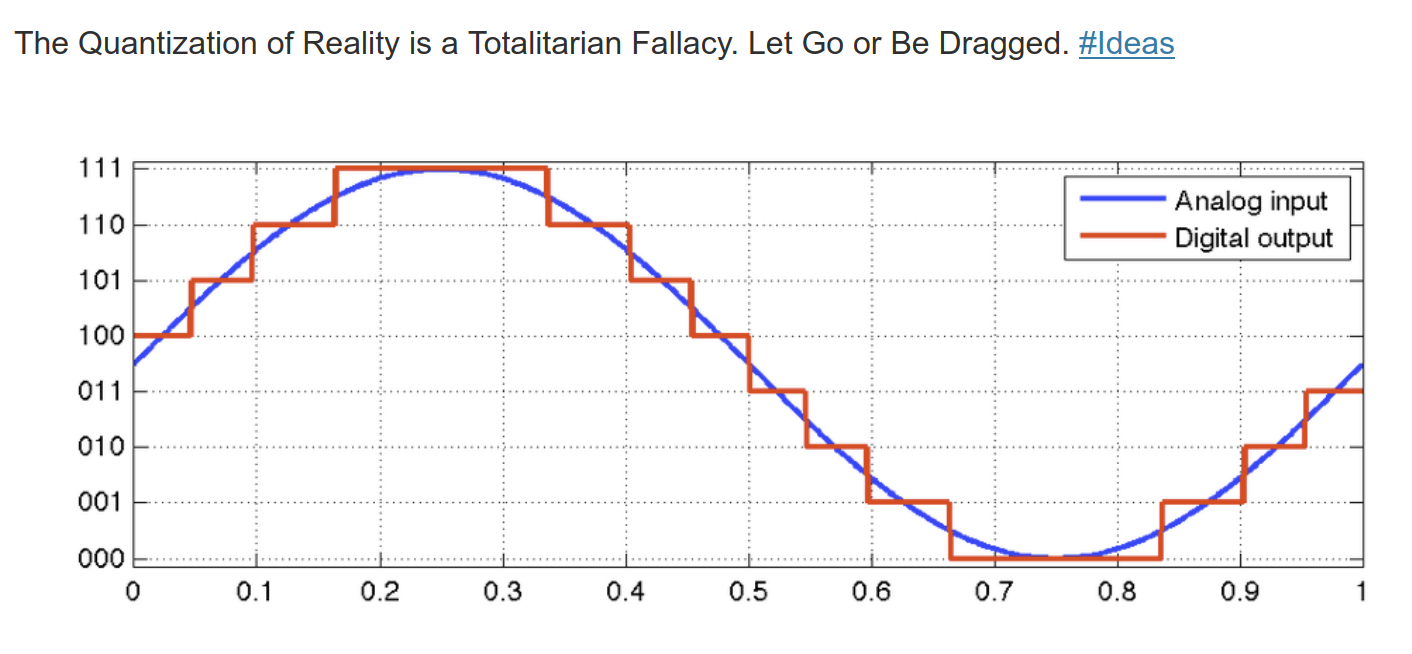
Is Space-Time Quantized Or Analog? (space.com)
"What are the implications if 'space-time' (as conceived of in the Einstein Theory of General Relativity) is quantized like all other aspects of matter and energy?" Space.com reports of a new study that tried to find out.
-
Satellites Are Helping to Track Food Supplies in Coronavirus Era (Bloomberg)
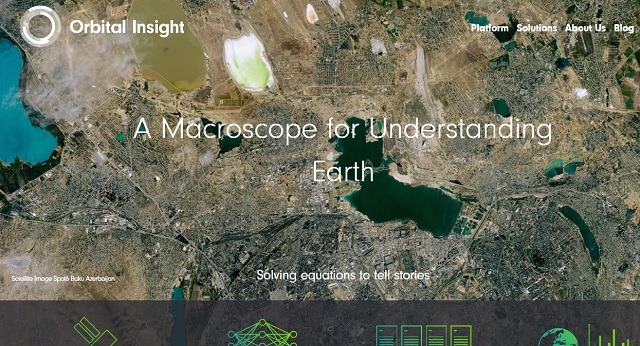
As the coronavirus pandemic leads to anxiety over the strength of the world’s food supply chains, everyone from governments to banks are turning to the skies for help. Orbital Insight, a California-based Big Data company that uses satellites, drones, balloons and cell phone geolocation data to track what’s happening on Earth, has seen inquiries about monitoring food supplies double in the past two months, according to James Crawford, founder and chief executive officer of the company.
-
NASA contemplates turning a moon crater into a giant, powerful telescope (CNet)
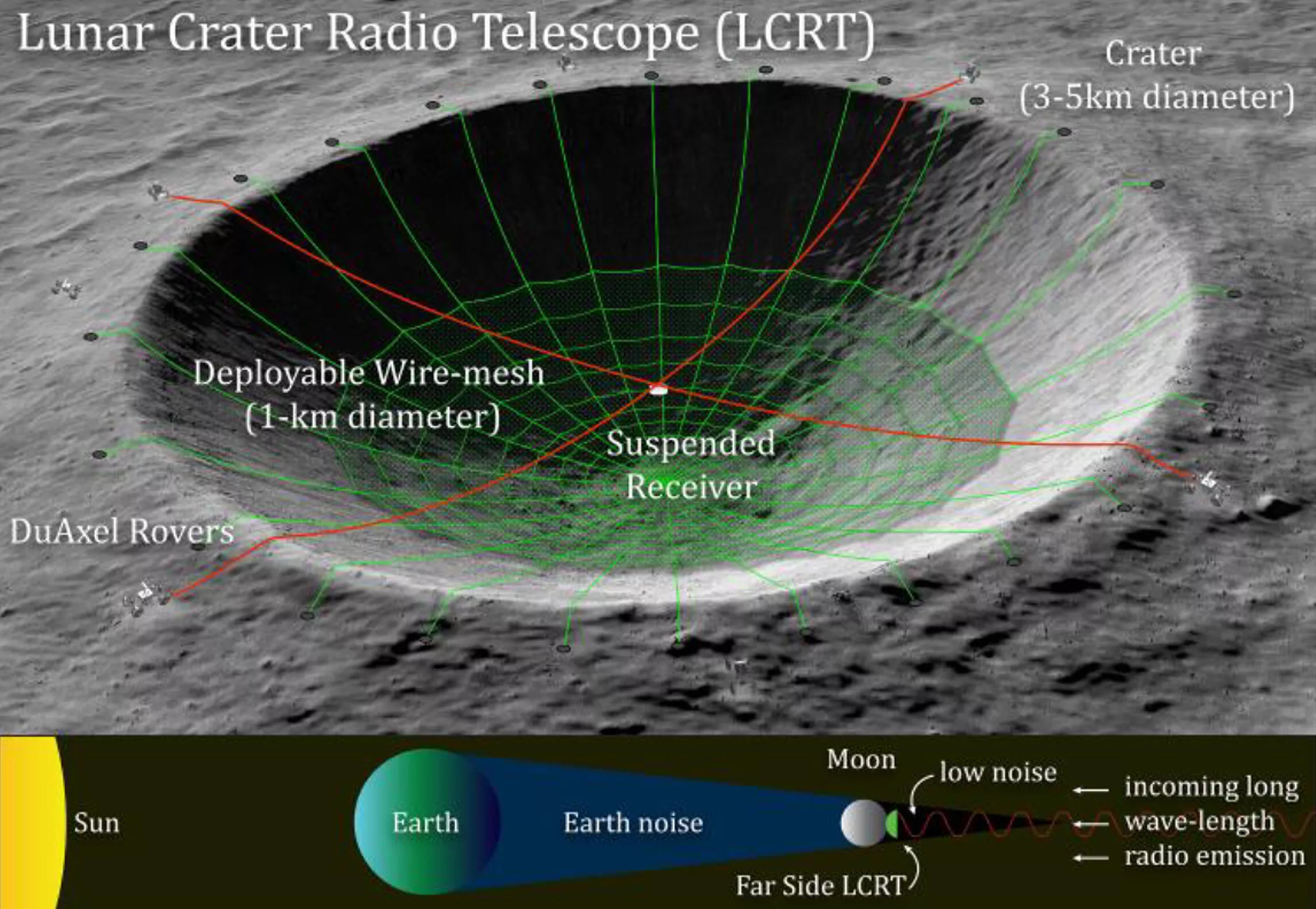
NASA has selected a lunar-crater radio telescope idea to receive funding through its NASA Innovative Advanced Concepts (NIAC) program, the agency announced on Tuesday. The Phase I award goes to projects in very early stages of development. Saptarshi Bandyopadhyay, a robotics technologist at NASA's Jet Propulsion Laboratory, is the mind behind the moon dream. Making it happen would require sending robots to the far side of the moon and using the machines to deploy a wire mesh over a crater.
-
Air Force, SpaceX to test Starlink capabilities in upcoming live-fire demonstration (AirforceTimes)

The Air Force will test SpaceX-developed technology in an upcoming demonstration that will reportedly include a live-fire exercise targeting drones and cruise missiles, the latest test of experimental technologies. The April 8 event, the next iteration of the military’s Advanced Battle Management System exercises, takes place at Marine Corps Air Station Yuma, Arizona; White Sands Missile Range, New Mexico; and Eglin Air Force Base, Florida, Defense Daily reported.
Why SpaceX is Making Starlink - Video by Real Engineering
-
Trump signs executive order to support moon mining, tap asteroid resources (Space.com)
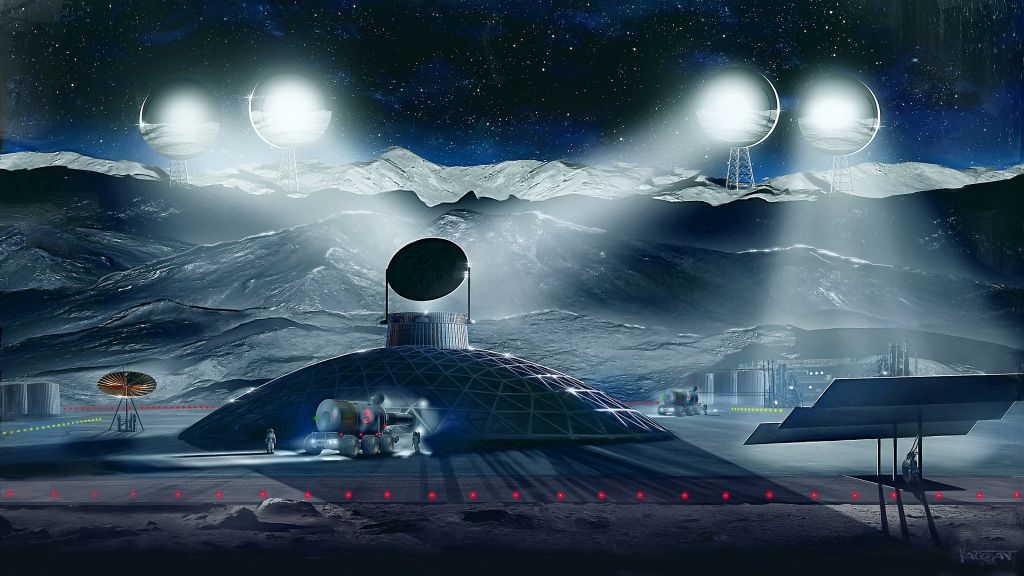
The new executive order makes things even more official, stressing that the United States does not view space as a "global commons" and sees a clear path to off-Earth mining, without the need for further international treaty-level agreements.
-
The War of the Worlds - 1938 radio drama by Orson Welles

"The War of the Worlds" is an episode of the American radio drama anthology series directed and narrated by actor and future filmmaker Orson Welles as an adaptation of H. G. Wells's novel The War of the Worlds (1898).The episode became famous for causing panic among its listening audience.
-
In Exactly A Year Our Knowledge Of The Cosmos Will Change Forever. This Is The $10 Billion Reason (Forbes)
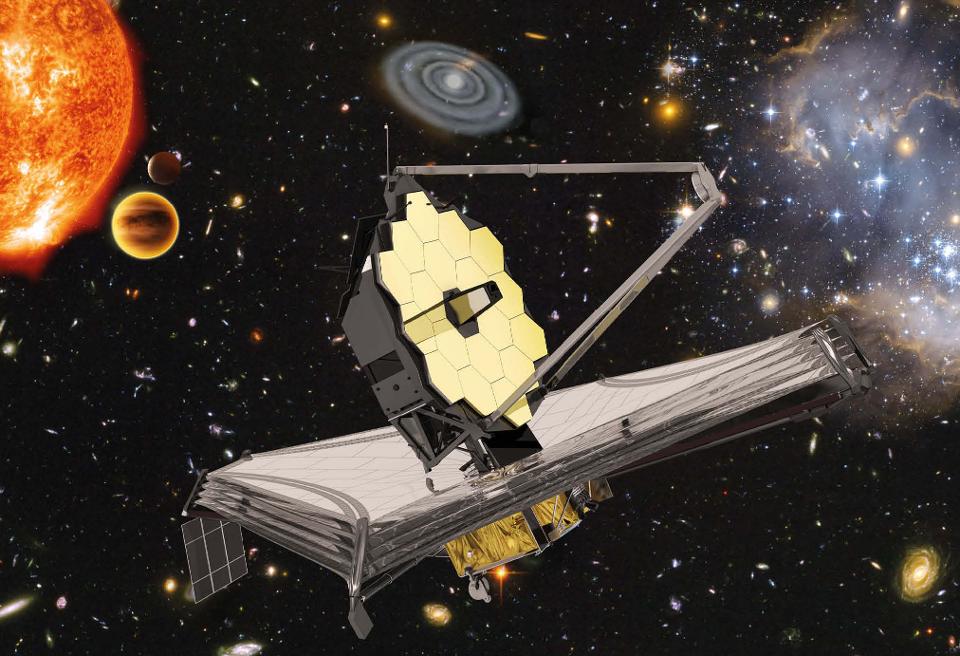
In precisely one year—on Tuesday, March 30, 2021—the almost US$10 billion James Webb Space Telescope (JWST or “Webb” for short) will launch on a European Ariane 5 rocket from the Guiana Space Centre to the northwest of Kourou in French Guiana. The successor to the Hubble Space Telescope, “Webb” will study the solar system, directly image exoplanets, photograph the first galaxies, and explore the mysteries of the origins of the Universe.
-
Subsurface Mercury: Window to ancient, possibly habitable, volatile-rich materials (phys.org)
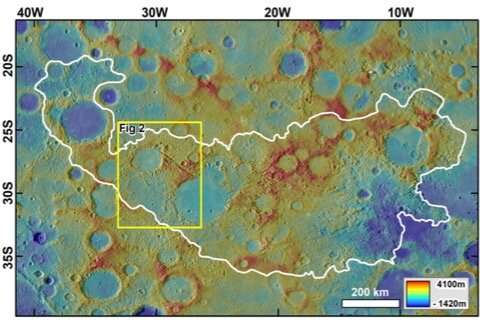
New research raises the possibility that some parts of Mercury's subsurface, and those of similar planets in the galaxy, once could have been capable of fostering prebiotic chemistry, and perhaps even simple life forms, according to a paper by a team led by Planetary Science Institute Research Scientist Alexis Rodriguez.
-
Venezuela’s flagship communications satellite out of service and tumbling (SpaceNews)
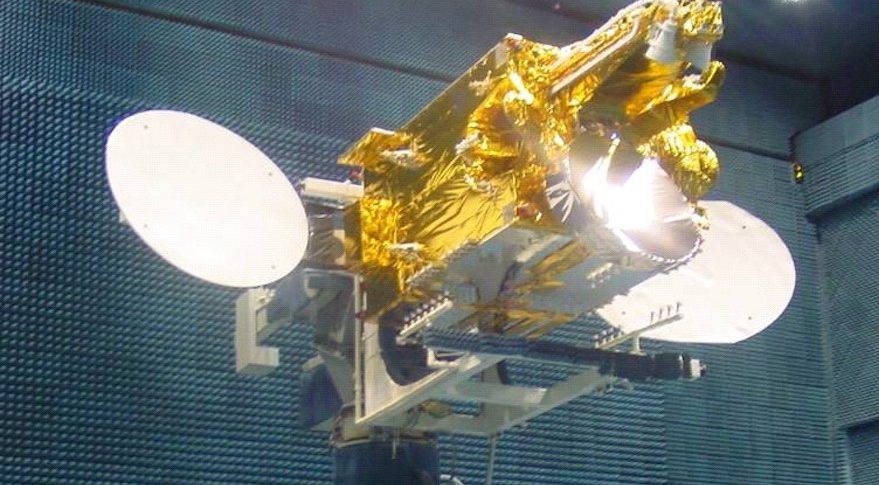
Venezuela’s first and only state-owned communications satellite has been out of service since March 13 when a series of maneuvers left it tumbling in an unusable orbit. The VeneSat-1 satellite, built by China Great Wall Industry Corp. and launched in late 2008 on a 15-year mission to provide television and broadband services to Venezuela, has been stuck for 10 days in an elliptical orbit above the geostationary arc, according to telescopic observations from two U.S. companies that track satellites.
-
SNAP-10A - Nuclear Powered Satellite
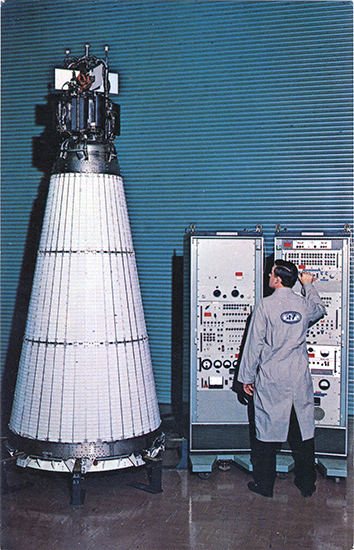
SNAP-10A (Systems for Nuclear, Auxiliary Power, aka Snapshot for Space Nuclear Auxiliary Power Shot, also known as OPS 4682, COSPAR 1965-027A) was a US experimental nuclear powered satellite launched into space in 1965 as part of the SNAPSHOT program. The test marked the world's first operation of a nuclear reactor in orbit, and also the first operation of an ion thruster system in orbit. It is the only fission reactor power system launched into space by the United States. The reactor stopped working after just 43 days due to a non-nuclear electrical component failure. The Systems Nuclear Auxiliary Power Program (SNAP) reactor was specifically developed for satellite use in the 1950s and early 1960s under the supervision of the U.S. Atomic Energy Commission. As of 2010, more than 30 small fission power system nuclear reactors have been sent into space in Soviet RORSAT satellites.
-
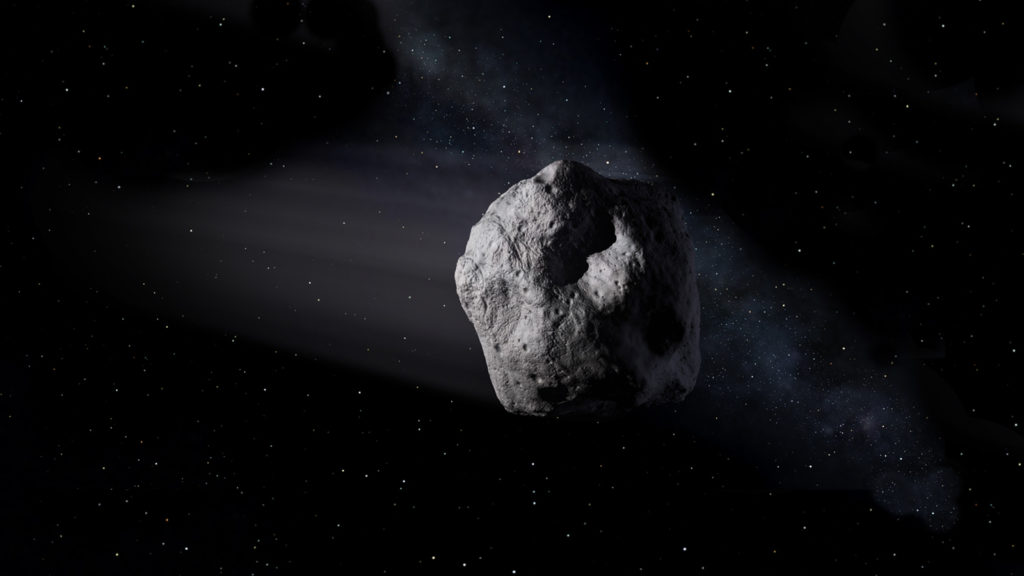
NASA reports asteroid to pass close to Earth tomorrow, might ‘airburst’ (zmescience)
An asteroid currently being tracked by NASA’s Center for Near-Earth Object Studies (CENOS), known as 2020 EF, will pass close enough to the planet to potentially ’cause an airburst’. However, the agency explains that we’re safe either way — the asteroid is too small to survive contact with Earth’s atmosphere.
At Long Last, NASA's Probe Finally Digs in On Mars (popsci.com)
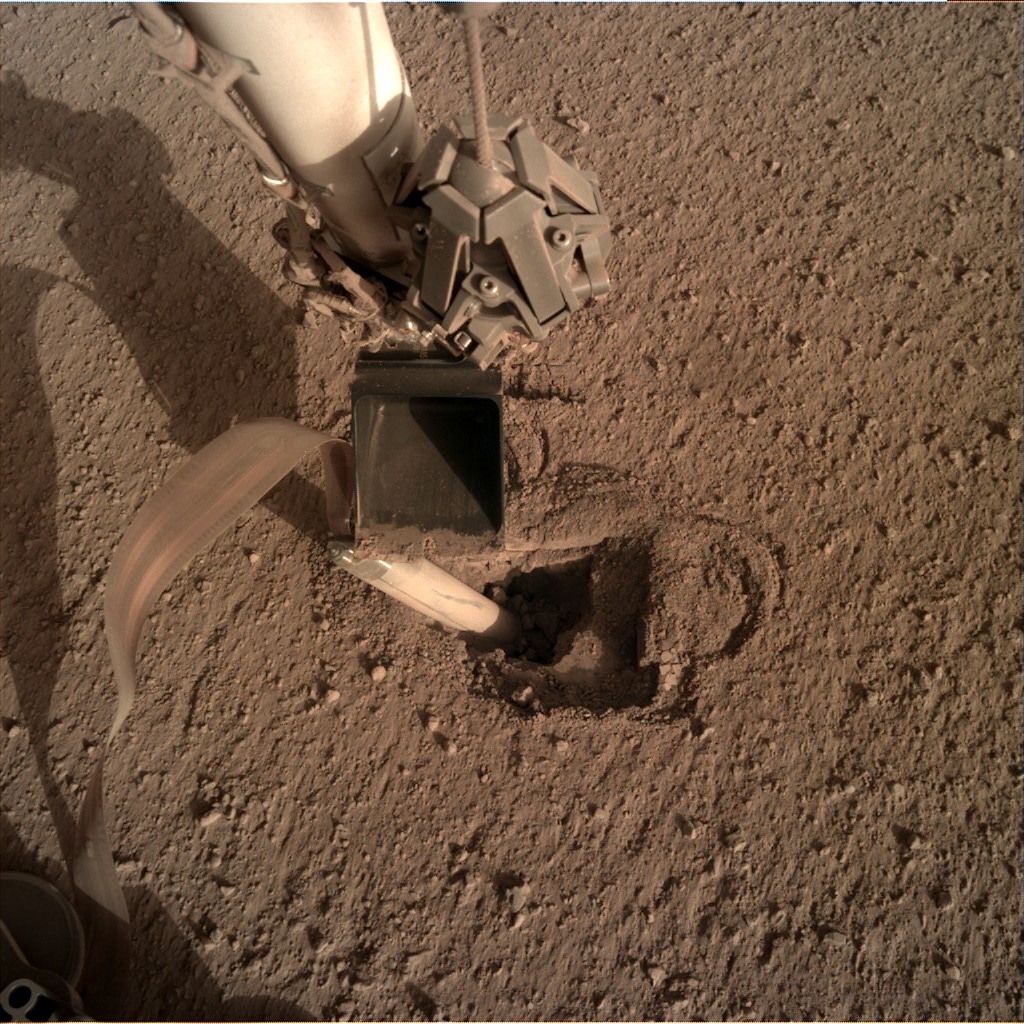
Every day, the InSight lander’s suite of instruments sends back data proving that the Red Planet isn’t really dead. Marsquakes rumble the seismometer. Swirling vortices register on onboard pressure sensor. And temperature sensors help track the weather and changing of the seasons. Despite the lander’s successes, however, one gauge has met with resistance from the Martian environment while trying to carry out its mission. Something has stopped InSight’s 15-inch digging probe, dubbed “the mole” for its burrowing prowess. Instead of diving deep into the Martian sand where it could take the planet’s temperature, it’s been stuck half-buried. An intercontinental team of MacGyvers has spent a year devising successively daring plans to get the mole digging again, but still it flounders on the surface. Now their final gambit—directly pushing the mole into the soil—has shown tentative signs of success, NASA announced Friday on Twitter.
-
Niacin - a form of vitamin B3
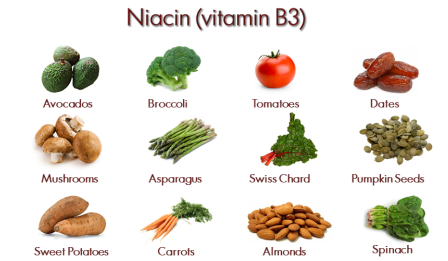
Niacin, also known as nicotinic acid, is an organic compound and a form of vitamin B3, an essential human nutrient. It has the formula C
6H
5NO
2 and belongs to the group of the pyridinecarboxylic acid. In 2014, concurring with earlier work in 2001 by Arizona State University, researchers from Pennsylvania State University working with NASA found niacin, pyridine carboxylic acids and pyridine dicarboxylic acids inside meteorites.
-
Coronavirus: nitrogen dioxide emissions drop over Italy (ESA)
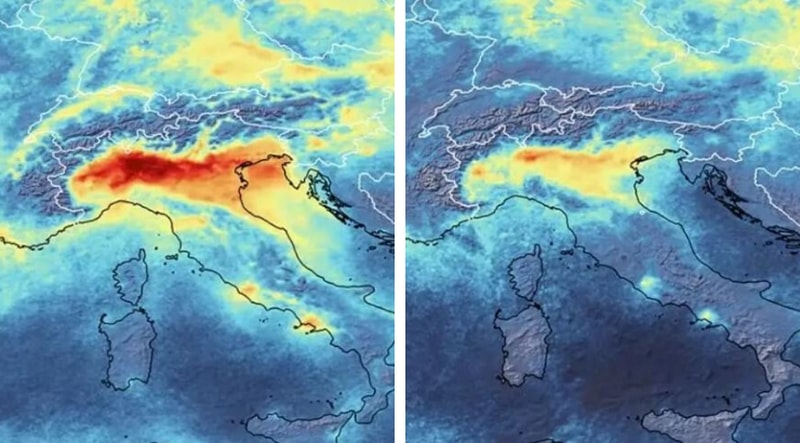
New data from the Copernicus Sentinel-5P satellite reveal the decline of air pollution, specifically nitrogen dioxide emissions, over Italy. This reduction is particularly visible in northern Italy which coincides with its nationwide lockdown to prevent the spread of the coronavirus.
-
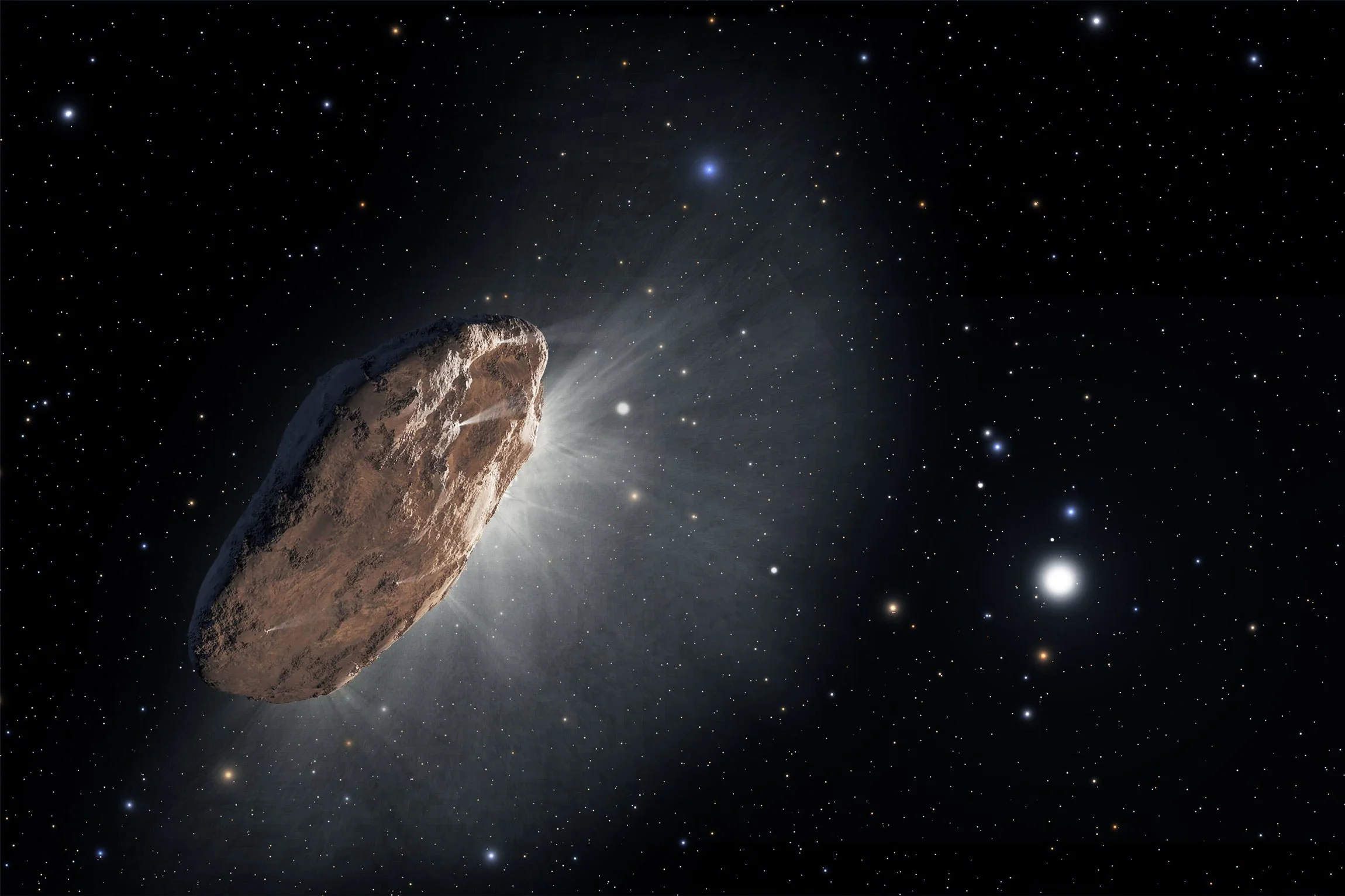
Oumuamua is the first known interstellar object detected passing through the Solar System.
- Interstellar object may have been alien probe, Harvard paper argues, but experts are skeptical (CNN)
- Proposed Mission Would Explore Interstellar Object ‘Oumuamua (futurism)
- Should Earthlings Chase ‘Oumuamua Into Interstellar Space? (Wired)
- Could Alien Life Travel on Interstellar Asteroids and Comets like 'Oumuamua? (Discover)
- Could solar radiation pressure explain ‘oumuamua’s peculiar acceleration? (arxiv)
-
International Space Station Camera Captures Cone-Shaped UFO Escaping Earth (ibtimes)
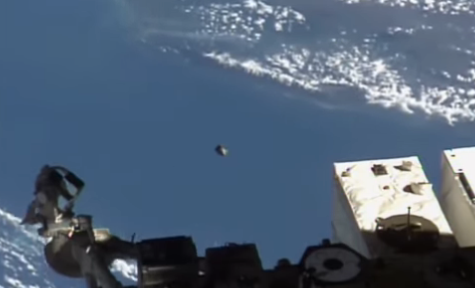
A UFO expert reported that a UFO leaving Earth was captured by one of the cameras mounted on the International Space Station (ISS). The expert claimed that the UFO’s departure might be related to the spread of COVID-19 on Earth. The UFO sighting was made by Scott Waring of ET Data Base. He came across the video while viewing the live feed from the ISS.
NASA recorded a giant "thing" infront of the sun (NASA)
Stereo A, NASA camera which films the sun, captured a circular UFO (right side of screen). The unidentified object appears to shoot or eject something? Left side of screen is Mercury and Venus. Official explanation is: "PLASTIC suffered a high voltage anomaly on December 5. The instrument is in the process of being recovered to full operating mode, which is expected to take several days. Until this process is completed, PLASTIC data should be considered as untrustworthy. "
Space Force Just Received Its First New Offensive Weapon (The Drive)
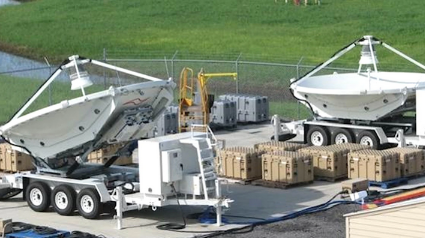
U.S. Space Force has begun operating a new offensive weapon system, an upgraded version of a ground-based satellite communications jamming system, for the first time in its short history. The first iteration of the Counter Communications System entered U.S. Air Force service in 2004 and the program has now gotten transferred to the newest branch of the American military.
-
Proxima b: Exoplanet closest to Earth, probably life-friendly
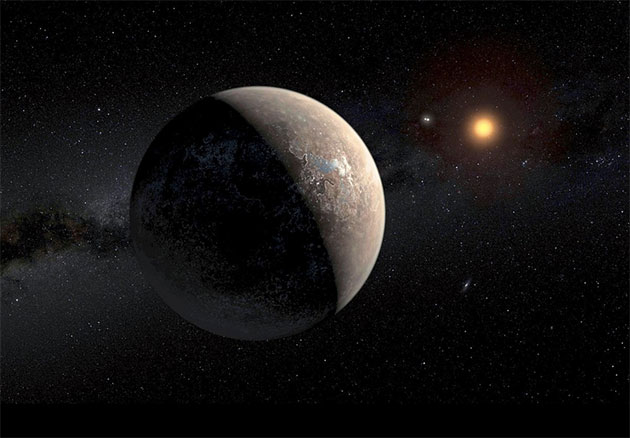
In 2016 astronomers discovered an earth-sized rock planet around the nearest neighbour of our sun, Proxima Centauri, which orbits its star within its life-friendly zone. Since then, the question of whether “Proxia Centauri b” itself is life-friendly or not has been the subject of scientific controversy. A new study confirms again that the planet could be life-friendly despite its active central star.
-
Voyager Golden Record (1977)
The Voyager Golden Records are two phonograph records that were included aboard both Voyager spacecrafts launched in 1977. The records contain sounds and images selected to portray the diversity of life and culture on Earth, and are intended for any intelligent extraterrestrial life form who may find them. They are a sort of time capsule.